 SENJIE Healthy & Technology
SENJIE Healthy & Technology
SENJIE Healthy & Technology
Direct from audited manufacturing facilities. Optimized for microsurgical procedures, tumor resection, and neurovascular dissection.
A comprehensive analysis of metallurgy, manufacturing, clinical application, and global regulatory standards.
In modern neurosurgery, the demands placed upon surgical instruments are absolute. The transition towards minimally invasive neurosurgery (MIN), endoscopic keyhole approaches, and microvascular reconstruction requires instruments that act as seamless extensions of the surgeon's hands. Neurosurgery Instruments Tweezers—often structurally categorized as micro-forceps, dissecting forceps, or bayonet forceps—are at the front line of this technological evolution.
As global surgical workloads shift toward higher precision, the procurement dynamics for medical institutions, B2B wholesalers, and OEM brands have changed. Today, buyers demand direct-to-factory communication, raw material transparency, and absolute regulatory compliance. We stand at this intersection, providing the global healthcare market with medical-grade titanium and surgical-grade stainless steel tweezers optimized for high performance under surgical microscopes.
The selection of materials dictates the mechanical limits, ergonomics, and longevity of a neurosurgical instrument. We utilize premium alloys to balance weight, flexibility, corrosion resistance, and magnetic behavior.
| Material Property | Grade 5 Titanium (Ti-6Al-4V ELI) | Stainless Steel (AISI 316LVM / 420) | Clinical Advantage |
|---|---|---|---|
| Weight Reduction | Approx. 45% lighter than steel | Baseline weight standard | Reduces hand fatigue during long surgeries. |
| Magnetic Behavior | Non-magnetic (Safe in MRI fields) | Slightly magnetic to non-magnetic | Essential for intraoperative MRI (iMRI) procedures. |
| Tensile Strength | Very High (Yield strength >800 MPa) | High (Yield strength >500 MPa) | Maintains micro-tip alignment over thousands of cycles. |
| Corrosion Resistance | Outstanding (forms stable TiO2 layer) | Excellent (passive chromium oxide layer) | Withstands repeated autoclave steam sterilization cycles. |
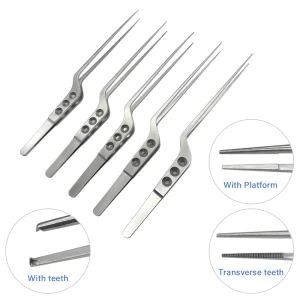
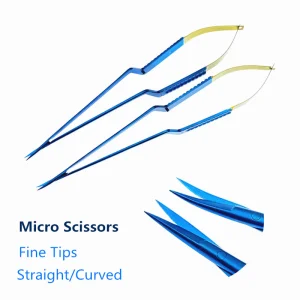
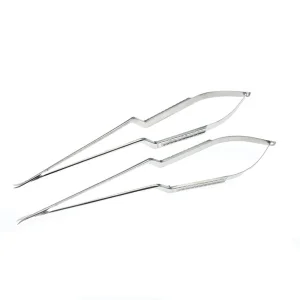
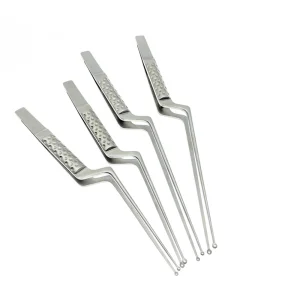
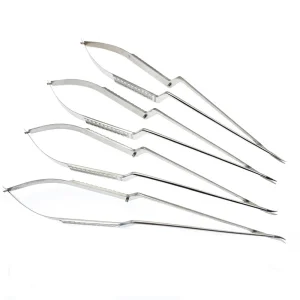
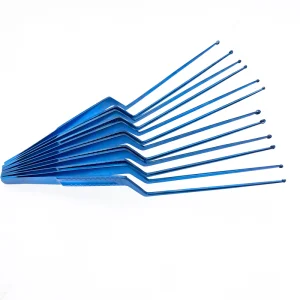
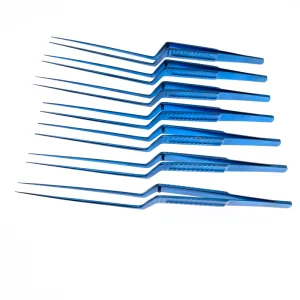
For instance, our Micro Forceps Tumors Teethed Serrated Forceps for Grasping Tissue Titanium Neurosurgery Instruments leverage Titanium's high tensile-to-weight ratio to provide a lightweight chassis with highly rigid tips. Conversely, surgical stainless steel is favored for instruments that require heavy-duty cutting edge retaining capacity, such as our Neuro Micro Scissors With Shark Blade Tip Stainless Steel.
The global market for neurosurgery micro-tweezers is highly segmented, driven by stringent quality expectations in North America (representing 25% of our primary market) and South America (25%), alongside rapidly expanding medical sectors in Southeast Asia (15%). As a trusted manufacturer established on 2019-11-20, we have optimized our supply chain to counter global shipping disruptions, ensuring that distributors, wholesalers, and private brands get continuous, predictable access to inventory.
B2B buyers face challenges with inconsistent batch quality when dealing with middleman traders. By maintaining a direct factory model, we offer transparent raw material traceability and customized manufacturing batches. This ensures that every surgical spatula, tumor grasping forcep, or micro-scissor conforms to the exact same tolerance requirements, batch after batch.
Every raw material batch undergoes chemical spectro-analysis to confirm compliance with medical grade standards before machining starts.
Our team of 3 dedicated QA/QC inspectors conducts random and systematic testing, checking alignment, spring tension, and finish under magnification.
We provide extensive OEM/ODM support, including sample processing, custom CAD graphic design, and custom dimensions tailored to regional surgeon preferences.
A closer look at our operational parameters, exporting footprints, and customization standards.
Different global medical jurisdictions have distinct compliance criteria. In the European Union, CE certification and MDR (Medical Device Regulation) conformity are mandatory. In North America, FDA registration and adherence to ASTM standards for surgical instruments are crucial.
We support our clients through these complex regulatory pathways by providing documentation packages including Certificates of Conformity, Material Analysis Sheets, and Sterilization Protocol Guides. Our team understands that a supplier is not just a manufacturer but a compliance partner. Whether you are a brand distributor or a hospital group, we ensure that the micro-forceps and bone screwdrivers we supply integrate smoothly into your local medical equipment registries.
The next decade in neurosurgical instrumentation will see the rise of intelligent tools. At our factories, we are monitoring and laying down pipelines for the following technological transitions:
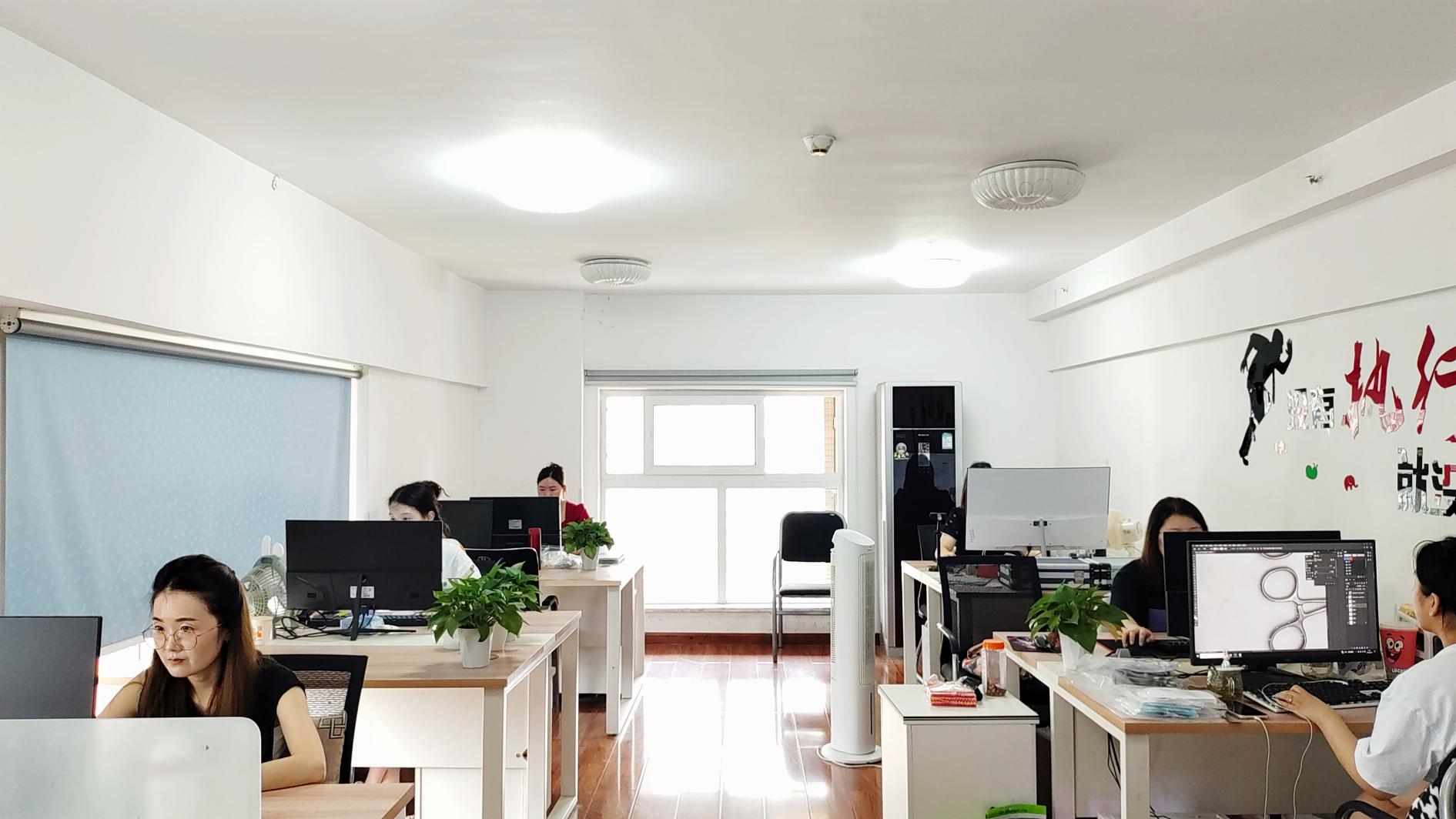
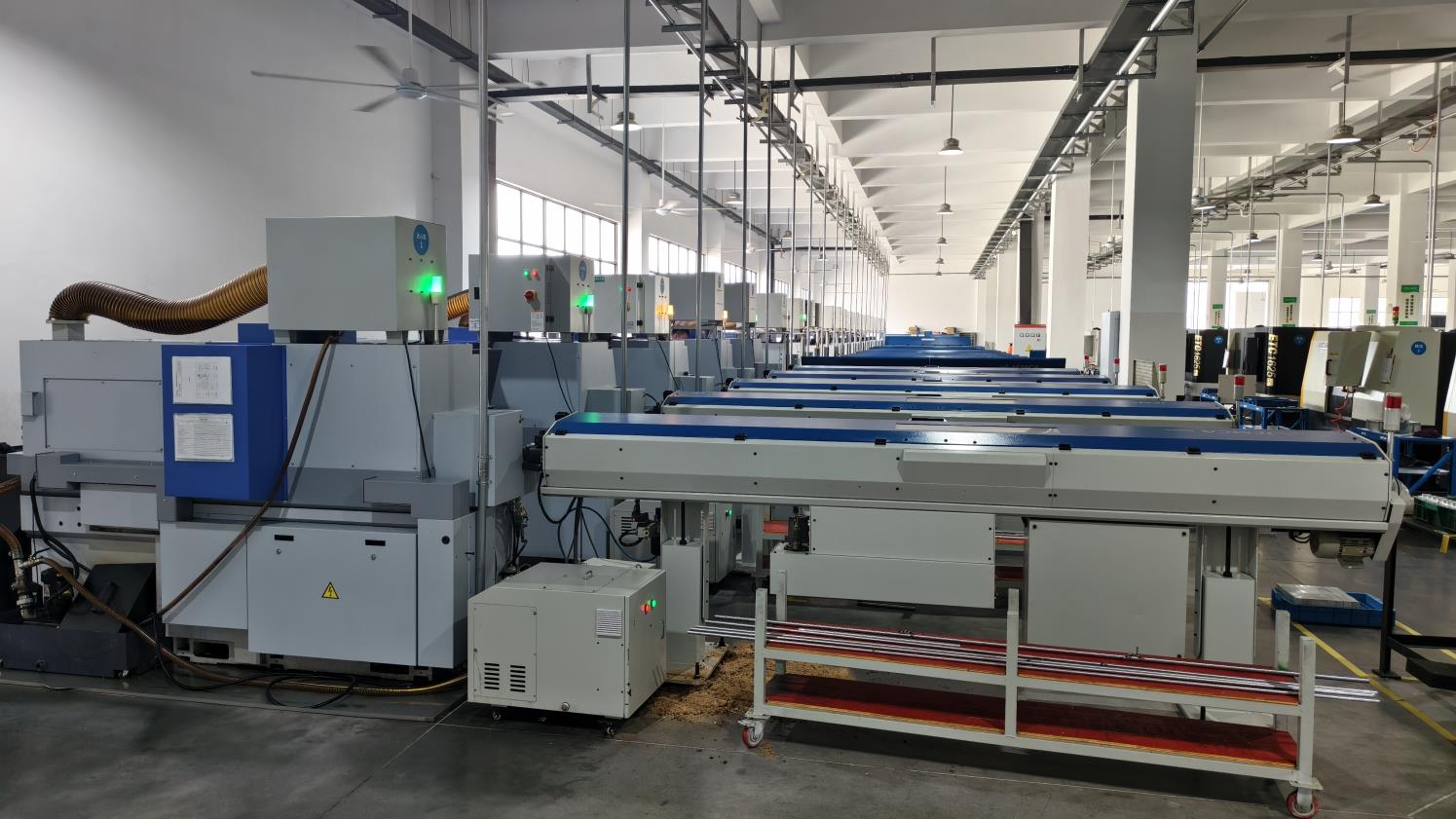
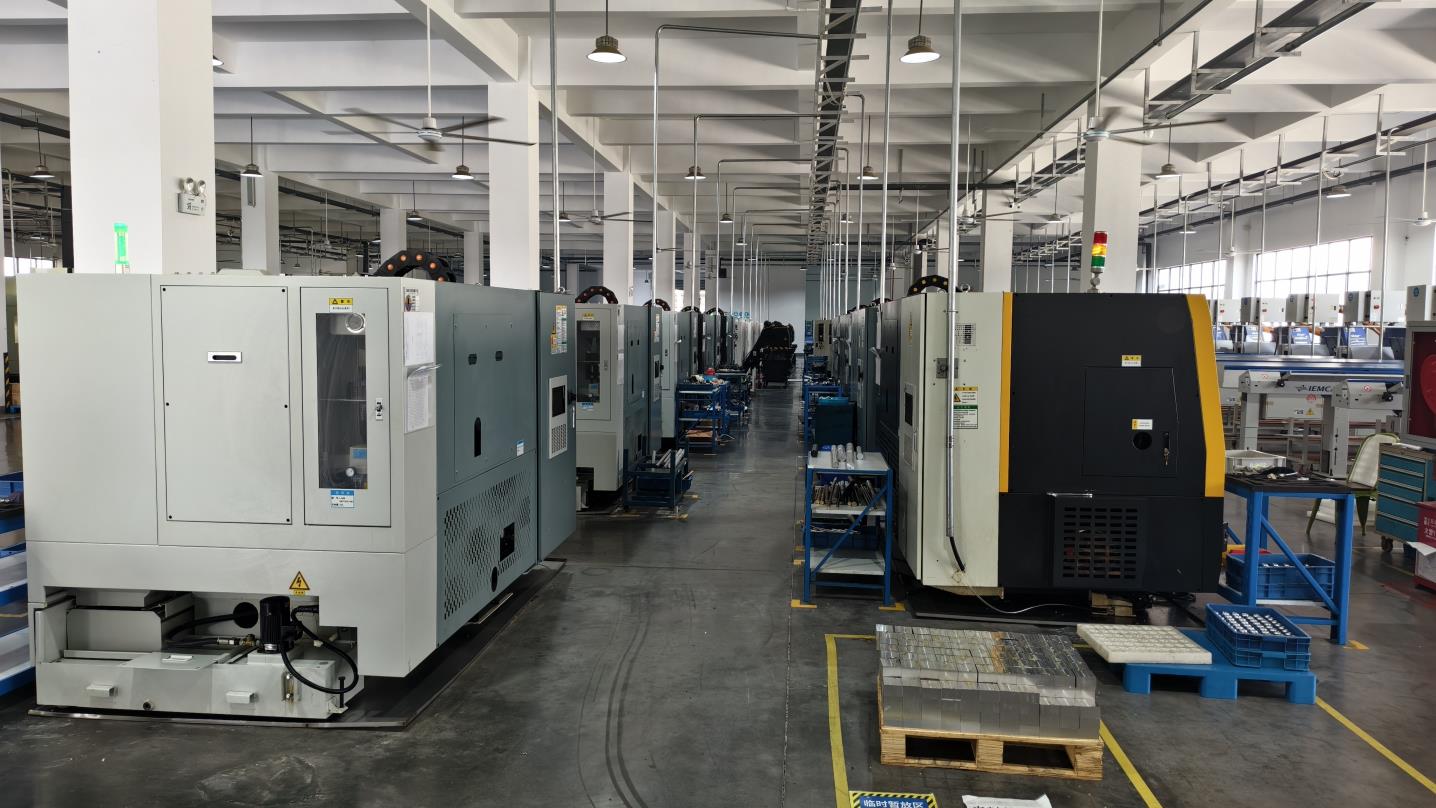
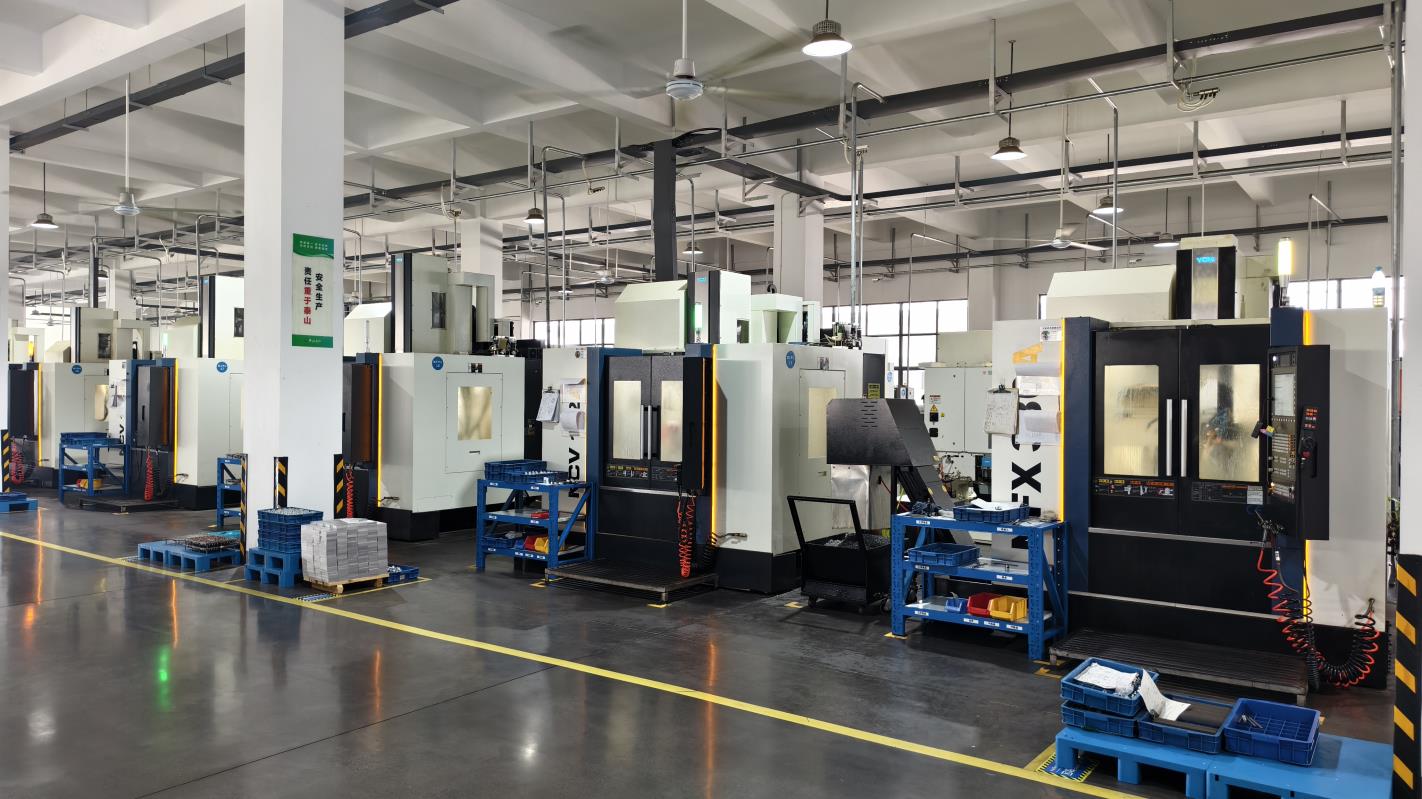
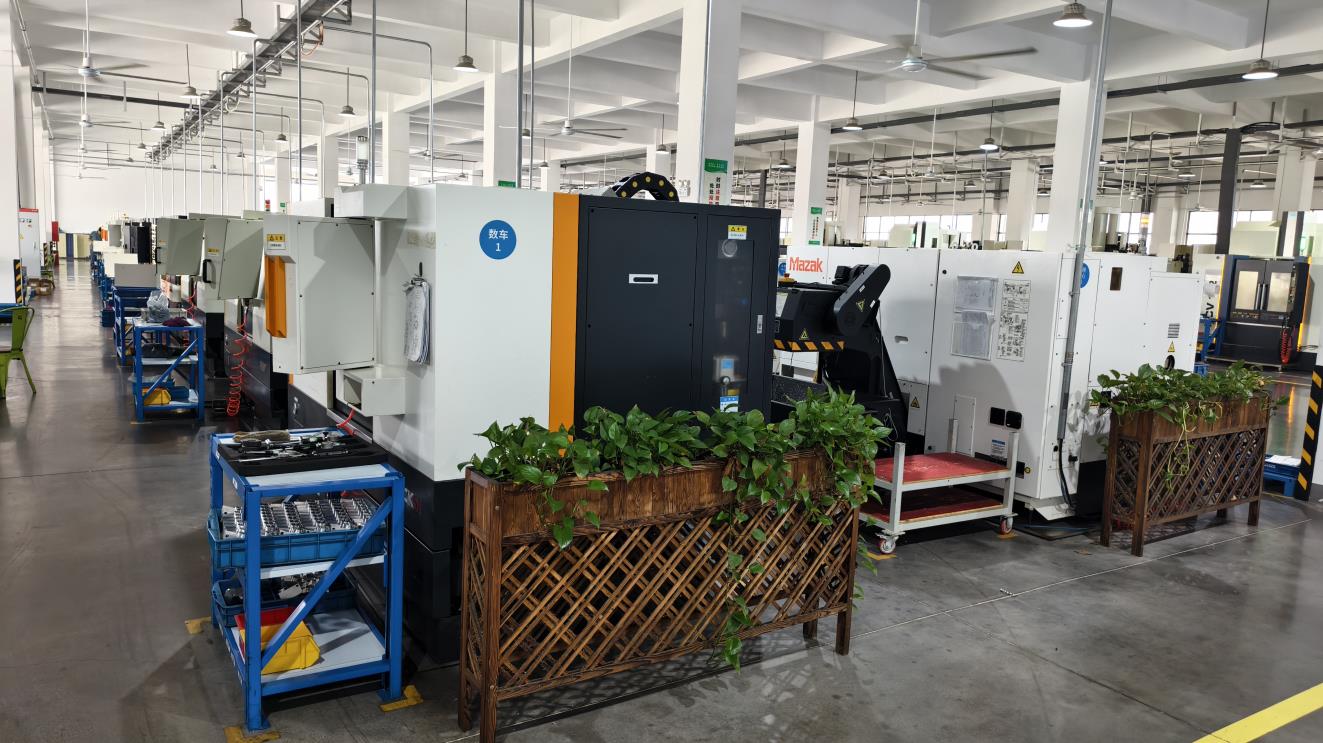
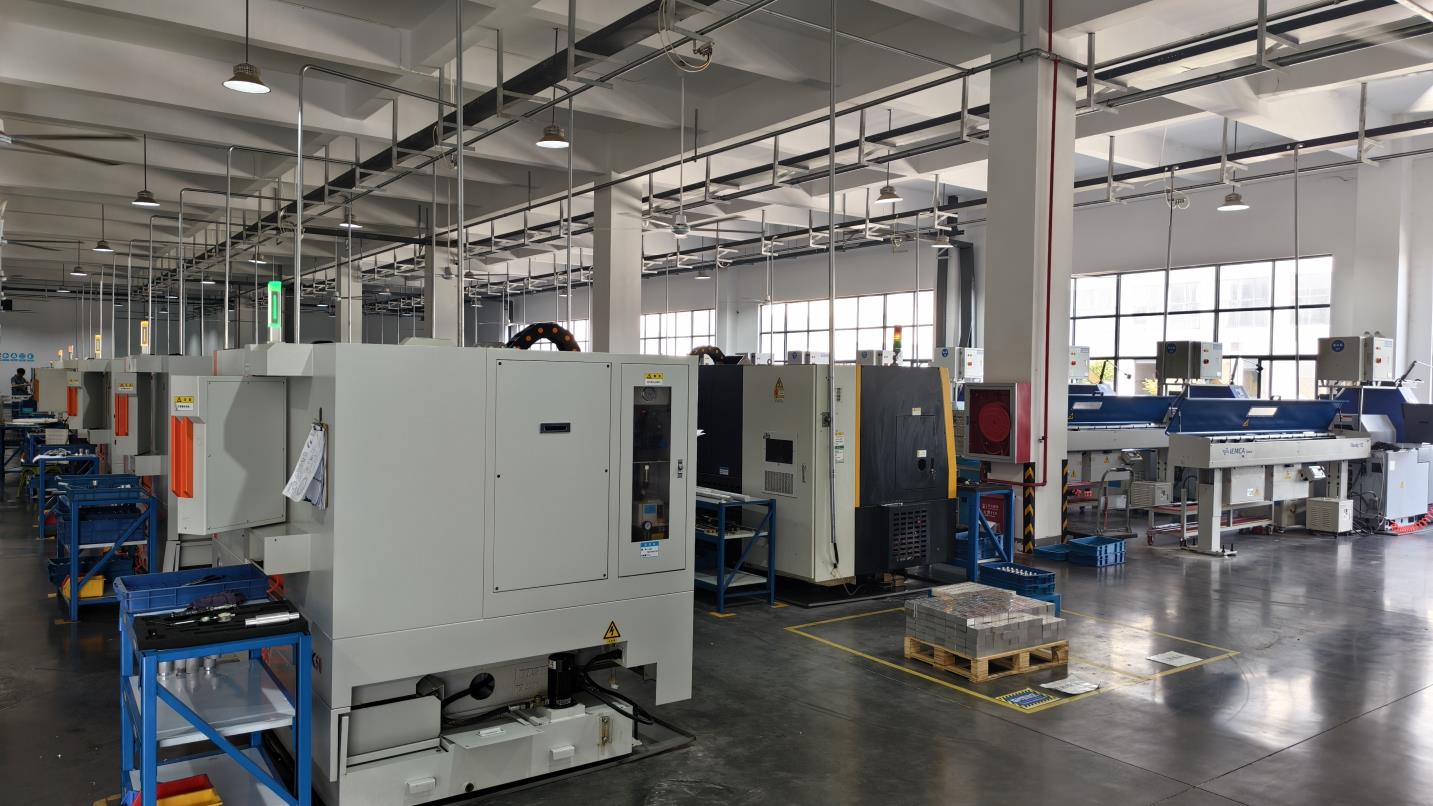
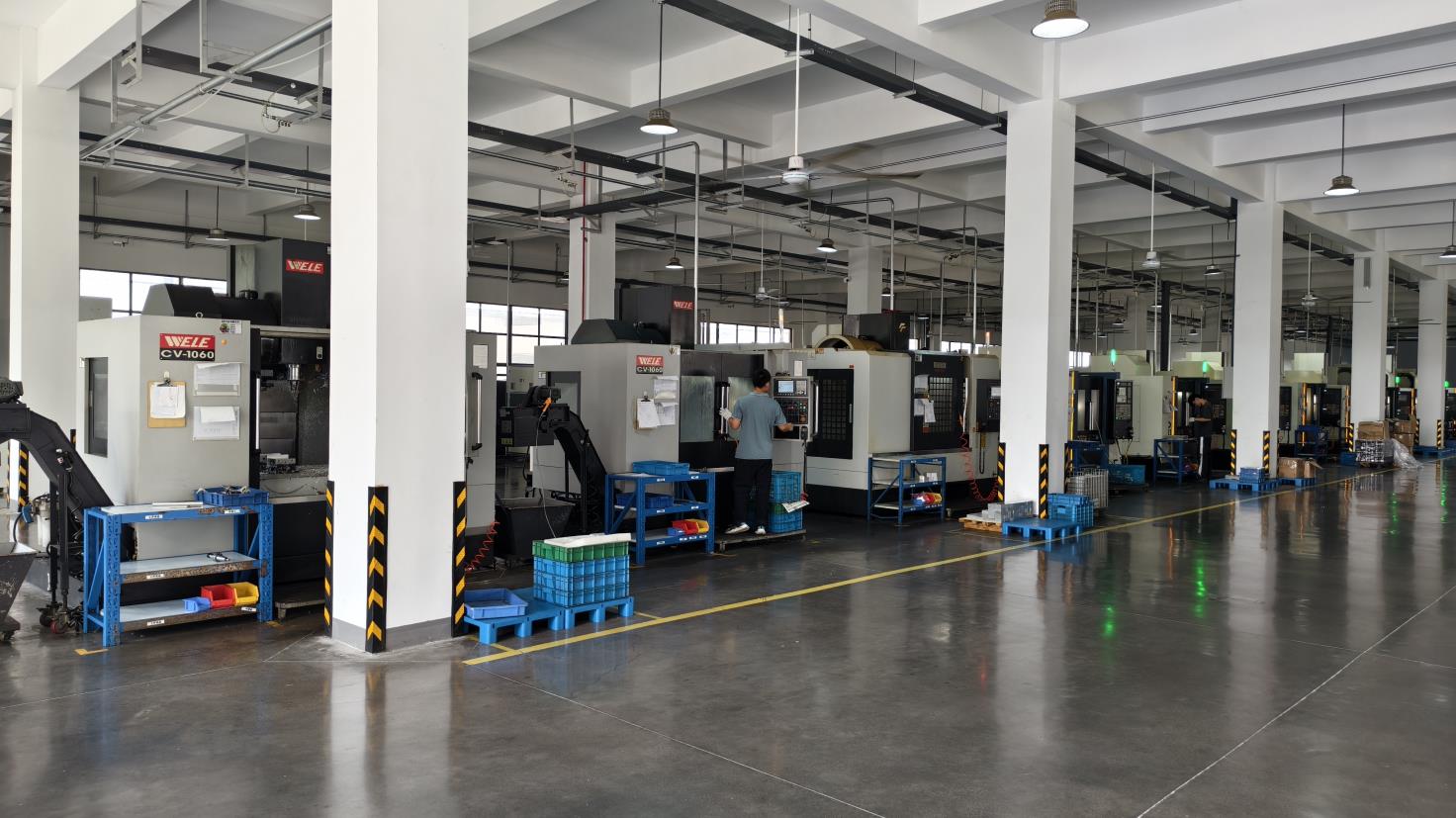
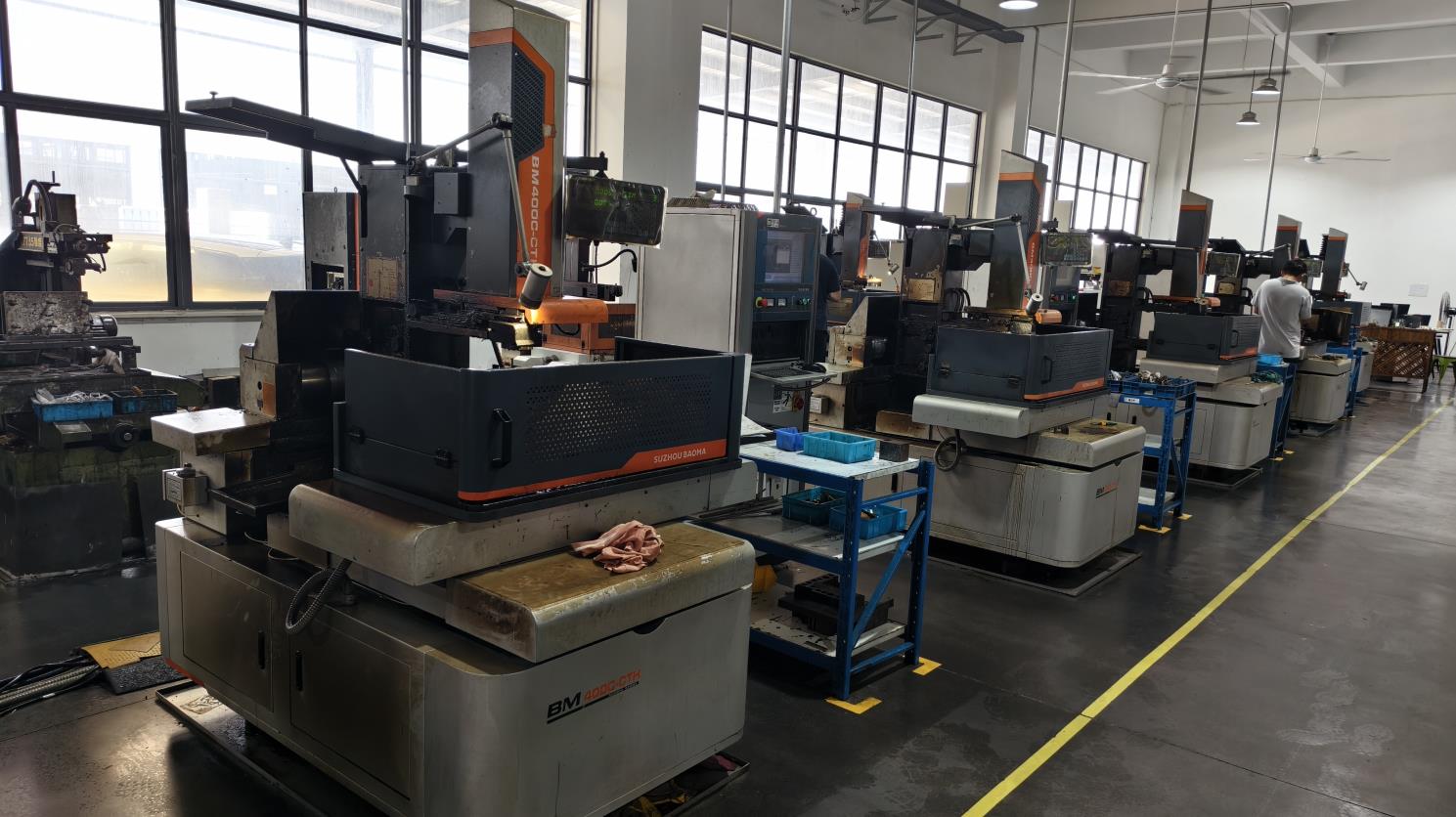
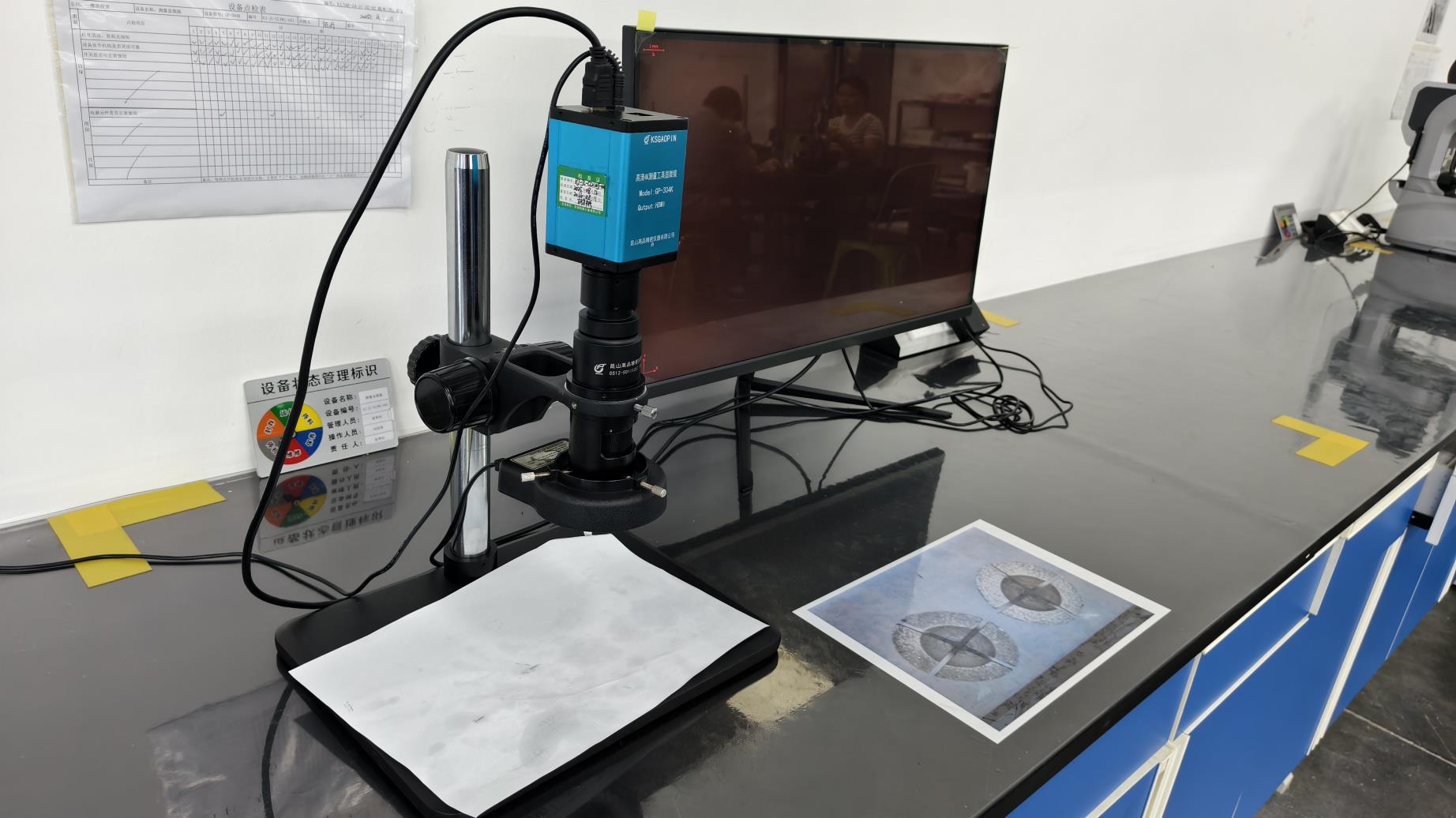
Inside our production facilities: from precision machining to final inspection and packaging.
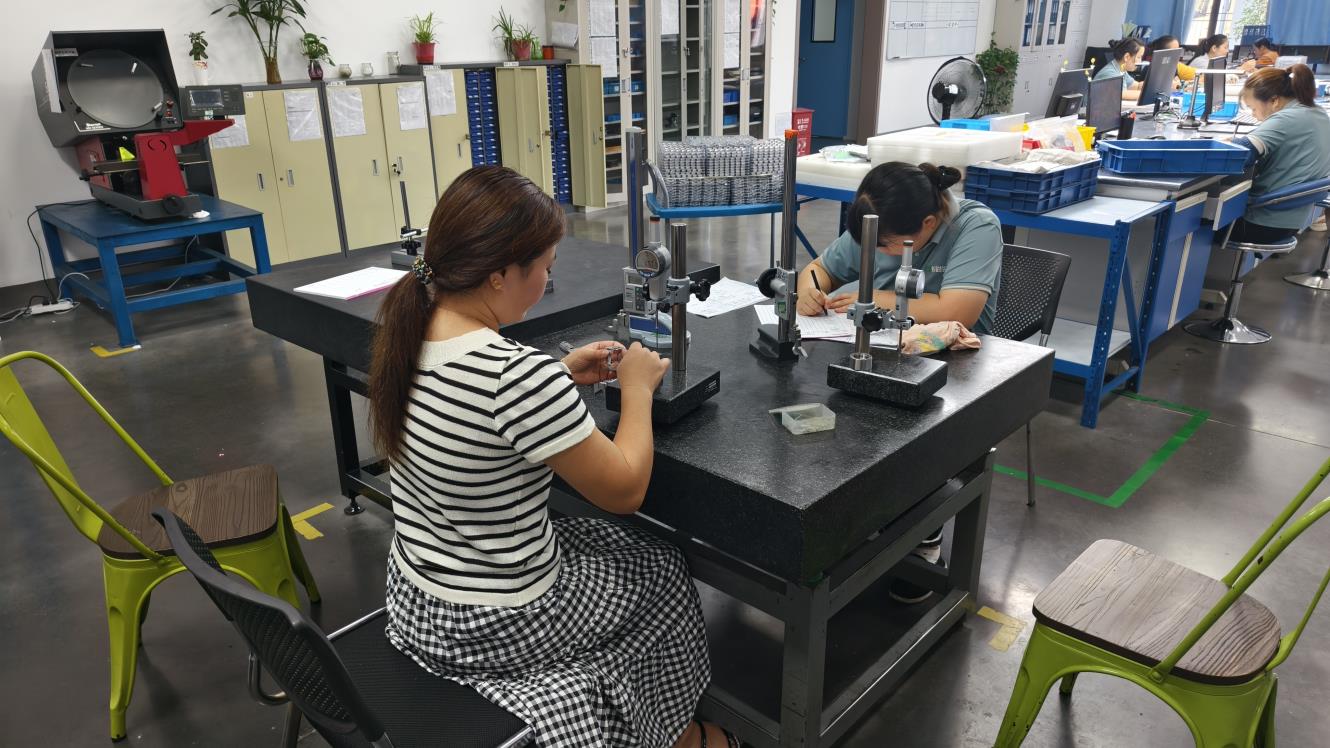
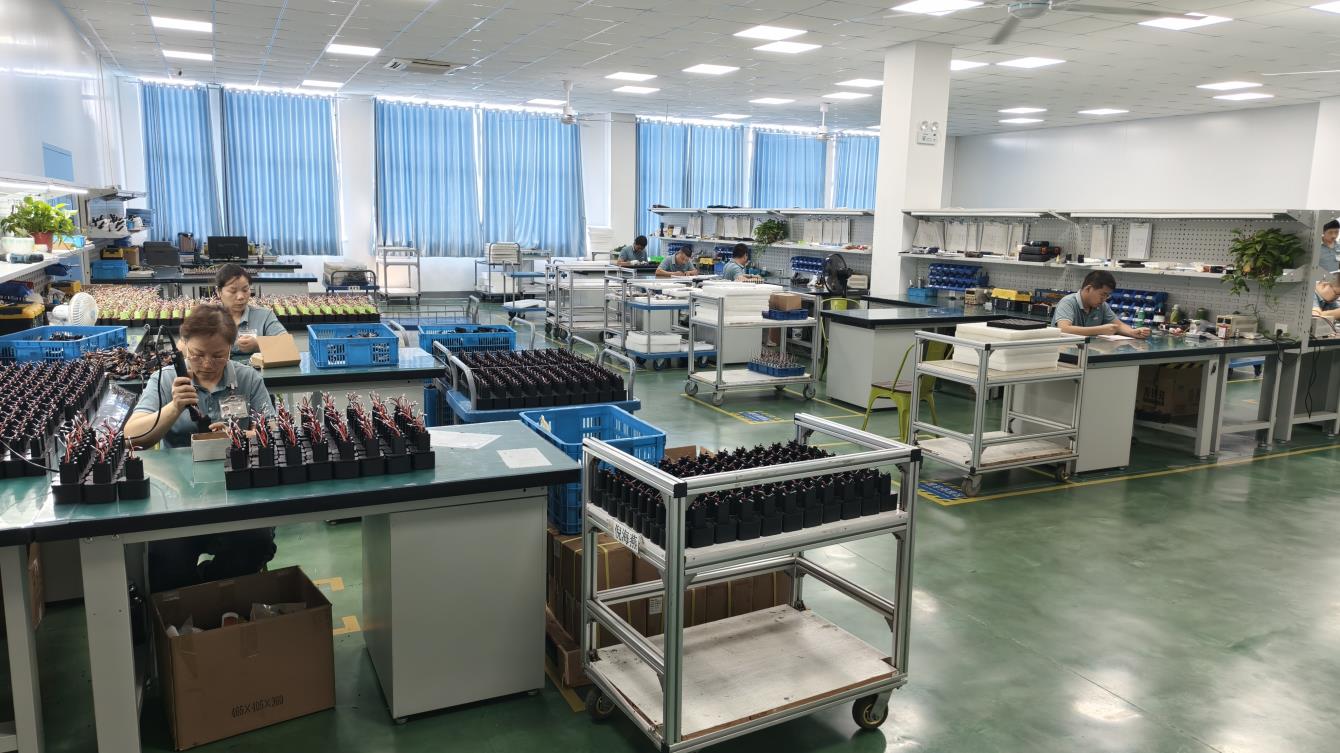
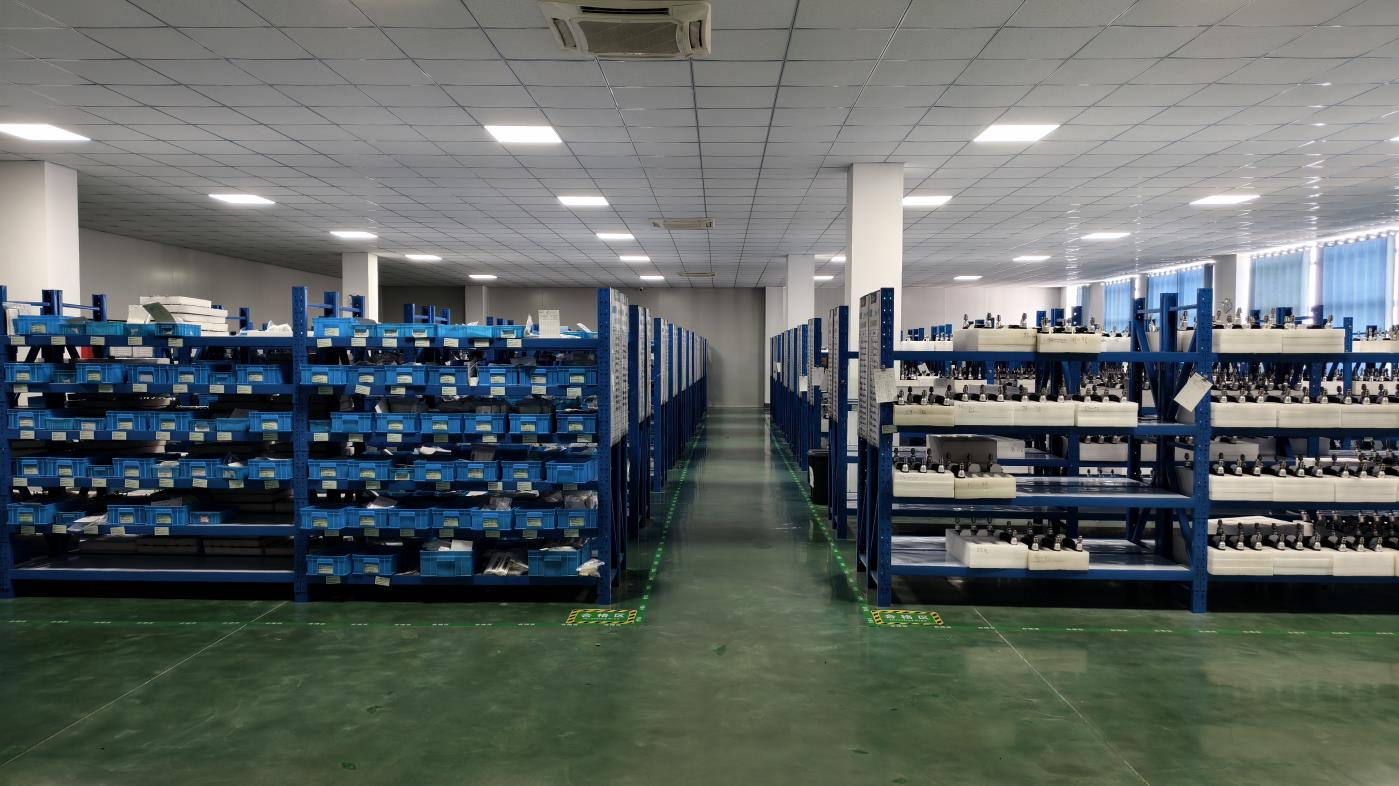
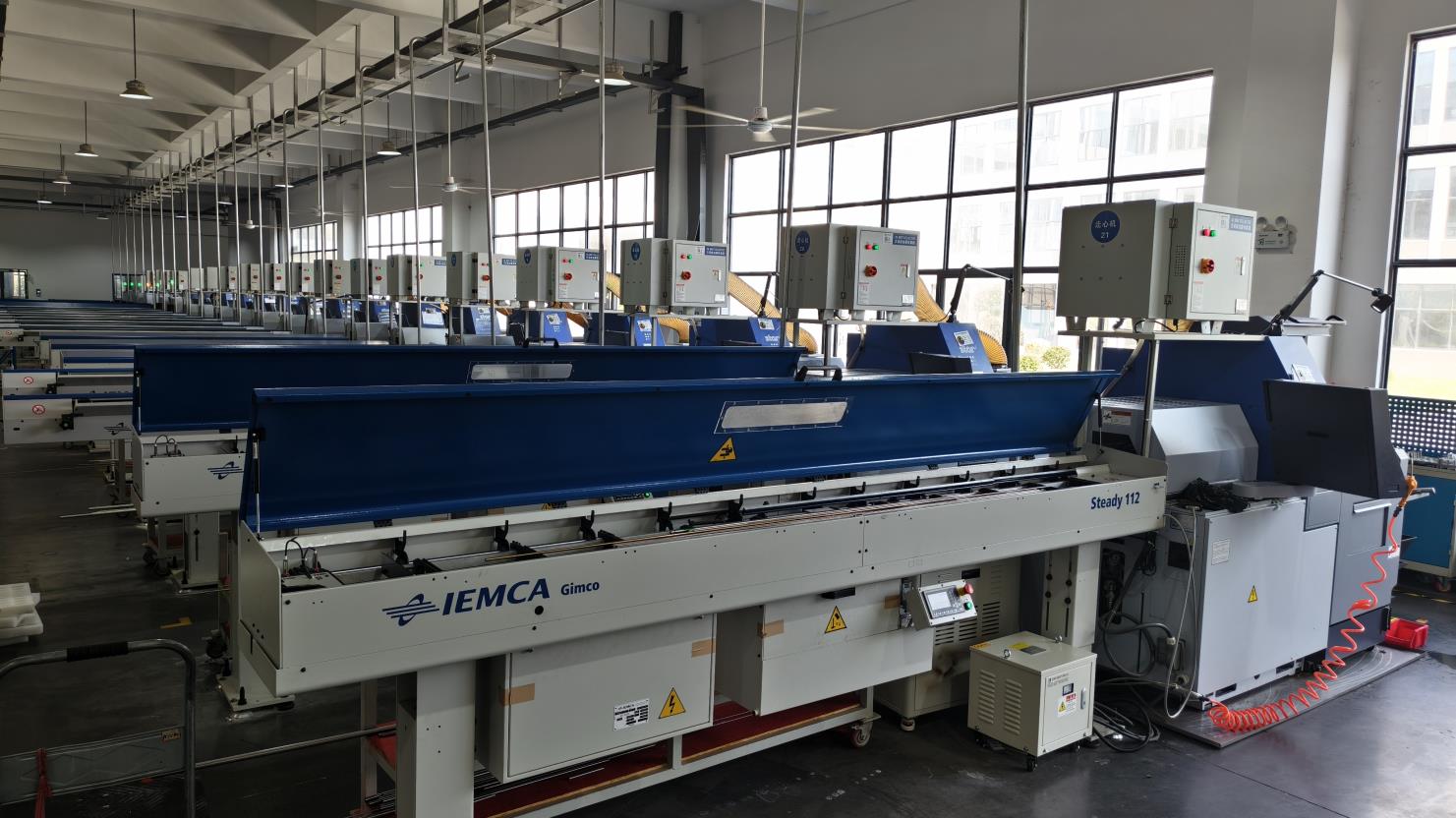
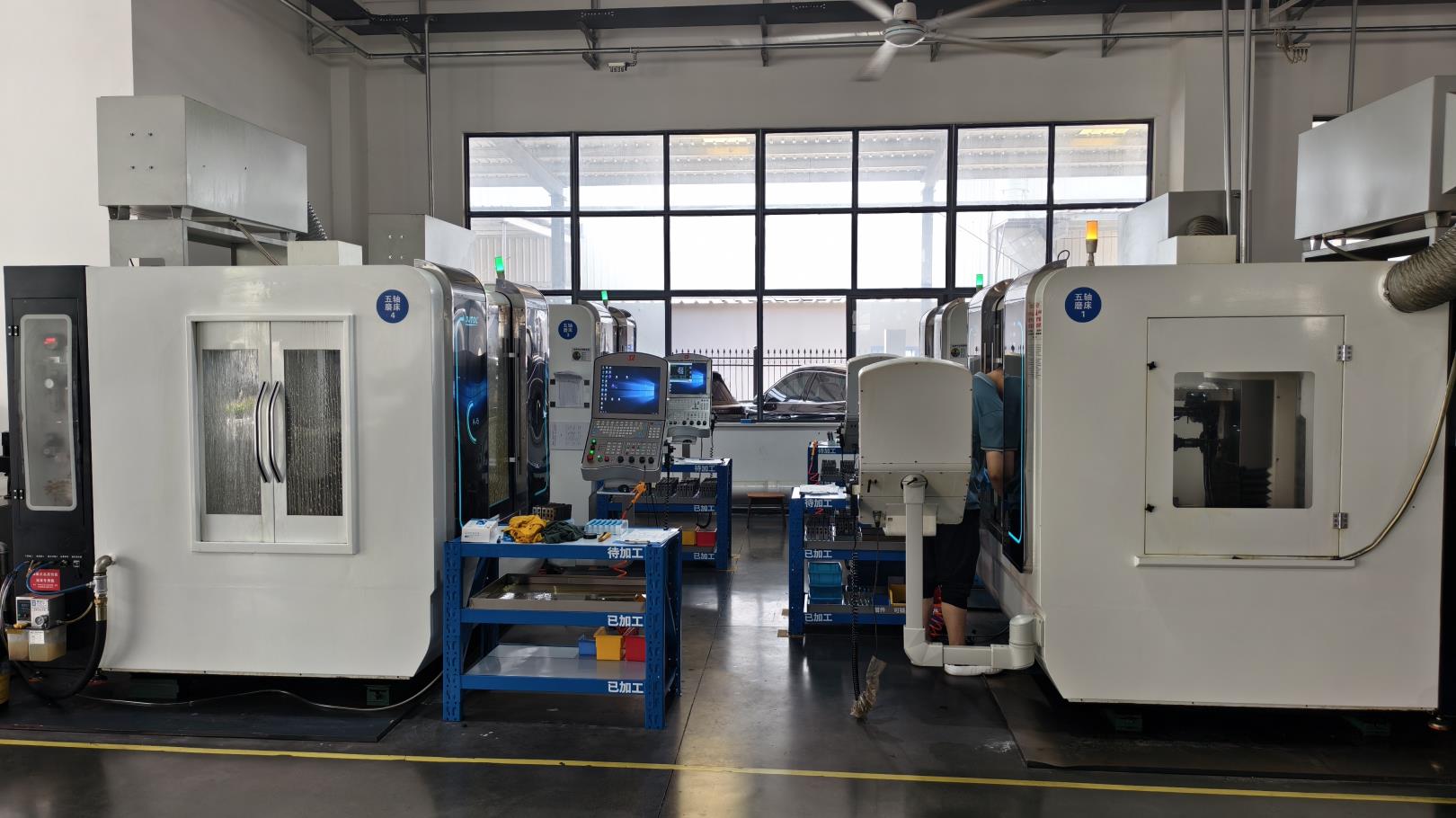
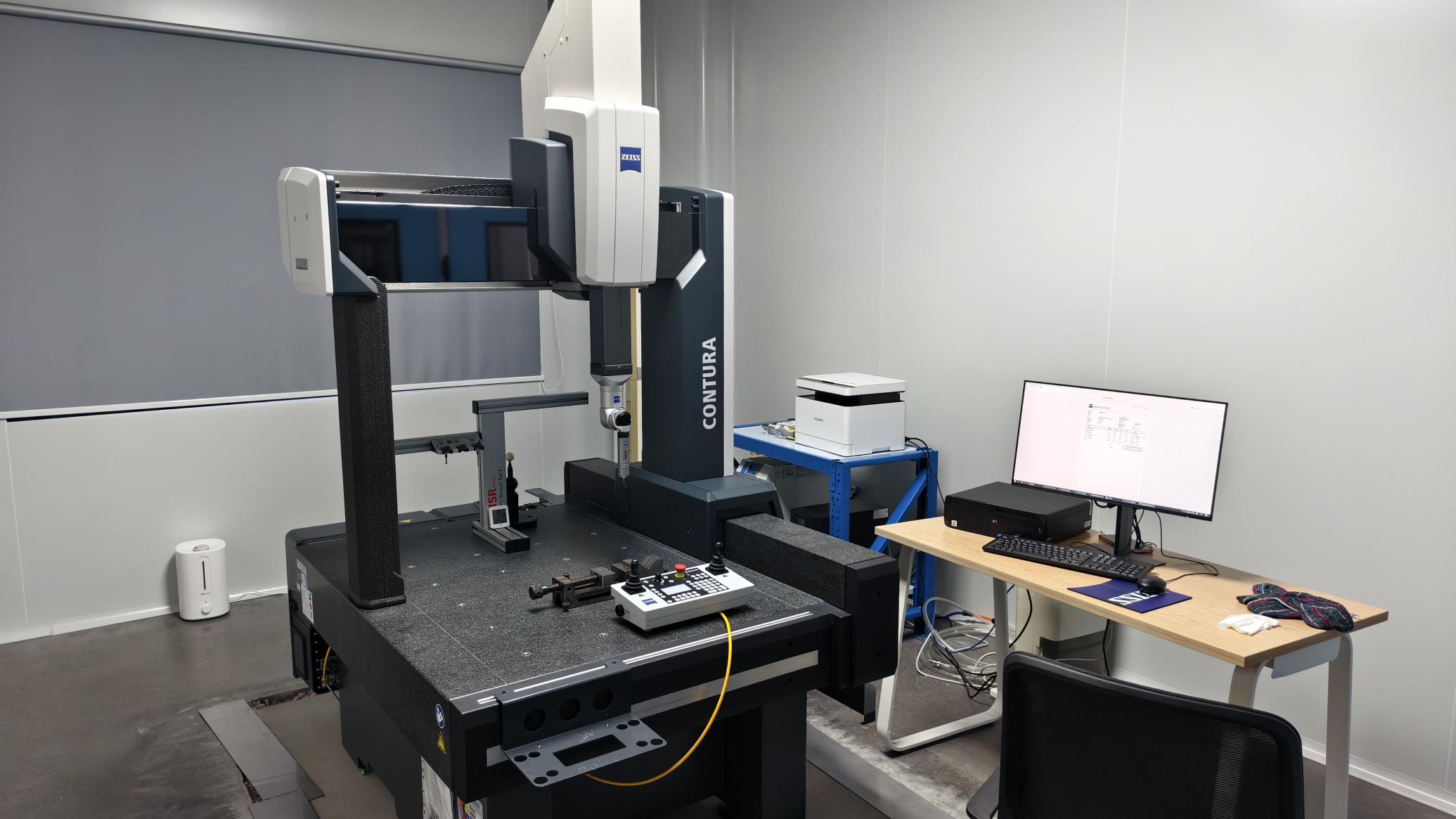
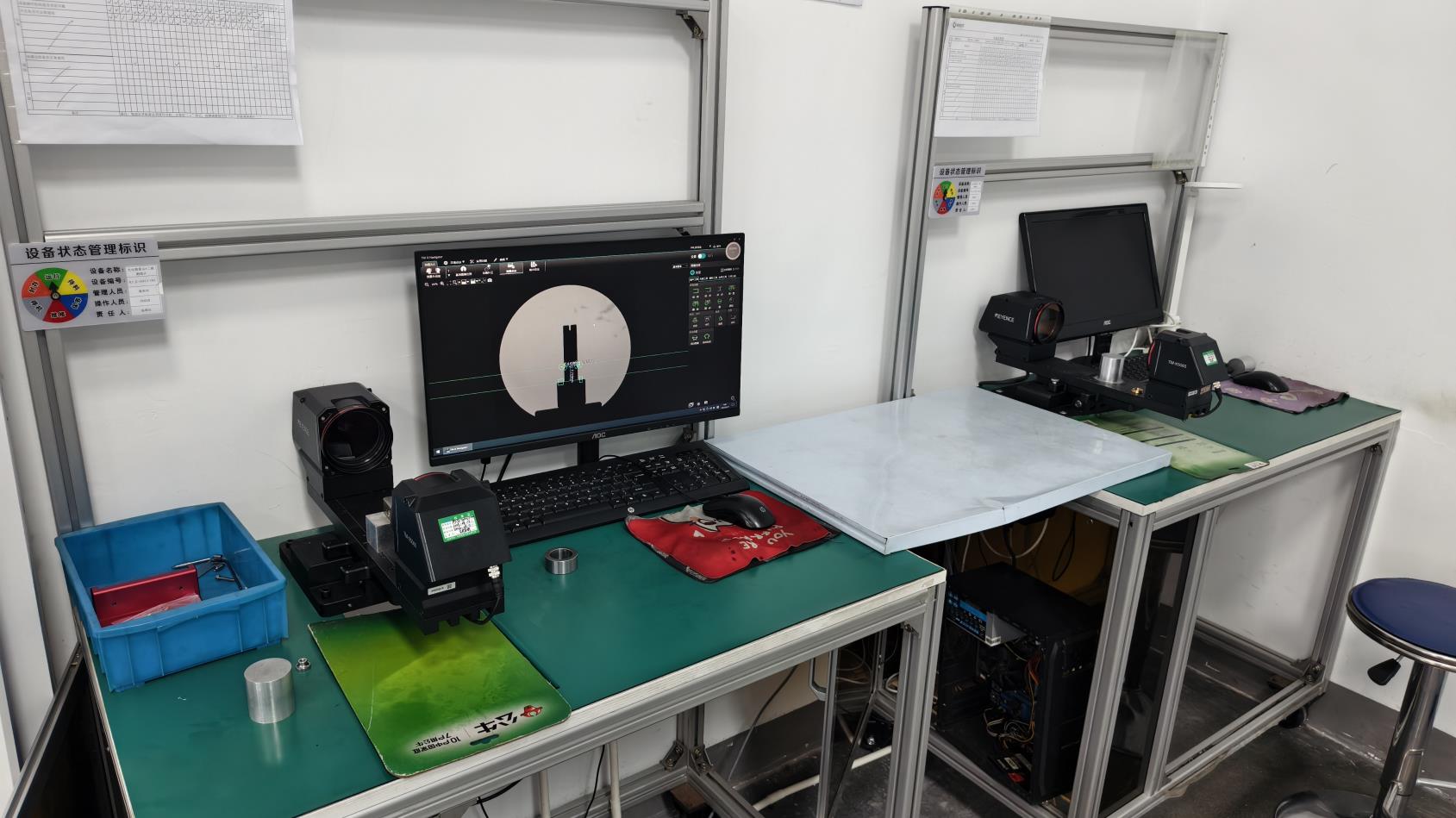
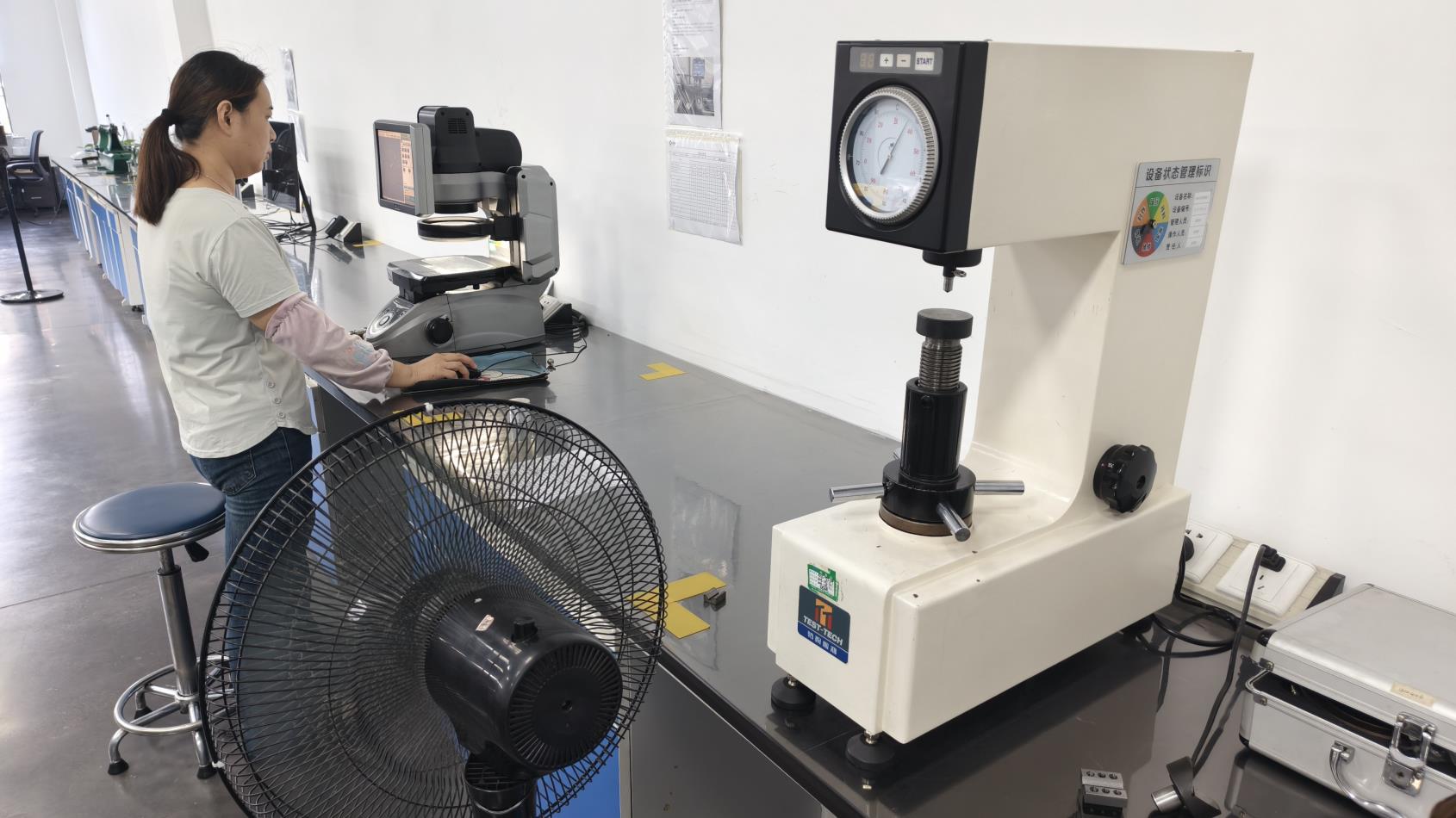
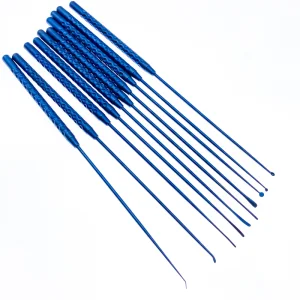
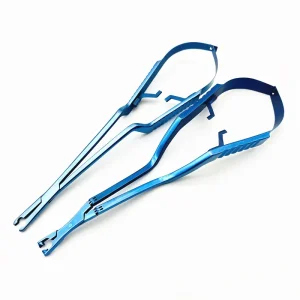
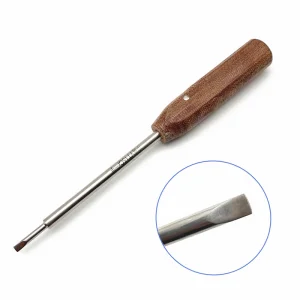
Complete surgical solutions focusing on neuro-vascular clamps, specialized orthopedic adapters, and bone drivers.
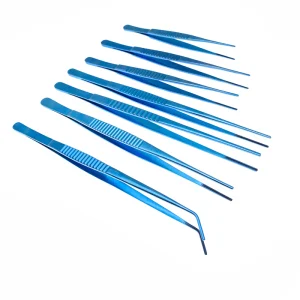
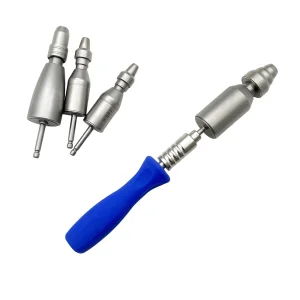
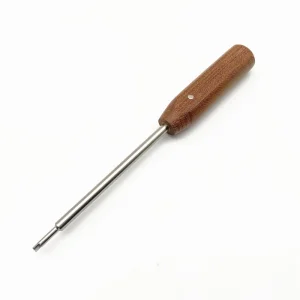
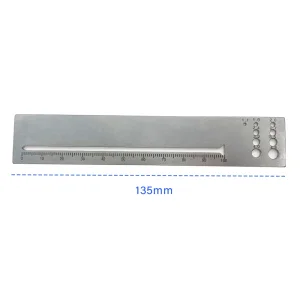
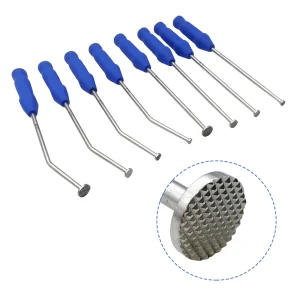
Expert insights on procurement, material selections, customization processes, and regulatory adherence.
For standardized designs with graphic modification (e.g., logo etching), production takes approximately 15 to 20 days. For custom dimensional molding or specialized titanium alloys involving blueprint design approvals, the production cycle typically runs between 35 and 45 business days depending on order volume and the tooling setup needed.
We operate a strict raw material gatekeeping protocol. Each batch of Stainless Steel (such as 316LVM) or Grade 5 Titanium is delivered with mill test certifications detailing the chemical composition analysis. We assign a unique internal batch tracker code to these materials, ensuring trace history from the foundry to the final packaging stage.
The Z-type or bayonet shape is designed to offset the surgeon's hand from the line of sight. When operating under a high-magnification surgical microscope, straight tweezers would block the vision corridor. The offset design keeps the hand out of the optical path, providing a clear view of the deep brain anatomy.
Yes, tip dimensions can be customized. Our micro-tips range from 0.15mm to 1.0mm in width. Using precision EDM (Electrical Discharge Machining) and microscopic manual grinding, we maintain tight tolerances within ±0.02mm, ensuring accurate tip alignment and closure tension.
Our 3 in-house QA/QC inspectors run a multi-phase validation routine: (1) 20x microscopic tip alignment inspection, (2) grip tension and spring fatigue testing over 1,000 compression cycles, (3) passivation chemical testing to guarantee oxidation resistance during autoclave cleaning, and (4) dimensional inspection against master blueprints.
Titanium alloys form a passive oxide film that withstands standard steam autoclaving (134°C / 273°F for 3 to 18 minutes depending on clinical guidelines) without damage. It is critical to avoid cleaning solutions containing chlorine or strong acids, as these can break down the passive oxide layer and cause pitting over time.
Our main trade volume spans North America (25%), South America (25%), and Southeast Asia (15%). We are actively expanding distribution networks and offer exclusivity agreements for regional agents who meet consistent annual purchasing thresholds.
Neurosurgery and orthopedics frequently overlap, particularly in spine surgeries like discectomy, decompression, and spinal fusion, which require both neuro-microscope access and orthopedic bone fixation. Providing both ranges—such as bone screwdrivers, manual torque adapters, and micro-forceps—allows clinical buyers to secure complete surgical kits from a single source.