SENJIE Healthy & Technology
SENJIE Healthy & Technology
SENJIE Healthy & Technology
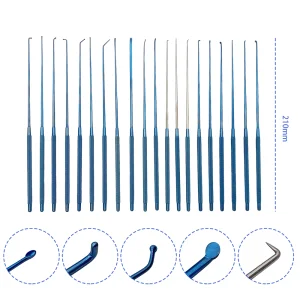
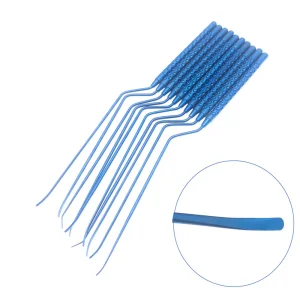
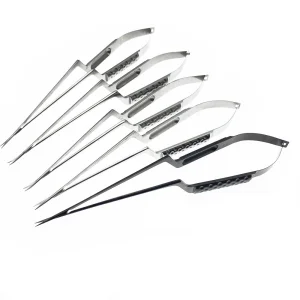
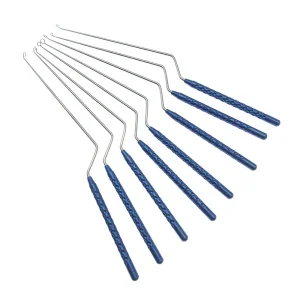
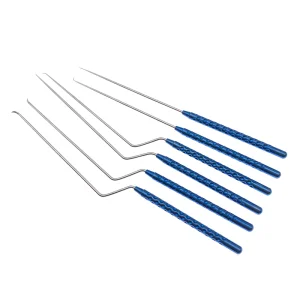
Engineered to exact micrometer tolerances to provide ultimate precision and control under micro-anatomical settings.
Over the last six years, our medical instruments have supported neurosurgeons, veterinary specialists, and medical wholesalers globally. Our supply chain configuration is tailored to meet high-compliance regulatory standards across geographic regions.
The operational environment of a neurosurgeon requires surgical instruments that offer zero-flex performance, lightweight physical feedback, and excellent tactile sensitivity. Standard surgical metals often fall short during lengthy microsurgical processes because hand fatigue can compromise tactile control. This has driven the industry toward medical-grade Titanium Alloys (specifically Ti-6Al-4V ELI) and highly treated Stainless Steel variants (like AISI 316LVM).
| Material Property | Titanium Alloy (Ti-6Al-4V ELI) | Medical Stainless Steel (316LVM) | Neurosurgical Significance |
|---|---|---|---|
| Density (g/cm³) | 4.43 | 8.00 | Reduces physical fatigue during micro-manipulations. |
| Magnetic Susceptibility | Non-magnetic (10⁻⁶ cgs) | Paramagnetic (Highly controlled) | Prevents instrument deflection and image artifacts in iMRI suites. |
| Tensile Yield Strength (MPa) | ~860 | ~290 | Ensures micro-tips resist bending or breaking under lateral load. |
| Autoclave Durability | Exceptional (Passivates naturally) | Excellent (Requires dry cycle monitoring) | Resists corrosion and pitting during repeated high-temp sterilization. |
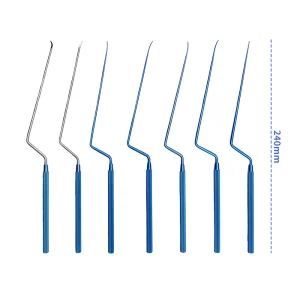
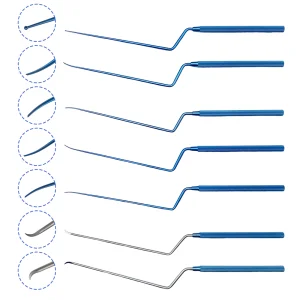
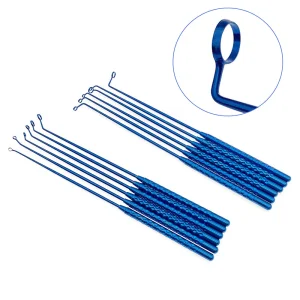
Precision neurosurgery demands tailored instrument configurations to access deep surgical corridors. The geometry of our instruments is optimized to meet the anatomical requirements of procedures like the endonasal transsphenoidal approach and micro-vascular anastomosis:
Procurement departments in modern hospitals and regional distributors face tight regulatory requirements. Reliability, materials traceability, and post-purchase support are key factors. When purchasing premium neurosurgical tools, global buyers prioritize the following standards:
Clinical buyers look for instruments with verified autoclave compatibility (134°C cycles), long-term alignment retention, and clear identification markings. Hand-finished micro-tips must remain consistent across batches to avoid changes in tactile feedback during delicate surgeries.
Distributors require flexible OEM/ODM options to support regional branding, along with reliable supply chains. With over 6 years of export history, we provide custom brand laser engraving, specialized packaging, and rapid prototype development based on engineering drawings.
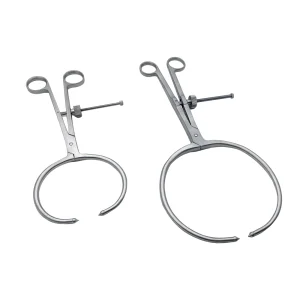
Techniques from human neurosurgery and orthopedics are increasingly applied in advanced veterinary medicine. Small-animal spinal surgeries and complex joint reconstructions require specialized tools designed for varying anatomical sizes. Our veterinary range, including the AO Bone Bending Tool, Screwdriver kits, and Bone Reduction Forceps, brings human-grade engineering to veterinary clinics.
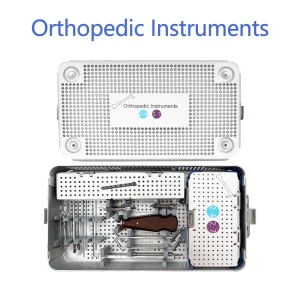
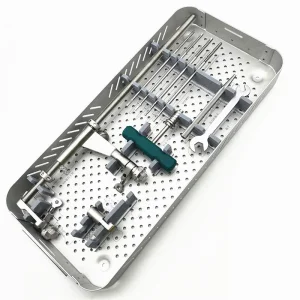
We provide unified kit options, such as the 2.4/2.7 Locking Screw Orthopedic Instrument Set, which consolidate plate preparation, screw insertion, and bone reduction tools into one organized case. These setups help veterinary surgical teams work more efficiently and reduce preparation time under anesthesia.
Quality control starts with material verification. We source all raw metals (surgical stainless steel and medical titanium alloys) with certified mill test reports. This ensures the correct grain structure and corrosion resistance required for surgical tools.
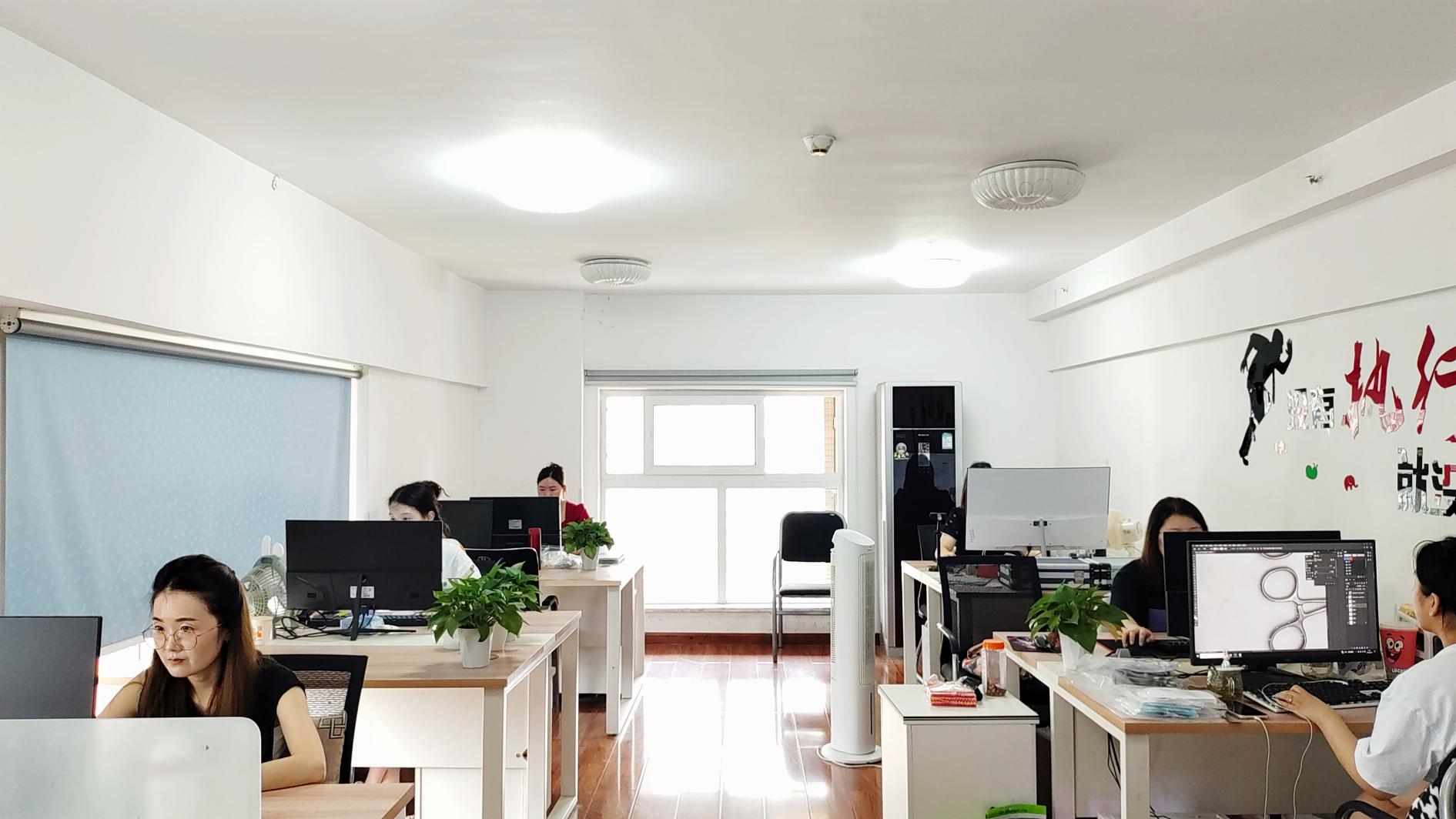
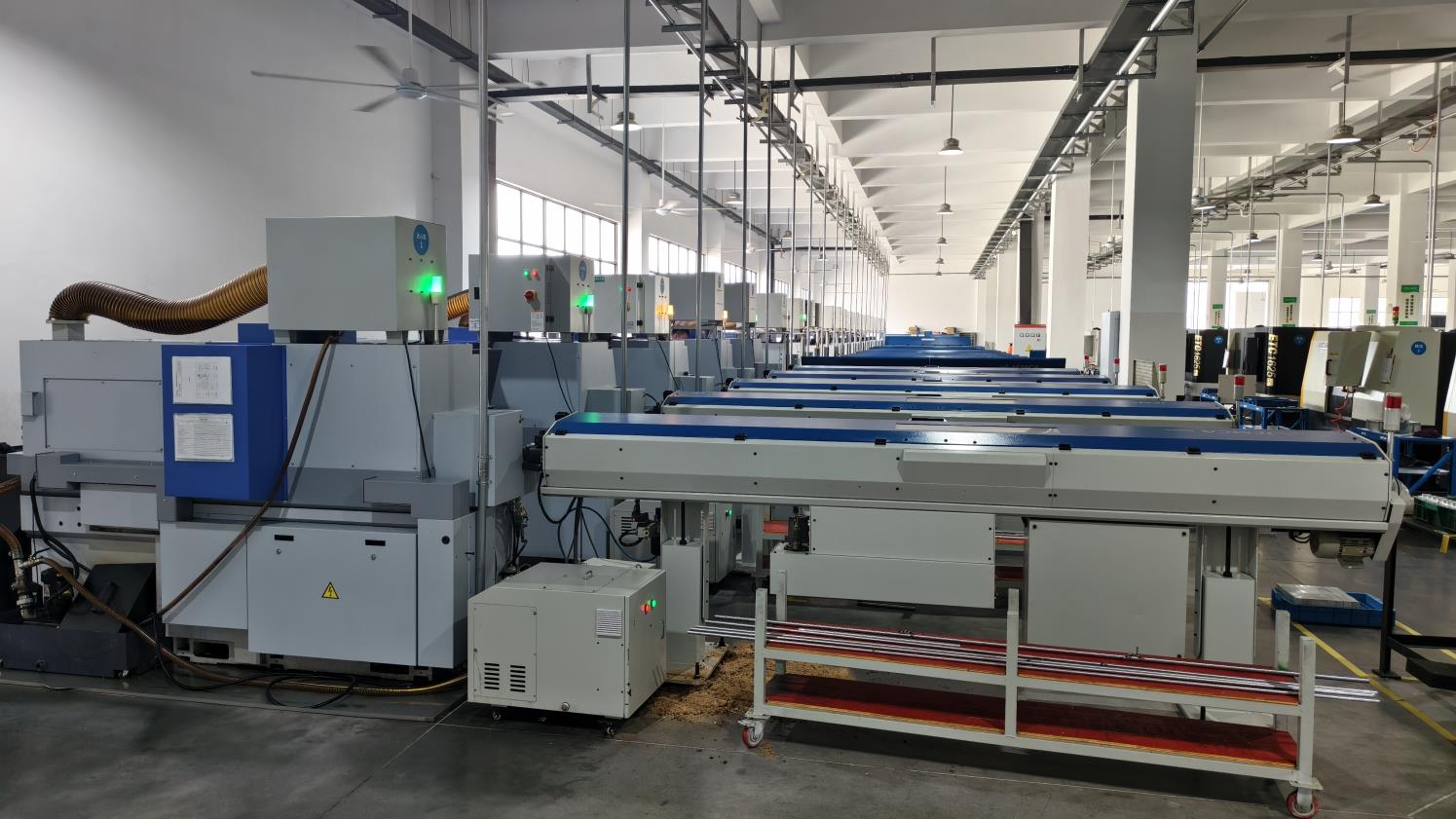
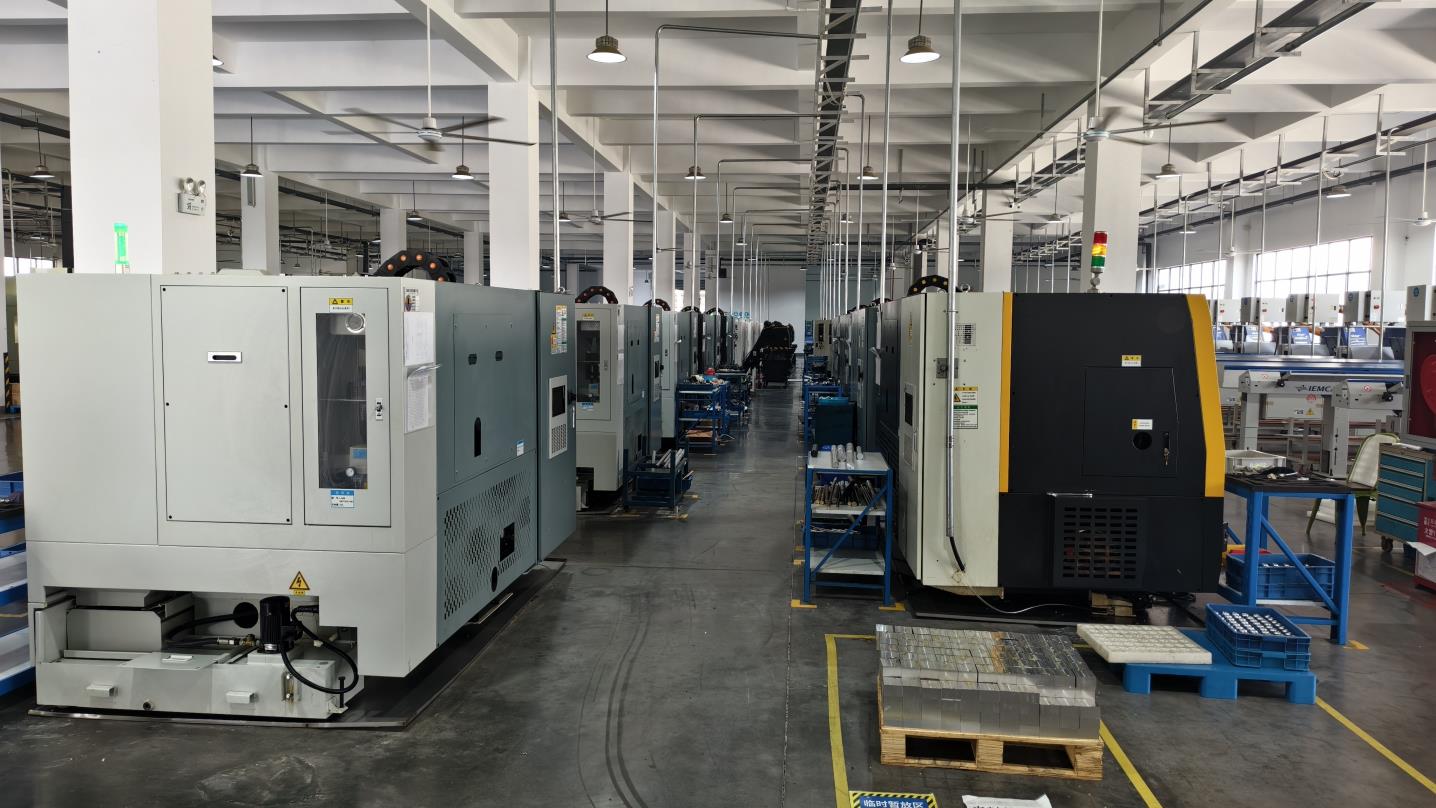
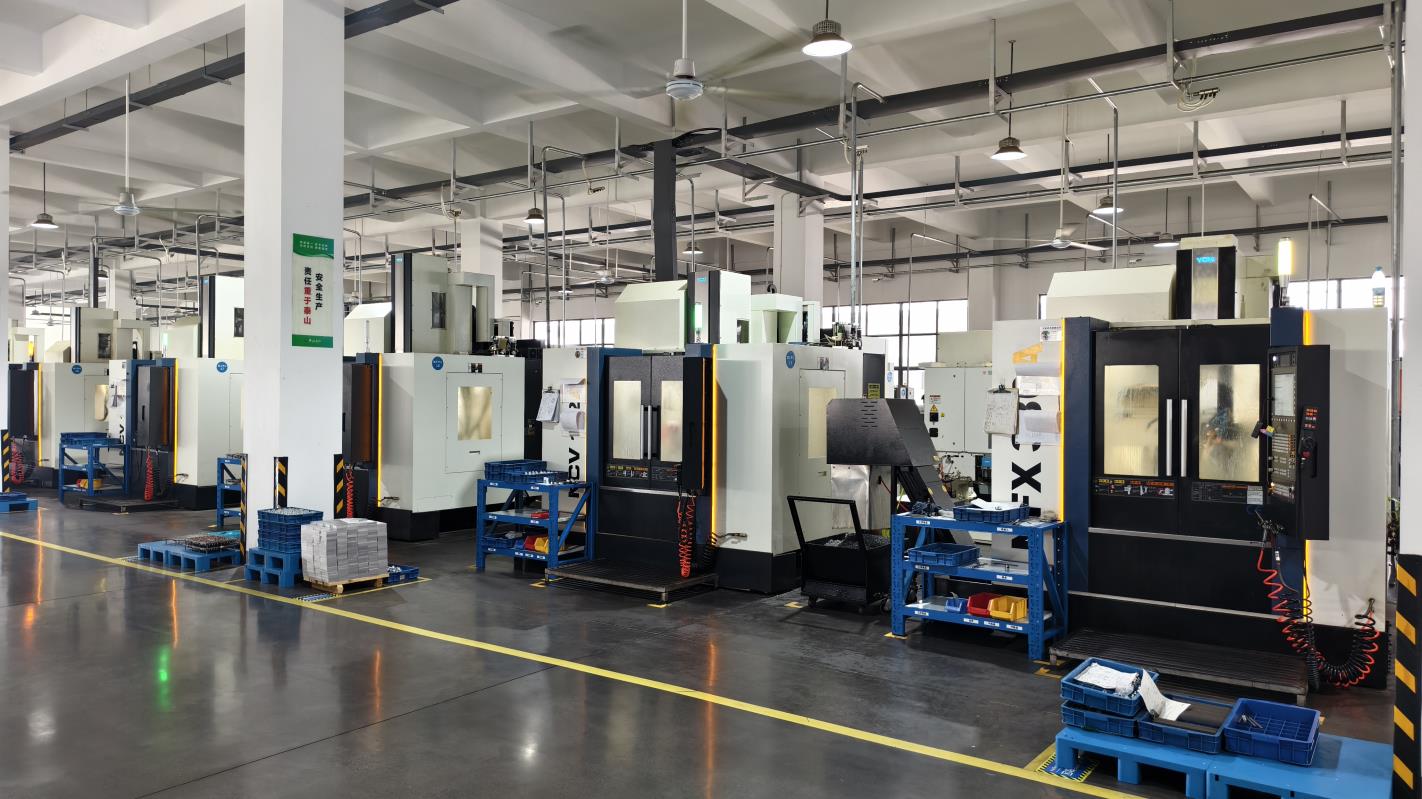
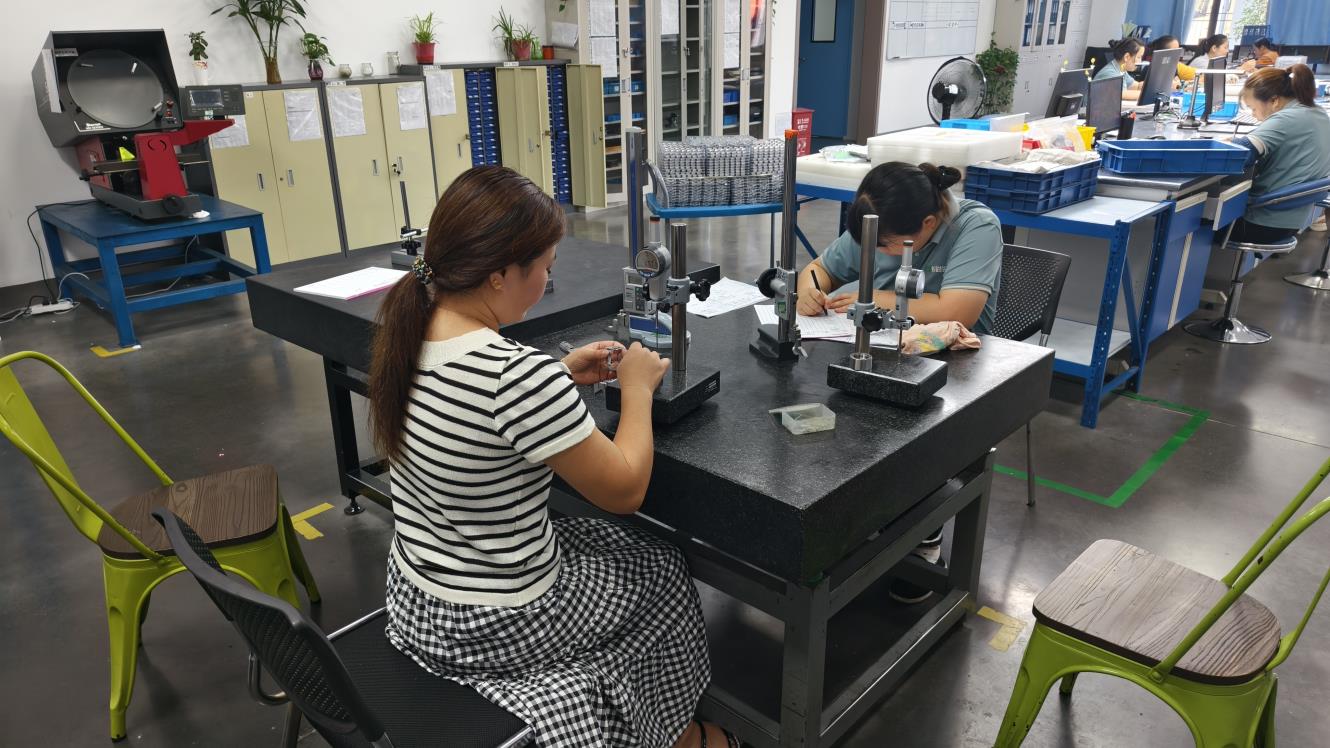
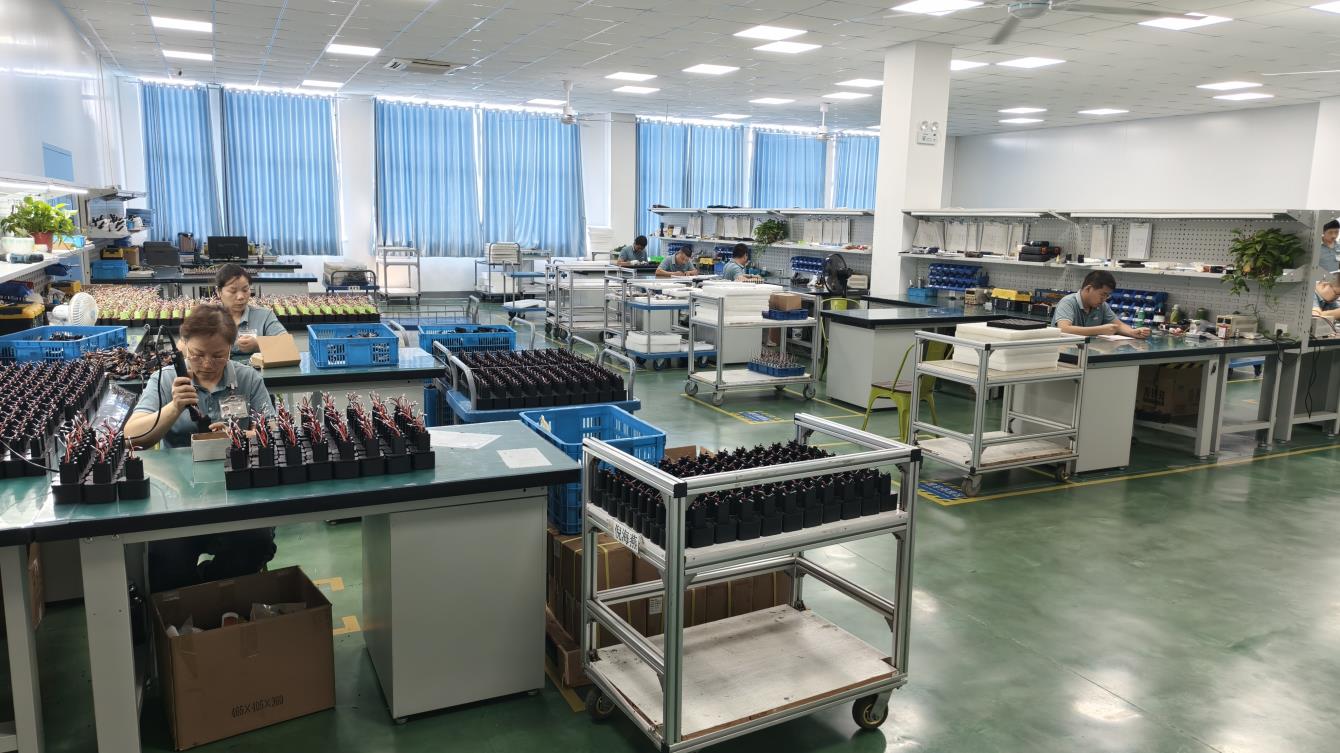
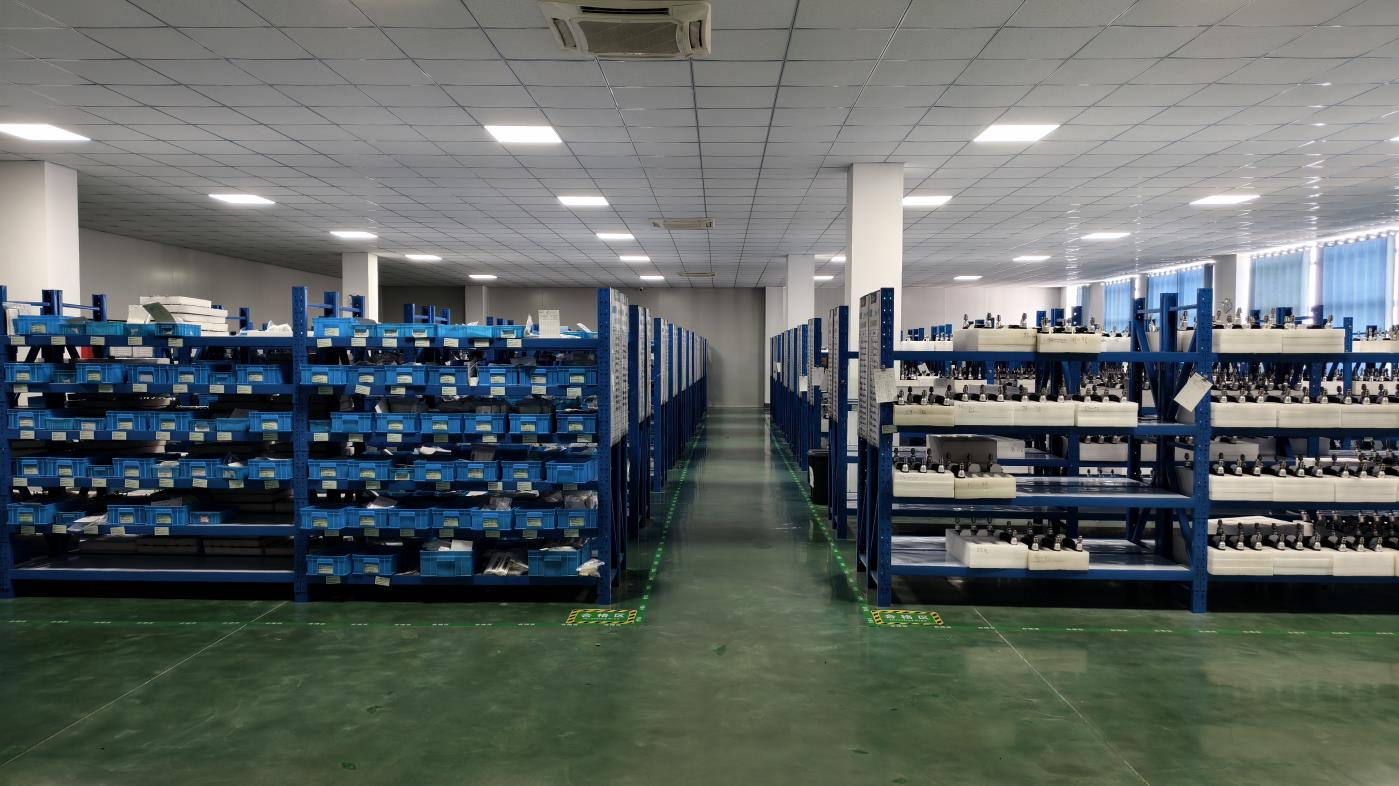
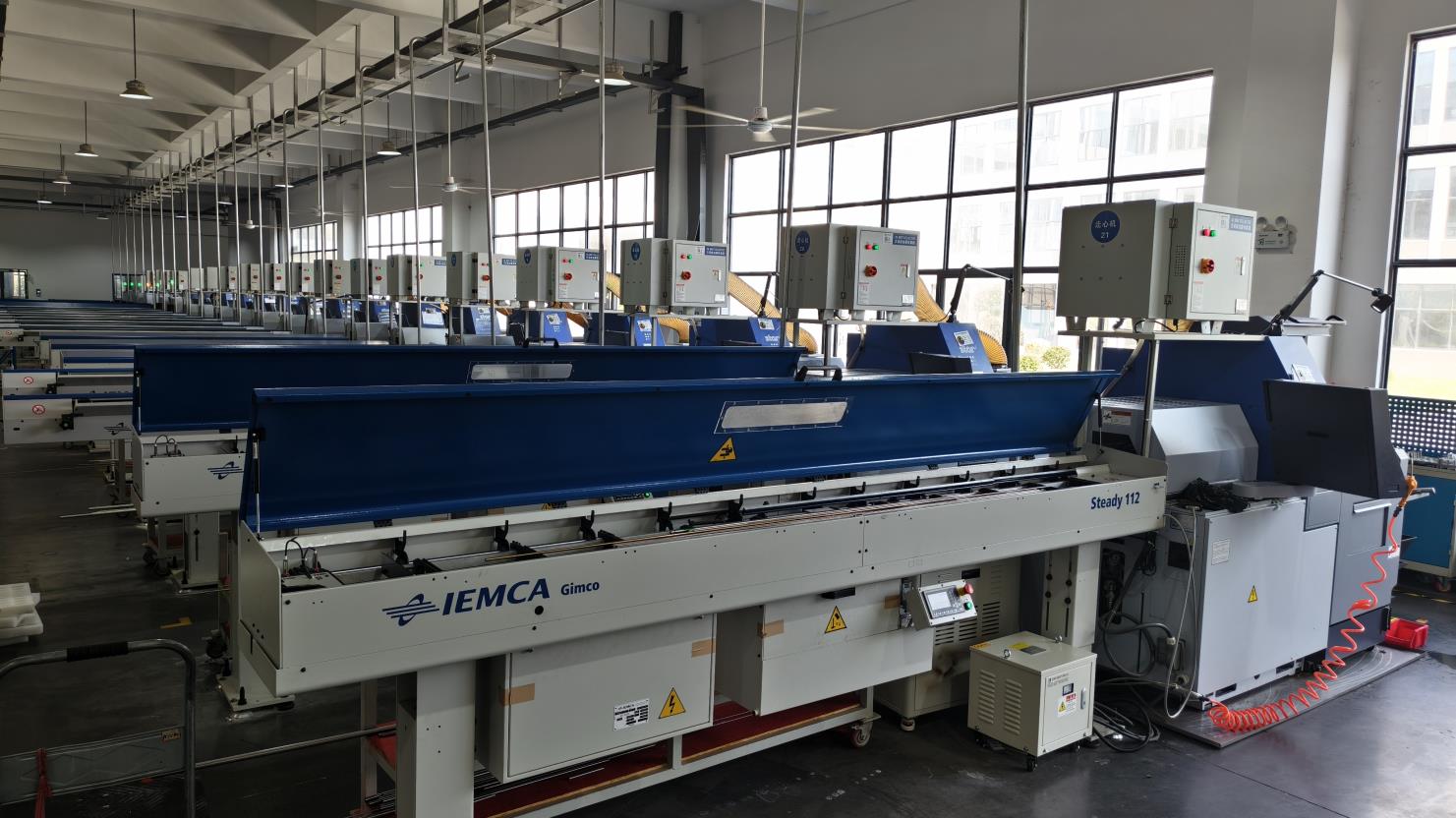
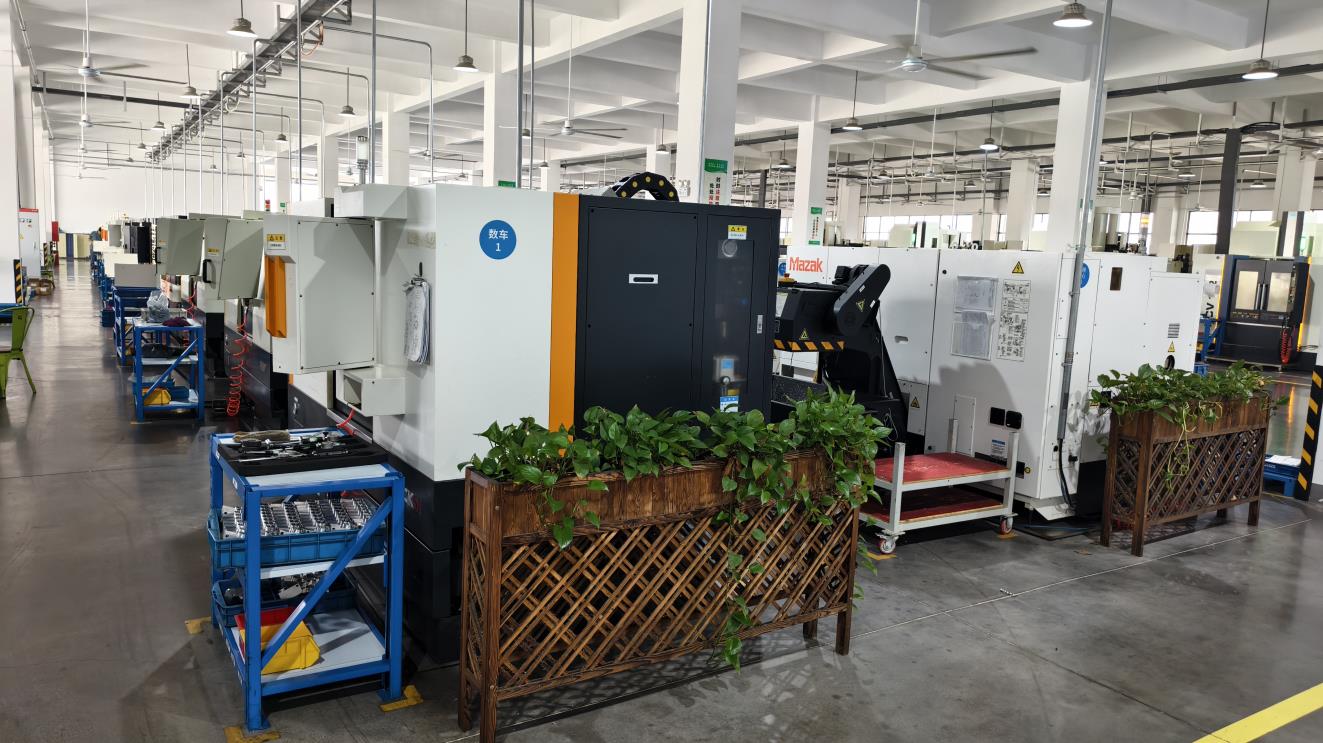
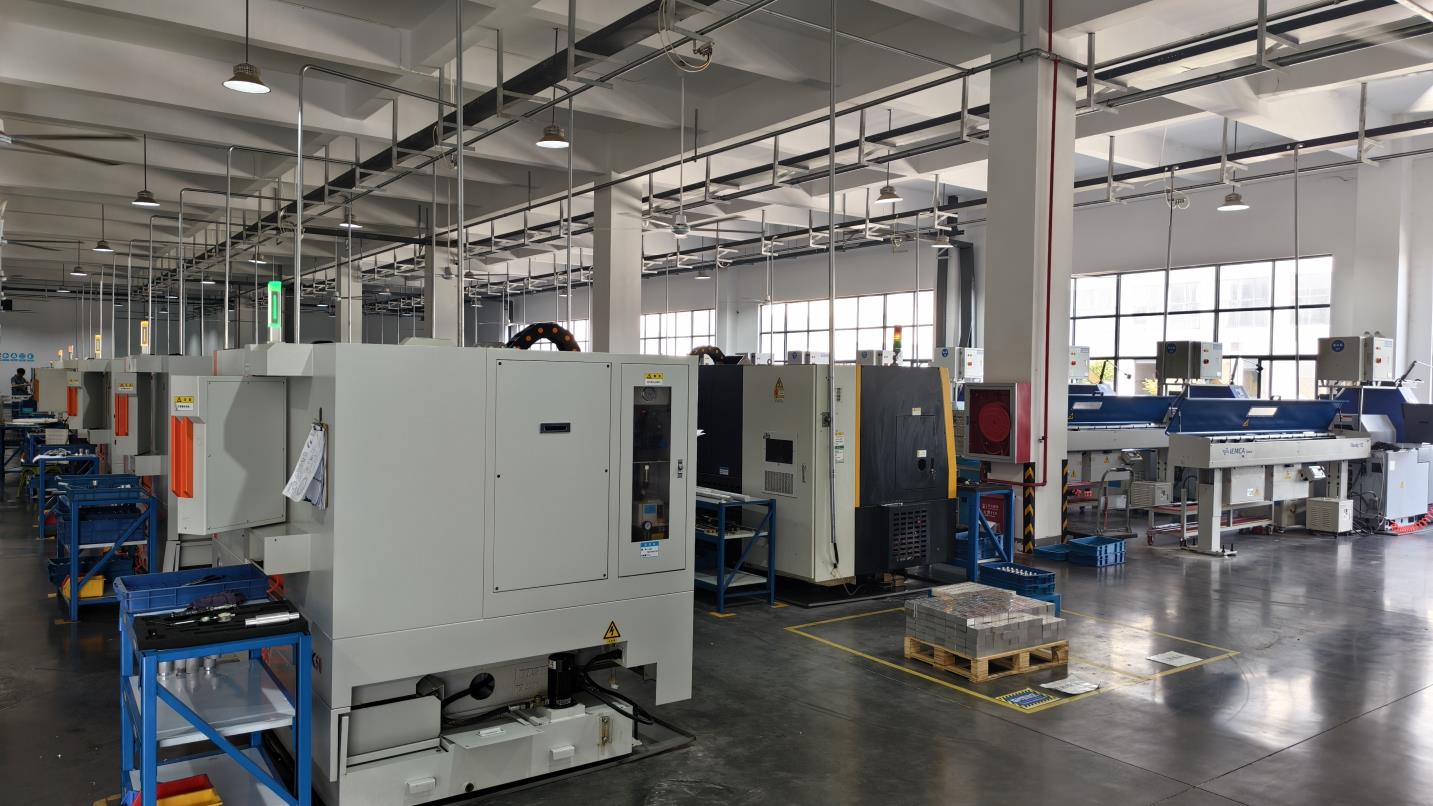
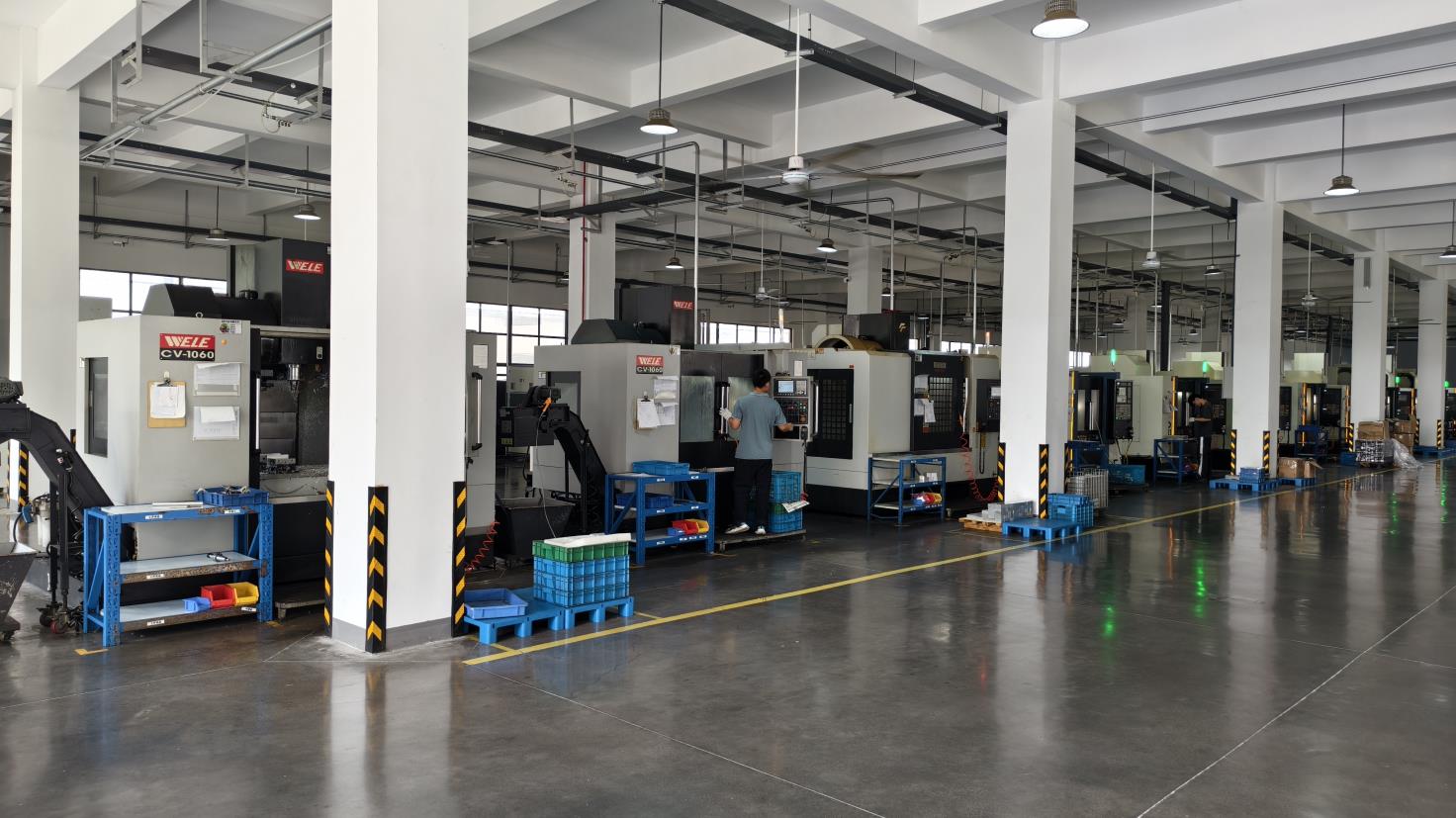
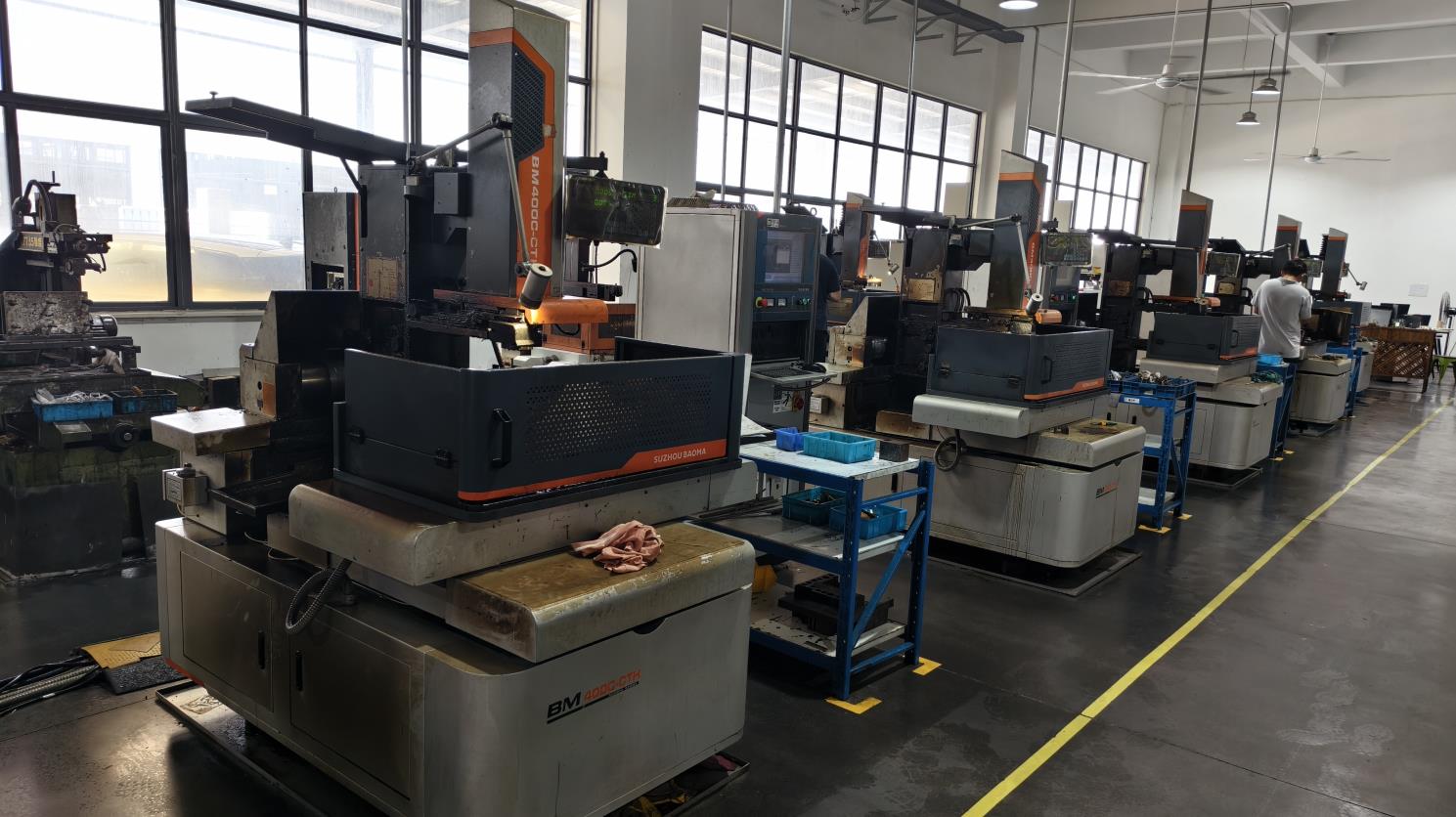
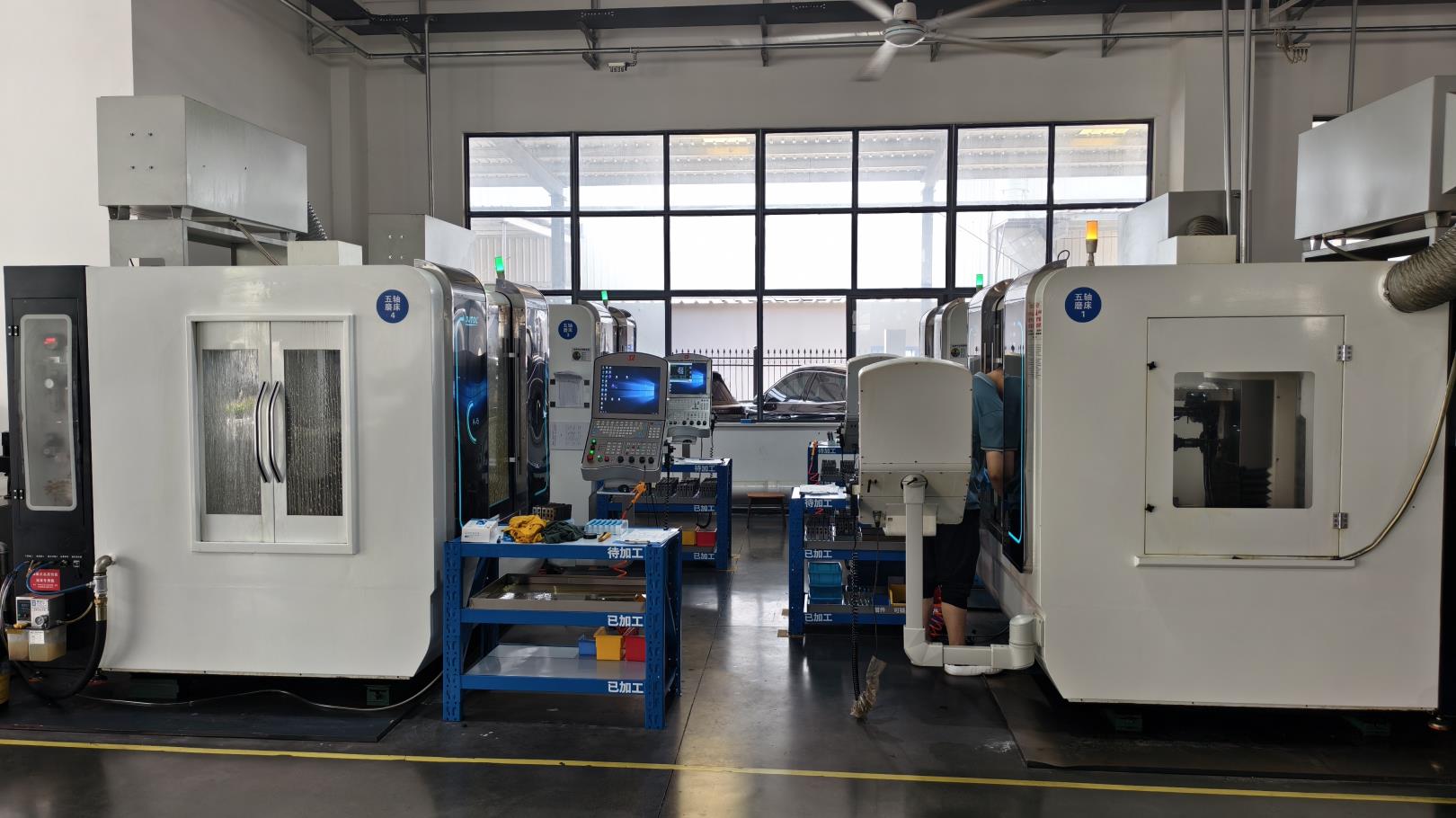
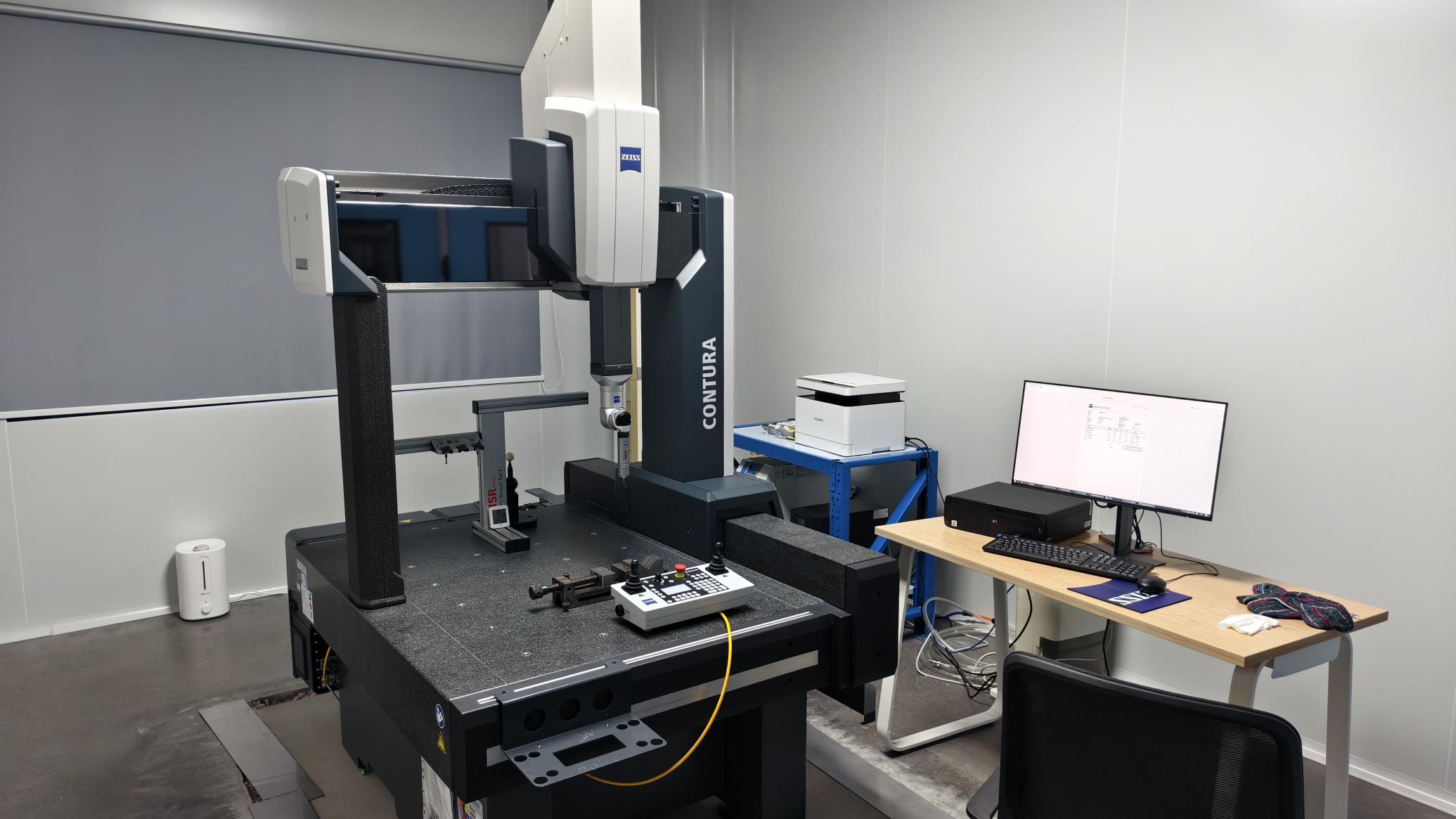
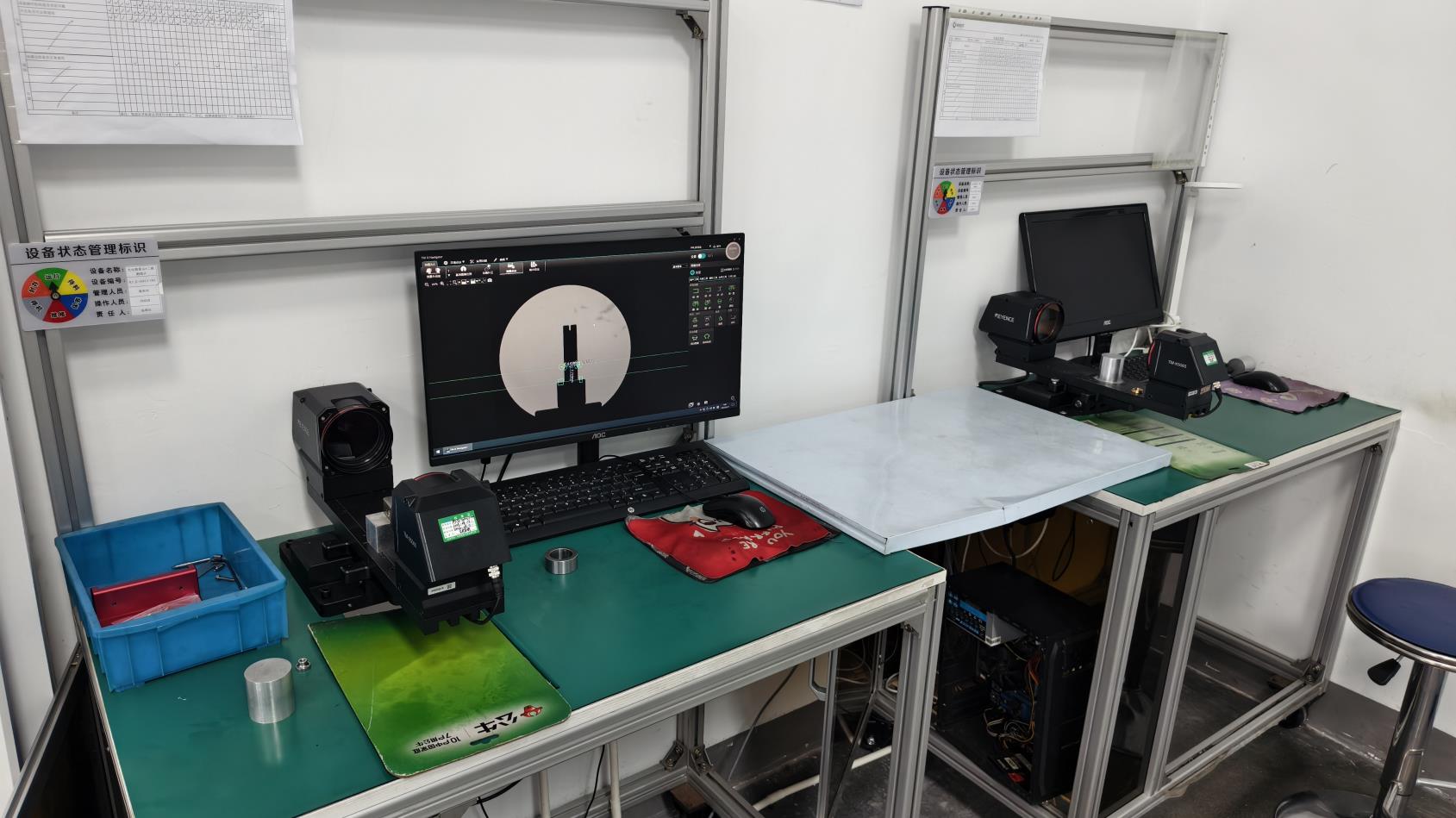
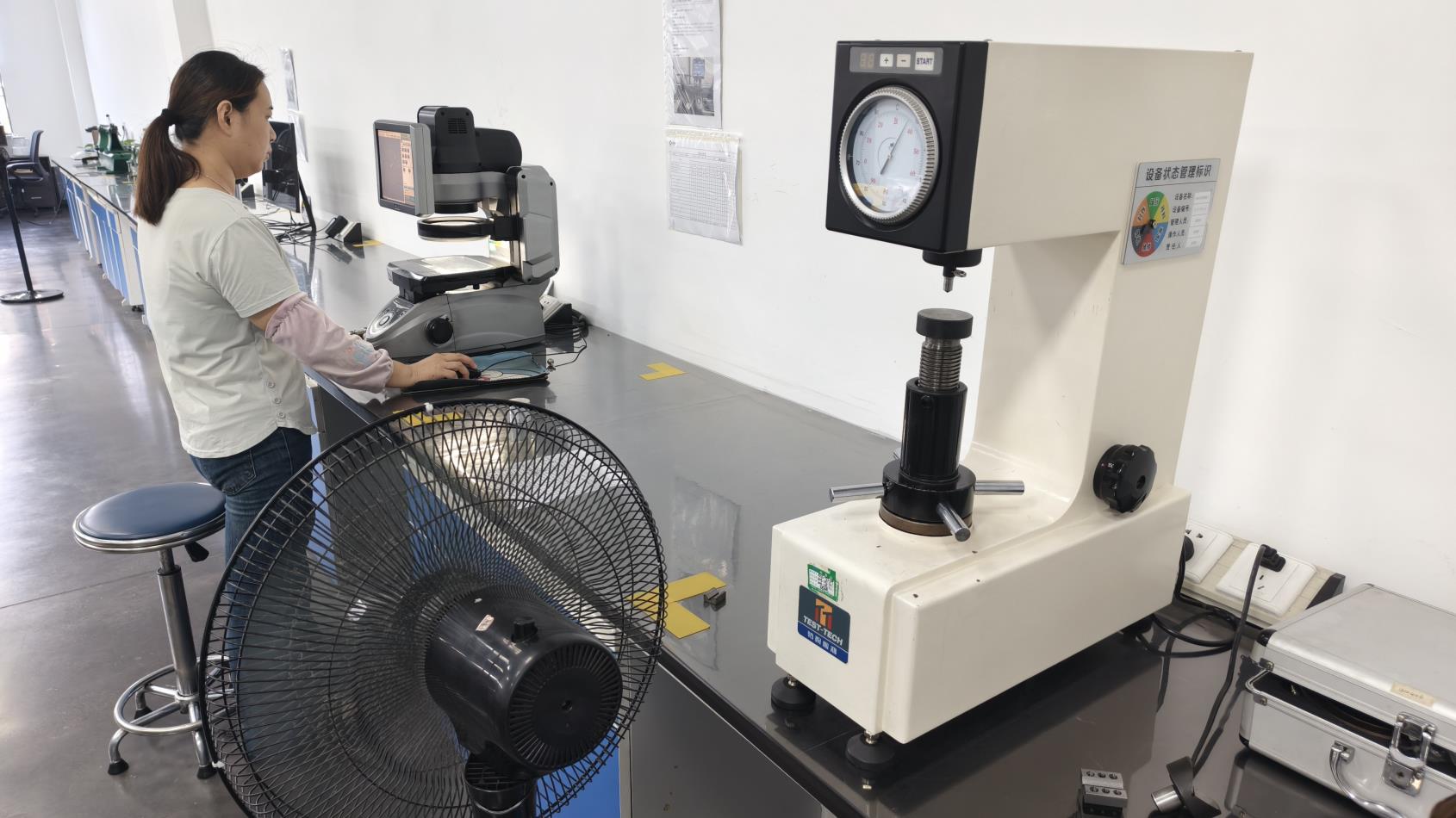
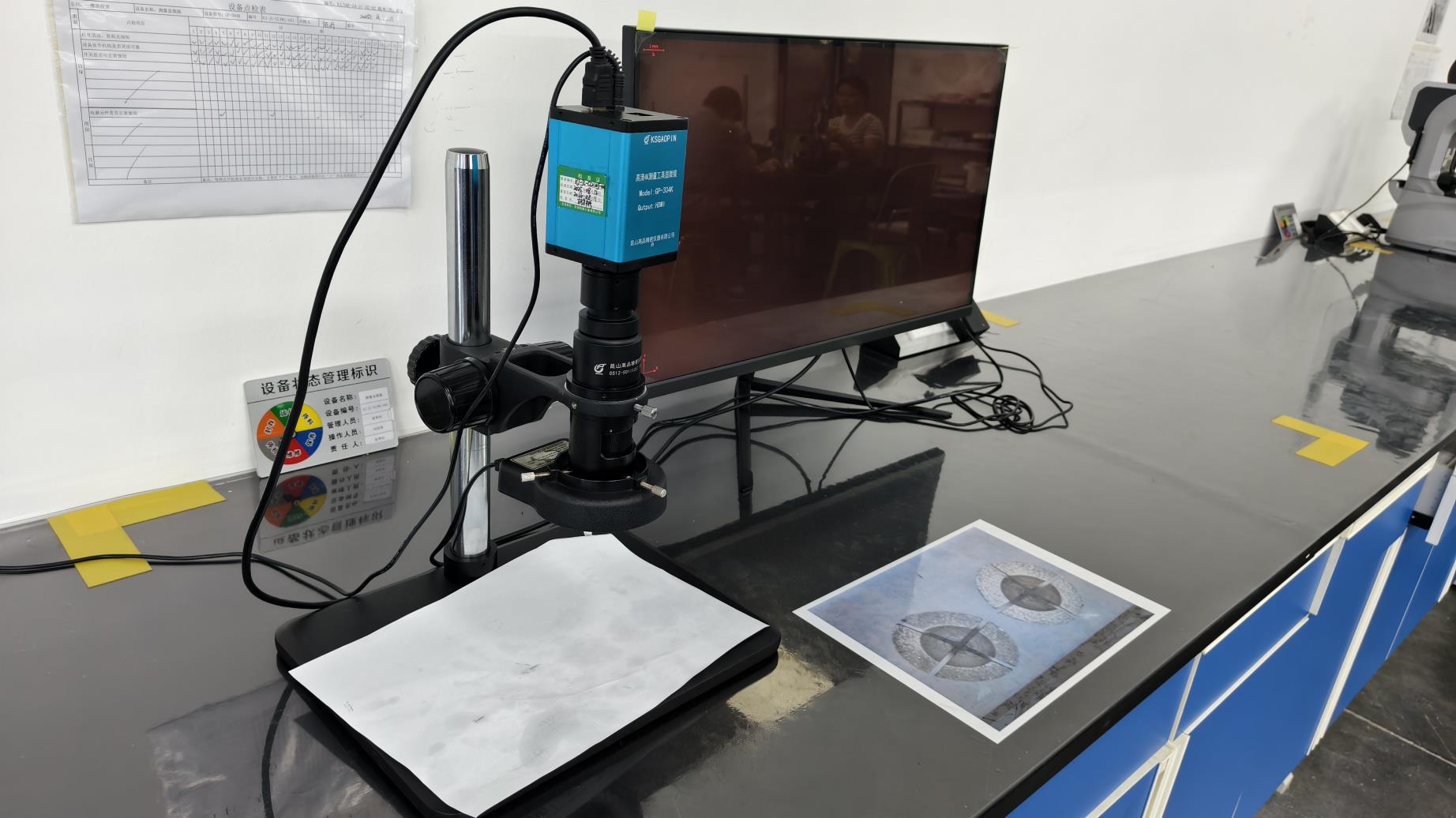
A visual tour of our production facility, showcasing our precision machining, manual finishing, and strict quality control standards.
Neurosurgical procedures are shifting toward increasingly minimally invasive techniques. To meet this trend, next-generation surgical instruments will require designs that integrate with digital surgical ecosystems:
Titanium alloys are about 45% lighter than surgical stainless steel, which significantly reduces surgeon hand fatigue during long microsurgical procedures. Titanium is also non-magnetic, making it compatible with intraoperative MRI (iMRI) setups. Additionally, it offers excellent corrosion resistance and forms a stable passive oxide layer that withstands repeated high-temperature autoclave sterilization.
We maintain a three-step quality control system managed by our experienced QA/QC inspectors. We verify the raw materials through mill certifications, perform in-process dimensional audits using optical scanners, and manually inspect the final alignment of every micro-tip before packaging to ensure clean tactile response.
Yes, our titanium and stainless steel neurosurgical instruments are designed to withstand standard steam autoclave sterilization processes (134°C for at least 4 minutes, or 121°C for 15 minutes). We recommend using neutral-pH enzymatic detergents and drying the instruments fully after the wash cycle to prevent mineral spotting.
Yes. We specialize in OEM and ODM adjustments for both human and veterinary applications. We can adjust tip angles, shaft lengths, and handle weights based on physical samples or detailed engineering drafts to meet specific clinical requirements.
Our major export markets include North America (25%), South America (25%), and Southeast Asia (15%). We pack our products in protective medical-grade pouches and secure outer cartons. Every shipment is accompanied by detailed packing lists and material certificates to facilitate smooth customs clearance.
Our malleable pituitary curettes feature soft-temper shafts that allow surgeons to gently bend the instrument by hand. This lets them navigate around challenging anatomical structures, such as the sphenoid sinus or internal carotid arteries, to clear tumor margins that are difficult to reach with rigid tools.
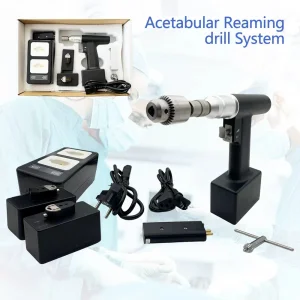
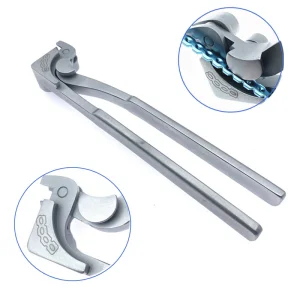
High-durability bone reduction forceps, plate contouring benders, and battery-powered bone drills for human and veterinary applications.