SENJIE Healthy & Technology
SENJIE Healthy & Technology
SENJIE Healthy & Technology
Explore our elite selection of orthopedic cutting, pinning, and driving instruments manufactured to the highest clinical specifications.
A deep dive into metallurgical integrity, mechanical engineering requirements, and bio-compatibility standards in modern osteosynthesis.
In modern orthopedic traumatology and joint reconstructive surgeries, the performance of primary cutting and fixation tools—specifically orthopedic drill bits and Kirschner wires (K-wires)—directly influences procedural success and postoperative bone regeneration. As surgical instruments encounter dense cortical bone and fragile trabecular networks, their mechanical designs must solve critical problems: limiting thermal necrosis, providing exact tactile feedback, avoiding micro-shattering, and maintaining geometric precision. This section reviews the material science, geometrical variations, and clinical implications of these essential tools.
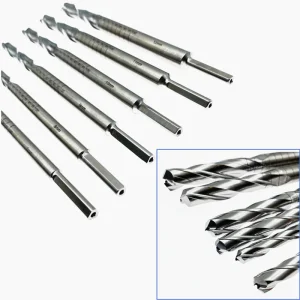
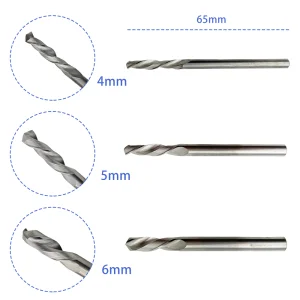
Bone tissue is highly sensitive to thermal elevation. When the localized temperature of bone cells rises above 47°C (116.6°F) for more than one minute, irreversible thermal necrosis occurs, causing osteocyte death, impaired implant stability, and high risk of implant loosening. High-quality surgical drill bits address this hazard by optimizing:
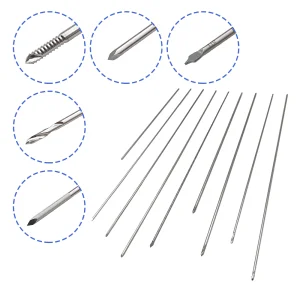
Originally invented by Martin Kirschner in 1909, K-wires are versatile, implantable pins used for temporary stabilization, skeletal traction, guide pins for cannulated implants, or definitive fixation of small fragments. Key design variables include:
Utilizes ultra-refined implant grades like 316LVM (ASTM F138) and Titanium Alloy (Ti6Al4V ELI) to achieve maximum biocompatibility, fatigue strength, and corrosion protection.
Precision inner lumens enable coaxial placement over guided guide pins, ensuring exact placement for screw fixations in intramedullary or trauma constructs.
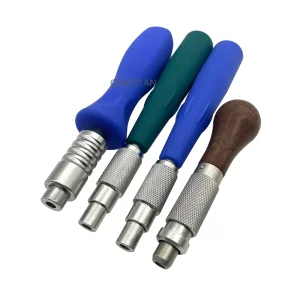
Standardized shank fittings permit seamless interoperability with high-speed pneumatic and electric surgical handpieces from major global brands.
How our manufacturing infrastructure balances high capacity, extreme dimensional accuracy, and cost efficiency for international procurement.
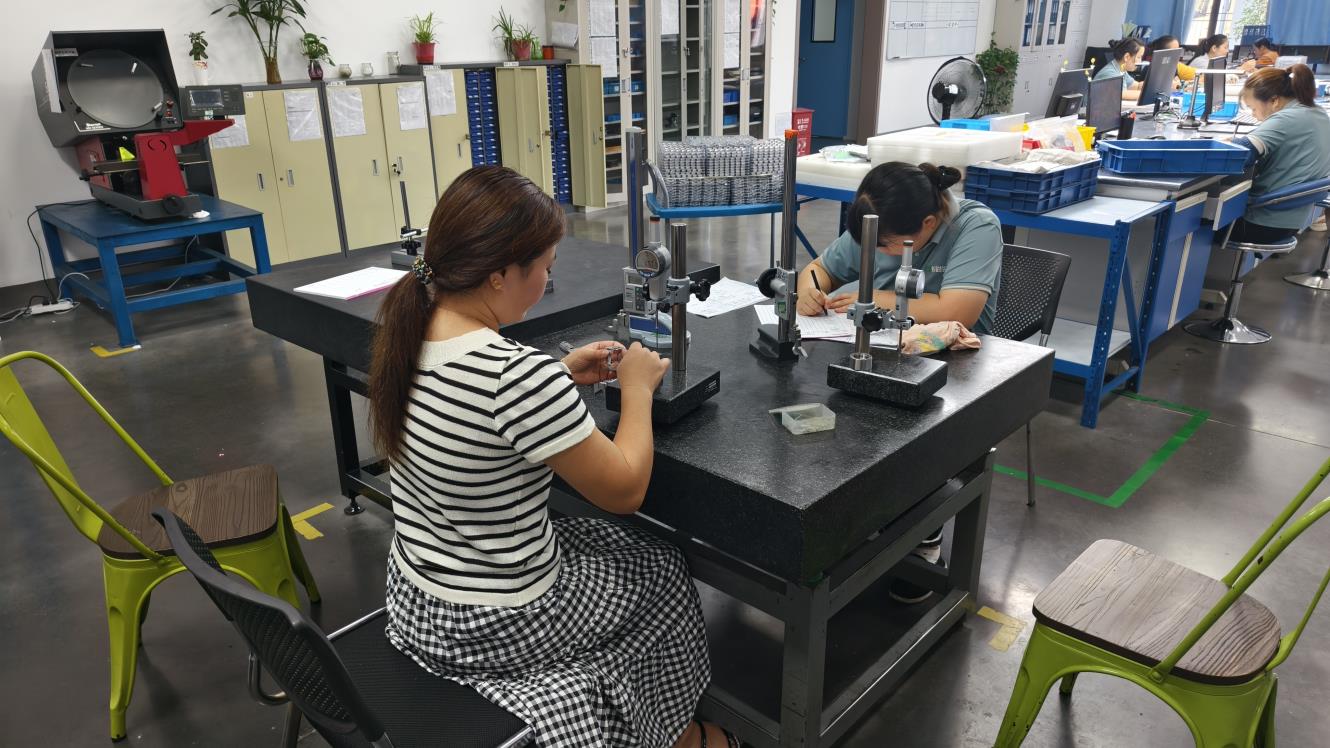
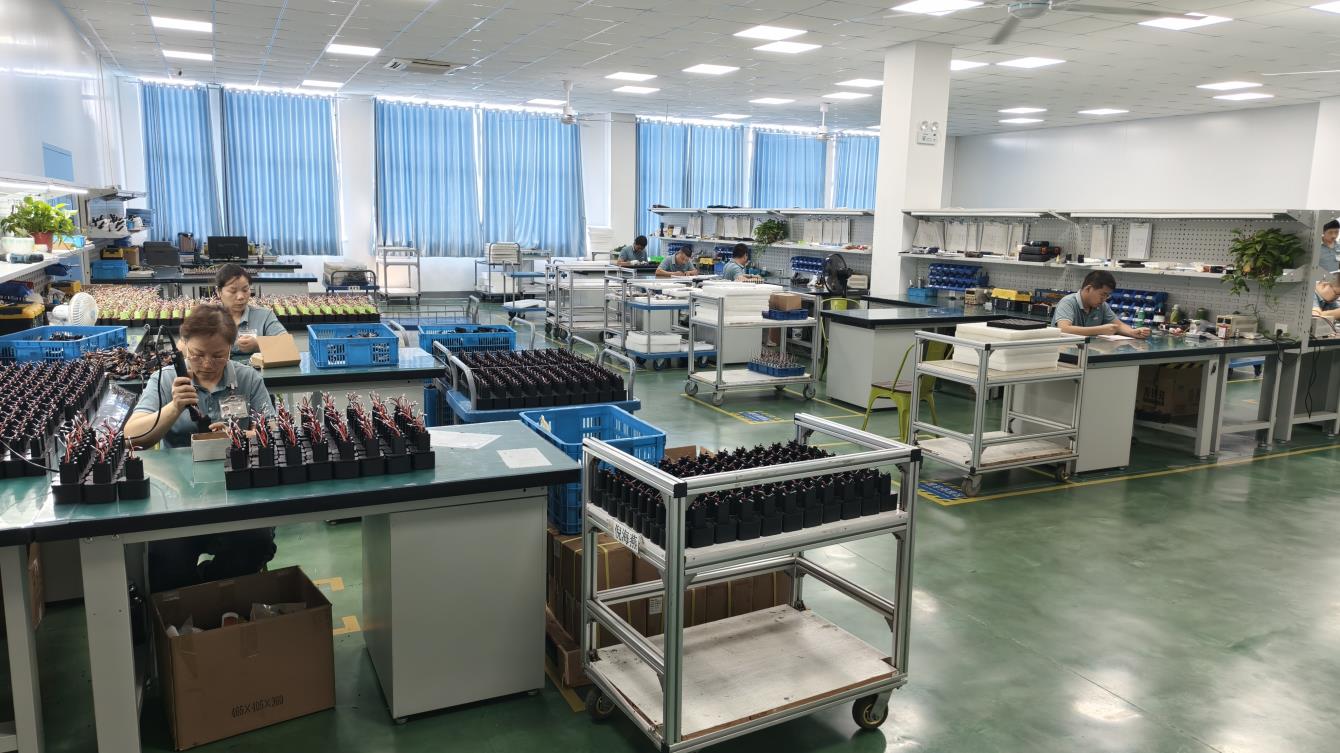
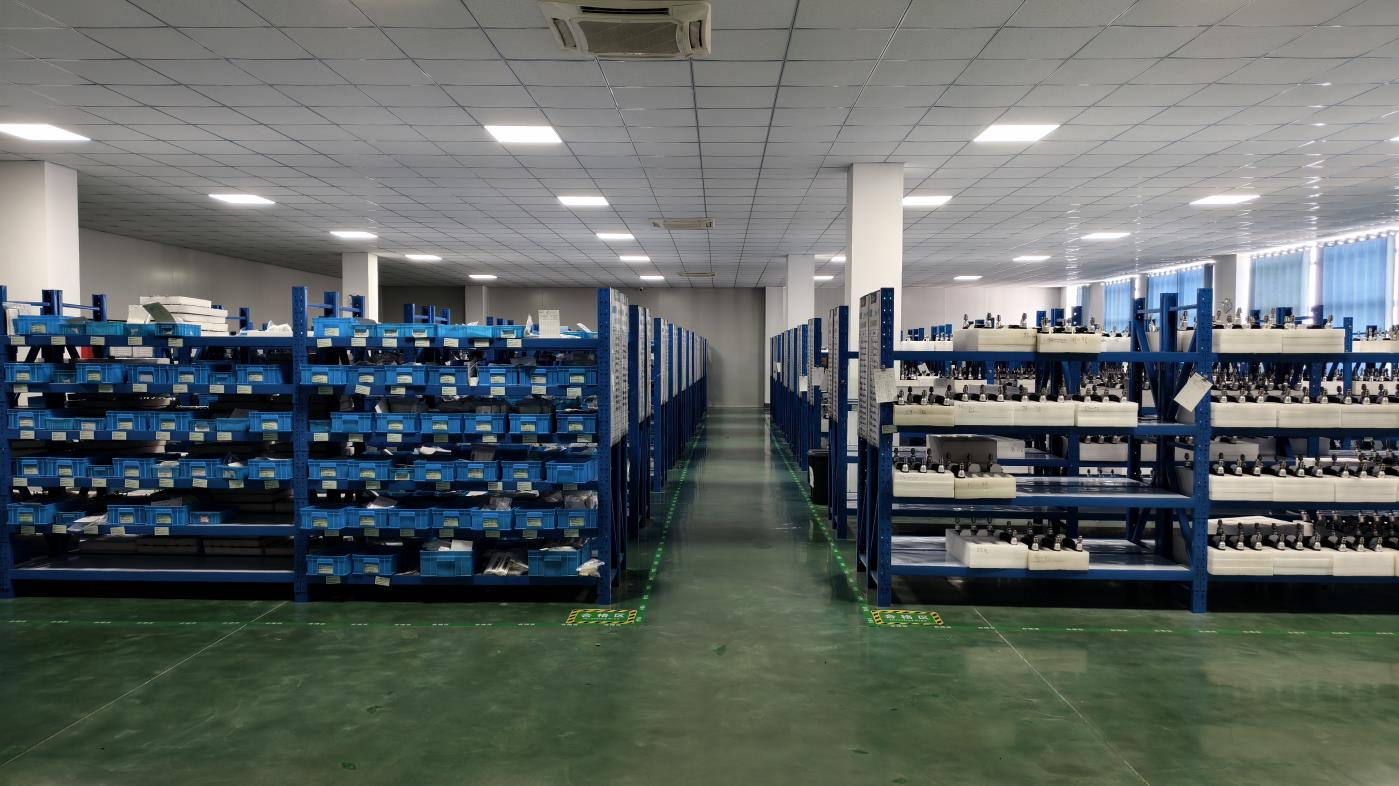
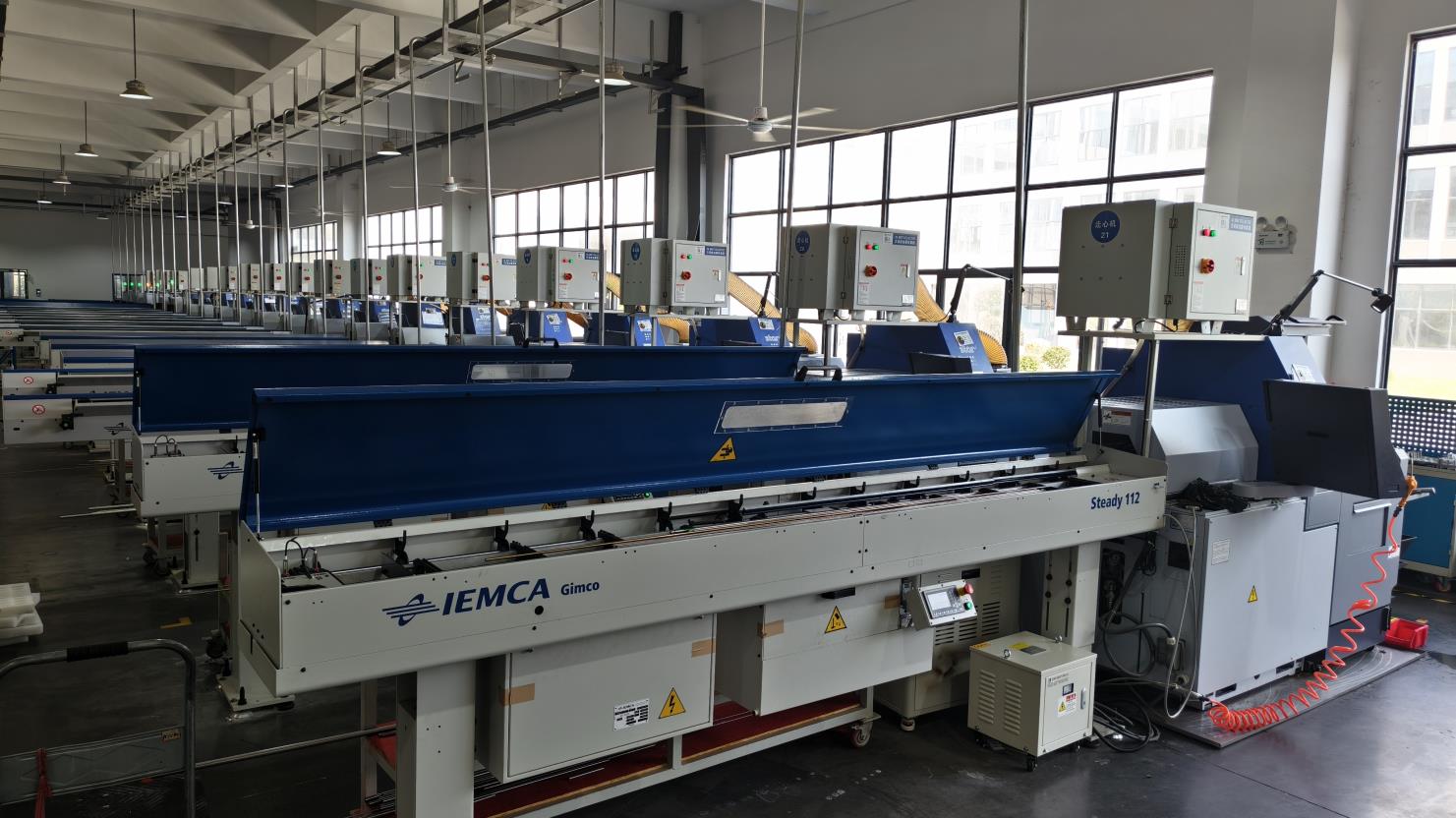
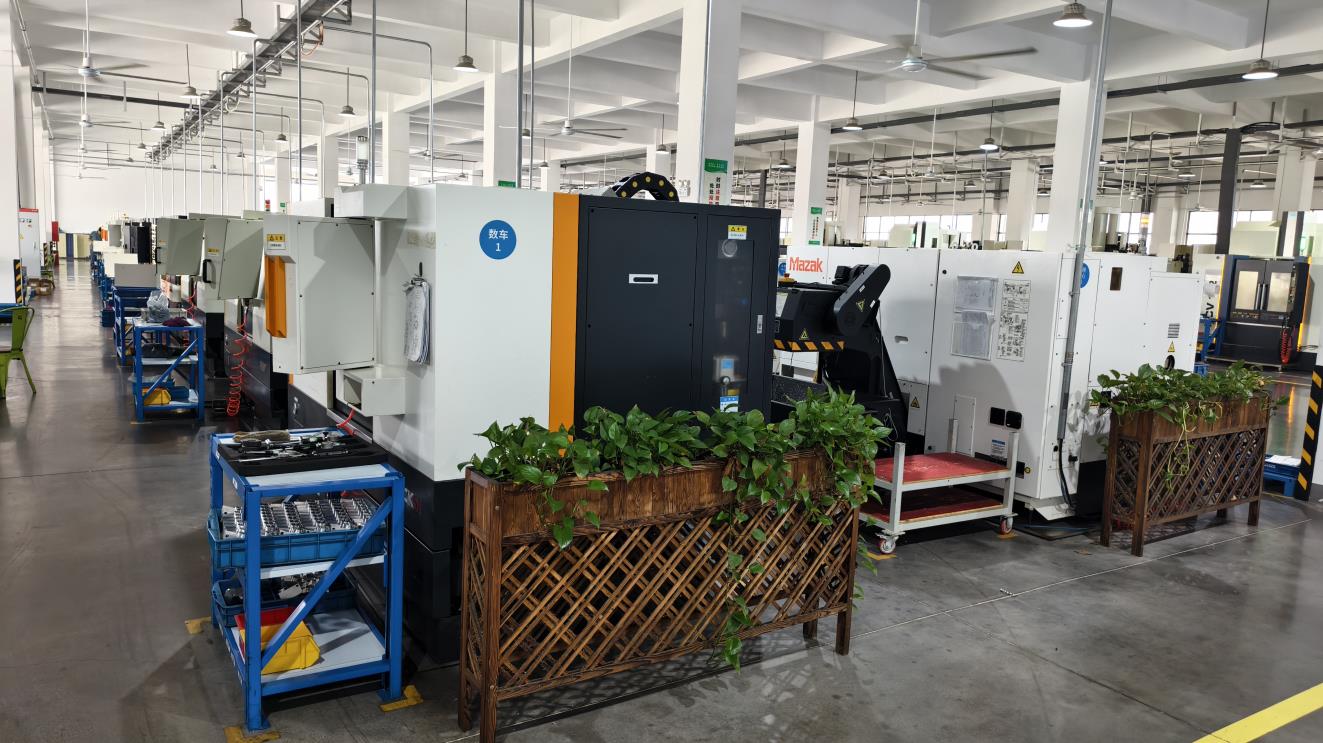
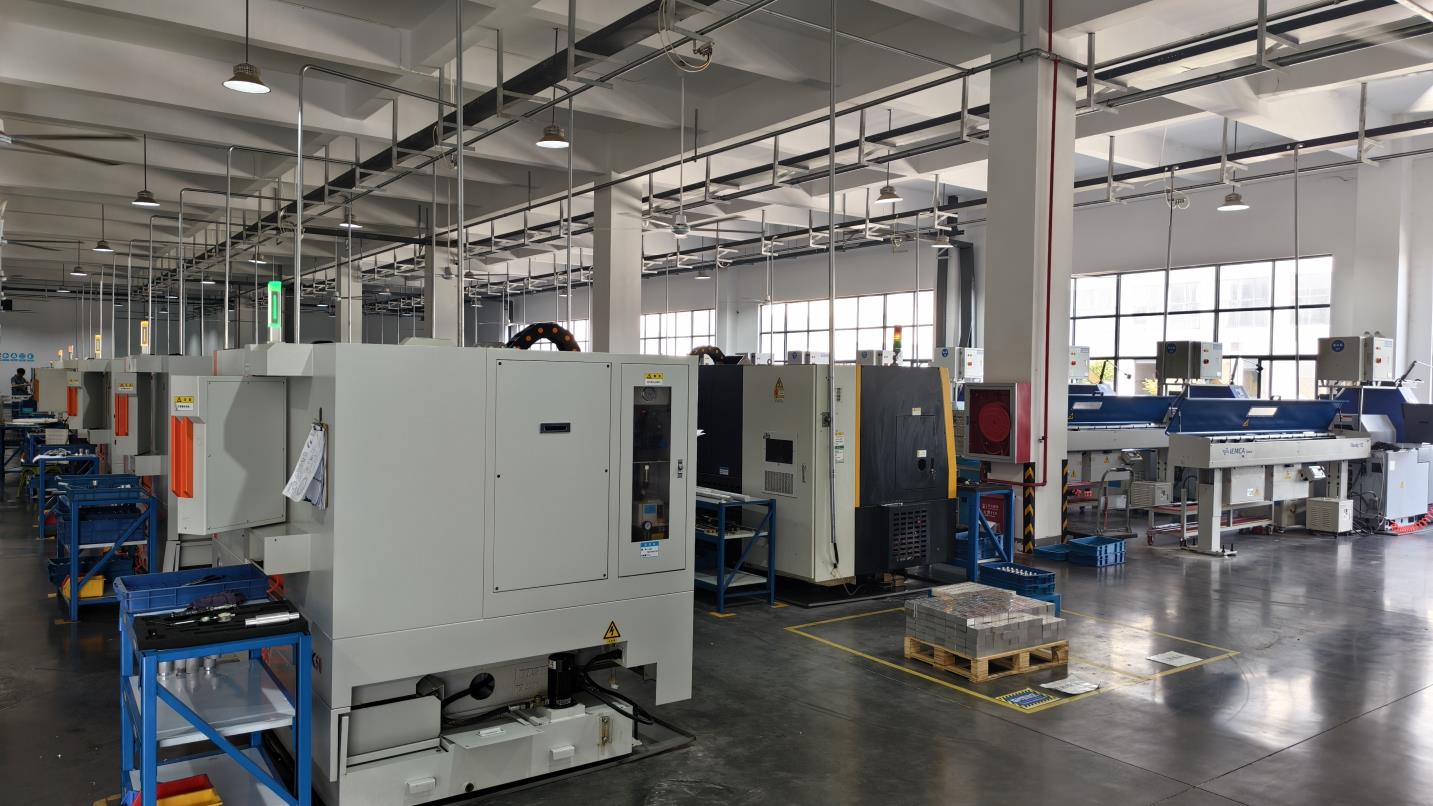
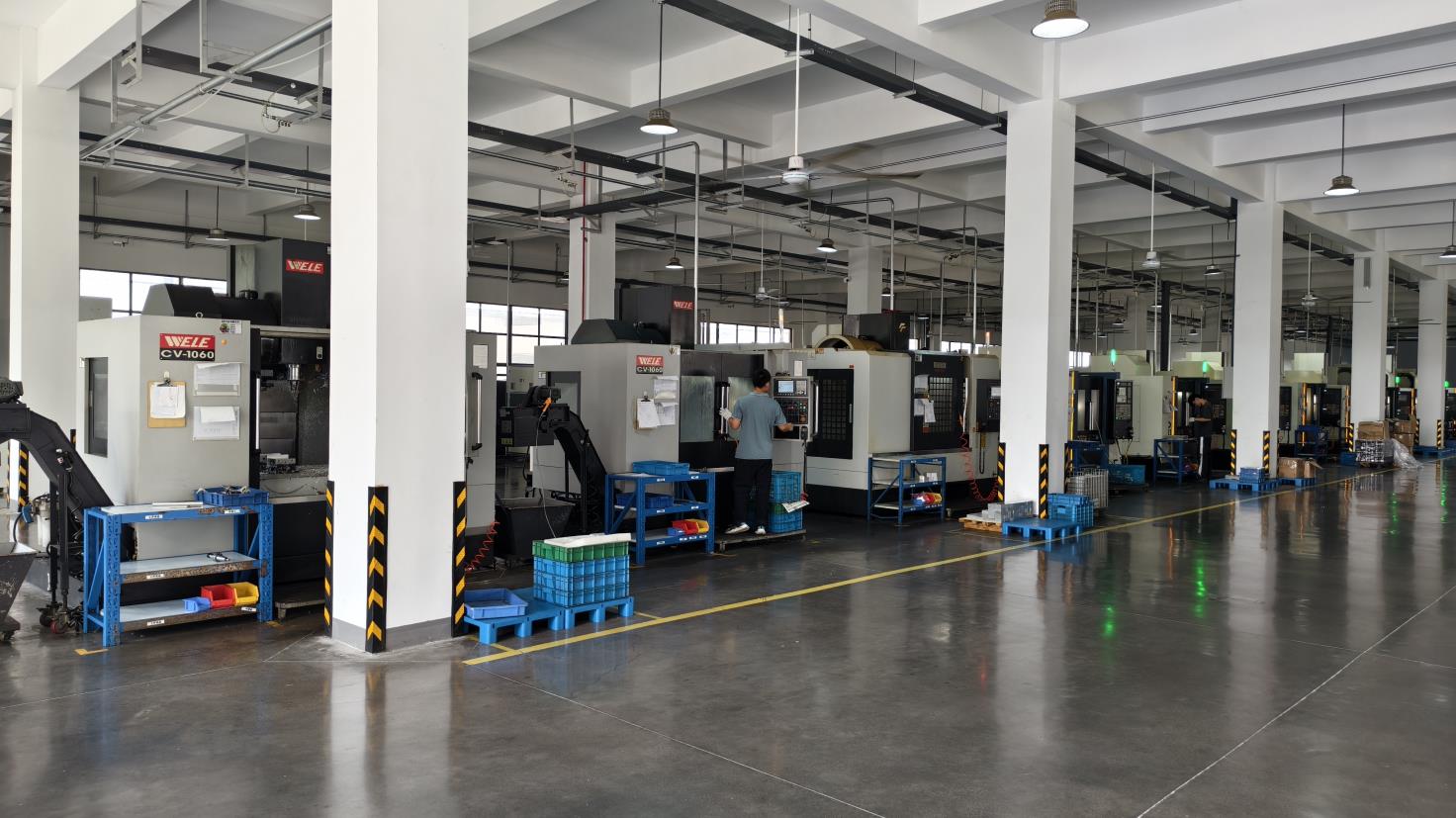
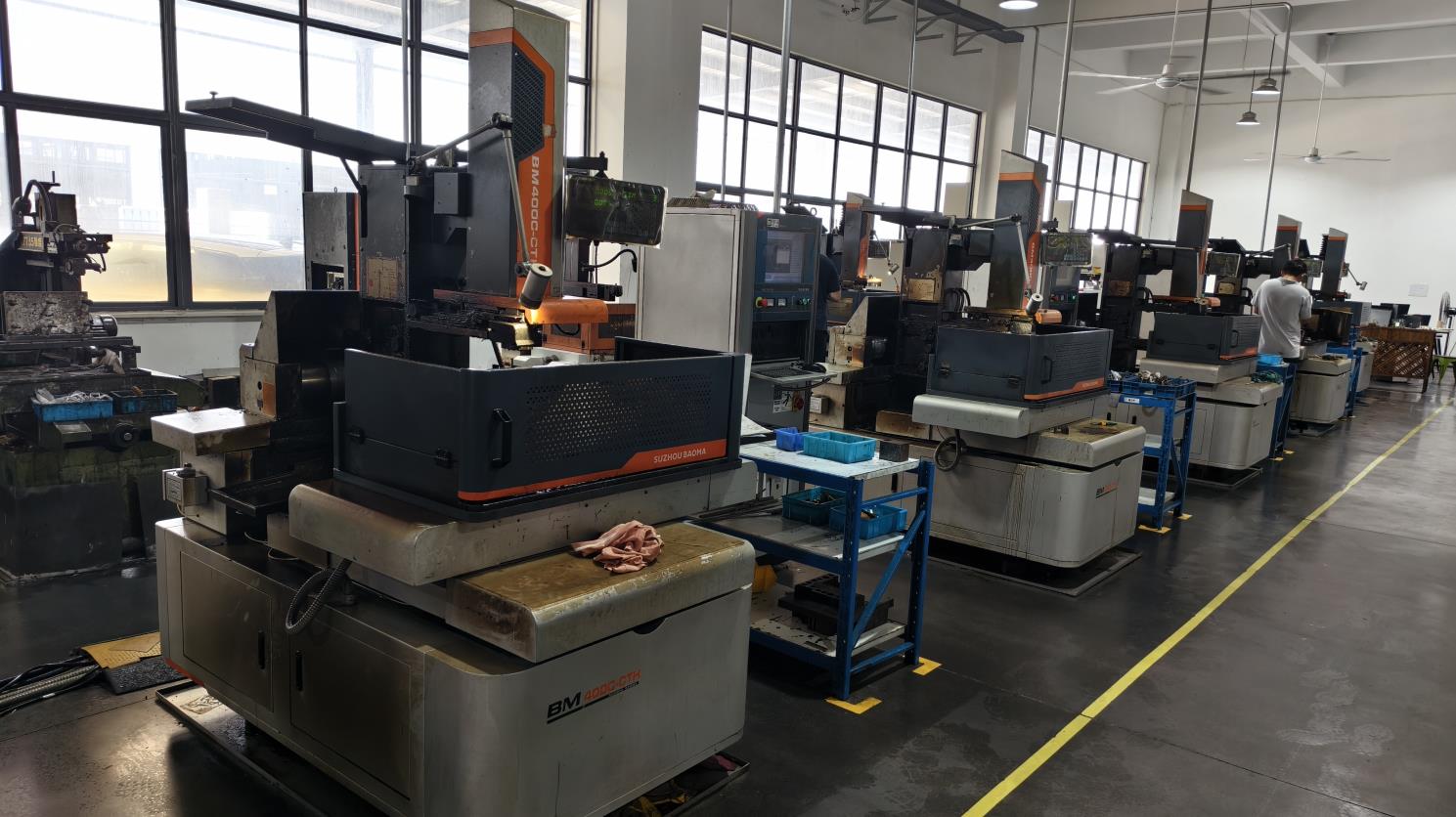
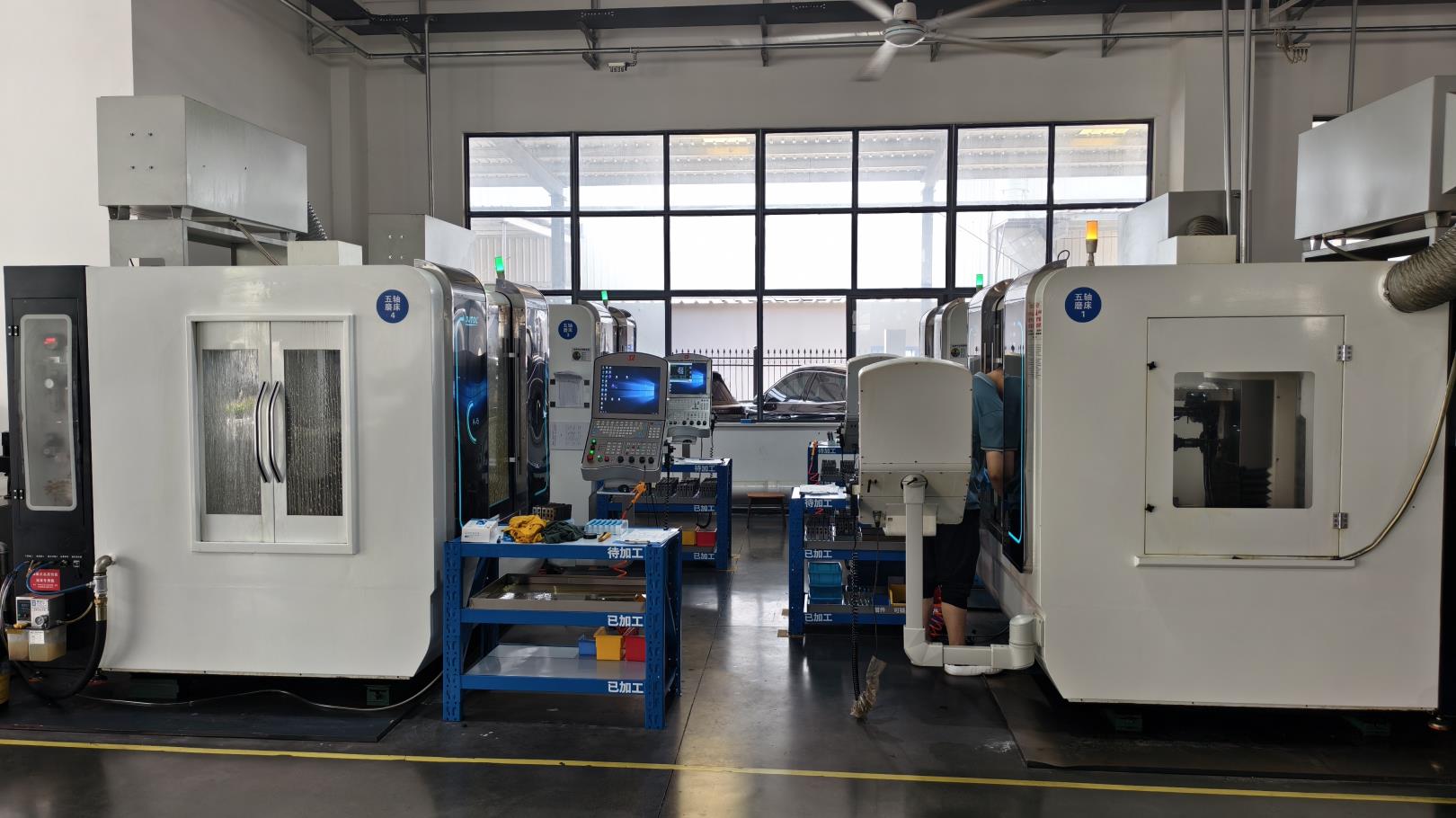
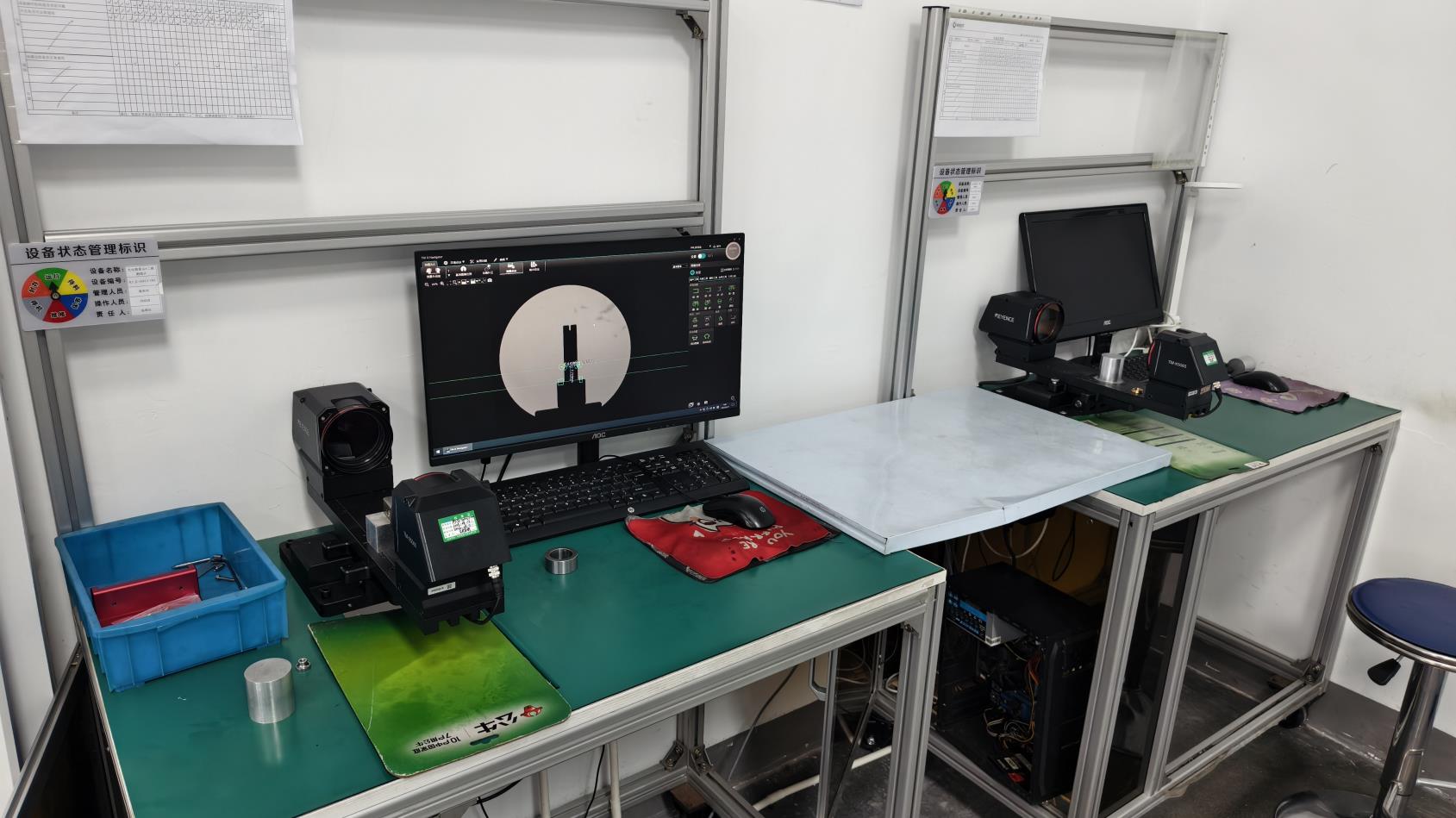
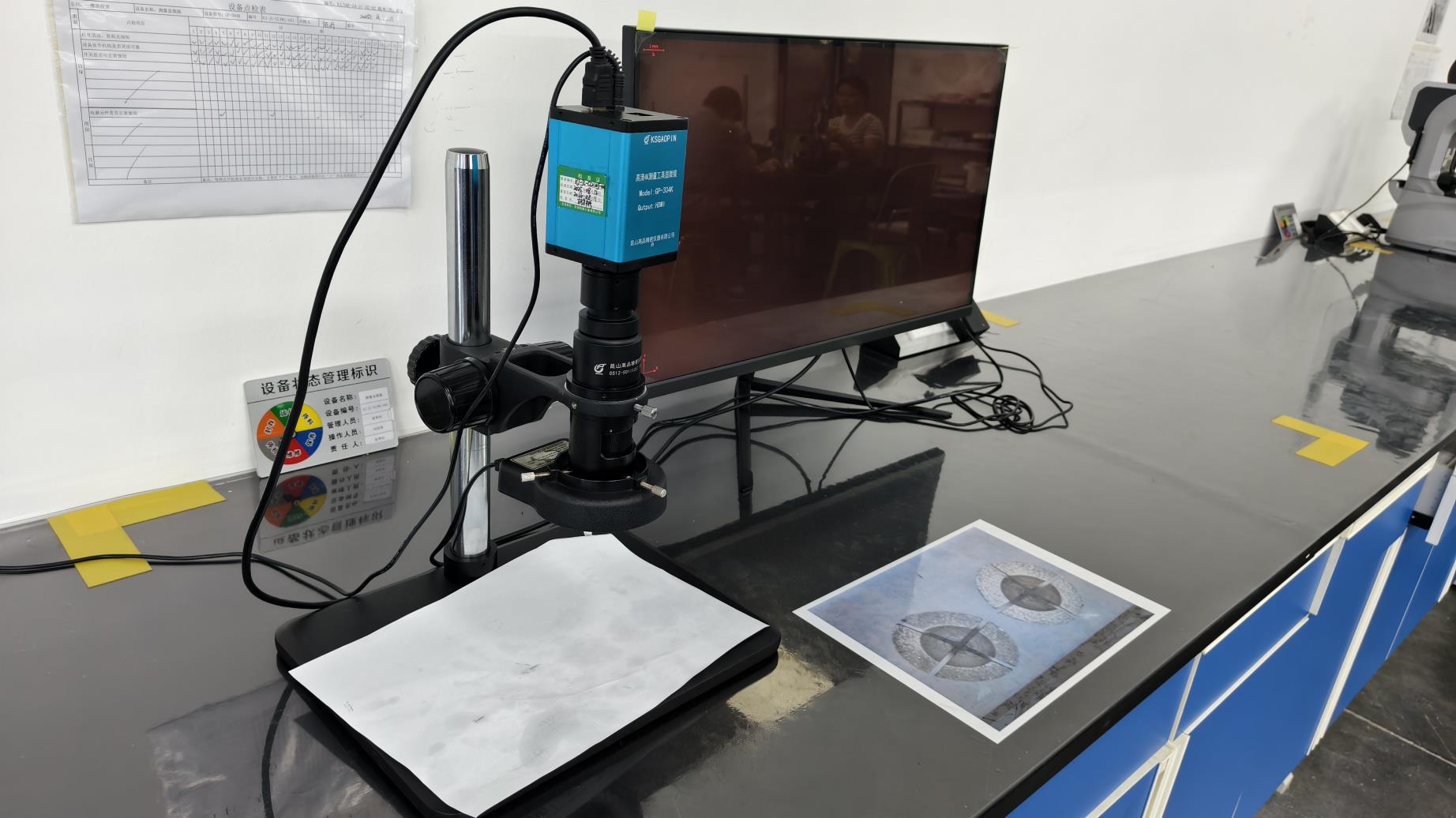
Operating out of our advanced medical instrumentation center established in 2019, we have combined Chinese industrial supply-chain advantages with strict quality management systems (QMS). Our manufacturing floor employs CNC grinding mills, optical profile projectors, and electrochemical polishing lines to produce surgical instruments with consistent tolerances within microns.
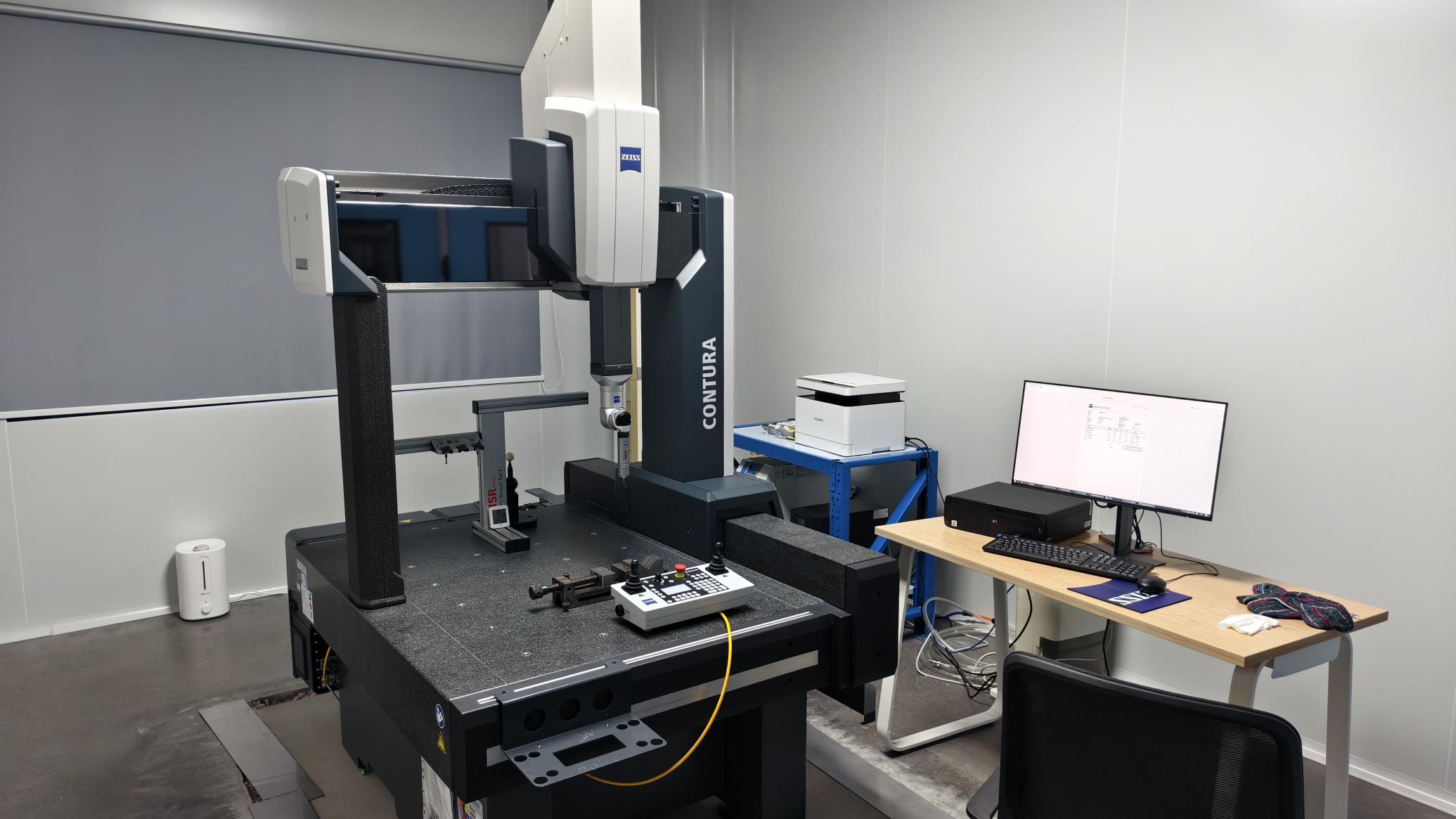
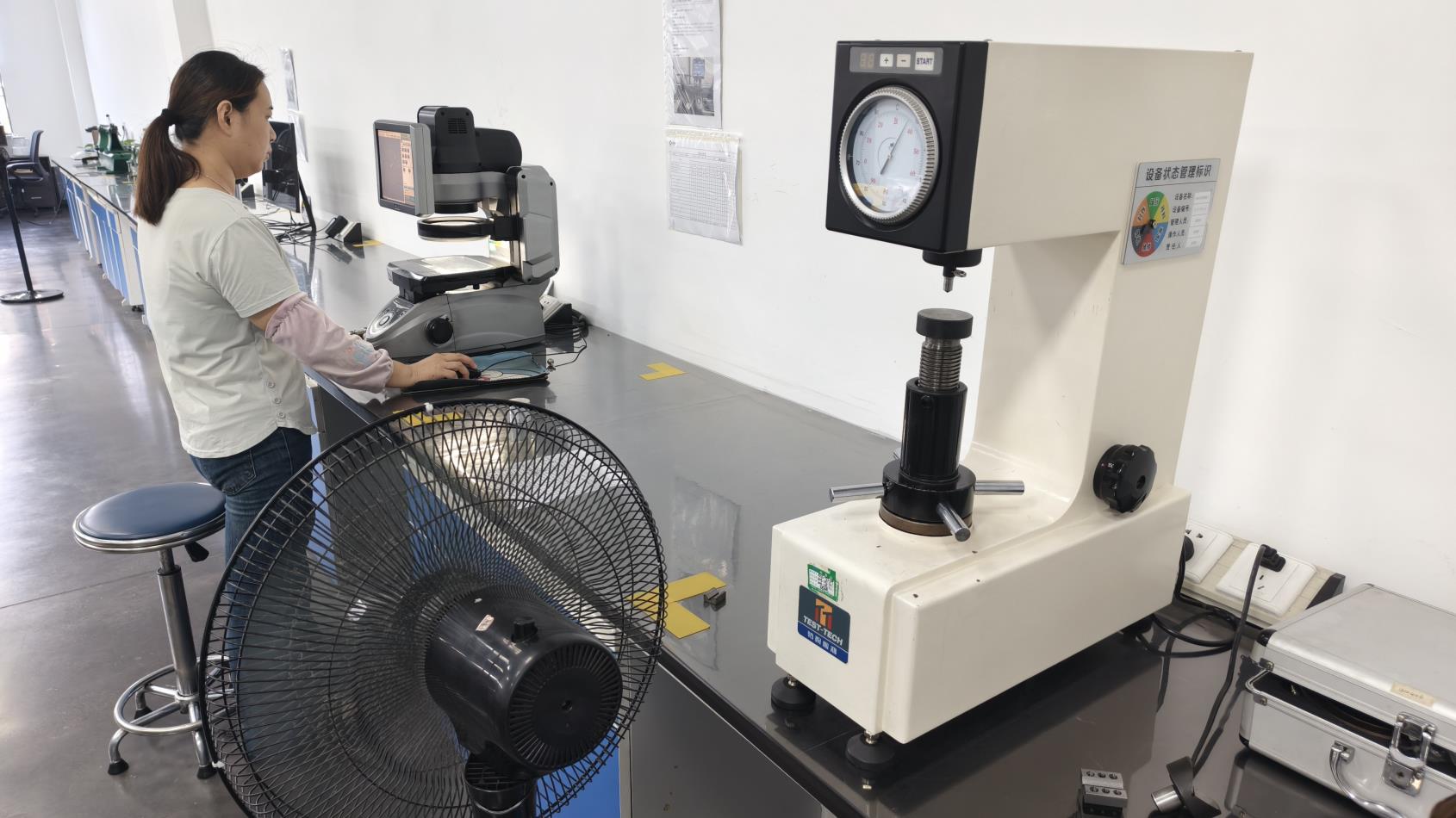
Every batch of medical-grade steel and titanium drill bits undergoes rigorous dimensional and metallurgical testing.
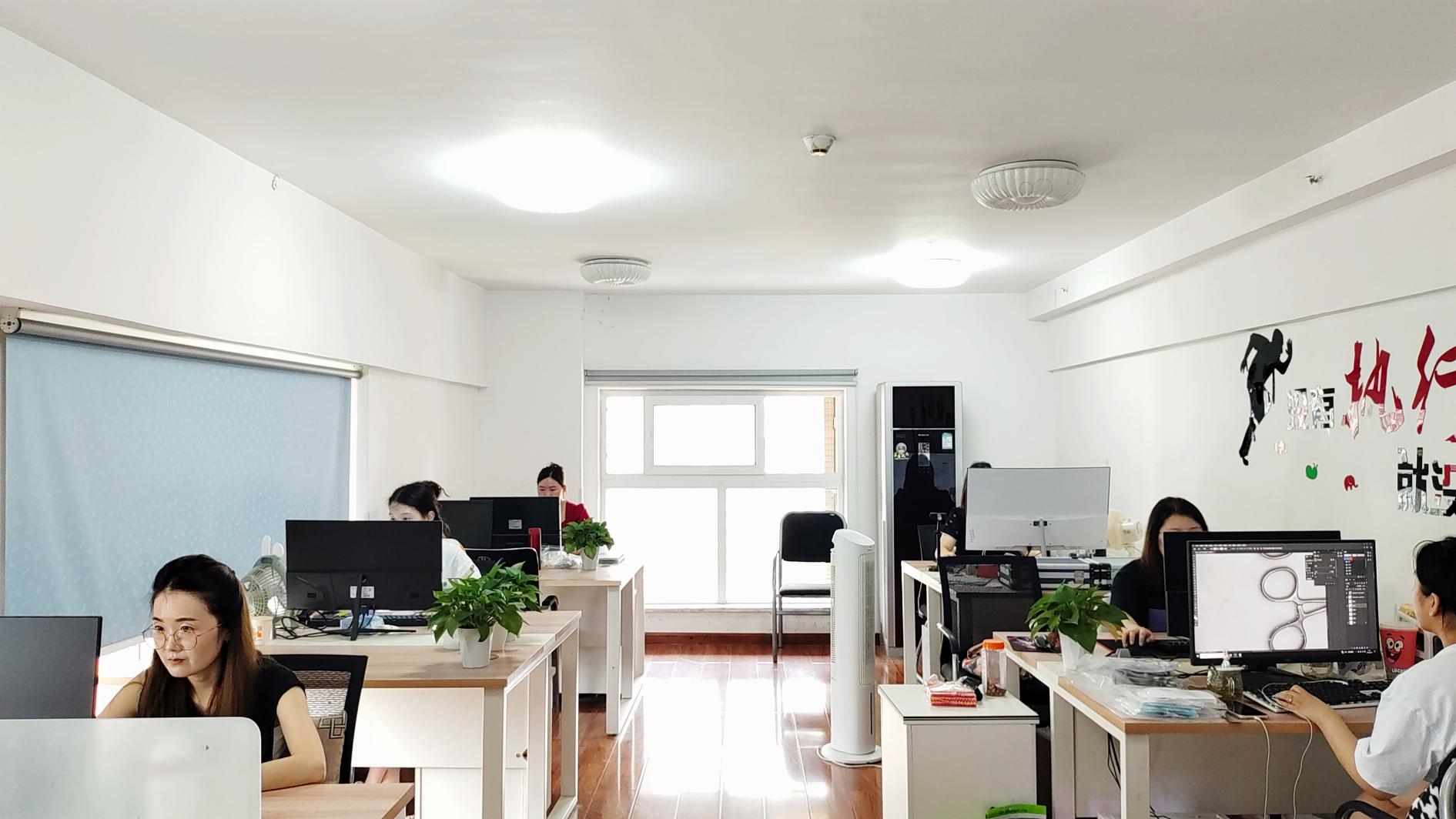
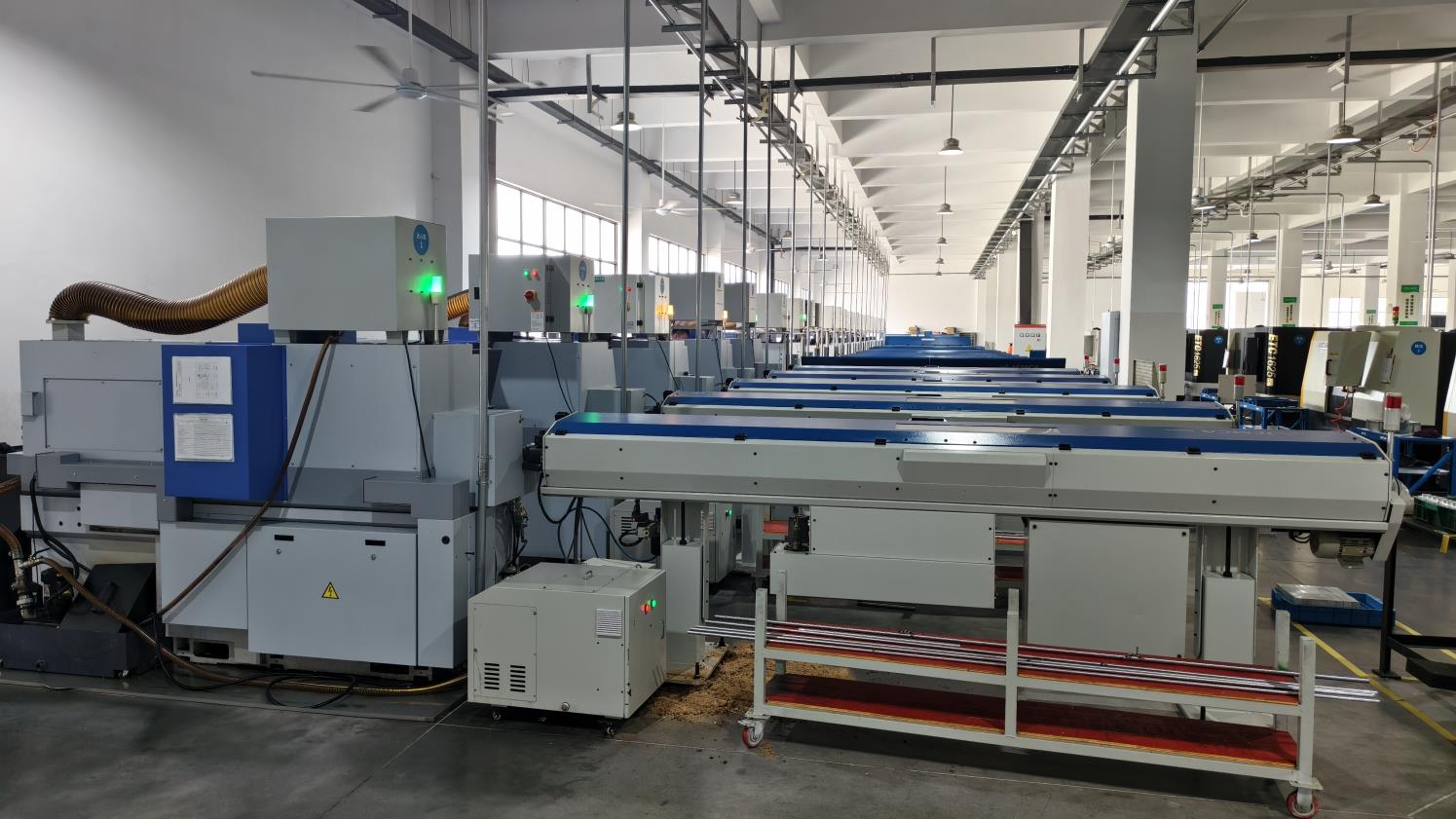
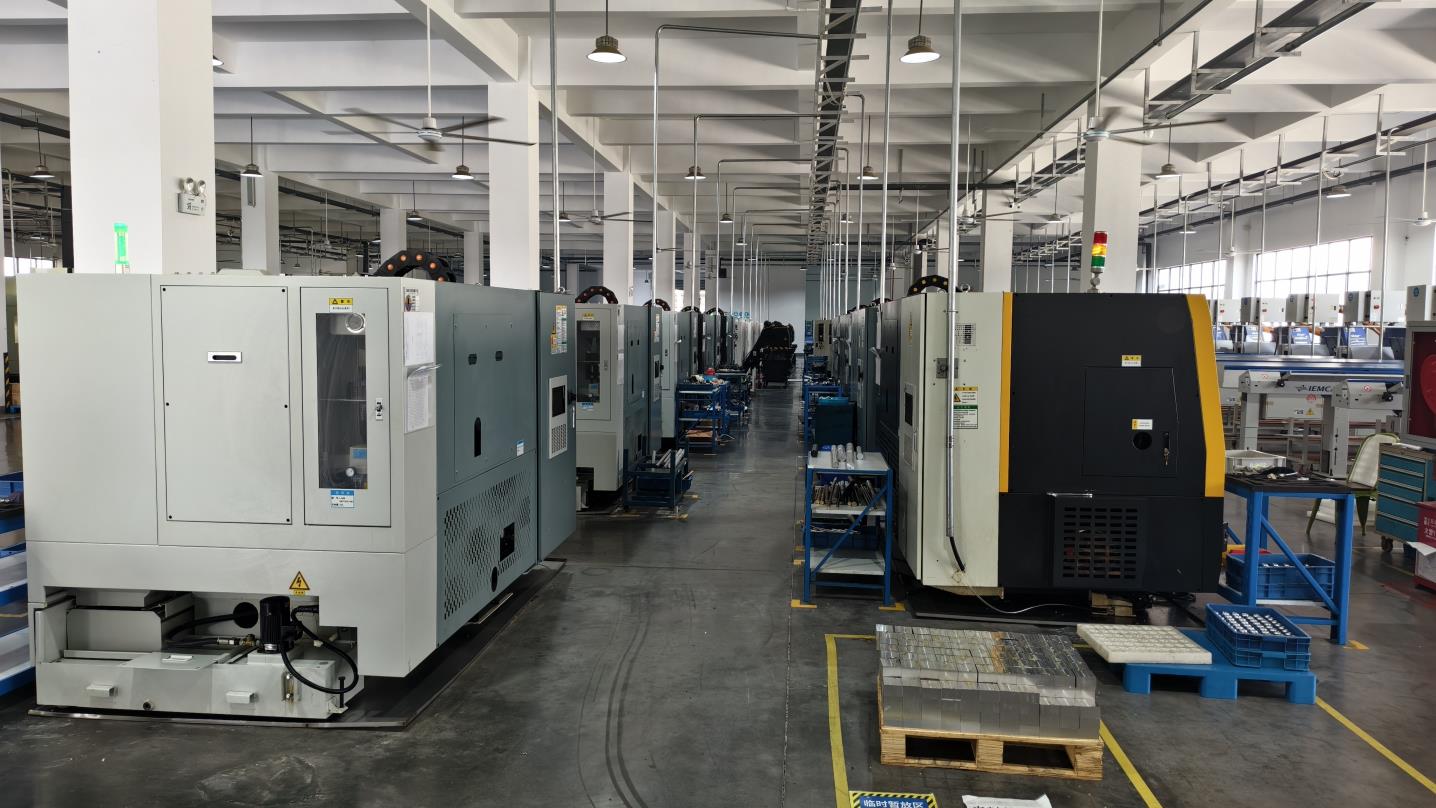
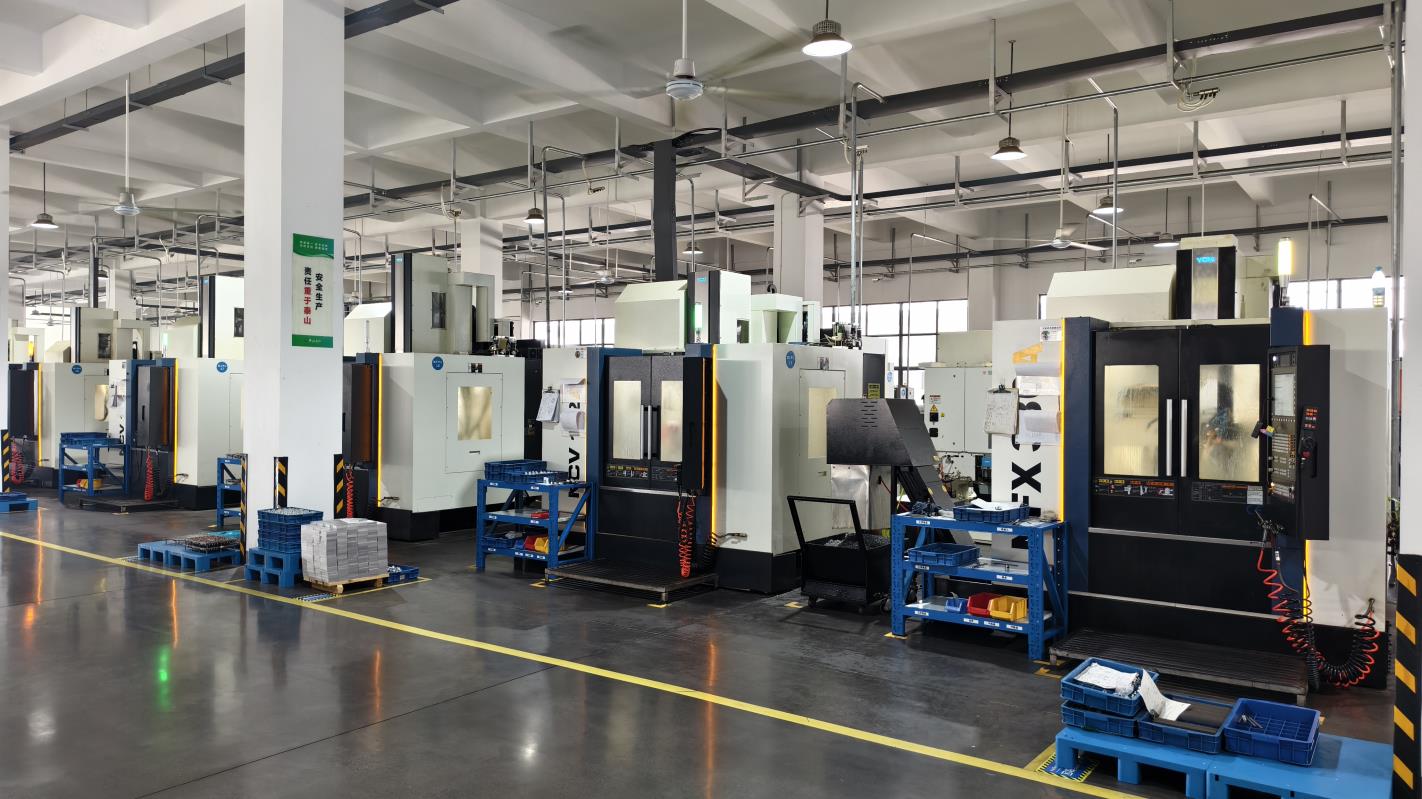
Supporting international distributors, hospitals, and brand manufacturers with complete regulatory documentation and custom OEM/ODM services.
For medical brand businesses, medical distributors, and wholesale groups, securing a dependable supply chain requires strict verification of material inputs and process parameters. Modern sourcing requires:
We provide tailormade manufacturing solutions based on specific clinical needs:
Adaptation across diverse veterinary and human surgical applications alongside emerging technical advancements.
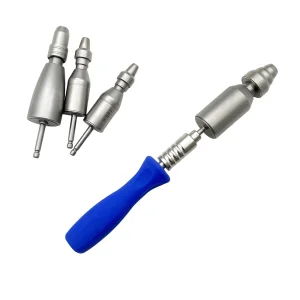
In human trauma wards and veterinary clinics, small fragment sets are crucial for stabilizing comminuted fractures. Using our torque adapters with limiter handles ensures that surgeons apply precise torque when inserting locking screws, protecting bone threads from stripping.
With the rise of veterinary orthopedics, surgical tools designed for domestic companion animals (dogs, cats) demand custom diameters (e.g., K-wires from 0.8mm to 2.0mm). These require outstanding tactile feedback to prevent penetration of the opposing cortex during delicate procedures.
A summary of our core business capabilities and strategic positioning in the global medical market.
Scientific and regulatory answers to common queries in orthopedic instrumentation procurement.
K-wires are typically manufactured from surgical-grade 316LVM (ASTM F138) stainless steel or titanium alloys (Ti6Al4V ELI). 316LVM is preferred for its high tensile strength and ductility, which prevents fracture when bending wires for skeletal traction or external fixation. Titanium is preferred when patients have steel/nickel allergies or when implants are planned for long-term placement.
A drill bit point angle of 110° to 120° provides optimal centering on convex cortical bone surfaces. It prevents drill slippage (skating) and reduces the axial force a surgeon must apply. Minimizing axial force reduces shear stresses in the bone, preventing friction and minimizing the risk of thermal necrosis.
Yes. We provide comprehensive OEM/ODM services, including graphic processing (matching CAD files) and sample processing (reproducing tools from physical samples). We specialize in custom helix angles, non-standard diameters, customized coatings (TiN, DLC), and custom quick-coupling interfaces.
Our 3 dedicated QC inspectors perform random batch inspections and custom-tailored inspection protocols as requested by our clients. This includes verifying dimensional tolerances with optical projectors, measuring concentricity, testing autoclave resilience, and validating raw material heat certificates to ensure complete clinical-grade compliance.
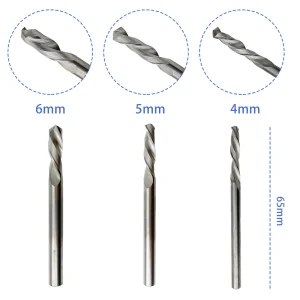
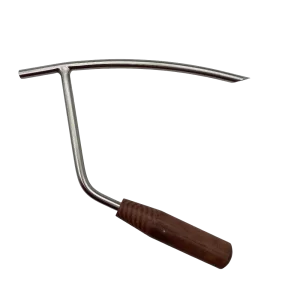
Yes. Many of our core products (such as our 4mm-6mm tungsten steel bits, adjustable C-type drill guides, and micro K-wires) are widely used in veterinary orthopedics for companion animal and equine trauma repair. Our small fragment systems and torque adapters are ideal for precision pet fracture fixations.
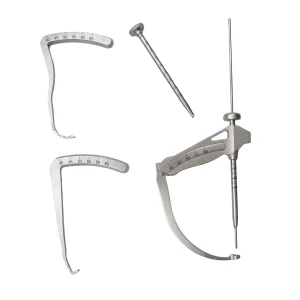
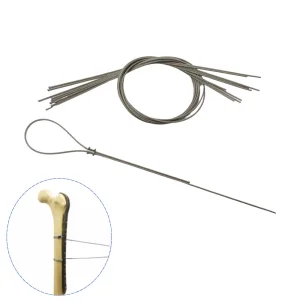
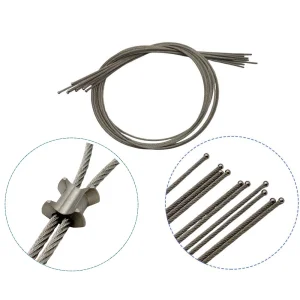
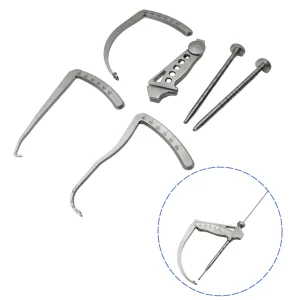
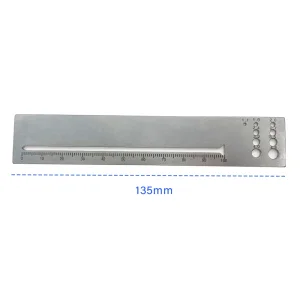
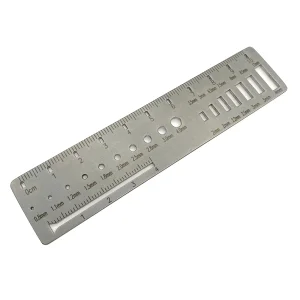
Discover additional components from our orthopedics catalog, including bone cables, sizing rulers, reamers, and drill guides.