SENJIE Healthy & Technology
SENJIE Healthy & Technology
SENJIE Healthy & Technology
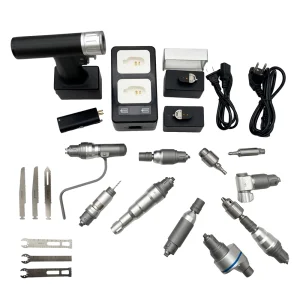
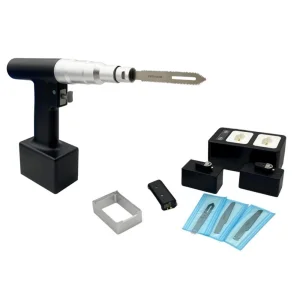
Explore our top-tier surgical power solutions optimized for bone cutting, drilling, and reaming. Fully sterilizable, high-torque configurations designed for human and veterinary surgeries.
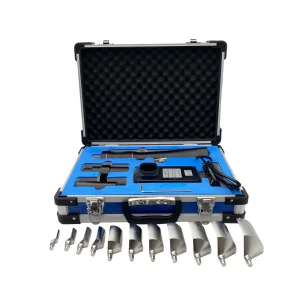
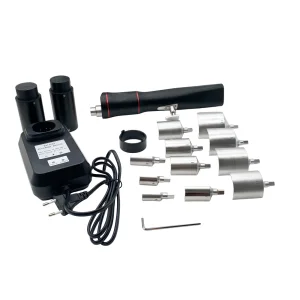
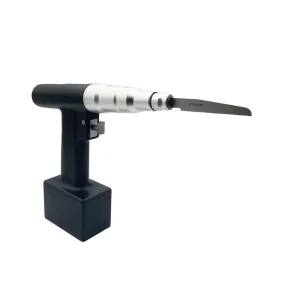
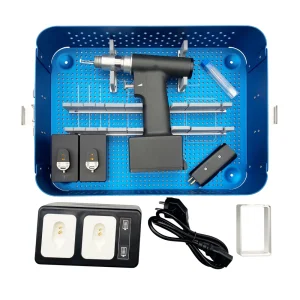
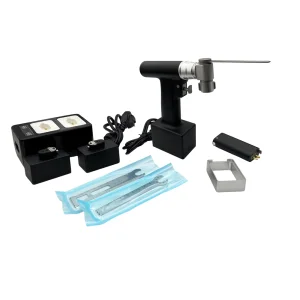
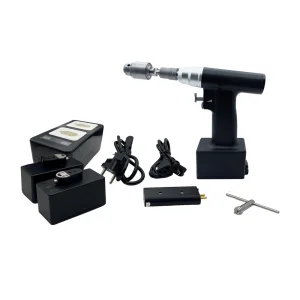
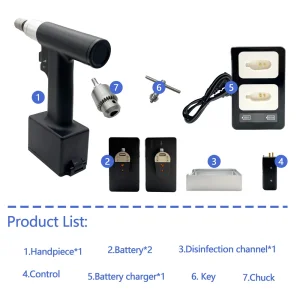
Validated production flows, verified raw material traceability, and dedicated global export networks servicing top tier clinical and veterinary institutions.
An authoritative technical analysis of motor mechanics, battery endurance, sterilization tolerances, and critical anatomical considerations in osteotomy and cranial procedures.
Modern orthopedic surgery demands high torque, low vibration, and thermal safety. The evolution of electric bone drills and saws has shifted significantly from legacy brushed DC motors to brushless DC (BLDC) motors. Brushed motors rely on physical carbon contacts that wear down over time, shedding micro-particles and generating excessive friction heat. This heat poses a critical risk of bone necrosis during prolonged surgical procedures.
Our latest brushless power tool systems operate with electromagnetic rotor control, yielding high power density and minimizing heat generation. Eliminating mechanical brushes extends the lifecycle of the handpiece and enables higher rotary speeds (up to 1200 RPM for drilling, 300 RPM for joint reaming) without thermal overload. This technology is critical for heavy-duty procedures such as total knee arthroplasty (TKA) and total hip arthroplasty (THA).
Medical instruments require absolute sterility. Standard steam autoclaving operates at 134°C to 138°C under 2.2 bar pressure. Power tools housing batteries, electronic circuit boards, and motors face severe thermal expansion stresses under these conditions. Poorly sealed tools suffer moisture infiltration, causing corrosion on bearings, short-circuits on PCBs, and degradation of battery lithium cells.
To overcome this, our surgical instruments are built using medical-grade SUS316L stainless steel and titanium alloy housings, finished with hermetic double-O-ring silicone gaskets. Lithium battery packs are housed in high-temperature resistant polymer shells. For facilities requiring ultra-fast turnaround, we offer dual-controller sets and high-barrier sterilizable battery boxes that protect the battery core from direct steam contact while maintaining electrical contact reliability.
Orthopedic operations cover a broad spectrum of bone densities and anatomical structures. A single motor setup cannot support both high-speed skull milling and high-torque hip reaming. Below is the functional breakdown of standard surgical instrument classes:
| Instrument Class | Primary Applications | Speed / Oscillation Range | Torque Requirements | Key Structural Features |
|---|---|---|---|---|
| Trauma Cannulated Drill | K-Wire fixation, plating, intramedullary nailing | 0 – 1200 RPM | Medium (3.5 N·m) | Cannulated shaft (Φ≥4.2mm) for guiding wires |
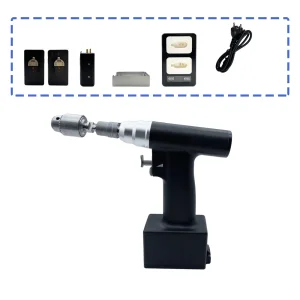
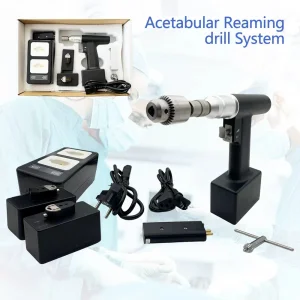
| Reaming Power Tool | Joint replacement cavity preparation (THA/TKA) | 0 – 300 RPM | High (10 – 15 N·m) | Reduction gearbox, quick-connection chucks |
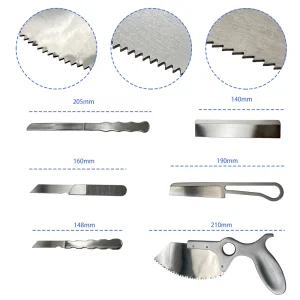
| Sagittal / Oscillating Saw | Osteotomies, bone resection, TPLO veterinary surgery | 0 – 16,000 OSC/min | High cutting force | Dual-switch, low vibration blade clamp |
| Micro Cranial Drill & Burr | Neurosurgery, craniotomy, spine decompression | 0 – 40,000 RPM (Burr) | Low (Ultra precision control) | Automatic stop mechanism at bone-dura transition |
Distributing orthopedic medical devices internationally requires strict adherence to regulatory standards. In the United States and Latin America (representing 50% of our market share), hospitals require compliance with FDA guidelines and ISO 13485 quality systems. We enforce raw material traceability, tracking stainless steel and titanium lots from smelting to the finished CNC-machined components.
Our quality control program employs random testing and customer-specified testing protocols. Every batch of surgical drills undergoes runout concentricity checks, load tests, and waterproofing tests under simulated autoclave conditions. This strict testing process ensures our tools consistently perform in high-stakes human and veterinary surgeries.
Veterinary orthopedic surgery has advanced rapidly, driven by the demand for complex joint surgeries in companion animals. Canine cranial cruciate ligament (CCL) ruptures are treated using Tibial Plateau Leveling Osteotomy (TPLO). This procedure requires specialized radial arc saws and blades to perform high-precision curved cuts on the proximal tibia.
Our TPLO power systems provide low-vibration arc cuts to prevent micro-fractures in the tibial crest. These veterinary instruments feature lightweight bodies, allowing surgeons to control blade orientation during long, delicate procedures. We provide both standard and micro sizes to accommodate a wide range of canine breeds, from small terriers to large mastiffs.
Direct look into our CNC milling floor, assembly environment, surgical testing setups, and clean packaging facilities. Verified images representing real-world manufacturing operations.
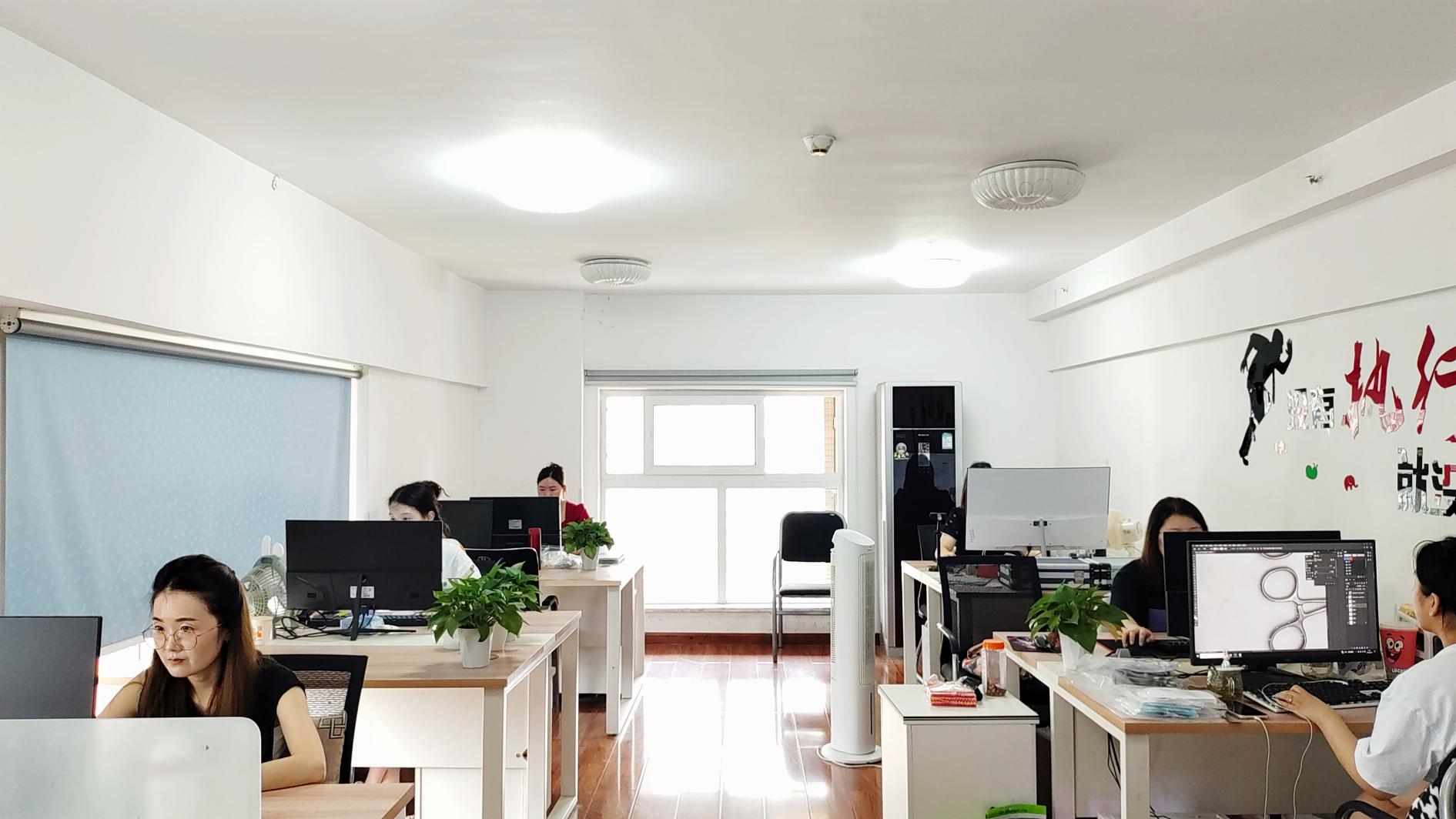
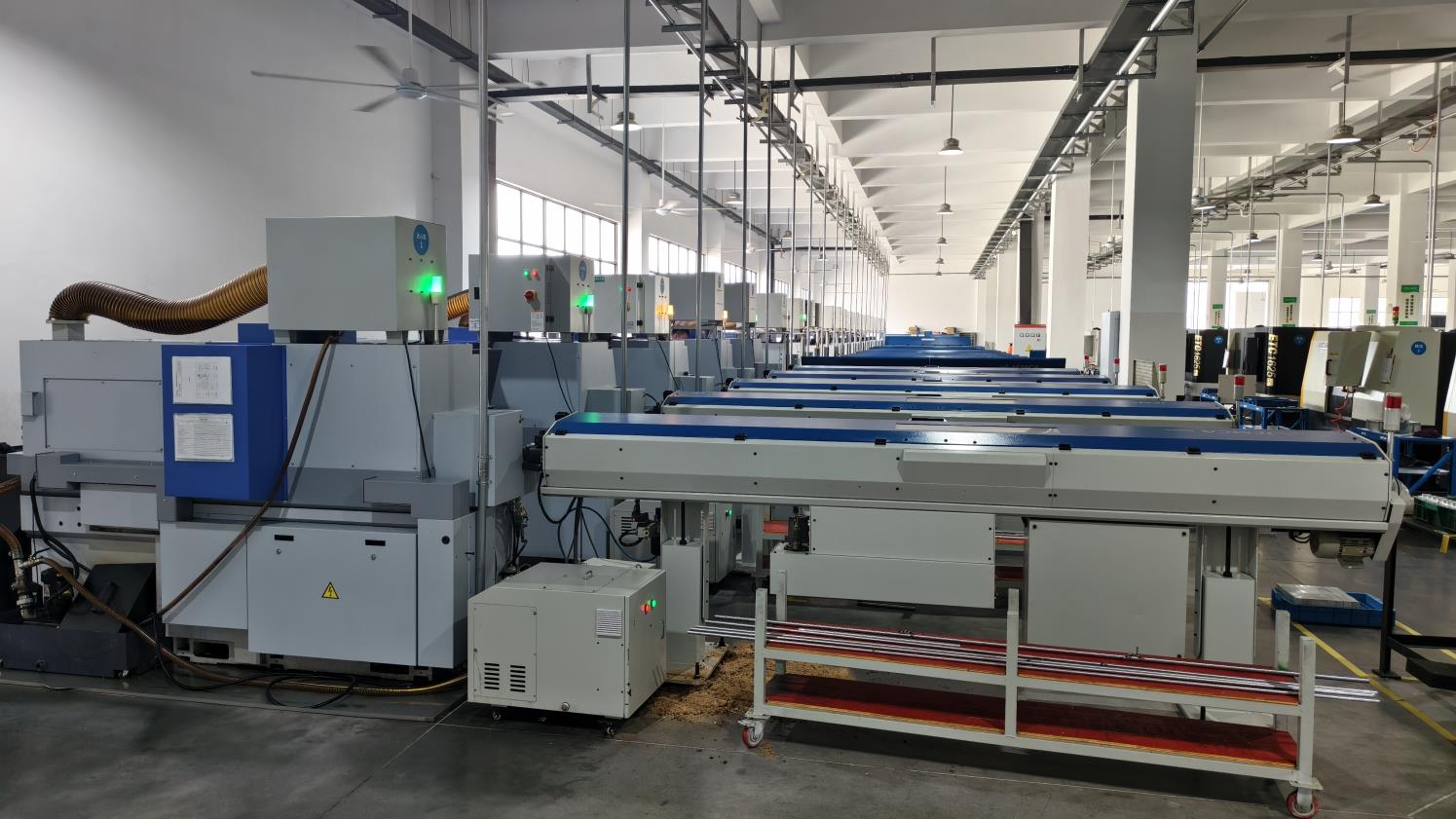
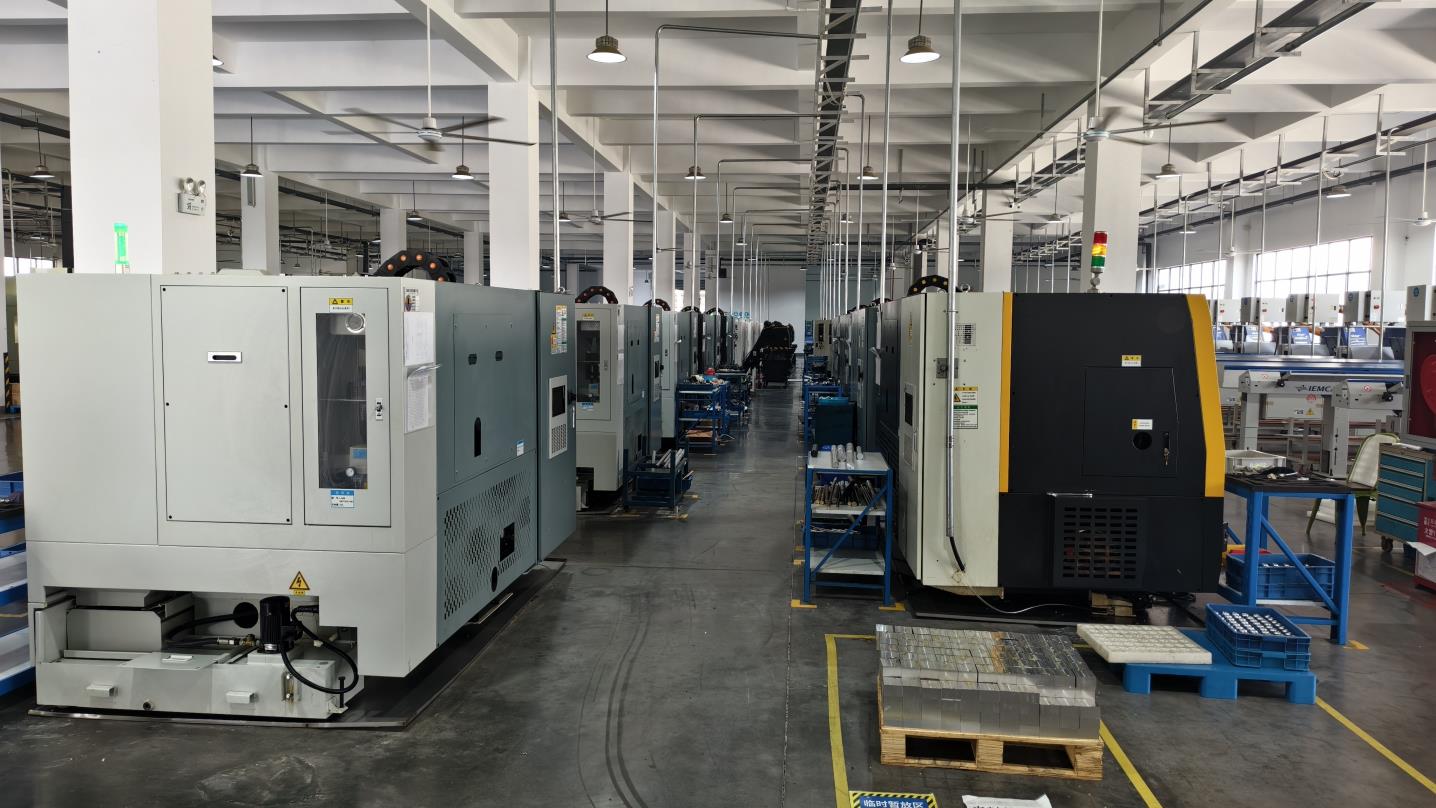
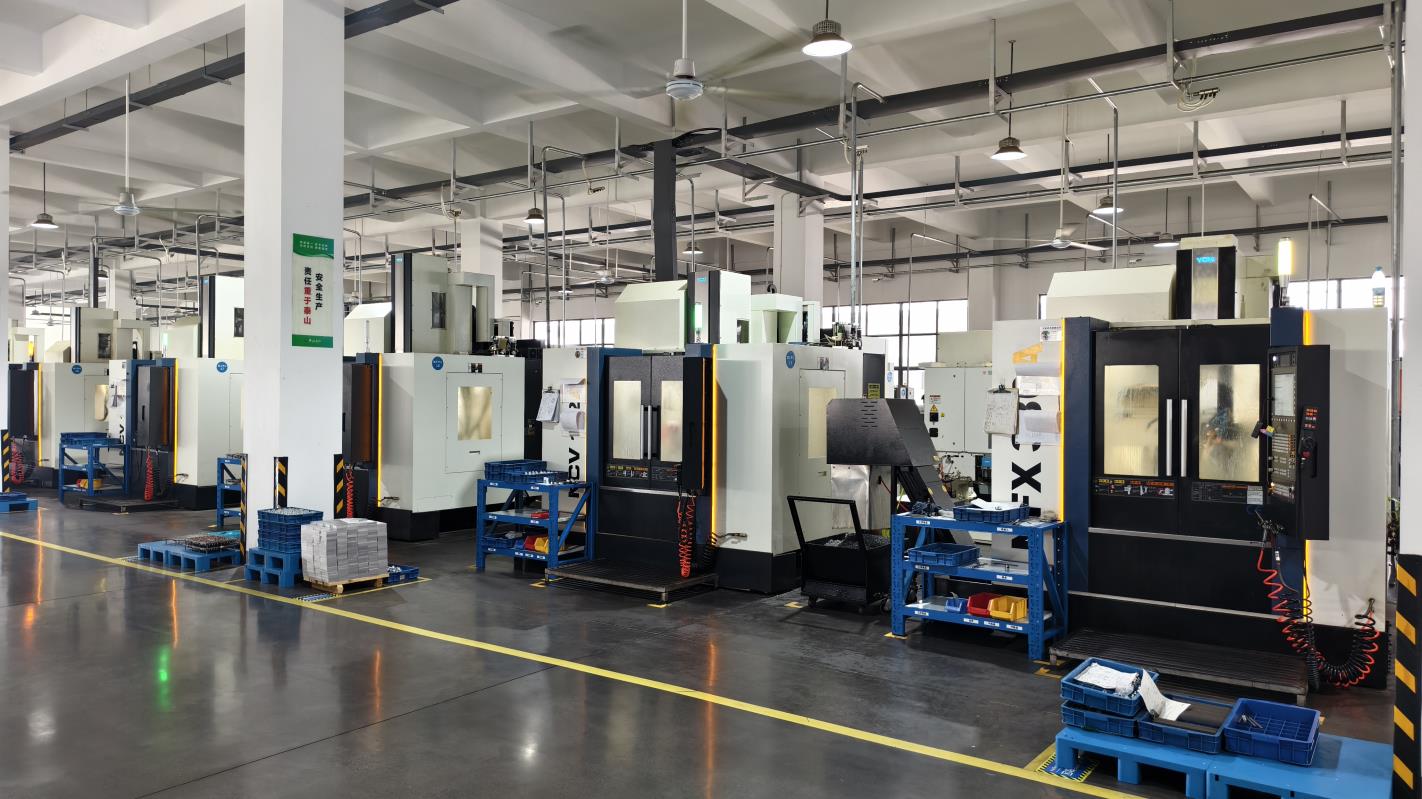
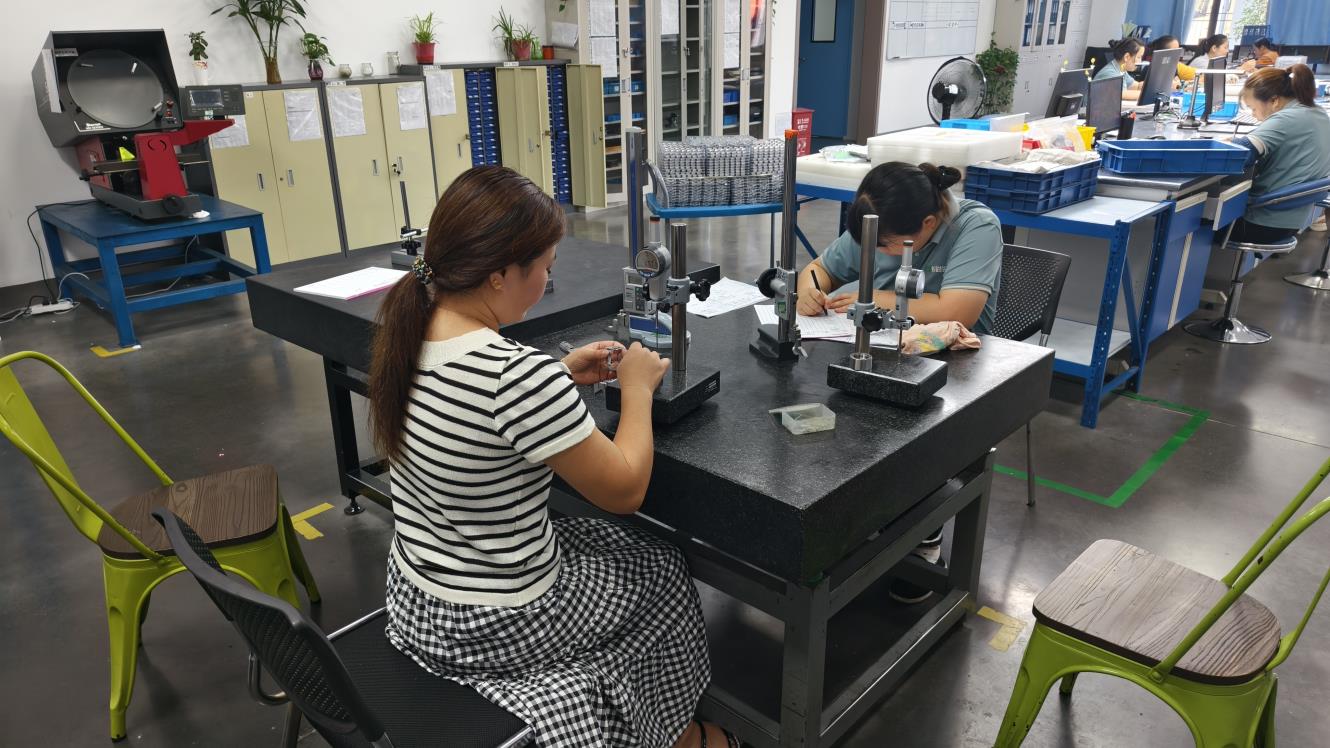
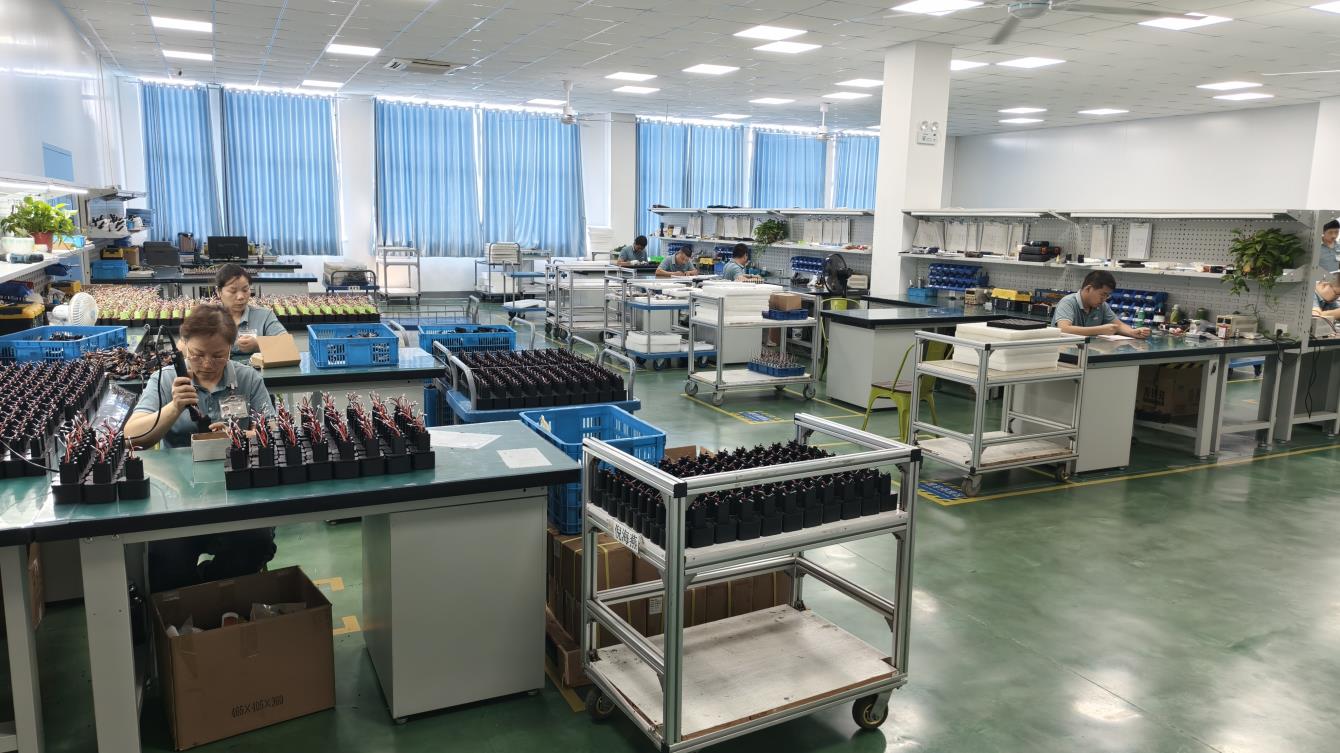
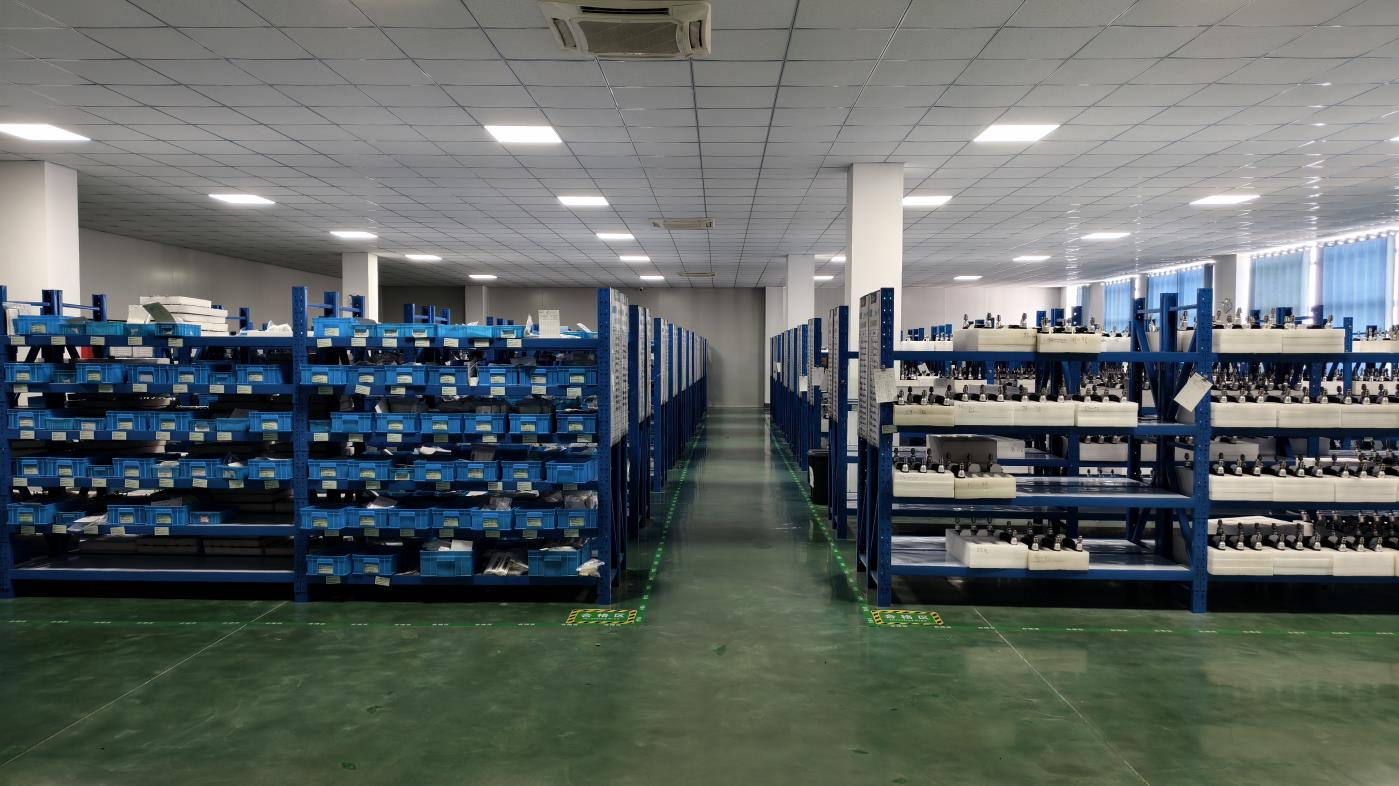
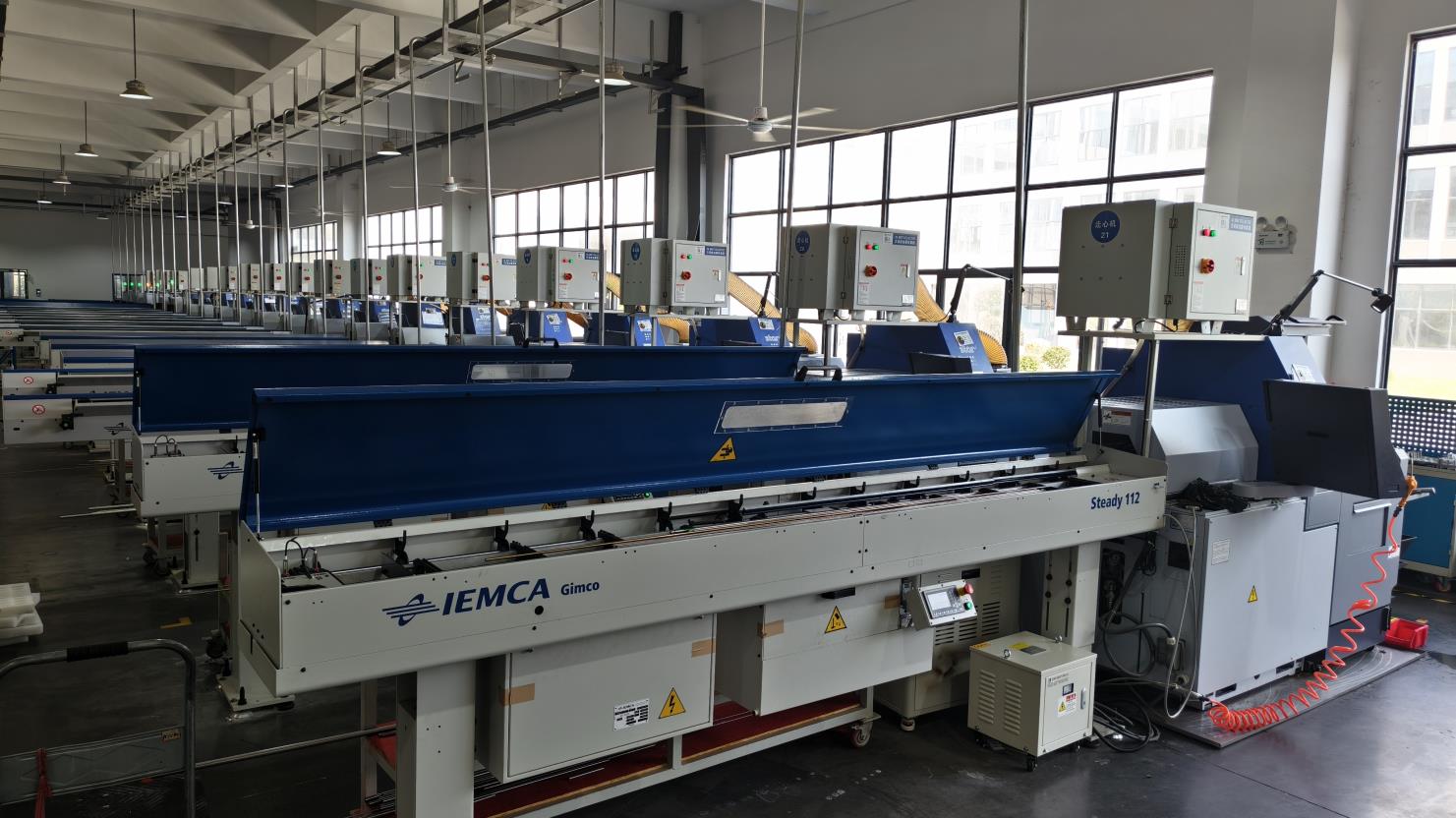
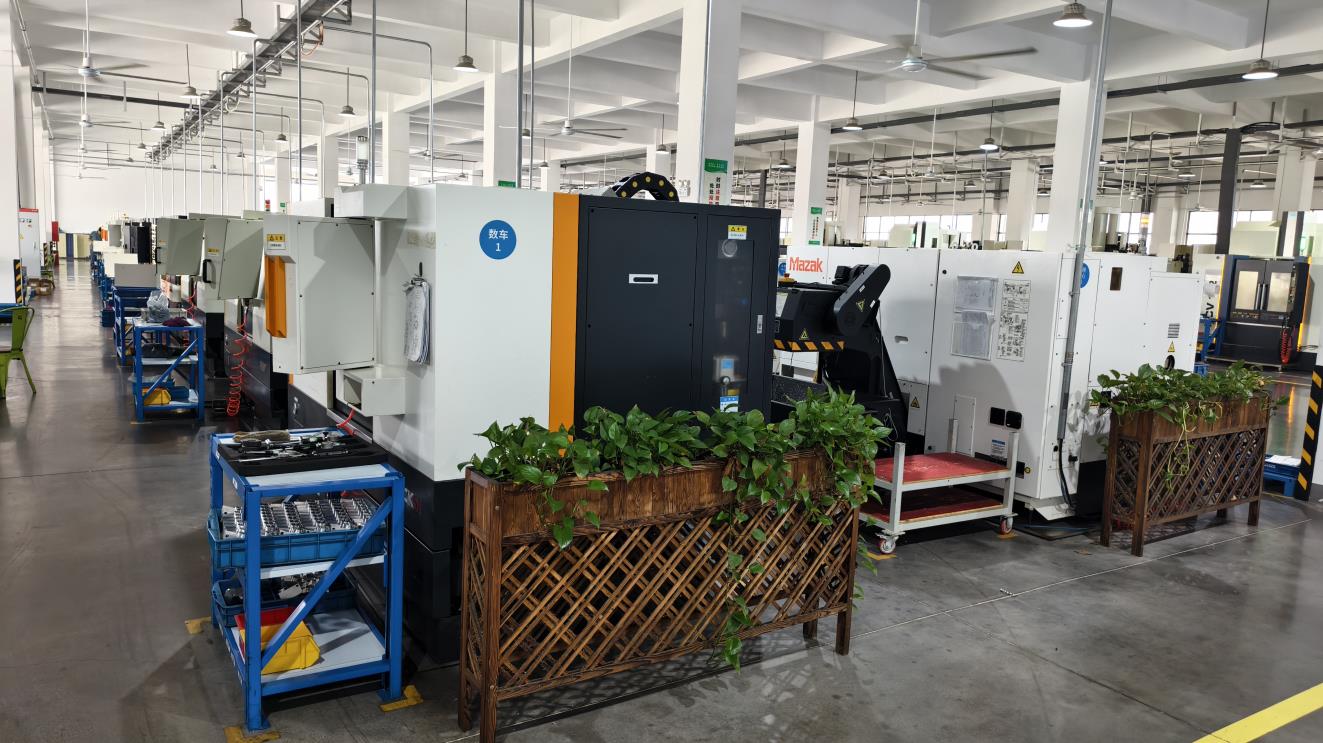
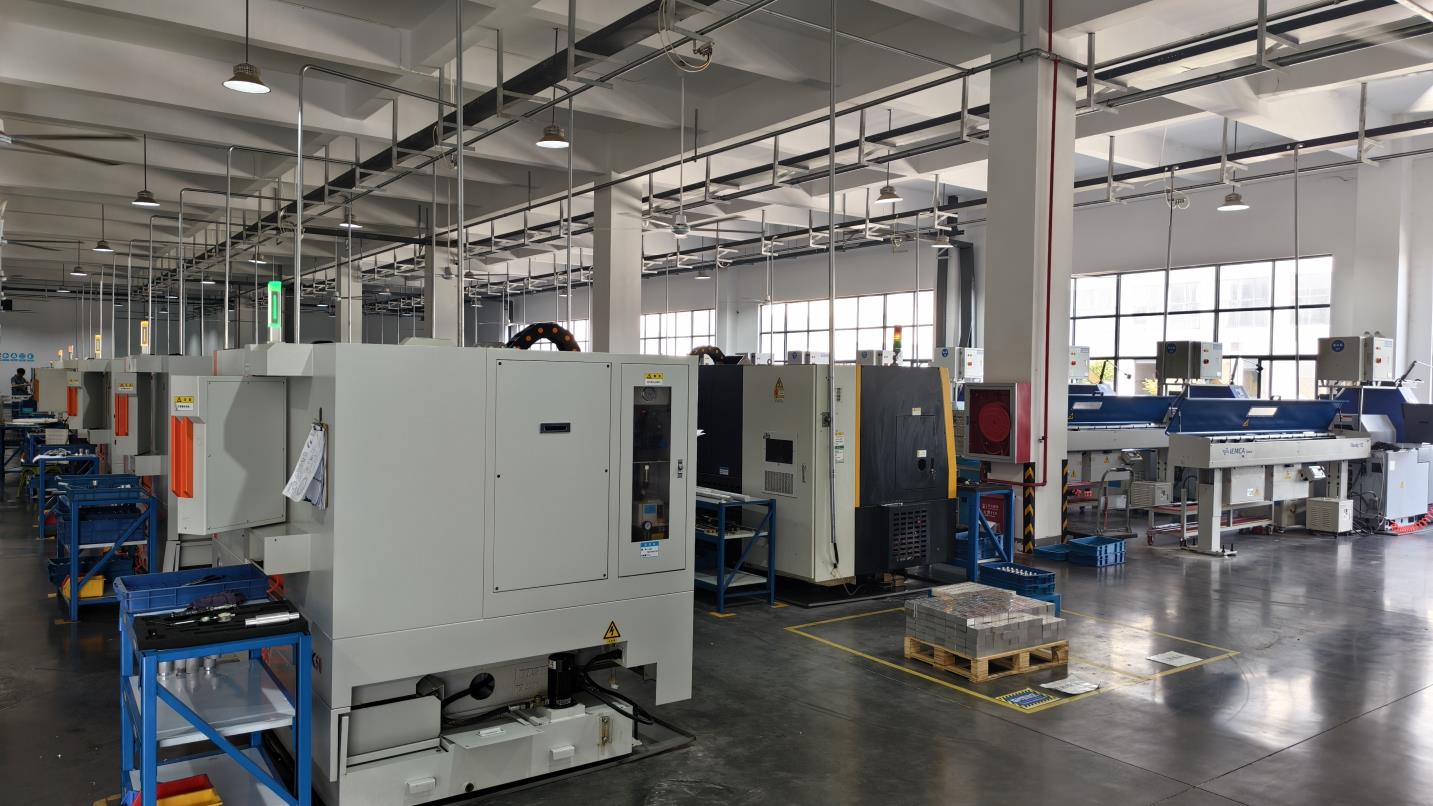
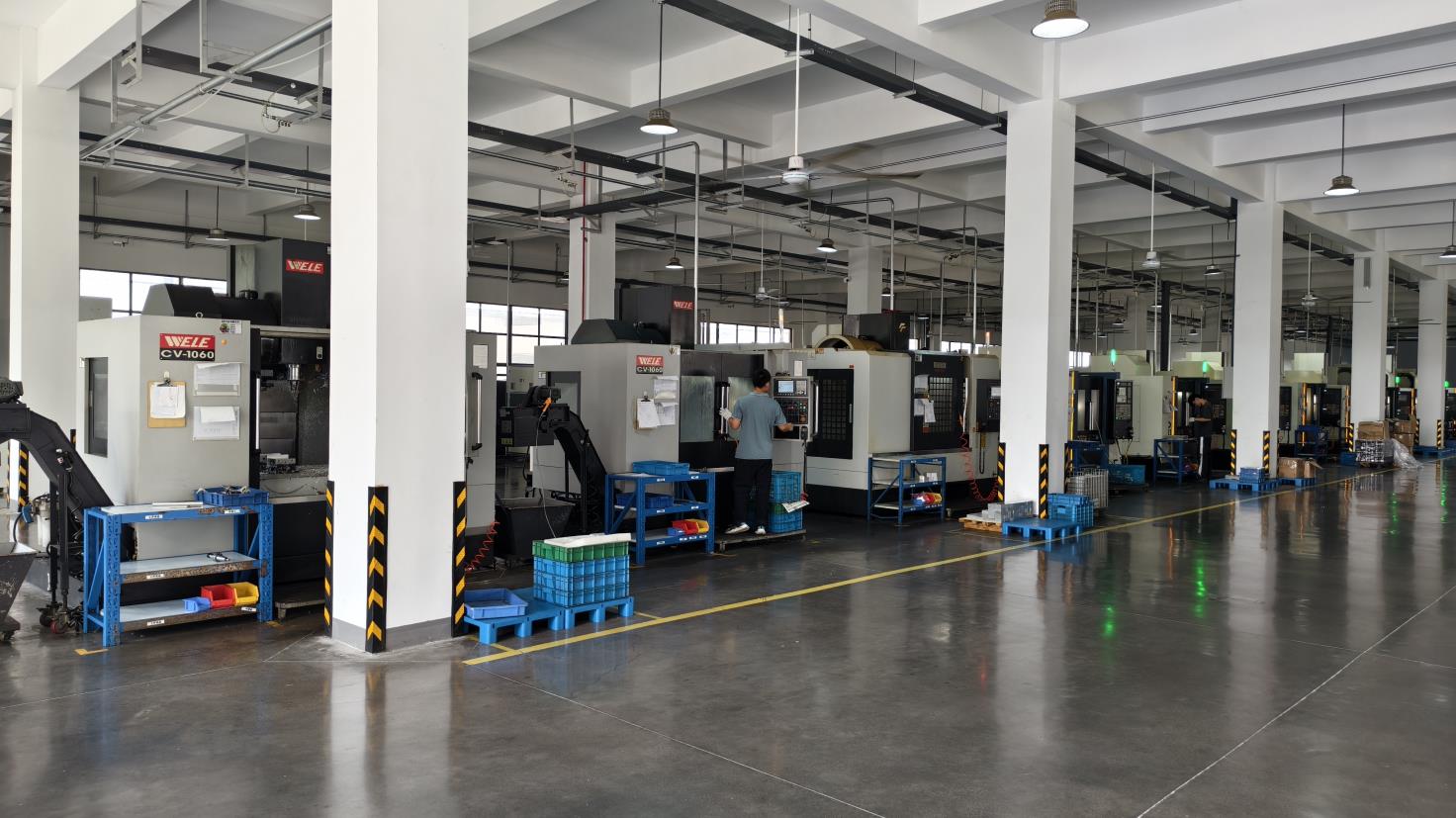
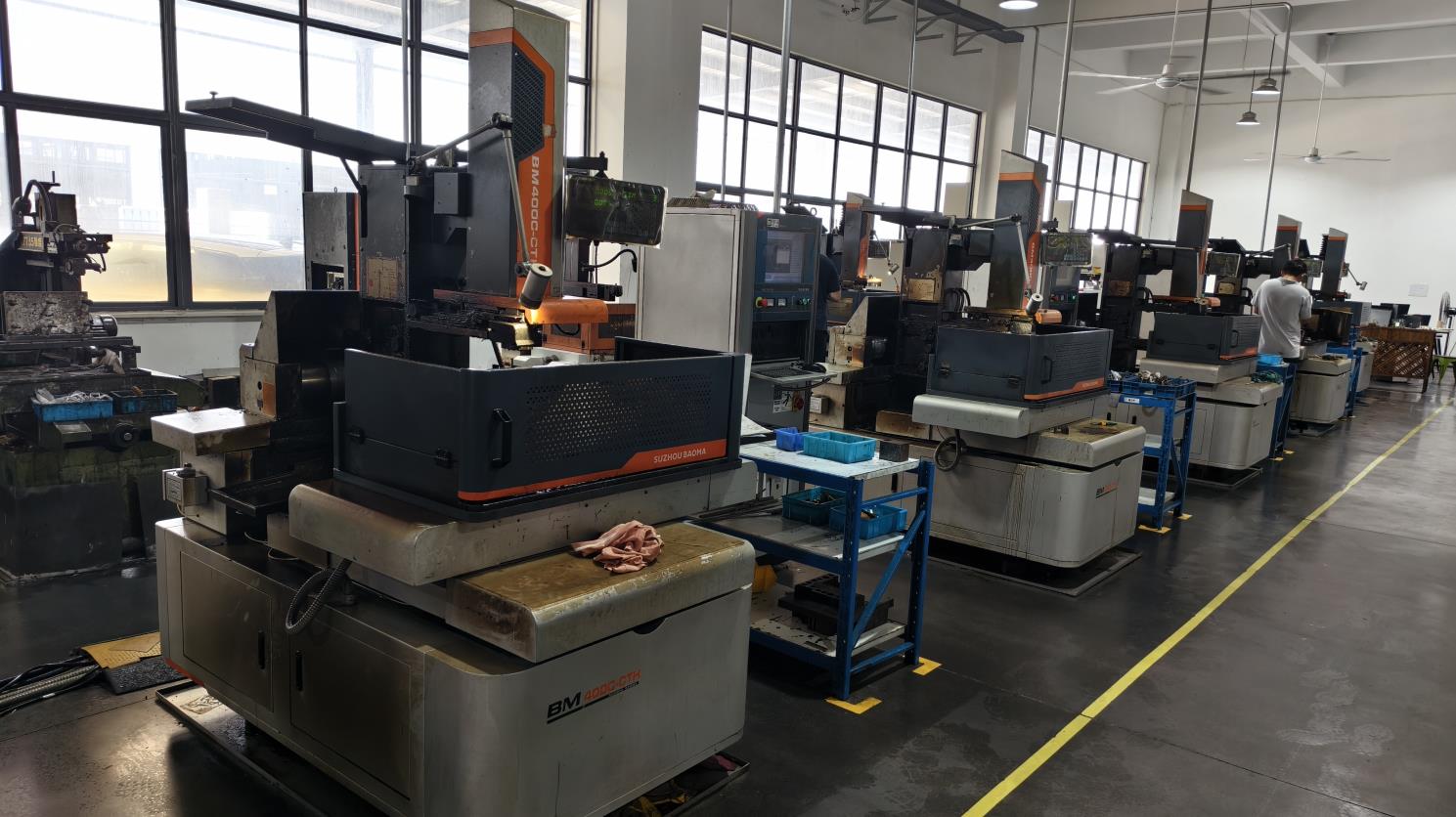
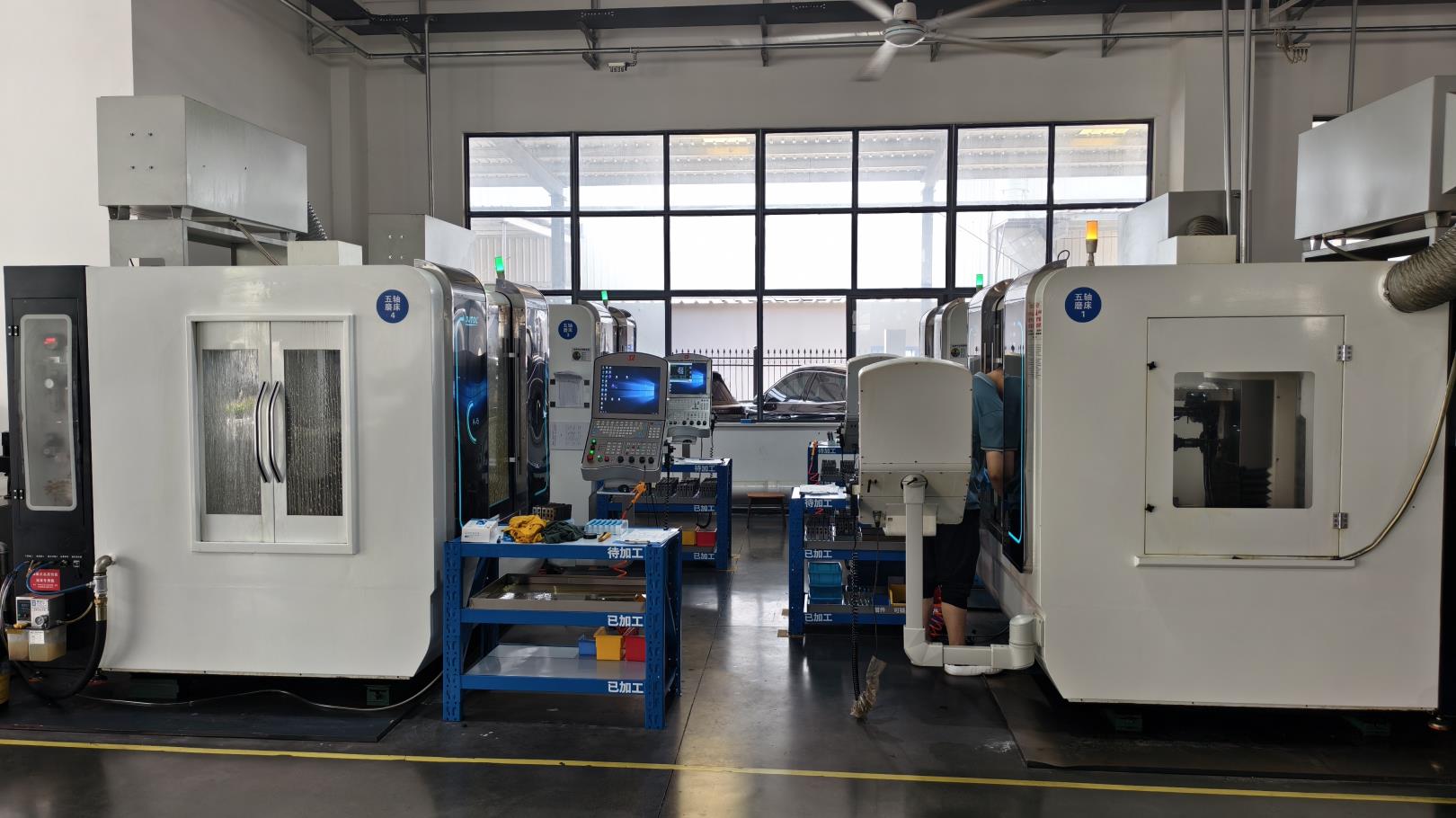
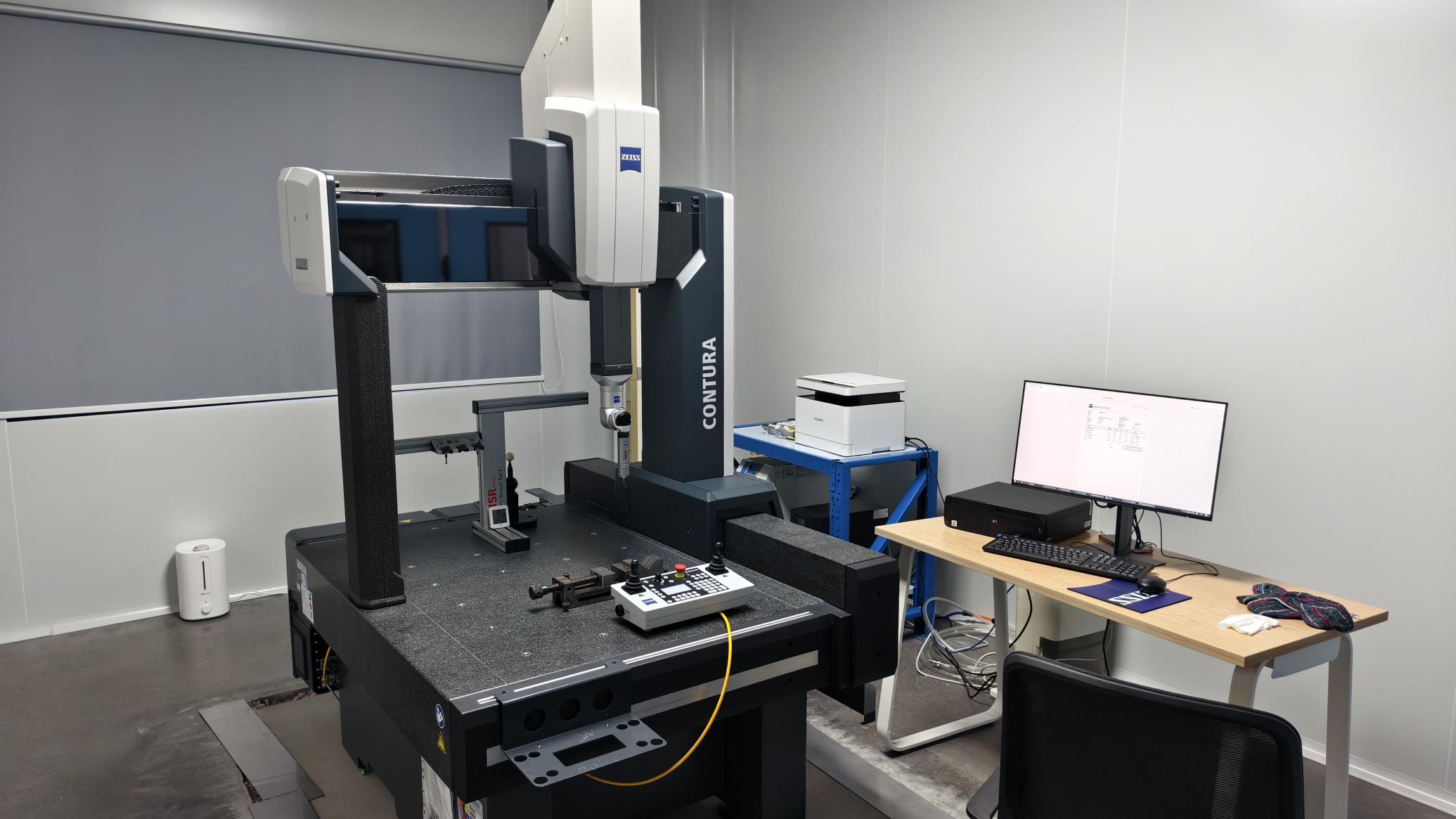
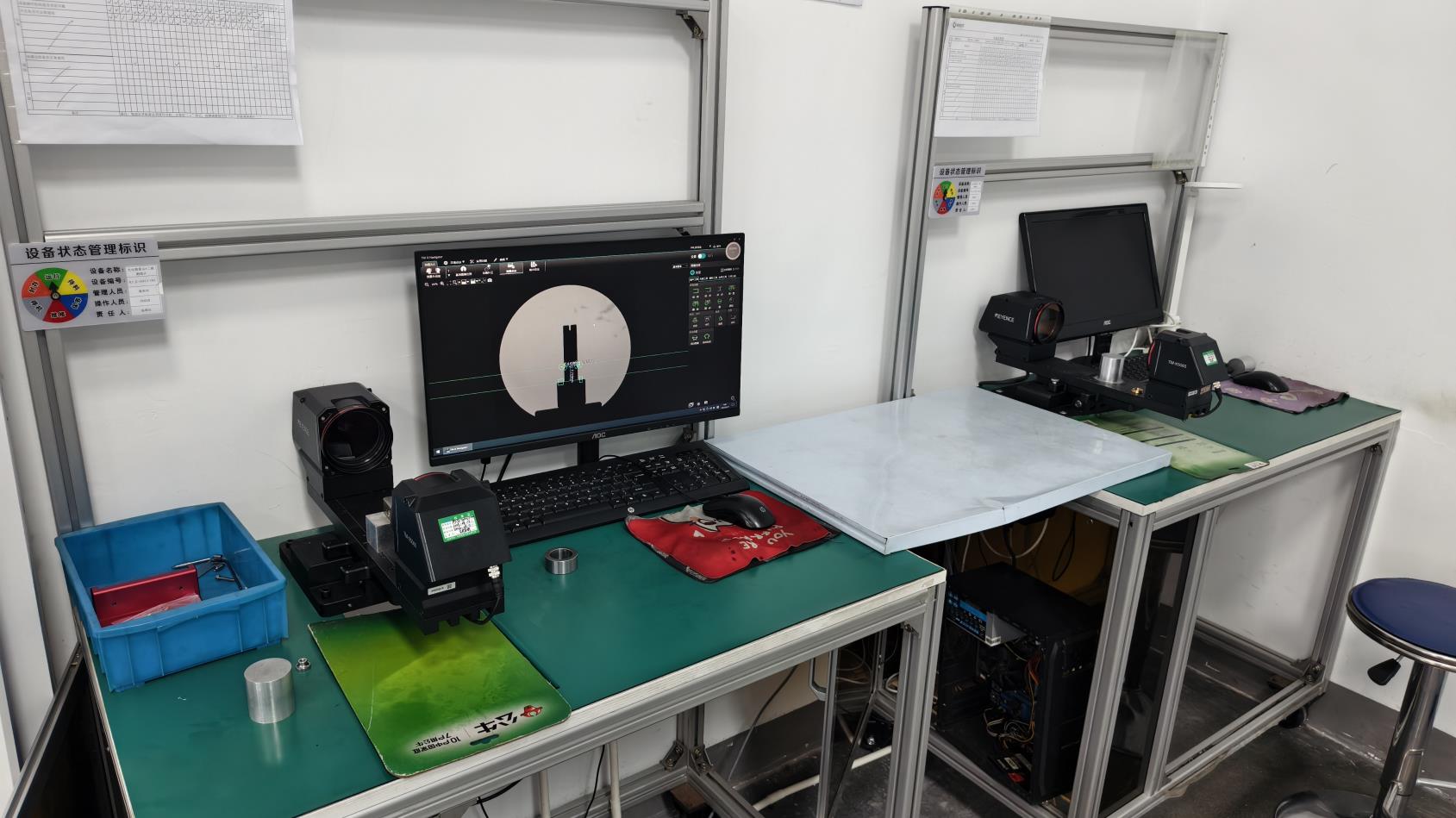
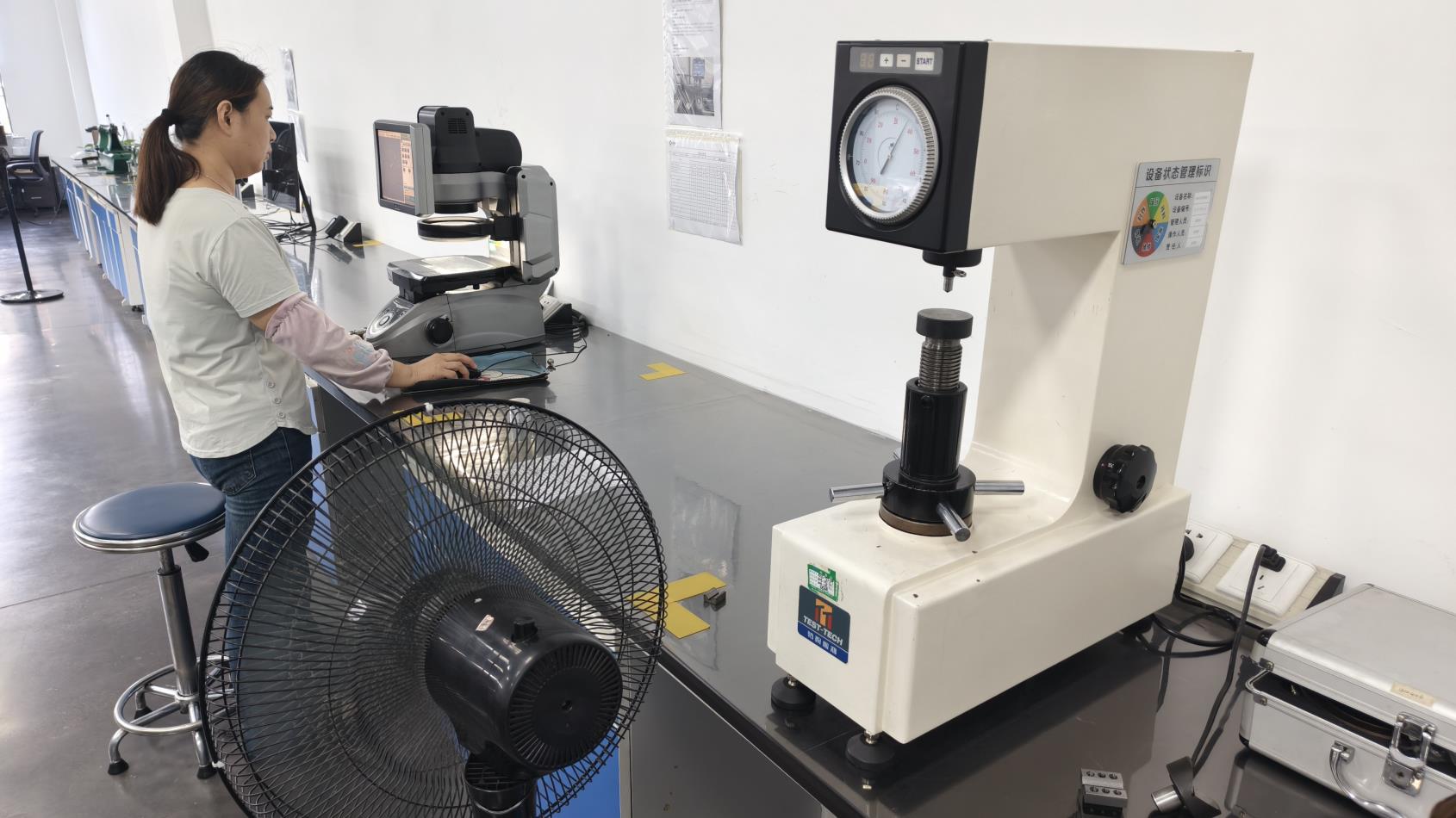
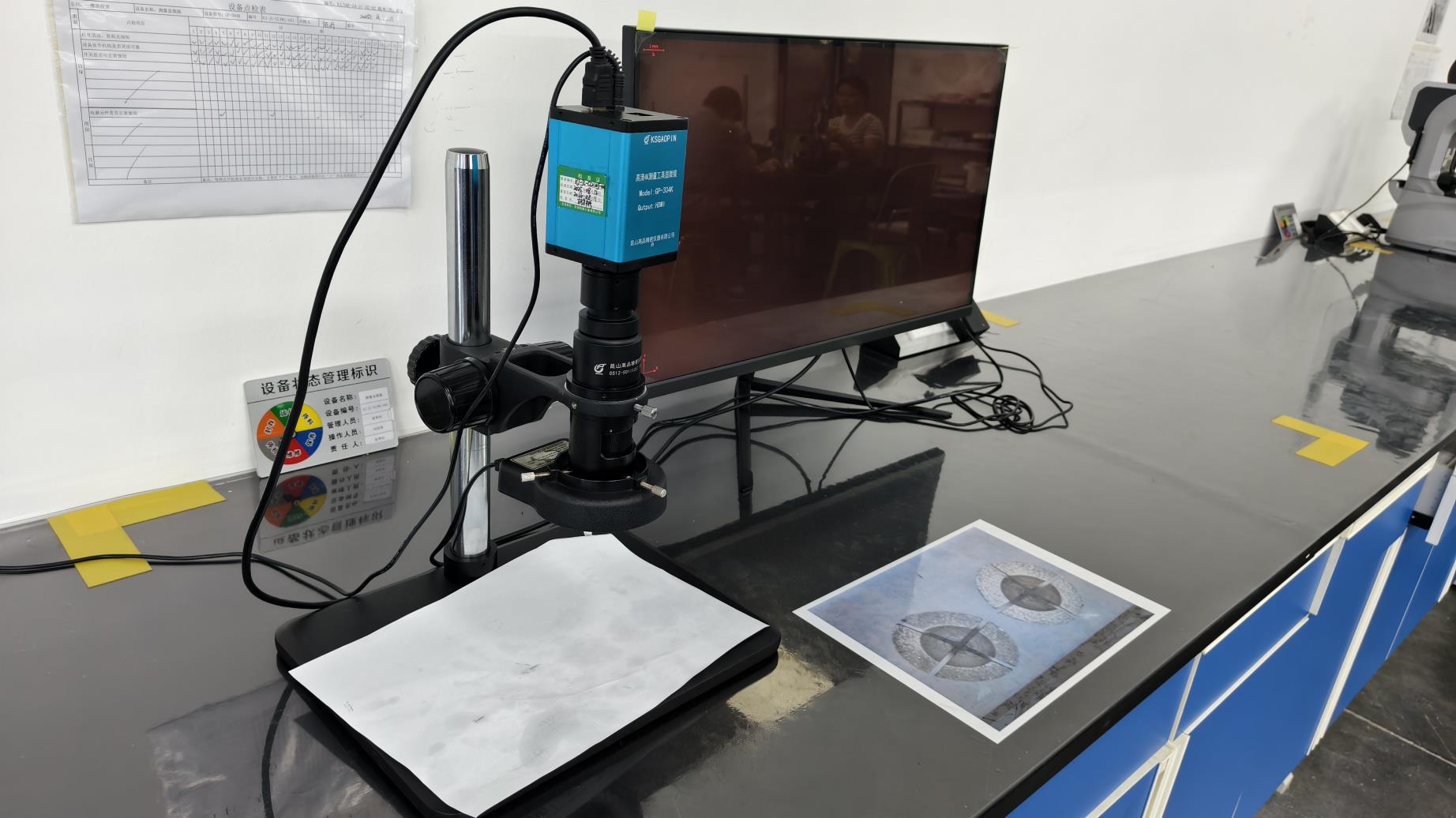
Our engineering division focuses on advanced surgery, developing integrations for smart bone feedback, robotic compatibility, and lightweight ergonomics.
Future orthopedic drills will feature smart sensors to monitor bone density during drilling. When the drill approaches softer soft tissues or passes through the cortical bone, the motor adjusts its speed to prevent thermal necrosis. This system protects structures like the popliteal artery during tibial drilling, enhancing surgical safety.
We are integrating torque-sensing algorithms into our motor microcontrollers. When real-time resistance spikes, the controller stabilizes rotation speed, reducing tool vibration and hand fatigue for the surgeon.
With the adoption of robotic surgical assistants like MAKO and ROSA, orthopedic tools require specialized control interfaces. We are developing quick-coupling interfaces that communicate with robotic end-effectors to enable computer-controlled speed adjustments and position tracking.
Our future product roadmap includes electromagnetic tracking arrays within the handpieces. This integration allows surgical navigation systems to verify tool alignment in three-dimensional space, supporting precise joint reaming and bone cutting.
Detailed technical answers to help sourcing directors, hospital engineers, and medical distributors make informed procurement decisions.
We use high-grade biocompatible SUS630, SUS316L, and titanium alloys. Critical wear components like gears and bearings are imported to ensure high load tolerance and low vibration during high-speed bone cutting.
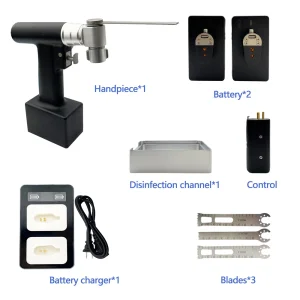
Yes, our battery units are designed for autoclavability. The outer battery casing is constructed from high-temperature polymer materials that withstand steam sterilization up to 134°C. We also offer sterile transfer funnels to load non-sterilizable battery packs into sterile handpieces during surgery.
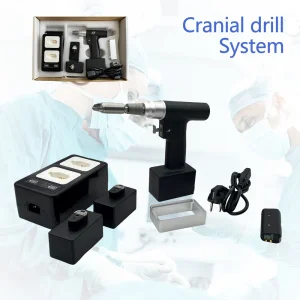
Our neurosurgery cranial drills feature an automatic stop clutch mechanism. When the drill bit penetrates the inner table of the skull and encounters the soft dura mater, resistance drops, triggering the clutch to immediately halt rotation within milliseconds to prevent tissue damage.
Yes, we provide extensive OEM/ODM support, including custom quick-connect couplers, specific torque gear ratios, custom product graphics, and private label packaging. Our team can work from your CAD drawings or physical reference samples.
Our quality management system is based on ISO 13485 guidelines. We trace raw materials from source batches and employ three dedicated QA/QC inspectors. Every finished handpiece undergoes runout, motor current load, and insulation leakage testing before packaging.
Yes, we manufacture dedicated veterinary tools, including TPLO saws, micro oscillating saws, and variable speed drills. These instruments are designed to meet the anatomical requirements of small and large animals.
Select from our range of high-torque osteotomy saws, cranial perforators, and micro burrs designed to meet strict clinical safety and performance standards.