SENJIE Healthy & Technology
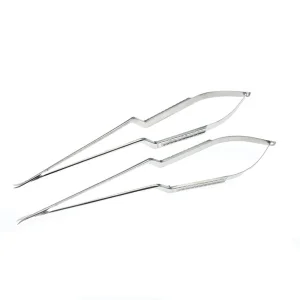
Strategic Insights: Precision Tweezer Demands in the Slovakia Industrial & Clinical Sectors
Slovakia has emerged as one of the most prominent manufacturing hubs in Central Europe. While historically dominated by automotive assembly lines, the Slovak economy is actively diversifying into high-value electronics manufacturing, optical sensor assemblies, and advanced medical device development. Cities like Bratislava, Košice, and Nitra are establishing strong ecosystems that demand ultra-precise instrumentation tools. In parallel, Slovakia’s healthcare sector is undergoing modern upgrades, necessitating world-class surgical tools that comply with strict European Union standards.
Slovakia's Local Industrial & Clinical Landscape
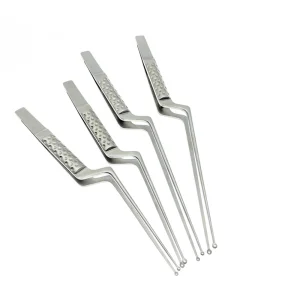
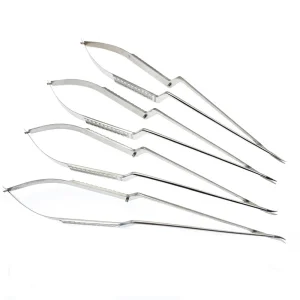
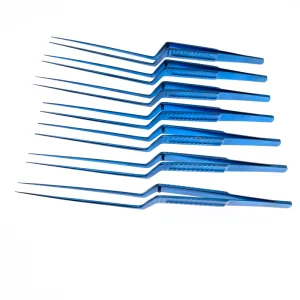
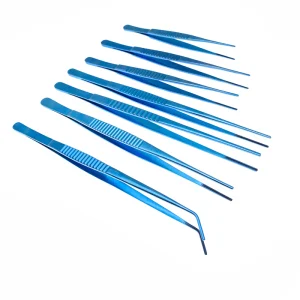
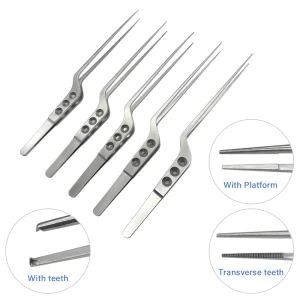
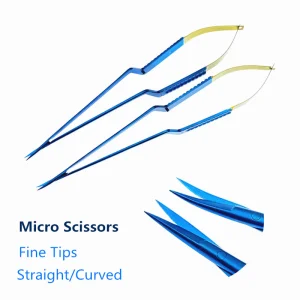
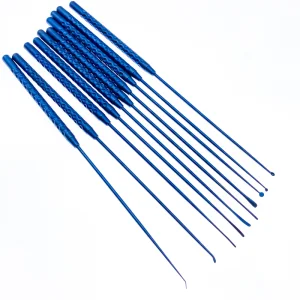
The industrial requirements in Slovakia are highly split between two key domains: micro-electronics manufacturing and advanced surgical procedures. In regions like Trnava and Žilina, Tier-1 automotive electronics suppliers require non-magnetic, anti-acid, and ESD-safe micro tweezers for the precise assembly of micro-sensors and semiconductor boards. Conversely, Slovakia's clinical landscape—represented by institutions like the University Hospital Bratislava and the Jessenius Faculty of Medicine in Martin—is observing a rapid transition towards minimally invasive microsurgeries, demanding surgical tools such as bayonet forceps, micro scissors, and nerve dissecting instruments.
Metallurgical Engineering: Titanium vs. Stainless Steel
Choosing the correct alloy is fundamental to both surgical safety and industrial tool longevity. We construct our instruments from two premium materials:
- Medical Stainless Steel (AISI 304, 420, 316L): Provides extreme high-tensile strength, superior edge retention (ideal for micro-scissors and toothed tumor forceps), and strong resistance to mechanical wear.
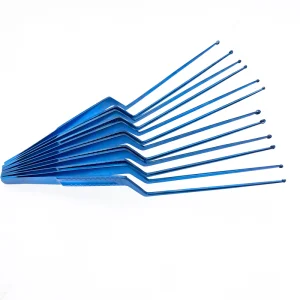
- Medical-Grade Titanium (Ti-6Al-4V Grade 5): Offers a 40% reduction in weight compared to steel, is entirely non-magnetic (perfect for MRI-adjacent procedures or static-sensitive micro-electronics), and is immune to corrosion from saline sterilization and cleaning chemicals.
| Material Type | Magnetic Property | Corrosion Resistance | Primary Slovakia Application | Sterilization Capability |
|---|---|---|---|---|
| AISI 420 Stainless Steel | Magnetic | High (Passivated) | Neurosurgical Scissors & Bone Files | Autoclave at 134°C |
| AISI 316L Surgical Steel | Virtually Non-Magnetic | Very High | Bayonet Dissecting Forceps | Autoclave & Chemical Sterilization |
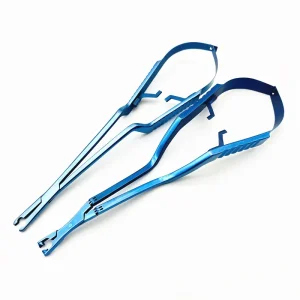
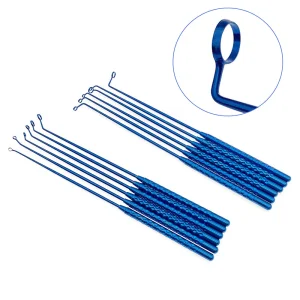
| Titanium Grade 5 | Non-Magnetic | Excellent (Immune to Saline) | Micro-Vascular Clamps & Nerve Hooks | Repeated Autoclaving & Gamma Radiation |
Slovak Regulatory Compliance and Importing Dynamics
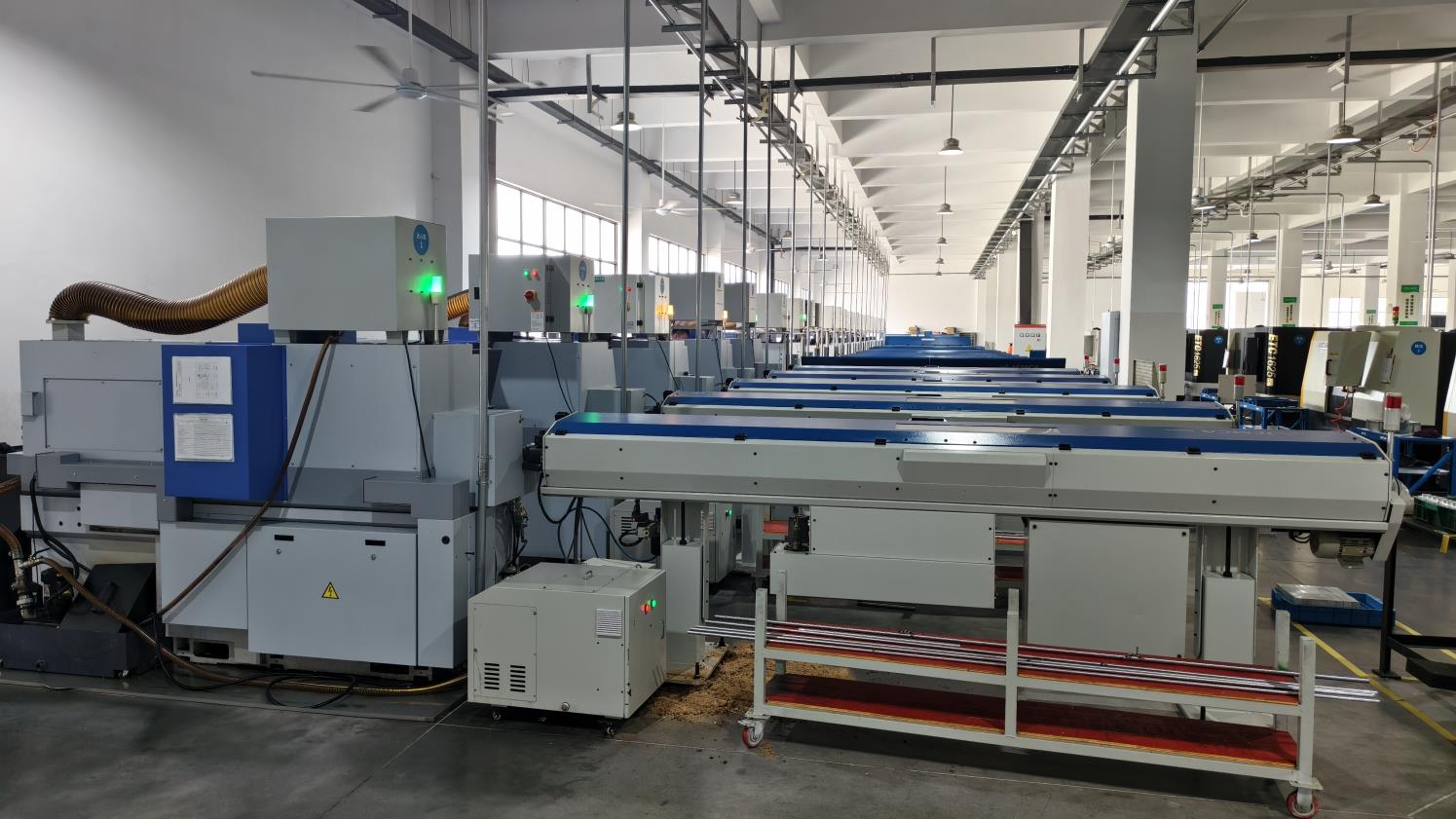
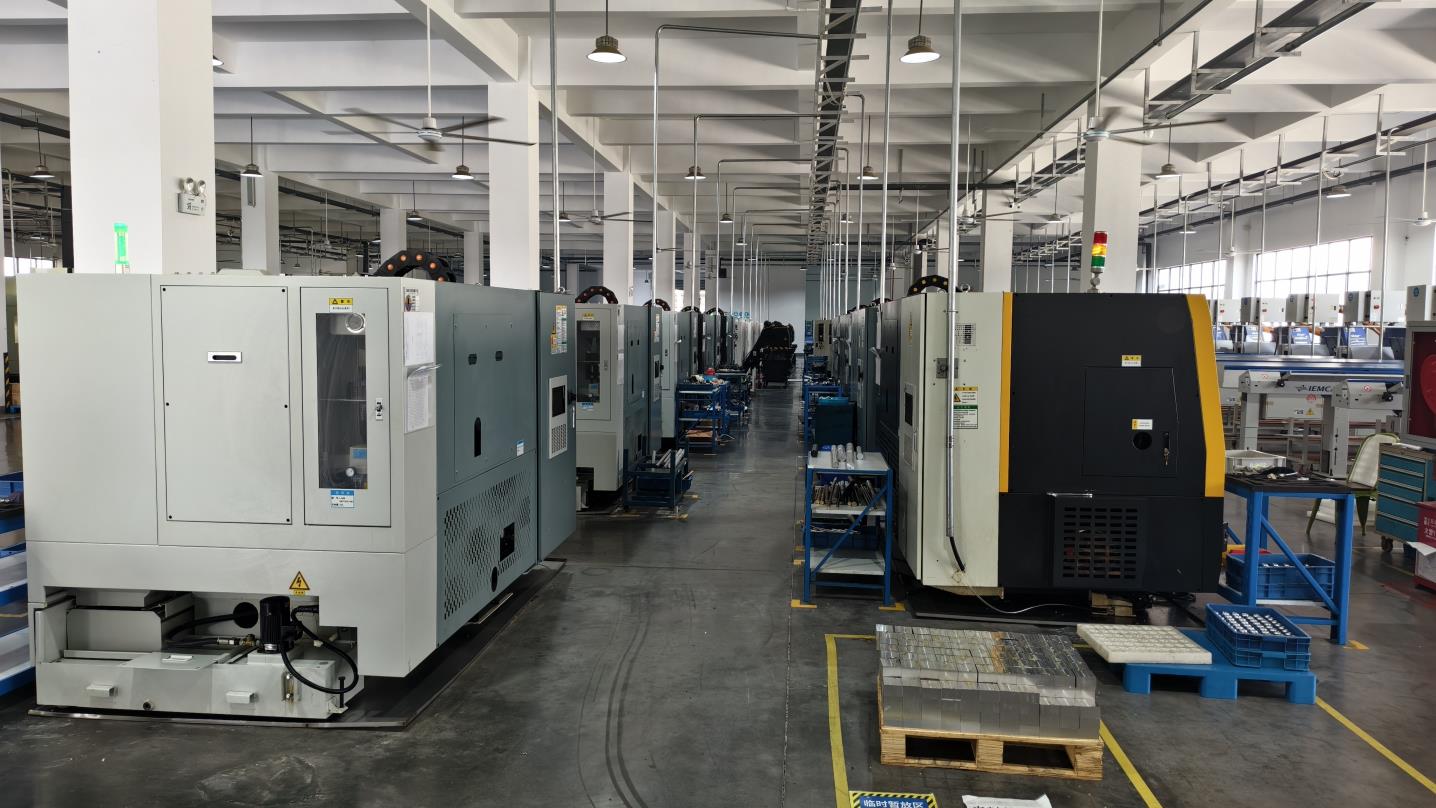
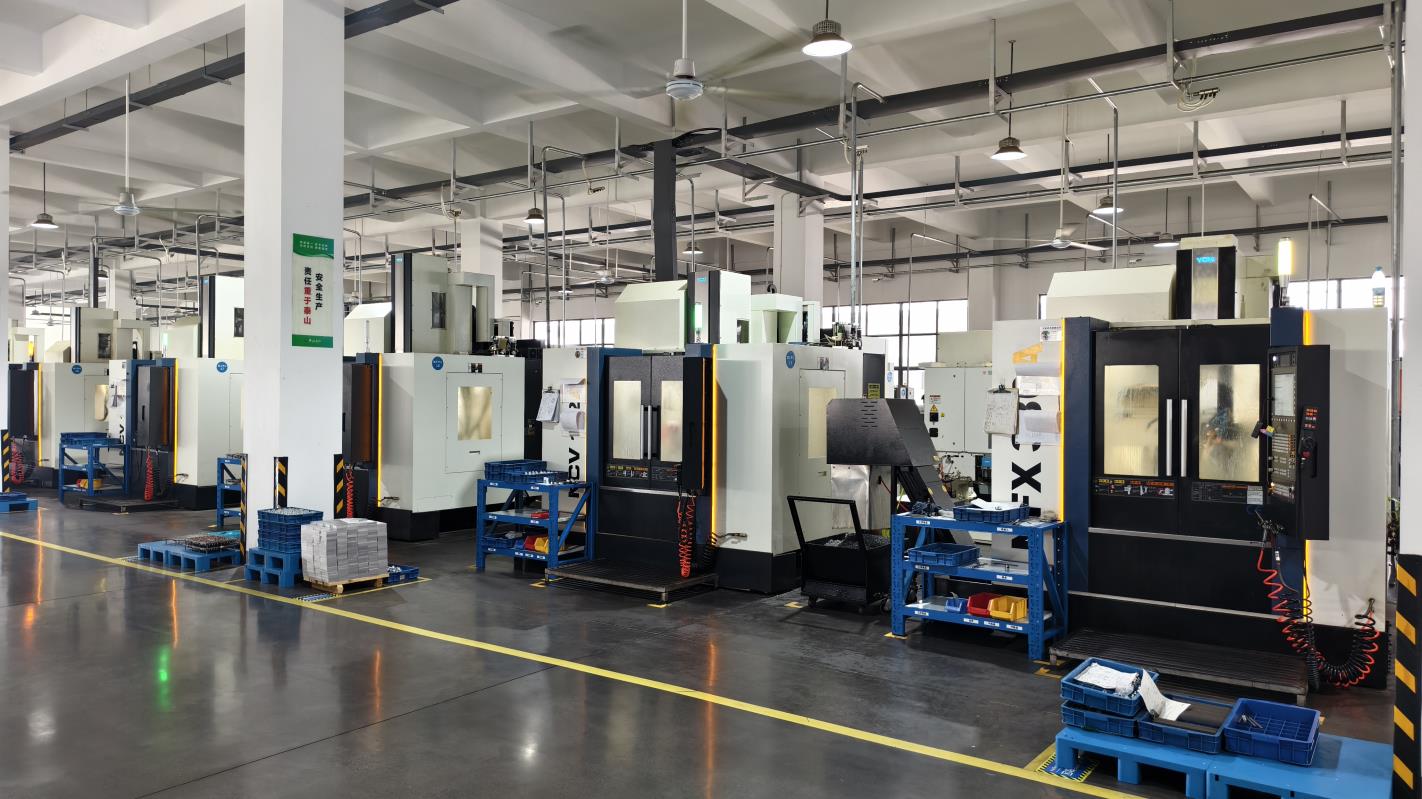
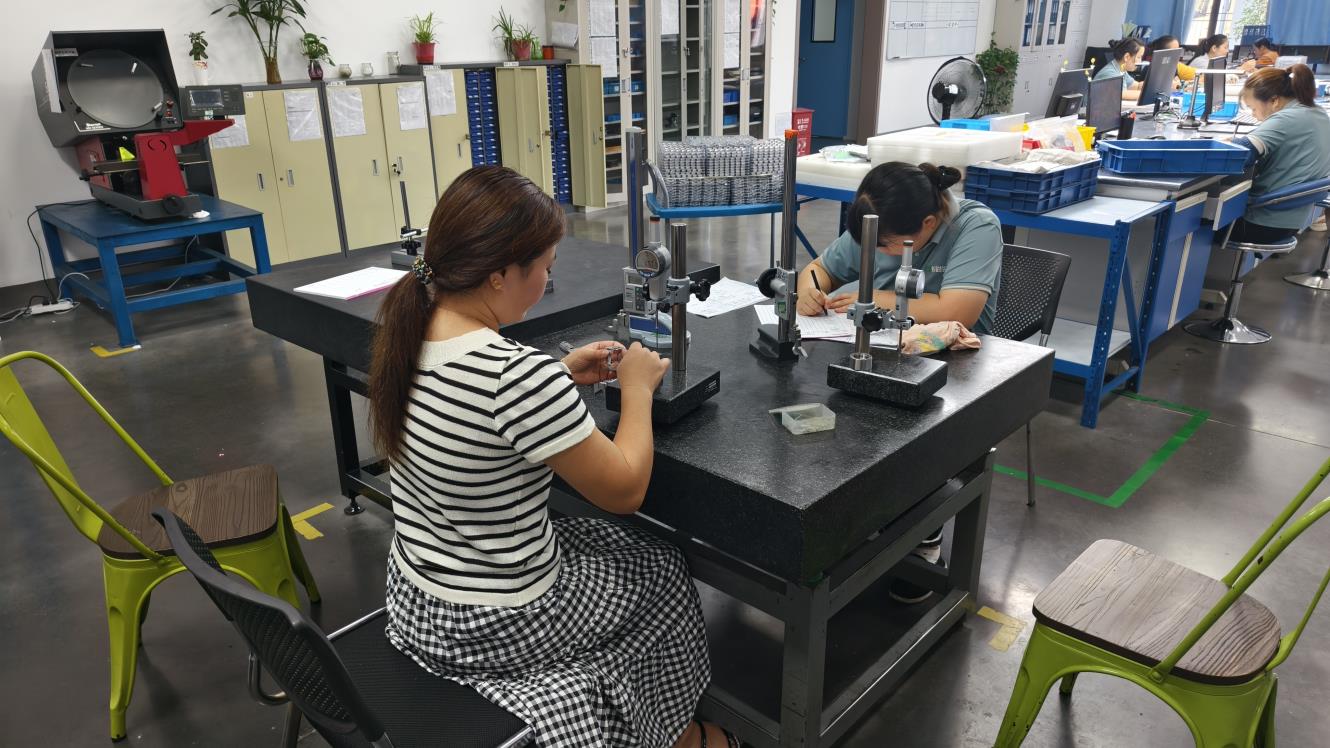
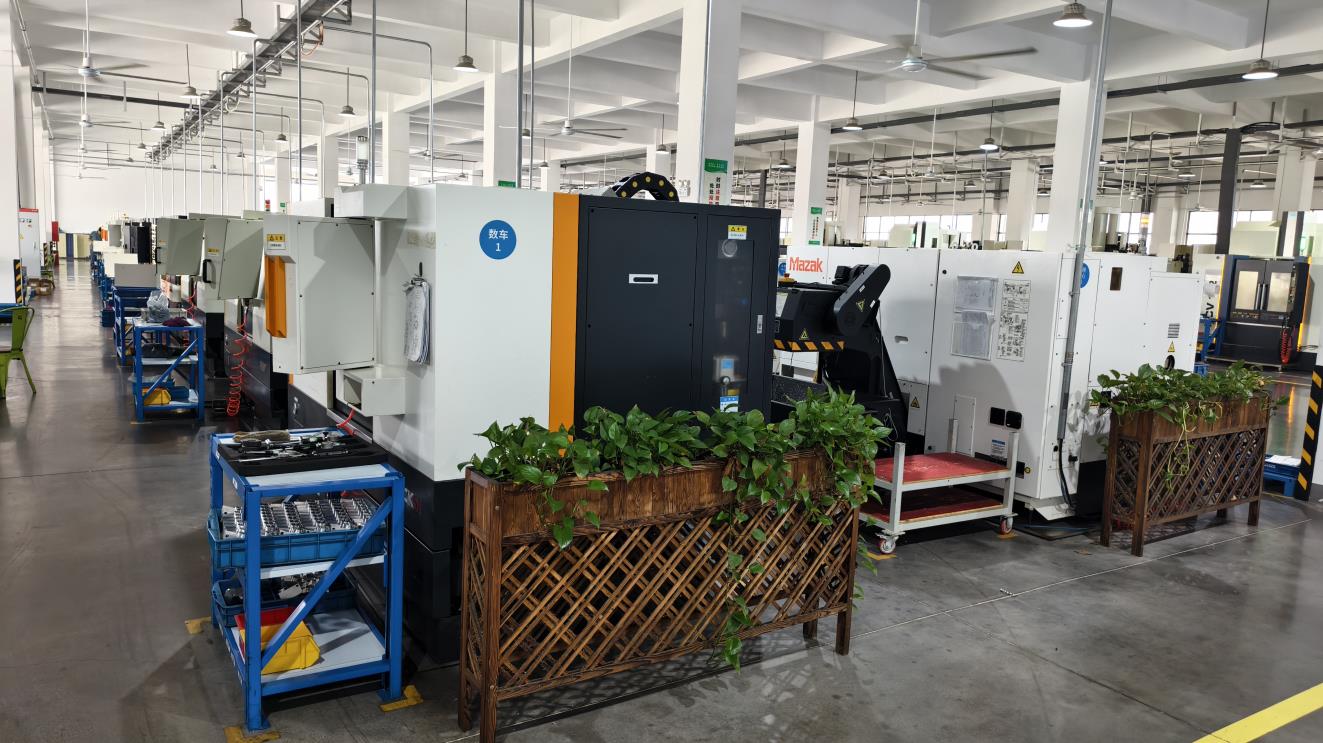
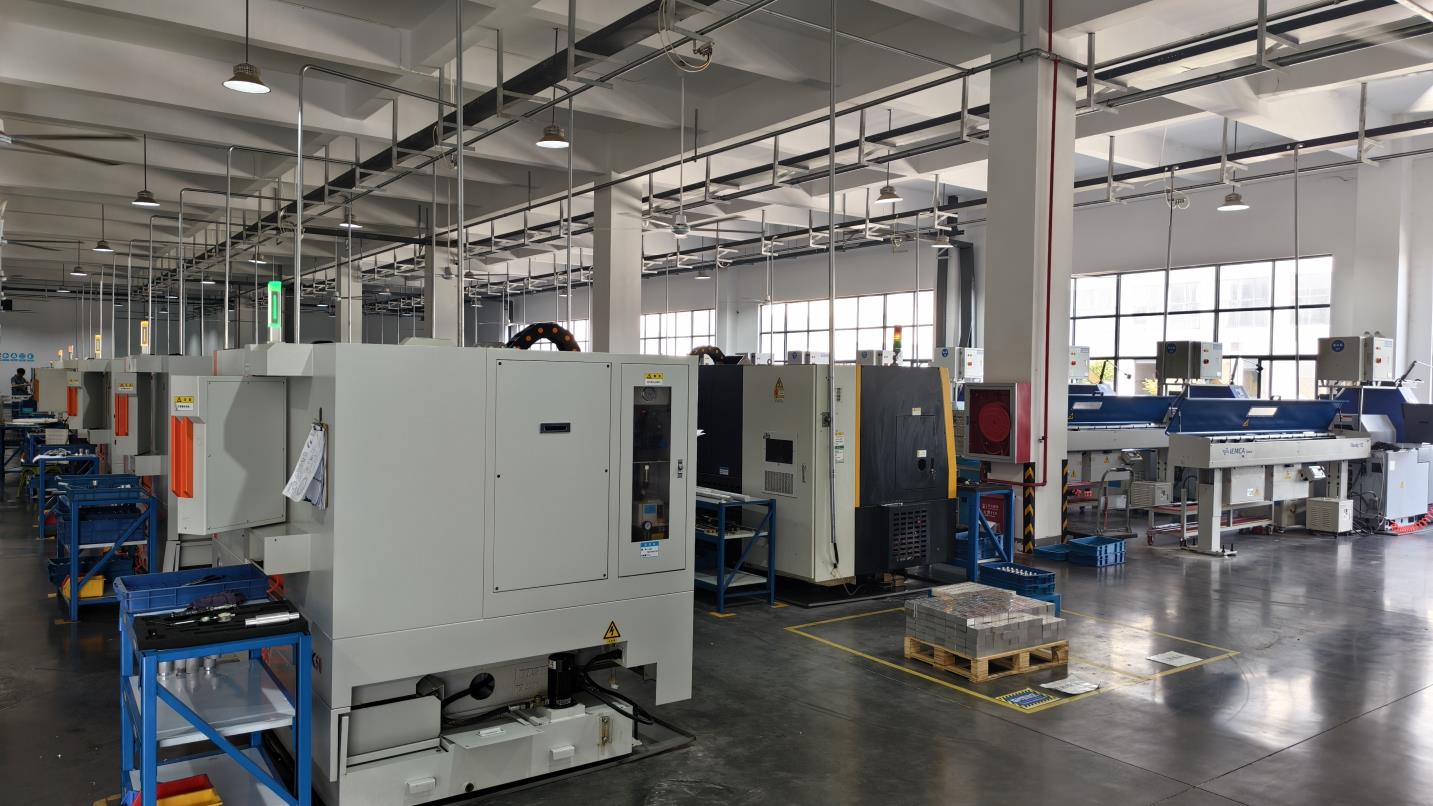
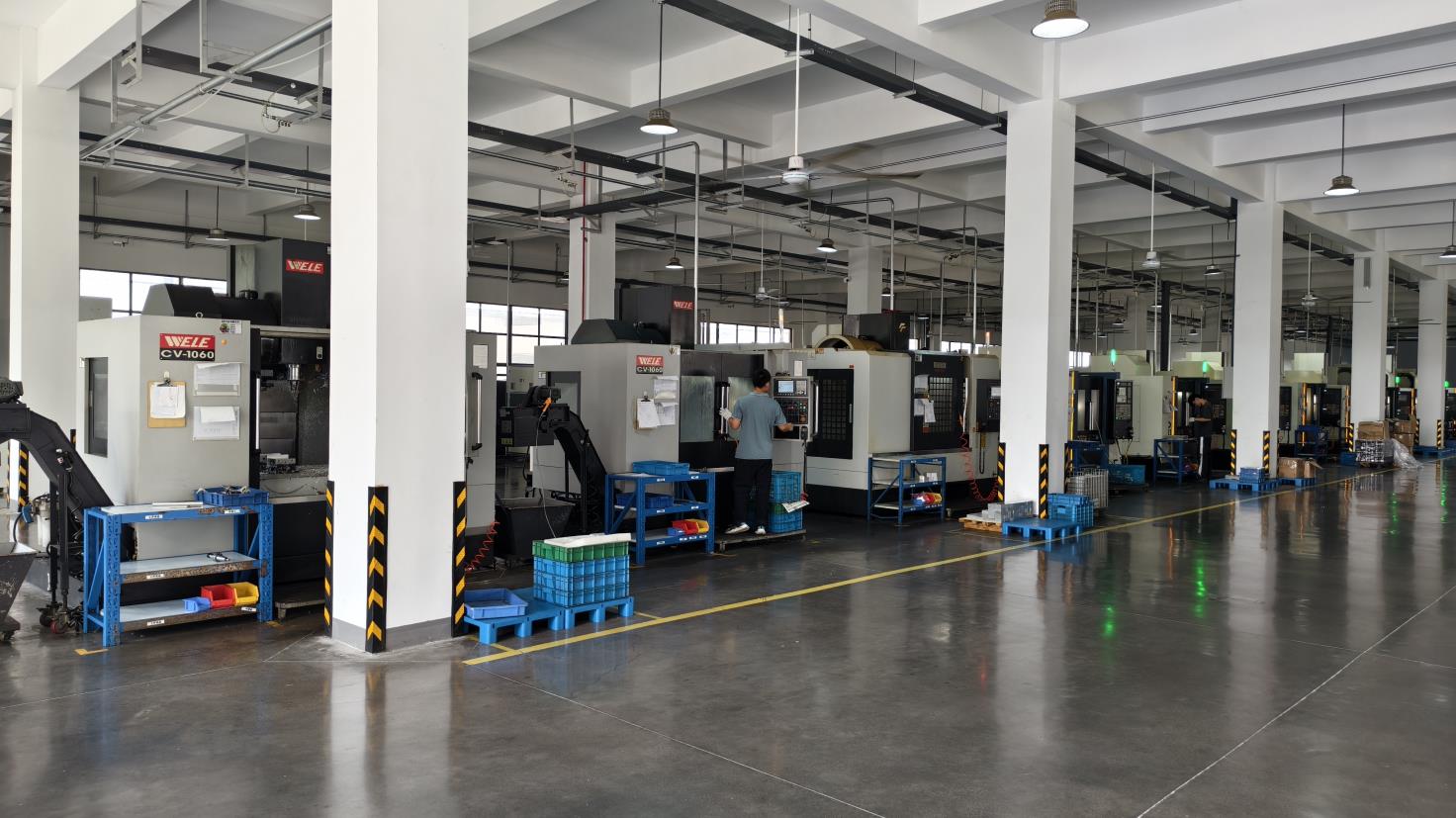
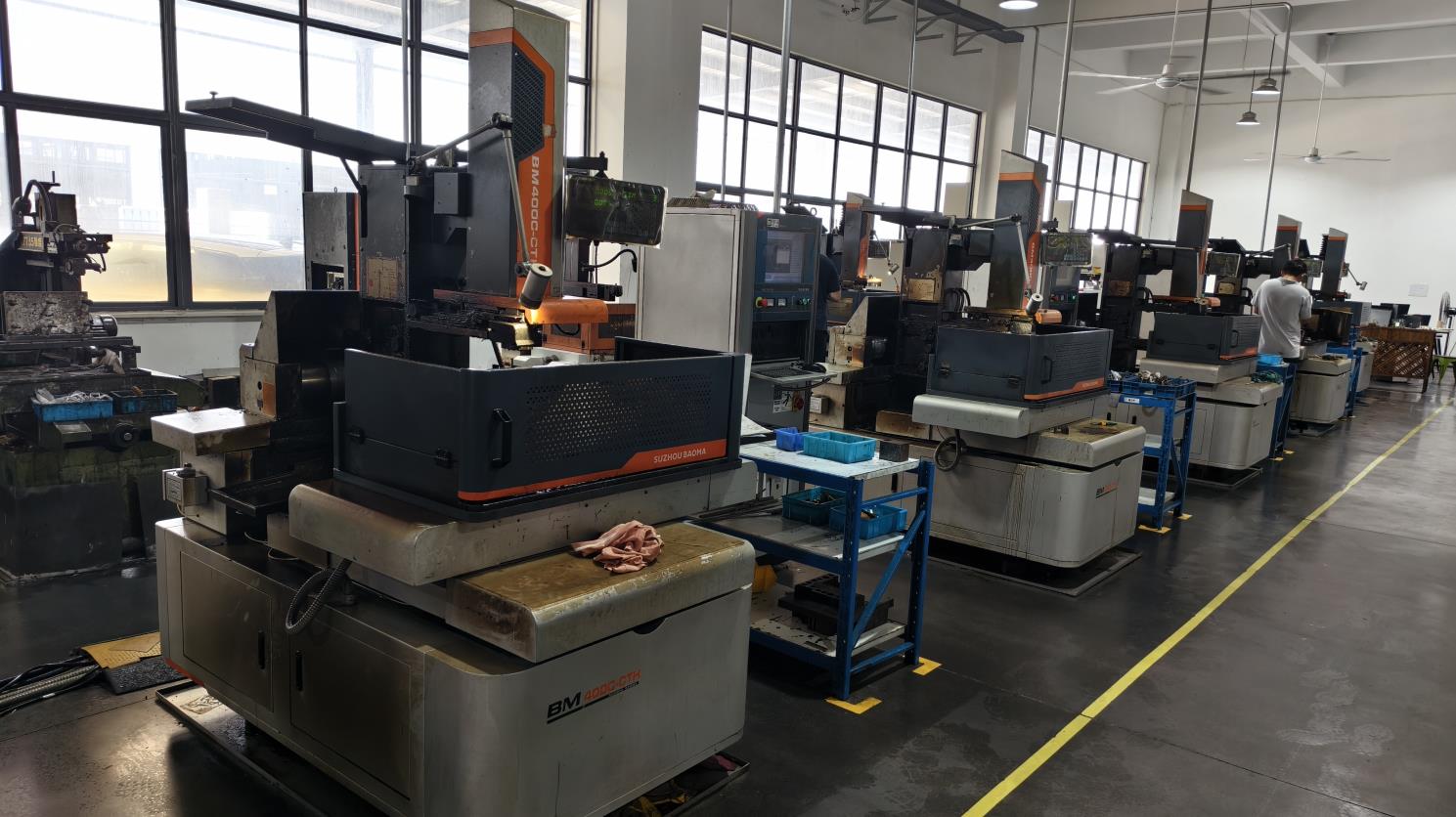
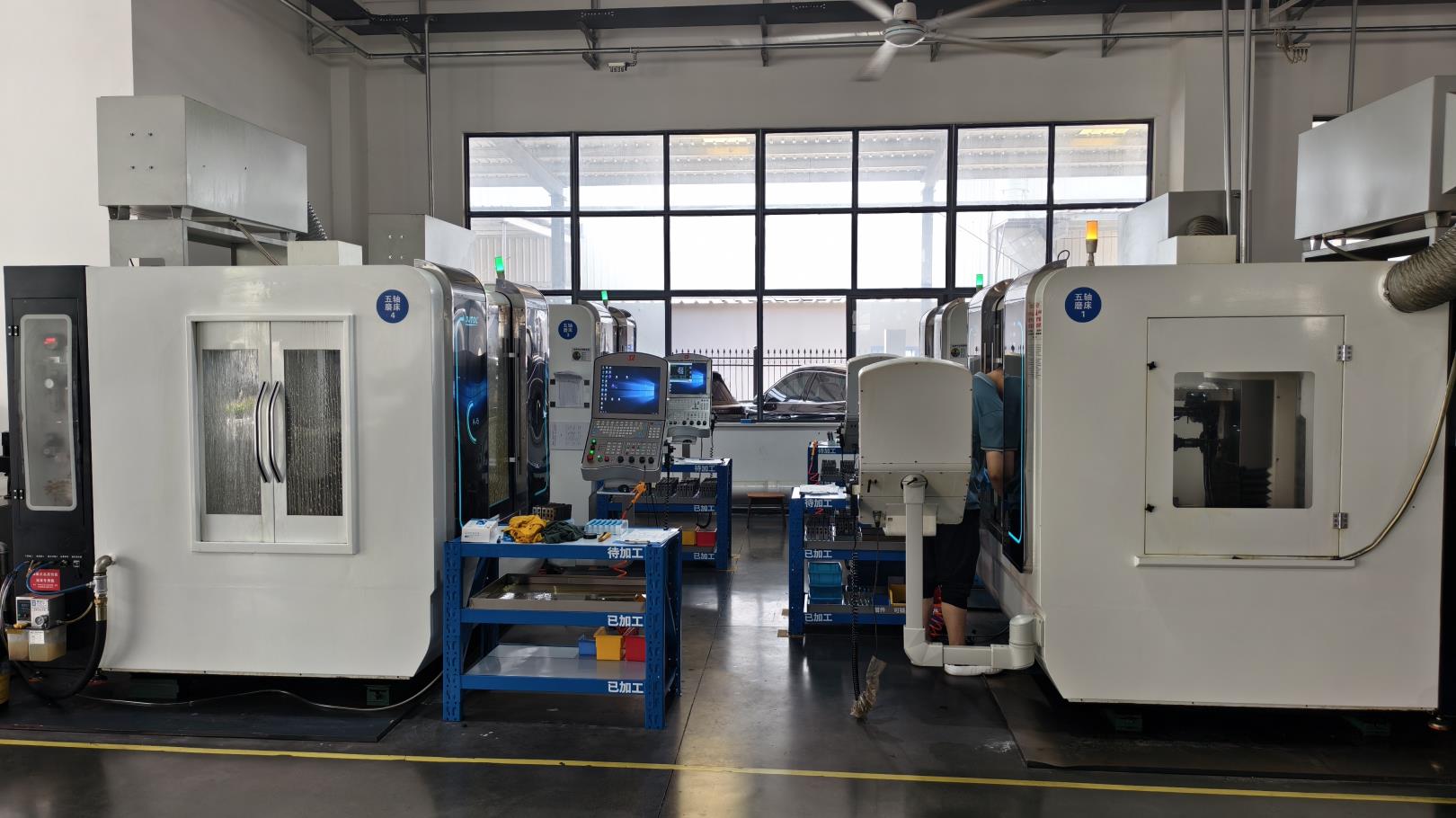
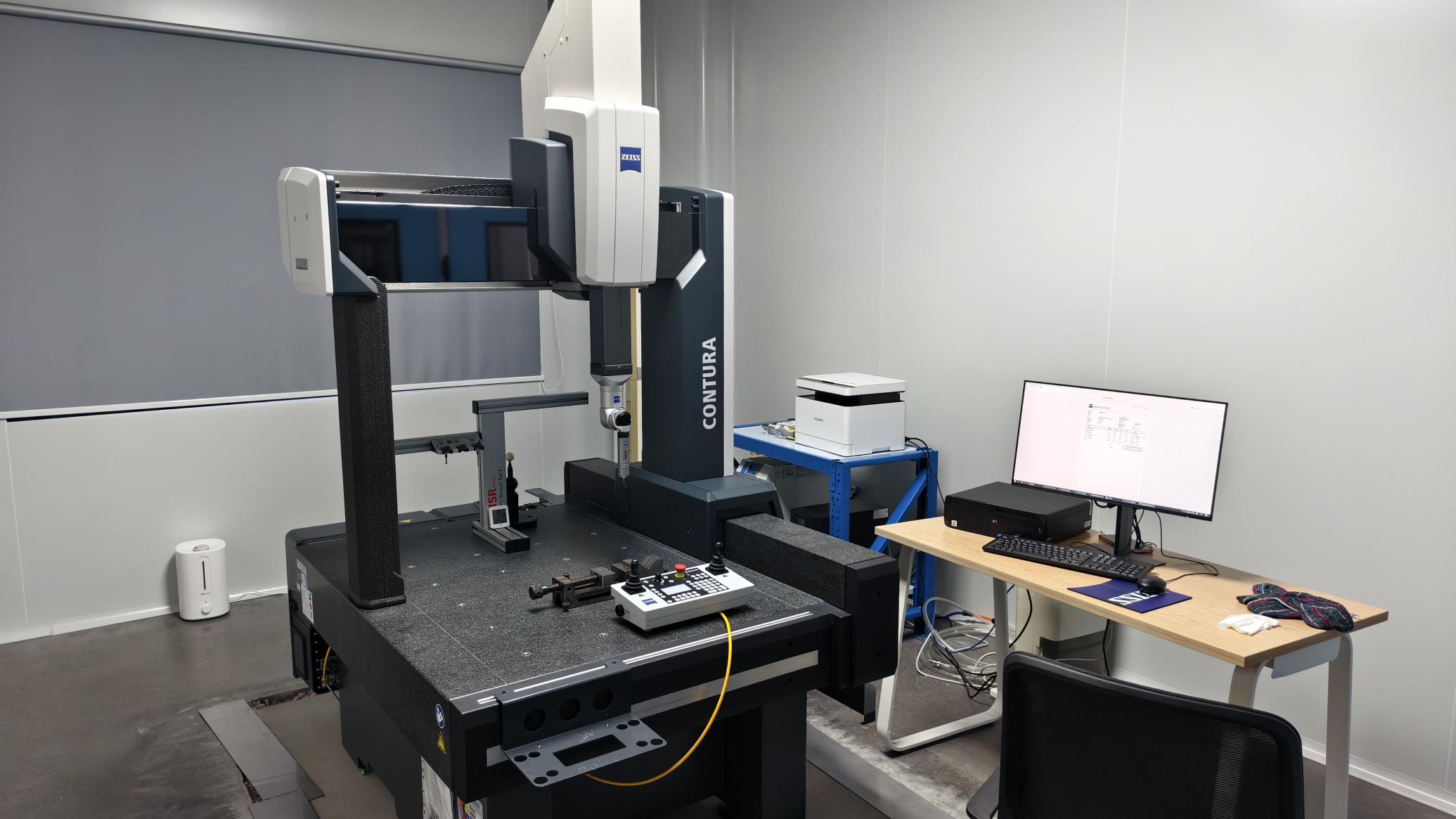
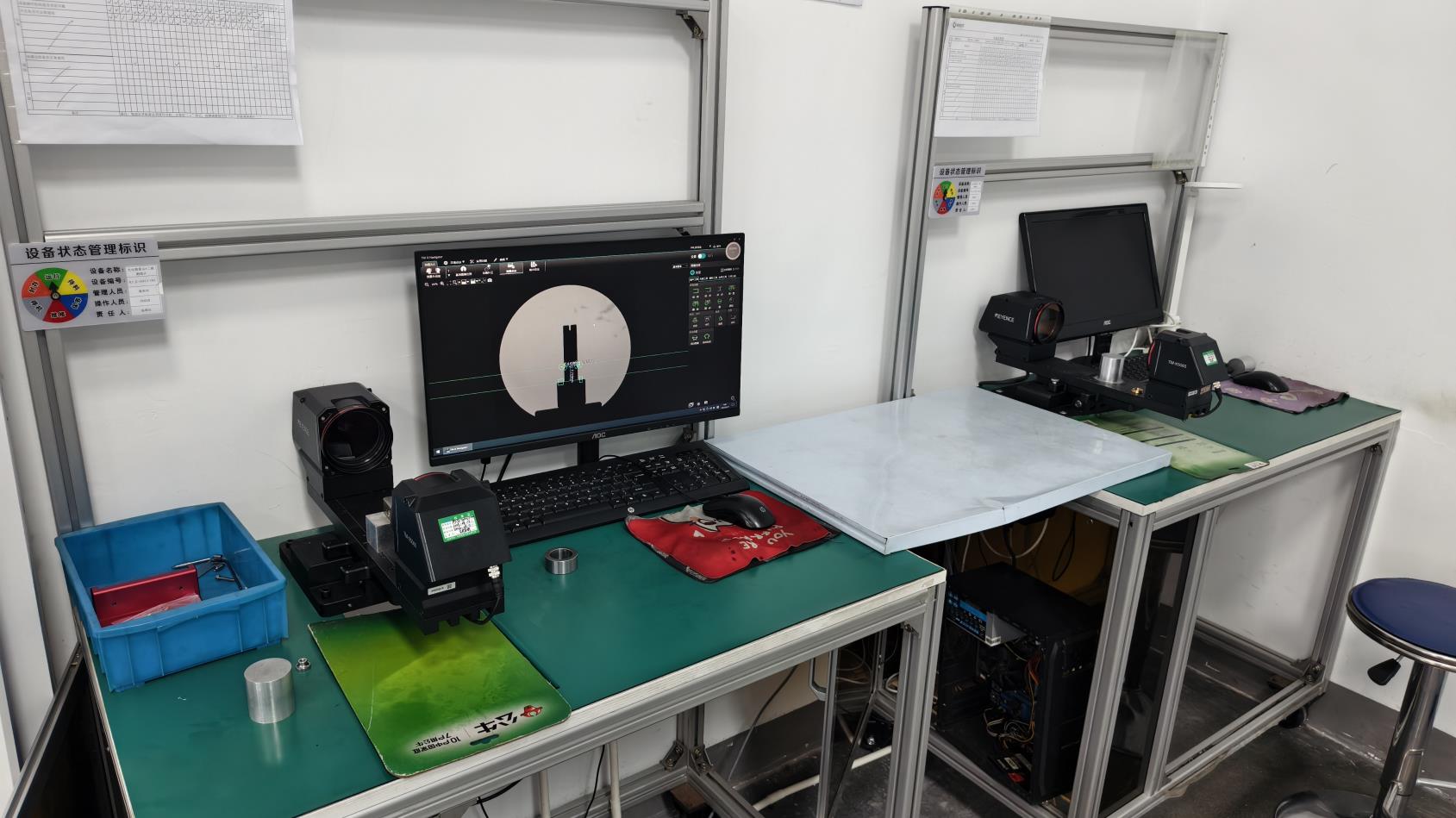
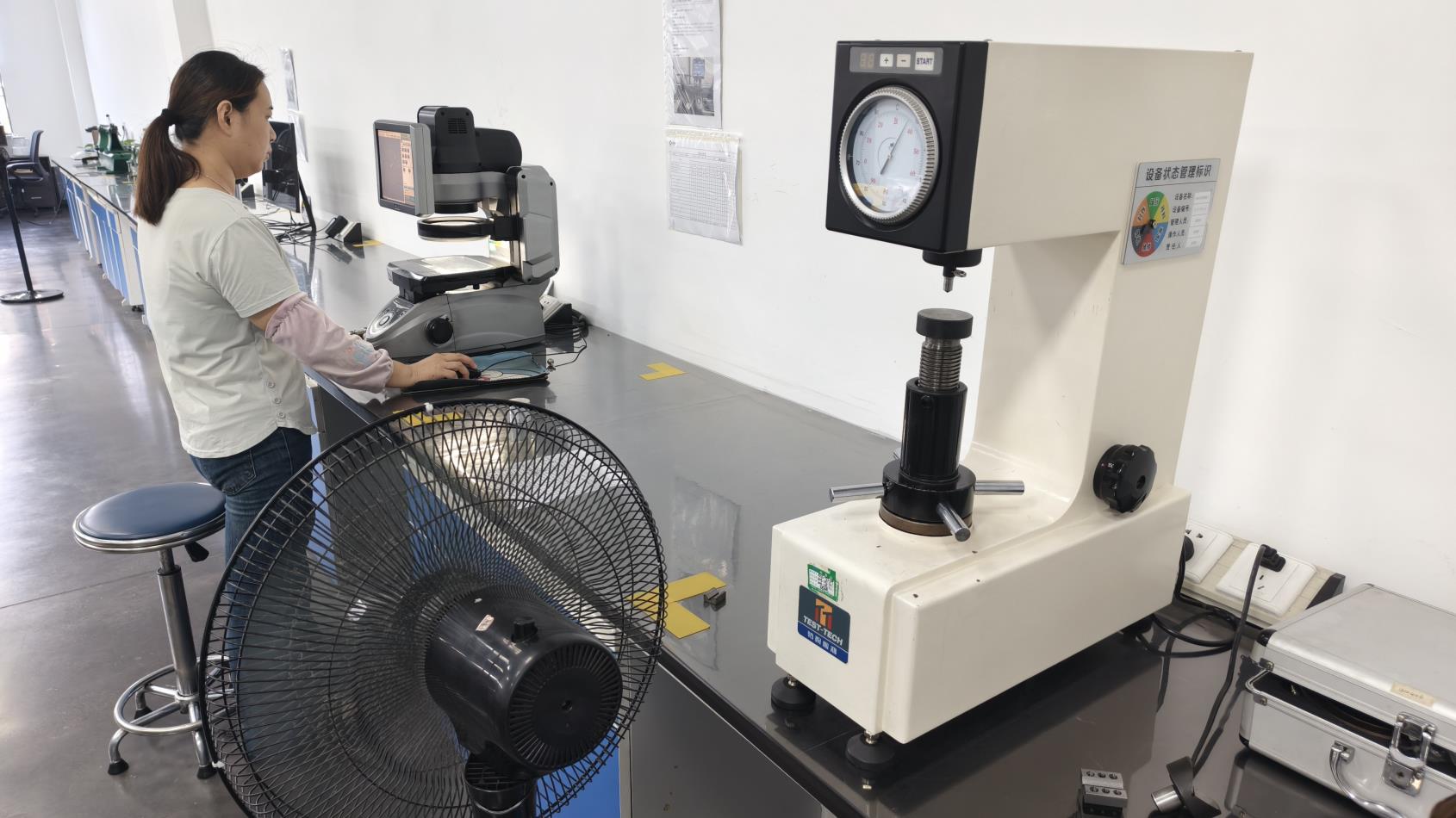
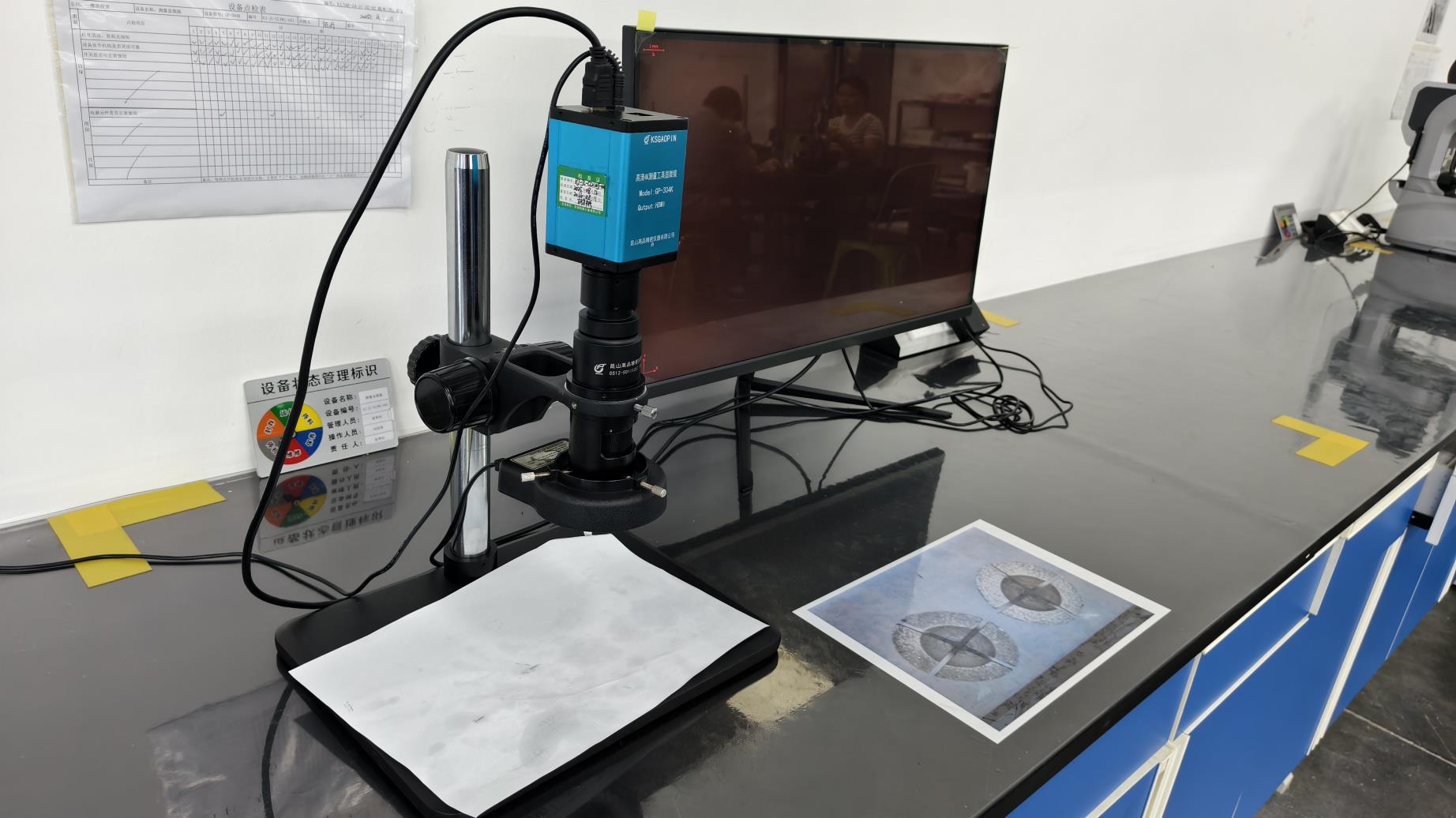
Navigating medical instrument distribution in Slovakia requires complete adherence to the State Institute for Drug Control (ŠÚKL) regulations and the comprehensive EU Medical Device Regulation (MDR 2017/745). Manufacturers exporting to Slovak clinical networks must guarantee 100% material traceability and furnish certificates of compliance with every production lot. Our facility enforces strict quality control, utilizing advanced optical testing systems to confirm tolerance margins up to 0.01mm before shipping.