SENJIE Healthy & Technology
SENJIE Healthy & Technology
SENJIE Healthy & Technology
Engineered for high durability, raw material traceability, and clinical precision in human & veterinary surgeries.
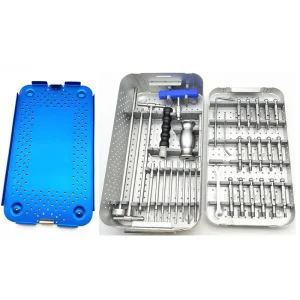
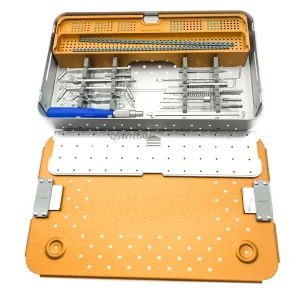
The demand for bone augmentation materials, bone plate systems, and precision reduction tools has escalated globally. Driven by an aging population, rising incidences of sports injuries, osteoporosis, and a major expansion in veterinary surgical care, the international market requires surgical instruments that offer strict biomechanical reliability. Advanced osteosynthesis procedures, whether executed in human trauma units or veterinary clinics, rely heavily on tools capable of manipulating bone plates, extracting broken screws, and drilling precise pilot holes.
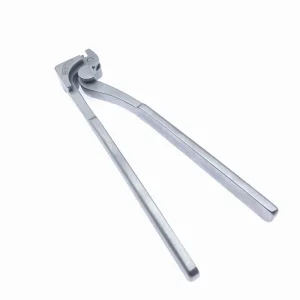
Bone augmenters, surgical power drills, and compression plates must satisfy rigorous biomedical standards. Biocompatible titanium and highly hardened stainless steel alloys dominate the material pipeline. Today's global medical buyers look beyond basic tool shapes; they seek complete system integration, including reliable autoclavable power tools, specialized alignment aimers, and exact reconstruction benders that maintain structural integrity without micro-cracking the implant plates.
Expanding demand in North America and Europe for custom titanium locking plate systems and variable-angle bone stabilizers, matching high regulatory thresholds.
Rapid growth in companion animal surgeries (TPLO, pelvic osteotomy) driving requirement for human-grade instrumentation scaled to pediatric and miniature dimensions.
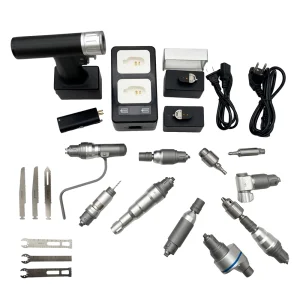
B2B procurers focus on total life-cycle cost, opting for autoclavable, reusable hand tools alongside cost-effective, high-torque lithium-ion surgical power drills.
B2B data profile illustrating industrial export maturity, quality control compliance, and production customization.
| Manufacturing Operational Profile & Capabilities | |
|---|---|
| Registration & Setup | Company registration date: 2019-11-20. Highly experienced workforce specializing in surgical metal processing. |
| Accepted Languages | English. Seamless technical documentation transfer, engineering schematics, and commercial discussions. |
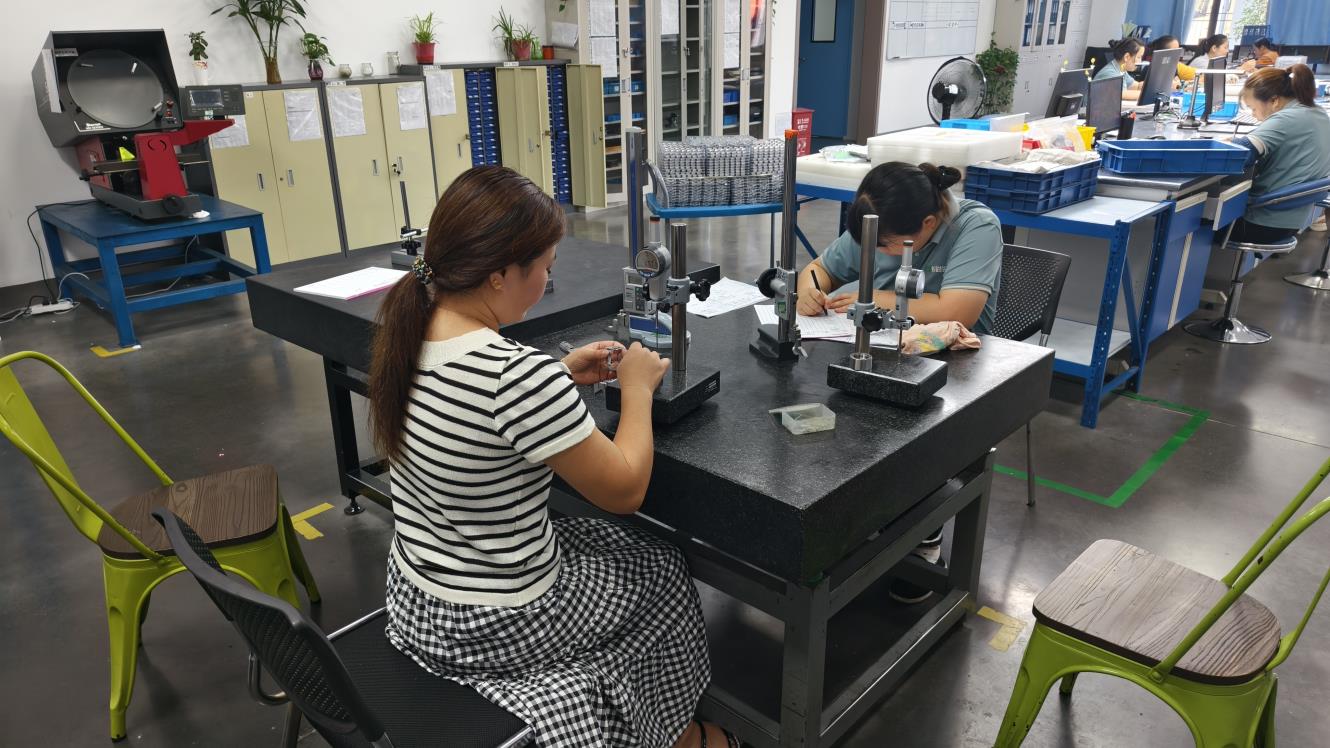
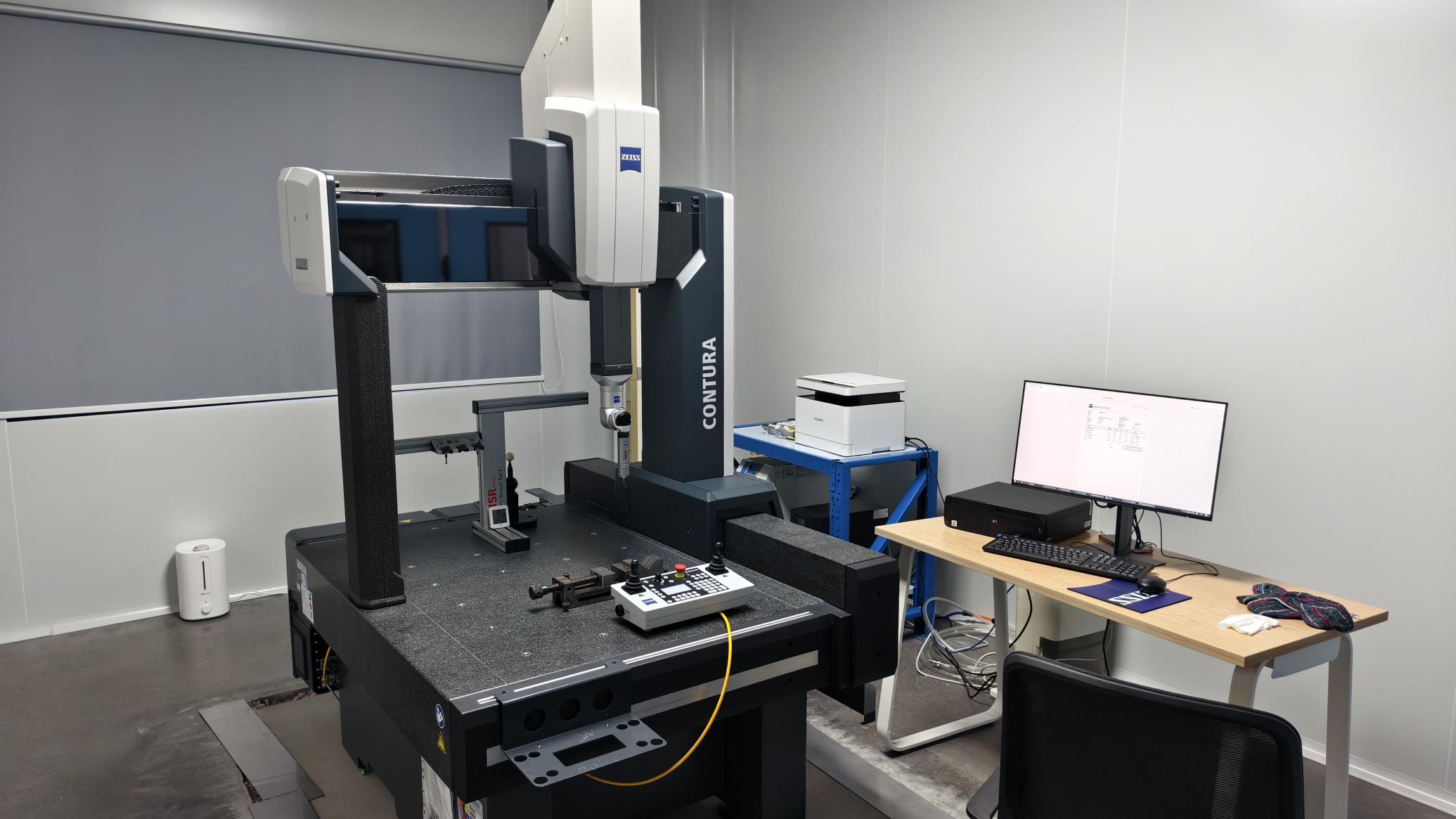
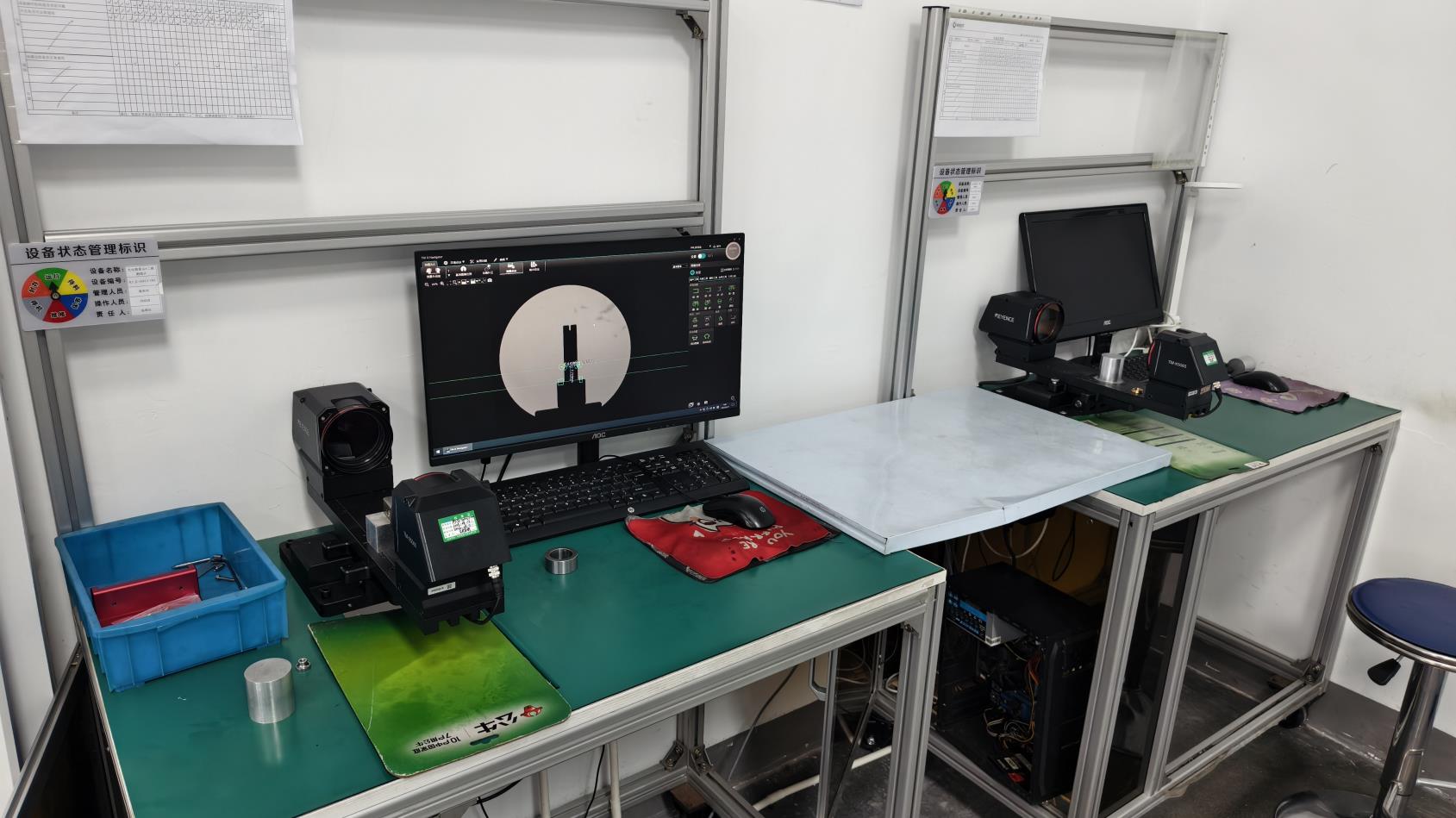
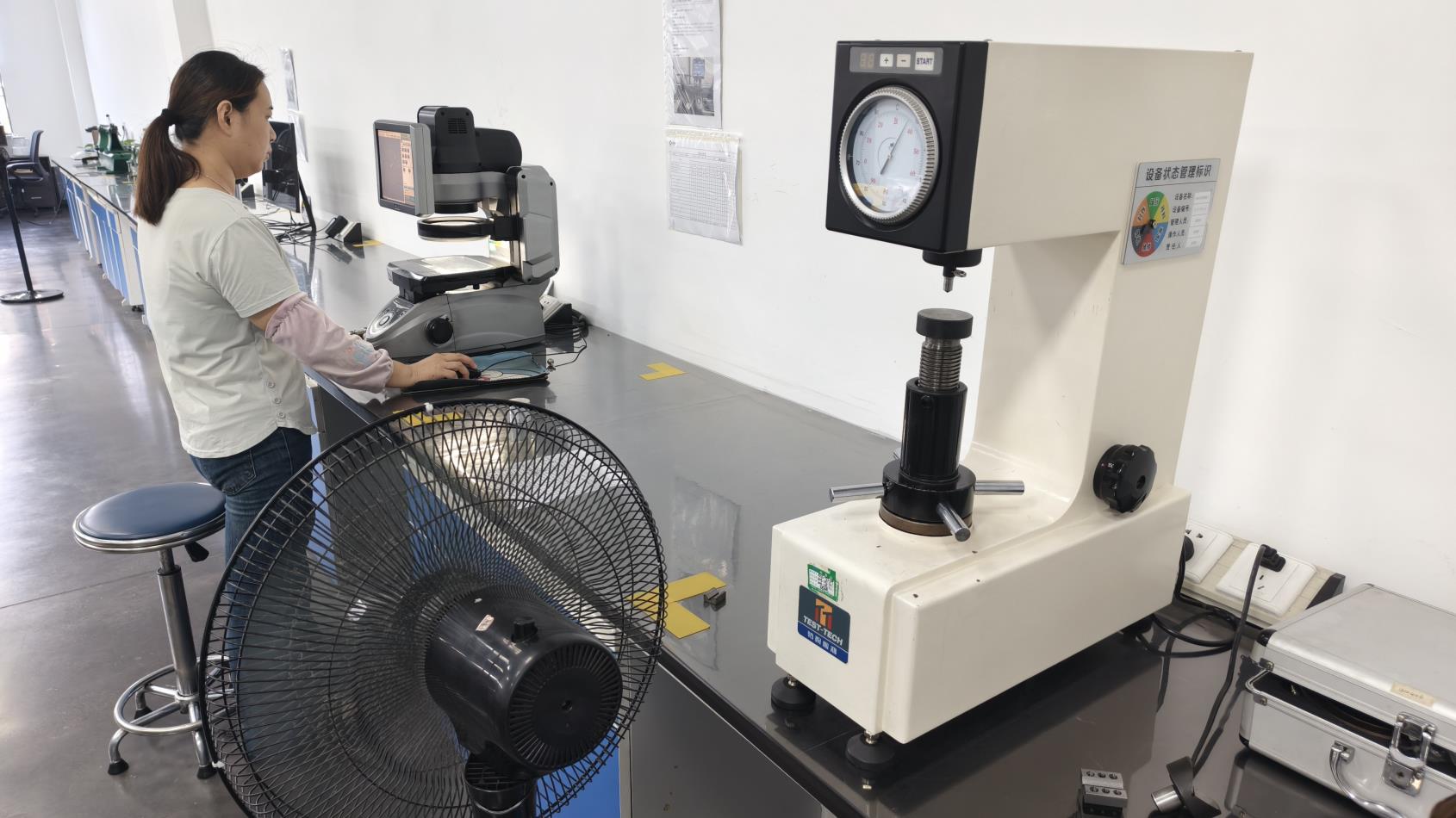
| Quality Control Protocol | Random inspection and custom client-specified testing routines. Strict adherence to dimensional tolerance values. |
| Global Footprint | North America (25%), South America (25%), Southeast Asia (15%), and European clinical supply networks. |
| Customization Scope | Sample processing, graphic blueprint processing, custom manufacturing on-demand for unique clinical needs. |
| Primary Target Verticals | Brand businesses, medical device retailers, international wholesalers, and professional veterinary practices. |
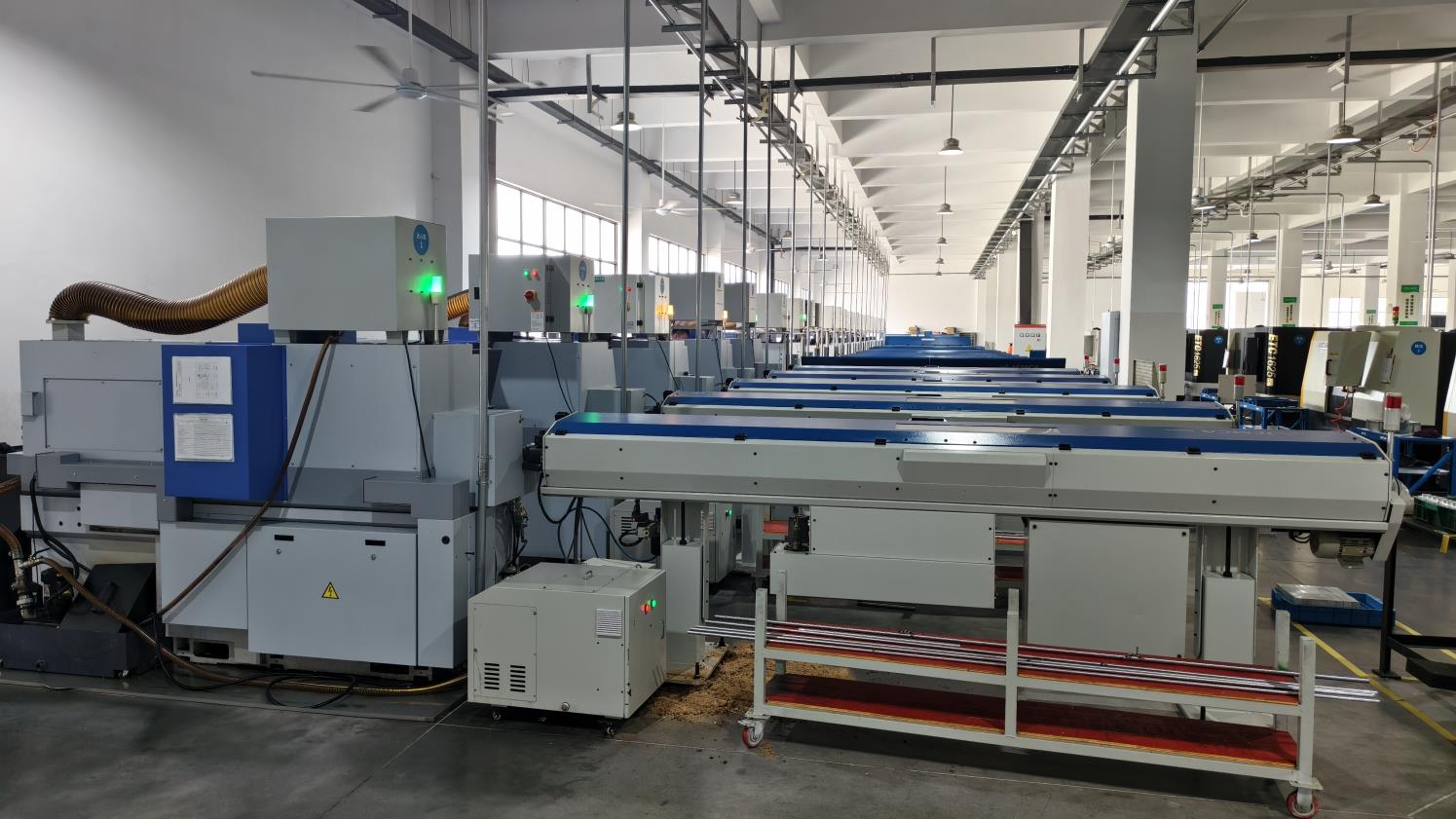
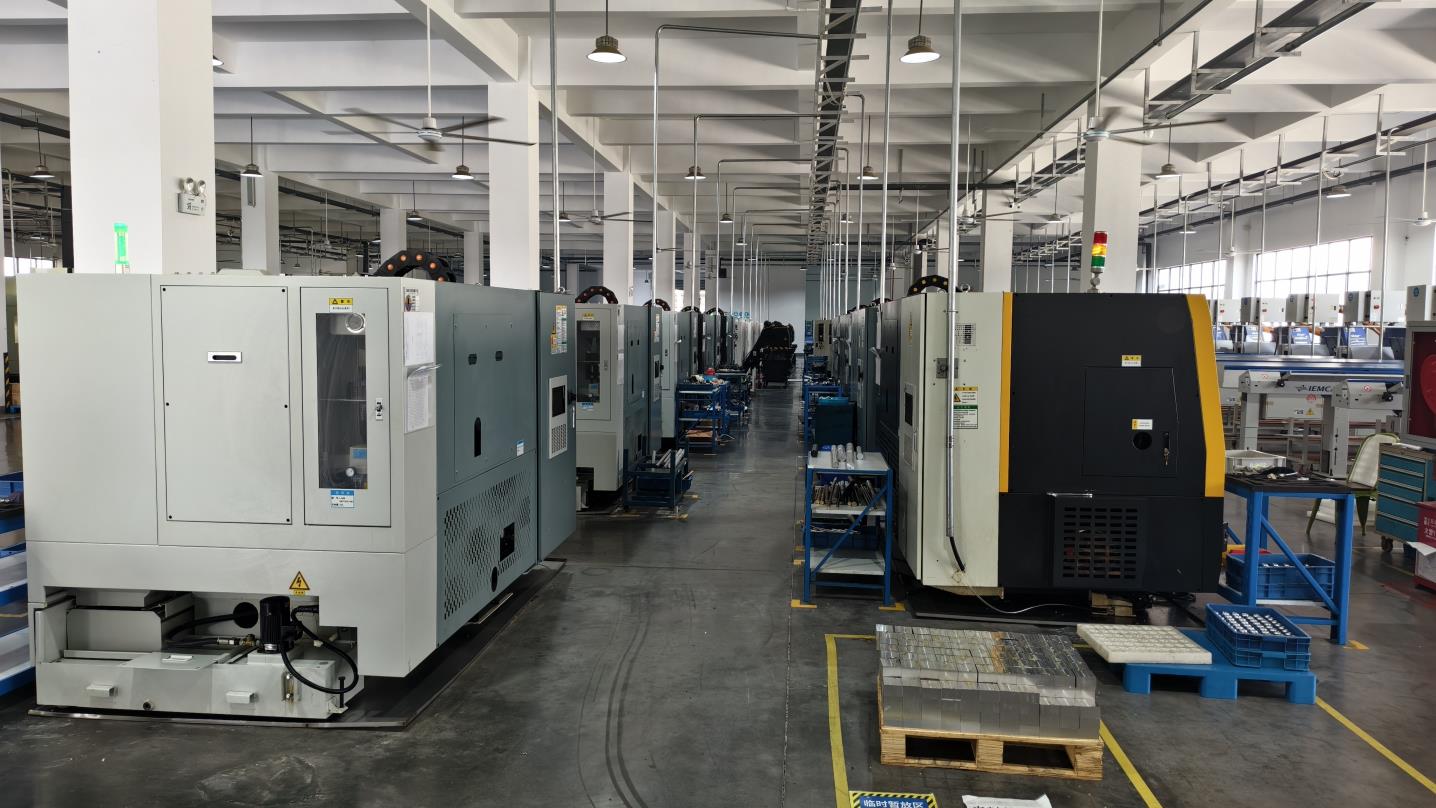
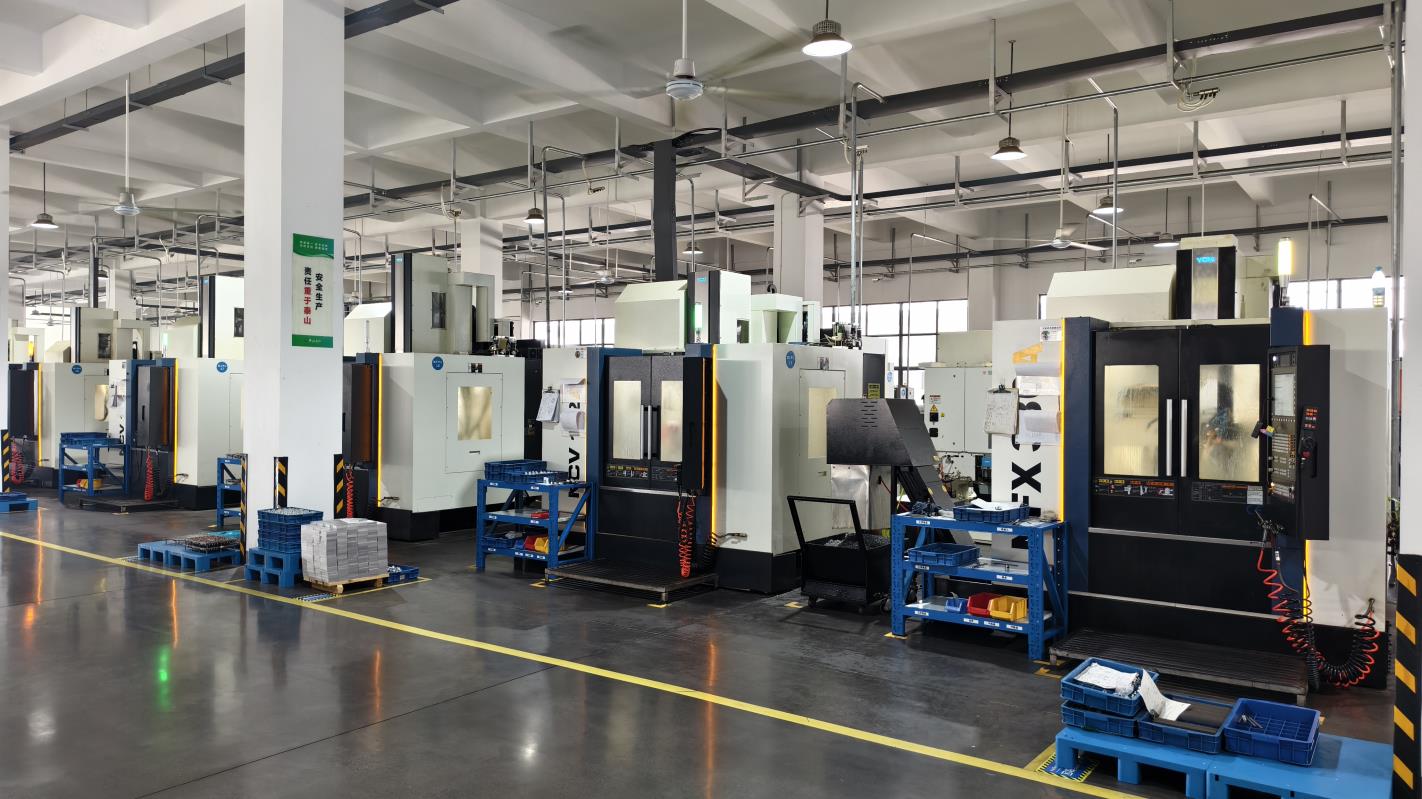
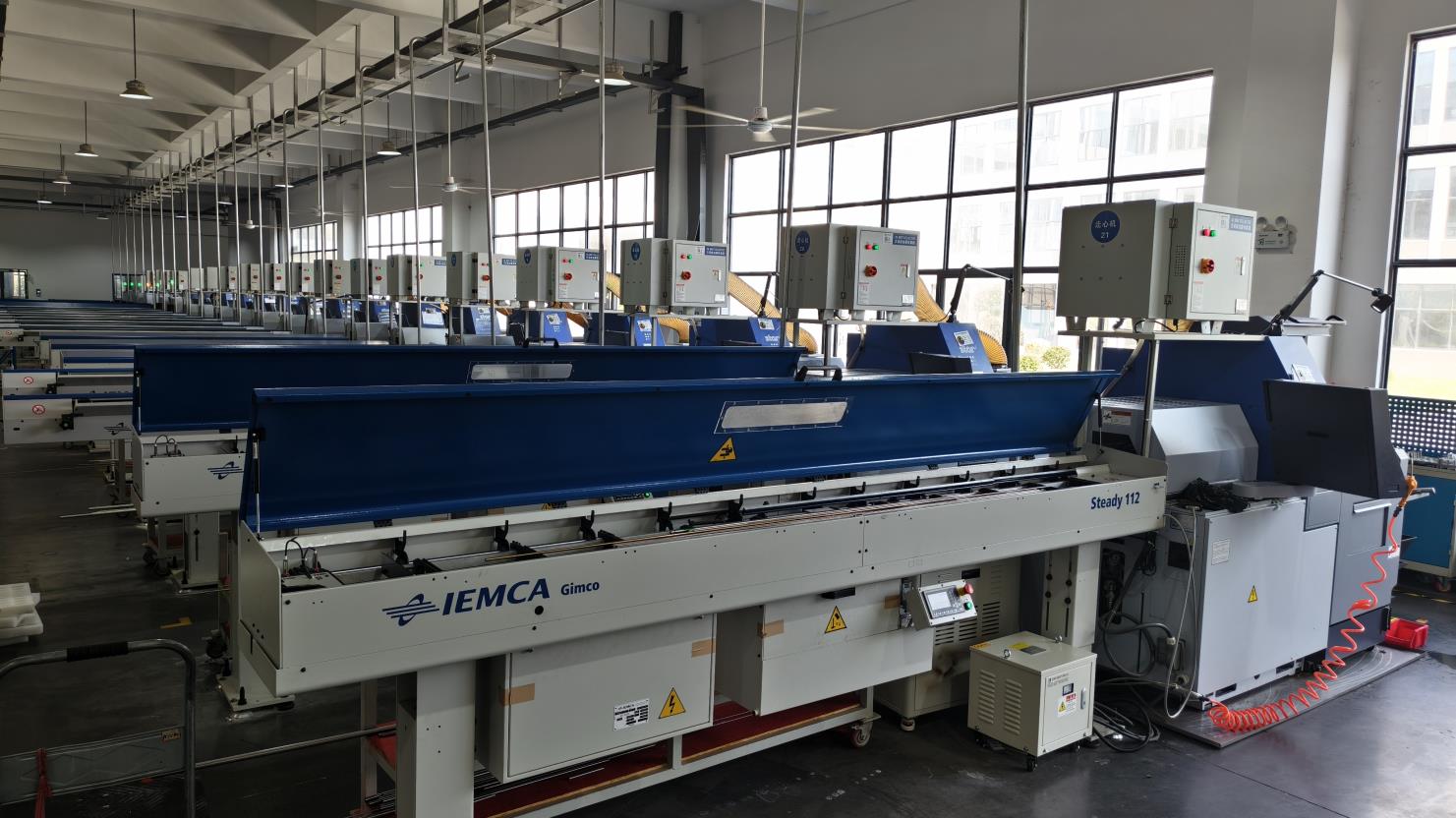
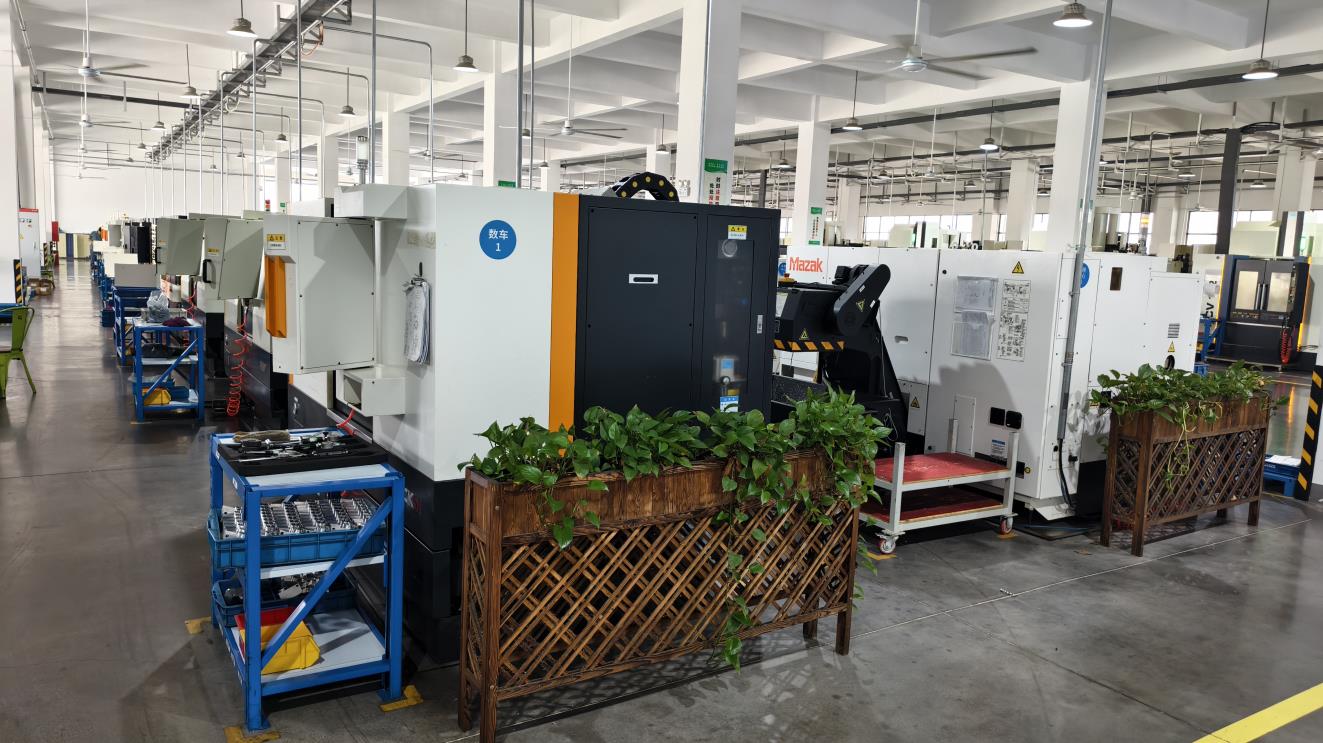
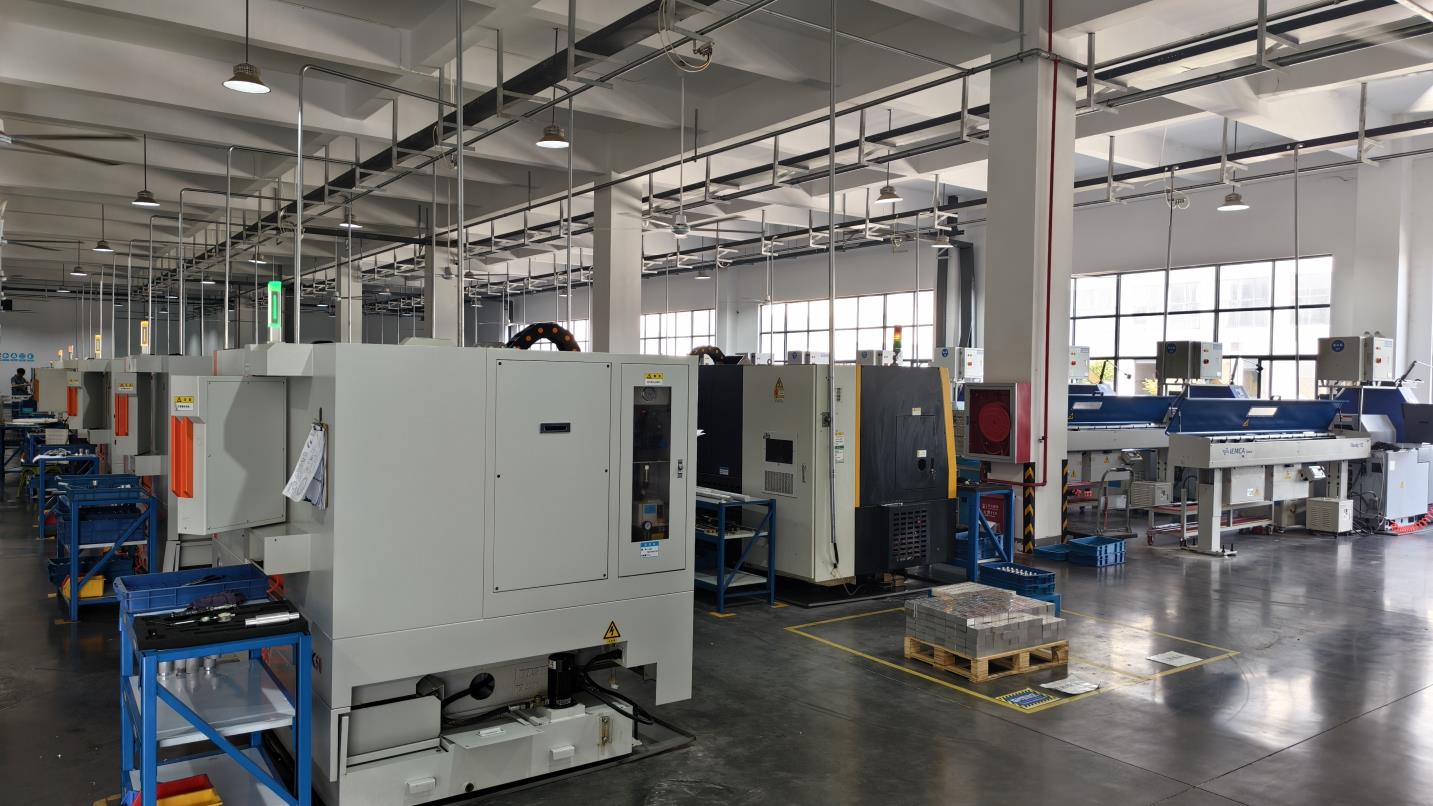
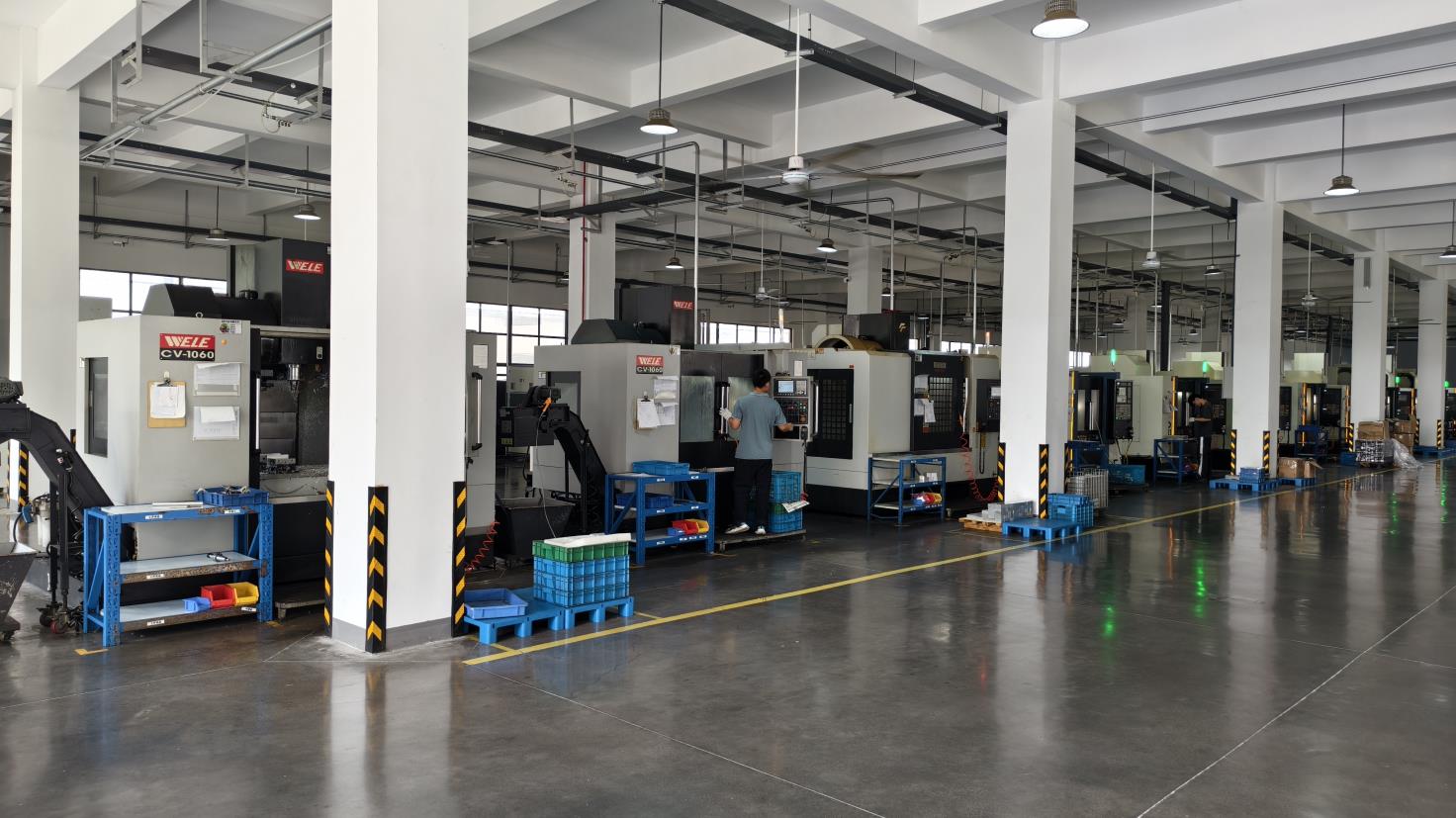
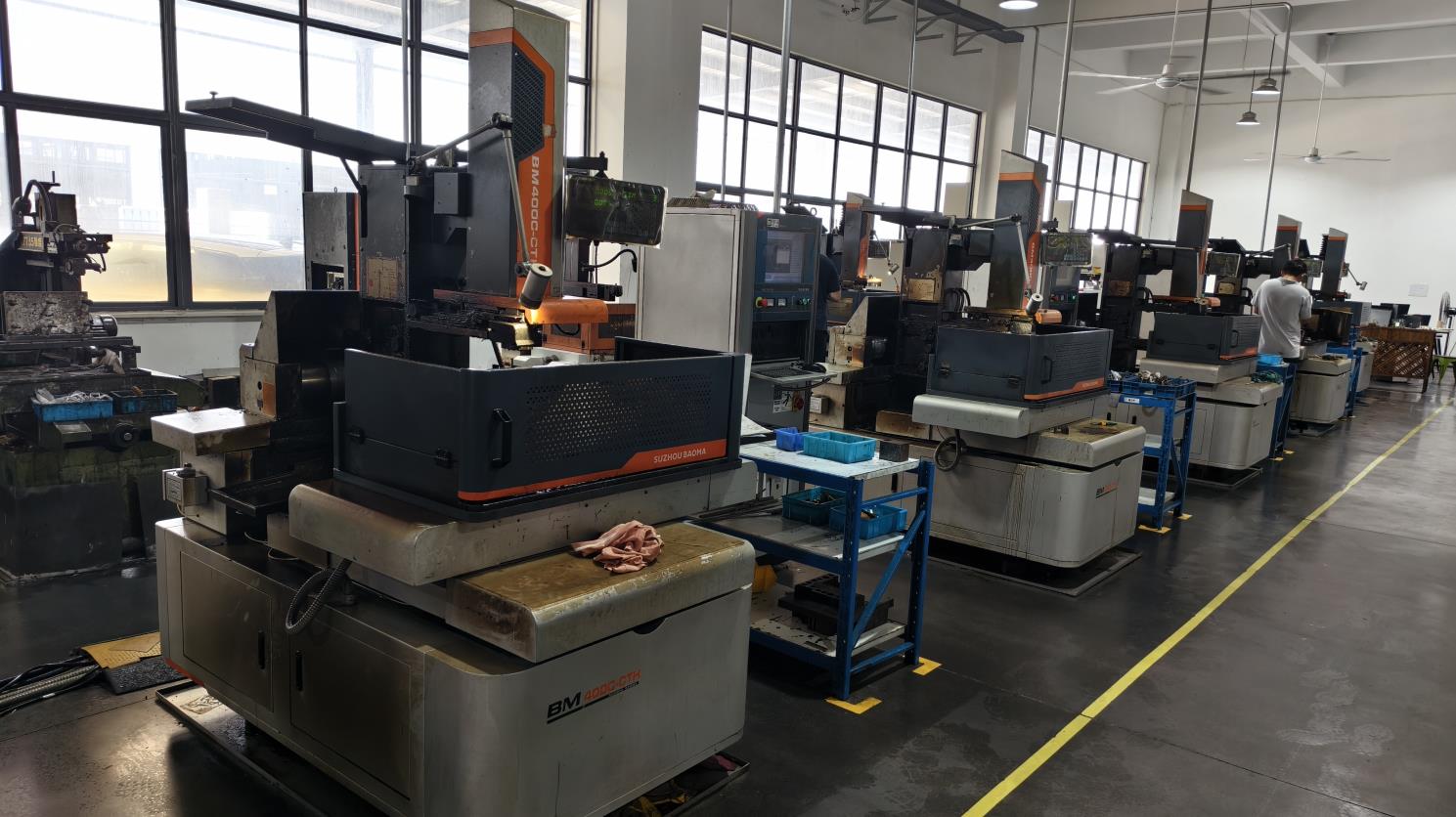
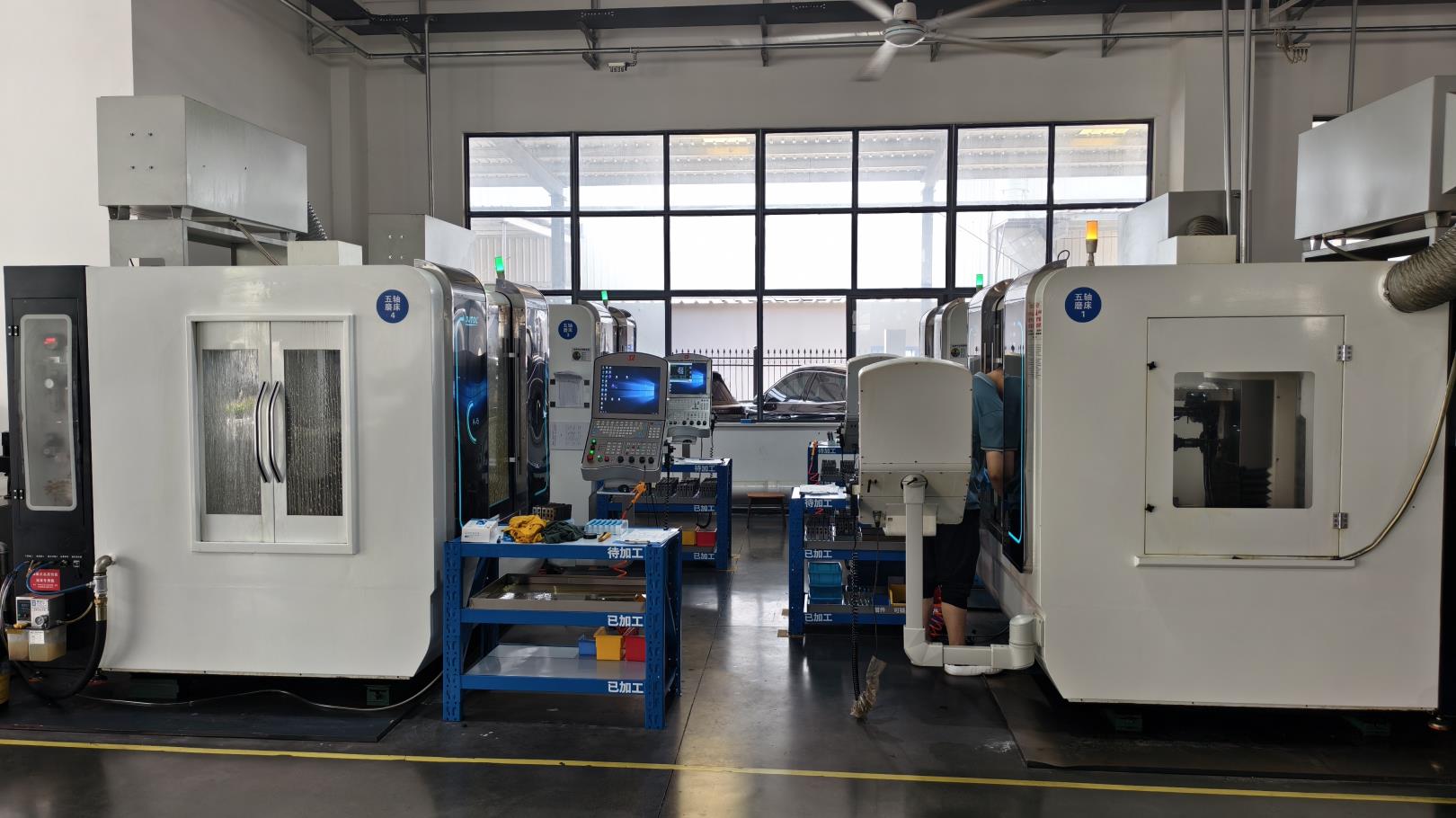
Modern medical production demands a delicate balance of advanced material science and cost control. Chinese factories specialized in orthopedic components have invested heavily in high-performance CNC centers, laser etching systems, and automated cleaning tunnels. This centralization of production pipelines yields a major efficiency advantage, shortening production runs and maintaining consistent quality standards.
Raw materials represent the cornerstone of orthopedic instrument safety. Working with medical-grade 316LVM stainless steel and Grade 5 (Ti-6Al-4V) titanium, factories ensure all products meet tensile strength requirements. Because these raw materials are sourced from accredited suppliers with complete traceability, international buyers receive verified, highly reliable equipment. This raw material security reduces the long-term risk of implant fatigue, corrosion, and biological rejection.
Tolerances are kept within micrometer limits to ensure perfect compatibility between bones, bone drill guides, screws, and reduction forceps.
Electro-polishing, anodizing, and passivation steps prevent oxidation and discoloration through repeated steam sterilization cycles.
Direct access to international shipping hubs minimizes lead times. Custom brand engraving and specialized tool kit designs are executed efficiently.
How precise bone reconstruction tools serve varying workloads in critical surgical setups.
In modern veterinary surgery, dogs and cats experiencing bone fractures require high-grade fixation systems. The biological challenge lies in the variance of bone sizes across different breeds. A giant canine femur versus a feline tibia requires highly adaptable tools.
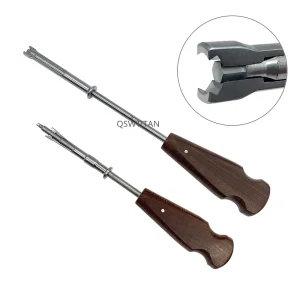
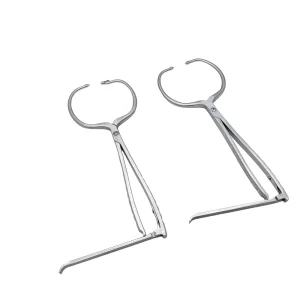
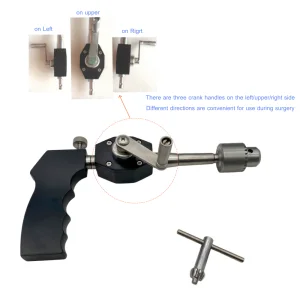
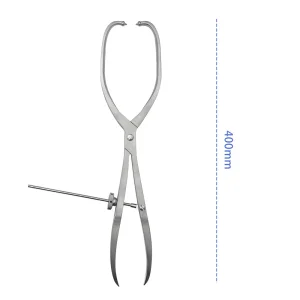
Solution Profile: The use of specialized pet locking plate systems combined with C-type drill guides ensures precision placement without micro-fracturing thin cortices. High-torque, variable-speed cannulated hand drills and tibial plateau reduction forceps allow surgeons to safely reconstruct delicate articular surfaces, reducing postoperative complication rates.
Human clinical settings demand absolute sterilization reliability and strict compliance with anatomical contours. When working with acetabular reamers or pelvic reduction systems, surgeons operate in highly vascularized zones where accuracy determines patient recovery speed.
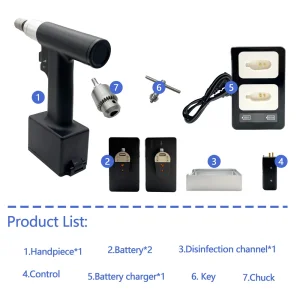
Solution Profile: Medical-grade, autoclavable lithium-powered bone drills with quick-connect attachments (such as oscillating saw and K-wire drivers) provide the high stability needed for complex joint arthroplasty. Multi-functional AO reconstruction benders enable real-time adjustments, molding plates to the patient's unique anatomical profile.
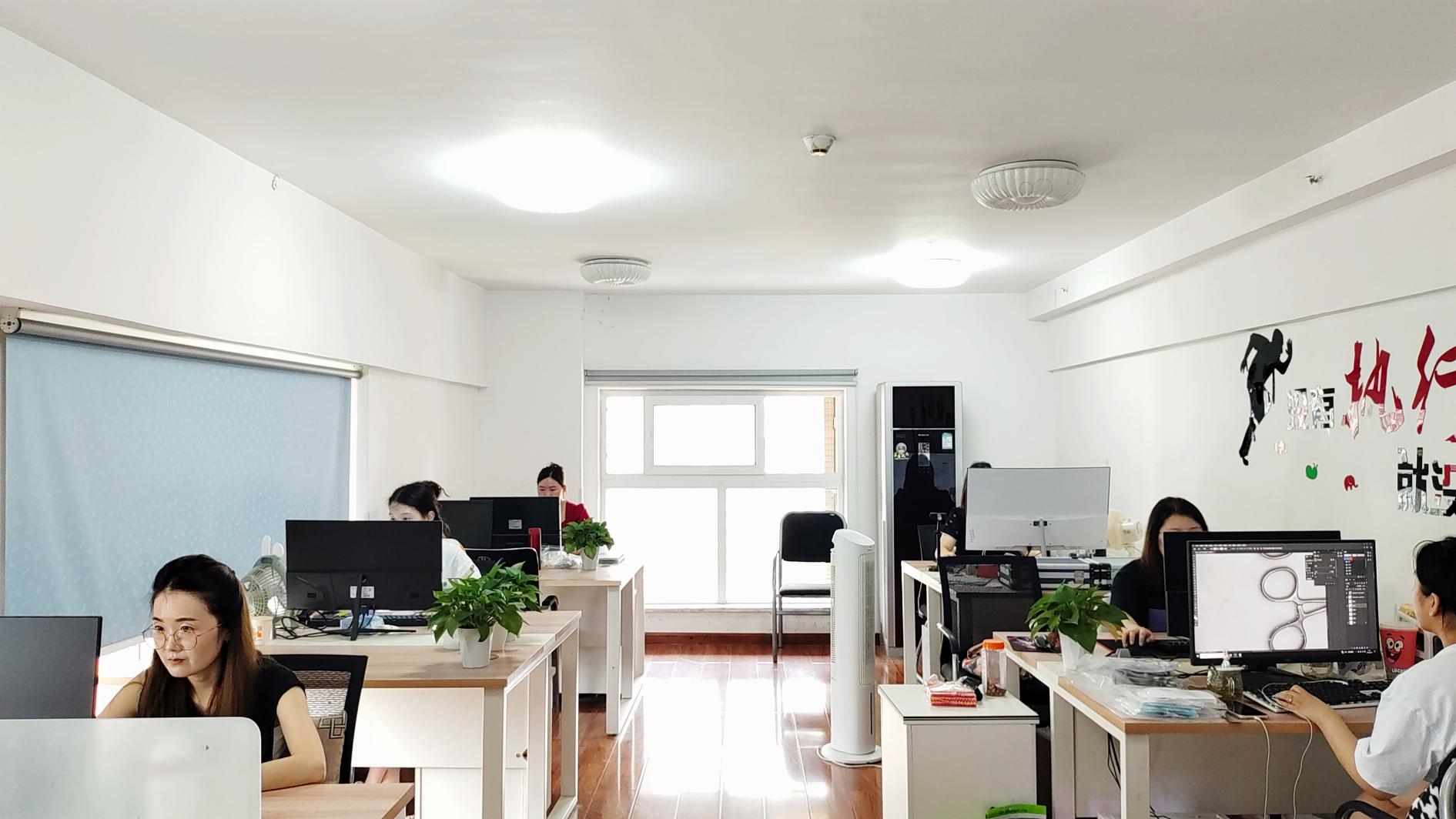
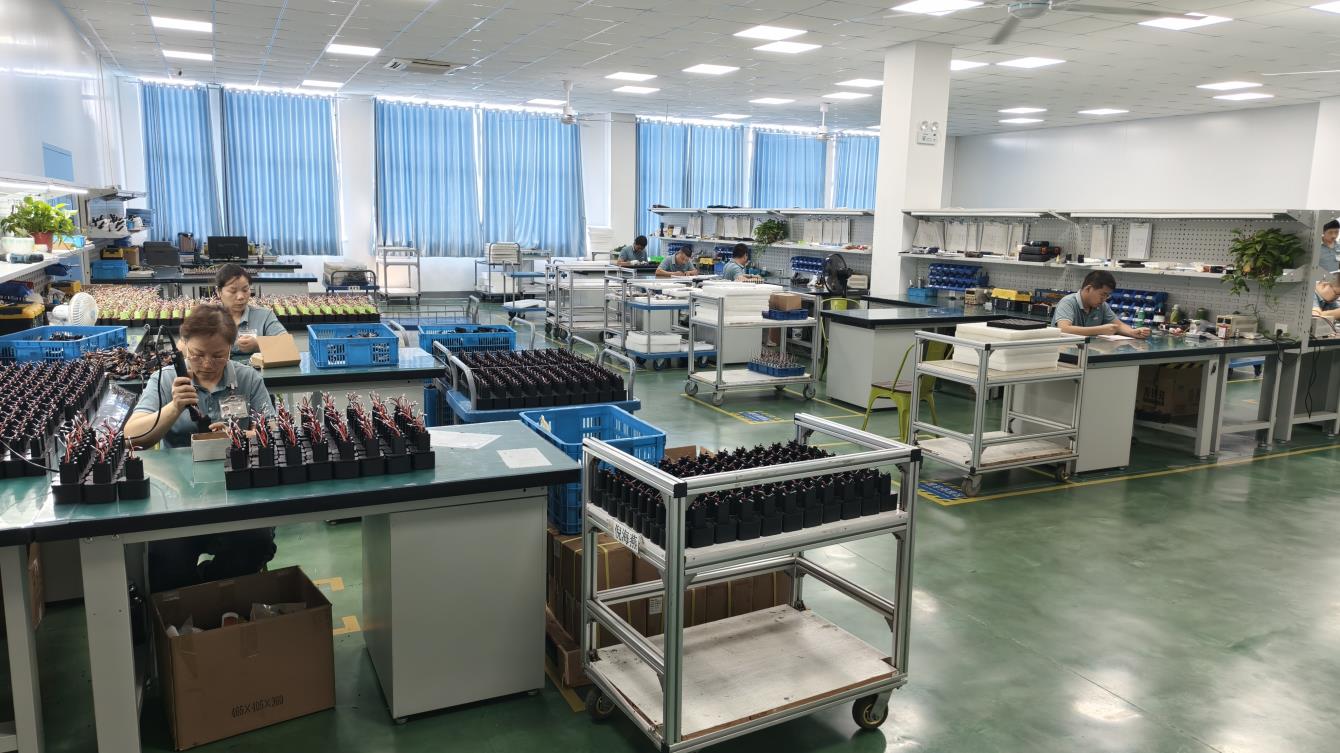
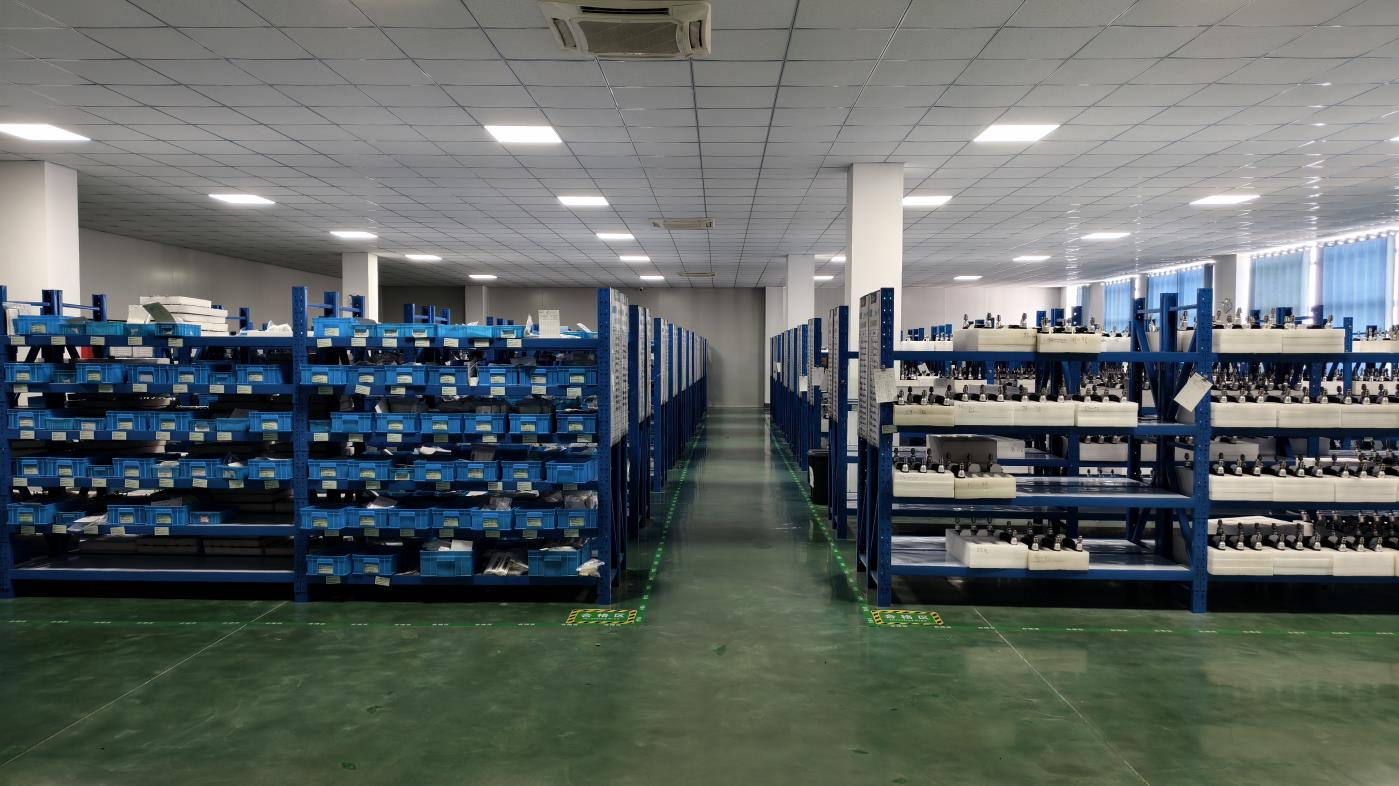
A transparent look inside our manufacturing floor, CNC units, QA assembly, and logistics preparation.
Key checkpoints for hospital networks, distributors, and device brand owners before placement of orders.
Ensure all titanium plates and stainless steel screws meet ASTM F136 or ISO 5832 standards to eliminate localized metal breakdown risks inside patients.
Surgical power drills and instrument cases must withstand continuous steam sterilization cycles (134°C / 273°F) without deteriorating sealing components.
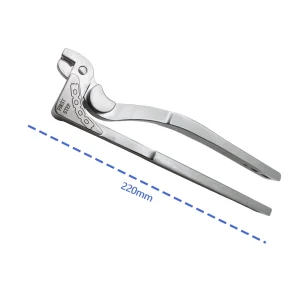
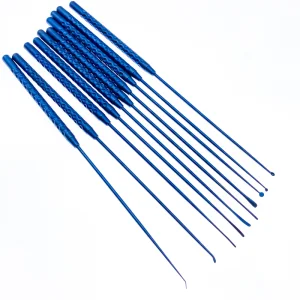
Confirm manufacturer supports custom engraving and specific bend radii (such as micro-nerve hook angles or tibial plateau forcep configurations).
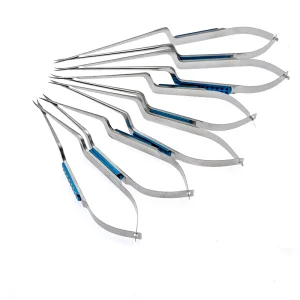
Request sterile packaging or protective shipping cases to avoid surface scratches on delicate edges of micro neurosurgery scissors during transit.
Detailed technical responses to common concerns regarding orthopedic instruments and bone augmenters sourcing.
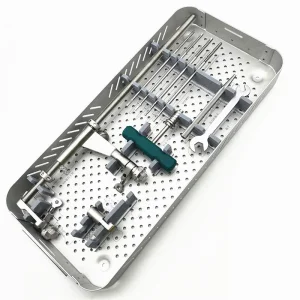
Autoclavable measurement kits, benders, reconstructive plates, and nerve tools.