SENJIE Healthy & Technology
SENJIE Healthy & Technology
SENJIE Healthy & Technology
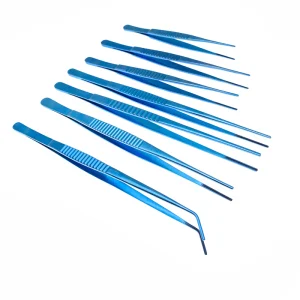
Explore our elite line of surgical instrumentation, developed for medical clinics and advanced veterinary surgery facilities worldwide.
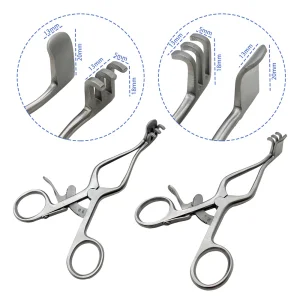
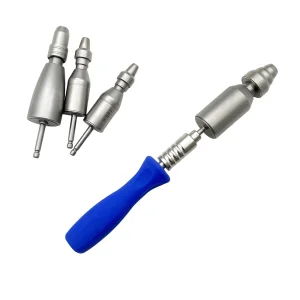
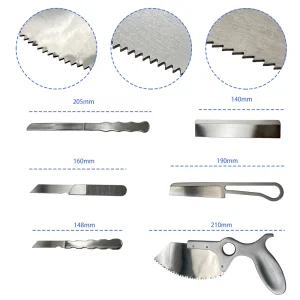
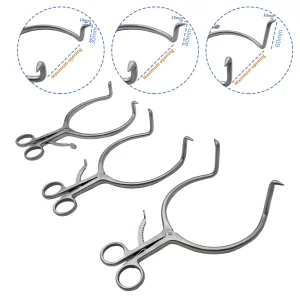
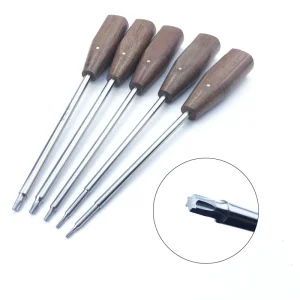
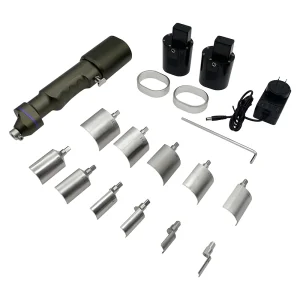
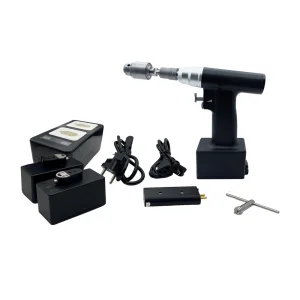
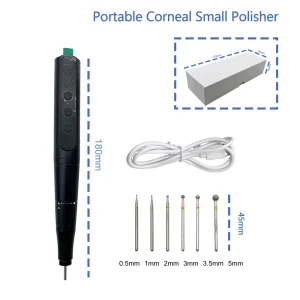
As surgical interventions grow increasingly complex, the demand for precision-engineered electrosurgical units (ESU) and accessories has risen significantly. Modern healthcare organizations demand equipment that ensures patient safety, limits thermal spread, and offers long-lasting durability. Selecting a partner from the top tier of China surgical electrocautery suppliers is a strategic business decision that requires a thorough understanding of quality standards, design capabilities, and regulatory compliance.
Monopolar systems deliver current from an active electrode through the patient to a return pad, ideal for cutting and broad coagulation. Bipolar setups restrict current flow between two active tips of the instrument (like forceps), minimizing lateral heat damage.
High-tier electrocautery units feature dynamic sensing algorithms that adapt output energy in real-time based on local tissue impedance. This protects delicate structures and maintains consistent cutting performance.
Components placed in contact with tissue must utilize certified medical materials (such as SUS304, SUS316L, or medical-grade titanium), in compliance with ISO 10993 parameters for biological safety.
For international distributors, hospital supply networks, and medical hardware developers, establishing relationships with manufacturers offering robust OEM/ODM services is essential. As market dynamics shift toward specialized procedures, customizable options such as sample processing and customized-on-demand engineering have become the standard for high-performance surgical instrumentation supply.
The technological path of surgical electrocautery and power-assisted bone tools focuses on thermal control, ergonomic design, and micro-electrosurgical refinement.
Modern hardware features solid-state radiofrequency wave generation, allowing clinicians to switch seamlessly between pure cut, blended cut, desiccation, and fulguration. This versatility ensures optimal clinical outcomes across soft tissue procedures.
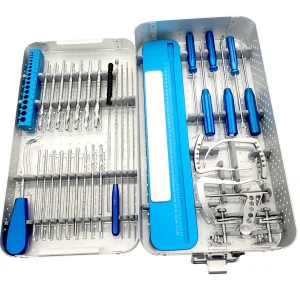
Combining tissue ablation with active mechanical dissection has led to combined instrument platforms. High-speed surgical drills, TPLO oscillating saws, and electrocautery systems are now regularly grouped into single orthopedic surgical setups.
Next-generation platforms monitor the contact impedance of the patient return electrode. This system automatically stops power delivery if poor pad contact is detected, preventing thermal burns at the pad site.
Verifiable data highlighting our manufacturing processes, regulatory compliance, and export capabilities.
| Audit Vector & Company Overview | |
|---|---|
| Establishment & Registration | Registered on 2019-11-20. Highly professional manufacturing and export infrastructure. |
| Industry & Export Experience | Over 6 continuous years specializing in surgical equipment and orthopedic tool development. |
| Accepted Language Options | English (technical documentation, post-sale service protocols, QA inspections). |
| Quality Control Systems | 3 dedicated QA/QC inspectors managing in-house testing labs. |
| Traceability Auditing | Full material verification for all raw metals, ceramics, and biocompatible polymers (Yes). |
| Inspection Methodologies | Random inspection protocols paired with target specifications matched to client requirements. |
| Customization Scope | OEM/ODM processing utilizing physical samples, 2D/3D CAD models, or custom design requirements. |
| Main Global Target Markets | North America (25%), South America (25%), Southeast Asia (15%), and others globally. |
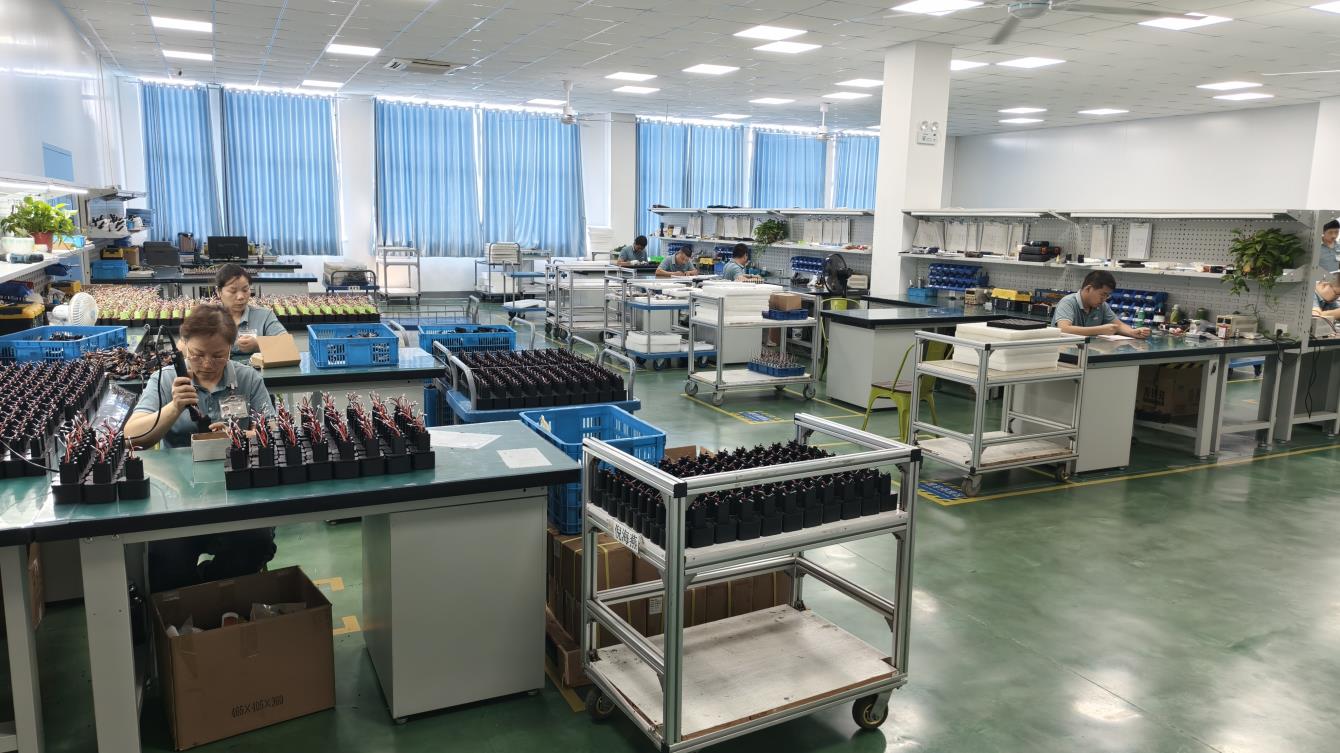
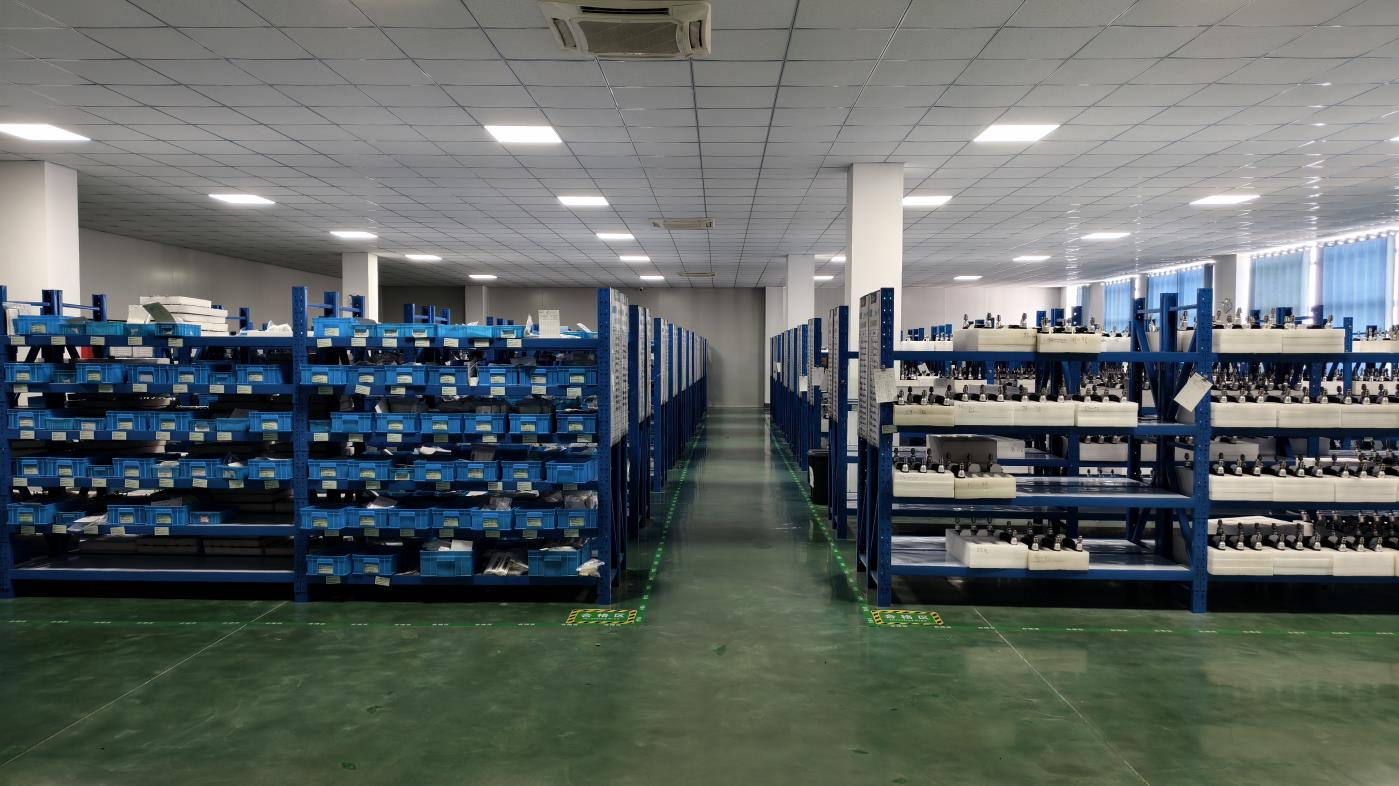
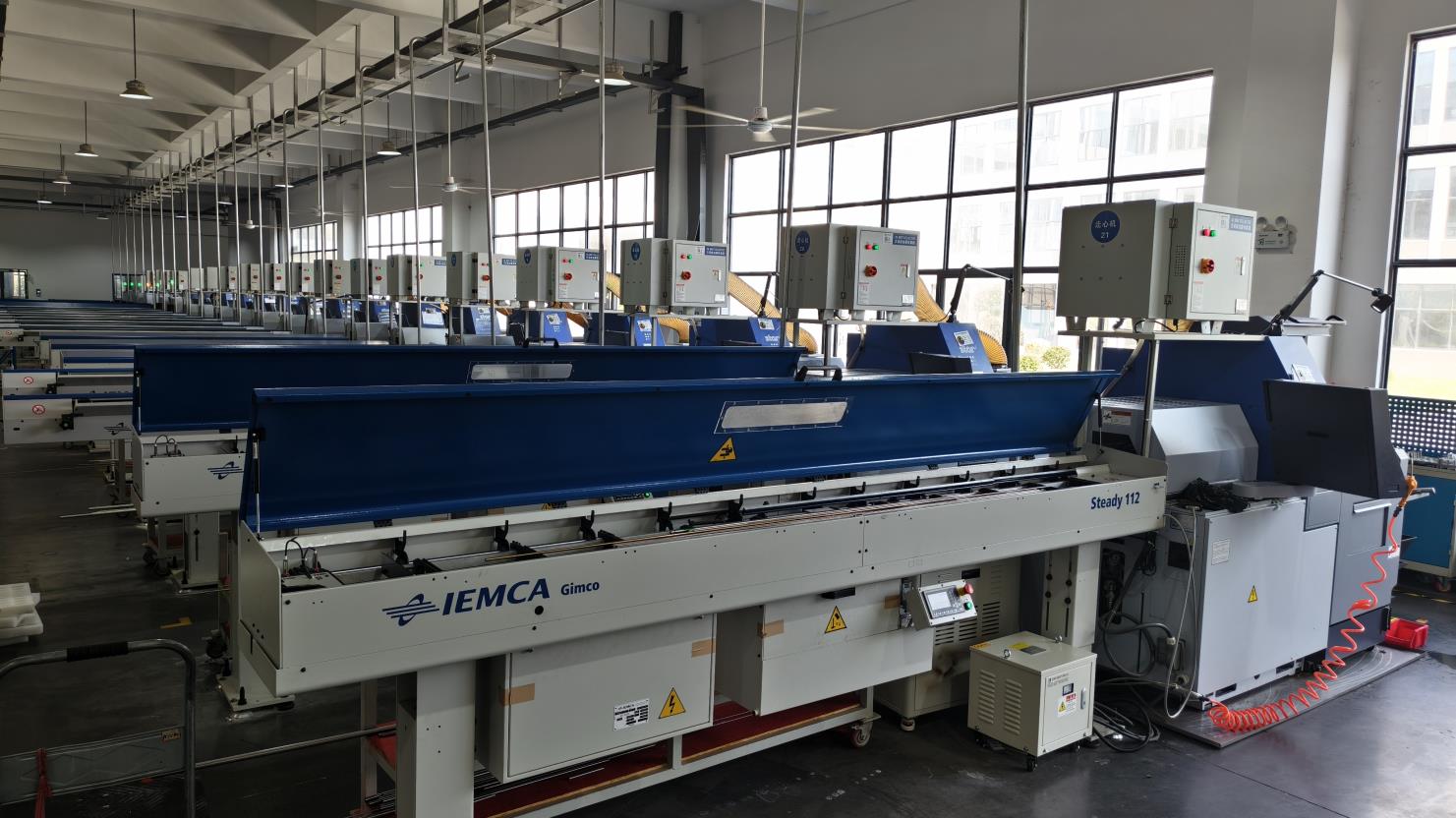
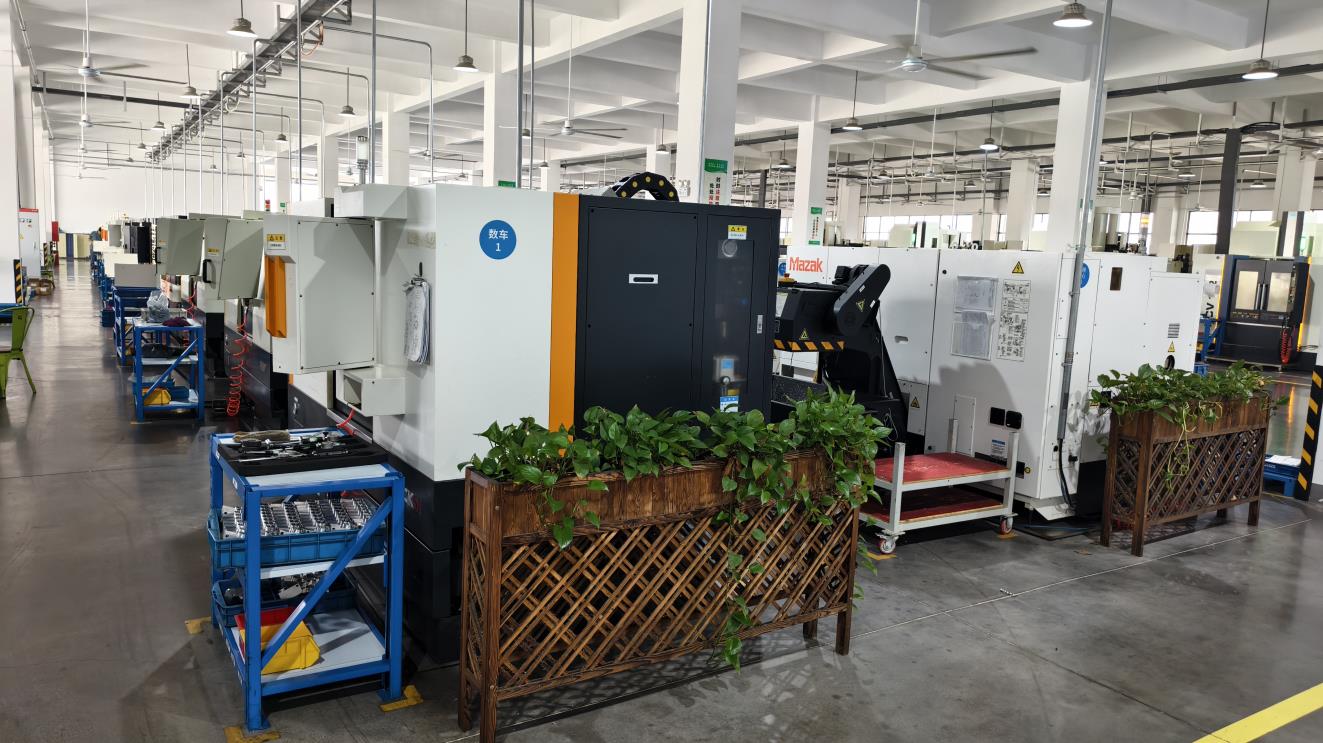
An inside look at our facilities, material testing laboratories, and assembly processes that ensure our surgical instruments meet strict global standards.

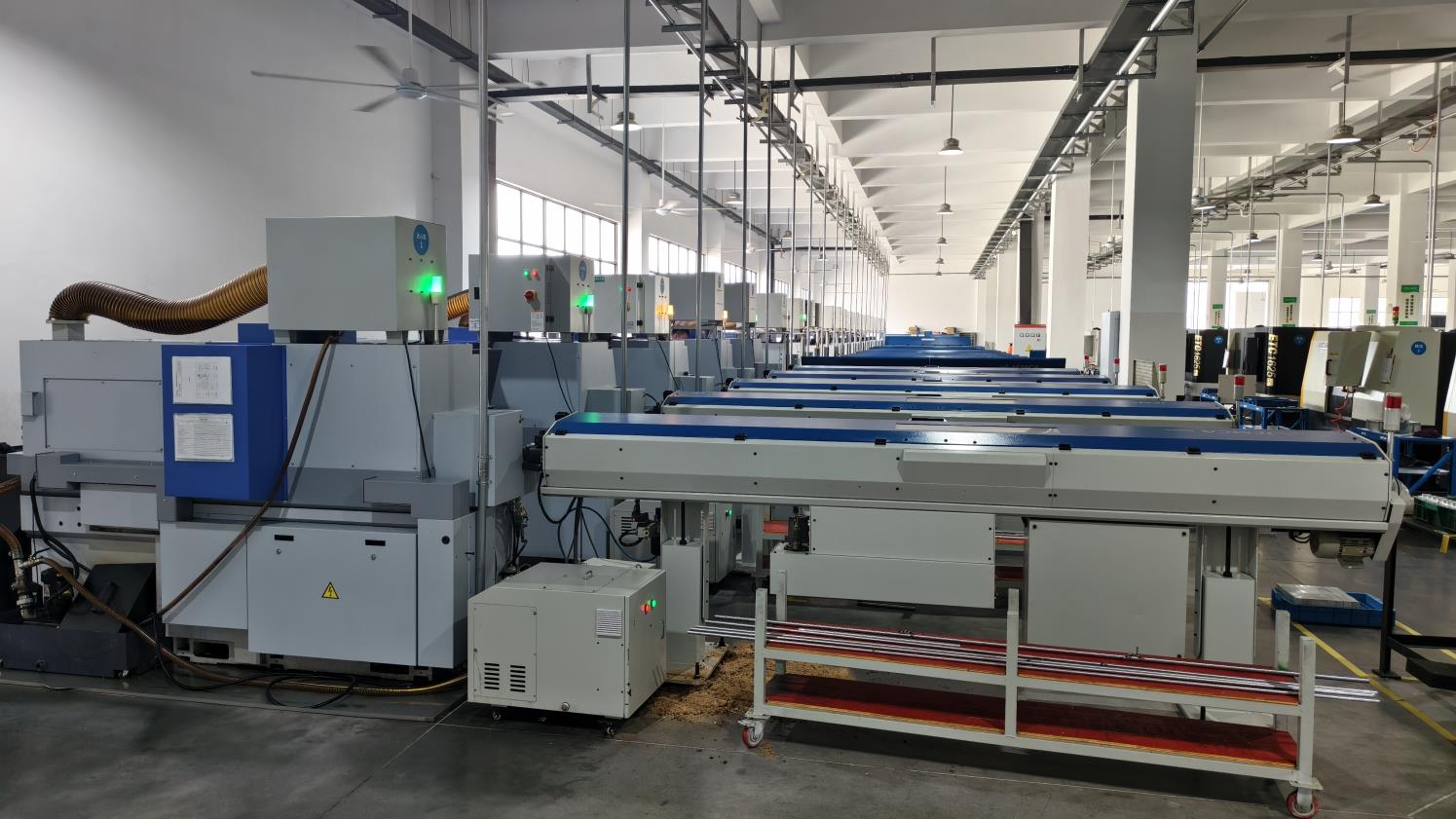
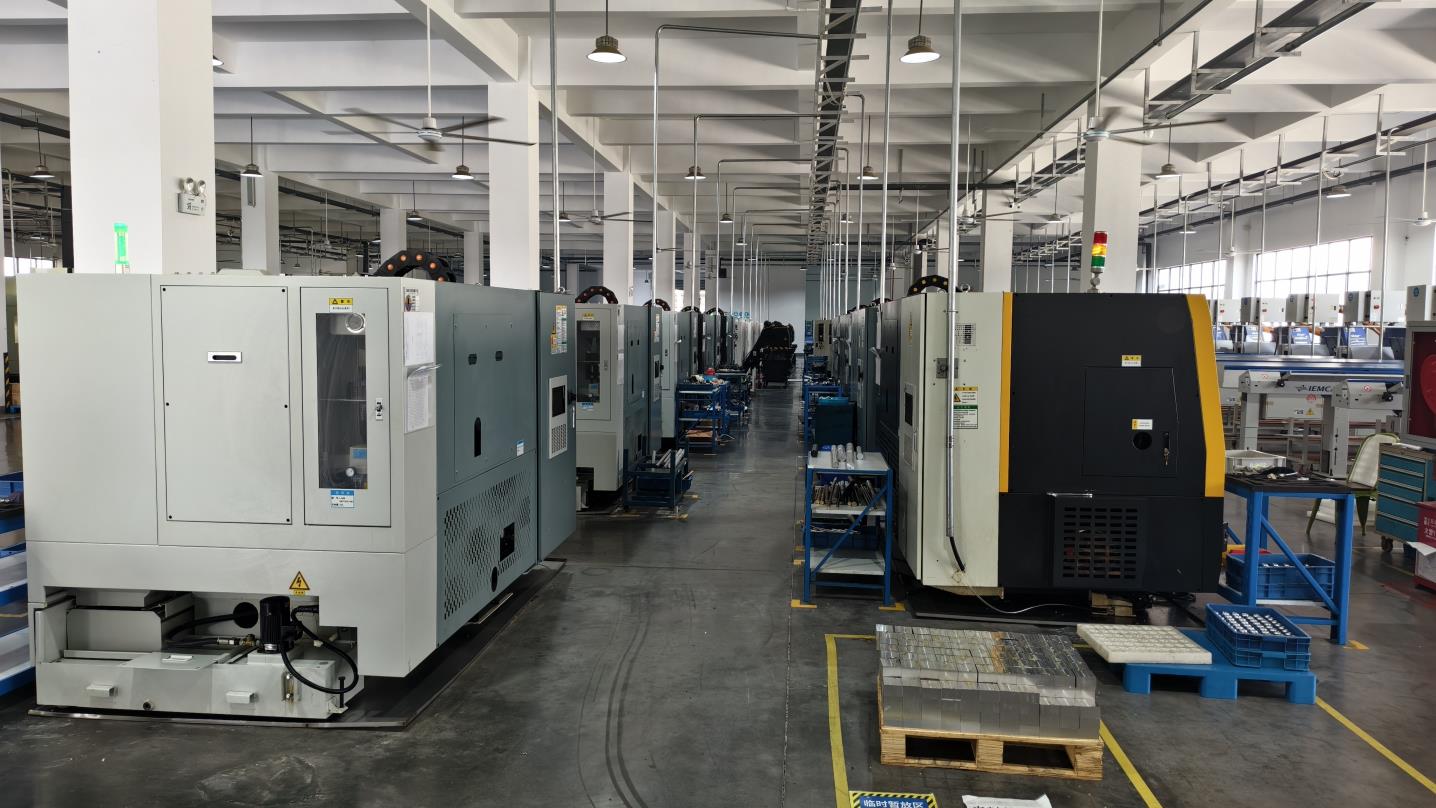
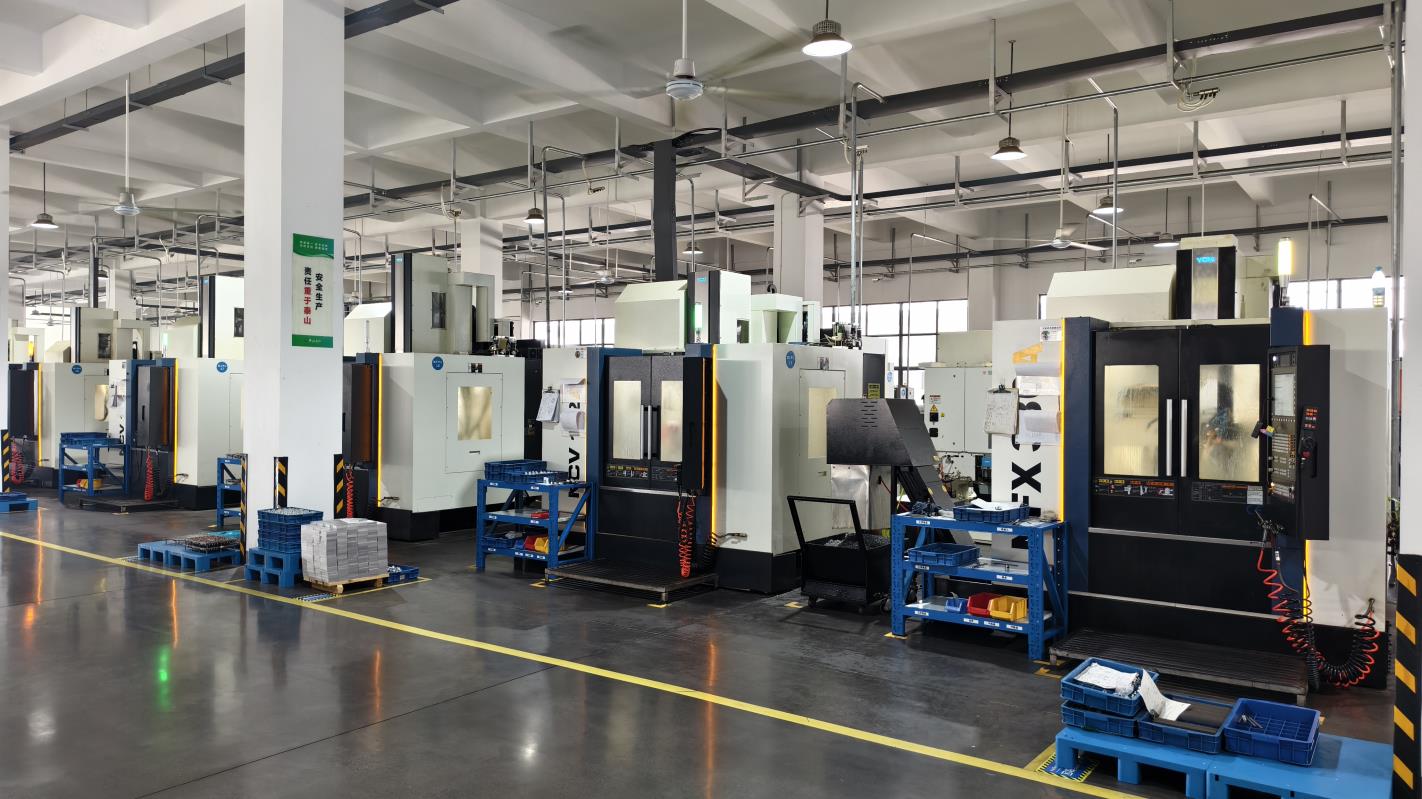
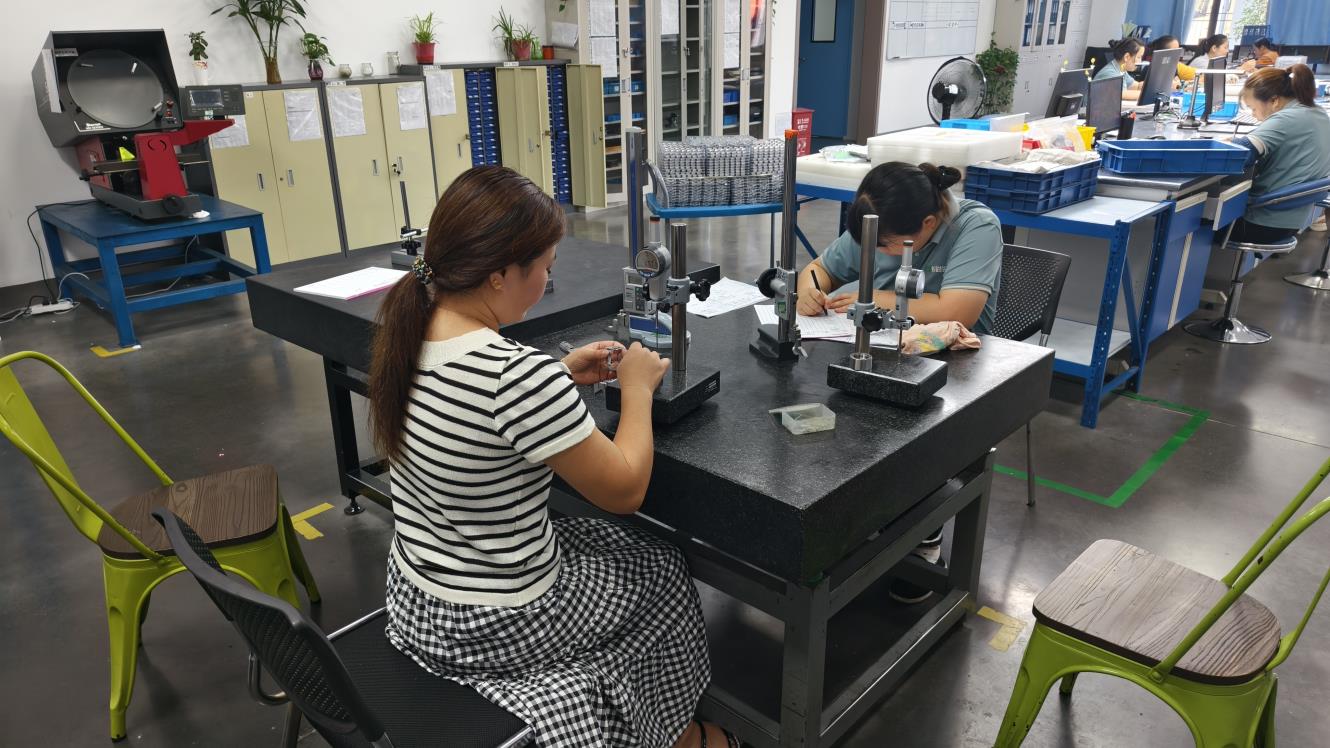
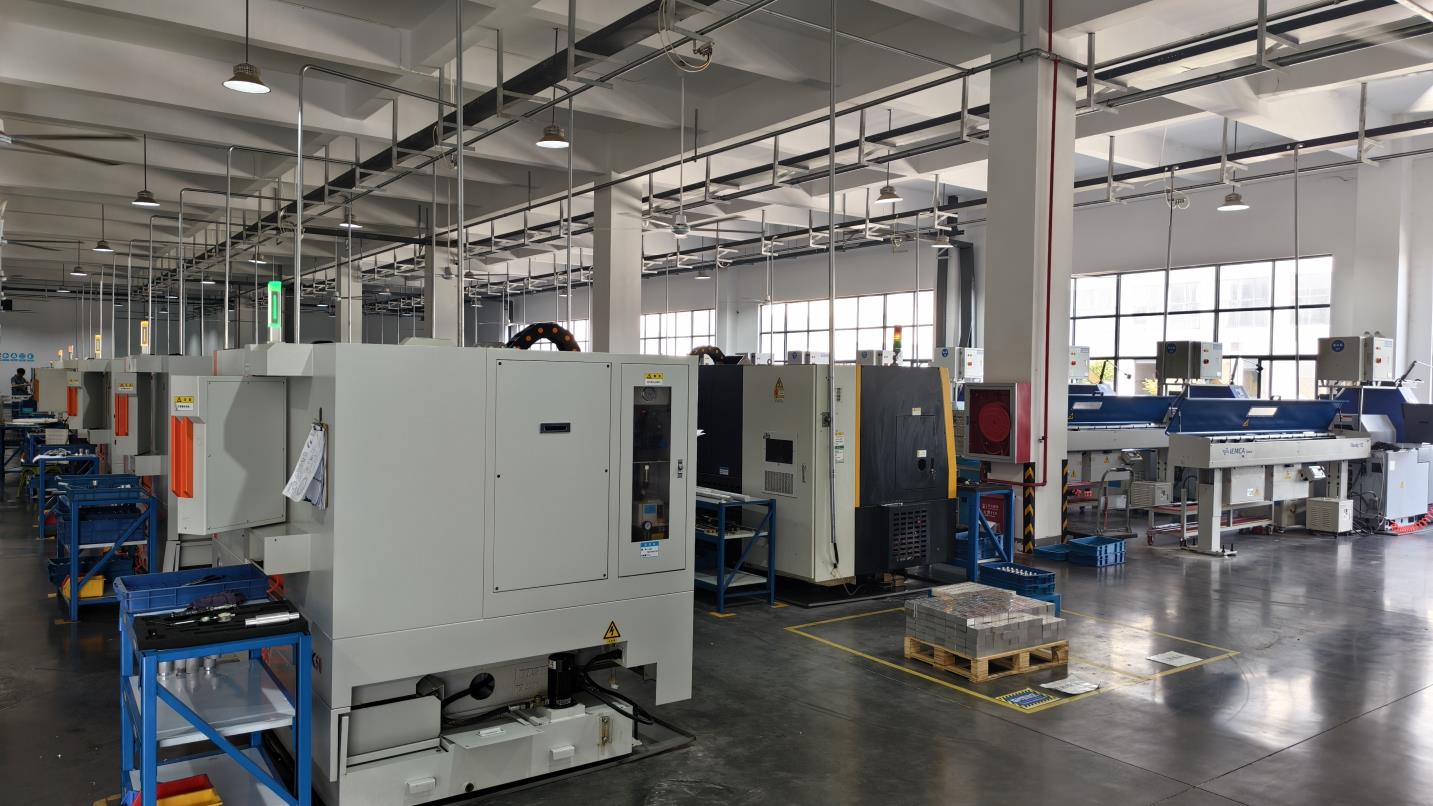
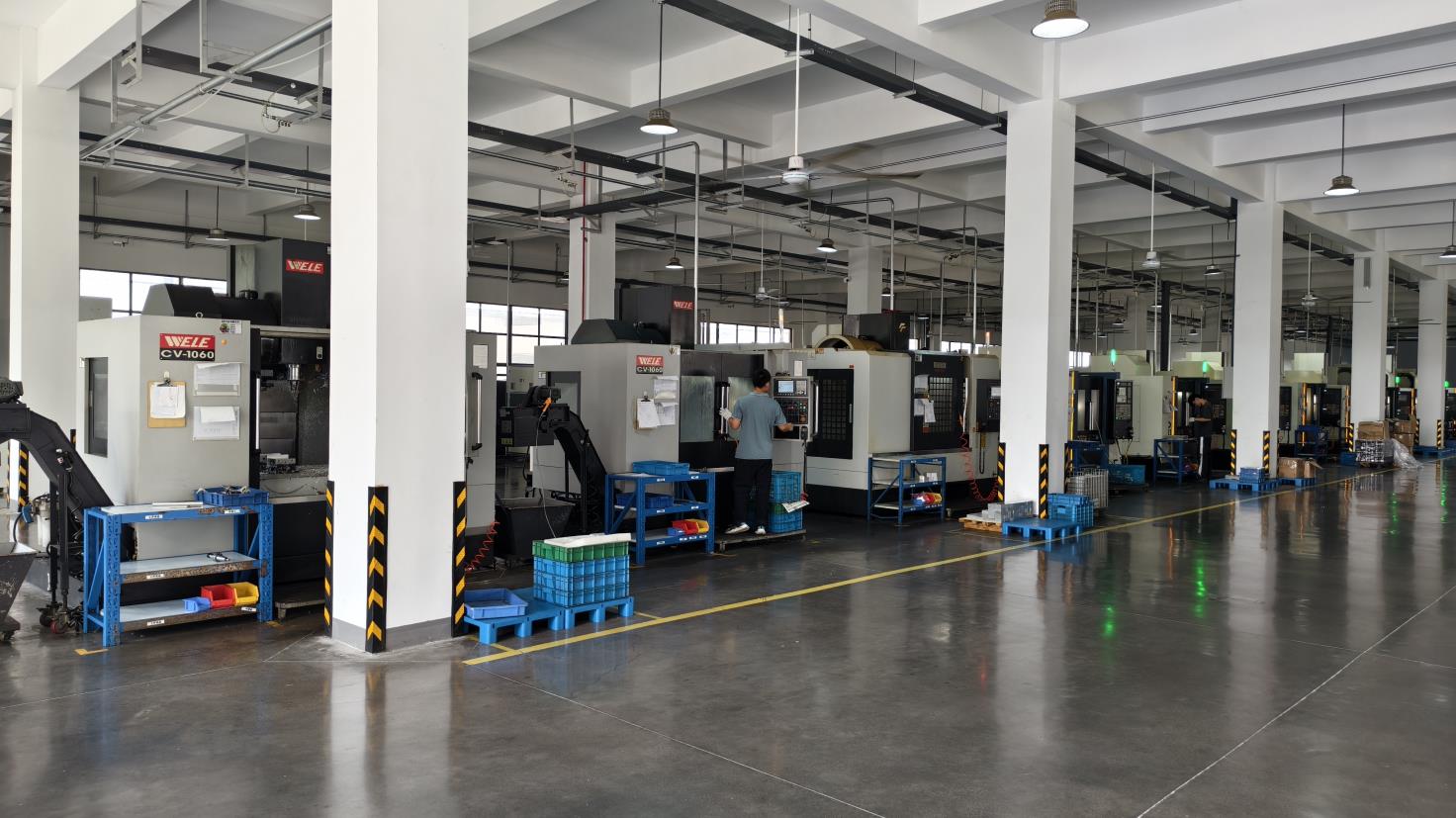
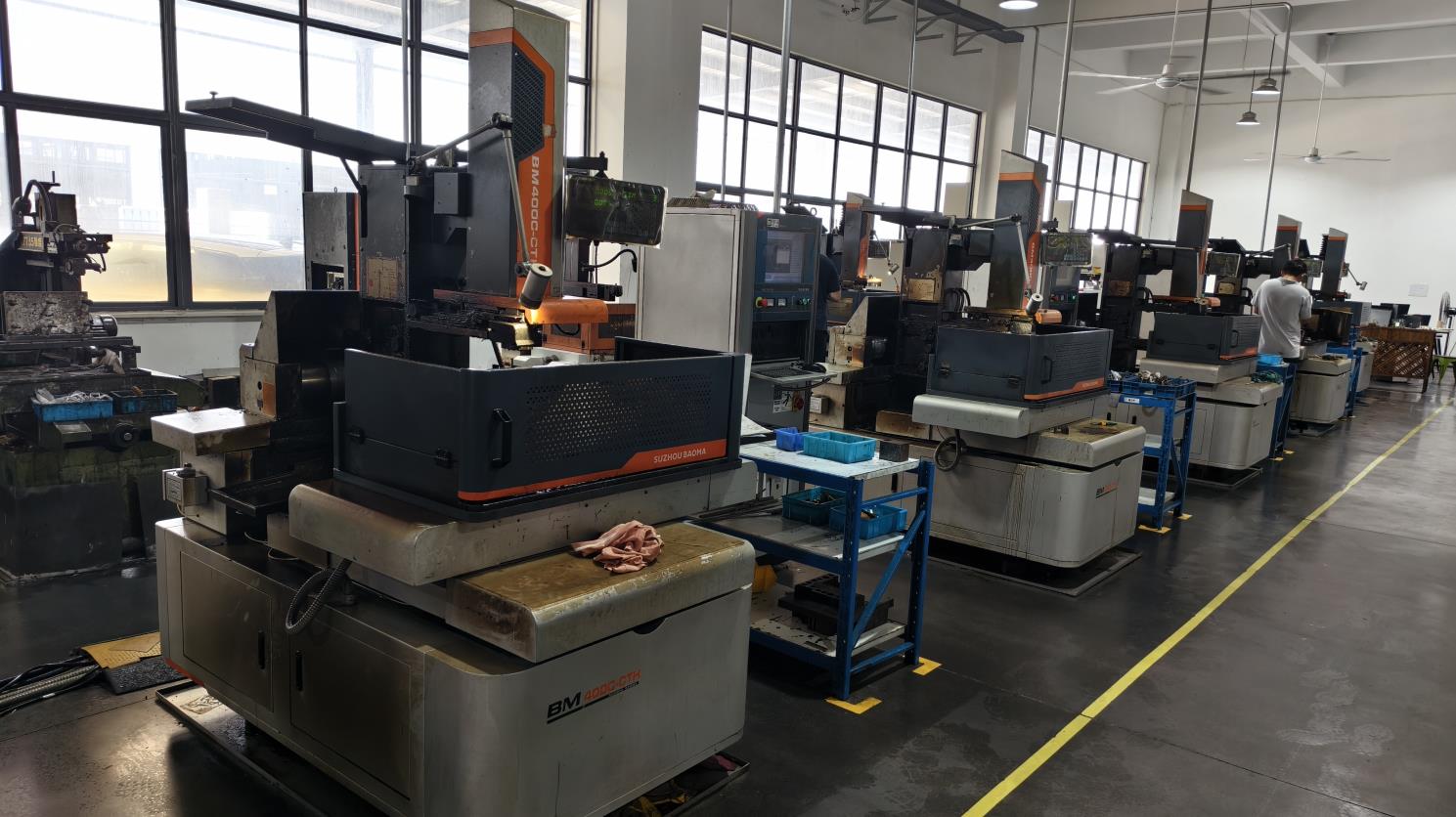
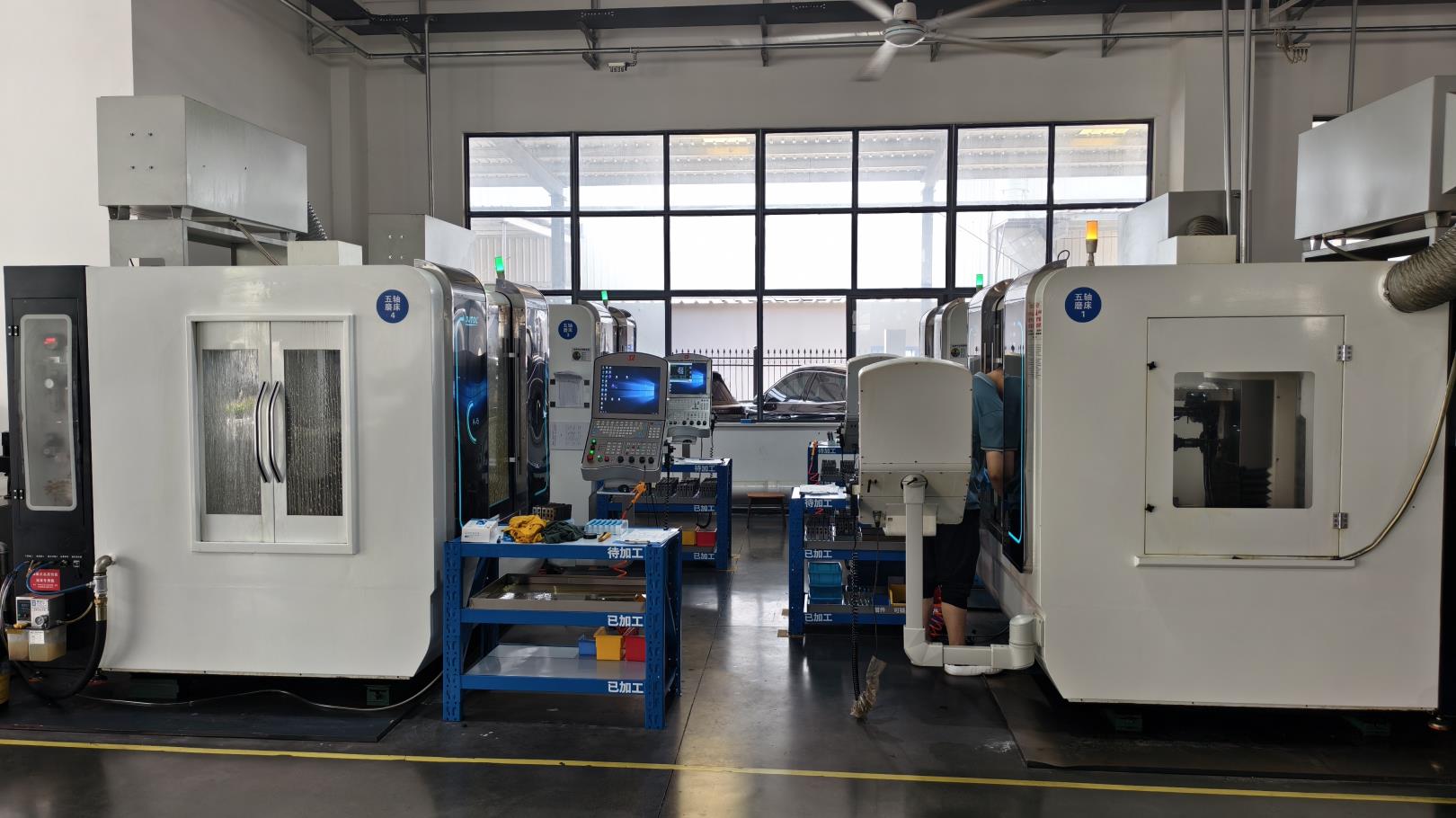
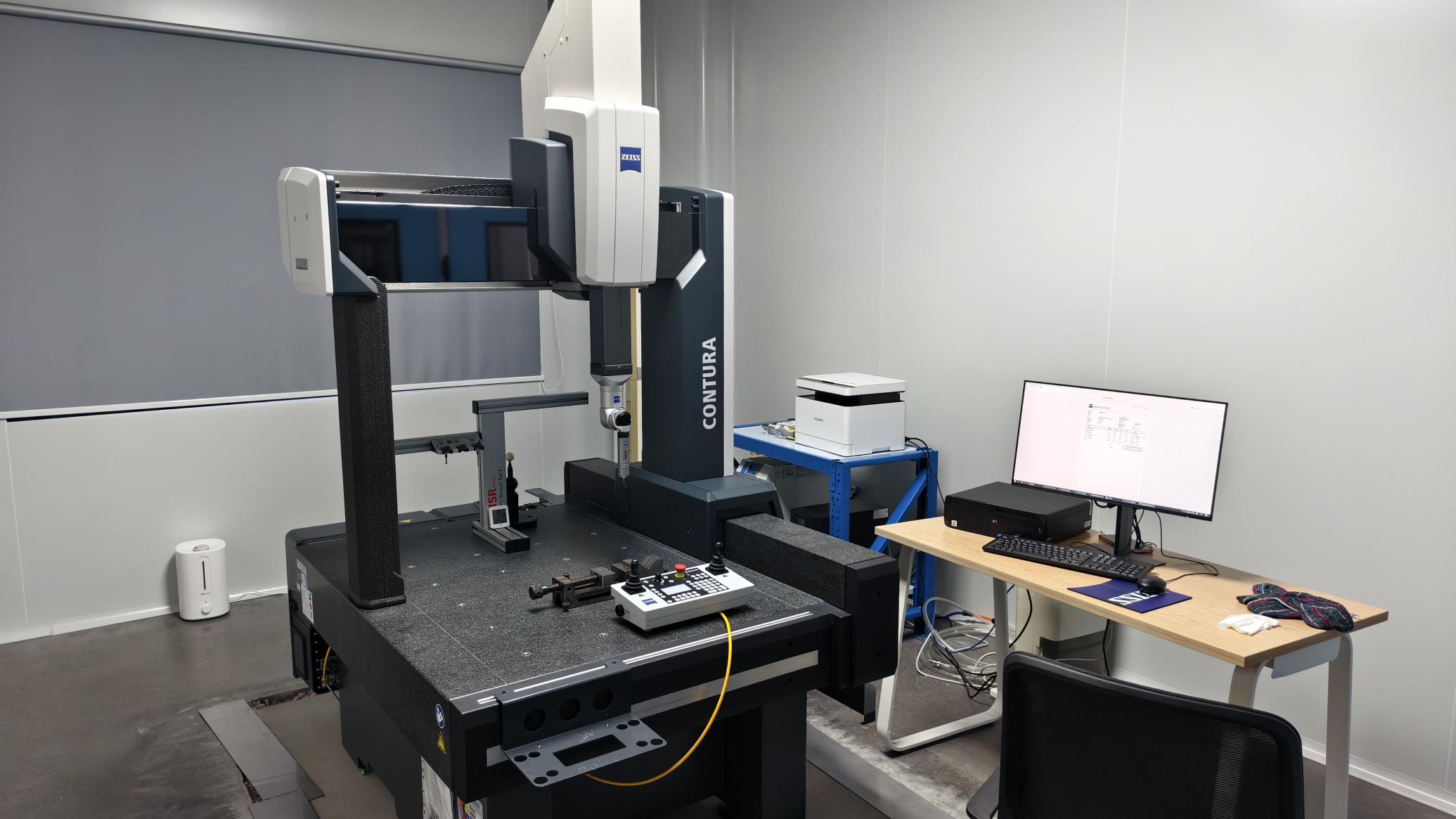
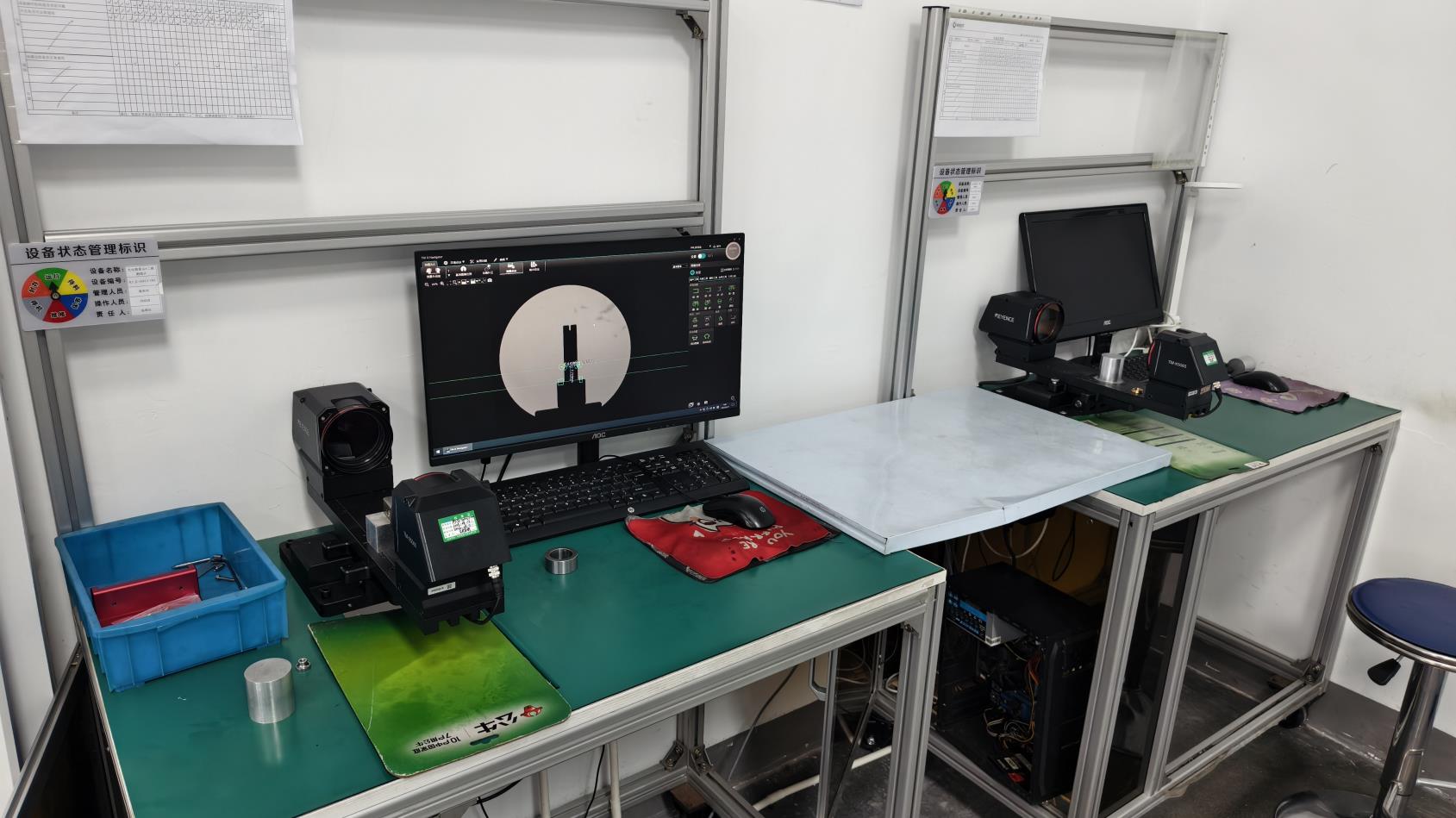
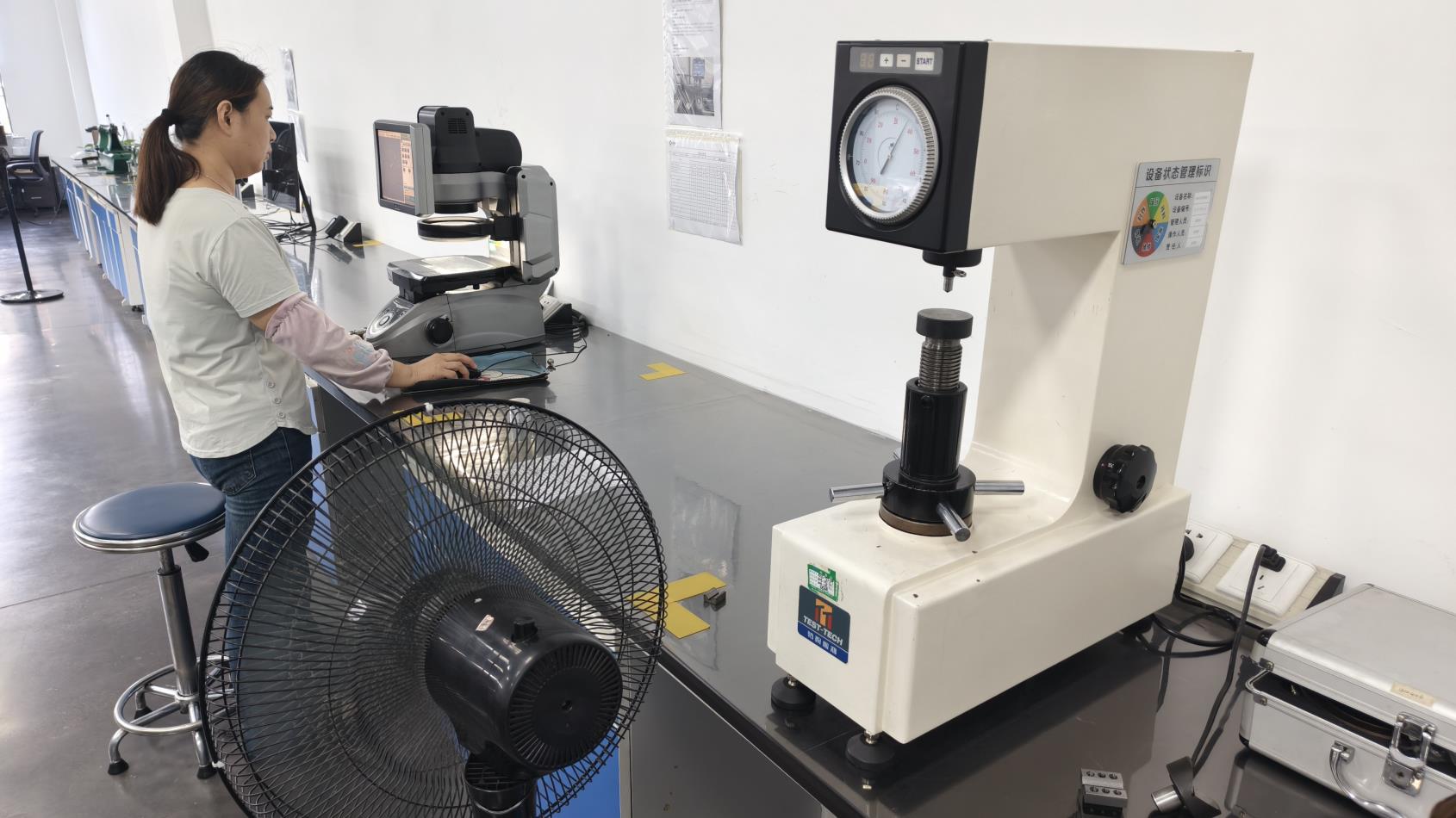
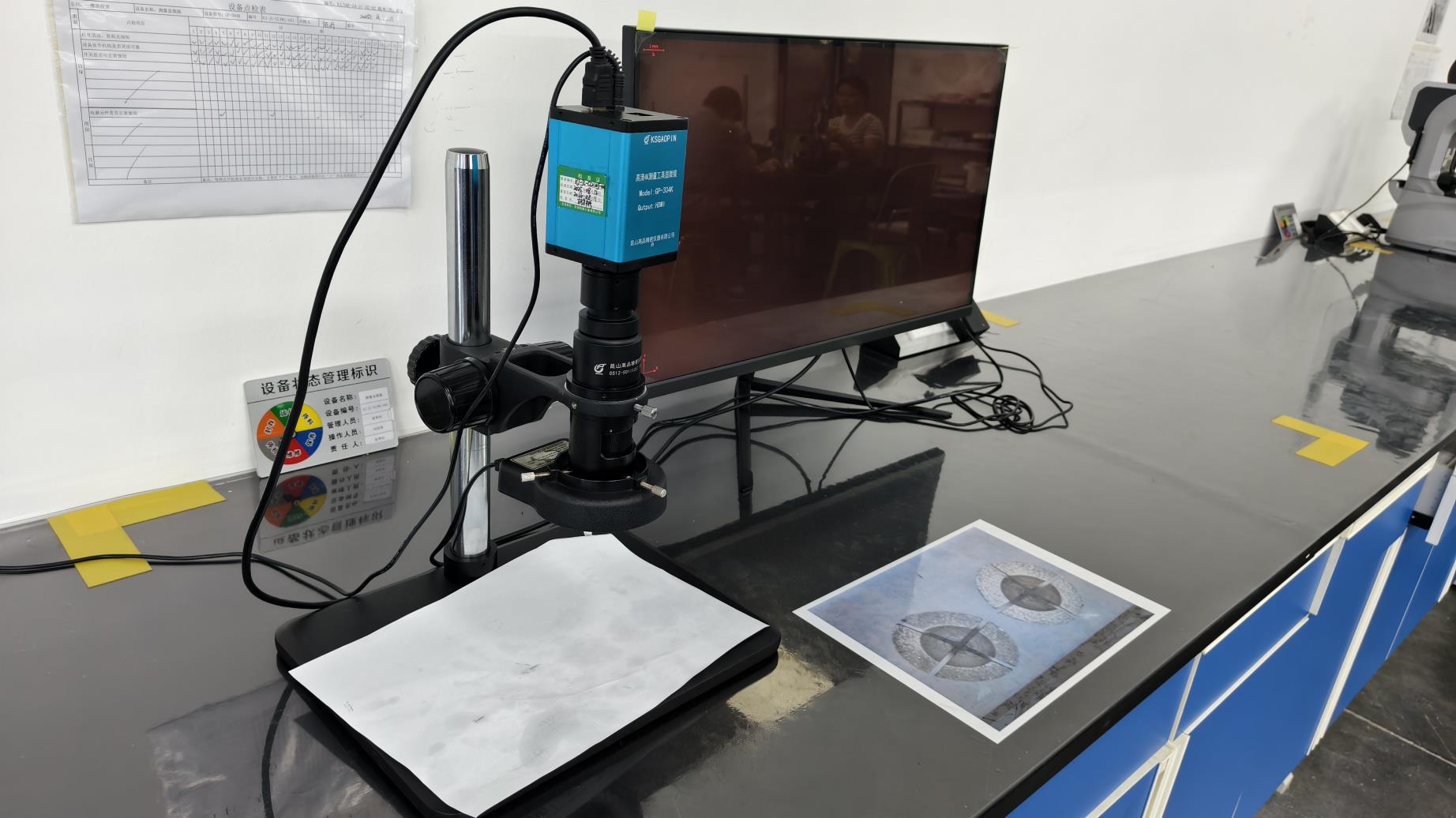
Importing medical and veterinary equipment from China requires navigating complex regulatory standards. Successful procurement depends on a partner's ability to provide detailed documentation that ensures smooth customs clearance and regulatory approval.
By working with a manufacturer that has 6 years of export experience to North America and South America, distributors gain access to tested regulatory processes. This experience streamlines documentation and ensures products comply with regional requirements.
Answers to common technical, manufacturing, and shipping questions for global B2B procurement professionals.
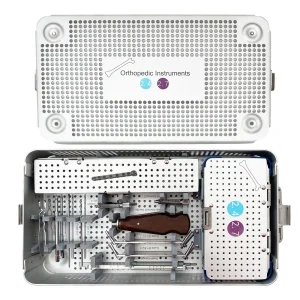
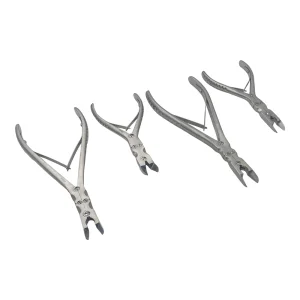
Explore our specialized orthopedic tools, arthroscopy systems, and high-performance power devices.