SENJIE Healthy & Technology SENJIE Healthy & Technology

Top 10 Surgical Fisher Plugs Suppliers & Exporters

Global Clinical Standards, Advanced Orthopedic & Microsurgical Hardware, and Precision Sourcing Intelligence

Featured Surgical Instrumentation & Hardware

High-precision orthopedic, microsurgical, and veterinary instruments certified for critical clinical procedures.
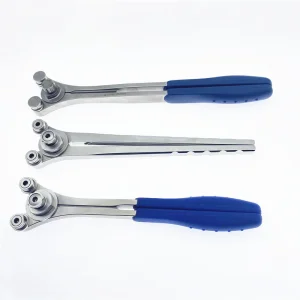
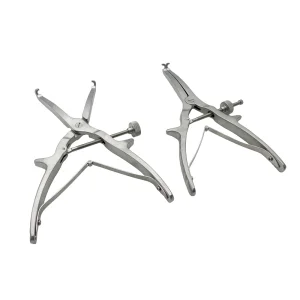
Orthopedic Bone Irons Bender

Orthopedic Bone Irons Bender Adjustable Universal Bender Plier Steel Plate Bender Veterinary Pet Surgical Instruments

View Details
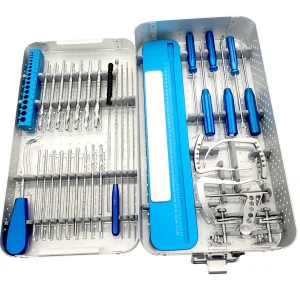
Spine Separator Spinal Basic Instruments

QSWITAN Spine Separator Spinal Basic Instruments Rod Compression Forceps Orthopaedic Instruments Stainless Steel

View Details
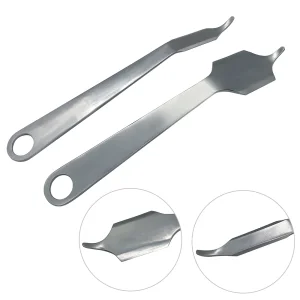
Stainless Steel Hohmann Retractor

Stainless Steel Hohmann Retractor for Upper Lower Limb Orthopedics Surgical Instruments

View Details
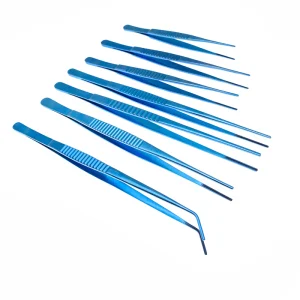
Vascular Pliers Forceps

Vascular Pliers Forceps Cardiac Dissecting Forceps Titanium Microsurgical Instruments

View Details
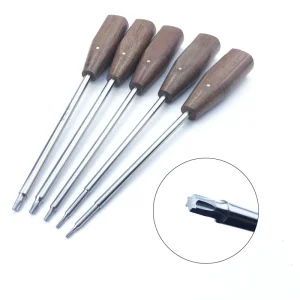
Bone Star Screwdriver

Bone Star Screwdriver/Bone Screw Driver Veterinary Orthopedics Instruments Stainless Steel

View Details
Orthopedic ACL PCL Reconstruction Knee Instruments

Orthopedic ACL/pcl Reconstruction Knee Arthroscopy Instruments Reconstruction Knee Surgical Instruments

View Details
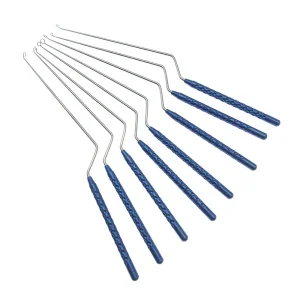
Micro Pituitary Curette

Micro Pituitary Malleable Ring Curette Microneurosurgery Instruments

View Details
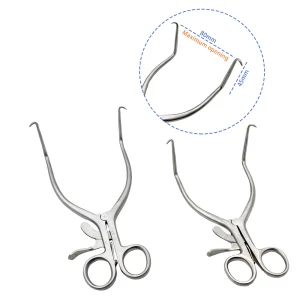
Self-Retaining Retractor

Self-Retaining Retractor Postcranial Retractor Stainless Steel Orthopedics Veterinary Surgical Instruments 1pcs

View Details

Surgical Fisher Plugs: An Industrial Whitepaper on Sourcing, Standards, and Clinical Applications

In modern osteosynthesis, reconstruction, and veterinary orthopedics, securing structural stability at the micro-level is paramount. The term Surgical Fisher Plugs represents the vanguard of modern medical anchoring, bone canal occlusion, and specialized surgical plugging mechanisms. Primarily designed to resist mechanical stress, limit bone cement leakage during arthroplasty, and ensure rigid alignment in complex fracture fixations, these devices demand extreme precision in manufacturing and stringent material choices. As hospitals, veterinary surgical centers, and medical device distributors seek dependable procurement streams, understanding the global manufacturing landscape, mechanical requirements, and supply compliance is key to patient safety and surgical efficacy.

This whitepaper acts as a comprehensive roadmap for procurement managers, medical engineers, and orthopaedic surgeons. By exploring technical advancements, materials science, and vendor profiles, we establish the parameters that define the industry's top 10 exporters and suppliers of surgical plugs and auxiliary surgical instruments.

Biocompatibility

Manufactured using medical-grade Titanium Alloys (Ti-6Al-4V ELI) and Ultra-High-Molecular-Weight Polyethylene (UHMWPE) to prevent immunological rejection and promote seamless osseointegration.

Mechanical Durability

Designed to withstand dynamic cyclic loads inside joint cavities, bone canals, and spinal columns, preventing mechanical fatigue and micro-fractures under physical stress.

Global Regulatory Compliance

Adherence to strict standards including ISO 13485 Quality Management Systems, EU MDR 2017/745, and FDA registration requirements for clinical medical devices.

Surgical Fisher Plugs: Market Trends & Evolution

Historically, bone plugs and surgical spacers were fabricated from autologous bone graft tissue or PMMA bone cement molded intraoperatively. While functional, these methods presented challenges such as unpredictable absorption rates, thermal necrosis from PMMA polymerization, and prolonged surgery times. The modern medical sector has shifted towards pre-engineered, highly calibrated Surgical Fisher Plugs and anchoring hardware that offer clinical predictability and structural stability.

Today, the industry is witnessing a transition toward bioresorbable polymers like PLLA (Poly-L-lactic acid) and PCL (Polycaprolactone). These materials temporarily stabilize the surgical site and then gradually degrade, allowing natural bone tissue to replace the implant. In parallel, advanced surface treatments, such as acid-etched micro-texturing and plasma-sprayed titanium coatings, have improved osteoblast adhesion. This enables biological fixation alongside physical press-fit anchoring.

In addition, surgical instruments have adapted to support these implants. For instance, high-precision benders, spine separators, and cannulated bone drills are engineered to prepare implant sites with minimal thermal injury. The integration of high-grade surgical instruments—like the Hohmann retractors, titanium micro-forceps, and self-retaining retractors featured on this page—ensures that surgical sites are optimally prepared for anchoring devices, reducing complications and post-operative recovery times.

6+
Years Industry Presence
100%
Material Traceability
3
Full-time QA Inspectors
50%
Americas Market Share

Global Procurement Demands & B2B Buyer Criteria

Procuring medical devices and surgical instruments involves high stakes. Hospital purchasing departments, veterinary chains, and medical device brands must balance cost efficiency with safety and regulatory standards. When sourcing surgical plugs and precision orthopaedic tools, buyers typically evaluate key operational capabilities:

  • Metallurgical Purity and Certification: Every batch of stainless steel (316LVM) or titanium must include Mill Test Certificates (MTC) to verify chemical composition and prevent corrosion or mechanical failure.
  • Dimensional Tolerance: Medical components demand tolerances as tight as ±0.01mm. This is especially true for drill bits, bone screws, and surgical plugs, where a loose fit can cause mechanical failure and a tight fit can split bone tissue.
  • Sterilization Compatibility: Instruments and plugs must withstand autoclaving (134°C steam sterilization) and chemical sterilization methods (such as Ethylene Oxide or Gamma irradiation) without material degradation.

Our supply network addresses these requirements directly. With a focus on the North American (25%), South American (25%), and Southeast Asian (15%) markets, our systems are optimized to handle international trade protocols, custom clearance documentation, and localized regulatory compliance.

Operational Profile

Company Registration Date 2019-11-20
Years in Industry 6 Years
Exporting Experience 6 Years
Accepted Languages English

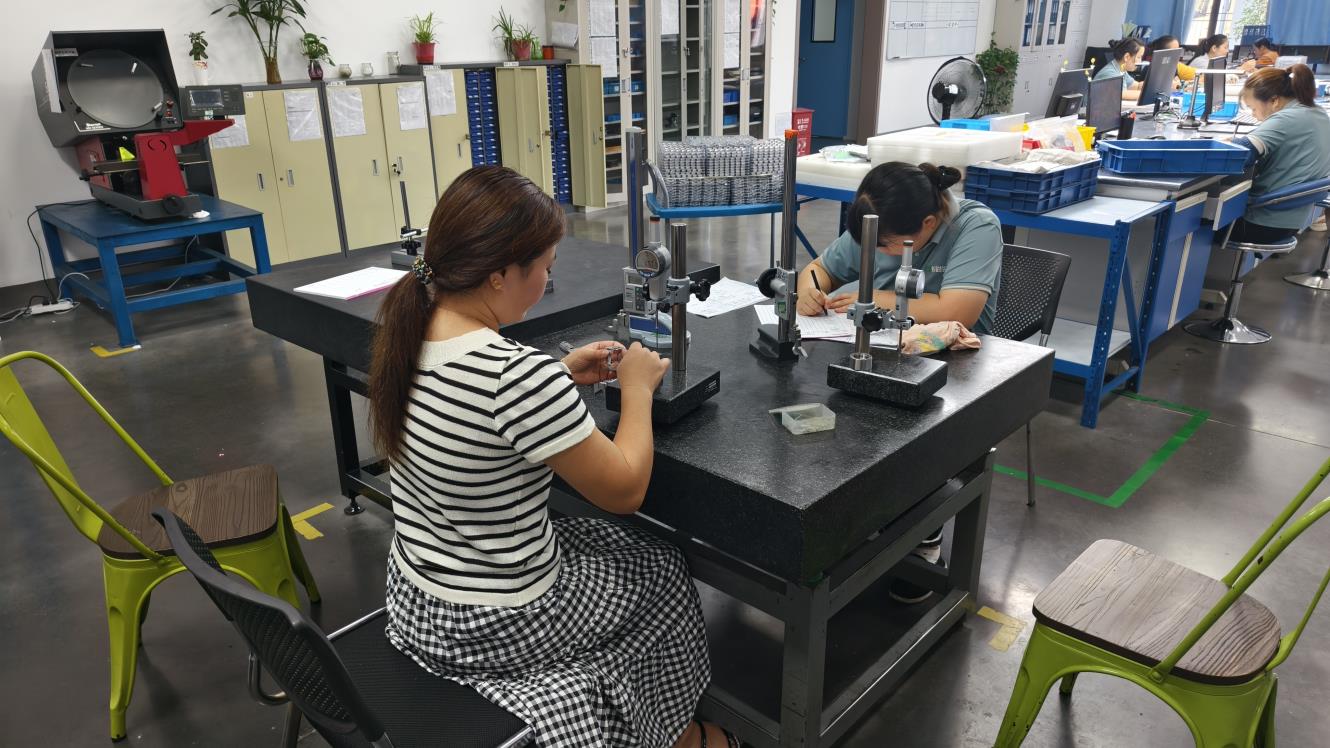
Quality Control & R&D

Raw Material Traceability Yes (Full Traceability)
Inspection Method Random & Client Customized Inspection
QA/QC Inspectors 3 Dedicated Specialists
Customization Options Sample processing, graphic processing, custom on demand

Macro Solutions: Bridging Human & Veterinary Orthopedic Standards

A notable trend in surgical hardware is the cross-application of human-grade orthopedic standards to veterinary medicine. Advanced pet orthopedics—such as Tibial Plateau Leveling Osteotomy (TPLO) and complex spinal decompressions in companion animals—now utilize the same grade of instruments as human surgeries. This includes bone plate benders, Hohmann retractors, and micro-pituitary curettes.

Surgical Fisher Plugs play a vital role in these procedures. In veterinary osteosynthesis, they serve as distal anchoring points in hollow marrow cavities. They block the spread of infection, control internal bone bleeding (hemostasis), and anchor bone fragments. By employing medical-grade stainless steels and titanium alloys, suppliers ensure that small-animal and equine orthopedic specialists can perform procedures with low infection rates and predictable structural outcomes.

Whether for private clinical practice, large-scale veterinary hospitals, or brand distributors, sourcing surgical hardware through a unified supply chain simplifies procurement. Our capability to deliver tailored sample processing, graphic design, and custom manufacturing allows buyers to receive products adjusted to their specific clinical techniques.

Technical Localization Support & Global Regulatory Security

Operating in global medical markets requires navigating complex regional regulations. Suppliers must meet different compliance standards across regions, such as FDA 510(k) clearances in North America, CE MDR markings in Europe, and ANVISA registrations in South America. The top 10 exporters of surgical plugs maintain quality assurance teams to manage this regulatory documentation.

Our operation offers key structural advantages to secure compliance:

  1. Material Traceability Documents: From melt shop to finished product, raw materials are logged and traceable. This process mitigates risks associated with metal impurities, which can cause implant failures.
  2. Localized Packaging and Sterilization Labels: We customize labeling, barcoding, and sterilization indicators to match the specifications of the target country. This facilitates smooth customs clearance and hospital receiving workflows.
  3. Post-Market Surveillance (PMS): Following ISO 13485 guidelines, we maintain feedback loops to track performance and implement product upgrades based on clinical reports.

Technological Roadmap & Future Outlook

Tracing the evolution of smart surgical instrumentation, material coatings, and micro-anchoring solutions.

Phase 1: Precision Subtraction

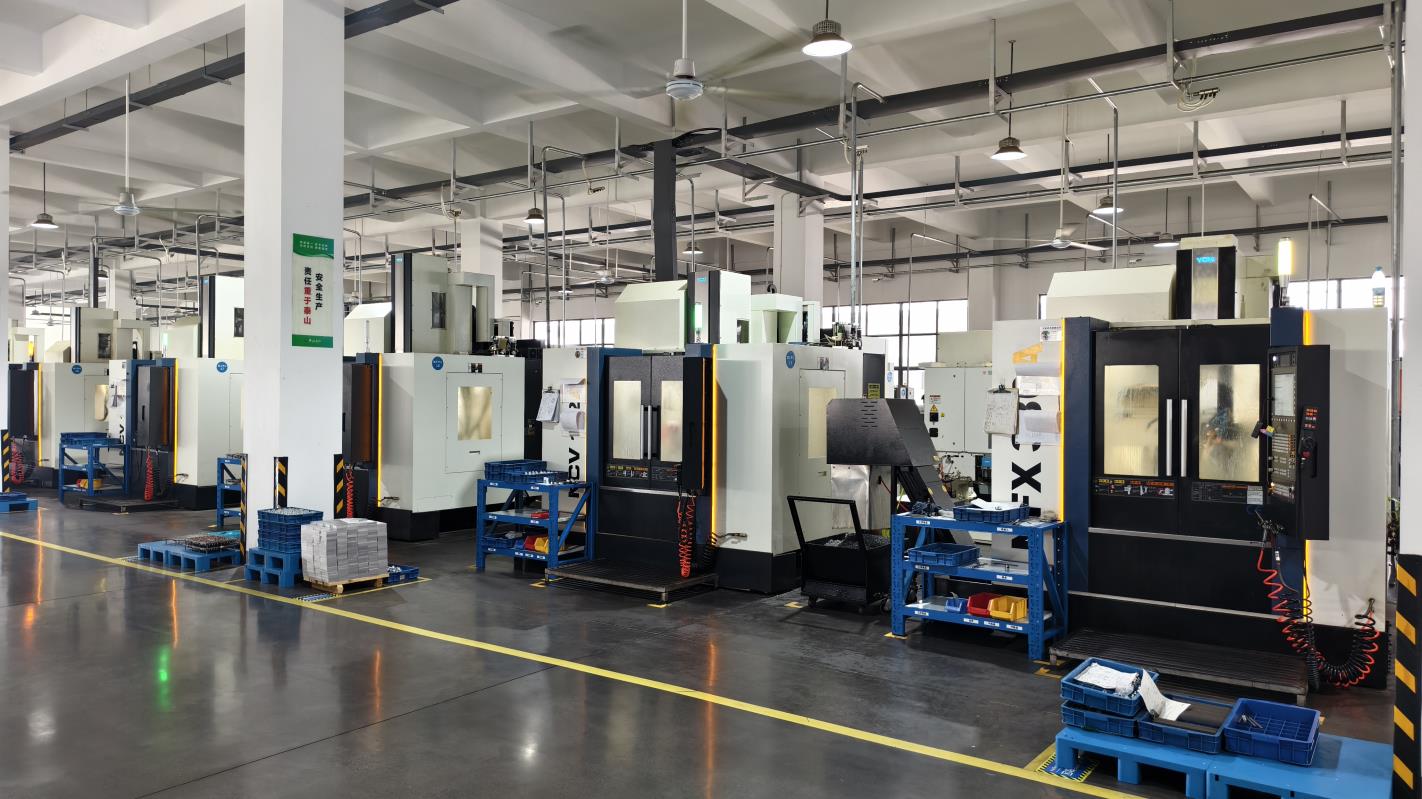
Ultra-precise CNC Machining & Electropolishing

Developing tight tolerance limits (±0.01mm) on surgical plugs, screws, and retractors to minimize soft tissue friction and optimize implant mechanical stability.

Phase 2: Bioactive Surfaces

Anodic Oxidation & Bioactive Coatings

Applying advanced surface treatments, including hydroxyapatite coatings and titanium plasma spray, to accelerate bone healing and improve implant integration.

Phase 3: Smart Anchoring

Smart Sensing Orthopedic Implants

Integrating micro-sensors within bio-compatible plugs to monitor local pressure variations, strain loads, and early signs of bacterial infection during recovery.

Technical & Sourcing Q&A

Expert answers regarding materials, customization capabilities, quality control, and clinical applications.

Q1: What materials are primarily used in Surgical Fisher Plugs?
Surgical plugs are typically manufactured using either implant-grade Titanium Alloy (Ti-6Al-4V ELI) or medical-grade Ultra-High-Molecular-Weight Polyethylene (UHMWPE). Titanium offers excellent mechanical strength and osseointegration for permanent anchors. UHMWPE is selected for non-permanent osteoconductive spacers and plugs due to its flexibility and low wear coefficient.
Q2: How do you guarantee the quality and traceability of raw materials?
Every shipment of raw steel or titanium is accompanied by the original steel mill test certificate, detailing chemical composition and physical properties. Once materials enter the production line, batch numbers are assigned. This tracking process ensures that if an issue is discovered, we can trace the affected component back to the specific raw material batch.
Q3: Are these products suitable for both human and veterinary surgical applications?
Yes, our products are manufactured to medical-grade standards, making them suitable for veterinary orthopedics, research facilities, and human surgical applications. The choice of instrument or implant depends on local regulatory approvals. For veterinary clinics, our tools deliver high-grade performance and durability for procedures like TPLO and fracture fixations.
Q4: What customization options are available for OEM/ODM orders?
We provide comprehensive customization support, including sample processing, CAD/CAM drawing adjustments, and custom packaging designs. Whether you need custom markings, specific dimensions, or unique handle configurations, our engineering team can produce components tailored to your surgical techniques.
Q5: How do you handle shipping, sterilization, and final inspection before export?
All finished surgical instruments undergo ultrasonic cleaning and a multi-pass inspection process before packaging. We offer products non-sterile (requiring clinic autoclaving) or sterile (pre-packaged using ISO-compliant pouch materials). Our logistics department arranges air freight with protective packaging to prevent damage during transit.
Q6: What is your typical lead time for custom production orders?
For standard catalogue items, shipment is typically arranged within 3 to 7 working days. For custom production runs, prototype development, or bulk OEM orders, lead times range from 30 to 45 days. This allows time for engineering verification, precise machining, and quality assurance protocols.

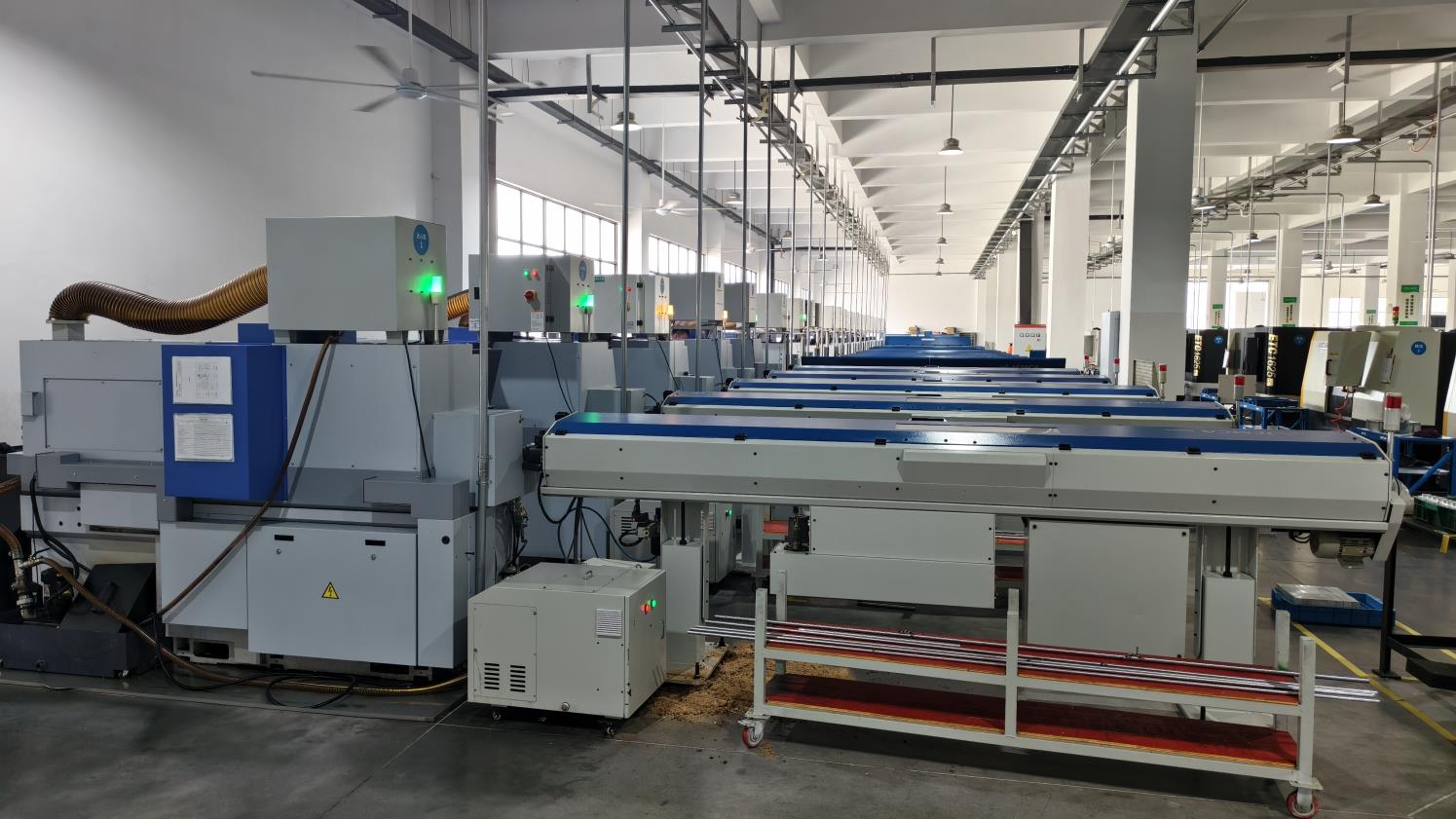
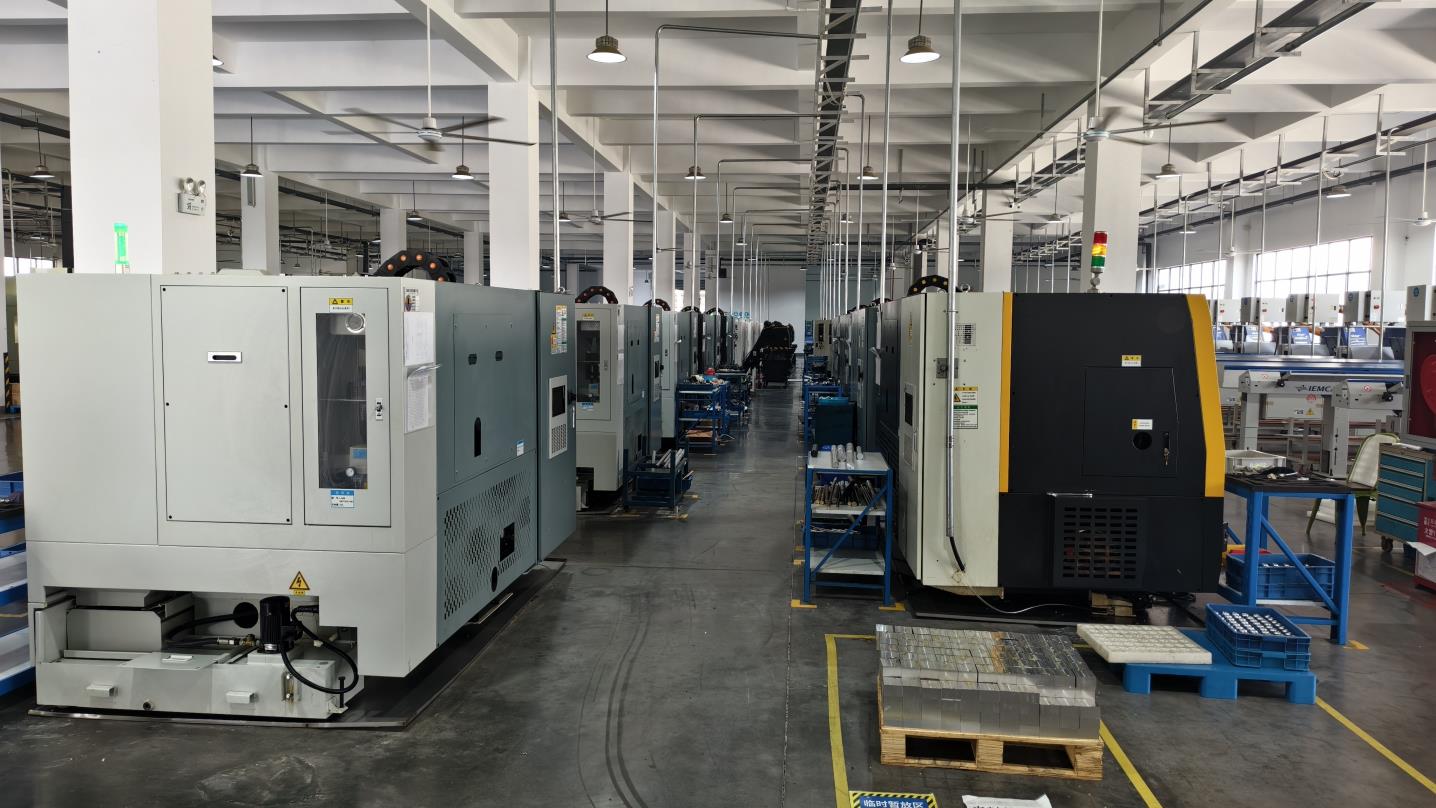
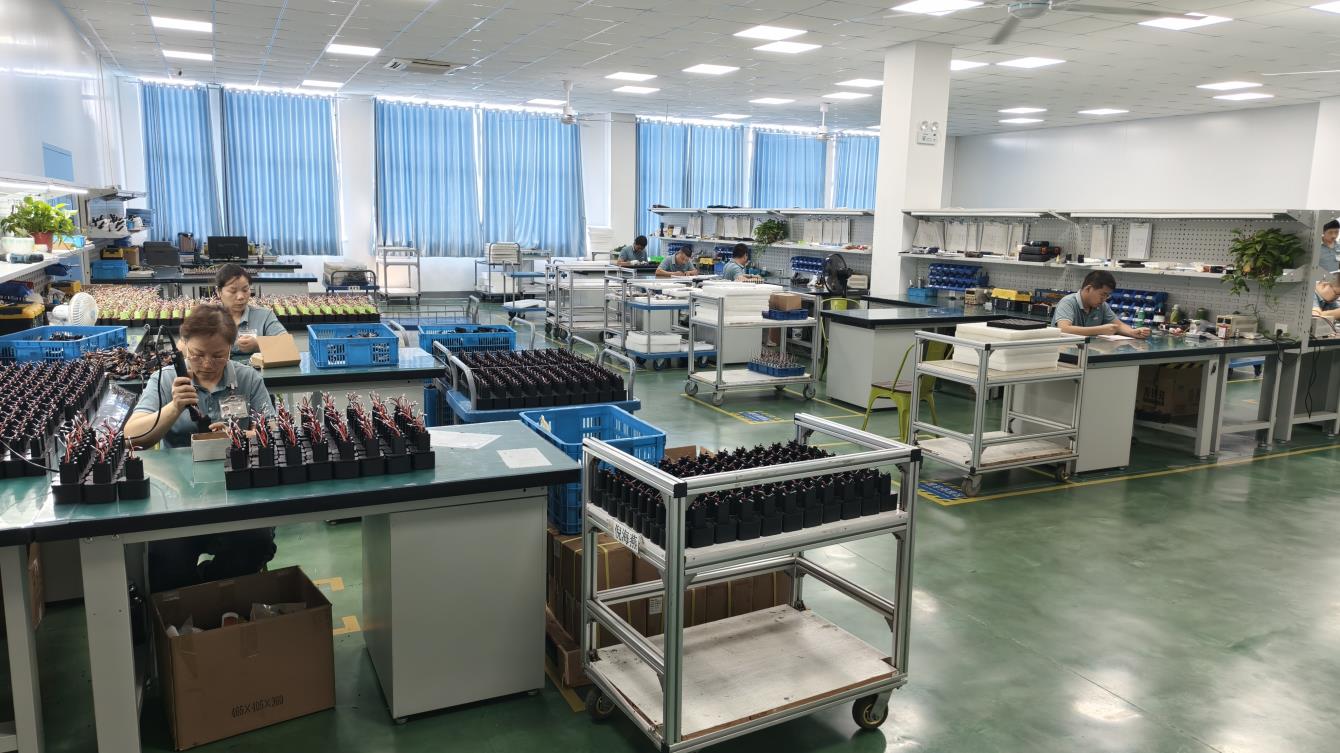
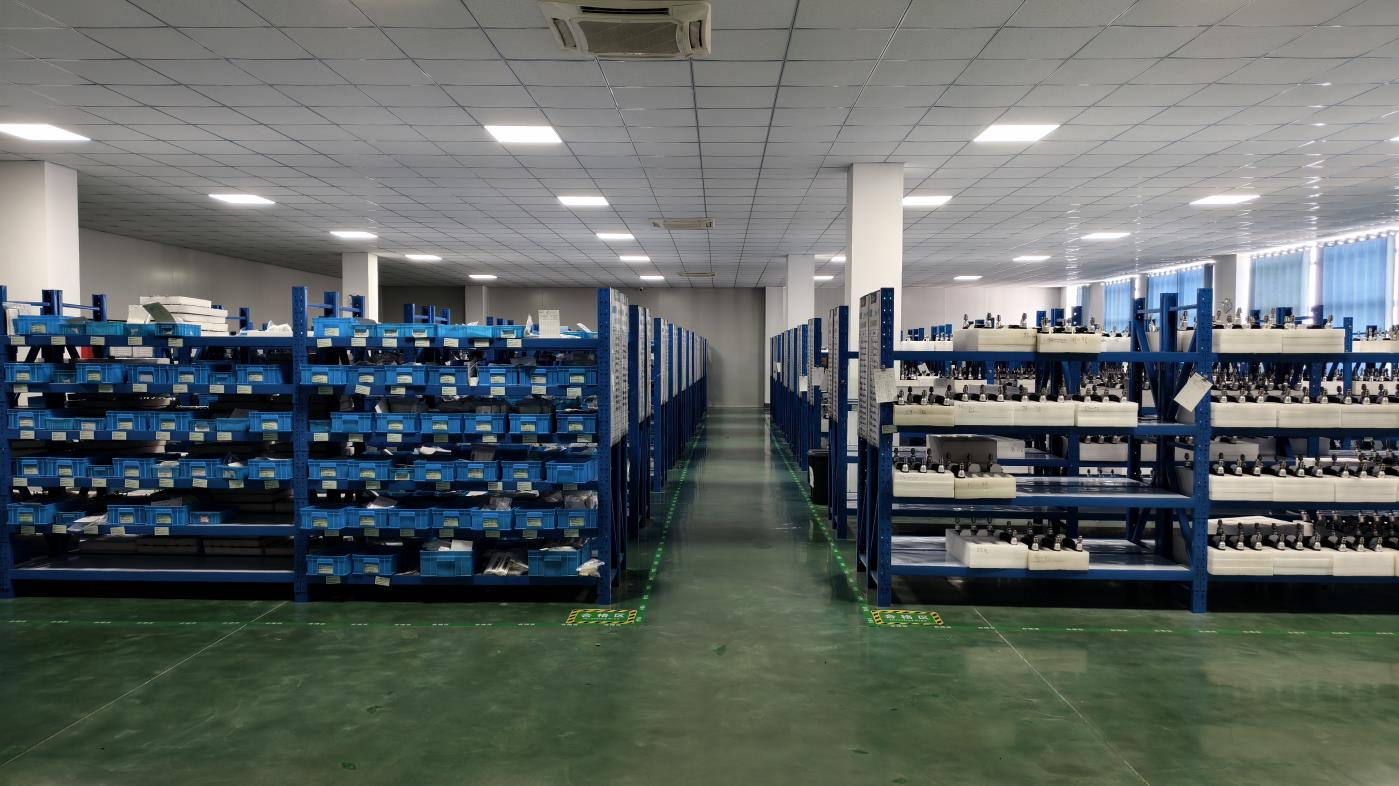
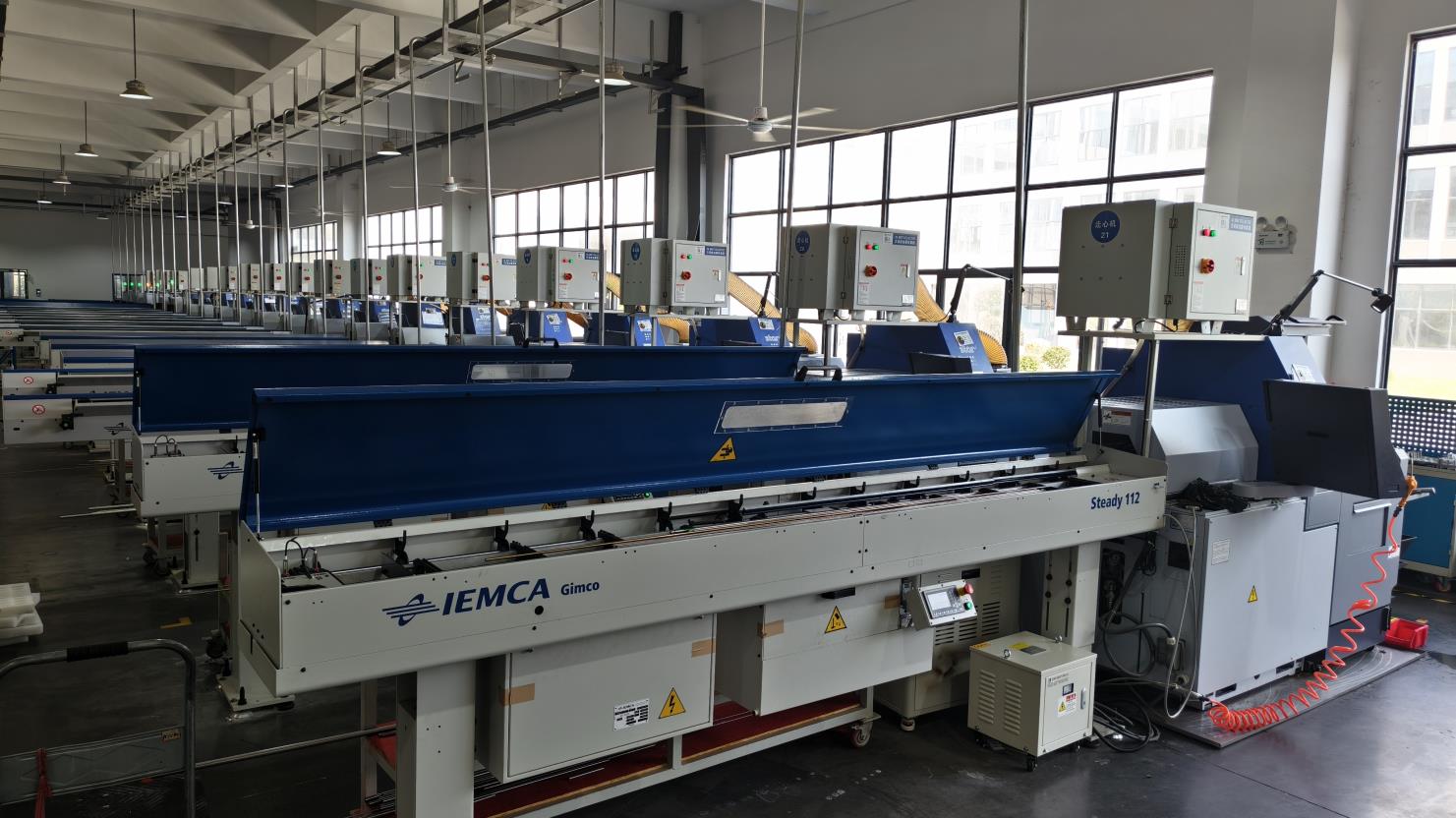
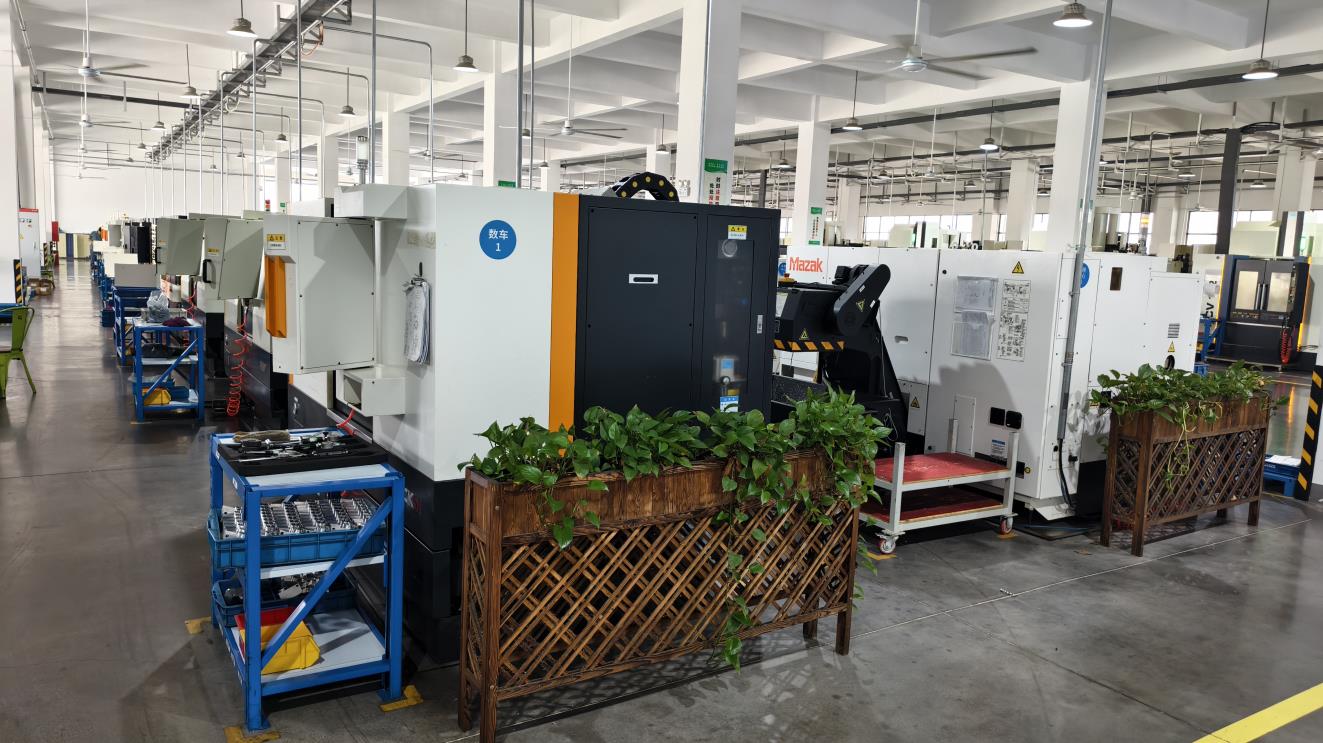
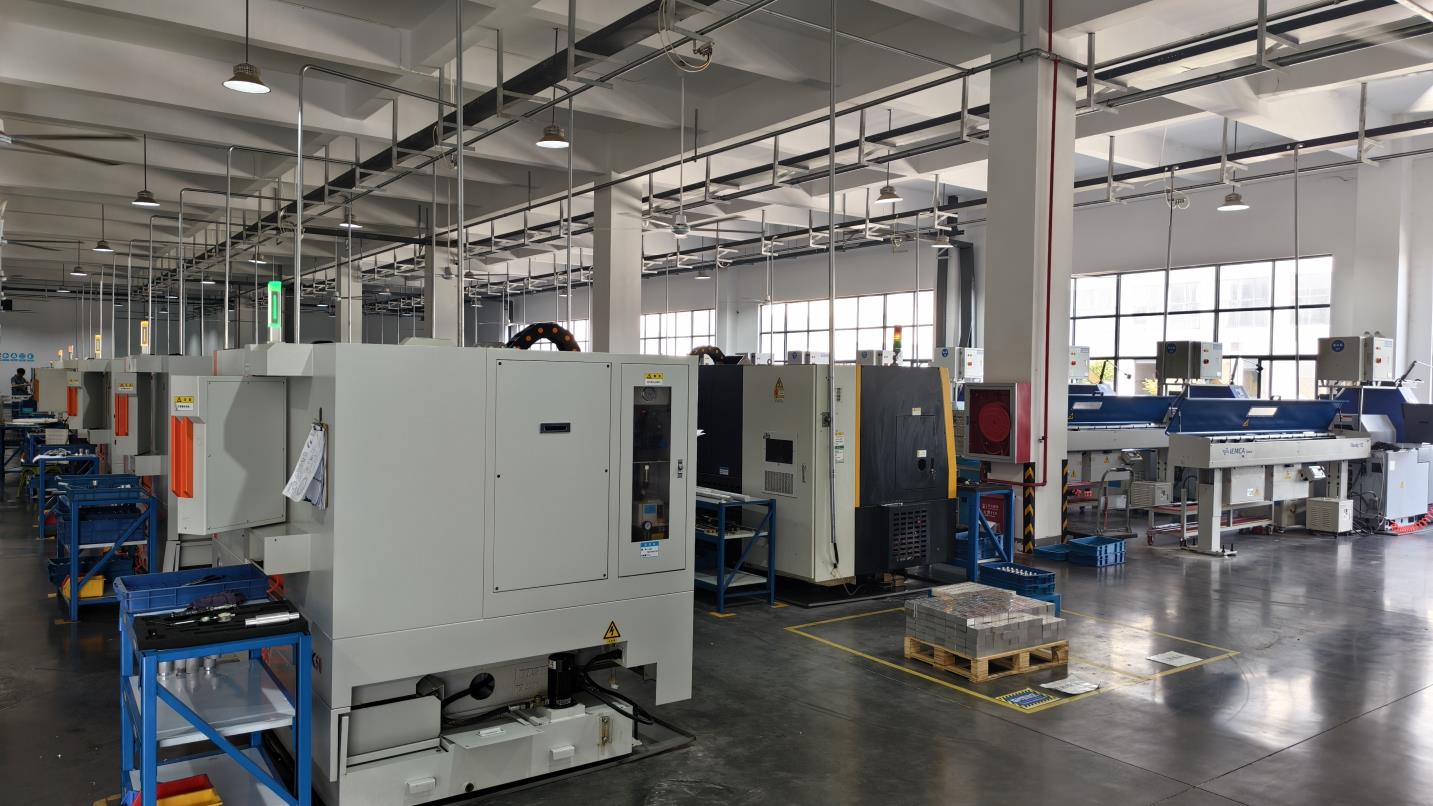
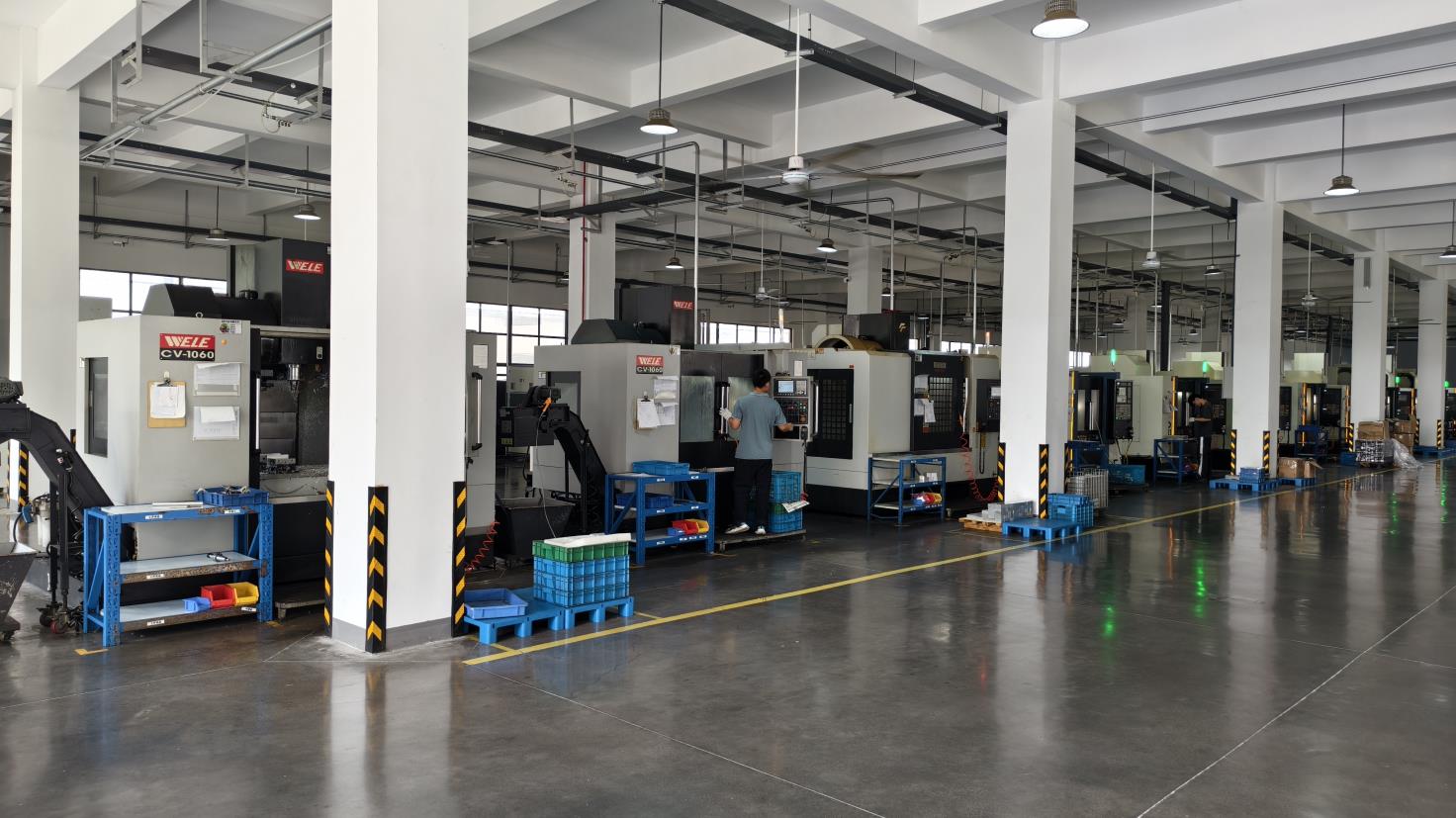
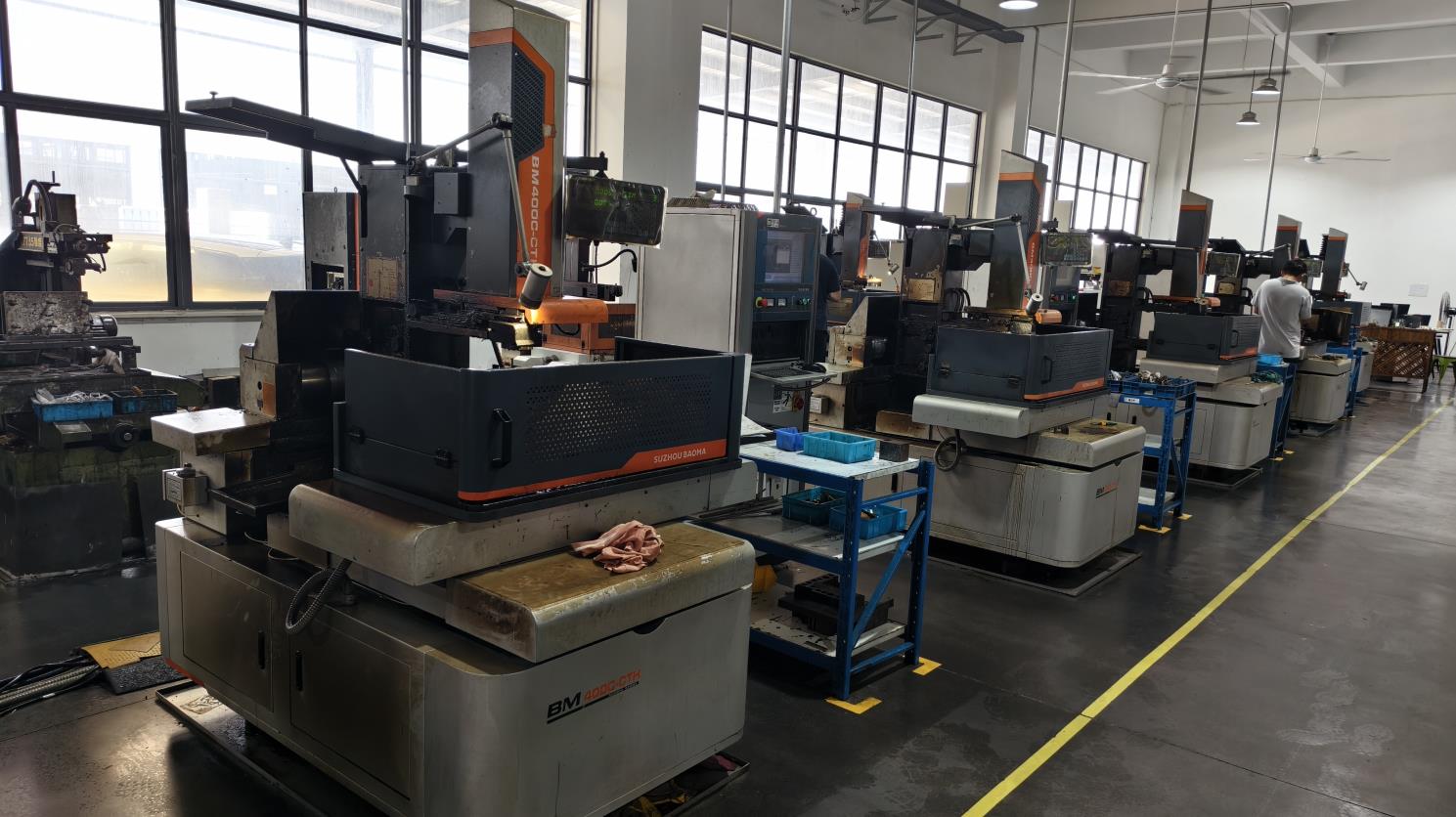
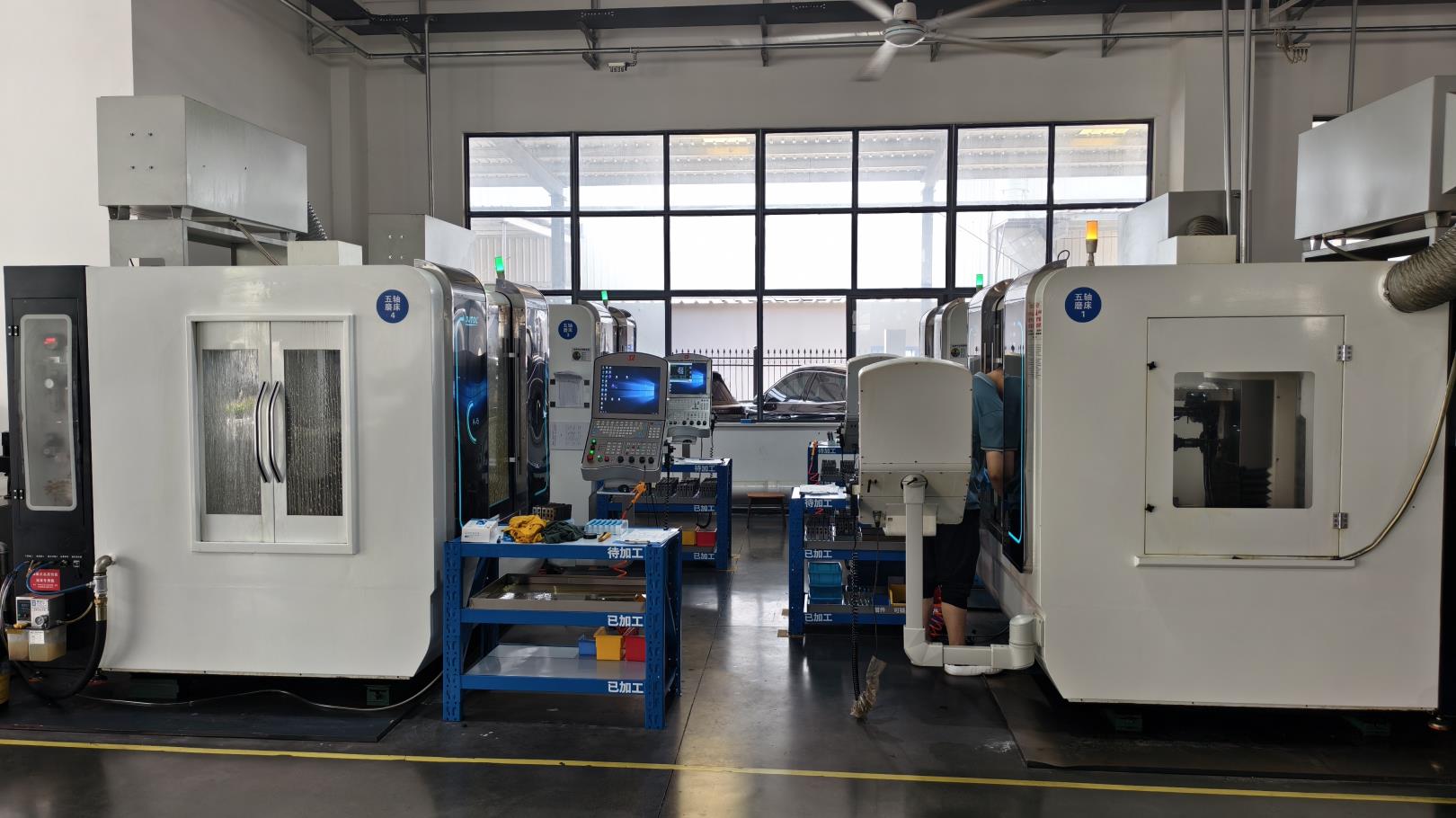
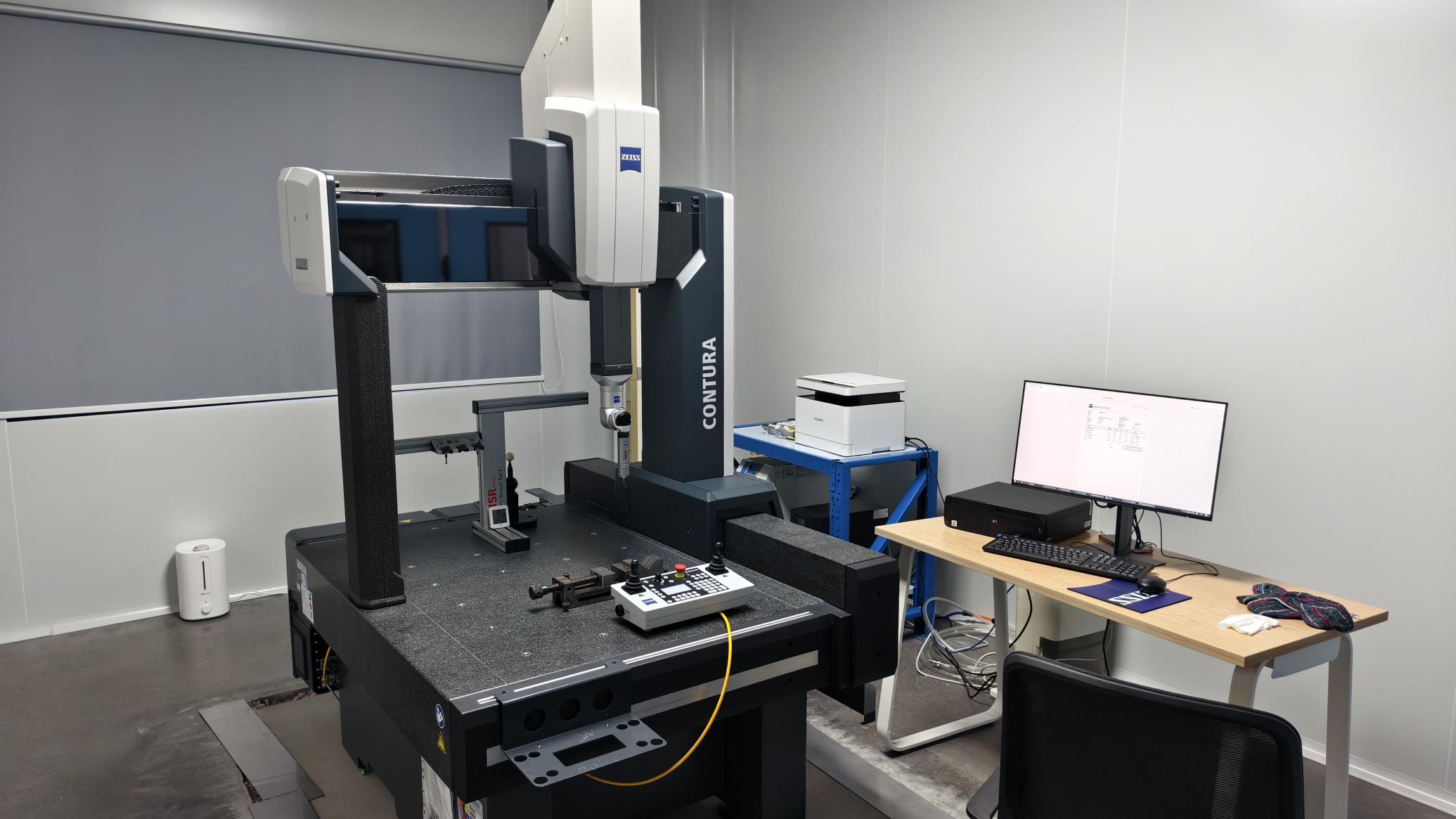
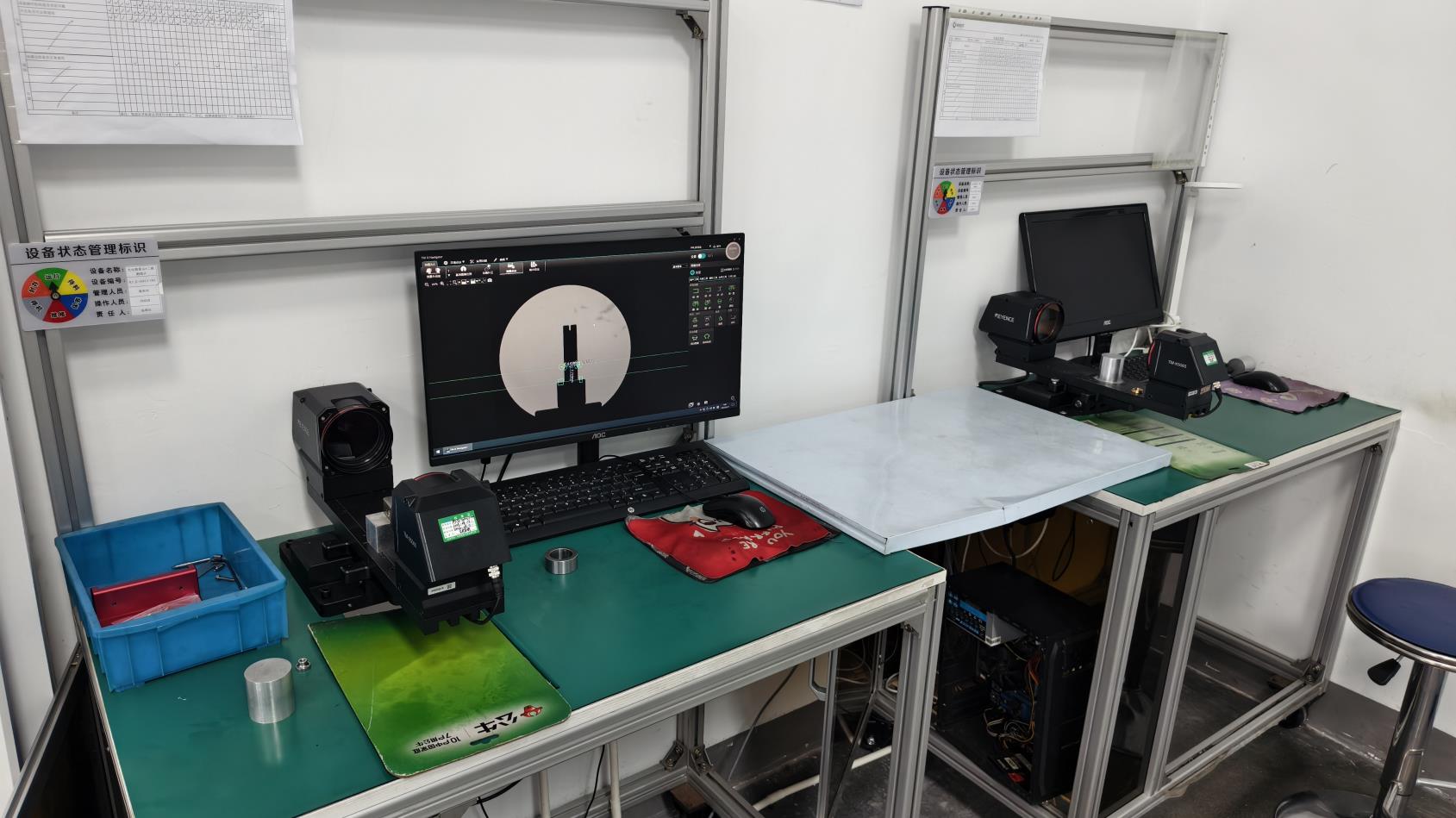
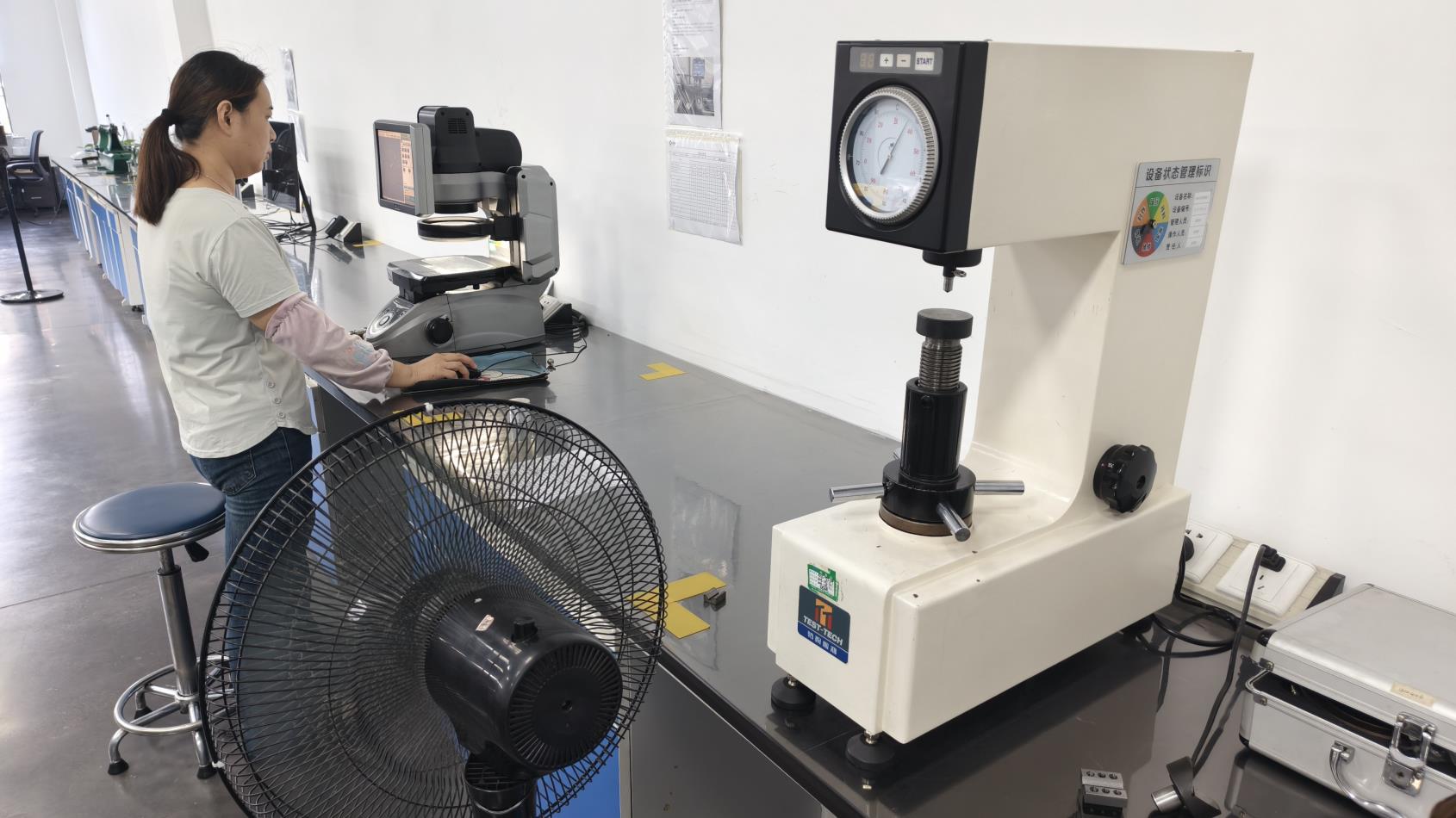
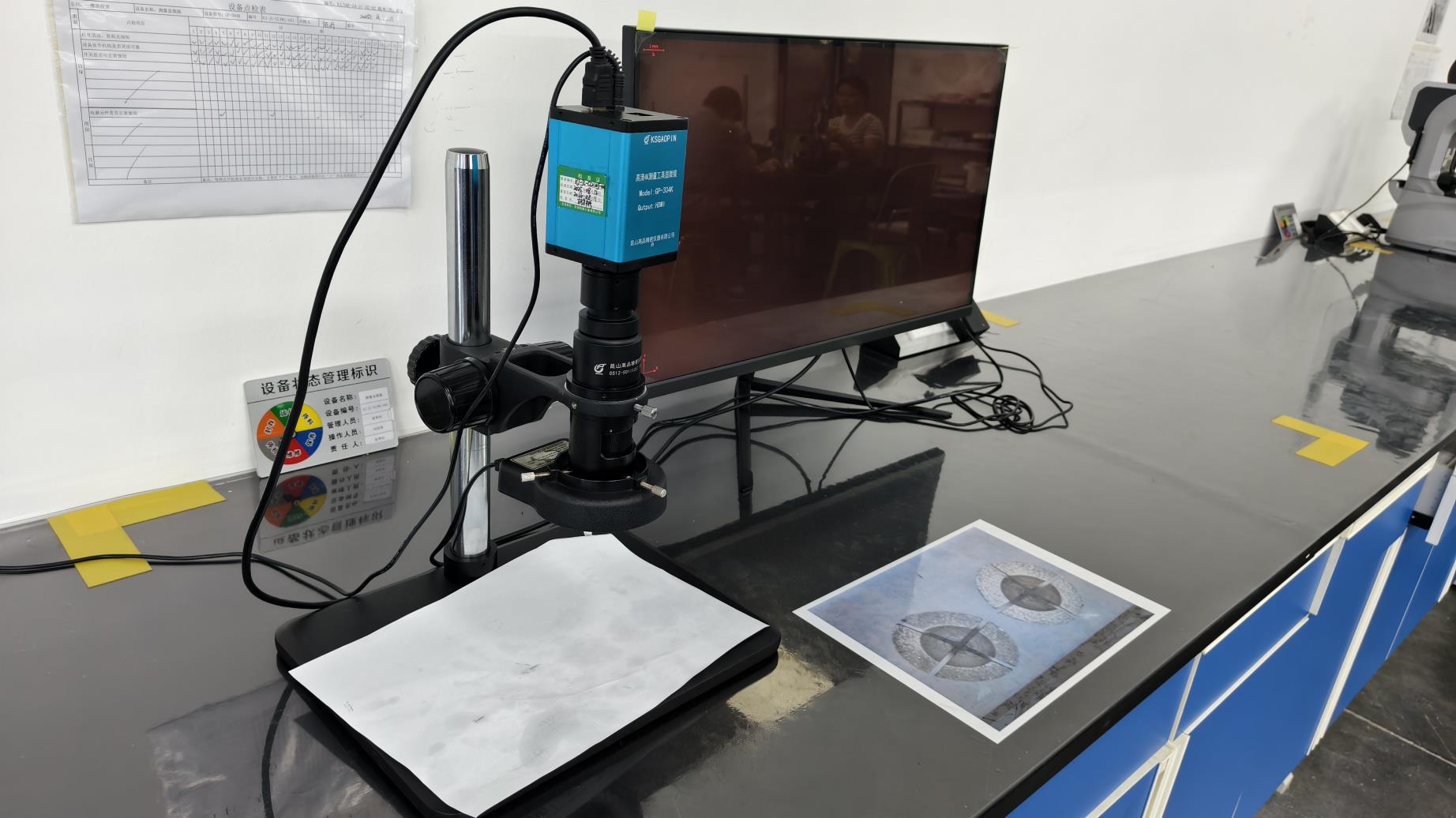
Advanced Production & Quality Control Facilities

Visualizing our ISO-compliant manufacturing lines, testing chambers, and assembly cleanrooms.

Complete Orthopedic Sourcing Catalog

Additional precision surgical drill systems, forceps, and screw drivers engineered for standard operating conditions.
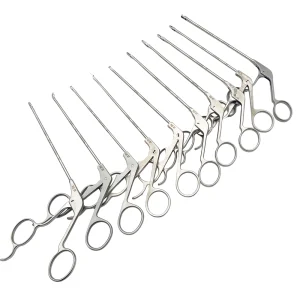
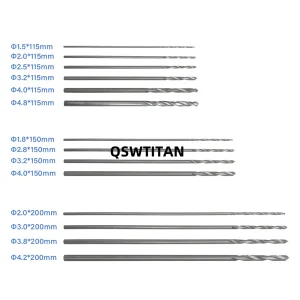
Orthopedic Surgical Instruments Holding Forceps

Orthopedic Surgical Instruments Holding Forceps Suture Grasper Arthroscopy Joint Surgery Forceps

View Details
10pcs set 115mm Stainless Steel Drill Bits

10pcs/set 115mm Stainless Steel Drill Bits Veterinary Orthopedics Instruments

View Details
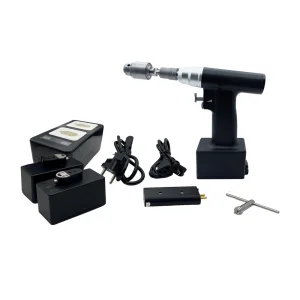
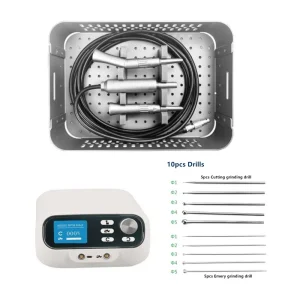
Orthopedic Cannulated Drill Electric

Orthopedic Cannulated Drill Electric Bone Hollow Drill Autoclavable Lithium Battery Orthopedic Surgical Power Tools

View Details
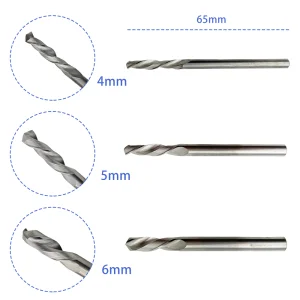
Tungsten Carbide Drill Bit

VKTIMALL Tungsten Carbide Drill Bit for Stainless Steel Metal Veterinary Surgical Instrument

View Details
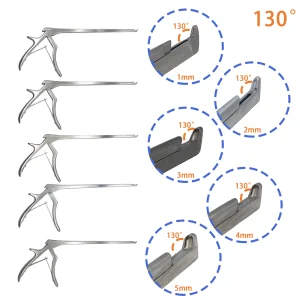
Kerrison Rongeur Forceps

QSWTITAN Kerrison Rongeur Forceps 1mm-5mm Orthopedic Surgical Instrument Pet Stainless Steel Autoclavable

View Details
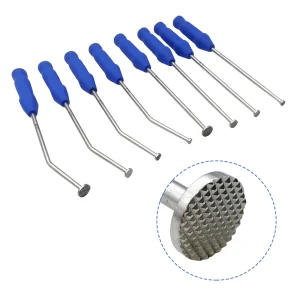
Orthopedic Tibial Plateau Bone Graft Forcep

Orthopedic Tibial Plateau Bone Graft Forcep Silicone Handle Top Rod Bar 8mm-16mm Orthopedic Instrument

View Details
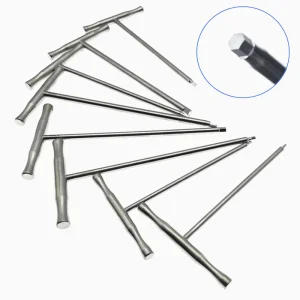
Bone Screwdriver Precision

Bone Screwdriver Precision Screwdriver Hex Head Screwdriver Stainless Steel Veterinary Orthopedics Surgical Instruments

View Details
High Speed Surgical Neurosurgery Burr Drill

High Speed Surgical Neurosurgery Burr Drill Medical Microsurgery Micro Electric Spine Drill

View Details