SENJIE Healthy & Technology
SENJIE Healthy & Technology
SENJIE Healthy & Technology
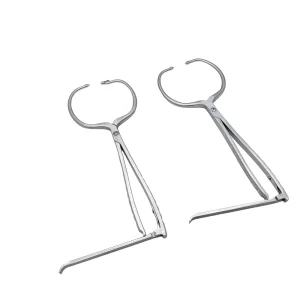
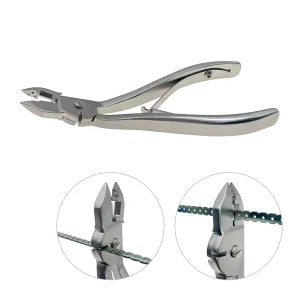
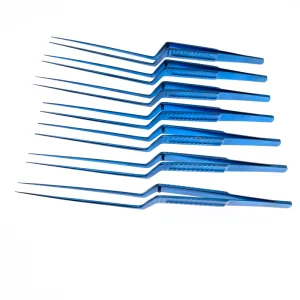
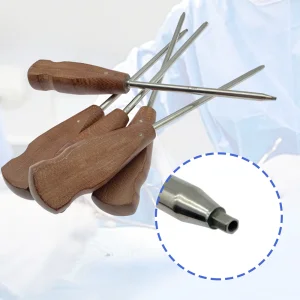
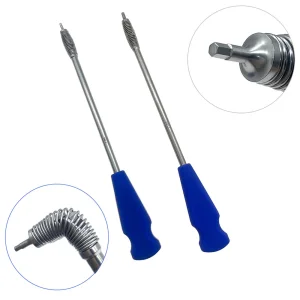
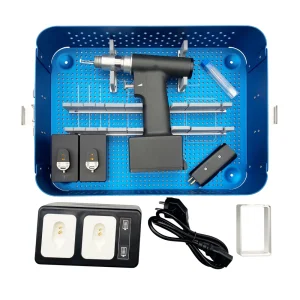
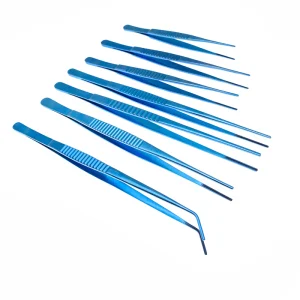
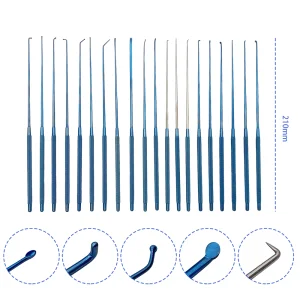
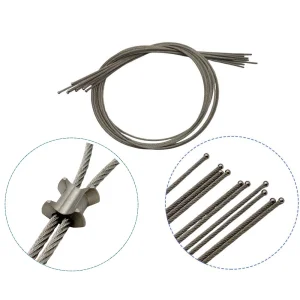
Orthopedic surgeries require extreme technical precision, where the choice of instruments dictates patient outcomes and operating room efficiency. Among the fundamental instruments in joint reconstruction, trauma fixation, and spinal fusions is the Periosteal Elevator. Functioning as the surgeon's tactile extension, these instruments separate the periosteum—the vascular connective tissue sheath enveloping bones—from the underlying cortical bone surface. Preserving the viability of the periosteal tissue during reflection is critical, as it contains osteoprogenitor cells essential for fracture healing and post-operative vascularization.
As a leading custom OEM manufacturer and exporter, our mission is to deliver instruments that balance sharp dissection capabilities with anatomical safety. Whether executing a subperiosteal exposure during a lateral approach to the femur or performing delicate maxillofacial reconstructions, surgeons rely on the micro-engineered bevels and ergonomic weighting of our tools. We specialize in producing orthopedic periosteal elevators customized to specific clinical preferences, ensuring consistent performance under rigorous sterilizing protocols.
Every periosteal elevator must fulfill a dual mandate: rigidity under mechanical leverage and safety against bone tissue trauma. Meeting this balance requires thorough control over metallurgy, heat treatment, and blade geometry. We leverage advanced materials to optimize surgical tactile feedback:
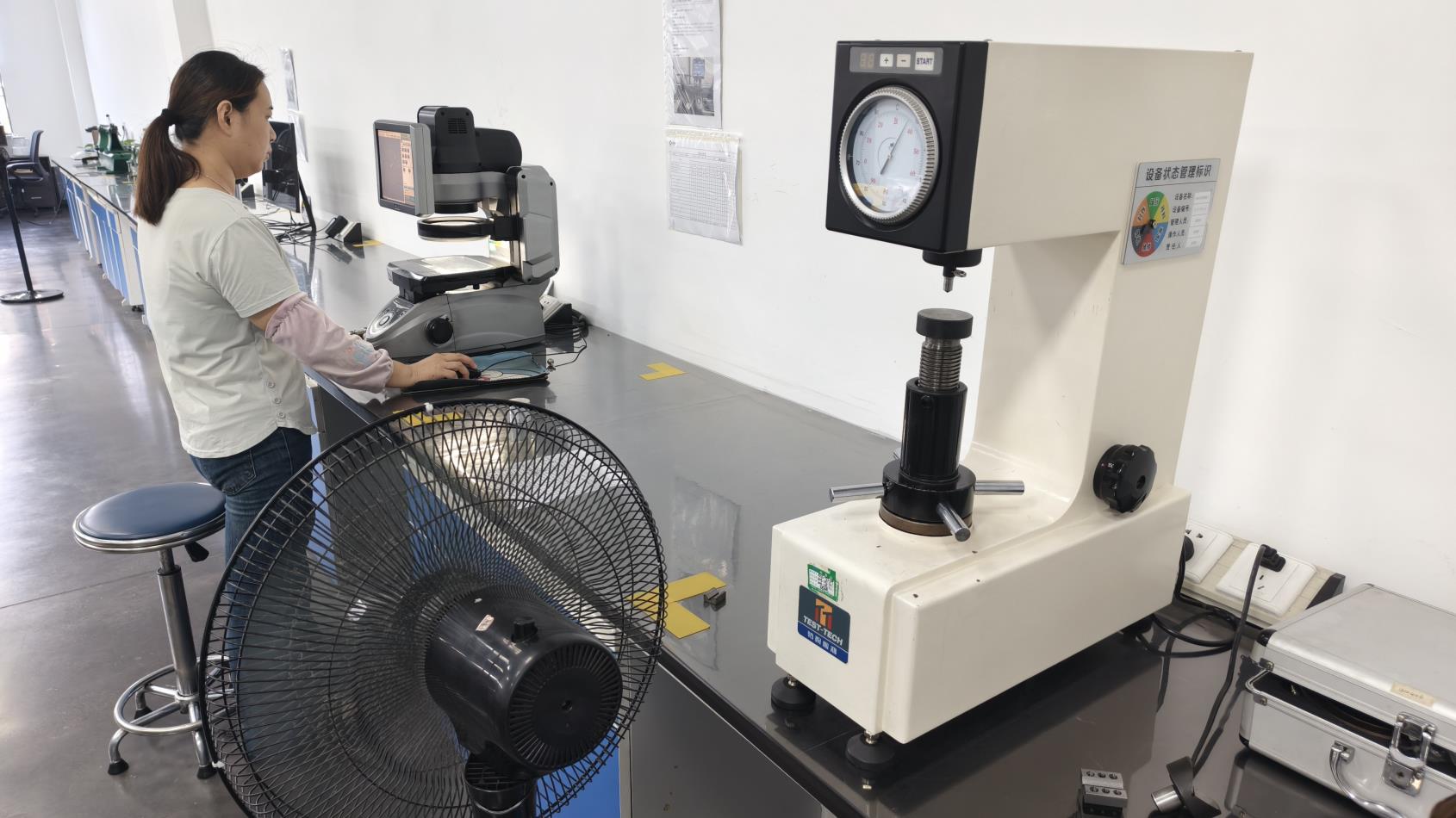
We utilize medical-grade SUS 420 and SUS 440C stainless steel. These alloys undergo proprietary vacuum tempering to achieve a hardness of 48-52 HRC, guaranteeing edge retention without brittleness.
For neurosurgical, micro-orthopedic, and veterinary microsurgical operations, titanium elevators offer a 45% weight reduction over steel, superior biocompatibility, and non-magnetic compatibility with MRI environments.
All instruments undergo chemical passivation (nitric or citric acid bath) to eliminate free iron molecules from the surface, forming a corrosion-resistant chromium-oxide passive layer that withstands repeated autoclaving.
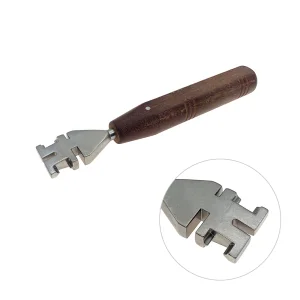
Our OEM manufacturing process enables fine-tuning of tip configurations, including Key, Cobb, Freer, Langenbeck, and Adson styles. We offer blade widths ranging from ultra-narrow 2.0 mm tips for micro-neurology to broad 24 mm blades for major pelvic or femoral exposures. Edge profiles can be configured as sharp, semi-sharp, or blunt, matching the specific surgical technique required.
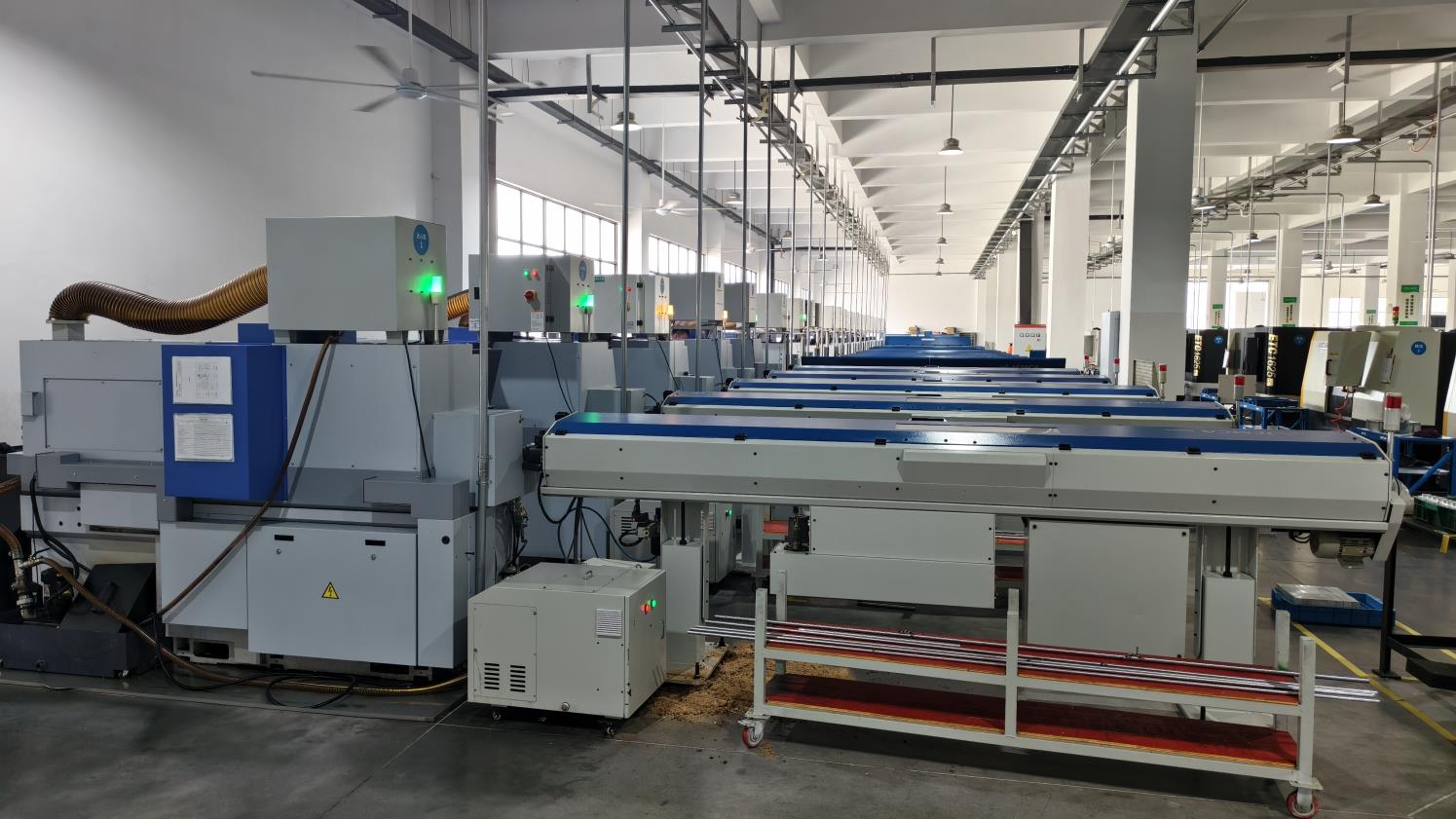
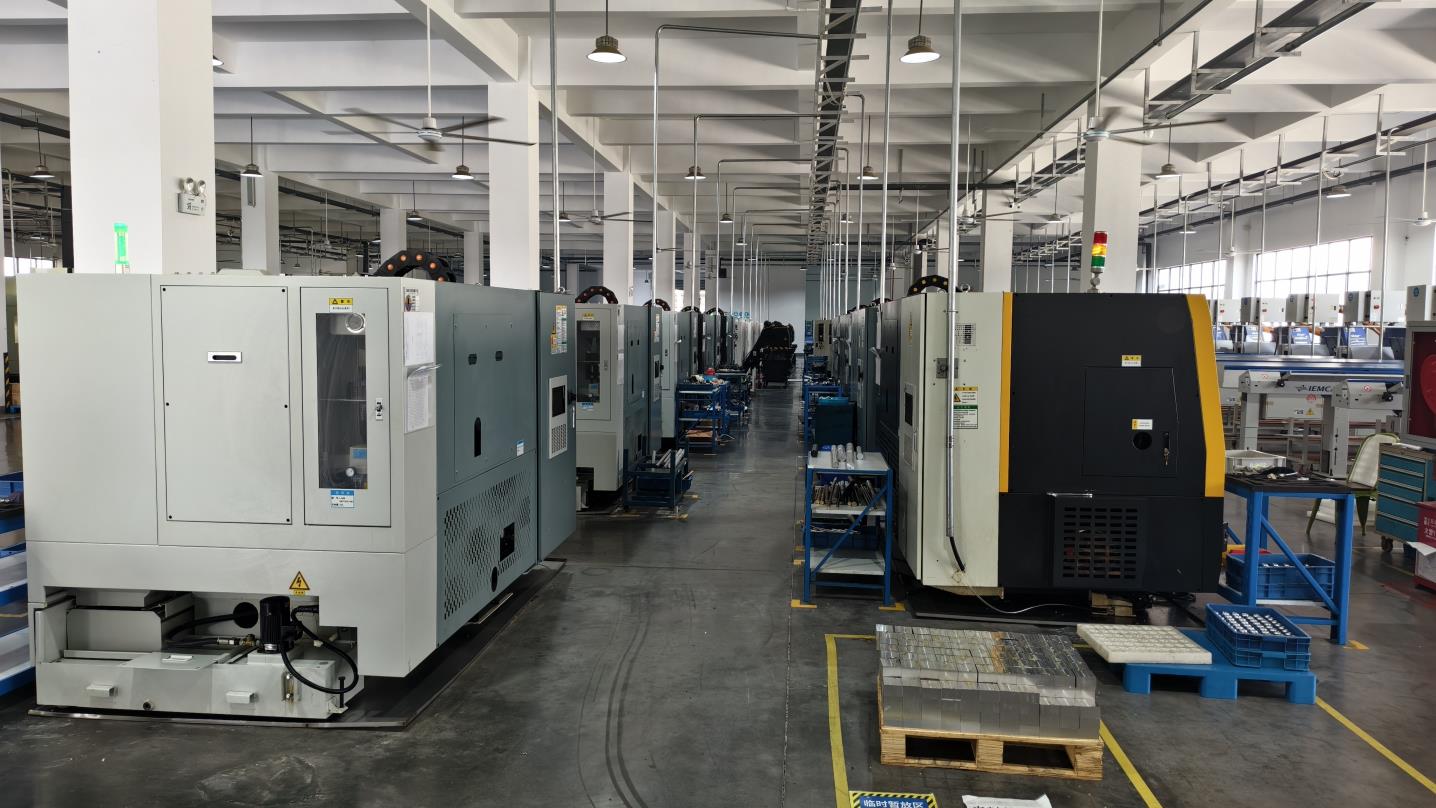
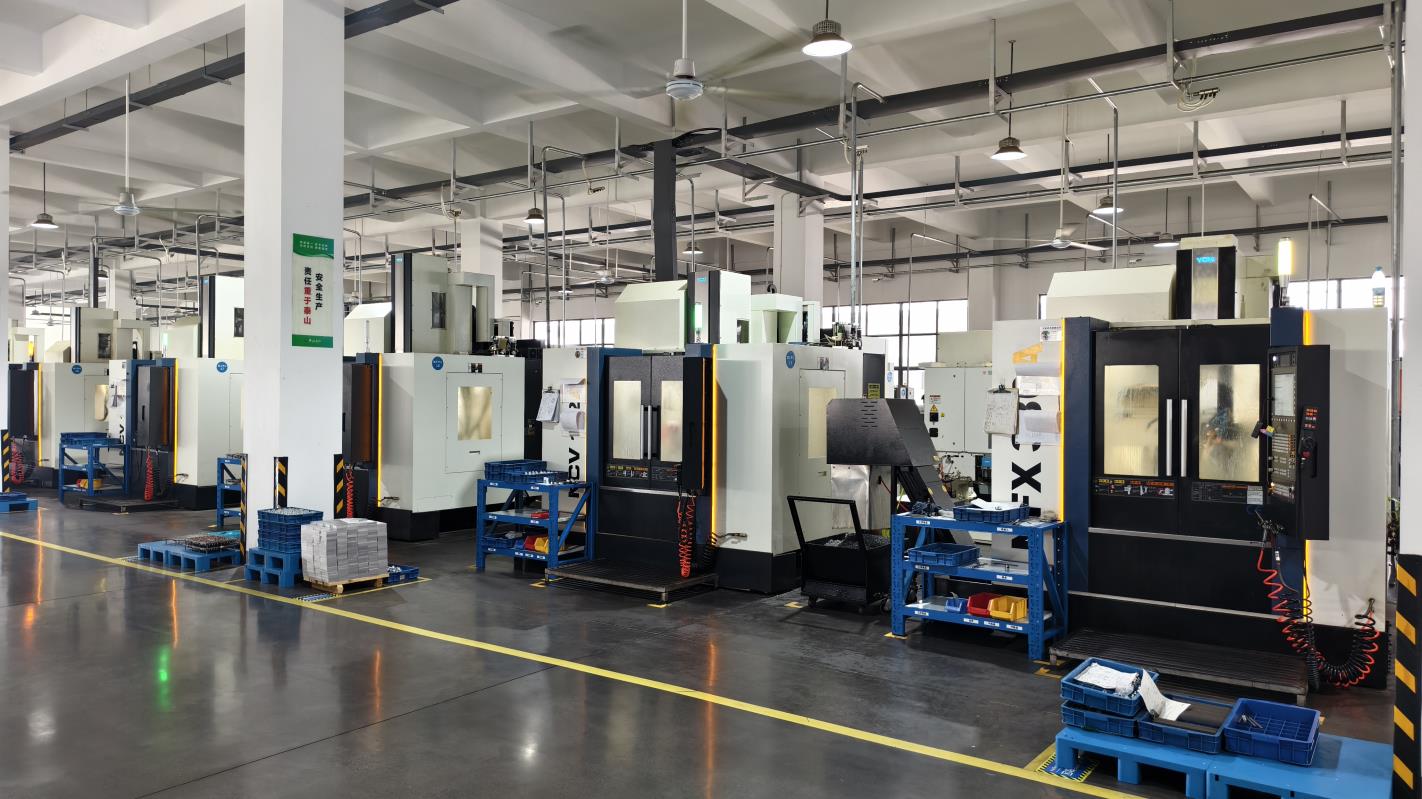
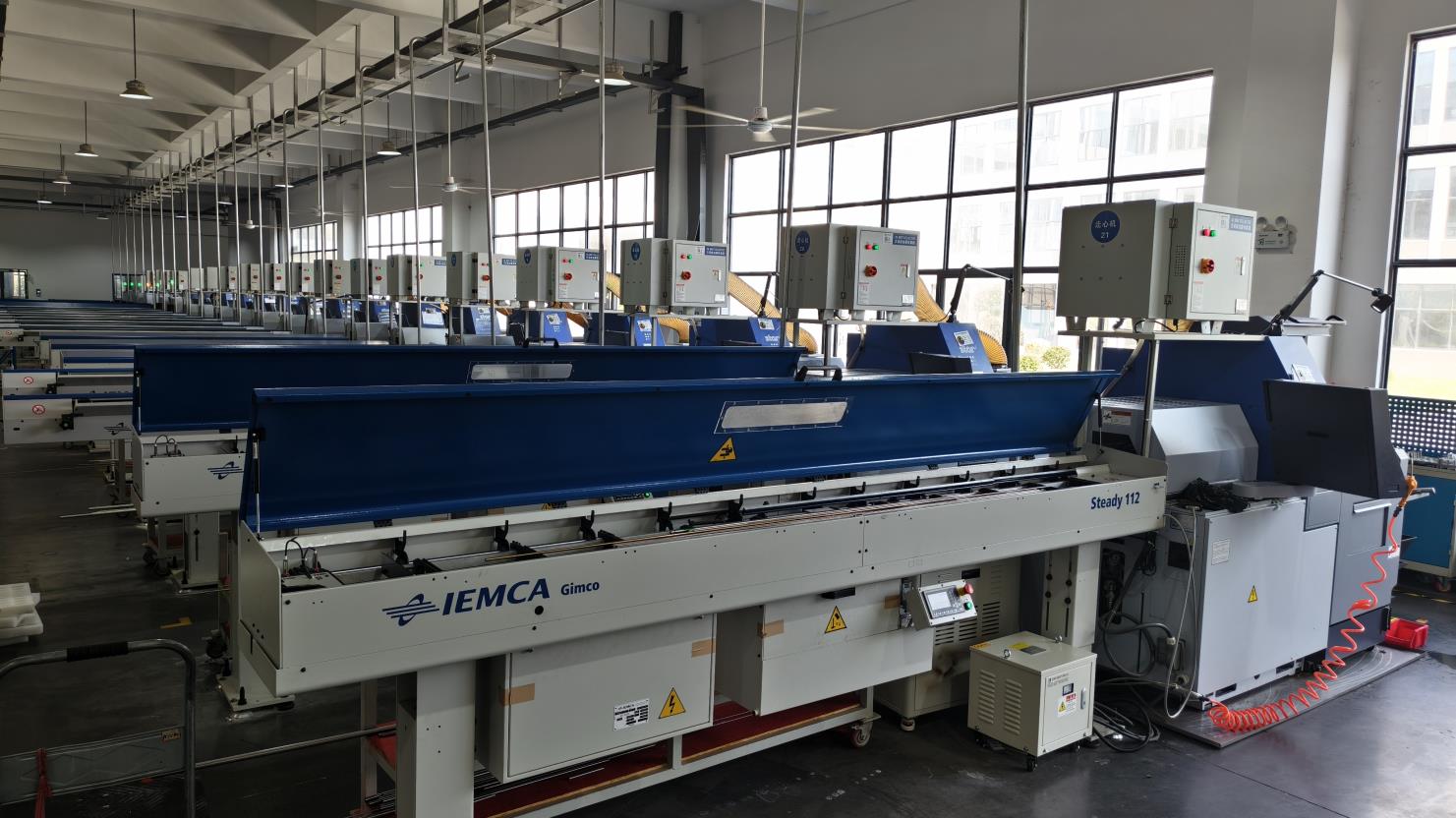
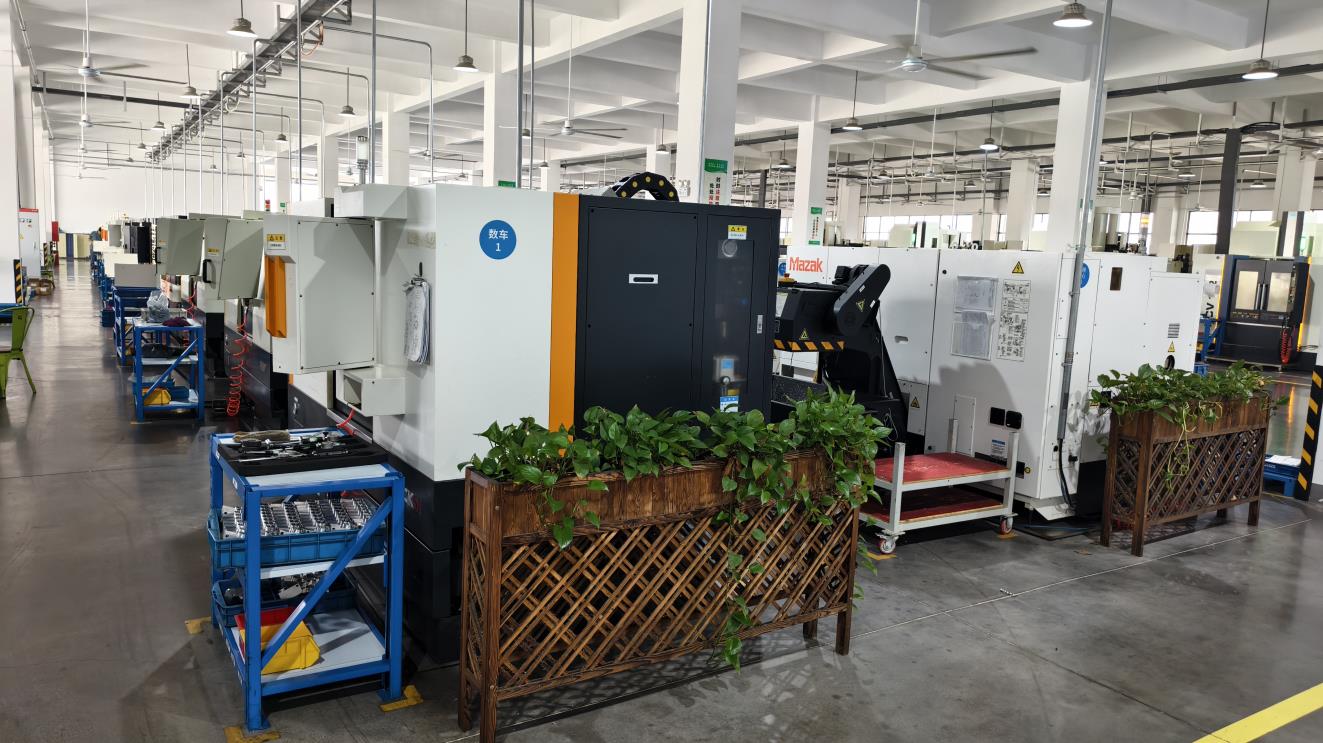
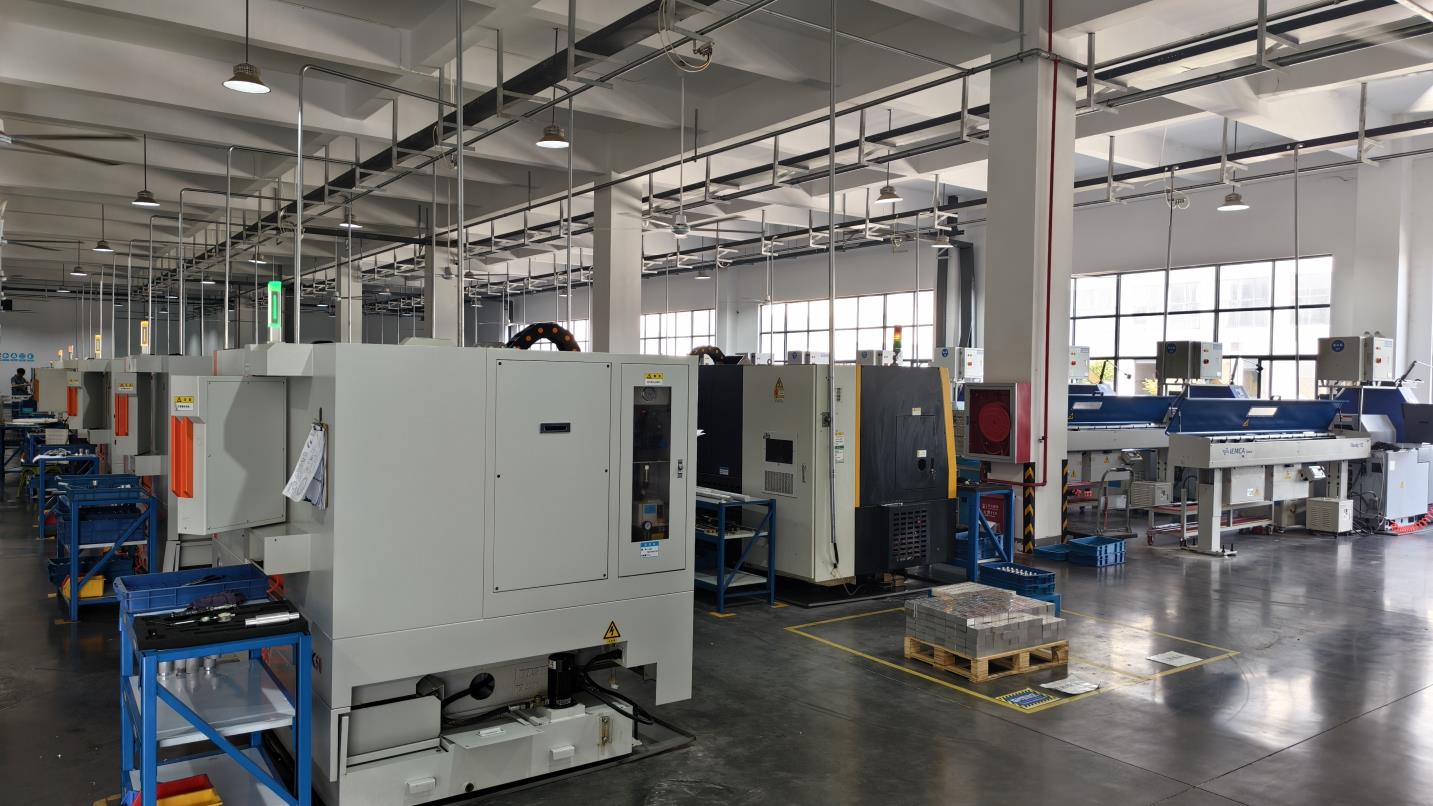
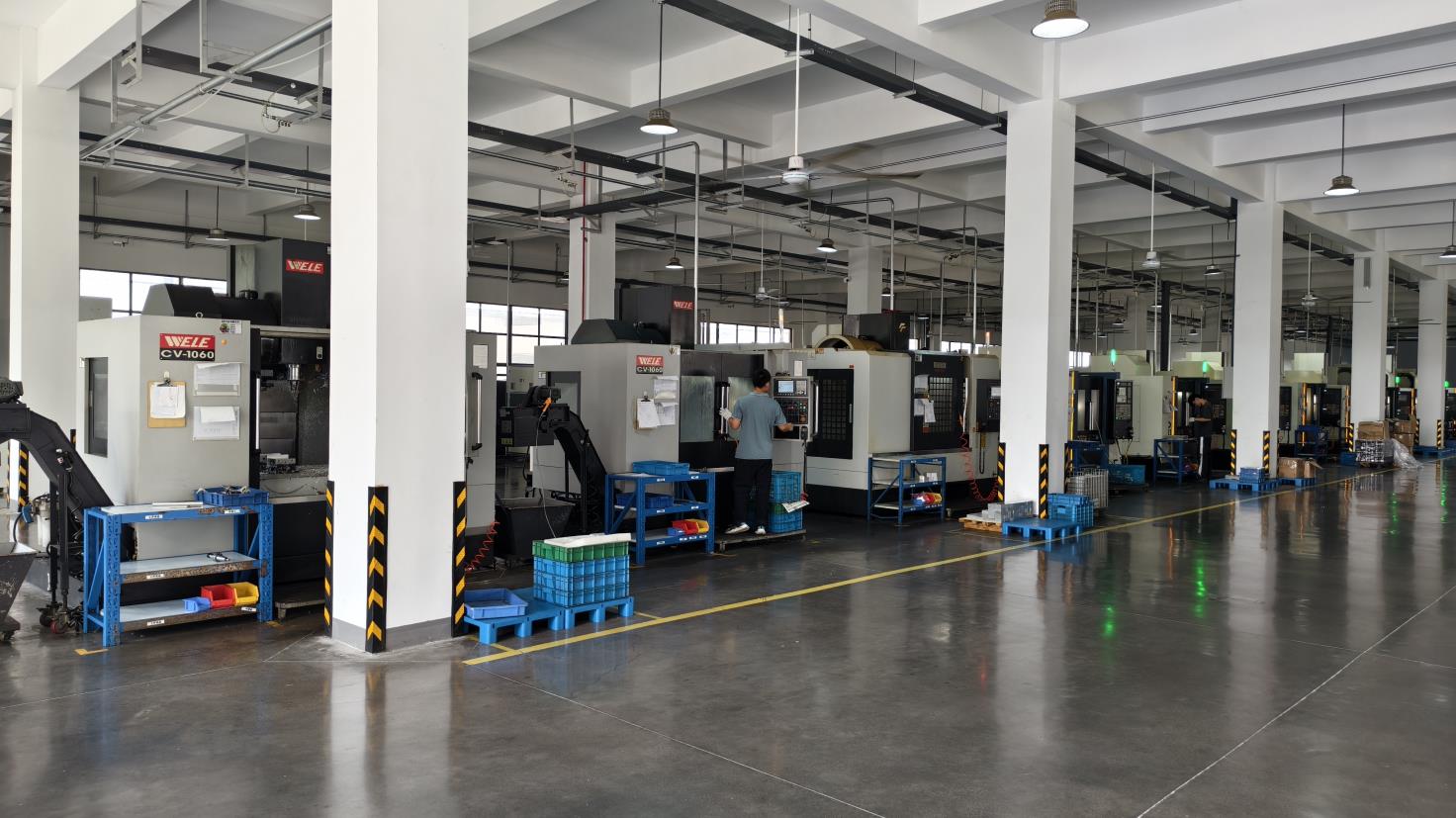
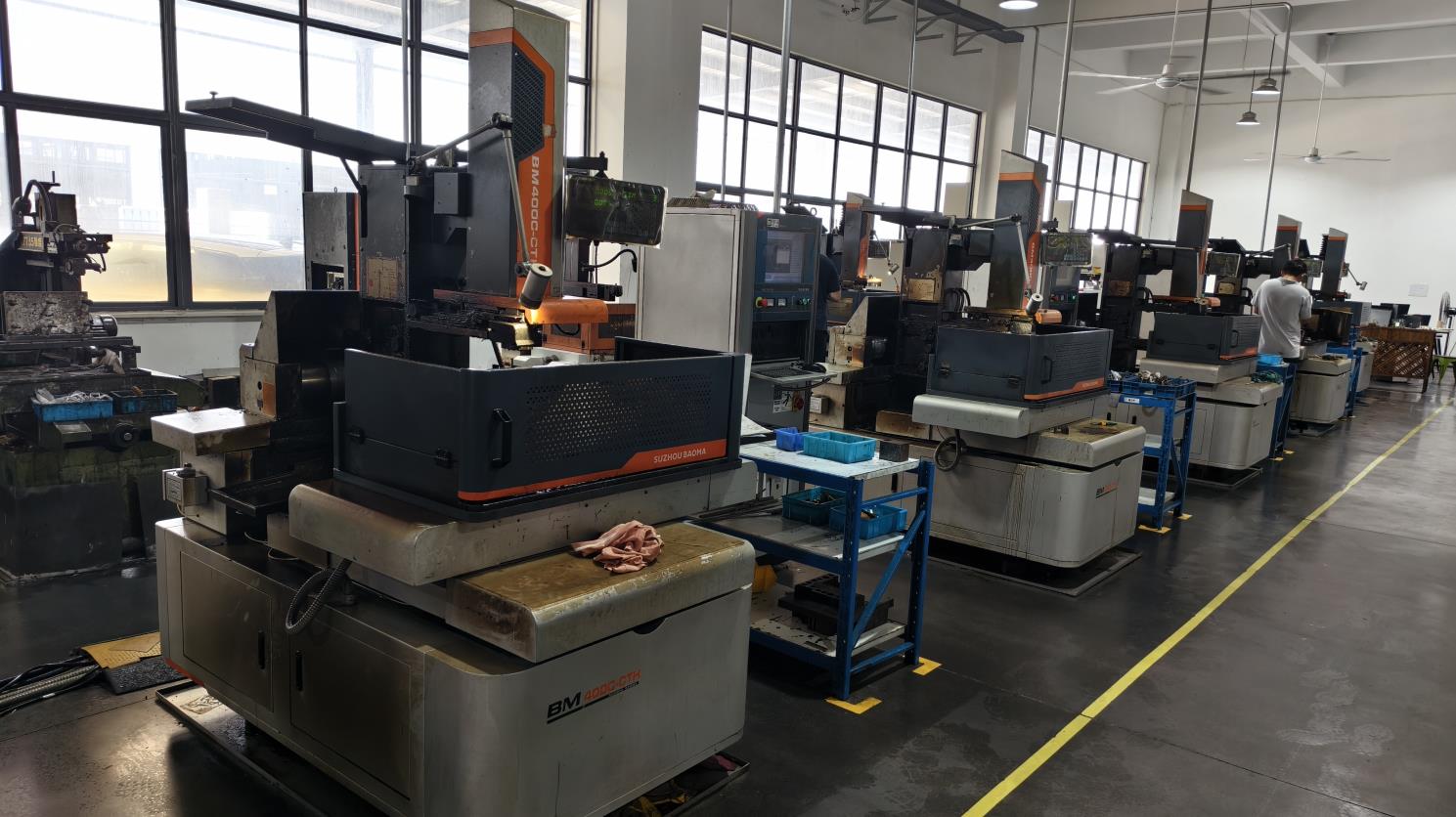
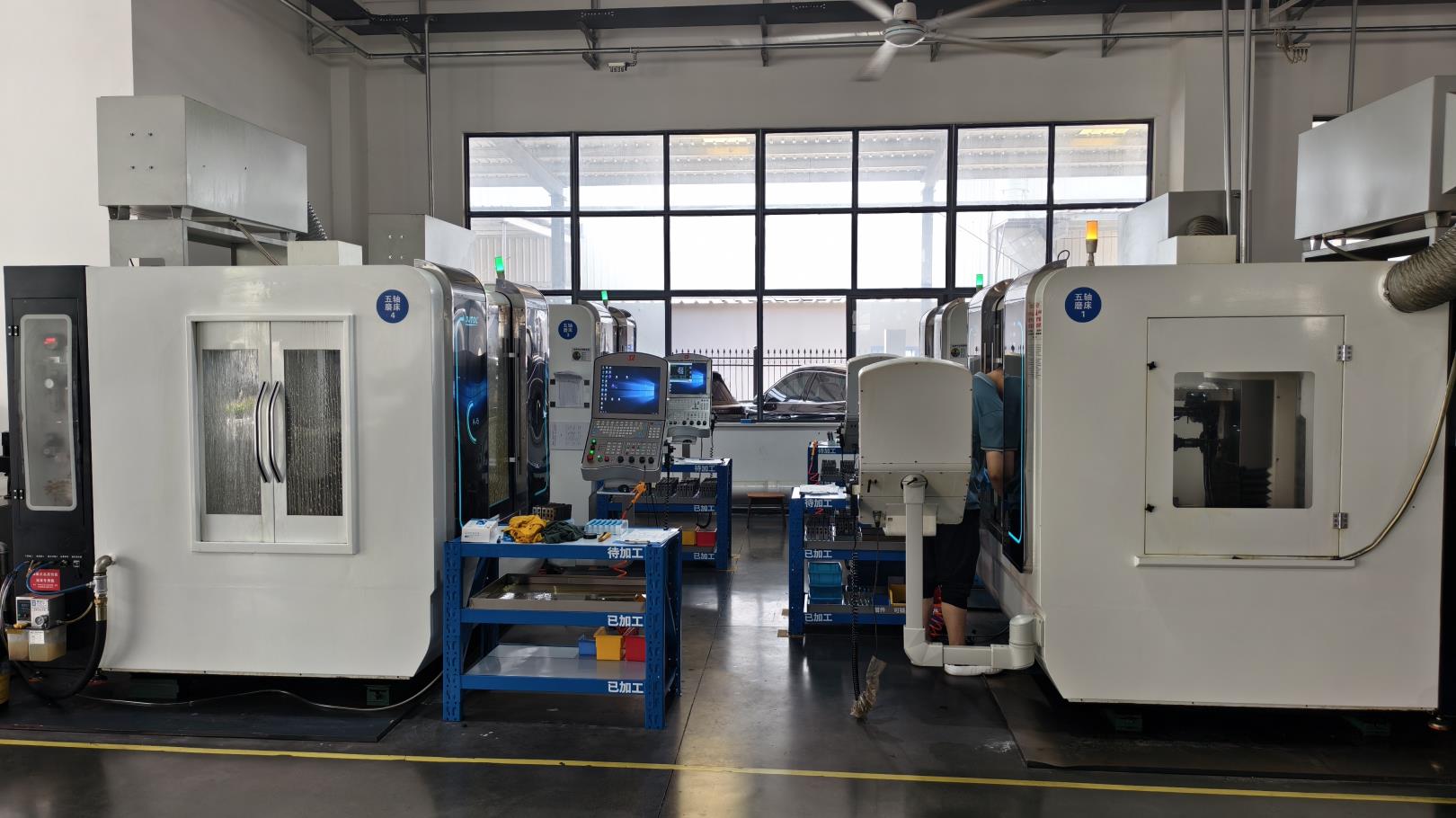
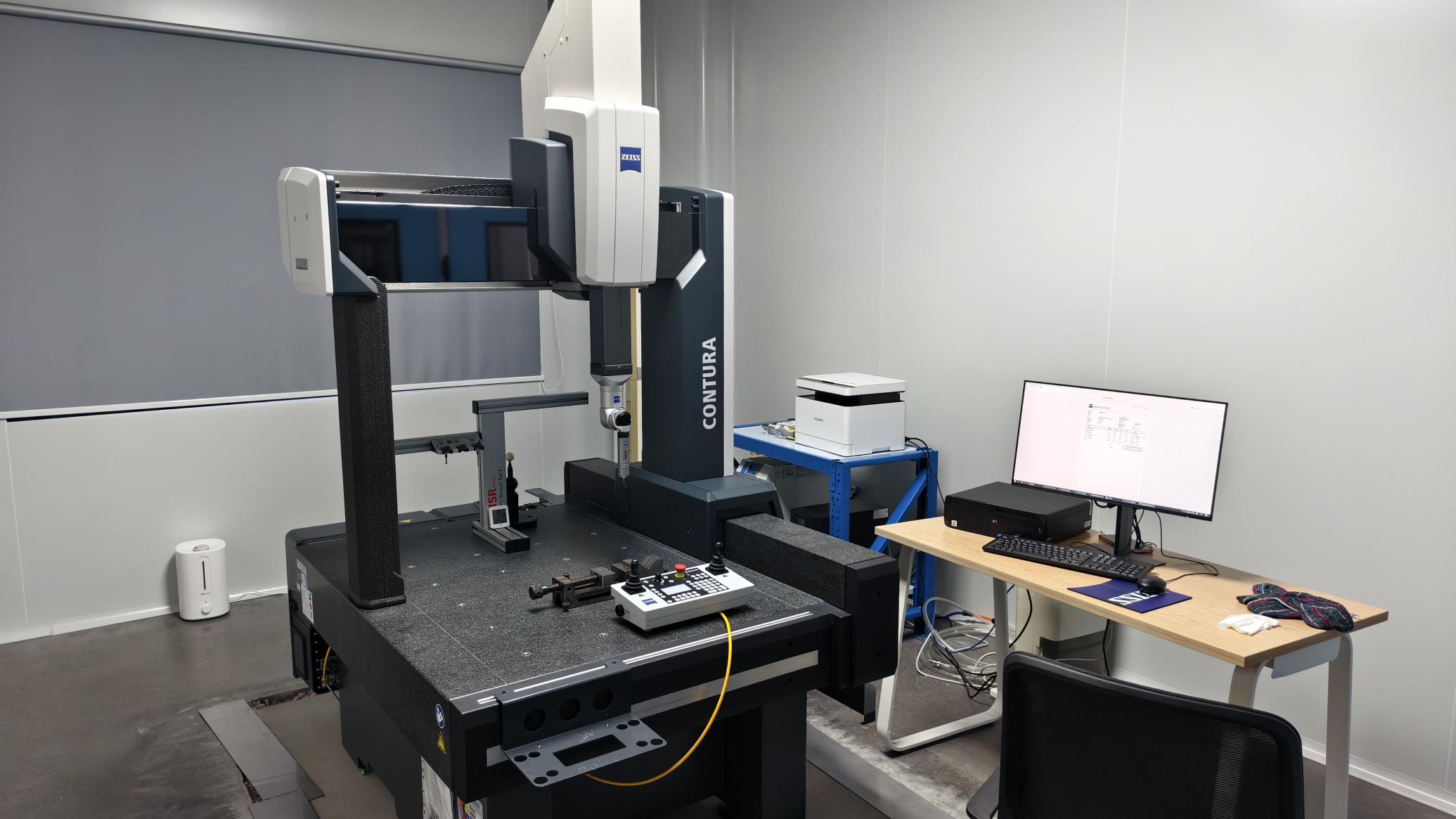
Operating a specialized manufacturing facility in China allows us to combine advanced manufacturing technologies with cost-efficient logistics. By utilizing automated multi-axis CNC milling, wire EDM cutting, and precision manual forging, we bridge the gap between high-volume supply demands and artisan-level instrument requirements. Every batch of custom periosteal elevators is subjected to rigorous quality control measures, ensuring they meet or exceed international standards like ASTM F899 for surgical instruments.
| Strategic Factory Performance & Profile Metrics | |
|---|---|
| Company Registration Date | 2019-11-20 (Operating as a licensed manufacturer of medical-grade surgical hardware) |
| Years of Exporting Experience | 6 Years of seamless global delivery to distributors and medical brands |
| Years in Surgical Industry | 6 Years of specialized development in orthopedic, neurosurgical, and veterinary tools |
| Main Markets Served | North America (25%), South America (25%), Southeast Asia (15%), Europe & MEA (35%) |
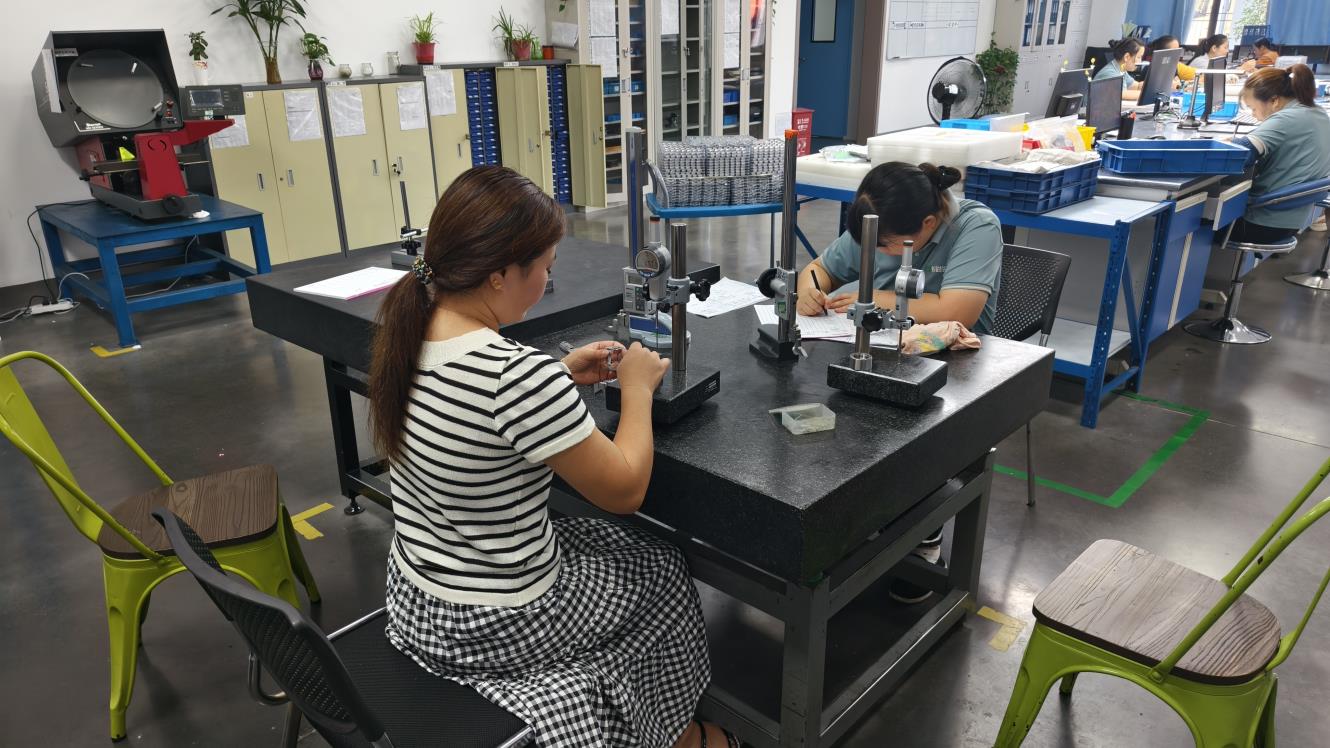
| QA/QC Inspectors On-Site | 3 dedicated inspectors conducting 100% visual inspection and hardness verification |
| Quality Control Framework | Product support traceability of raw materials: Yes (MTR - Mill Test Reports provided) |
| Product Inspection Methods | Random inspection and custom testing protocols tailored to client validation templates |
| Customization Capabilities | Sample processing, graphic processing, custom handle molding, bespoke laser marking |
| Accepted Trading Languages | Professional English, supporting technical engineering drawings (CAD/SolidWorks) |
Orthopedic surgeries vary widely across clinical settings. As a versatile OEM manufacturer, we design and produce tools optimized for specific patient needs:
Requires rigid instruments capable of lifting thick periosteum from large bone surfaces (e.g., femur, pelvis). Heavy-duty Cobb elevators with textured handles are commonly specified to prevent slippage during high-force maneuvers.
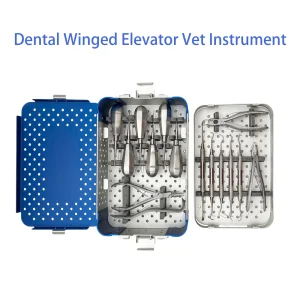
Demands highly specialized sizes. From toy breeds needing micro-Freer elevators to larger animals requiring robust bone reduction configurations. Our product range includes dual-purpose reduction forceps and miniature instruments designed specifically for animal bones.
Requires delicate, curved profiles that follow the facial skeleton. The elevators must feature highly polished, non-reflective surfaces to minimize glare under high-intensity operating microscopes and overhead surgical lighting.
Hospital groups, medical device distributors, and private label brands operate under strict supply chain demands. In today’s regulatory environment, purchasing departments look beyond unit pricing to evaluate suppliers on compliance, reliability, and risk mitigation. Our operations are structured to streamline this procurement process:
We provide documentation supporting CE marking and ISO 13485 quality system standards, simplifying registration with local ministries of health.
Every production batch is linked to a certified steel or titanium melt run, ensuring raw material integrity and tracking throughout the manufacturing lifecycle.
We offer high-resolution laser engraving for custom logos, catalog codes, and Unique Device Identification (UDI) bar codes directly on the instruments.
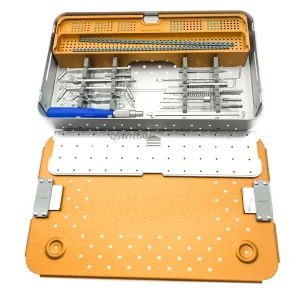
Available options include individual sterile peel-packs, bulk non-sterile shipments, or custom instrument sterilization trays designed for high autoclave throughput.
The global orthopedic surgical instrument market is shifting toward lighter, more ergonomic designs that minimize hand fatigue during prolonged procedures. For example, our silicone-handled screwdrivers and custom periosteal elevators feature textured patterns that provide a secure grip, even when wet with biological fluids.
Additionally, advanced coatings such as Physical Vapor Deposition (PVD) and Diamond-Like Carbon (DLC) are increasingly used to protect delicate instrument tips. These thin-film coatings reduce tissue adhesion, lower reflection in the sterile field, and increase surface hardness to over 80 HRC, extending the usable lifespan of the instrument.
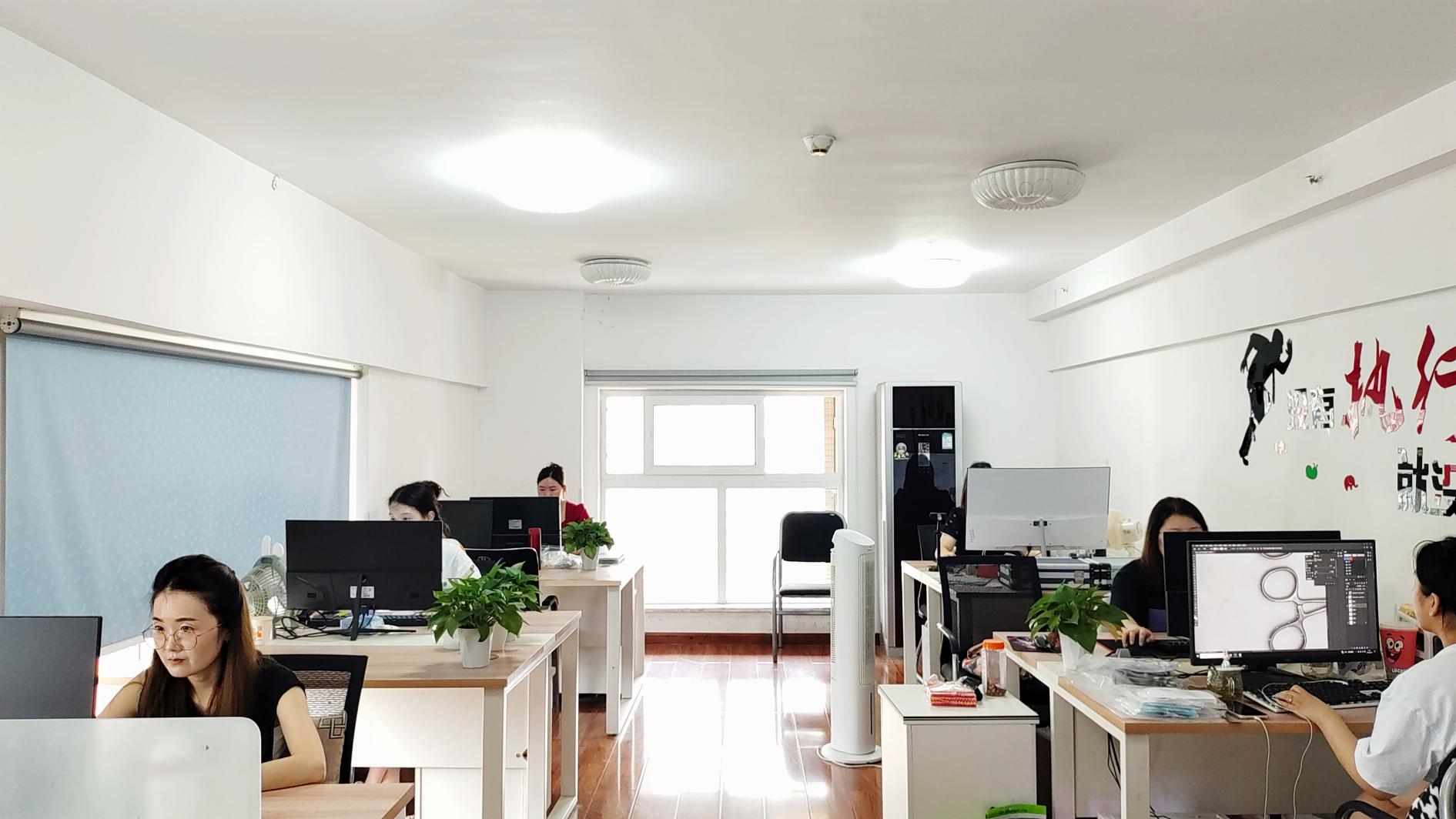
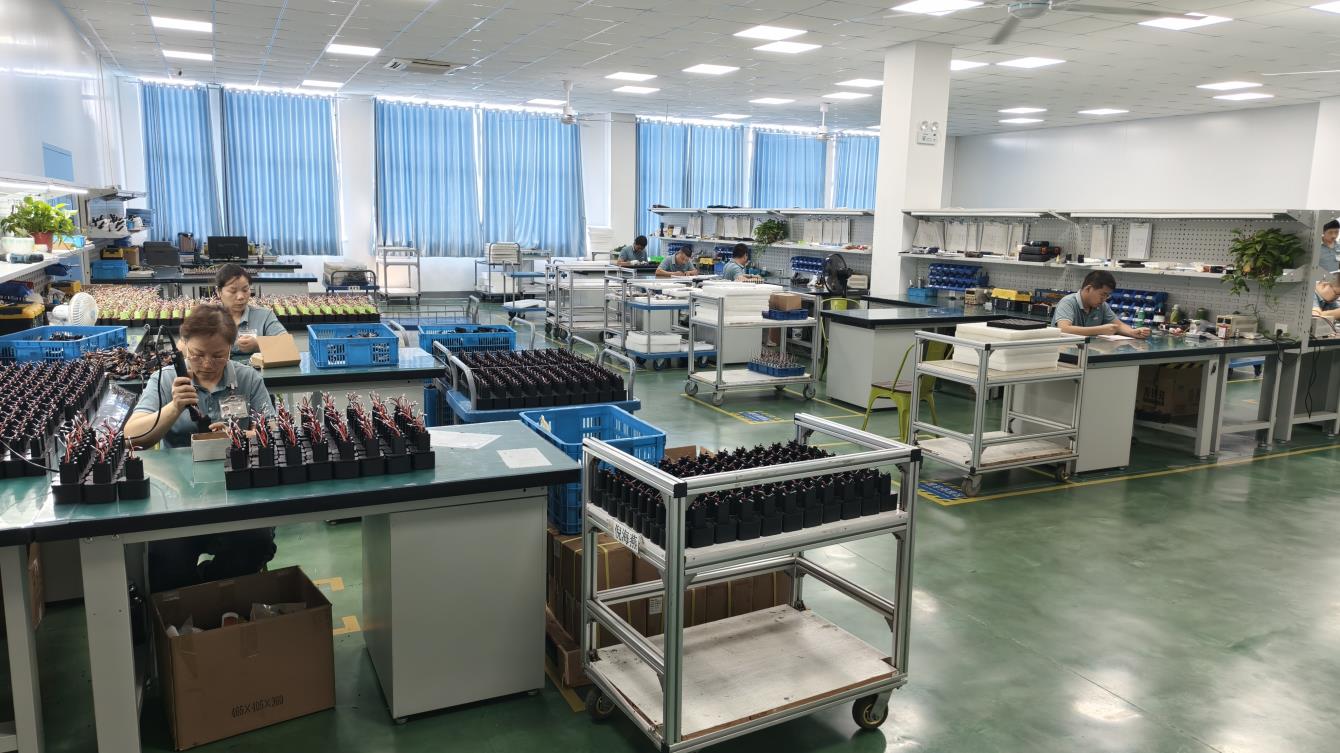
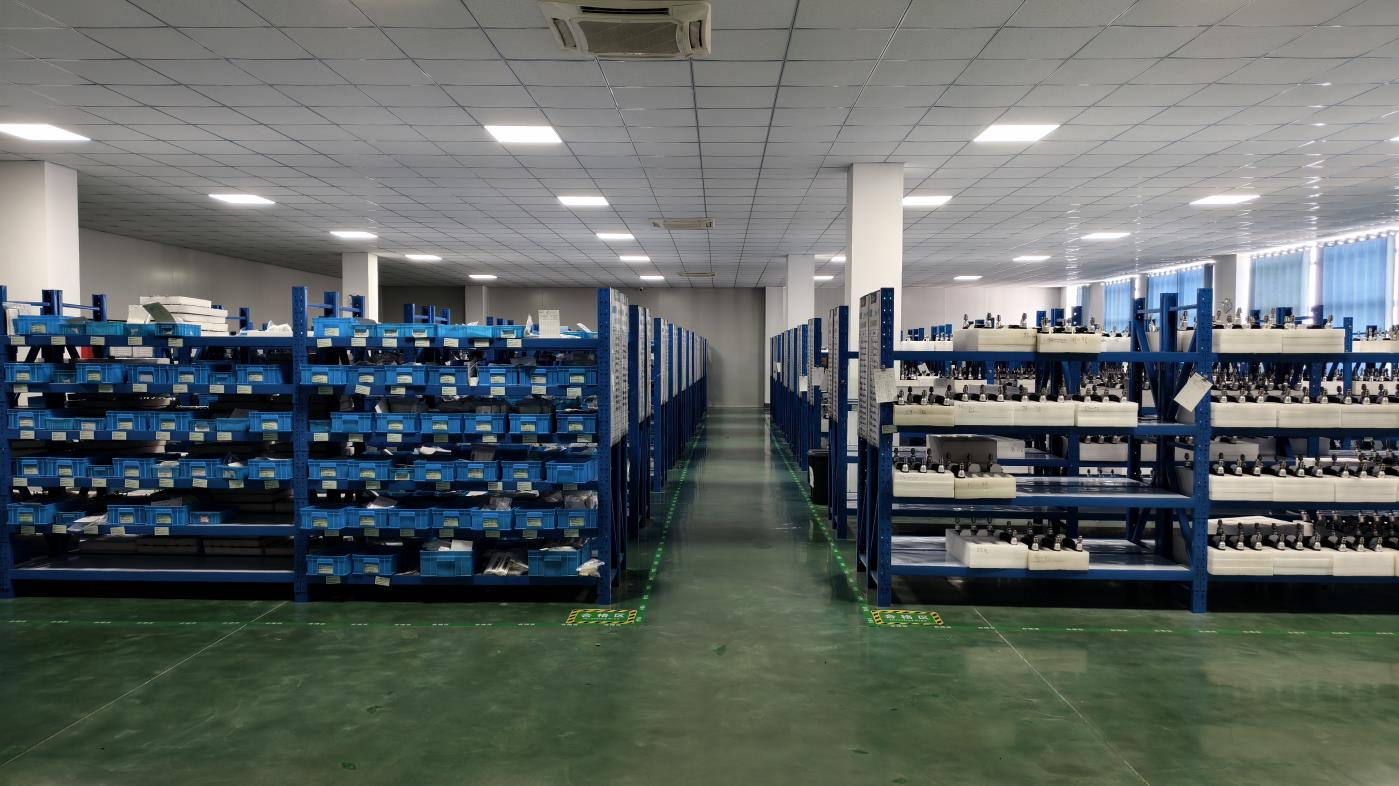
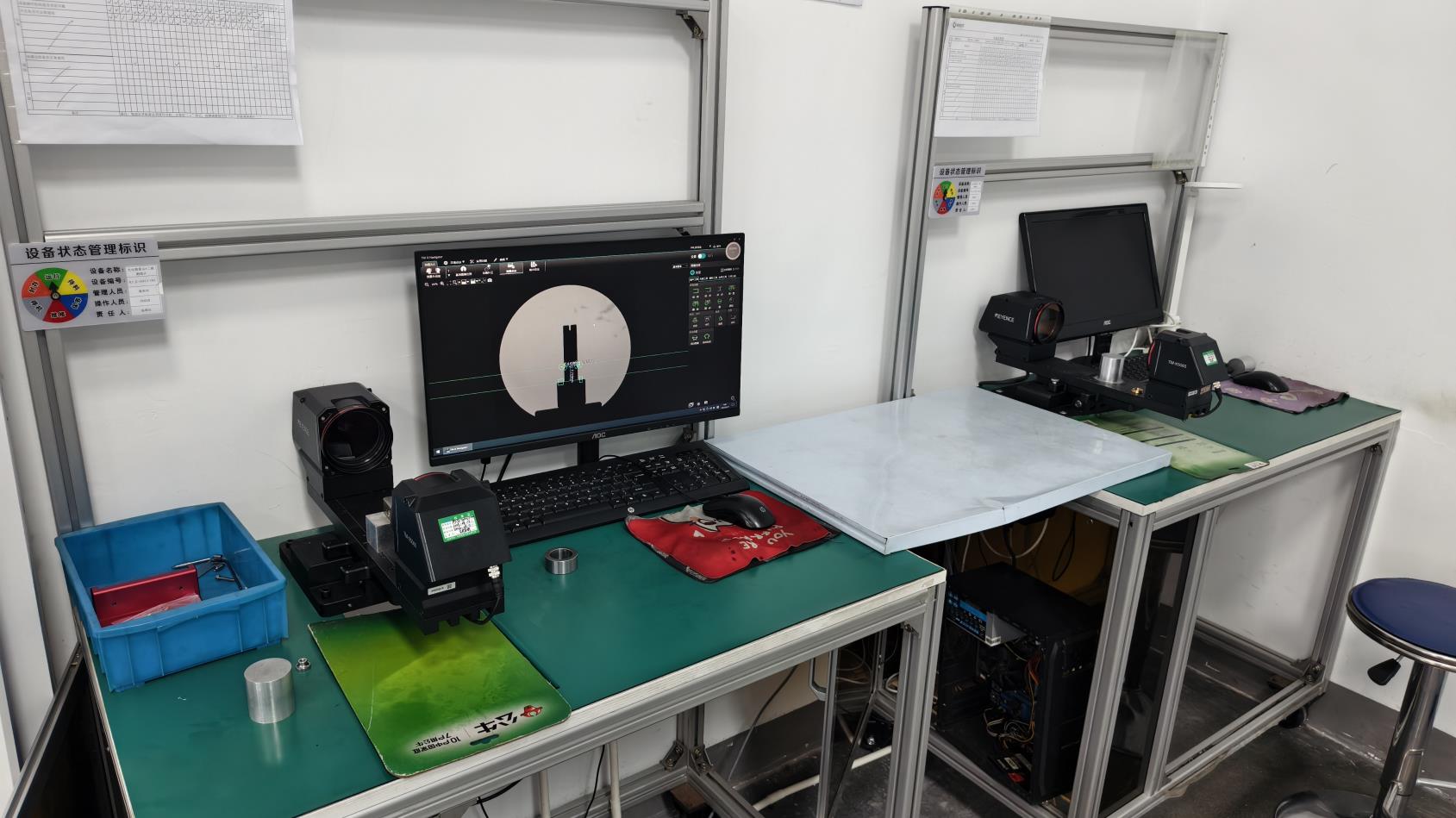
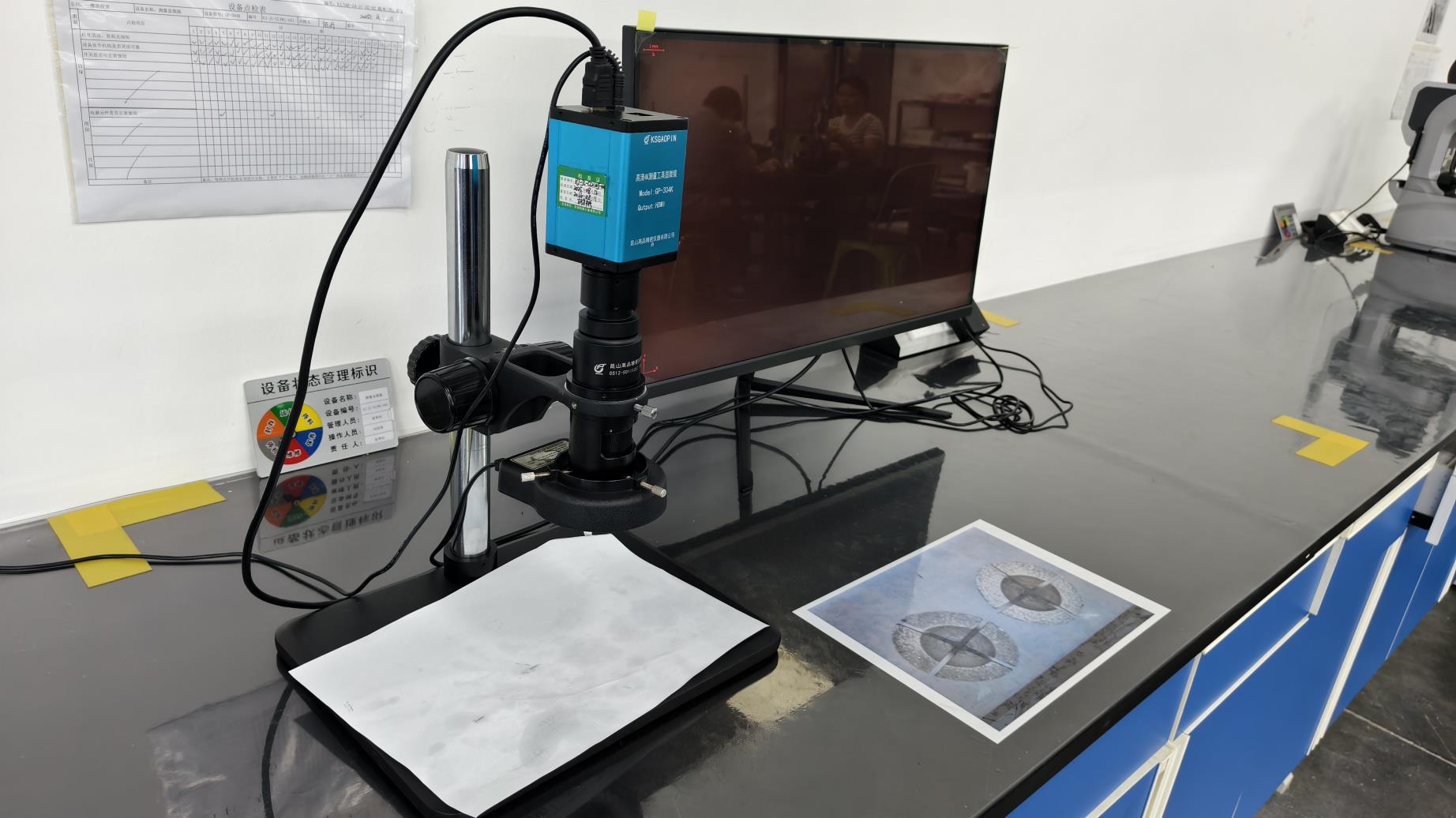
To maintain consistent dimensions and strict tolerances on our orthopedic products, our facility relies on precise machining and assembly tools. Below is an overview of our production environment and product finishing lines: