SENJIE Healthy & Technology
SENJIE Healthy & Technology
SENJIE Healthy & Technology
Engineered to support clinical precision, veterinary trauma management, and specialty microsurgical assemblies.
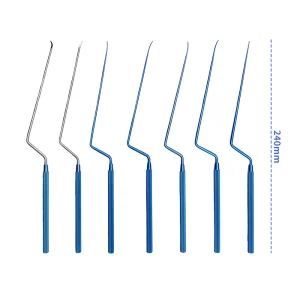
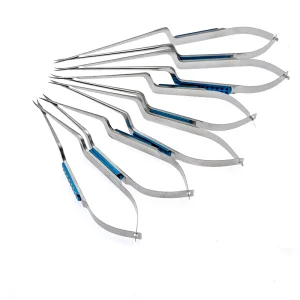
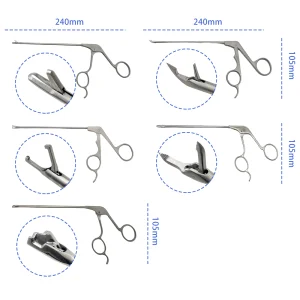
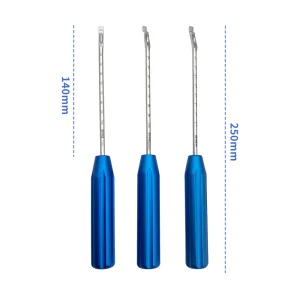
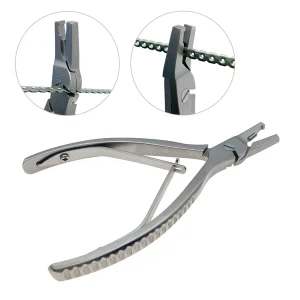
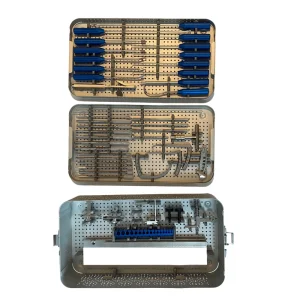
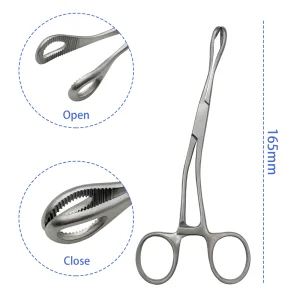
The field of neurosurgery demands an unparalleled level of precision, tactile feedback, and manufacturing reliability. As surgical procedures transition further towards minimally invasive techniques, the global demand for micro-neurosurgical instrumentation has expanded beyond traditional human healthcare pipelines into specialty veterinary orthopedics, research laboratories, and regional hospital networks. Managing the product life cycles of instruments such as micro nerve knives, spatulas, micro-scissors, and power craniotome cutters requires manufacturers to implement highly agile OEM/ODM frameworks.
Historically, global medical brands operated regional manufacturing hubs in Europe and North America. However, the rise of advanced CNC micro-machining, precision laser metallurgy, and specialized chemical passivation techniques has shifted the center of production efficiency to East Asia. Today, OEM suppliers play a fundamental role in maintaining steady distribution channels for clinical groups and device brands, ensuring that advanced surgical tools adhere to ISO 13485 quality control parameters while maintaining a sustainable cost-per-unit ratio.
"Global neurosurgical device procurement relies heavily on metallurgical consistency. Whether utilizing biocompatible Titanium Alloy Grade 5 or high-tensile 420 Series Stainless Steel, OEM/ODM partners must guarantee structural integrity over thousands of autoclaving cycles."
By designing and manufacturing directly at the factory level, suppliers can bypass intermediary markups, offering brand-name distributors and private labeling clients rapid turnaround times from initial digital drafts to actual mechanical production.
| Registration | 2019-11-20 (Established Brand) |
| Industry Track Record | 6+ Years of Medical OEM Customization |
| Core Materials | ASTM F136 Titanium, Sus420, Sus316L |
| QA Operations | 3 In-house Inspectors / Traceable Raw Materials |
| Primary Markets | North America (25%), South America (25%), Southeast Asia (15%) |
Supported customization options include CAD/CAM blueprint engineering, sample processing, graphic engraving, and custom-ordered alloy coatings.
How raw material selection directly determines blade durability, tactile spring back, and corrosion resistance in clinical applications.
In micro-neurosurgery, instruments function under high-magnification surgical microscopes. The physical properties of the surgical tools must reflect precision engineering. For example, our Titanium Alloy Micro Nerve Spatulas and Dissectors utilize Ti-6Al-4V ELI (Grade 5, ASTM F136). This alloy exhibits a density of 4.43 g/cm³, which is roughly 60% of the weight of stainless steel. By reducing the overall mass of long-reach micro-dissectors, we significantly reduce hand muscle fatigue for neurosurgeons during prolonged, multi-hour operations like tumor resections.
| Material Standard | Common Applications | Tensile Strength (MPa) | Elastic Modulus (GPa) | Primary Mechanical Benefit |
|---|---|---|---|---|
| Titanium Grade 5 (ASTM F136) | Micro nerve knives, brain spatulas, delicate probe guides | ≥ 860 | 114 | Exceptional strength-to-weight, non-magnetic for MRI safety |
| 420 Stainless Steel (ASTM F138) | Bone forceps, micro scissors, retractors, osteotomes | ≥ 700 | 200 | High surface hardness, superior wear resistance for cutting edges |
| 316LVM Stainless Steel | Mini bone plate benders, implant pins, bone guide needles | ≥ 490 | 193 | Outstanding pitting corrosion resistance and ductility |
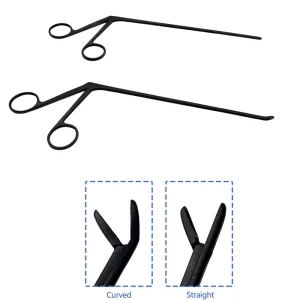
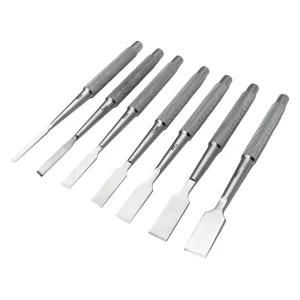
Furthermore, Martensitic stainless steel (primarily grade 420) is preferred for items like micro-scissors and bone osteotomes. The martensitic structure undergoes rigorous heat treatment processes to increase Rockwell hardness (typically HRC 50–55). This heat-treating cycle ensures that the fine cutting tips of micro-scissors retain their sharpness, preventing the sliding or crushing of delicate arachnoid membranes and microvascular tissue.
Leveraging industrial clusters, fully integrated supply chains, and rapid CNC prototyping.
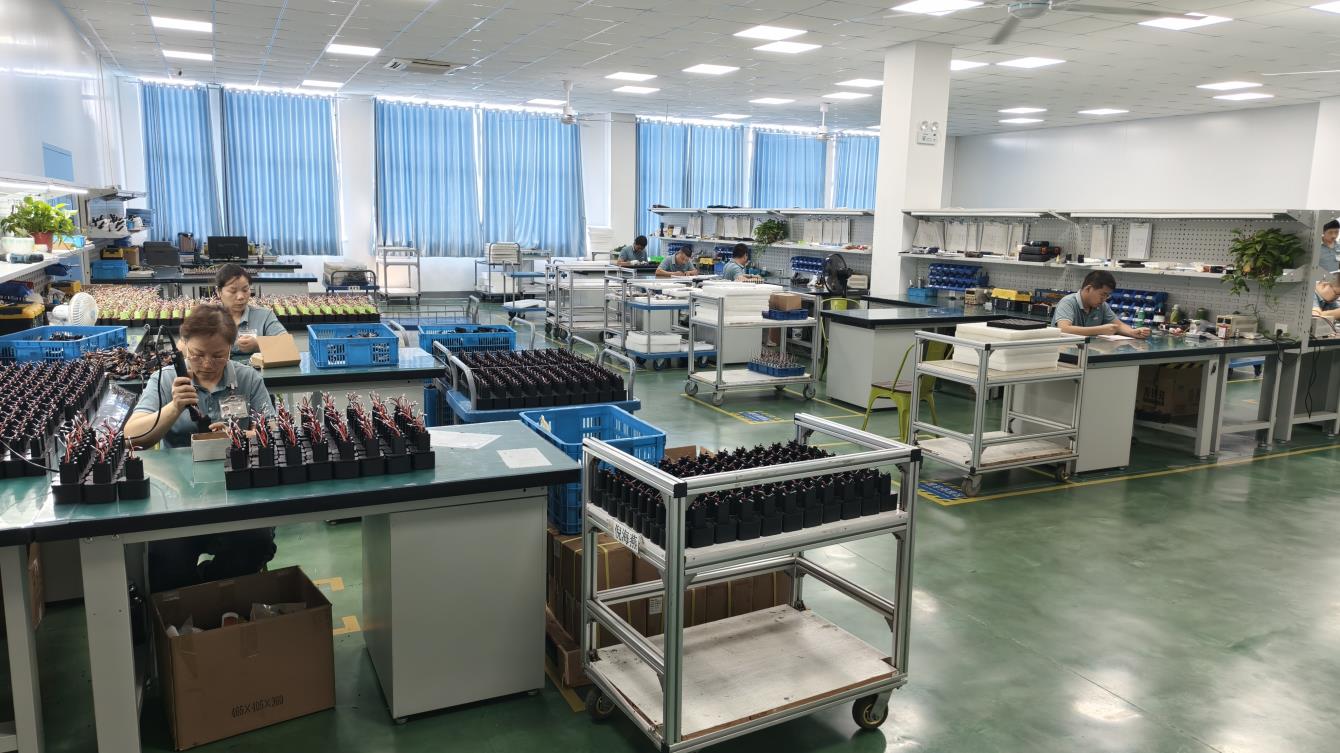
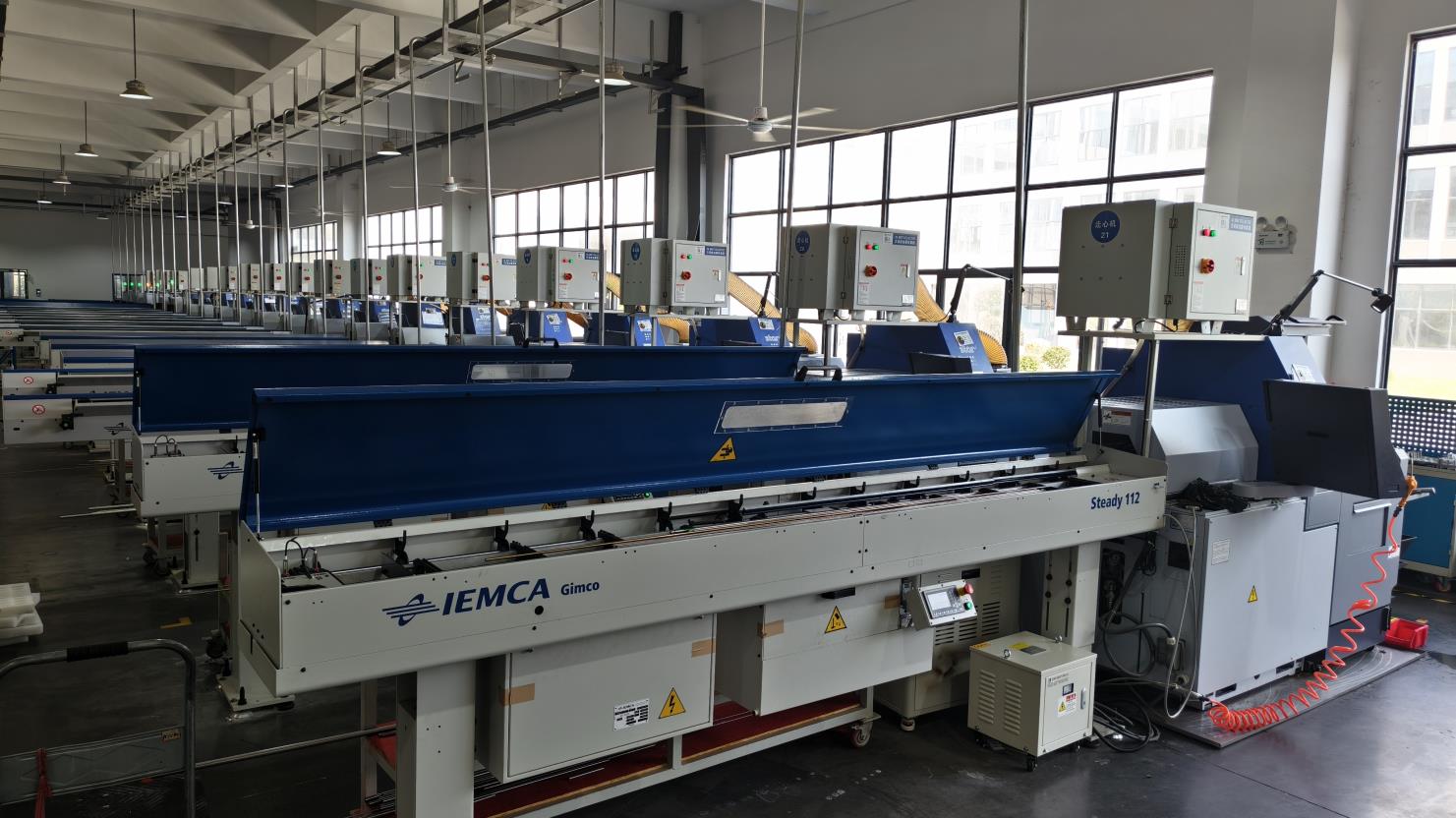
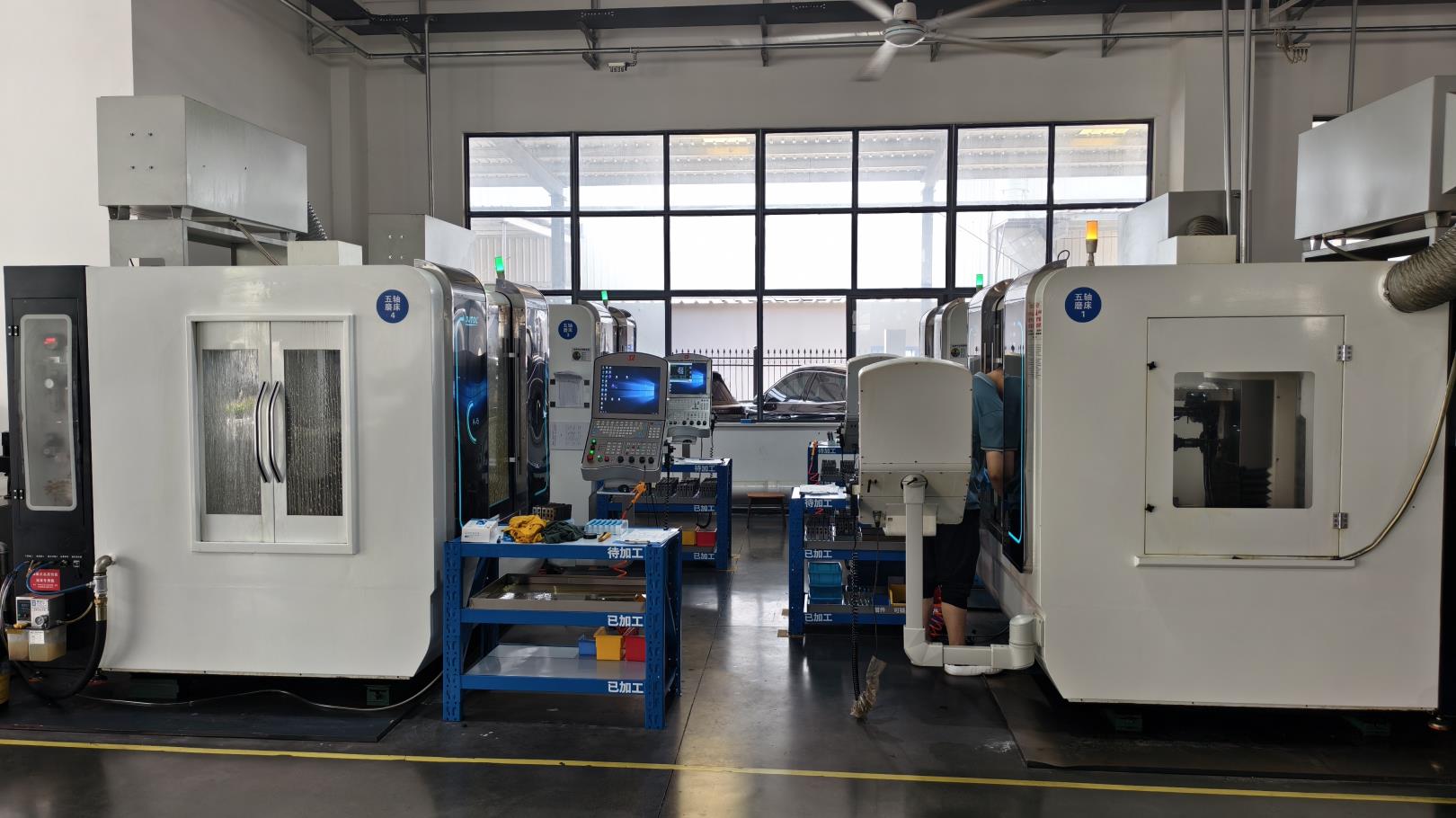
Our factory integrates raw metal sourcing, advanced wire EDM (Electrical Discharge Machining), CNC milling, and hand-finishing processes in a single facility. This vertical integration reduces the timeline for custom mold designs.
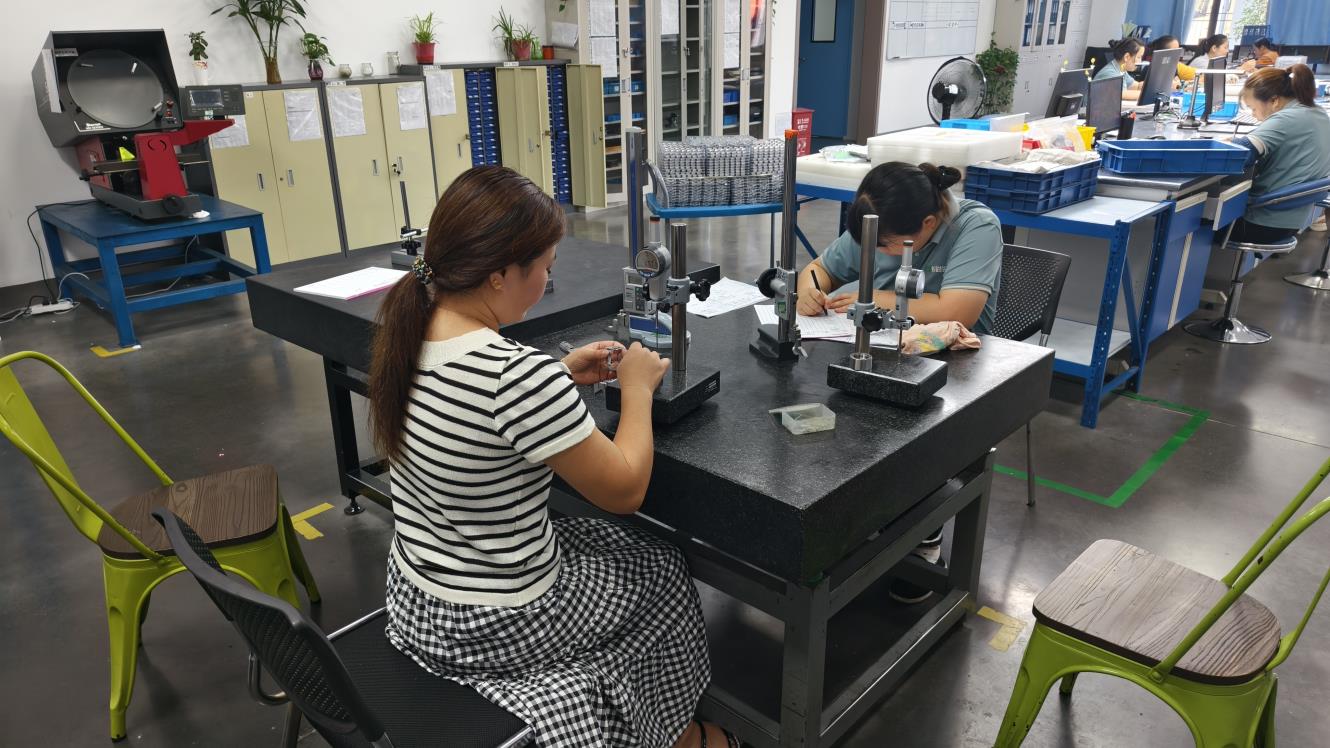
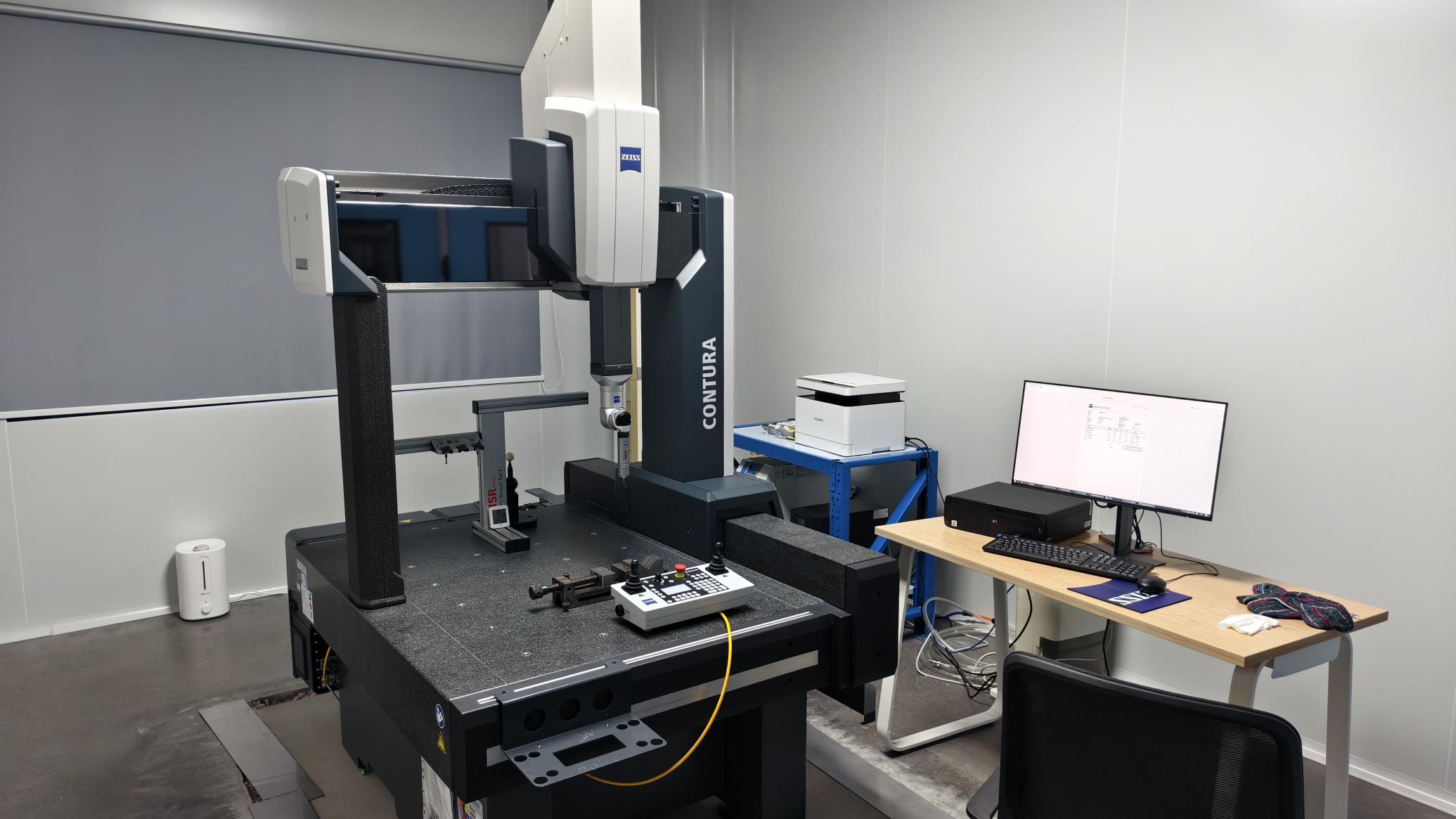
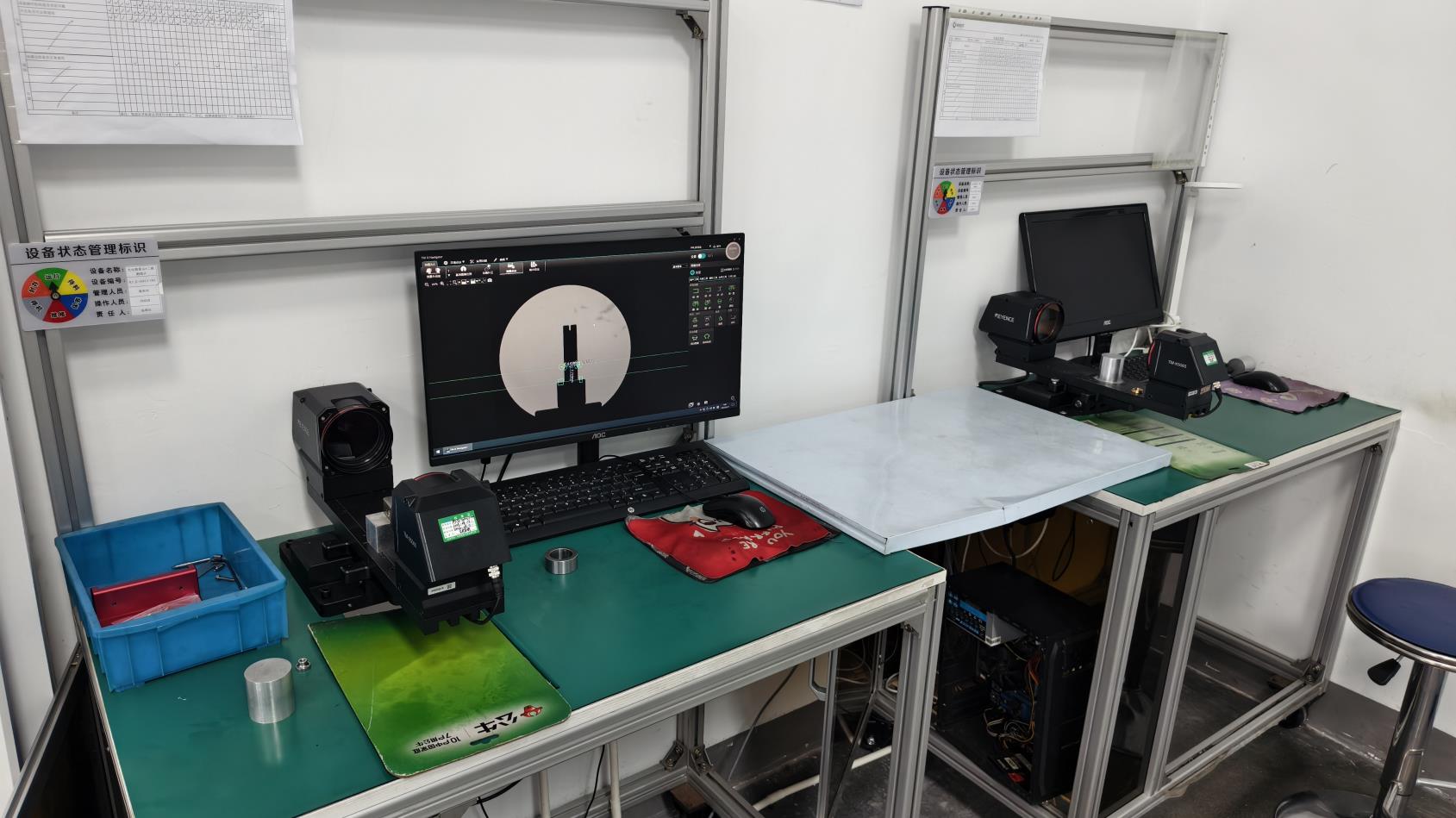
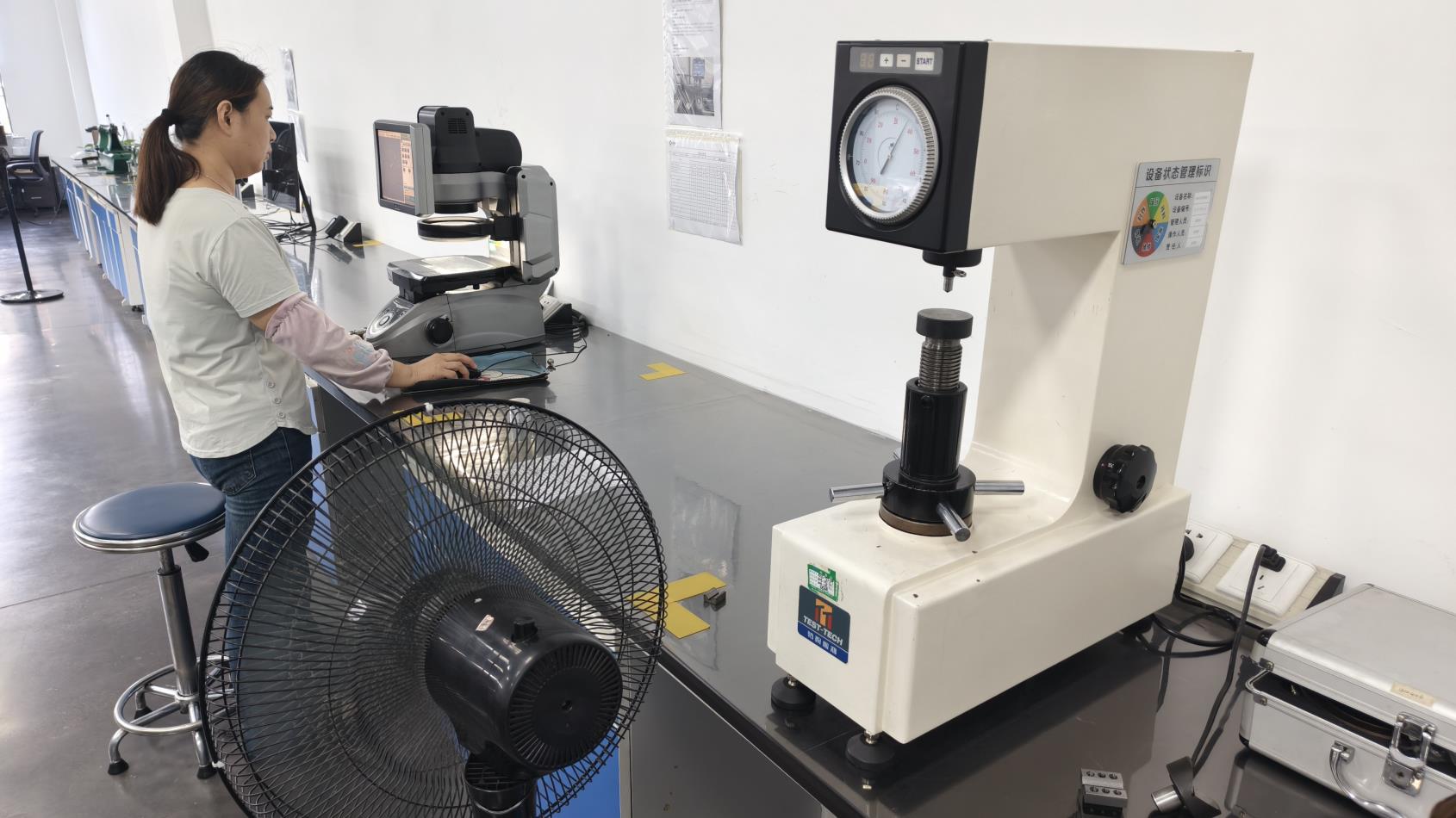
Every batch of titanium and stainless steel is backed by material mill sheets. Our three full-time quality inspectors perform randomized structural stress tests, dimensional tolerance checks, and corrosion testing.
Our streamlined workflow allows us to ship prototypes in 7–14 days and fulfill bulk manufacturing runs (100–1,000 units) within 30–45 days. This provides global distributors with a crucial time-to-market advantage.
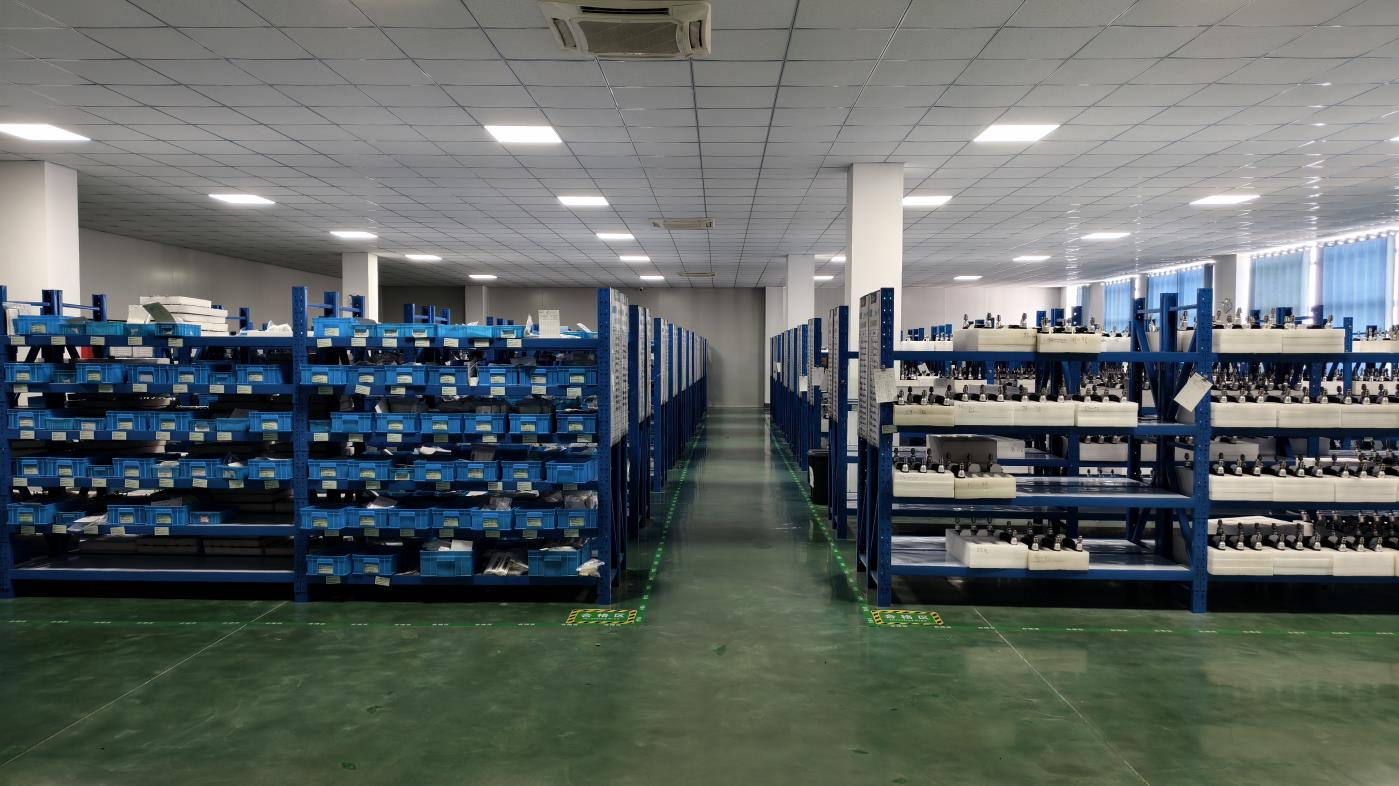
Inside our state-of-the-art medical instruments production facility. All processes meet international compliance standards.
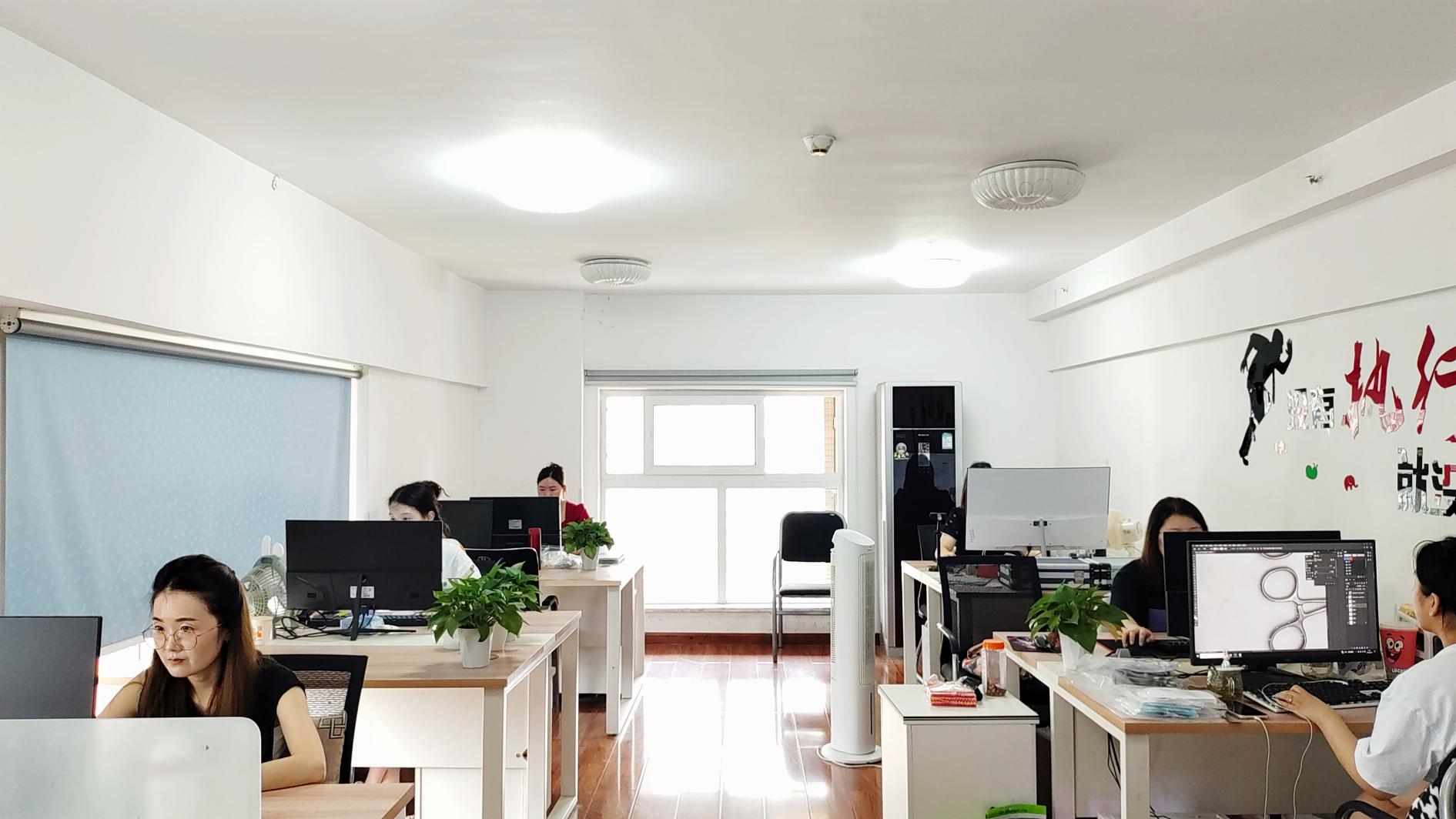
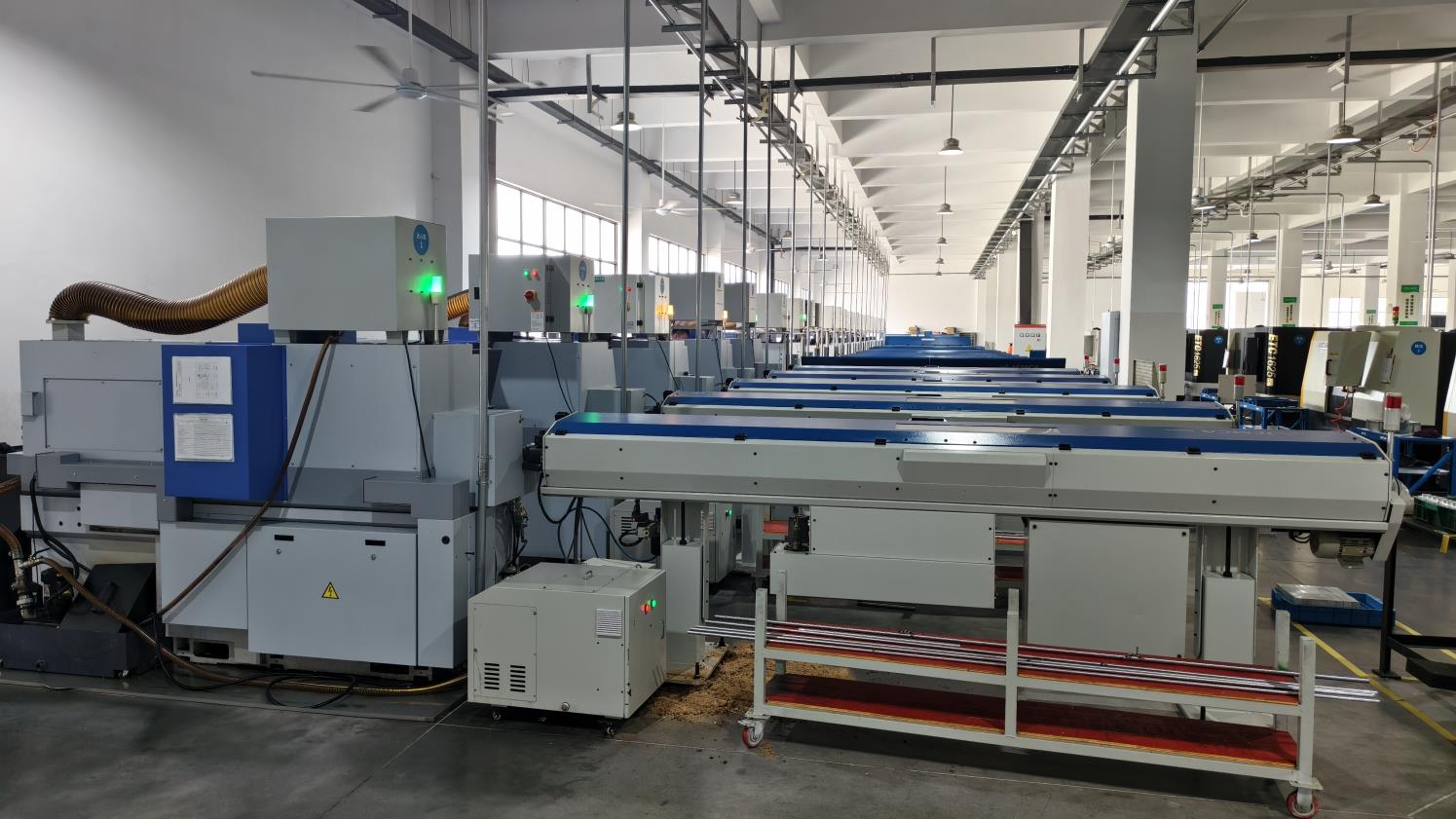
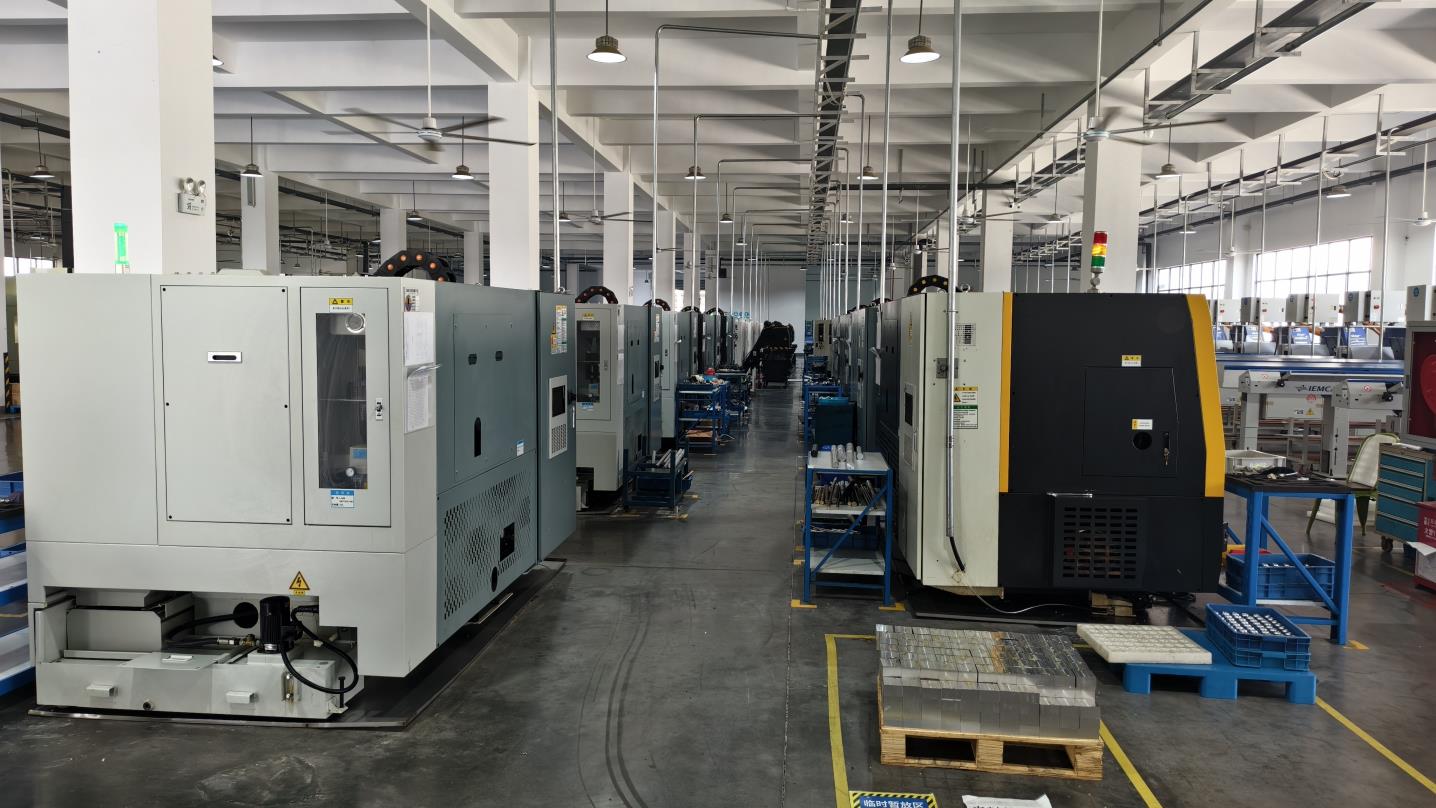
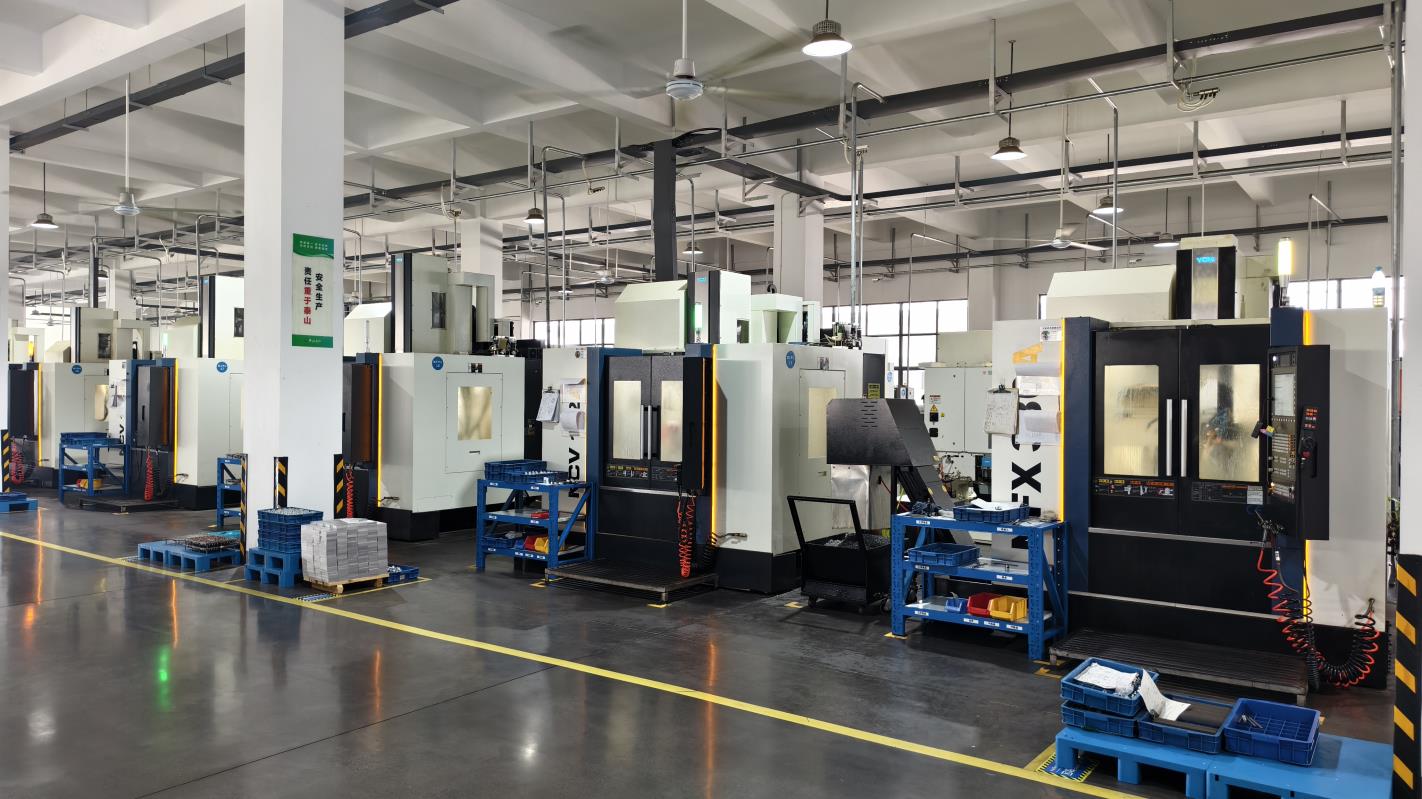
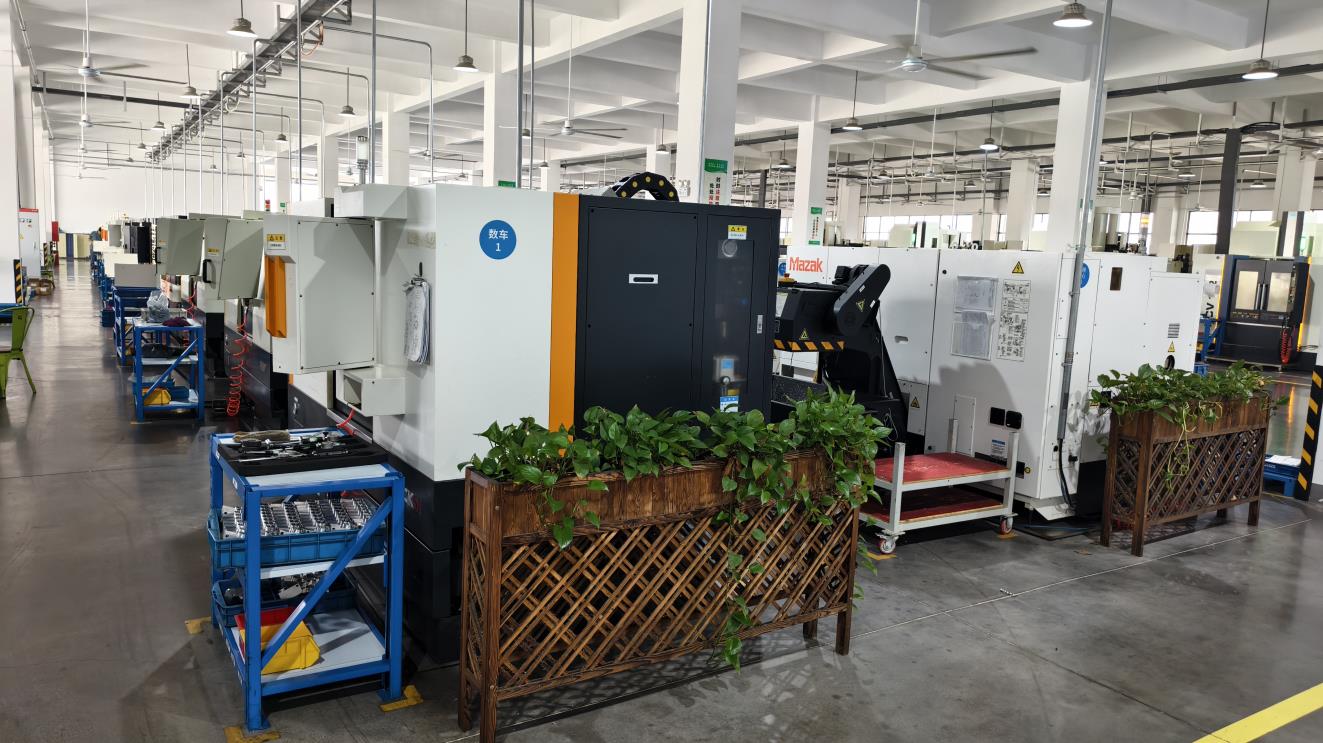
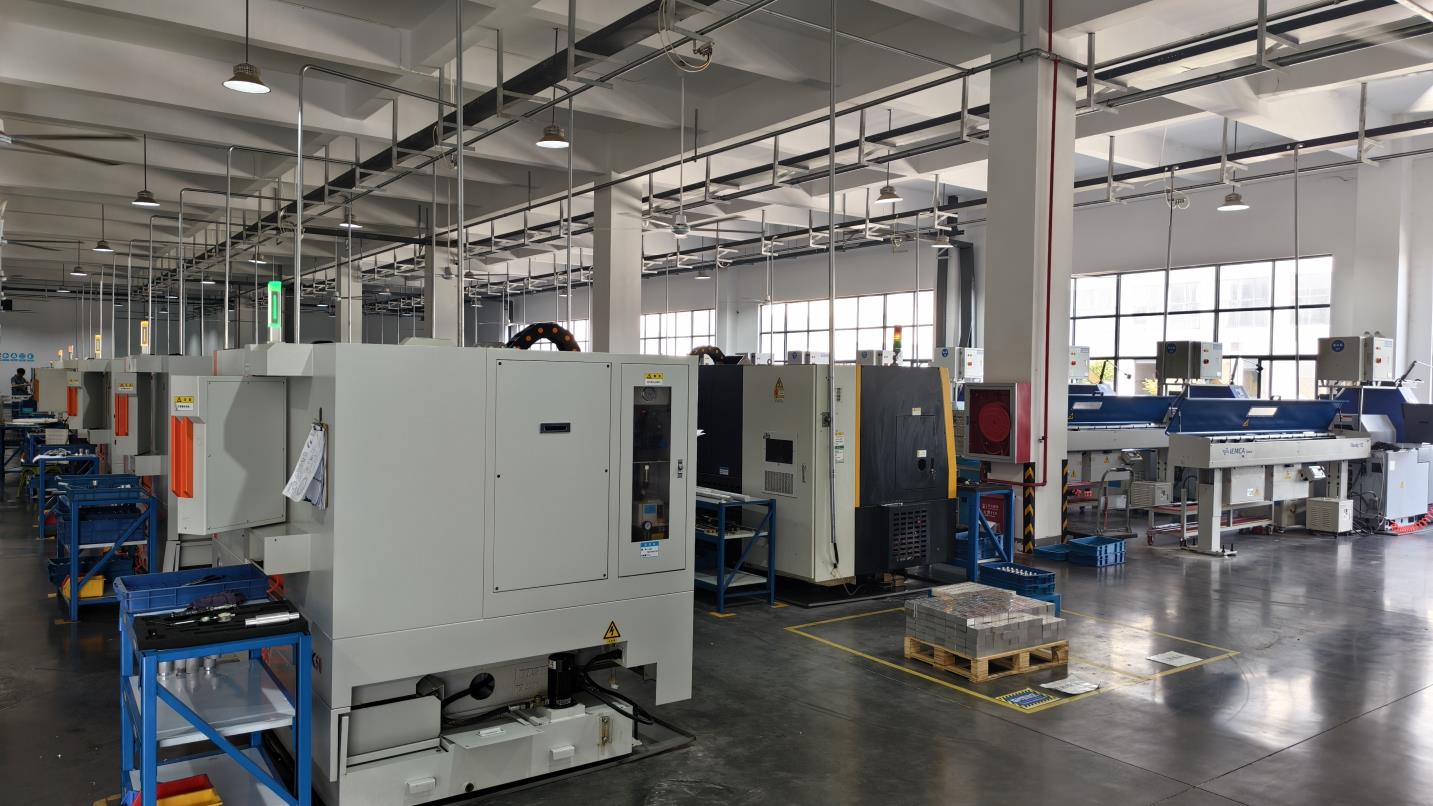
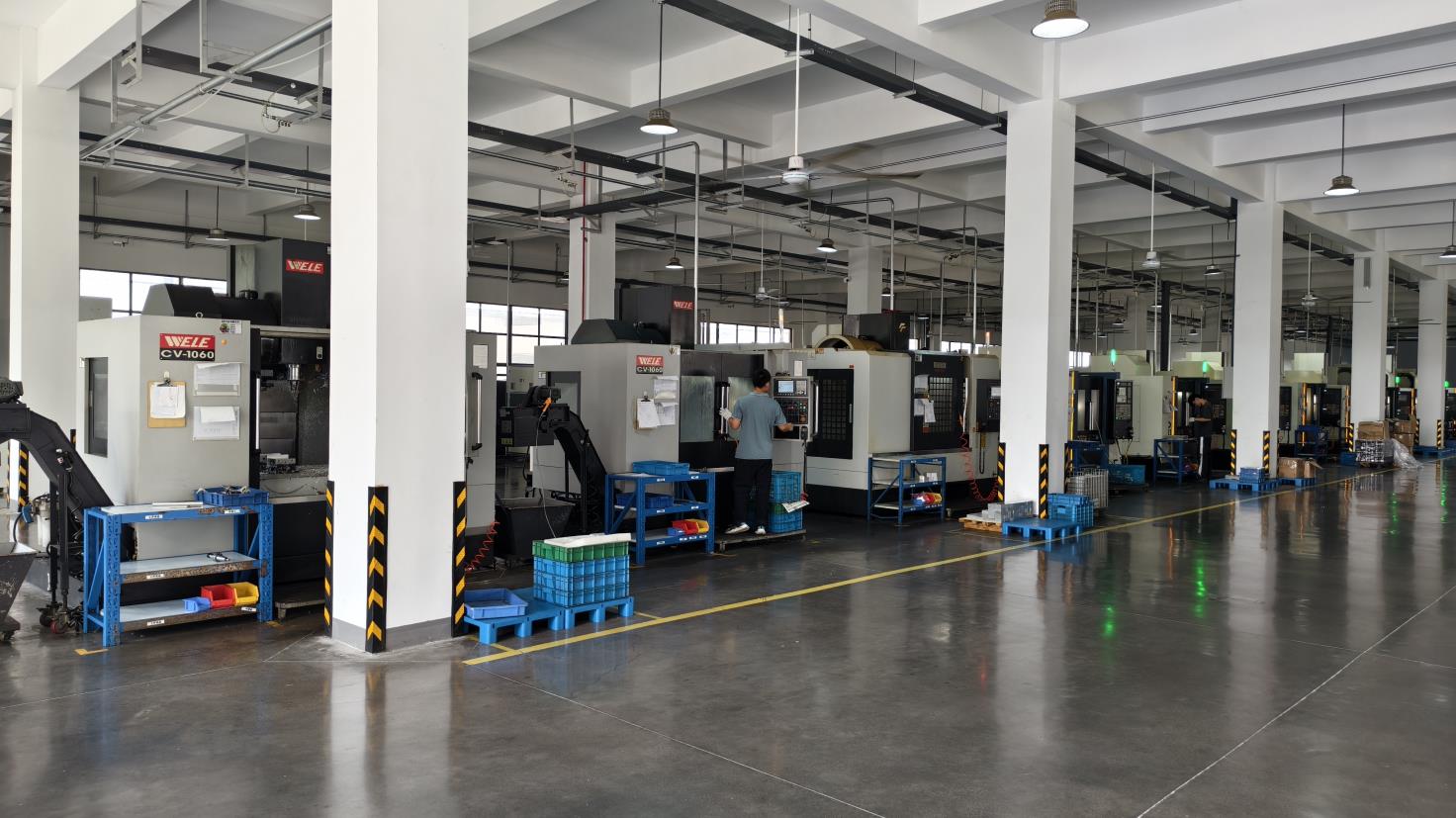
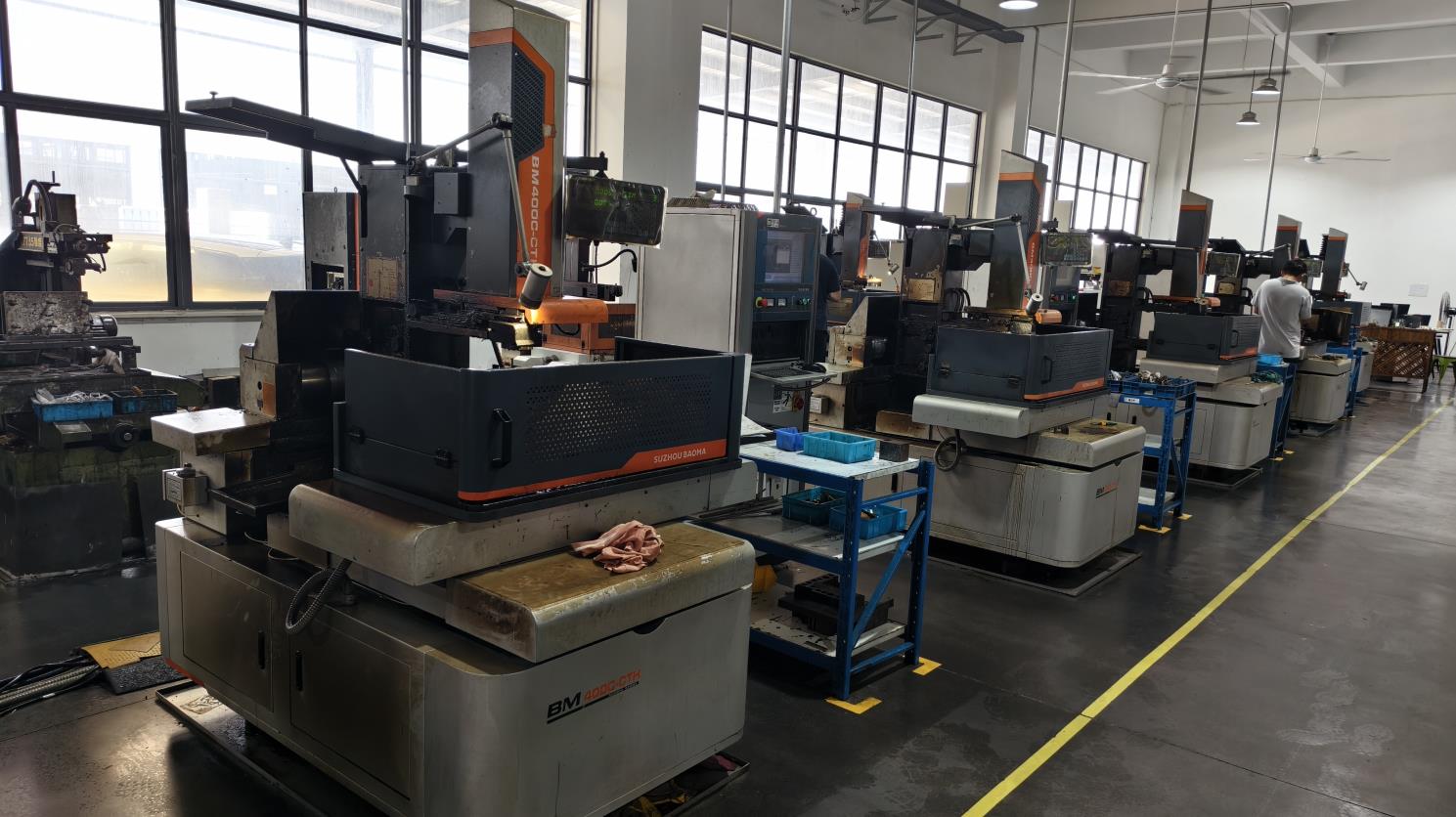
Different anatomical requirements demand specific variations in metal coatings, blade styles, and handle mechanics.
In human clinical care, procedures such as transsphenoidal hypophysectomy, cervical discectomy, and peripheral nerve repair require tools that operate without blocking the line of sight under a surgical microscope. This is where Cervical Spine Microscope Nucleus Pulposus Forceps and bayonet-style micro nerve knives become critical. The bayonet-shaped handle keeps the surgeon's hands away from the visual path of the microscope, and non-reflective coatings (like blue anodization on titanium) prevent glare from high-intensity coaxial illumination.
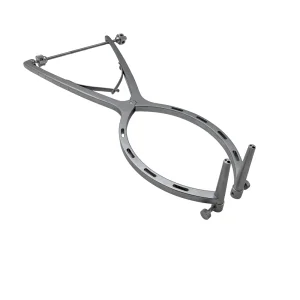
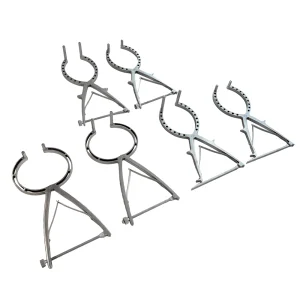
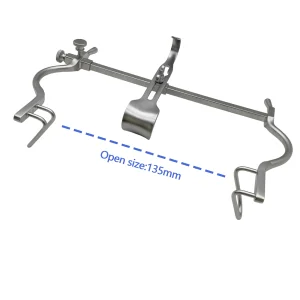
Veterinary surgical practices face a broad range of patient sizes, from small felines to large canine breeds. This variety requires robust orthopedic instruments. Dynamic tools such as ACL PCL Instrument Sets, Bone Plate Bending Pliers, and Bone Traction Retractors are necessary for joint stabilizations and fracture settings. In these veterinary cases, tools must withstand heavy mechanical stresses and varying densities of bone tissue, making high-tensile 316LVM stainless steel instruments the preferred option.
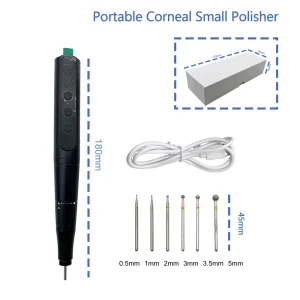
Micro-level ophthalmological operations require microvascular precision. Small surgical polishers (operating at variable speeds up to 35,000 RPM) allow clinicians to prepare corneal beds, remove rust rings, and polish scars. These procedures require low-vibration handpieces that prevent tissue micro-trauma, illustrating the crossover in manufacturing standards between neurosurgical instruments and ophthalmic micro-tools.
Addressing the logistical, material, and regulatory challenges faced by international distributors.
Global buyers—ranging from medical brand distributors in North America to hospital purchasing networks in South America—face recurring challenges when sourcing surgical instruments from overseas partners. Standardizing procurement protocols helps mitigate risk and ensures high performance:
Answers to key questions on materials, regulatory compliance, custom prototyping, and bulk shipping.
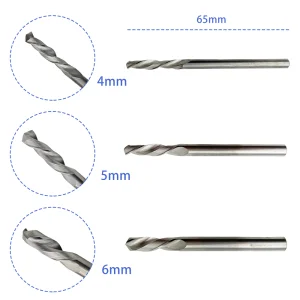
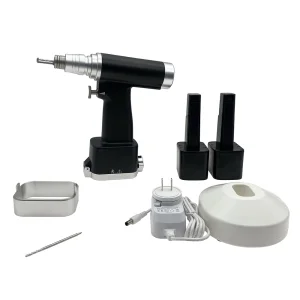
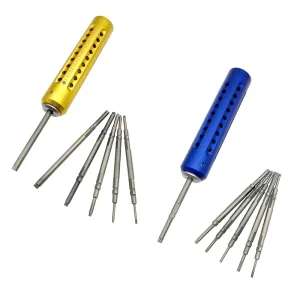
Specialized veterinary pins, bone-traction retractors, heavy-duty orthopedic cutters, and quick-coupling drivers.