SENJIE Healthy & Technology SENJIE Healthy & Technology

CE Certified Surgical Stereotactic Instruments Factories & Exporter

Global Medical Grade Precision Tools, Custom Manufacturing Solutions, and Cross-Border Compliance for Advanced Surgical Practices

Primary Surgical & Orthopedic Instruments

Explore our premium range of CE certified high-precision surgical instruments manufactured for neurosurgery, trauma, and orthopedic applications.
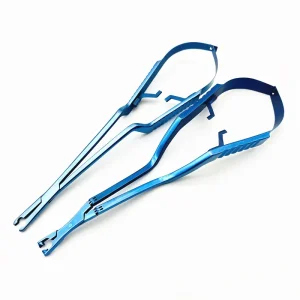
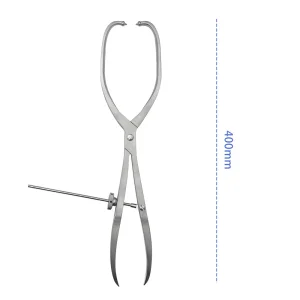
Stainless Steel Manual Surgical Instrument Guide Hole Repositioning Forceps
Stainless Steel Manual Surgical Instrument Guide Hole Repositioning Forceps Pet Surgical Equipment
View Details
Micro Knives Neurosurgery Instruments
Micro Knives Neurosurgery Microneurosurgery Instruments Micro Knives
View Details
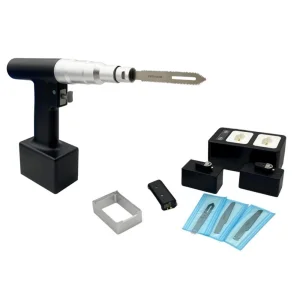
Orthopedic Reciprocating Saw System for Joint Replacement
Orthopedic Reciprocating Saw System for Joint Replacement High-Torque Bone Cutting Power Tool
View Details
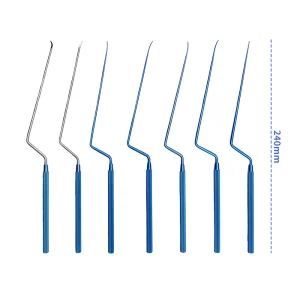
Titanium Alloy Micro Nerve Knife
Titanium Alloy Micro Nerve Knife Micro Spatula Dissectors Nerve Surgical Instruments
View Details
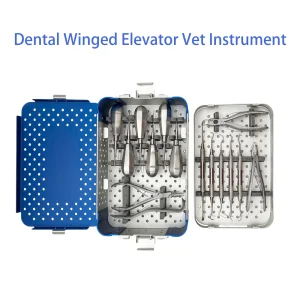
QSWTITAN Pet Extraction Forceps Dental Tool Kit
QSWTITAN Pet Extraction Forceps Surgical Instruments Dental tool Kit with Sterilization box
View Details
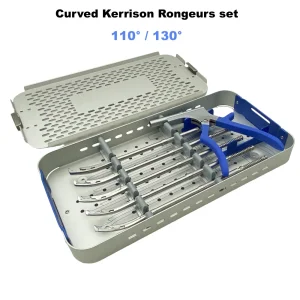
Spine Rotating Laminectomy Surgical Sets
Spine Rotating Laminectomy Surgical Sets Orthopedic Rotating Kerrison Rongeur Instruments 110/130 Degree
View Details
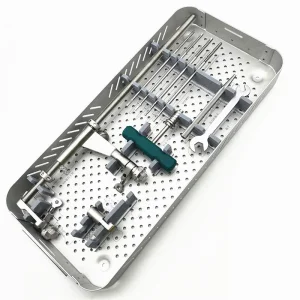
Orthopedics Fracture Reduction Instrument Kit
Orthopedics Fracture Reduction Instrument Kit Femur Distractor Tibial Retractor Pet
View Details
Titanium Cerebral Artery Clamp Forceps
Titanium Microscopic Cerebral Artery LIU Clamp Tongs Brain Aneurysm Forceps Curved Vascular Clip
View Details
2019
Establishment Year
6+
Years of Export Expertise
3
Dedicated QA/QC Inspectors
100%
Raw Material Traceability

Whitepaper: Advancing Surgical Precision with CE Certified Stereotactic & Micro-Surgical Systems

In modern neurosurgery, orthopedics, and clinical micro-procedures, structural reliability and dimensional precision are the cornerstones of successful outcomes. As medical technology progresses towards sub-millimetric accuracy, the demand for highly reliable surgical stereotactic instruments has surged globally. Stereotactic neurosurgery requires spatial coordination tools that integrate with computer tomography (CT), magnetic resonance imaging (MRI), and real-time visualization devices. These clinical applications leave zero margins for error. The quality of instrument design directly impacts surgeon performance, procedure duration, and ultimately, patient recovery rates.

This industry document explores the critical supply standards, quality control methodologies, material requirements, and engineering breakthroughs behind modern stereotactic and microscopic surgical instruments. It provides procurement directors, clinical administrators, and overseas medical distributors with an objective analysis of how China-based medical manufacturing is meeting strict international safety compliance criteria, such as the European Union Medical Device Regulation (EU MDR) and CE certification guidelines.

"Surgical stereotactic procedures necessitate instruments featuring ultra-low tolerances. By implementing rigorous quality protocols alongside state-of-the-art titanium and stainless steel alloy treatments, export manufacturers have elevated clinical instrument safety to match international hospital standards."

1. Global Compliance Framework & CE Certification Standards

For stereotactic and orthopedic bone instruments to be imported and used within clinical environments in Europe and other highly regulated markets, complying with CE certification is a fundamental legal prerequisite. The regulatory pathway for medical instruments requires strict alignment with quality management systems (QMS), specifically ISO 13485.

CE marking confirms that these surgical tools satisfy the safety, health, and environmental protection standards of the European Economic Area (EEA). Under the EU Medical Device Regulation (EU MDR 2017/745), surgical devices are classified based on invasive depth, application duration, and whether they are active or reusable:

Class I (Reusable Surgical Instruments): Includes non-active manual surgical forceps, retractor hooks, scalpels, and mechanical guide hole repositioning tools. These must undergo testing for corrosion resistance (ISO 13402), cleanability, and sterilization cycles before earning CE self-declaration validated by notified bodies.
Class IIa (Active Cutting Tools & Implants): Systems such as orthopedic reciprocating power saws or active guidance mechanisms. These require comprehensive auditing of technical files, biological safety assessments (ISO 10993), and clinical evaluation reports (CER) signed off by authorized European representatives.

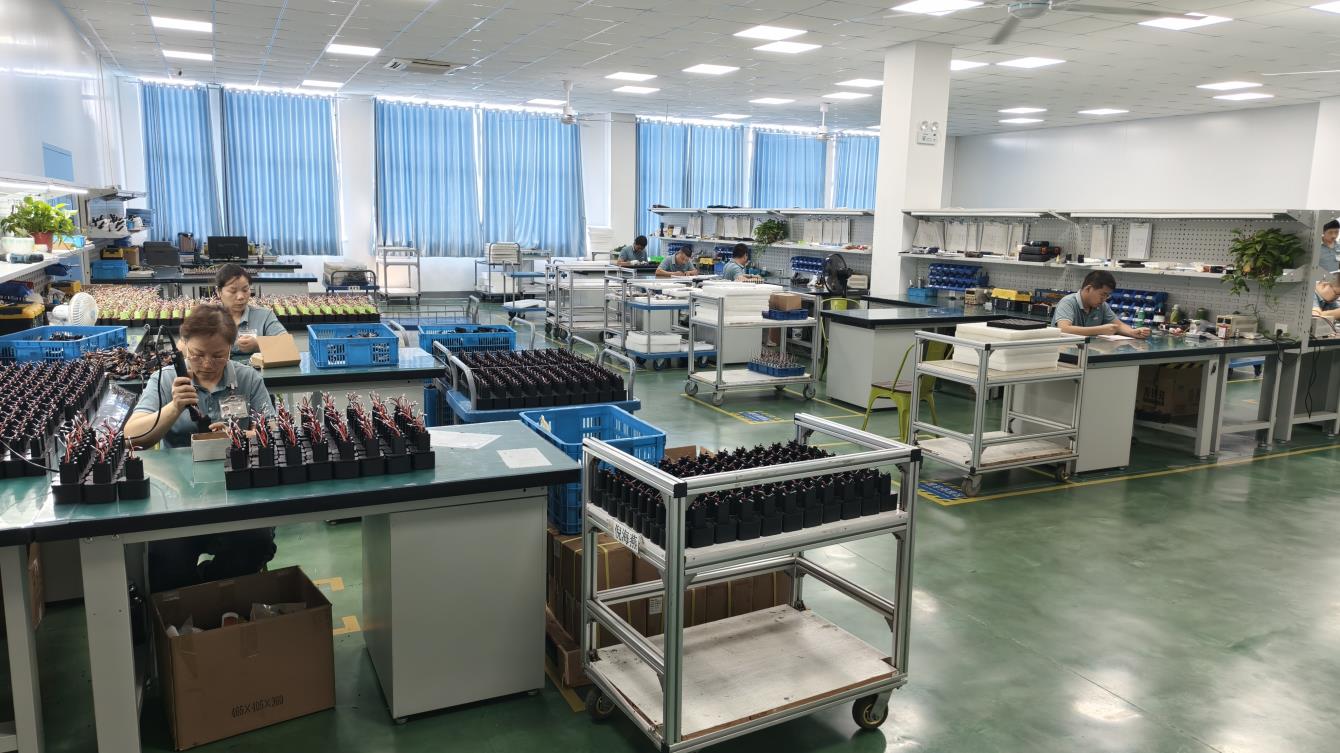
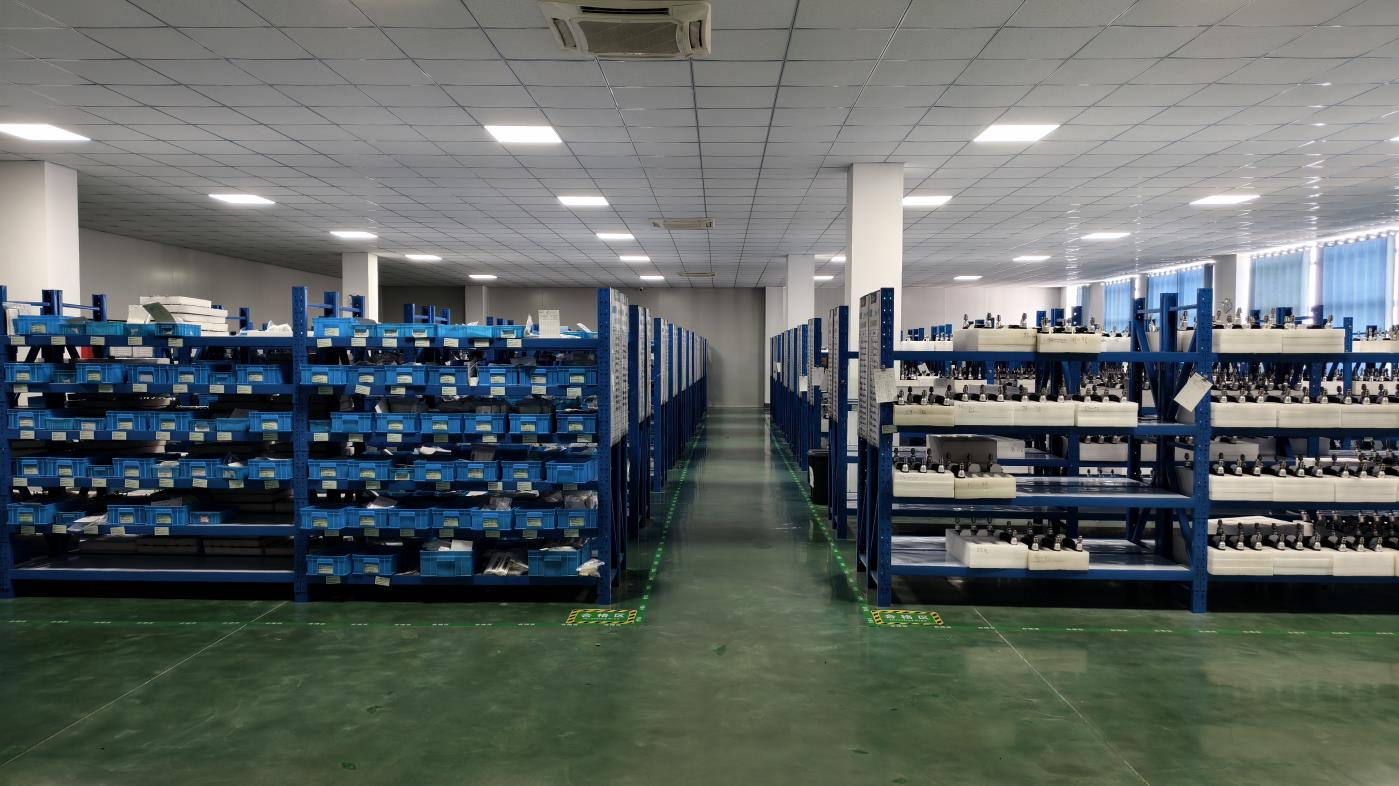
Our quality assurance program guarantees 100% traceability of raw materials, starting from chemical melt-analysis reports from certified metal suppliers to the final individual laser-etched serial numbers on the instruments. Our quality department coordinates random inspections as well as customized validation routines requested by client procurement specifications, managing risk throughout the fabrication pipeline.

Material Class Common Alloys Used Key Clinical Attributes Typical Applications
Medical-Grade Titanium Ti-6Al-4V ELI (Grade 5 ASTM F136) Biocompatible, non-magnetic, extremely lightweight, MRI-compatible Micro nerve knives, brain aneurysm clamps, microsurgical dissectors
Surgical Stainless Steel 316L (ASTM F138), 420 (ISO 7153-1) High hardness, retains sharp cutting edges, corrosion resistant Manual repositioning forceps, laminectomy rongeurs, bone drills
Specialized Coatings DLC (Diamond-Like Carbon), TiN (Titanium Nitride) Reduces light glare, minimizes friction, increases surface hardness Neurosurgical spatulas, micro scissor tips, kerrison rongeurs

2. Industrial Capabilities & Supply Chain Advantages of China Factories

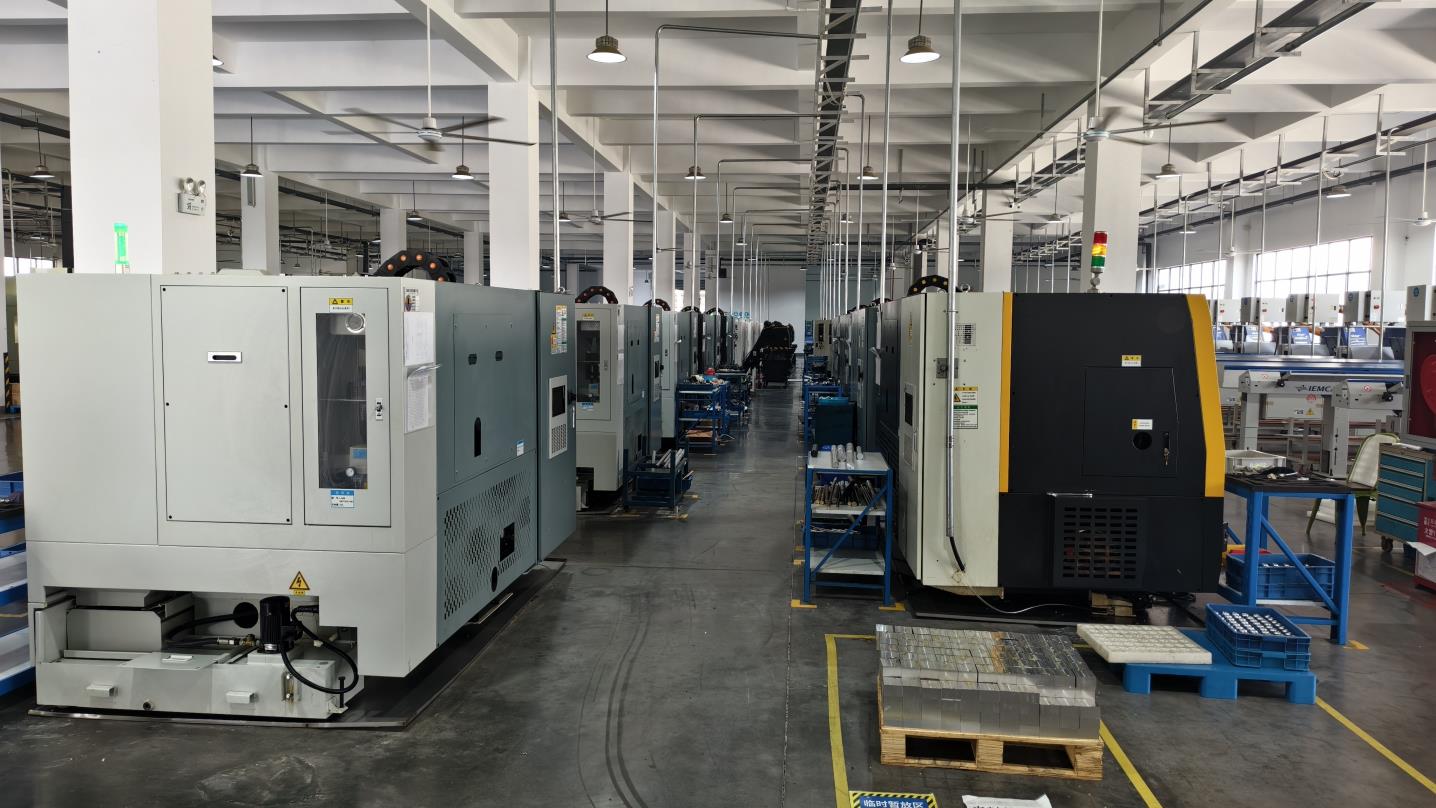
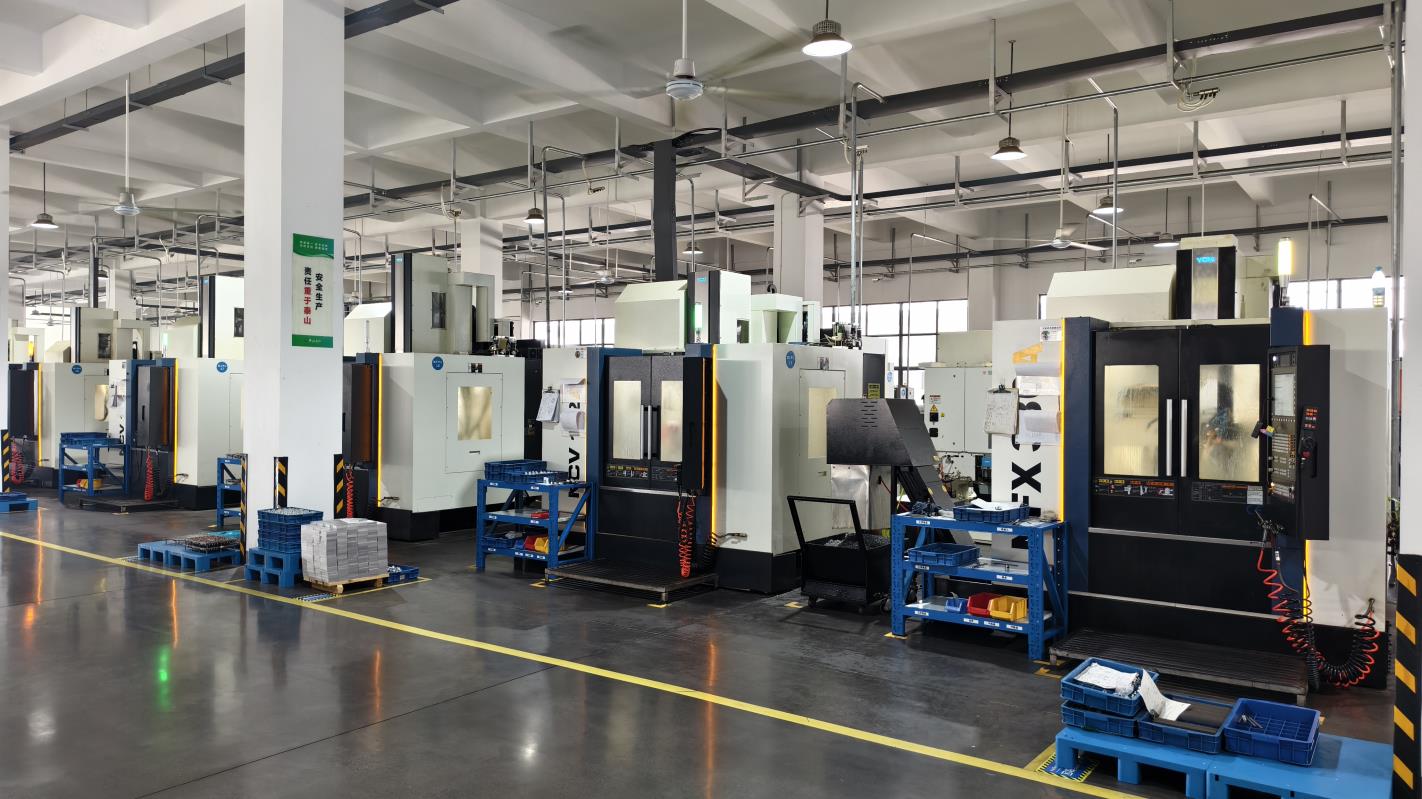
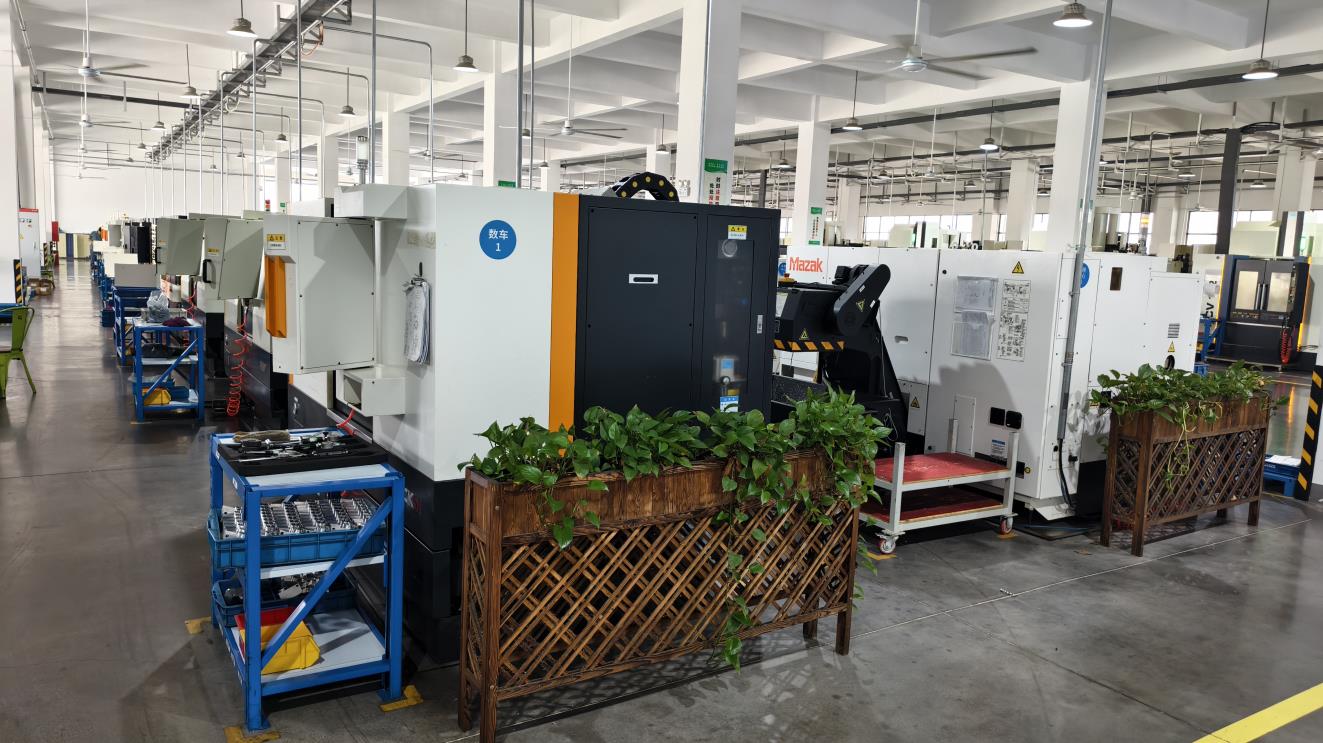
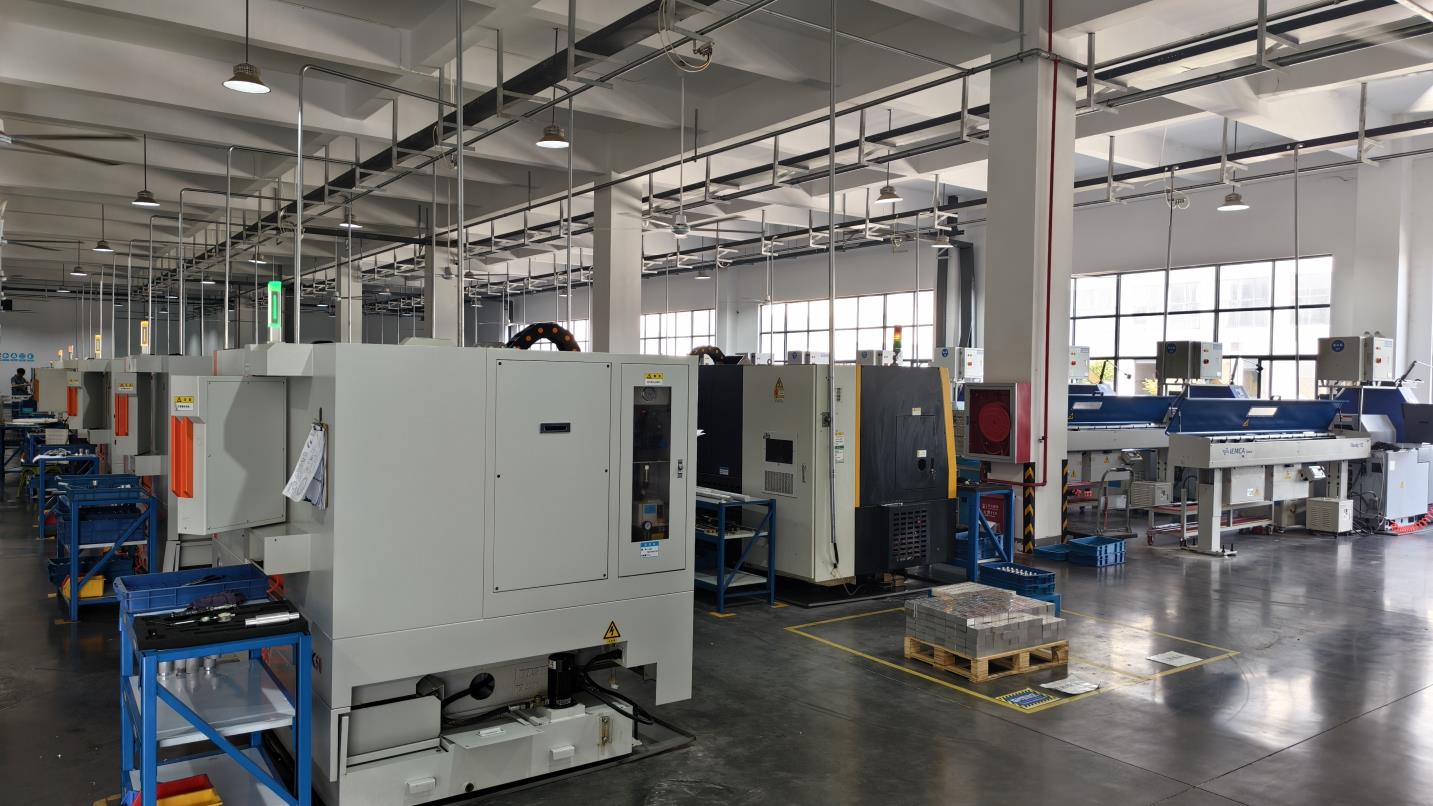
Established in 2019, our factory has scaled its medical device manufacturing infrastructure to provide custom-designed surgical equipment for global buyers. By leveraging advanced tooling clusters in China, we integrate high-end mechanical engineering with competitive cost efficiencies. This strong industrial backbone supports global markets, with North America and South America each representing 25% of our trade volume, and Southeast Asia accounting for 15%.

Our supply chain superiority relies on specialized fabrication steps:

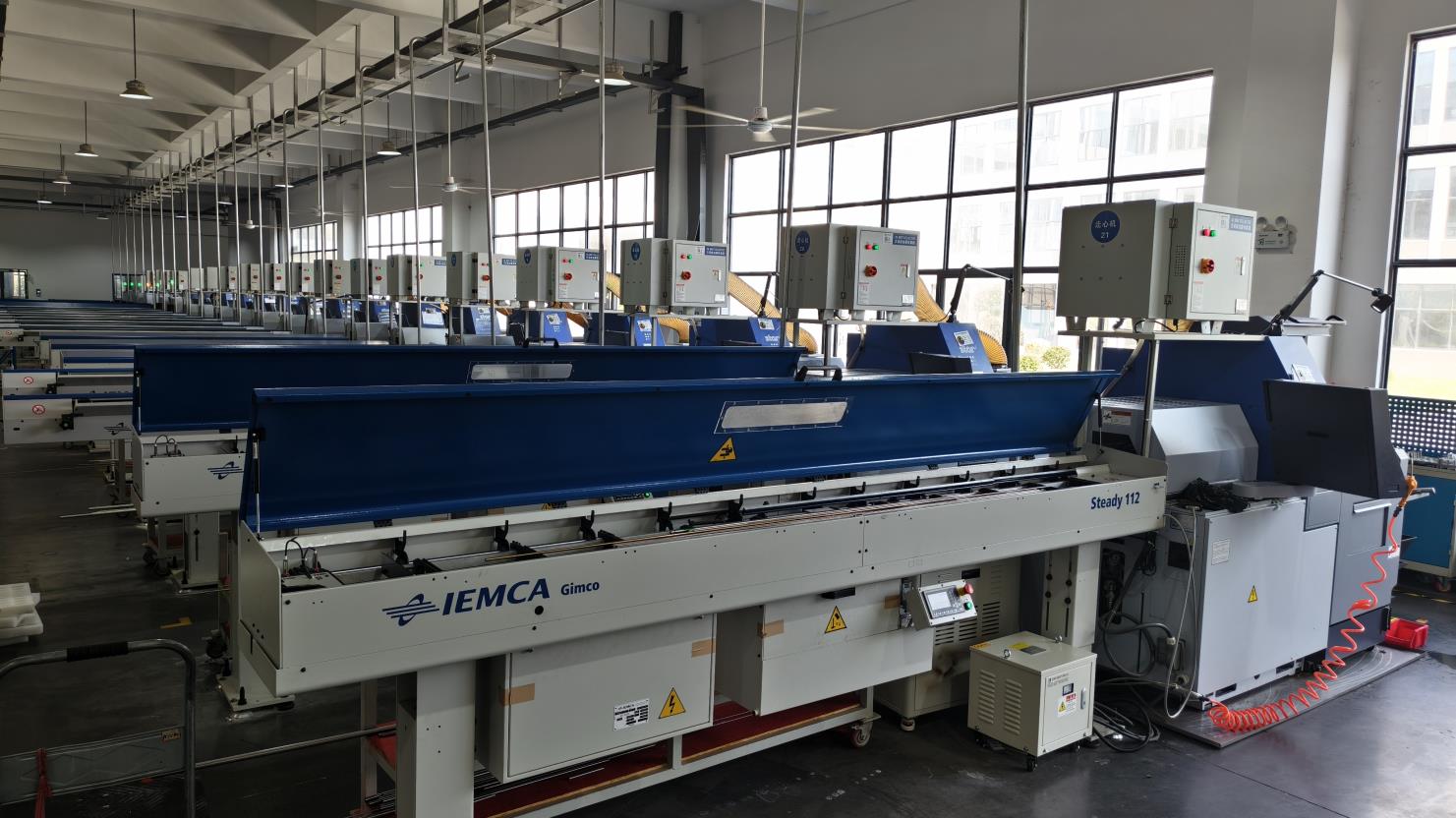
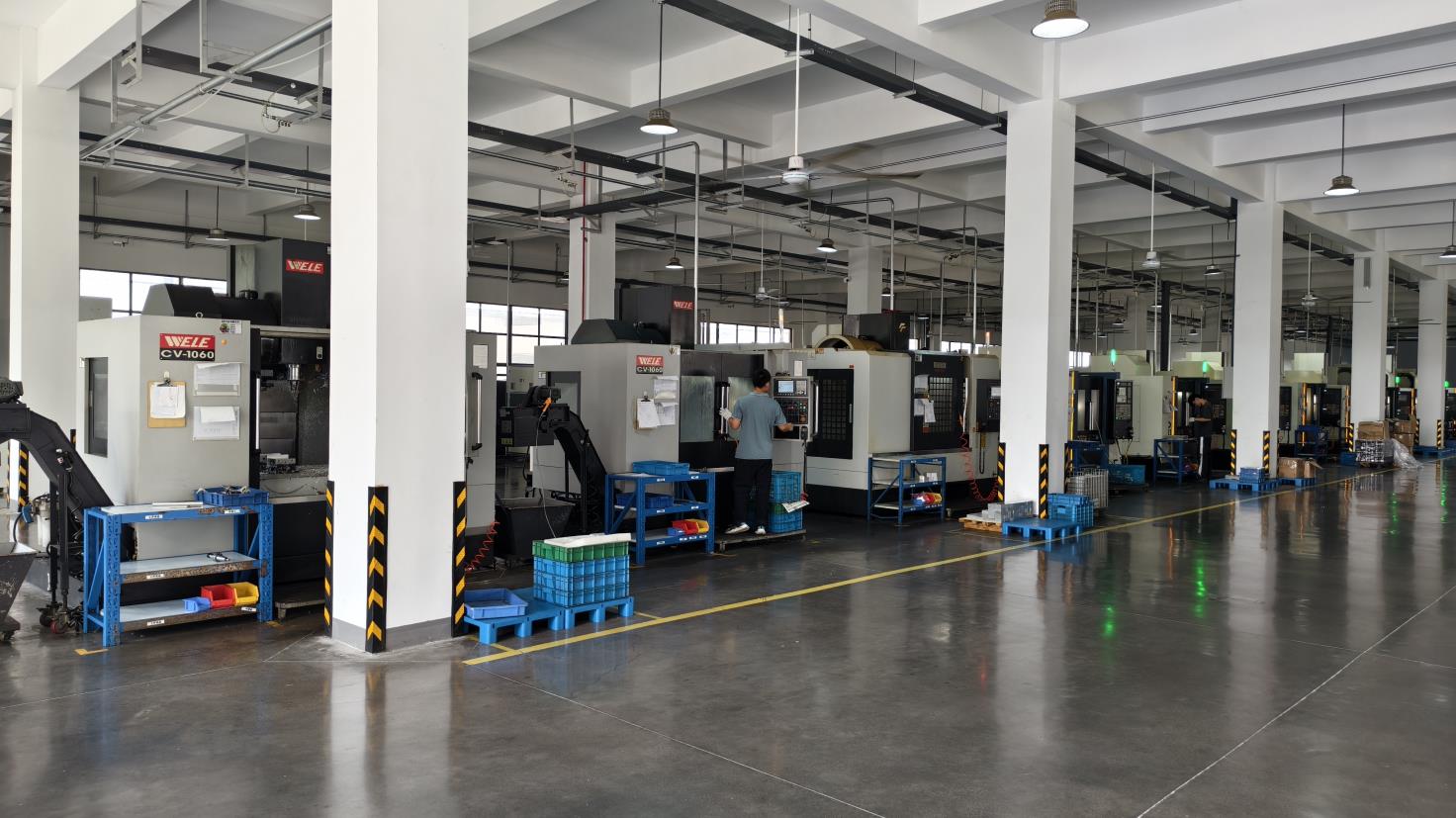
High-Precision CNC Machining

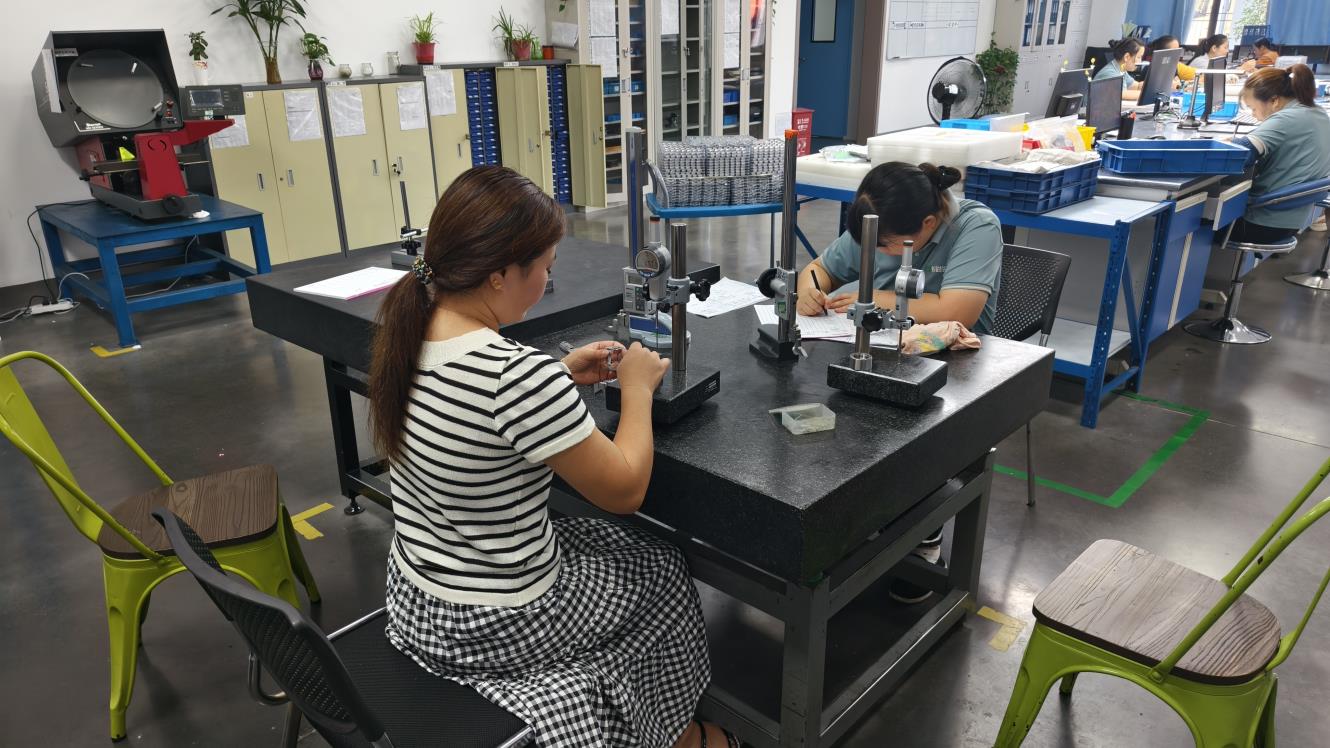
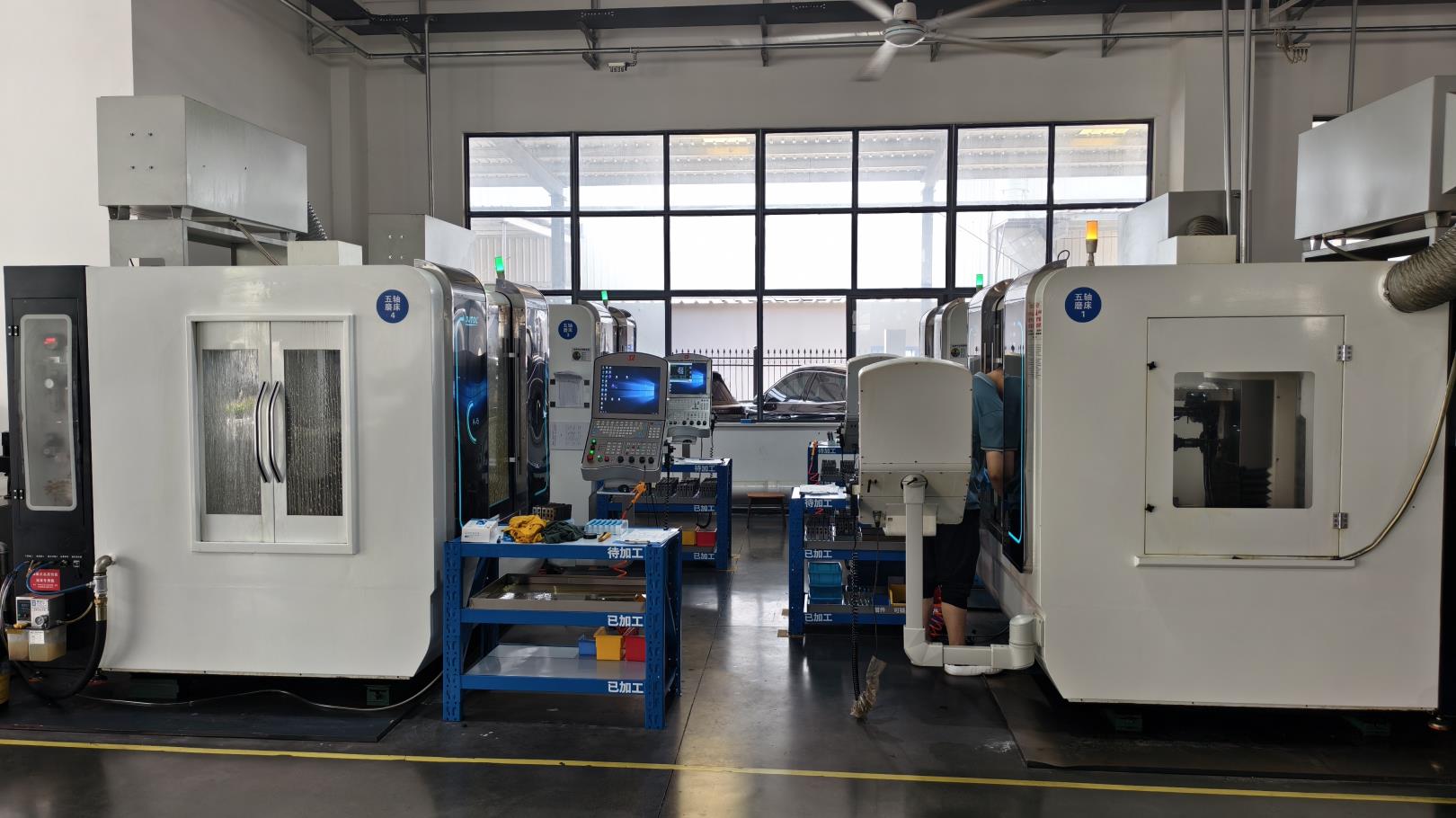
Multi-axis computer numerical control (CNC) mills shape intricate orthopedic components like ligament guide systems and bone traction tools, ensuring tolerance levels are held within ±0.01 mm.

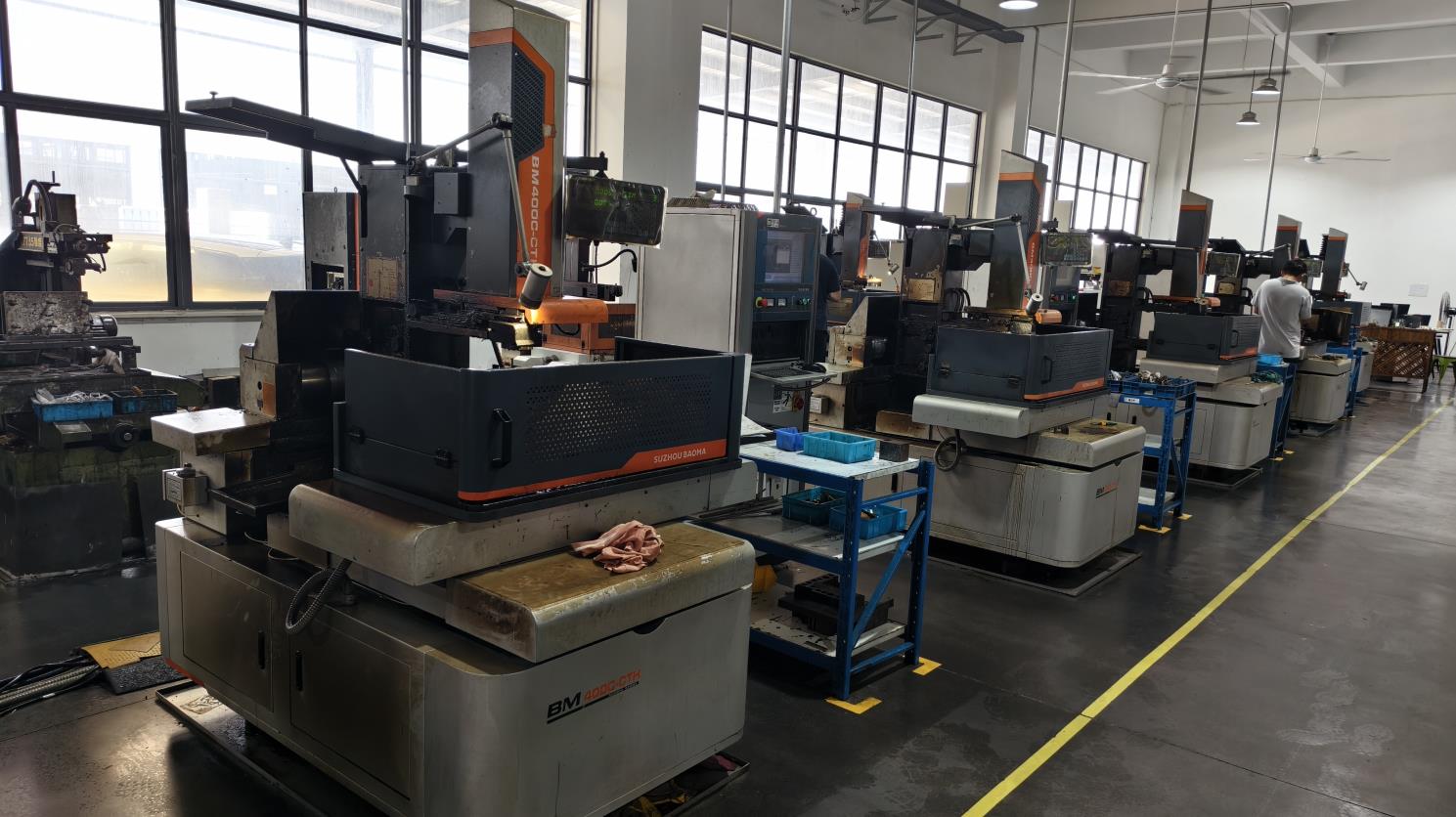
Electro-Discharge Wire Cutting

EDM wire cutting is used to construct delicate micro knives and fine serrated forcep tips. This process avoids stress fractures in the metal structure, ensuring consistent tool longevity.

Advanced Surface Finishing

Our instruments undergo rigorous electropolishing and passivation treatments. This layer of chromium oxide resists staining and corrosion during repeated high-temperature autoclaving.

3. Customized Medical Device OEM/ODM Engineering & Technical Processing

Because medical device distributors, university hospitals, and orthopedic system designers often require tailored instrumentation, we offer several custom development pathways:

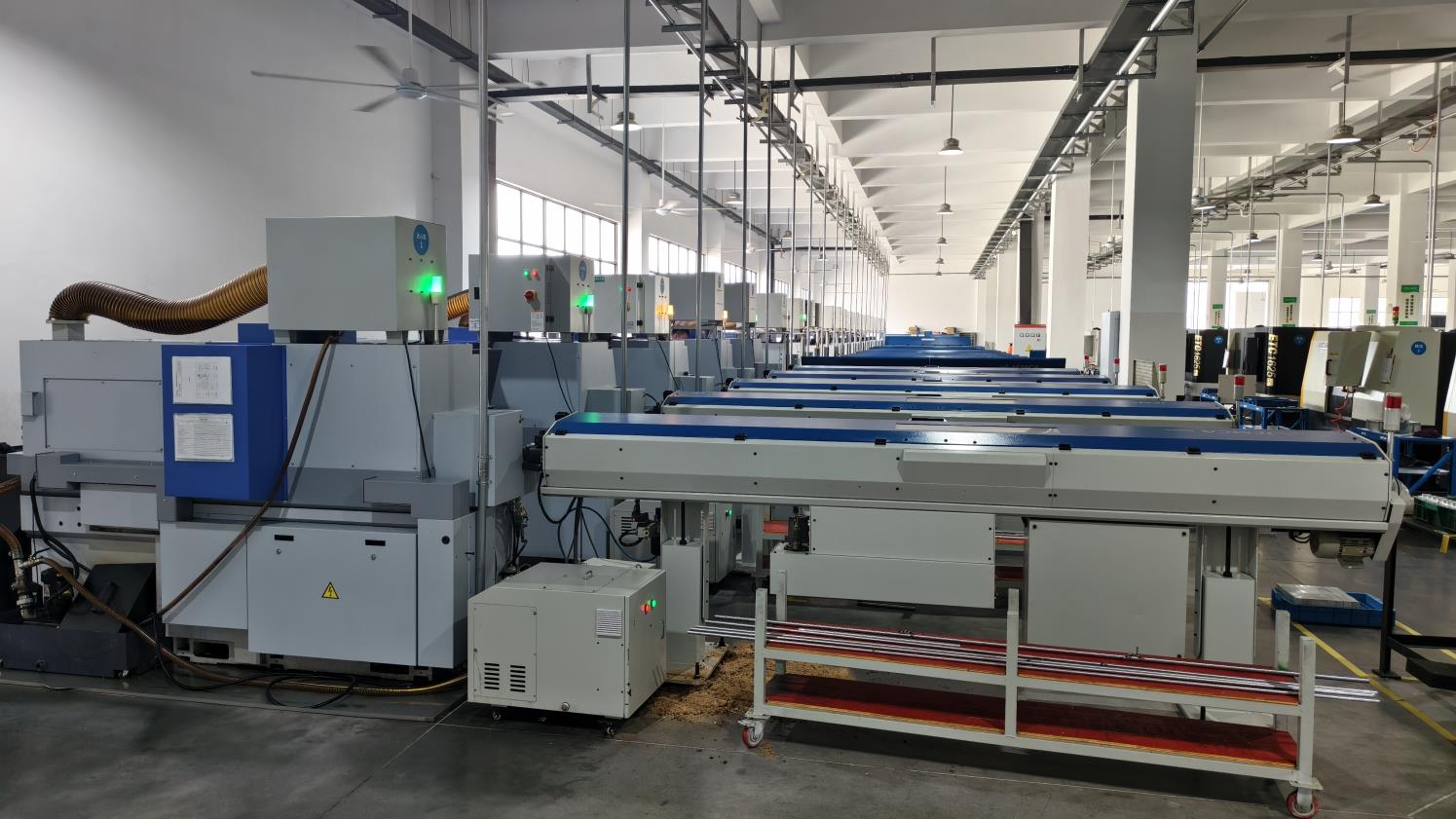
Graphic Customization: Clients can submit standard CAD files (STEP, IGES, DXF) to our engineering division. We evaluate structural requirements, perform stress analyses, and deliver digital 3D models for review before tooling begins.
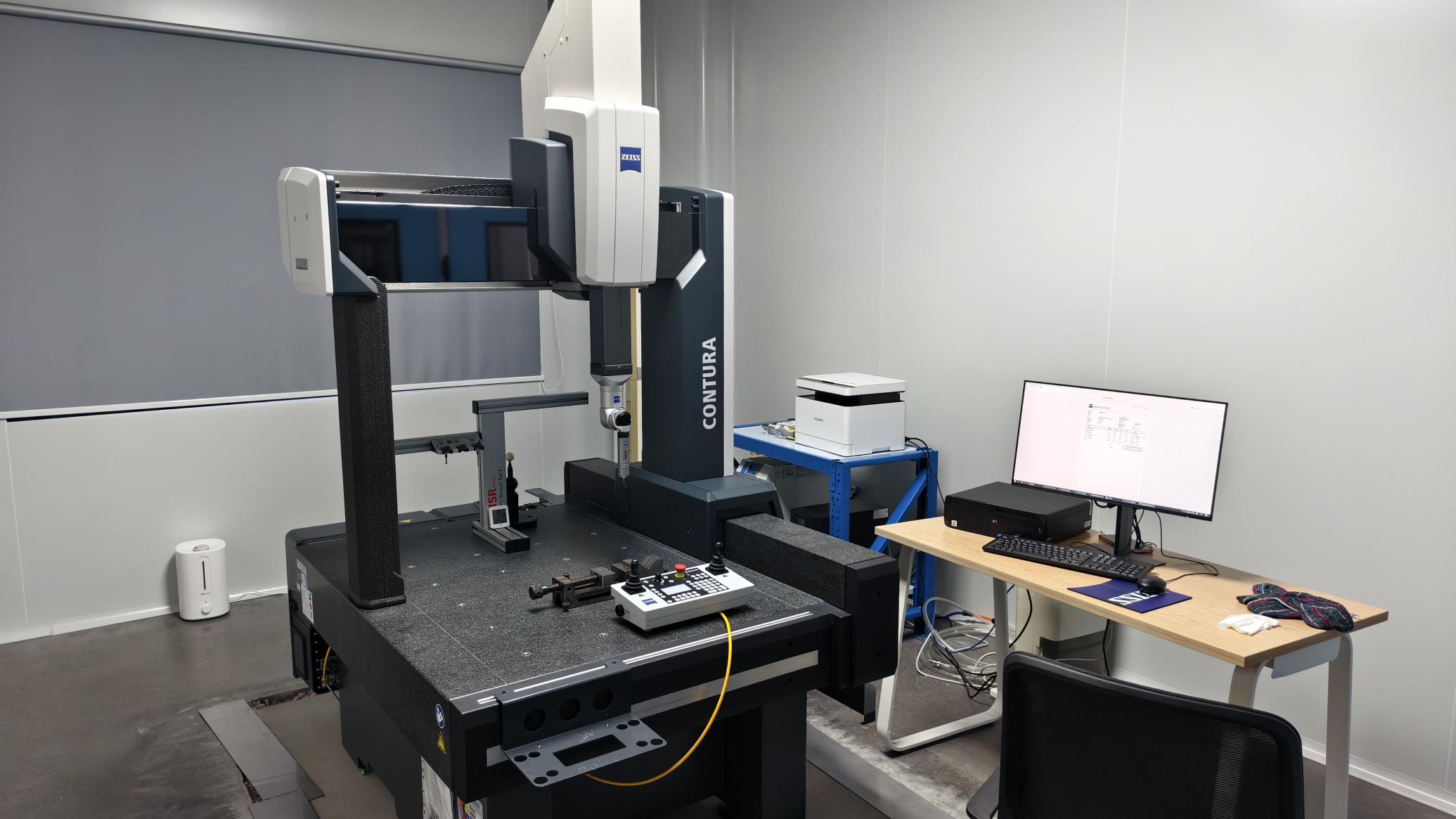
Physical Sample Processing: If legacy instruments are no longer available from original brands, buyers can ship us reference samples. We reconstruct the dimensional parameters through coordinate-measuring machine (CMM) scanning to create direct physical reproductions.
Customized on Demand: From adjusting handle lengths and altering blade profiles to applying custom anti-reflective surface coatings, we adapt instruments to match specific clinical environments and regional user preferences.

4. Clinical Application Scenarios and Surgical Field Dynamics

Stereotactic instruments and their associated microsurgical extensions are used in several critical clinical fields:

Neurosurgery and Brain Procedures: Our micro nerve knives, spatulas, and vascular artery clamps allow surgeons to operate within deep brain tissues while minimizing mechanical trauma. Aneurysm clipping systems and microscopic artery tongs must feature reliable locking mechanisms to securely seal vascular walls without causing arterial damage.

Spinal Surgery & Bone Resection: Interventions like laminectomy and decompression require specialized bone cutters and rotating Kerrison rongeurs. The ability to rotate shafts 110 to 130 degrees allows surgeons to navigate around sensitive nerve structures without repositioning the entire instrument handle.

Reconstructive Orthopedics and Trauma: Managing complex joint fractures relies on orthopedic saws and stabilization plates. Tools like tibial distractors and reduction forceps help align bone segments accurately during trauma surgeries.

Veterinary Surgery: With the growth of specialized animal care, veterinarians increasingly use dedicated orthopedic kits, guide-hole forceps, and extraction tools to treat small animals with the same precision as human medicine.

5. Future Technological Trends in Stereotactic Systems

The field of stereotactic surgery is shifting from manual mechanical frames toward computerized navigation and robotics. Modern surgical instruments must adapt to support these trends:

  • Reflective Target Marker Systems: Instruments are designed to integrate with navigation cameras, tracking tip positions in real-time.
  • Improved MRI Compatibility: Surgical steels are being replaced with advanced non-magnetic titanium alloys to allow safe intraoperative imaging.
  • Ergonomic Handheld Designs: Lightweight instruments with non-slip, glare-resistant surfaces help reduce surgeon fatigue during long, demanding procedures.

Frequently Asked Questions

Key regulatory and technical details for international buyers and distributors.

What documentation accompanies each batch of surgical instruments?
Every shipment includes raw material mill certificates, ISO 13485 test logs, CE conformity declarations, autoclave sterilization testing parameters, and final dimensional inspection reports.
How does your factory ensure the durability of micro cutting instruments?
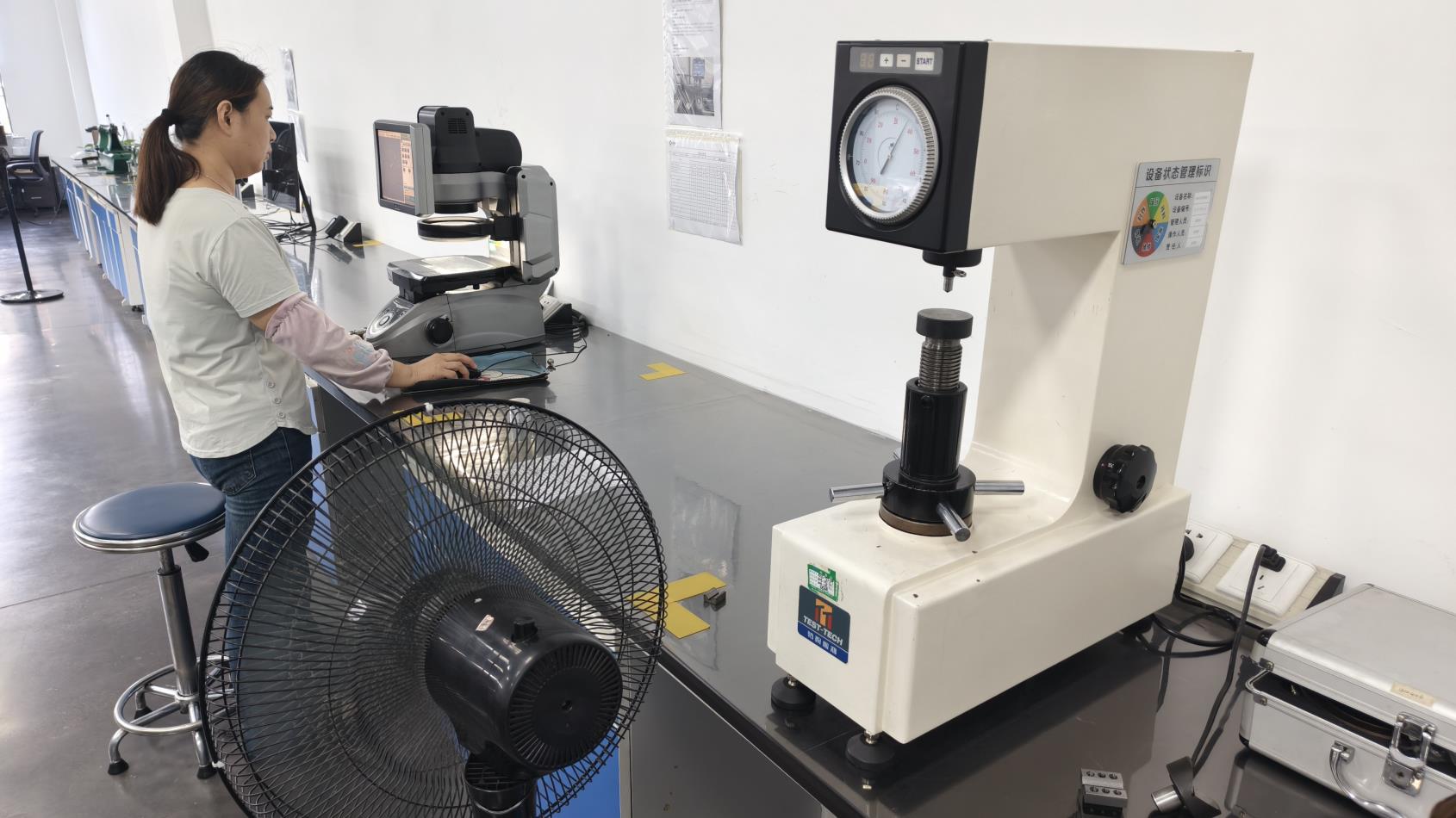
We use vacuum heat treatment on our surgical alloys to achieve optimal hardness (typically 48-52 HRC for stainless steel). This helps cutting blades and forceps tips retain their sharpness during prolonged surgical applications.
What are the minimum order quantities (MOQ) for custom orthopedic instruments?
MOQs depend on the design complexity. Standard modifications to existing products typically require 50-100 units, while entirely custom instruments developed from patient scans or prototype drawings have an MOQ of 10-20 units to cover initial development costs.
How does your factory support regulatory registration in South America and Southeast Asia?
We provide full technical documentation dossiers (in English) to assist local distributors with registering imports through regional health ministries, such as ANVISA in Brazil or the Medical Device Authority (MDA) in Malaysia.
What steps are taken to prevent corrosion in reusable instruments?
We subject all stainless steel instruments to passivation baths. This removes free iron particles from the surface, creating an active chromium oxide layer that protects the steel from corrosion during autoclaving.

Advanced Trauma & Surgical Systems Catalog

Explore our high-performance orthopedic and micro-neurosurgery instruments designed for sterile clinical environments.
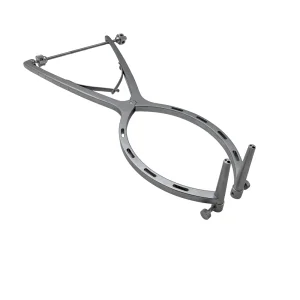
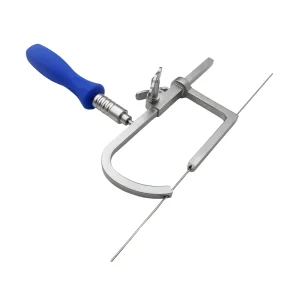
Bone Traction Needle Retractor Kirschner Needle Spreader
Bone Traction Needle Retractor Kirschner Needle Spreader Orthopedic Forceps Pet
View Details
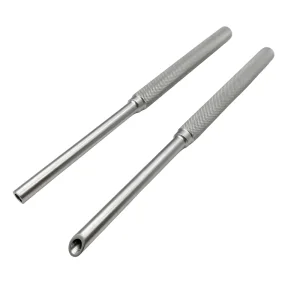
Kirschner Wire Punch Pin Punch Straight Oblique
Kirschner Wire Punch Pin Punch Straight Oblique Orthopedic Surgical Instrument Stainless Steel
View Details
Orthopedic Ligament Aimer Guide Patellar Guide
Orthopedic Ligament Aimer Guide Patellar Guide Medical Orthopedic Instruments Large Autoclaveable
View Details
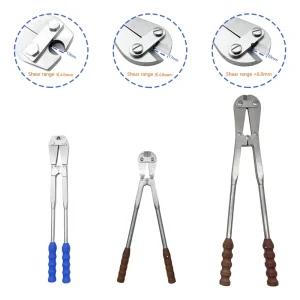
Stainless Steel Large Wire Cutting Plier
Stainless Steel Large Wire Cutting Plier Kirschner Pin Cutter Wooden Handle Orthopedic
View Details
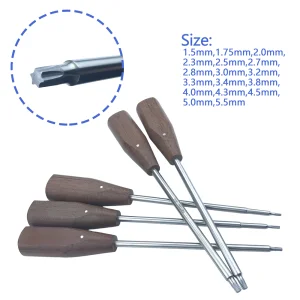
Bone Star Screw Driver Bone Screwdriver
1.75mm-5.0mm Bone Star Screw Driver Bone Screwdriver with Star Head Stainless Steel
View Details
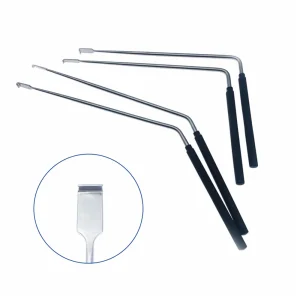
Orthopedic Nerve Retractor Nerve Root Hook Retractor
Orthopedic Nerve Retractor Nerve Root Hook Retractor 90/135 Degree Black Metal Handle
View Details
Vascular Pliers Forceps Cardiac Dissecting Forceps
Vascular Pliers Forceps Cardiac Dissecting Forceps Titanium Microsurgical Instruments
View Details
QSWITAN Large Pelvic Reduction Forceps
QSWITAN Large Pelvic Reduction Forceps 40cm Bone Fixed Clamp Orthopaedic Instruments
View Details