SENJIE Healthy & Technology
SENJIE Healthy & Technology
SENJIE Healthy & Technology
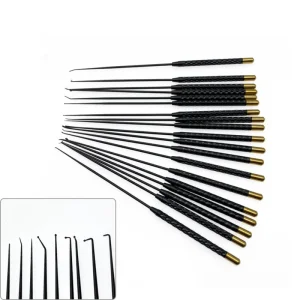
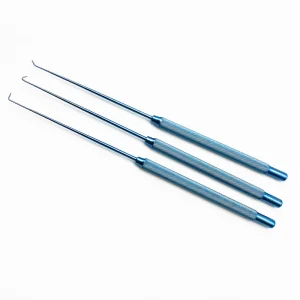
The Russian medical device market is experiencing a profound transition. Major clinical networks—spanning from state-owned entities such as the Burdenko Neurosurgery Institute in Moscow to private multi-disciplinary hospitals in Novosibirsk and Yekaterinburg—require highly reliable surgical instruments. Micro-spatulas, dissecting instruments, nerve hooks, and vessel dilators are essential in advanced operations. For delicate procedures like microneurosurgery, aneurysm neck clamping, and spinal decompression, instruments must provide exceptional tactile feedback, be fully non-reflective to prevent glare under surgical microscopes, and maintain extreme dimensional stability.
Historically, Russian hospitals relied on Central European suppliers. However, supply chain restructuring has led procurement managers to seek direct manufacturing partners in China. These partners must produce high-precision devices that meet or exceed traditional Western standards (such as DIN or ISO) and comply with Russian GOST R and Roszdravnadzor (RZN) technical specifications.
In Russian neurosurgical and pediatric clinics, titanium alloy (specifically TC4 / Grade 5 Titanium ELI) has become the material of choice for micro-spatulas, nerve hooks, and delicate micro-dissectors. Titanium is 45% lighter than stainless steel, reducing fatigue for surgeons during procedures that can last up to 8–12 hours. It is also completely non-magnetic, making it suitable for intraoperative MRI (iMRI) environments.
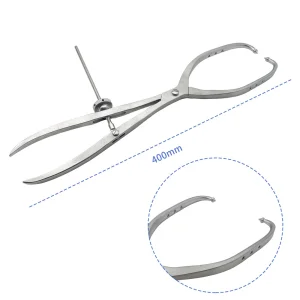
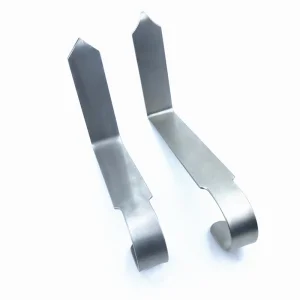
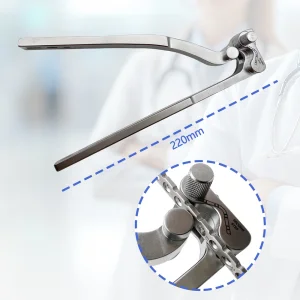
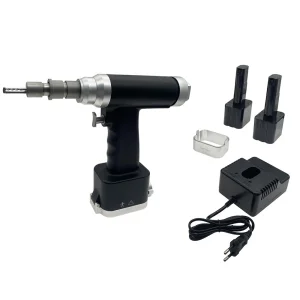
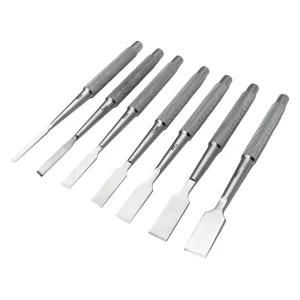
Conversely, for trauma and orthopedic applications—such as reduction forceps, bone drills, osteotomes, and plate benders—highly tempered stainless steel (typically SUS420J2 or AISI 316L) remains necessary. These instruments require superior yield strength, shear resistance, and surface hardness to withstand continuous contact with cortical bone and metal implants.
Our factory aligns its manufacturing with the strict expectations of the Russian Federation's medical guidelines. We apply advanced metal treatments and strict dimensional controls to every titanium micro-spatula and orthopedic bone drill.
| Instrument Material Type | Metallurgical Grade / Standard | Tensile Strength (MPa) | Biocompatibility Standard | Typical Russian Clinical Application |
|---|---|---|---|---|
| Titanium Alloy (Ti-6Al-4V ELI) | ASTM F136 / ISO 5832-3 | ≥ 860 MPa | ISO 10993 Compliant | Micro nerve dissectors, vessel teardrop hooks, cranial micro-spatulas. |
| Martensitic Stainless Steel | AISI 420 / GOST 40X13 | ≥ 750 MPa (after tempering) | ISO 10993 Compliant | Orthopedic bone drills, reduction forceps, osteotomes, rod cutters. |
| Austenitic Stainless Steel | AISI 316L / GOST 03X17H14M3 | ≥ 485 MPa | ISO 10993 Compliant | Retractor blades, wire guide systems, reconstruction plate benders. |
For neurosurgical procedures, glare from high-intensity microscope lights can interfere with a surgeon's vision. Our production line uses chemical anodization for titanium instruments, producing a matte blue or gold finish that minimizes glare and increases surface hardness. Stainless steel tools undergo electro-chemical passivation to ensure corrosion resistance during repeat autoclave sterilization cycles at 134°C (the standard Russian clinical sterilization protocol).
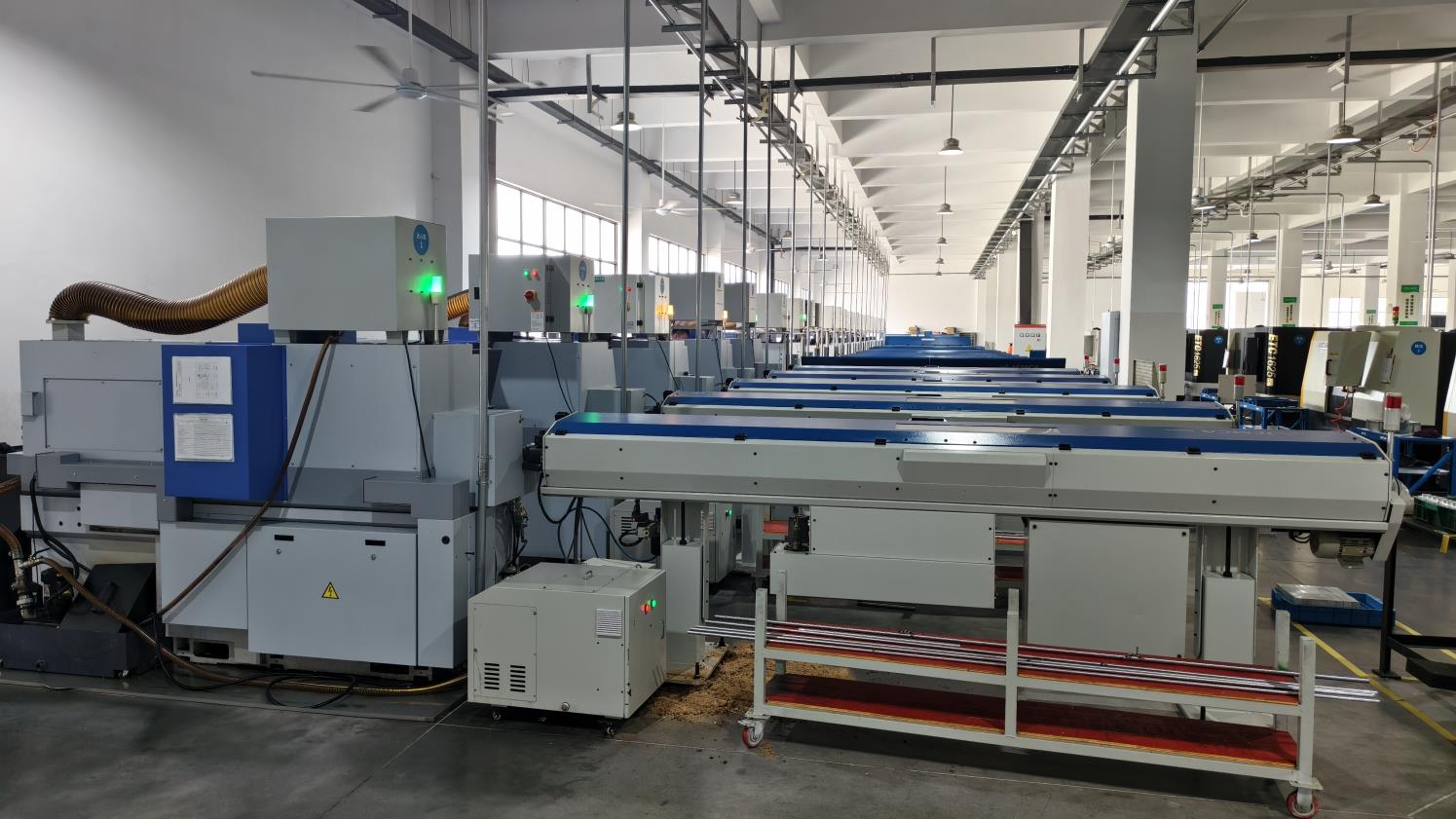
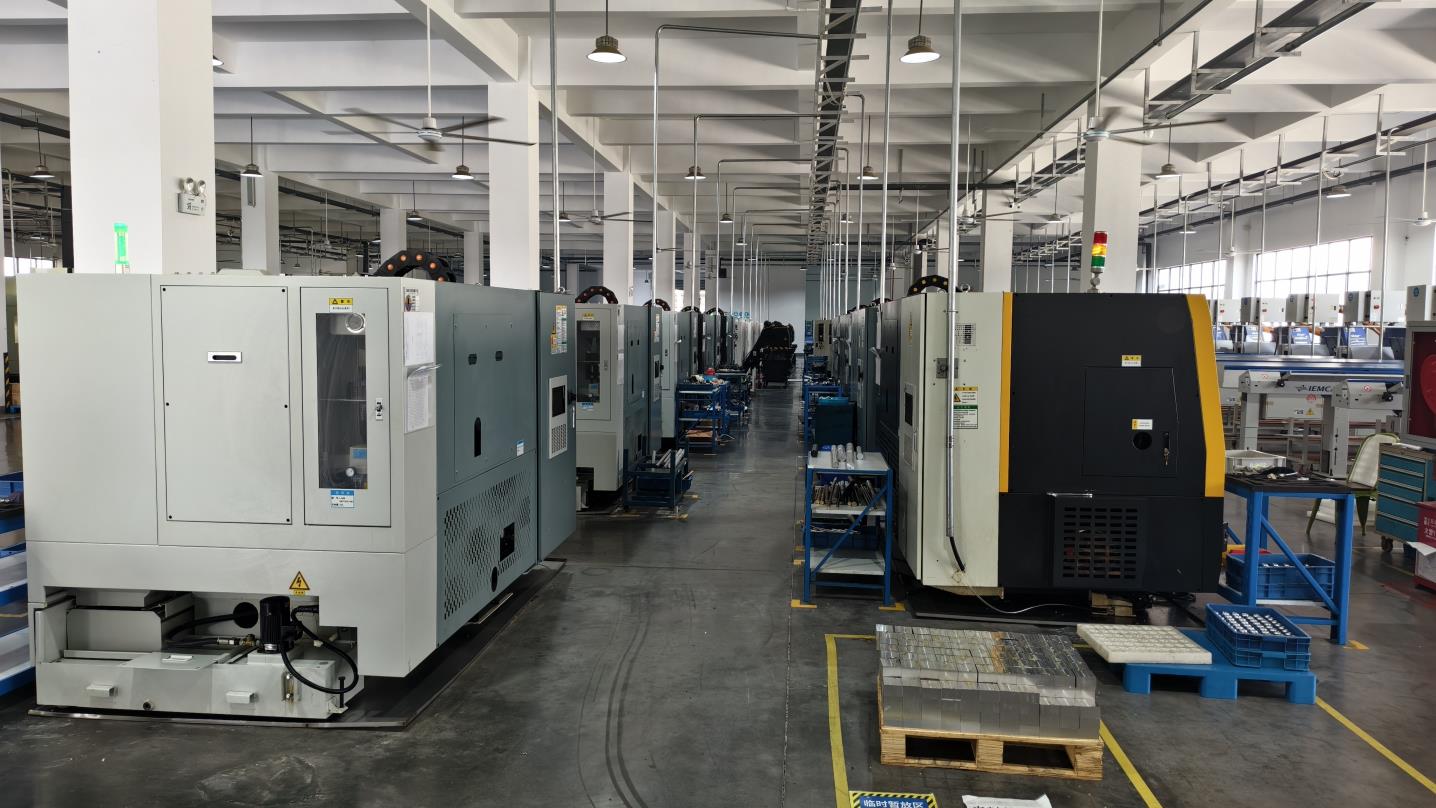
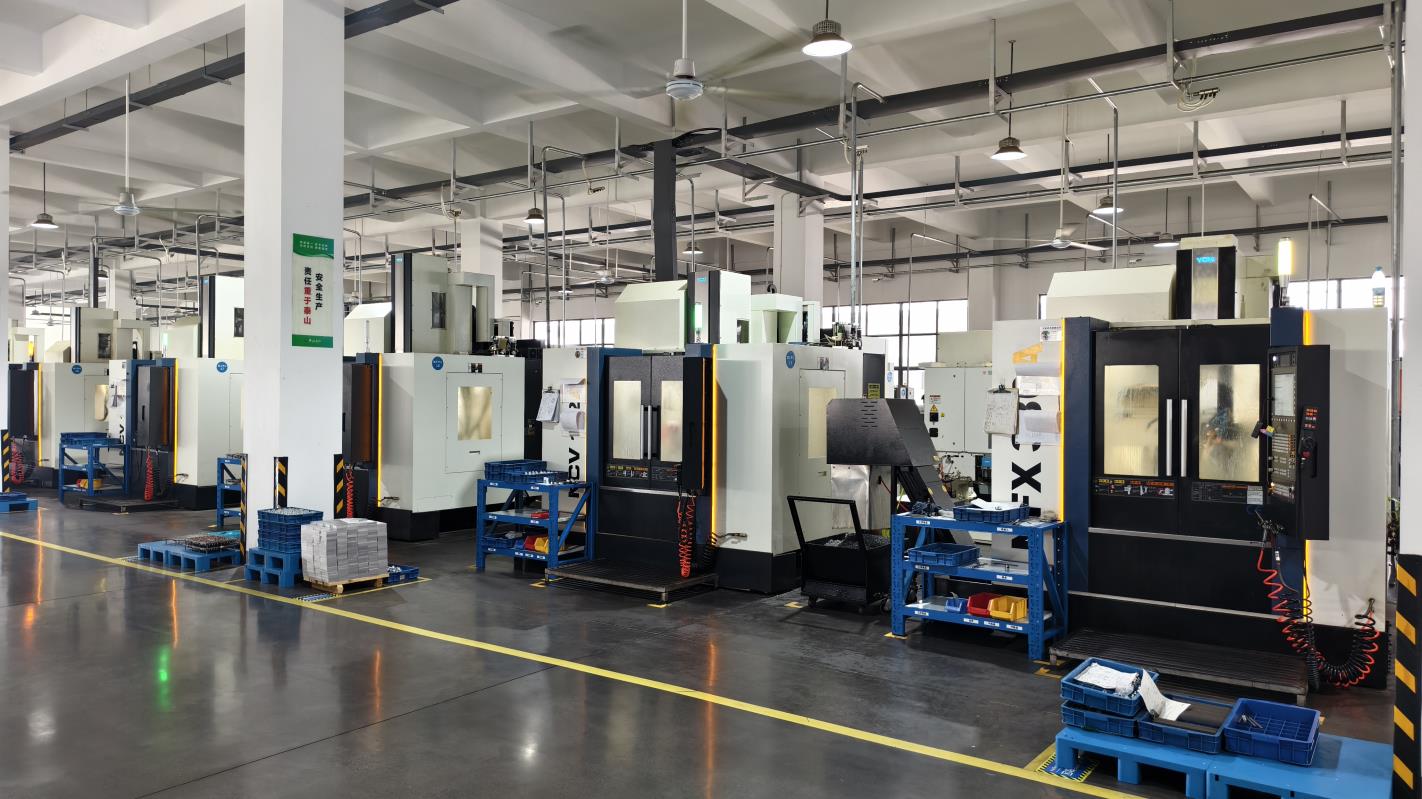
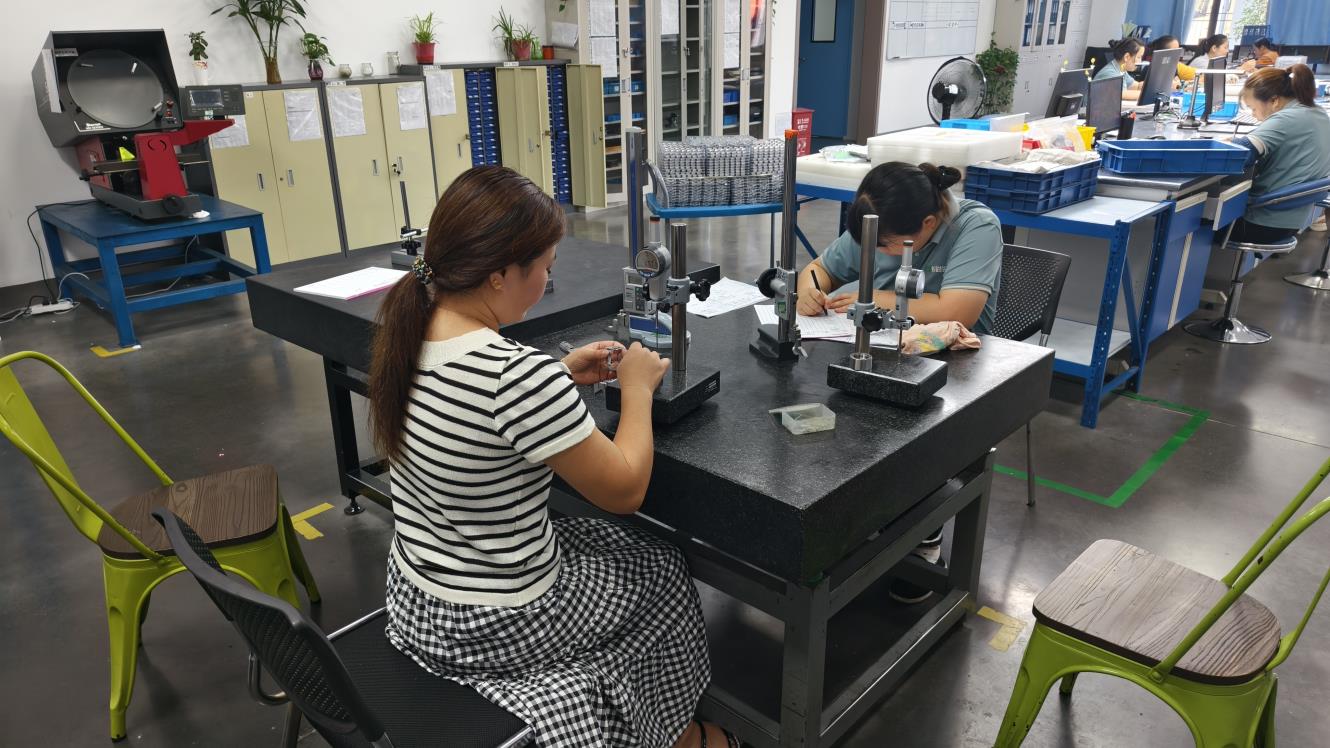
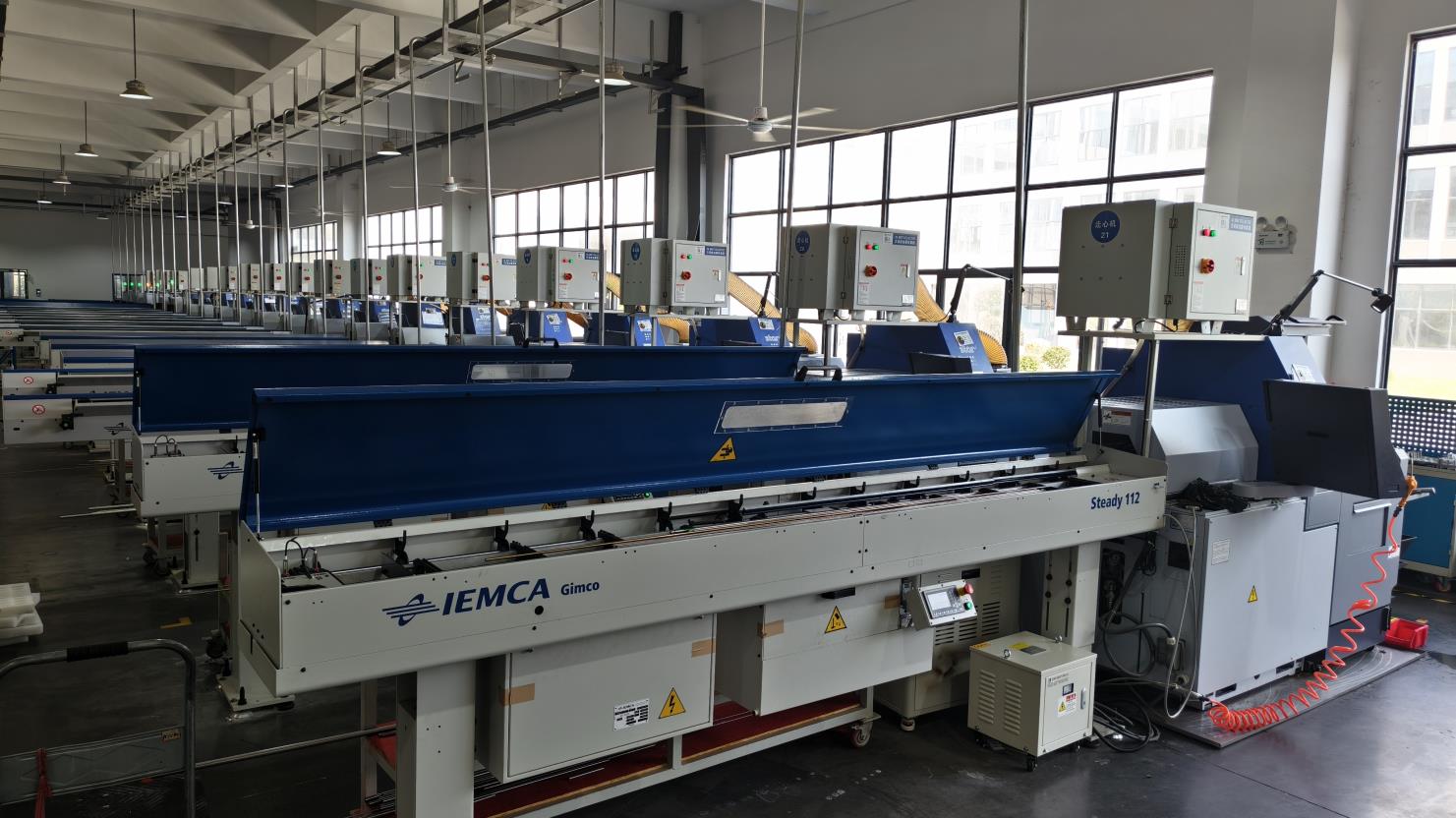
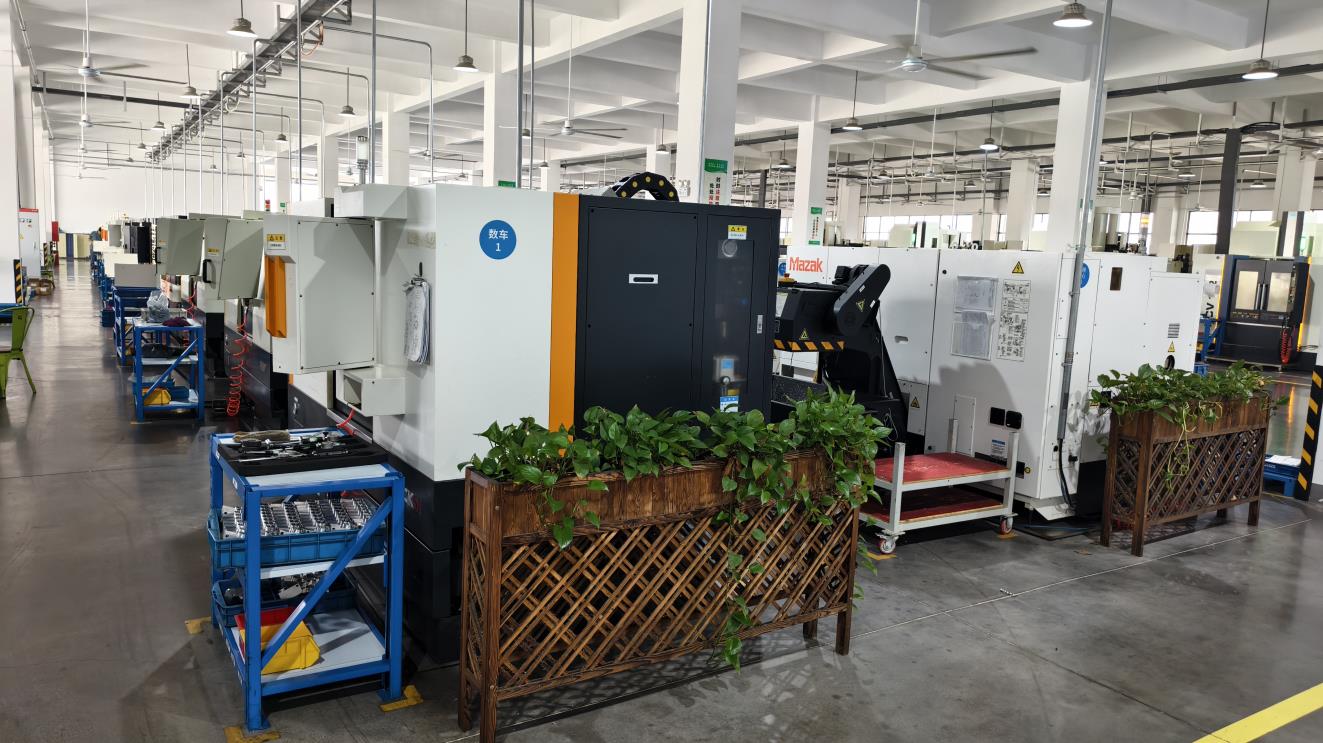
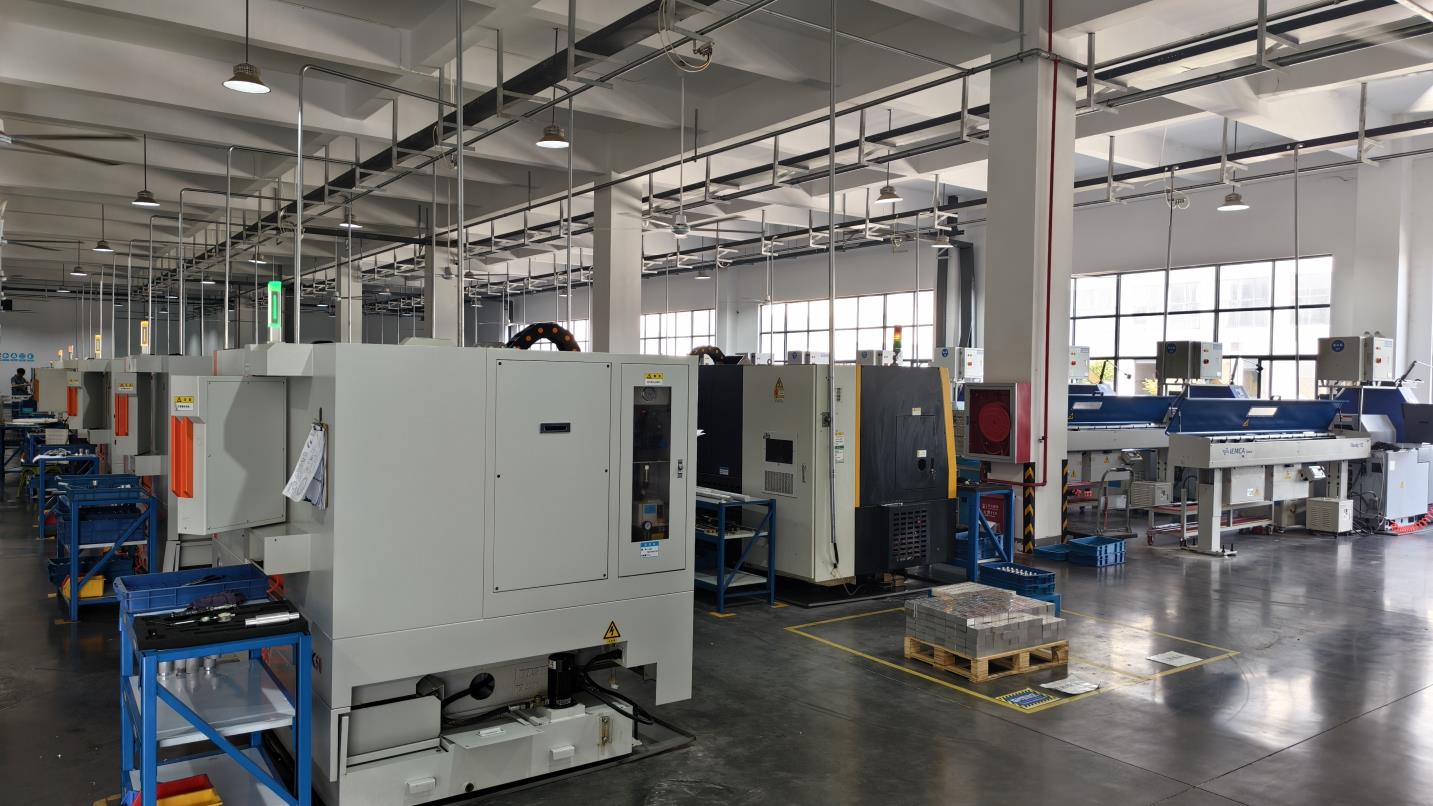
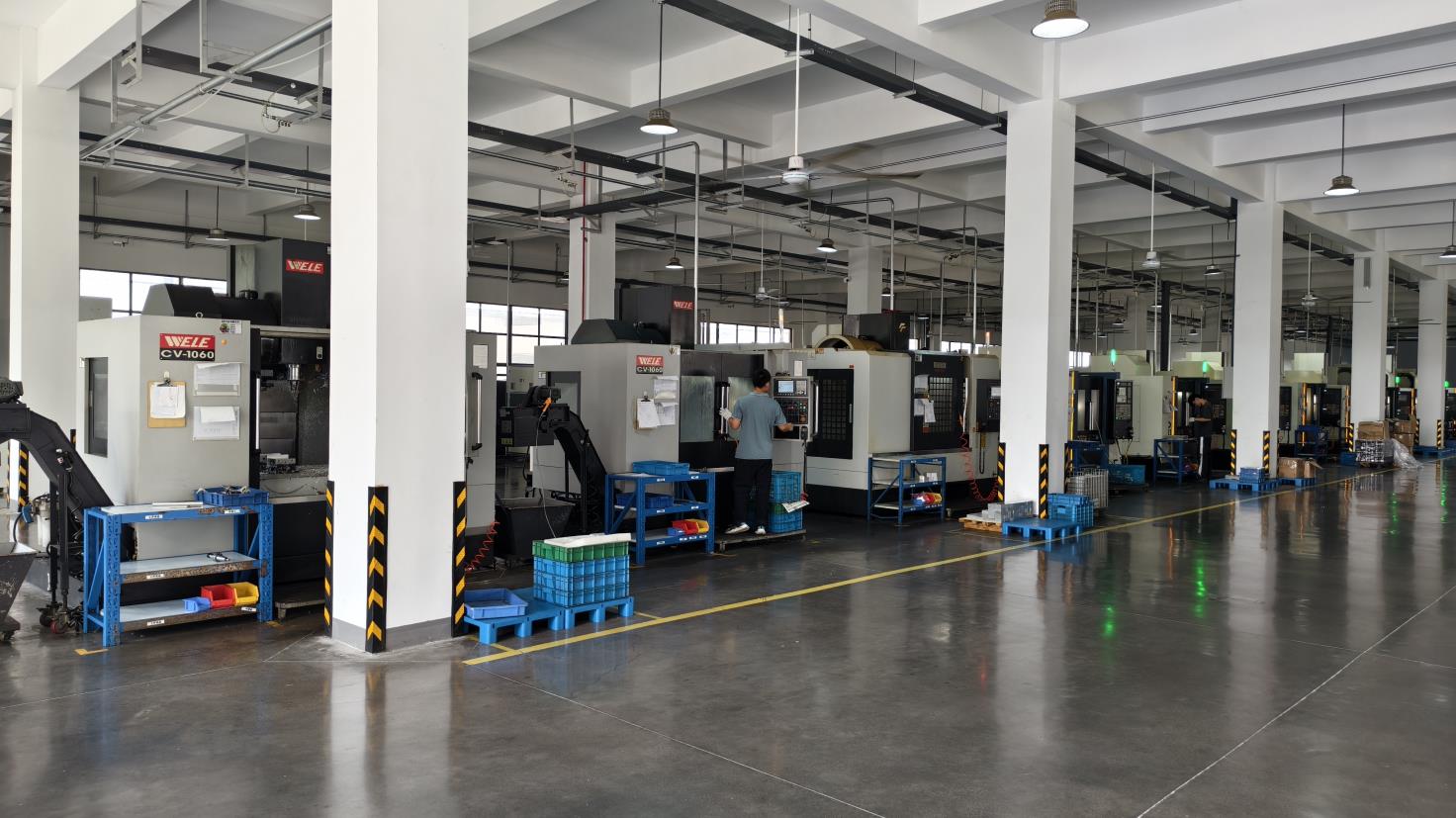
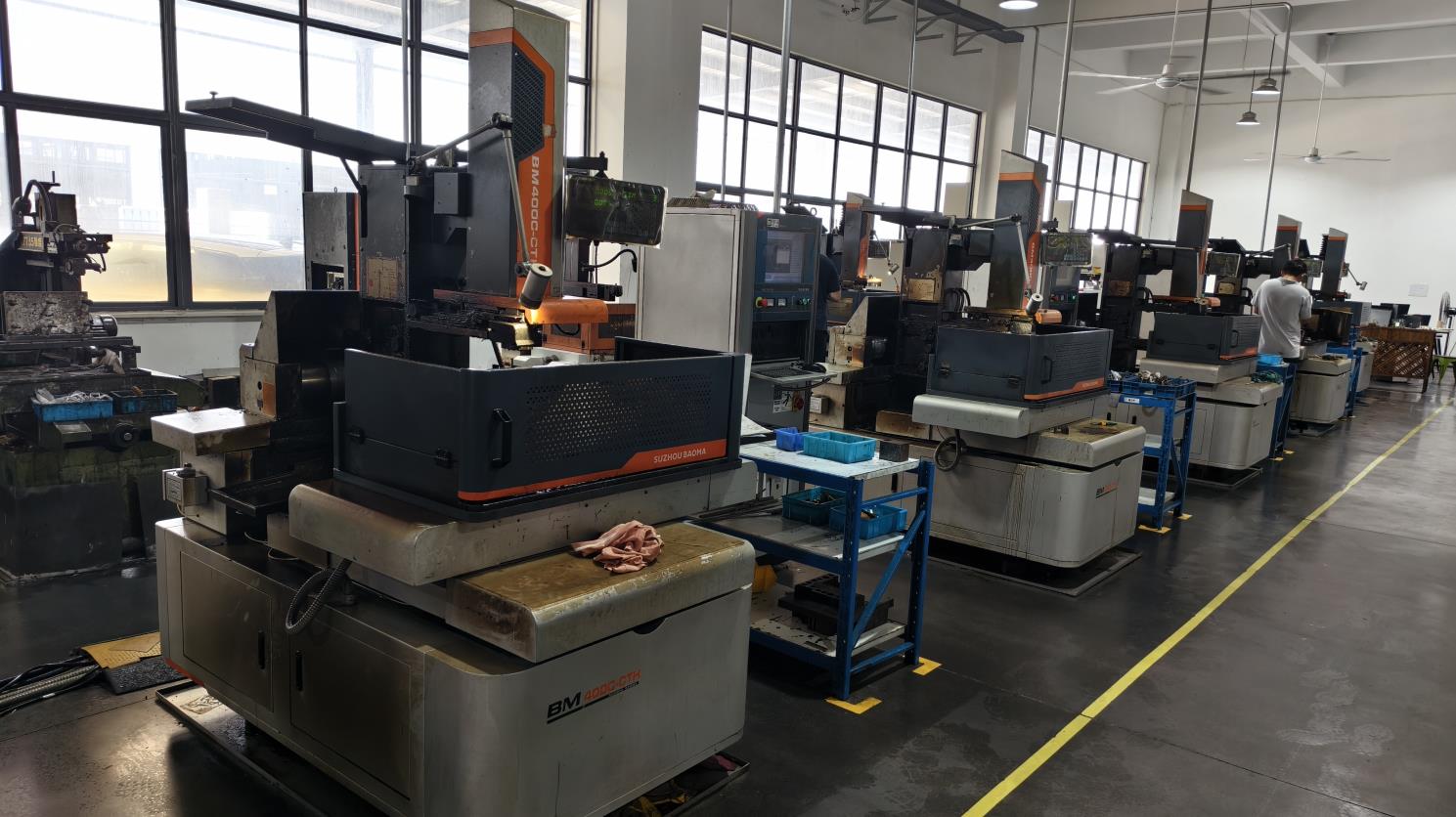
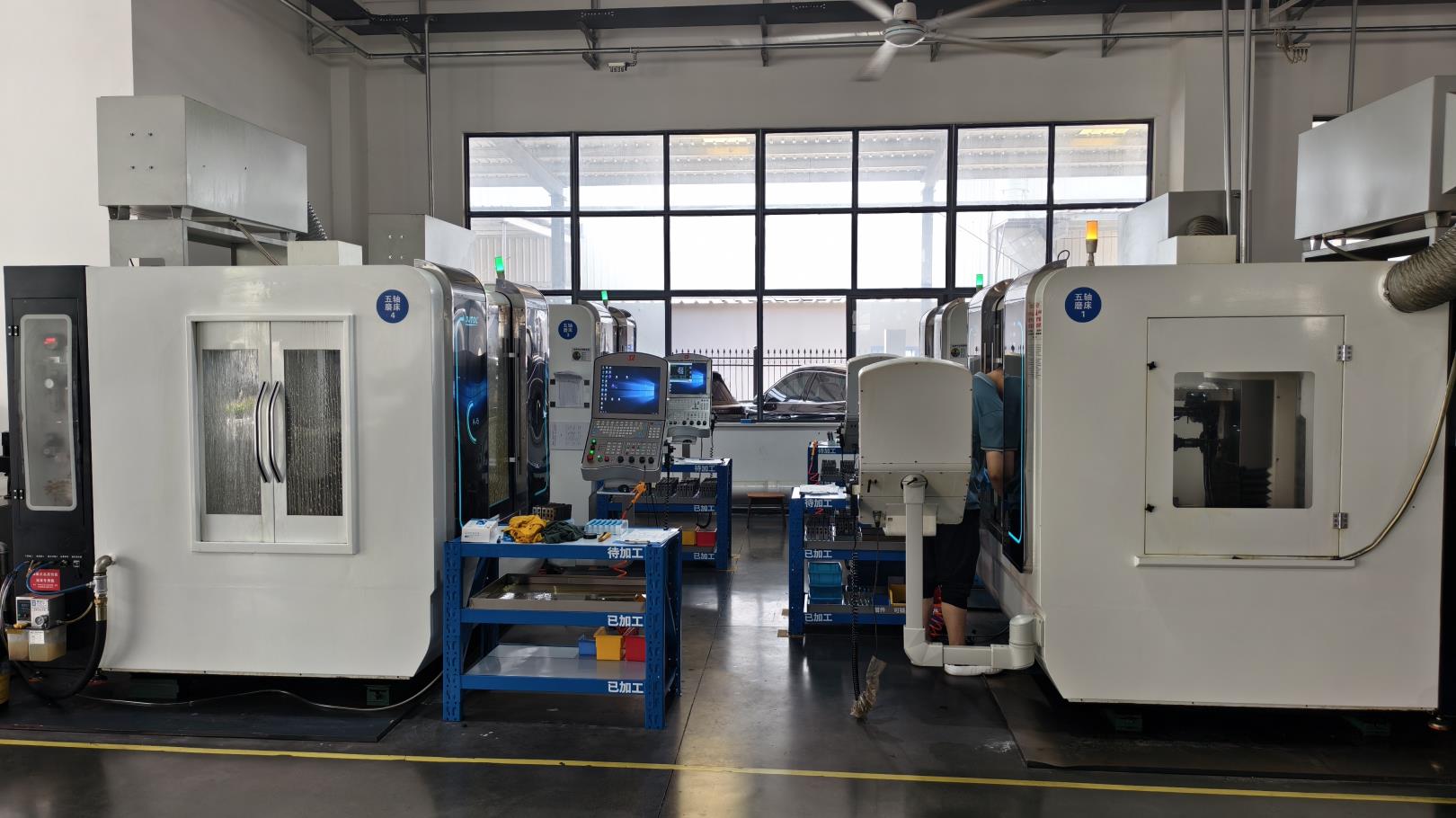
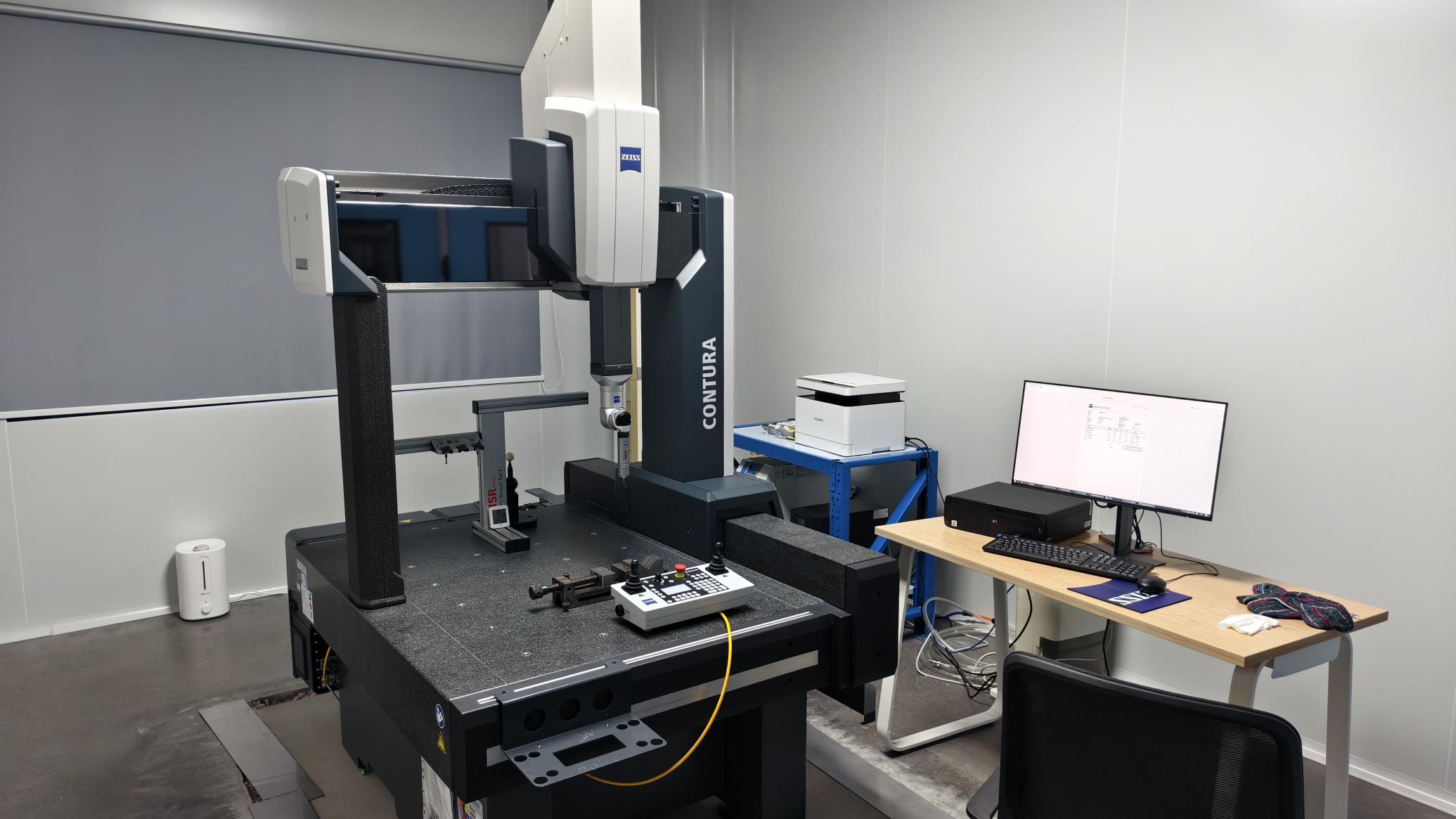
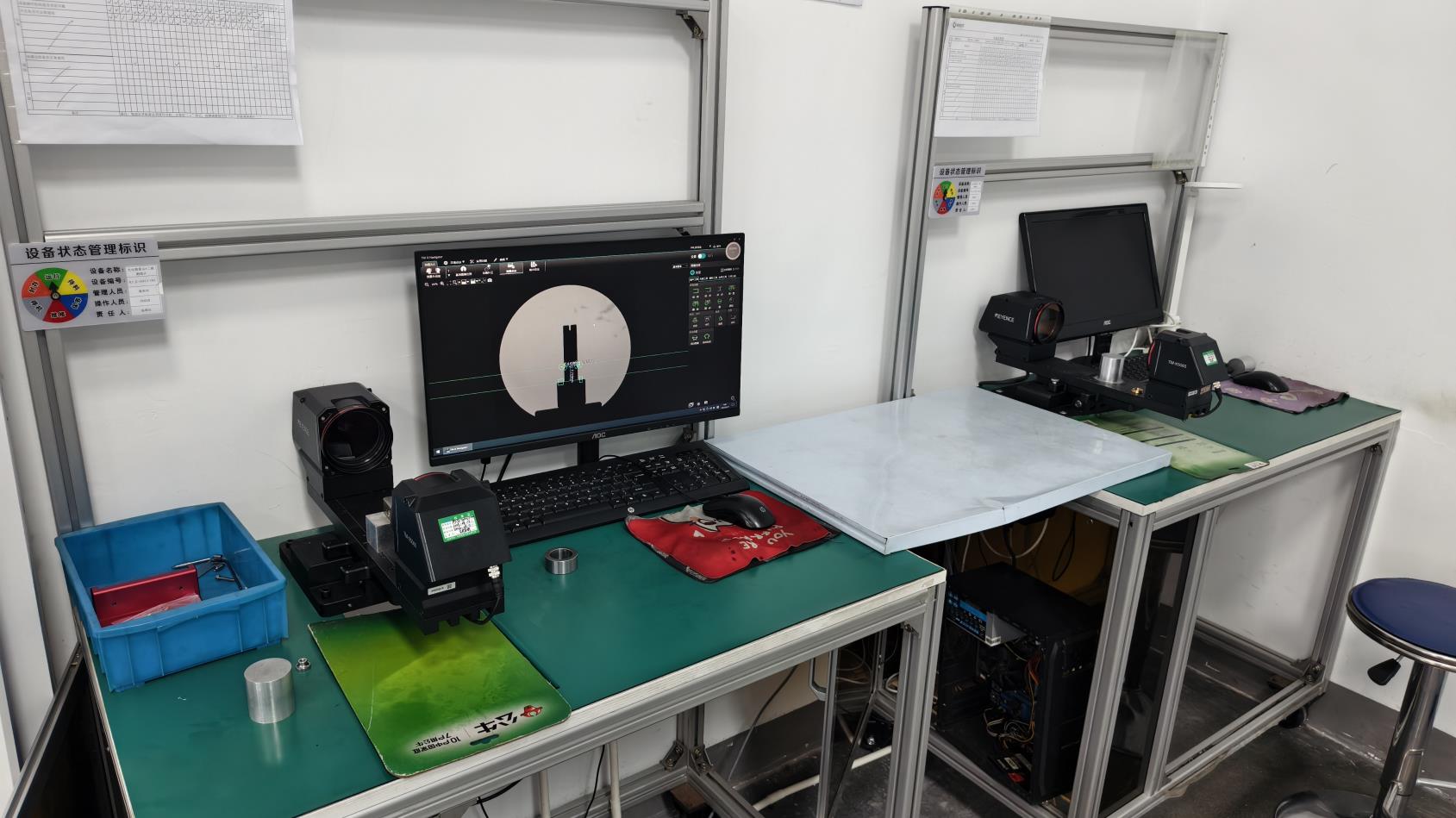
Micro-spatulas and nerve hooks require highly detailed tip geometry. Using 5-axis CNC machining, we produce dissector tips down to 0.1mm, ensuring clean edges that prevent tissue damage during arachnoid cleavage or delicate dissection. Our 3-inspector quality control team measures these dimensions under optical microscopes to verify consistency across every batch.
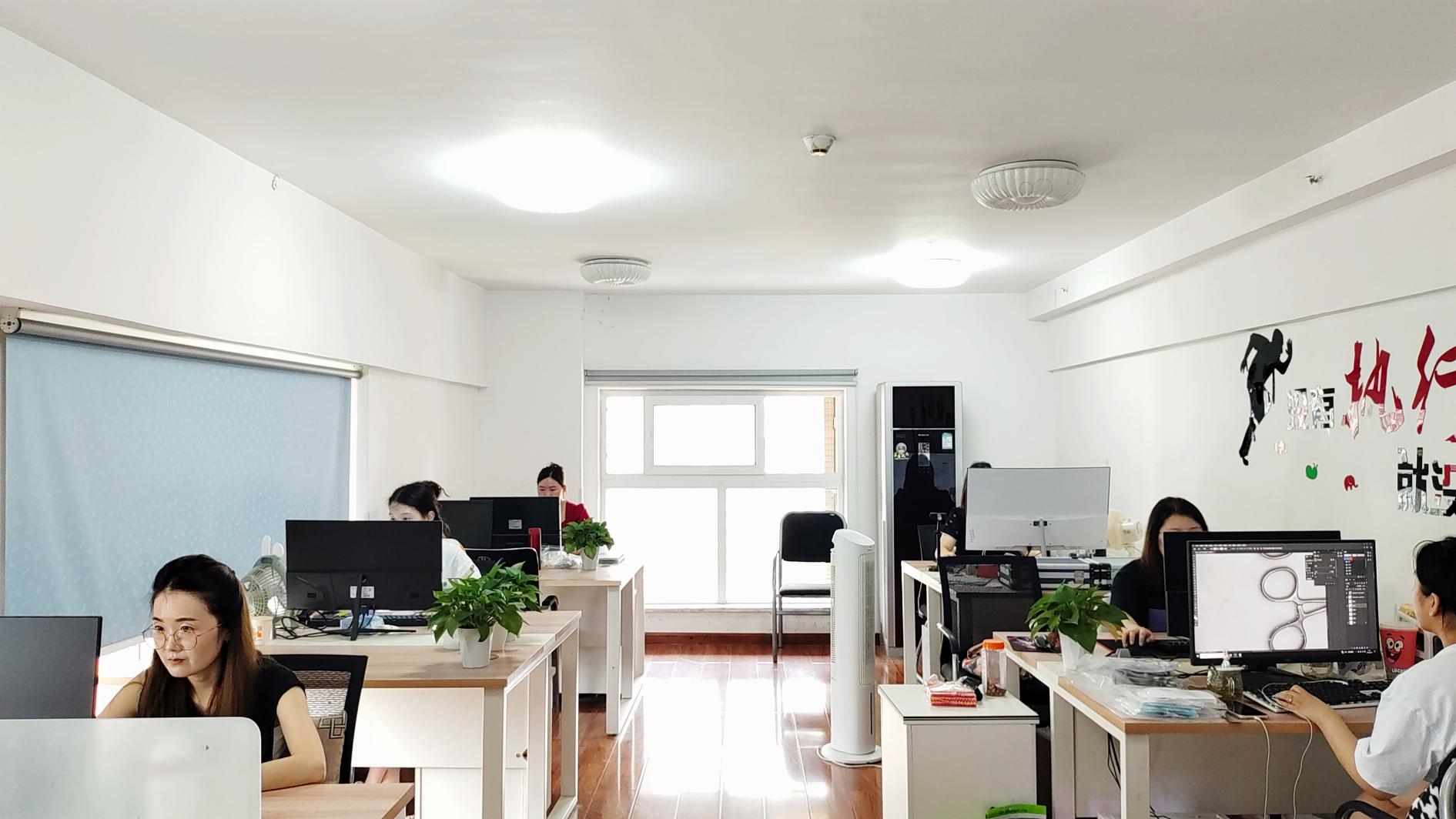
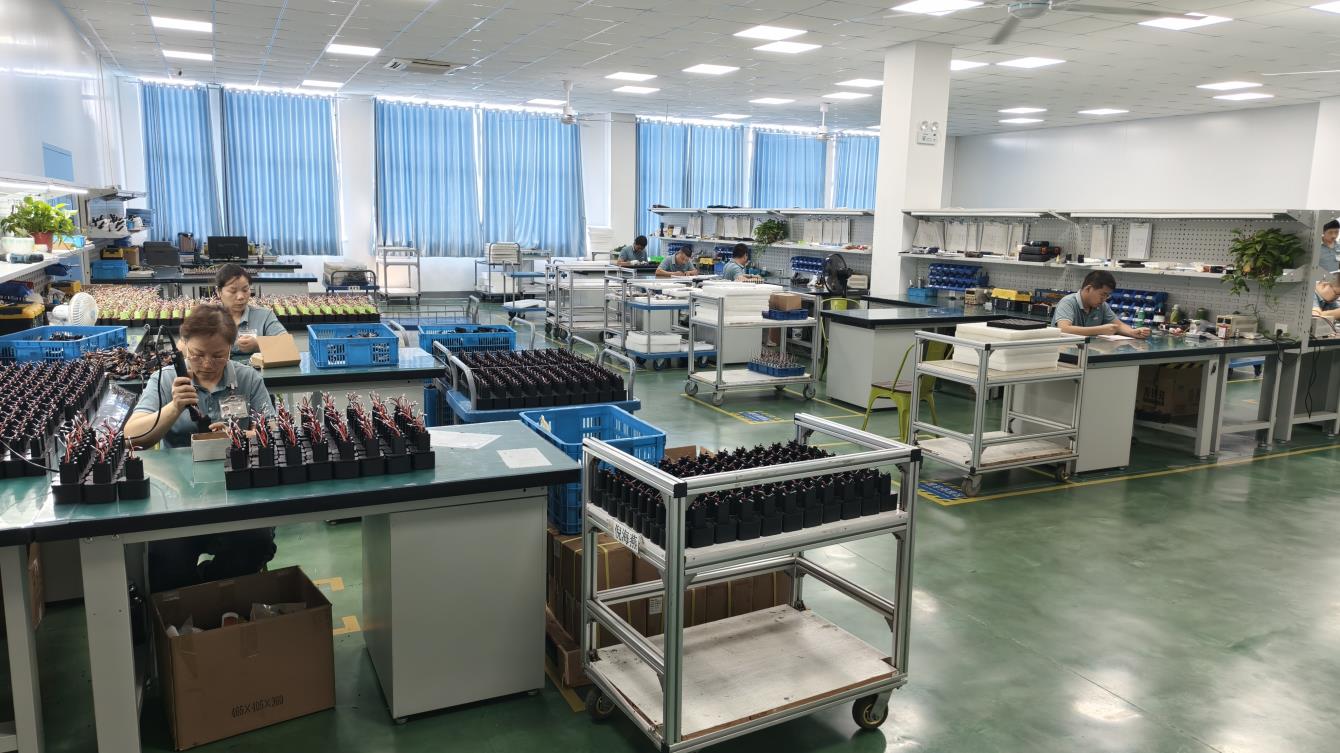
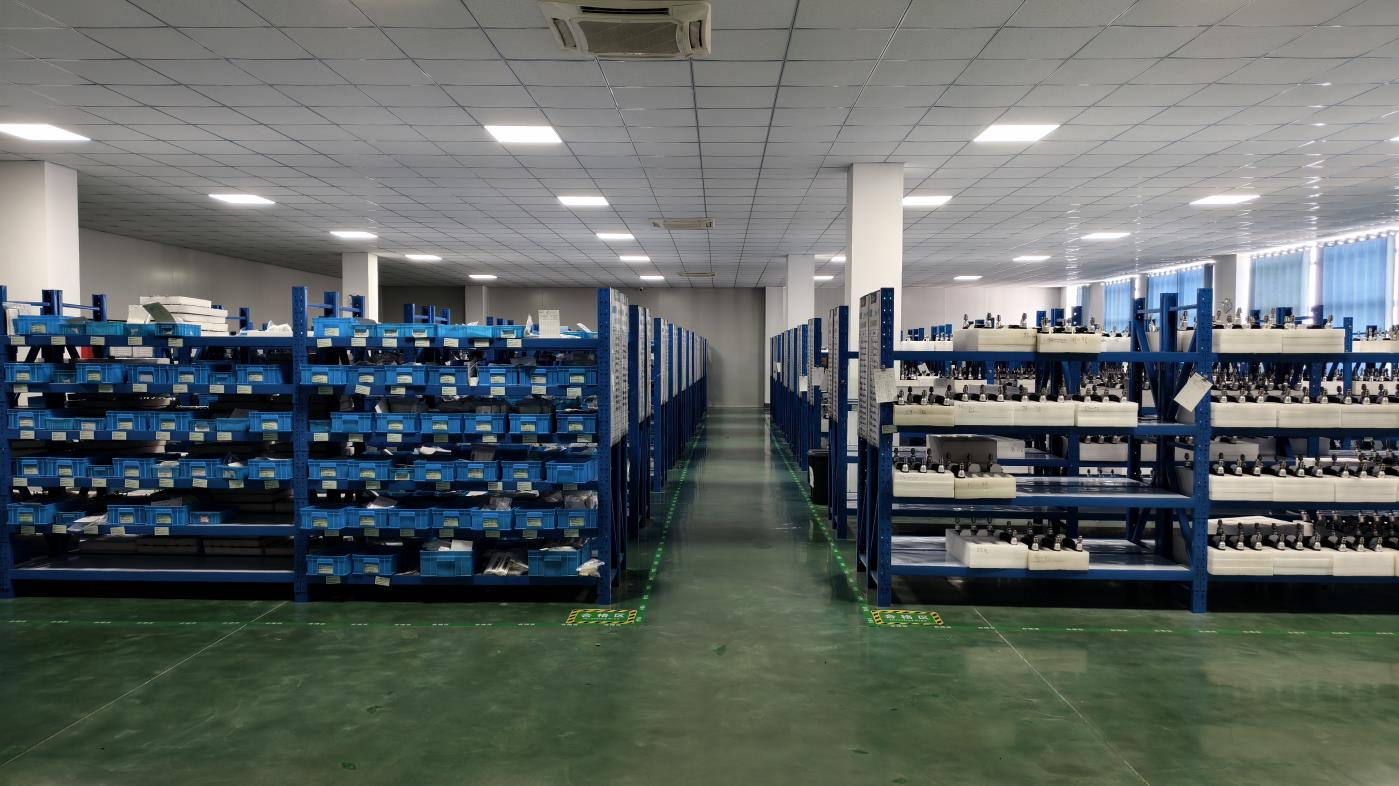
Operating from our modern facility, we utilize a digitized ERP system that integrates production from raw metallurgical melt analysis to final vacuum packaging. This digital workflow supports our trade network in Western Europe, East Asia, and our expanding operations in the Russian Federation.
For Russian wholesalers and medical distributors, we offer comprehensive OEM/ODM customization options:
Our raw materials are sourced exclusively from Tier-1 metallurgical manufacturers with mill test certificates (MTC). By managing our supply chain with local raw material providers, we mitigate logistics disruptions and maintain price stability. This allows us to offer competitive pricing for distributors in the Russian Federation without compromising on quality.
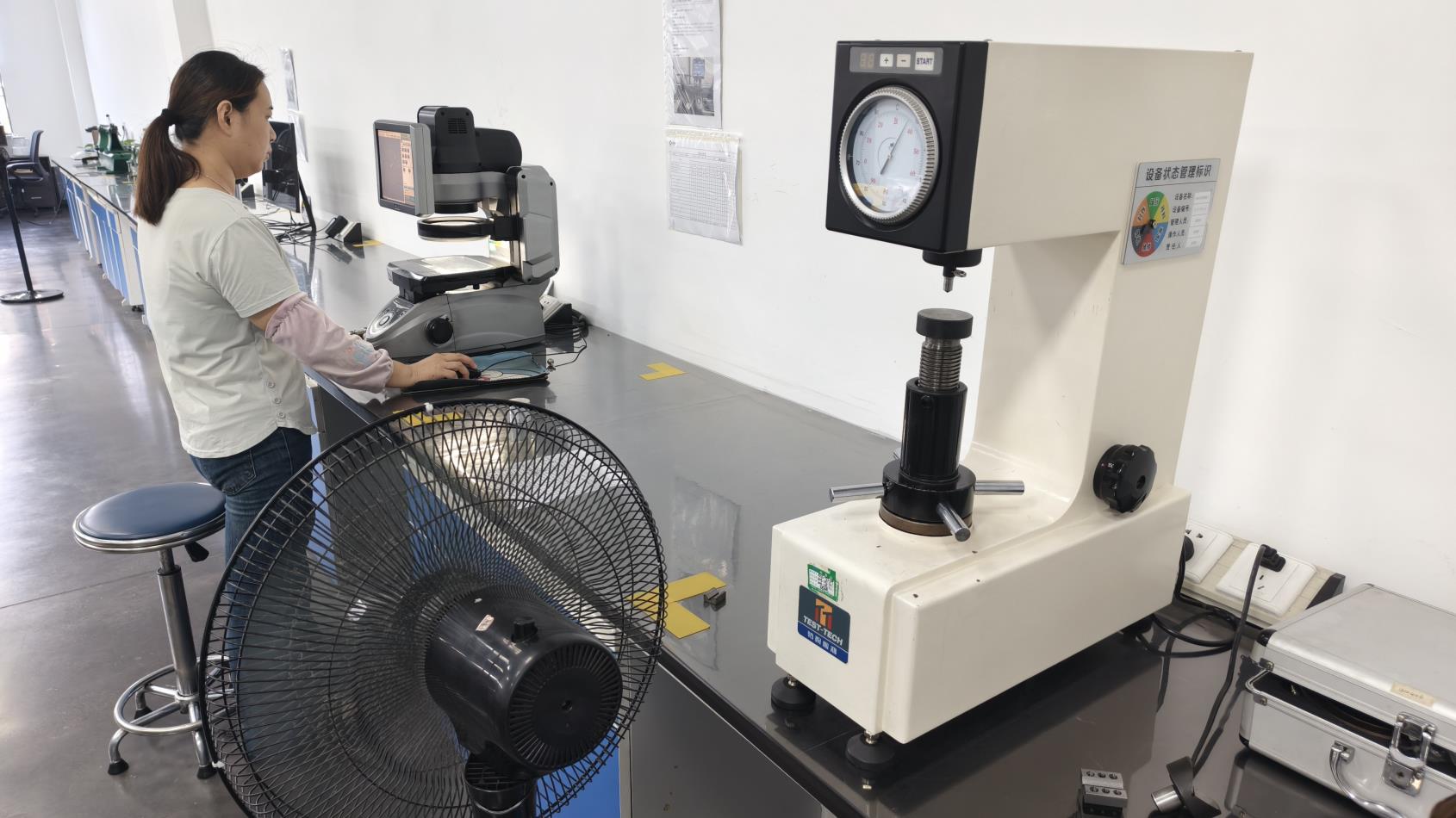
Navigating the regulatory framework of the Russian Federation is a critical requirement for medical device distribution. Our team provides technical documentation to support Roszdravnadzor (RZN) medical device registration. This includes detailed material certificates, biocompatibility reports (ISO 10993), sterilization validation records, and detailed technical drawings. We work with specialized regulatory consultants in Moscow and St. Petersburg to ensure smooth market entry under the unified Eurasian Economic Union (EAEU) registration rules.
To support continuous supply chains, we offer flexible trade and payment arrangements. We process payments in Chinese Yuan (RMB) via direct clearing channels, reducing foreign exchange volatility and clearing delays. For shipping, we utilize the China-Europe Railway Express (direct to Moscow terminal points like Vorsino or Silikatnaya) or maritime routes to Vladivostok combined with domestic rail, ensuring stable delivery times throughout the year.
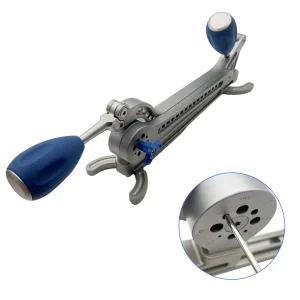
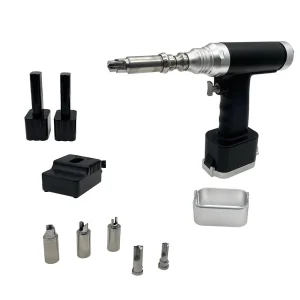
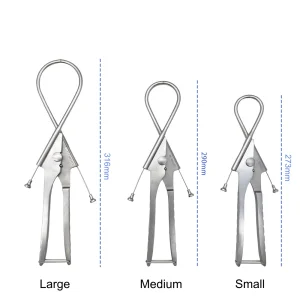
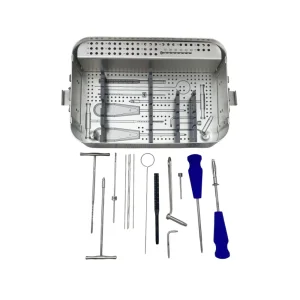
Our micro-spatulas and nerve hooks are manufactured using high-grade biocompatible Titanium Alloy (Ti-6Al-4V ELI / ASTM F136) and premium Martensitic Stainless Steel (typically AISI 420 or 316L). We offer complete raw material heat traceability and provide material mill test certificates (MTC) with every export batch to verify conformity with ISO 5832 and GOST compliance protocols.
We provide comprehensive registration dossiers, including ISO 13485 quality management certificates, biocompatibility reports (ISO 10993 series), clinical assessment summaries, and technical drawings. We work alongside Russian regulatory agents in Moscow and St. Petersburg to ensure all technical documents are prepared in alignment with local standards.
Yes. We offer customization options including design modification based on technical drawings or physical samples. Our 5-axis CNC machining centers allow us to manufacture custom tip configurations, handle geometries, and specific overall lengths. Laser marking for hospital inventory systems is also supported.
We accept direct bank transfers in Chinese Yuan (RMB) to facilitate transactions. For shipping, we utilize the China-Europe Railway Express (direct rail cargo to Moscow terminals) or marine shipping via Vladivostok with rail connections, providing reliable logistics coverage throughout the year.
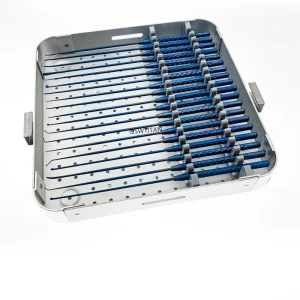
For standard configurations (such as our 19-piece Titanium Micro Spatula Dissector and Nerve Hook sets), standard orders can ship within 15–20 days. Custom configurations or OEM branding requirements typically take 30–45 days, depending on production line availability and the complexity of the design.