SENJIE Healthy & Technology
SENJIE Healthy & Technology
SENJIE Healthy & Technology
Mumbai stands as a primary medical tourism hub in South Asia, hosting elite hospital groups such as Kokilaben Dhirubhai Ambani Hospital, Lilavati Hospital, and major government institutions like KEM Hospital. The growth in minimally invasive neurosurgery (MIS) and reconstructive microvascular operations throughout the Mumbai Metropolitan Region (MMR) has shifted the demands placed on local surgical supply chains. General instrumentation is no longer sufficient. Local clinicians demand micro-spatulas and hooks with high microvascular compliance, strict anti-reflective coatings, and specialized mechanical resilience to handle repetitive deep-cavity manipulation.
For sourcing agents, biomedical engineers, and medical distributors in Mumbai, procuring instruments like micro-nerve hooks or titanium spatula dissectors requires navigating the balance between clinical handling performance and procurement efficiency. As Mumbai's orthopedic and spinal trauma treatment volumes grow, surgical spatulas and distractors must survive highly demanding steam-sterilization processes without degradation.
Medical instruments deployed in complex anatomical locations must offer exact mechanical profiles. The choice of raw materials is critical. Grade 5 Titanium (Ti-6Al-4V ELI) is favored for neurosurgical spatula kits due to its lightweight nature (reducing surgeon fatigue), high tensile strength, and non-magnetic properties, which make it fully compatible with intraoperative MRI environments. Conversely, spinal retractors and bone spreaders require the structural stiffness of 420 or 316LVM medical-grade stainless steel to resist deformation during long, high-load procedures.
Furthermore, the surface chemistry of microvascular instruments must prevent thrombosis or vascular damage. Passivation and electropolishing techniques must be performed consistently to remove iron particles from instrument surfaces, creating a protective chromium oxide layer. This prevents micro-abrasions and resists corrosion from aggressive saline exposure during surgery.
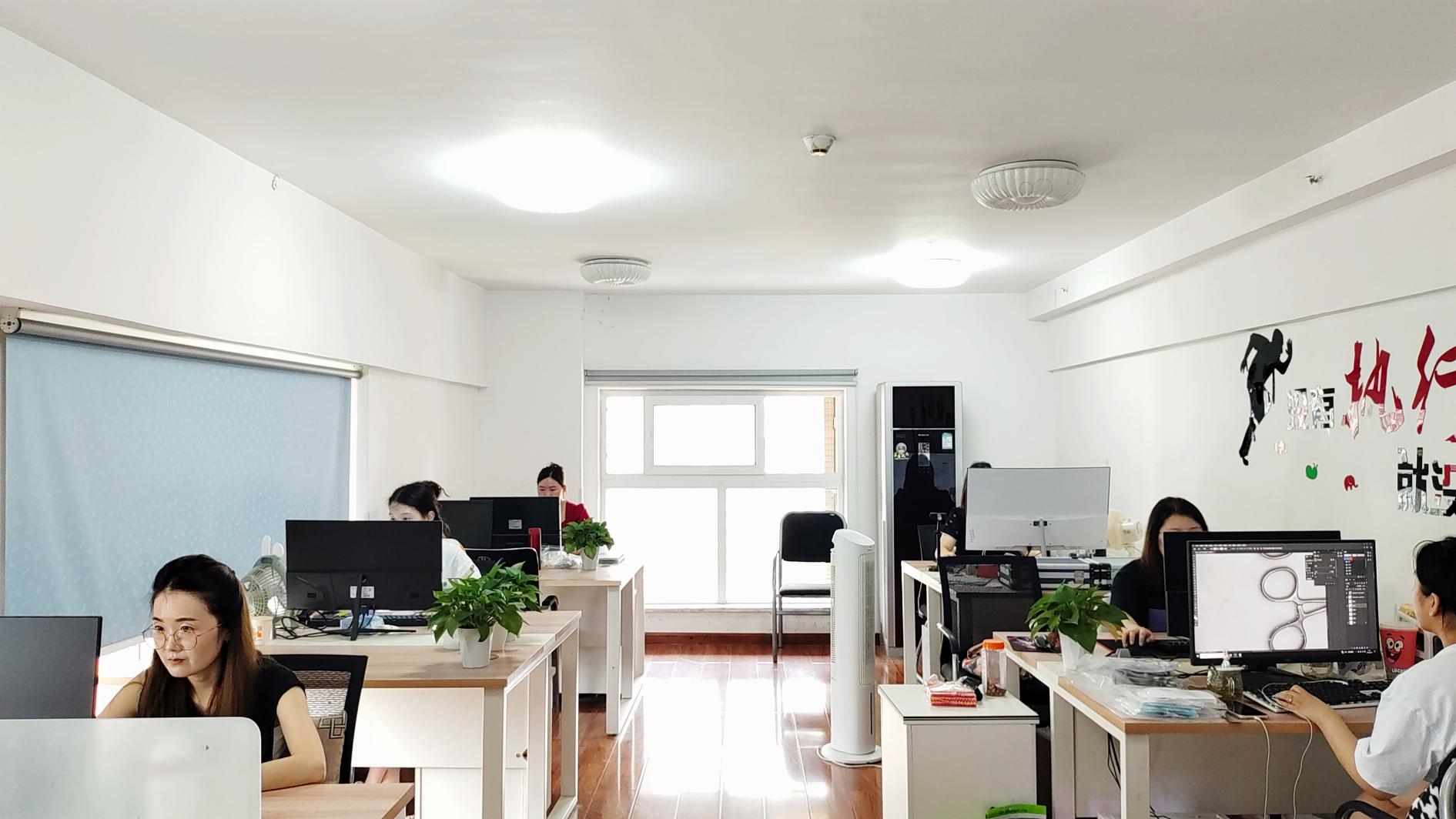
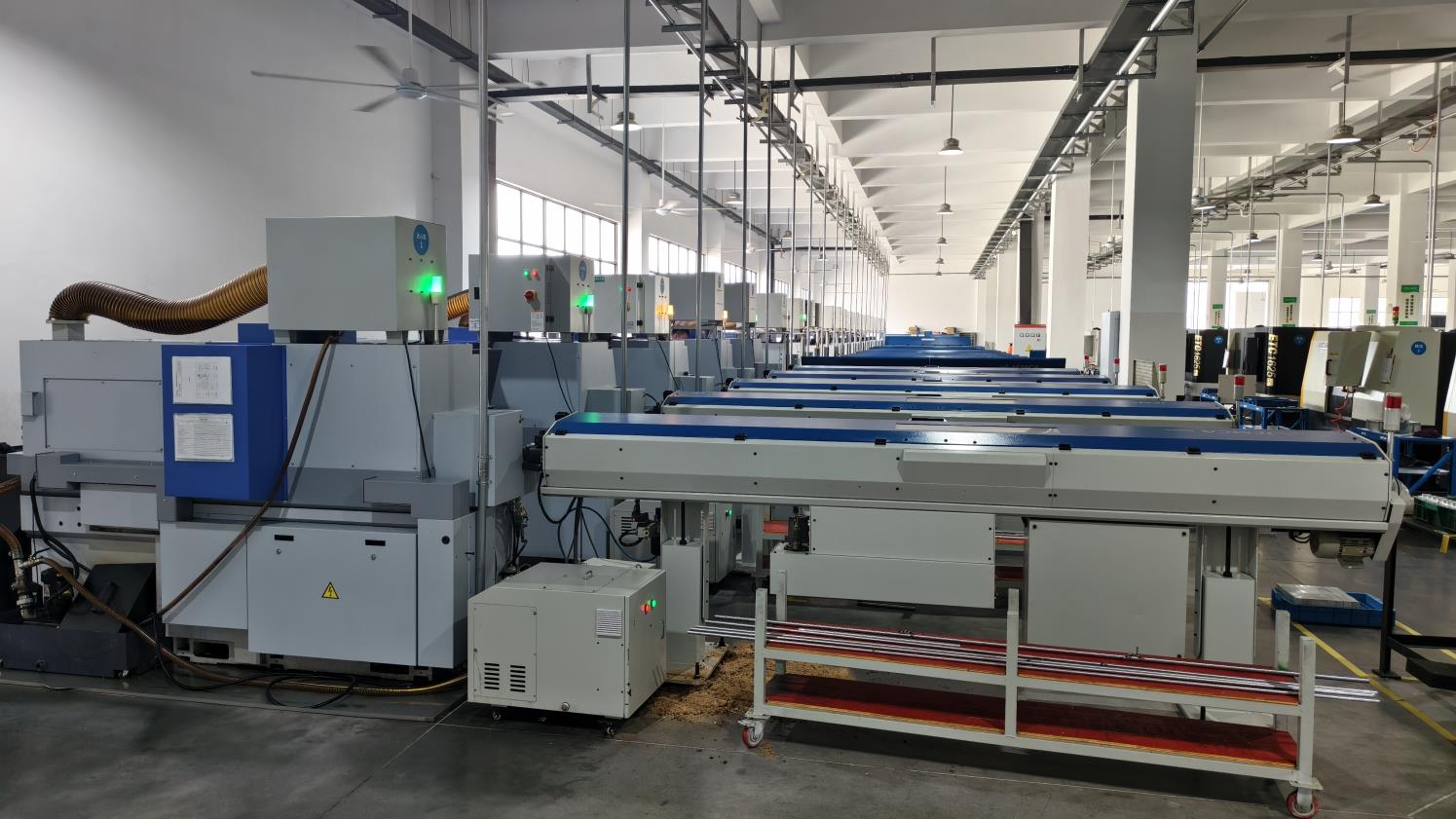
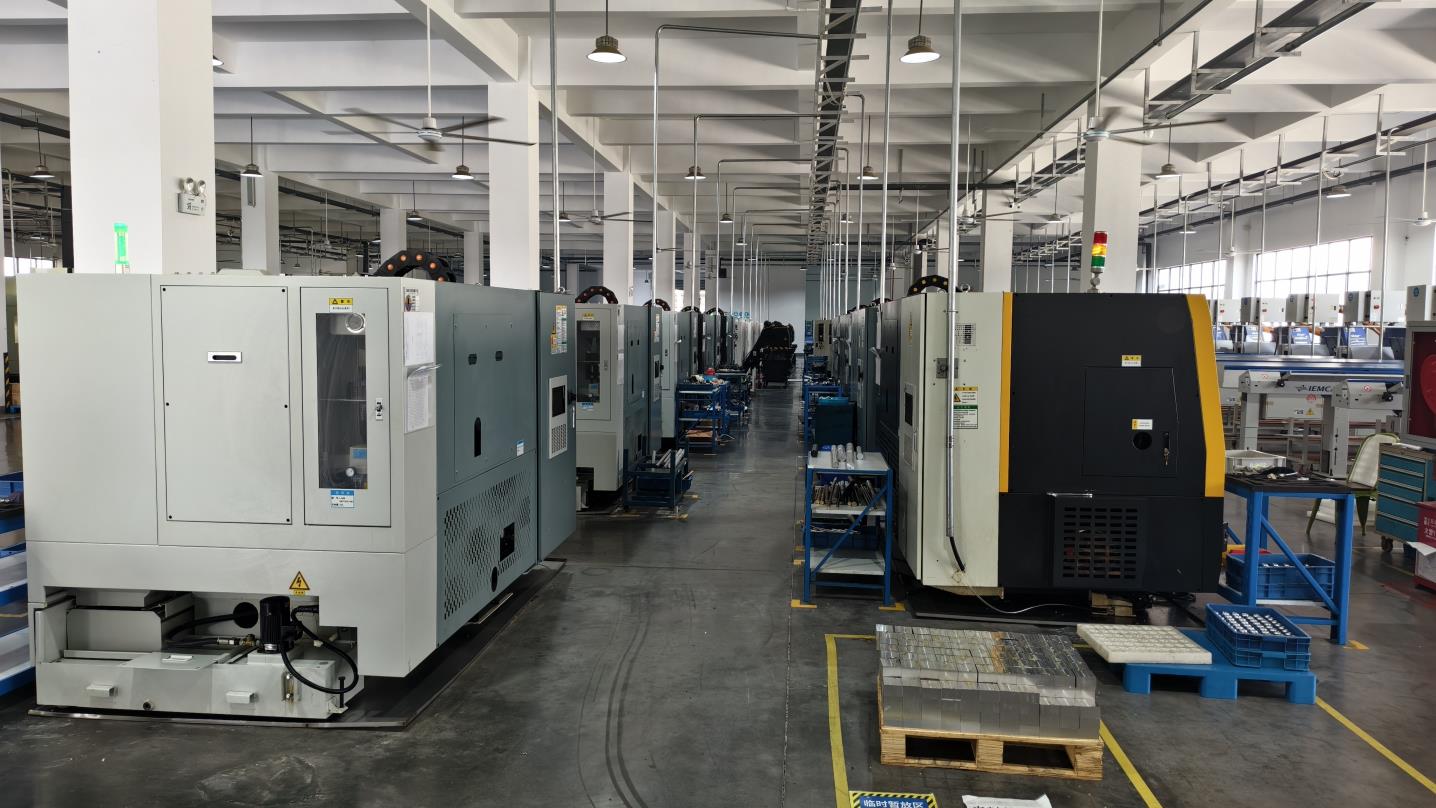
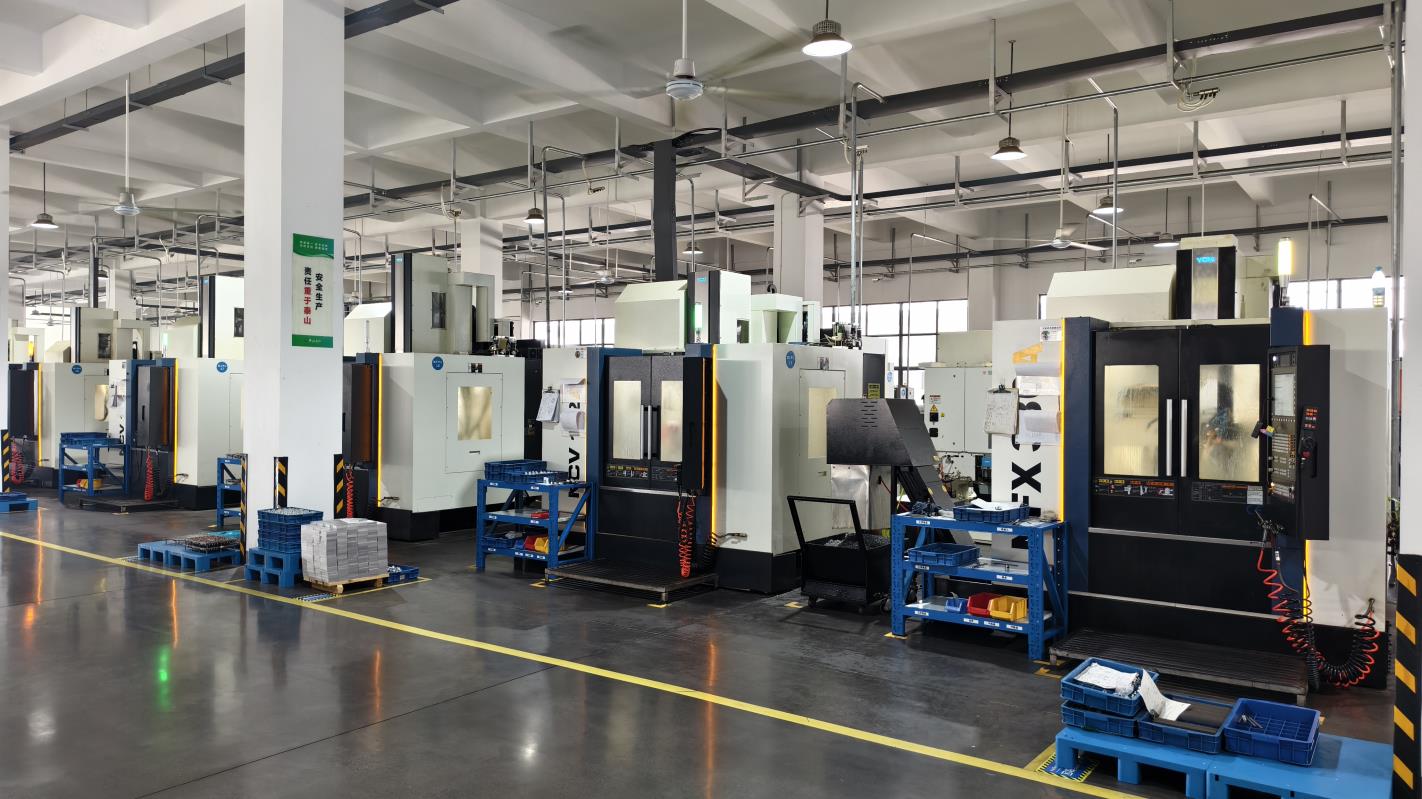
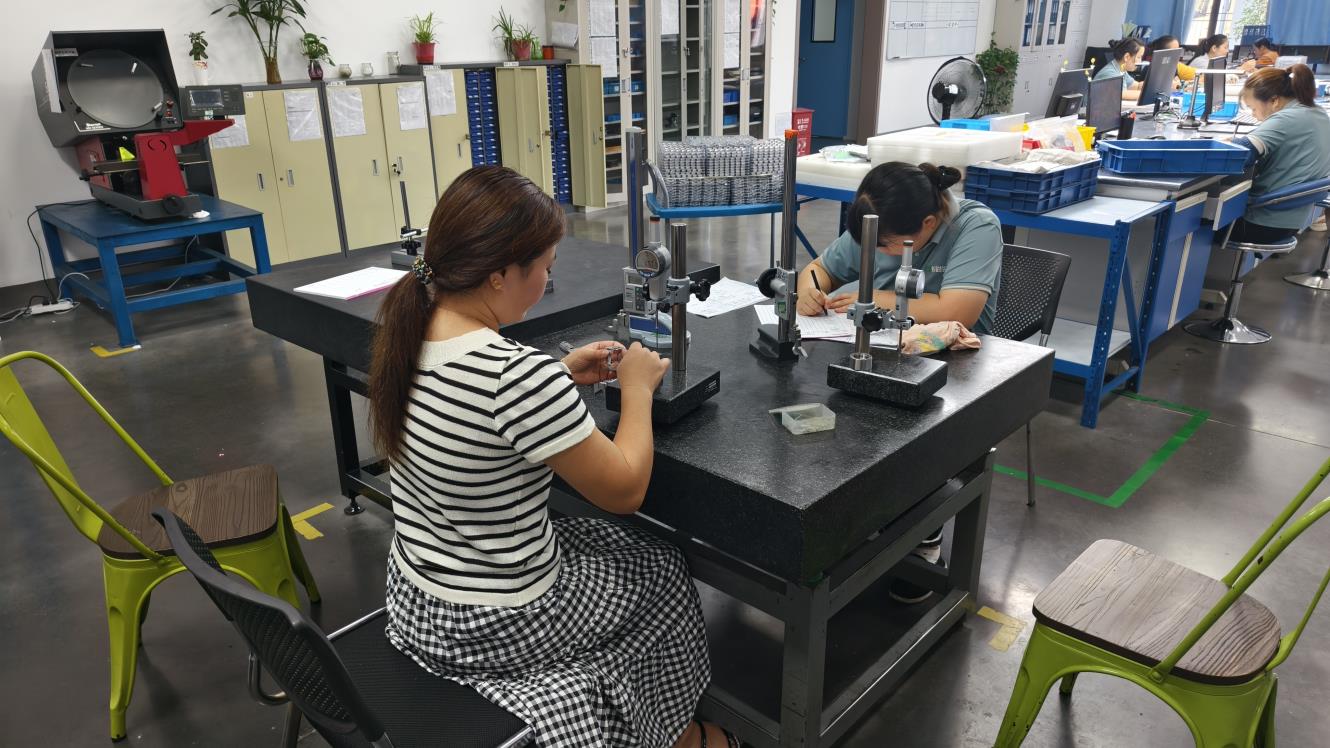
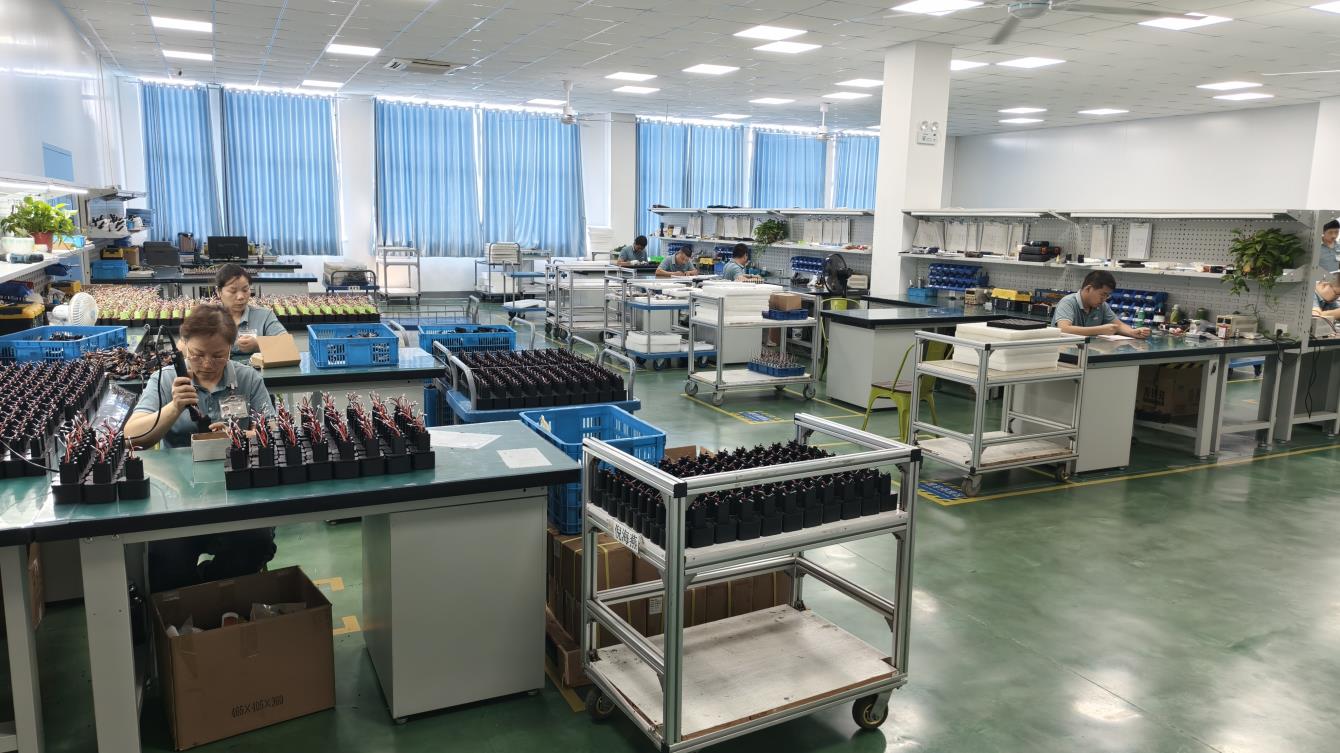
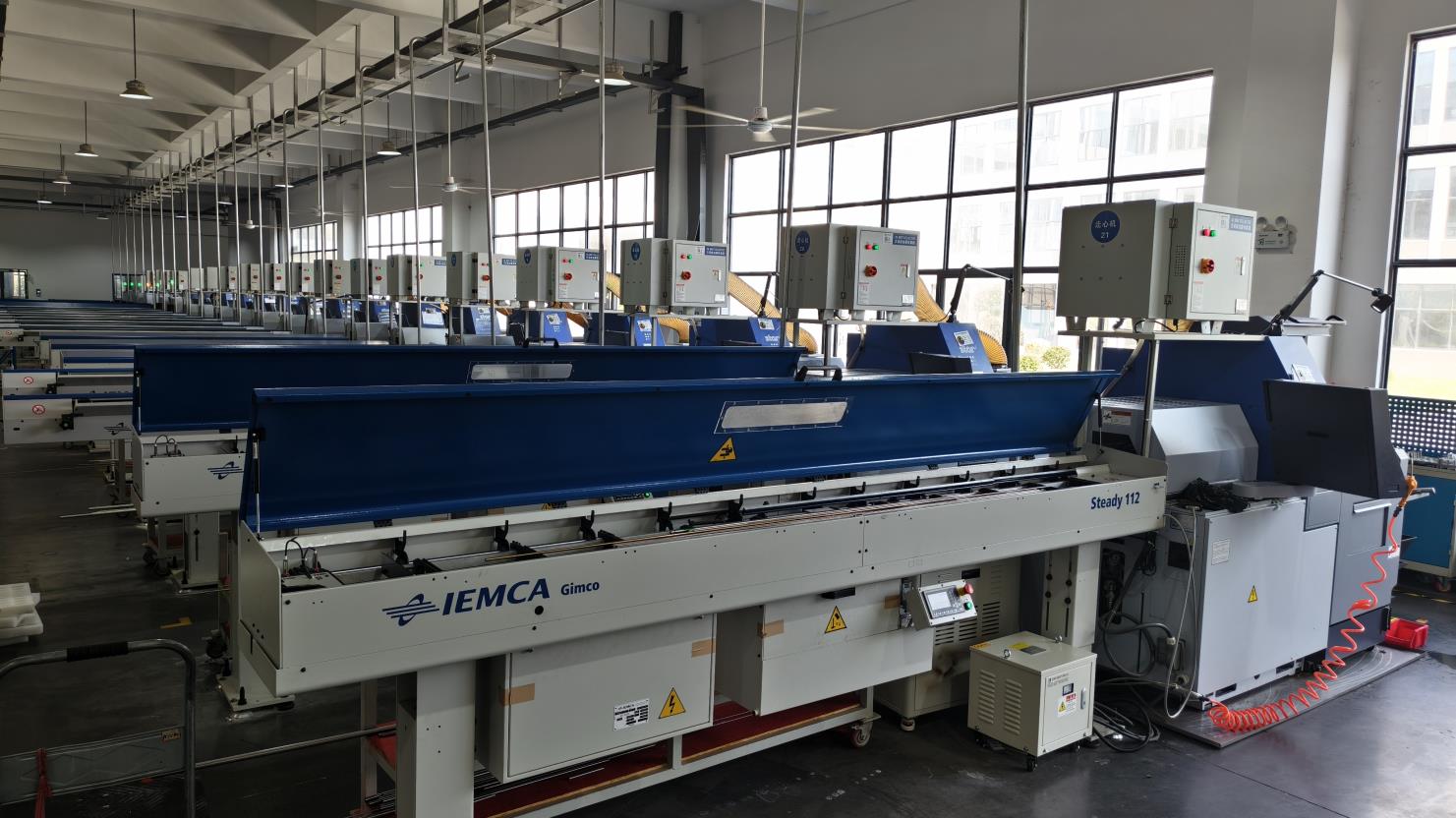
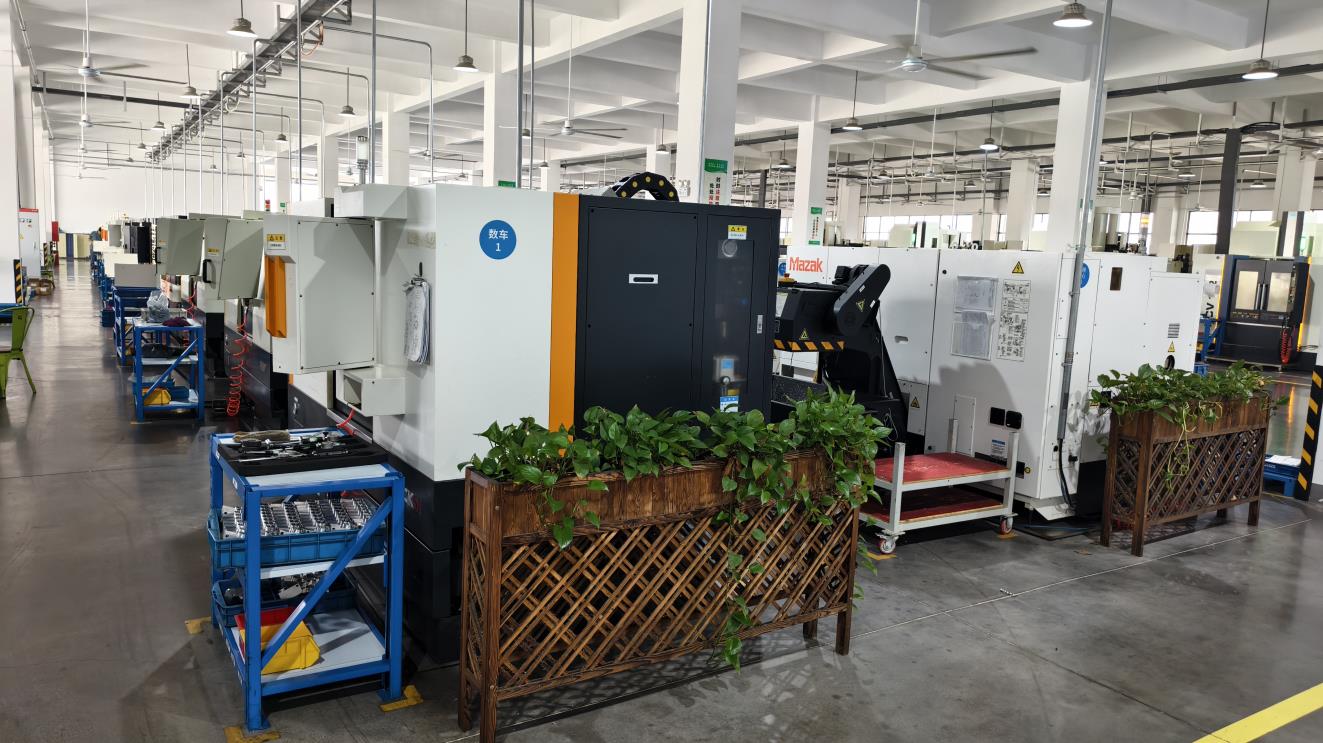
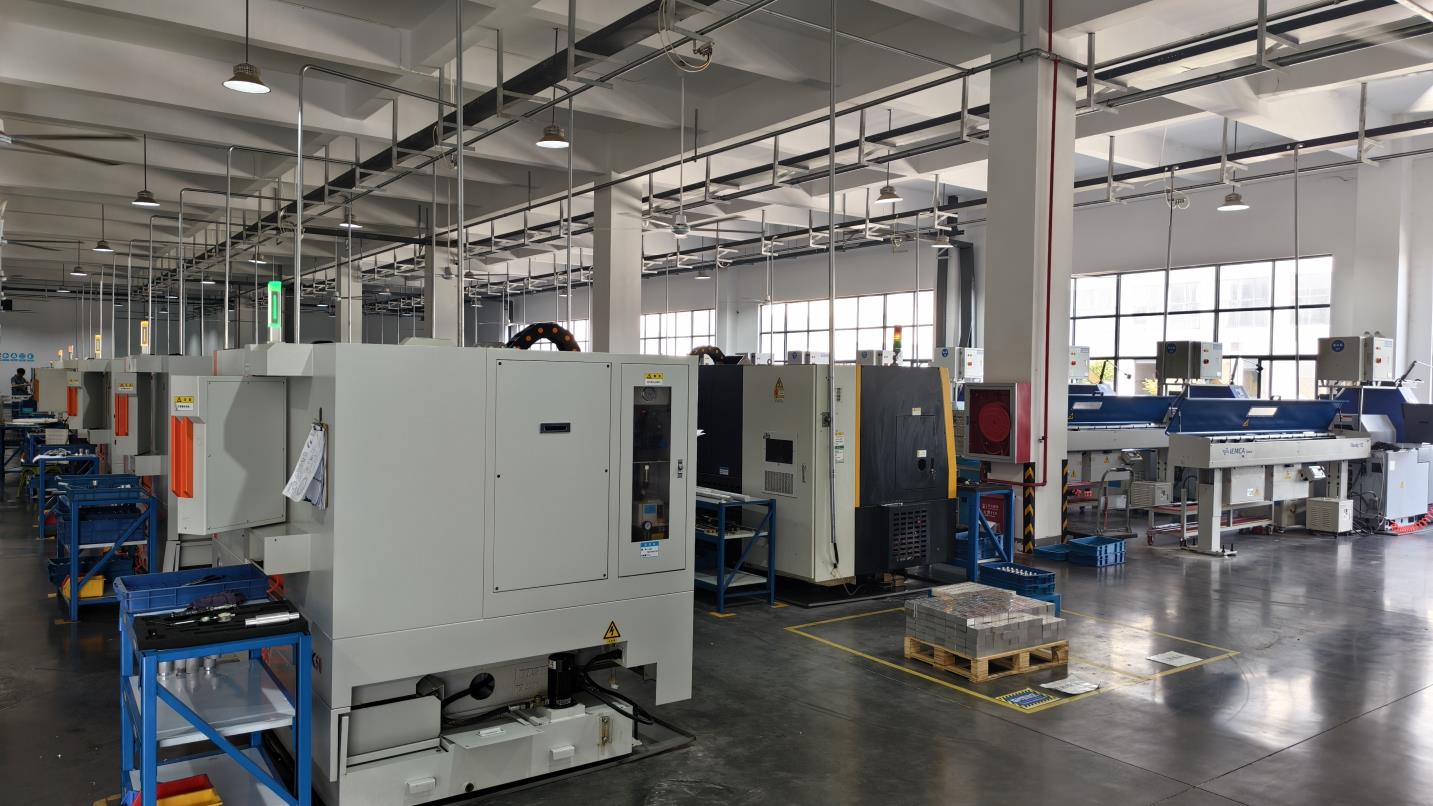
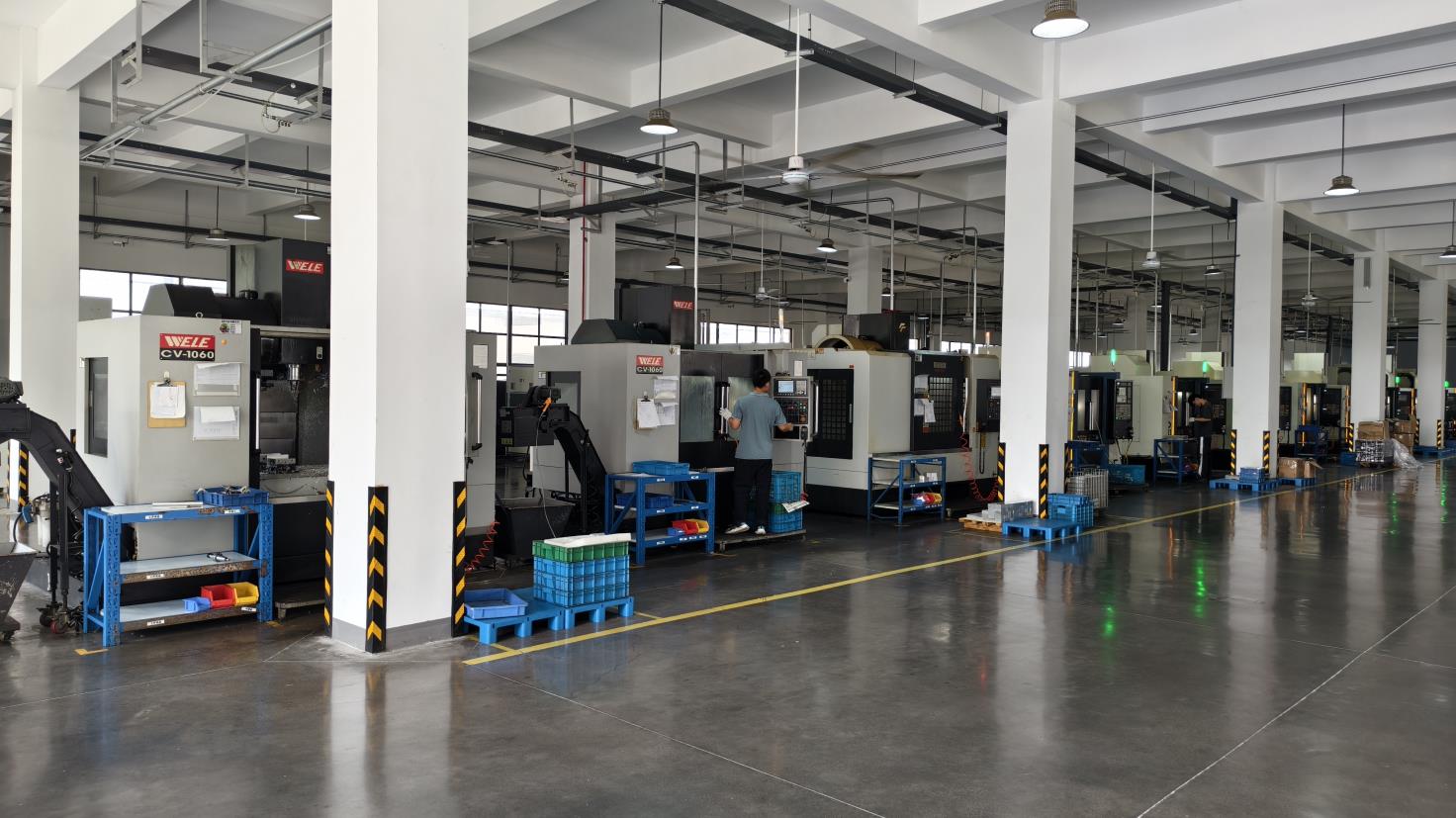
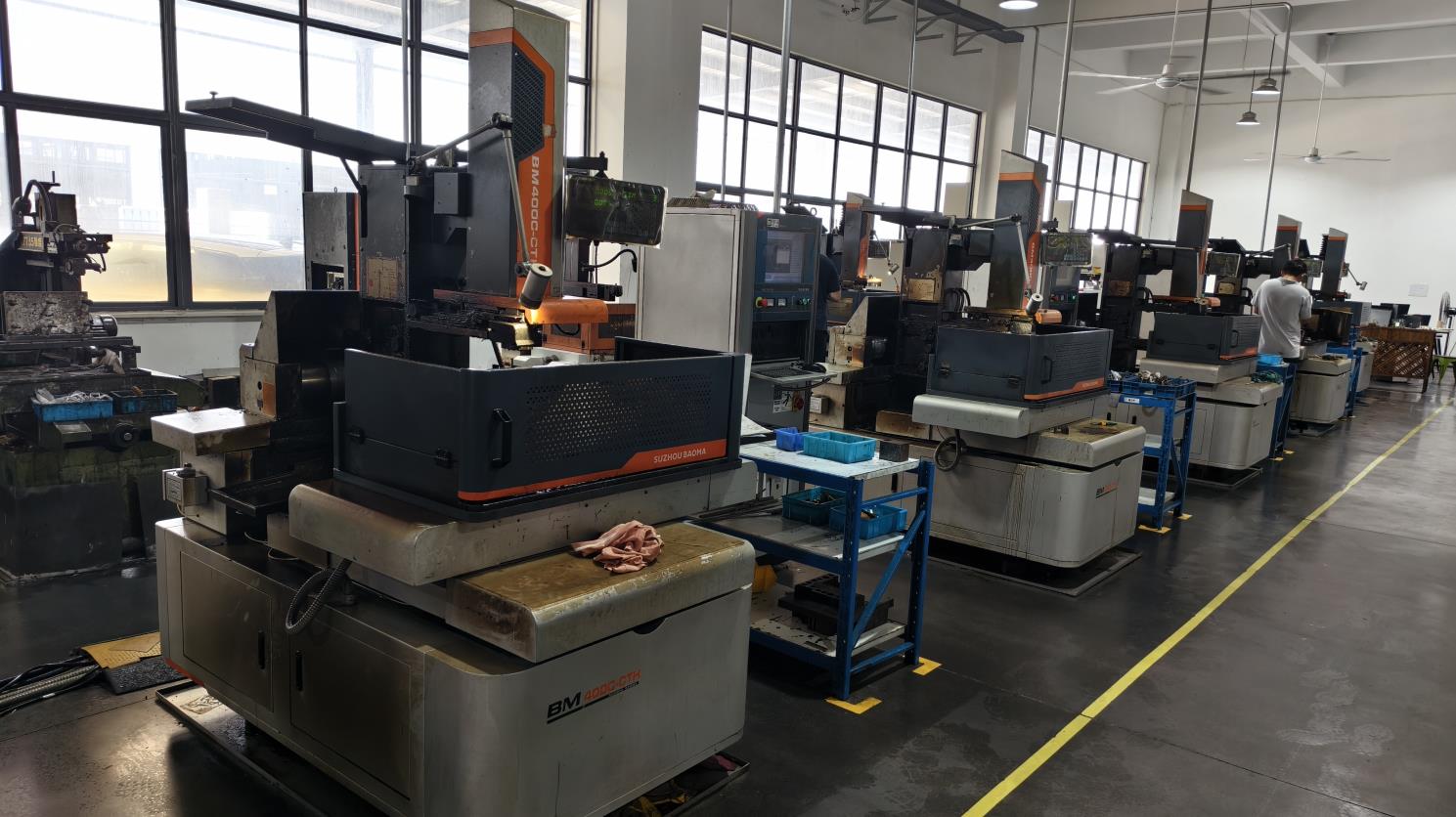
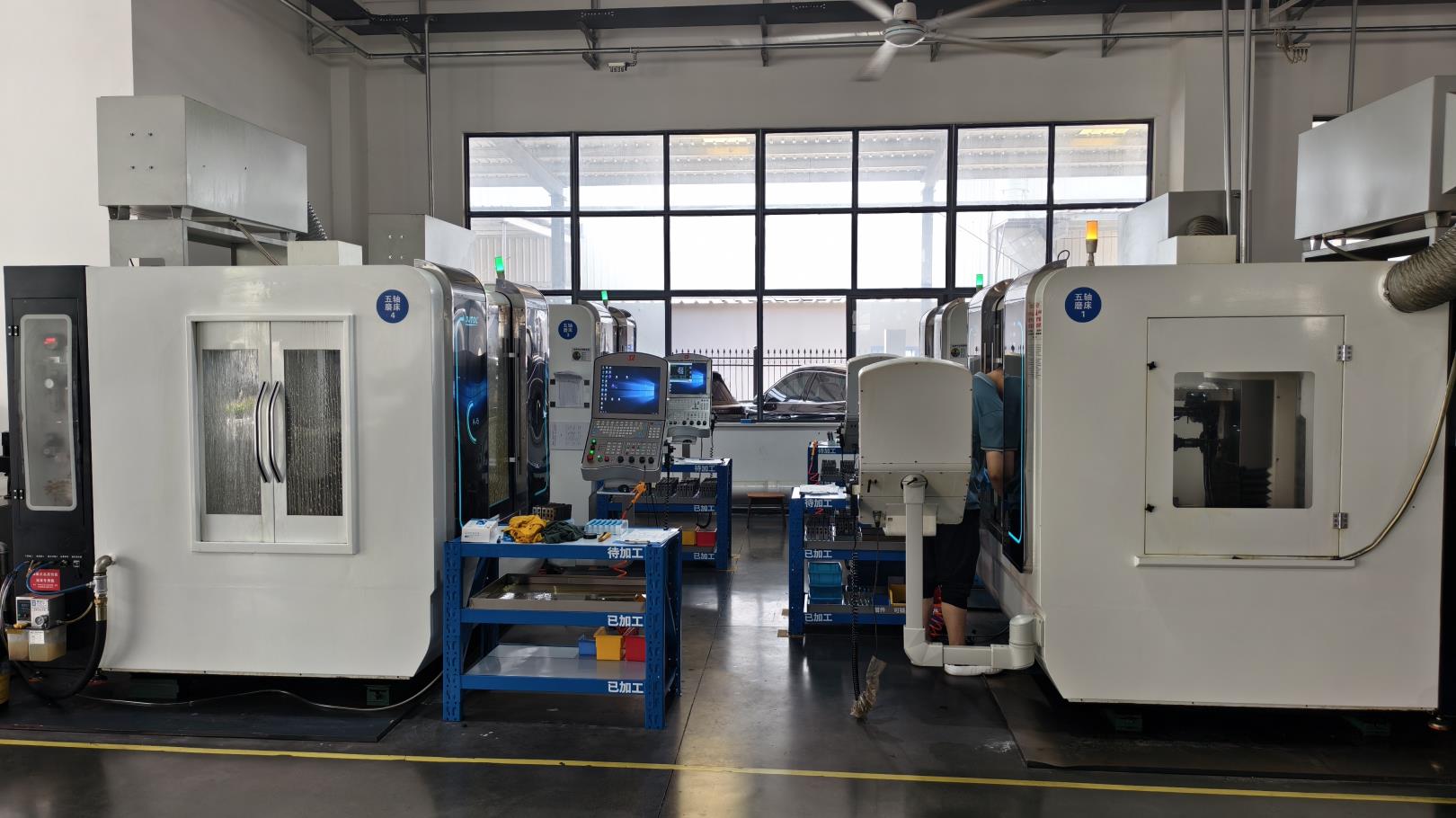
As a specialized manufacturing and development partner operating since 2019, our production lines utilize high-precision multi-axis CNC grinding and micro-machining. This approach combines repeatability with manual craftsmanship, where skilled technicians refine tool tips under stereomicroscopes to ensure precision. Our workflow integrates quality control at every stage:
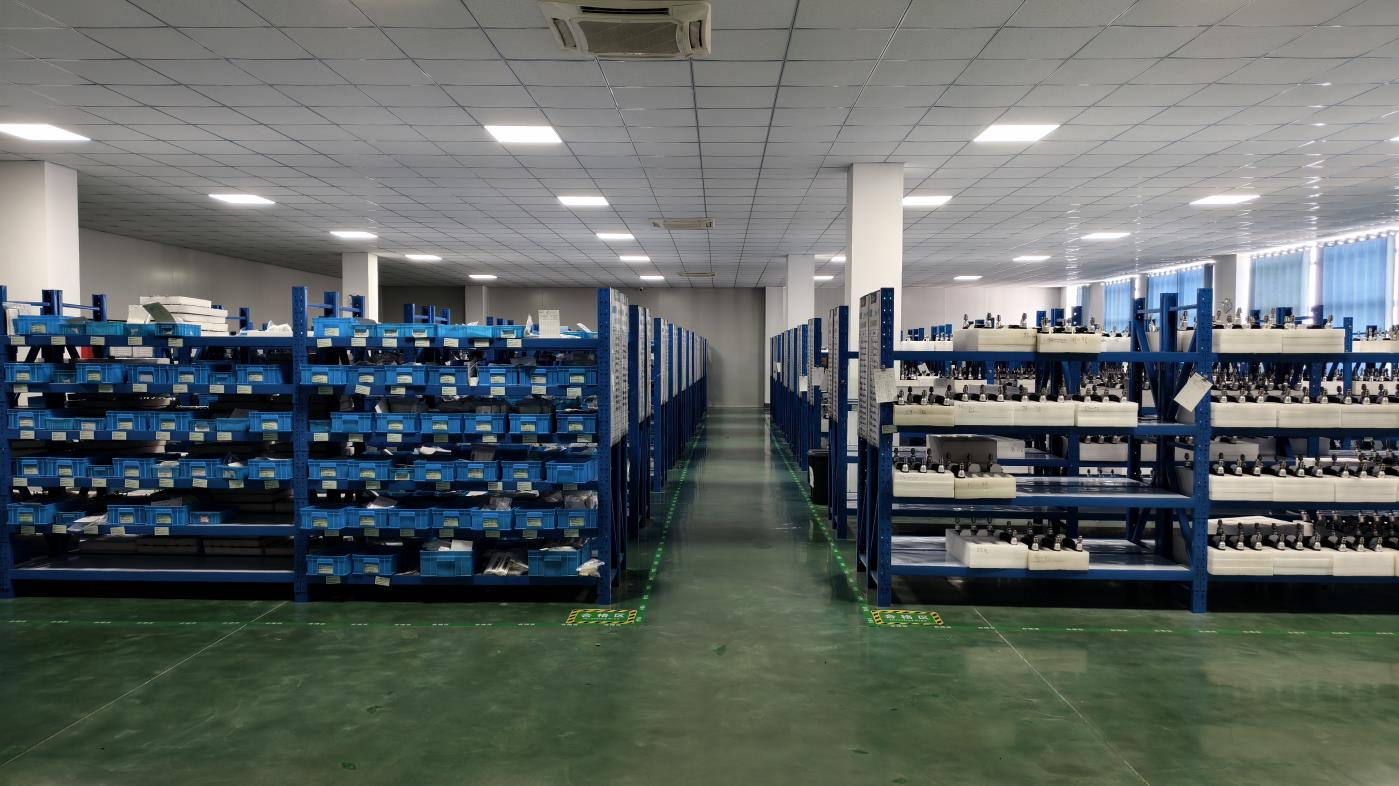
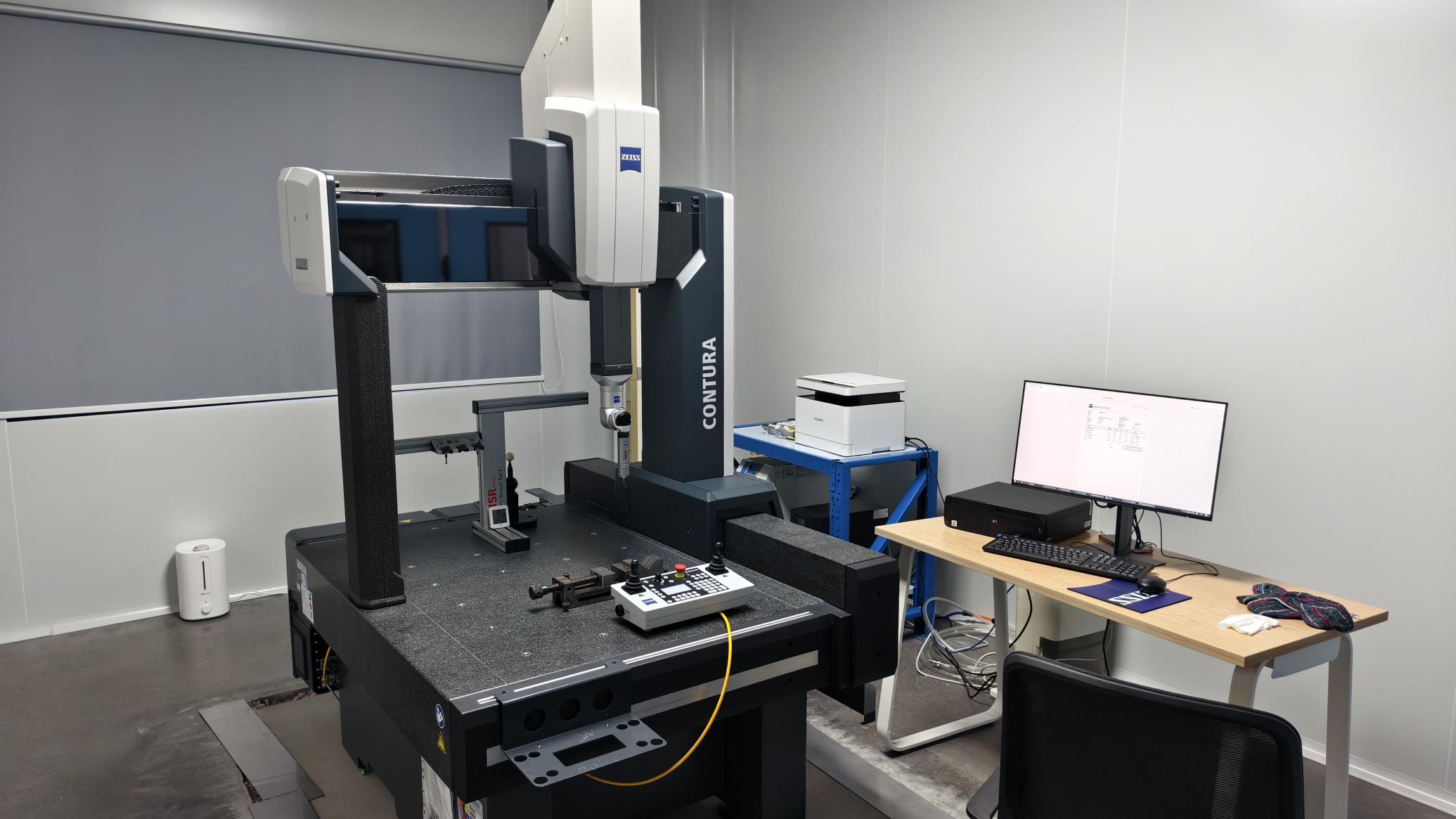
Material Traceability: Every batch of titanium and stainless steel is tracked from the melting mill, with chemical composition certificates provided for peace of mind.
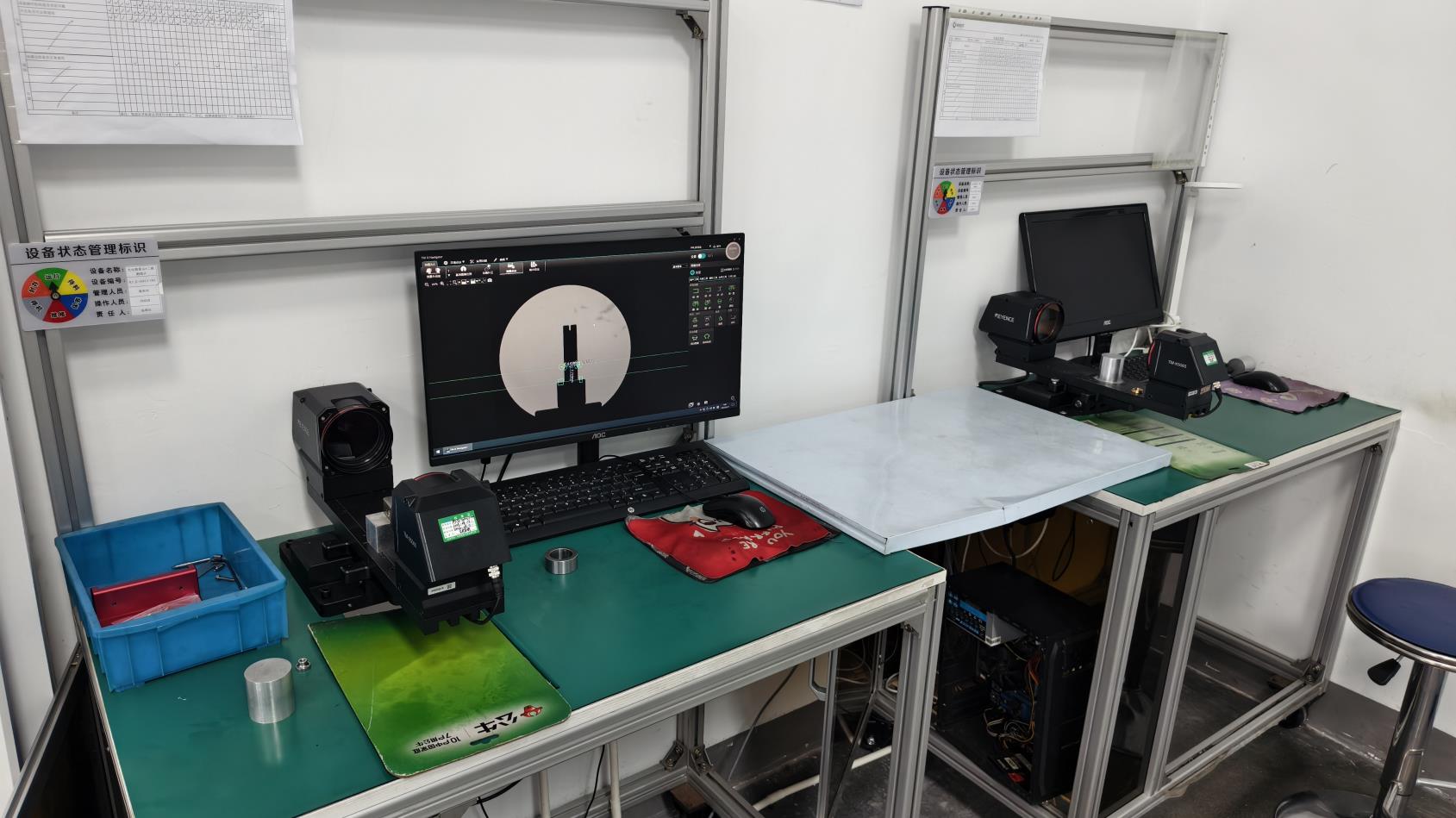
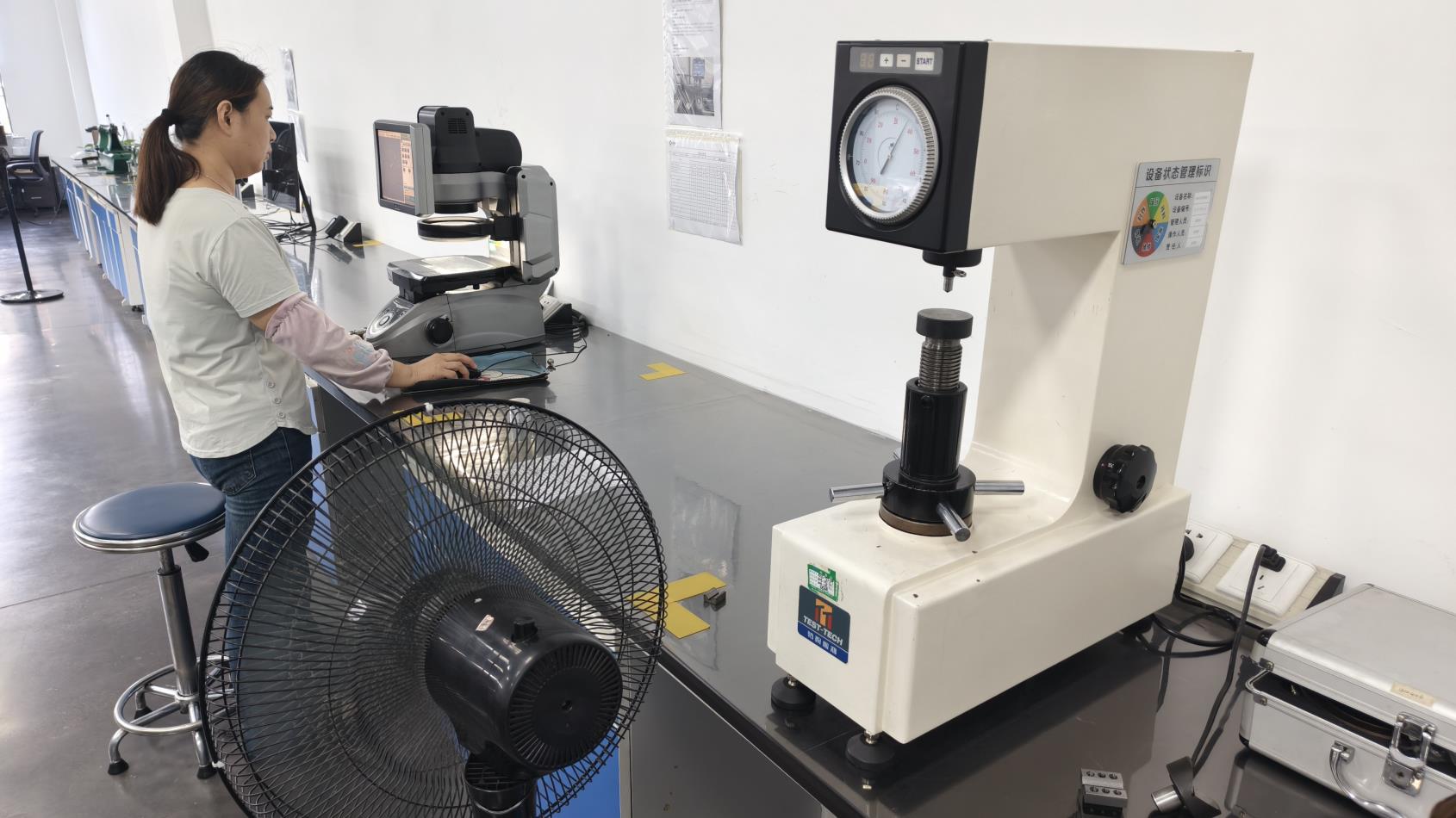
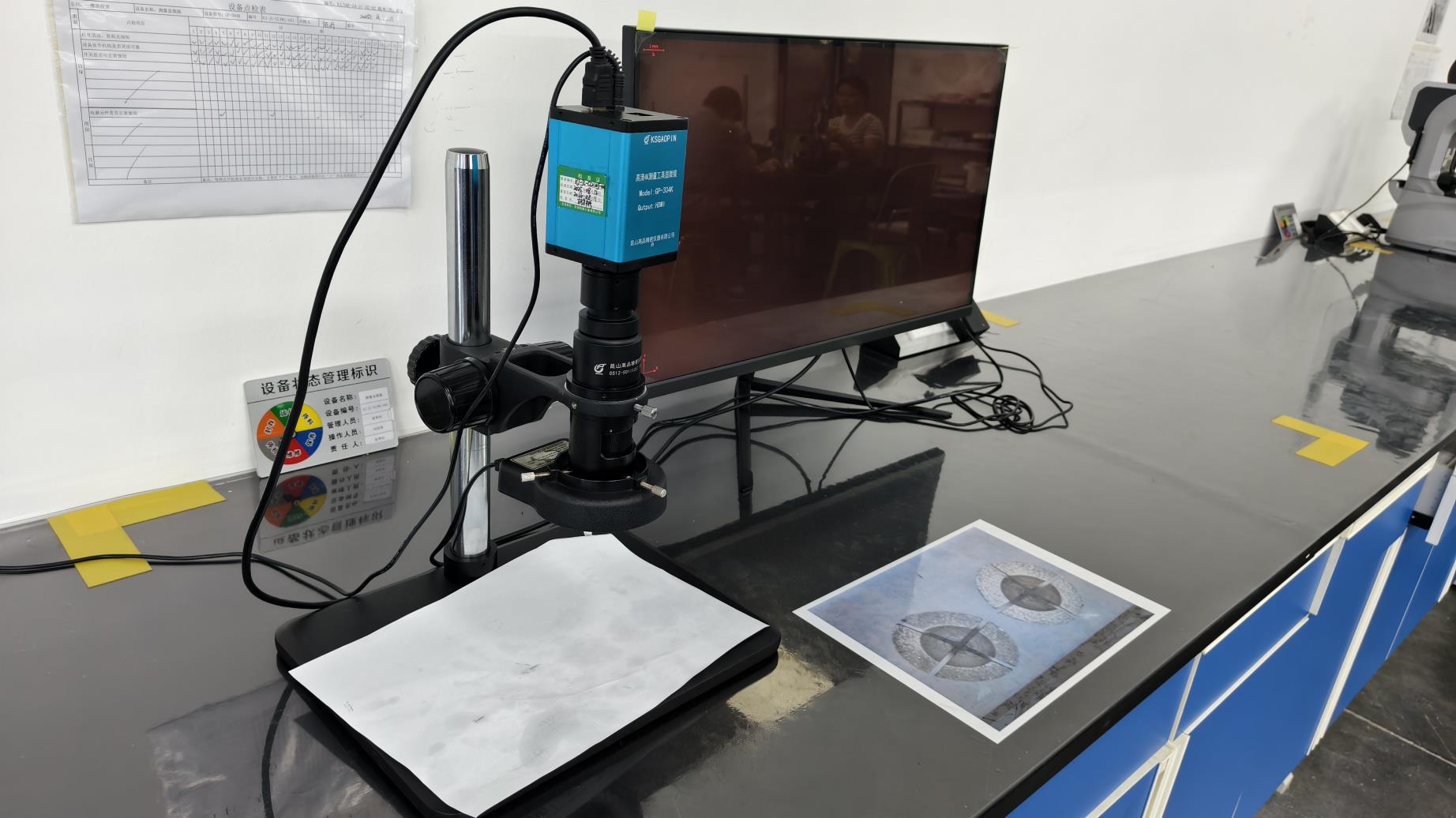
Digital Quality Testing: Real-time dimensional checks utilizing optical comparators verify spatula tip thickness down to 0.05 mm.
Adaptable Production: Our lines accommodate custom modifications and OEM adjustments to support specific clinical practices in Mumbai.
By shifting from older casting processes to advanced raw metal forging and precision machining, our factory reduces manufacturing variation. This helps ensure that nerve hooks, curettes, and retractors perform consistently across multiple surgical procedures.
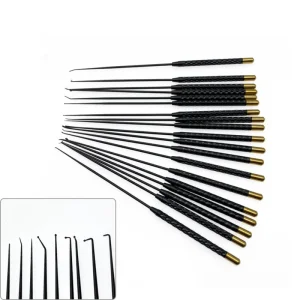
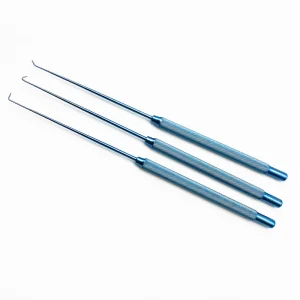
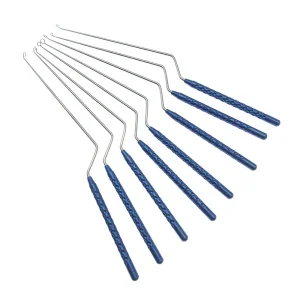
During surgeries for conditions like trigeminal neuralgia, surgeons use our 210mm Titanium Micro-Spatula Dissectors and Nerve Hooks to retract cerebellar tissue and isolate microvascular structures near the brainstem, helping to minimize the risk of cranial nerve traction injuries.
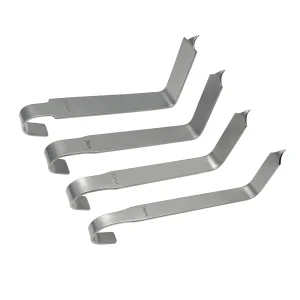
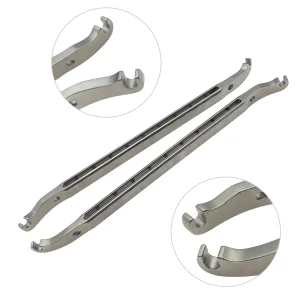
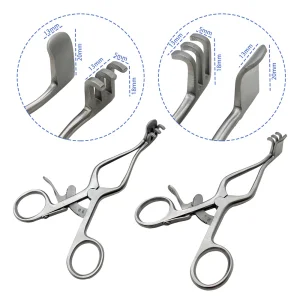
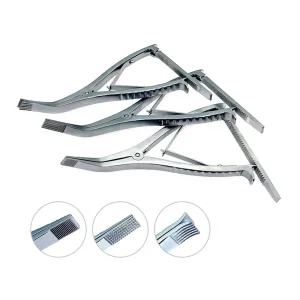
In complex scoliosis surgeries, our lumbar/thoracic spine retractors and heavy-duty rod benders provide the mechanical stability needed to position and fix spinal hardware securely.
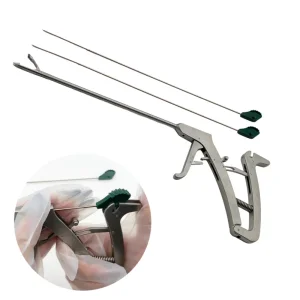
Our arthroscopic suture passers and cruciate ligament reconstruction sets provide surgical teams with the access and control required for clean ligament prep and placement.
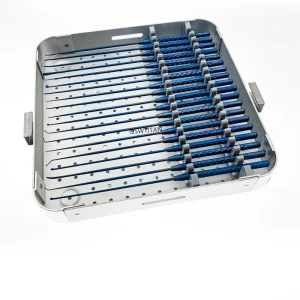
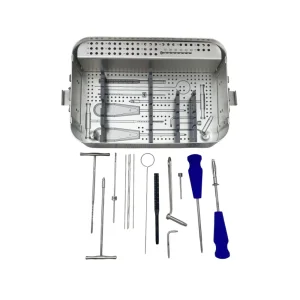
Whether you require standard 19-piece micro-neurosurgical sets or custom-designed retractors and hooks, our specialists can assist with specifications, production parameters, and delivery options.
Send Inquiry Now