SENJIE Healthy & Technology
SENJIE Healthy & Technology
SENJIE Healthy & Technology
Engineered for orthopedic and veterinary procedures demanding exact torque application and superior durability in sterile clinical environments.
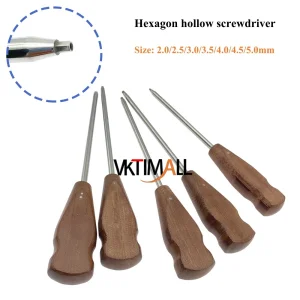
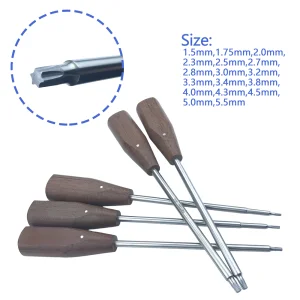
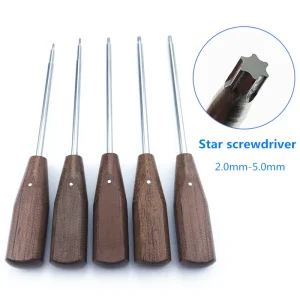
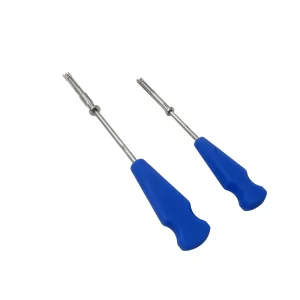
Italy’s healthcare architecture represents one of the most advanced frameworks in the European Union, characterised by a high demand for precision medical instruments. In regional medical device clusters such as those in Lombardy, Emilia-Romagna, and Veneto, biomedical distributors and surgical importers require tools that meet rigorous manufacturing tolerances and strict legislative parameters. The transition from the Medical Devices Directive (MDD) to the more demanding European Union Medical Device Regulation (EU MDR 2017/745) has placed unprecedented emphasis on supply chain audit trails, raw material composition, and ergonomic verification. Bone screwdrivers used in trauma surgeries, spinal fixation, and veterinary orthopedics must stand up to autoclave cycles, chemical passivation, and mechanical torque without deformation.
In veterinary medicine, specifically in canine and feline osteosynthesis, surgical success depends heavily on the interface between the bone plate, the screw, and the driver. Screw heads in the 1.5mm to 4.0mm range require drivers with minimal tolerances to prevent "cam-out"—the slipping of the driver from the screw head. Our orthopedic screwdrivers, designed with star (Torx-like) and hexagonal interfaces, provide maximized surface area contact. This reduces radial force requirements and allows Italian veterinary surgeons to tactilely sense the precise tightening limit of the screw in osteoporotic or delicate cancellous bone, preventing stripping of the bone threads.
The selection of raw materials defines the longevity of surgical instruments. For the Italian clinical market, we focus on two primary alloys: SUS316LVM (Vacuum Arc Remelted Stainless Steel): Known for its exceptional structural homogeneity, which minimizes micro-impurities. This prevents stress corrosion cracking and allows the driver shaft to transfer high torsional loads without micro-fracturing. Grade 5 Titanium (Ti-6Al-4V ELI): Used predominantly in weight-sensitive and implant-proximate scenarios, offering superior biocompatibility and a lower modulus of elasticity closer to that of cortical bone. Our proprietary heat-treatment cycles ensure that tip geometries maintain their sharp margins over hundreds of autoclave sterilization cycles.
Transparent commercial data and technical metrics outlining our industrial capabilities and compliance standards.
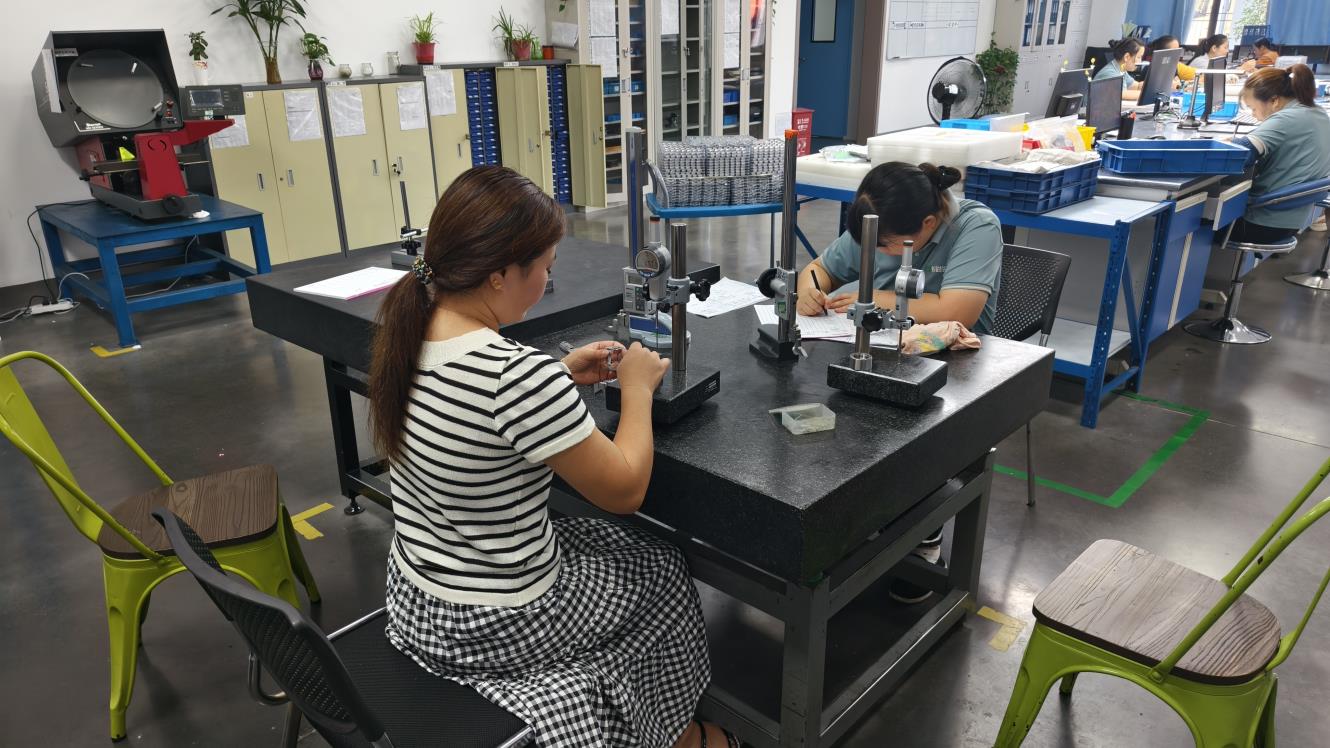
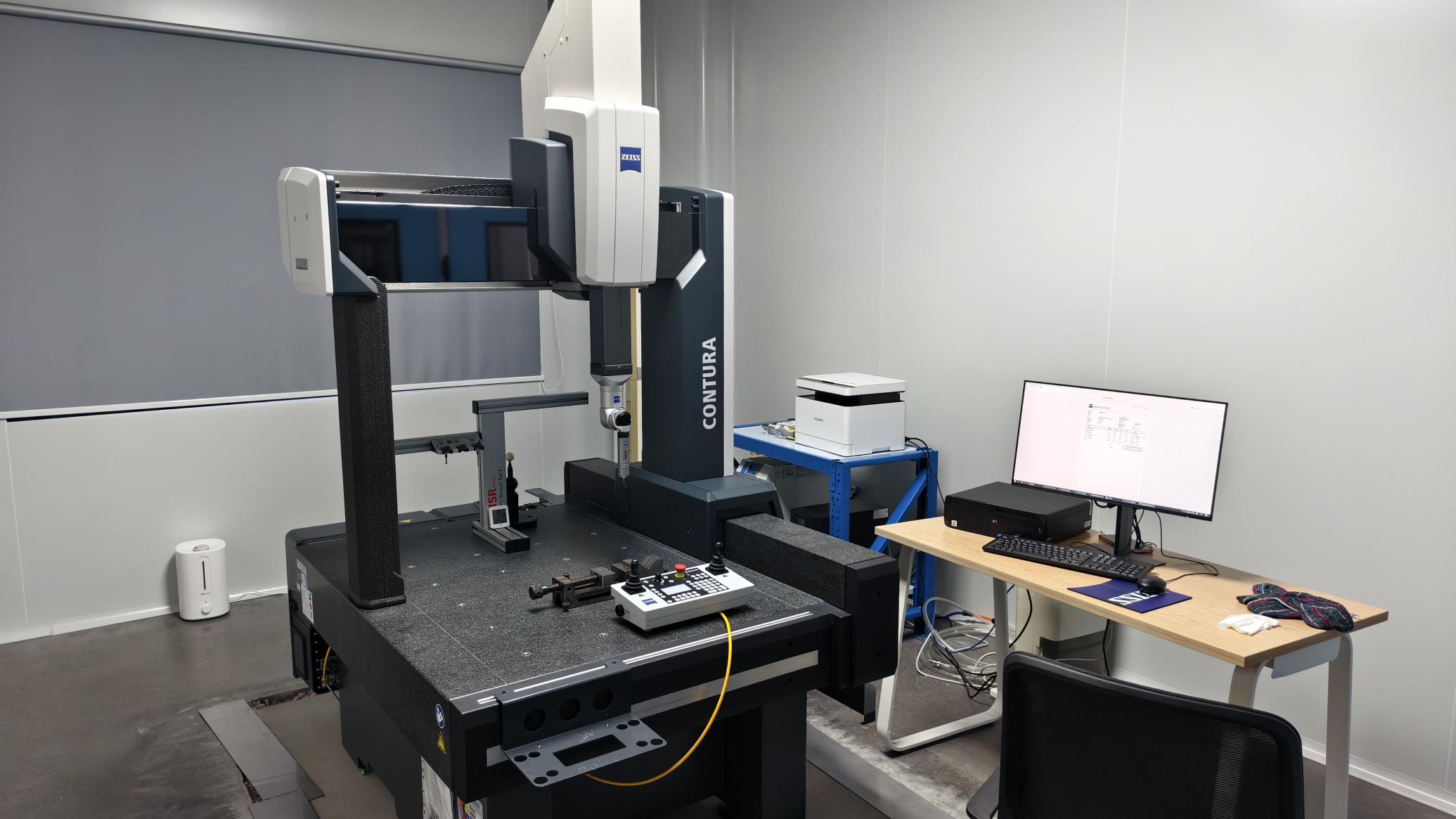
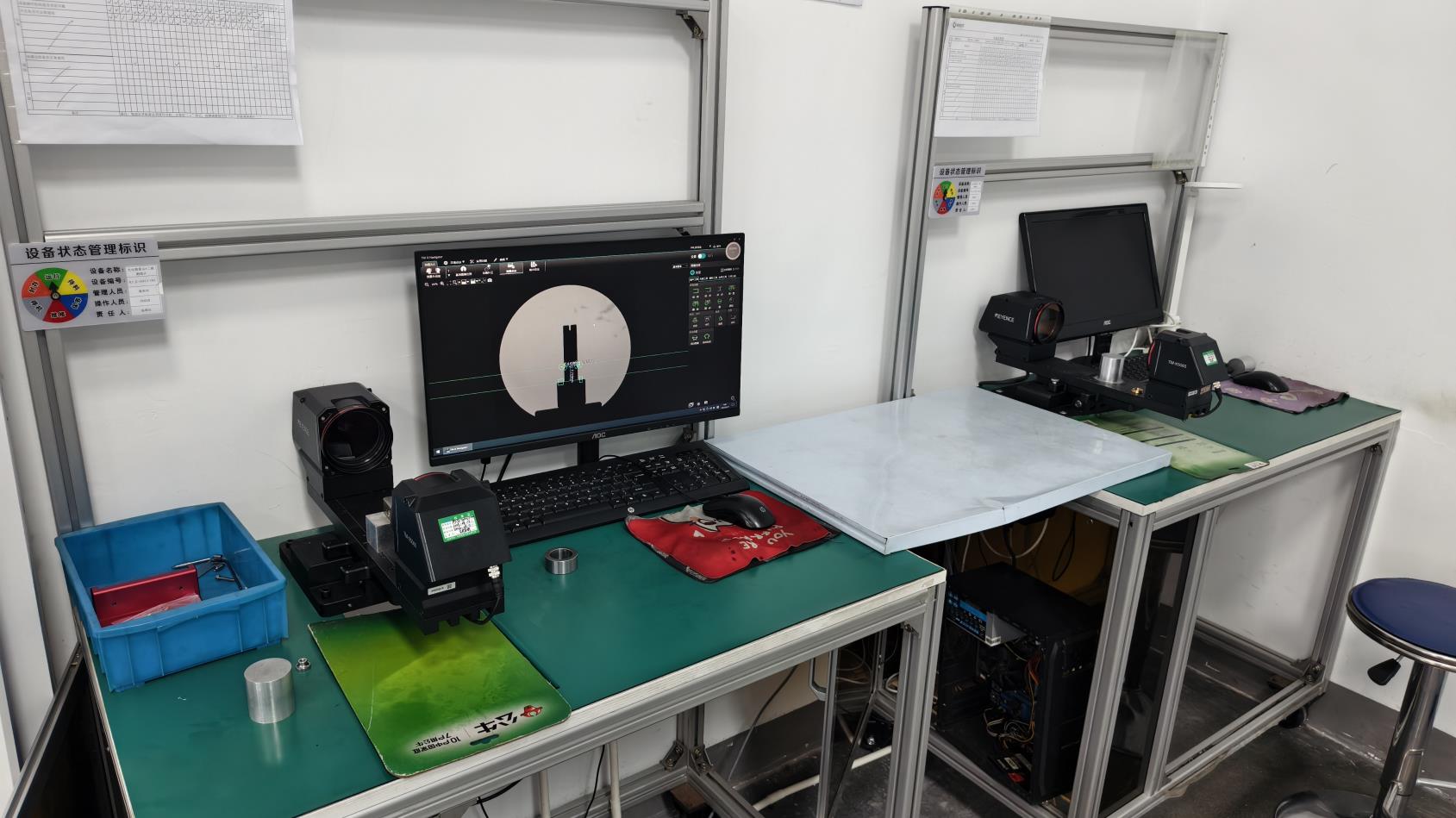
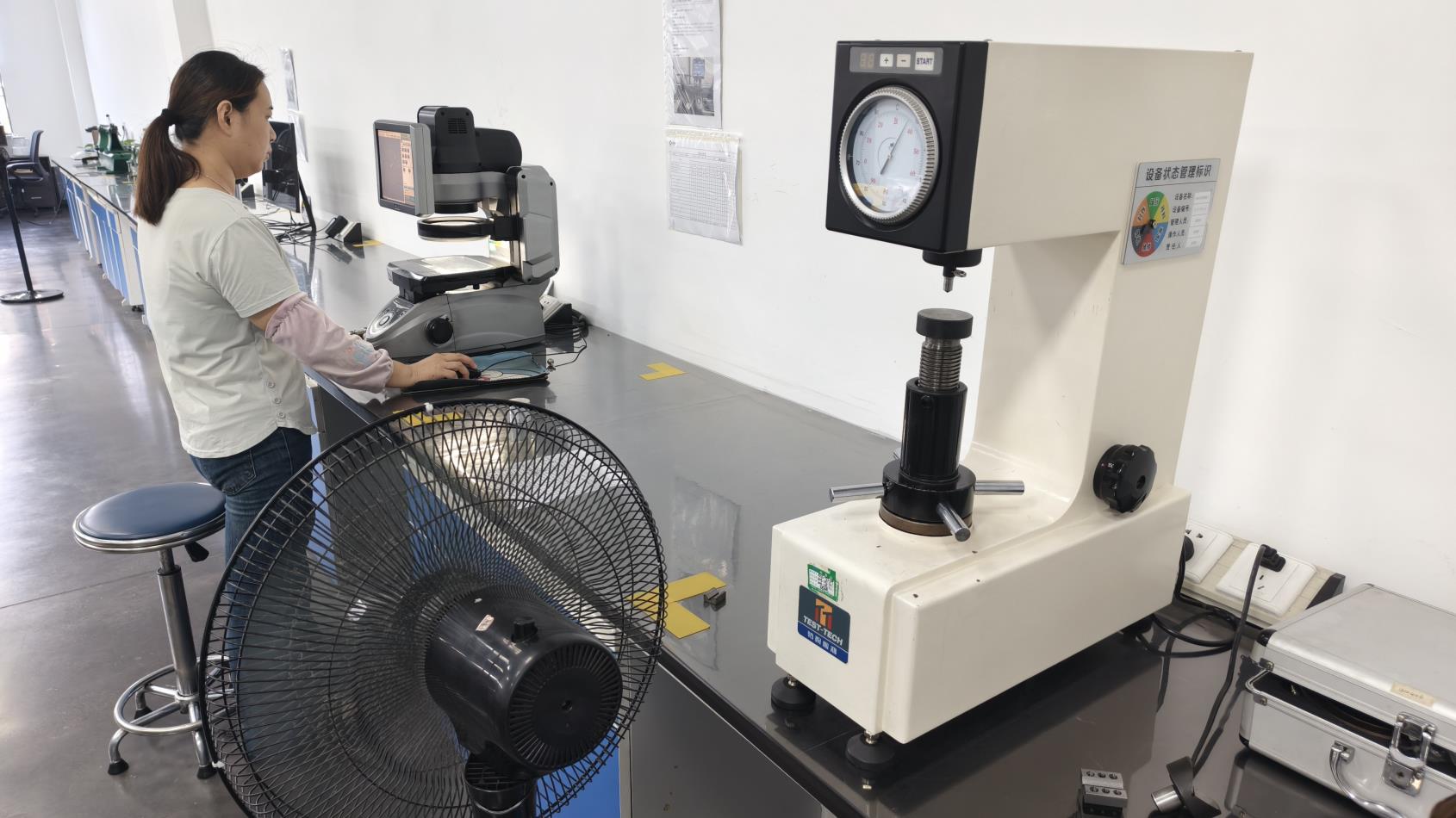
We maintain rigorous design-to-delivery pipelines tailored to Southern European supply chains. Every batch of surgical screwdrivers shipped to Italy undergoes optical comparator verification and destructive torque limit testing to confirm adherence to specifications.
| Test Parameter | Methodology | Standard Achieved |
|---|---|---|
| Torsional Strength | ISO 10664 / ASTM F116 | Exceeds 150% of design torque limits |
| Corrosion Resistance | ASTM F1089 Boiling water & Copper Sulfate | Zero surface oxidation post-sterilization |
| Dimensional Precision | CNC Laser Profiler & Micrometer Inspection | Tolerance limit of ±0.01mm |
Managing the flow of orthopedic instruments into European gateways like Genoa or Milan Malpensa airport demands more than just manufacturing prowess. It requires a deep understanding of import customs procedures, harmonized system tariff codes (HS Code 902190 for orthopedic appliances), and technical documentation portfolios. Our logistics framework ensures that every shipment contains comprehensive technical documentation, including raw material certificates (EN 10204 3.1), biocompatibility data sheets, and a Declaration of Conformity. This prevents administrative delays at Italian borders and helps distributors maintain stable inventory levels without needing to hold excess buffer stock.
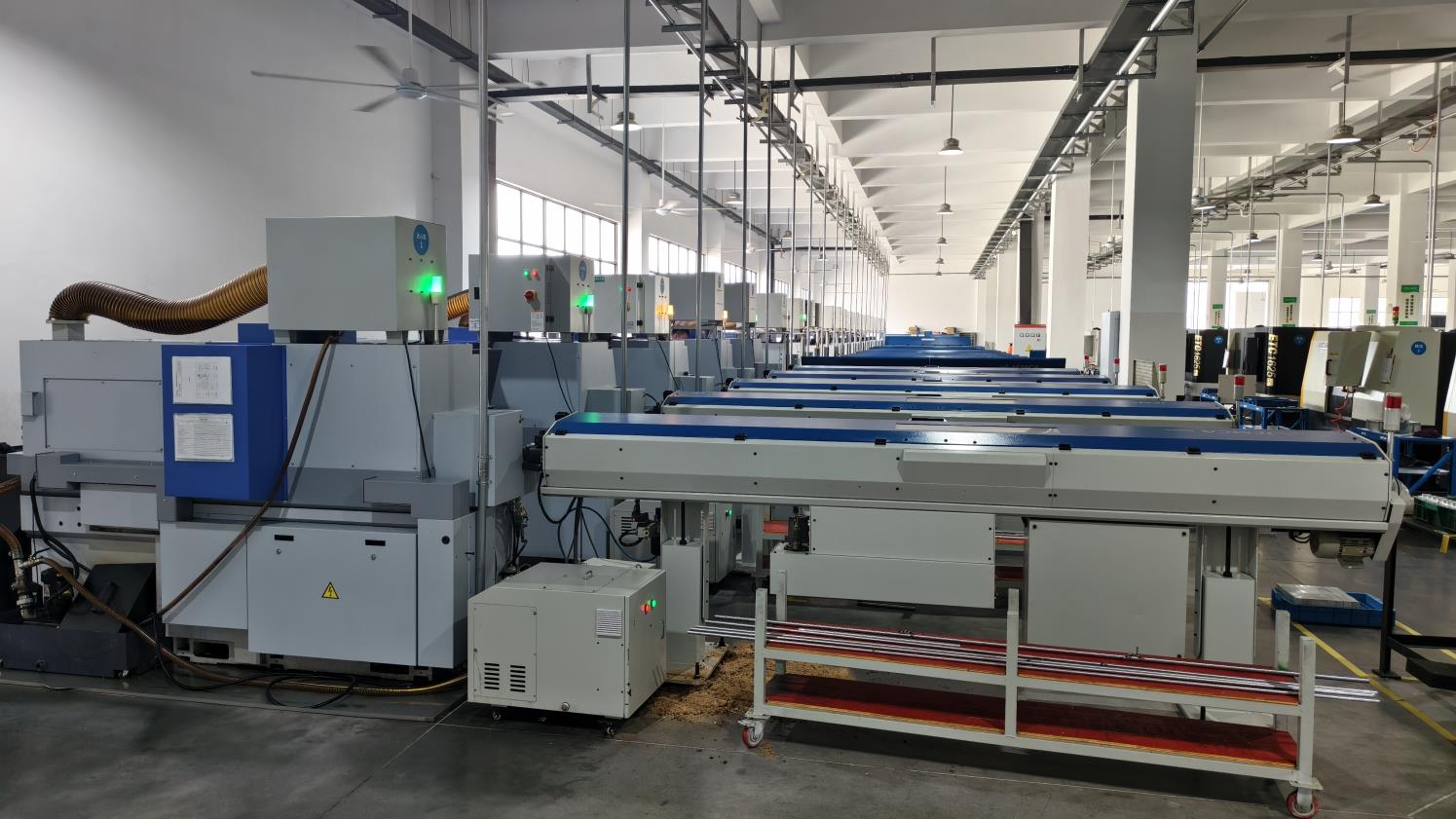
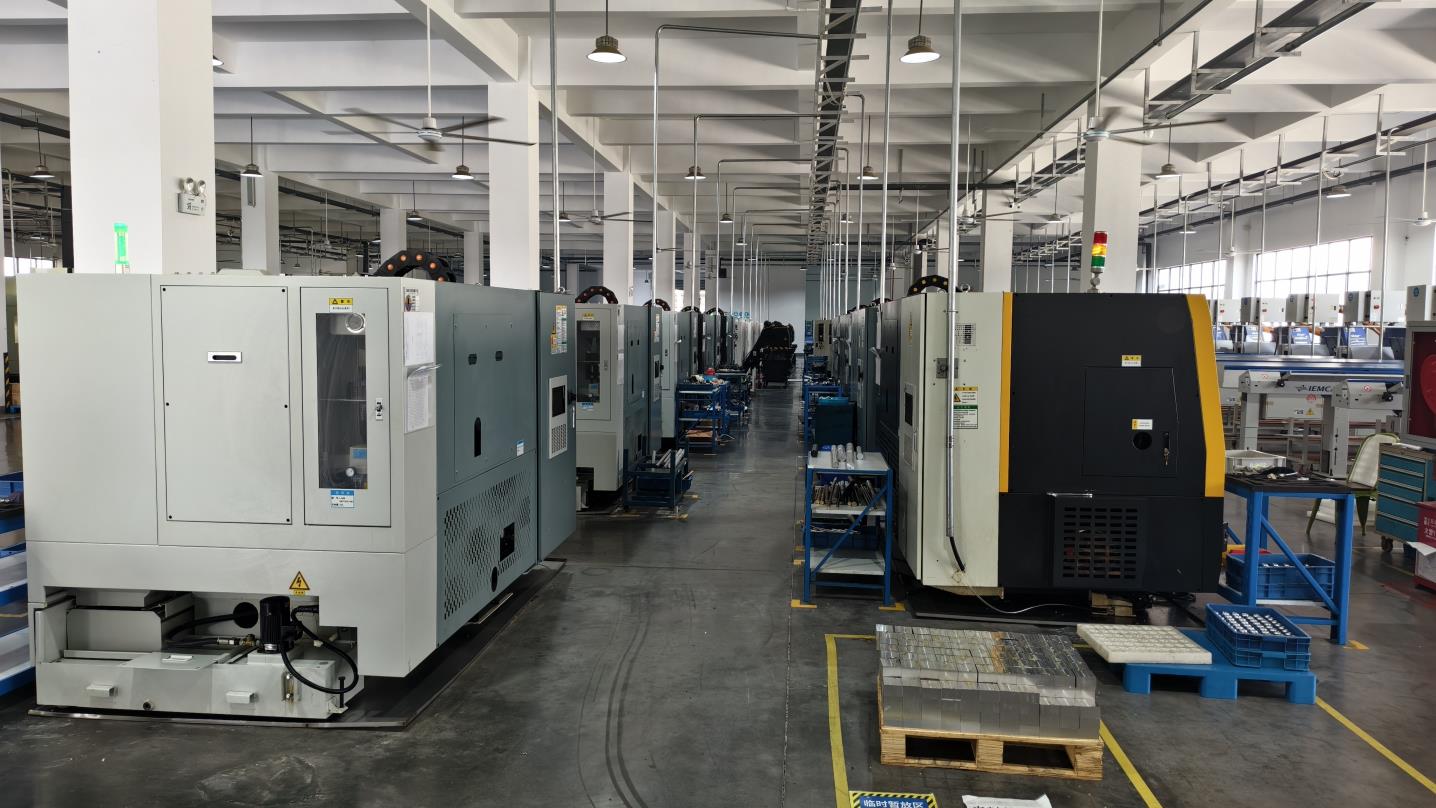
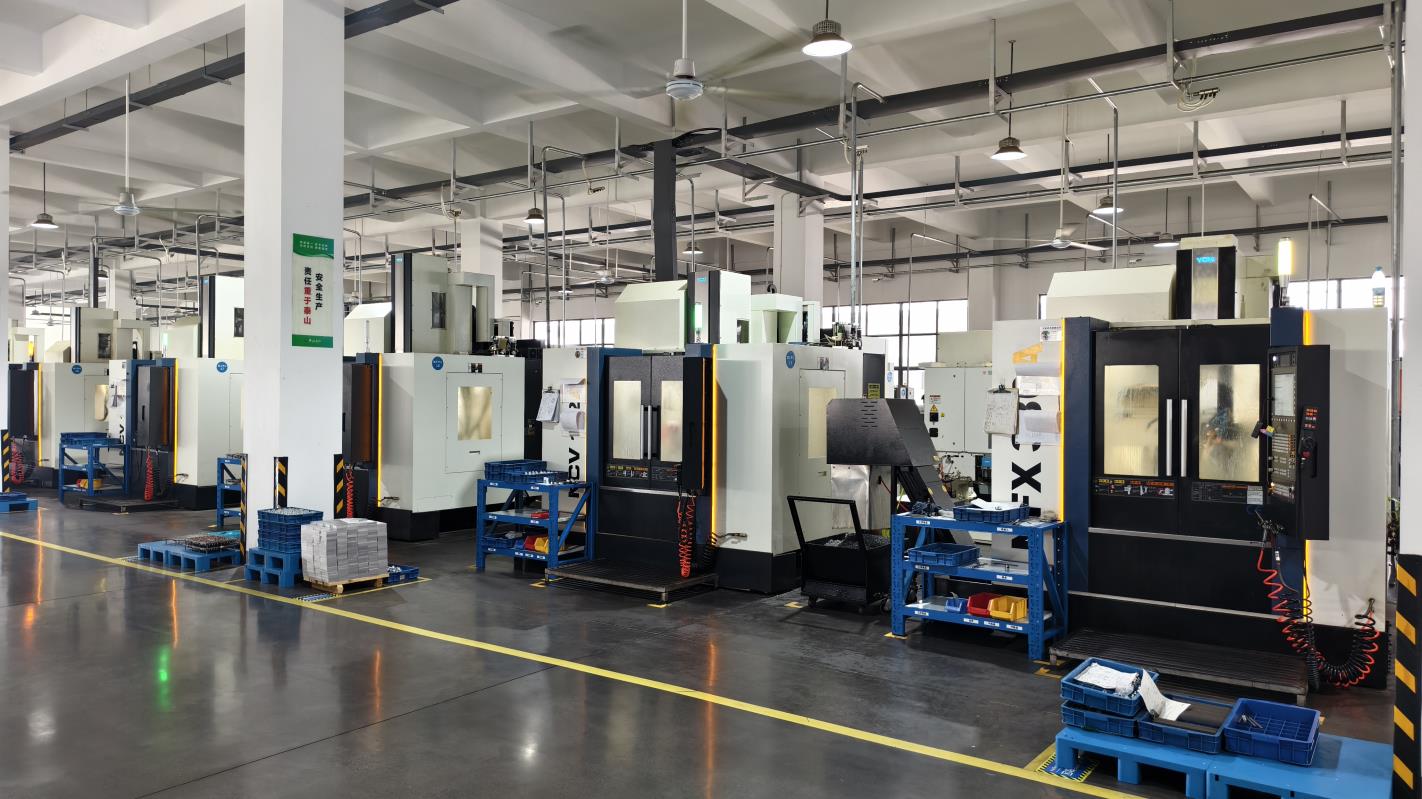
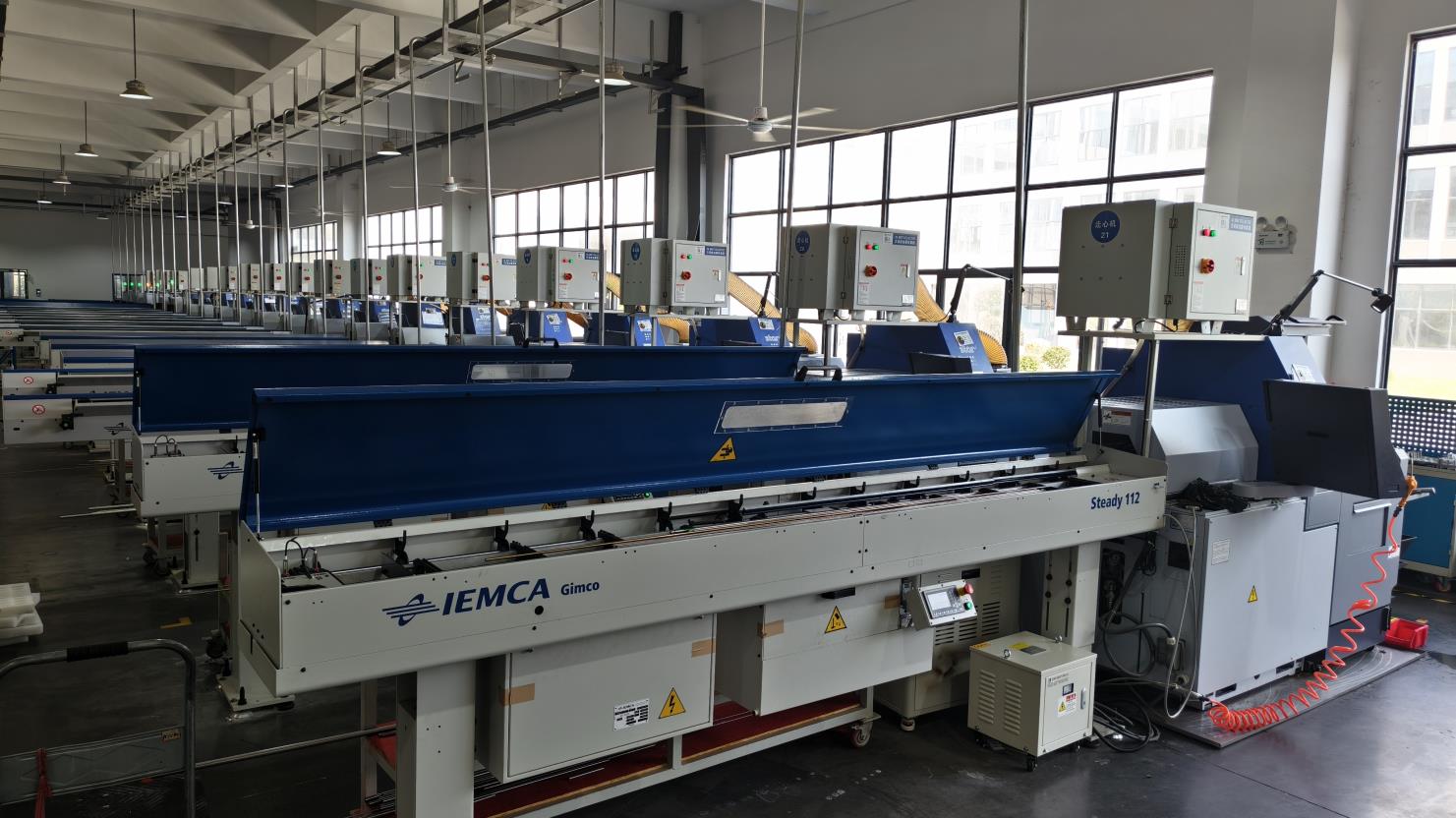
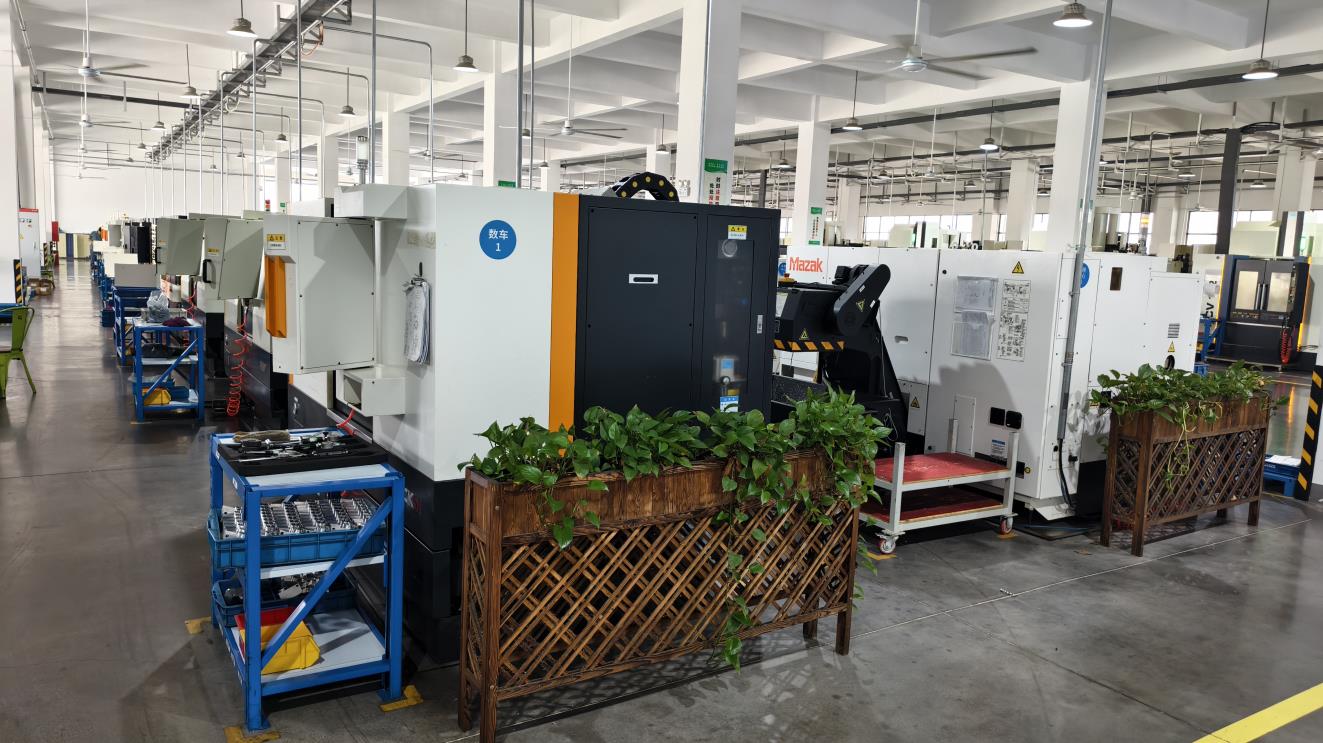
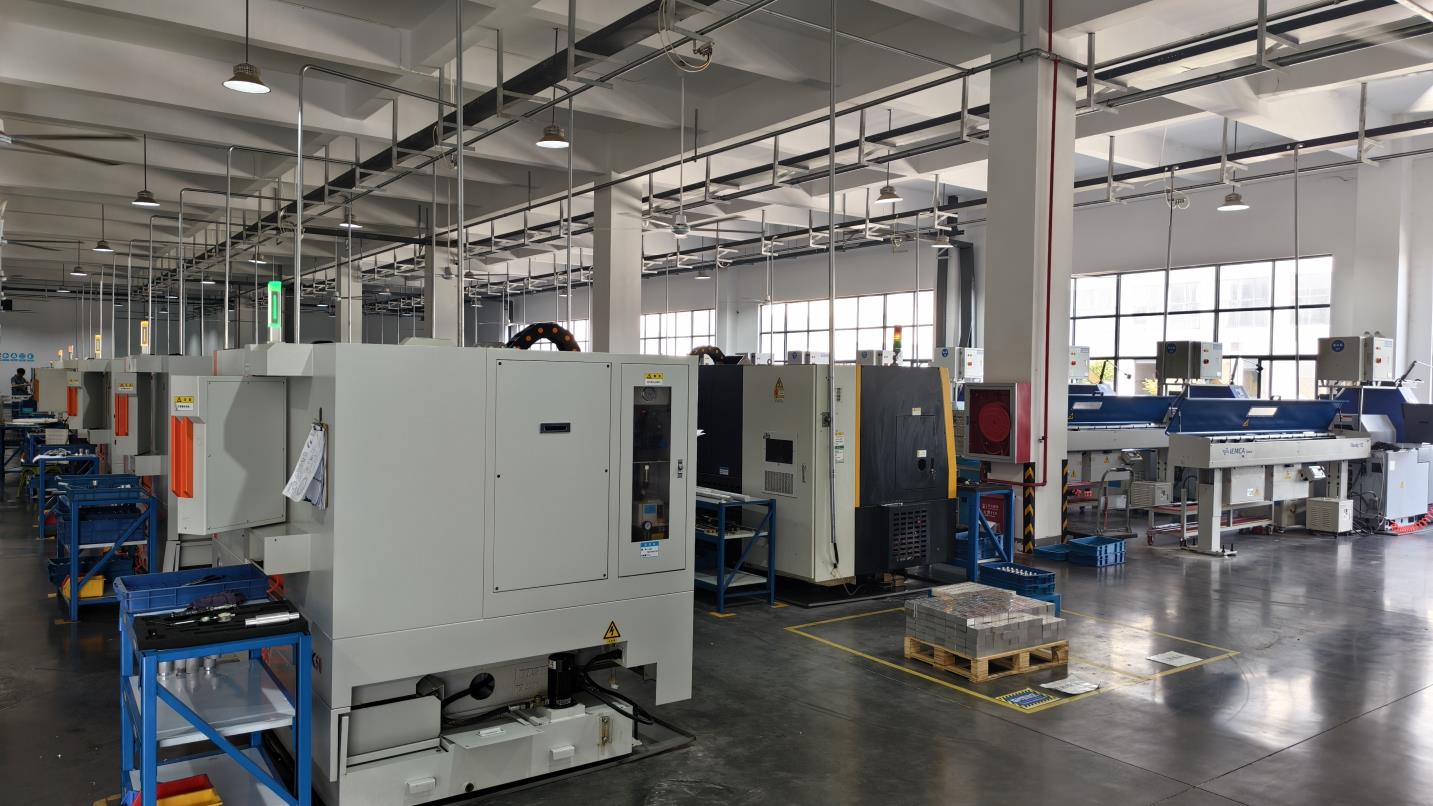
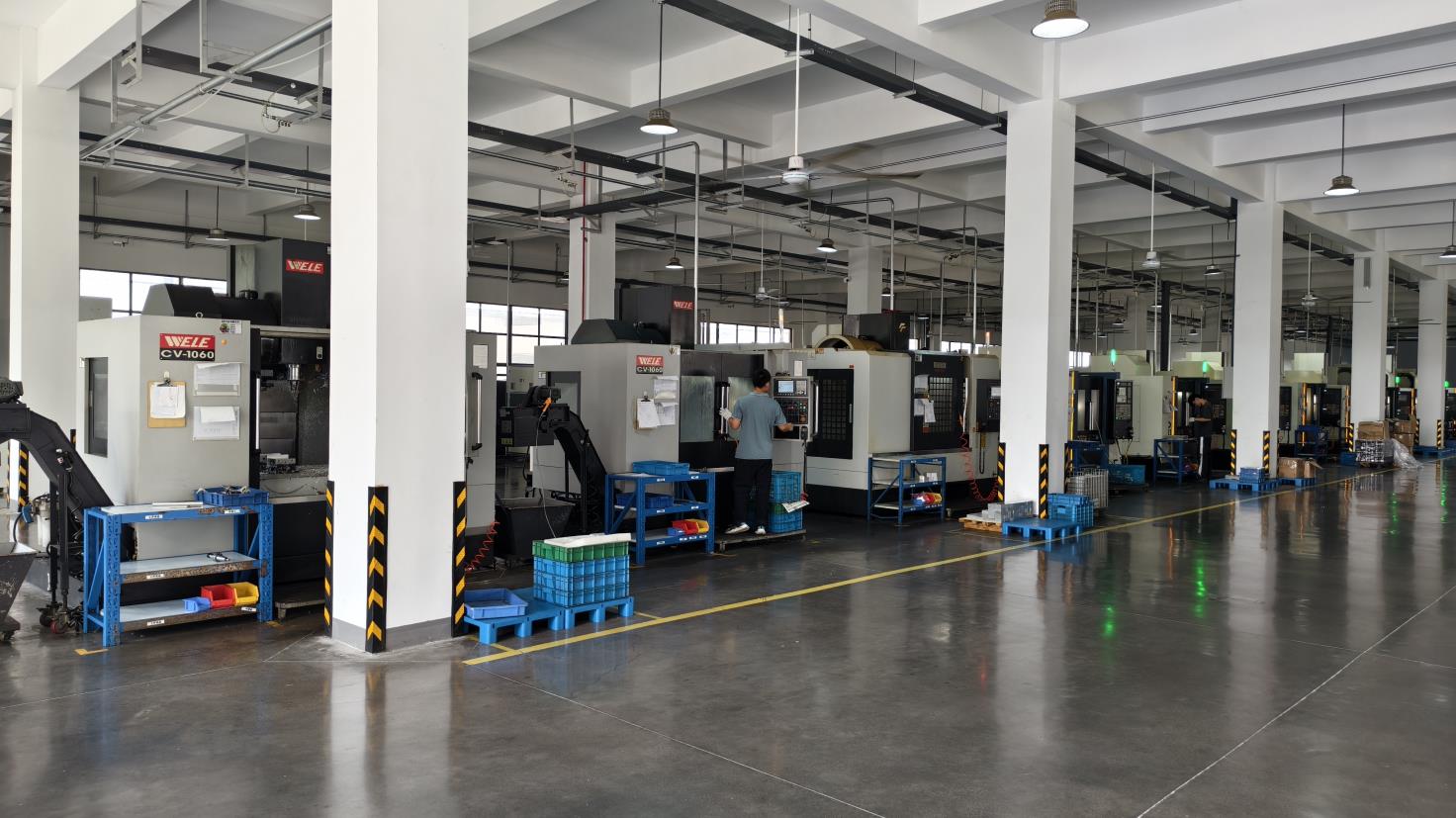
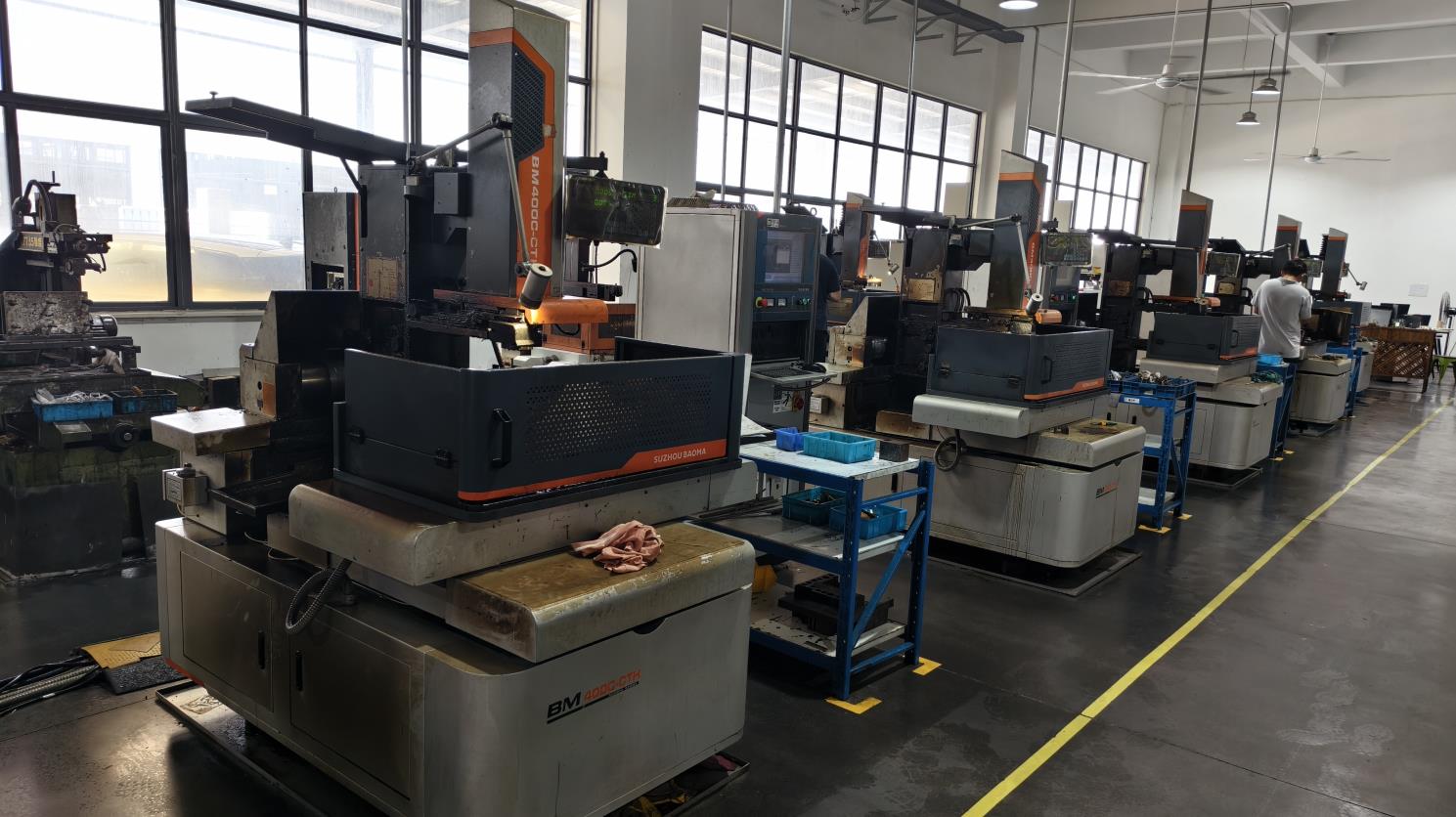
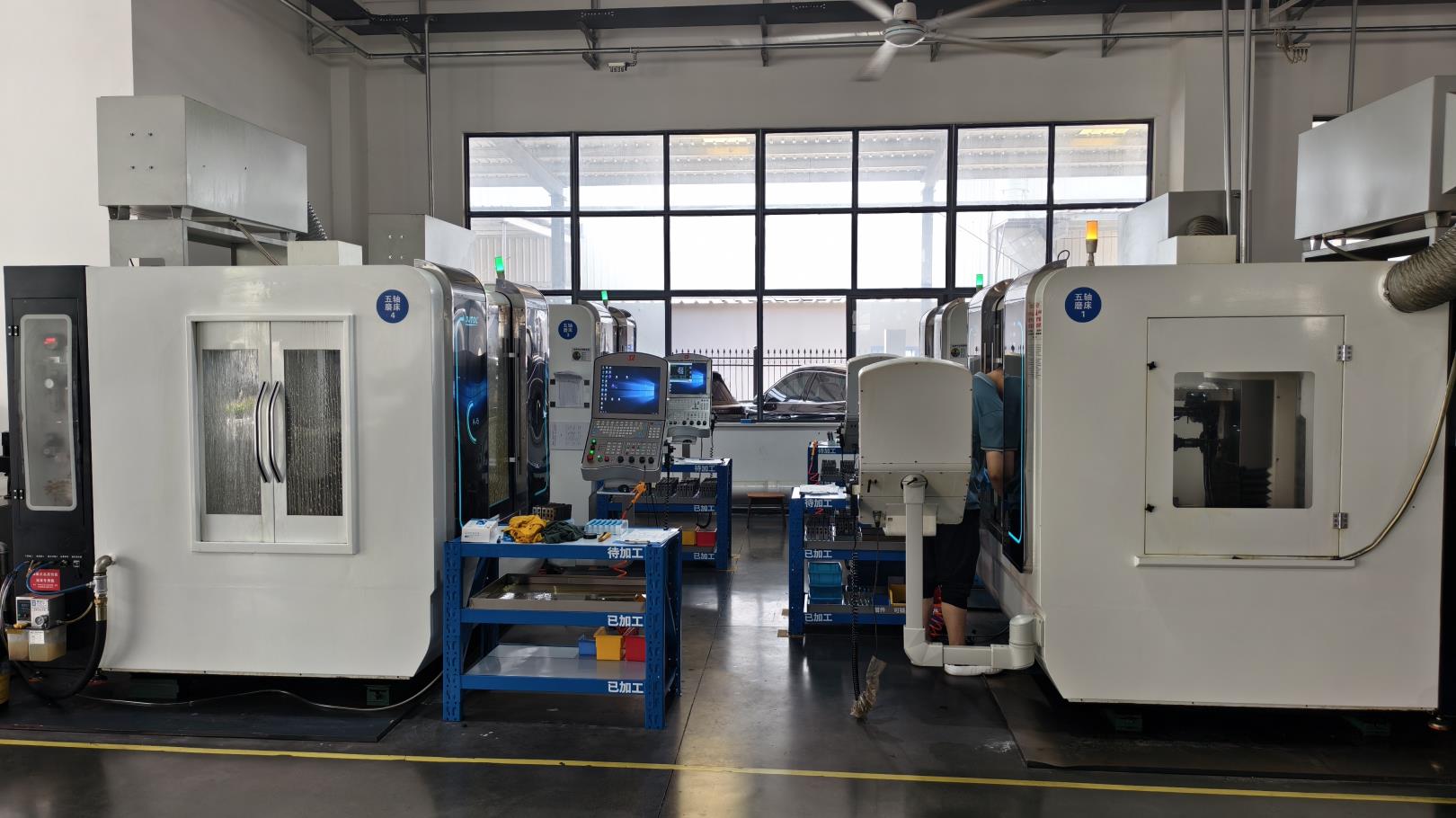
Our production facilities utilize automated multi-axis Swiss CNC turning centers and wire electrical discharge machining (EDM) to produce consistent geometries. In manual surgical procedures, even a small dimensional deviation of 0.05mm can result in wobble or play, increasing the risk of bone shear. By employing robotic machining stations, we maintain tight tolerances across production runs of 100 or 10,000 units. This precision allows us to support both specialized niche orders for Italian research clinics and high-volume private label supplies for multinational orthopedic brands.
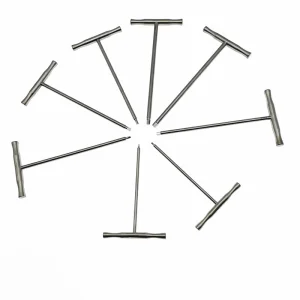
A complete selection of star, hex, cross-head, quick-coupling, and sleeved drivers engineered for human and veterinary orthopedics.
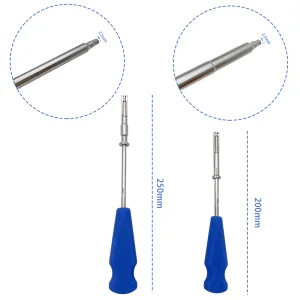
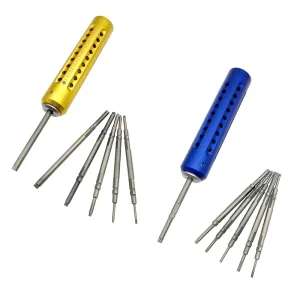
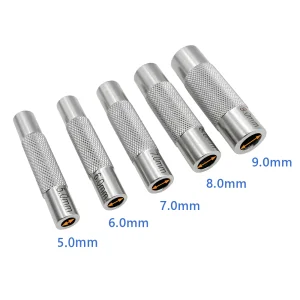
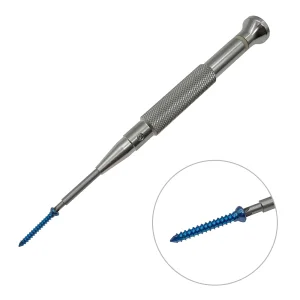
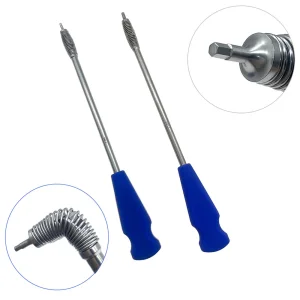
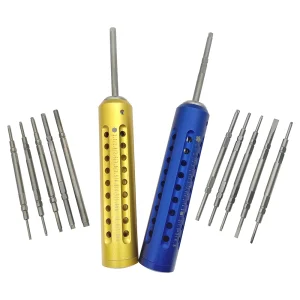
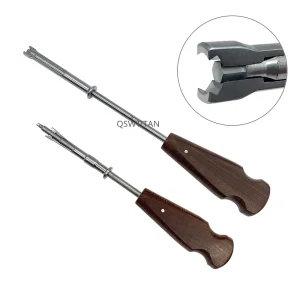
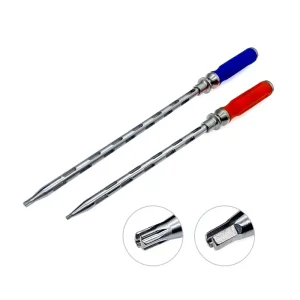
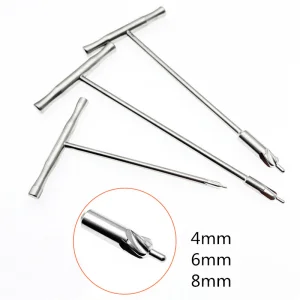
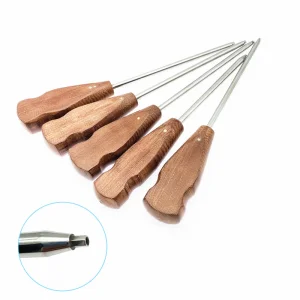
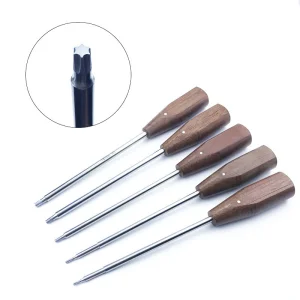
Surgical instruments imported into Italy must comply with Regulation (EU) 2017/745 (MDR) for medical devices. Under these guidelines, reusable surgical instruments (Class Ir) require clear cleaning, disinfection, and sterilization instructions. Our manufacturing systems ensure that every bone screwdriver can withstand repeated autoclave sterilization cycles at 134°C for 18 minutes, in line with European infection control standards. The passivation step creates a stable chromium oxide layer on the metal surface, protecting the instrument from rust and pitting during autoclaving.
Orthopedic bone screws must be tightened with precise torque to achieve stable bone compression without stripping the screw head or causing bone necrosis. Our screwdrivers are engineered to interface securely with Star (Torx) and Hex head designs, minimizing mechanical play. Our quick-coupling systems are calibrated to fit standard AO-style attachments, allowing surgeons to switch between hand grips and powered units during surgery.
Technical and logistics details for B2B importers, surgical distributors, and veterinary hospital procurement teams in Italy.
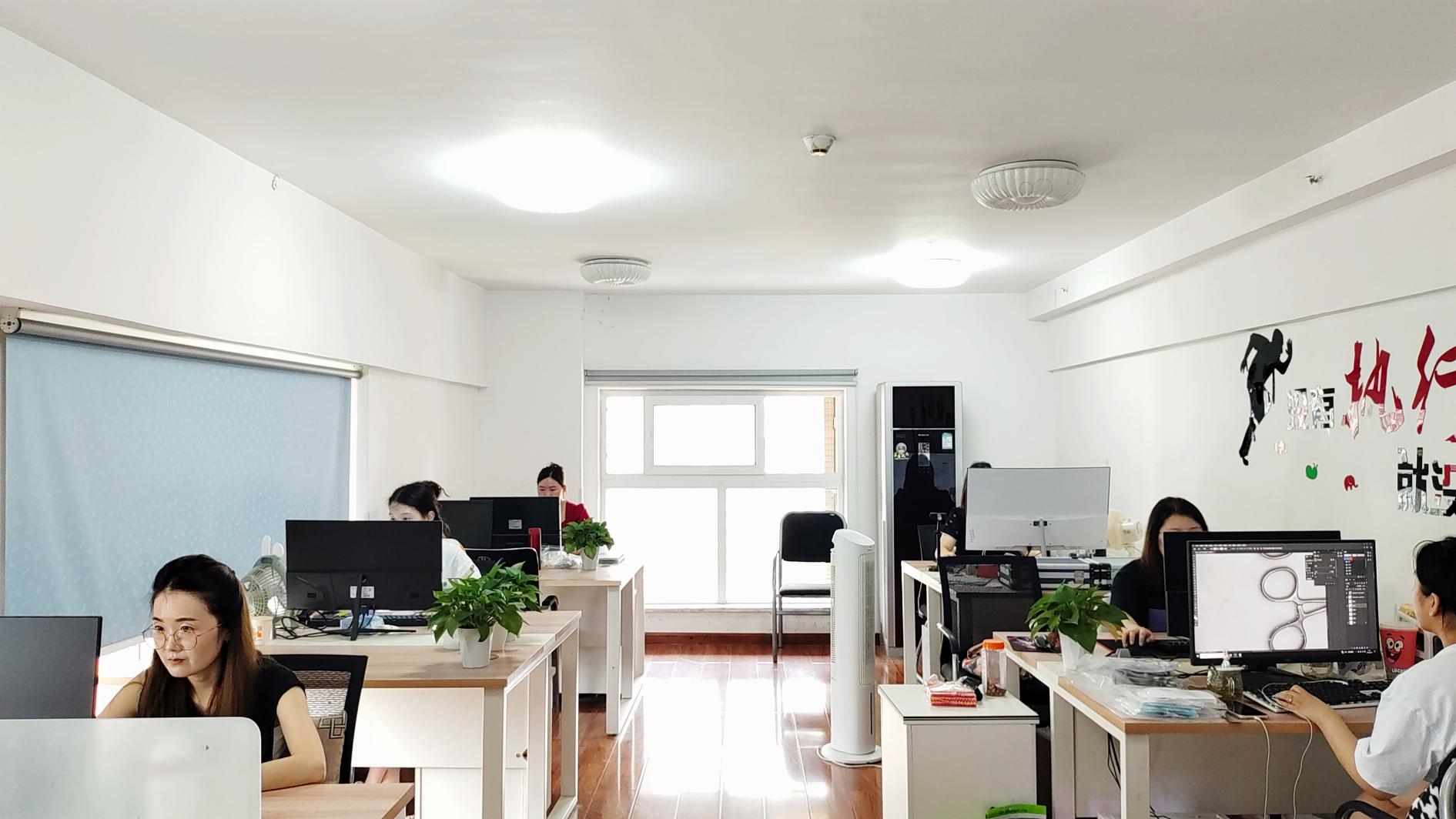
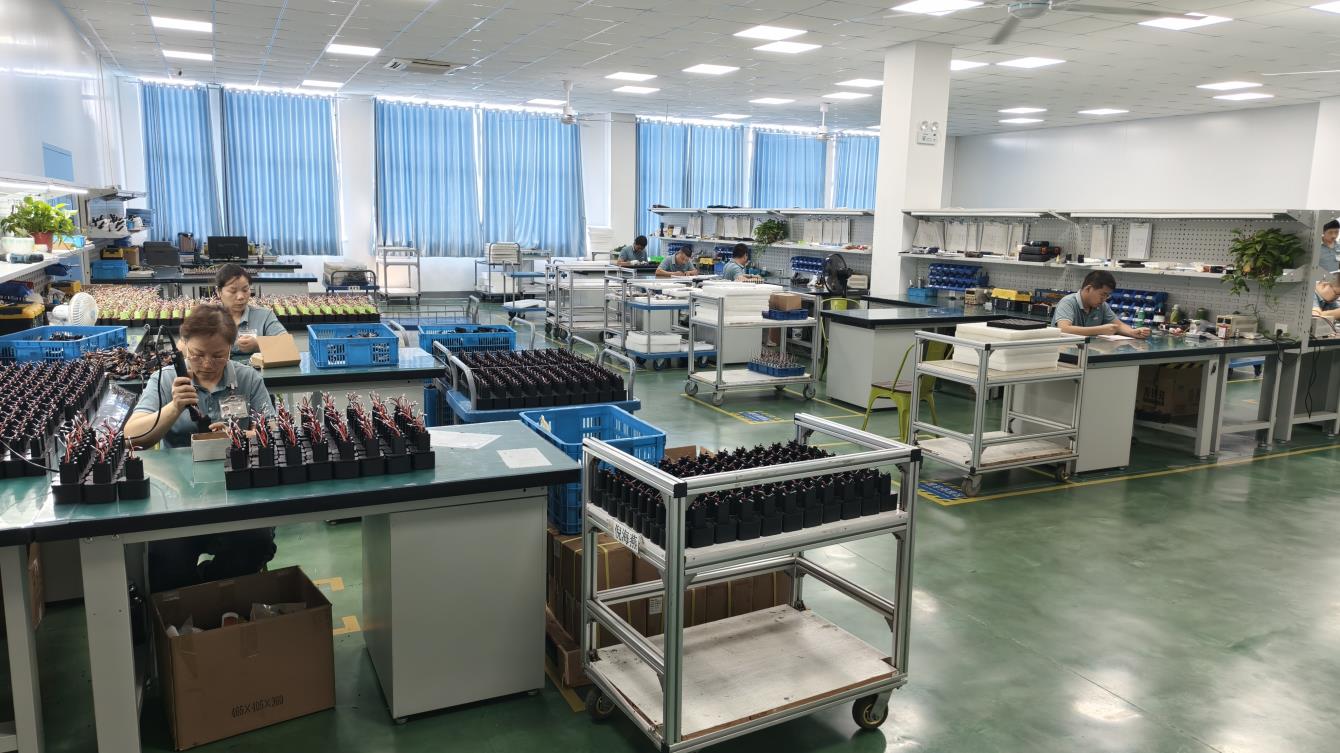
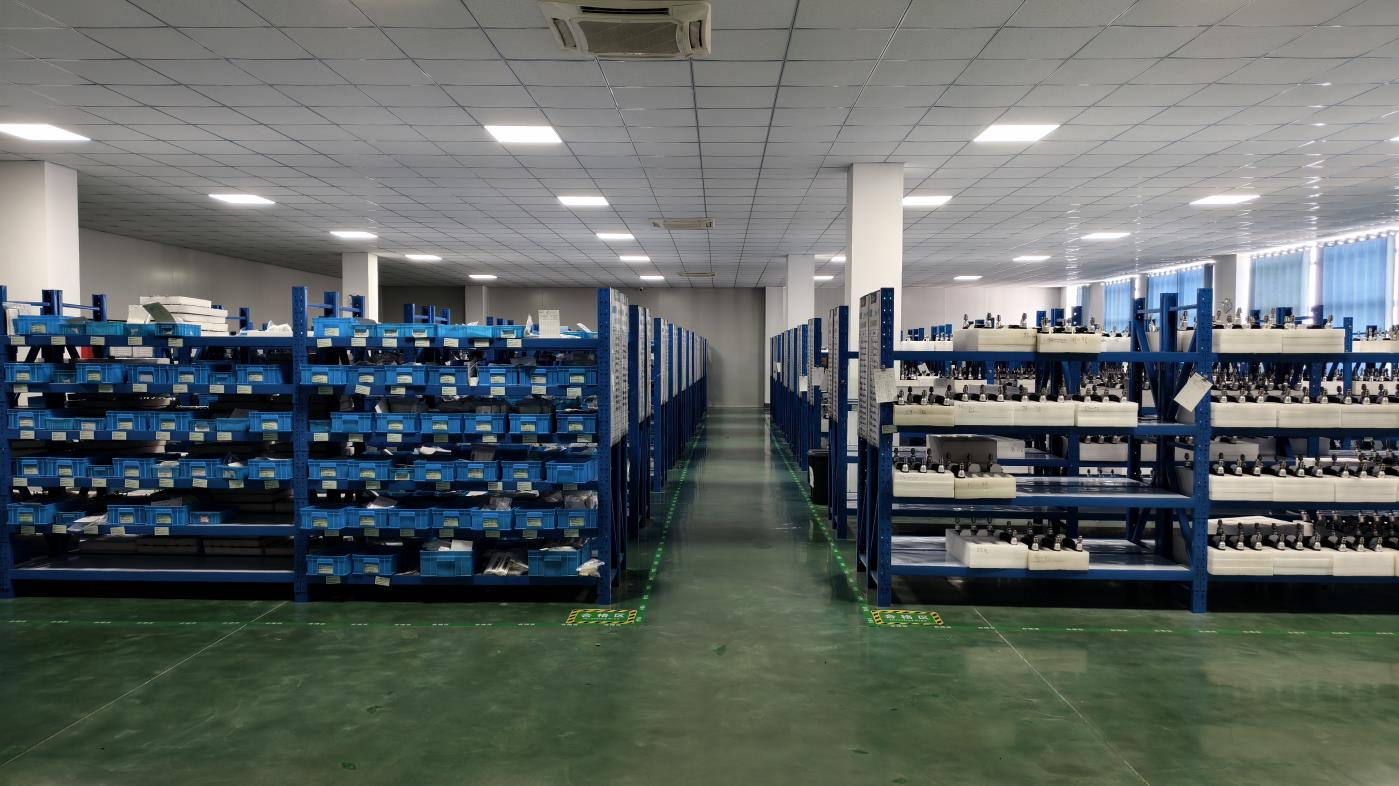
Visual documentation of our manufacturing facilities, CNC machinery, and quality control departments.