 SENJIE Healthy & Technology
SENJIE Healthy & Technology
SENJIE Healthy & Technology
Engineered for immediate integration into Ghanaian clinical networks, tertiary veterinary surgical theaters, and regional hospital supply chains.
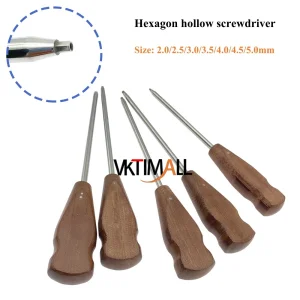
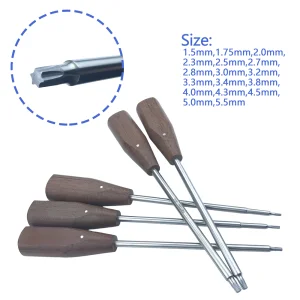
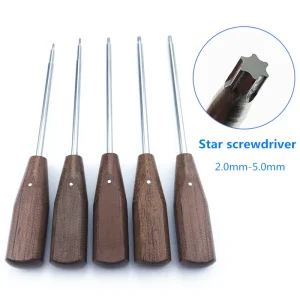
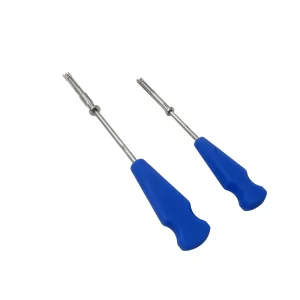
As the healthcare landscape in West Africa undergoes rapid industrialization and capacity scaling, Ghana stands out as a critical hub for advanced medical developments. Driven by national policies such as the *Agenda 111* hospital infrastructure initiative and the ongoing expansion of private tertiary clinics in metropolitan zones like Accra, Kumasi, and Sekondi-Takoradi, the clinical sector requires an uninterrupted pipeline of high-grade surgical instruments. Among these, precision orthopedic bone screwdrivers serve as a fundamental tool in trauma surgeries, osteosynthesis treatments, and veterinary orthopedic interventions.
The demand within the Ghanaian market is defined by two distinct streams: human clinical orthopedics (facilitated by major institutions such as the Korle-Bu Teaching Hospital and Komfo Anokye Teaching Hospital) and the emerging veterinary surgical domain. Road traffic accidents (RTAs) and occupational injuries represent a substantial portion of orthopedic emergency admissions in Ghana. Resolving these cases effectively requires bone plating and internal fixation procedures that are entirely dependent on highly reliable hex, star, torx, and cannulated screwdrivers. Failure of an instrument head due to slipping or micro-fracture during a surgical procedure is unacceptable; hence, the procurement of biocompatible, high-torsion resistance medical devices is a primary metric for local hospital boards.
Hospitals in Ghana are actively transitioning to high-precision international standards to reduce post-operative infection rates and tool-wear failures. The introduction of star-head (Torx) and cannulated surgical drivers provides stable engagement, minimizing micro-metallic debris during bone screw placement.
Ghana's high coastal humidity requires surgical instruments to undergo rigorous passivation and electro-polishing. Our medical-grade AISI 316L Stainless Steel and Ti-6Al-4V ELI Titanium alloy components are engineered to prevent oxidization under challenging clinical storage conditions.
The global orthopedic surgical instrument market is projected to grow significantly, driven by an aging worldwide population, advancements in minimally invasive surgeries, and the expanding veterinary healthcare sector. However, the production of surgical screwdrivers is a highly specialized niche within the medical device supply chain. Unlike standard hardware tools, surgical screw drivers must conform to stringent clinical certifications (such as ISO 13485) and strict dimensional tolerances (often within ±0.01 mm).
Historically, European and North American distributors supplied the majority of these instruments to developing economies. Today, advanced manufacturing clusters in China have reshaped this ecosystem. By integrating Swiss-type CNC milling centers, vacuum heat treatment processes, and automated torque-testing rigs, Chinese medical manufacturers deliver high-performance surgical instruments that match Western mechanical integrity at a sustainable cost structure. This enables Ghanaian procurement coordinators to maximize their budgets without compromising on raw material traceability or clinical safety margins.
Highly durable holding-sleeve systems and quick-coupling components designed for fast-paced orthopedic operations.
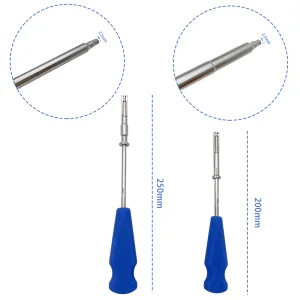
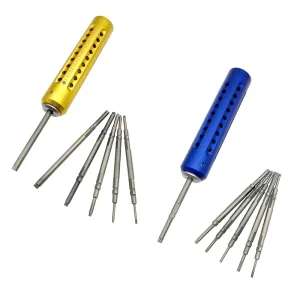
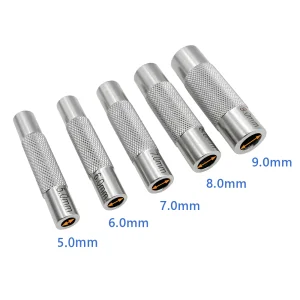

Surgical fixation requires absolute mechanical coordination between the bone screw and the driver head. In orthopedic engineering, slipping or recess damage can compromise clinical outcomes, causing osseous stress and extending surgery duration. The products we supply for the Ghana market incorporate several key metallurgical and structural features:
Our production base leverages Chinese manufacturing advantages, combining speed, cost-effectiveness, and strict quality control. Medical-grade manufacturing centers utilize automated CNC Swiss-type grinding lathes to produce highly uniform driver tips. The heat treatment phase is computer-controlled to achieve optimal hardness (typically 45-52 HRC depending on the profile), preventing brittleness and excessive tip wear.
Furthermore, our testing facilities perform destructive torque tests on randomly sampled units from each production batch to verify performance under high load limits. This high-efficiency manufacturing structure allows us to support customization options—such as sample processing, graphic engraving, and OEM sizing—meeting the diverse demands of the West African medical market.
Visualizing our precision machining processes, metallurgical labs, and surgical tool inspection standards.

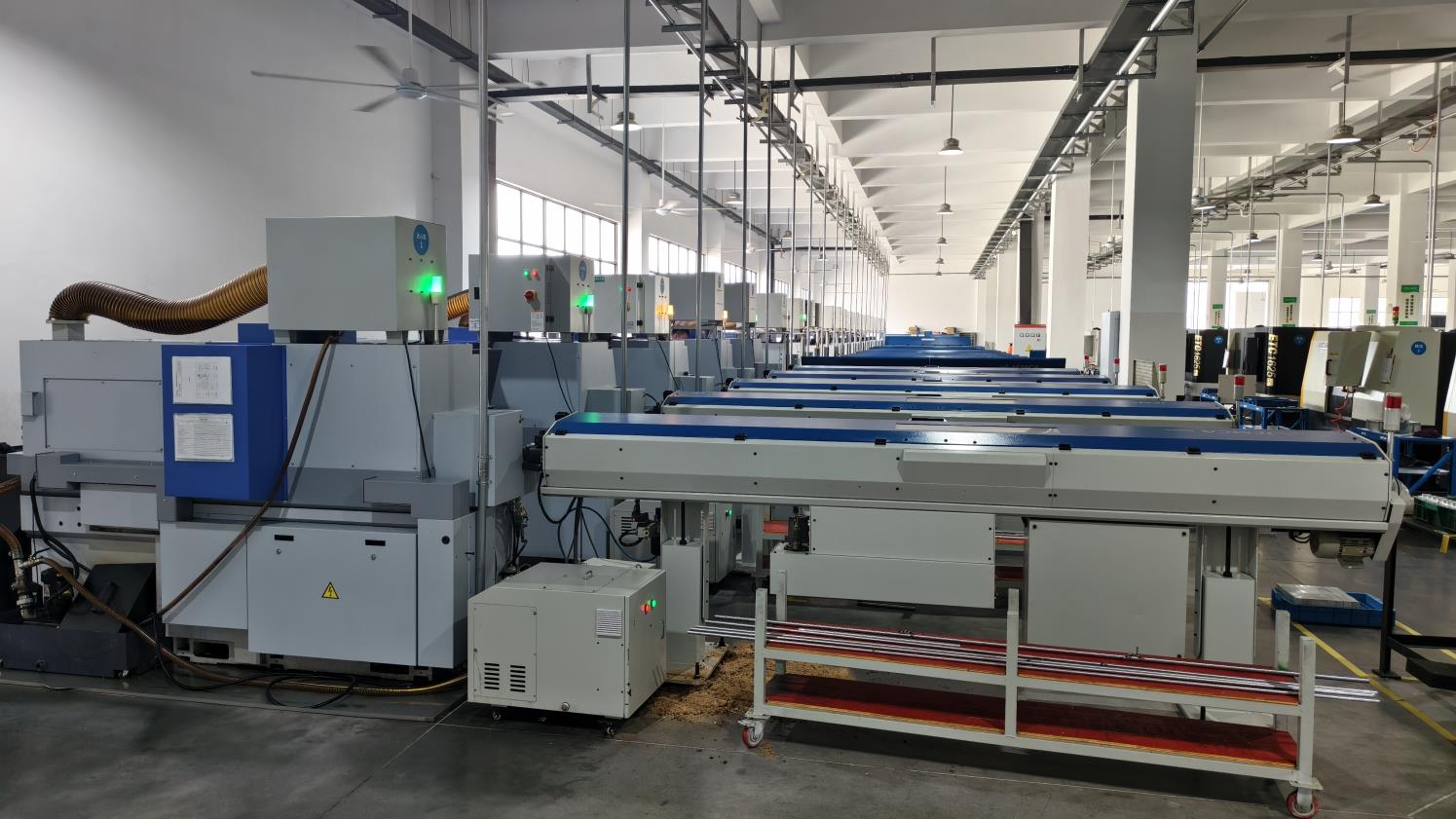
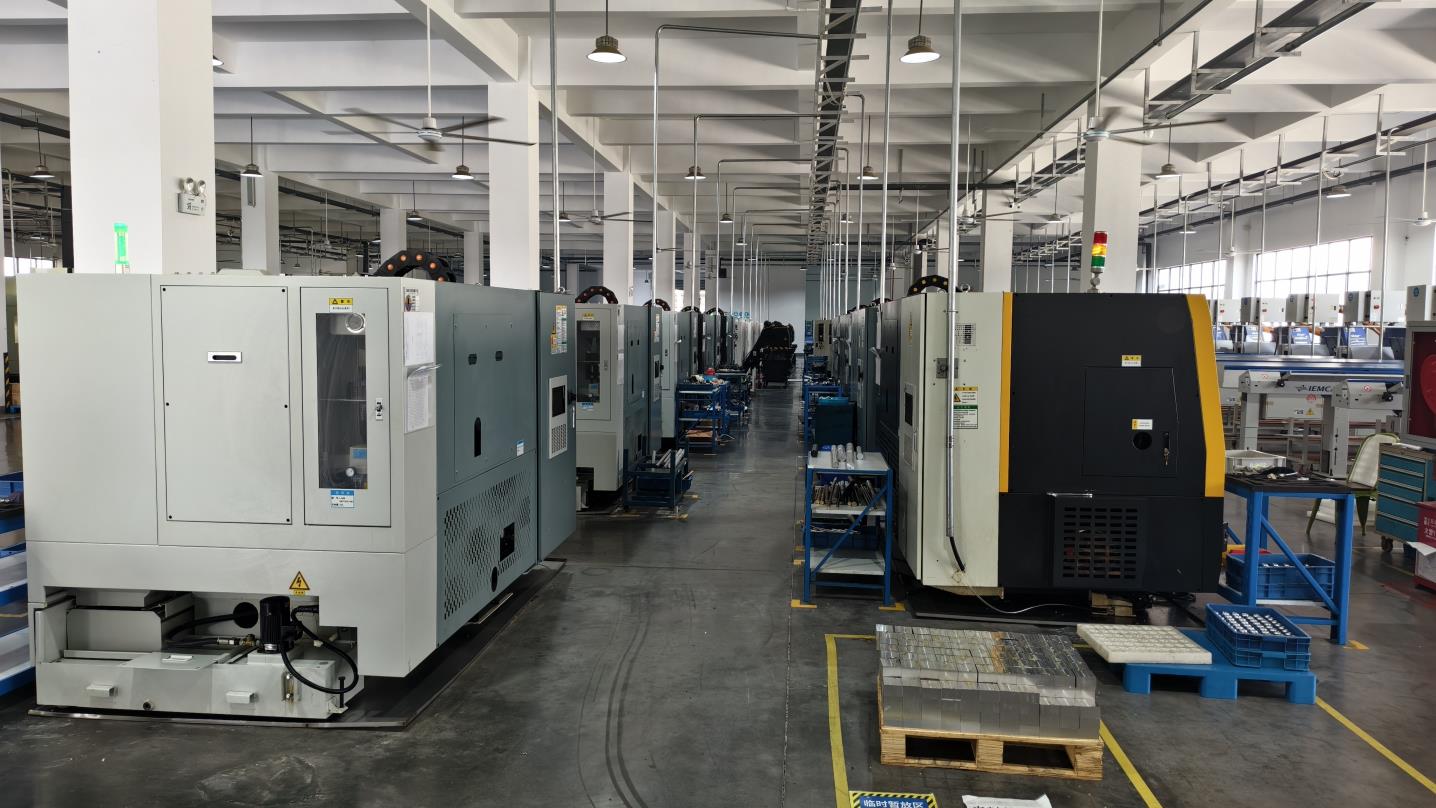
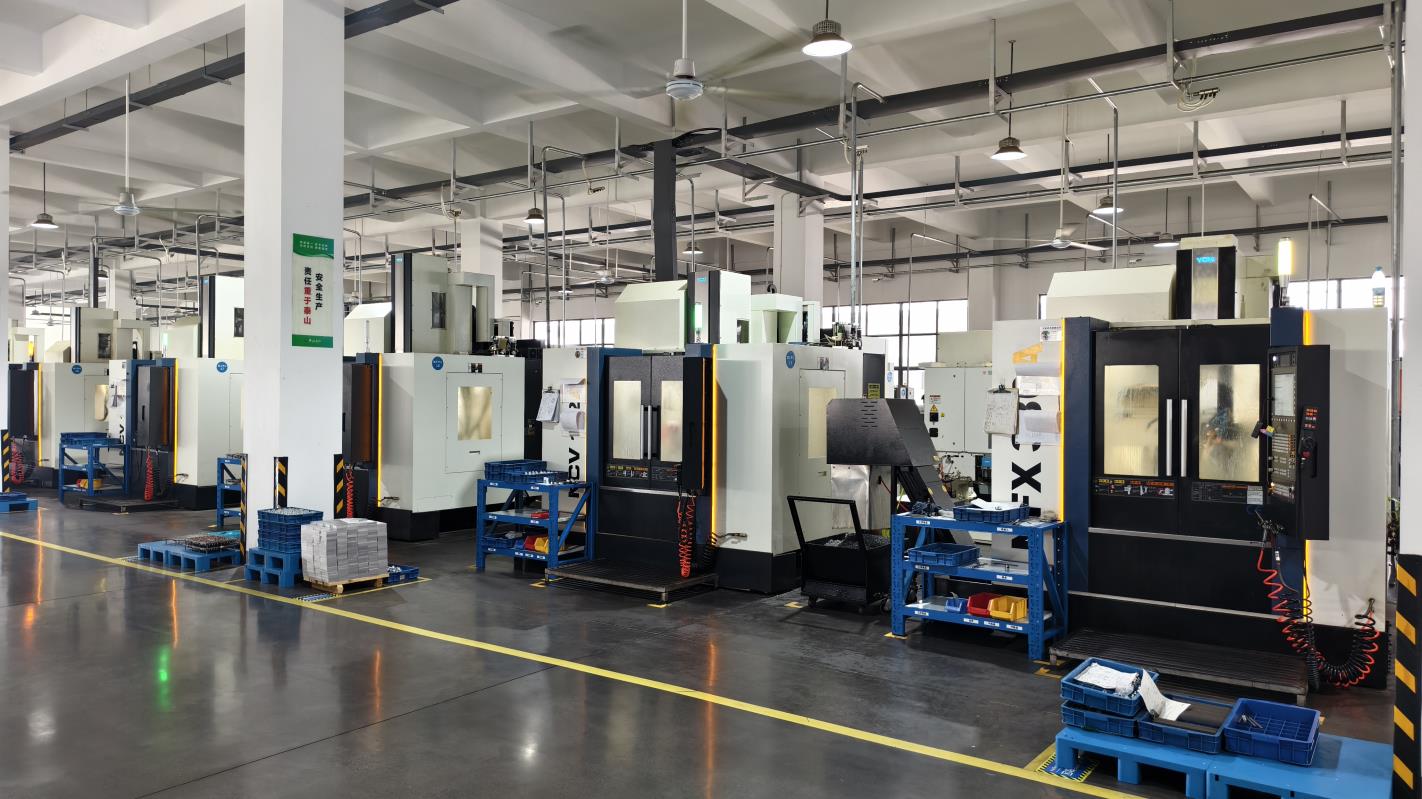
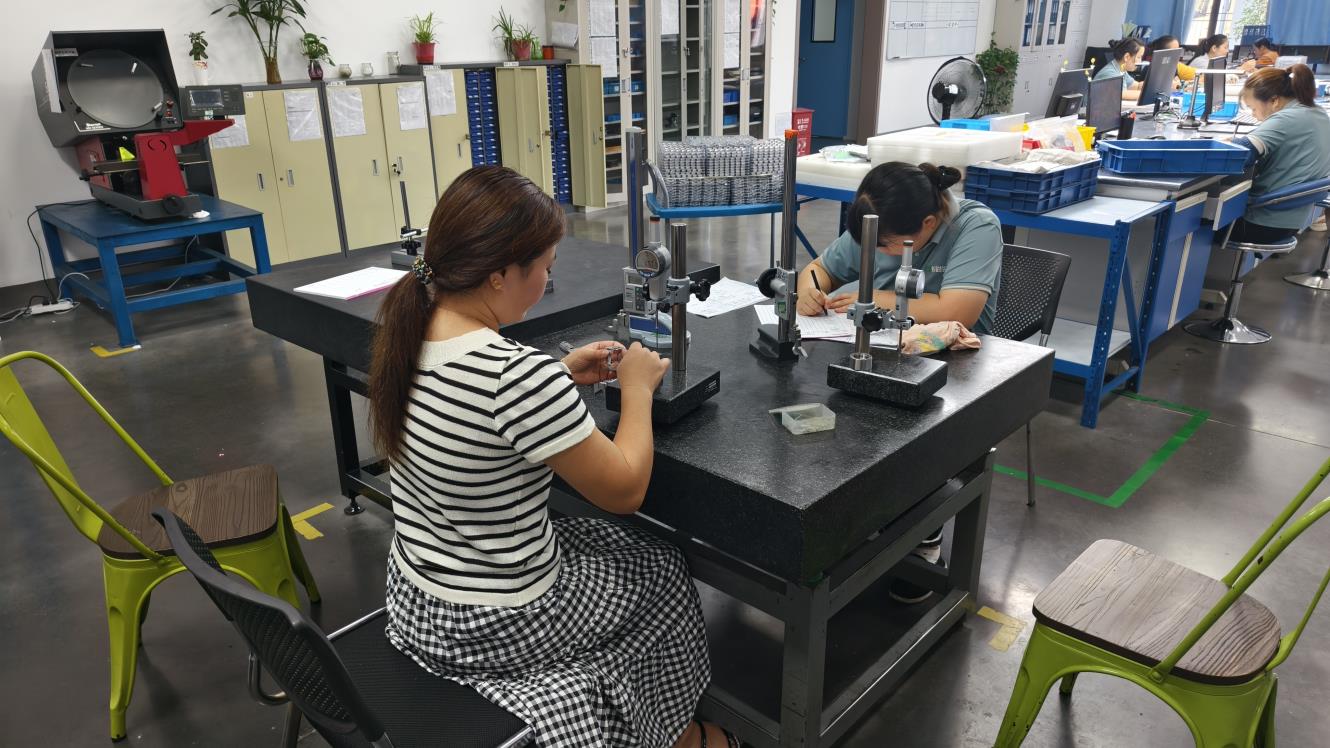
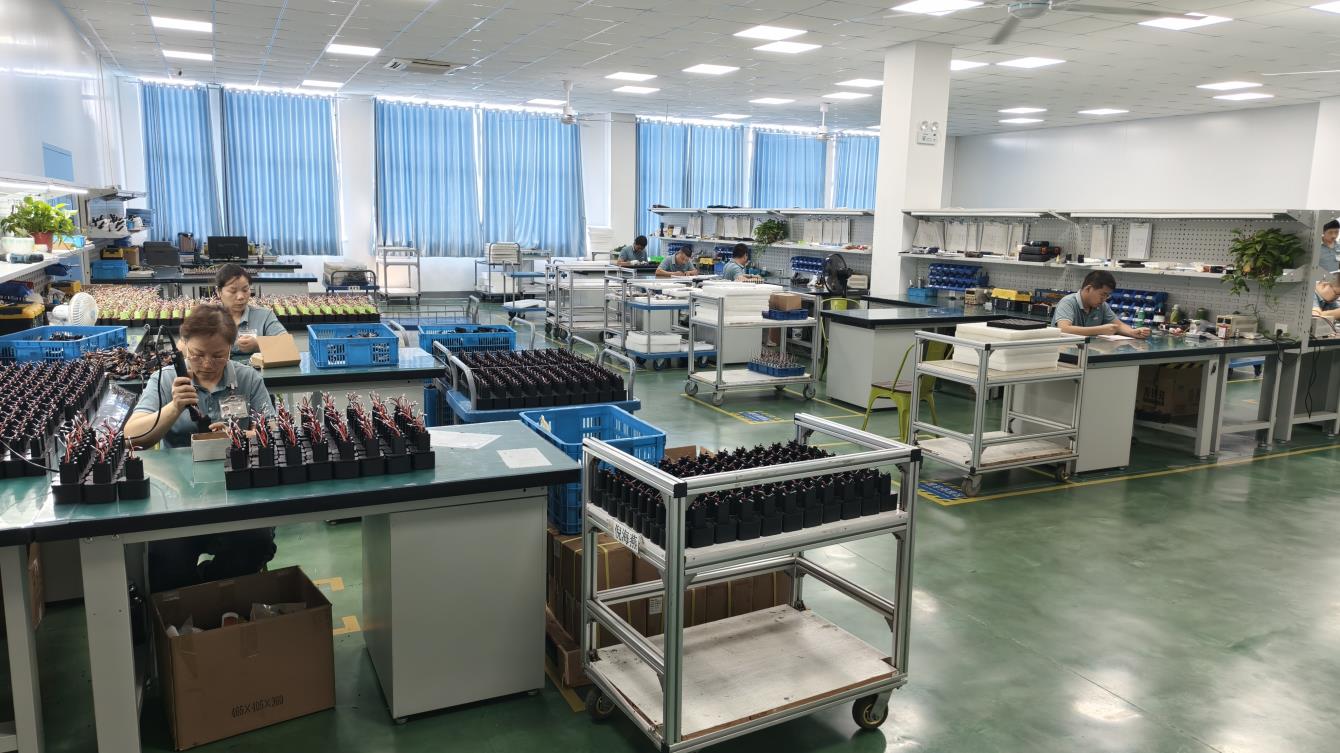
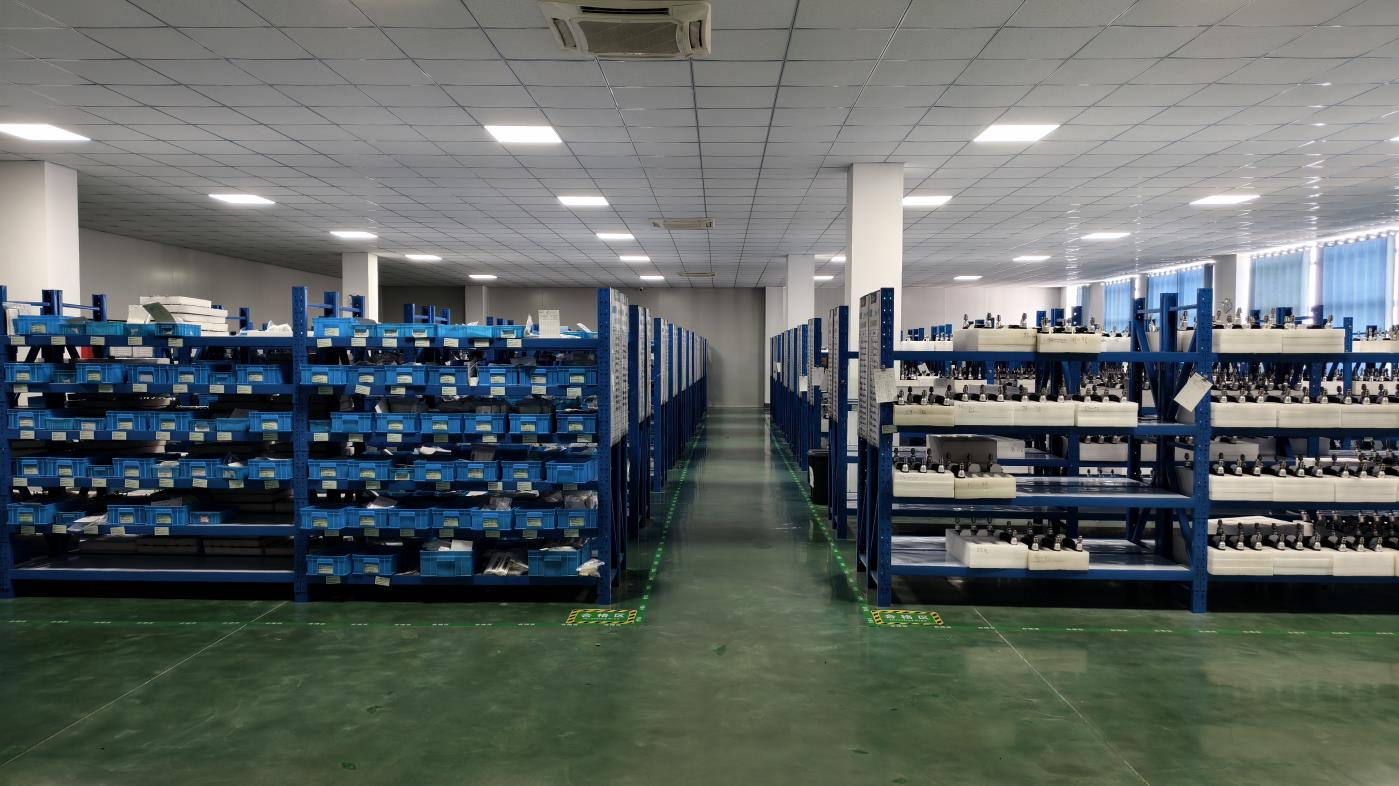
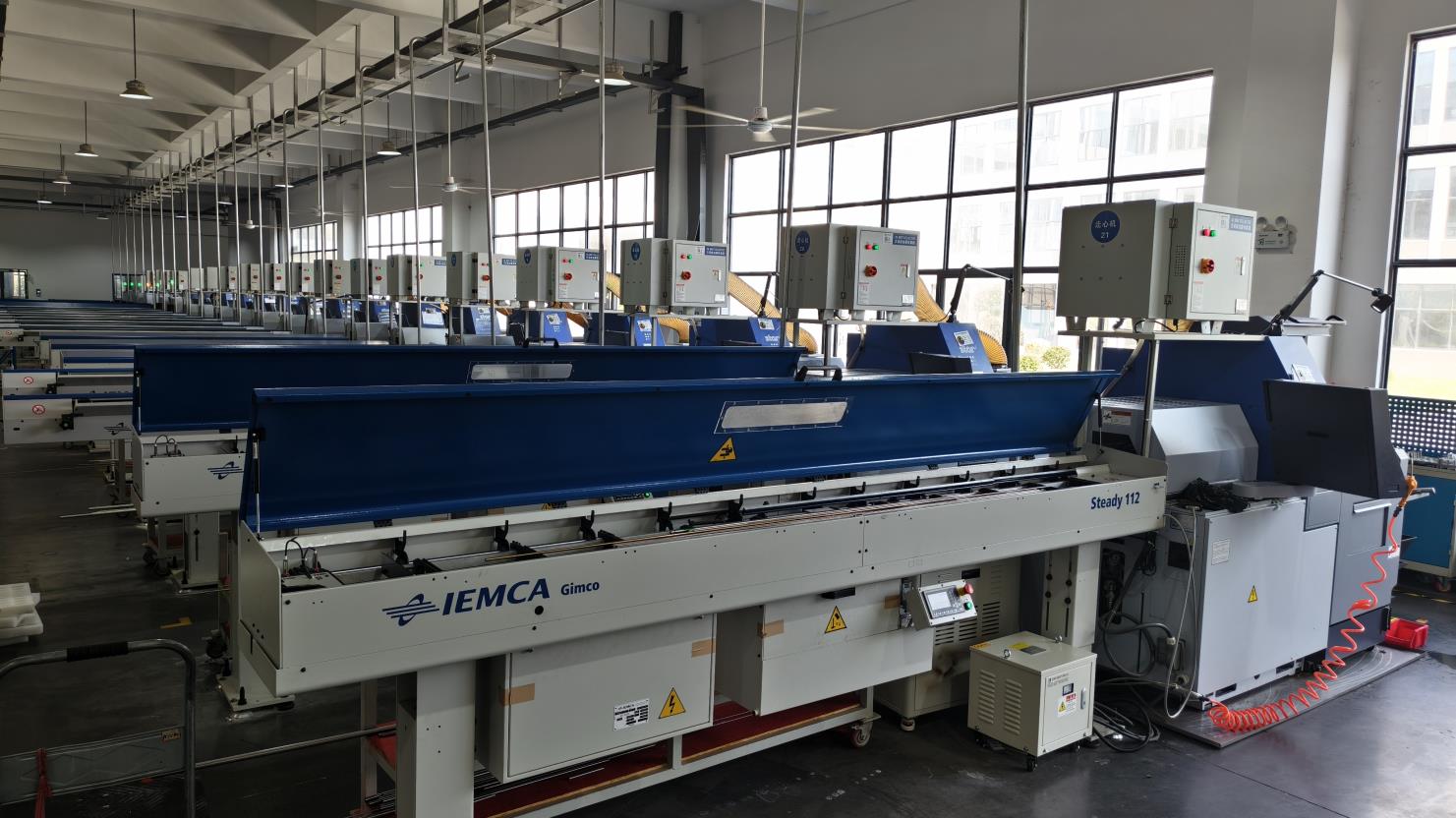
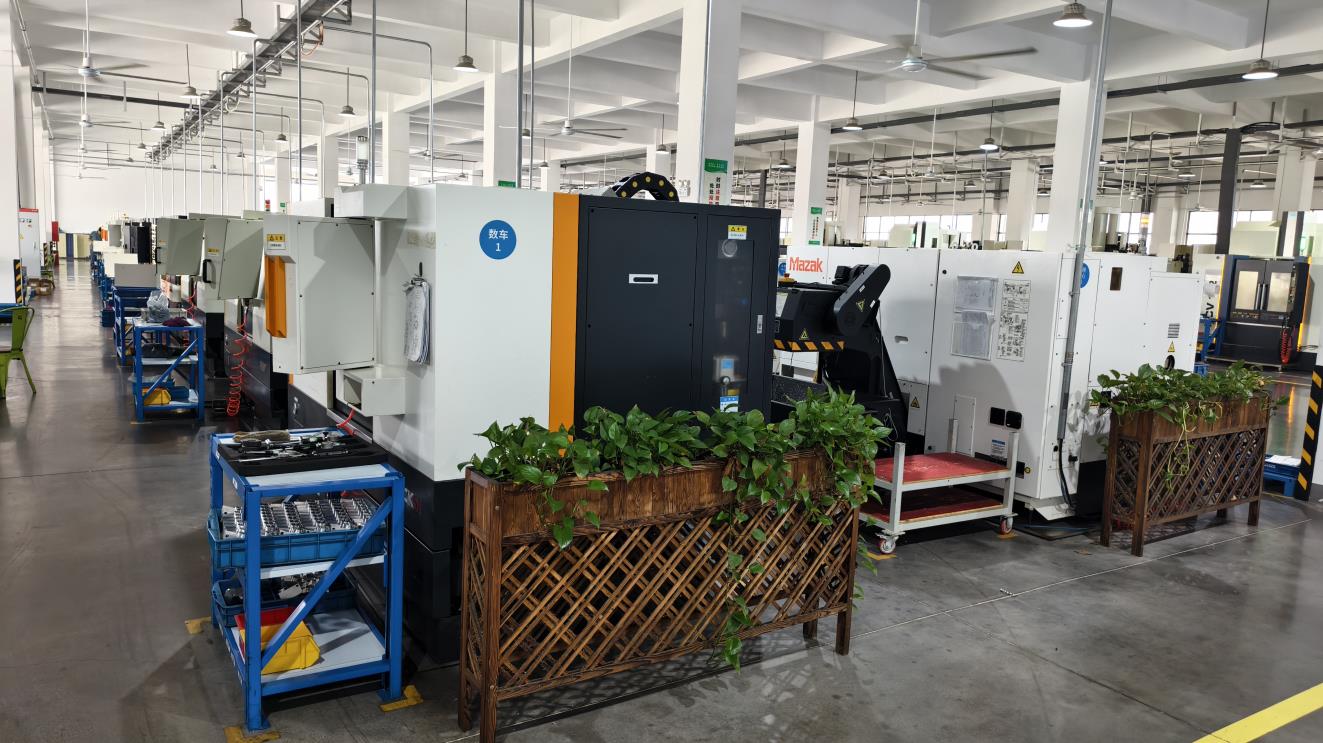
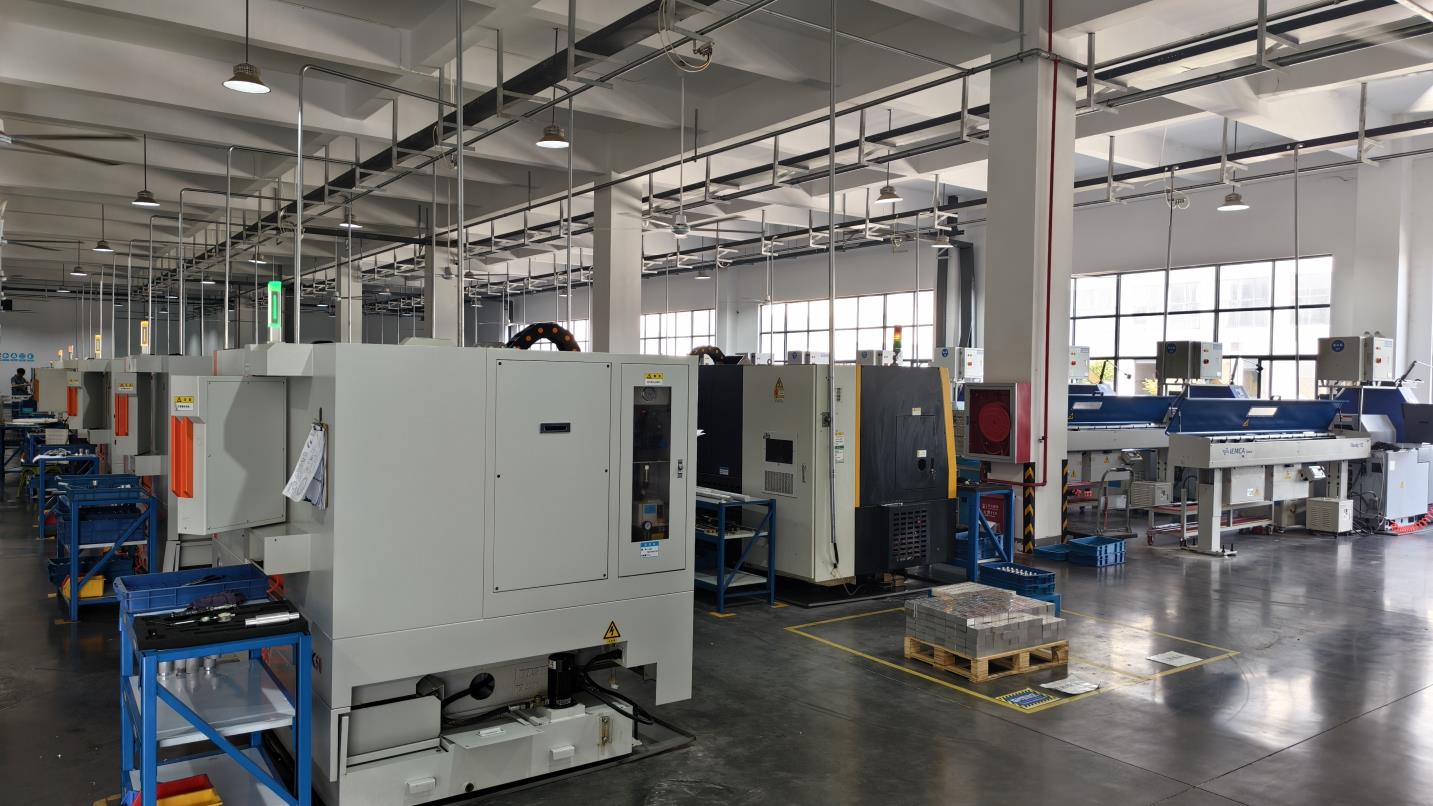
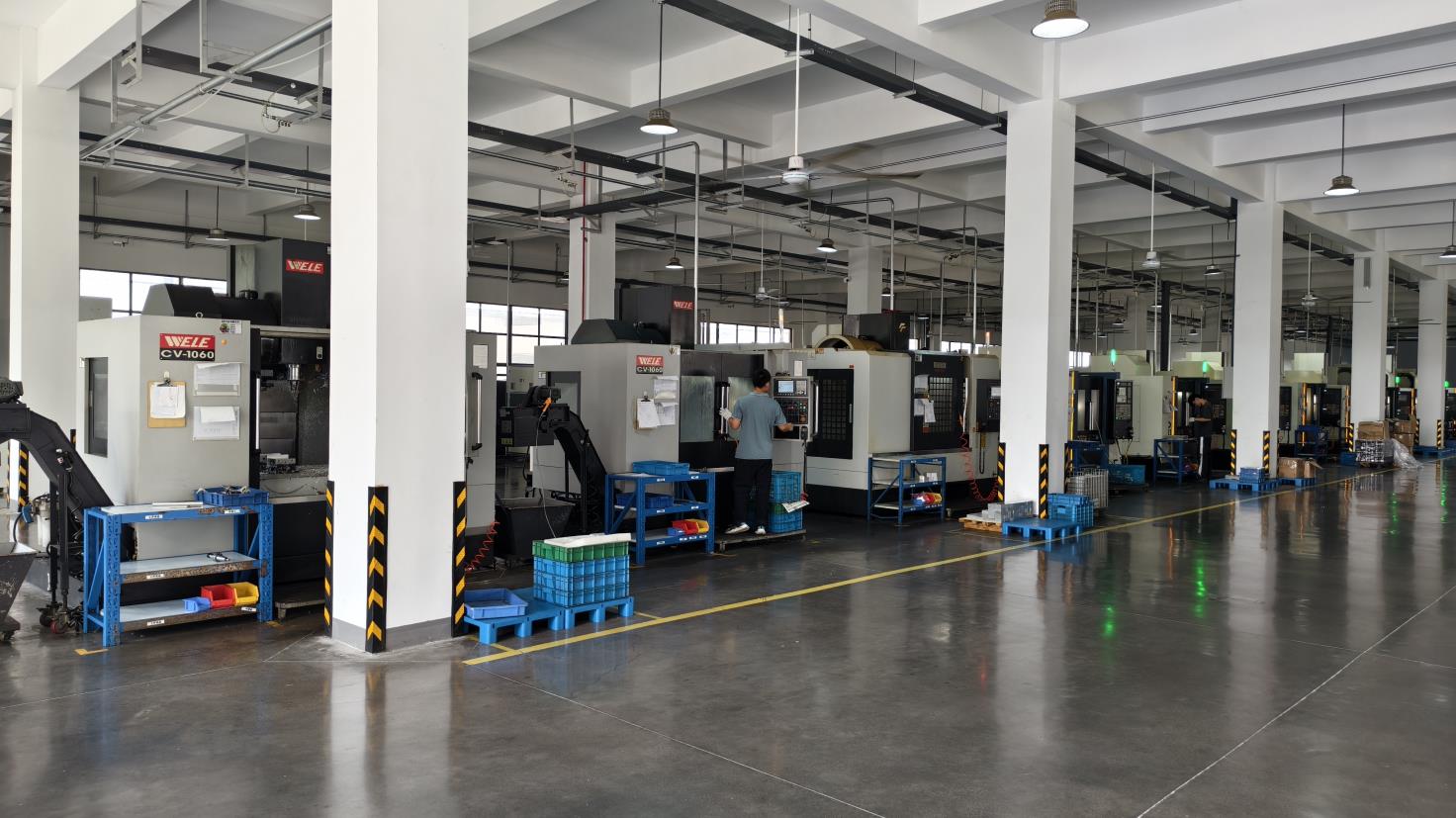
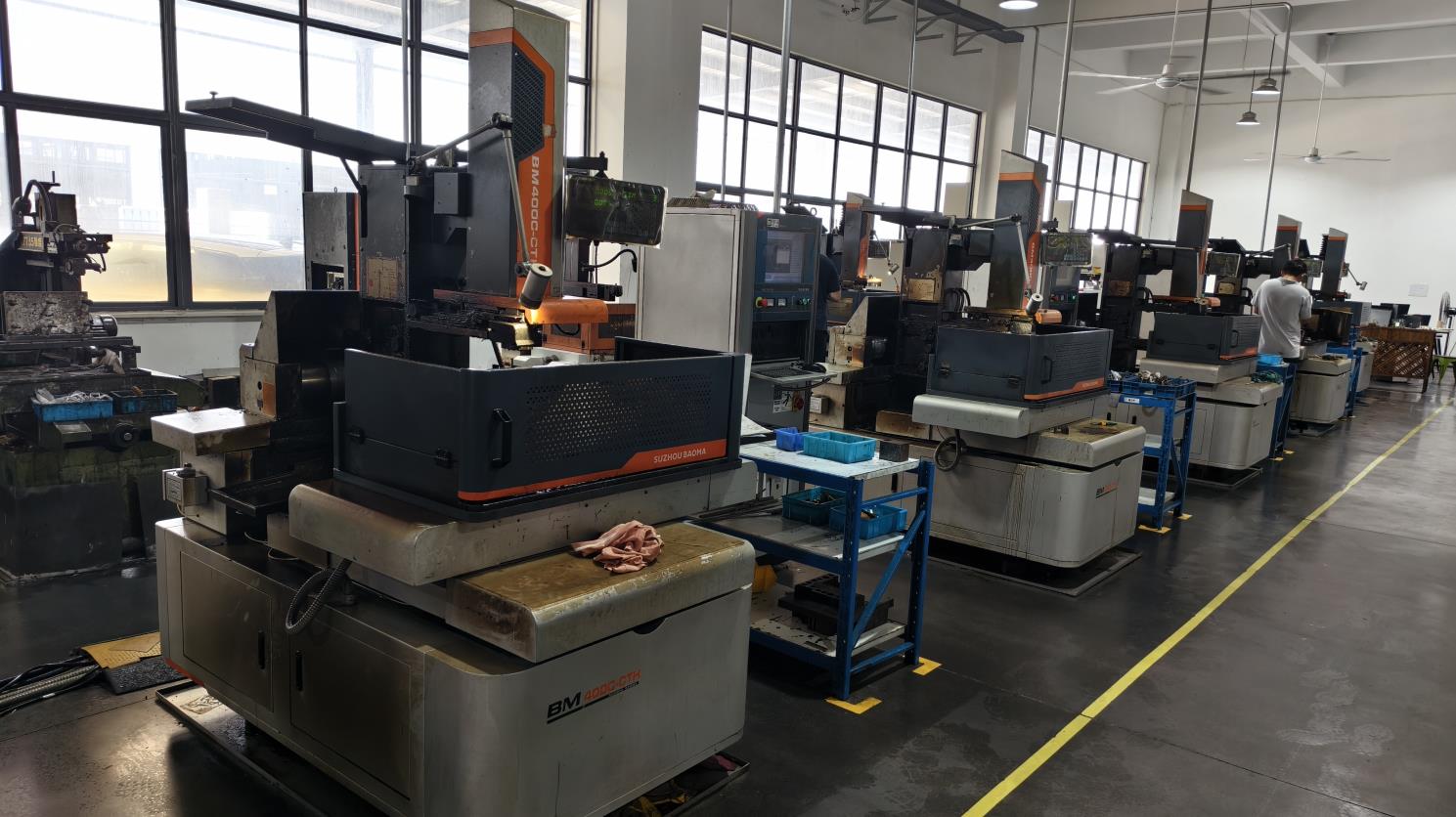
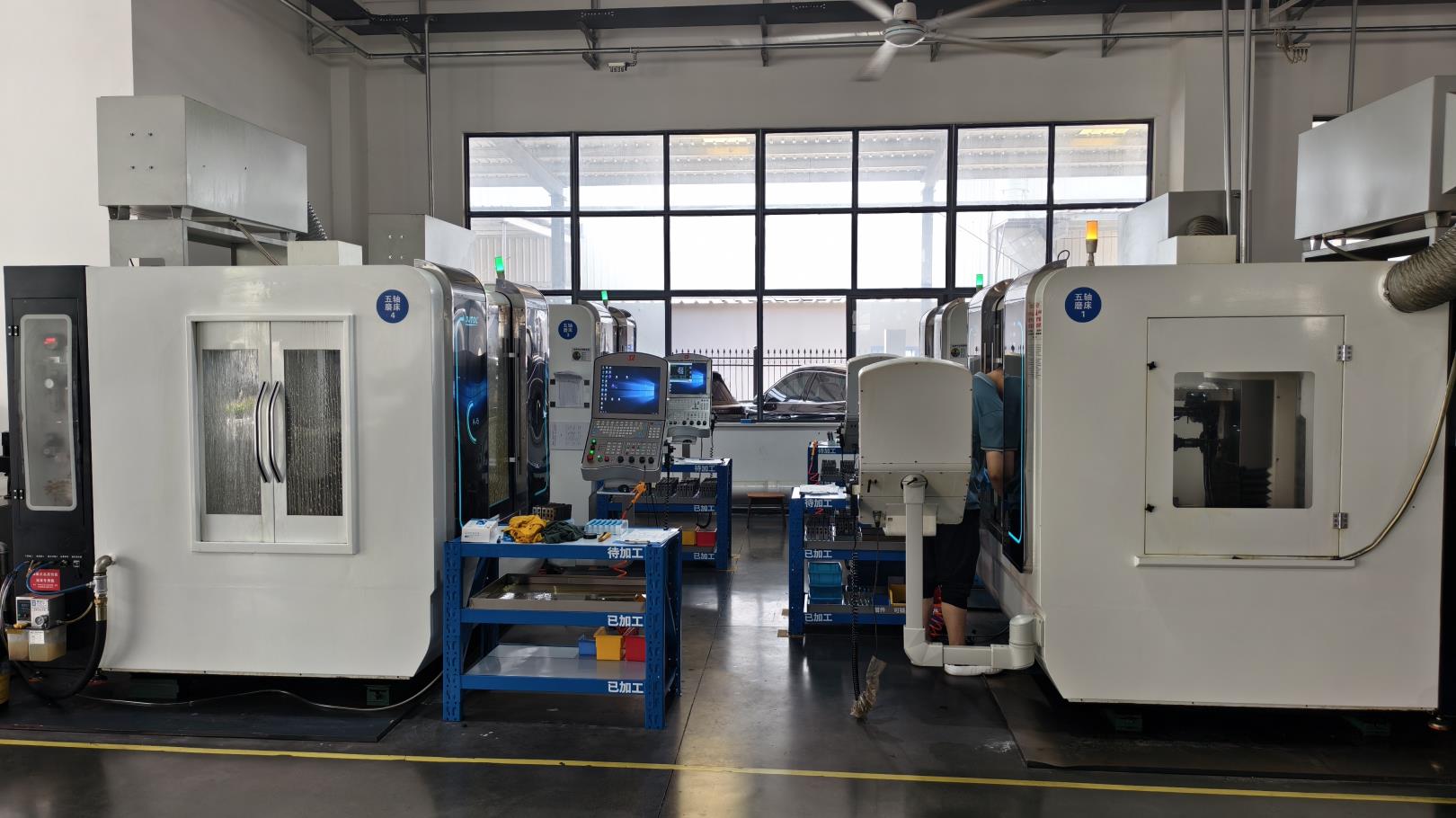
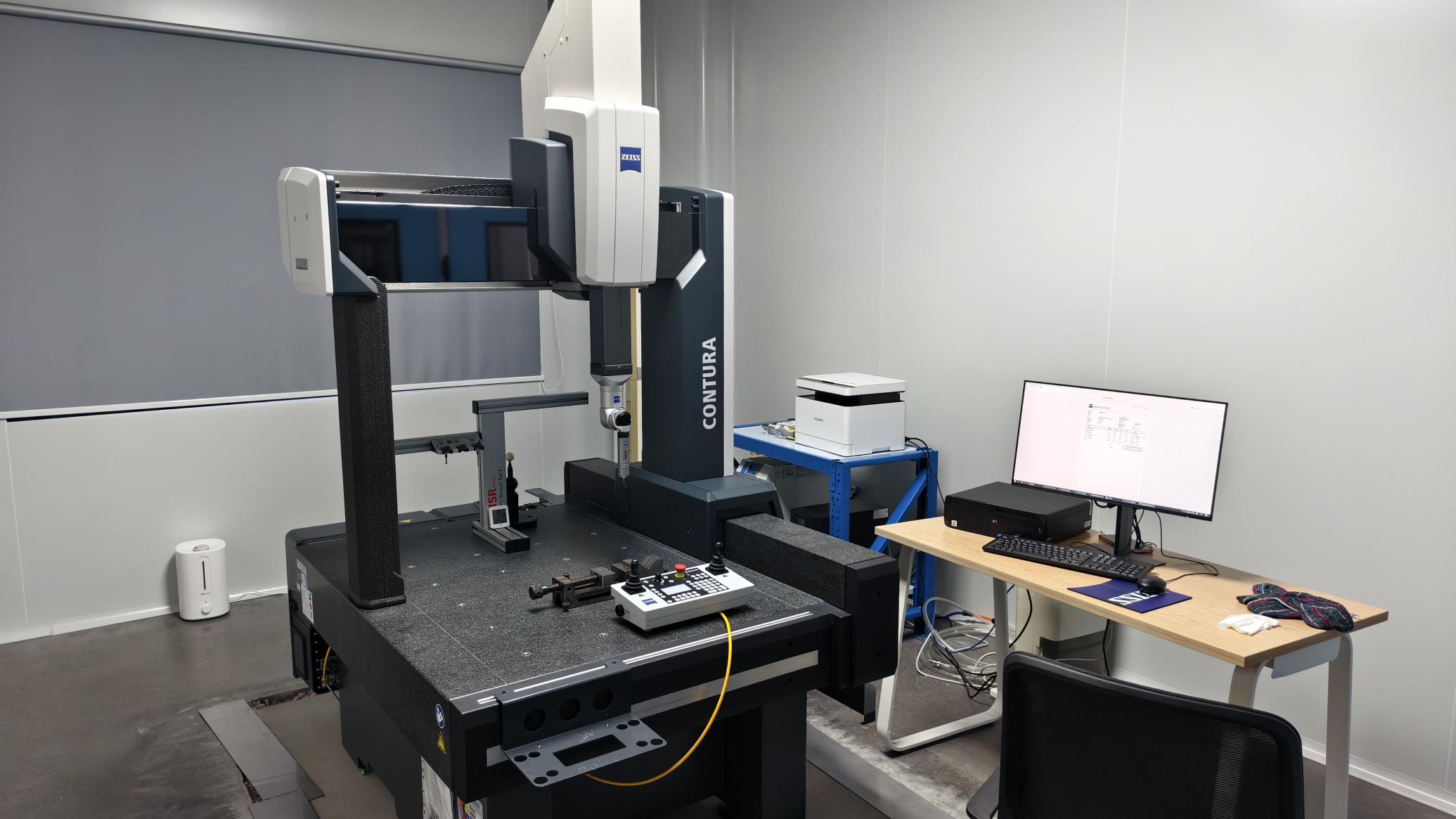
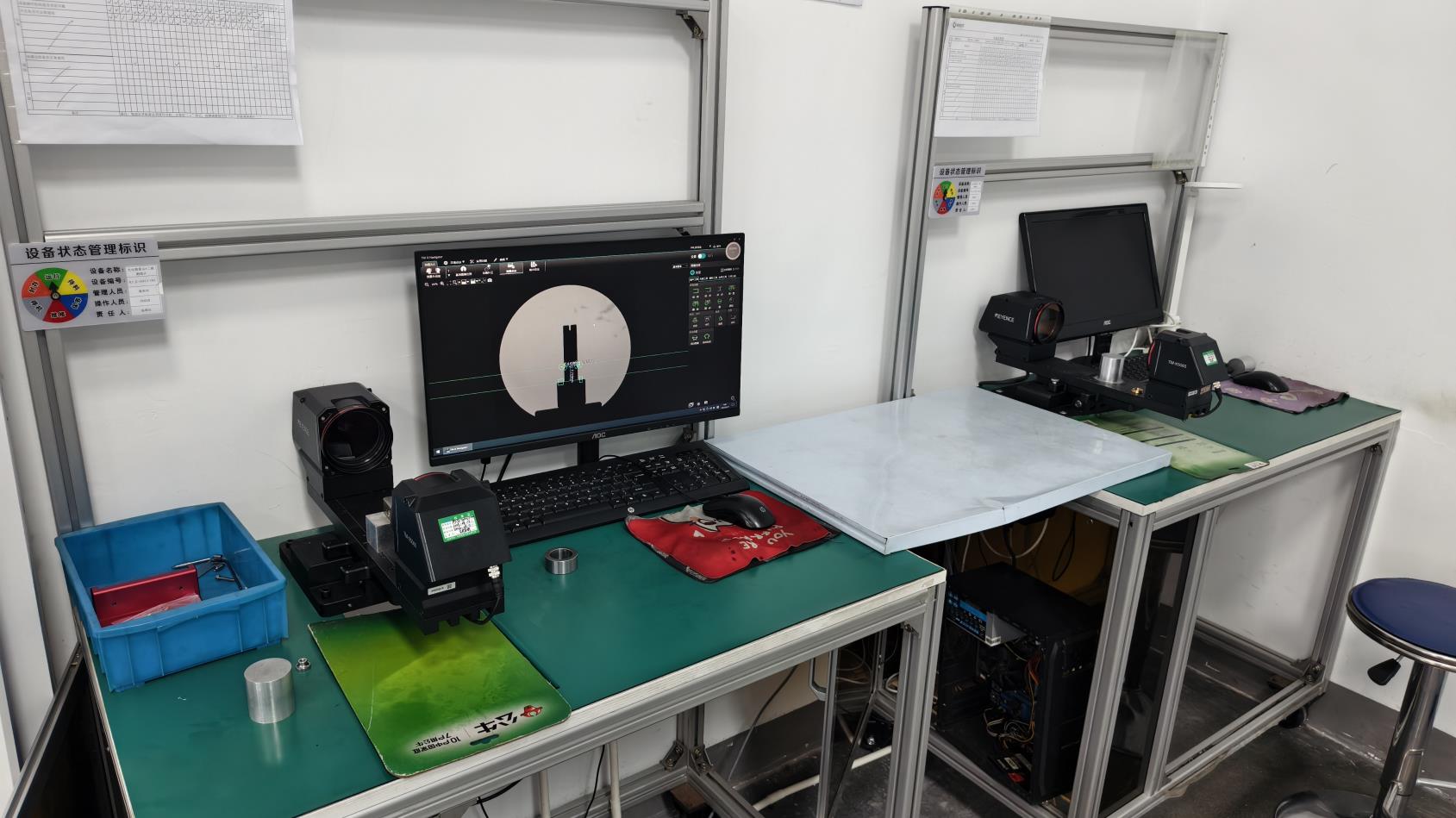
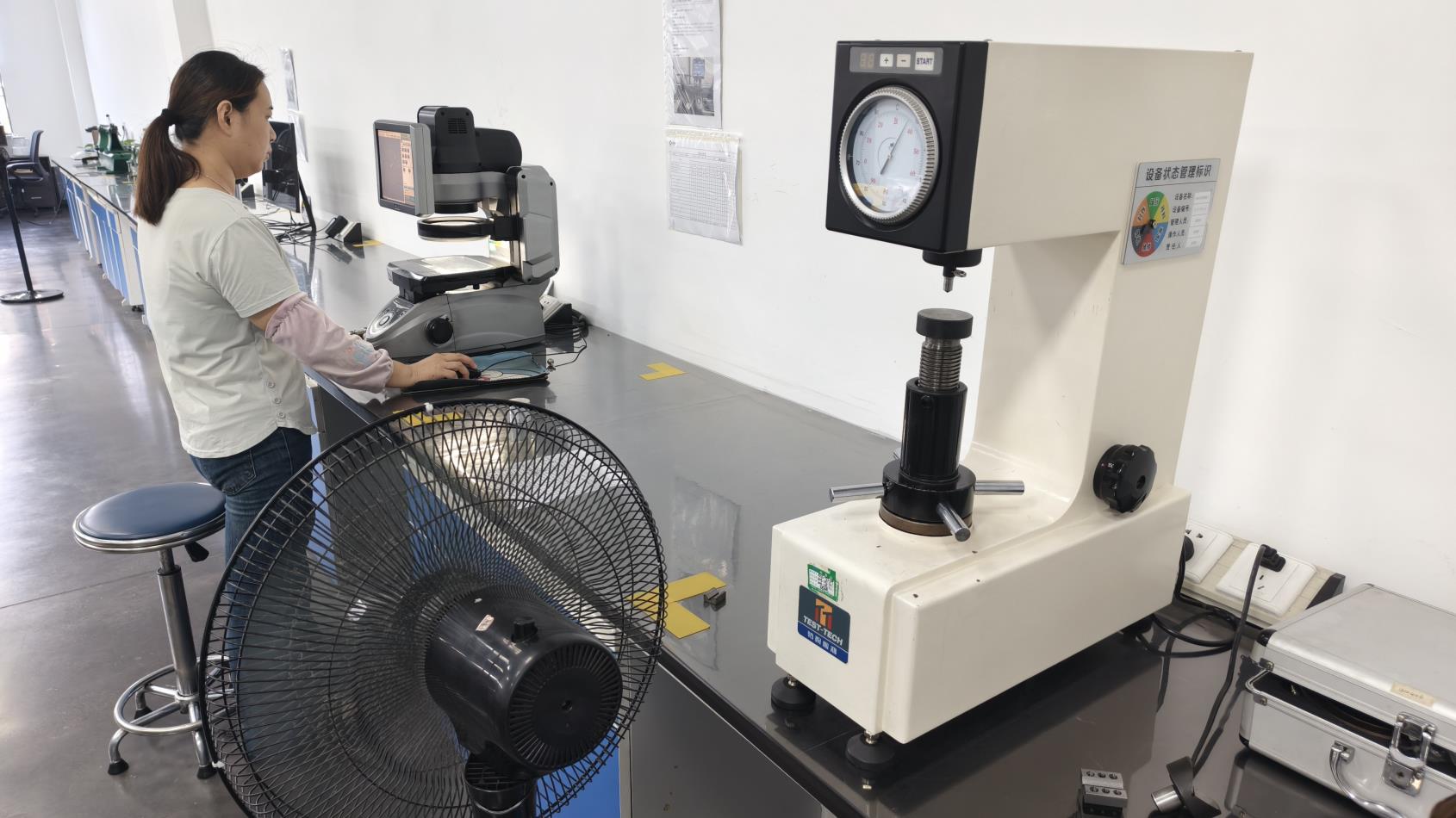
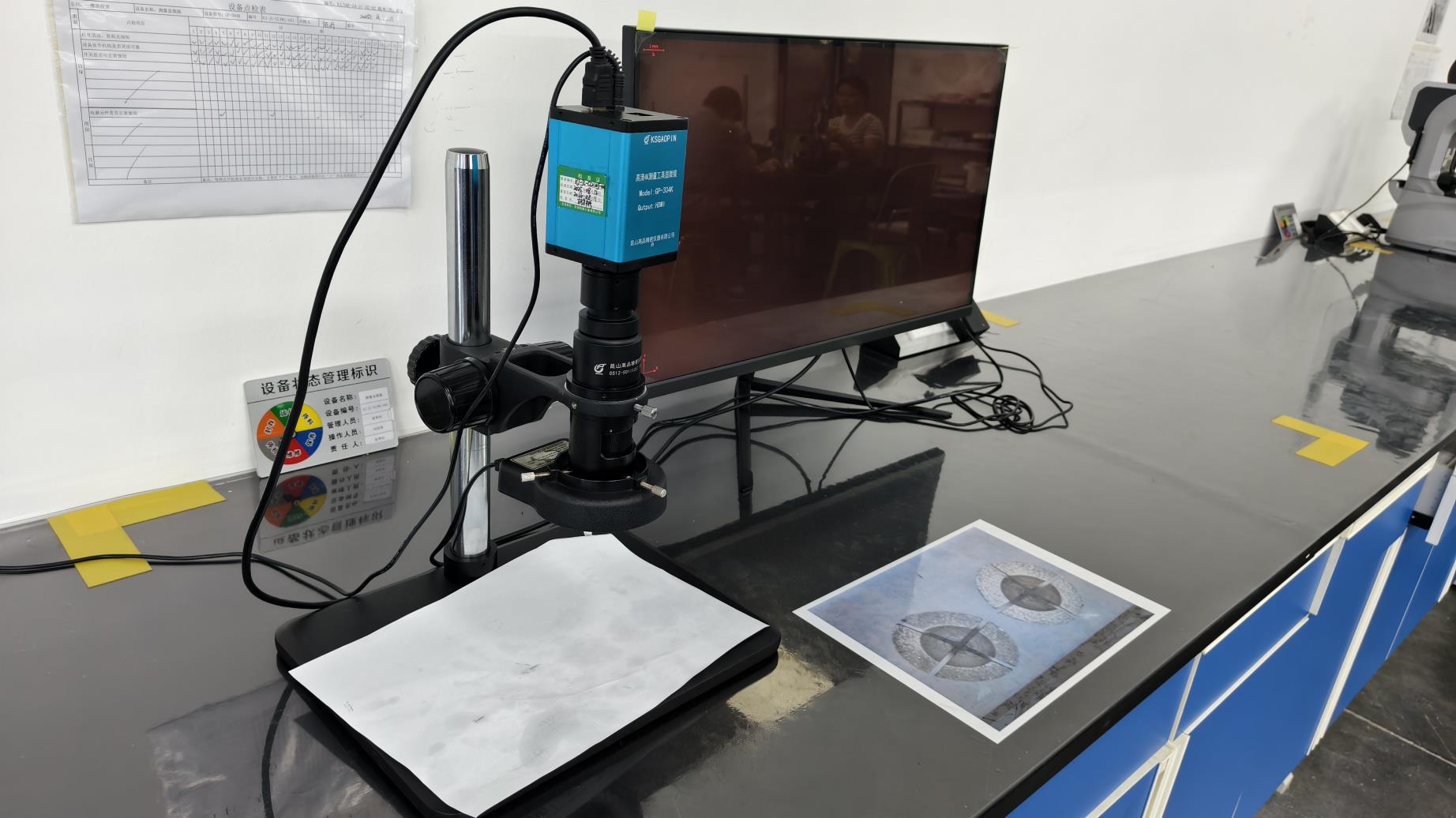
A look at our operating capacity, international trade history, and compliance standards.
A complete selection of surgical screw drivers, hollow-shaft instruments, and coupling components for medical orthopedics.
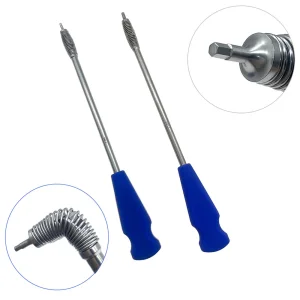
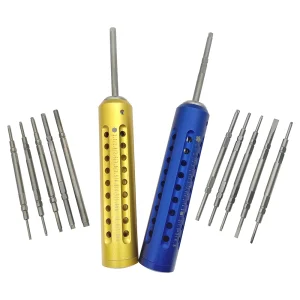
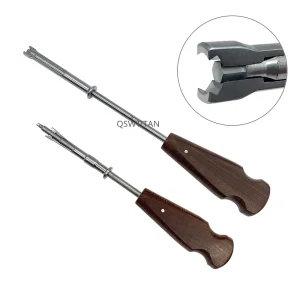
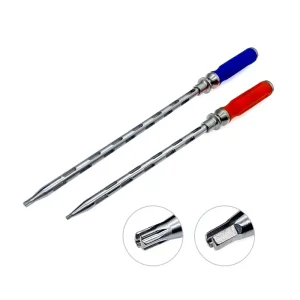
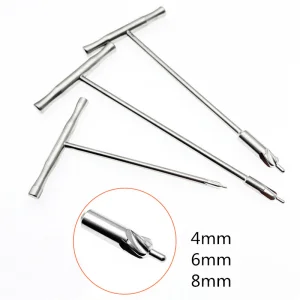
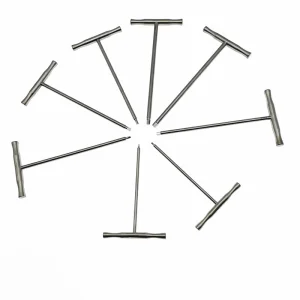
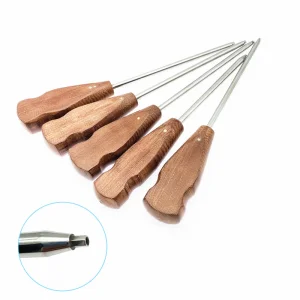
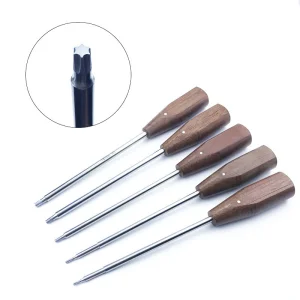
Surgical screwdrivers are critical for several orthopedic applications. For human clinical treatments, hospitals across Ghana depend on these tools for fracture fixations using bone plates and screws. Spinal fixation surgeries also rely heavily on these instruments, requiring precise star-head drivers to secure locking plates and spinal rod connectors.
In addition, Ghana's pet care and agricultural sectors drive steady demand for veterinary orthopedics. Private clinics in urban hubs like East Legon and Airport Residential Area in Accra offer advanced veterinary bone surgeries, using star, hex, and cannulated screwdrivers to treat small animals. Our T-handle screwdrivers and quick-coupling drivers provide veterinary surgeons with the control and versatility needed for orthopedic procedures.
Sourcing medical devices internationally requires reliable logistics. Orders destined for Ghana typically ship via air cargo to Kotoka International Airport (ACC) in Accra for fast delivery, or via sea freight to the Port of Tema for larger bulk shipments. We provide comprehensive shipping documentation—including packing lists, commercial invoices, Certificates of Origin, and raw material certificates (MTR)—to facilitate smooth clearance through Ghana Customs.
Answers to technical, logistics, and quality assurance questions regarding surgical screwdrivers.
We use medical-grade AISI 316L Stainless Steel and Ti-6Al-4V ELI Titanium alloy. These materials conform to ASTM F138 and ASTM F136 standards, offering biocompatibility, corrosion resistance, and high torsional strength.
Yes. We support custom designs, including specific shaft lengths, tip sizes (e.g., torx, hex, or custom cross profiles), and handle styles (silicone, wood, or stainless steel T-handles). Custom branding and logo engraving are also available.
We maintain a dedicated QC team that carries out automated checks on CNC grinding lines. Additionally, we conduct torque limits testing and dimensional verification under ISO 13485 quality protocols.
Yes. All of our orthopedic instruments are engineered for autoclave sterilization (134°C steam sterilizing cycles). The materials are chosen to resist structural wear during routine cleaning and autoclaving.
We provide full export documentation for air or sea freight to Ghana, including customs paperwork to help streamline clearance at Tema Port or Kotoka International Airport.
Looking to order customized surgical screwdrivers or establish a reliable supply line for the Ghanaian healthcare market? Contact our sales team for detailed quotes and technical documentation.
Send Inquiry Now