 SENJIE Healthy & Technology
SENJIE Healthy & Technology
SENJIE Healthy & Technology
Tailored orthopaedic instruments engineered for Israeli trauma departments, neuro-hospitals, and specialized veterinary practices.
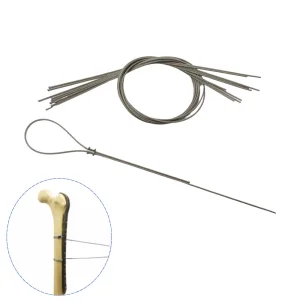
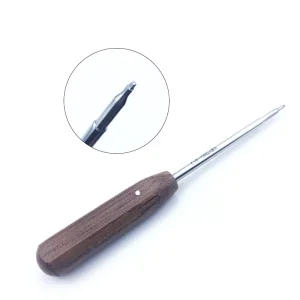
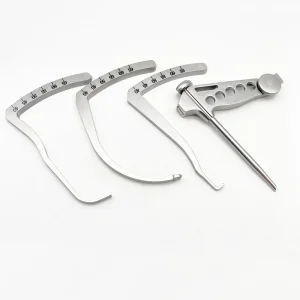
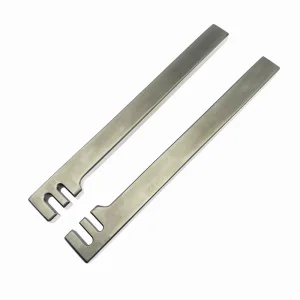
High Standards, Rapid Innovation, and Sterile Field Integration requirements for medical hardware.
Israel has positioned itself as one of the world's most sophisticated hubs for biomedical technology, clinical research, and advanced surgical procedures. With key medical organizations such as Clalit Health Services, Maccabi Healthcare Services, and flagship academic medical complexes like the Hadassah Medical Center in Jerusalem, the Rambam Health Care Campus in Haifa, and the Tel Aviv Sourasky Medical Center (Ichilov), the demand for elite surgical instrumentation is exceptionally stringent. Hospitals across Israel operate with strict clinical oversight, adhering to standards that overlap with CE (Conformité Européenne), FDA regulations, and ISO 13485 quality control parameters. For B2B procurement managers, sourcing surgical scissors, bone saws, files, and specialized bone knives requires an intimate understanding of this high-standard regulatory and practical framework.
In addition to human healthcare, the veterinary sector in Israel is expanding rapidly. Cities like Tel Aviv, Rishon LeZion, and Netanya host dedicated veterinary trauma and orthopedic surgical facilities. Modern veterinary practices are demanding human-grade titanium fixation devices, orthopedic micro-drills, and robust tissue forceps to handle complex joint reconstructions and spinal surgeries in pets and working animals. For global exporters, this means custom tooling options must cater to both ultra-fine micro-neurosurgeries and heavy-duty veterinary orthopedics.
"Procurement directors in Israel emphasize not just initial costs, but the life-cycle longevity of surgical cutting edges. Autoclave resilience and resistance to high-frequency sterilization chemicals are critical parameters for every bone knife, rasp, and drill guide deployed in active operating rooms."
The local surgical instruments market is increasingly focusing on the optimization of surgical workflows. Single-use and high-grade reusable titanium instruments are analyzed for their weight-to-performance ratio, anti-magnetic characteristics, and ergonomics. Sourcing directly from an established manufacturing plant in China enables hospitals and specialized distributors within Israel to customize instrument geometry to align with specific clinical protocols while preserving a robust, predictable supply chain capable of scaling to emergency and high-volume trauma scenarios.
Why surgical scissors, saws, files, and bone knives require specialized steel treatments and high-precision production.
The manufacturing of medical instruments intended for osteotomy, bone reshaping, and tissue dissection involves advanced metallurgy. Saws must execute clean cuts through dense cortical bone without generating excessive heat (osteonecrosis prevention), files must retain their micro-grooved abrasive profiles across hundreds of cycles, and bone knives require keen, wear-resistant edges that remain structurally sound under lateral stress.
We utilize medical-grade martensitic stainless steels (such as AISI 420 and 440C) for cutting instruments and implant-grade Titanium (Grade 5 / Ti-6Al-4V) for stabilization systems. Every instrument goes through an automated chemical passivation sequence to build an inert chromium oxide layer, rendering the tool resistant to physiological saline solutions and body fluids.
Precision tool geometry is achieved through multi-axis CNC milling, ensuring tolerances as narrow as ±0.01 mm. Our computerized vacuum heat treatment ovens carefully raise tool temperatures to refine the grain structure, imparting optimal hardness (typically 48-52 HRC depending on application) while keeping the steel ductile enough to prevent shattering under loading.
Surgical scissors, including Mayo and Metzenbaum variations, feature balanced handle-to-blade weight distributions to limit fatigue during long operations. Bone files and rasps are designed with cross-cut tooth geometry to optimize material removal while preventing clogging, facilitating quick rinsing and cleansing during open surgery.
Furthermore, customized OEM parameters enable the production of specialized tools like Weitlaner self-retaining retractors, C-type drill guides, and specific plate-bending irons that directly interact with bone plate setups. When an entire system—screws, drills, plates, and retractors—comes from a coordinated production facility, component compatibility issues during emergency trauma procedures are eliminated.
Direct industrial sourcing insights supporting strategic buying decisions in the Mediterranean region.
Leveraging industrial scaling, cost efficiencies, and rapid prototyping to support Israeli healthcare.
Healthcare procurement models in Israel are transitioning from single-source European contracts to diversified international models. This evolution is driven by the need to optimize budgets without sacrificing safety or clinical efficacy. Partnering with a China-based factory that possesses direct export capability offers a unique strategic advantage for Israeli distributors. Our facility bridges the gap between raw material suppliers and medical-grade manufacturing technologies, reducing overhead costs by 30-50% compared to Western European alternatives.
With a production framework founded on high-precision CNC machining and strict quality check routines, we ensure that every surgical scissor, saw, and bone knife matches international design conventions. Rapid prototyping capabilities allow our engineering teams to collaborate directly with biomedical researchers in Israel, turning schematic concepts or physical samples into sterile-ready surgical tools. Whether modifying handle shapes, tailoring blade profiles, or incorporating custom locking systems for plates, our production lines adapt dynamically to client requirements.
Furthermore, logistics from China to Israel are highly streamlined. Weekly air cargo flights connect manufacturing centers directly to Ben Gurion Airport (TLV), facilitating express delivery of critical components. For bulk shipments, sea freight routes connect directly with Haifa and Ashdod ports, ensuring efficient customs clearing through local clearance companies. By managing manufacturing timelines, certification documentation, and packaging structures, we provide a seamless B2B sourcing experience.
Raw materials, heat treatment, CNC grinding, and packaging verification phases.
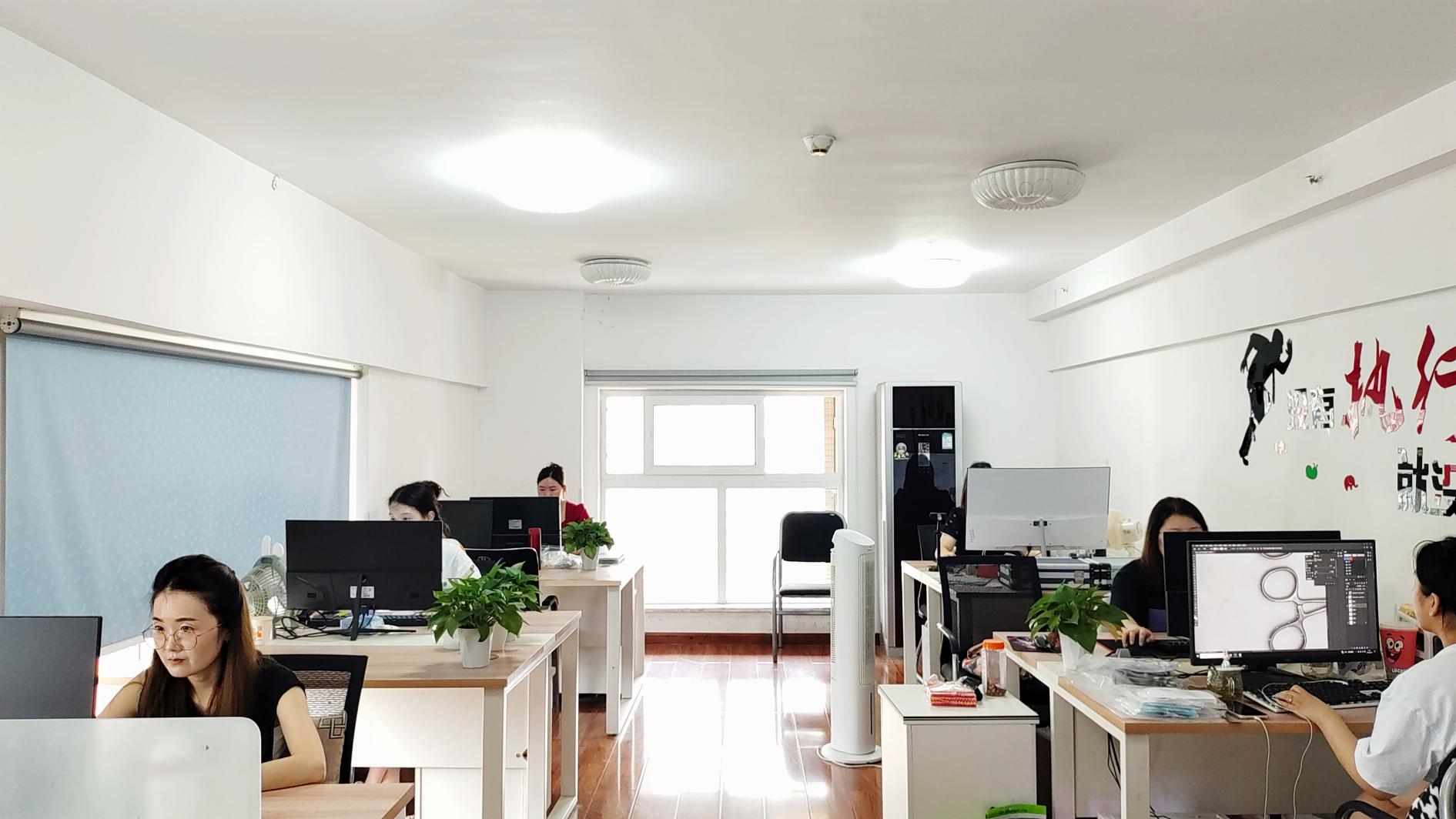
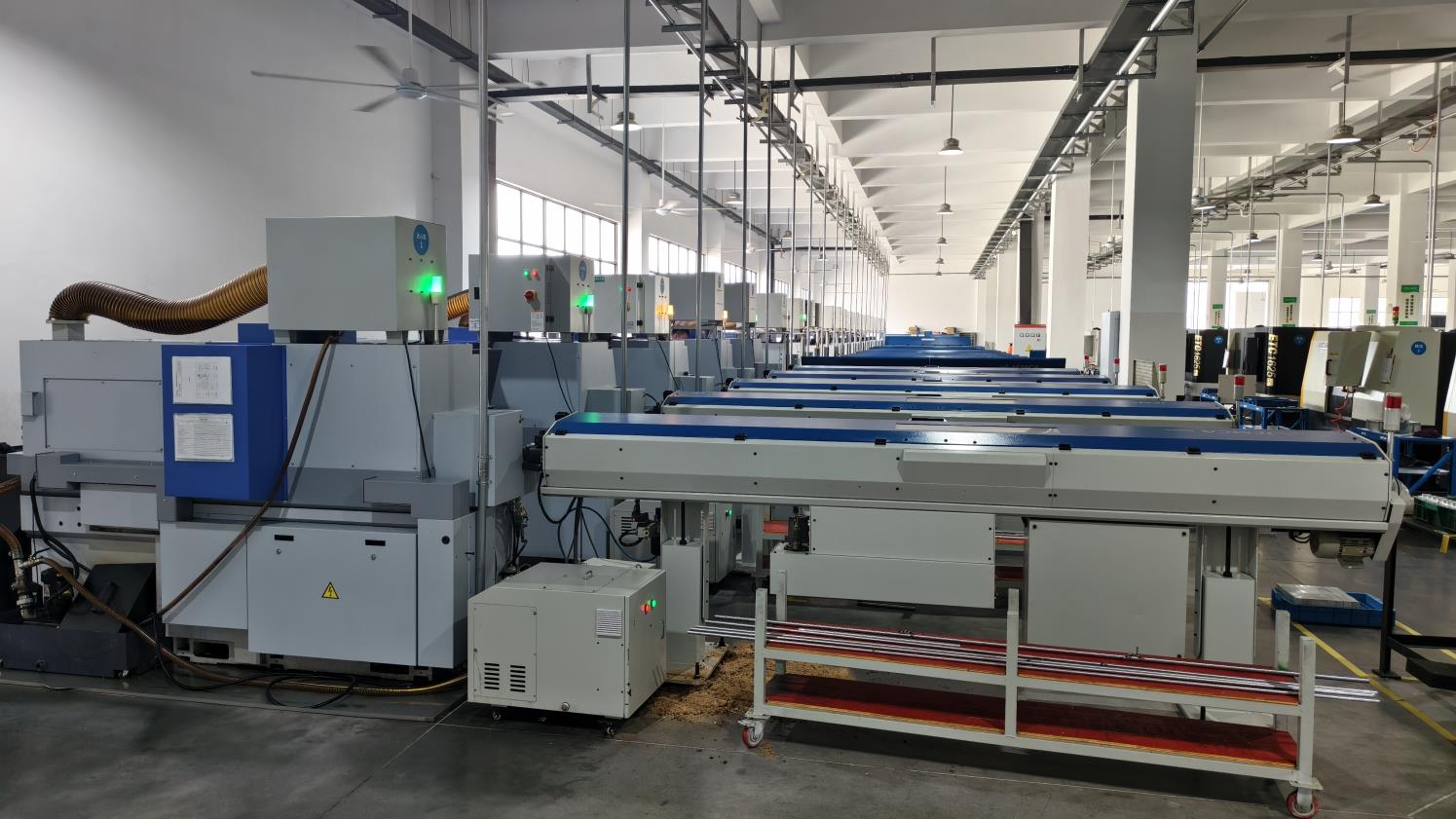
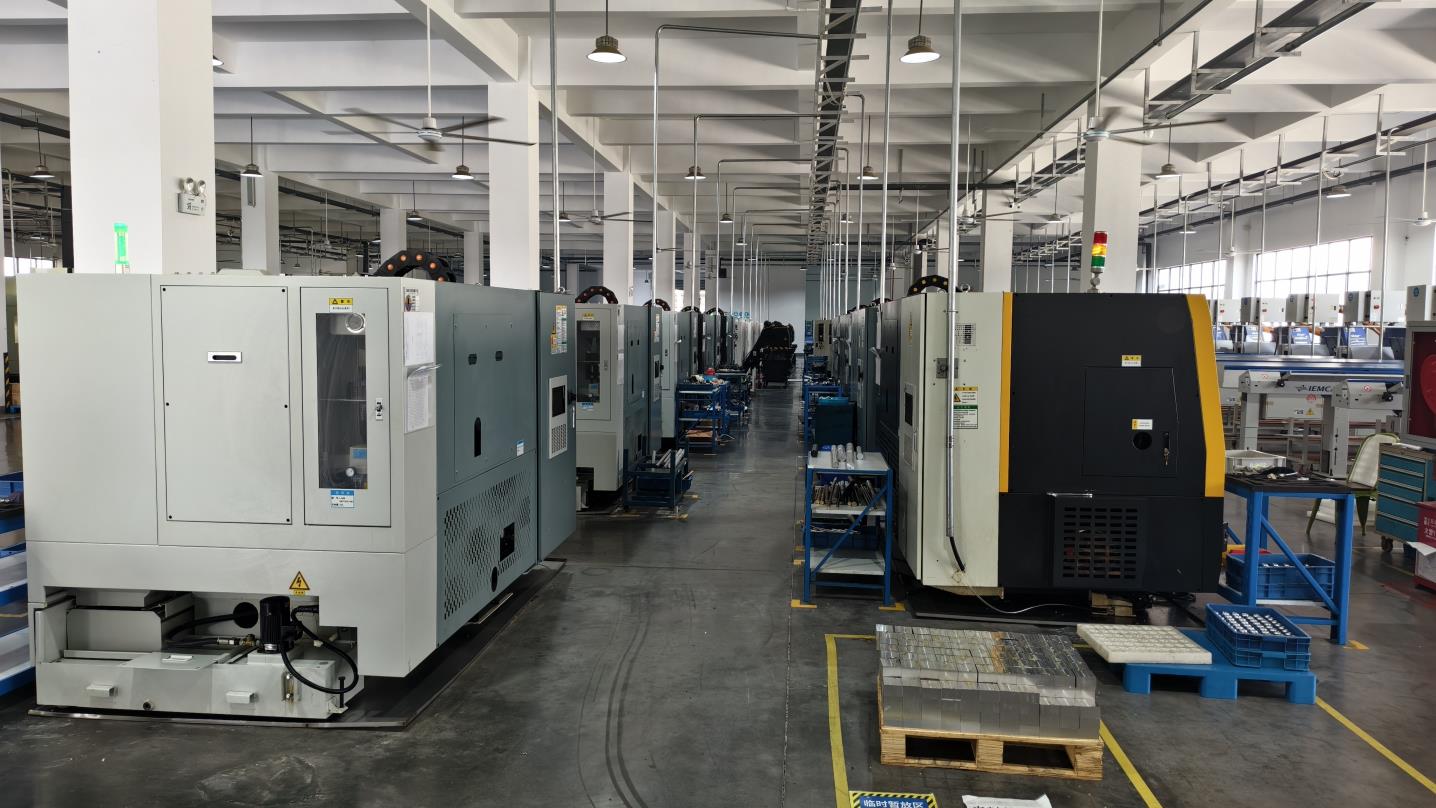
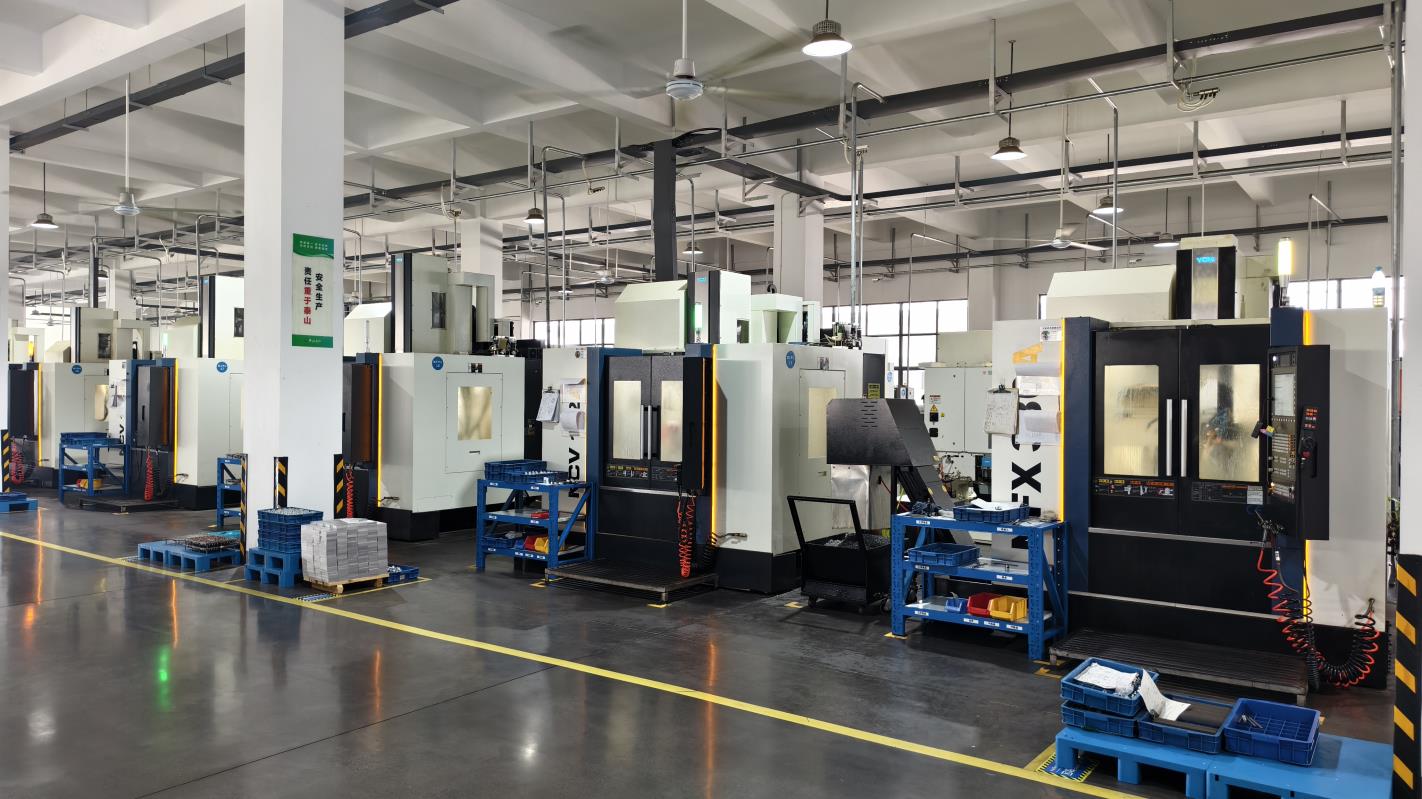
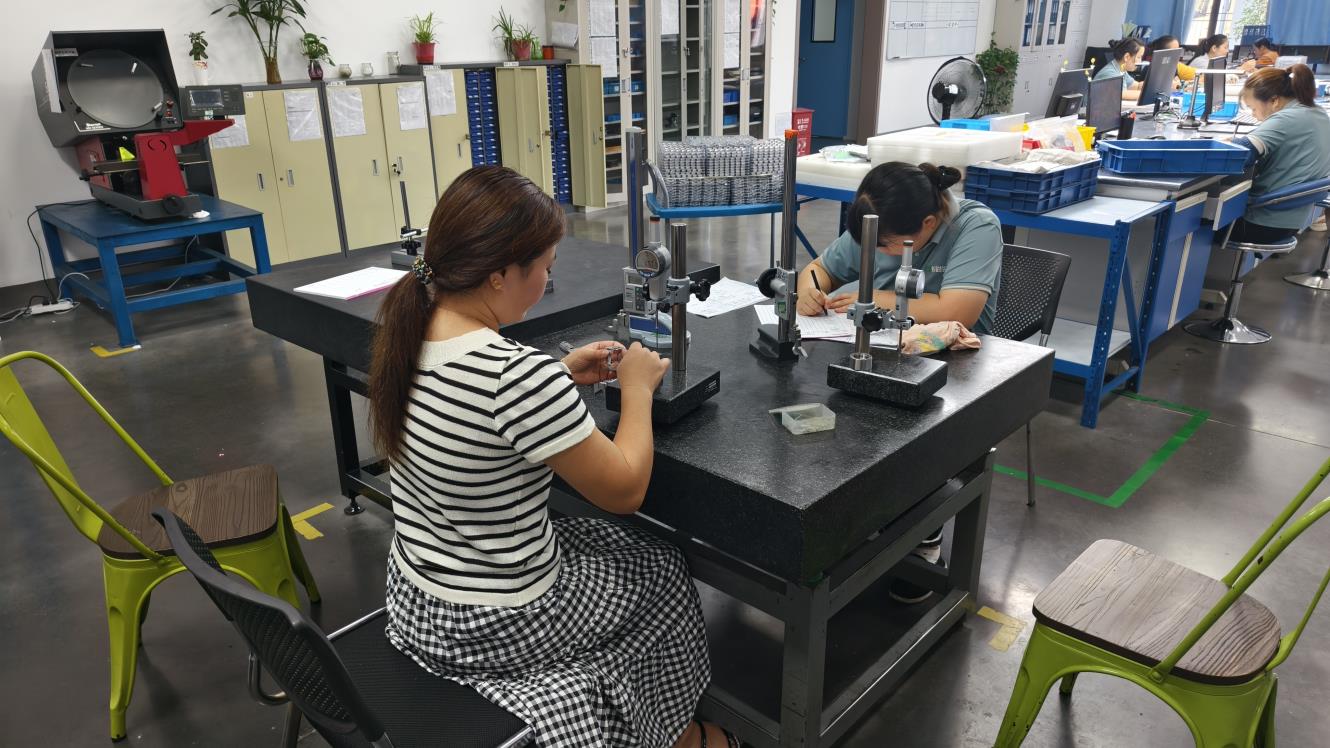
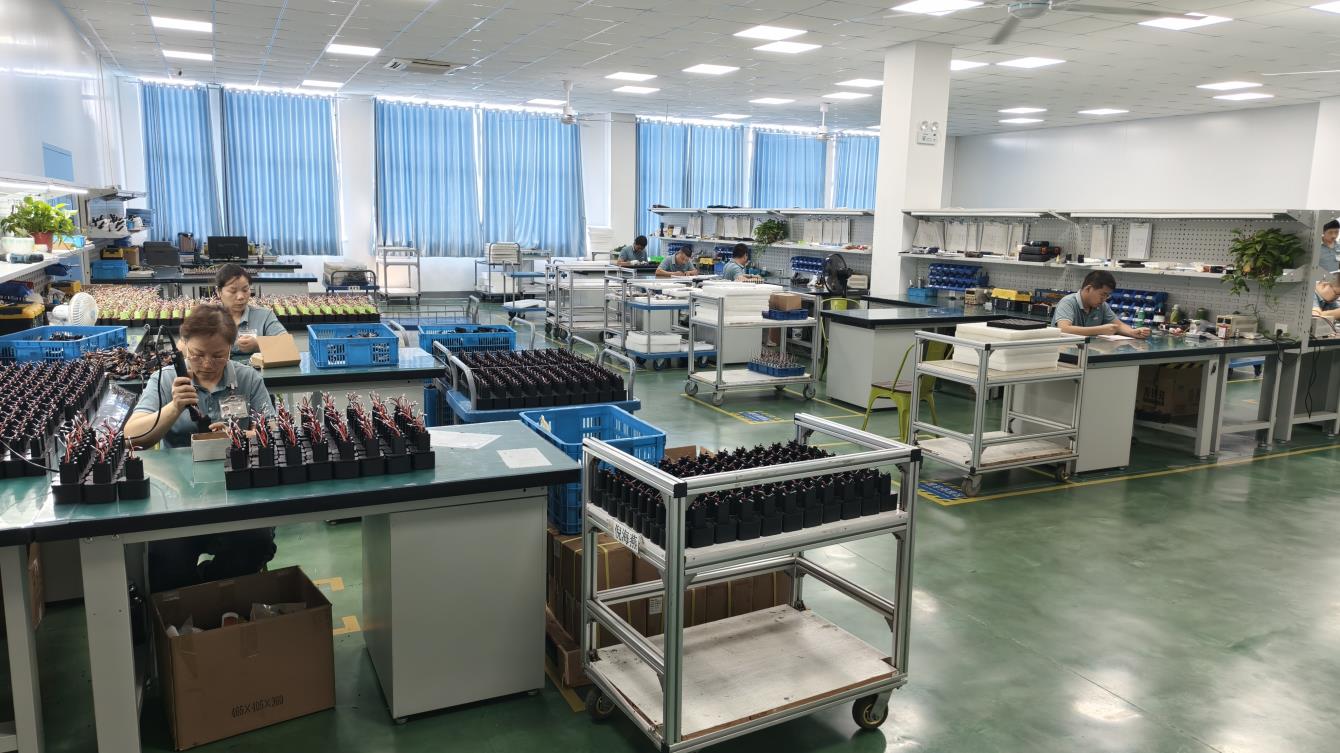
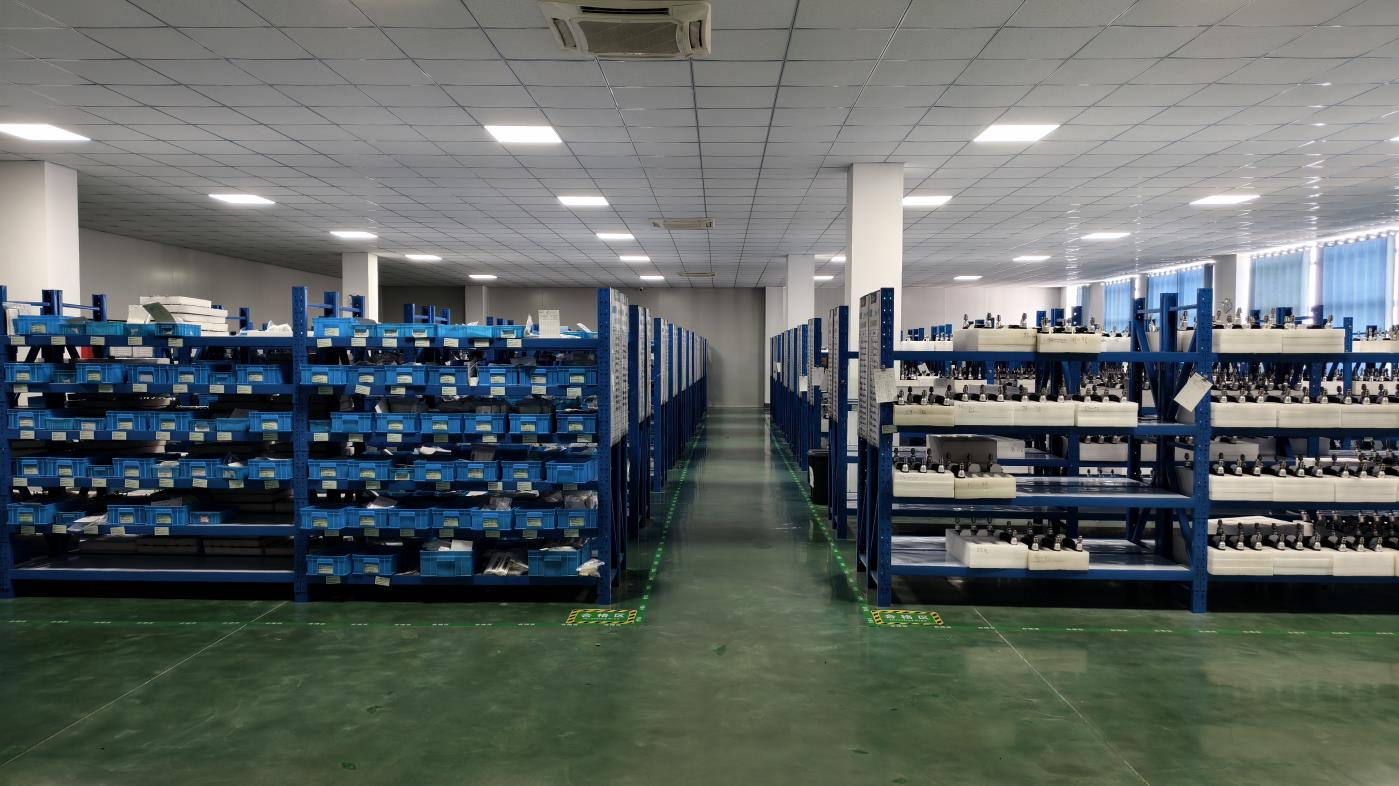
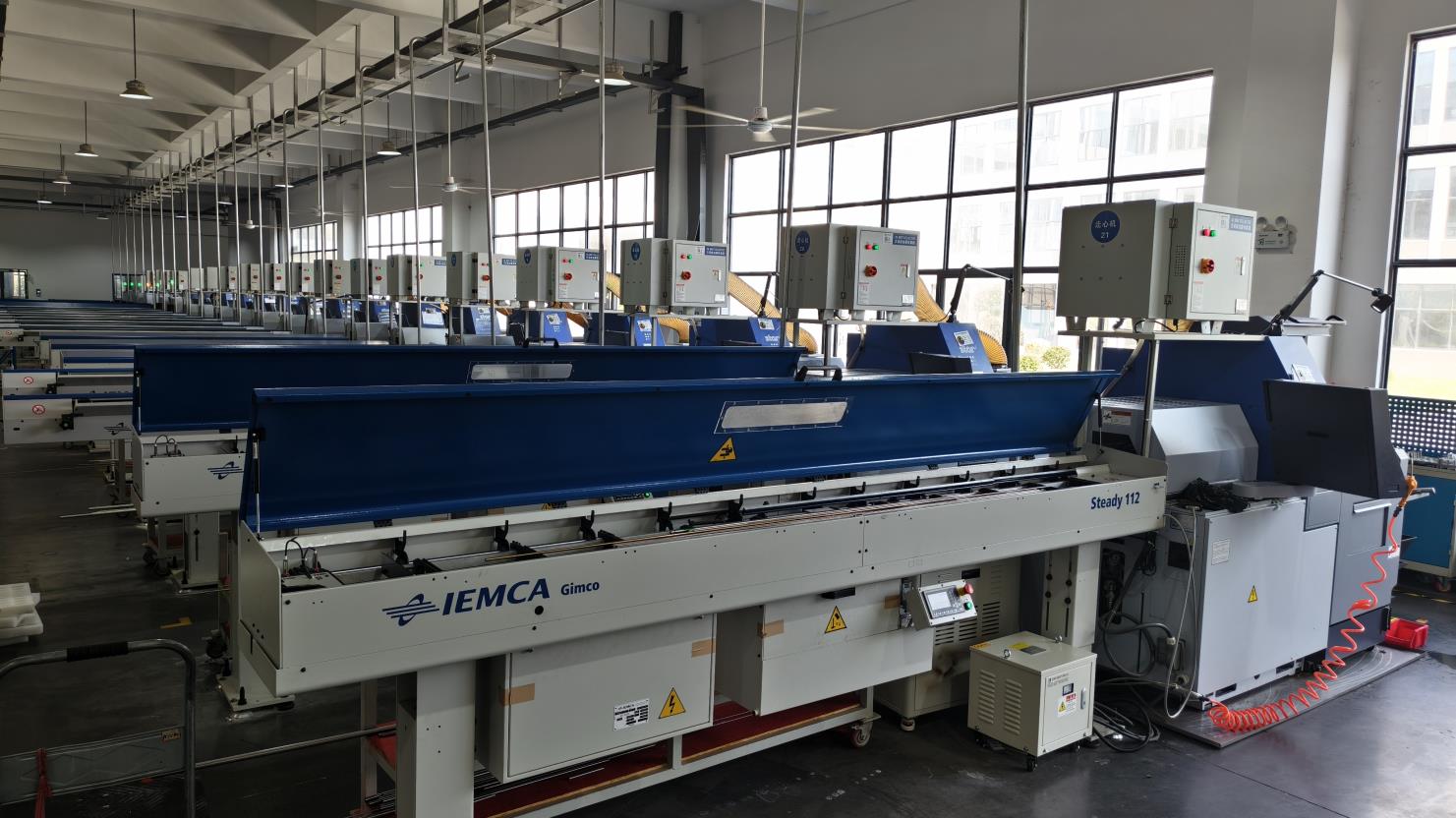
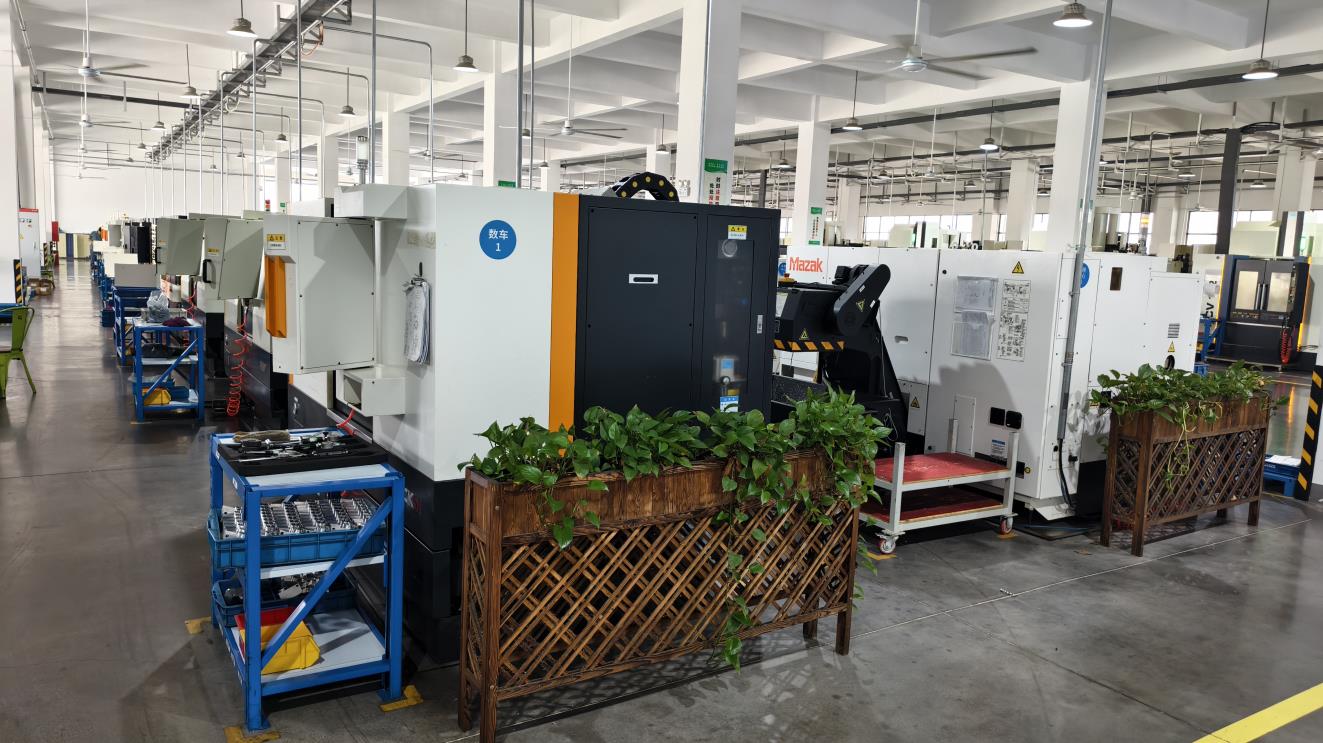
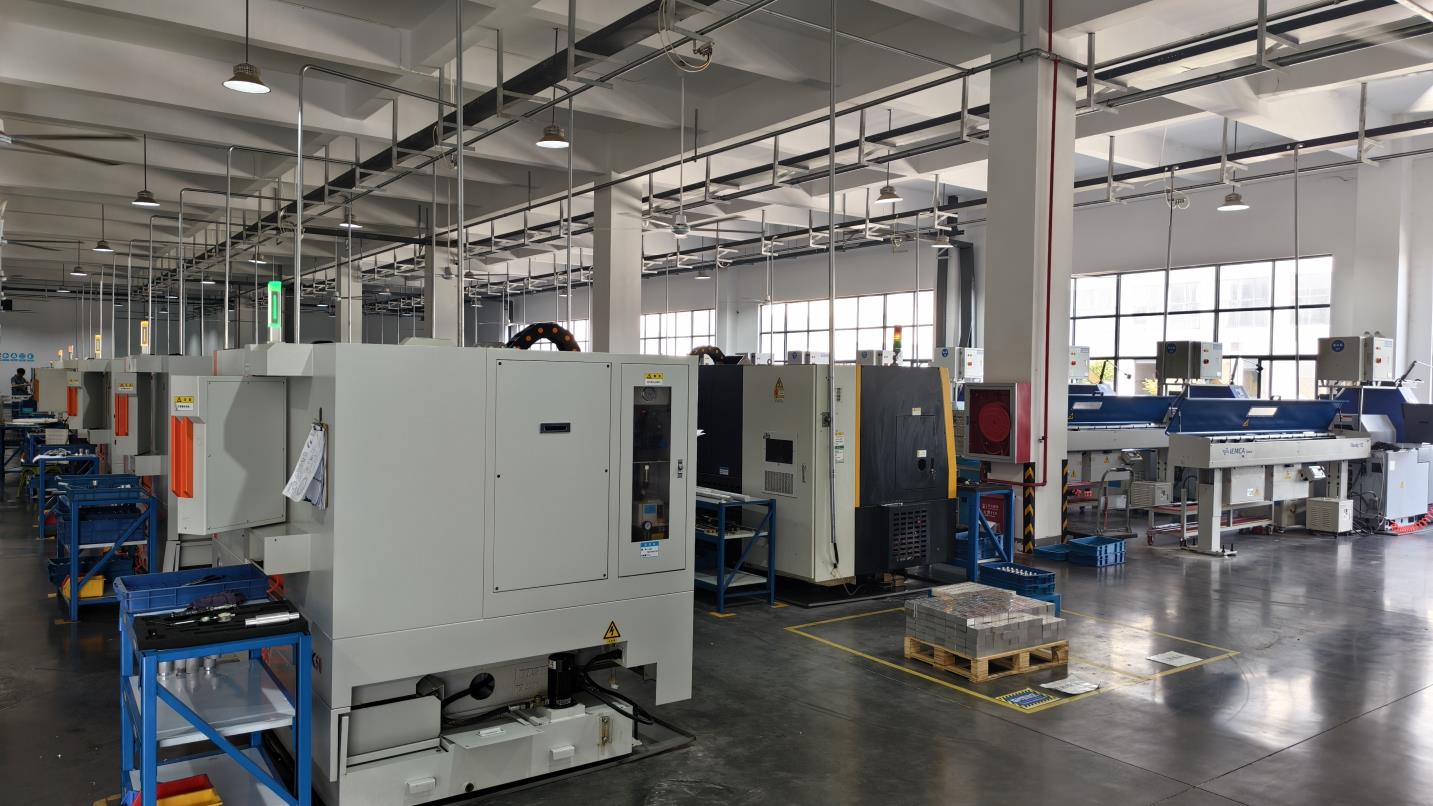
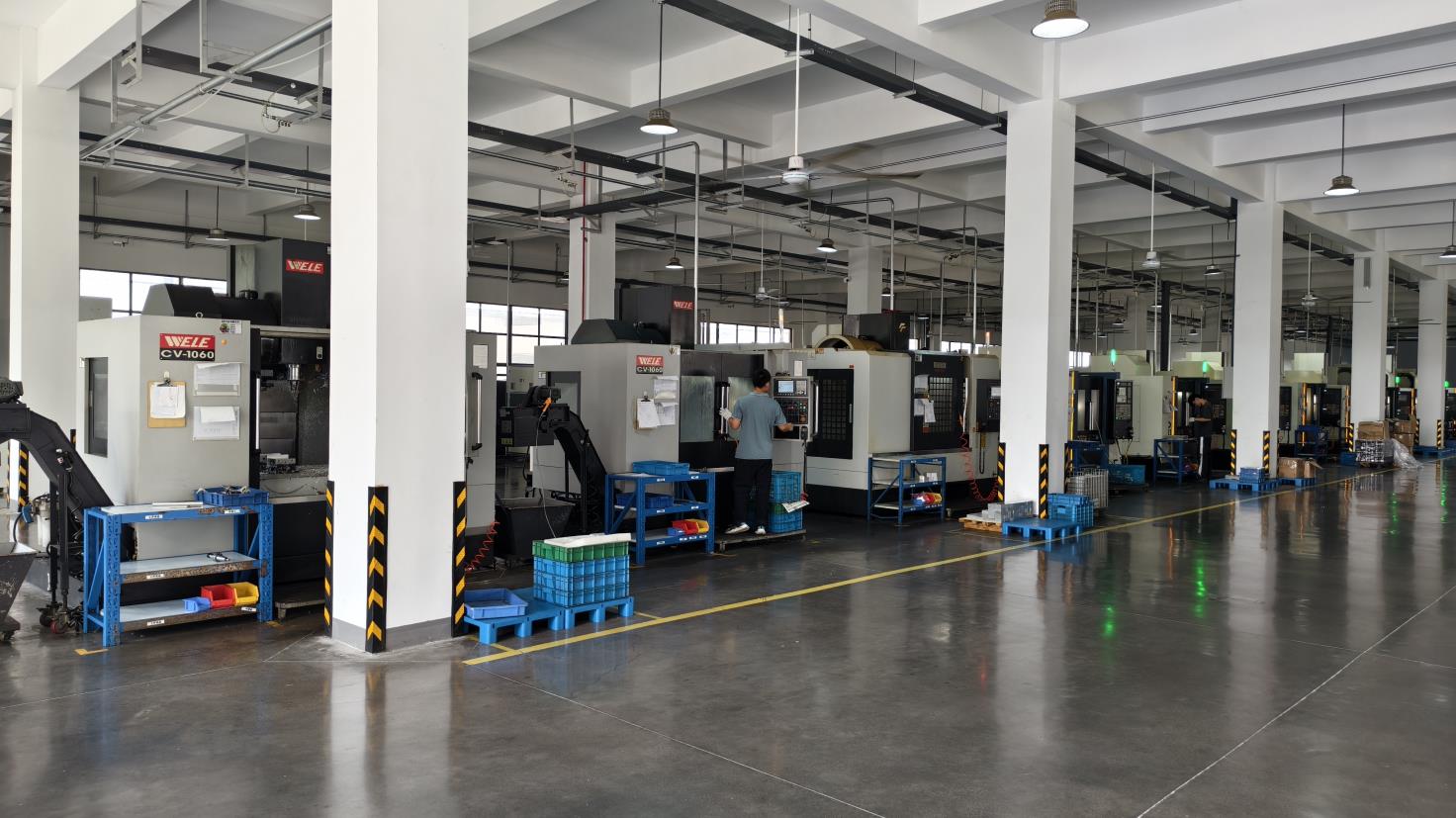
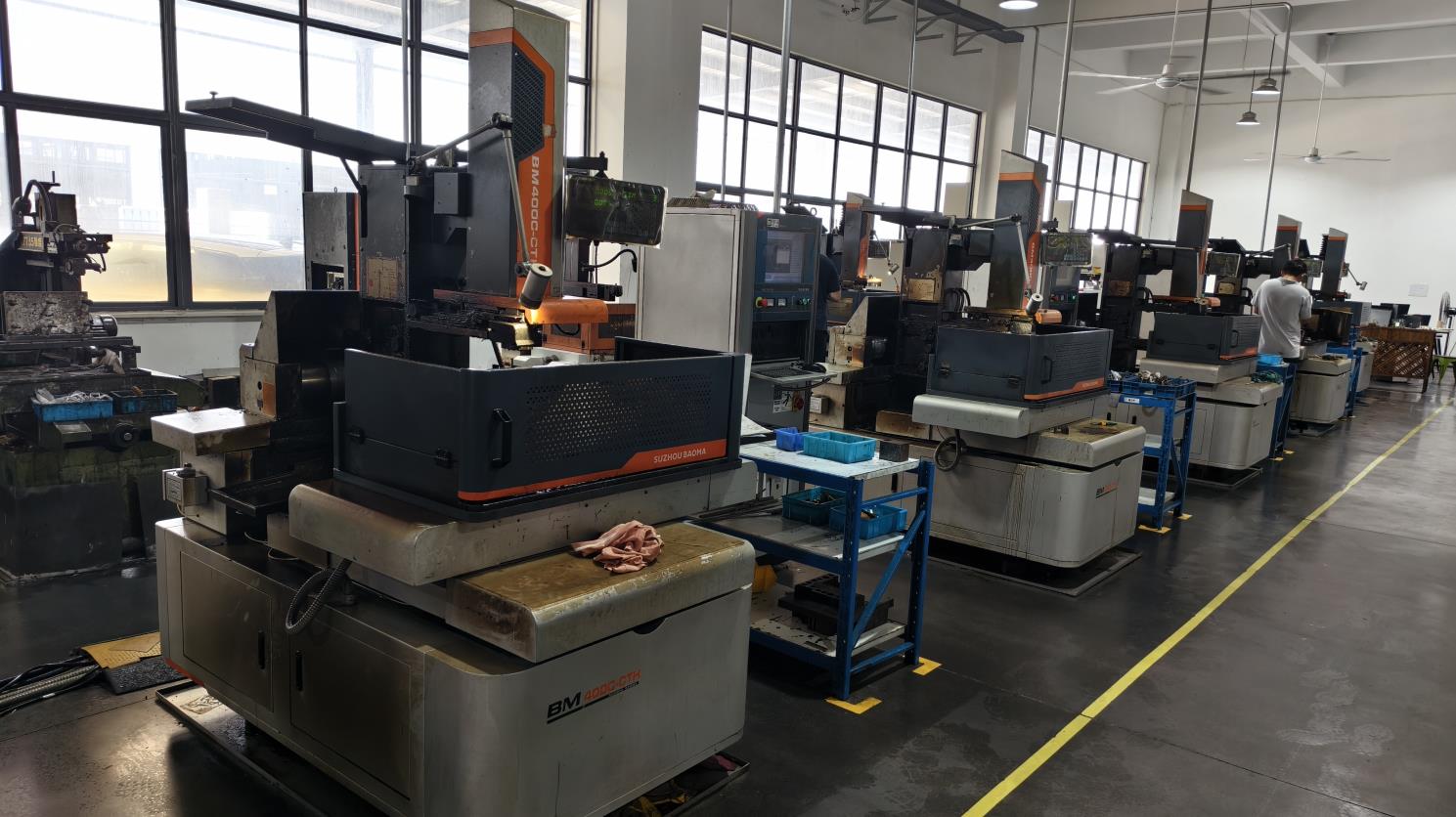
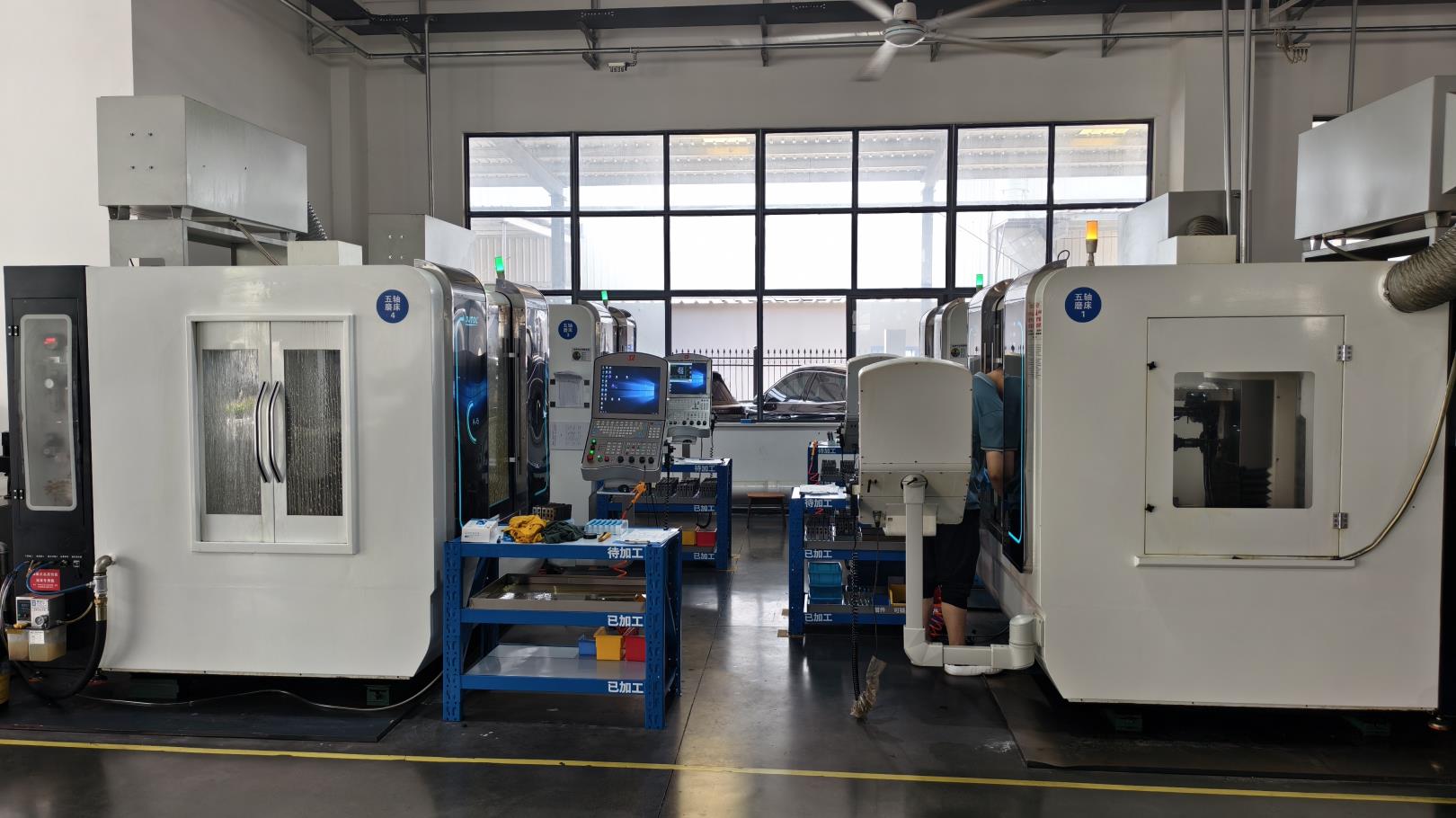
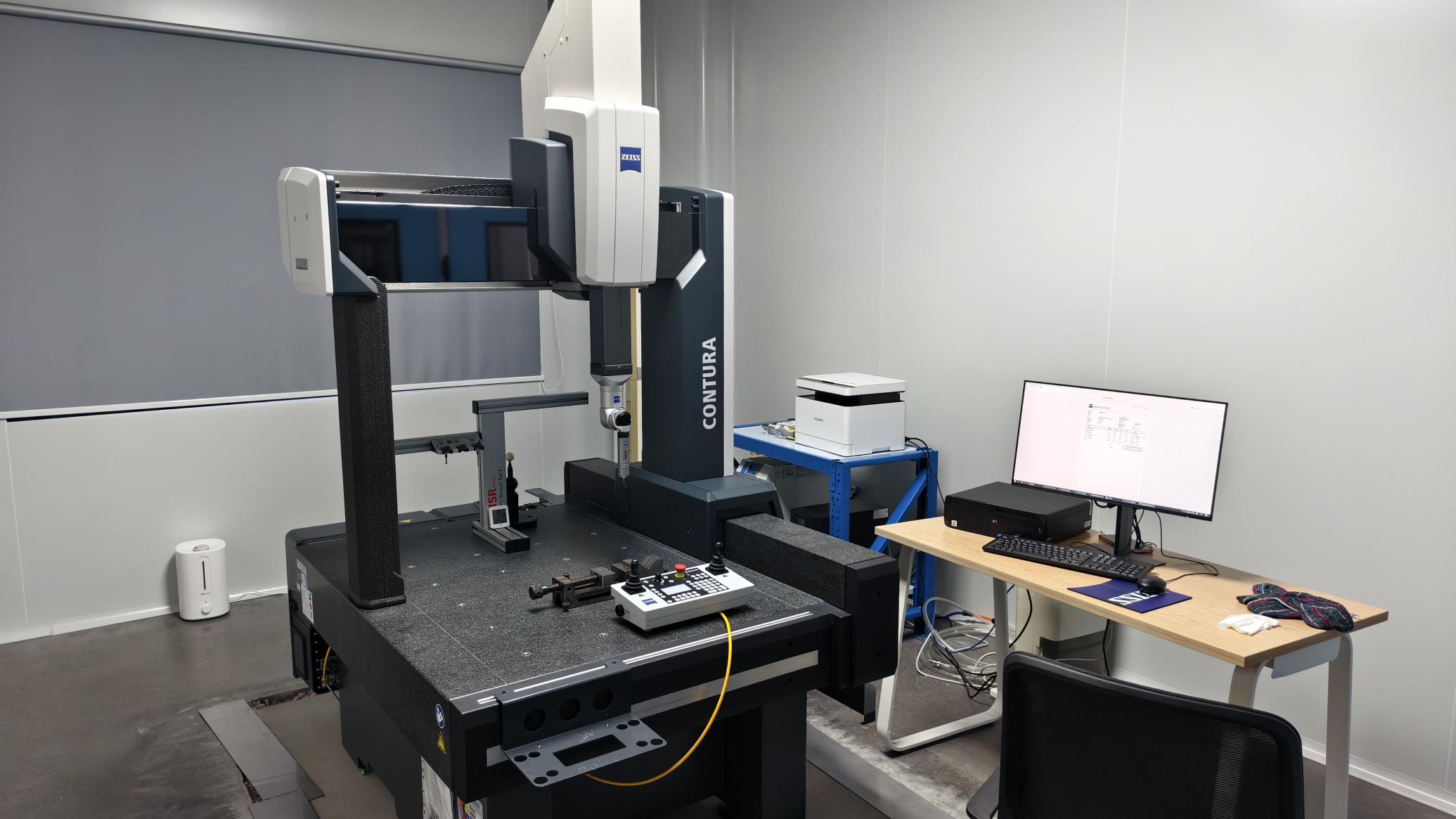
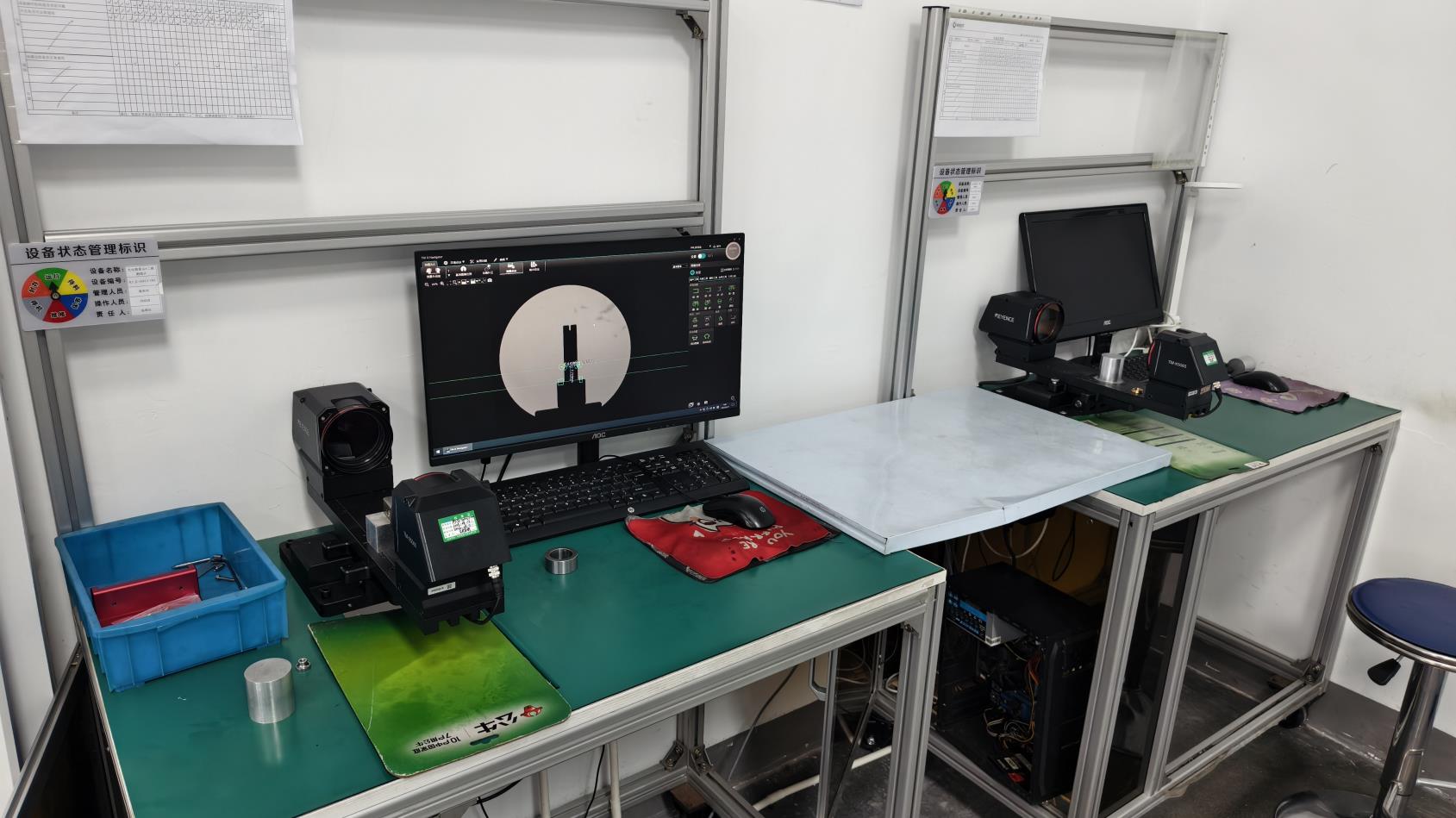
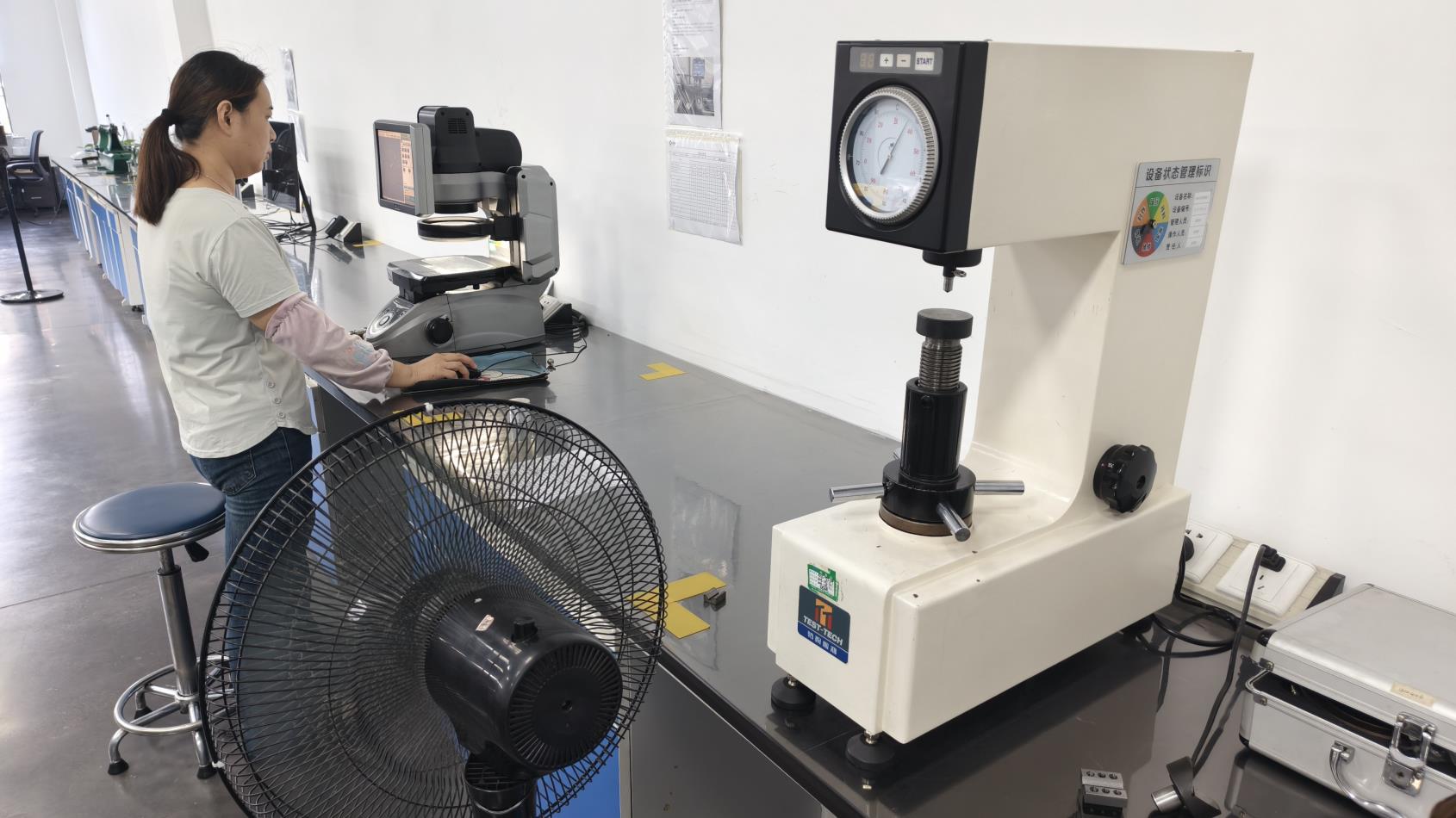
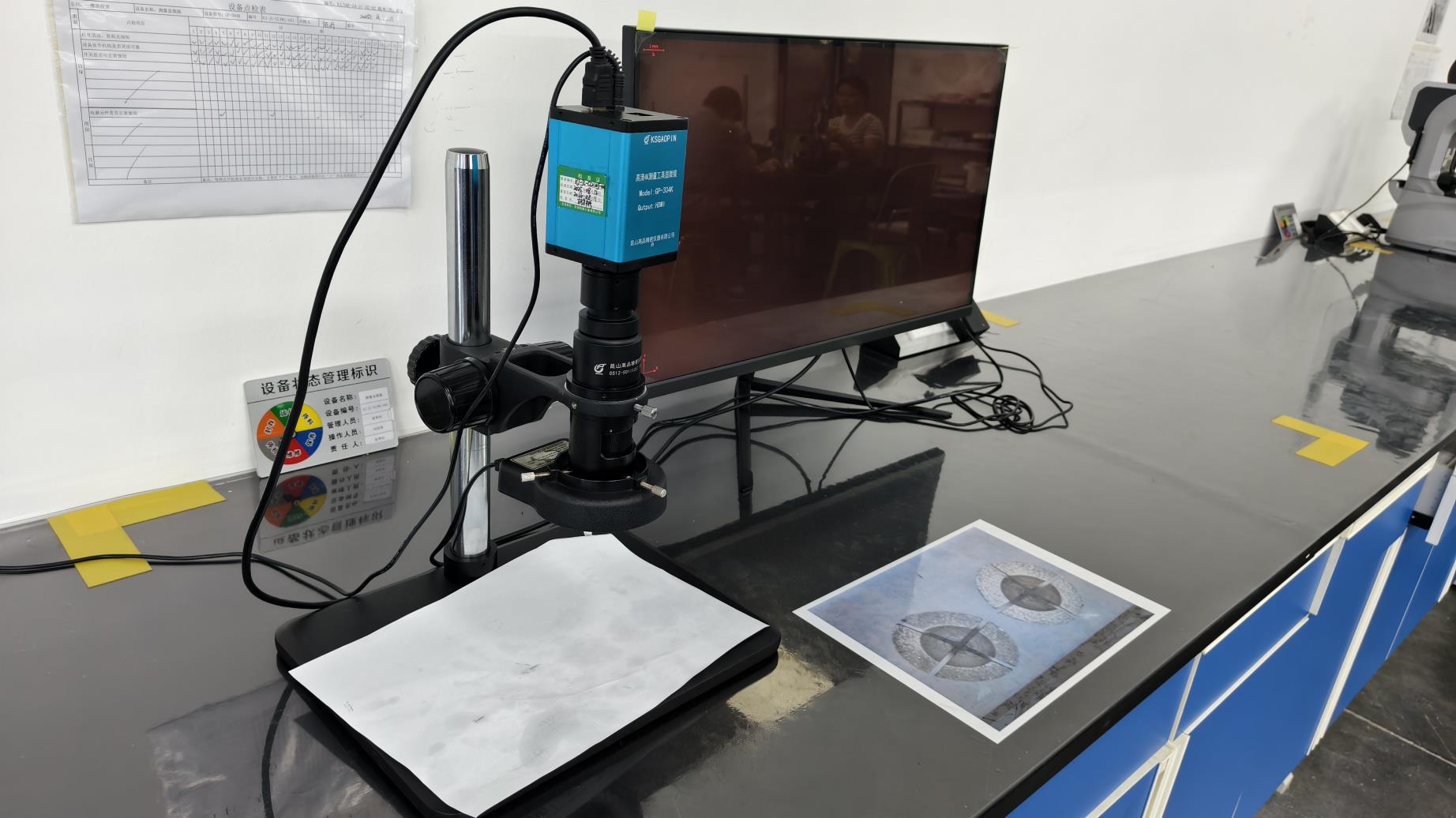
High-grade surgical steel equipment engineered for robust performance and compatibility with Israeli medical infrastructure.
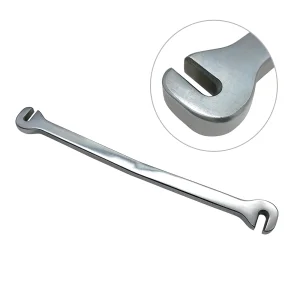
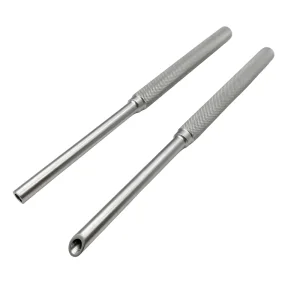
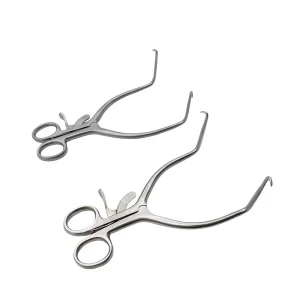
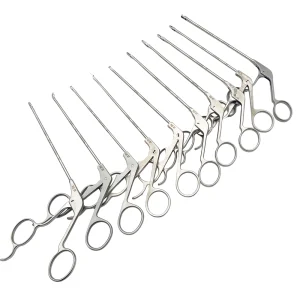
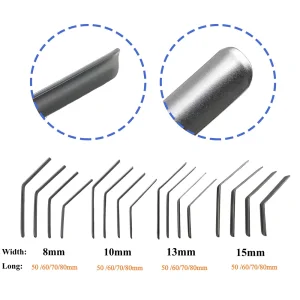
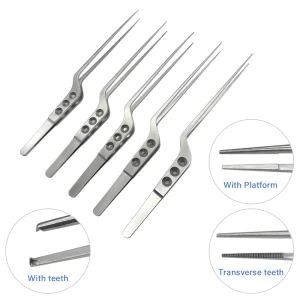
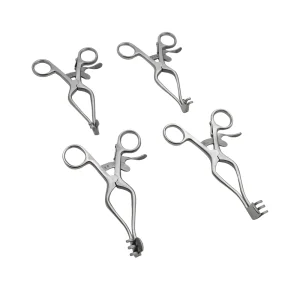
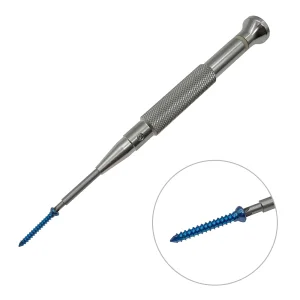
Ensuring instrument longevity, blade sharpness retention, and rust prevention through proper sterilization.
Surgical bone cutting tools, such as knives and saws, must undergo regular cleaning and maintenance to preserve their metallurgical integrity. Martensitic stainless steels (like 420 and 440C grade), while offering high hardness and wear resistance, are more prone to corrosion than austenitic grades (such as 304 or 316) if exposed to harsh chemicals. Below are key operational procedures that clinical staff at hospitals in Tel Aviv, Jerusalem, and other medical complexes should follow:
1. Post-Operative Rinsing: Clean all bone files, saws, and scissors immediately after surgery. Letting blood, tissue residues, or saline solution dry on the steel surface can lead to pitting corrosion. Rinsing with demineralized water prevents mineral deposits that can compromise the fine grinding angles of bone knives.
2. Ultrasonic Cleaning: Use enzymatic detergents with neutral pH values (7.0 - 8.5) in ultrasonic baths. Highly acidic or basic detergents strip the protective passivation layers of stainless steel and titanium, reducing the life cycle of the joints in retractors and scissors.
3. Autoclave Optimization: Ensure autoclave cycles utilize clean steam. Trace minerals or metallic elements in the steam line can transfer to surgical tools, forming dark spots that are often mistaken for rust. Run sterilization cycles at 134°C for at least 5 minutes, followed by a complete drying phase to prevent moisture accumulation.
4. Joint Lubrication: Apply a medical-grade, water-soluble lubricant to the moving joints of surgical scissors, retractors, and forceps before autoclaving. This keeps actions smooth and prevents metal-on-metal friction from breaking down the micro-structure of the hinge pin.
Answers to common questions from hospital directors, veterinary surgeons, and medical device importers in Israel.
We construct our cutting tools primarily from martensitic stainless steel grades AISI 420 and AISI 440C. These alloys undergo precision heat treatment (tempering and hardening) to achieve 48-54 HRC (Rockwell Hardness scale), which maintains edge sharpness and stability when cutting through cortical bone. For implant components and stabilization plates, we use medical-grade Titanium (Grade 5, Ti-6Al-4V) for bio-compatibility and lightness.
Our production lines are equipped with CNC grinding machines and laser engraving centers. We employ three dedicated QA/QC inspectors who monitor dimensions at every stage of the process, ensuring tolerances remain within ±0.01 mm. Furthermore, we maintain complete traceability for all raw materials, backed by mill test certificates and chemical structure reports.
For express clinical shipments, we utilize air cargo routes that arrive at Ben Gurion International Airport (TLV) in 5-8 business days. For bulk orders or heavier equipment like orthopedic drills and complete retractor kits, we manage sea freight routes to Ashdod or Haifa ports, which typically take 25-35 days, including local customs clearance coordination.
Yes, we provide comprehensive OEM/ODM solutions. We can laser-etch custom brand logos, serial numbers, batch numbers, and CE markings directly onto the instruments. This helps local medical distributors comply with tracking requirements set by the Israeli Ministry of Health.
Yes, all of our stainless steel and titanium surgical instruments are designed for autoclave sterilization. They tolerate high-temperature steam sterilization (typically 134°C for 5-18 minutes) and chemical gas sterilizations (ETO) without loss of structural integrity or edge sharpness, provided the guidelines for post-operative cleaning are followed.
Our standard MOQ for stock instruments is very flexible, starting at 10-50 units depending on the instrument type. For specialized custom modifications (such as graphic processing or custom drill guide configurations), the MOQ typically ranges between 50-100 units to cover engineering setup and CNC calibration costs.