 SENJIE Healthy & Technology
SENJIE Healthy & Technology
SENJIE Healthy & Technology
Engineered for high accuracy and minimal invasiveness. Our core lineup conforms to top-tier specifications matching SNUH, Severance, and AMC clinical requirements.
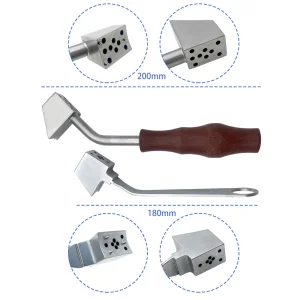
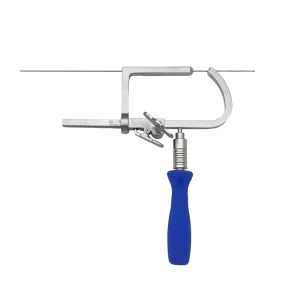
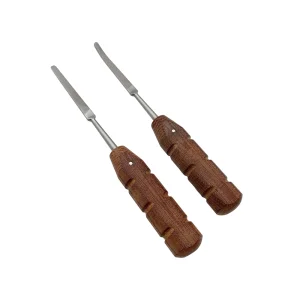
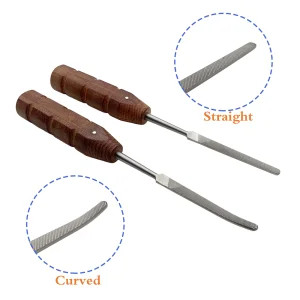
A comprehensive analysis of technological evolution, strict regulatory protocols, and cost-efficient supply chains shaping medical procurement in the Korean Peninsula.
South Korea is transitioning rapidly towards a super-aged society, with over 20% of the population projected to be aged 65 or older by 2025. This structural demographic shift is driving a dramatic rise in degenerative bone conditions. Surgical cases involving total knee arthroplasty (TKA), hip revision implants, and spinal instrumentation have experienced an annual compound growth rate exceeding 6.8%.
Furthermore, Korea's medical system demands high throughput without sacrificing precision. Surgeons in tertiary hospitals expect instruments characterized by supreme tactile feedback, high fatigue limit, and structural light-weighting to support prolonged, complex operations.
Importing orthopedics instruments into Korea requires stringent adherence to the Ministry of Food and Drug Safety (MFDS) directives. The classification is tightly defined: Class I notified devices, Class II approved instruments, and higher risk configurations. Distributors must present comprehensive biocompatibility testing (ISO 10993 series), including cytotoxicity and sensitization evaluation, alongside mechanical verification reports.
As a global factory serving Seoul, Incheon, and Busan regions, our production workflows align seamlessly with international ISO 13485 standards. We supply full documentation to facilitate smooth KGMP (Korea Good Manufacturing Practice) audits, minimizing import delays for our strategic partners.
Key Insight for Procurement Directors: Optimizing the clinical supply chain via an OEM/ODM partner with direct-from-factory traceability cuts initial sourcing overheads by 35% compared to purchasing from legacy European brands, while offering equal metallurgical excellence.
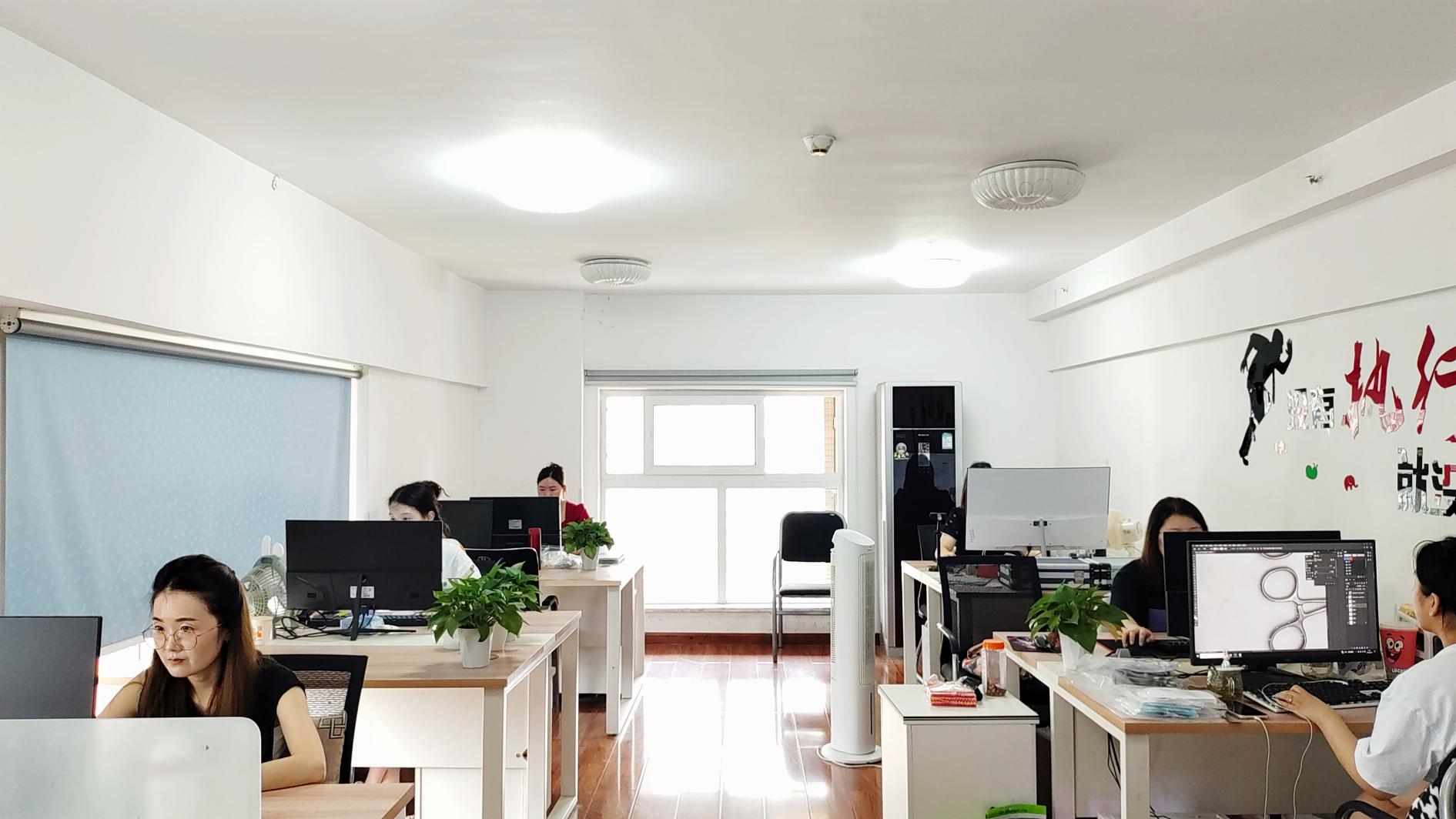
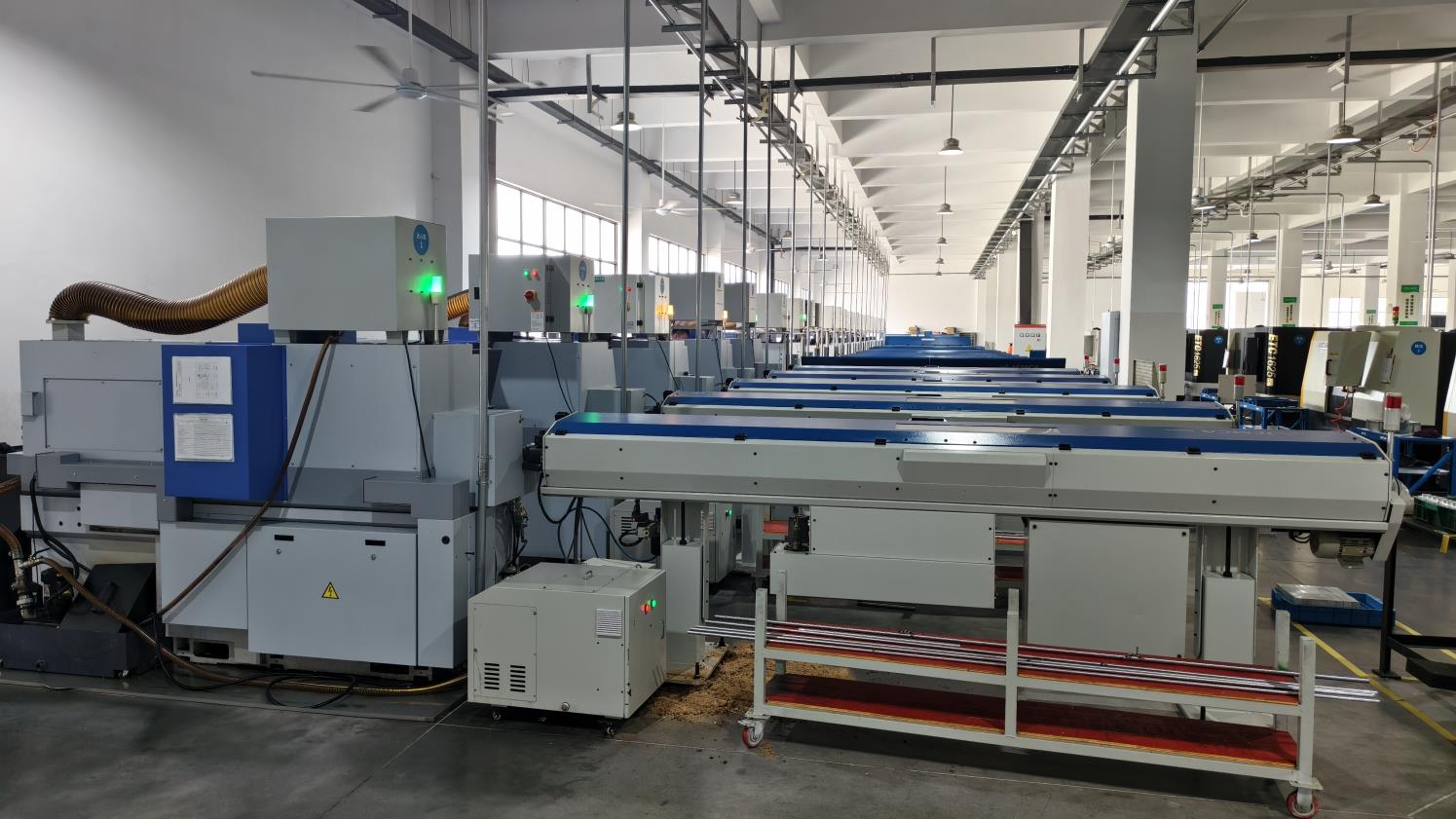
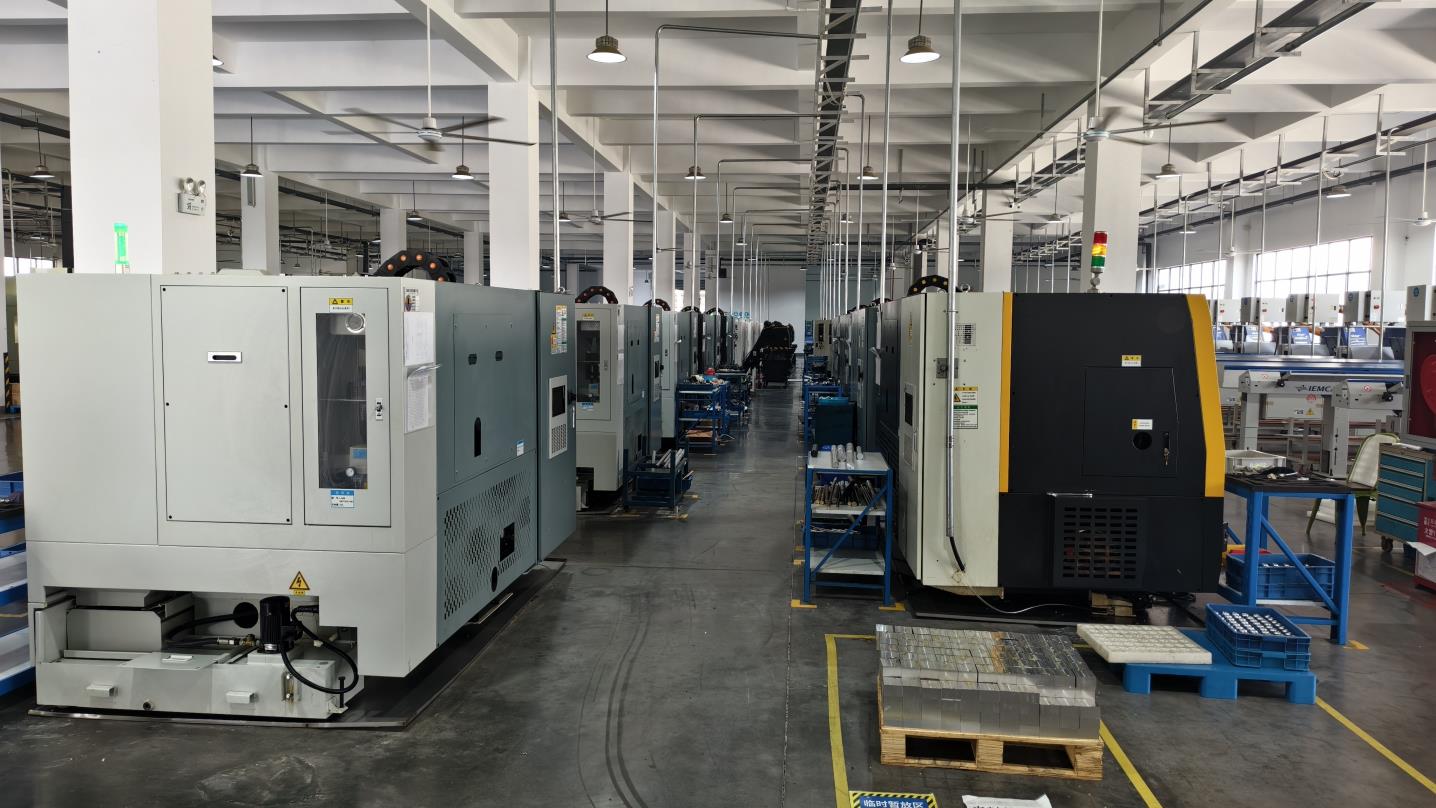
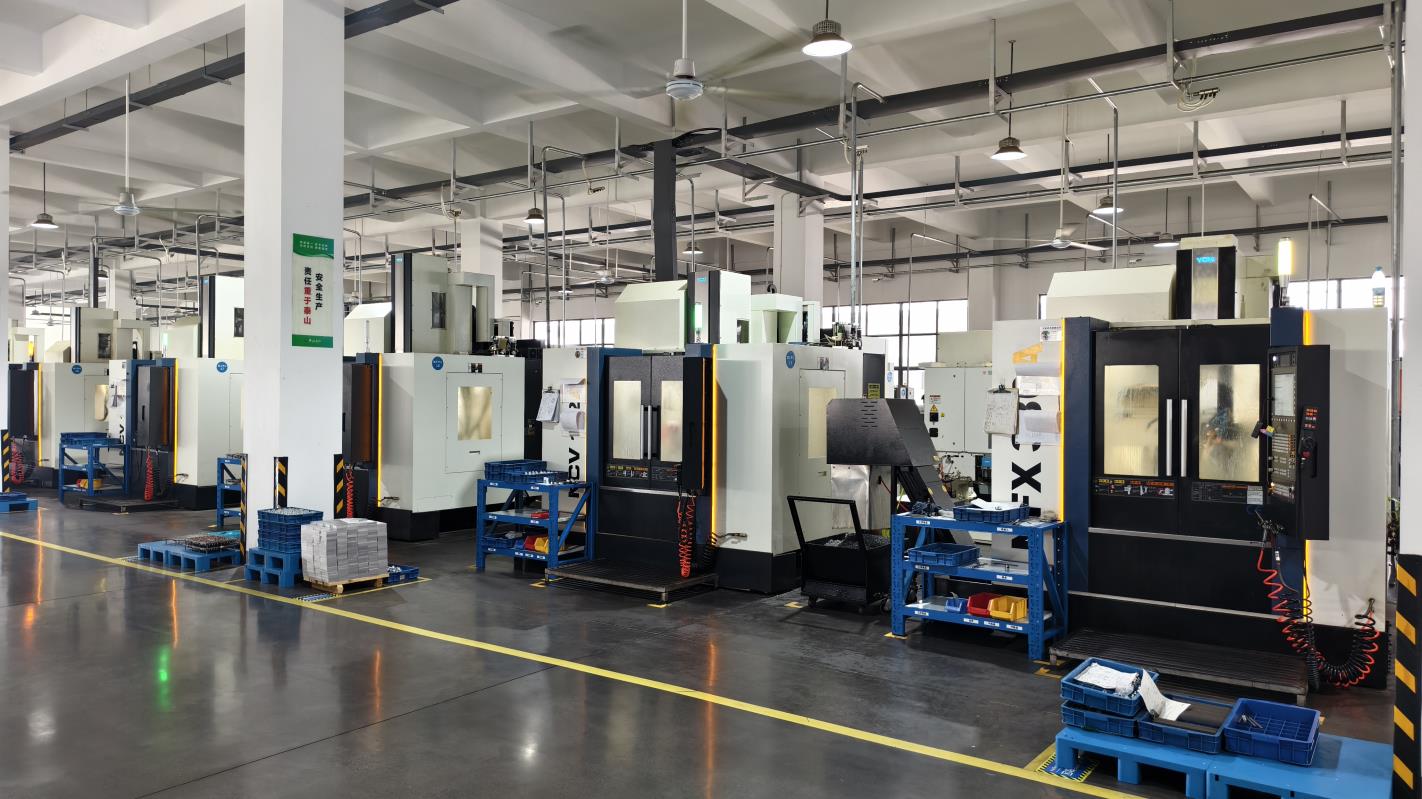
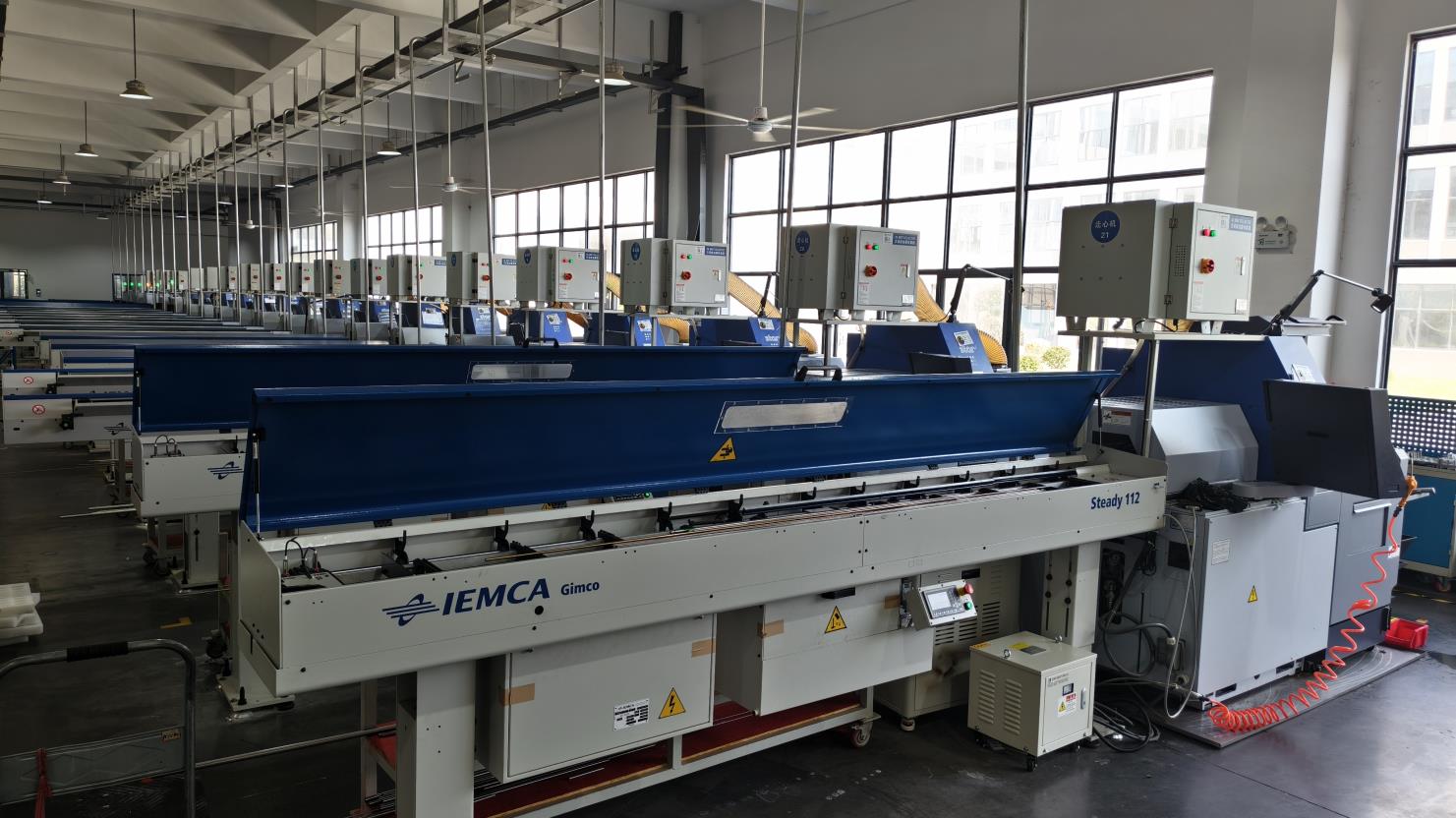
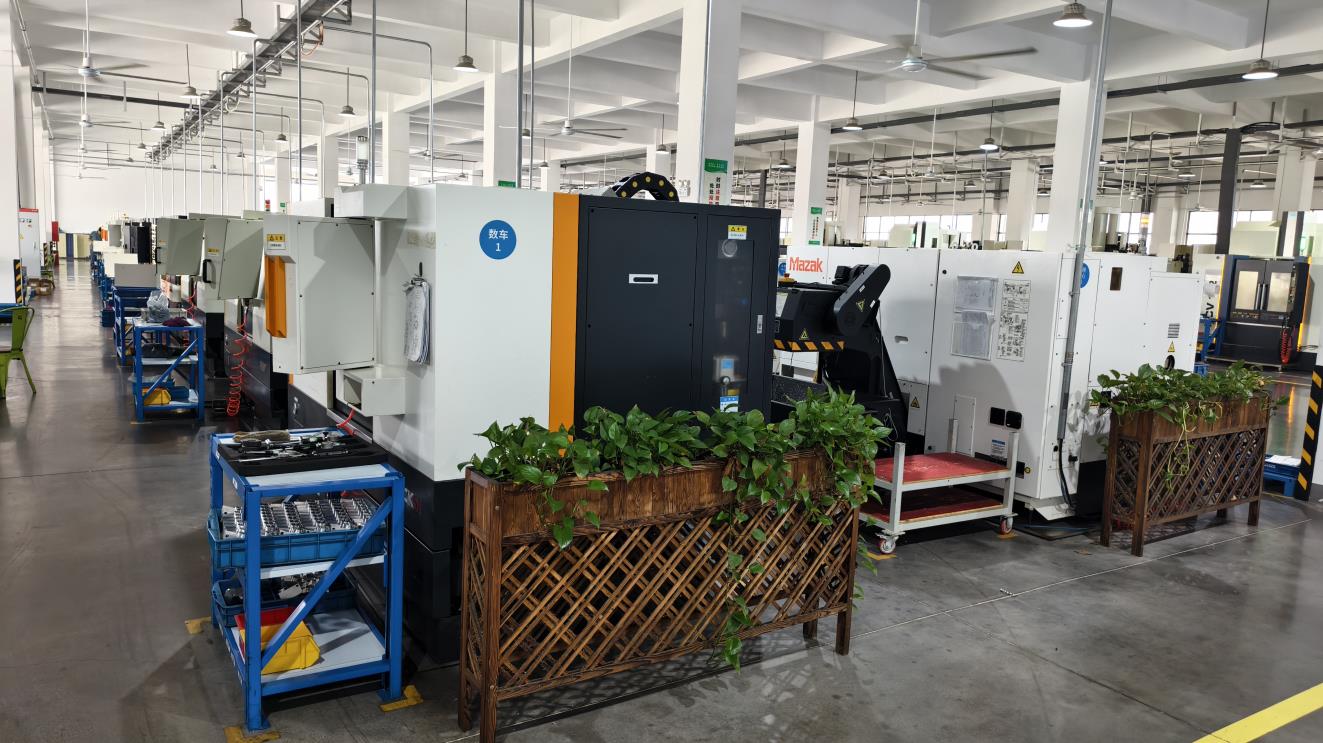
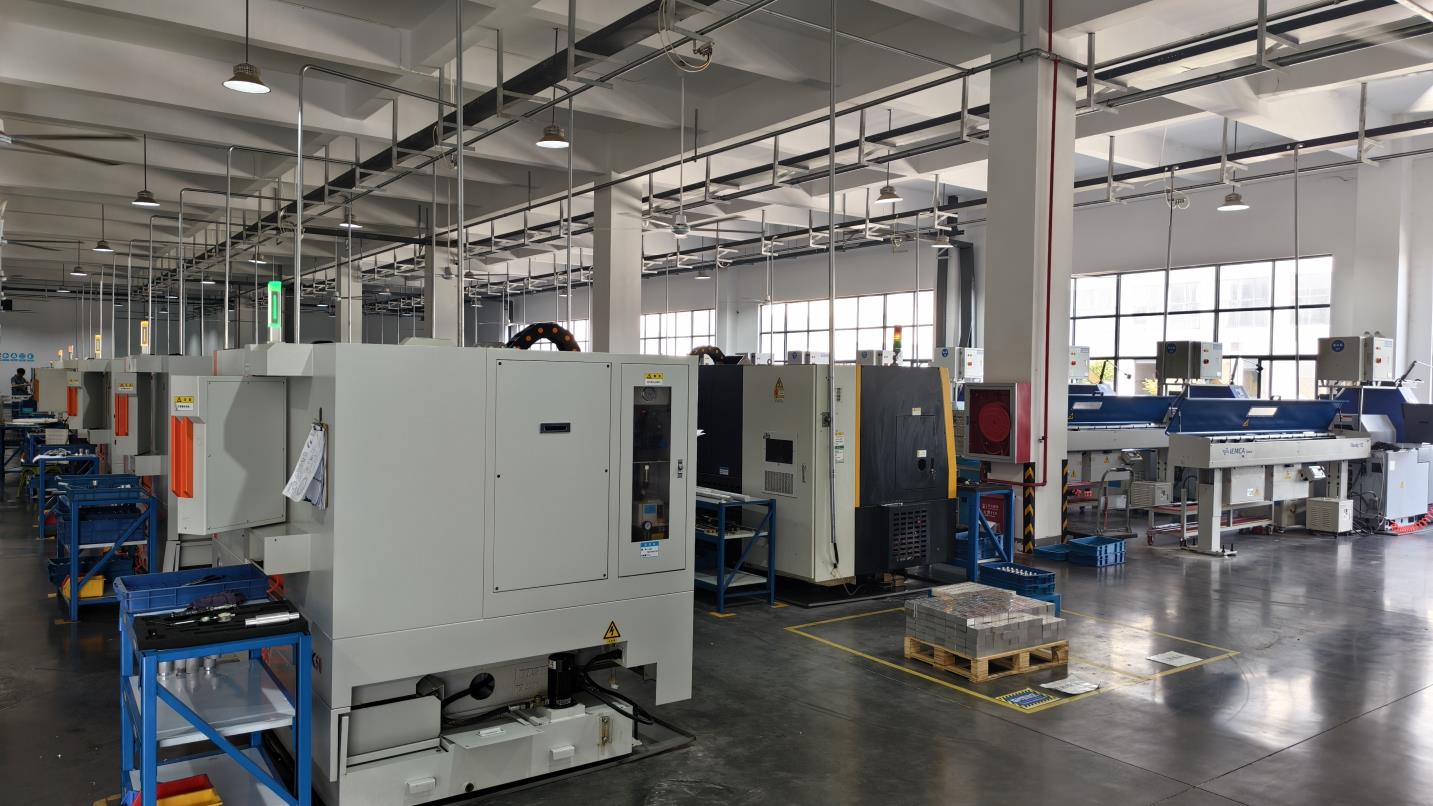
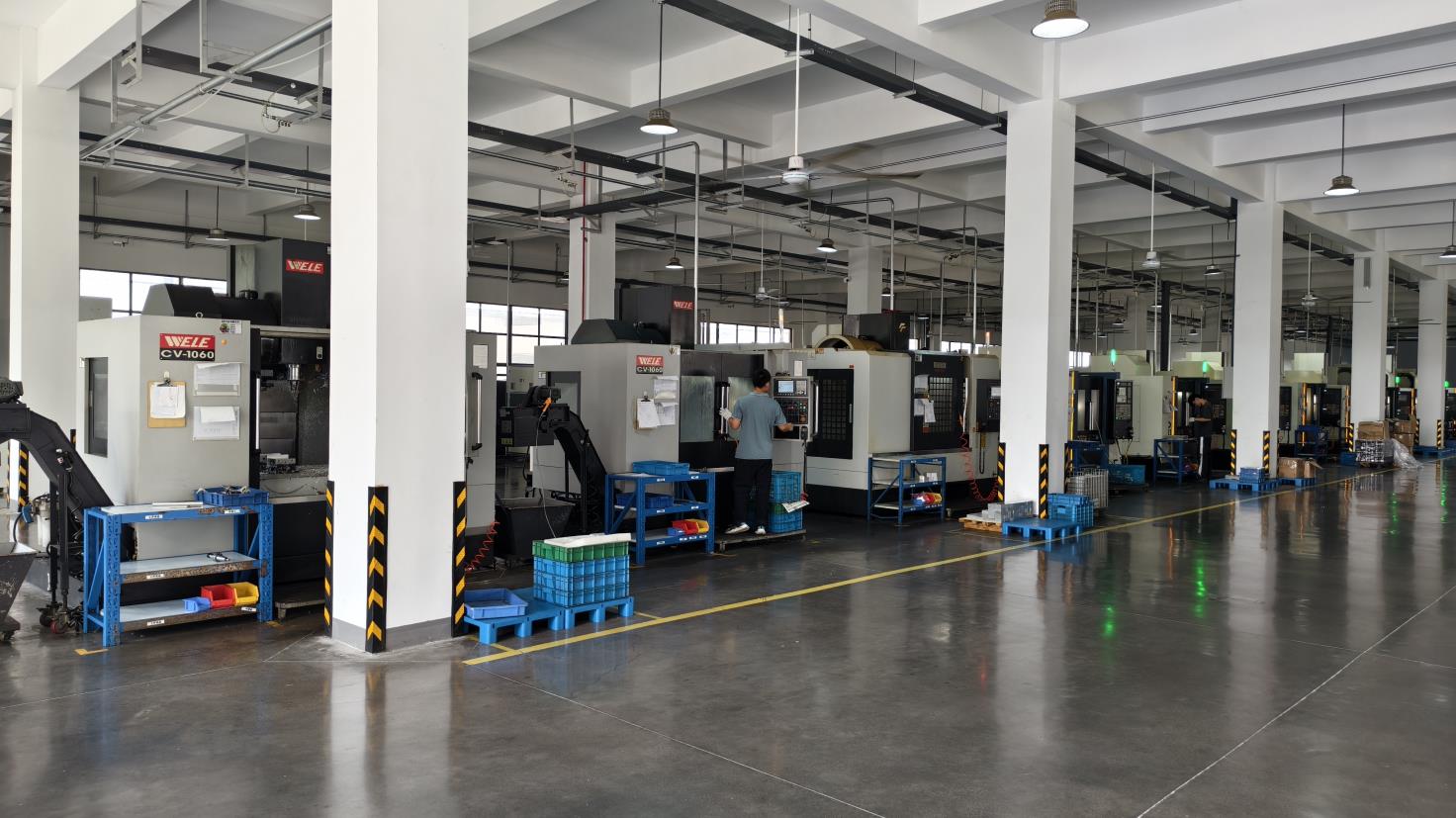
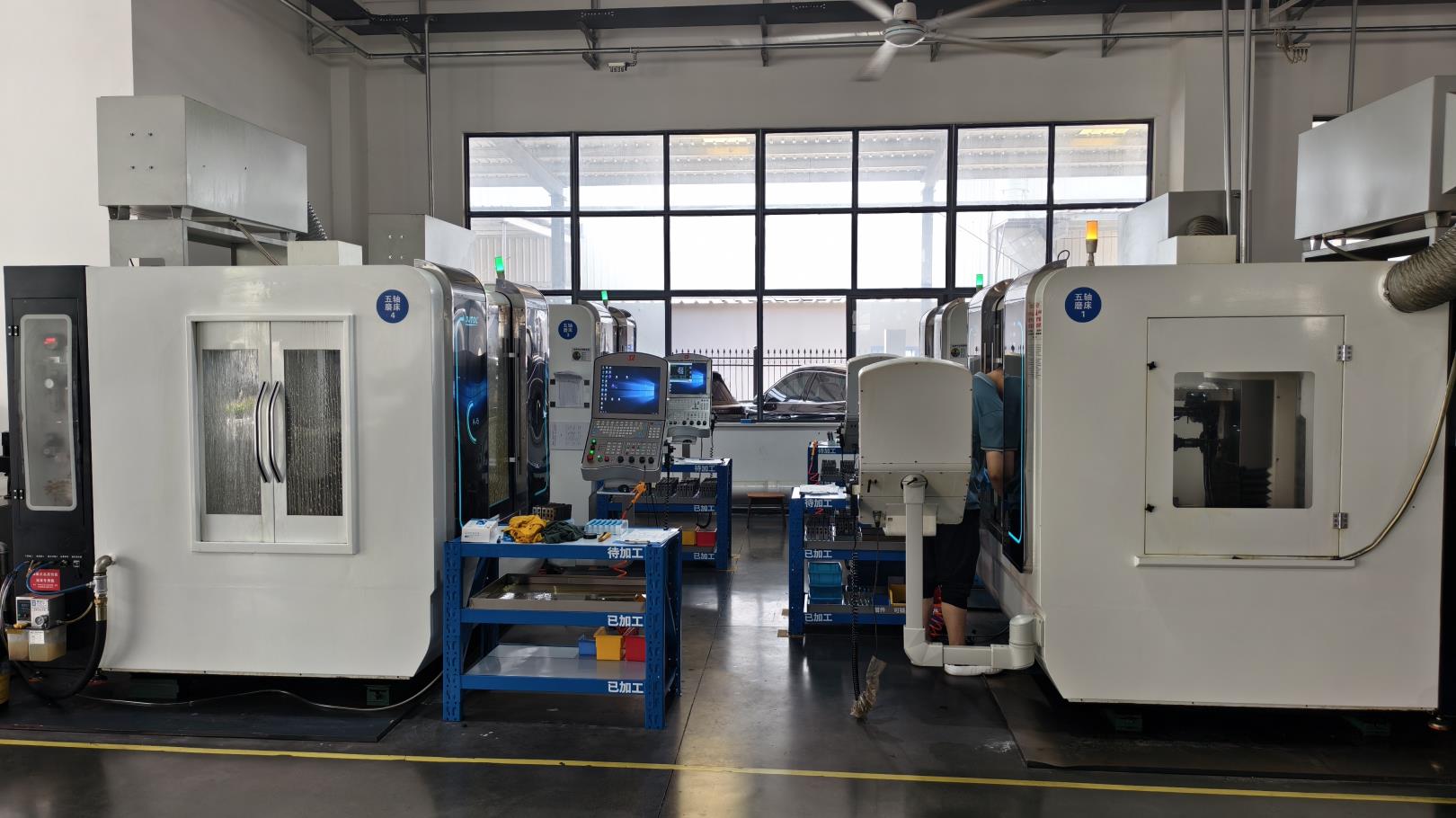
Sample processing, graphic processing, and design modifications utilizing state-of-the-art multi-axis CNC machines and Swiss-type lathes.
We work with medical-grade stainless steel (SUS316L, SUS440C, Custom 455) and high-strength Titanium Alloys (Ti6Al4V ELI) with verified heat treatments.
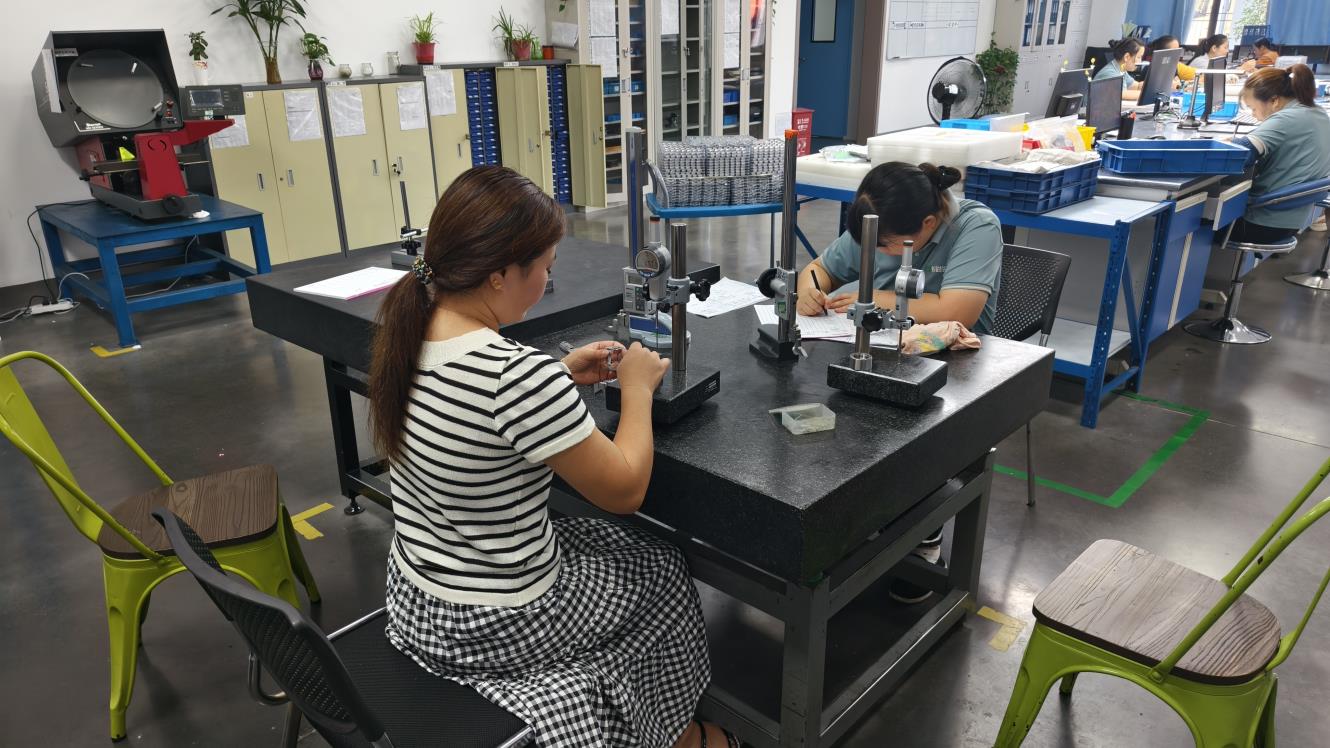
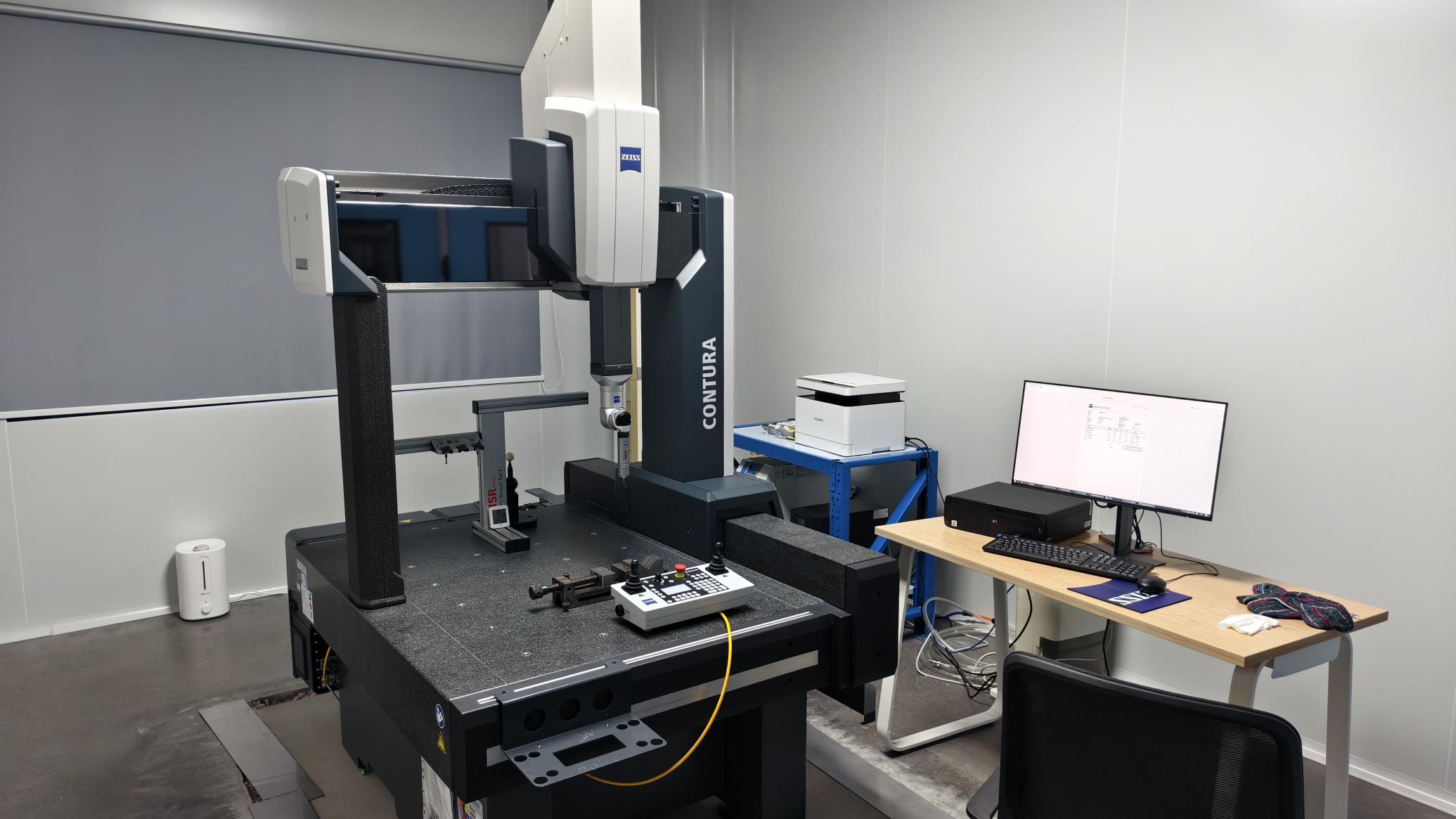
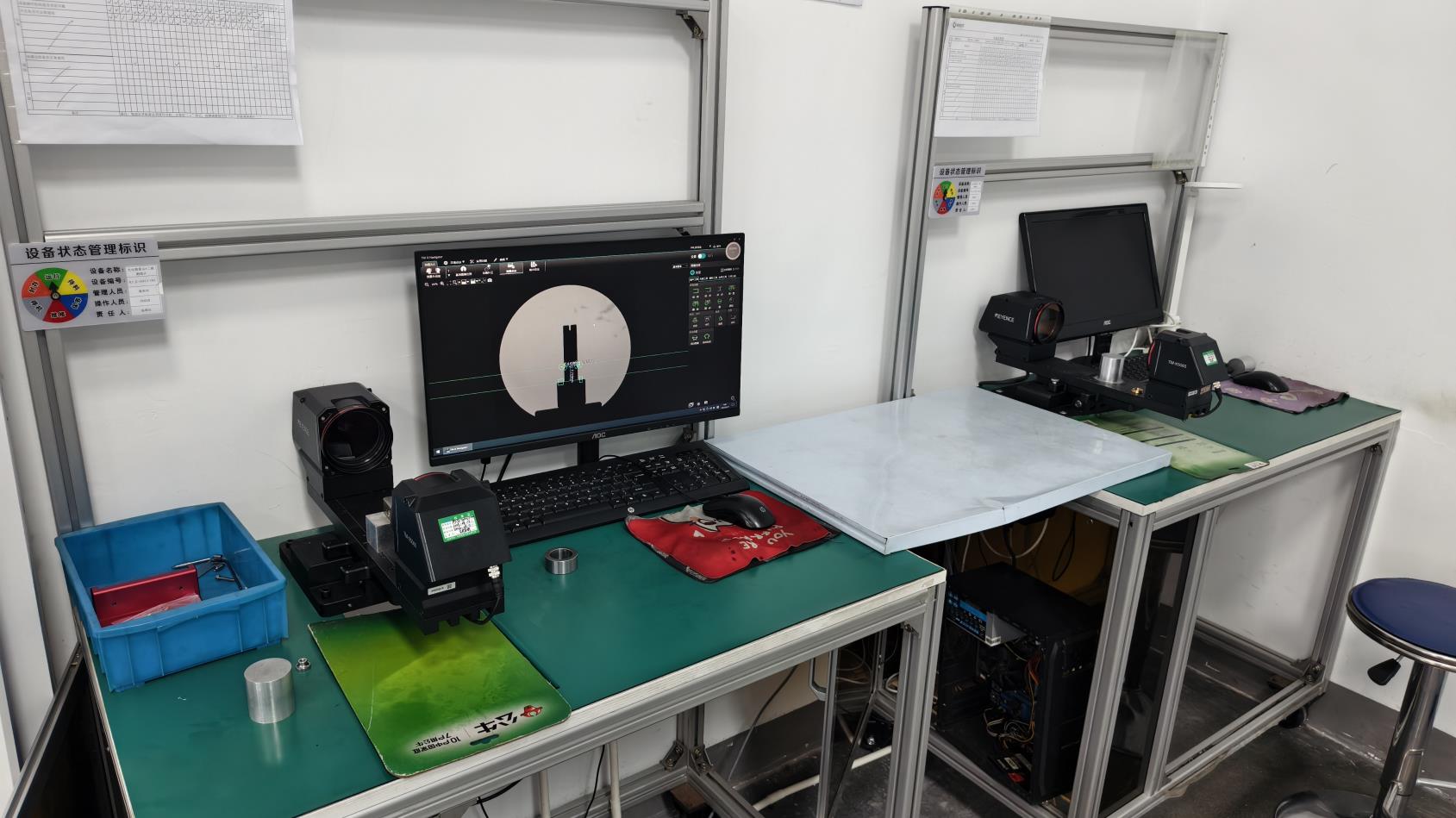
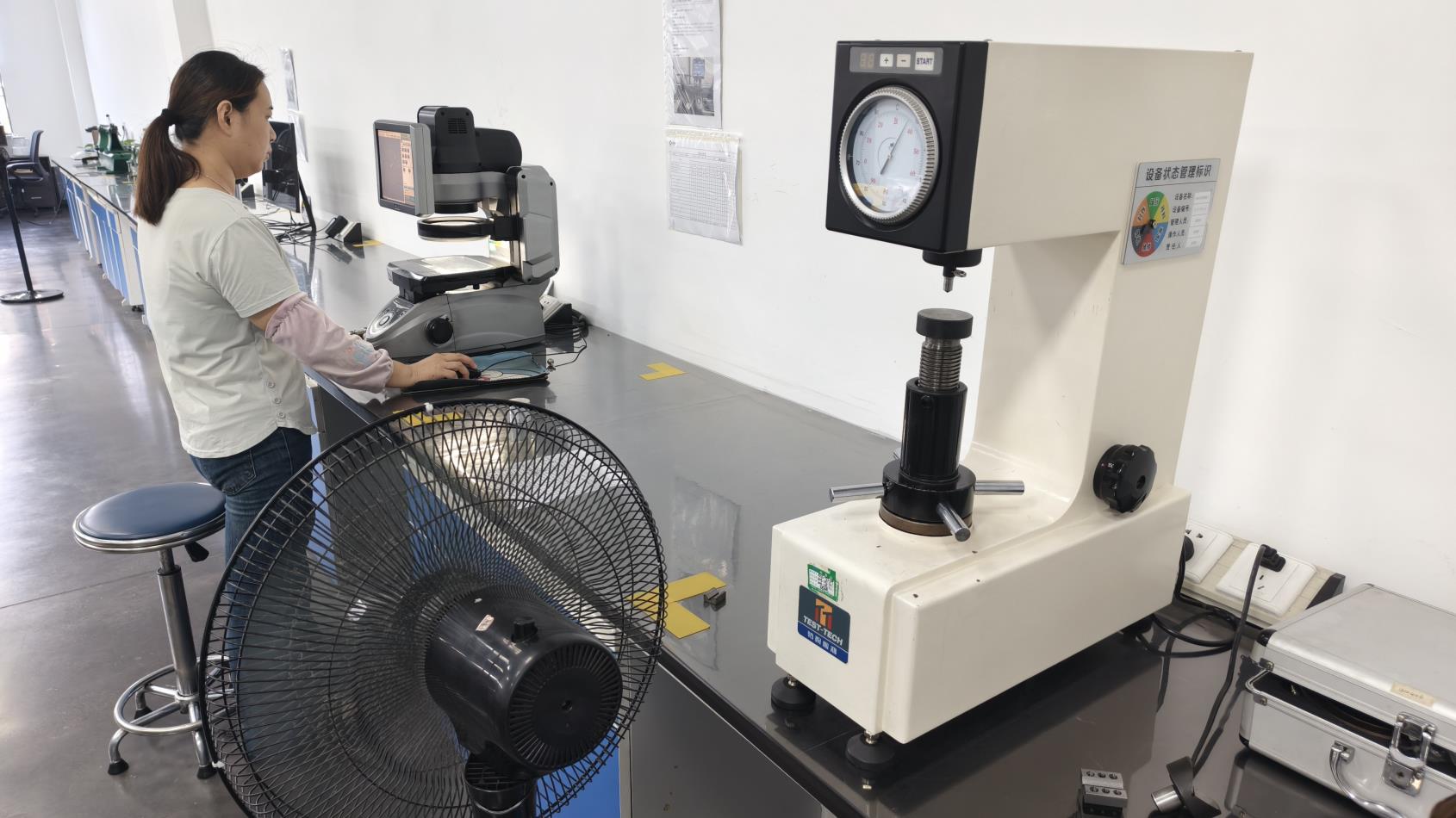
Every batch undergoes material analysis, laser serialization, and passivation verification under strict quality control policies.
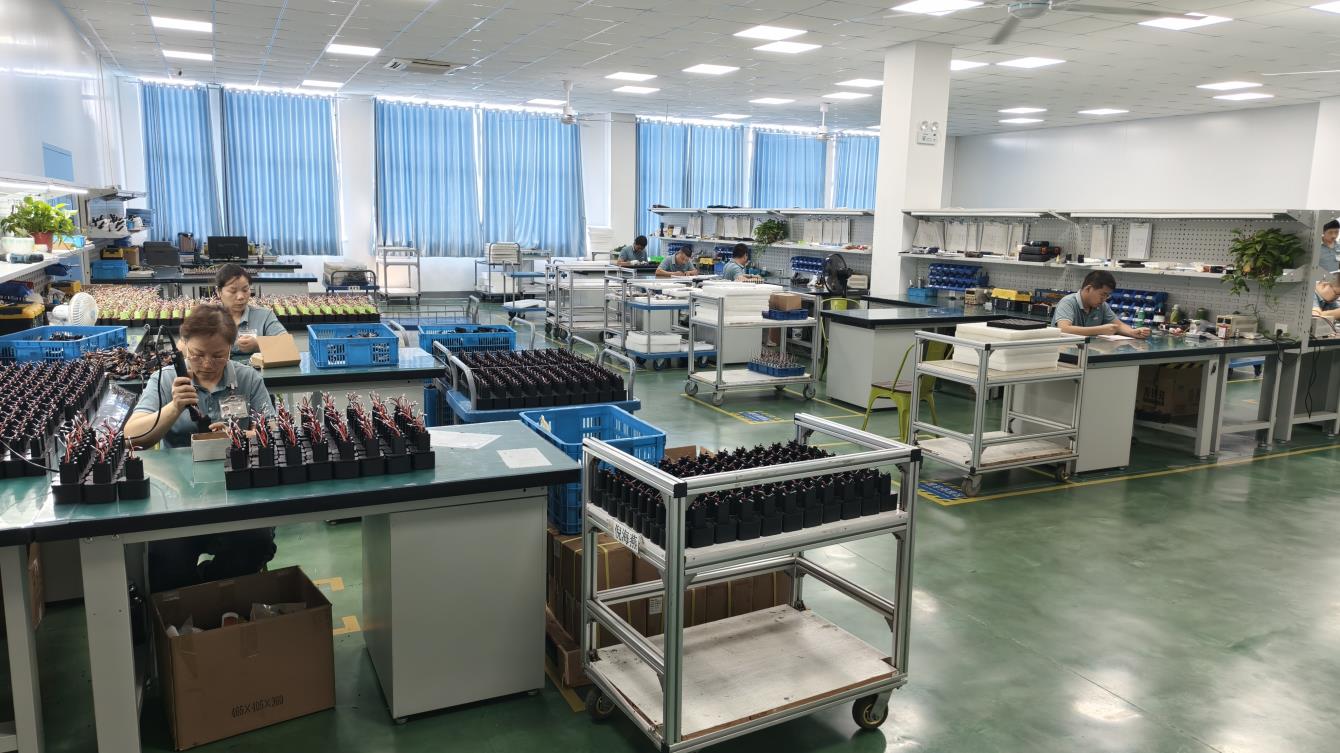
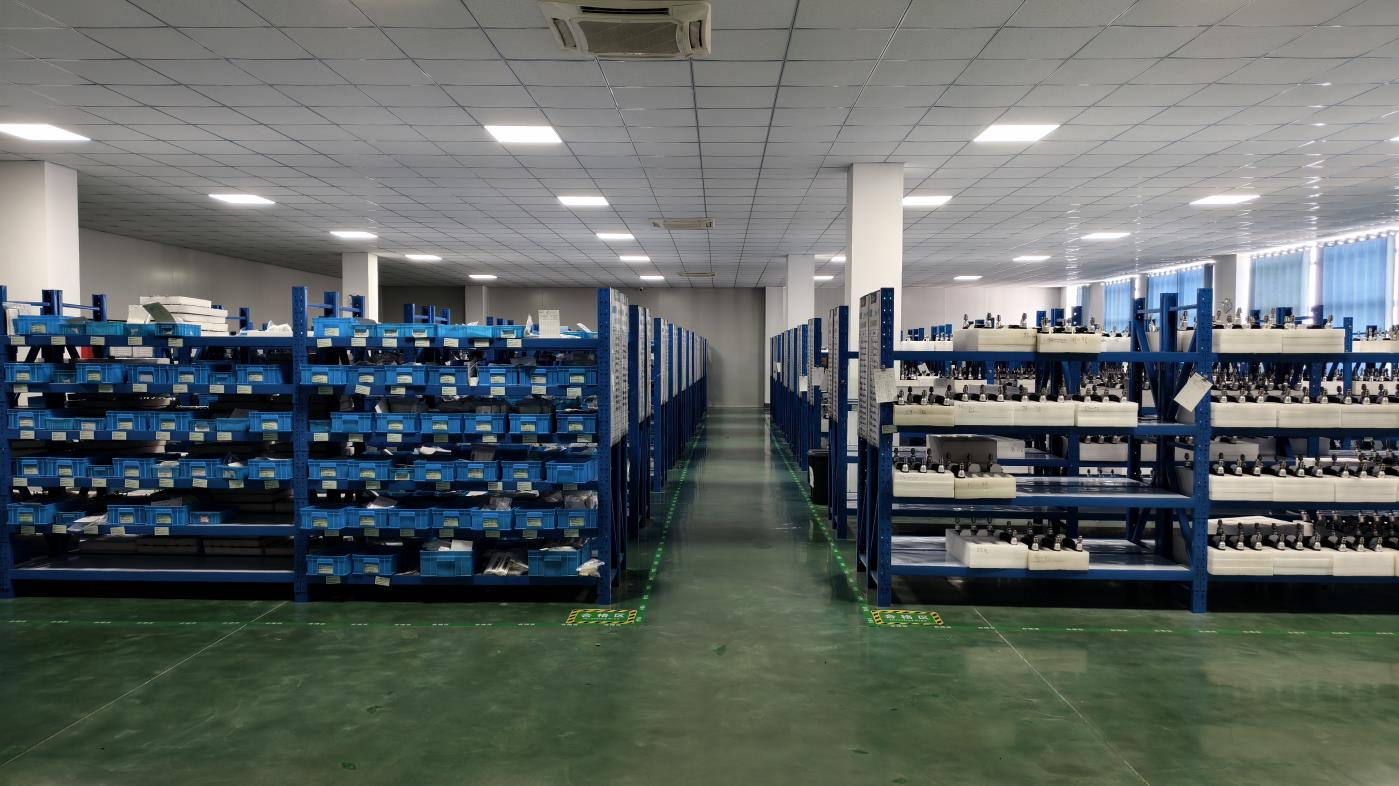
How our factory integrates high-tech machining and stringent quality checks to deliver reliable instrumentation to surgical centers globally.
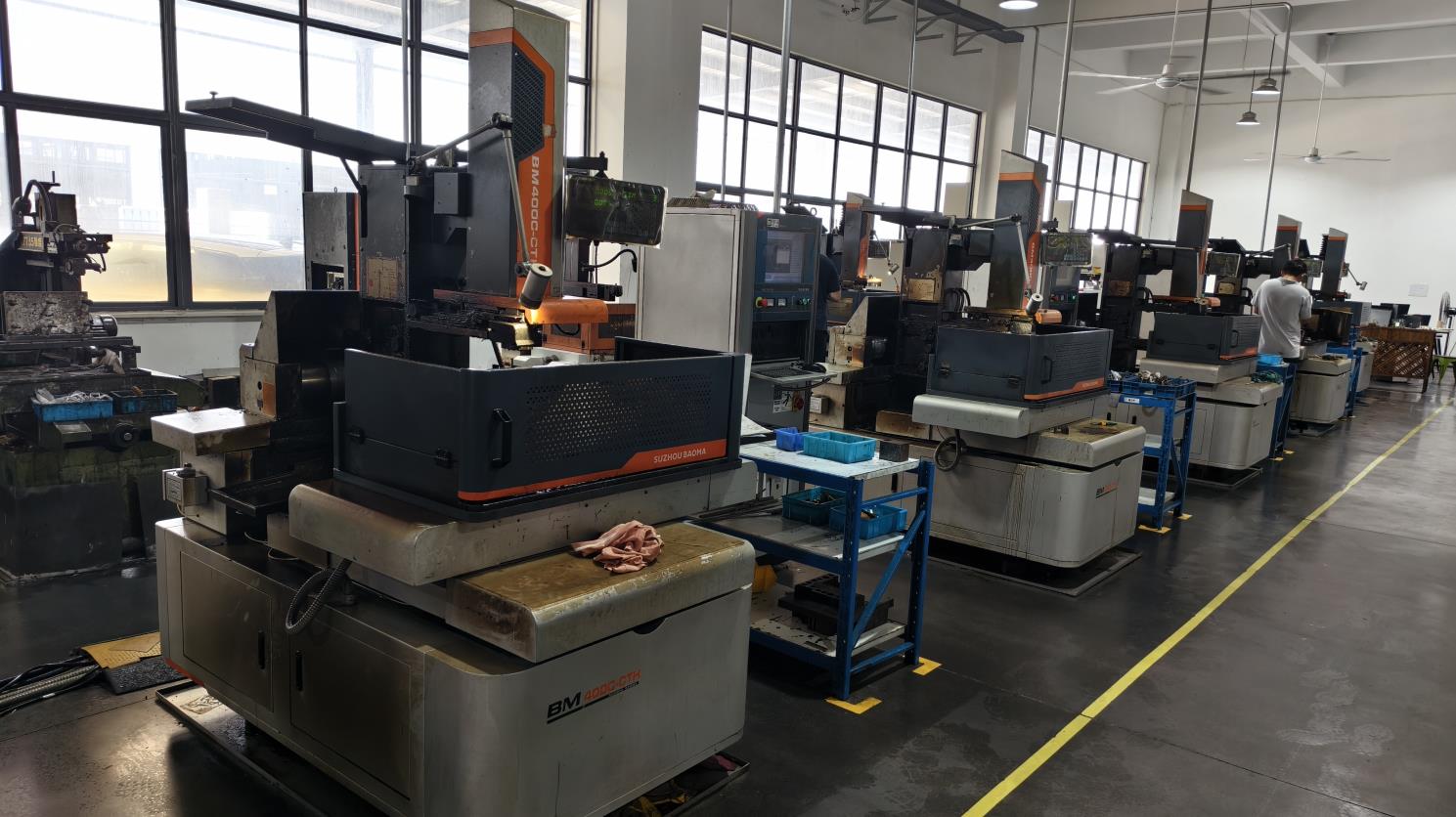
Our facility employs computerized numerical control (CNC) machining centers, EDM wire-cutting equipment, and advanced laser-marking lines to craft medical devices with tolerances as close as ±0.01 mm.
For orthopedics distributors in South Korea, we provide a complete suite of services: from drafting and material certification to the final electrochemical passivation and ultrasonic cleaning. This end-to-end integration guarantees that the surgical files, guide pins, and retractors you import are free from residual cutting fluids or micro-burrs, mitigating in-vivo inflammation risks.
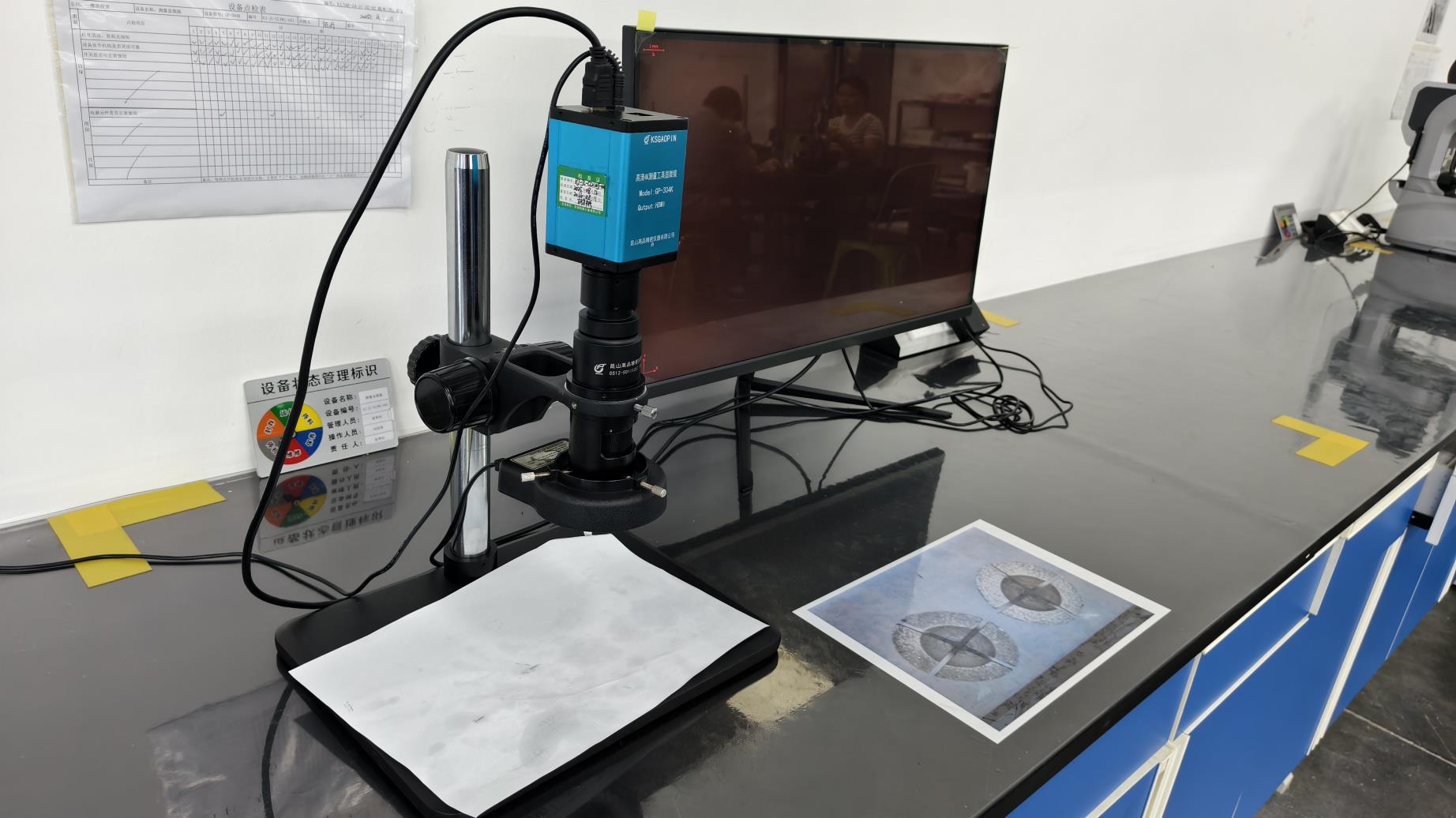
Understanding the intersection of modern surgery dynamics and specific localized demand across Korea's specialized clinics.
The "Pet Humanization" trend in Korea has resulted in an influx of advanced veterinary clinics offering human-equivalent diagnostics and surgical options. Patellar luxation remains the single most common genetic orthopedic condition among popular small-breed dogs (Maltese, Pomeranians, Toy Poodles) in Korea, driving massive demand for patellar guides, meniscus aiming tools, and high-precision tibial osteotomy (HTO/TPLO) instruments.
Our custom-engineered veterinary lines offer exact scaling for toy breeds, offering surgeons the micro-dimensions needed for safe interventions.
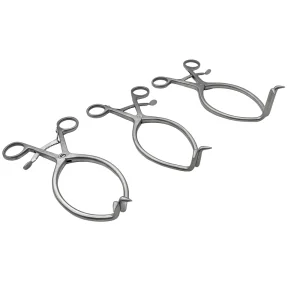
Korean human clinical hospitals prioritize Minimally Invasive Spine Surgery (MISS) due to reduced recovery times and minimal scarring. Specialized instruments such as nerve root probes with dual channels, spinal burs, and self-retaining retractors are essential. Autoclavability and surface wear resistance are critical, as repeated sterilization cycles can degrade inferior alloys, compromising mechanical performance during surgery.
Explore our targeted selection of bone osteotomes, spinal drills, nerve probes, and soft-tissue guide structures engineered to exceed OEM standards.
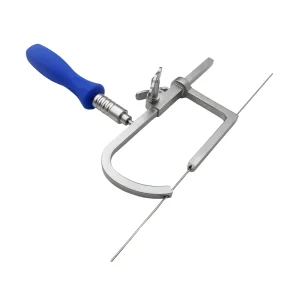
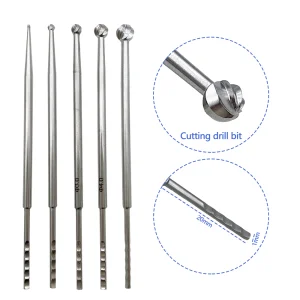
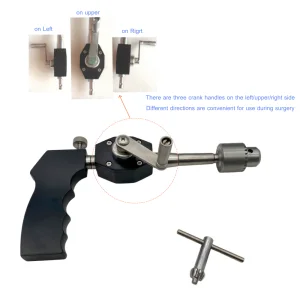
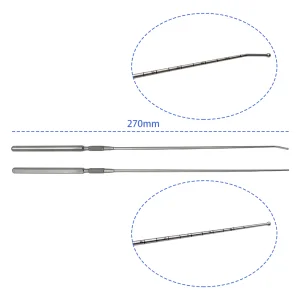
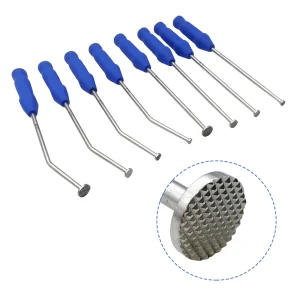
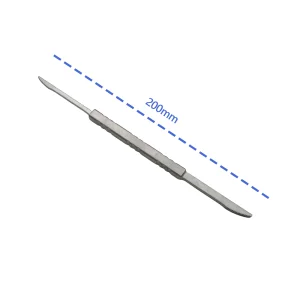
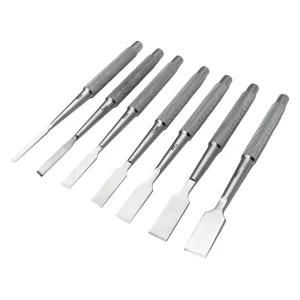
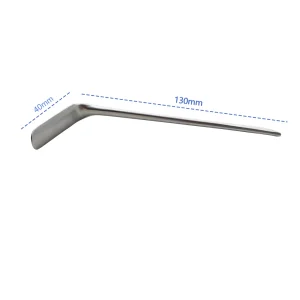
Completing our operational offering with micro-surgical tools and heavy-duty cutting equipment designed for veterinary and ophthalmic bone prep.
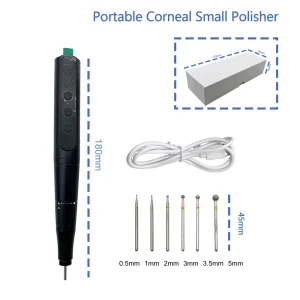
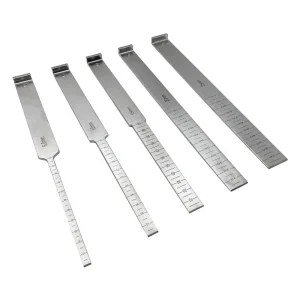
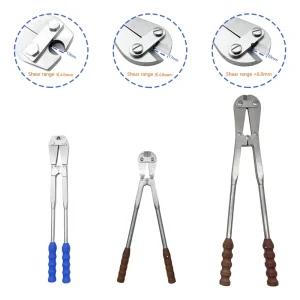
Detailed explanations regarding logistics, customization capabilities, and technical support parameters for import partners in Korea.