SENJIE Healthy & Technology
SENJIE Healthy & Technology
SENJIE Healthy & Technology
Highly critical instruments tailored for complex orthopedic reconstructive surgeries and trauma facilities throughout the state of Kuwait.
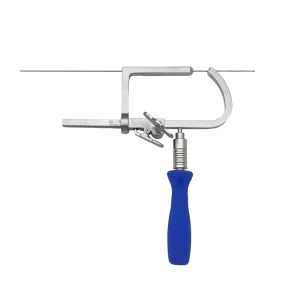
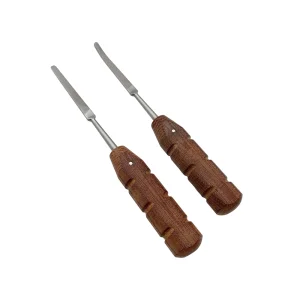
Analysis of clinical infrastructure developments, Ministry of Health standards, and trauma-centric healthcare requirements.
The state of Kuwait is executing rapid expansions under the Kuwait National Development Plan (Vision 2035), channeling massive investments into the modernization of public health infrastructure. Premier hospitals such as Al-Razi Orthopedic Hospital, Jaber Al-Ahmad Al-Sabah Hospital, and the Farwaniya Hospital expansion projects have significantly increased clinical bed capacities. The demand for highly durable, autoclave-resilient surgical tools has risen exponentially. Hospitals require instruments capable of undergoing continuous thermal sterilization cycles (134°C autoclave protocols) without material fatigue, driving a transition to premium stainless steel alloys (SUS 420 & SUS 630).
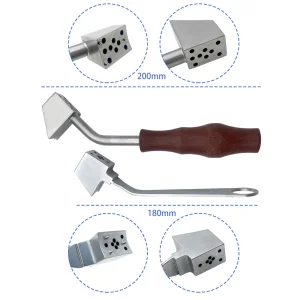
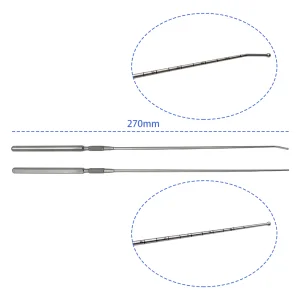
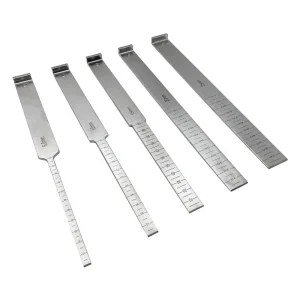
Due to urban traffic patterns and high vehicle density in GCC nations, Kuwait's trauma units consistently face complex bone fractures, ligament tears, and joint reconstructions. Modern orthopedic procedures depend heavily on highly precise surgical guidance tools. Multi-hole Kirschner wire guides and rigid patellar alignment guides reduce operating room (OR) cycles and minimize intraoperative tissue trauma. Reliable instrumentation facilitates micro-adjustments for surgeons, directly correlating with improved patient outcomes, lower revision rates, and shortened postoperative recovery times within domestic Kuwaiti trauma centers.
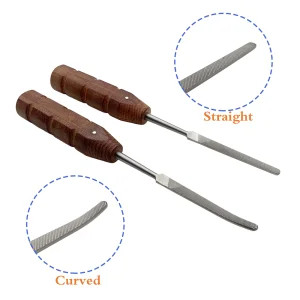
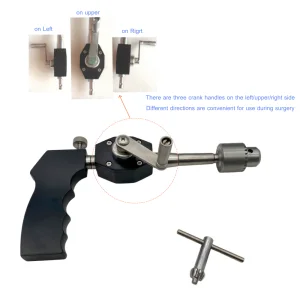
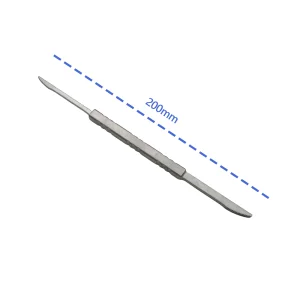
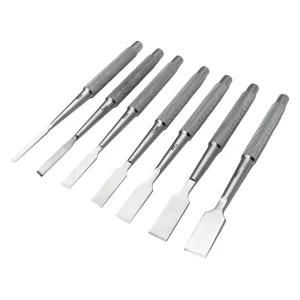
Beyond public hospital systems, the private clinical market and specialized veterinary facilities in Kuwait are expanding rapidly. Premier medical centers catering to minimally invasive arthroscopy, sports injuries, and advanced joint arthroplasty require custom instrumentation. Additionally, Kuwait possesses a rich equestrian heritage, generating demand for veterinary-grade orthopedic tools. Specialized hand drills, osteotomes, bone files, and meniscus guides are highly sought after by veterinary hospitals treating high-value Arabian horses and domestic small pets, necessitating flexible factory-level OEM/ODM customization capabilities.
The science behind our surgical instruments: Achieving biomechanical integrity, durability, and corrosion resistance.
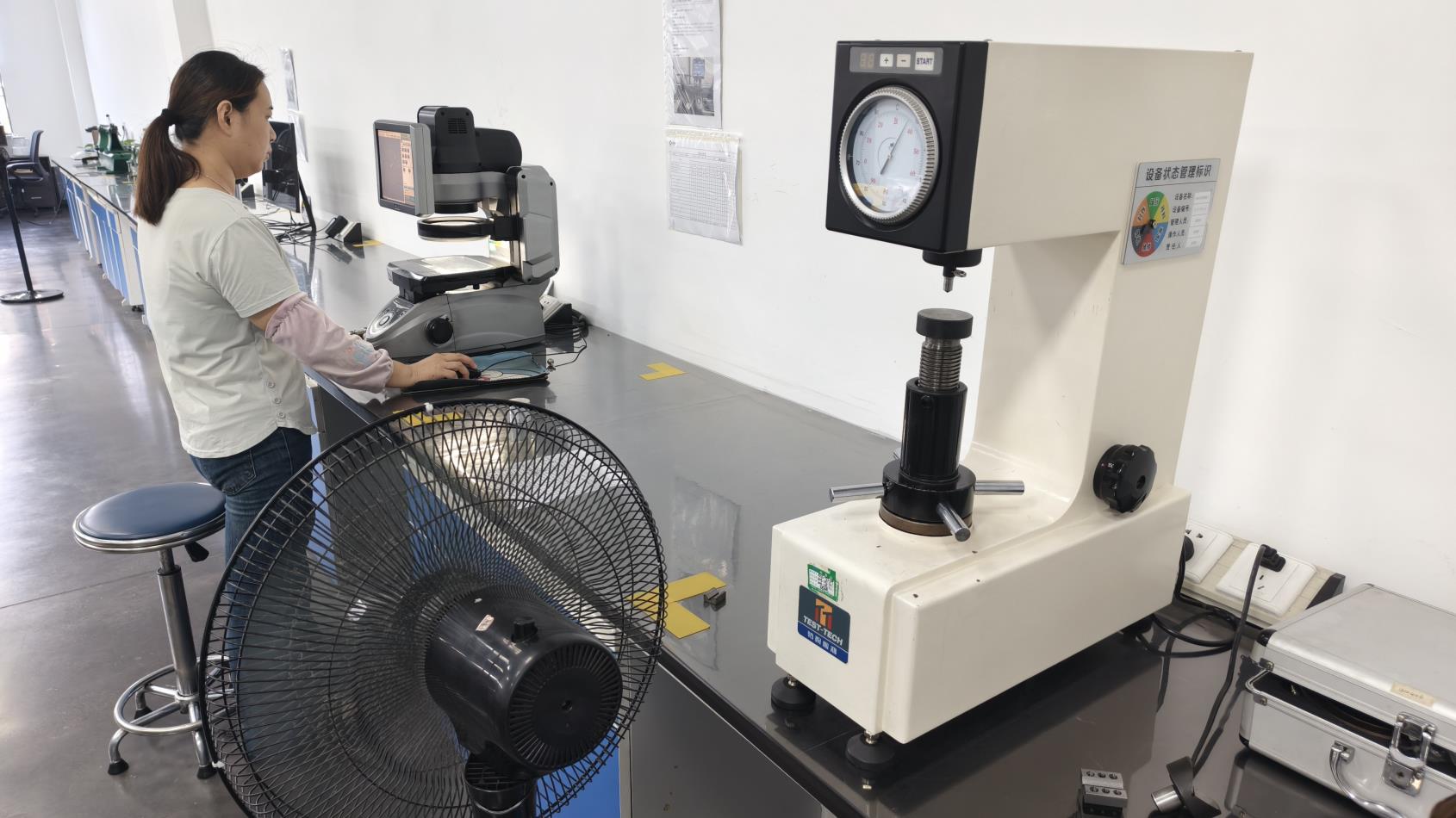
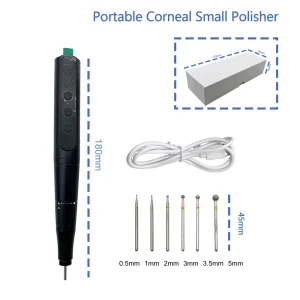
We source medical-grade raw materials (including ASTM F138 316LVM implantable-grade stainless steel and ASTM F136 Titanium 6Al-4V ELI) to guarantee biocompatibility. Our tools undergo a passivation process that forms a chromium oxide protective layer, providing superior resistance to saline and alkaline surgical preparation fluids. Cutting instruments like bone files and high-speed spinal burs utilize precise heat treatment, achieving a hardness rating of 50-55 HRC (Rockwell C Scale). This prevents micro-deformity during intensive surgical contact with cortical bone.
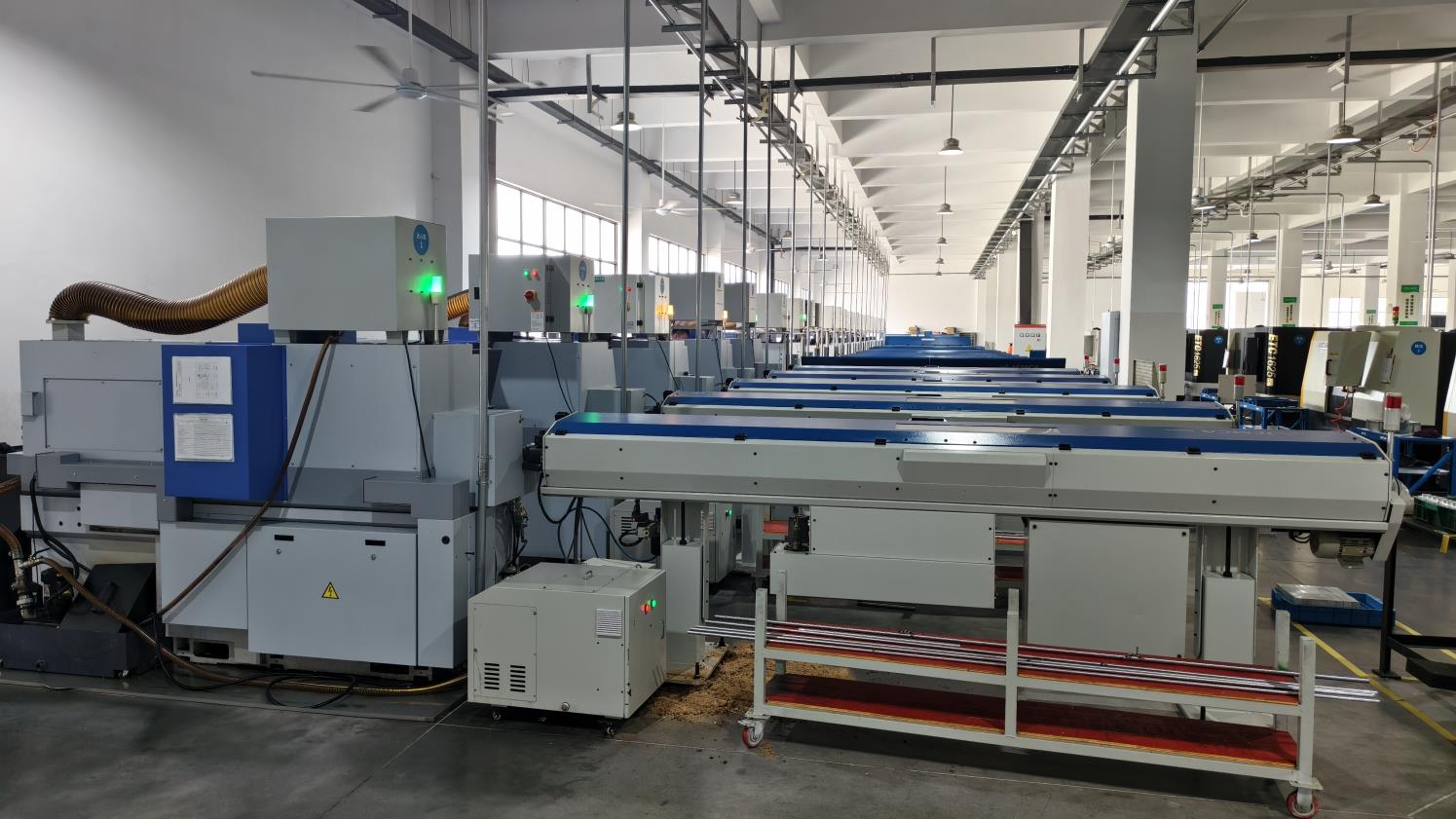
Our factory processes leverage automated CNC (Computer Numerical Control) machining and Swiss-type longitudinal lathes. This enables tolerances within ±0.01 mm, which is vital for instruments like cannulated drill guides and multi-hole K-wire controllers. Rigid geometric parameters prevent drill bit drift and off-center alignment. During orthopedic operations, stable alignment ensures surgical screws seat correctly without damaging surrounding soft tissue or bone structures.
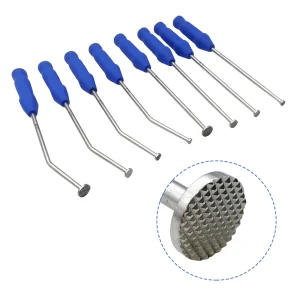
To reduce fatigue during long operations, our bone files, rasps, and osteotomes feature ergonomic grip options, including autoclavable medical-grade silicone and phenolic fiber handles. These handle materials provide a secure grip and insulate the surgeon's hand from cold temperatures during thermal sterilization procedures. High-precision laser texturing on the tool body ensures tactile feedback, allowing surgeons to make micro-adjustments and maintain steady hand position throughout osteotomy cuts.
Why Kuwaiti hospitals, distributors, and procurement departments partner with our Chinese medical manufacturing facility.
Our facility operates dynamic production schedules to support rapid manufacturing setup. We accommodate customizations, offering OEM sample processing, graphic blueprints, and tailored geometric modifications. Our engineers transform digital CAD drawings into physical samples within 7 to 15 business days. This capability is ideal for Kuwaiti clinical networks requiring custom trauma or joint instrumentation arrays.
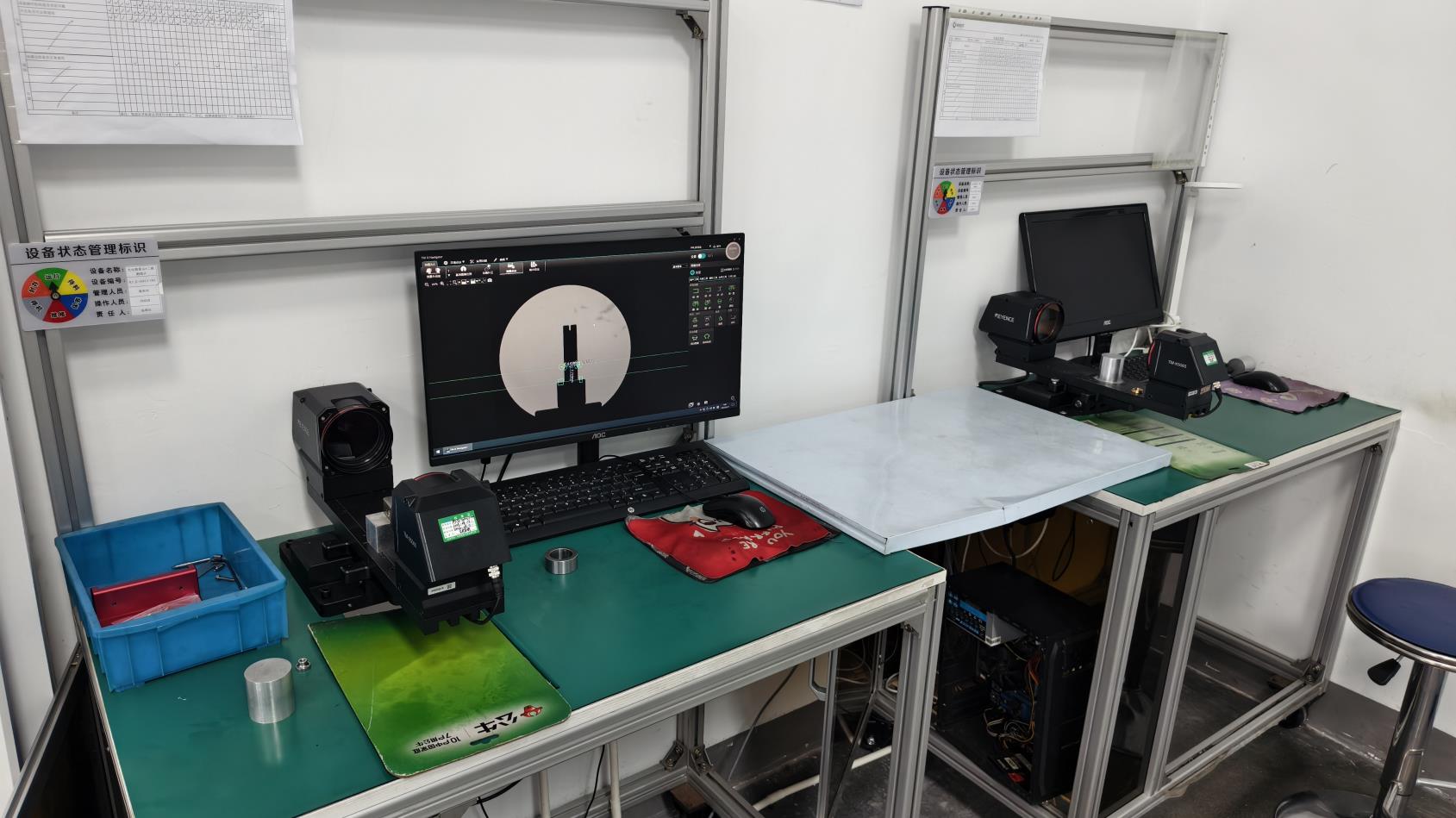
We perform rigorous inspections to verify the quality of every product. Raw materials undergo metallurgical spectrum analysis upon receipt, and completed instruments face optical microscopy and dimensional tolerance inspections. With dedicated QA/QC inspectors onsite, we conduct random and client-specified assessments. Every shipment is accompanied by raw material traceability reports and conformity certificates.
We work with established medical logistics partners to provide secure transport from our facility directly to Kuwait City, Shuwaikh Port, or Kuwait International Airport. We supply detailed documentation (including commercial invoices, packing lists, and certificates of origin) to simplify customs processing and ensure prompt delivery to your warehouse.
Years Medical Export Experience
Raw Material Traceability
Dedicated In-House QA Inspectors
Standard Compliant Processes
Verified capabilities, quality methodologies, and international market share distribution.
Take a virtual tour through our raw material storage, CNC milling departments, and finishing workstations.
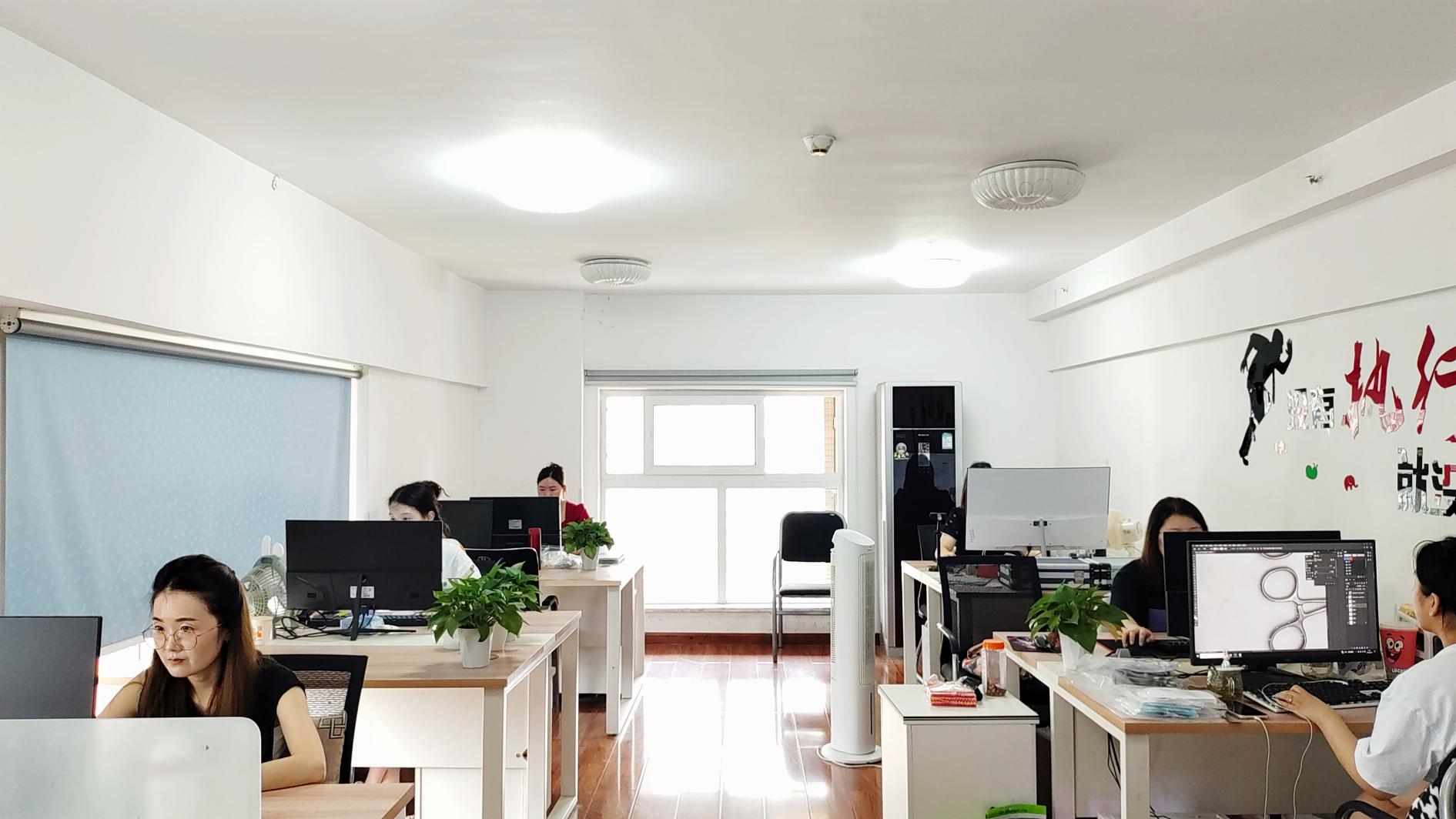
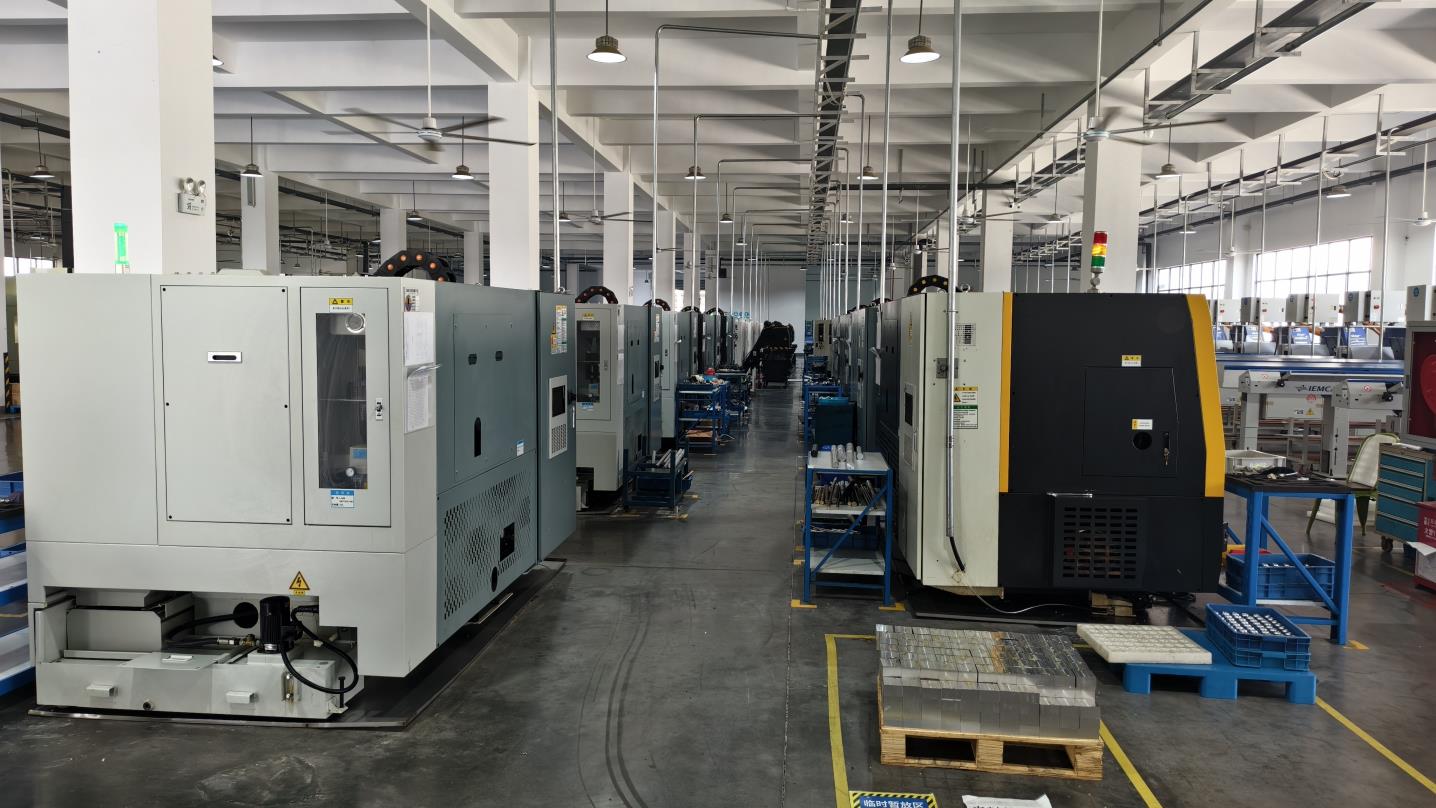
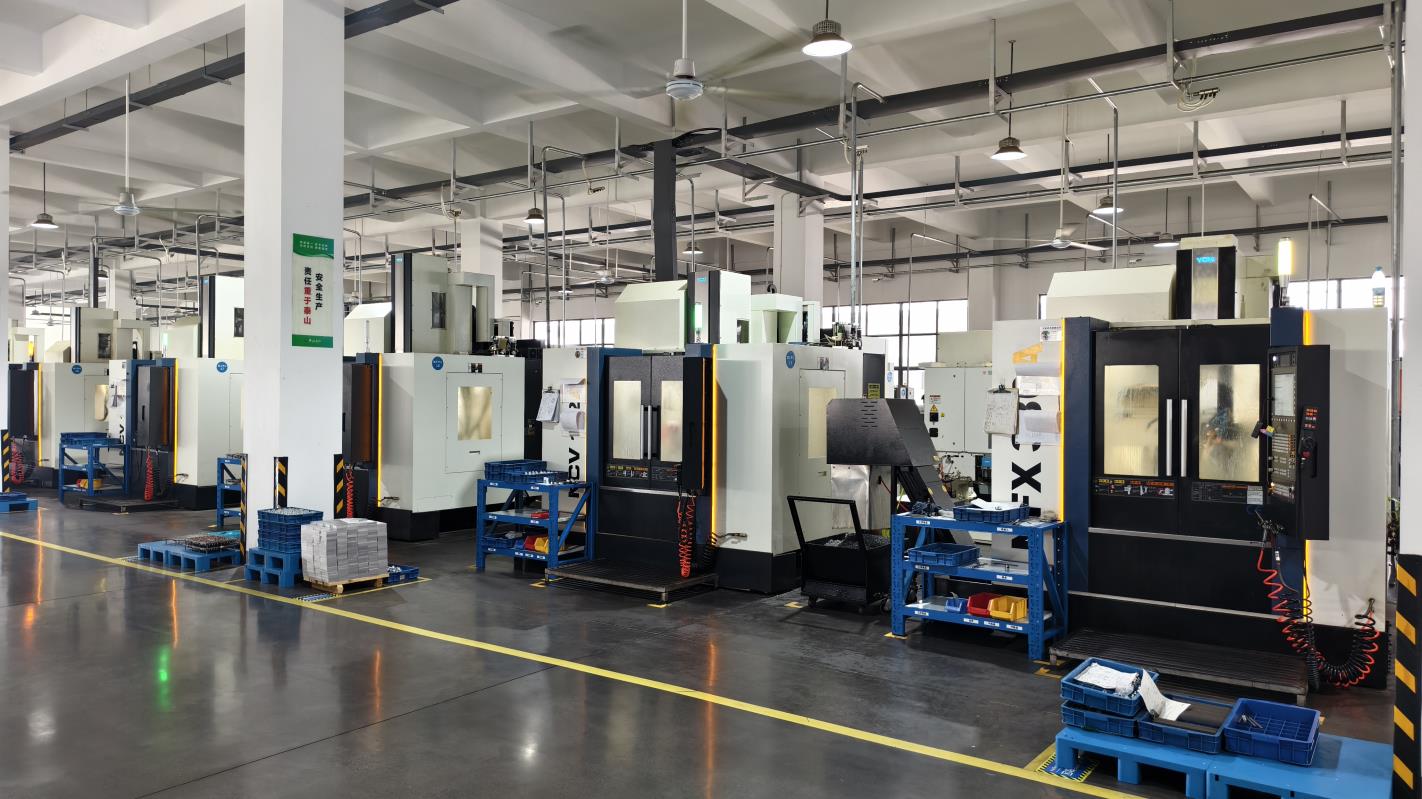
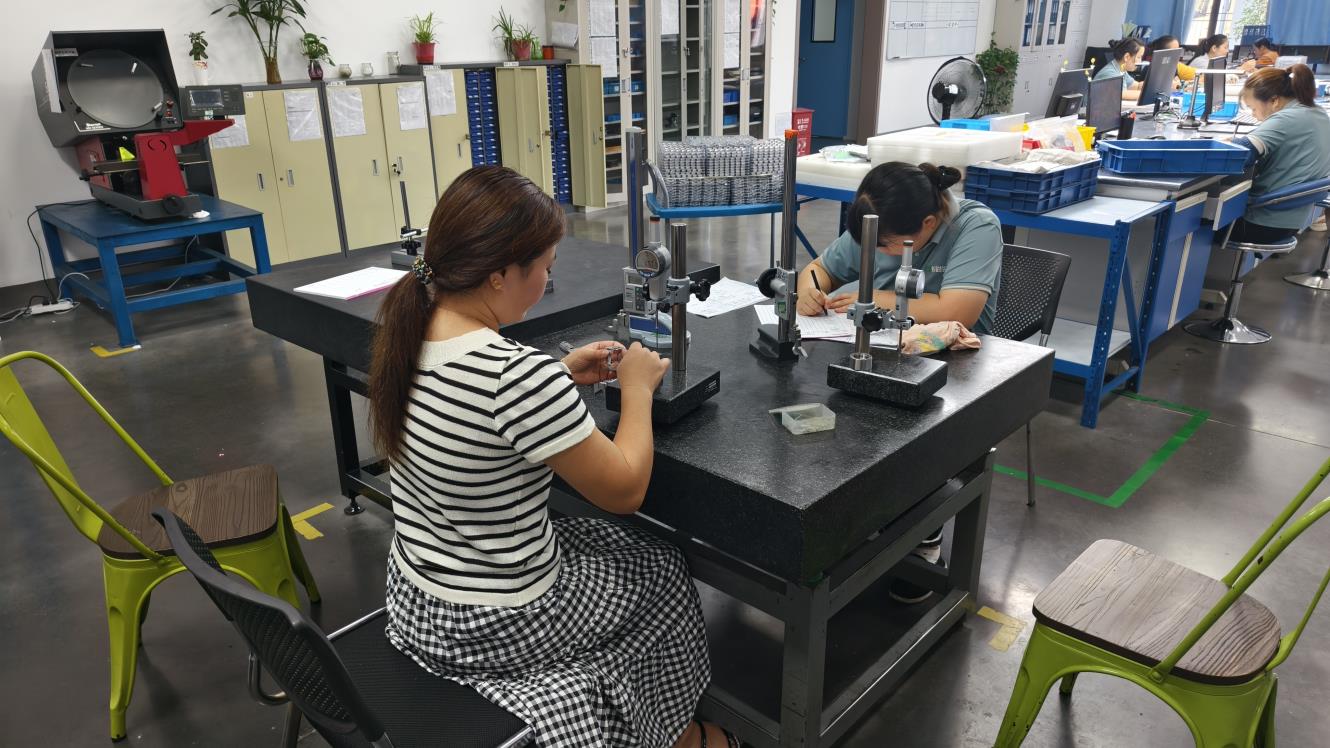
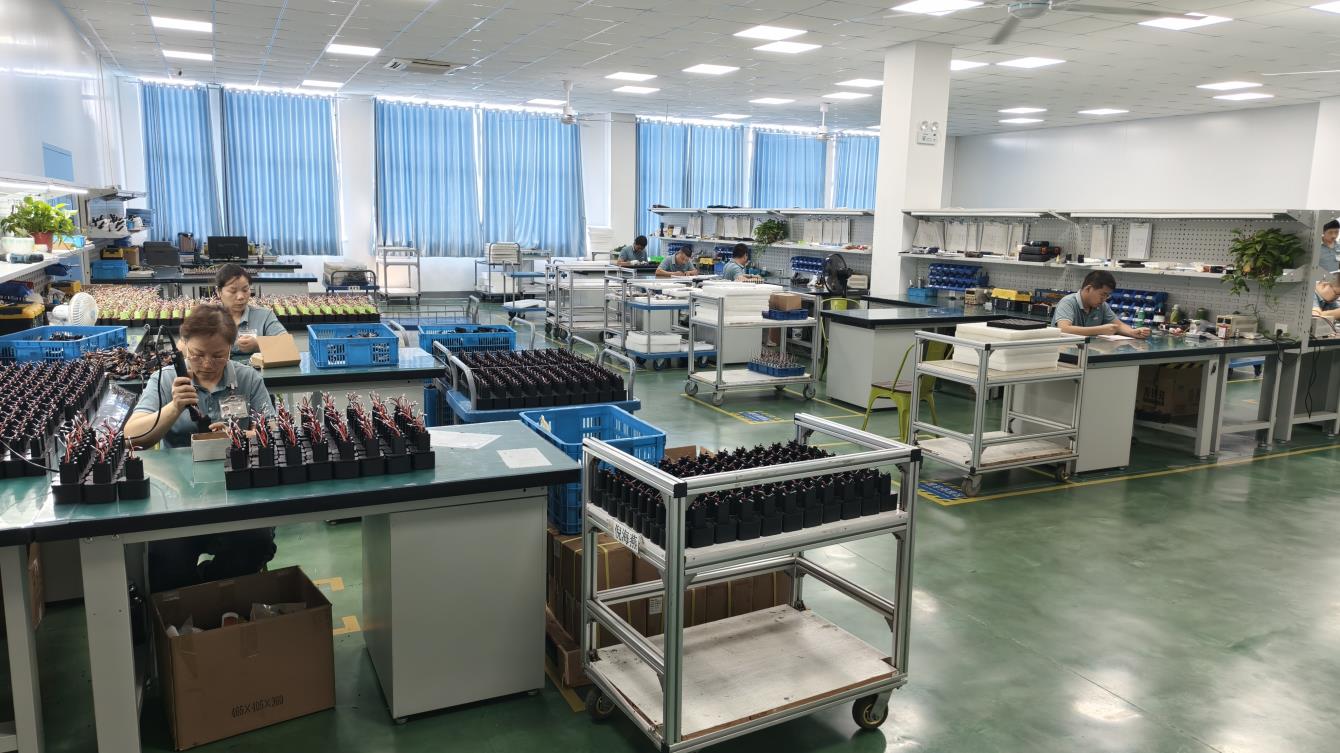
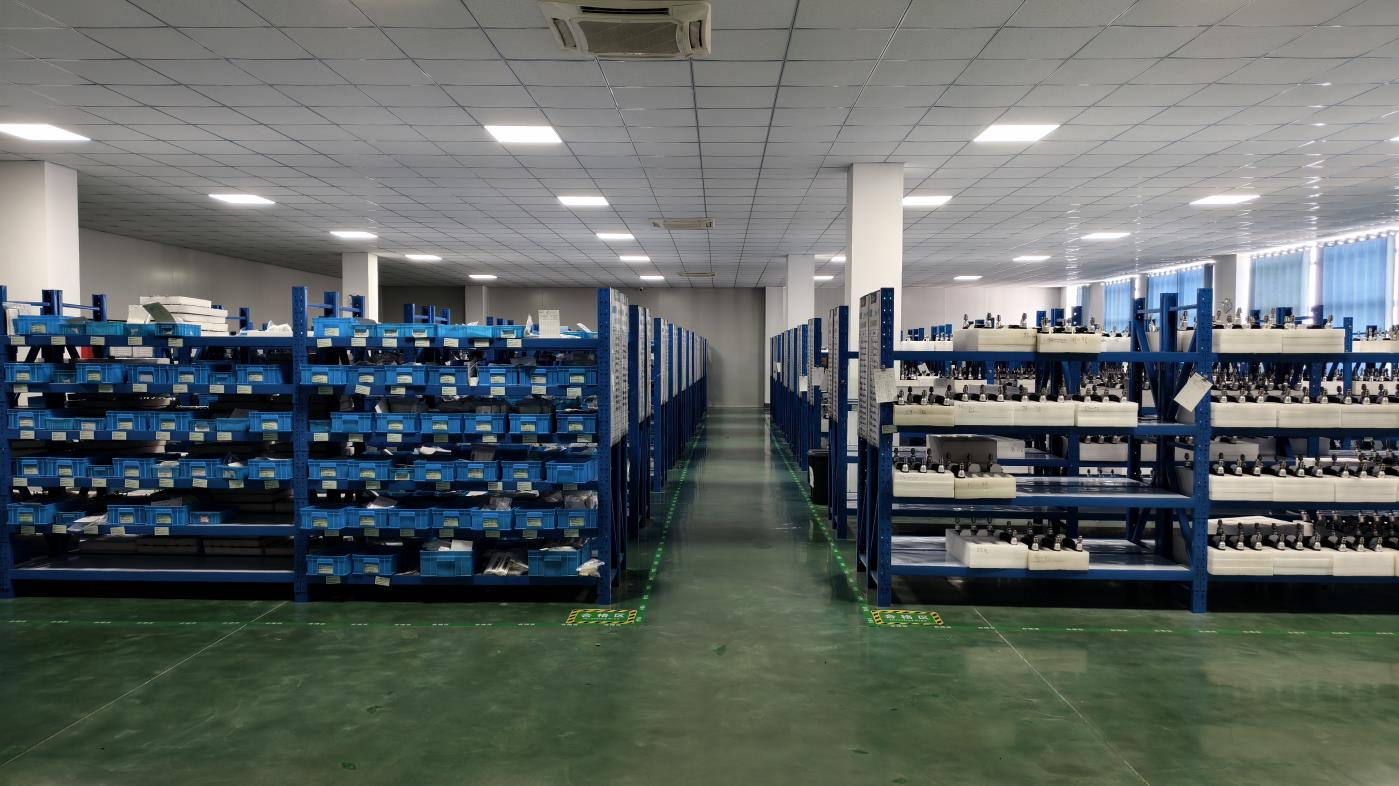
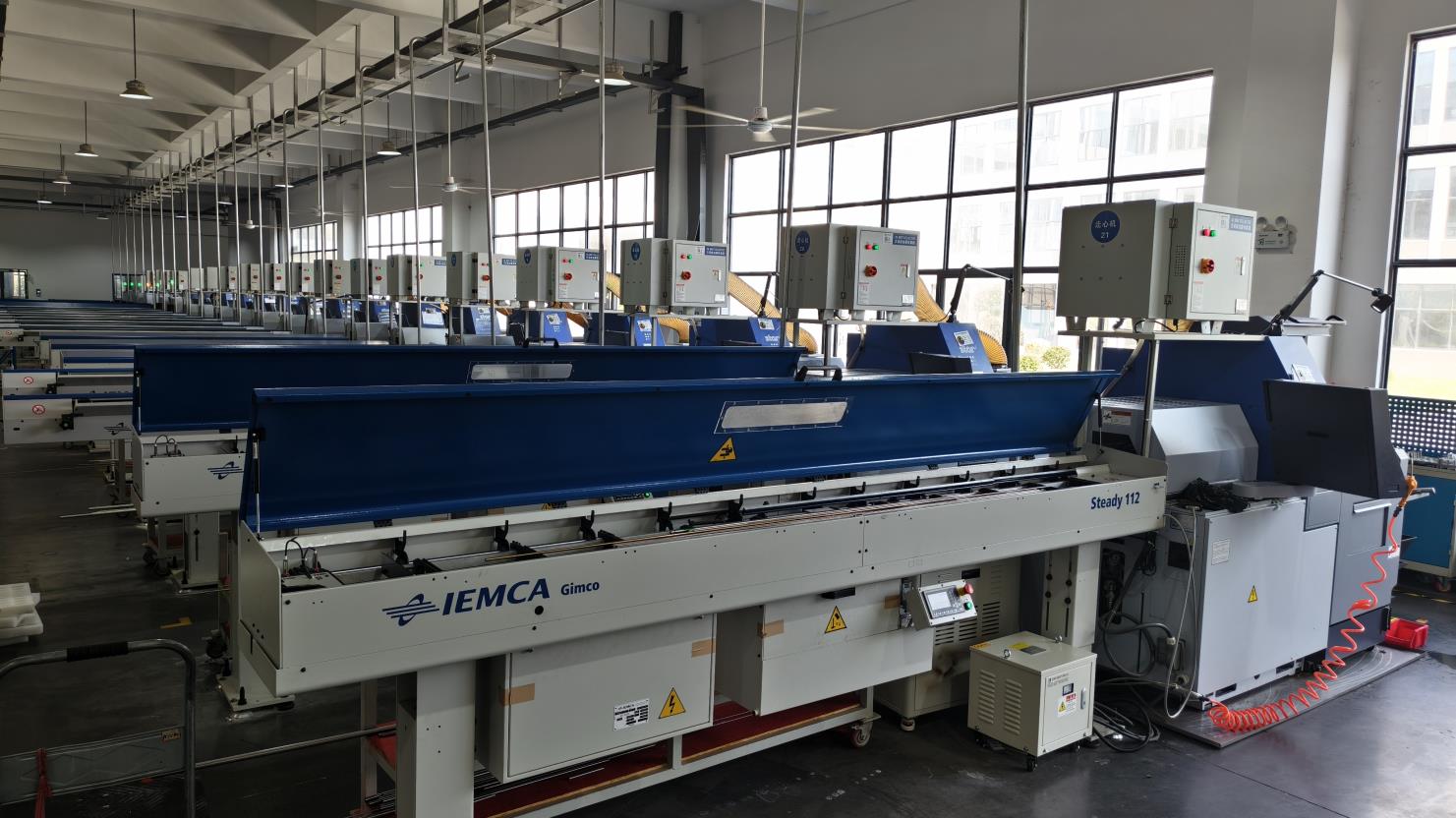
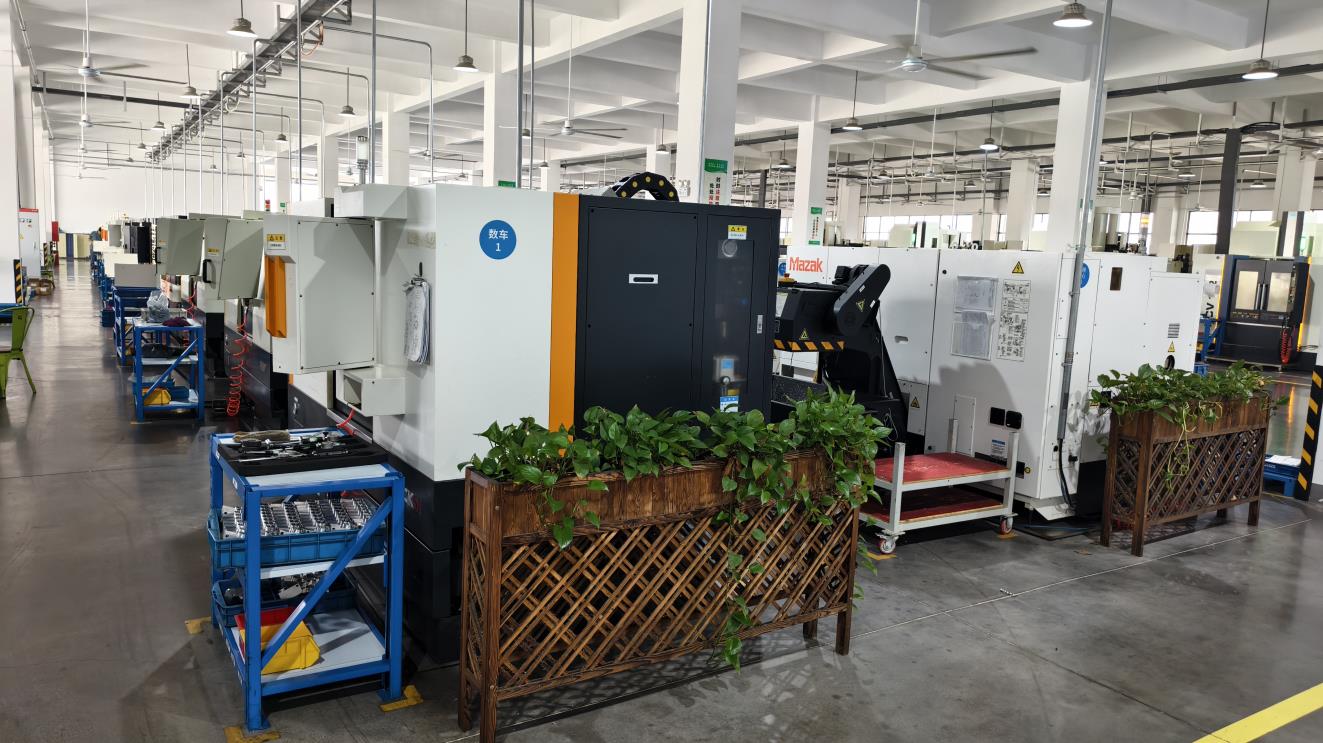
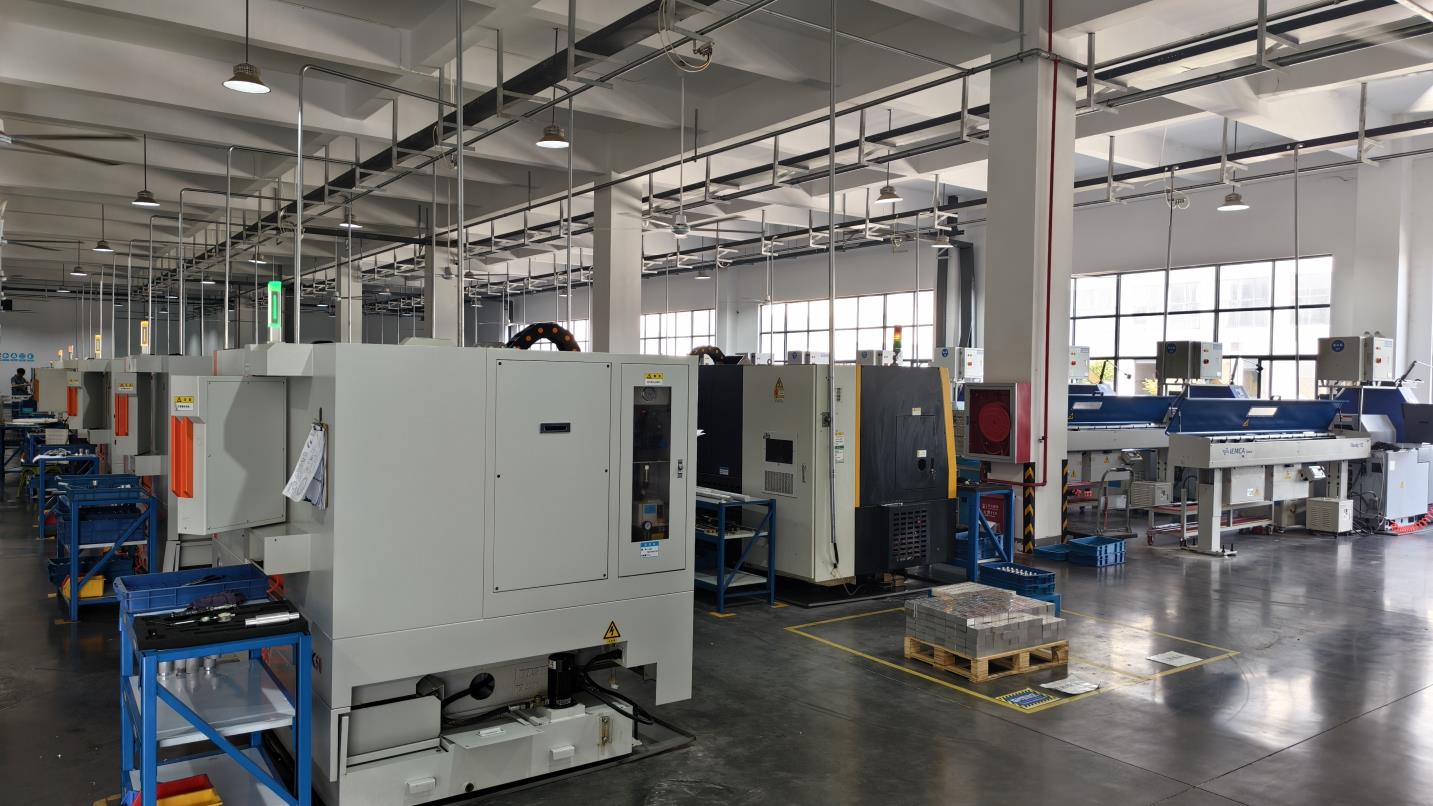
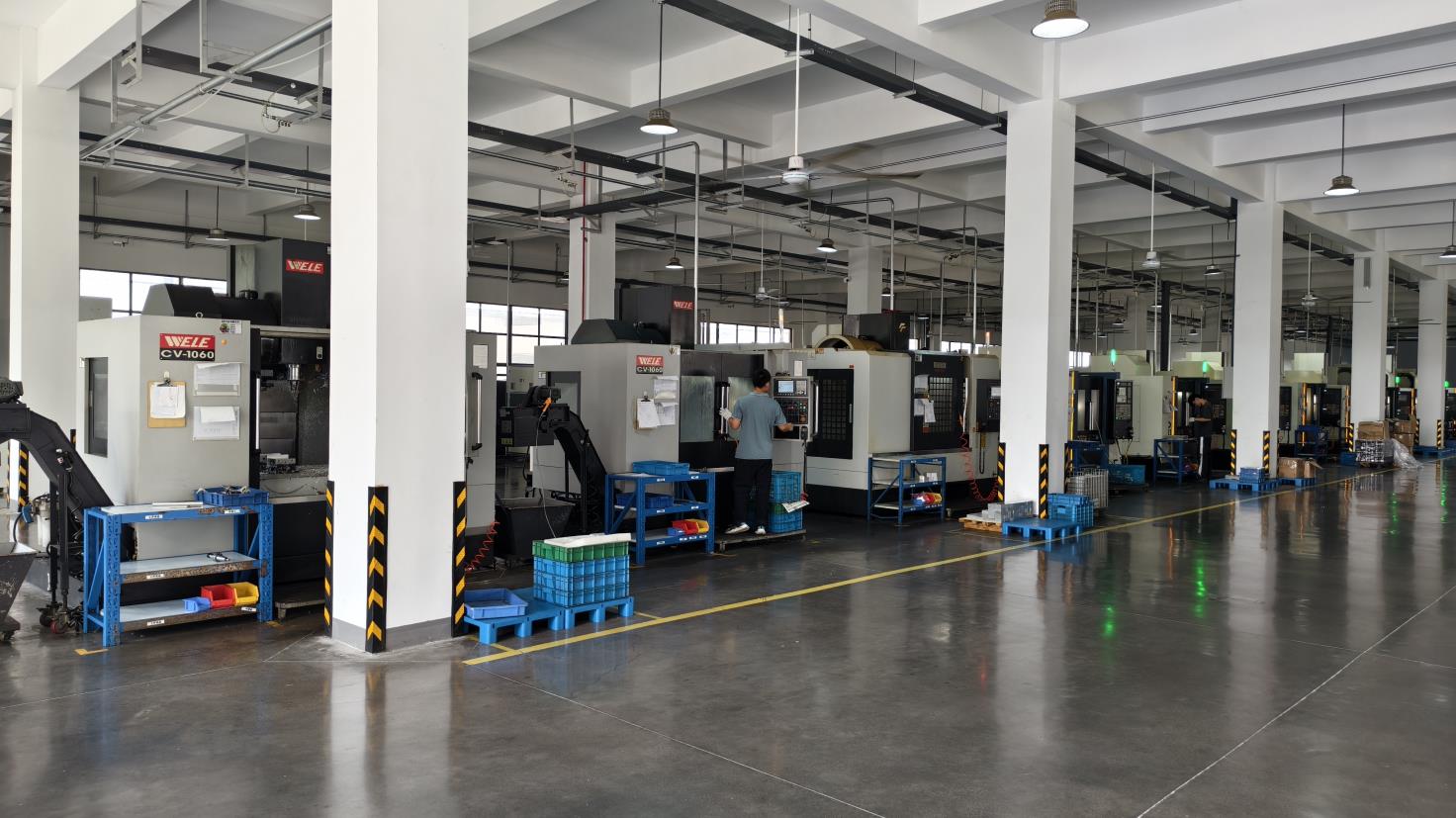
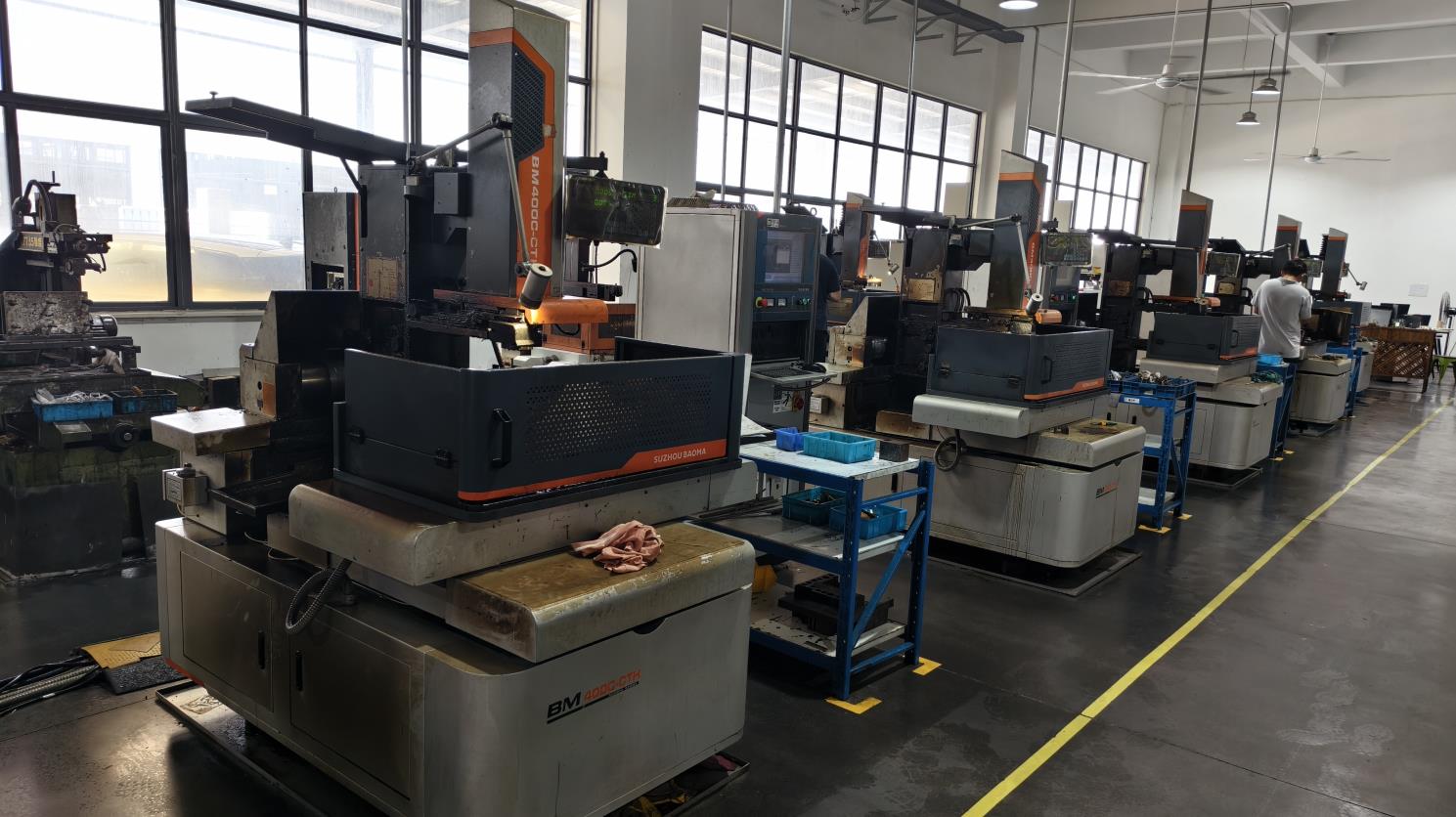
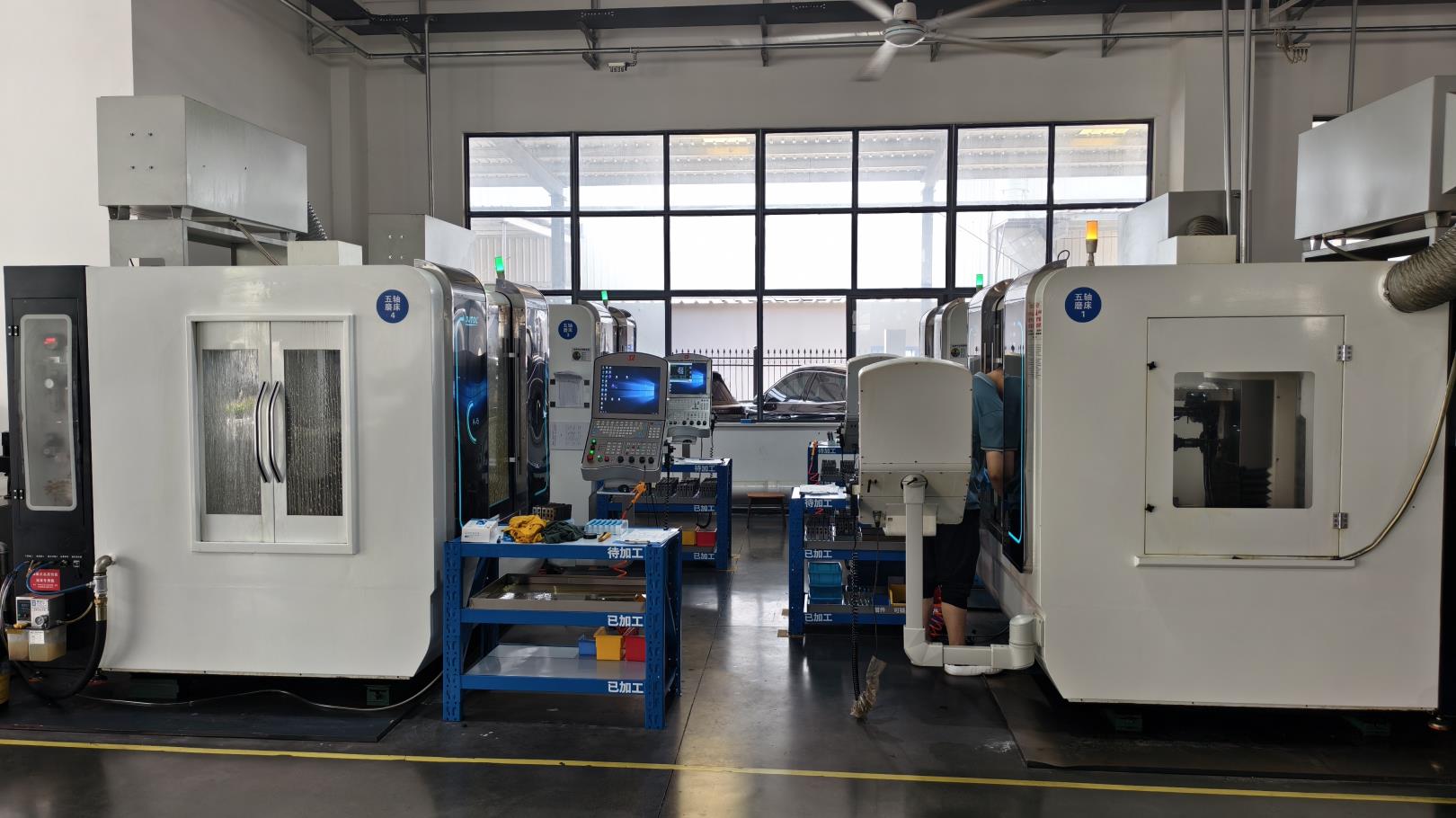
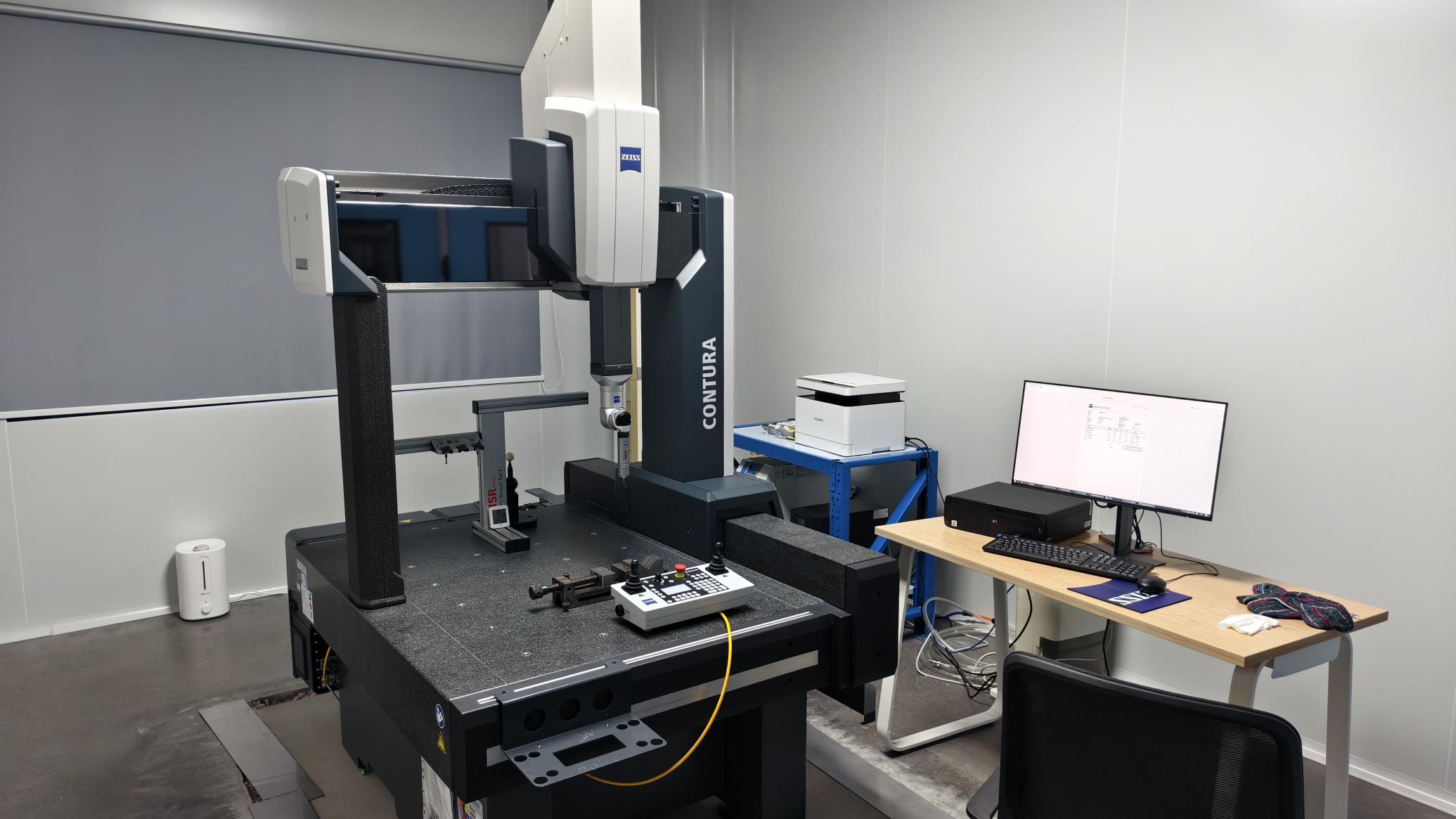
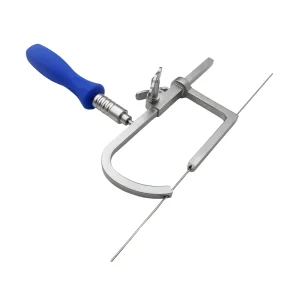
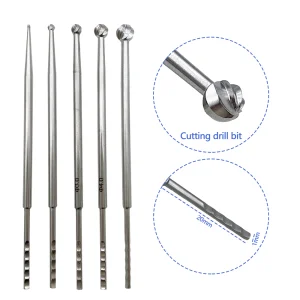
A wider selection of orthopedic solutions including specialized retractors, spinal probes, and bone grafting forceps.
Technical and regulatory information for orthopedic surgeons, healthcare networks, and medical device importers in Kuwait.
All our orthopedic surgical instruments are manufactured in facilities that maintain ISO 13485:2016 certification. We supply the required technical files, certificate dossiers, and manufacturing authorization letters necessary for local agents in Kuwait to process and register the products with the Kuwait Drug and Food Control Administration (DFCA) under the Ministry of Health.
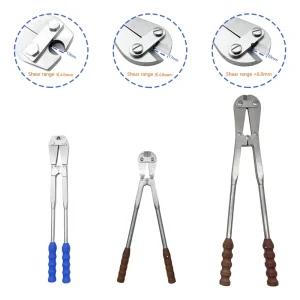
We use high-grade surgical stainless steel, including SUS 420, SUS 630, and martensitic alloys, which are designed to withstand repetitive autoclave cycles at 134°C. Our implant-contact tools, such as Kirschner wire guides and patellar aims, are made from biocompatible steel or titanium alloys. We provide metallurgical certification and raw material traceability reports with every batch.
Standard catalog instruments are typically prepared for shipment within 10 to 20 days. Custom OEM orders that require specific mold modifications or custom laser marking generally take 30 to 45 days. We coordinate air freight transport via major global carriers directly to Kuwait International Airport, or ocean freight to Shuwaikh Port.
Yes, we offer laser etching services to apply custom logos, model numbers, and serial trace codes directly onto the steel surfaces. This supports local brand distribution and hospital inventory tracking within the Kuwaiti health system.
Get direct-from-factory pricing, certified quality standards, and dedicated logistics support for all your orthopedic instrument requirements in Kuwait.
Send Inquiry Now