SENJIE Healthy & Technology
SENJIE Healthy & Technology
SENJIE Healthy & Technology
Engineered for delicate micro-dissection and tumor resection, supporting neurosurgical hubs across Kuala Lumpur and Selangor.
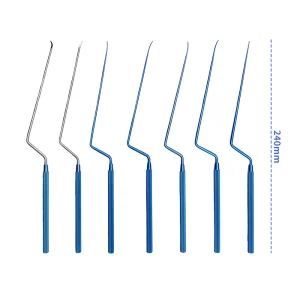
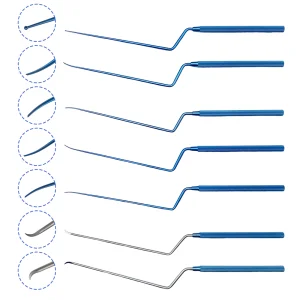
The healthcare system in Kuala Lumpur and the wider Klang Valley is currently undergoing an unprecedented modernization. Driven by both public infrastructure upgrades under the Ministry of Health Malaysia (MOH) and massive private healthcare capital investments, Kuala Lumpur has emerged as a key center of excellence for neurosurgery in Southeast Asia. Institutions such as Hospital Kuala Lumpur (HKL), University of Malaya Medical Centre (UMMC), and top-tier private groups like Prince Court Medical Centre, Gleneagles Kuala Lumpur, and Pantai Hospital handle thousands of complex neurological cases annually.
This volume includes intricate micro-vascular procedures, brain tumor resections, spinal fusions, and skull base surgeries. The rise in clinical complexity has placed strict demands on surgical instrumentation. Hospital procurement teams and neurosurgical departments are moving away from general-purpose instruments in favor of specialty, materials-tested microsurgery tools. Achieving absolute hand-held control, minimizing tissue trauma during brain retraction, and guaranteeing instrument durability through repeated sterilization cycles are critical parameters for local healthcare providers.
For any medical device supplier to serve the Kuala Lumpur market effectively, understanding and complying with the Medical Device Act 2012 (Act 737) is mandatory. The Medical Device Authority (MDA) of Malaysia enforces strict guidelines to verify the safety, performance, and traceablity of surgical instruments before they are allowed into sterile processing departments (SPD) and operating theaters. Our manufacturing processes conform strictly to ISO 13485 quality systems, meaning every micro-scissors, dissecting spatula, and curette we provide includes comprehensive raw material verification and performance testing documentation, facilitating local registration and import clearance.
In microneurosurgery, the interface between the tool and delicate cerebral tissue is measured in fractions of a millimeter. The material composition of the tool determines its tactile feedback, tensile strength, weight, and magnetic resonance imaging (MRI) compatibility. In advanced surgical centers throughout Kuala Lumpur, surgical teams prefer Titanium Alloy over traditional stainless steel for prolonged, high-precision procedures due to several key benefits:
| Parameter / Feature | Medical Grade Titanium (Ti-6Al-4V) | Surgical Stainless Steel (316LVM) | Clinical Impact in Neurosurgery |
|---|---|---|---|
| Weight & Ergonomics | ~45% lighter than stainless steel | Standard density | Reduces surgeon hand fatigue during 8+ hour micro-resections. |
| MRI Compatibility | Completely non-magnetic (paramagnetic) | Mildly ferromagnetic (magnetic pull) | Titanium is safe for intraoperative MRI suites common in modern KL hospitals. |
| Tactile Feedback | High flexibility with high yield strength | Rigid and stiff | Allows delicate feeling of tissue resistance during tumor dissection. |
| Corrosion Resistance | Creates natural oxide passivation layer | Susceptible to micro-pitting over time | Titanium withstands hundreds of autoclave cycles without degradation. |
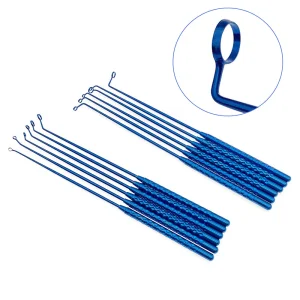
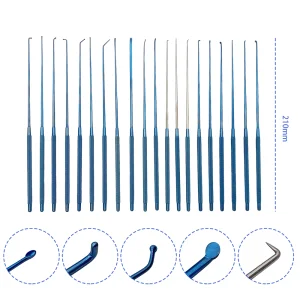
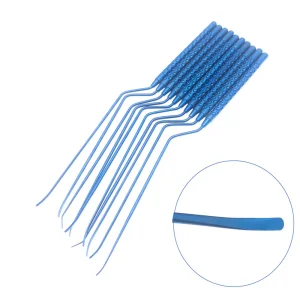
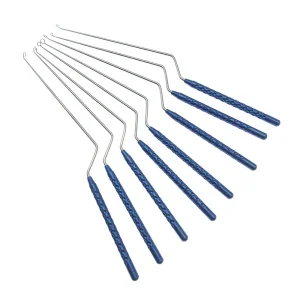
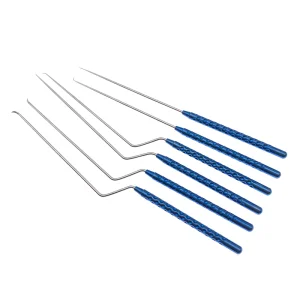
Our micro spatula dissectors, micro curettes, and nerve hooks are meticulously crafted using high-grade Ti-6Al-4V titanium. The natural non-glare blue or silver finish prevents visual fatigue under intense operating microscope illumination, protecting the surgeon's eyes and improving visibility during delicate steps.
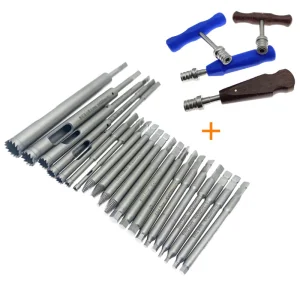
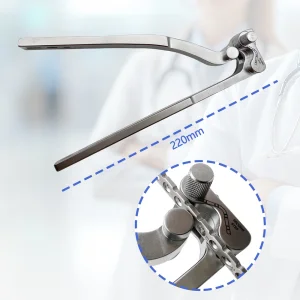
High-strength surgical tools designed for orthopedic reconstructive surgery and veterinary orthopedics in the Klang Valley region.
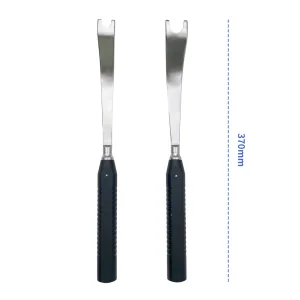
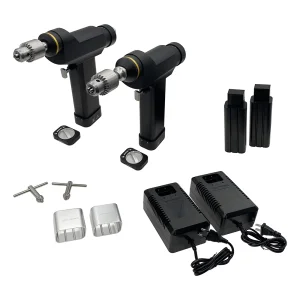
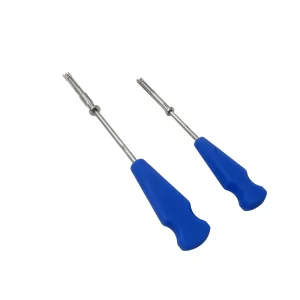
Neurosurgical procurement officers face several challenges: ensuring material reliability, minimizing delivery delays, and guaranteeing dimensional accuracy. A single micro-dissector or tissue hook that does not conform to specifications can delay surgeries or compromise patient safety. To address these issues, we operate under a rigorous quality control framework designed to meet the demands of buyers in North America, South America, and Southeast Asia.
Our raw materials are fully traced from receipt to final dispatch. We conduct random inspections and tailor quality assurance steps to specific client needs. For hospitals in Kuala Lumpur seeking custom configurations, we provide comprehensive OEM options including sample-based machining, graphic-based CAD processing, and on-demand laser marking. This flexibility helps local clinical networks maintain consistent inventory levels without sacrificing precision.
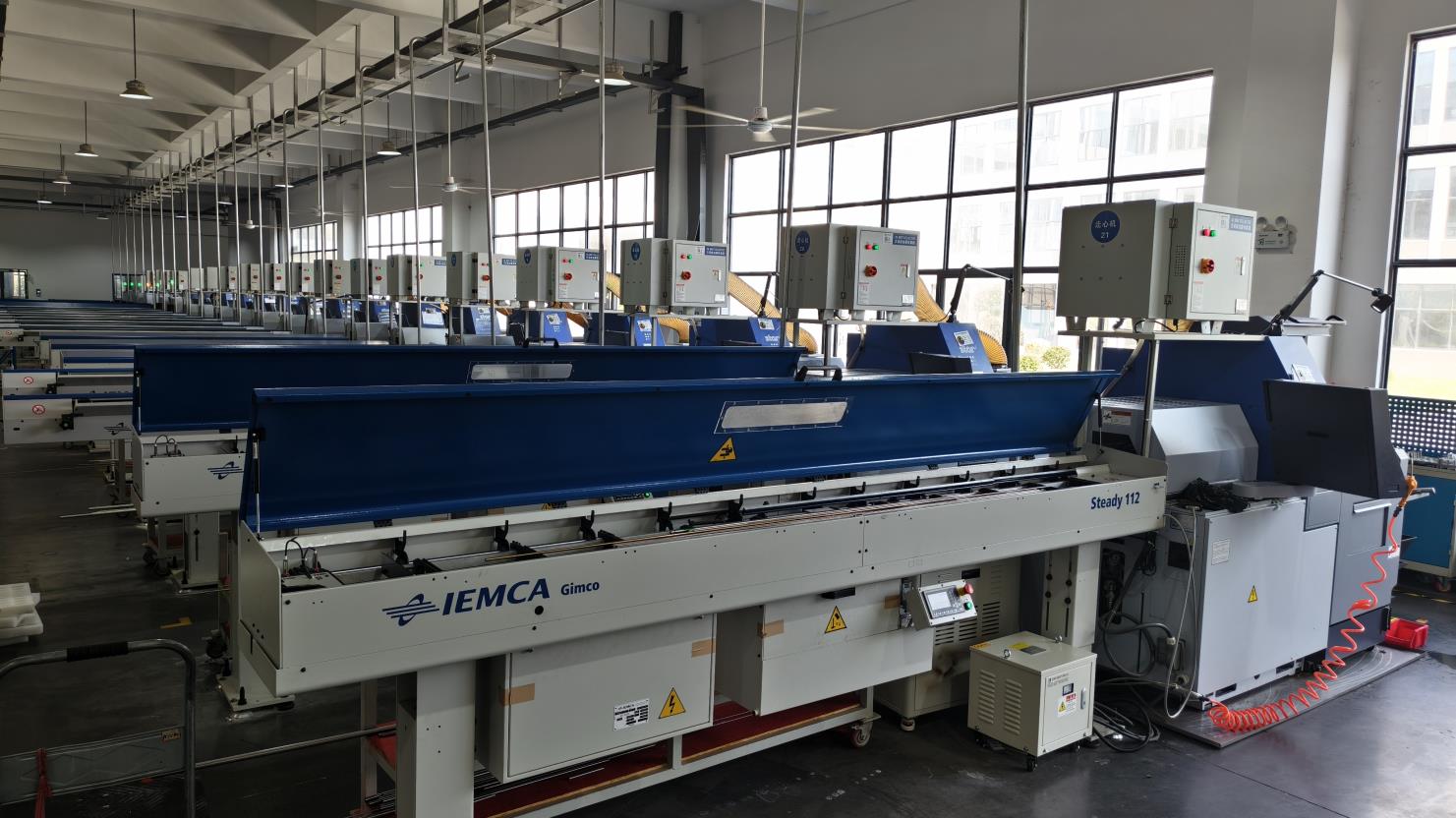
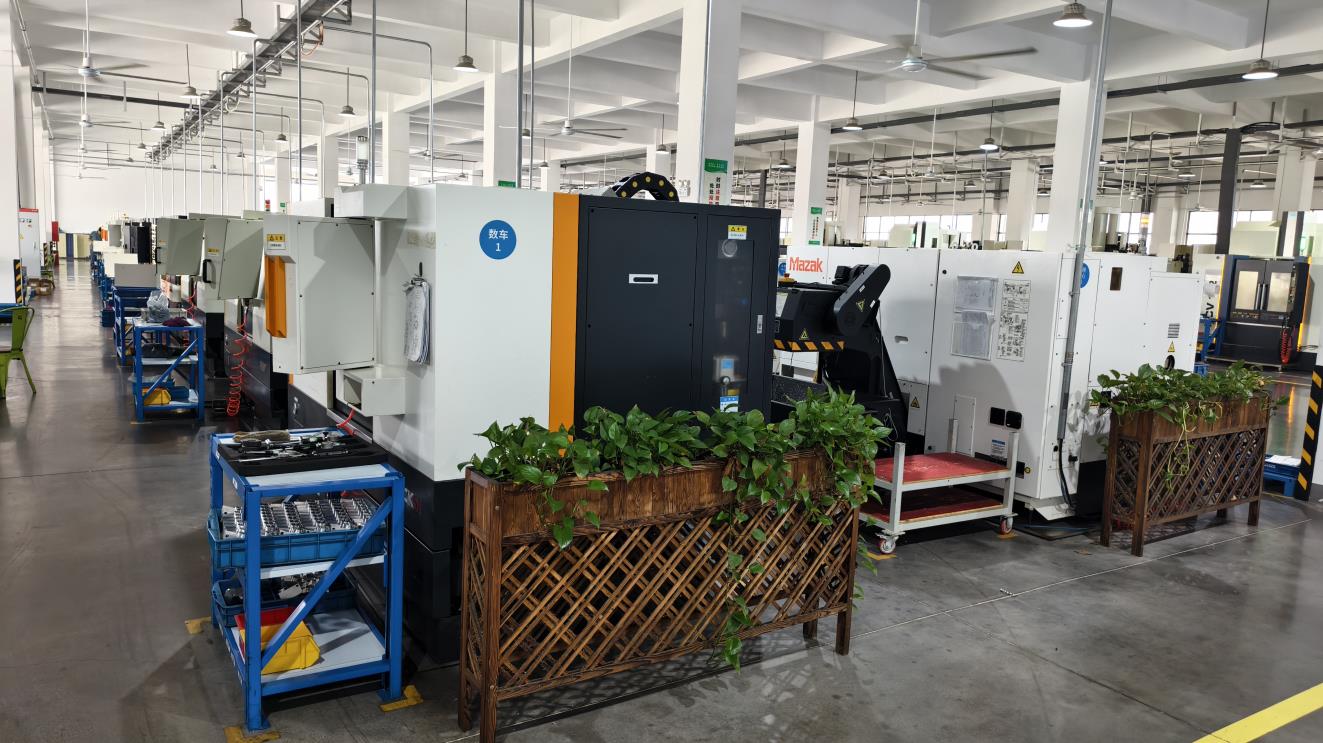
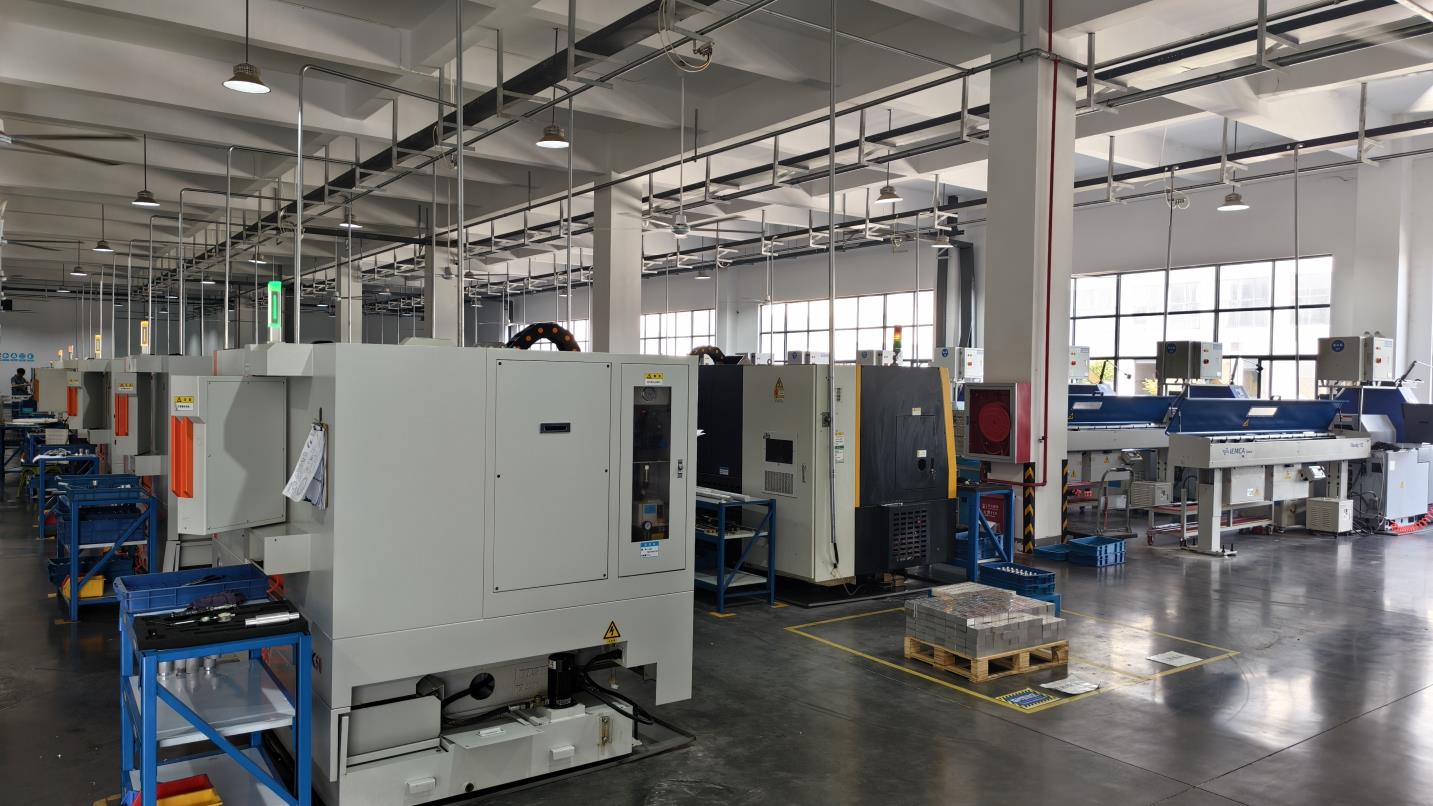
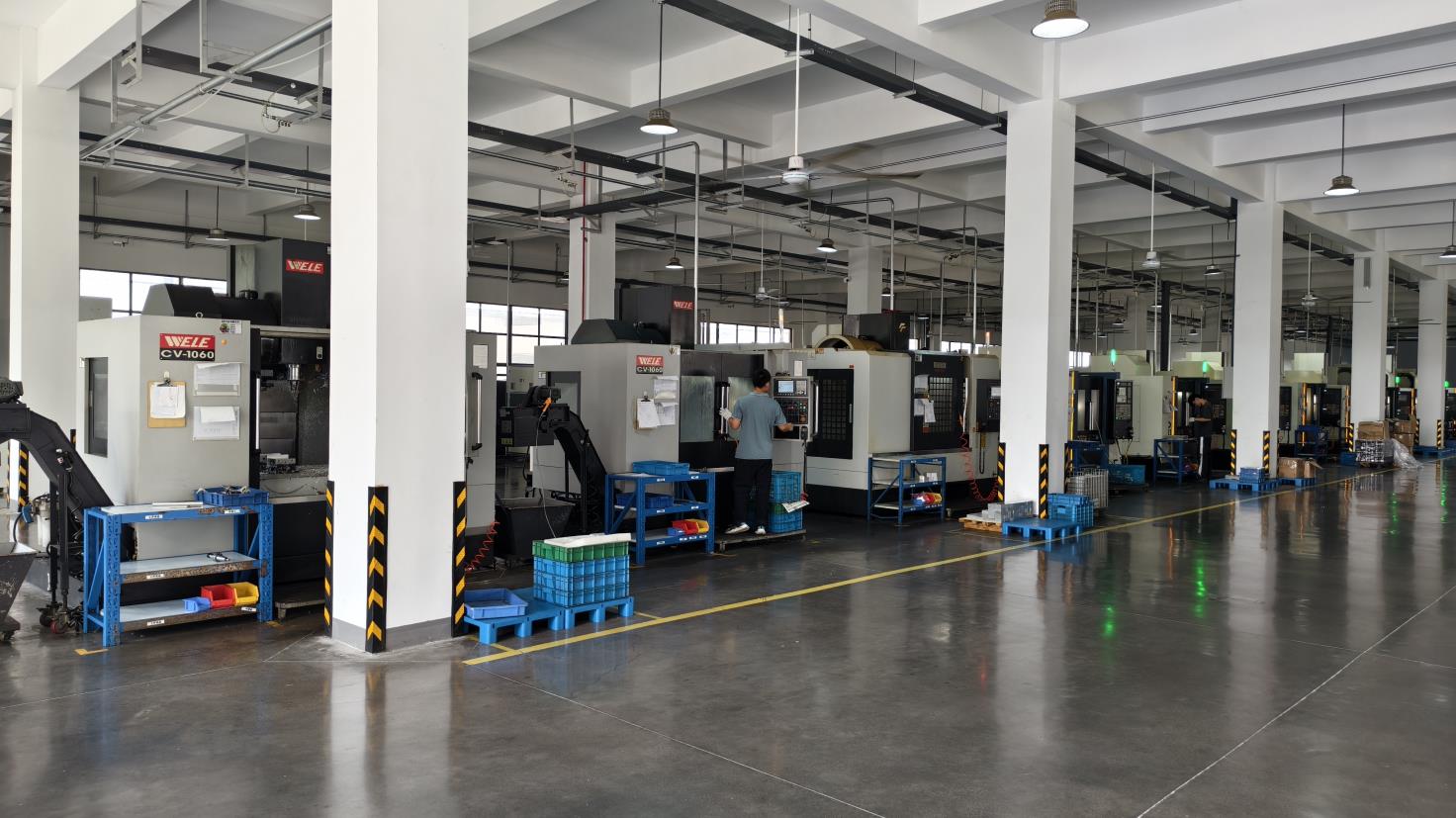
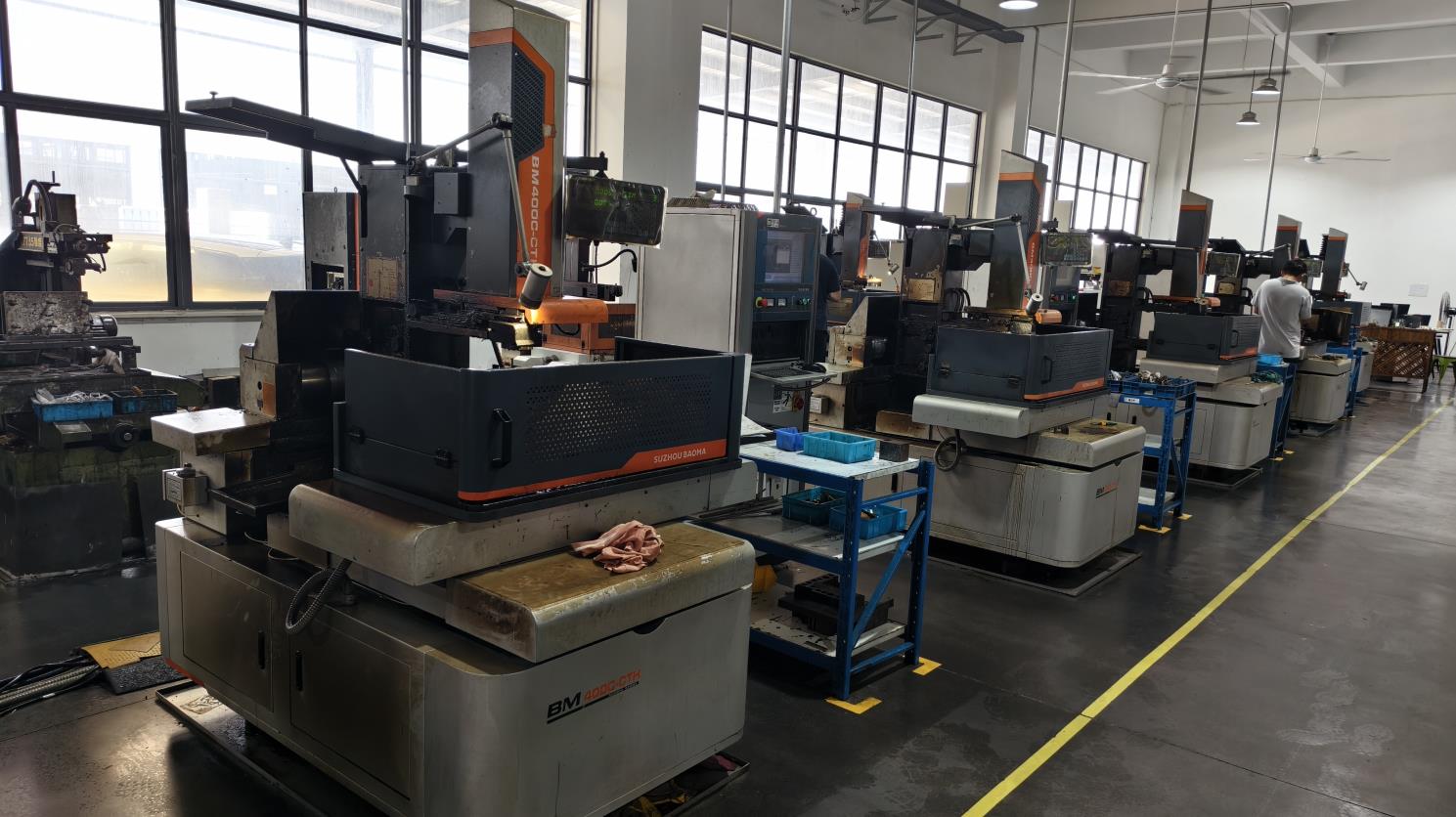
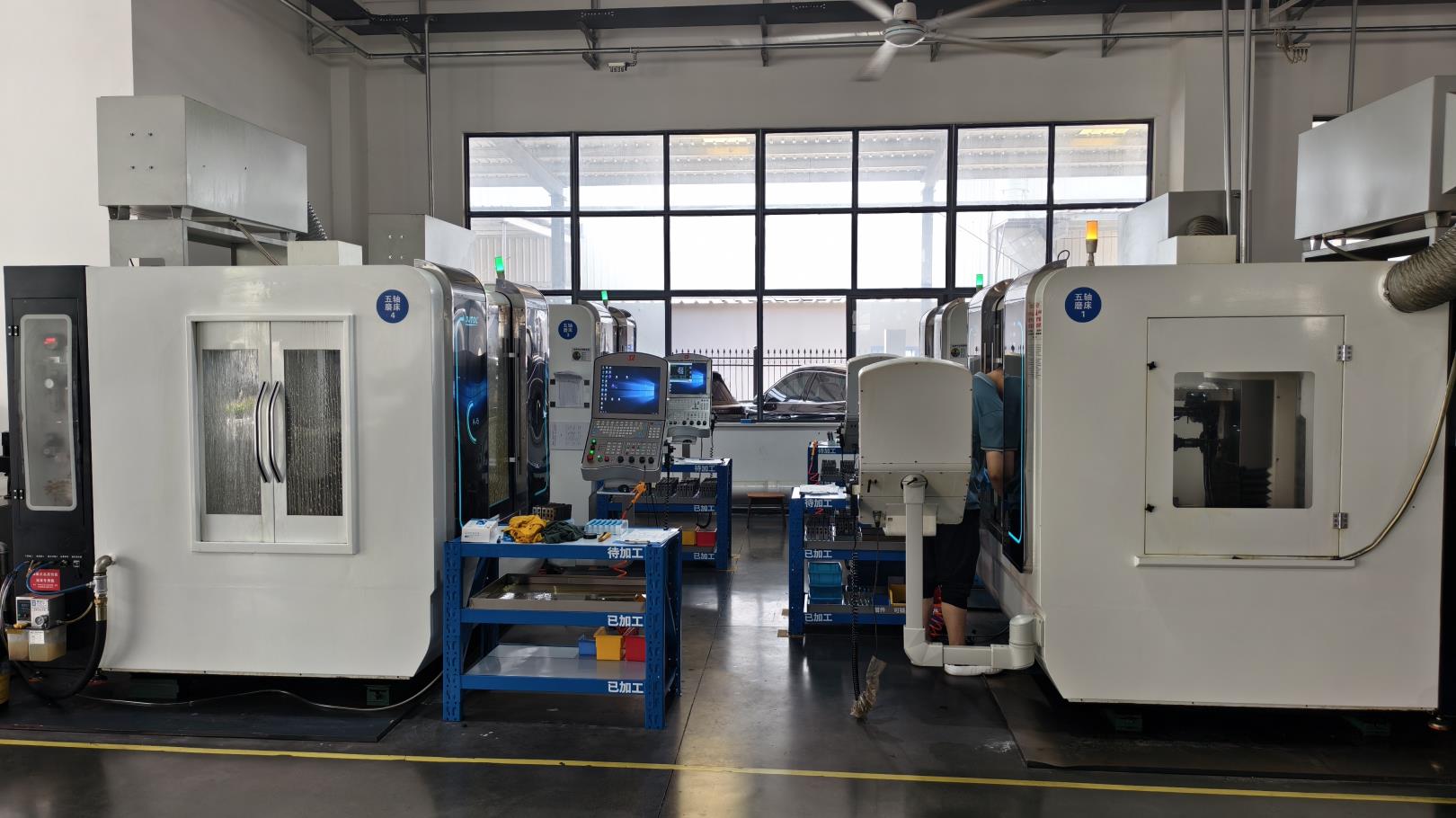
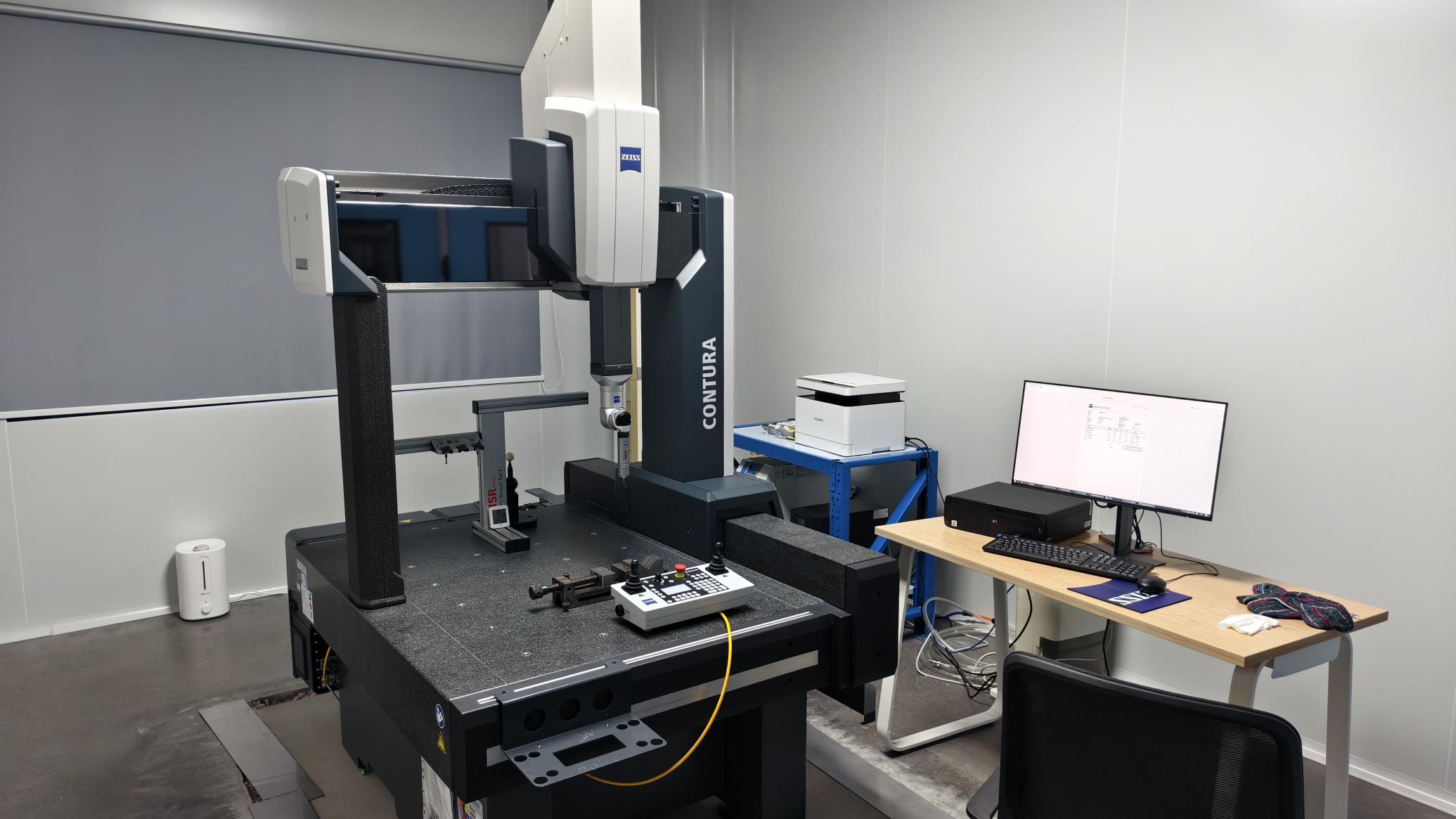
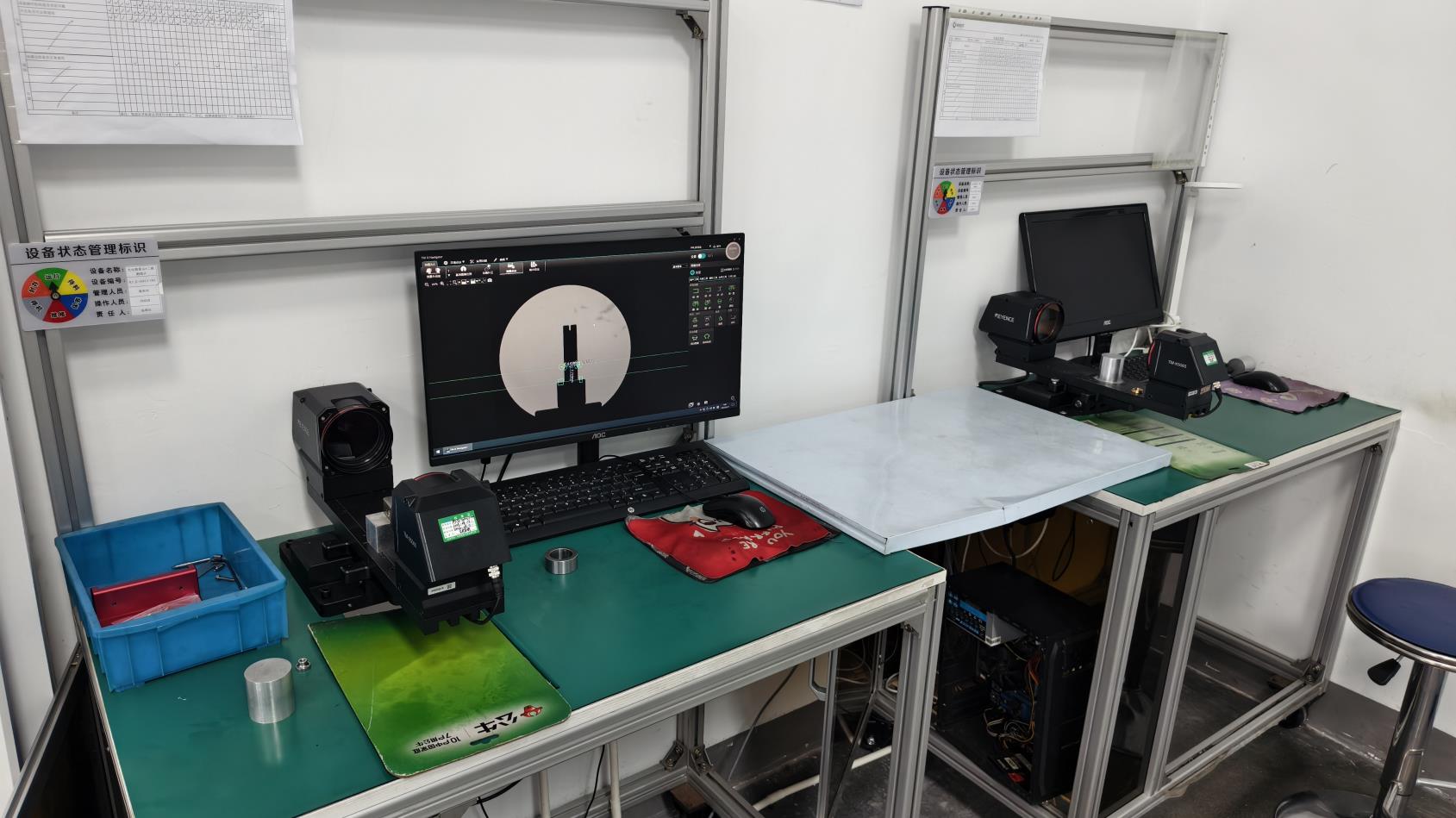
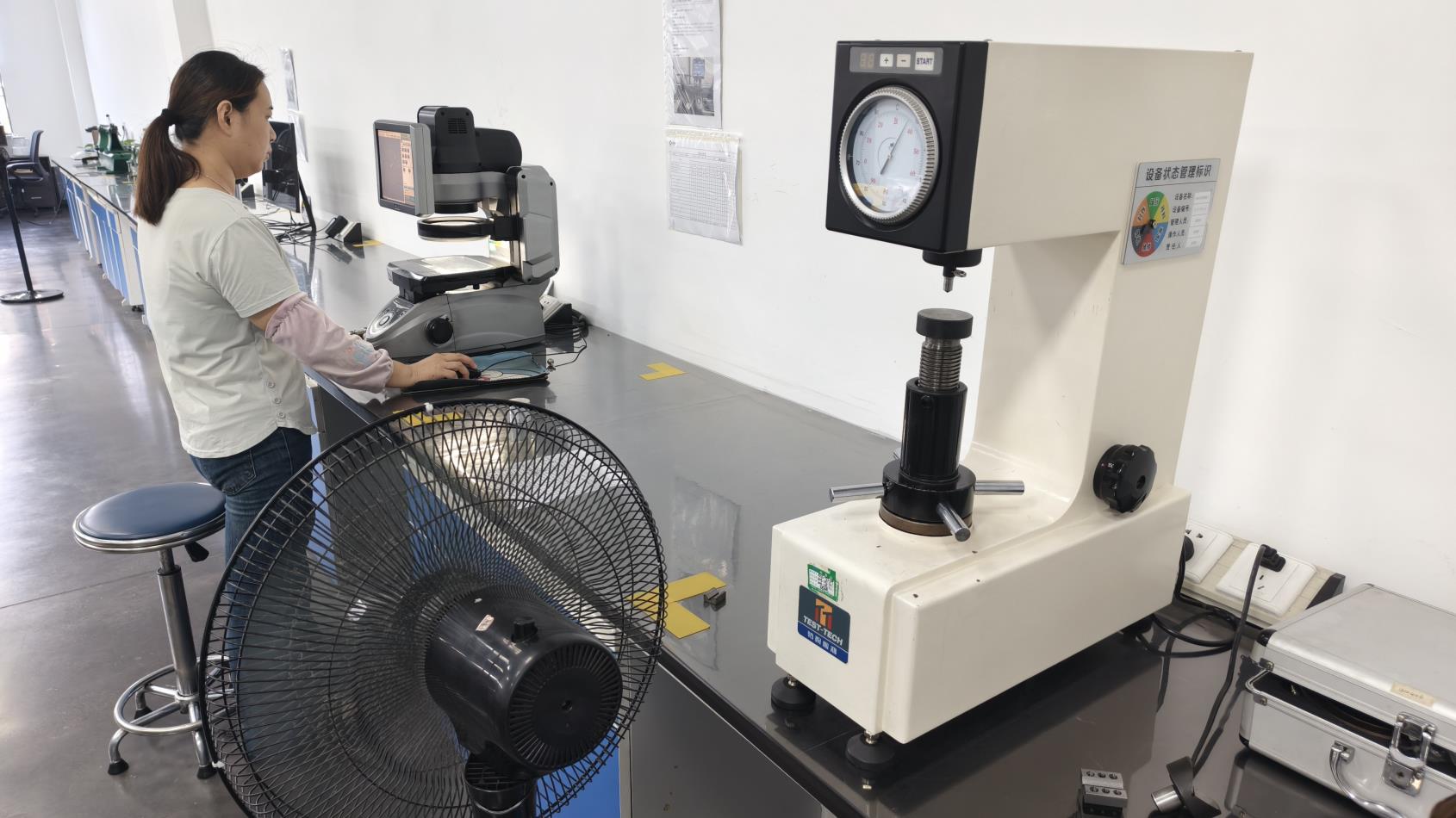
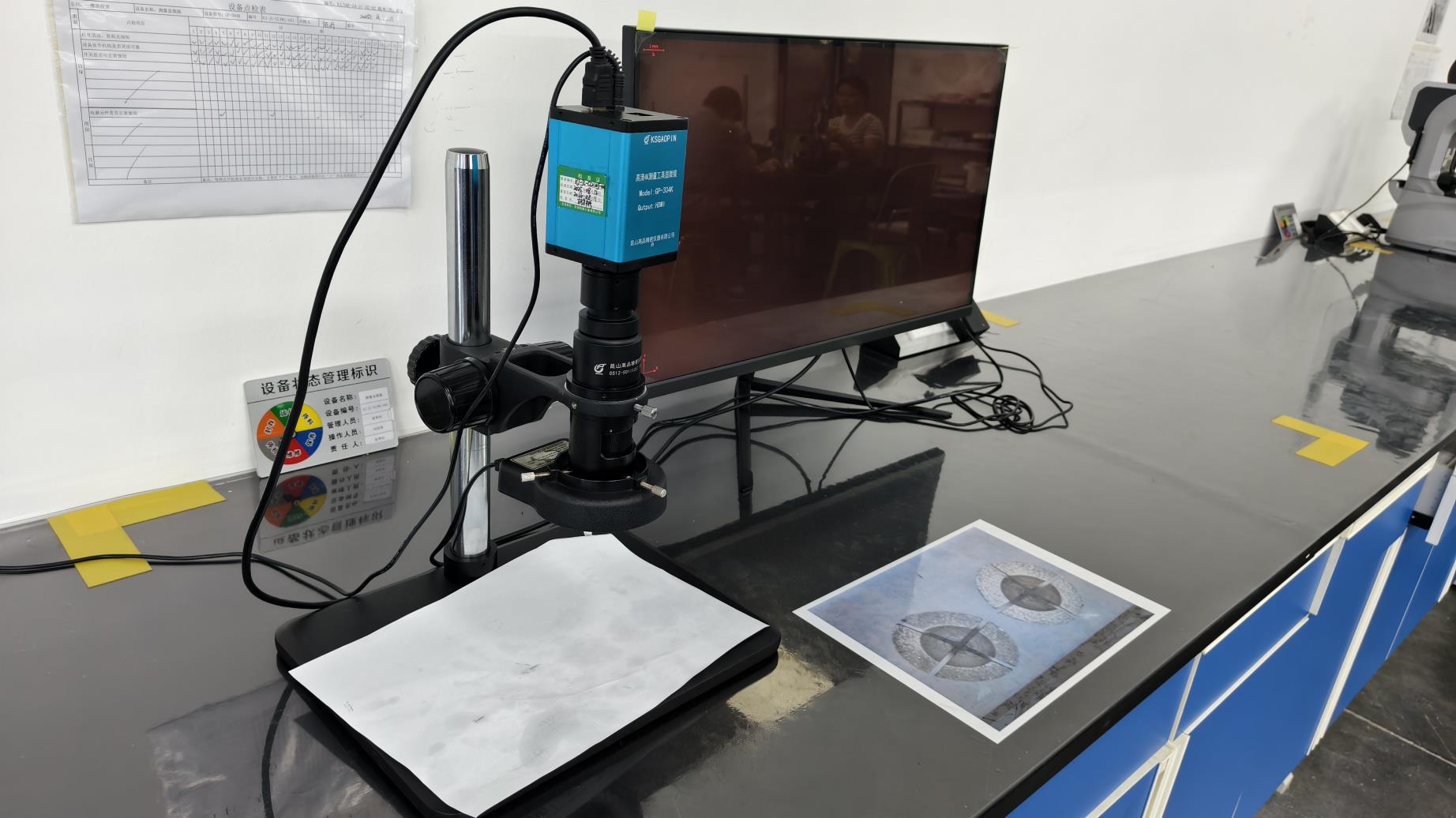
A visual overview of our manufacturing processes, including CNC machining, hand finishing, passivation, and cleanroom packaging.
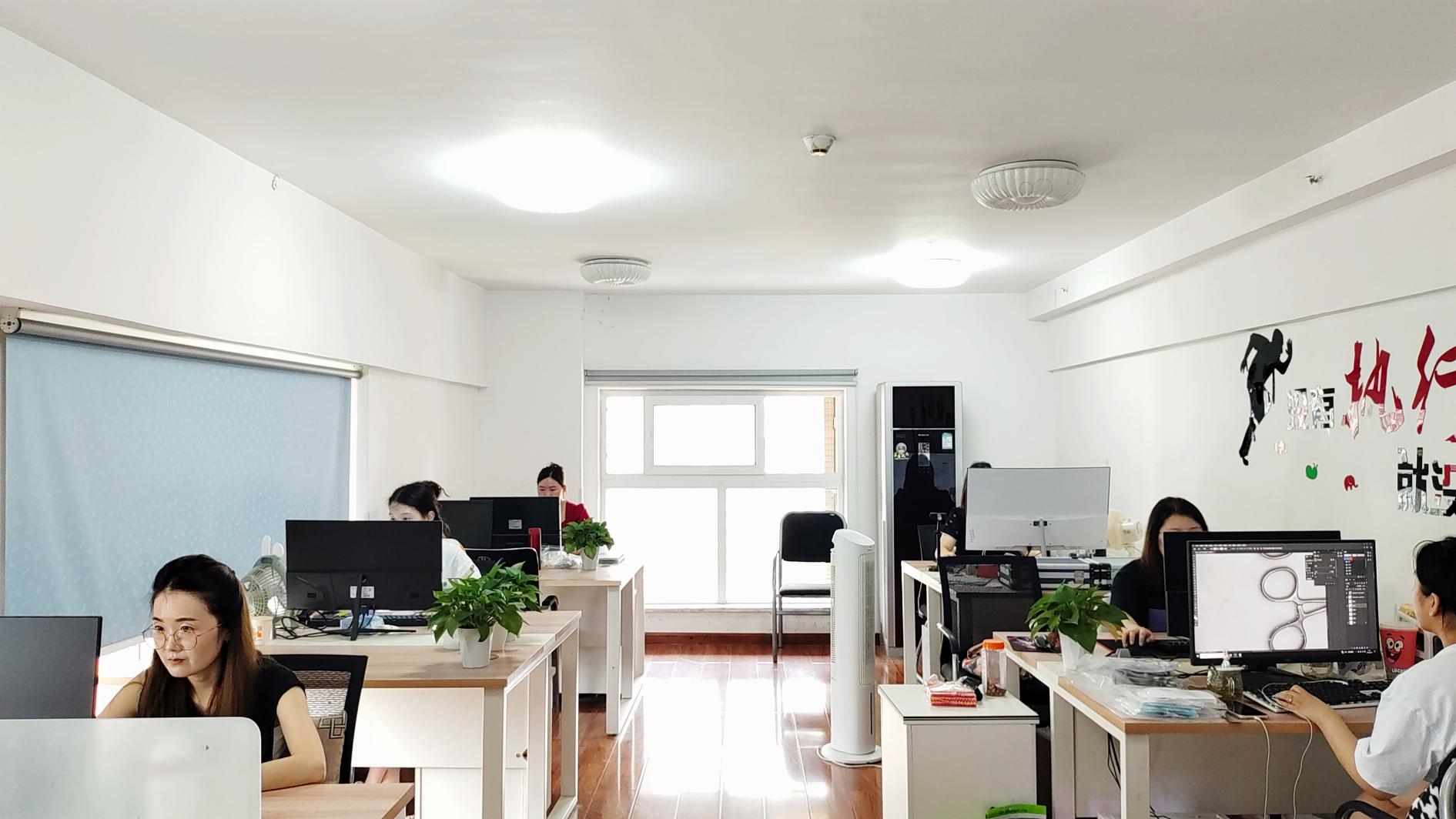
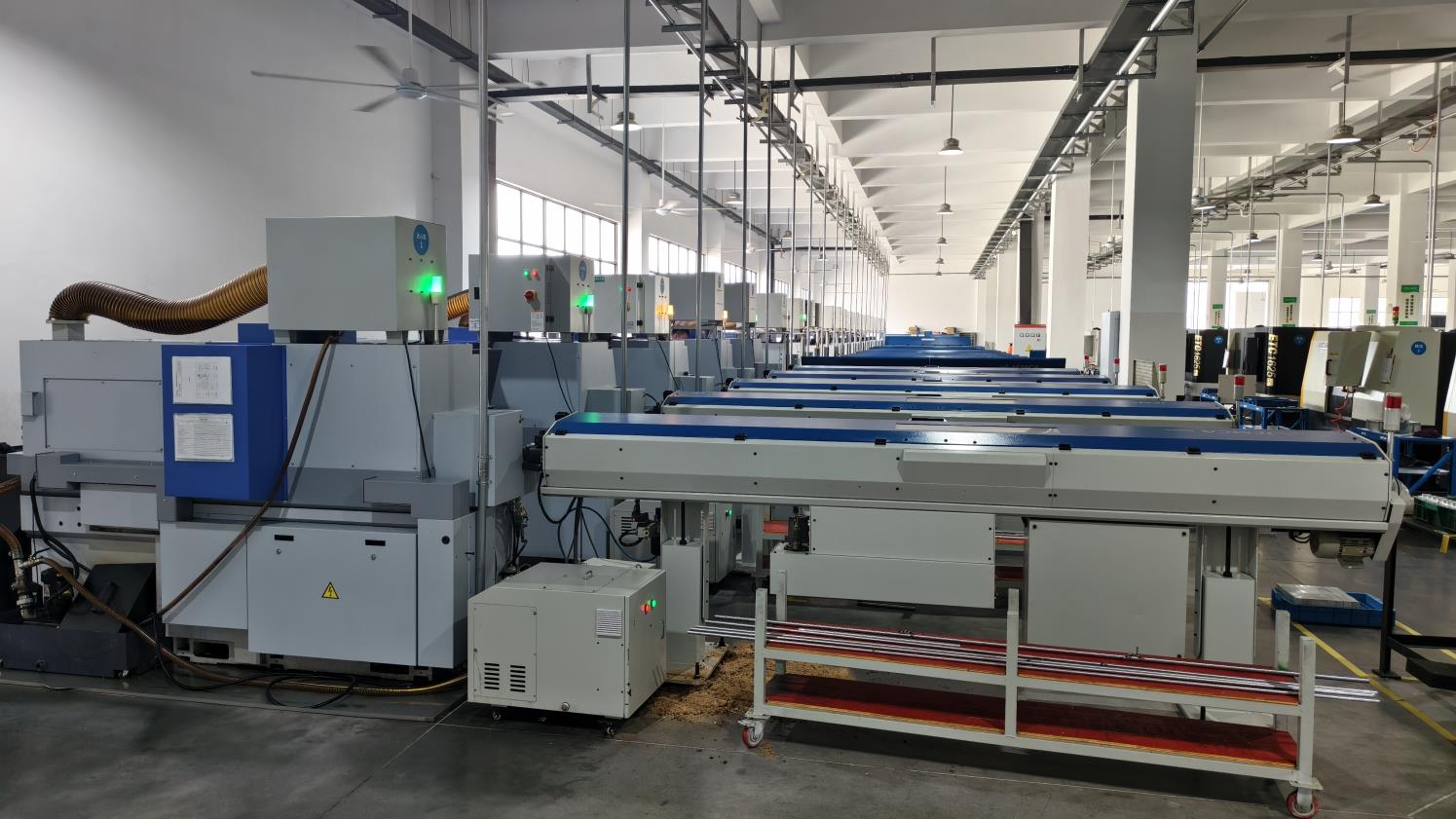
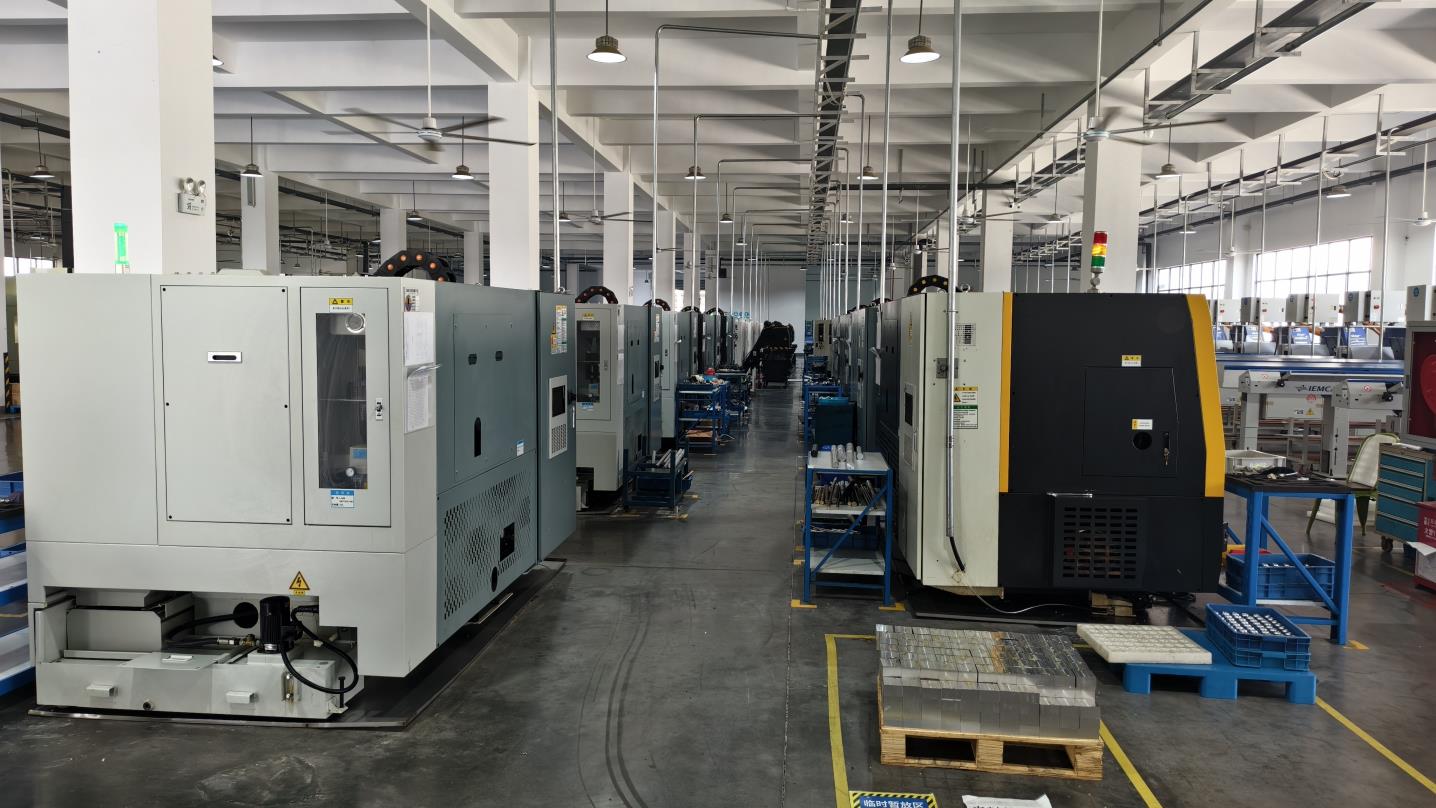
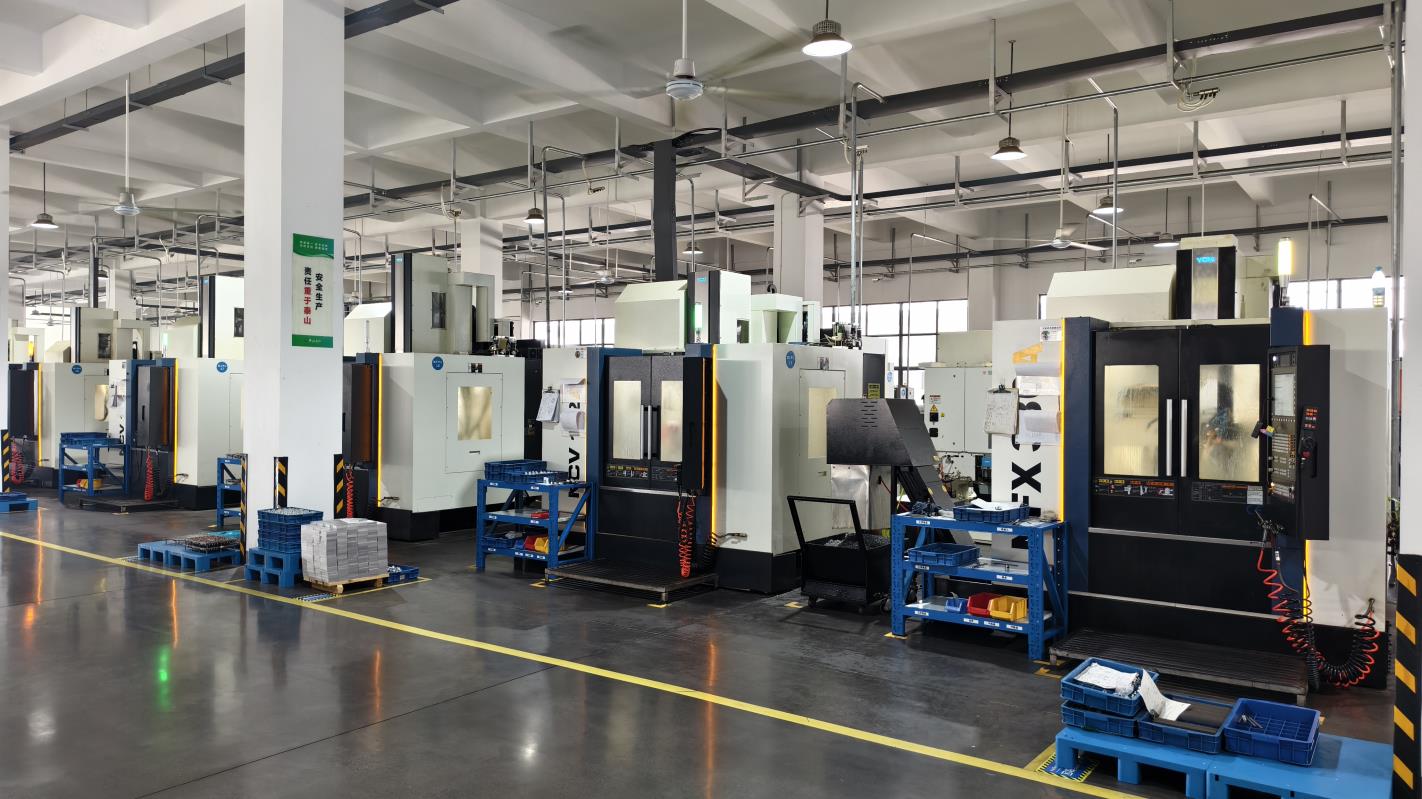
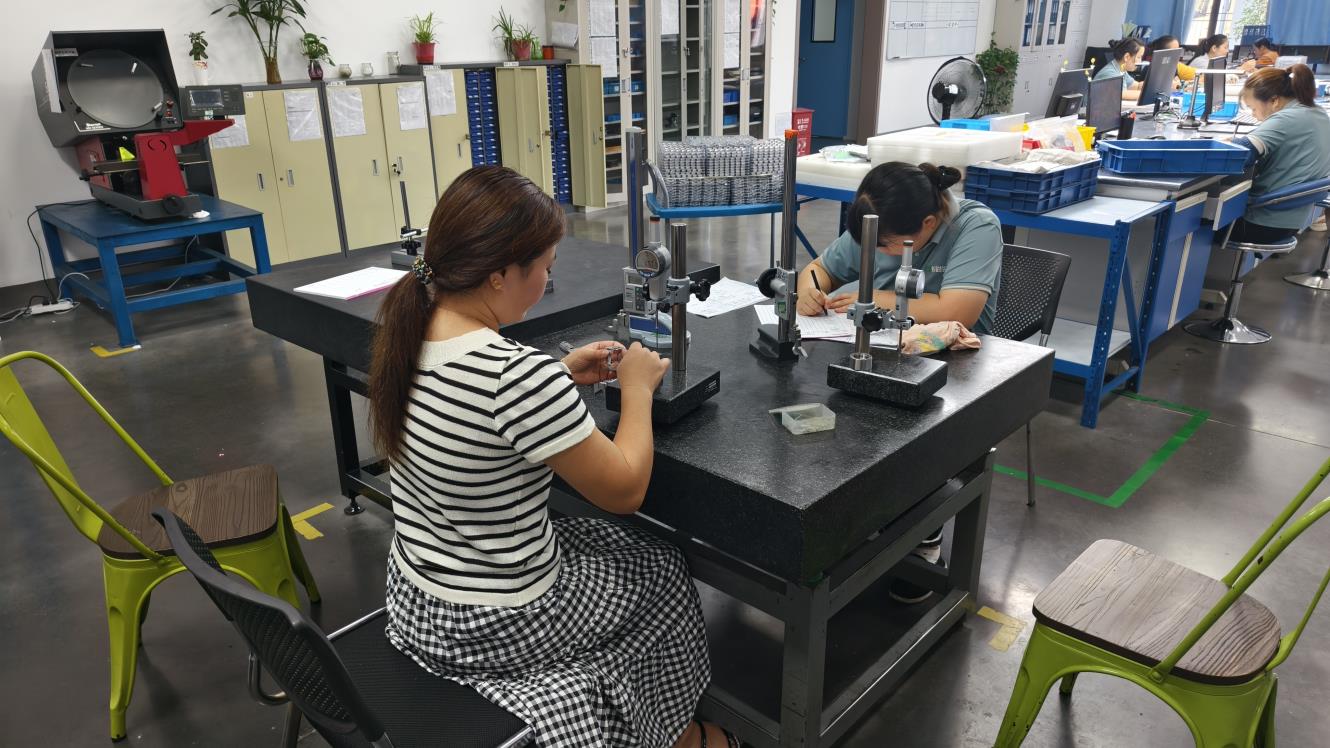
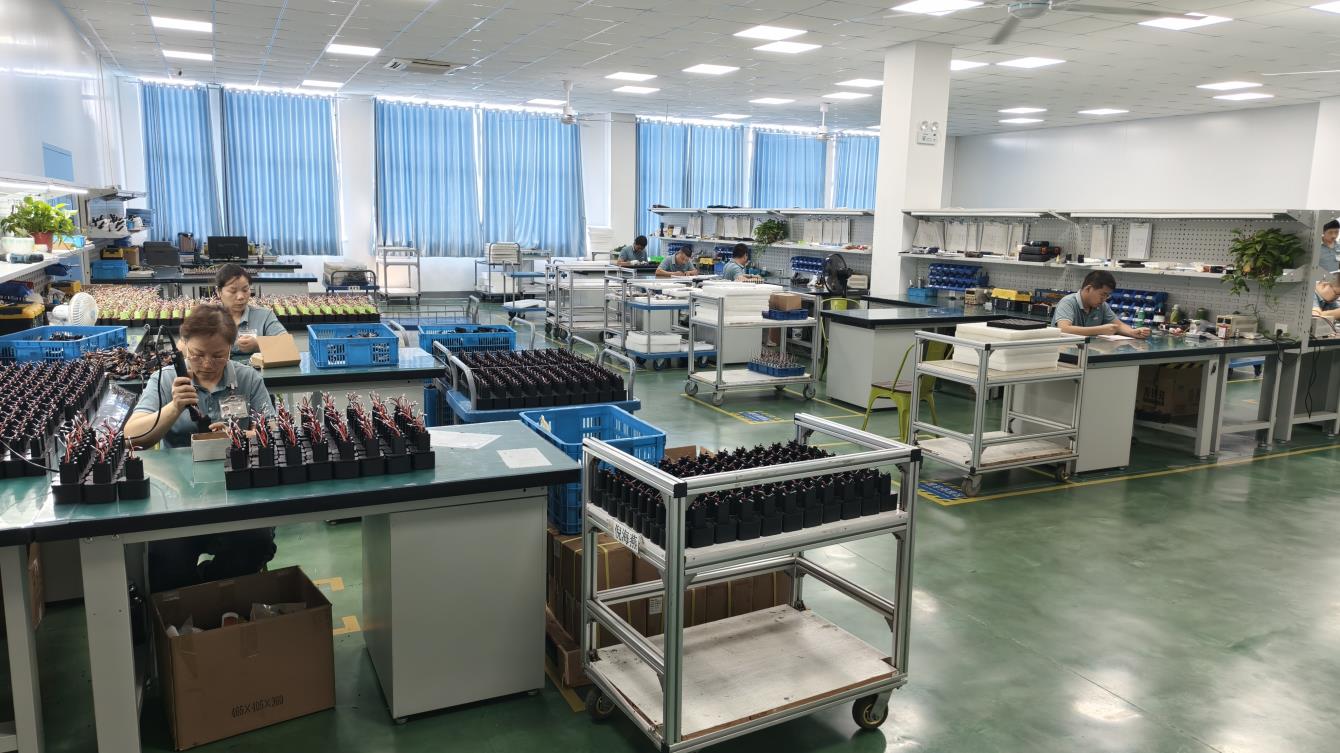
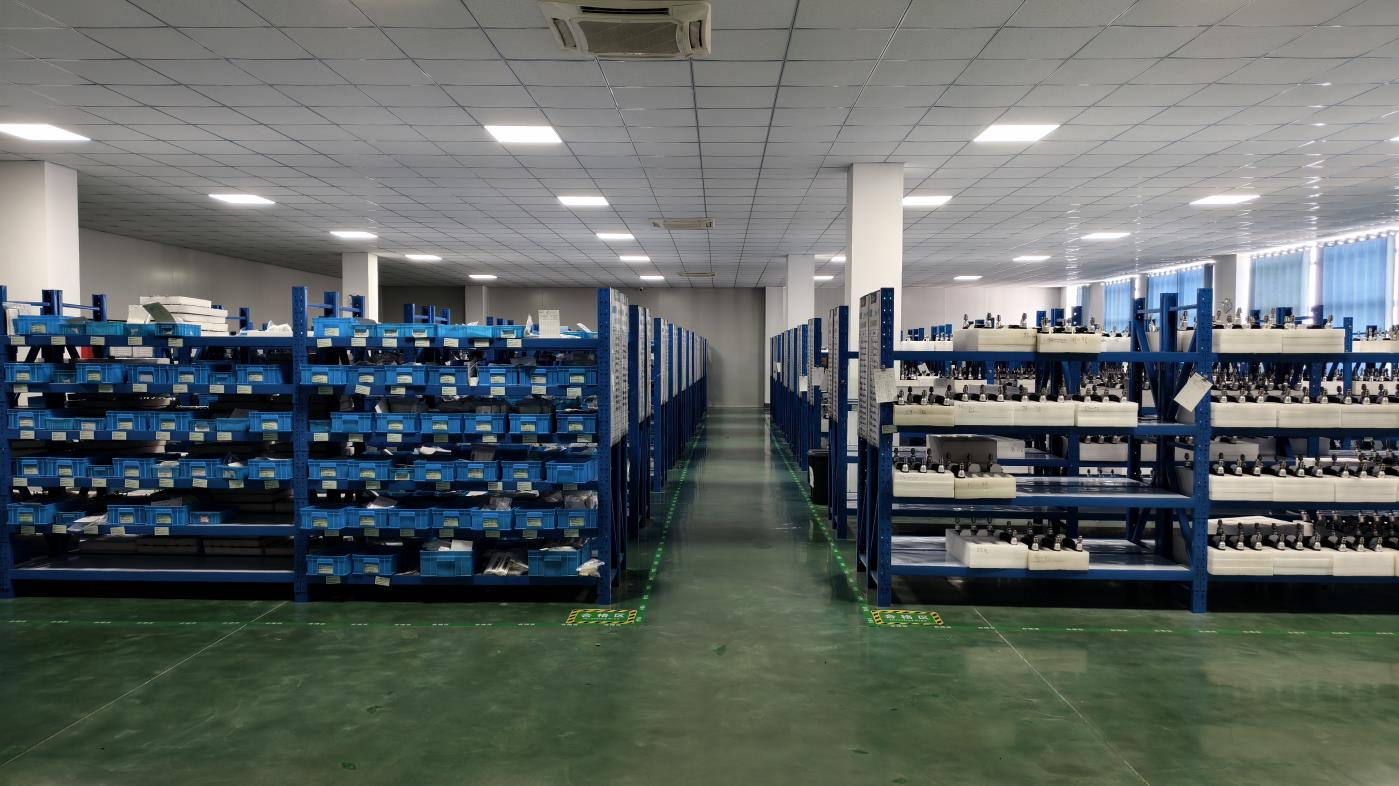
The field of neurosurgery is continually advancing. In Kuala Lumpur's leading teaching hospitals and research institutions, surgeons are adopting robotic stereotactic platforms and intraoperative navigation systems. This technological shift is driving two major trends in instrument design:
1. Navigation-Integrated Geometry: Instruments must be engineered with high-precision tracking points, allowing intraoperative cameras to determine the exact coordinates of a micro-spatula tip or curette blade within the cranium down to sub-millimeter tolerances.
2. Smart Tray RFID Tracking: Modern sterilization logistics require tracking individual instruments through their life cycles. We are currently testing integrated, low-profile RFID microchips that withstand high-temperature vacuum autoclave processes, ensuring sterile processing departments can easily log each usage cycle.
Our R&D division is dedicated to maintaining high standards of quality and performance, helping medical centers stay prepared as technology evolves.
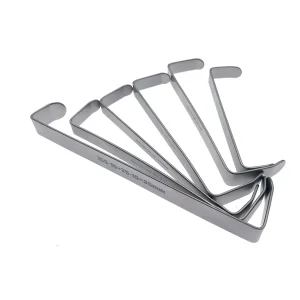
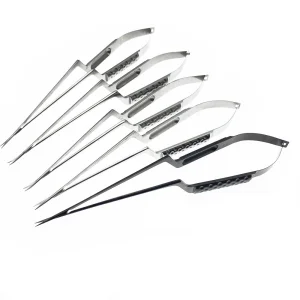
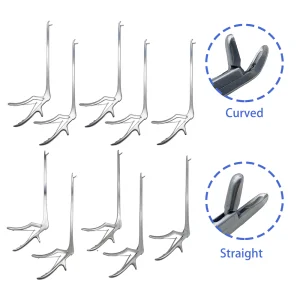
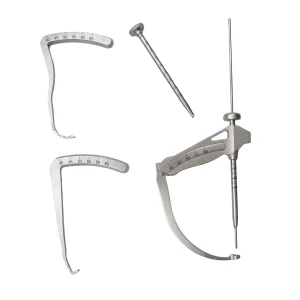
Browse our full range of microsurgical cutters, dissecting spatulas, retractor blades, and specialized bone instruments.
Detailed technical answers to common queries from operating theatre managers, sterilisation officers, and procurement buyers.
Connect with our technical sales team to discuss instrument customization, bulk pricing tiers, and delivery options for your surgical facility.
Send Inquiry Now