SENJIE Healthy & Technology
SENJIE Healthy & Technology
SENJIE Healthy & Technology
Engineered for high-magnification microneurosurgery. Features glare-reducing anodized surfaces and optimized mechanical tactile feedback.
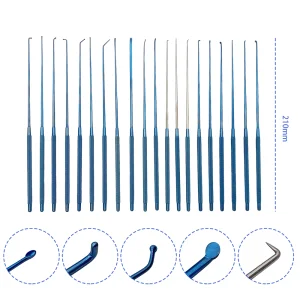
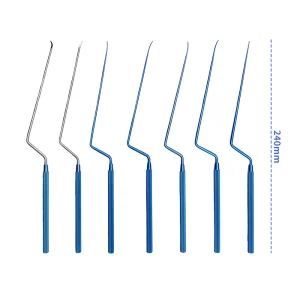
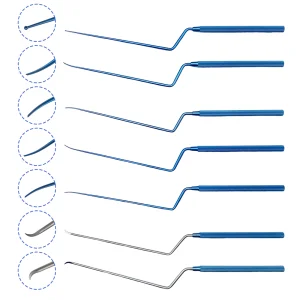
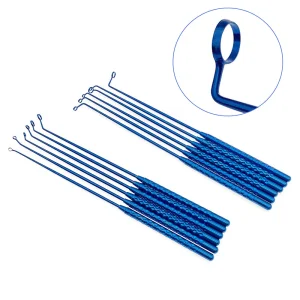
Tokyo stands as one of the premier hubs for advanced neurosurgical procedures globally. Academic giants such as the University of Tokyo Hospital, Tokyo Women's Medical University, and specialized clinics in Chiyoda, Minato, and Shinjuku push the boundaries of minimally invasive microneurosurgery. In these clinical settings, there is absolutely zero margin for instrument deviation or failure.
The Tokyo market maintains specific requirements for micro-surgical equipment:
As a leading exporter of surgical instruments with over 6 years of specialized manufacturing experience, our state-of-the-art facility bridges the gap between cost-effectiveness and uncompromising precision. Here is how our production processes align with the strict parameters required by Tokyo distributors and healthcare systems:
Complete tracing of medical-grade raw materials (Grade-5 Titanium, SUS420J2 Steel) from melt source to finished instrument, verified by mill test certs.
Multi-axis precision CNC grinding ensures dimensional accuracy within micron levels, maintaining absolute alignment for micro-spatulas and hooks.
Direct-from-factory pricing with low minimum orders allows Tokyo-based medical device OEM brands to optimize inventory turns and mitigate risk.
The choice of material for micro-dissectors, retractors, and curettes determines the procedural outcome. While stainless steel provides excellent rigidity and edge retention for bone-cutting tools, it falls short during soft-tissue manipulation around vital cranial nerves. Titanium alloys, specifically Ti-6Al-4V ELI (Extra Low Interstitial), are widely utilized in our Tokyo export inventory. Titanium reduces weight by approximately 45% compared to steel, drastically mitigating hand fatigue during complex microneurosurgical bypass operations.
During a typical transsphenoidal hypophysectomy or pituitary tumor resection at Tokyo's specialized clinics, the operative field is incredibly narrow. Surgeons require instruments with bent shafts (malleable options) and microscopic ring curettes that allow direct visualization of the tumor margin. Our malleable ring curettes can be shaped by the surgeon to conform to the patient's individual anatomy, bypassing critical neurovascular bundles safely.
A transparent look at our specialized manufacturing processes, cleanroom inspection setups, and finished neurosurgical tools.
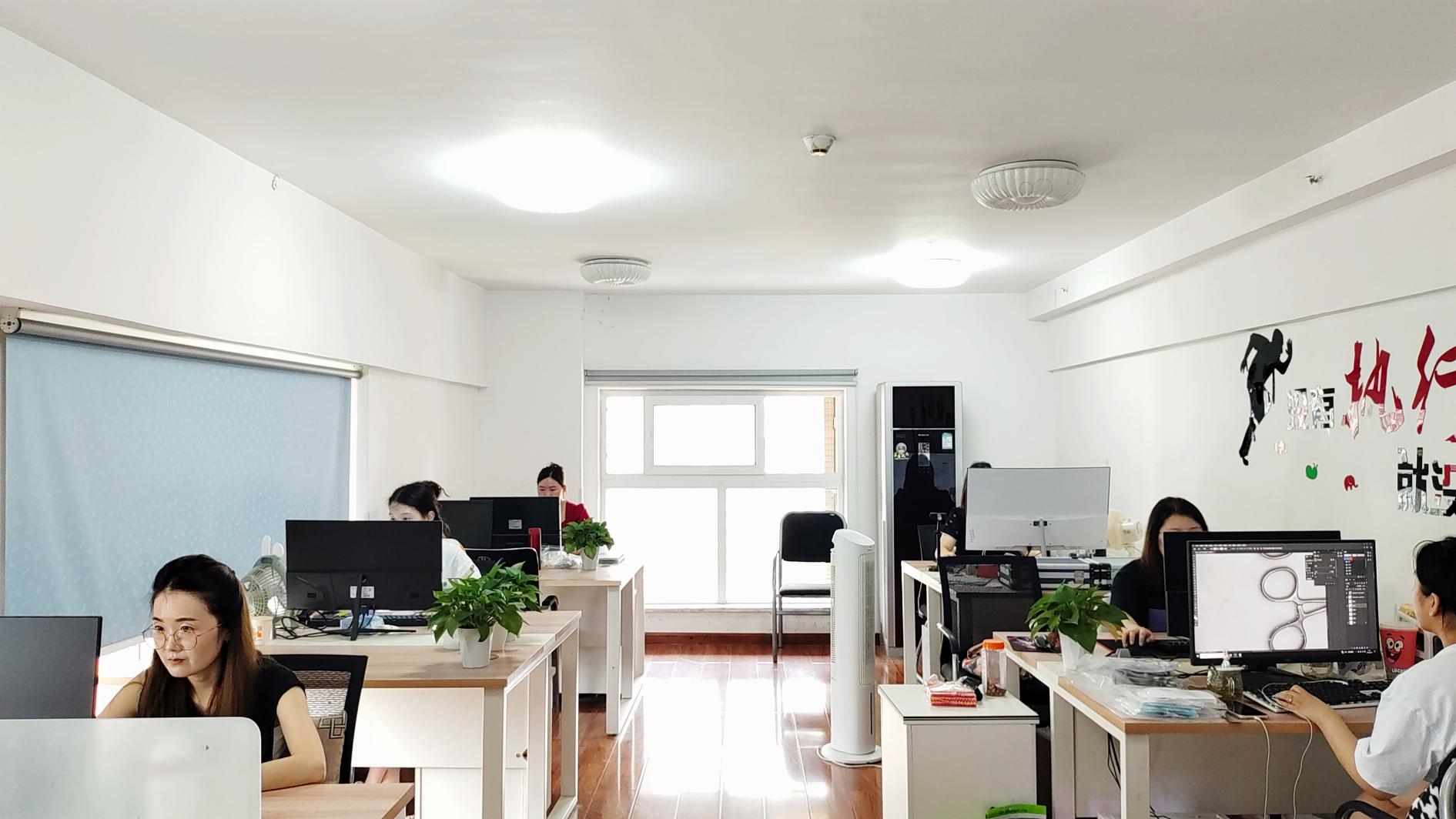
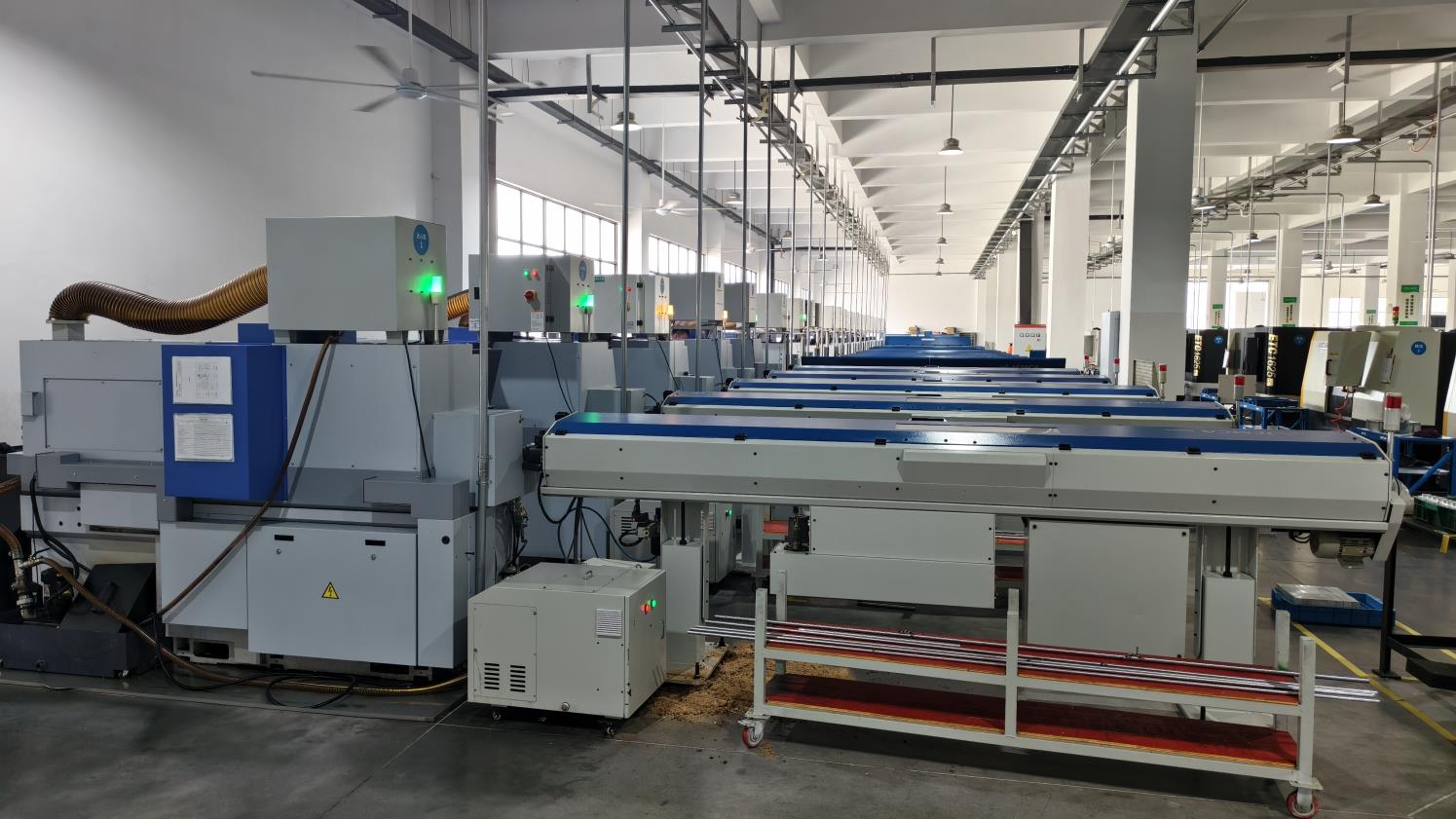
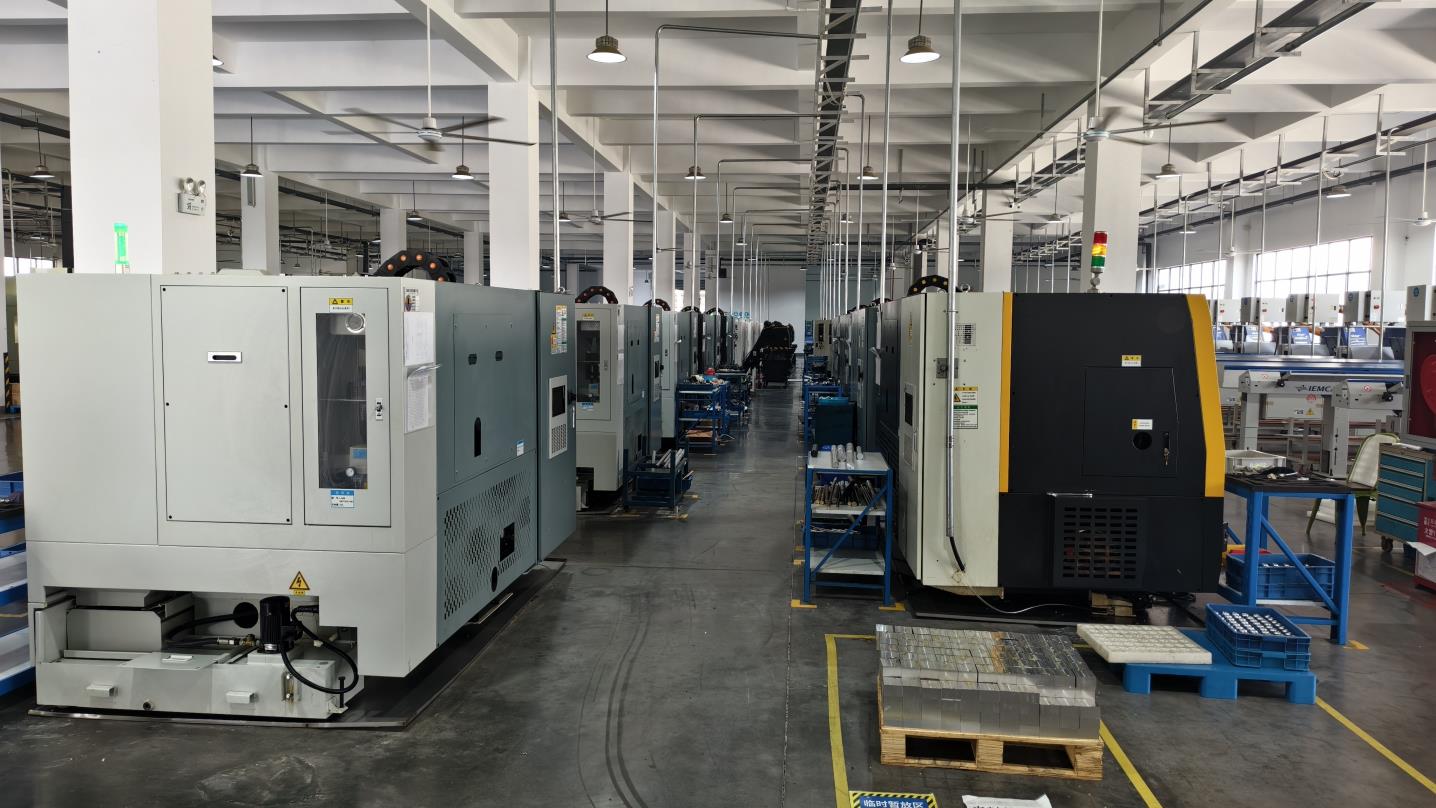
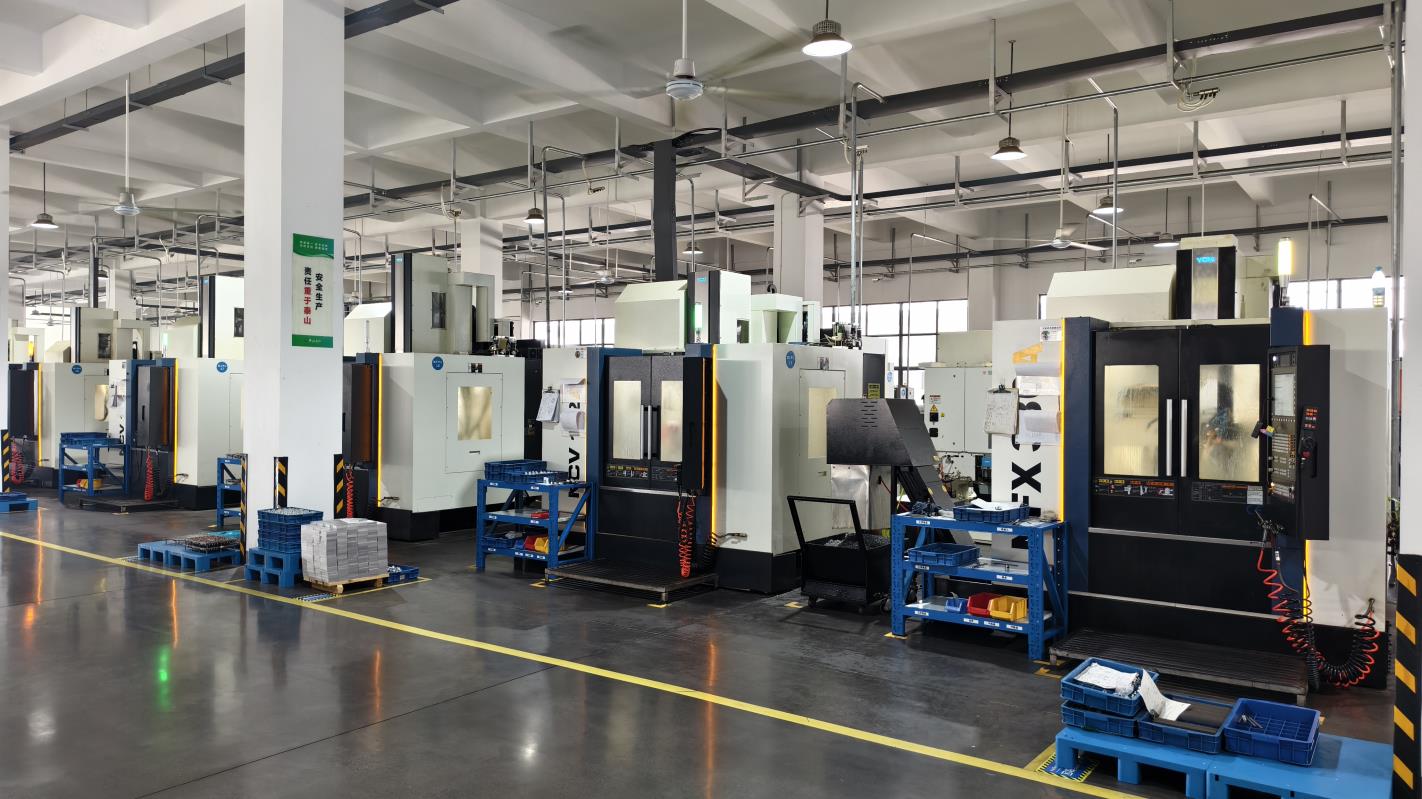
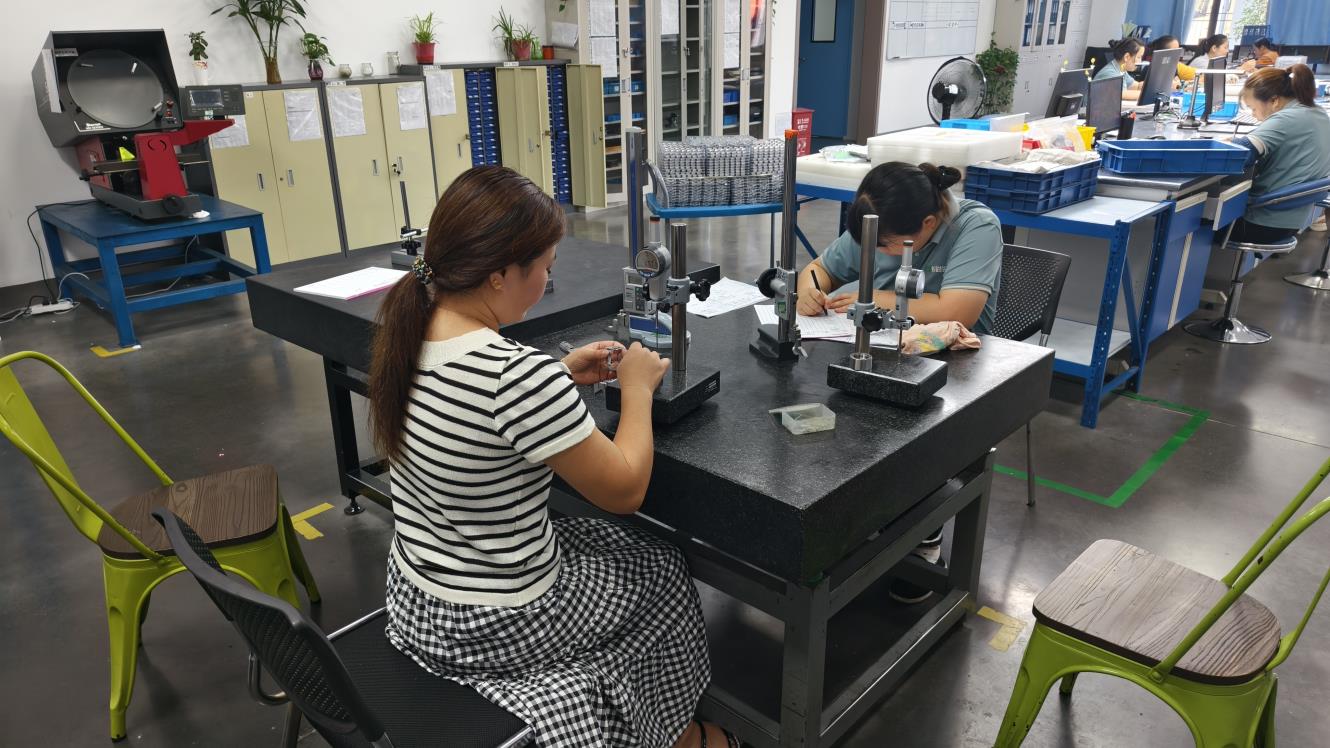
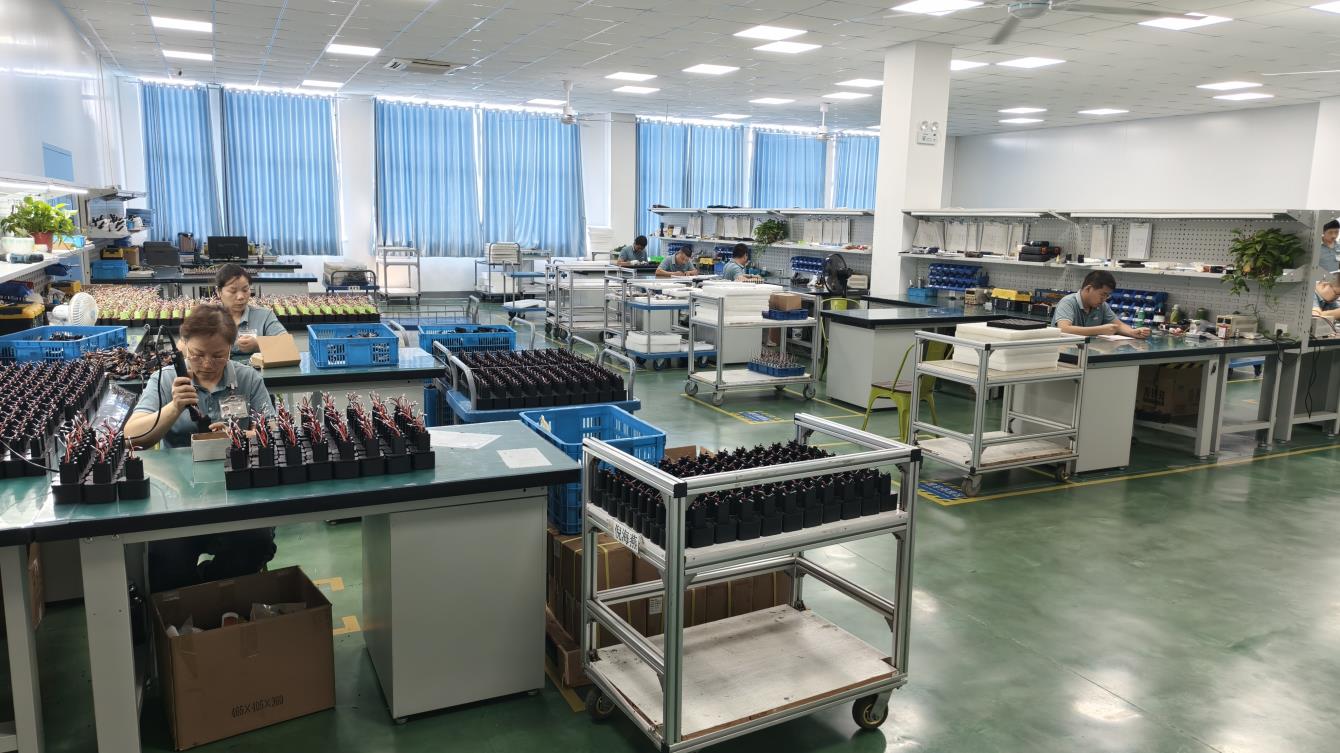
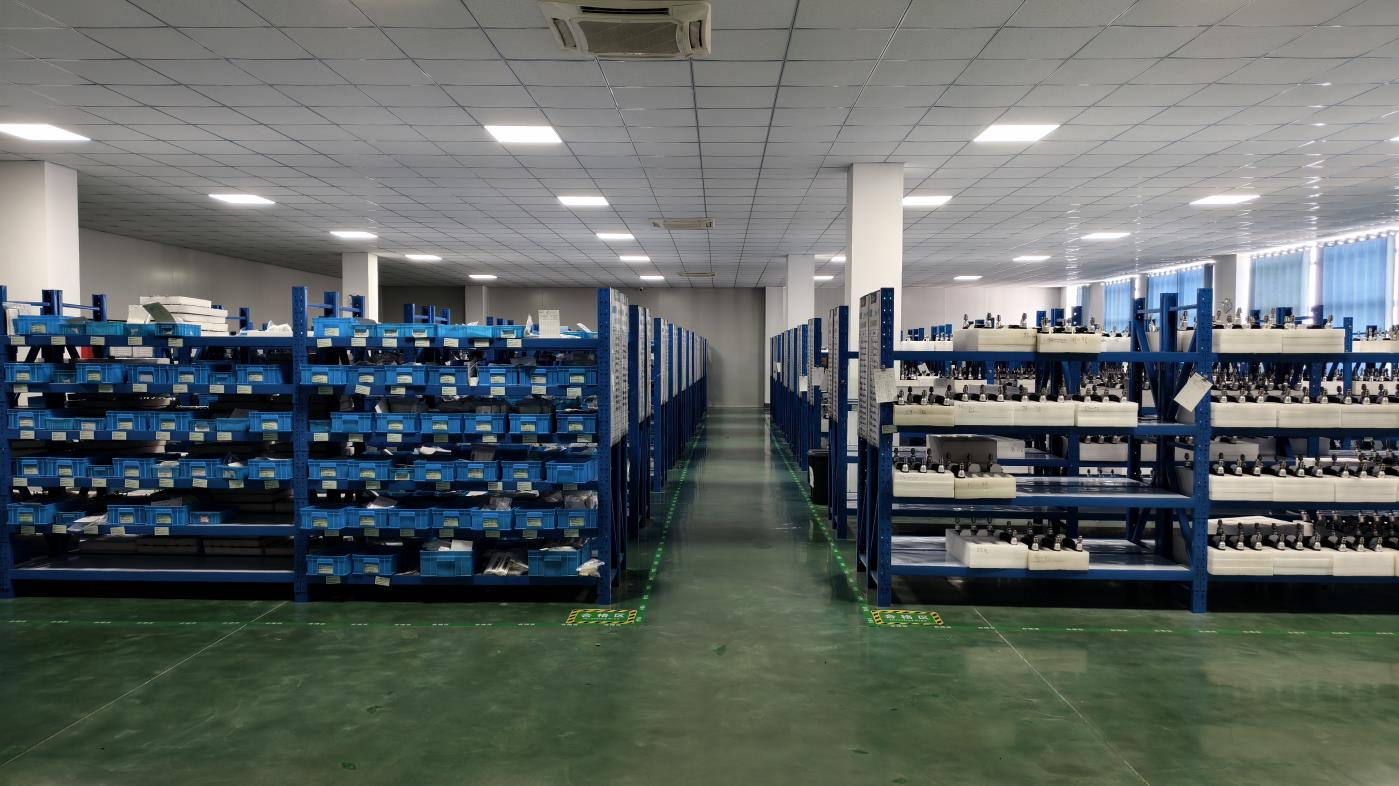
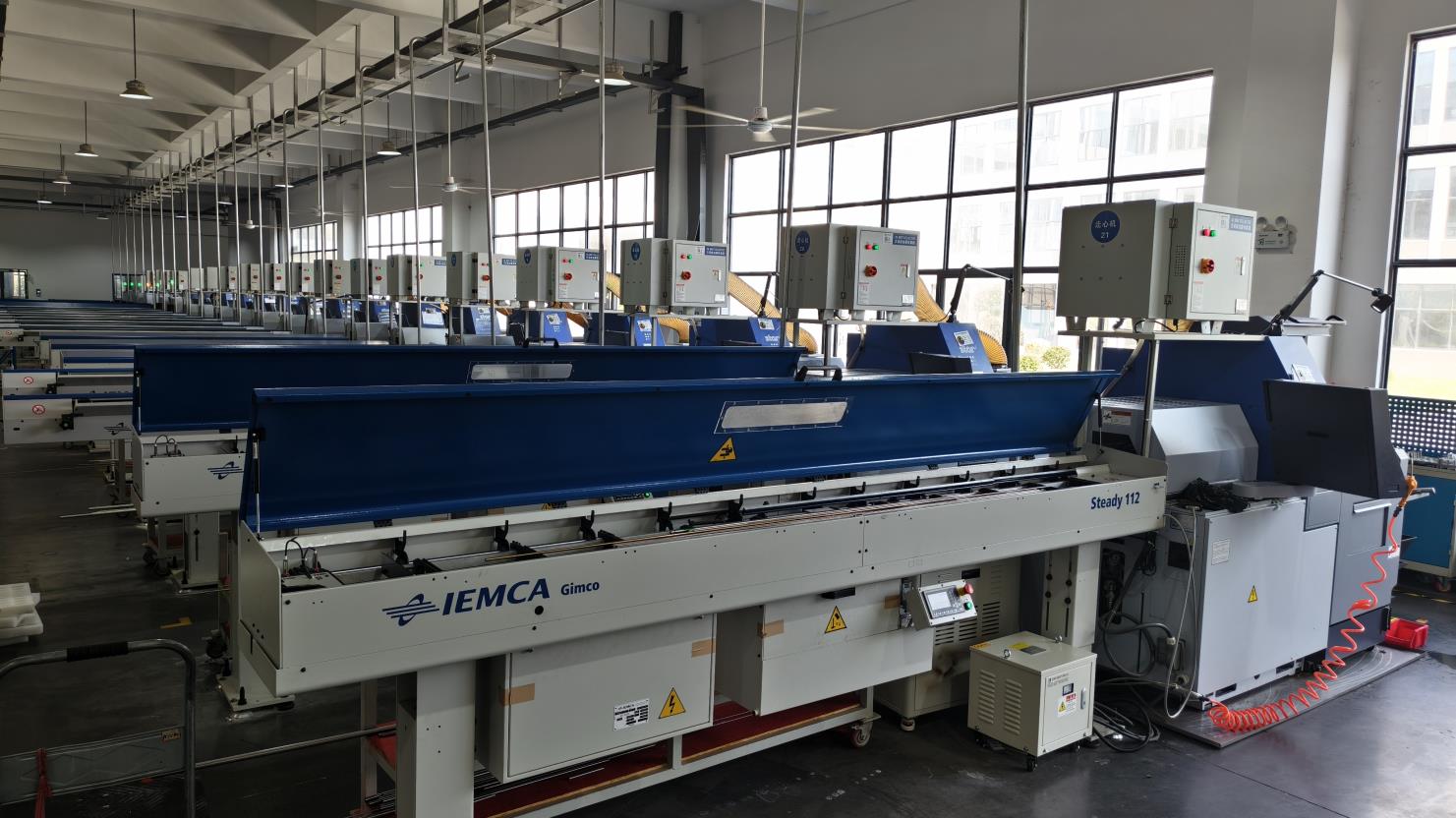
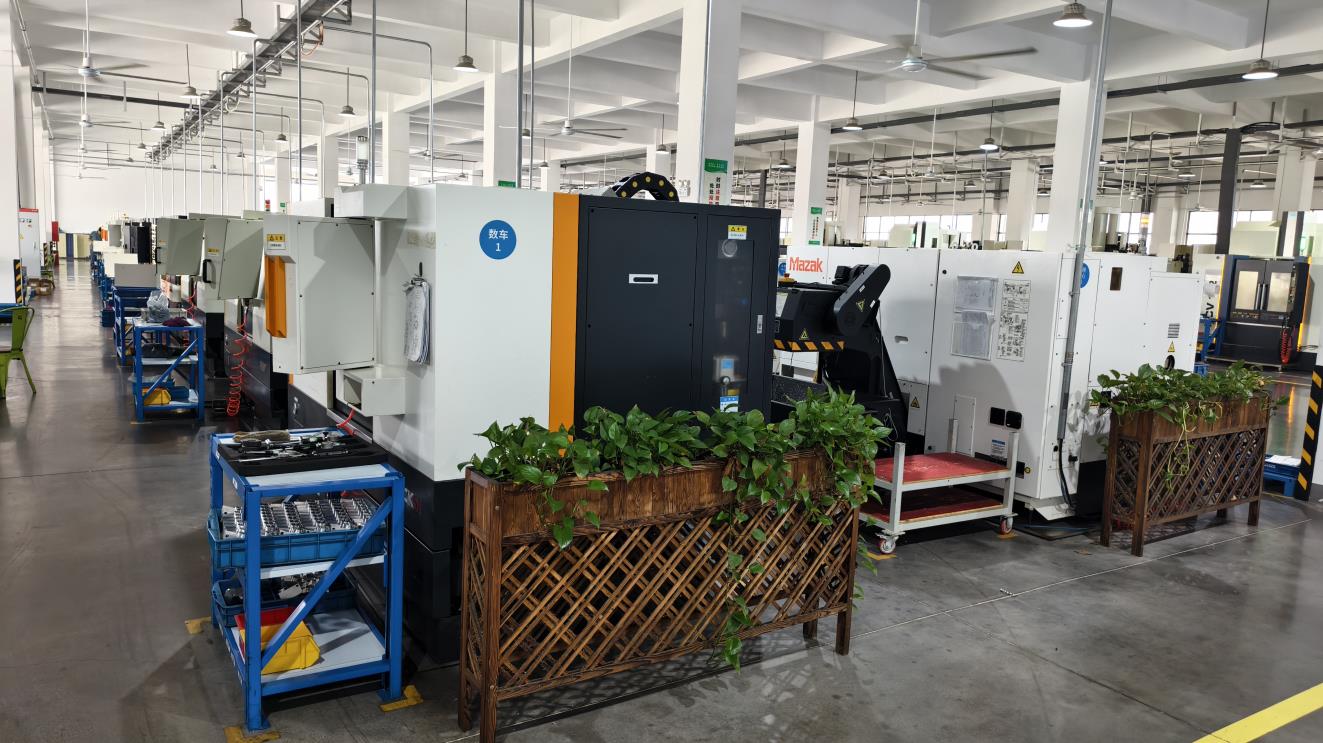
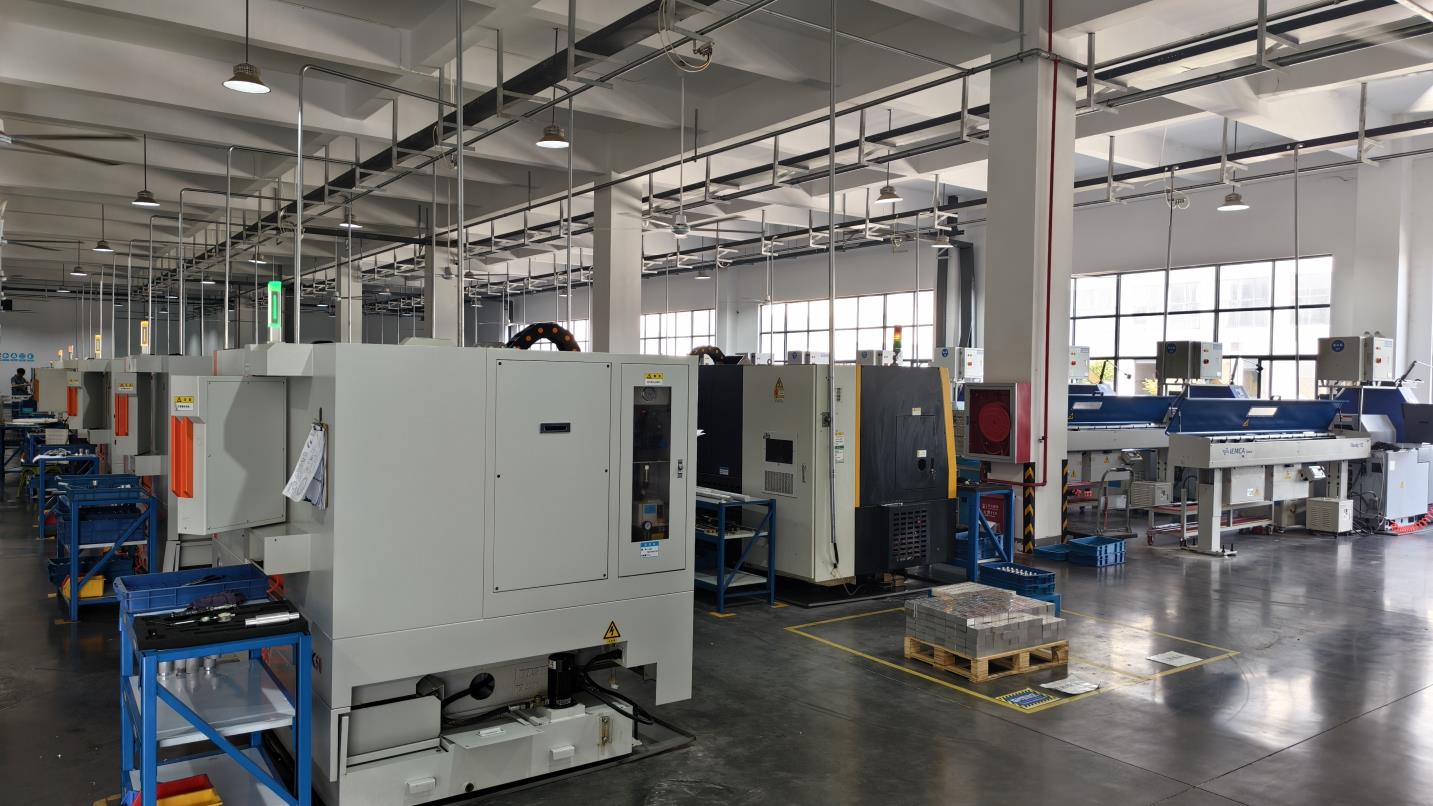
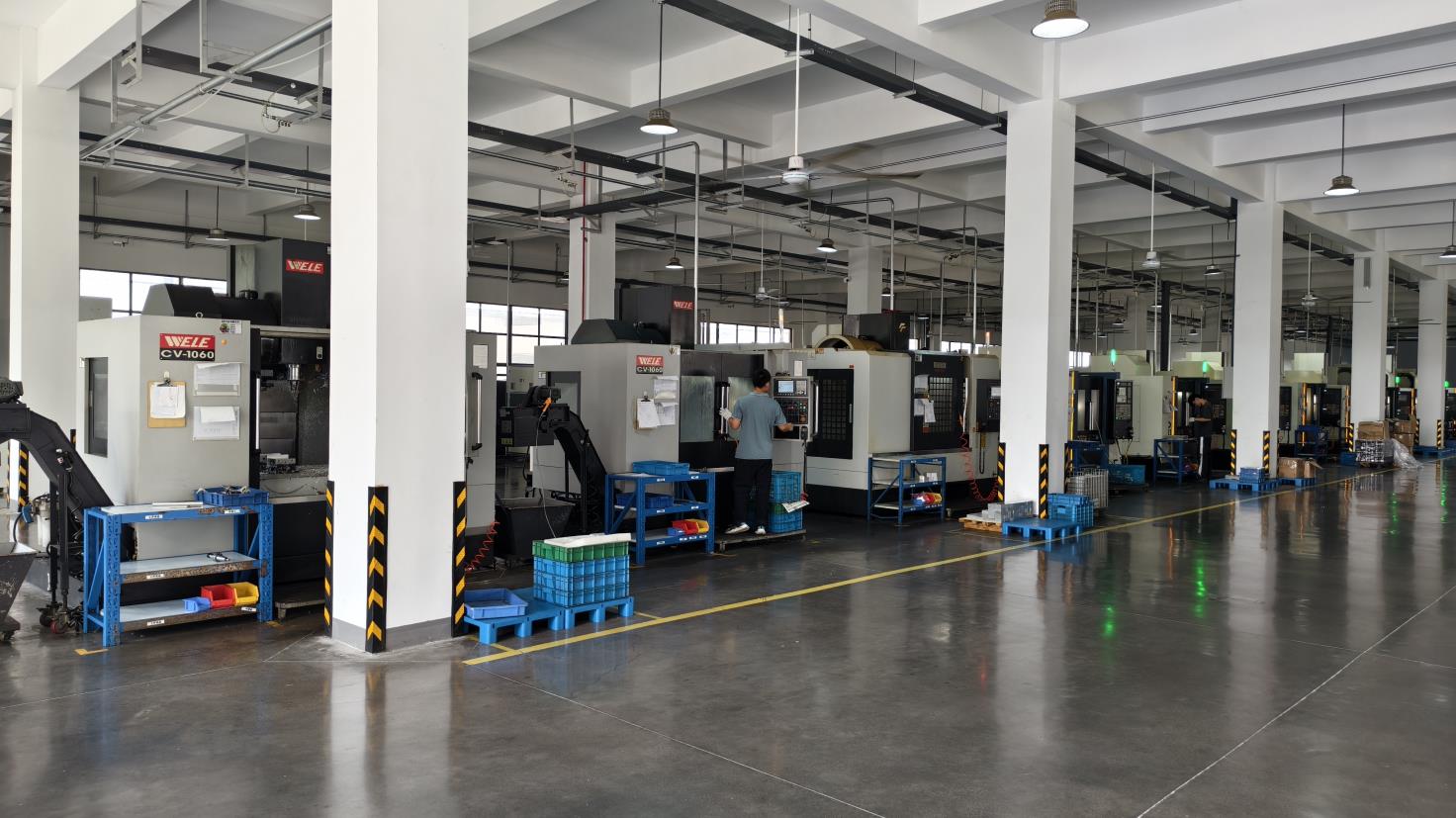
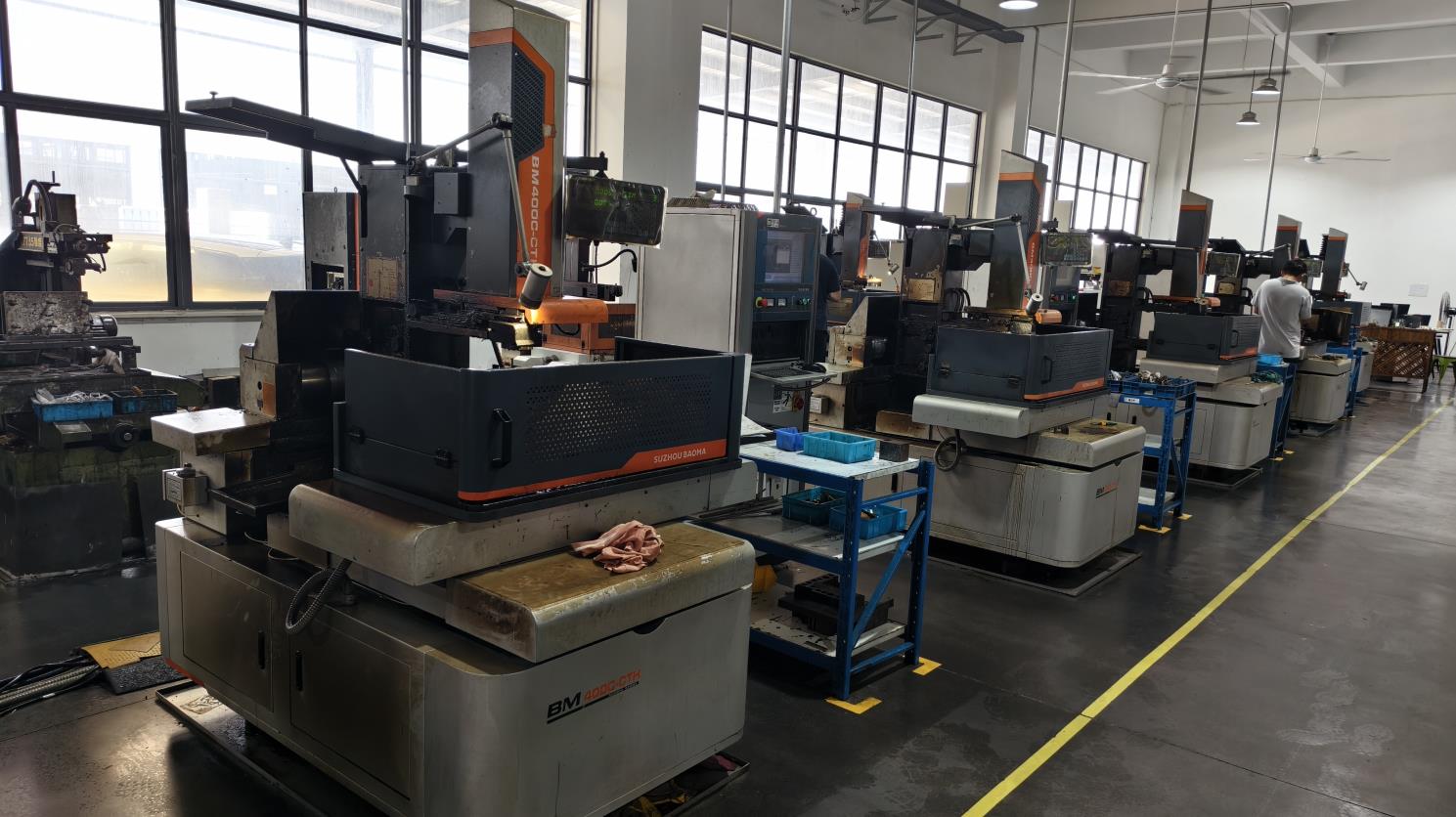
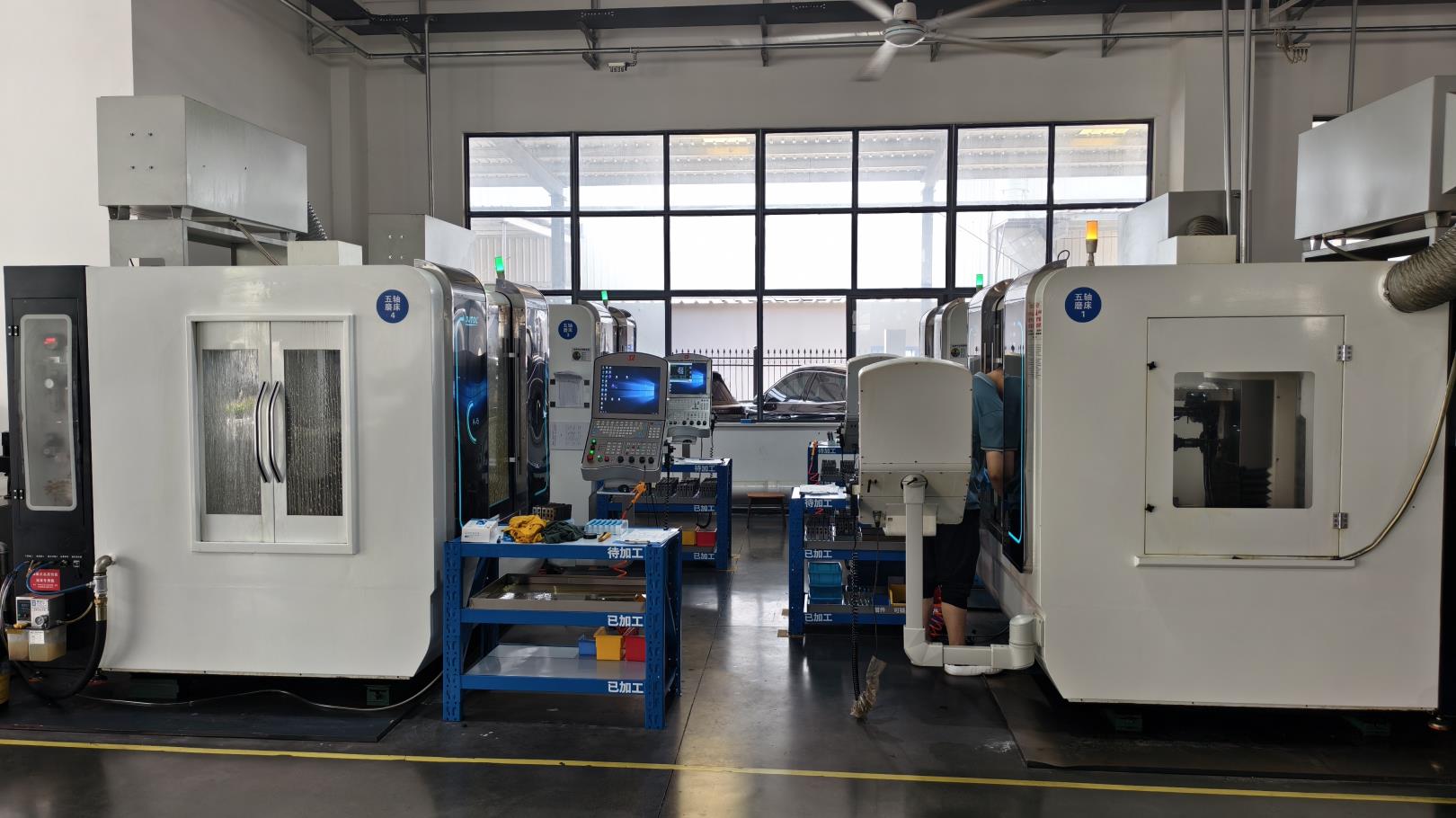
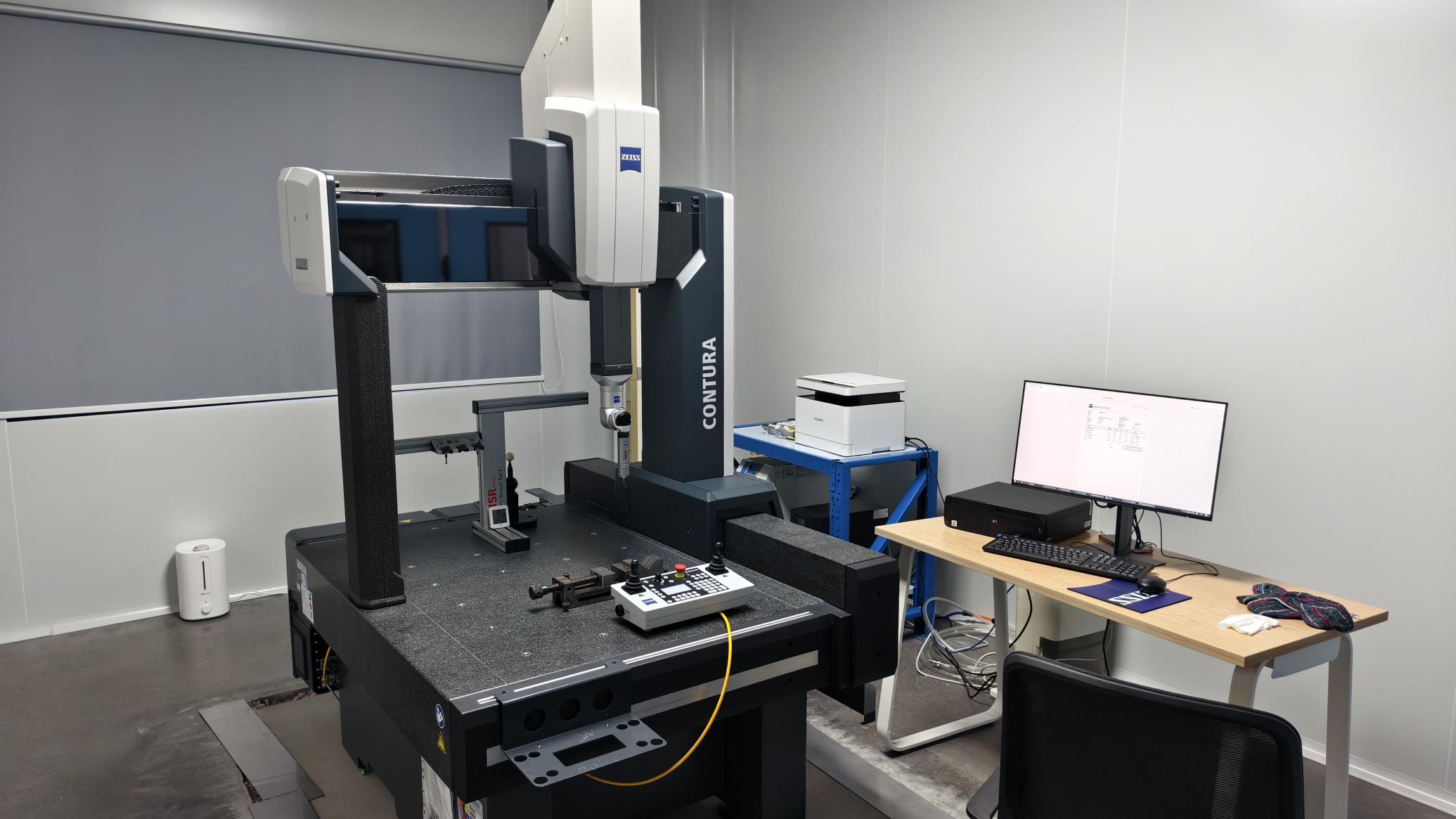
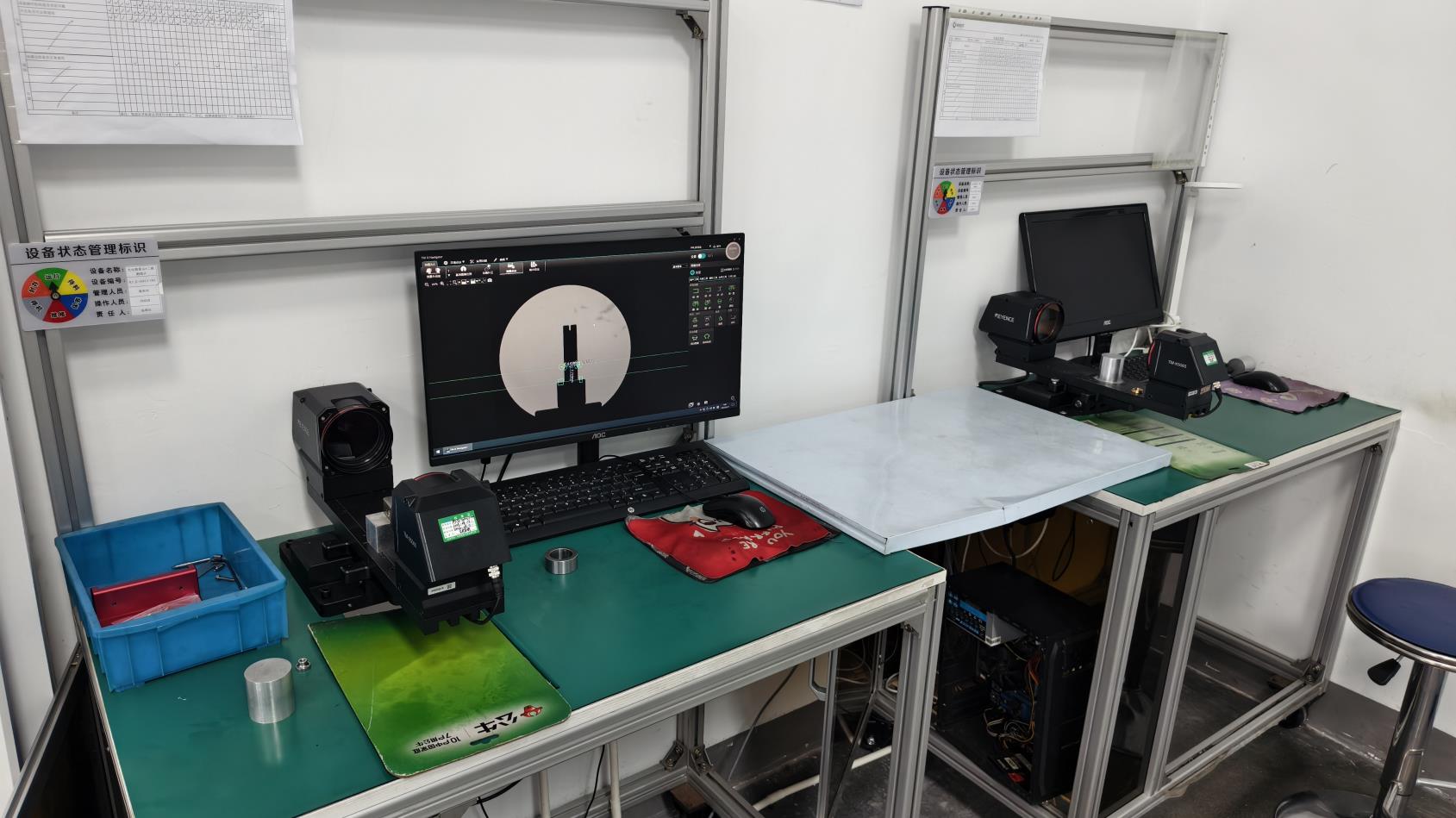
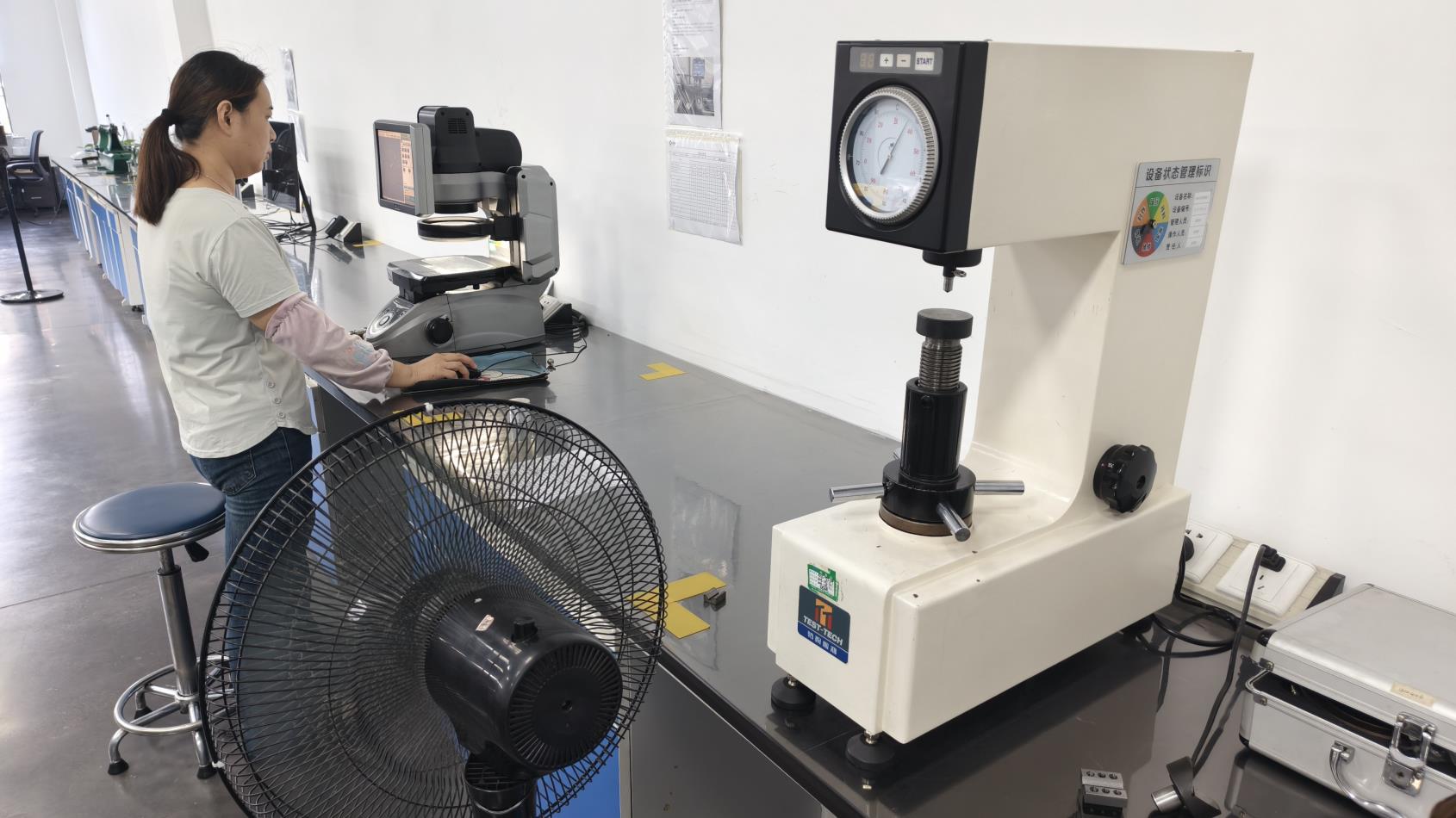
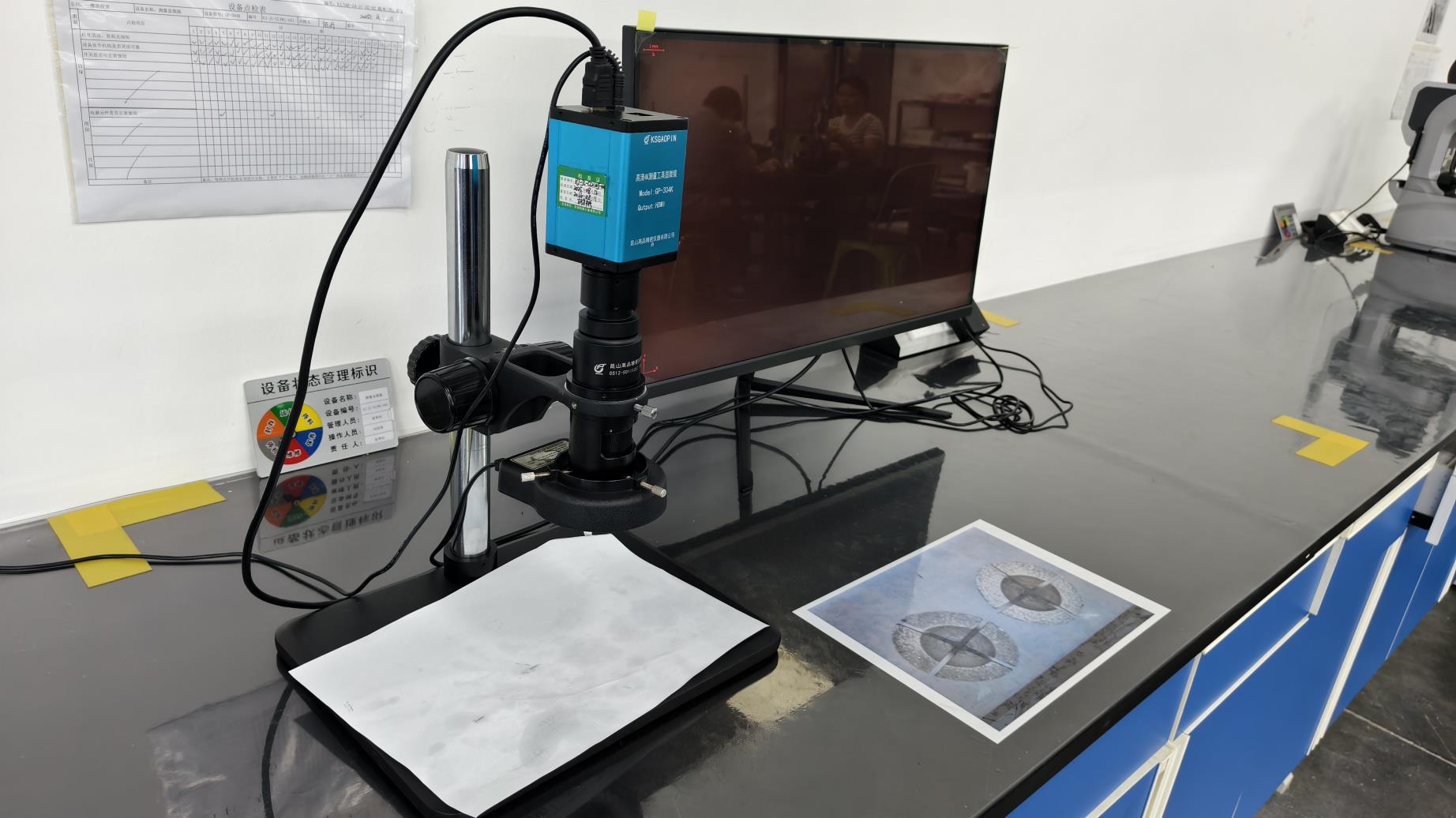
We maintain full control over our export operations, serving major distributors and brand owners in high-regulation markets. Below is the audited profile summarizing our production framework:
| Parameter | Verified Profile Detail |
|---|---|
| Company Registration Date | 2019-11-20 Active |
| Years Exporting / Industry Presence | 6 Years (Specialized in Neurosurgical & Orthopedic Instrumentation) |
| Accepted Languages | English (Technical documentation, material certifications & PMDA alignment support) |
| Raw Material Traceability | Yes (Available for all Titanium Alloys & Surgical-Grade Stainless Steel batches) |
| QA/QC Structure | 3 Dedicated In-House Inspectors conducting standard randomized & client-customized inspection methodologies |
| Primary Export Regions | North America (25%), South America (25%), Southeast Asia (15%), serving Tokyo medical distributors |
| OEM Customization Capabilities | Sample processing, custom graphic design processing, prototype fabrication on demand |
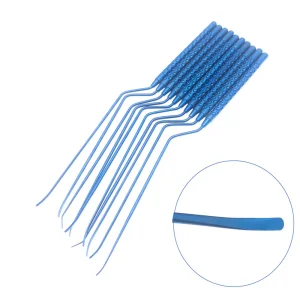
Premium grade instruments configured for complex spinal, cranial, and veterinary orthopedic applications in the Greater Tokyo area.
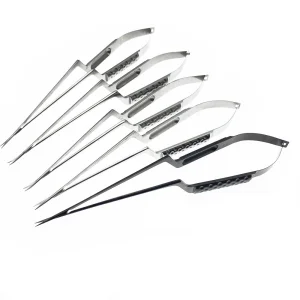
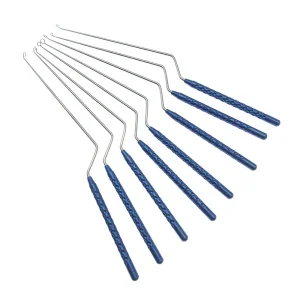
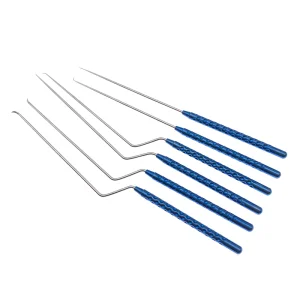
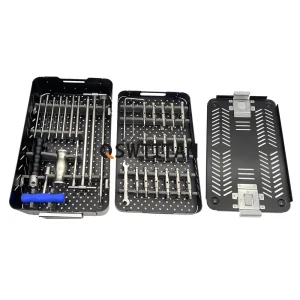
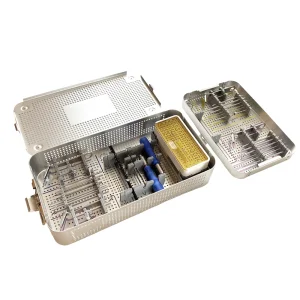
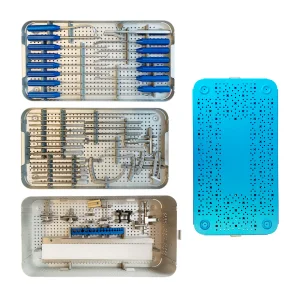
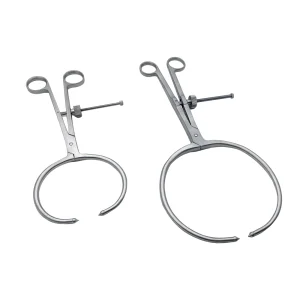
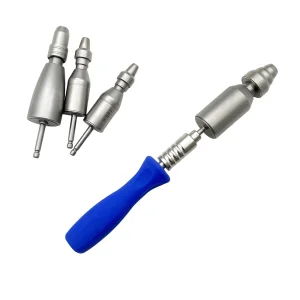
Heavy-duty structural components manufactured to survive high-torque clinical load profiles. Designed in collaboration with Tokyo biomechanical engineers.
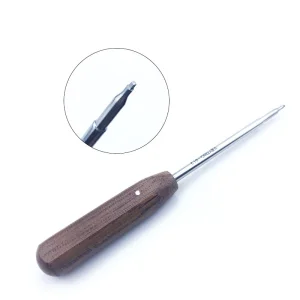
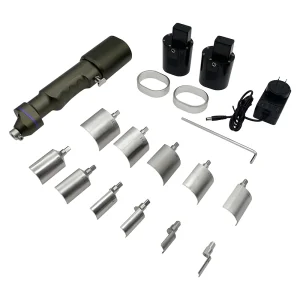
Medical procurement managers face complex challenges when sourcing micro-surgical instruments for highly specialized departments. Regulatory convergence, supply chain volatility, and batch inconsistencies frequently delay critical operating theater rollouts. Sourcing directly from an established Chinese manufacturer provides strategic advantages that address these pain points:
Traditional procurement cycles route instruments through multiple regional distributors, adding up to 150-200% markups by the time the product reaches Tokyo hospitals. Sourcing from our production facility reduces intermediary administrative overhead, allowing surgical centers to allocate budget savings toward advanced imaging and robotic operating theater upgrades.
Surgeons have individual preferences regarding instrument balance. Standard catalog items from major global brands rarely accommodate specific shaft flexes or customized tip profiles. Our R&D team can adapt existing designs—such as modification of micro-spatula angles or adjusting the tension on micro-scissors—within short fabrication cycles, backed by digital engineering drawings before metal processing commences.
In accordance with ISO guidelines, we implement rigorous internal checks. Raw titanium bar stock is subjected to spectroscopic analysis to verify correct alloy elements. During processing, finished dimensions are verified on digital profile projectors. Prior to export, instruments are subjected to visual checks at 40x magnification to confirm that active edges are completely free of microscopic burrs or inconsistencies.
Technical details, compliance procedures, and shipping guidelines for the Tokyo medical market.
Connect directly with our technical engineering division to evaluate raw material specifications, request custom instrument designs, or coordinate a shipment quote to Tokyo port.
Send Inquiry Now