SENJIE Healthy & Technology
SENJIE Healthy & Technology
SENJIE Healthy & Technology
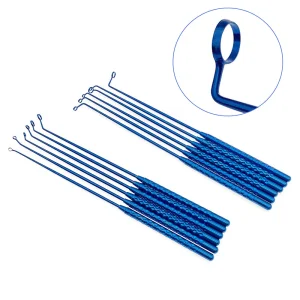
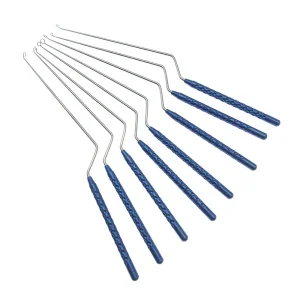
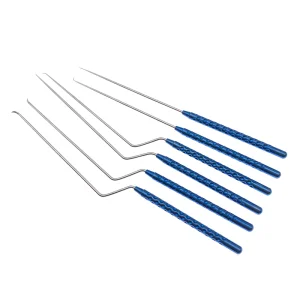
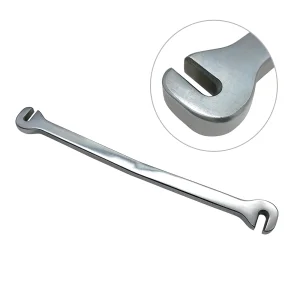
Explore our highly-acclaimed selection of micro-spatulas, dissecting instruments, and neuro-knives engineered with surgical-grade titanium alloys and high-purity stainless steel.
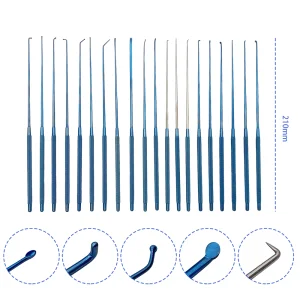
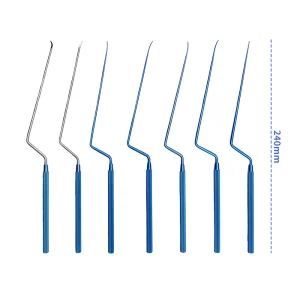
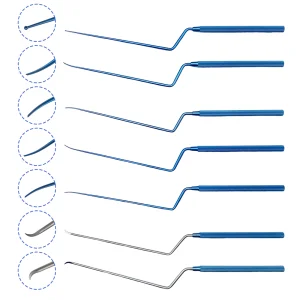
Analyzing procurement requirements, technical compliance pathways, and metallurgical specifications expected by top-tier German university hospitals and medical centers.
Germany is globally renowned for maintaining some of the most rigorous standardizations in healthcare provision and surgical methodologies. Major German neurosurgical centers—such as the Charité Universitätsmedizin Berlin, the University Hospital Heidelberg, and the LMU Klinikum München—rely heavily on state-of-the-art micro-neurosurgical instruments. Key procedures such as deep brain stimulation (DBS), microvascular decompressions (MVD), and skull-base tumor resections necessitate hand-held instruments that provide tactile feedback, zero lateral flexing, and complete biocompatibility.
As a specialized manufacturer supplying German procurement chains, we understand that "Made for Germany" demands more than just basic functionality. Our manufacturing lines implement ISO 13485 quality management systems, utilizing premium Grade 5 Titanium (Ti-6Al-4V) and German-sourced Stainless Steel alloys to guarantee mechanical longevity and extreme corrosion resistance under repeated autoclave sterilization cycles.
The regulatory framework in Germany and the wider European Union has transitioned fully into the European Medical Device Regulation (EU MDR 2017/745). This regulatory evolution mandates absolute raw material traceability, certified biocompatibility profiles, and a Unique Device Identification (UDI) system for all reusable surgical instruments.
Our manufacturing division prioritizes technical documentation, providing Class I and Class Ir (reusable surgical instruments) compliance files. We offer complete transparency on physical vapor deposition (PVD) coatings, chemical passivation tests, and cleaning validation protocols to support German medical distributors and hospital networks in meeting Federal Institute for Drugs and Medical Devices (BfArM) regulations.
Complete traceability of raw titanium and stainless steel batches with mechanical certificates.
Micro-scalpels, spatulas, and micro-scissors calibrated under high-magnification stereomicroscopes.
Full mechanical stability guaranteed after multiple high-temperature saturated steam sterilizations.
Operating under high-magnification Zeiss or Leica surgical microscopes requires specialized instruments designed to eliminate glare. Reflection of intense surgical light can cause optical fatigue for neurosurgeons during operations lasting 6 to 12 hours.
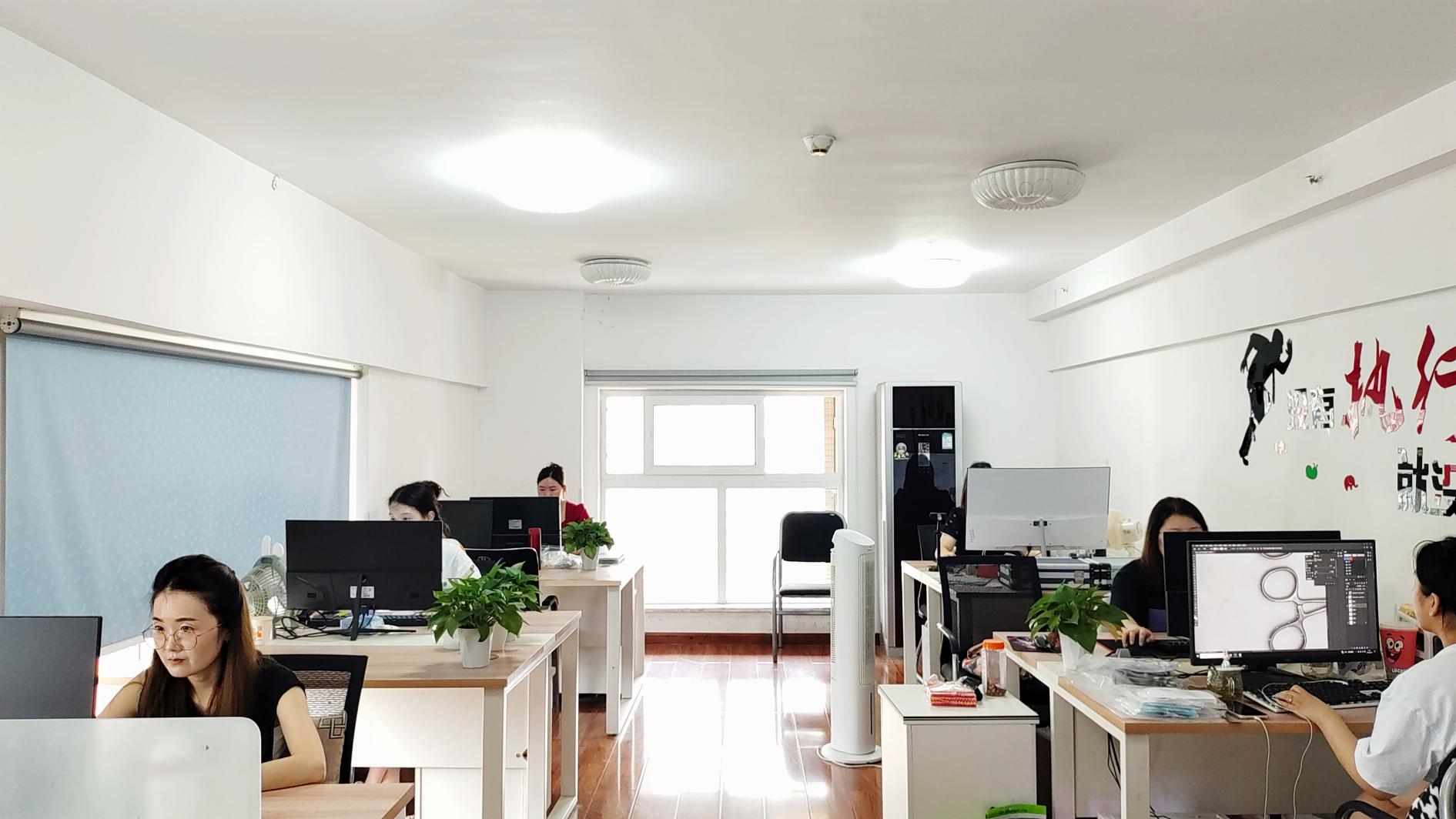
Combining automated CNC milling with hand-finished microscopic calibration to manufacture surgical instruments that exceed clinical standards.
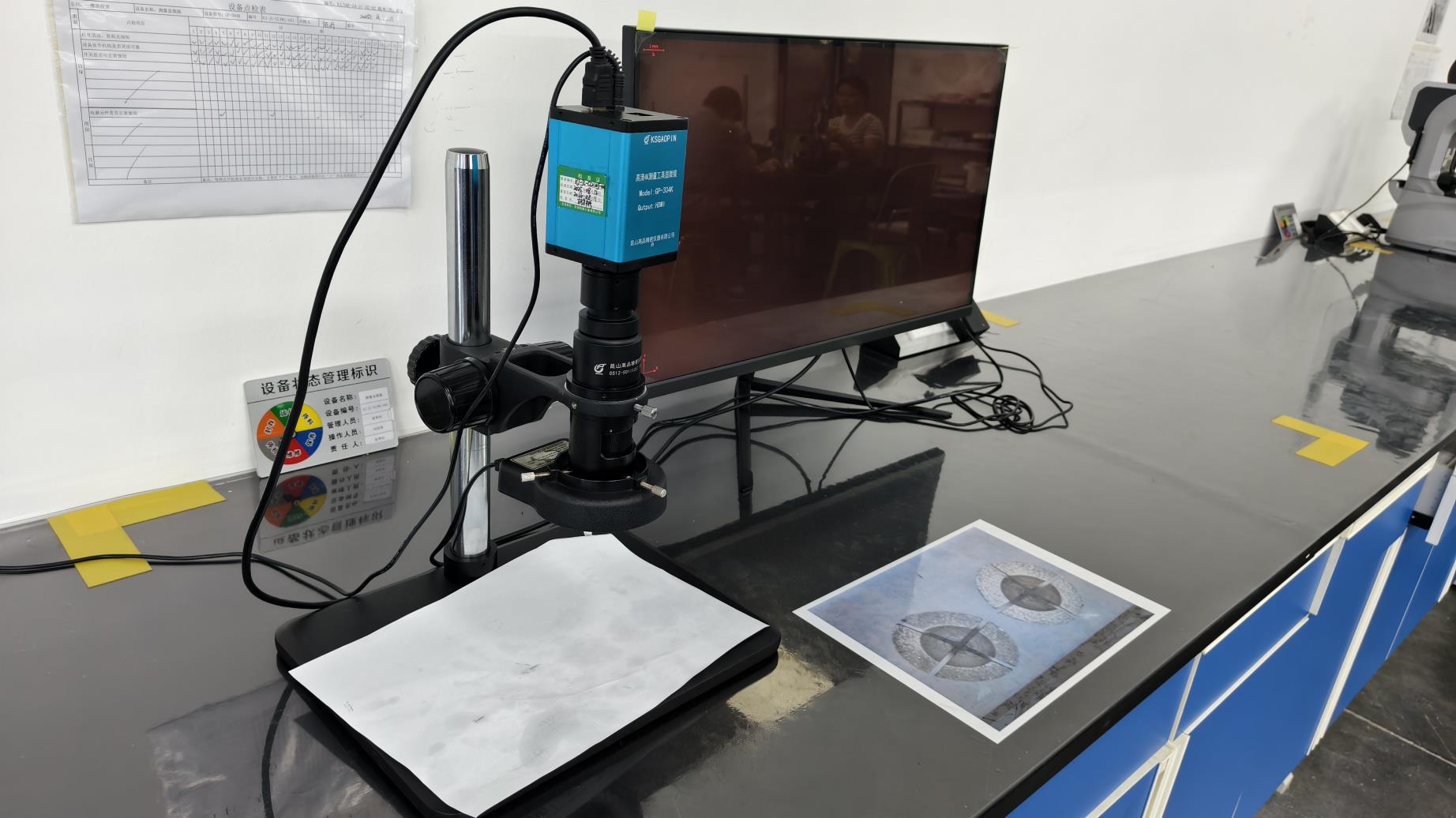
Our facility integrates digital raw-material testing, optical microscopes, and laser marking technology to track batch-level compliance. We offer high levels of customization—including modifying tip geometries, extending shaft lengths, and producing bespoke instrument sets under custom private labels.
Whether supplying university research centers in Heidelberg or hospitals across Germany, our QA/QC division implements rigorous checks, utilizing random inspections and dedicated product testing routines tailored to international medical standards.
| Registration Date | 2019-11-20 |
| Export Experience | 6+ Years of Global Distribution |
| Key Markets Served | Germany, North America (25%), South America (25%), Southeast Asia (15%) |
| QA/QC Personnel | 3 Dedicated Inspectors / Material Traceability Checked |
| Customization Options | Sample processing, graphic processing, custom configuration on demand |
| Supported Language | English (Technical Documentation Provided in German upon request) |
A closer look at our micro-manufacturing processes, cleanroom inspection labs, and raw material warehousing.
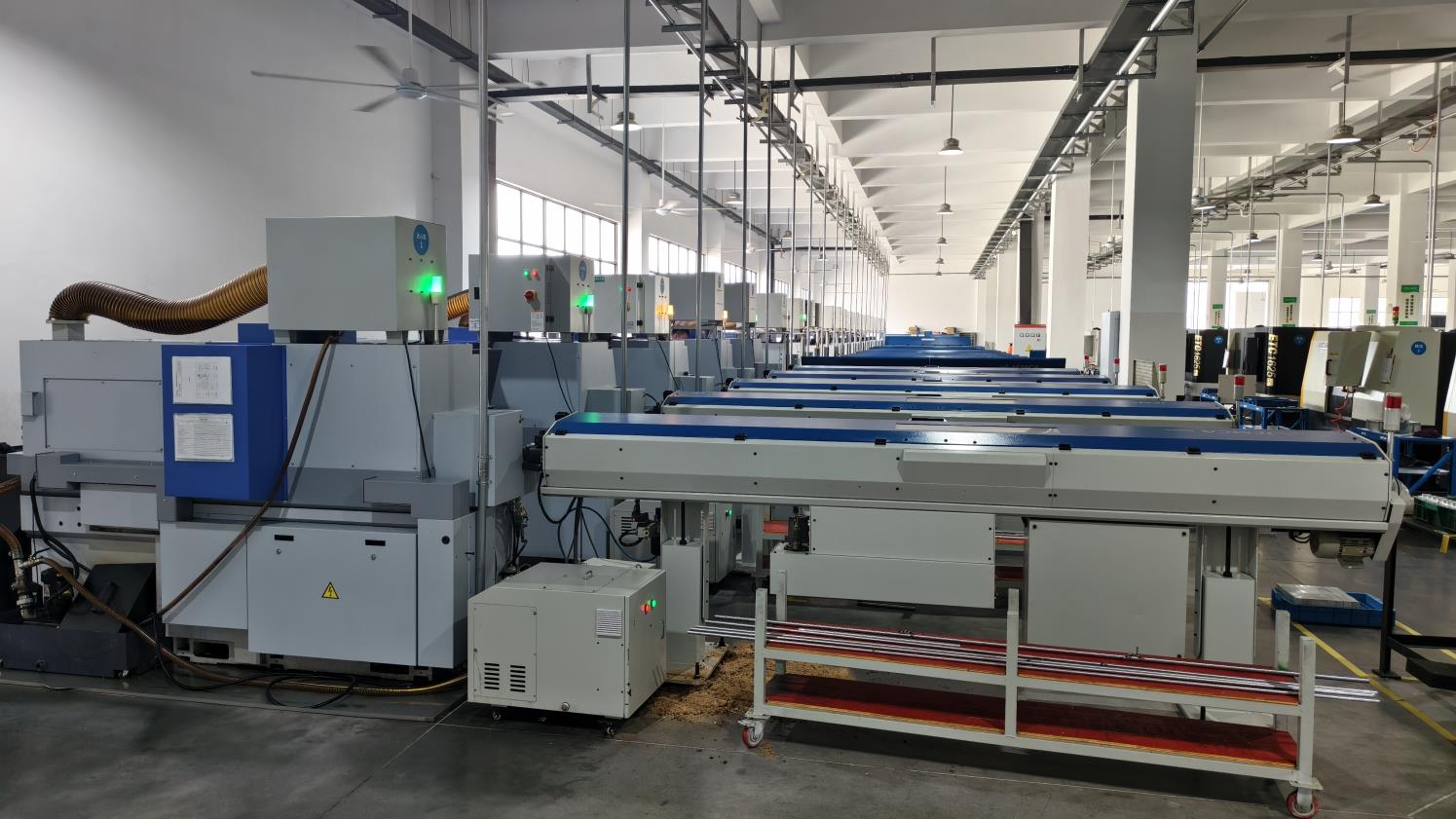
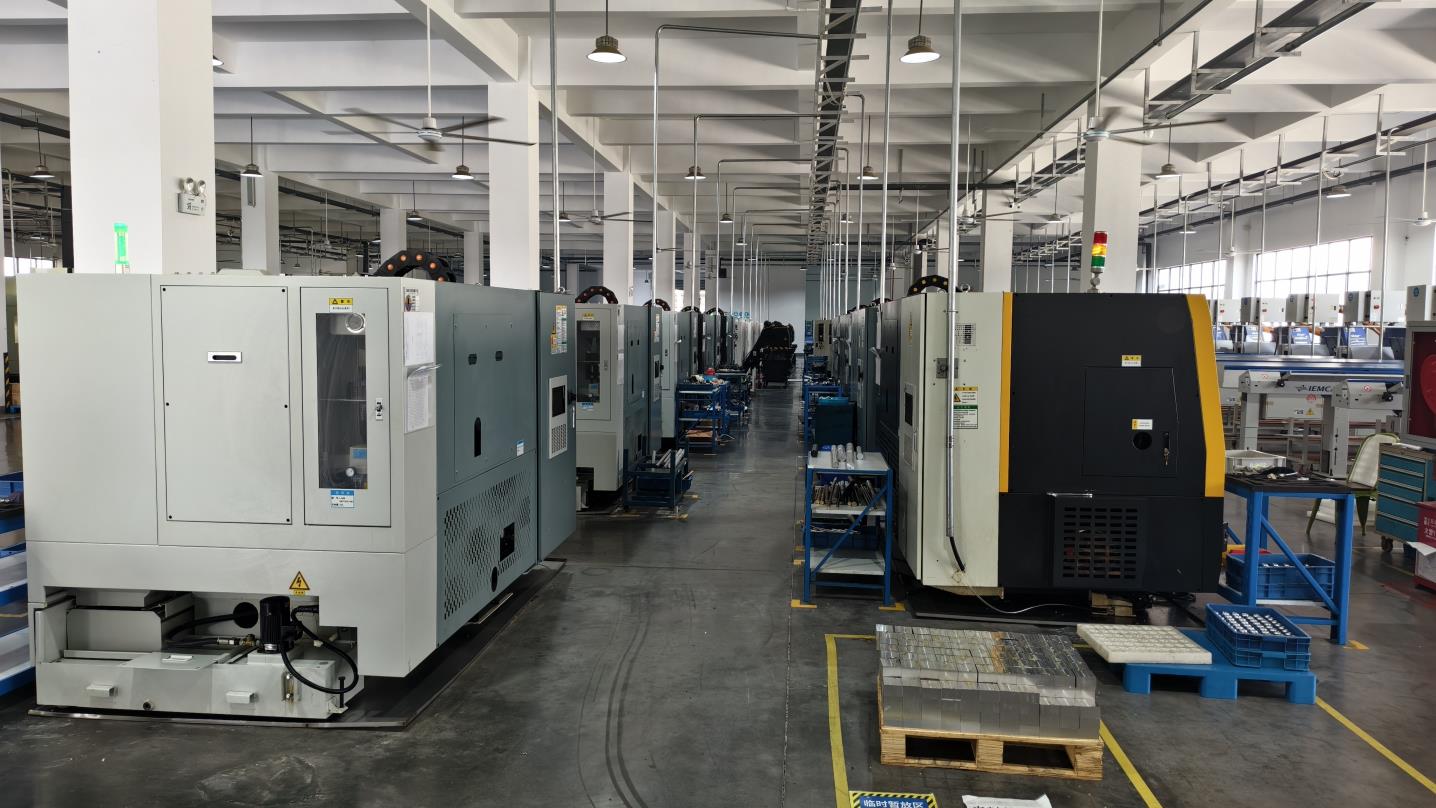
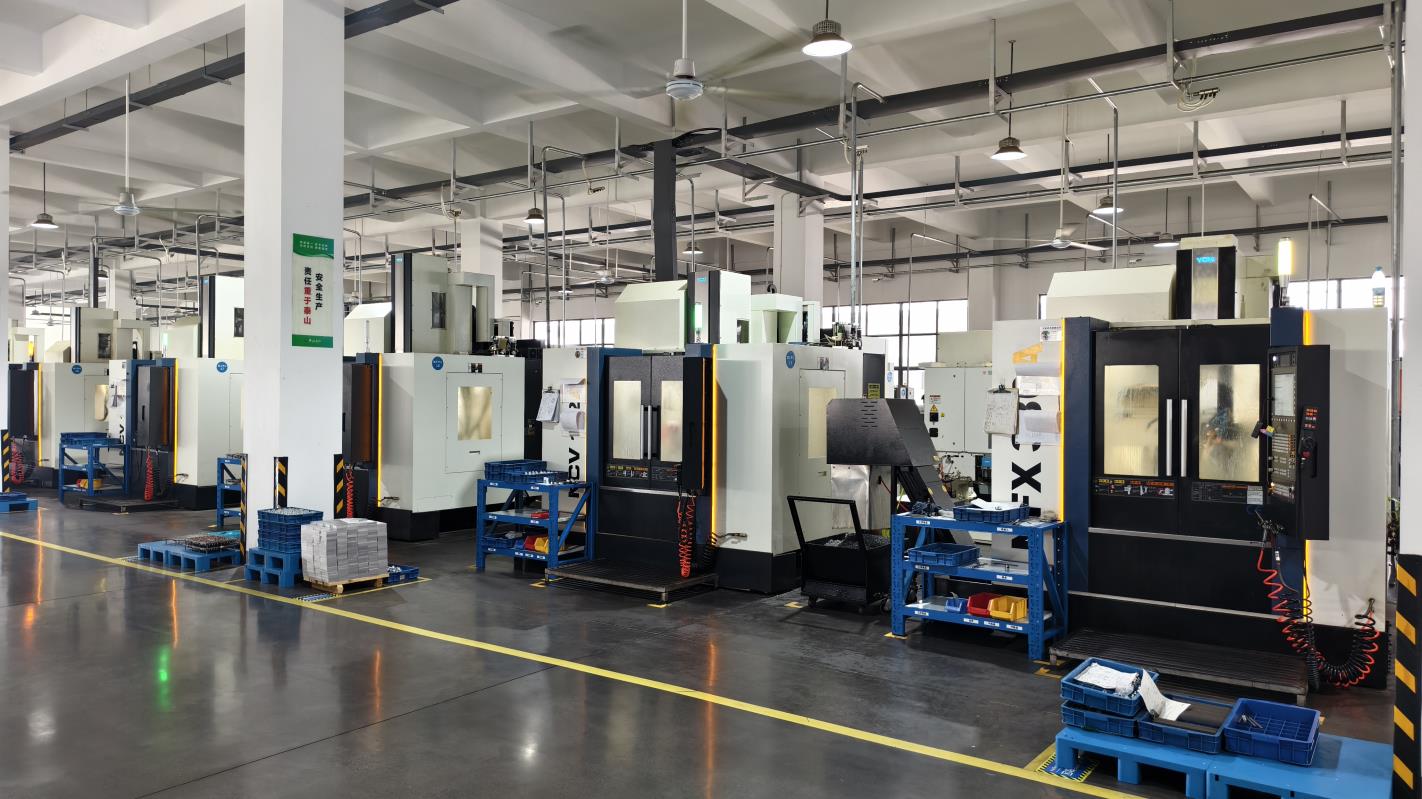
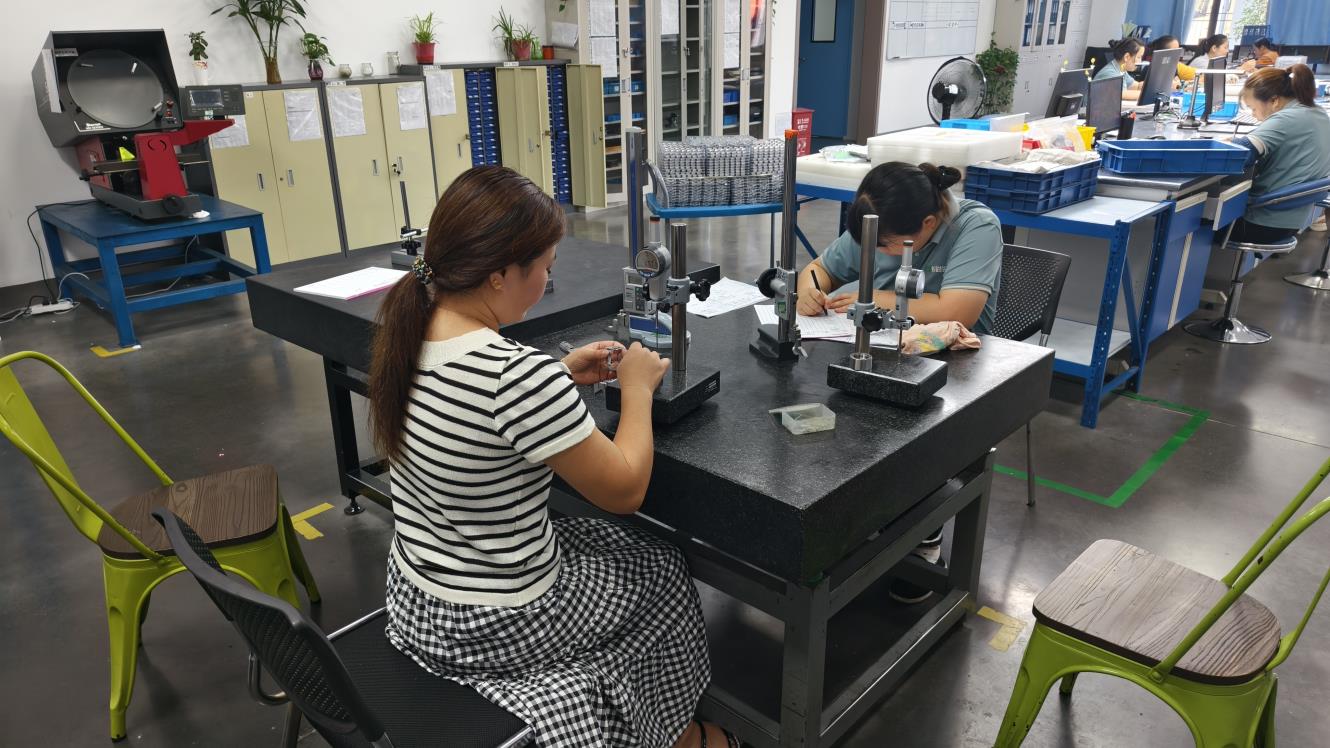
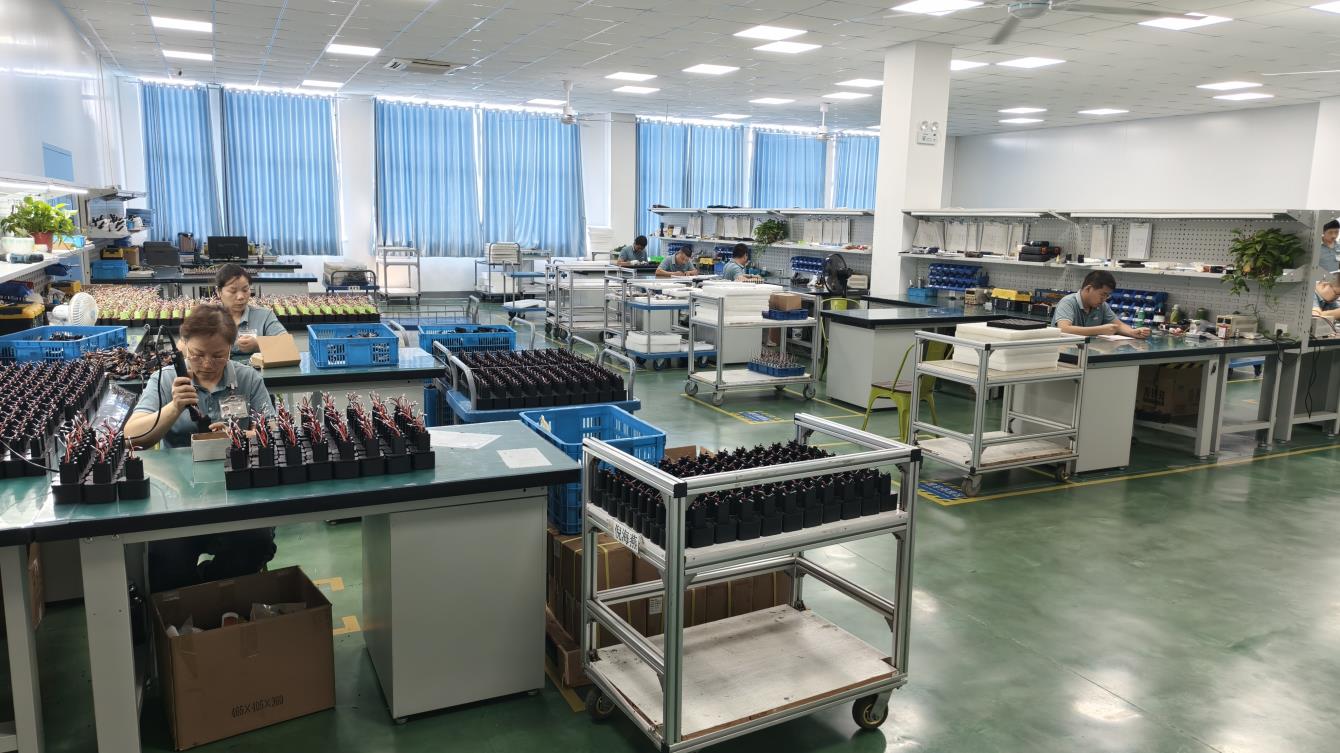
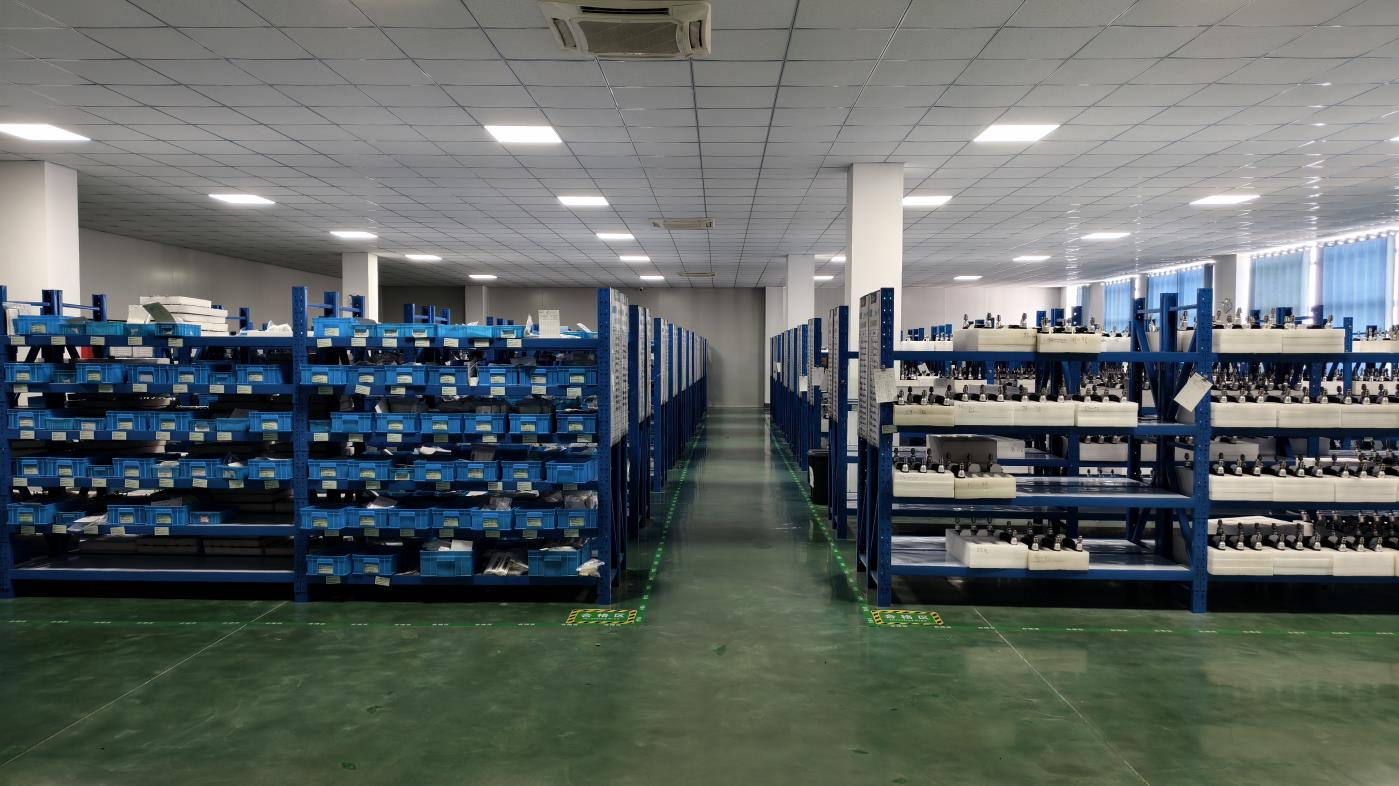
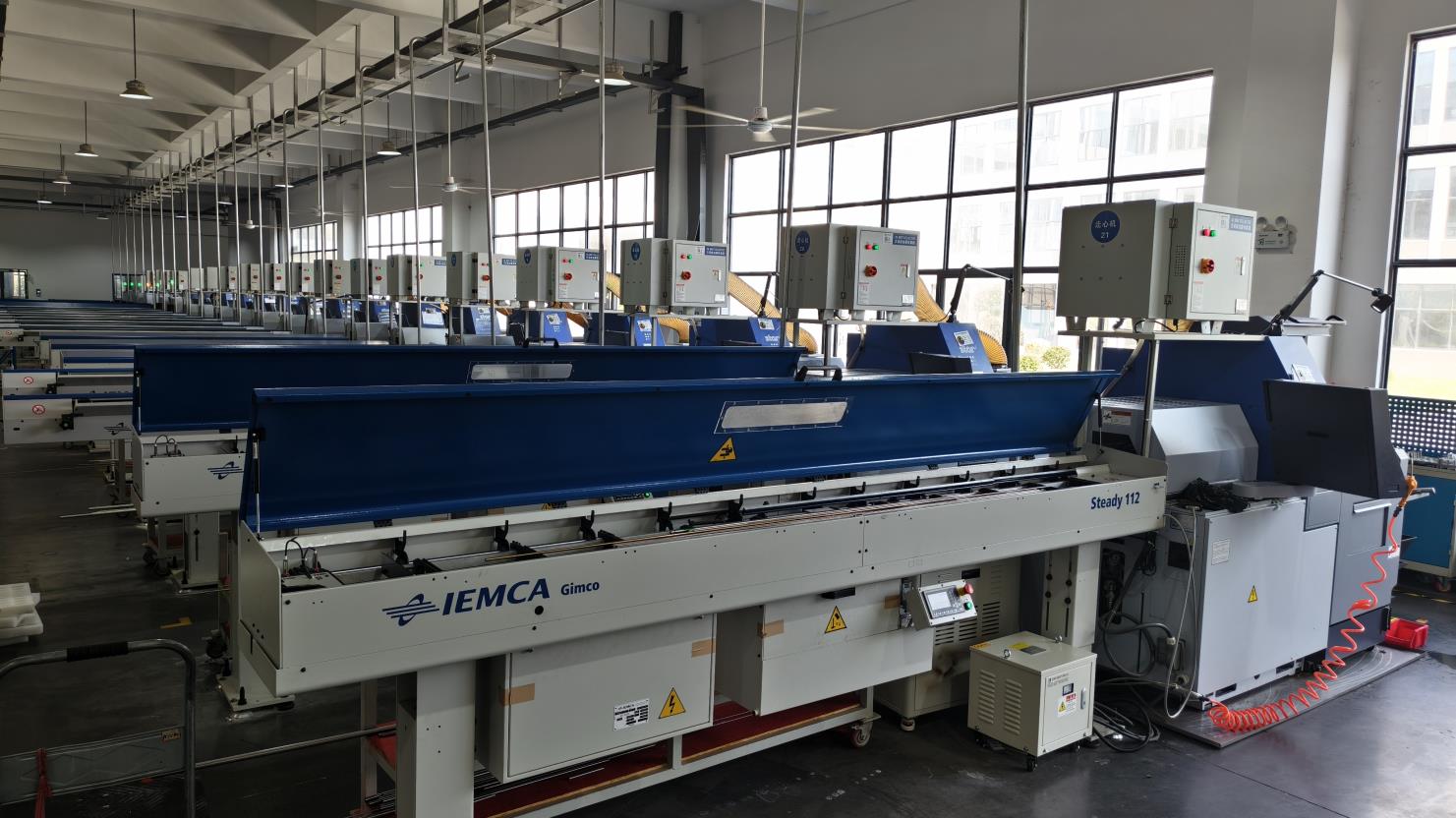
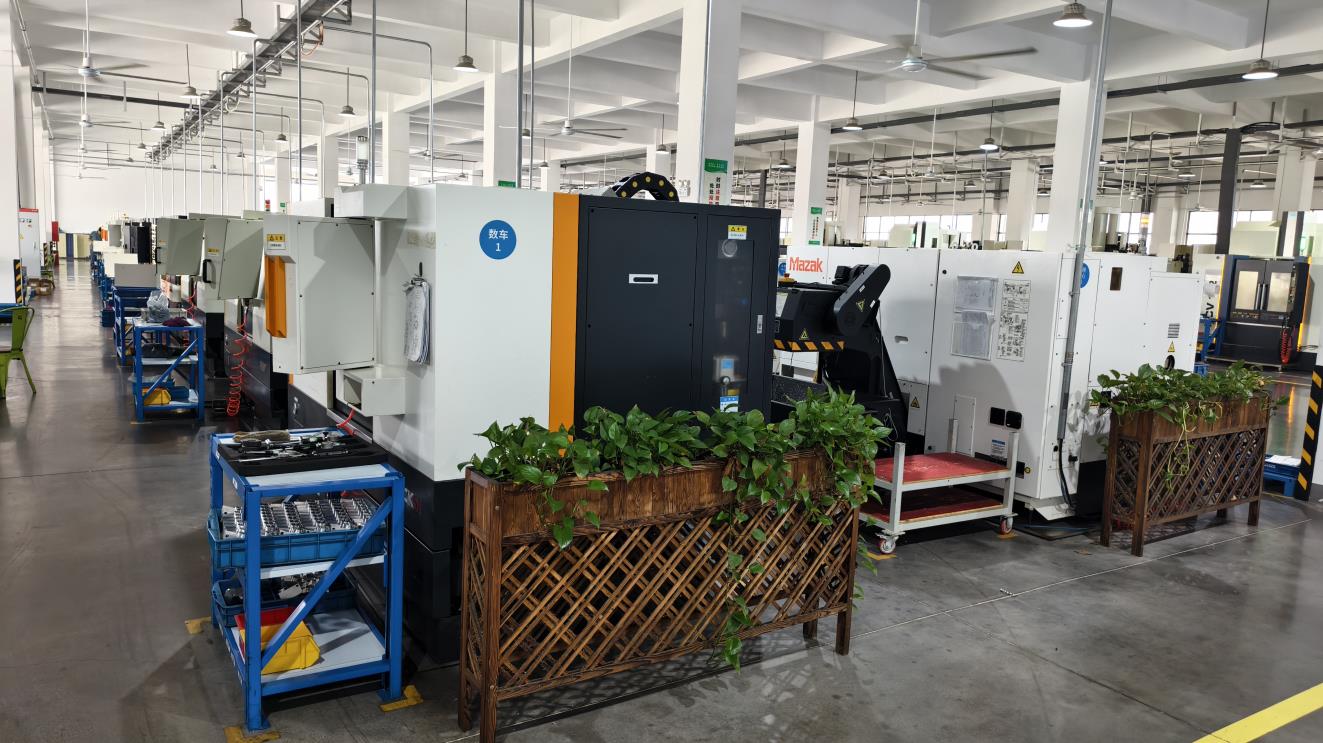
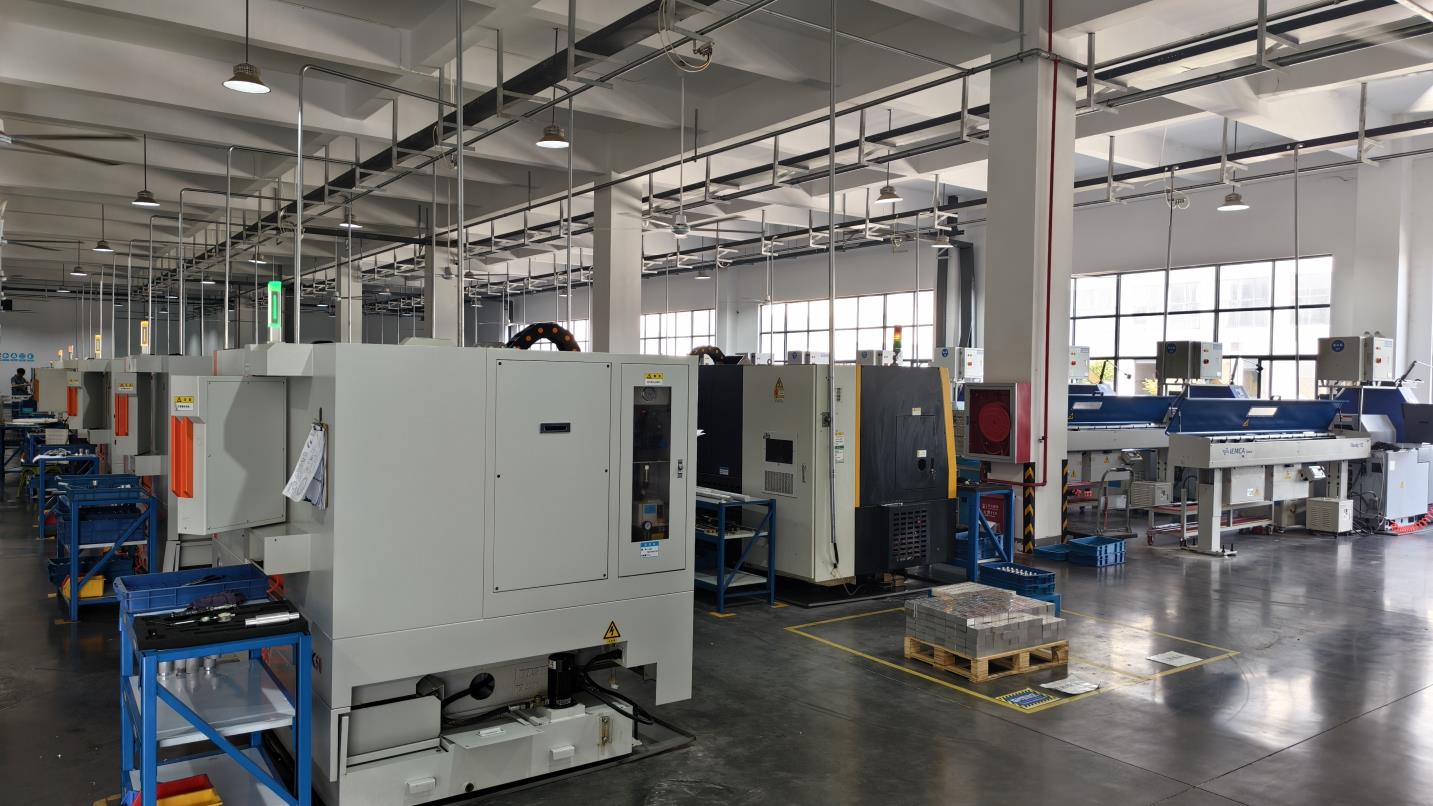
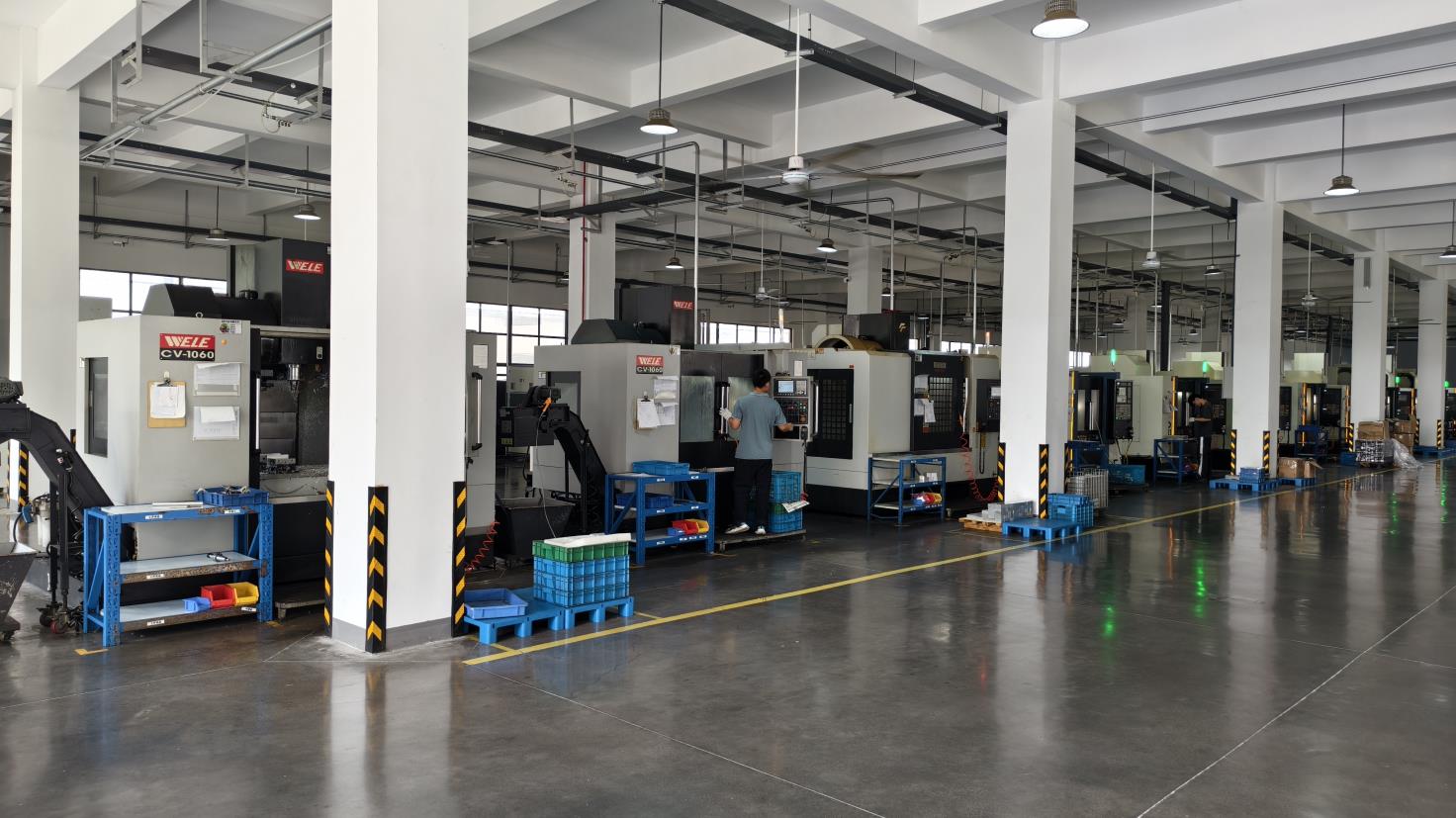
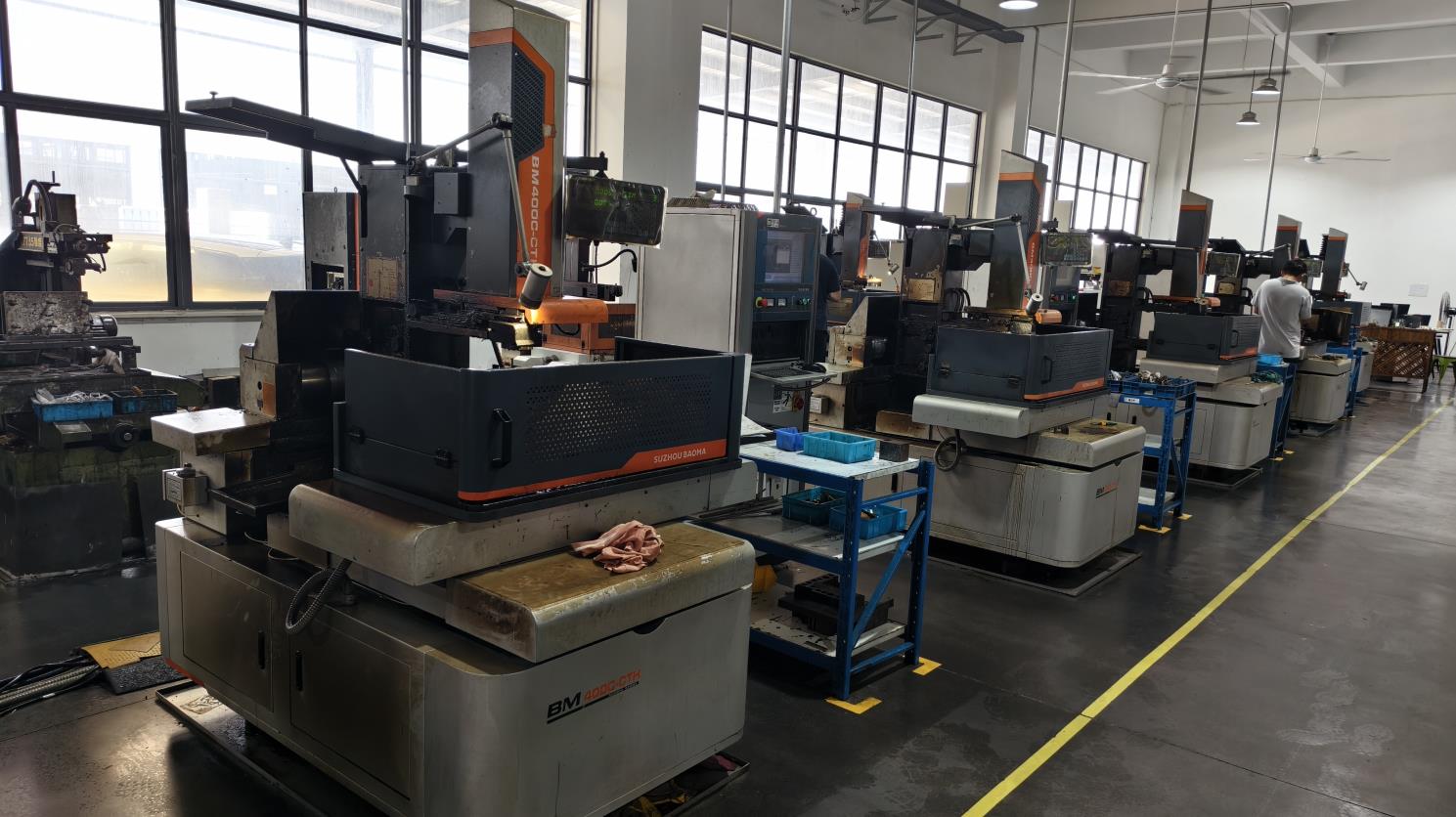
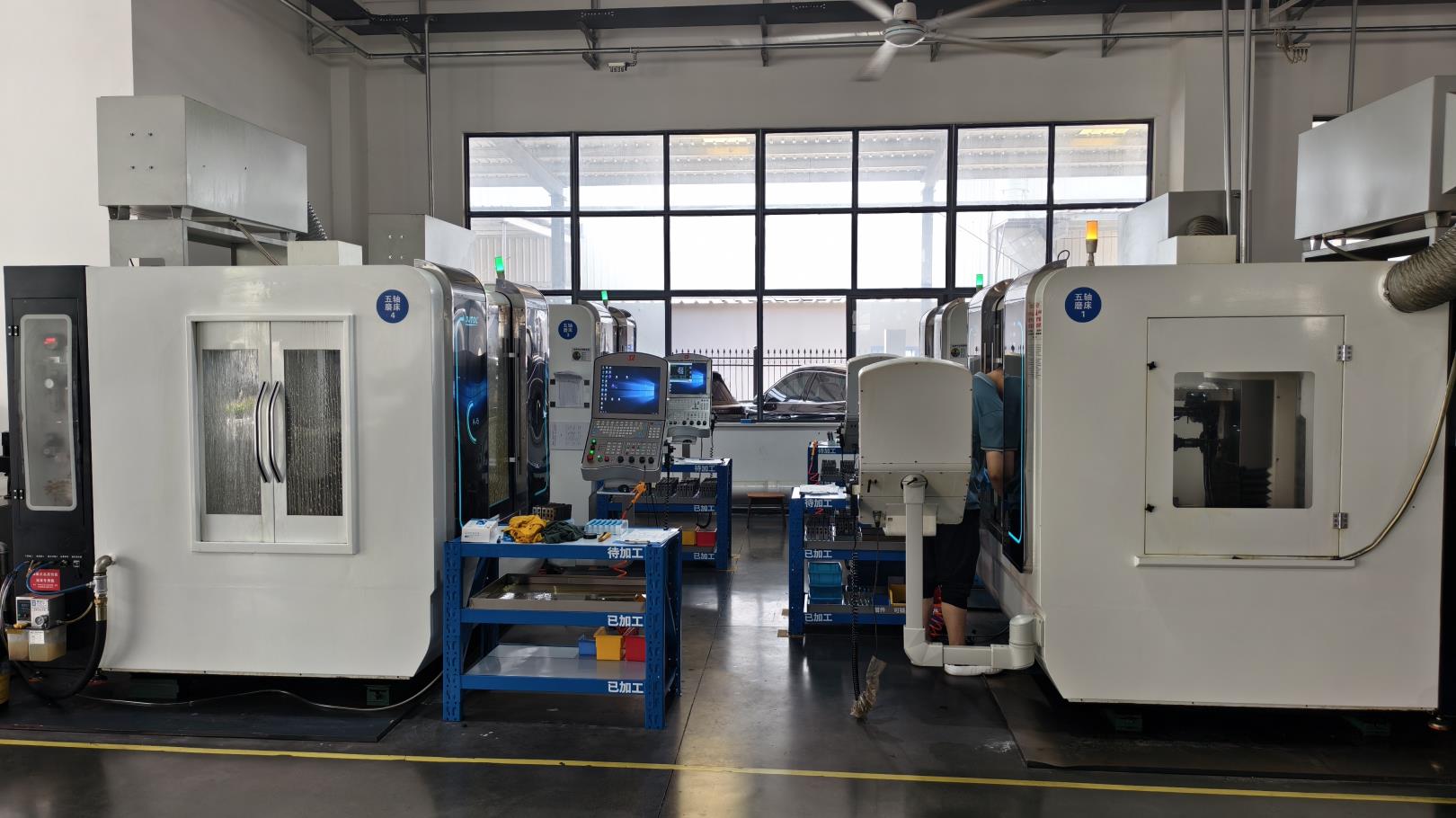
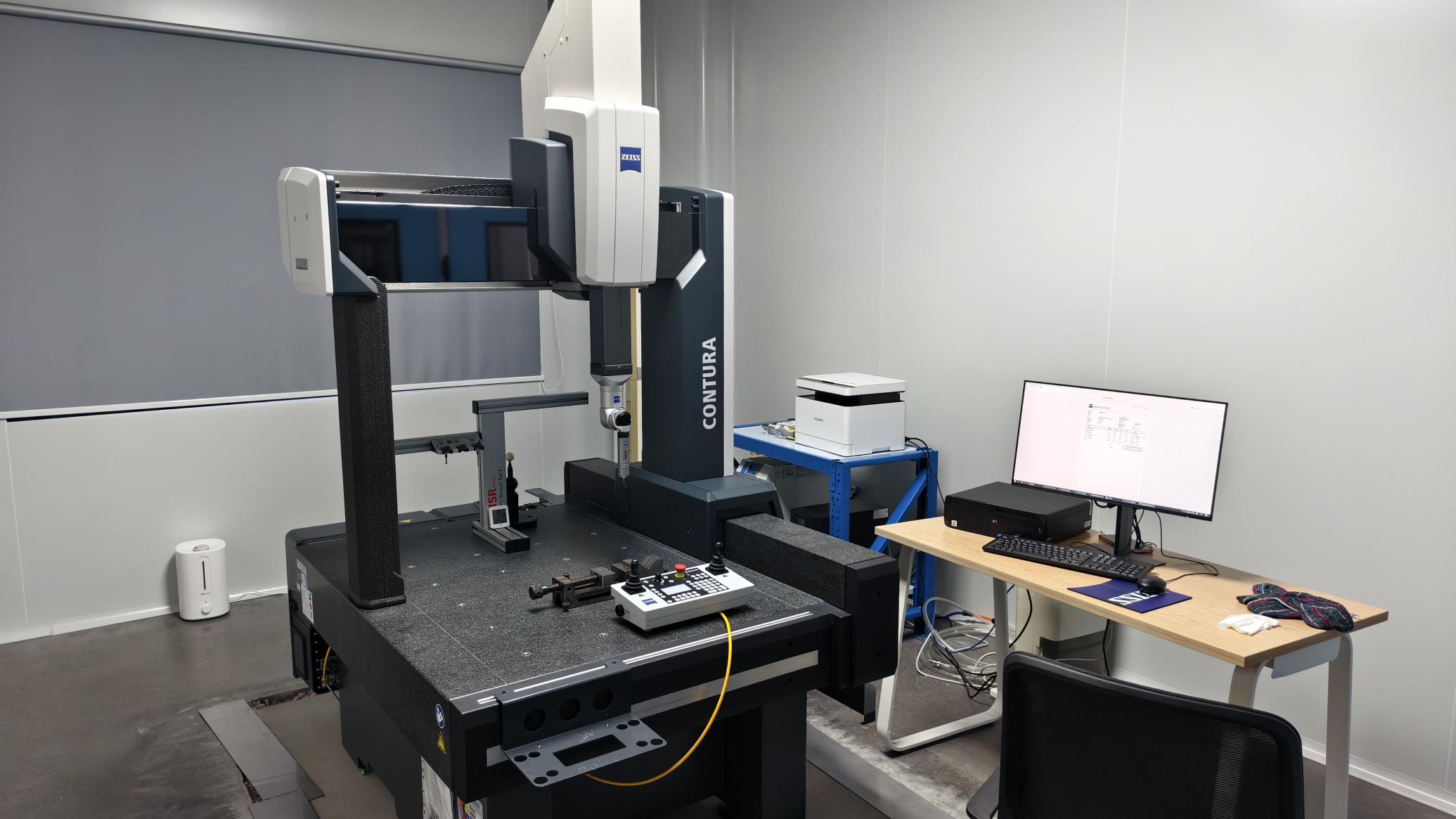
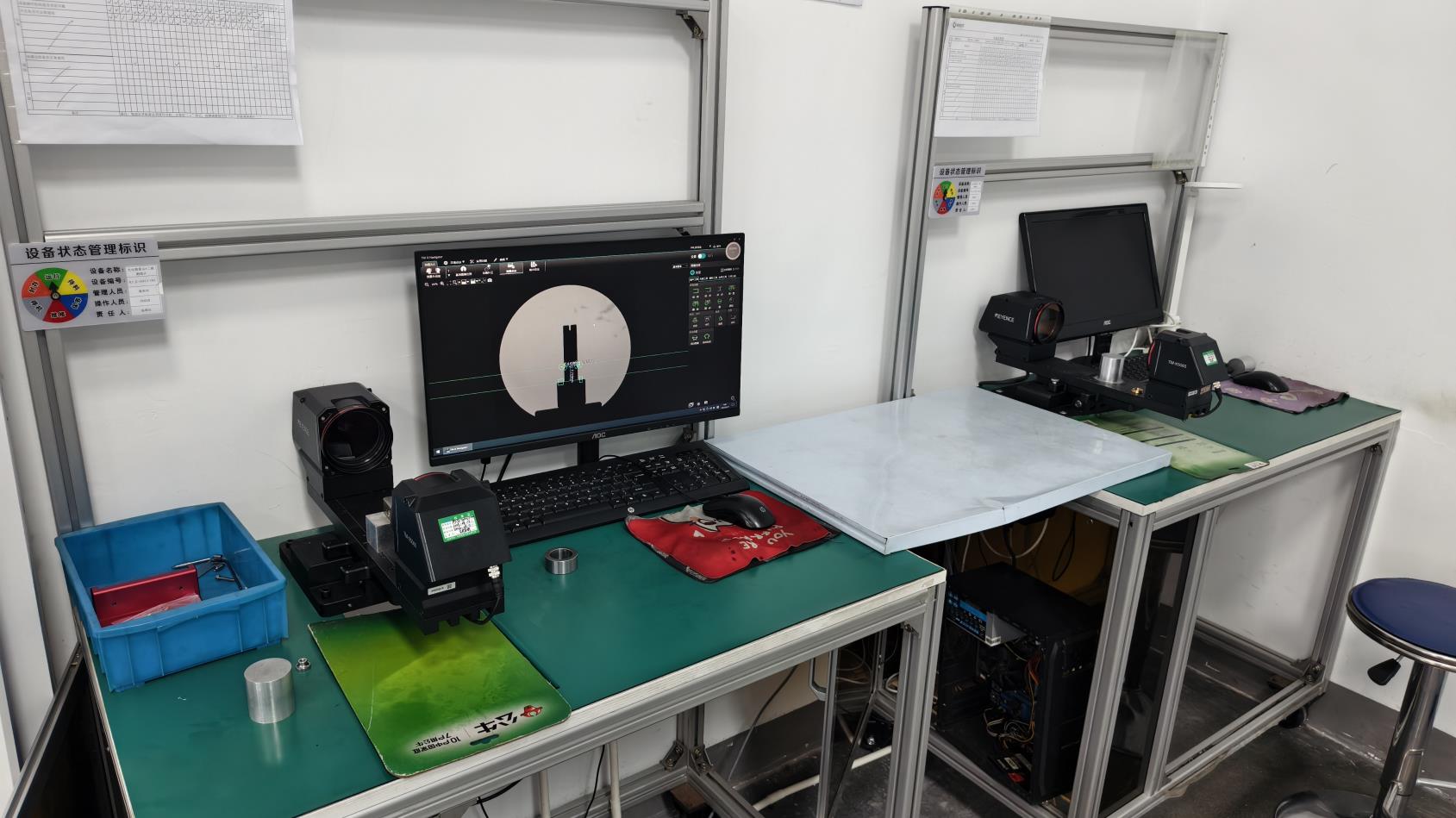
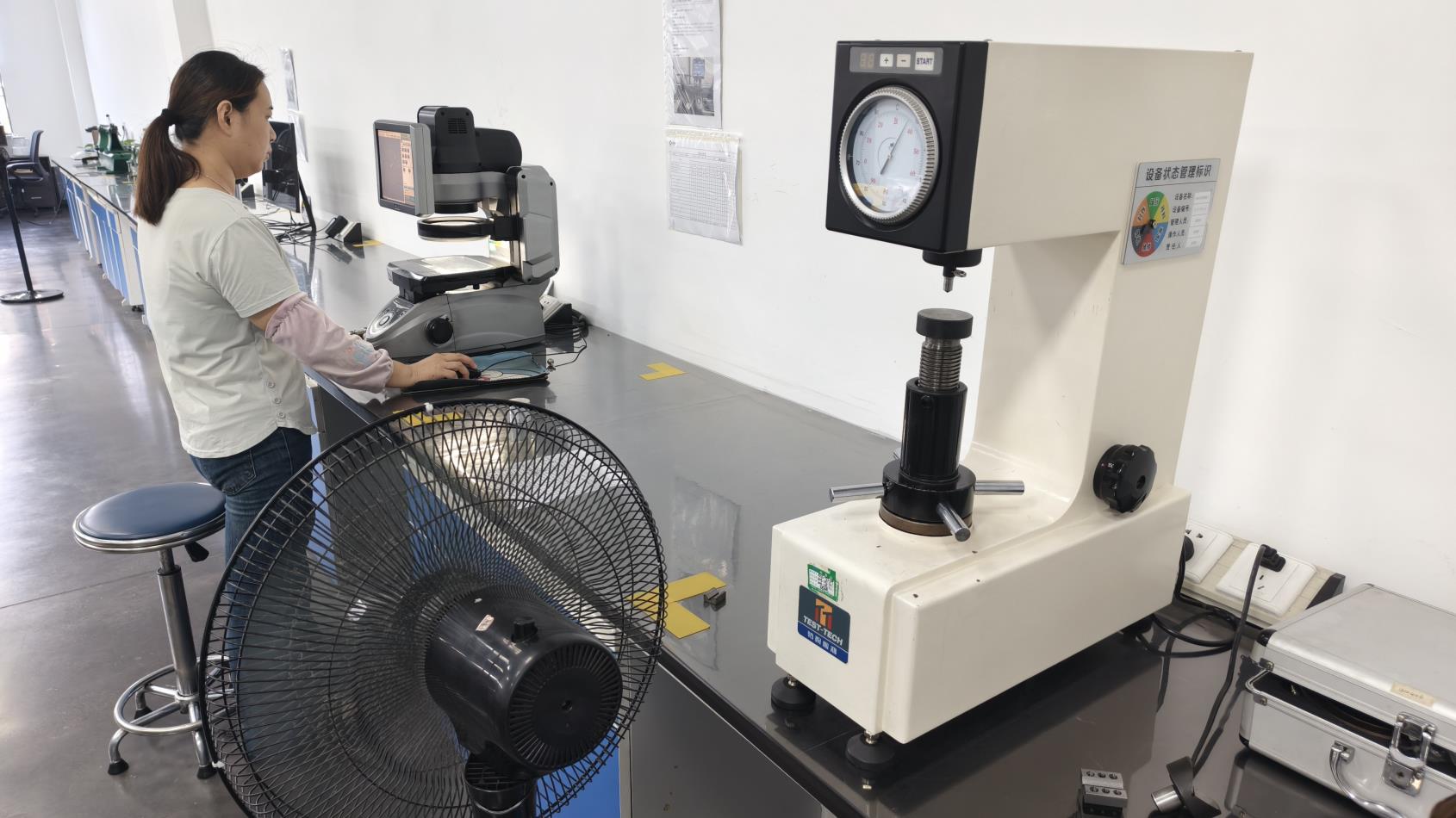
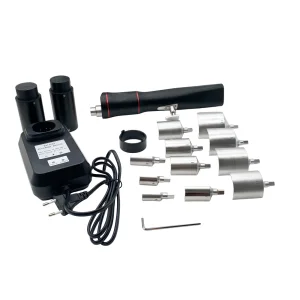
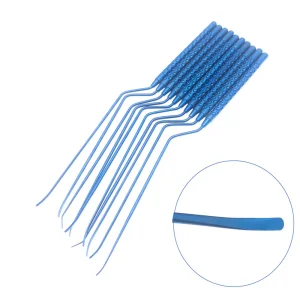
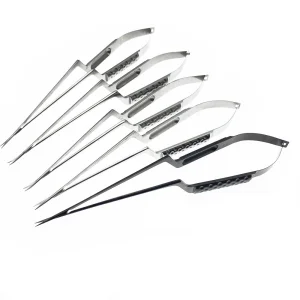
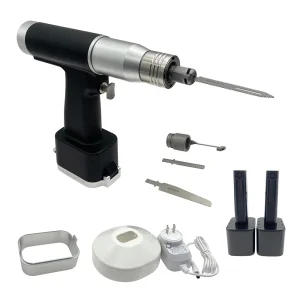
A comprehensive portfolio covering delicate tissue dissection, micro-retraction, bone contouring, and advanced neurosurgical power saws.
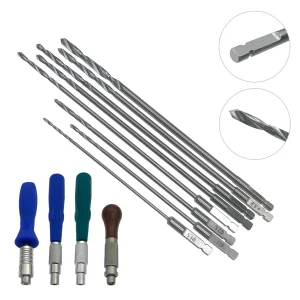
How we are developing next-generation micro-instruments to integrate with computer-assisted navigation and robotic surgery platforms.
We are currently testing advanced titanium-niobium (Ti-Nb) and molybdenum-rhenium (Mo-Re) alloys. These materials offer higher tensile strength and structural memory compared to standard titanium grades, allowing us to manufacture thinner dissectors (down to 0.05 mm tips) without increasing the risk of intraoperative bending.
Modern neurosurgery departments in Berlin, Frankfurt, and Munich utilize electromagnetic tracking during operations. Our upcoming product lines feature integrated tracking points compatible with major navigation systems (such as Brainlab and Medtronic), facilitating precise real-time tip visualization without adding bulk to the instrument.
German hospitals prioritize ecological sustainability and efficient waste reduction, shifting away from single-use surgical instruments. In response, our passivation and electro-polishing steps are optimized to withstand up to 1,000 autoclave runs without degradation, helping clinics minimize their ecological footprint while maintaining high hygiene standards.
Addressing key inquiries regarding compliance, global shipping, raw materials, and sterilizability standards for German hospital networks.
Yes. All Class I reusable surgical instruments are manufactured in accordance with ISO 13485 regulations. We provide technical files, biocompatibility data, and declaration of conformity papers necessary for EU MDR registration.
We use premium medical-grade Titanium Alloy (typically Ti-6Al-4V) for lightweight, non-magnetic micro-spatulas and hooks. For cutting instruments like micro-scissors, we use hardened surgical stainless steel to maintain sharp cutting edges over time.
Yes. We offer customization options including variable shaft lengths, unique tip profiles (such as 45°/90° hooks), and special handle designs (such as round knurled or flat ergonomic grips) to suit specific clinical preferences.
Standard inventory items ship within 7–10 working days. For custom production runs or large OEM purchase orders, lead times range from 30 to 45 days, including complete quality control checking and sterilization verification.