SENJIE Healthy & Technology
SENJIE Healthy & Technology
SENJIE Healthy & Technology
High-precision hand-finished titanium and stainless steel instrumentation selected for premium US neurosurgical operating suites.
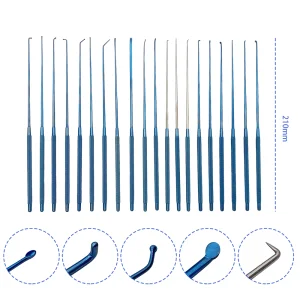
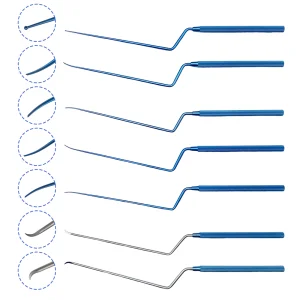
The United States neurosurgery instrument market operates under the most stringent regulatory environments globally. Controlled by the Food and Drug Administration (FDA), devices such as micro-spatula dissectors, micro-knives, and retractors must align perfectly with FDA Class I/II regulatory paths. For US healthcare networks (like Kaiser Permanente, Mayo Clinic, and HCA Healthcare), traceability and materials compliance are non-negotiable. Instrumentation must use certified medical-grade alloys that withstand aggressive autoclave cycles without pitting, rusting, or micro-fracturing.
As a seasoned supplier exporting to North America (holding 25% of our primary export portfolio), our production methodologies strictly respect ASTM F136 titanium specifications and ASTM F899 stainless steel standards. This ensures that every tool delivered to a US distributor exhibits maximum durability, chemical resistance, and biostability under extreme surgical settings.
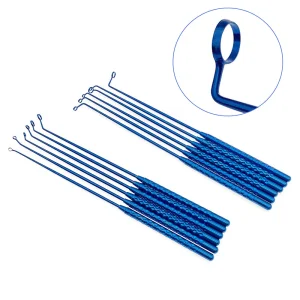
In the US, there is a prominent shifts toward Minimally Invasive Neurosurgery (MIS) and micro-neurosurgical procedures to minimize hospital stays, mitigate risks, and enhance patient recovery. This macro trend demands ultra-fine instrument profiles: micro-curettes with blade widths down to 3mm, highly flexible malleable ring curettes, and micro-scissors with precision-ground tips that can navigate tight transsphenoidal or keyhole incisions.
Our research and manufacturing focus directly addresses this need. By integrating state-of-the-art CNC micro-machining and hand-honed finishing, we provide instruments that ensure exceptional tactile feedback, enabling US surgeons to safely manipulate delicate neural tissue and cerebral vasculature.
A brief statistical insight into our production metrics, trade stability, and strict quality control pipelines.
| Quality Inspection Method | Random inspection standard, or customizable in accordance with specific US client protocols. |
| Quality Control Staff | 3 dedicated in-house QA/QC inspectors managing multi-tier inspections. |
| Customization Capabilities | Full OEM/ODM support including sample processing, CAD/graphic processing, and custom on-demand labeling. |
| Target Demographics | Brand businesses, medical wholesalers, Tier-1 hospital supply chain distributors, and veterinary equipment suppliers. |
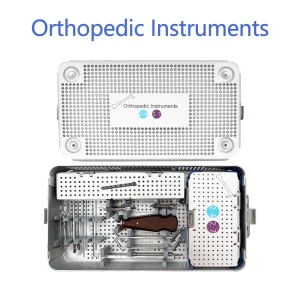
Designed for clinical applications ranging from spinal decompression to trauma reduction and advanced veterinary orthopedic surgeries.
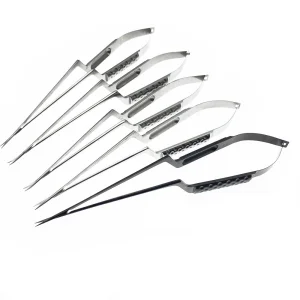
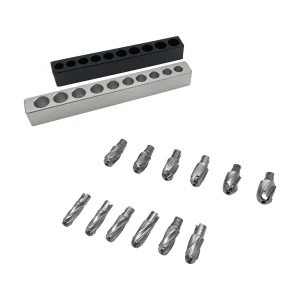
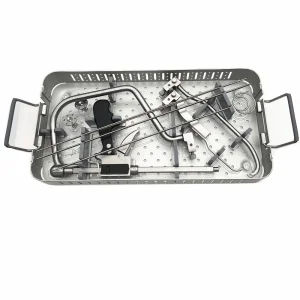
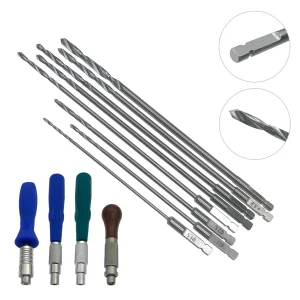
Translating clinical requirements into raw metallurgical performance and high-performance product designs.
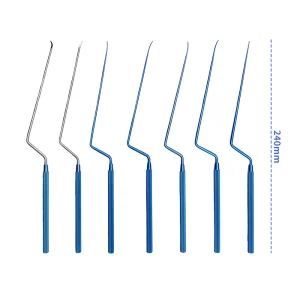
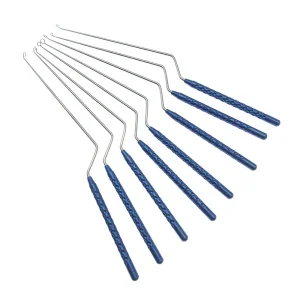
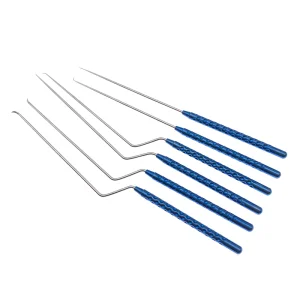
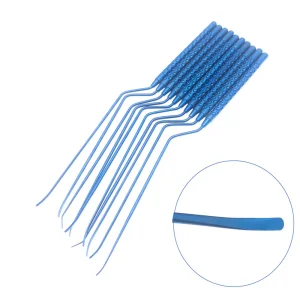
Our micro-instruments, such as the QSWTITAN Spatula Dissector, utilize Grade 5 Titanium Alloy. This choice of material delivers a 45% reduction in weight compared to traditional steel instruments. This weight reduction minimizes surgical fatigue during extended microscopic procedures, while providing exceptional corrosion resistance and a non-magnetic profile that prevents interference inside MRI-guided operating environments.
Operating rooms under surgical microscopy require instrument surfaces that minimize glare. We apply specialized micro-blast non-reflective finishes and anodization layers to our titanium shafts. This technique eliminates harsh reflections from overhead surgical lighting, enhancing visual acuity and safety for the surgical team during micro-vessel suturing and nerve dissection.
With repeated high-temperature sterilization cycles being standard practice in US hospitals, our instruments are engineered for thermal stability up to 134°C (273.2°F). The structural integrity of the tips and structural joints remains intact over hundreds of cycles, ensuring long-term reliability and reducing the total cost of ownership for healthcare institutions.
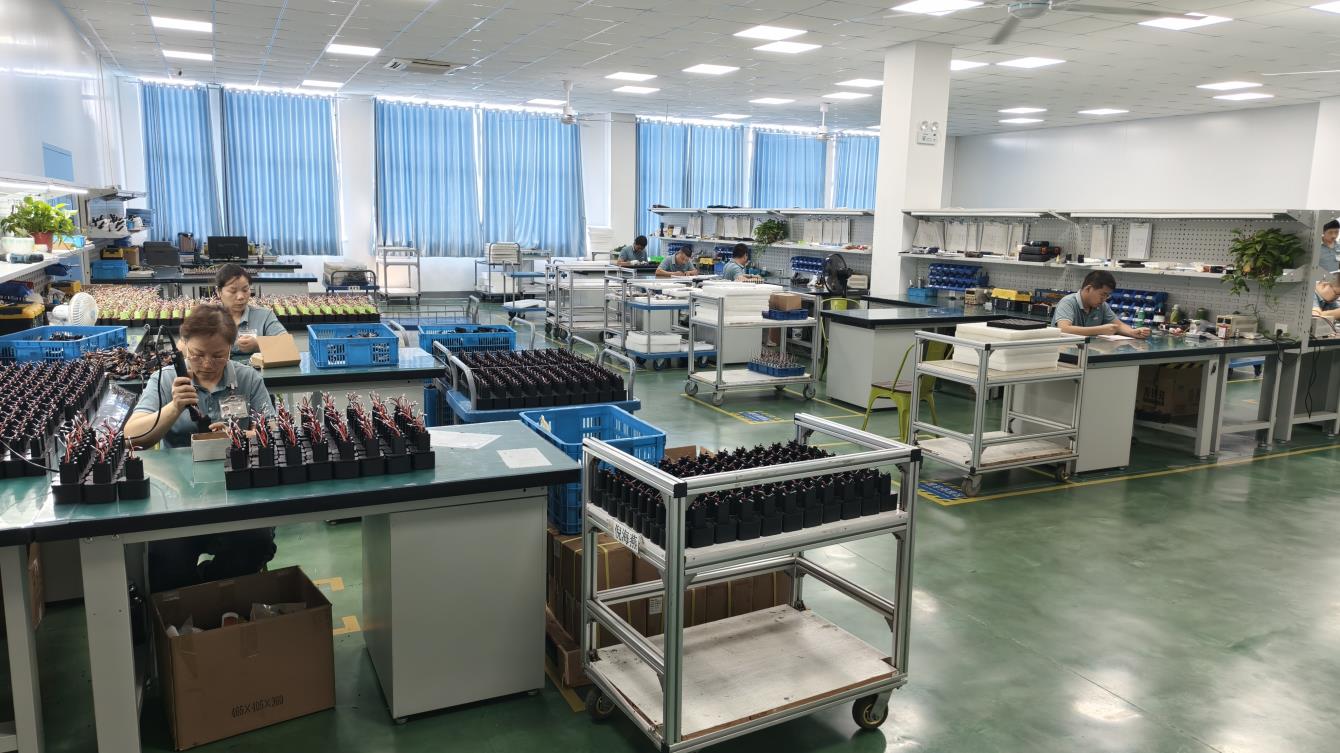
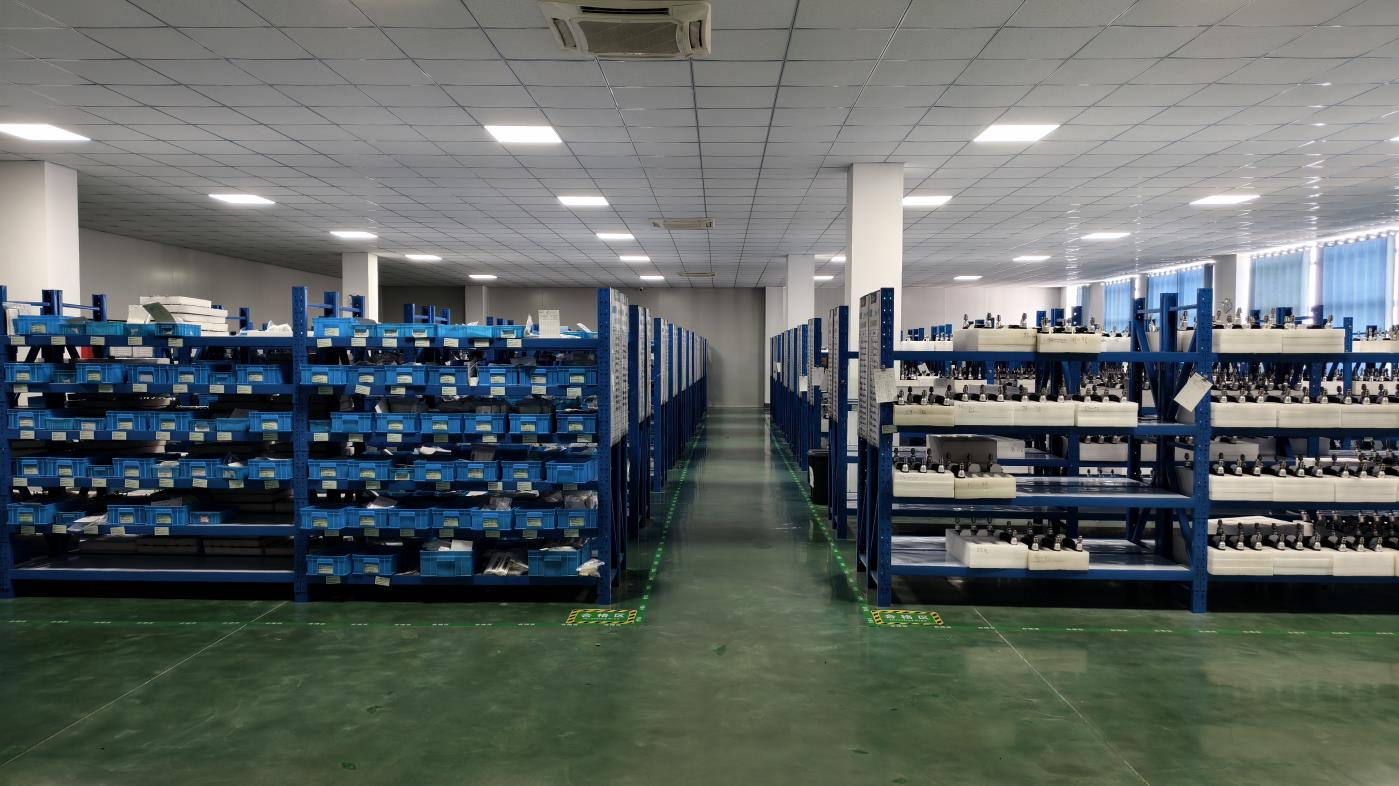
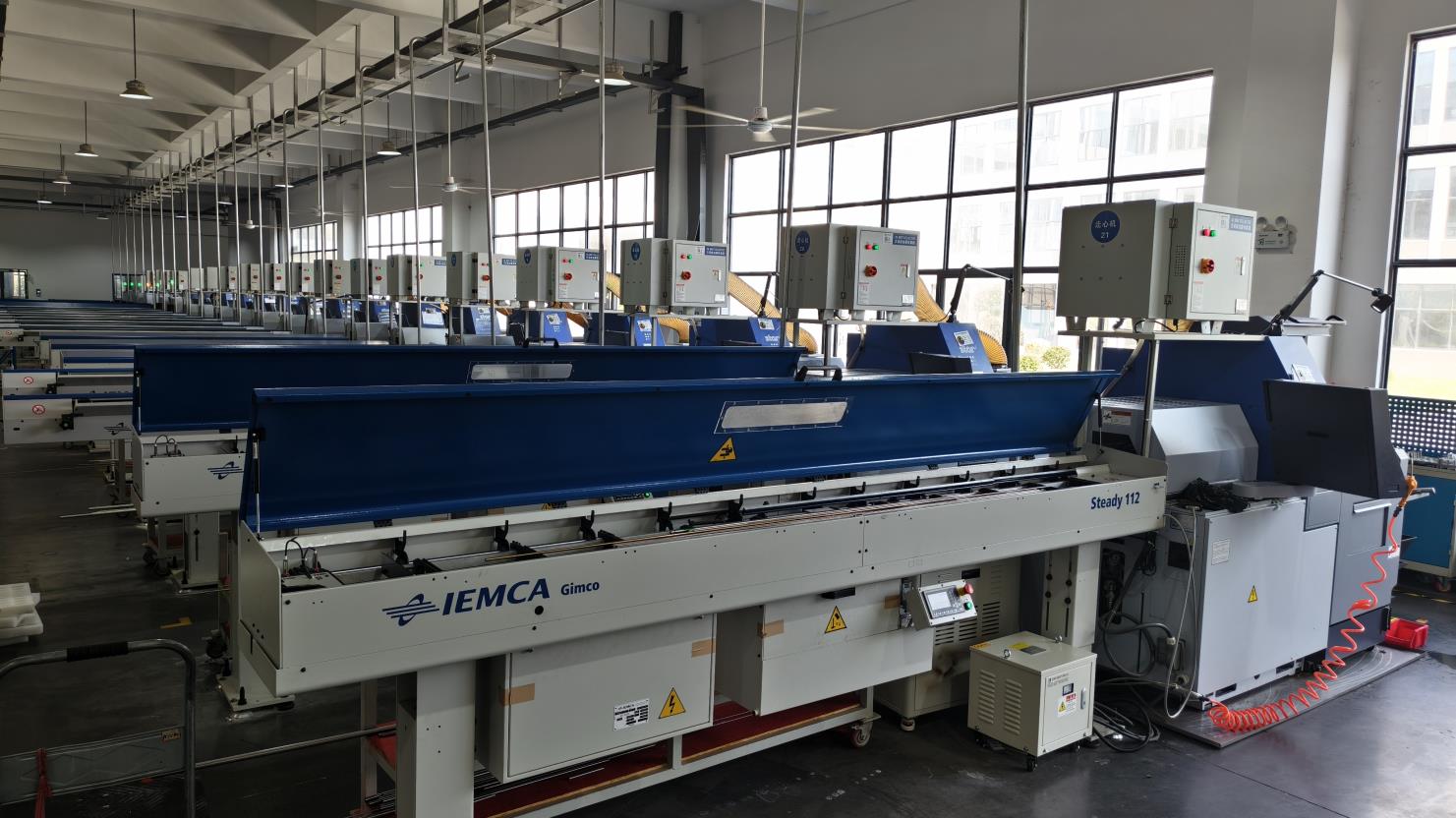
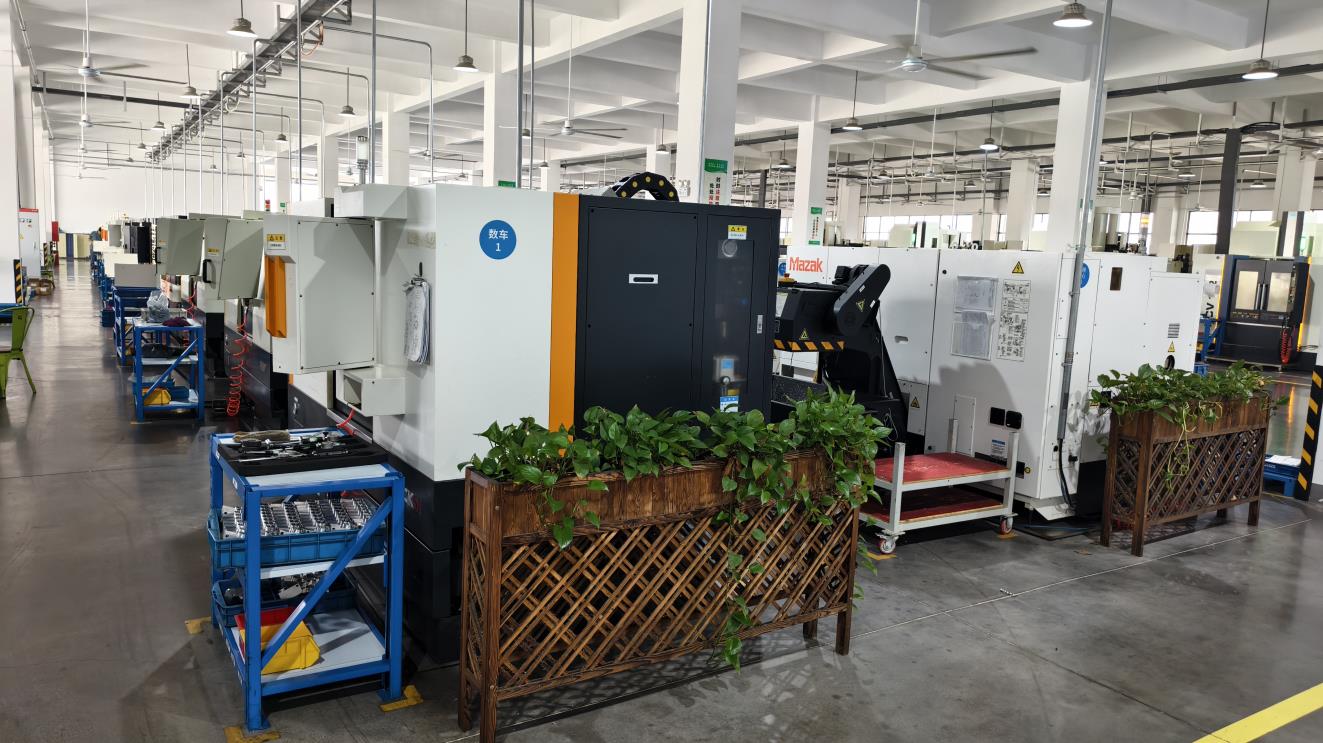
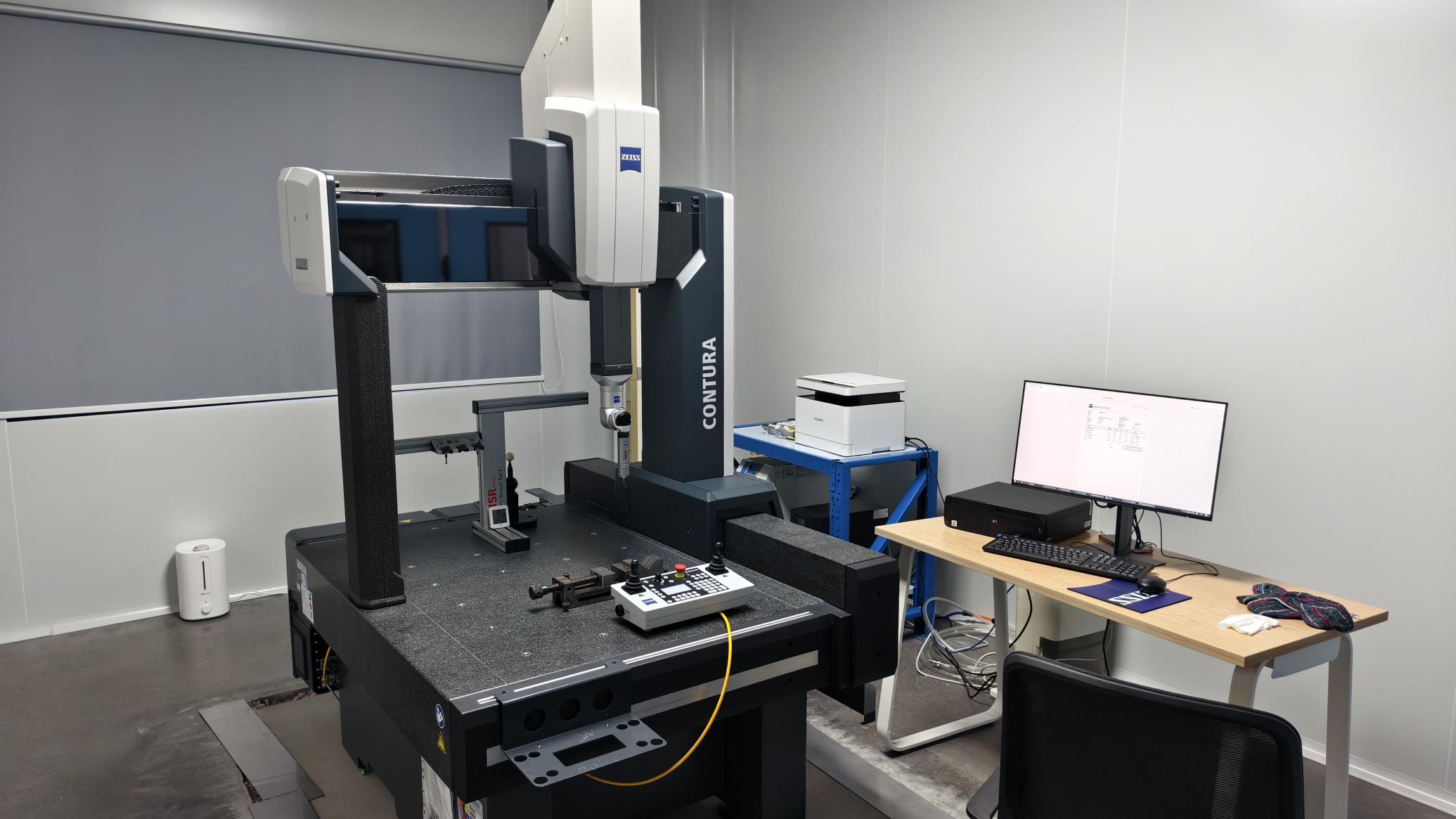
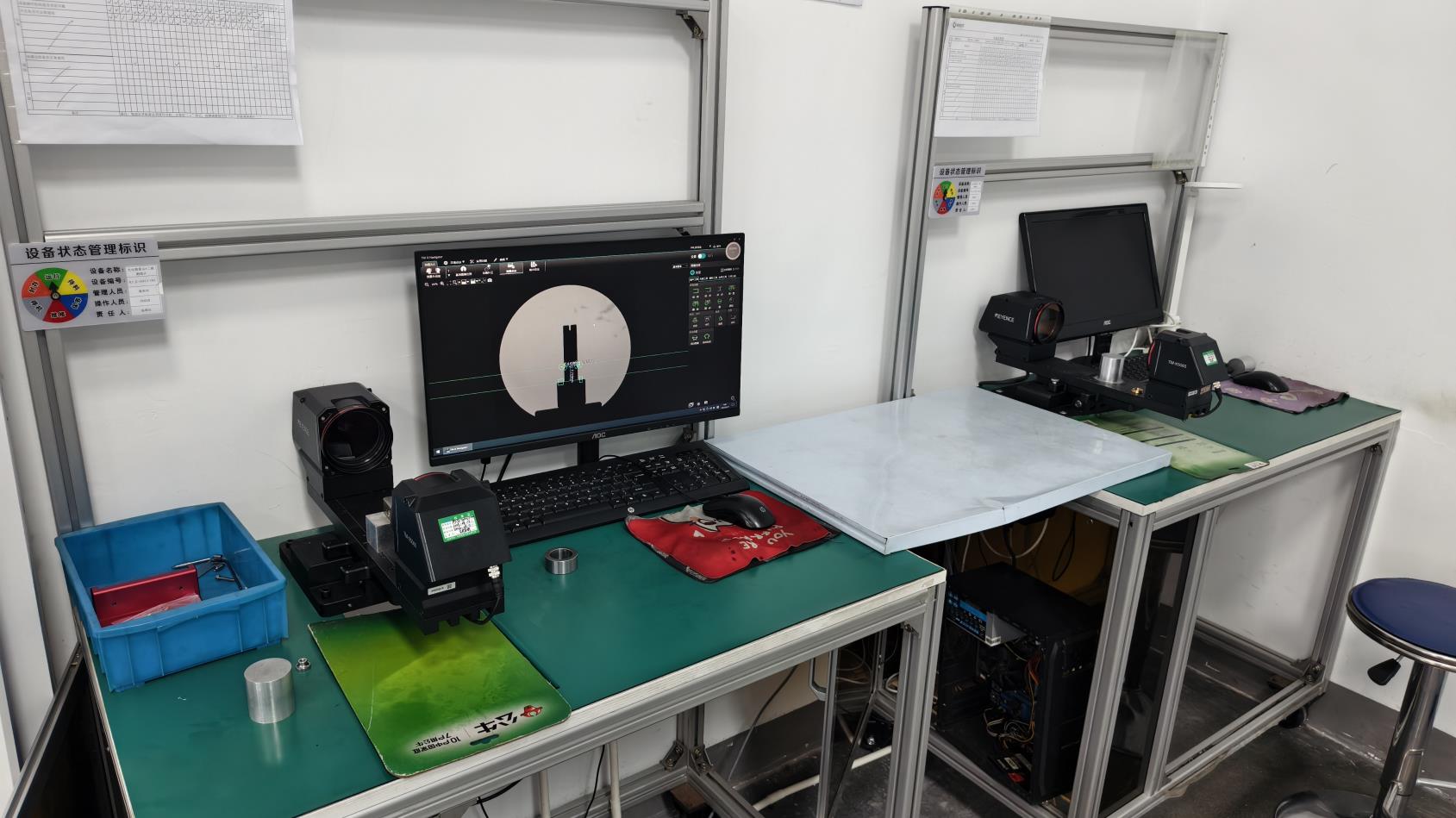
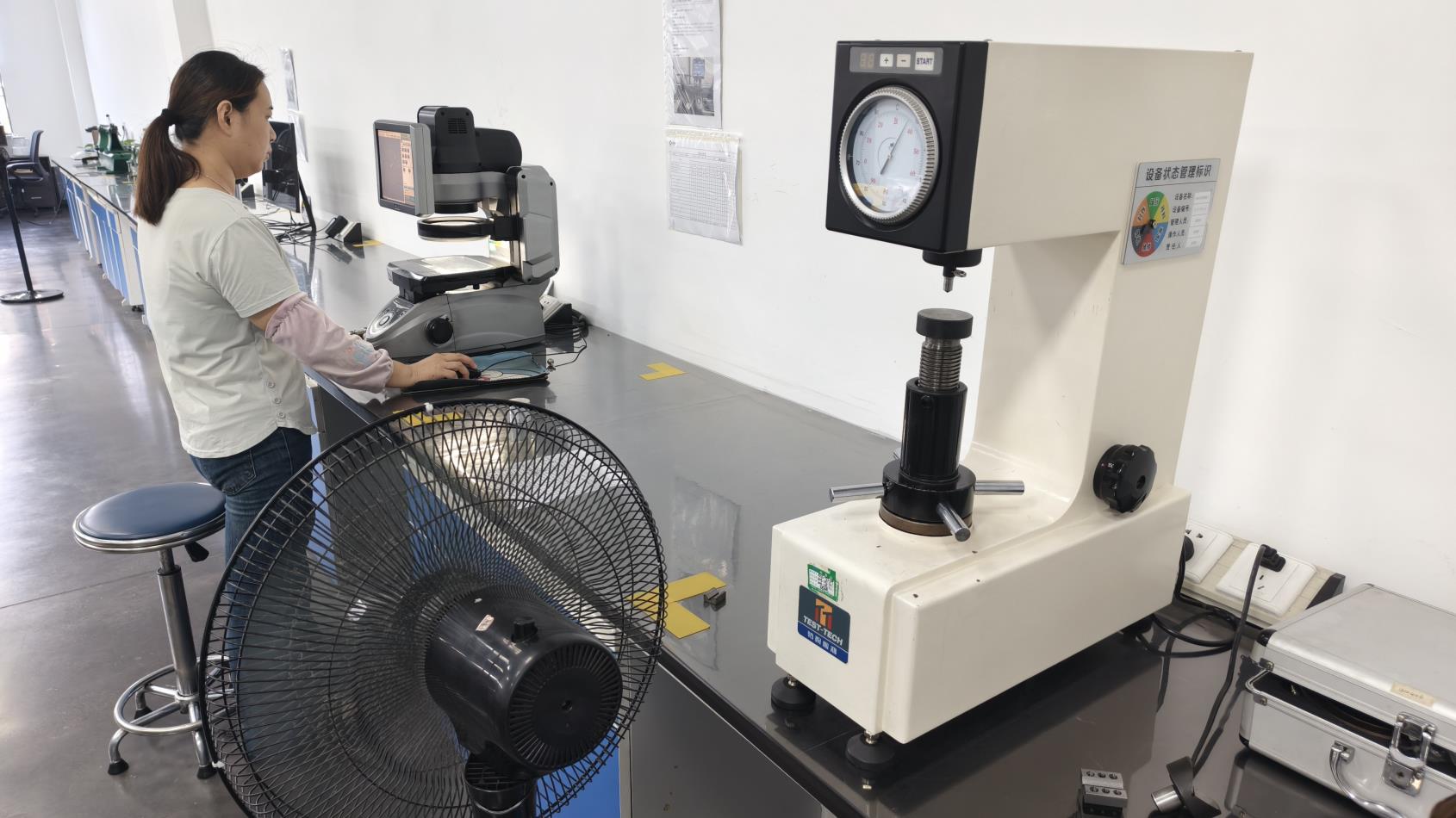
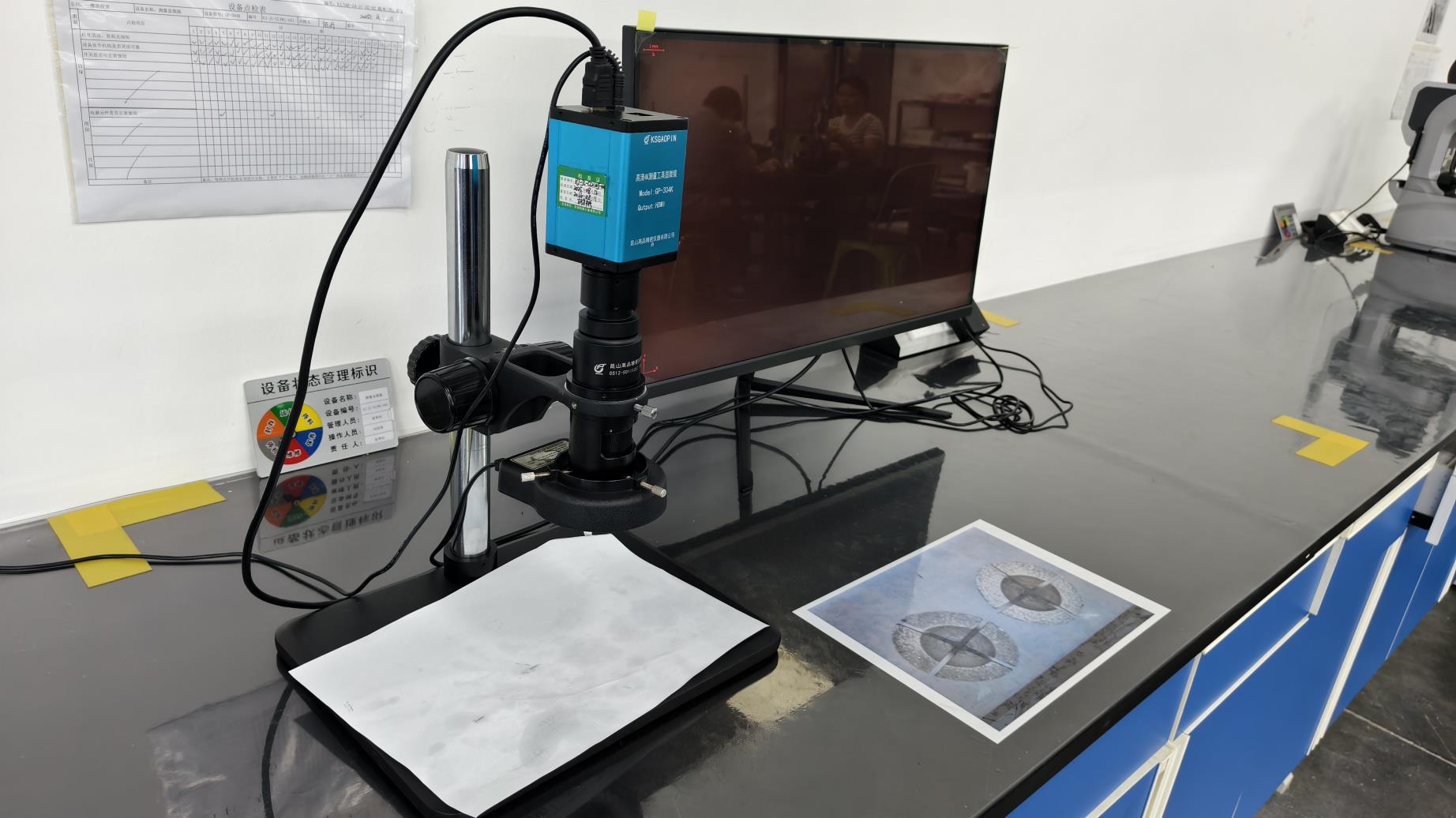
A glimpse into our manufacturing centers, showing raw material sourcing, CNC precision machining, manual tip alignment, and strict sterilization preparation.

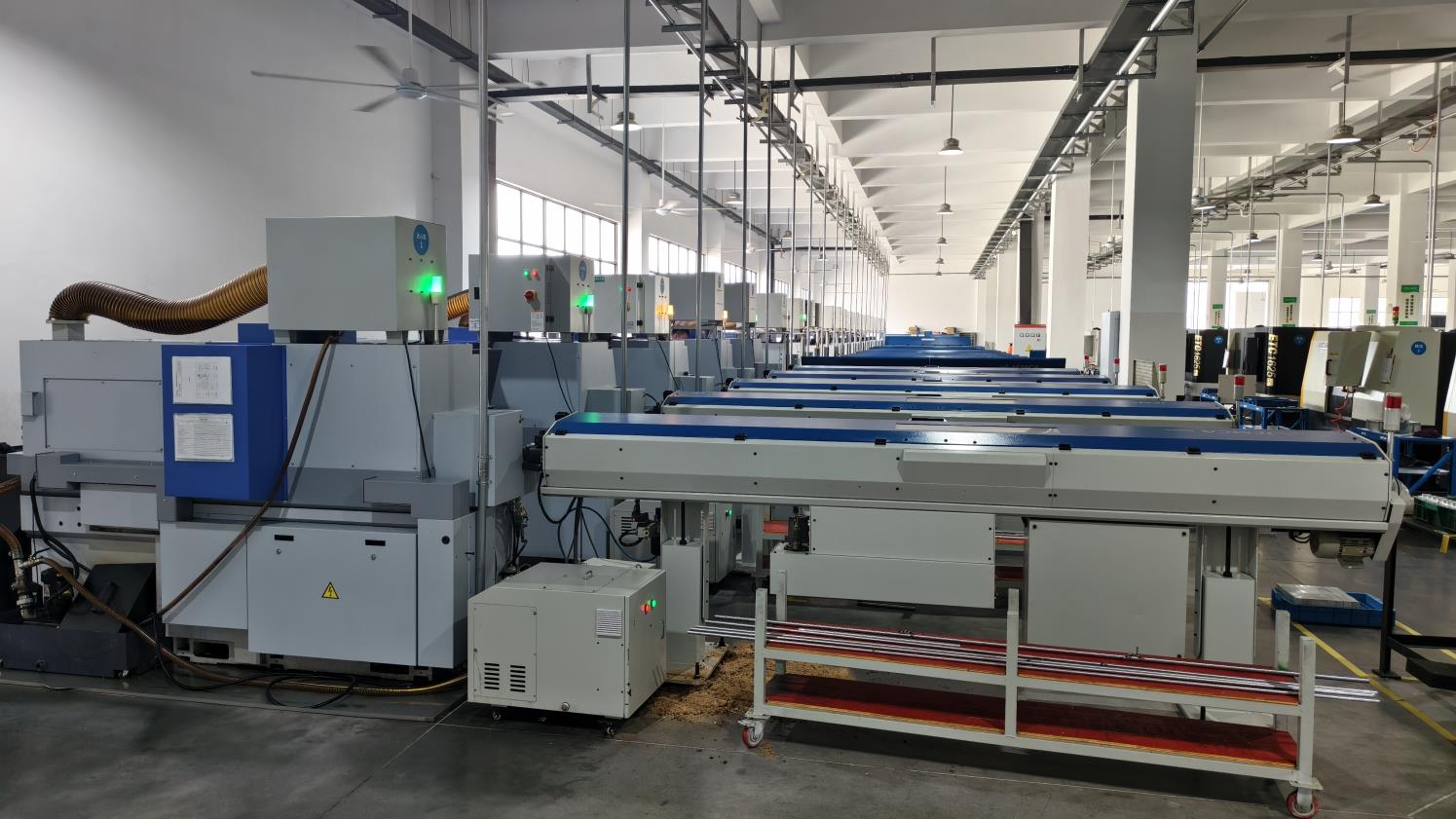
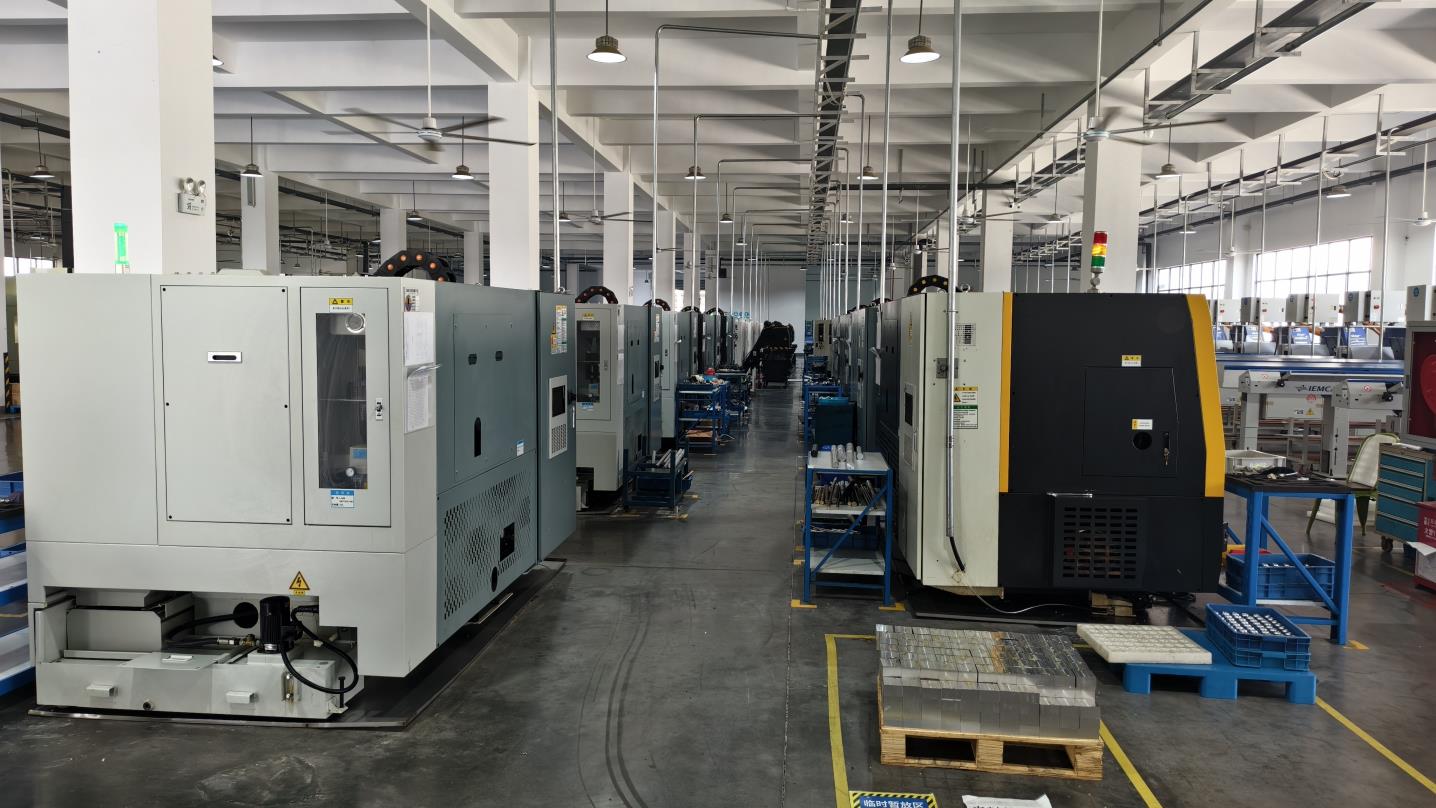
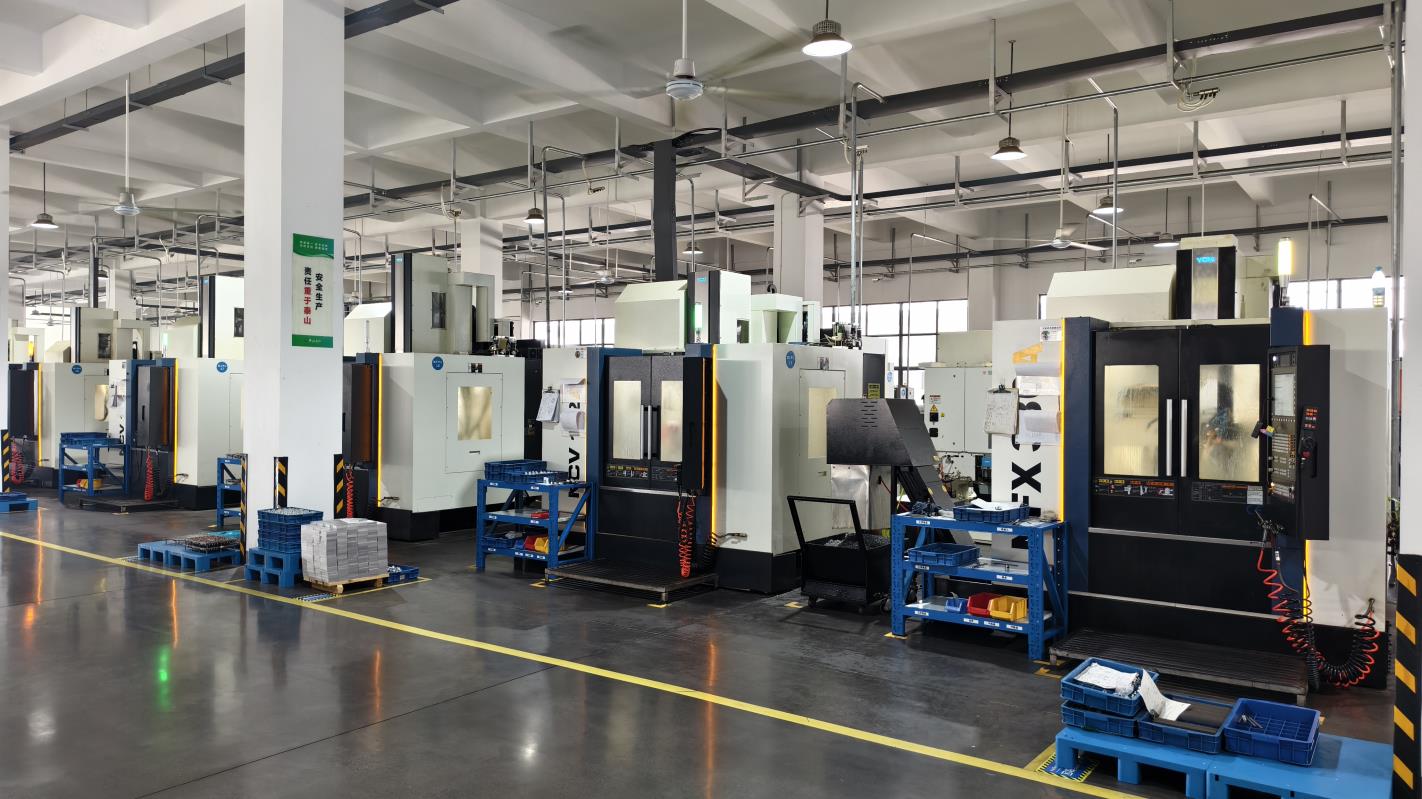
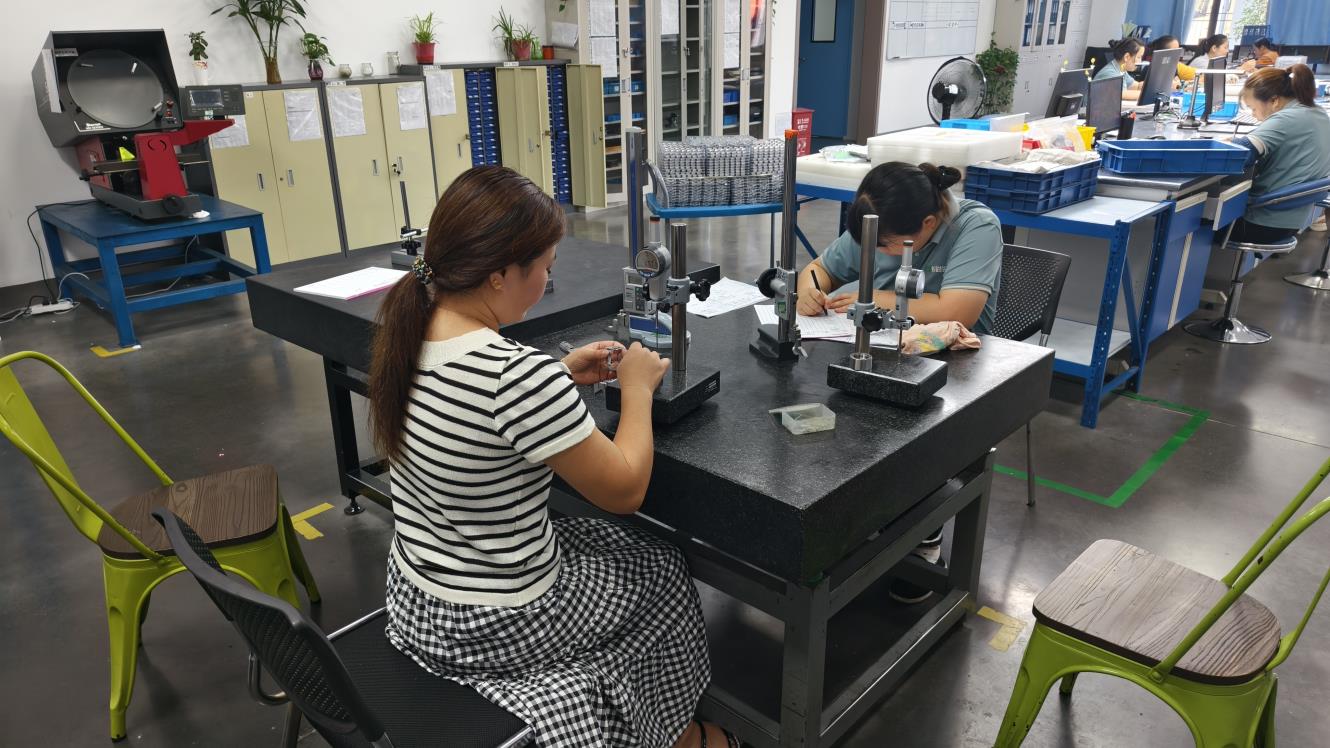
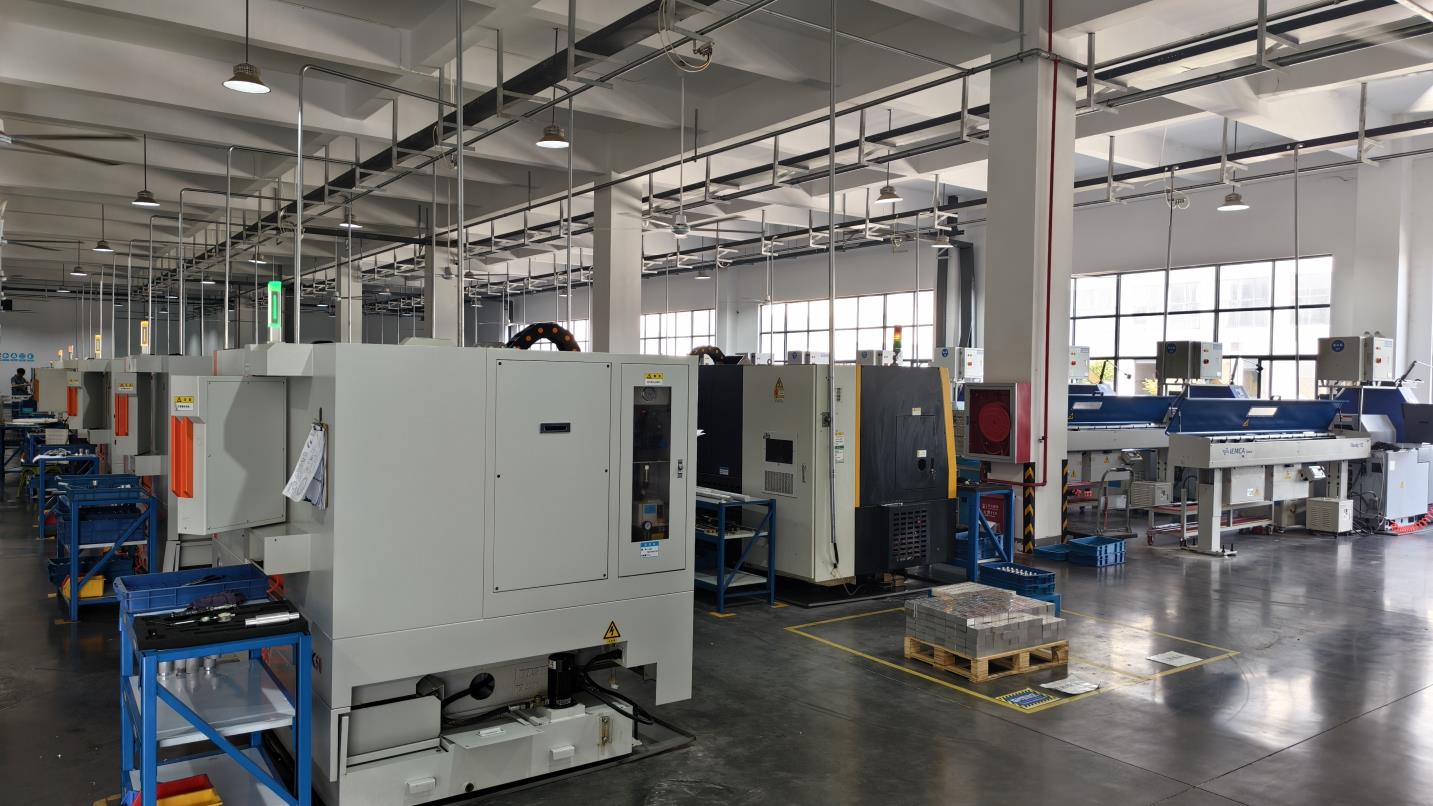
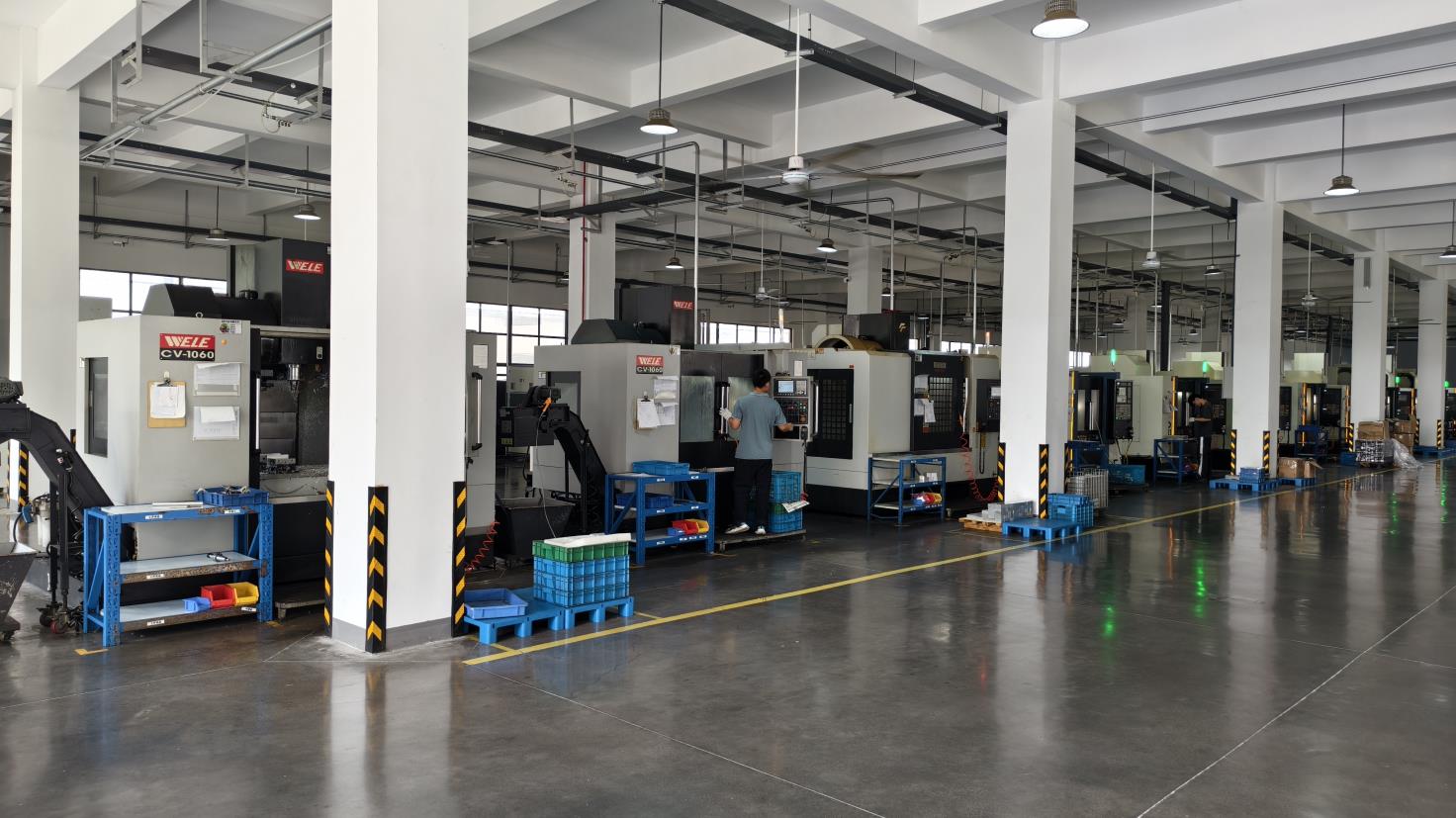
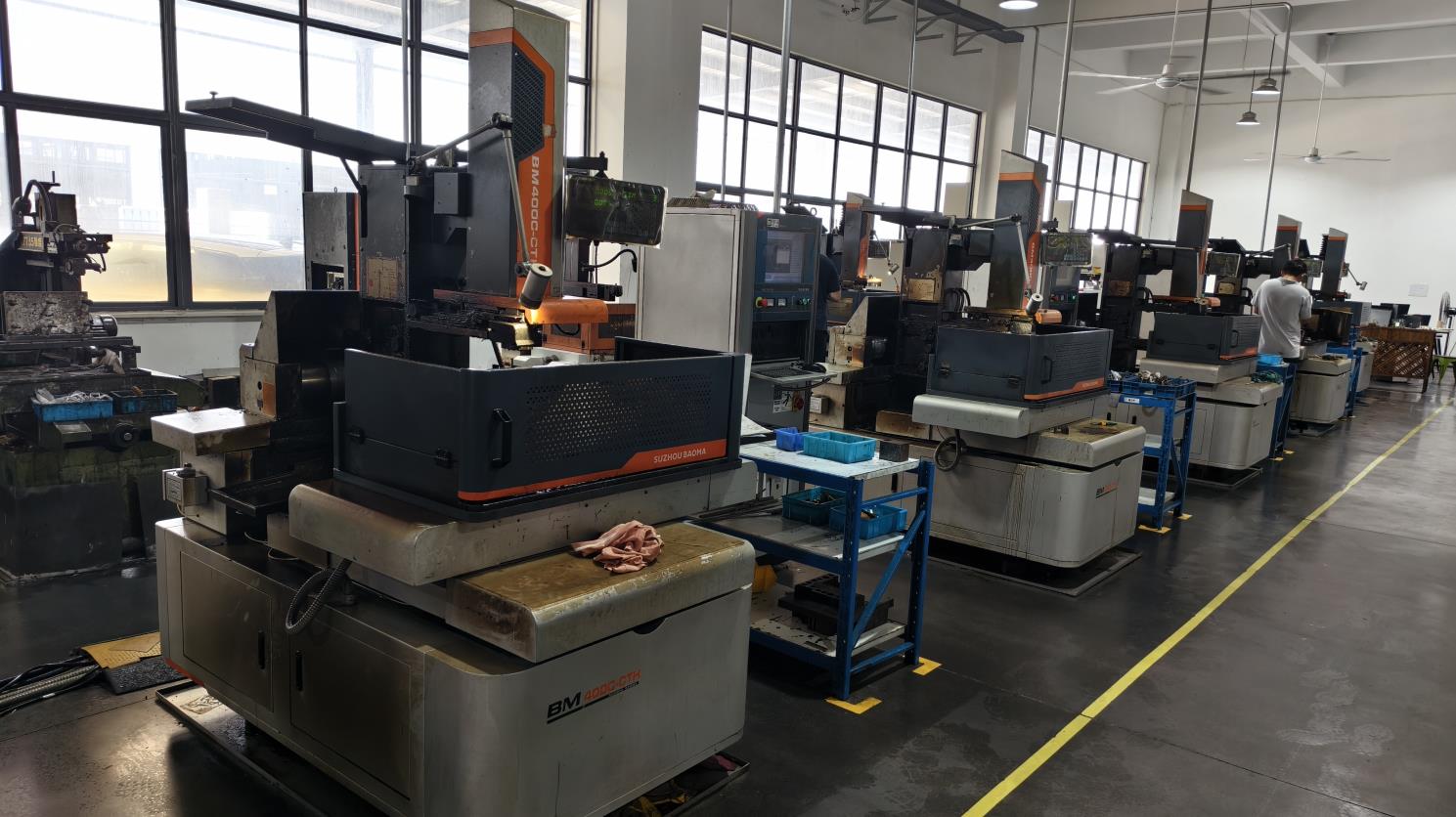
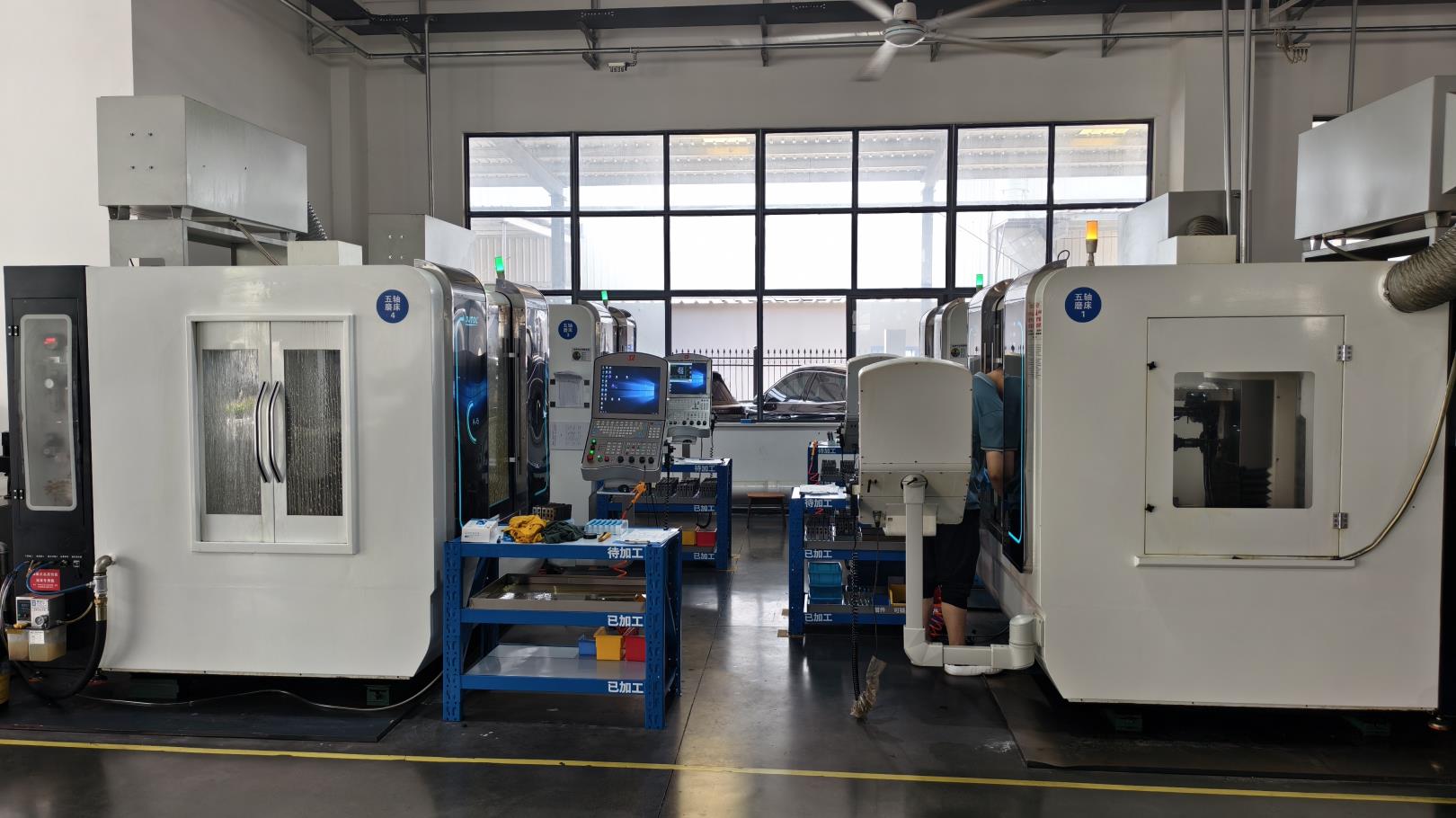
As hospitals across the United States operate under strict cost-efficiency guidelines and value-based healthcare delivery models, GPOs (Group Purchasing Organizations) and IDNs (Integrated Delivery Networks) face the challenge of sourcing surgical instruments that balance cost-efficiency with high clinical performance. The high cost of OEM legacy brands has driven healthcare networks to seek reliable direct-from-factory partners who offer equivalent precision and quality. Our role as an export manufacturer bridges this gap, providing cost-effective alternatives with full compliance and traceability.
Our OEM/ODM capability allows distributors in the United States to purchase customized kits for specific surgical procedures. From unique curvature profiles on dissectors to specialized titanium handles for quick coupling reamers, our facility offers tailored engineering solutions. Utilizing advanced CAD modeling and precise custom molding processes, we transform clinical concepts into sterile, packaging-ready products tailored for trauma centers, orthopedics practices, and veterinary clinics.
Operating a global supply chain requires predictable logistics pipelines. Our export infrastructure features robust partnerships with major shipping carriers to secure reliable air and sea shipping directly to key hubs in the United States, including Houston, Los Angeles, and New York. This strategic logistical planning minimizes transit times and helps mitigate inventory shortages for regional distributors.
Direct and transparent answers regarding our manufacturing standards, compliance, and ordering processes for the United States market.
Yes, all our titanium and stainless steel surgical hand instruments are manufactured in accordance with strict international quality standards, aligning with ISO 13485 frameworks and conforming to Class I device regulations for the United States. We ensure complete raw material traceability on our titanium and stainless steel components.
We primarily utilize medical-grade Titanium Alloy (typically Ti-6Al-4V Eli, conforming to ASTM F136 specifications). This provides maximum tensile strength, flexibility, biocompatibility, and magnetic resonance compatibility, making the instruments safe for MRI environments.
Yes. We support custom production pathways including sample processing, graphic processing, and custom on-demand OEM manufacturing. Our technical R&D department collaborates directly with US brand partners to manufacture specialized instrument dimensions, angles, and handles.
We maintain a team of 3 in-house QA/QC inspectors. All products undergo physical inspection, surface integrity validation, and dimensional tolerance checks. We conduct random inspections or adapt our protocol to match specific client inspection requirements before final packaging.
Our major export markets are North America (25%), South America (25%), and Southeast Asia (15%). For shipments to the United States, we offer expedited air freight options with typical delivery windows of 7 to 10 business days for stocked components, and optimized sea freight routes for bulk OEM orders.
Absolutely. Our entire surgical range is designed to be fully autoclavable (up to 134°C/273.2°F). Our high-grade stainless steel and titanium structures prevent corrosion and retain structural stability over repeat steam sterilization cycles.
Discuss your custom OEM designs, request technical specification sheets, or secure contract manufacturing options with our dedicated B2B sales team.
Send Inquiry Now