SENJIE Healthy & Technology
SENJIE Healthy & Technology
SENJIE Healthy & Technology
Engineered for Dutch neurovascular decompression and micro-dissection protocols. Constructed with high-density titanium and passivated stainless steel.
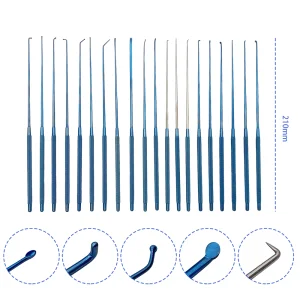
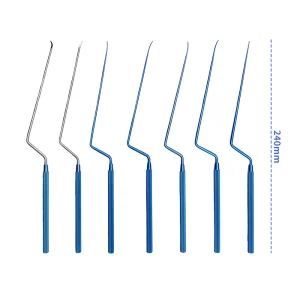
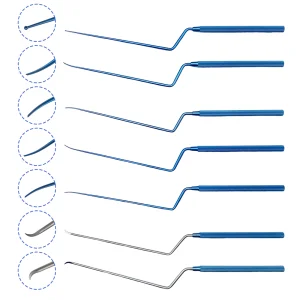
The Dutch medical device ecosystem is globally recognized for its uncompromising standards of patient safety, clinical efficacy, and technological integration. Academic Medical Centers (UMCs) across the Netherlands—from Erasmus MC in Rotterdam to the Amsterdam UMC and UMC Utrecht—serve as breeding grounds for advanced neurosurgical procedures. Within this highly regulated environment, the demand for precision microsurgical instruments has transitioned from standard stainless steel variants to custom-engineered, biocompatible titanium alloys.
As an established factory and global exporter catering to the Dutch market, we align our manufacturing systems with the regulatory workflows enforced by the Dutch Health and Youth Care Inspectorate (Inspectie Gezondheidszorg en Jeugd - IGJ) and the comprehensive framework of the European Union Medical Device Regulation (EU MDR 2017/745). Our production line focuses on the critical mechanical properties that Dutch neurosurgeons require: tactile feedback, reduction of glare under high-magnification surgical microscopes, and long-term structural integrity under autoclaving cycles.
Historically, the manufacture of surgical instruments was localized within heritage hubs in Germany (Tuttlingen) and parts of Western Europe. However, modern metallurgical advances and global supply chain integrations have shifted the vanguard of high-precision manufacturing. Advanced manufacturing centers now utilize Swiss-type CNC lathe machining, high-resolution optical comparator inspections, and proprietary chemical passivation processes to meet and exceed ISO 13485 standards.
The global market is governed by a push toward minimally invasive surgeries (MIS). Instruments are designed with longer, narrower shafts and custom angles to navigate complex cranial and spinal pathways. Our factory leverages 6 years of dedicated export intelligence, serving primary markets in North America (25%), South America (25%), and Southeast Asia (15%), while expanding dedicated channels into Northern Europe. By controlling the entire lifecycle from raw medical titanium billet sourcing to physical vapor deposition (PVD) anti-glare coating, we provide substantial cost efficiency and raw material traceability.
The performance of a micro-spatula or vessel hook is defined by its deflection coefficient under mechanical stress. Traditional stainless steel (AISI 420 series) offers exceptional hardness (typically 50-54 HRC post-heat treatment) and edge retention for micro-scissors. However, stainless steel lacks the weight advantage required to prevent hand tremors during prolonged stereotactic procedures.
By substituting standard alloys with Titanium-6Aluminum-4Vanadium ELI (Extra Low Interstitial), our engineers achieve a 45% reduction in overall instrument mass compared to steel, accompanied by a higher modulus of elasticity. This ensures the instrument flexes minimally under lateral force, conveying tactile responses directly to the surgeon's fingertips. Our technology roadmap incorporates:
We offer specialized solutions for medical procurement groups in the Netherlands, including the customized design of localized surgical kits. Our workflow addresses the supply chain pain points typically experienced by European hospitals: long lead times, lack of OEM customization options, and poor raw material tracing. By maintaining a centralized technical database and supporting sample and graphic processing, we facilitate direct-to-hospital custom instrumentation trials.
Full transparency on manufacturing capabilities, testing methodologies, and international market share.
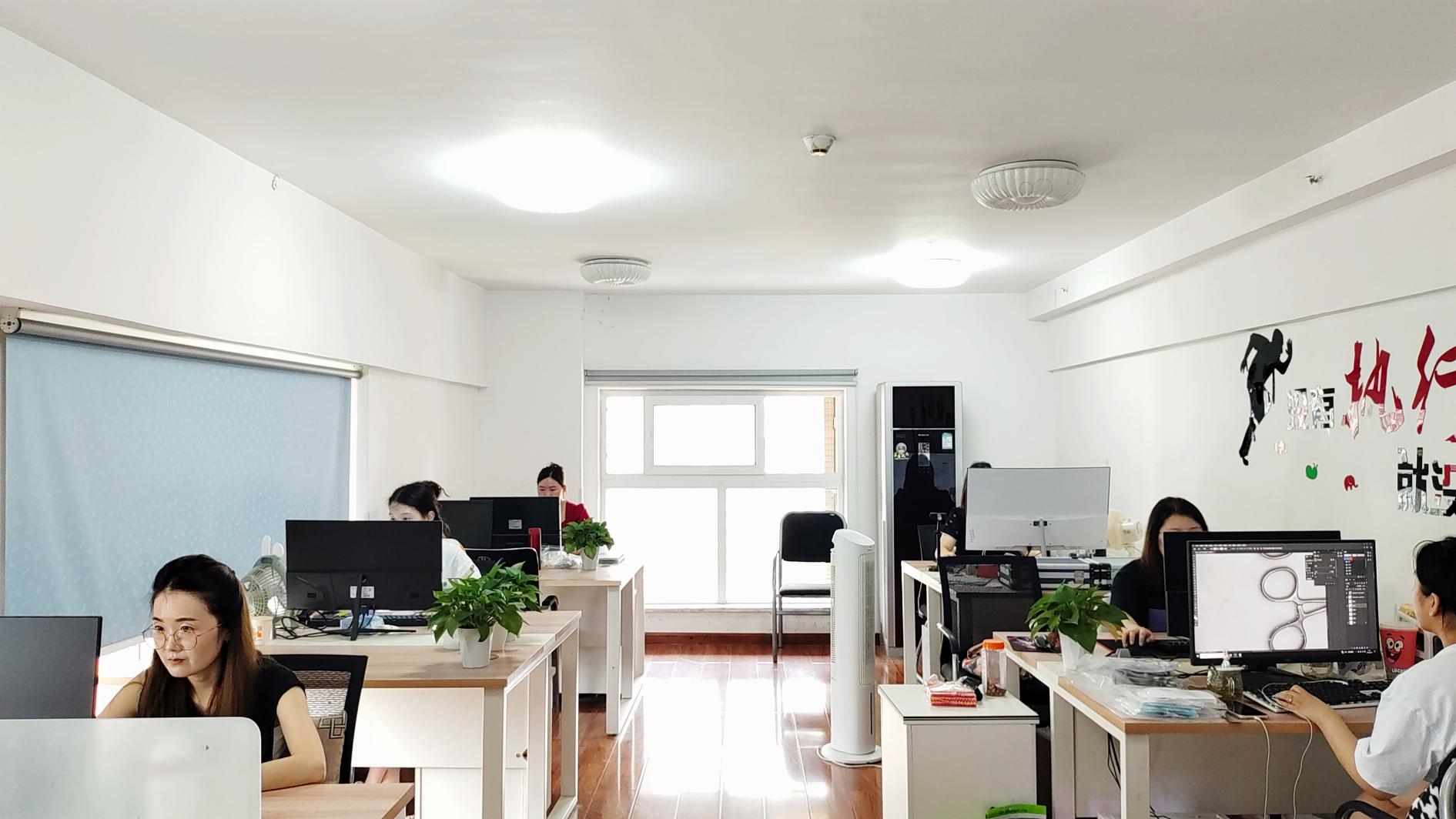
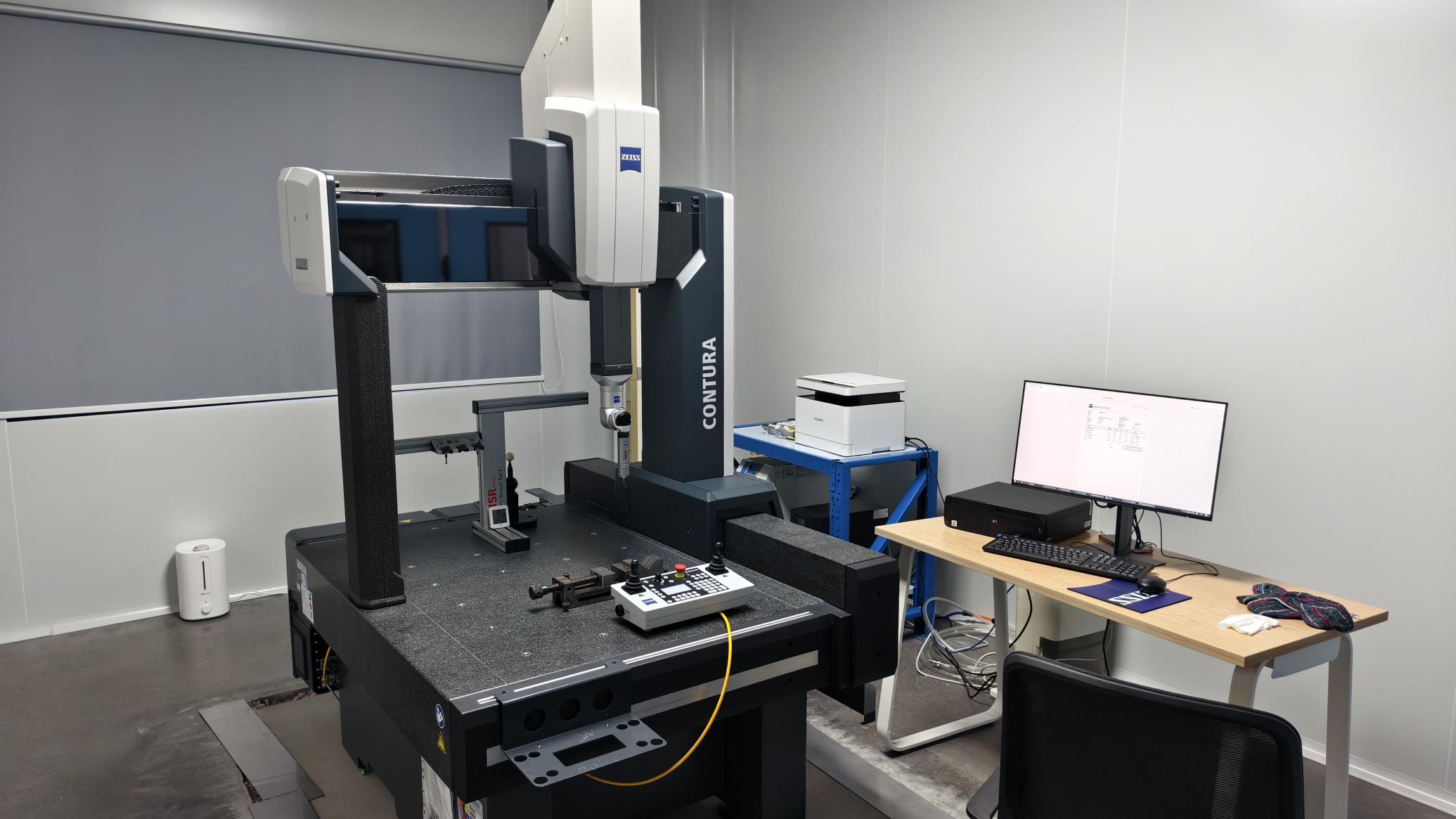
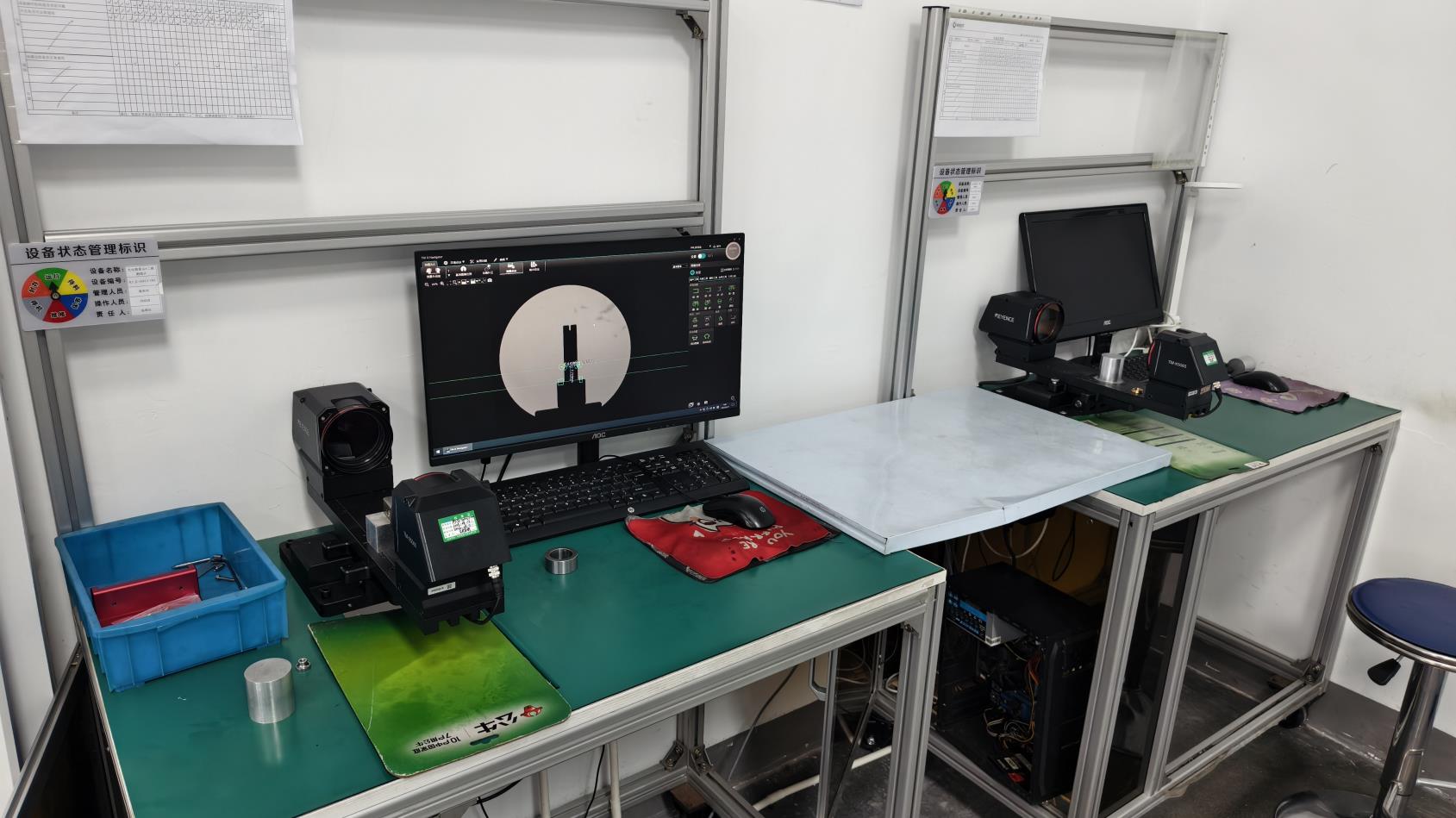
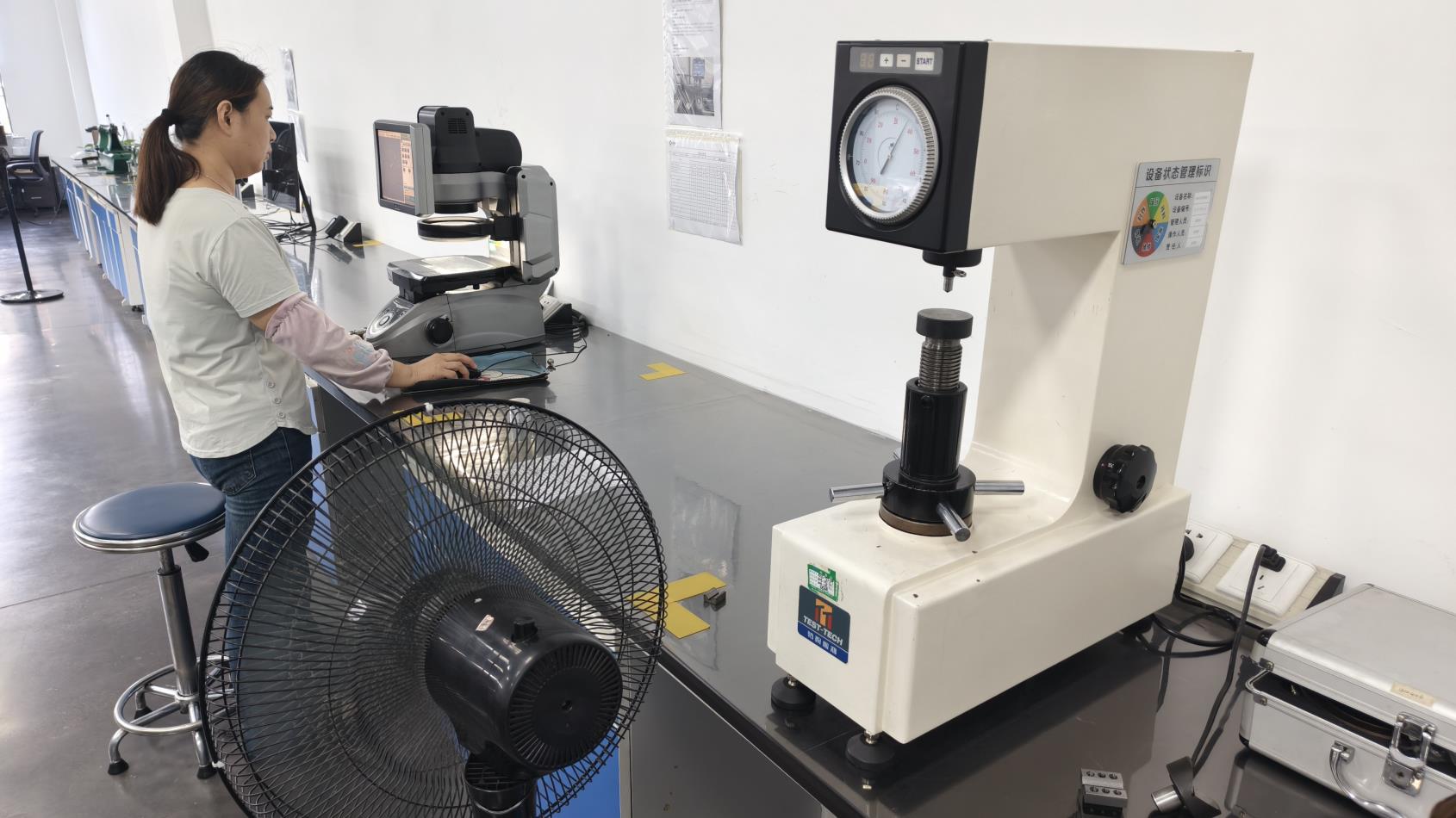
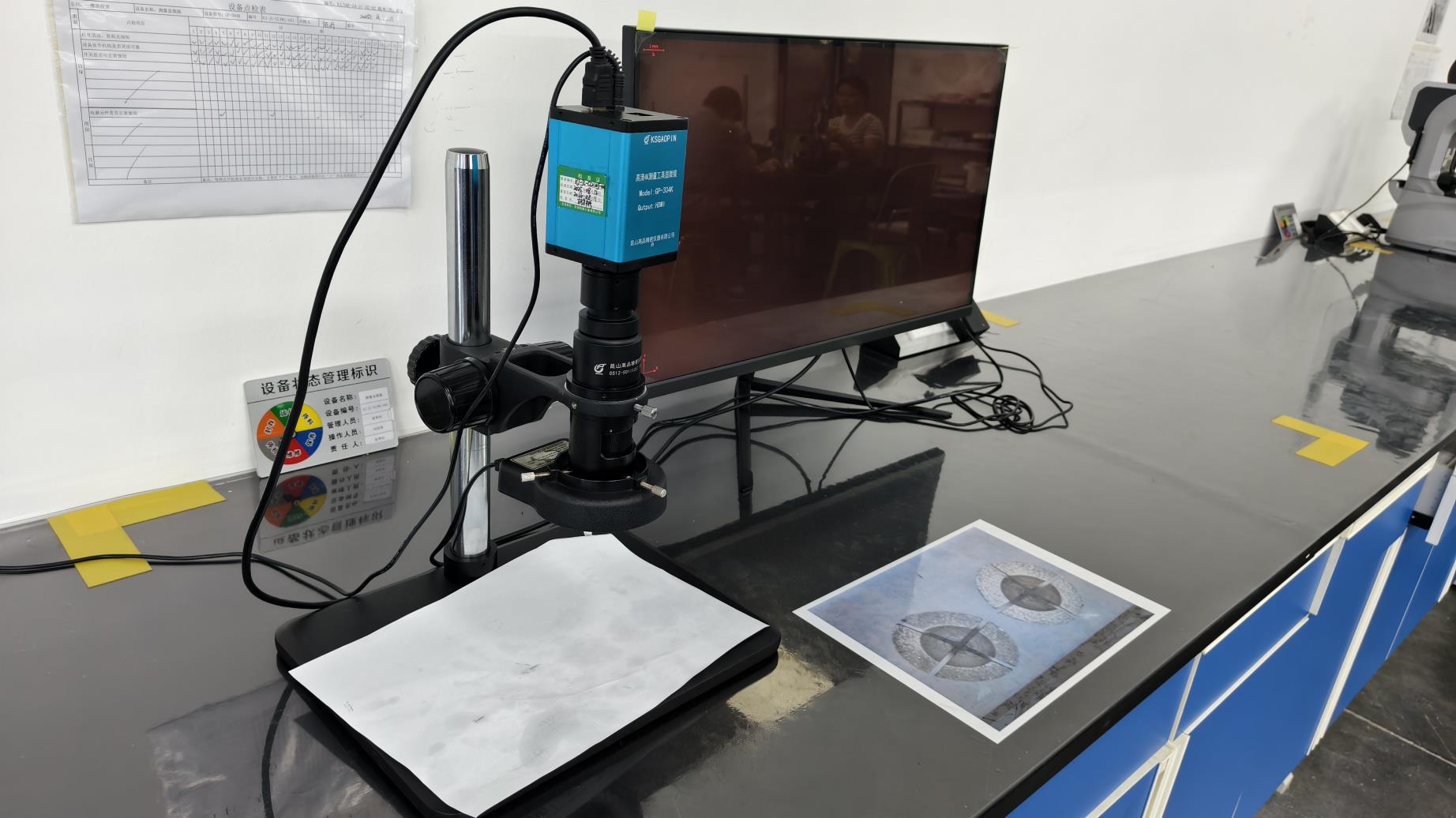
Raw material processing, CNC precision grinding, polishing, clean assembly, and inspection chambers.
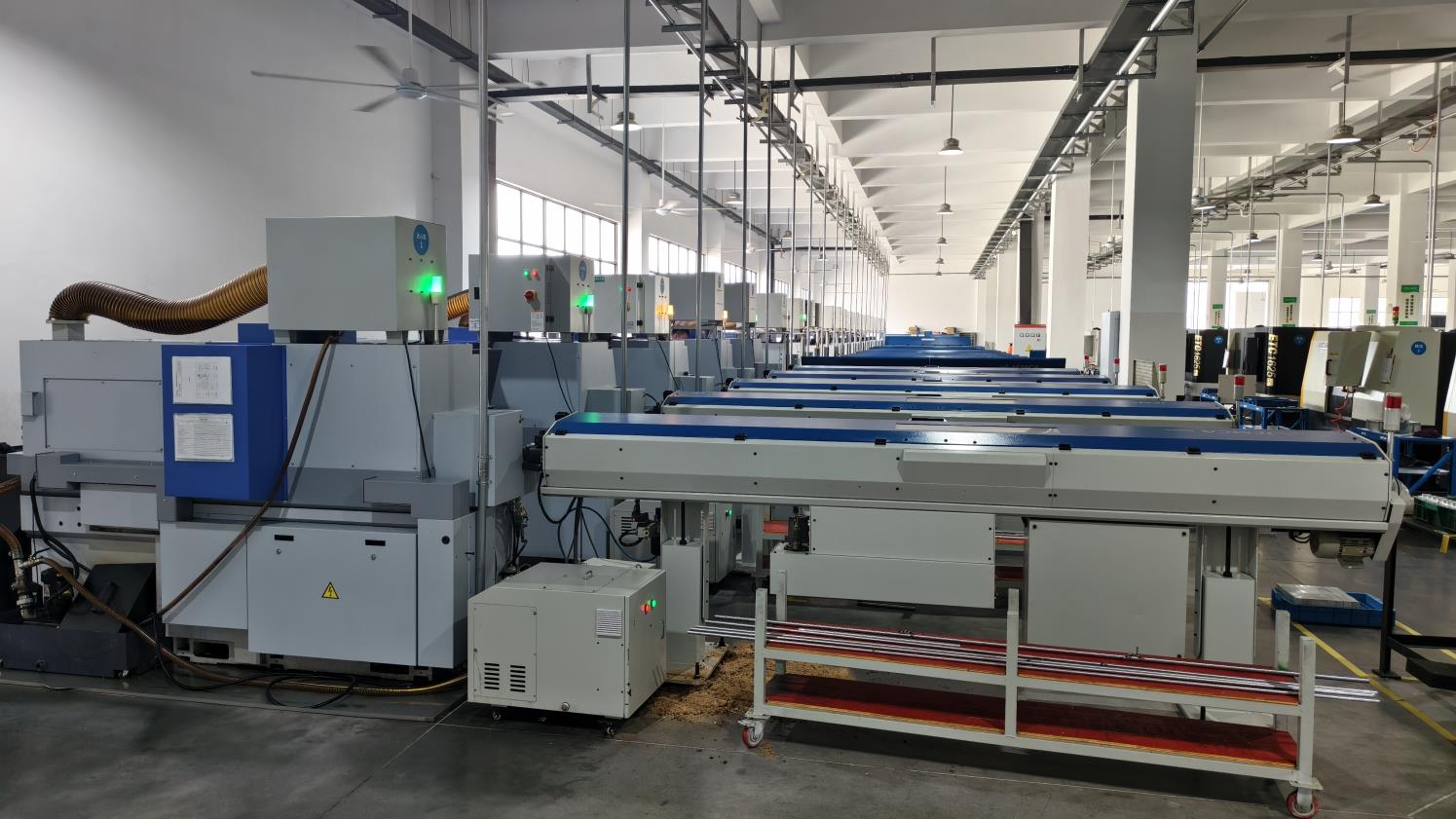
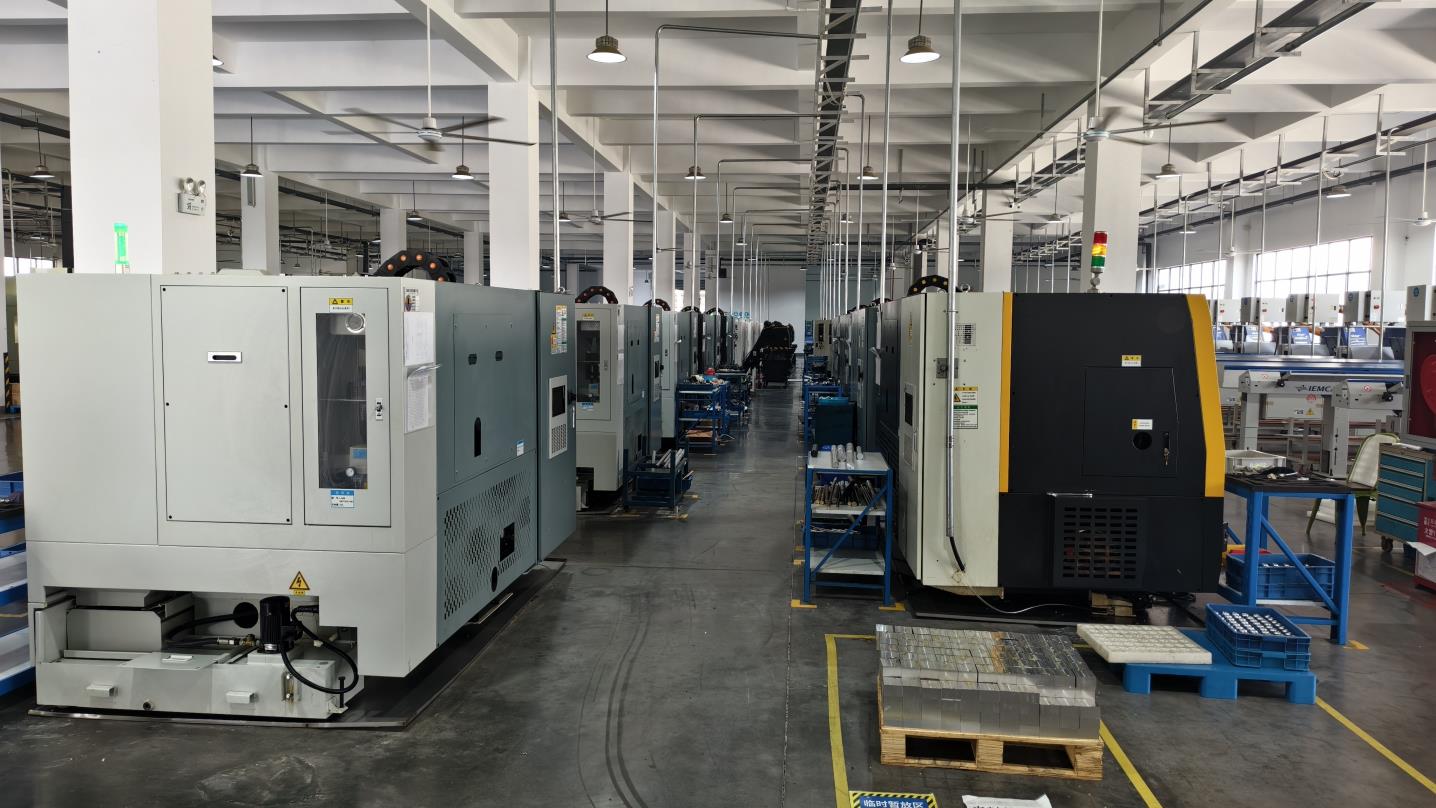
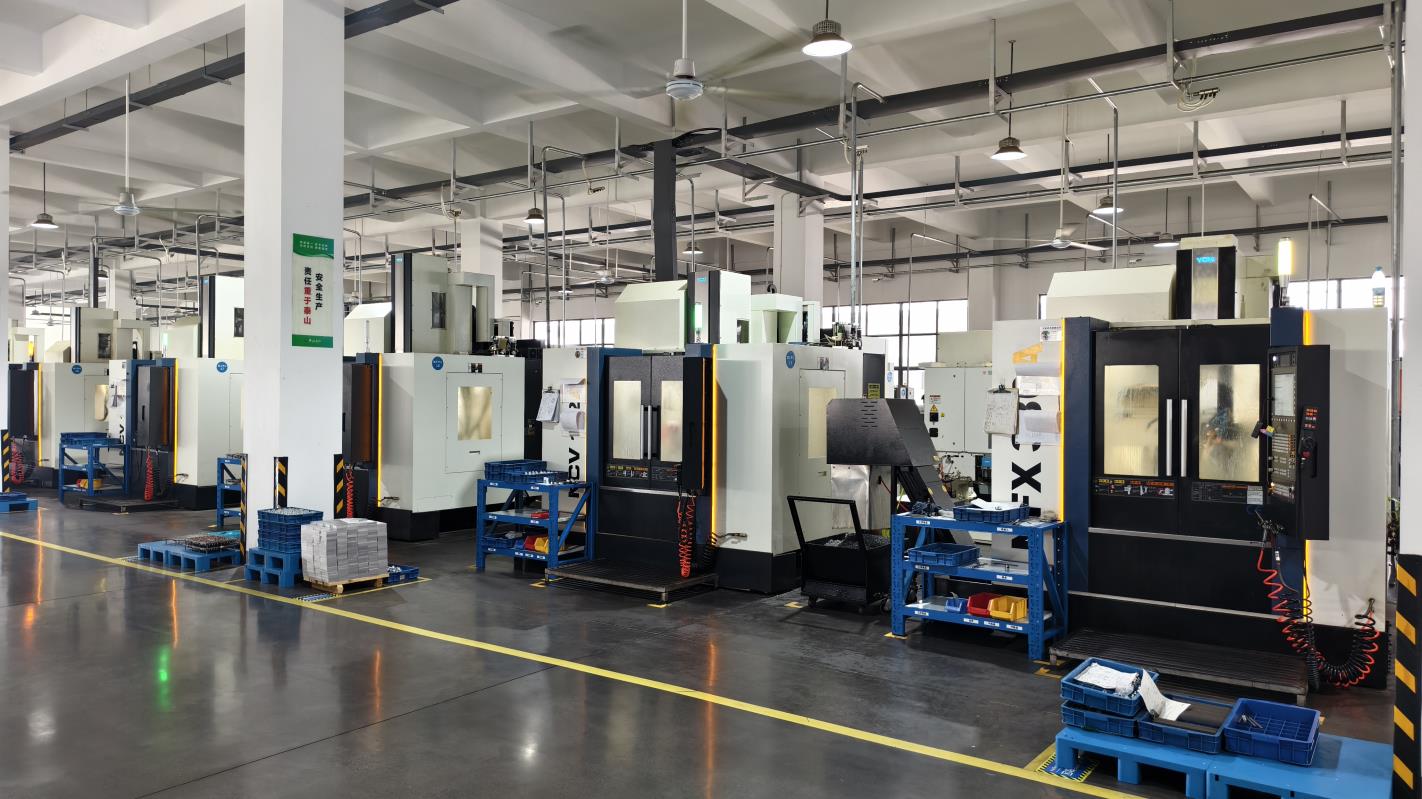
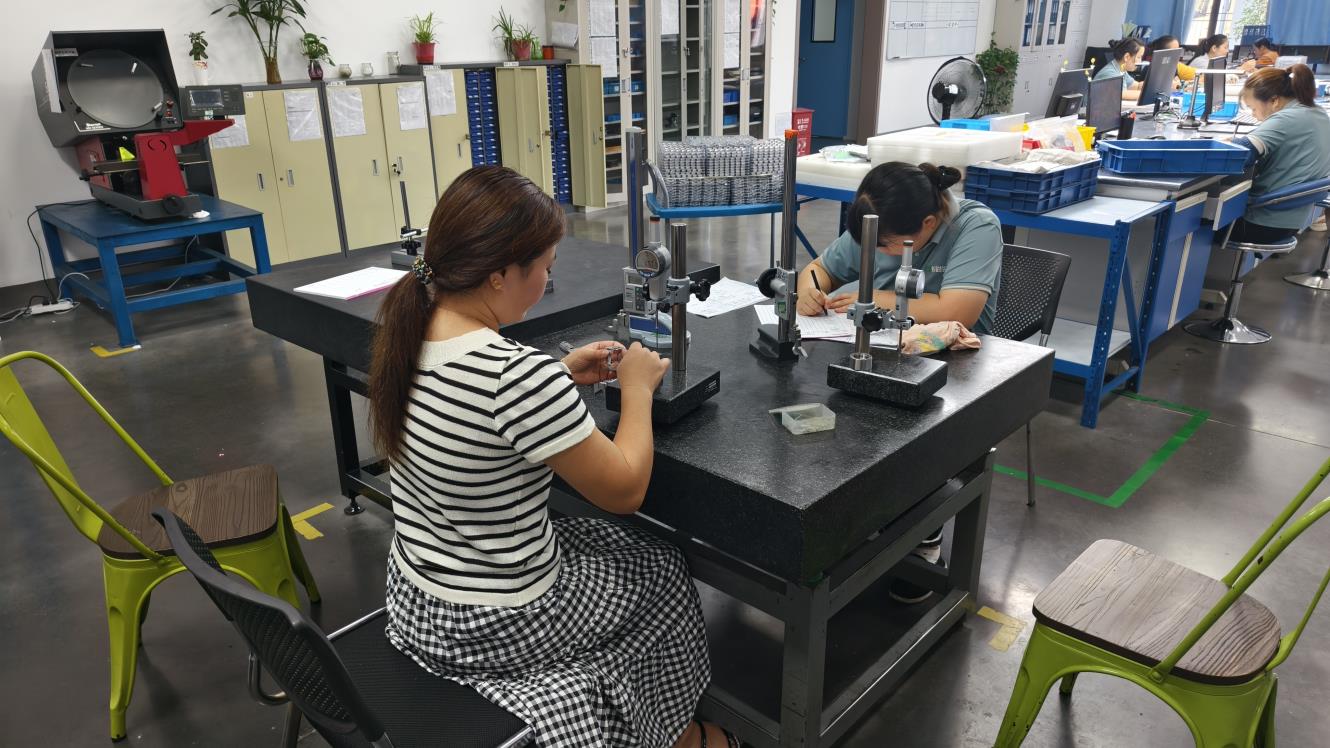
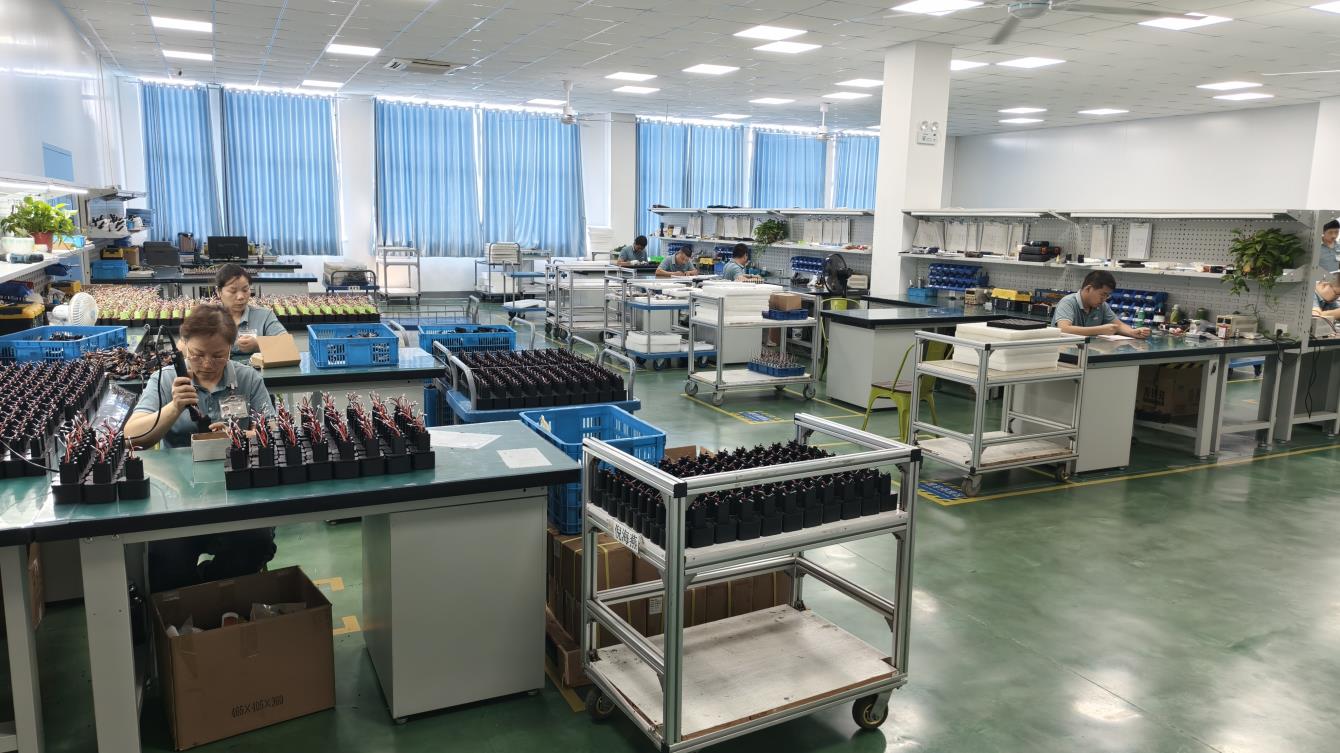
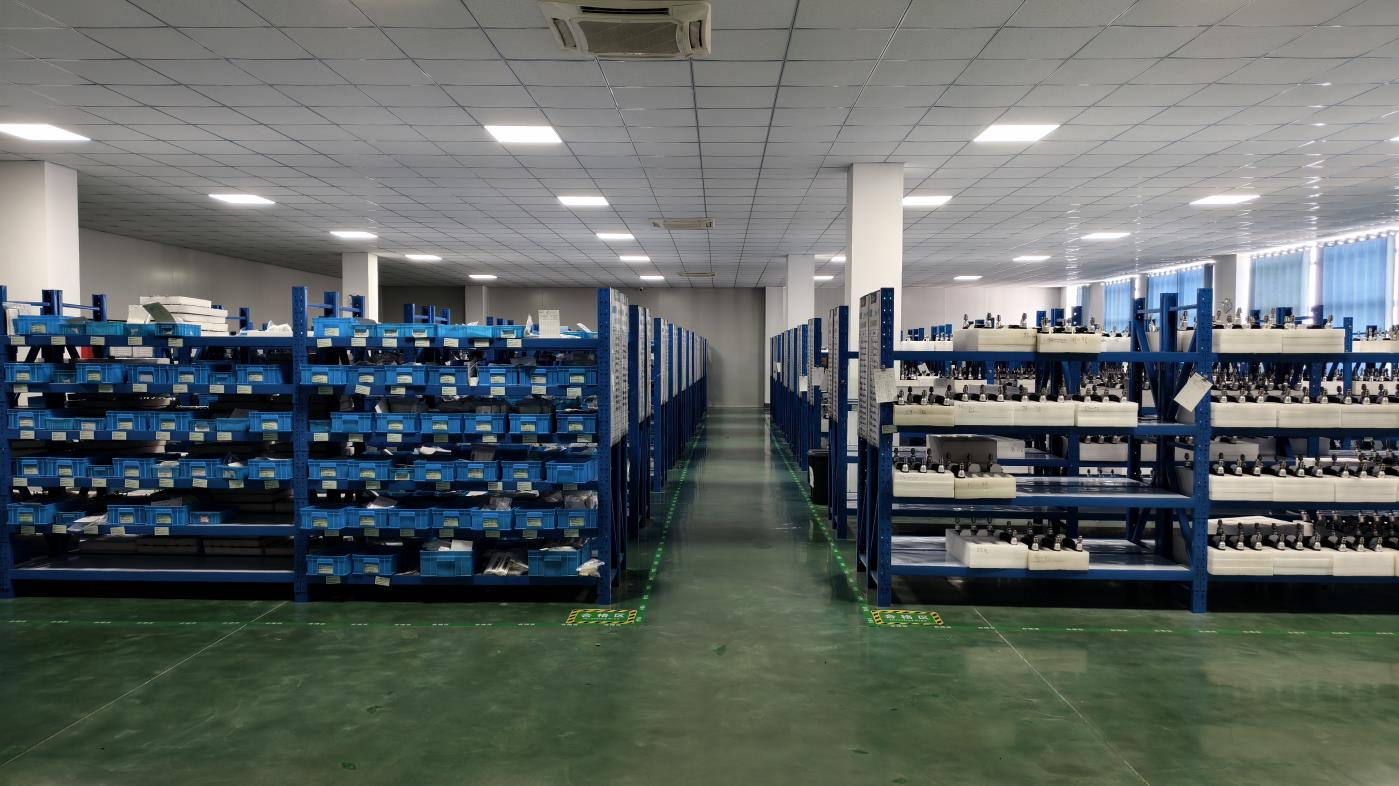
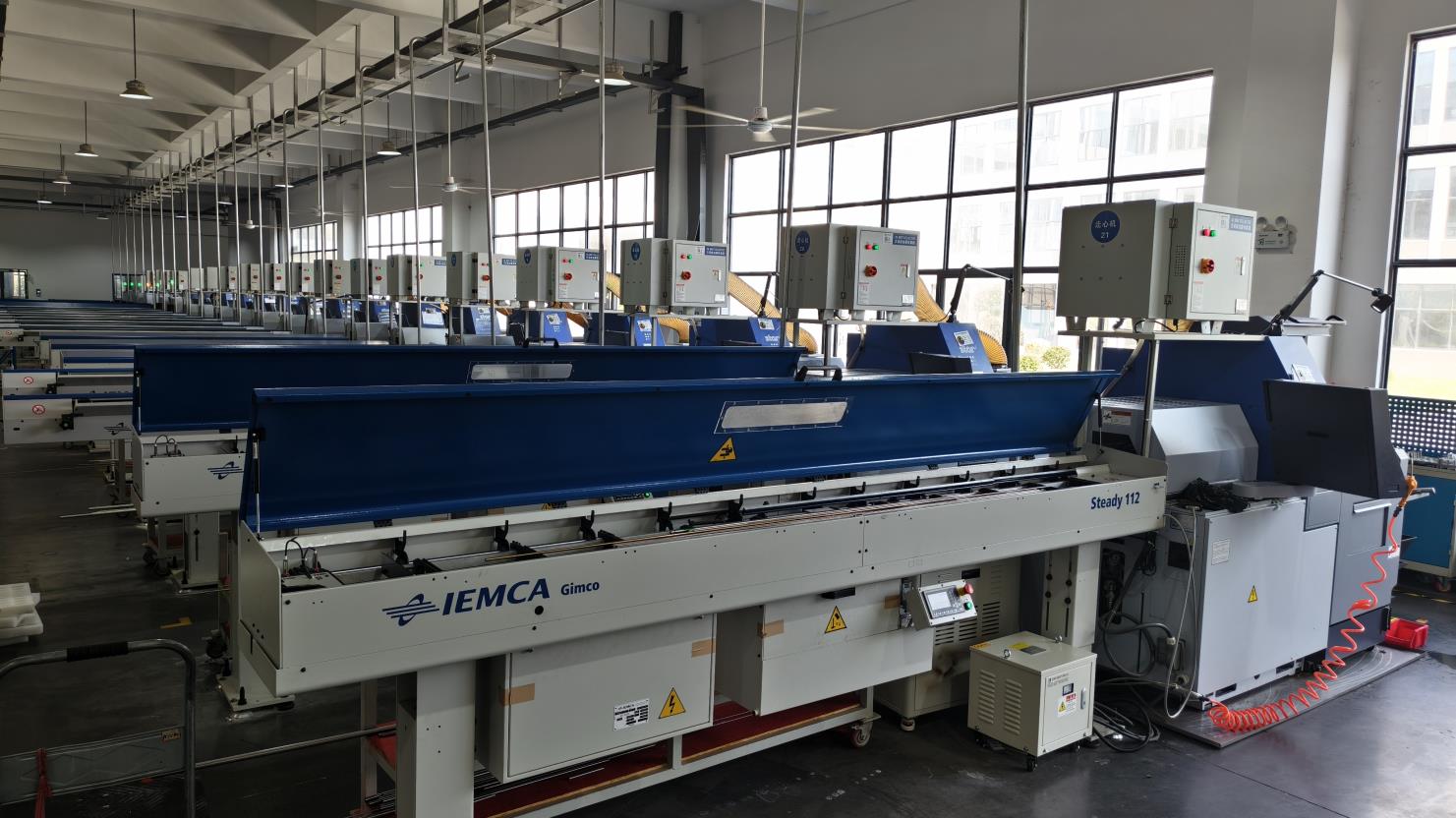
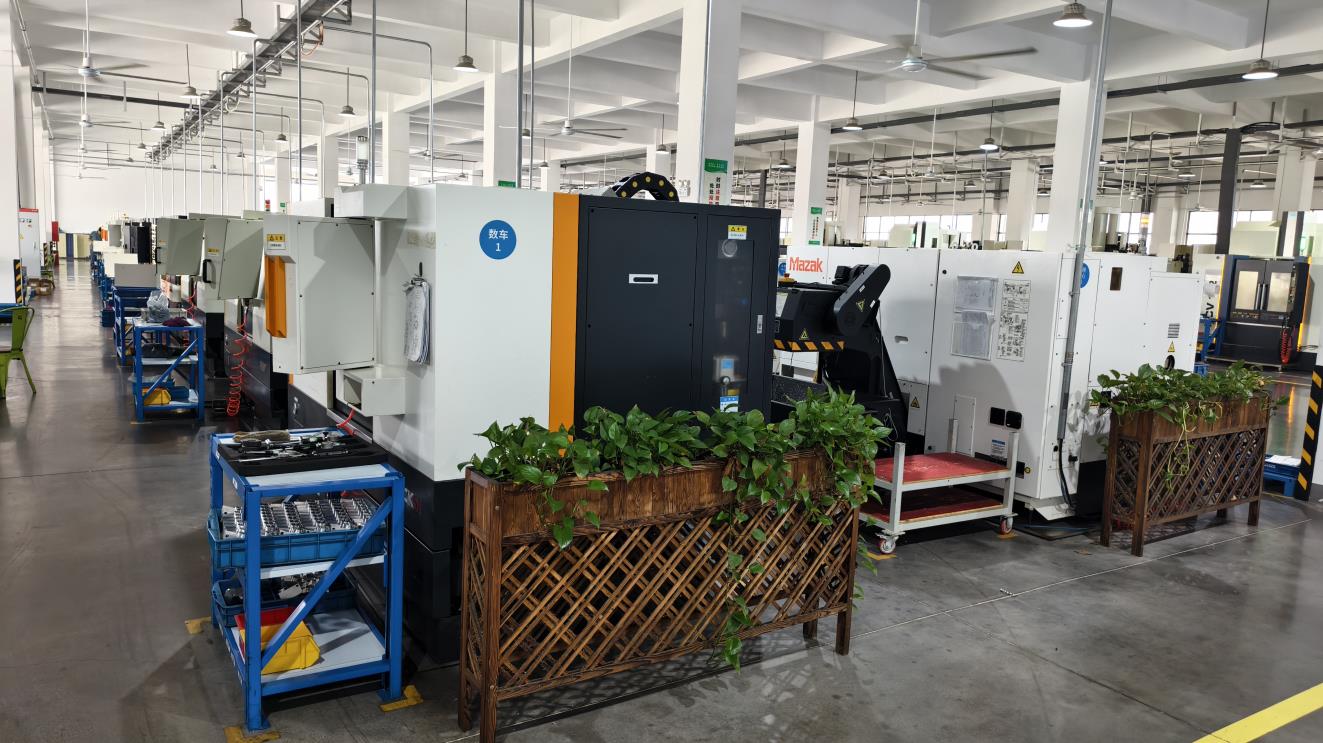
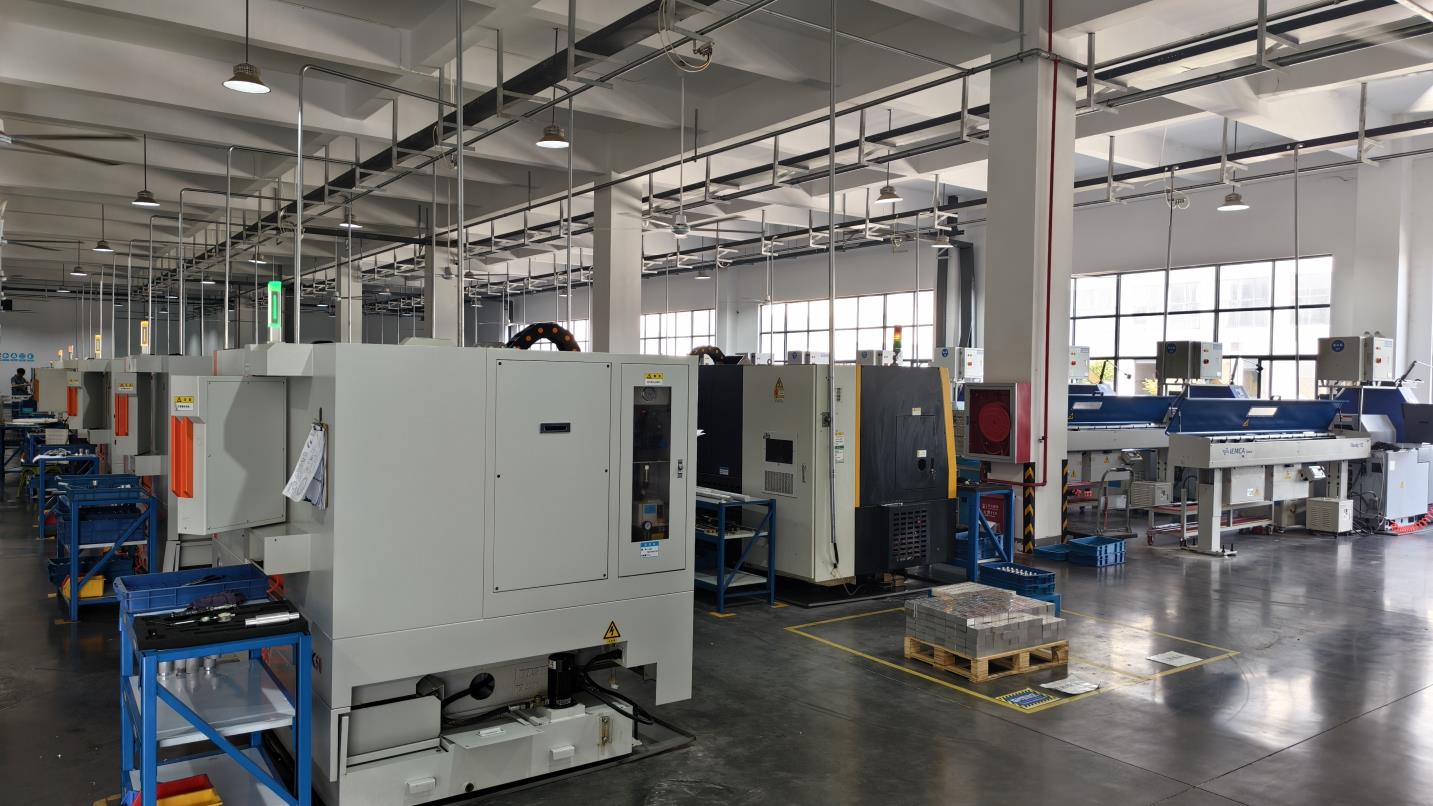
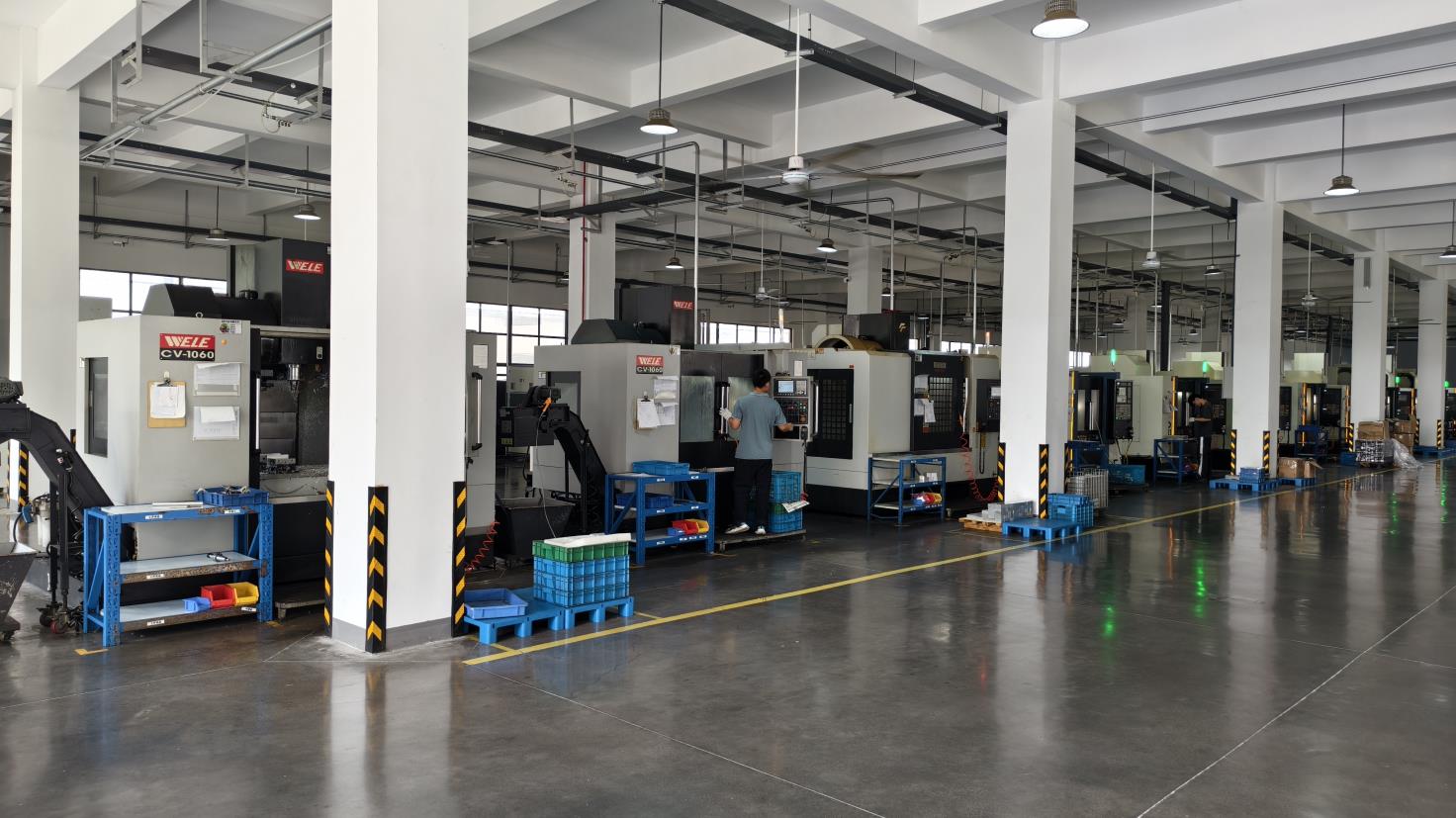
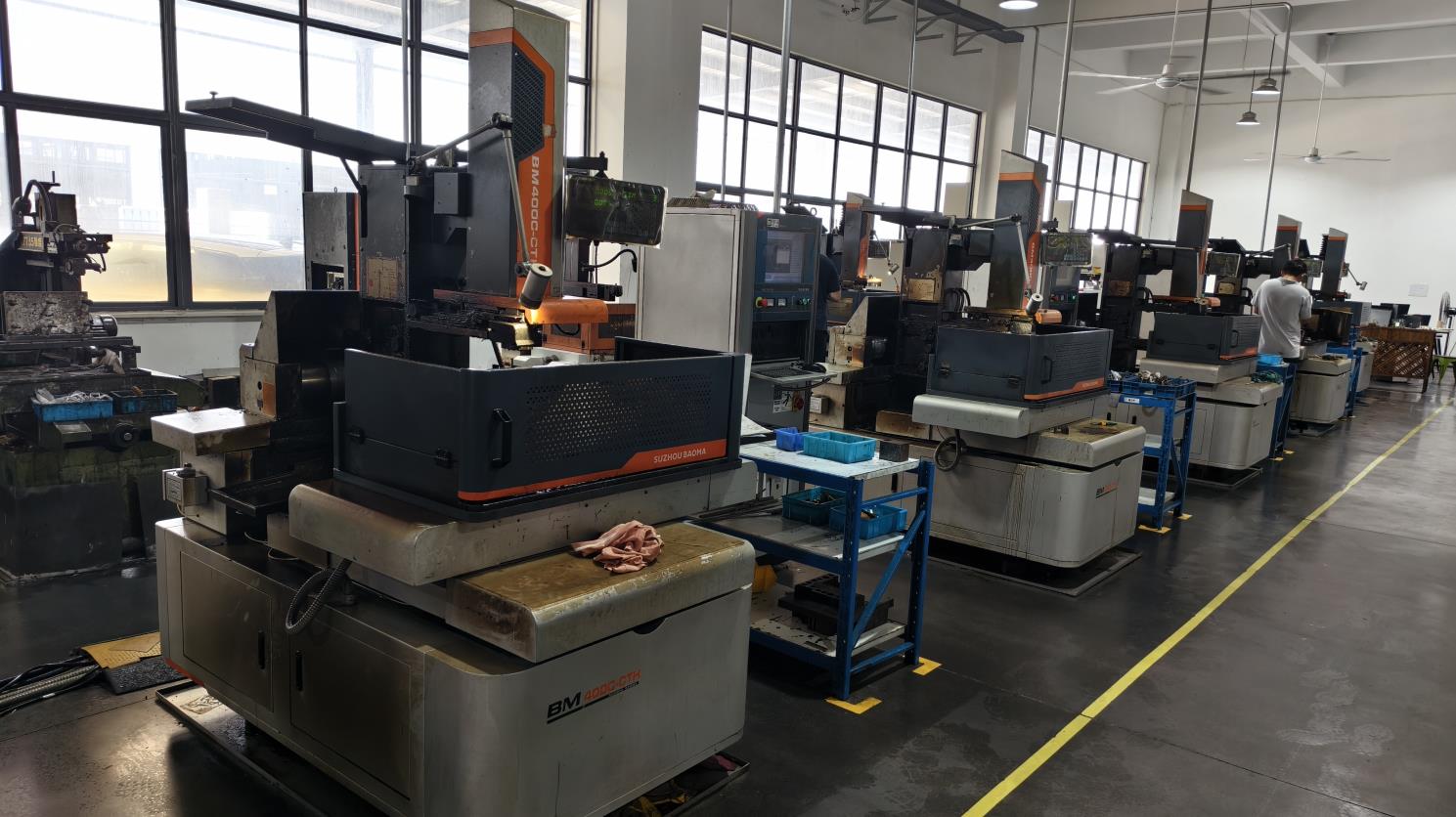
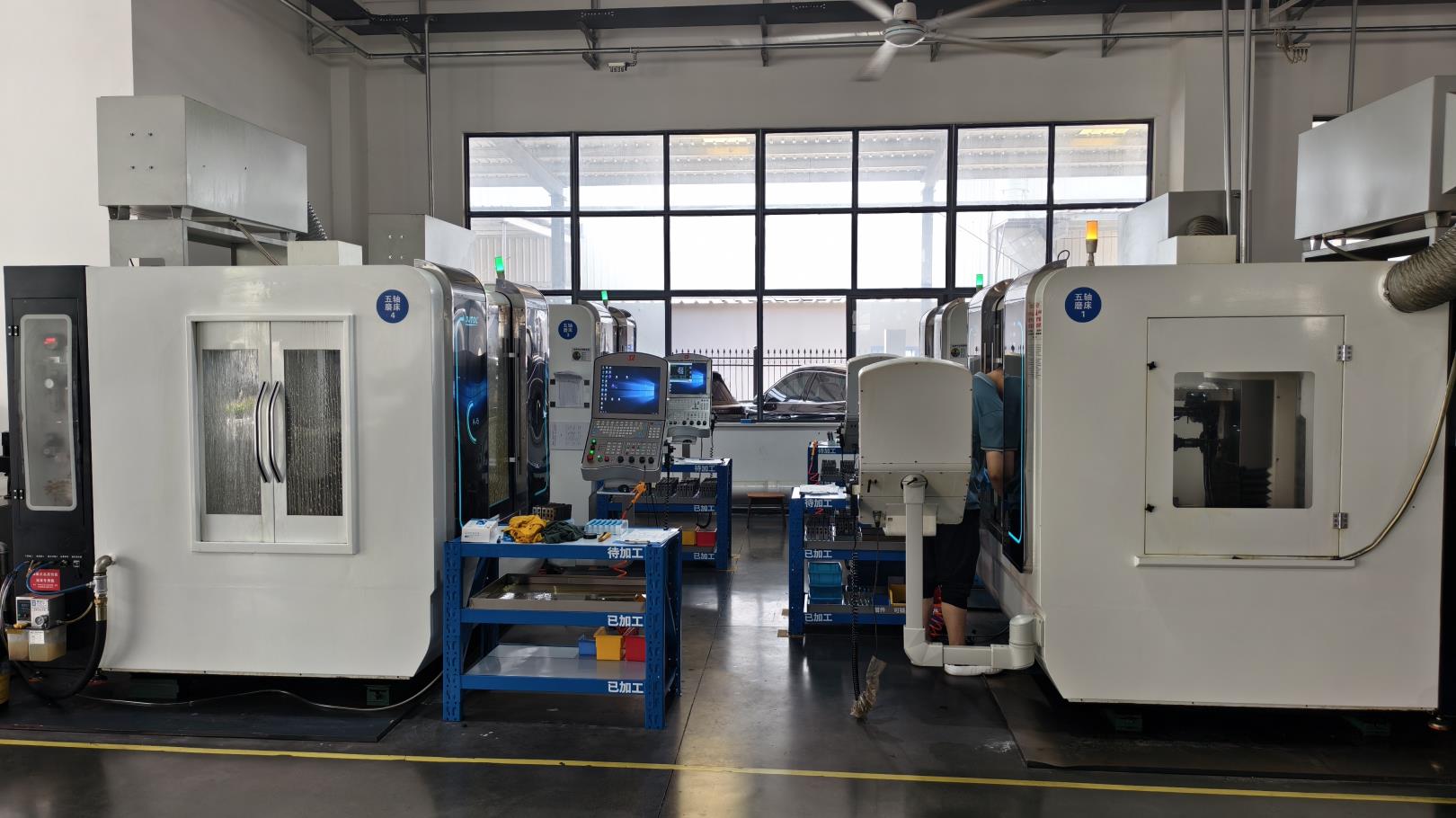
To maintain alignment with standard practices within Dutch UMC neurosurgical clinics, our instruments are categorized according to specific neuro-anatomical pathways and spatial constraints:
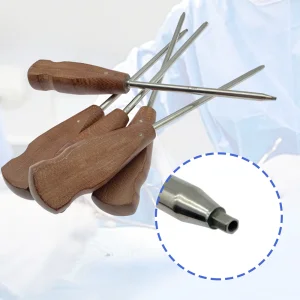
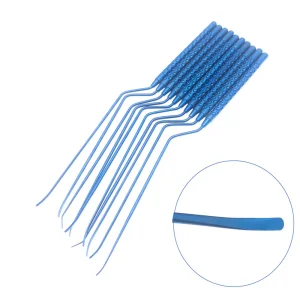
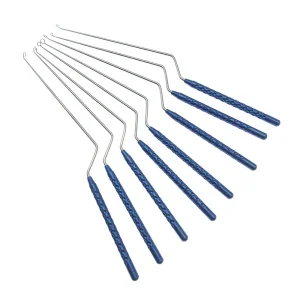
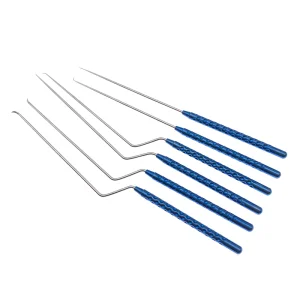
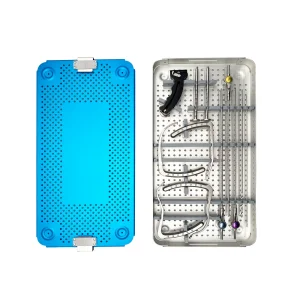
For microvascular decompression, particularly to treat trigeminal neuralgia or hemifacial spasms, the surgeon relies on absolute control within the cerebellopontine angle. Our Titanium Micro-Spatulas and Nerve Hooks allow for the atraumatic manipulation of the superior cerebellar artery. The custom anodized coating prevents visual washout from the intensive magnification, ensuring safe implant positioning.
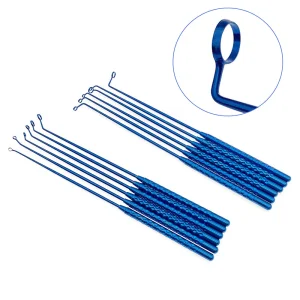
Utilizing narrow endonasal pathways requires malleable shafts that can be bent slightly by the surgical team without losing structural durability. Our malleable Micro Pituitary Ring Curettes enable surgeons to clean remnants from the sella turcica floor with micro-tactile perception, protecting adjacent internal carotid arteries.
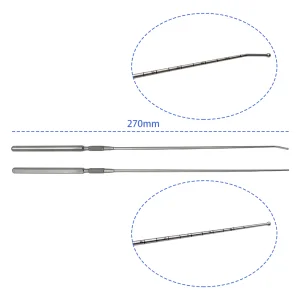
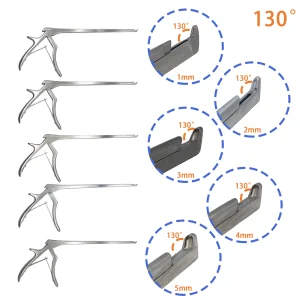
In complex lumbar and cervical spinal procedures, decompression requires deep lateral access. The Stainless Steel Nerve Root Probe (dual-channel design) enables the safe separation of nerve tissue from herniated disk materials. Combined with 1mm-5mm Kerrison Rongeurs, osteophytes are resected without crushing surrounding dura mater.
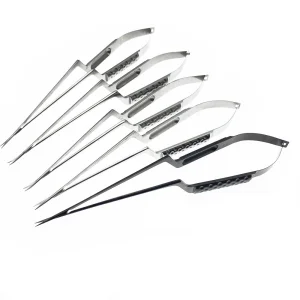
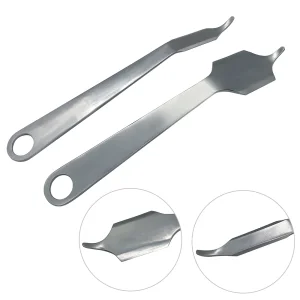
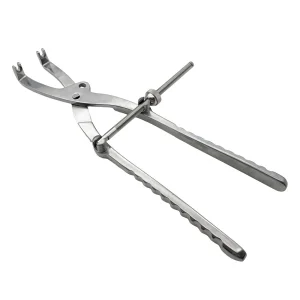
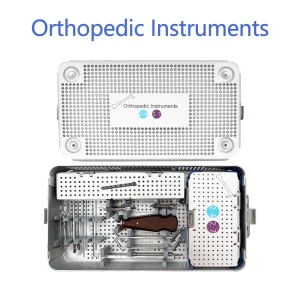
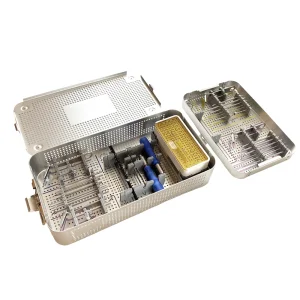
Discover our comprehensive portfolio of surgical tools, micro-knives, retractor components, and specialized orthopedic sets.
Addressing standard procurement, material compliance, and export logistics queries for Dutch and European healthcare buyers.