 SENJIE Healthy & Technology
SENJIE Healthy & Technology
SENJIE Healthy & Technology
Premium grade titanium-alloy instrument configurations validated for microvascular decompression, skull-base surgeries, and neuro-oncological resections.
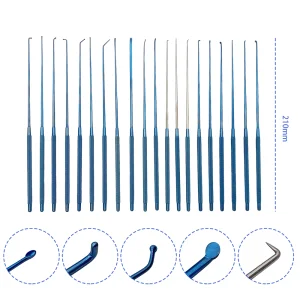
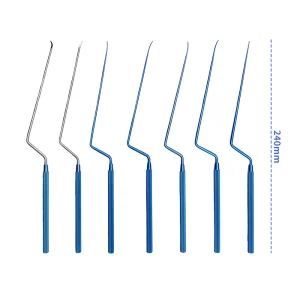
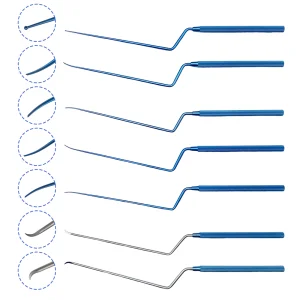
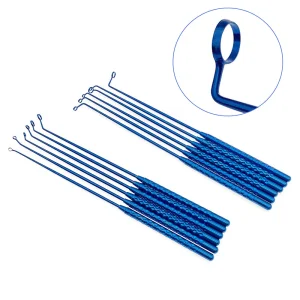
The city of Paris and the wider Île-de-France region represent the epicenter of European medical research and advanced clinical procedures. Housing historic academic hospitals governed by the Assistance Publique - Hôpitaux de Paris (AP-HP), such as the Hôpital de la Pitié-Salpêtrière and the Brain and Spine Institute (ICM), Paris requires surgical tools engineered to the absolute limits of mechanical tolerance.
As a seasoned exporter in the field, we understand that neurosurgical intervention demands instrumentation that becomes a seamless extension of the surgeon’s hands. Our product pipeline is optimized for micro-incision approaches, minimally invasive spinal reconstructions, and precise cranial interventions, balancing rigid structural durability with lightweight materials to limit hand fatigue during extended procedures.
Our commitment to the French and European markets is underpinned by absolute compliance with the European Medical Device Regulation (EU MDR 2017/745), ensuring that clinical institutions receive fully documented, traceable, and premium-performance instrumentation ready for instant operating theater integration.
We rely primarily on Surgical Grade Titanium Alloy (Ti-6Al-4V) and Martensitic Stainless Steel (420 series). These materials display non-magnetic behavior, crucial for MRI-guided surgical suites, and provide high resistance to corrosive saline and alkaline autoclave environments.
A rigorous metallurgical comparison showing why modern neurosurgeons in Paris are transitioning to titanium-based instrument systems.
| Property Parameter | Titanium Alloy (Grade 5, Ti-6Al-4V) | Premium Stainless Steel (420 / 316LVM) | Clinical Advantage in Micro-Neurosurgery |
|---|---|---|---|
| Weight Ratio | ~4.5 g/cm³ (approx. 45% lighter) | ~7.9 g/cm³ | Reduces distal hand tremors during deep microscopic dissection. |
| Magnetic Resonance (MRI) Compatibility | Highly Paramagnetic / Non-reactive | Ferromagnetic (varies by heat treat) | Safe for use under real-time intraoperative MRI guidance. |
| Tensile Strength (Yield) | ≥ 880 MPa | ≥ 550 MPa | Prevents micro-tips from bending or shearing under mechanical torque. |
| Autoclave Cycle Durability | Virtually infinite passivation recovery | Slight oxide degradation over time | Ensures safe sterilization cycles (up to 134°C) without micro-pitting. |
| Surface Reflection | Naturally matte / Anodized dark blue option | Polished / High glare | Minimizes surgeon visual fatigue under powerful operative LED lighting. |
Visualizing our advanced facility pipelines, cleanroom processing, forging, microscopic calibration, and custom CNC operations.
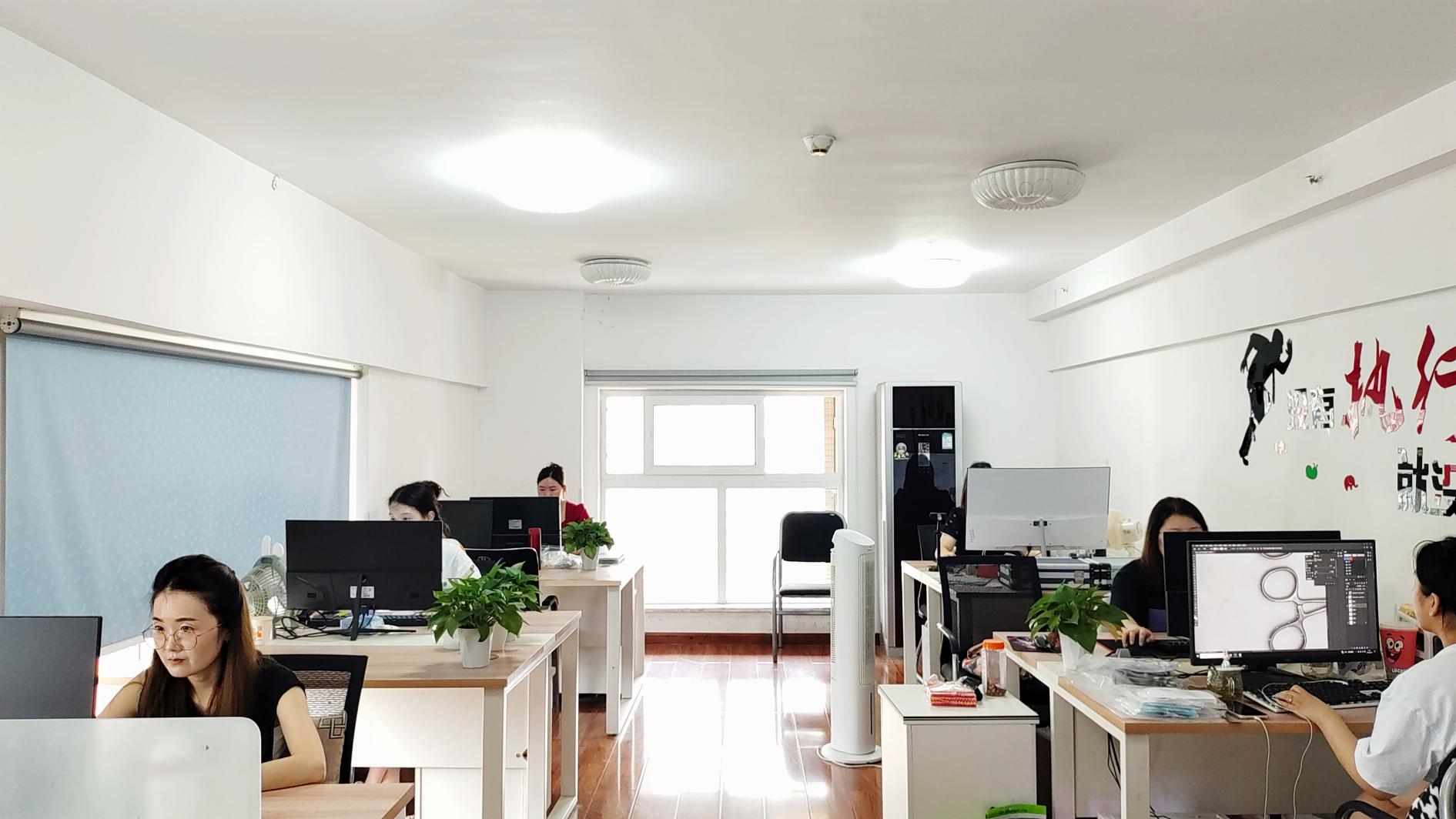
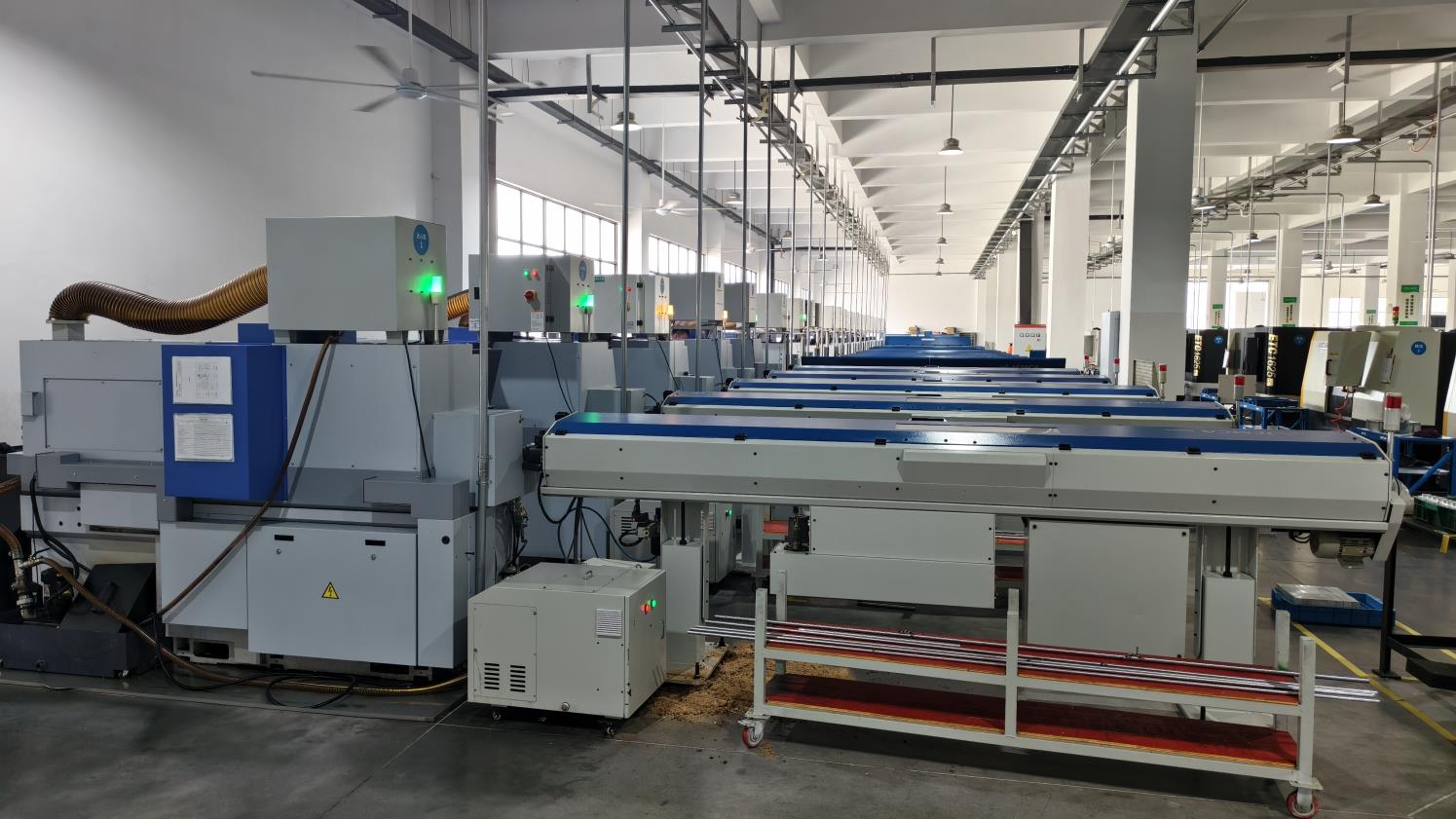
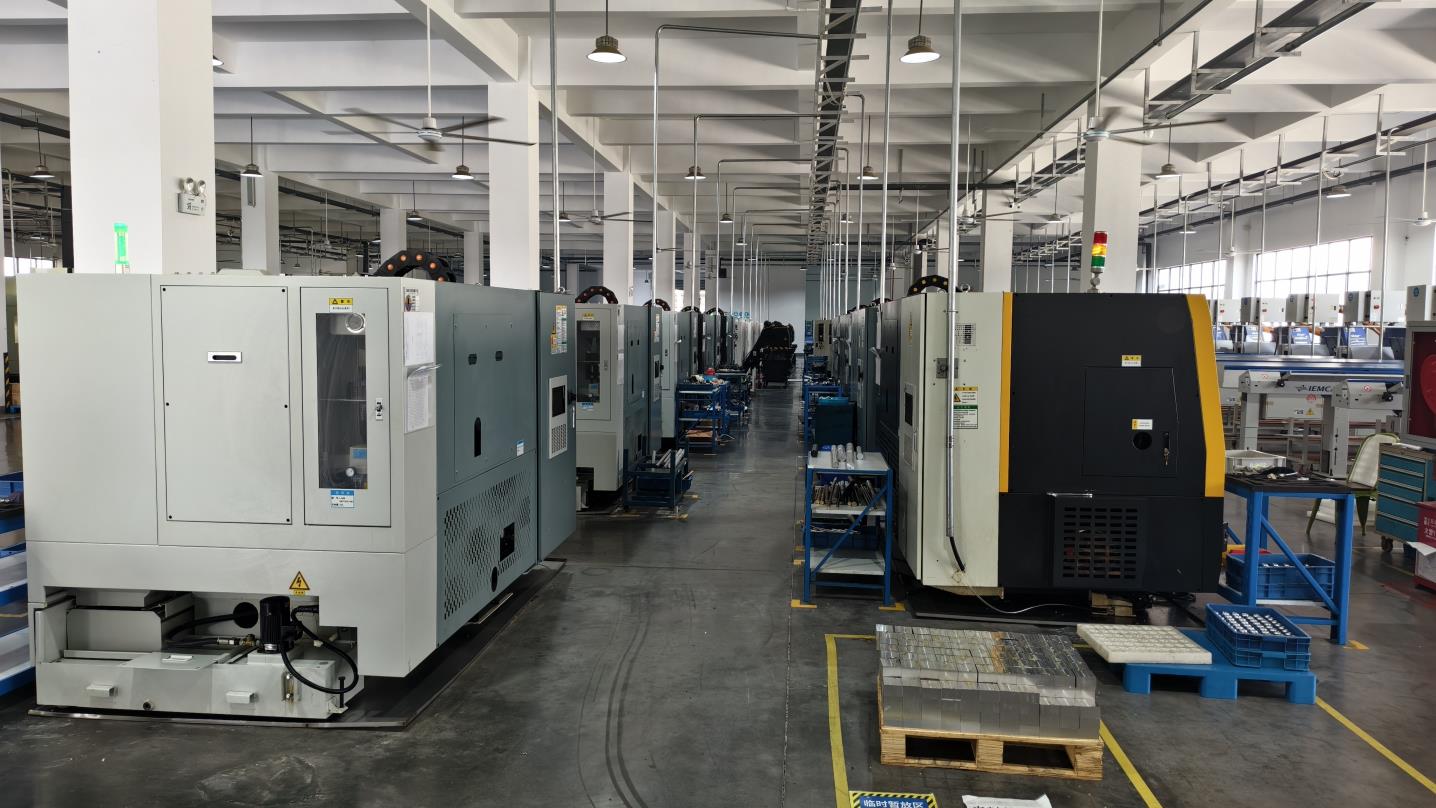
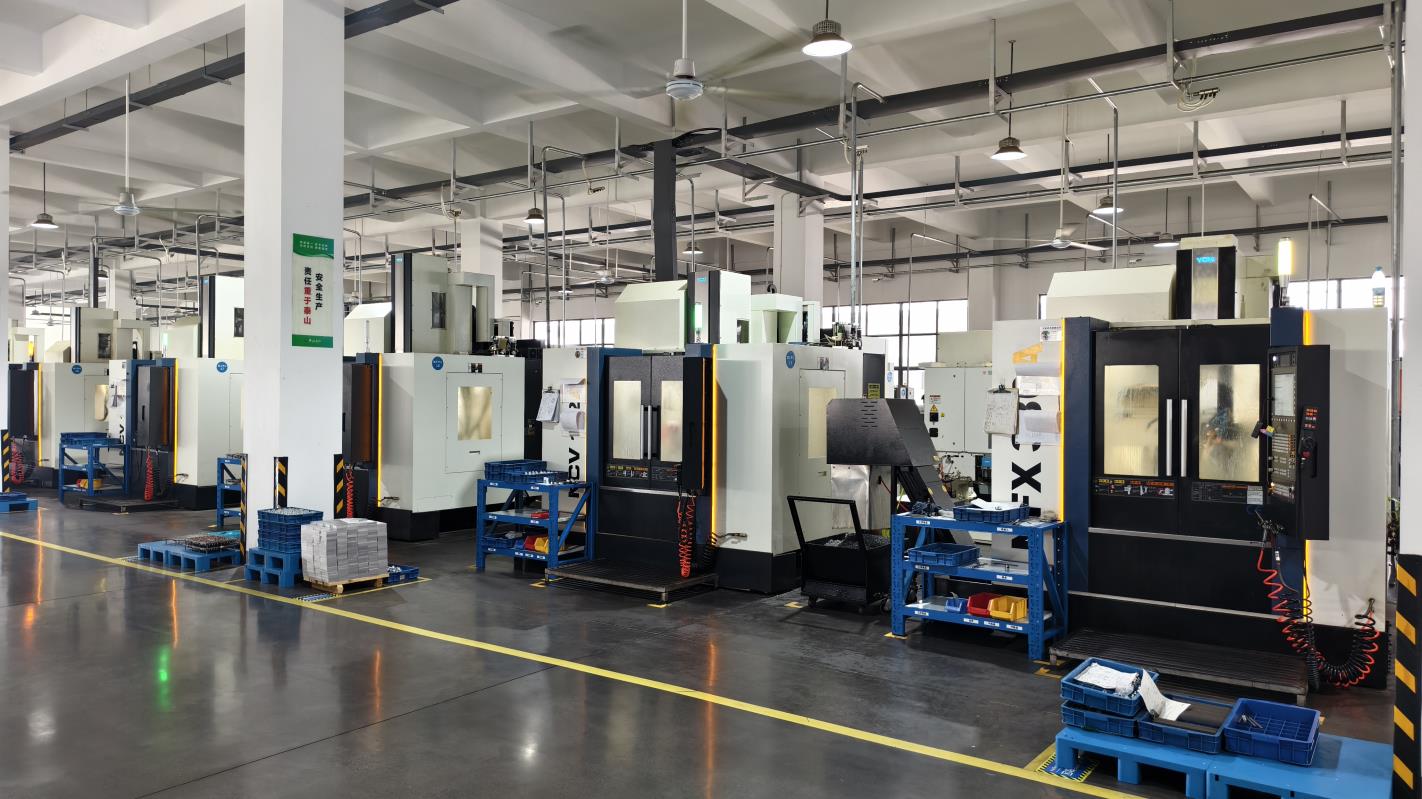
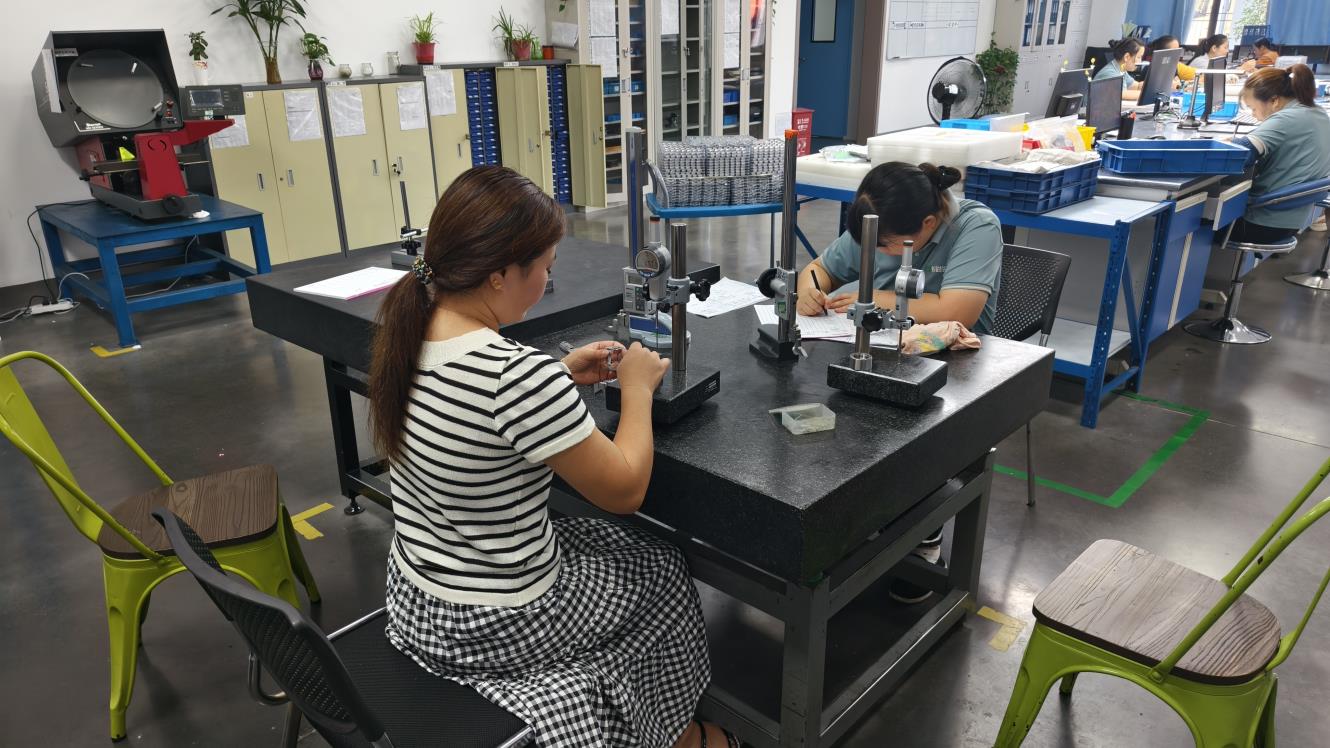
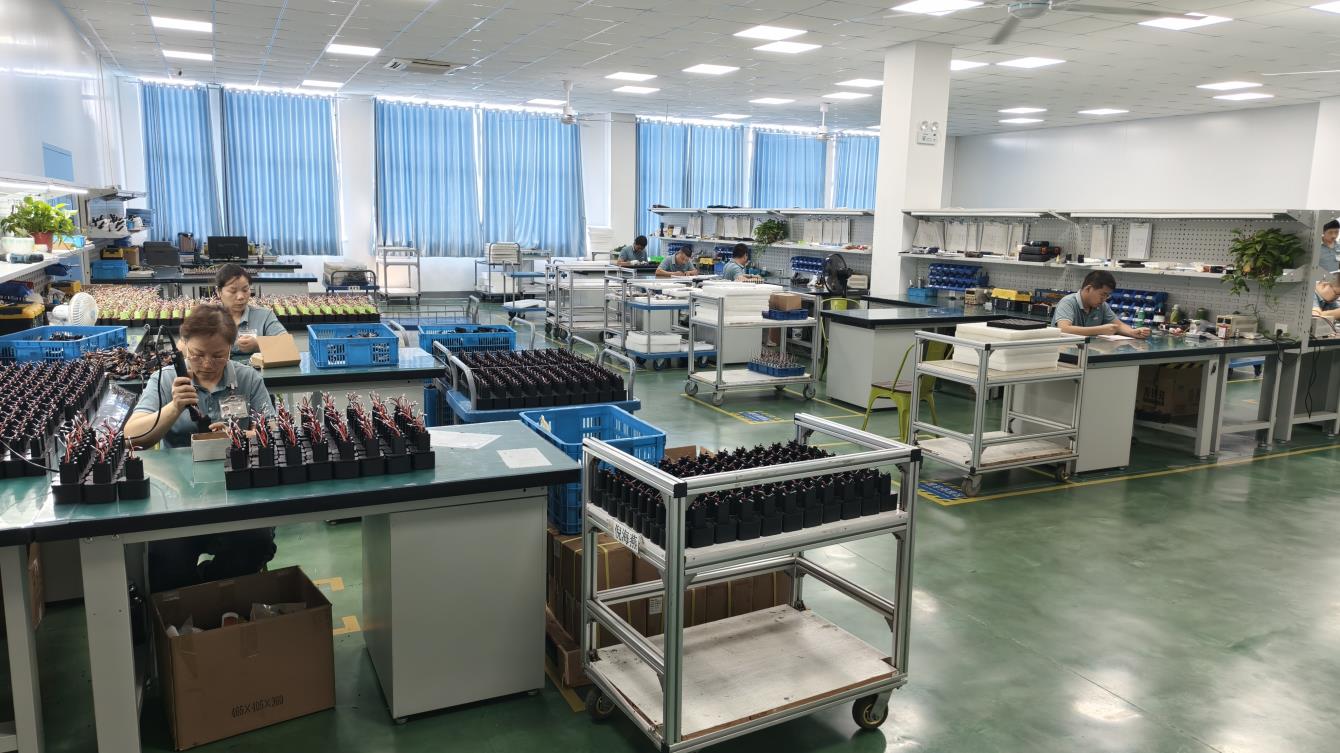
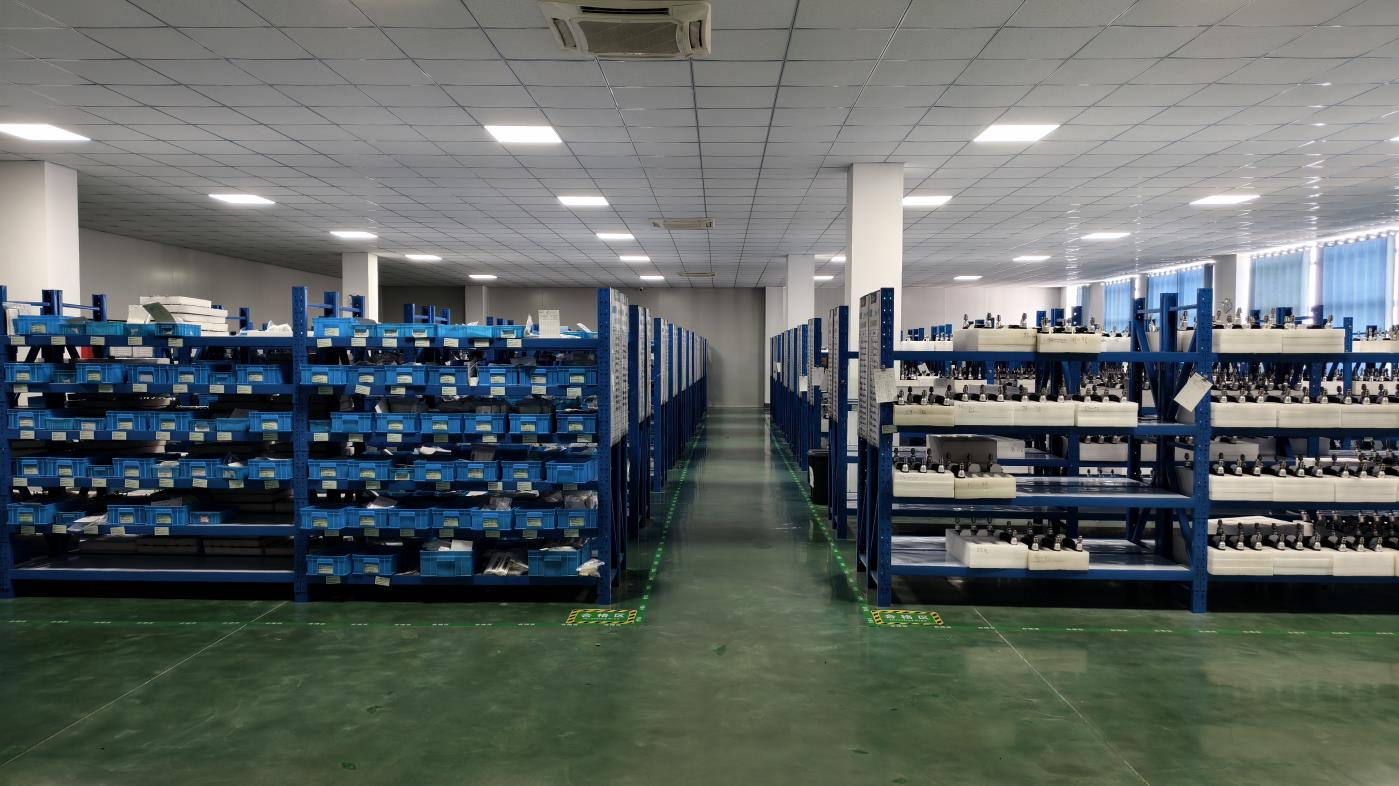
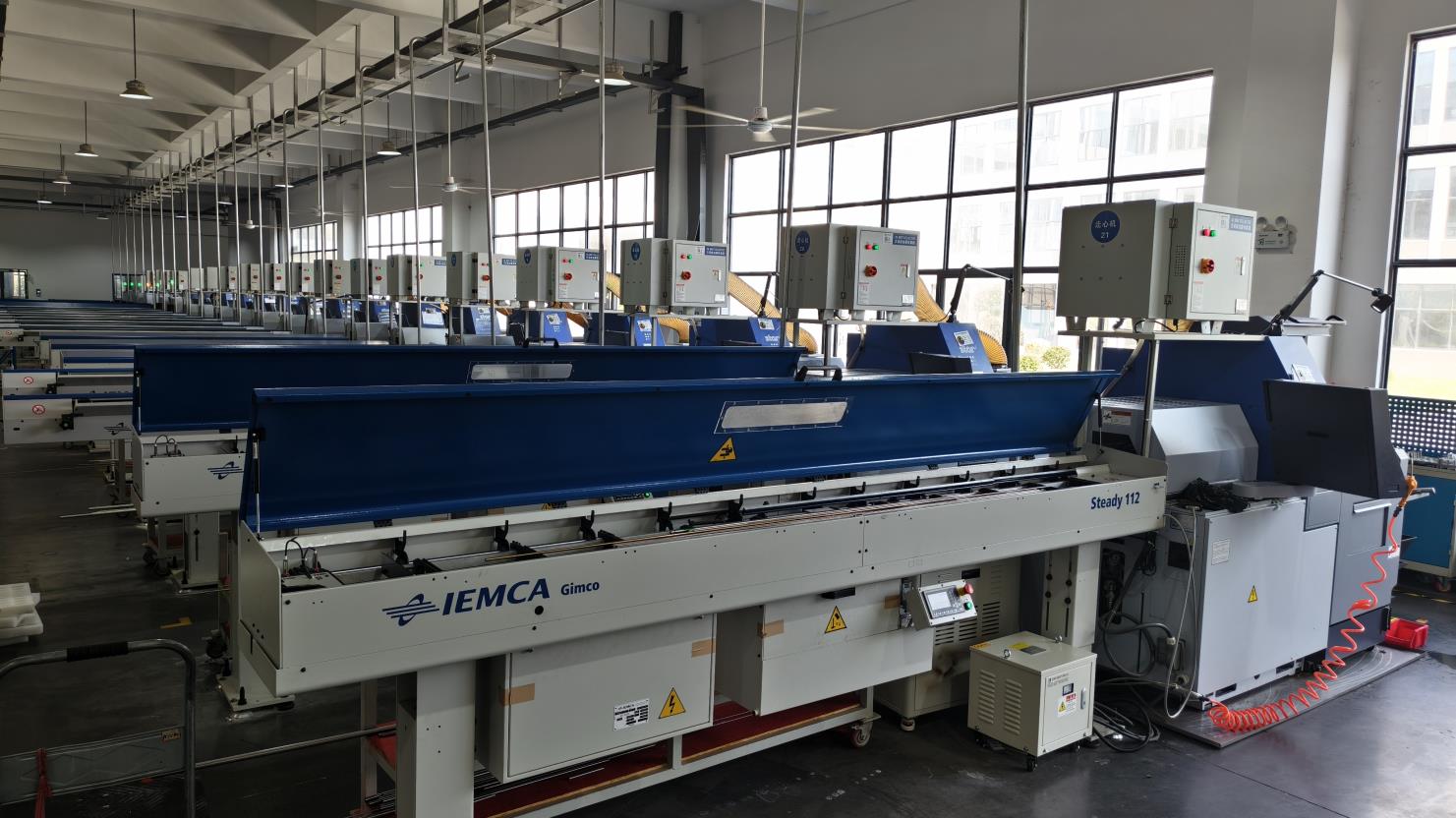
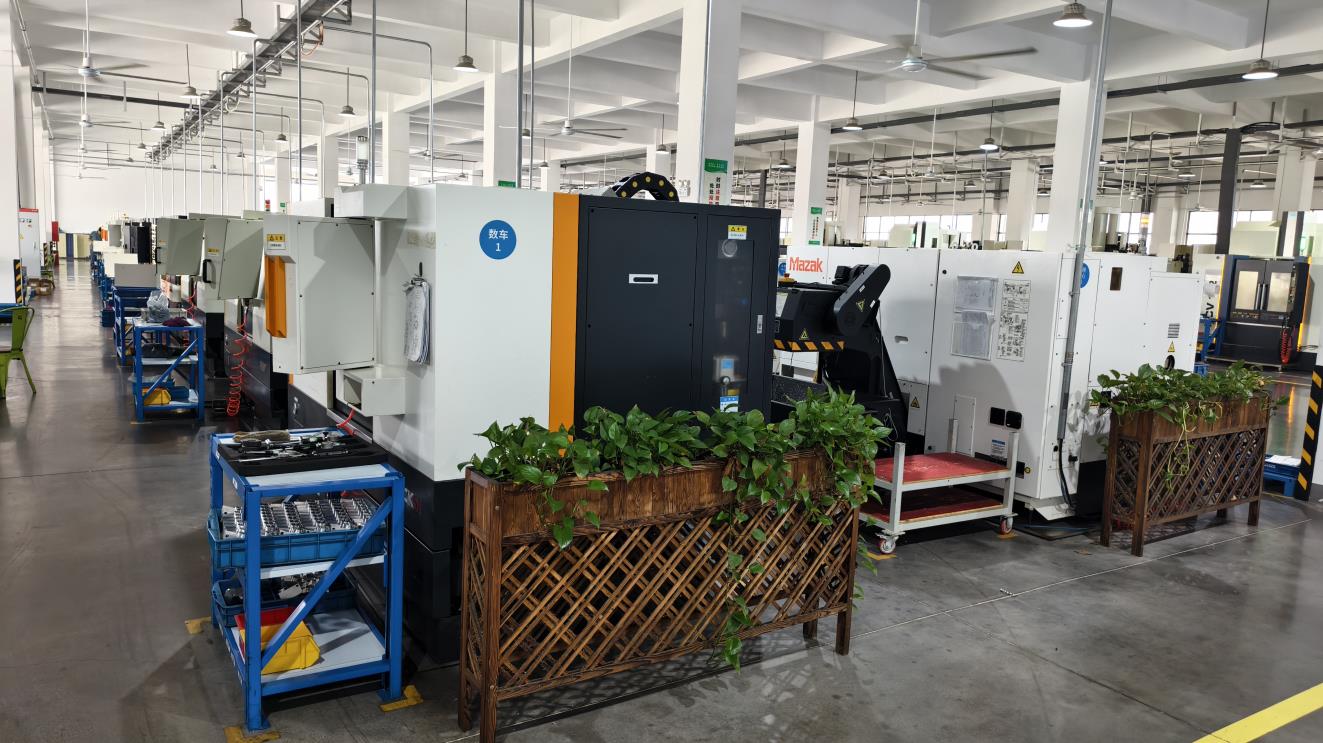
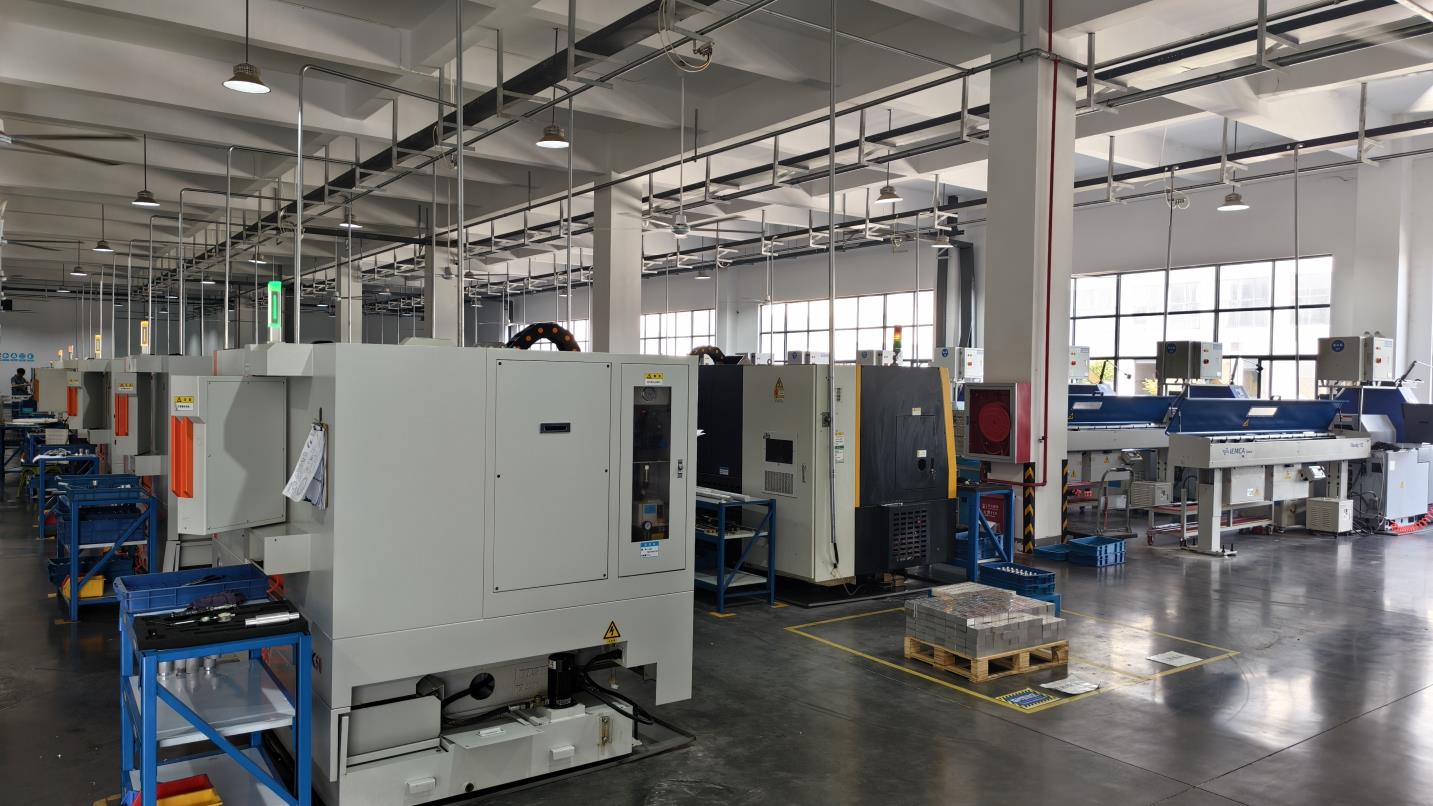
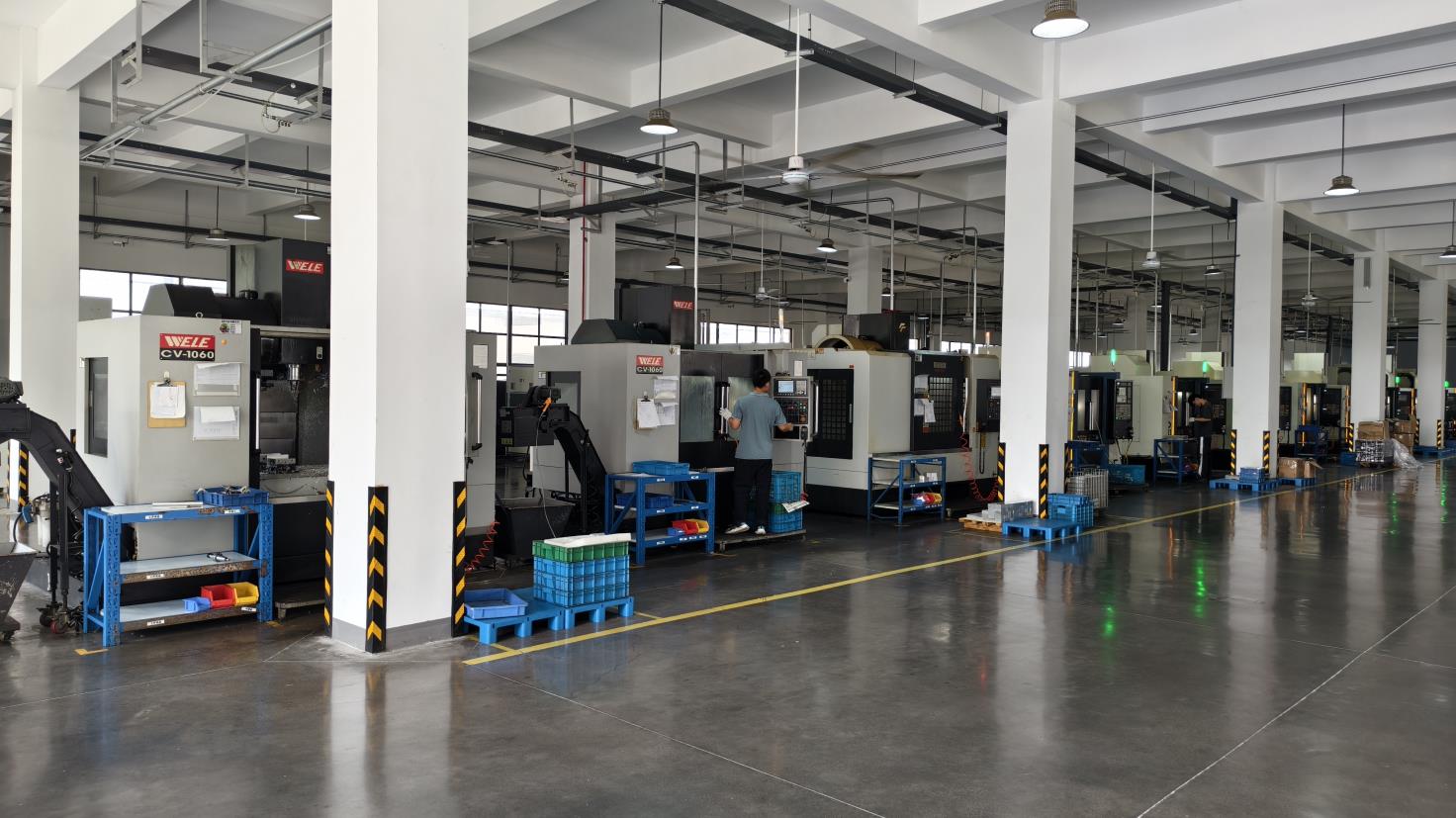
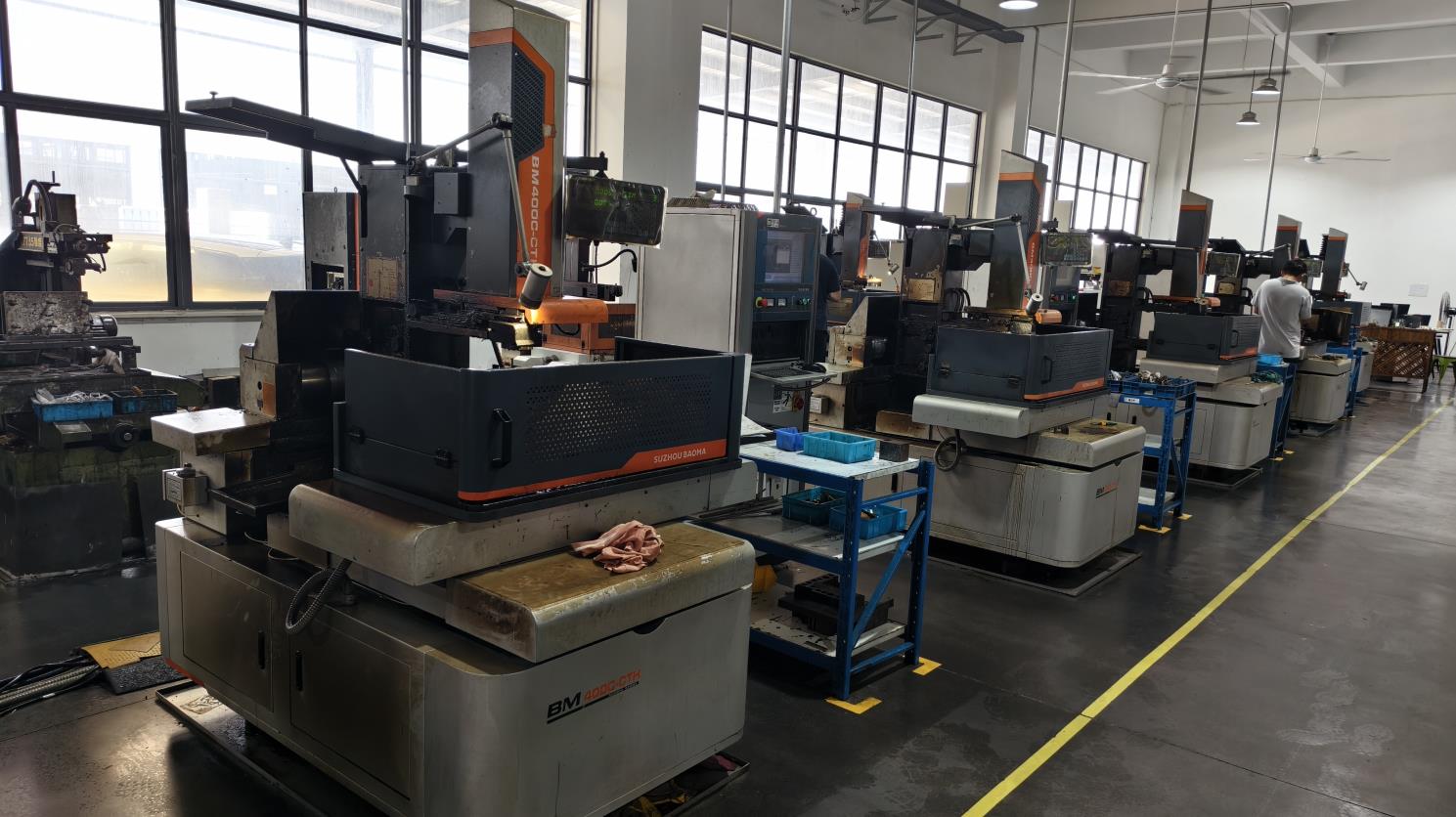
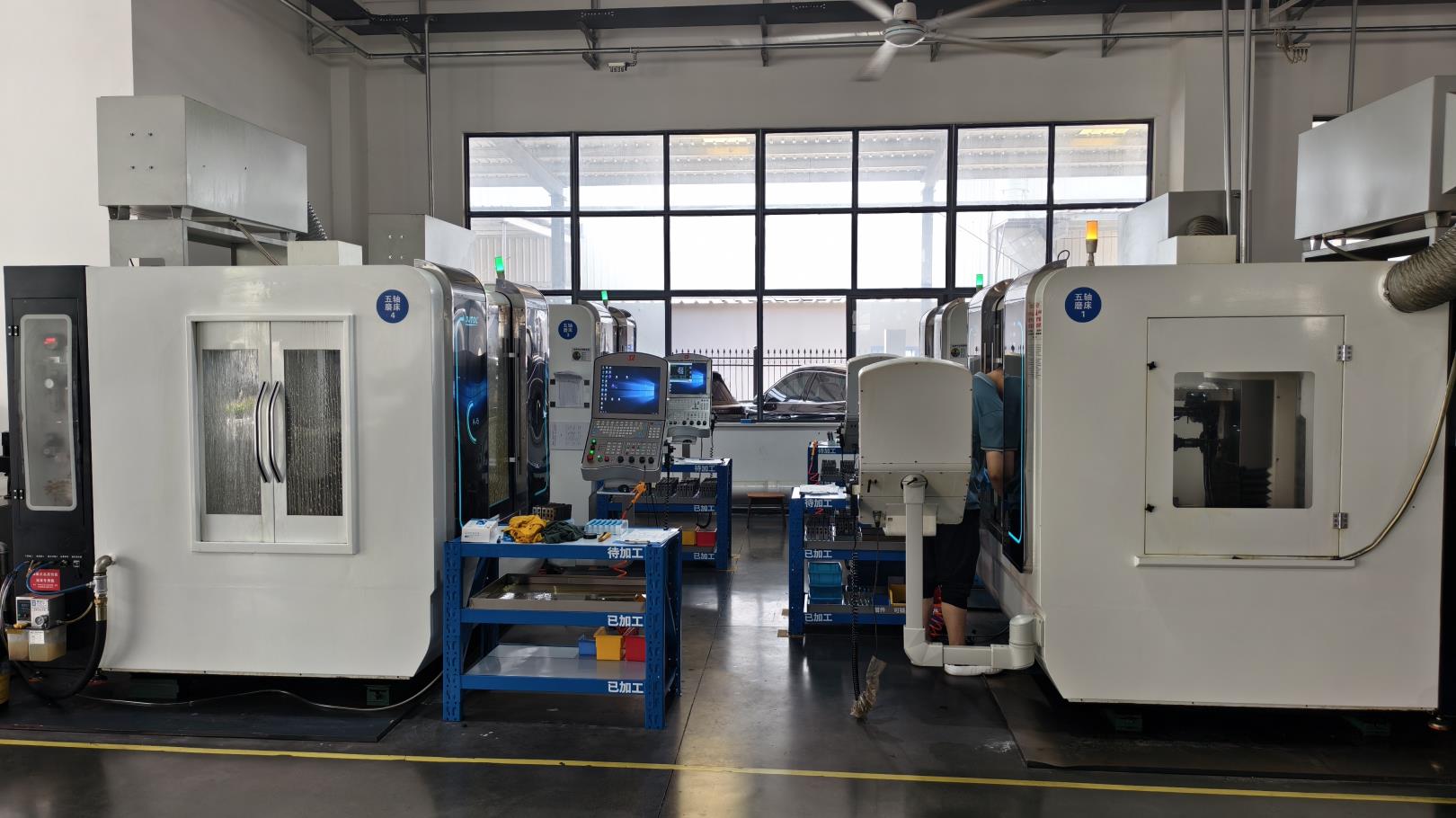
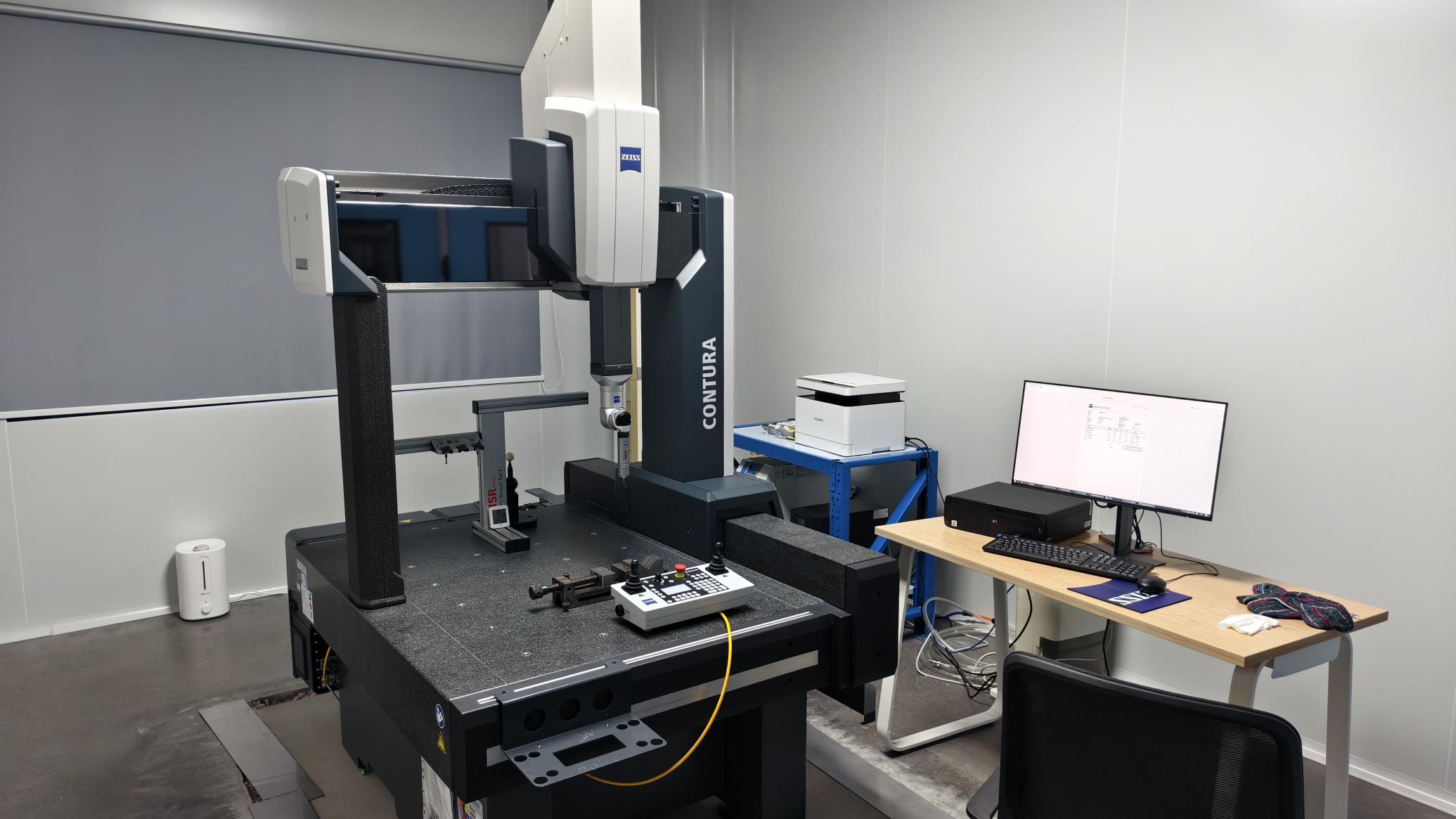
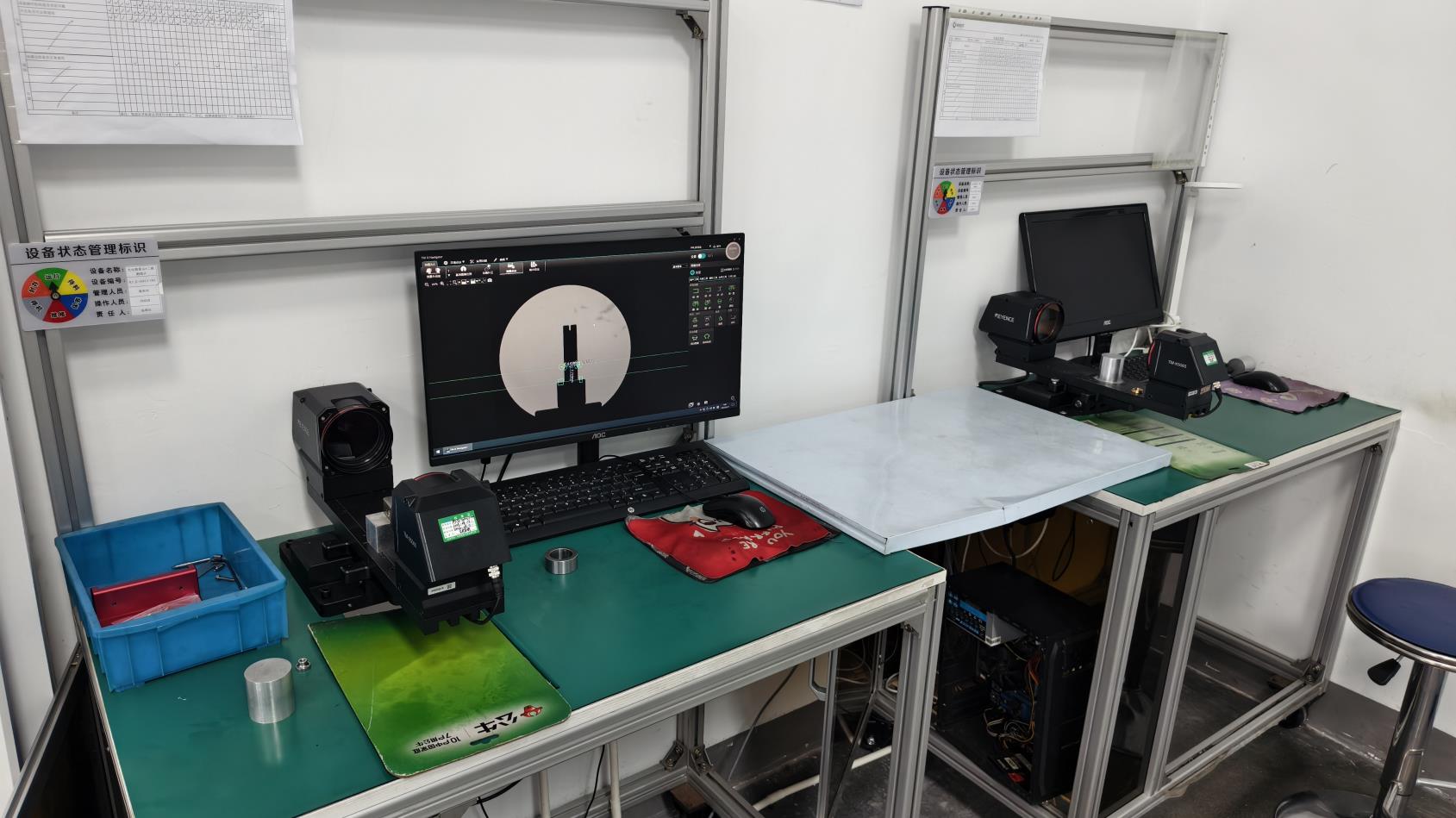
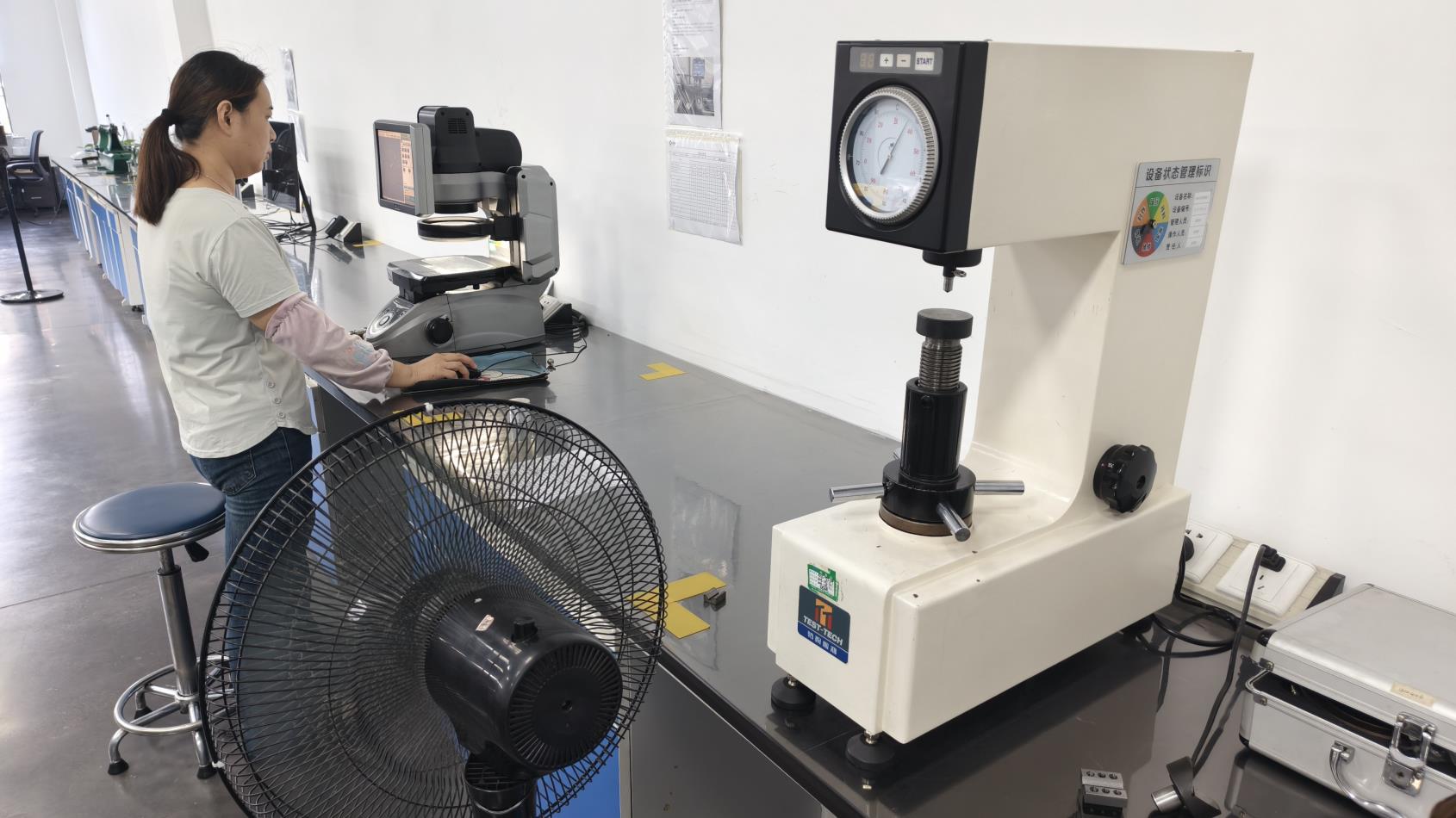
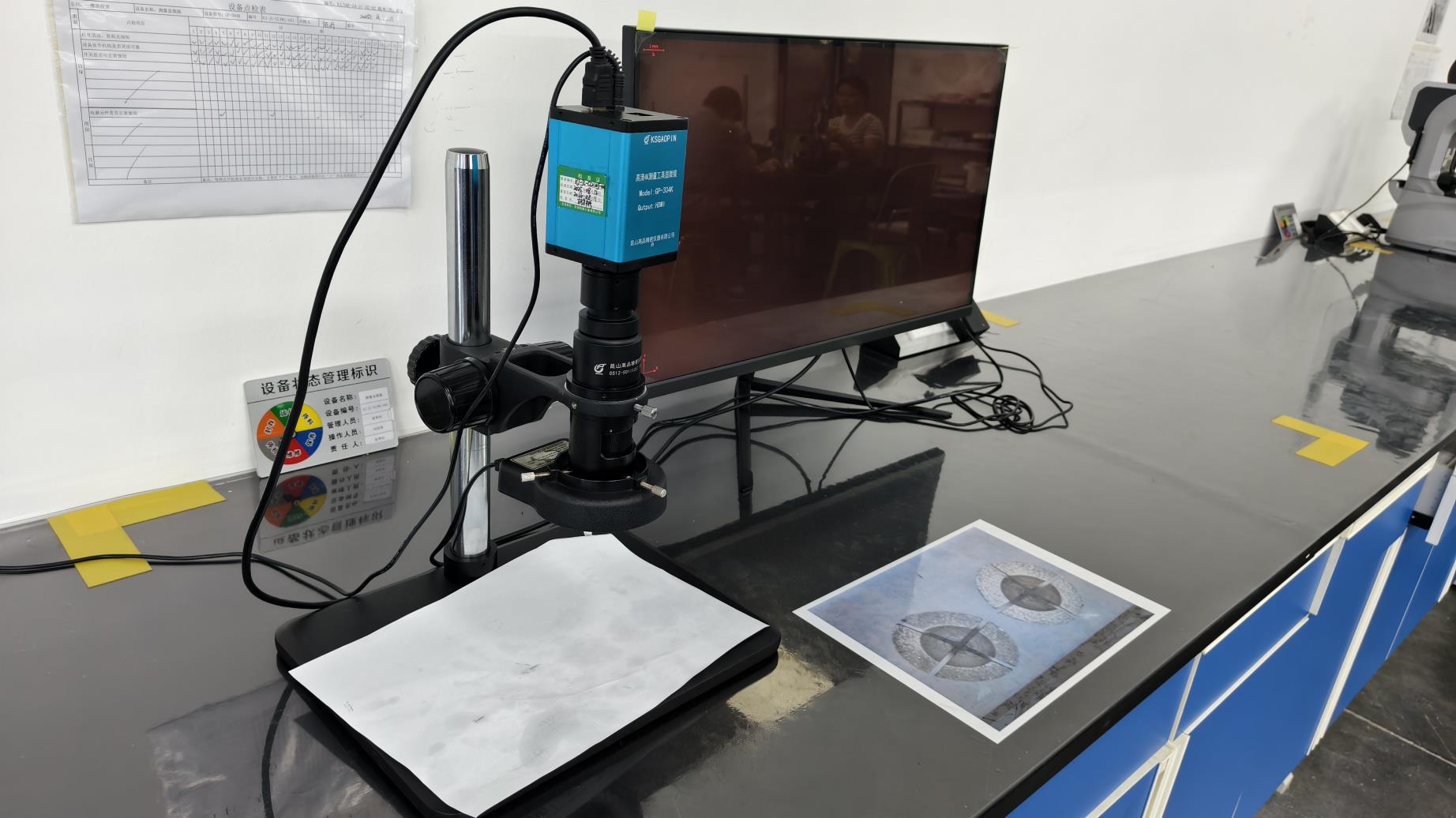
Neurosurgery is historically defined by the visual limitations of the surgeon. The advent of intraoperative surgical microscopes, endoscopes, and stereotactic navigation has pushed the physical dimensions of instruments into the sub-millimeter scale. Our roadmap targets three principal vectors of technology integration:
Application of physical vapor deposition (PVD) to form titanium nitride (TiN) and diamond-like carbon (DLC) coatings. This dramatically decreases tip friction during bone tunneling and micro-osteotomies, while completely eliminating light reflection under high-intensity fiber optic illumination.
Integrating superelastic Nitinol elements in flexible pituitary retractors and malleable micro-curettes. This allows local clinicians to curve the shaft during deep corridors (e.g., transsphenoidal hypophysectomy) without permanent mechanical deformation.
Transitioning from traditional flat-grip instruments to modular, fluted round-handle designs. The circular profile allows surgeons to rotate the micro-dissector or hook smoothly between the thumb and forefinger without changing wrist posture.
Our micro-surgical and orthopedic lines have been designed to align with typical protocols found in European clinical networks:
A transparent look at our export credentials, quality assurance systems, and global distribution profile.
Since our formal registration in 2019, we have established an international footprint spanning North America, South America, Southeast Asia, and Western Europe. Our operations are customized to meet the complex logistical and documentation demands of private clinics, wholesalers, and major government tenders.
Each manufacturing batch is backed by mill test report verification. Samples are drawn at random intervals throughout the production cycle, culminating in a 100% final inspections of tips, joints, and insulation properties prior to packaging.
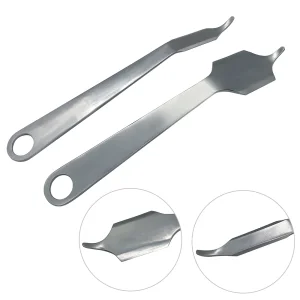
Complete instrumentation line featuring specialized microscissors, pituitary curettes, micro knives, and orthopedic reconstruction equipment.
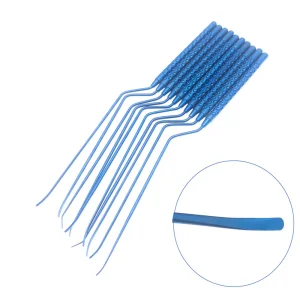
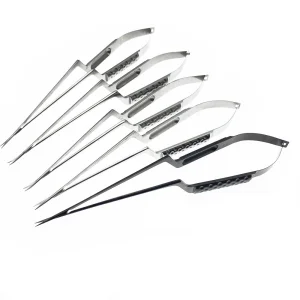
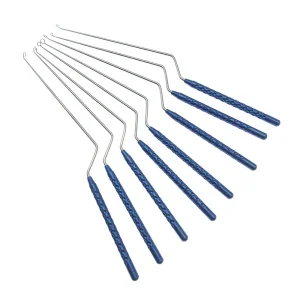
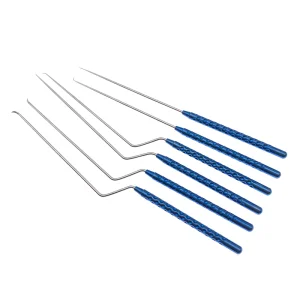
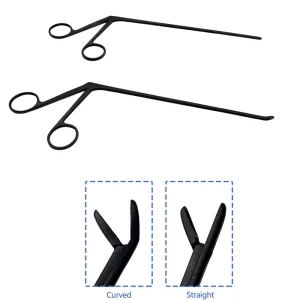
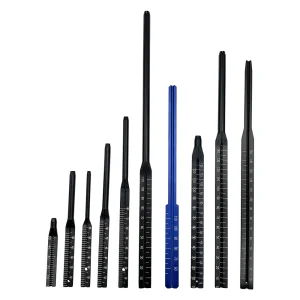
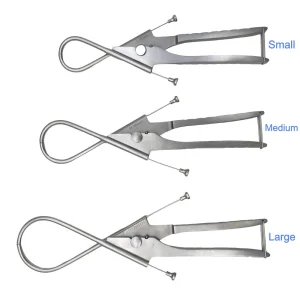
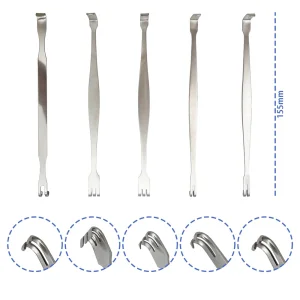
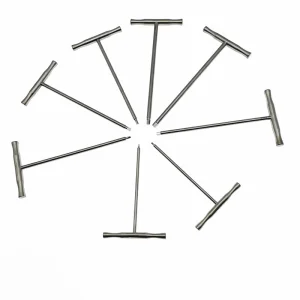
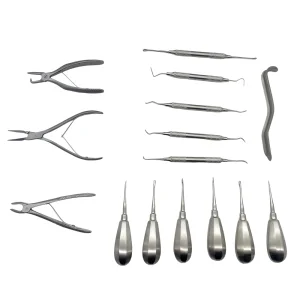
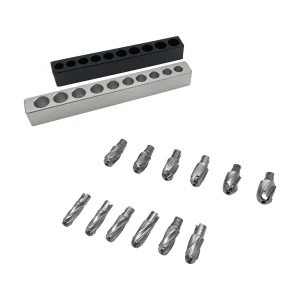
Procuring surgical devices inside the European Economic Area requires strict adherence to administrative and biological safety thresholds. For distributors and hospitals in Paris, importing devices entails rigorous checkouts against localized medical systems. We ensure seamless custom clearing by furnishing exhaustive compliance documents:
Including precise material chemical composition analyzes (spectrometric reports), surface biocompatibility certificates (ISO 10993 series), and validated cleaning procedures for autoclaving sterilization protocols.
Through specialized logistics channels serving Charles de Gaulle (CDG) airport and French custom ports, we implement high-integrity packing, tracking numbers, and duty/VAT documents optimized for French custom clearance.
The global neurosurgical tools landscape is transitioning rapidly. Key structural changes include:
Find answers to critical technical questions regarding materials, certifications, order fulfillment, and logistics for the French market.
We use medical-grade Titanium Alloy, primarily Ti-6Al-4V (Grade 5). This material is highly biostable, exceptionally strong, and paramagnetic, meaning it does not experience movement or displacement when subjected to strong magnetic fields in intraoperative MRI suites.
Yes. All of our micro instruments are fully autoclavable and thermal-disinfectant ready. They have been validated for standard steam sterilization cycles at 134°C for up to 18 minutes in compliance with European EN 285 standards without experiencing degradation, micro-pitting, or structural weakening.
We supply comprehensive documentation including Certificate of Conformity, Material Declaration Sheets (showing traceability to the raw ingot batch), and sterilization instructions. We collaborate closely with French authorized representatives to ensure smooth customs clearance through Charles de Gaulle (CDG) or Orly hubs.
Yes. We support customized design pathways including sample processing, technical graphic layout processing, and customization on demand. Customers can specify the tip angle, shaft length, handle profile, or choose custom anodized colors to differentiate surgical suites.
Each micro instrument is packaged in a secure tip-protective sleeve, suspended inside sterile-barrier-ready primary containers, and then packed within thick double-wall export boxes. This completely prevents any movement or point-contact stress during international air transport.
For standard catalog items, orders are dispatched within 7-15 business days. Custom fabrications or large hospital tender orders generally take 30 to 45 days. Transit to France via air courier typically takes 5-7 business days from dispatch.
Equip your operating theaters, clinics, and distribution networks with surgical instruments engineered for ultimate tactile feedback and mechanical longevity.