SENJIE Healthy & Technology
SENJIE Healthy & Technology
SENJIE Healthy & Technology
Engineered to strict European medical standards, these frontline devices offer extreme precision, ergonomic stability, and superior durability for Budapest clinics and hospitals.
As the healthcare infrastructure across Hungary undergoes rapid modernization, the demand for high-caliber surgical instruments, particularly needle holders (also known as needle drivers), has scaled significantly. Prominent medical centers, including the Semmelweis University Hospital in Budapest, the University of Debrecen Clinical Center, and regional clinics in Szeged and Pécs, are continually upgrading their operating rooms to meet strict EU-MDR (Medical Device Regulation) guidelines. Consequently, medical procurement agents and distributors are searching for suppliers who can guarantee premium raw material traceability, advanced ergonomic designs, and cost-effective production scaling.
A surgical needle holder is a specialized hemostatic forceps used to securely grasp and guide suturing needles during surgical procedures. In micro-suturing, plastic surgery, cardiothoracic procedures, and veterinary orthopedics, the performance of the needle holder directly dictates the speed and accuracy of the surgeon's knots. Our manufacturing processes utilize premium surgical-grade stainless steel (such as SUS 420 J2 and SUS 440C equivalent) embedded with durable Tungsten Carbide (TC) inserts. These inserts feature precision cross-hatched pyramids that grip the needle with unmatched security, preventing slippage and rotating mid-stitch, which can cause tissue trauma.
Many hospitals in Hungary have historically relied on traditional European brands, which, while high in quality, carry substantial premium markups that squeeze procurement budgets. By establishing a direct import relationship with an ISO 13485-certified manufacturer, Hungarian distributors and hospital groups gain access to medical devices built on the same engineering baselines but at a fraction of the cost. This economic optimization is critical under Hungary’s public procurement frameworks (KEF), where quality scores and price efficiency must balance to win tenders.
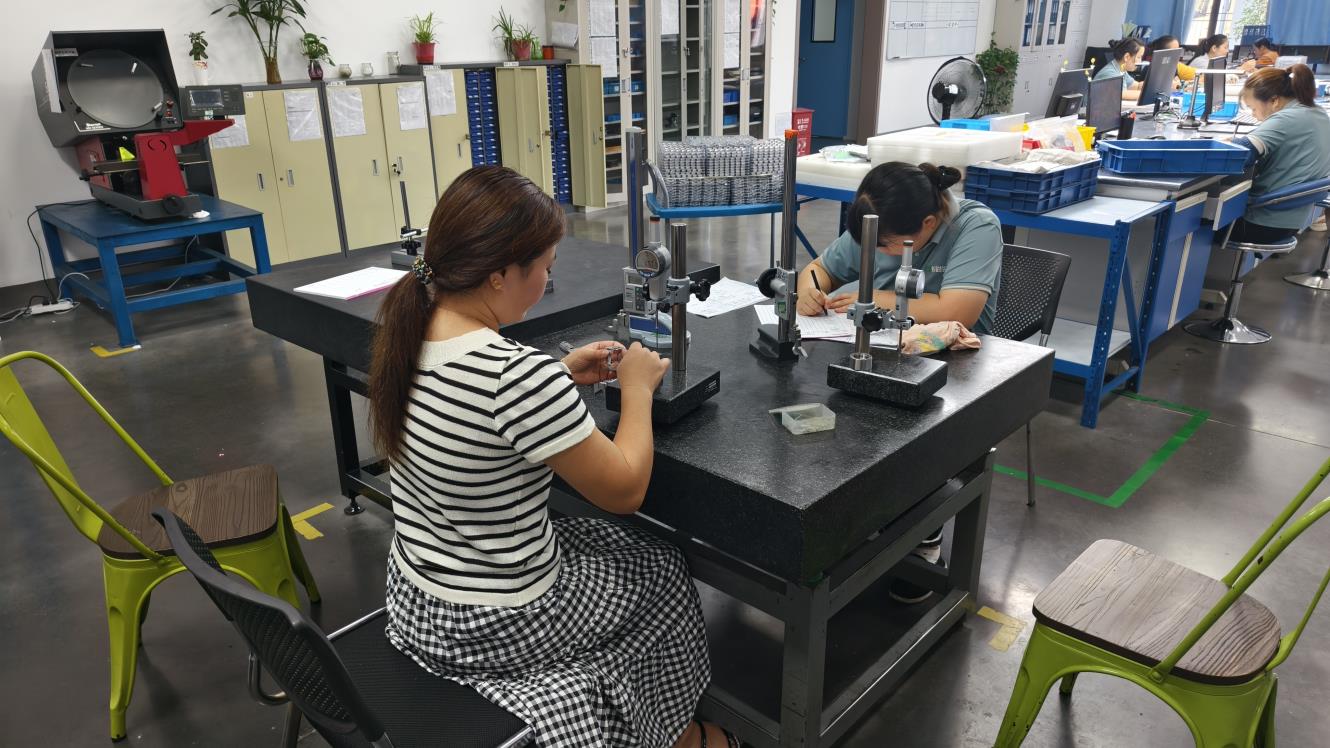
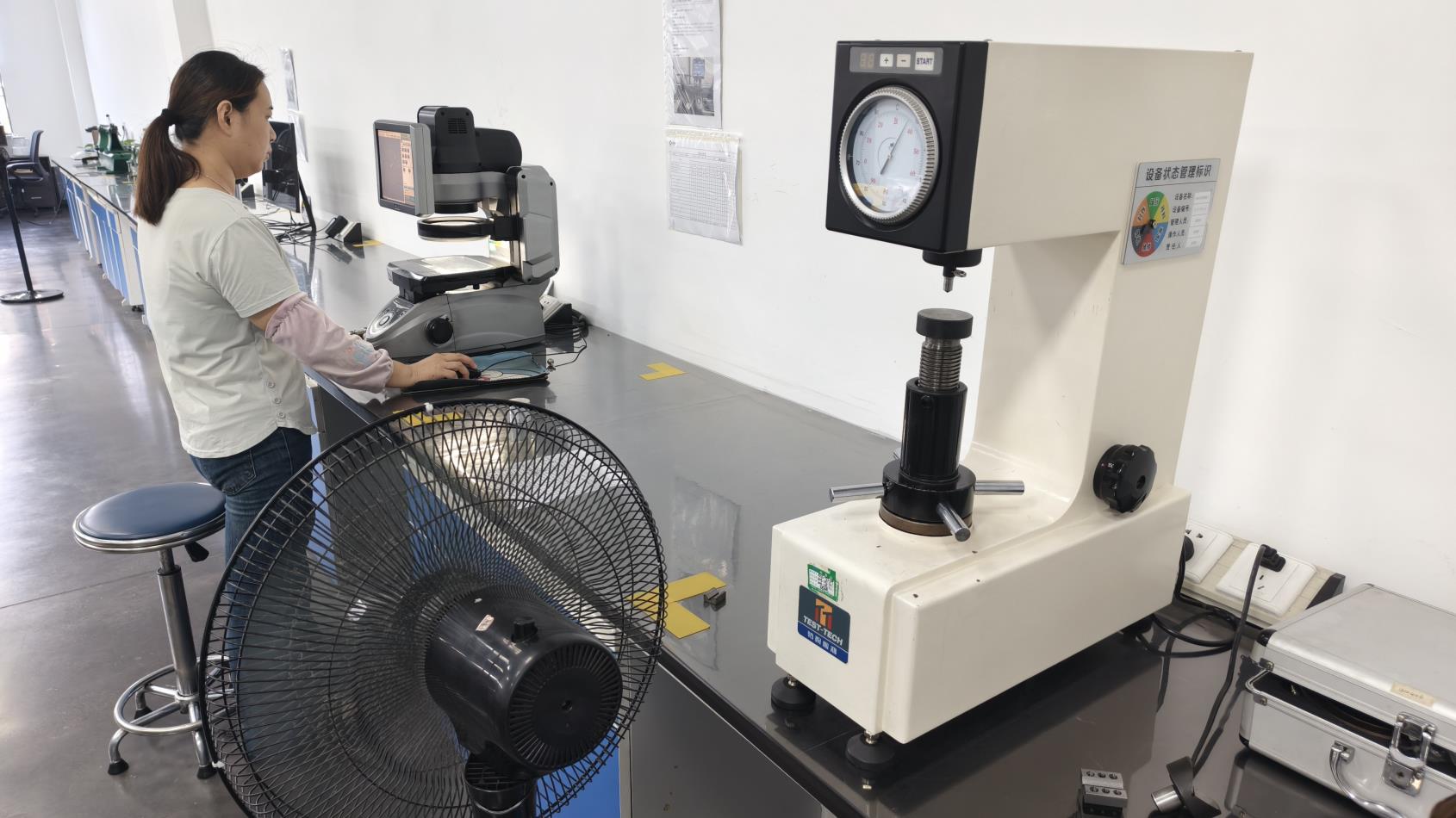
Our production workflows incorporate rigorous testing, checking for corrosion resistance, hardness parameters (typically HRC 50-55 for tips), and tensile stress durability. This ensures every needle holder withstands repeated autoclaving cycles without degradation.
We provide full technical documentation dossiers, including certificates of conformity, raw material chemical analyses, and compliance statements aligned with the European Union's CE markings, reducing importation roadblocks at Hungarian customs.
Whether you require micro-needle holders like Castroviejo for delicate ophthalmic procedures in Szeged, or heavy-duty Mayo-Hegar patterns for general surgery departments in Budapest, our catalogue adaptively services the entire clinical spectrum.
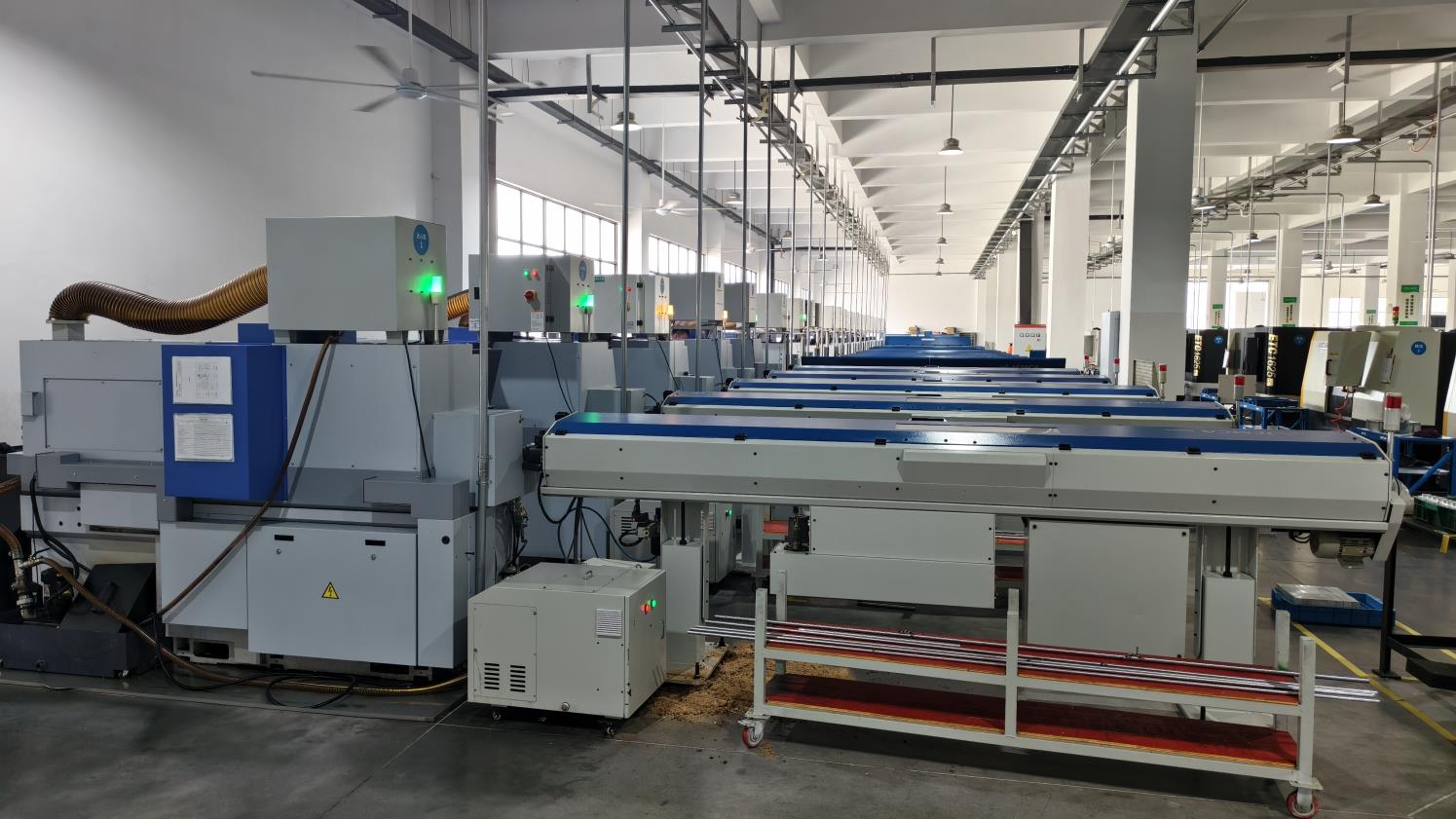
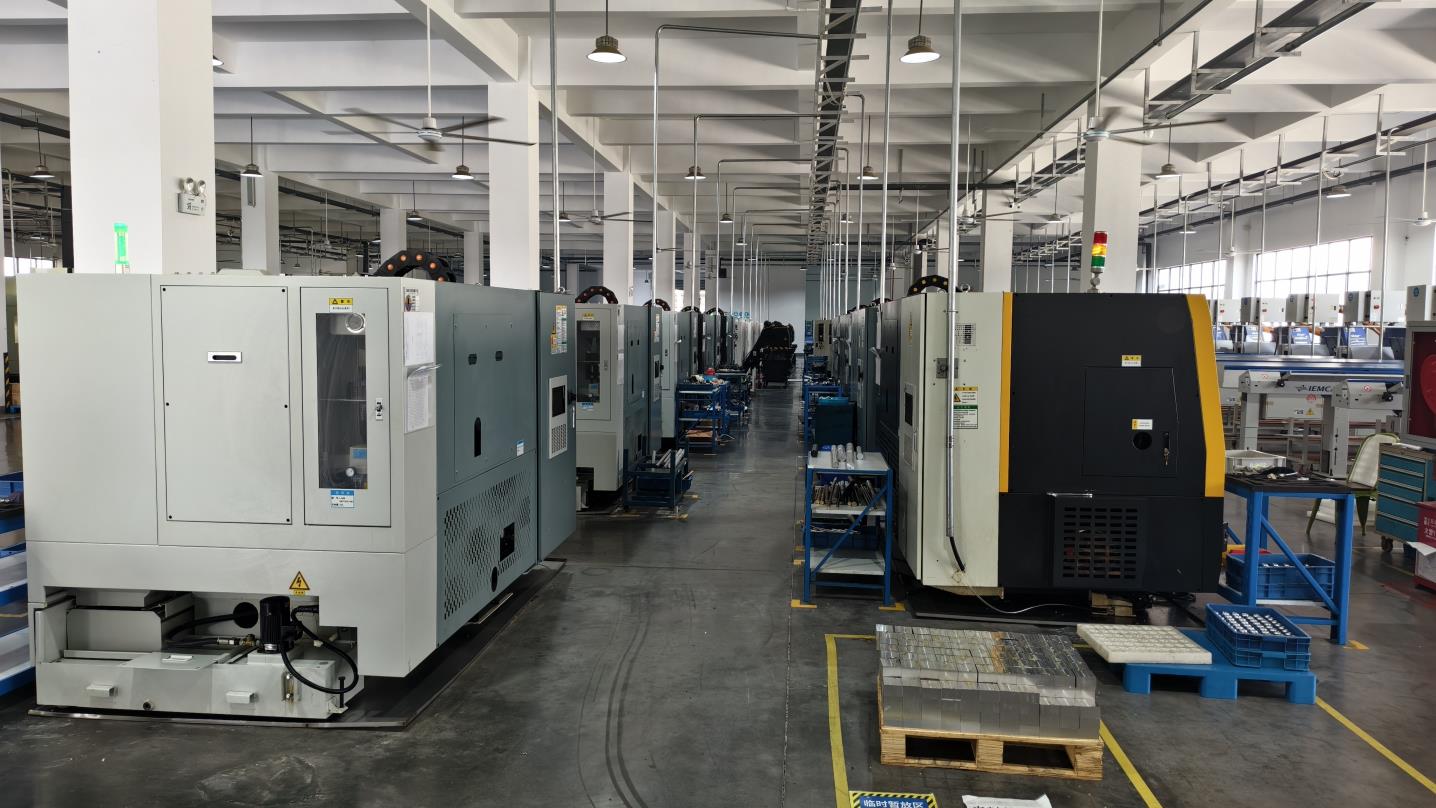
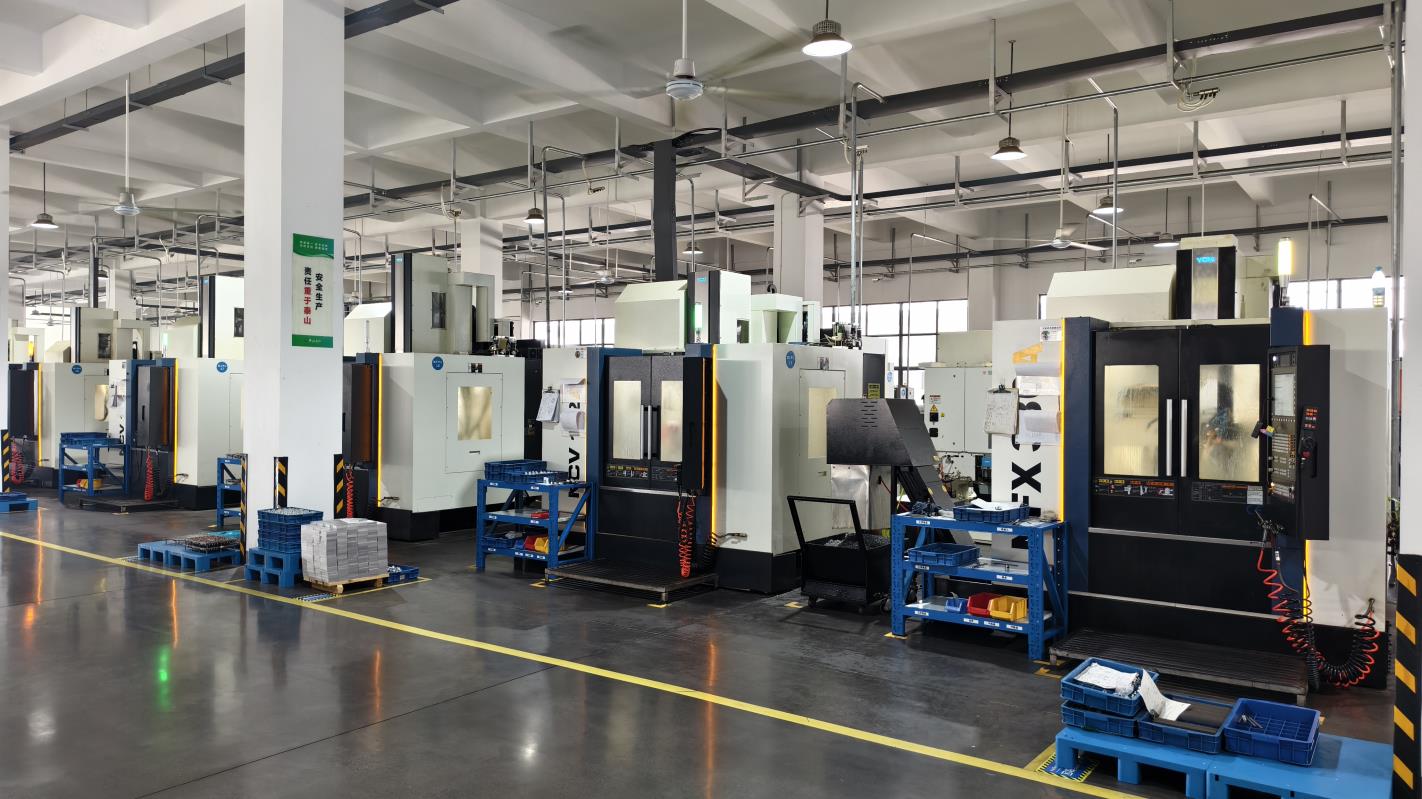
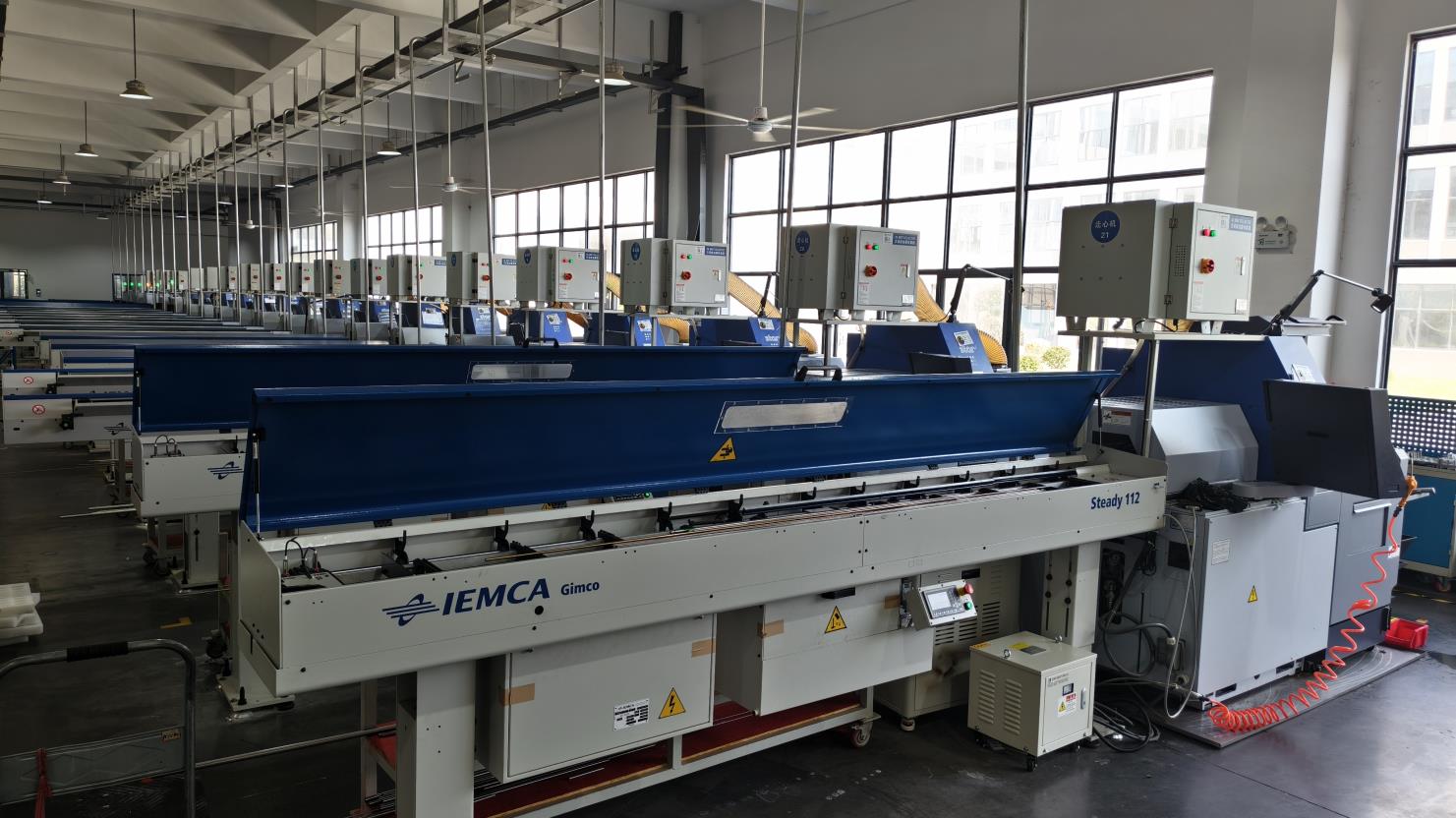
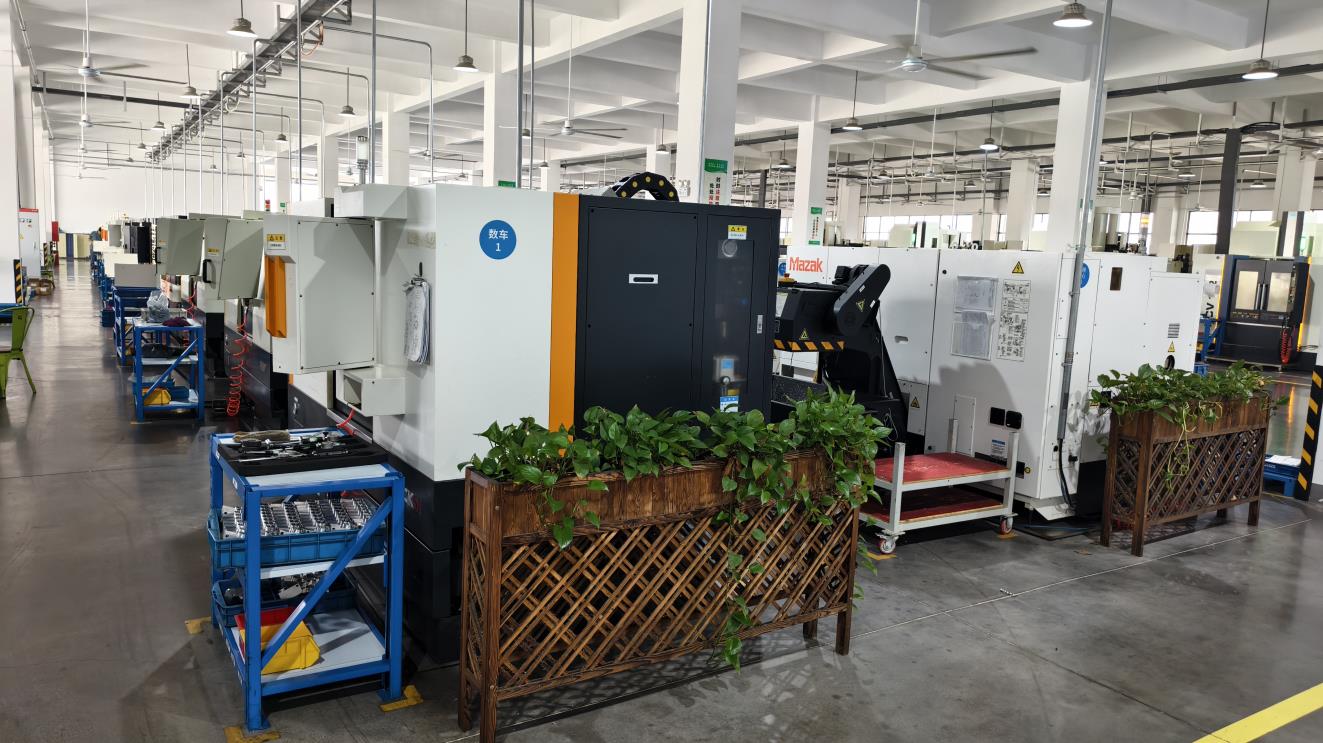
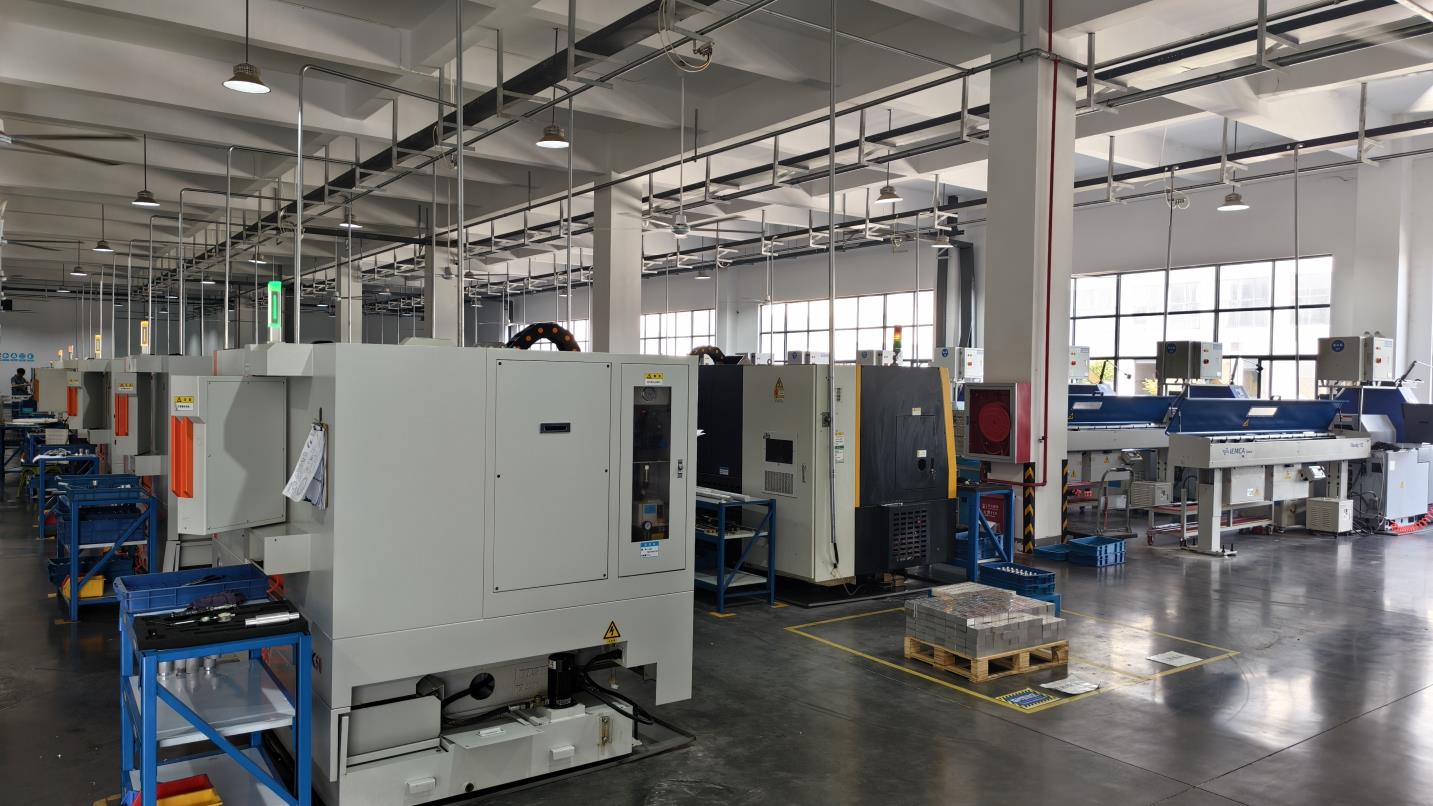
Our production facilities merge classical metal forging craftsmanship with automated CNC precision milling. This enables us to maintain strict tolerances down to the micrometer, ensuring that the alignment of needle holder jaws is flawless every single time.
By controlling the manufacturing chain from raw material intake to final electrochemical passivation and laser marking, we guarantee that each medical device represents the pinnacle of reliability.
Different clinical situations require distinct grip profiles. When sourcing needle holders for Hungarian medical institutions, buyers must categorize their orders by the following configurations:
This is the most common needle holder style used in general surgery. Featuring a straight jaw with a broad, flat profile and a cross-hatched pattern, it is designed to grip medium to heavy needles. We supply Mayo-Hegar models ranging from 14cm to 30cm, utilizing Tungsten Carbide inserts for prolonged operational life. These are highly sought after by general surgery departments in hospitals across Budapest.
In micro-surgery, ophthalmology, and plastic reconstructive surgery, surgeons require extreme delicacy and control. The Castroviejo design utilizes a spring-loaded round handle that allows the surgeon to rotate the instrument between their fingers with ease. Available in lock or no-lock configurations, our Castroviejo line is optimized for 5-0 to 11-0 suture sizes, utilizing ultra-fine micro-jaw textures to prevent wire shearing.
For veterinary clinics and rapid suturing applications, Mathieu needle holders (featuring a quick-release palm-press handle) and Olsen-Hegar needle holders (combining a suture-cutting scissor block behind the jaw) drastically reduce surgical time. We supply these dual-action instruments to regional veterinary hospitals in Hungary, supporting high-throughput surgical pipelines.
Surgical instruments in Hungary are subjected to stringent chemical disinfection and thermal autoclaving sterilization protocols (EN 285 standards). To avoid pitting, crevice corrosion, and joint stiffness, our needle holders undergo advanced chemical passivation treatments. This forms a chromium-rich oxide layer on the steel surface that isolates the parent metal from oxidizing agents. Additionally, the box-joints are lubricated with medical-grade silicone grease to guarantee smooth operation throughout the life of the instrument.
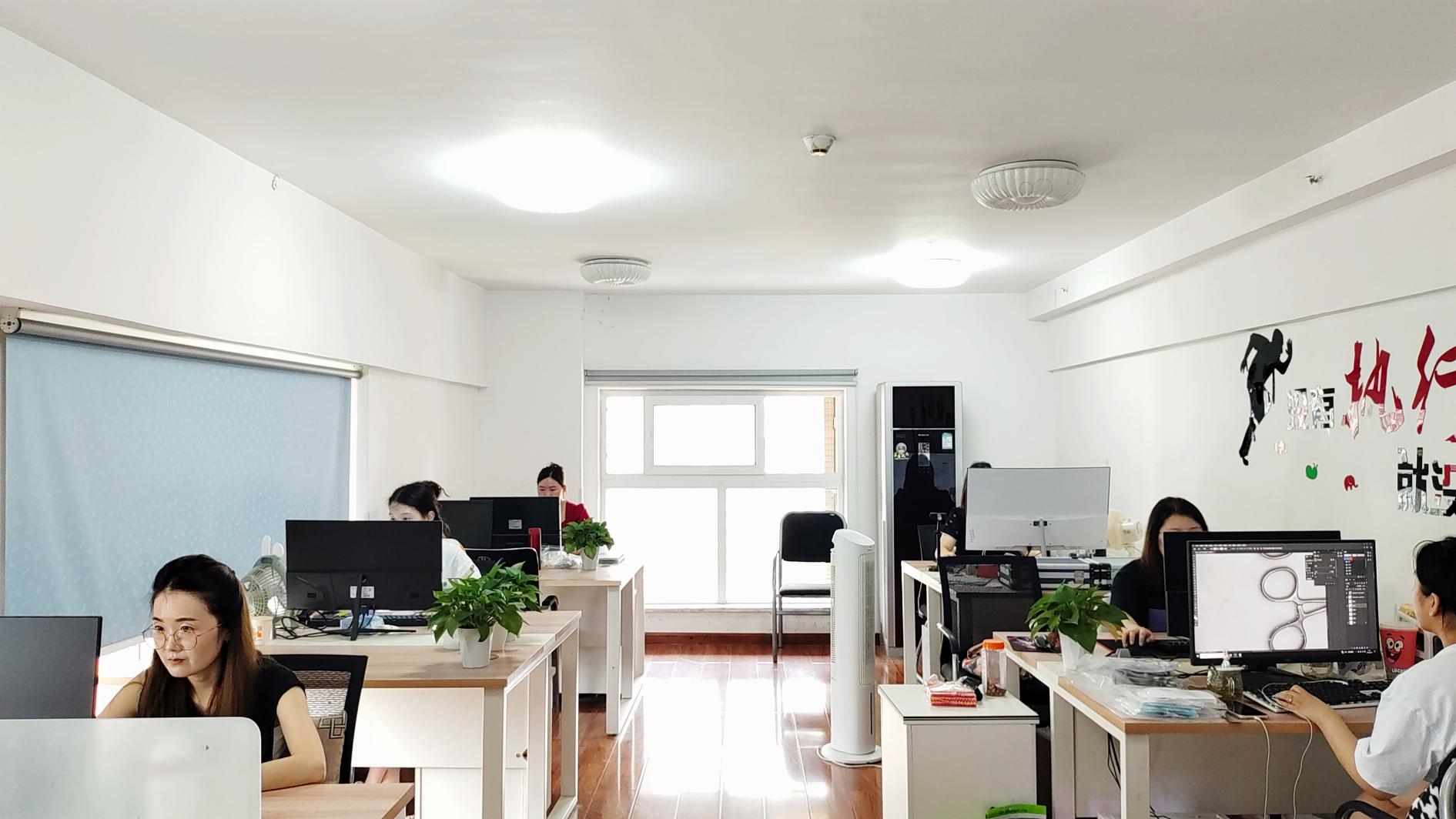
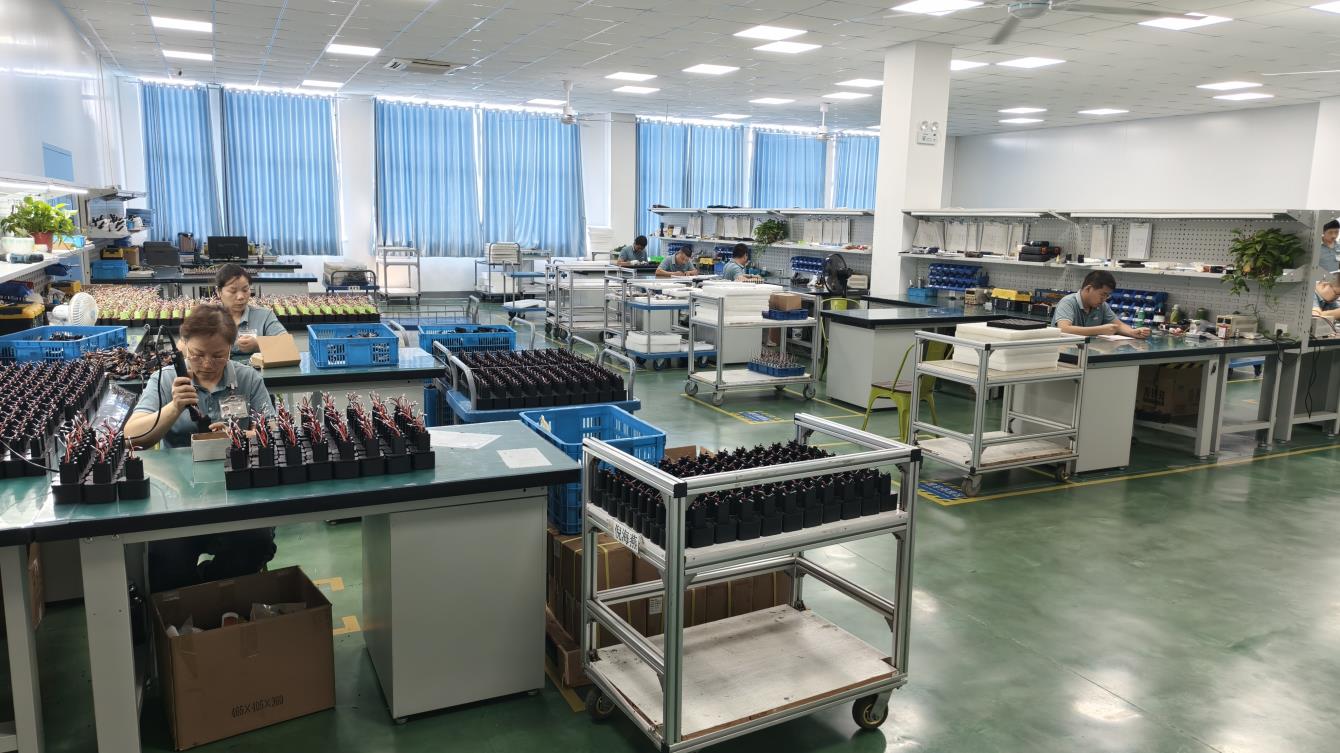
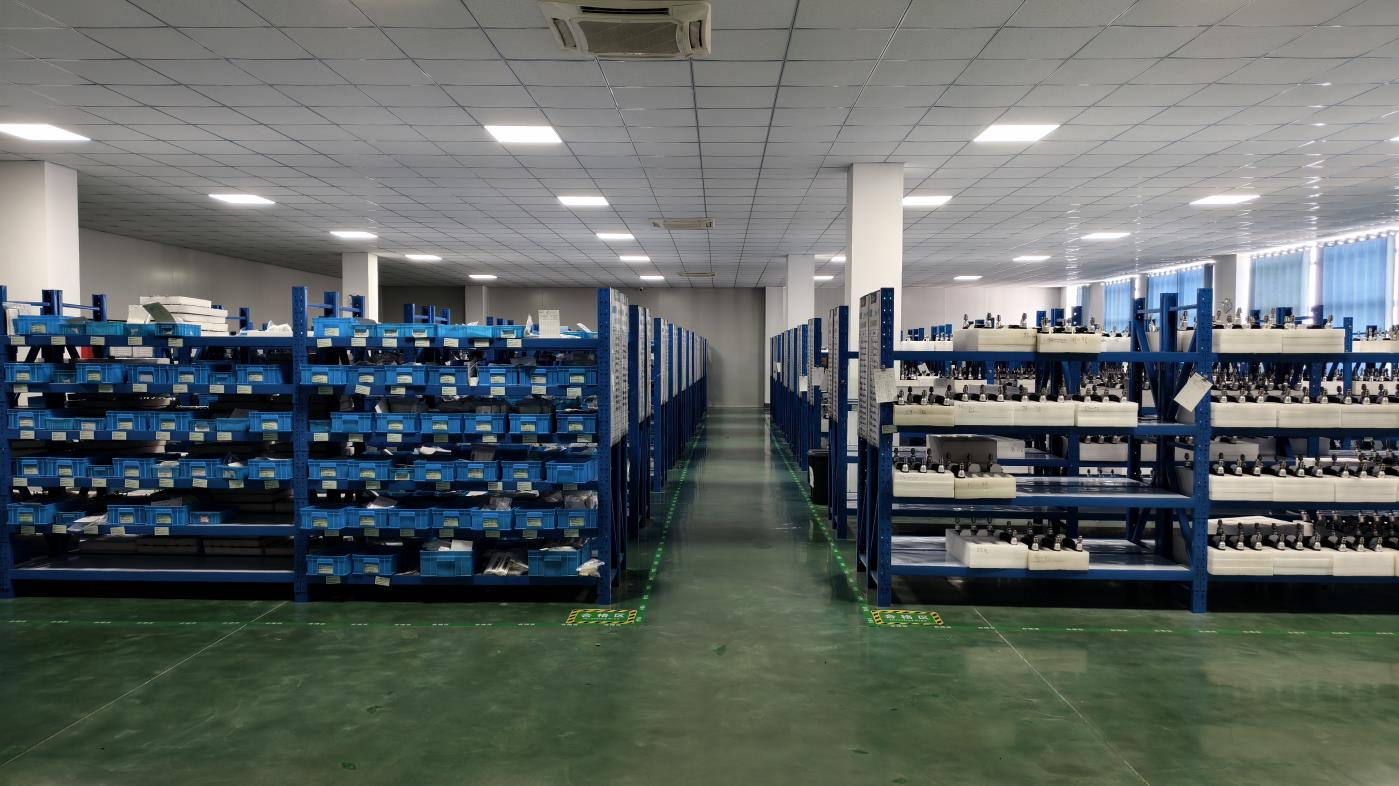
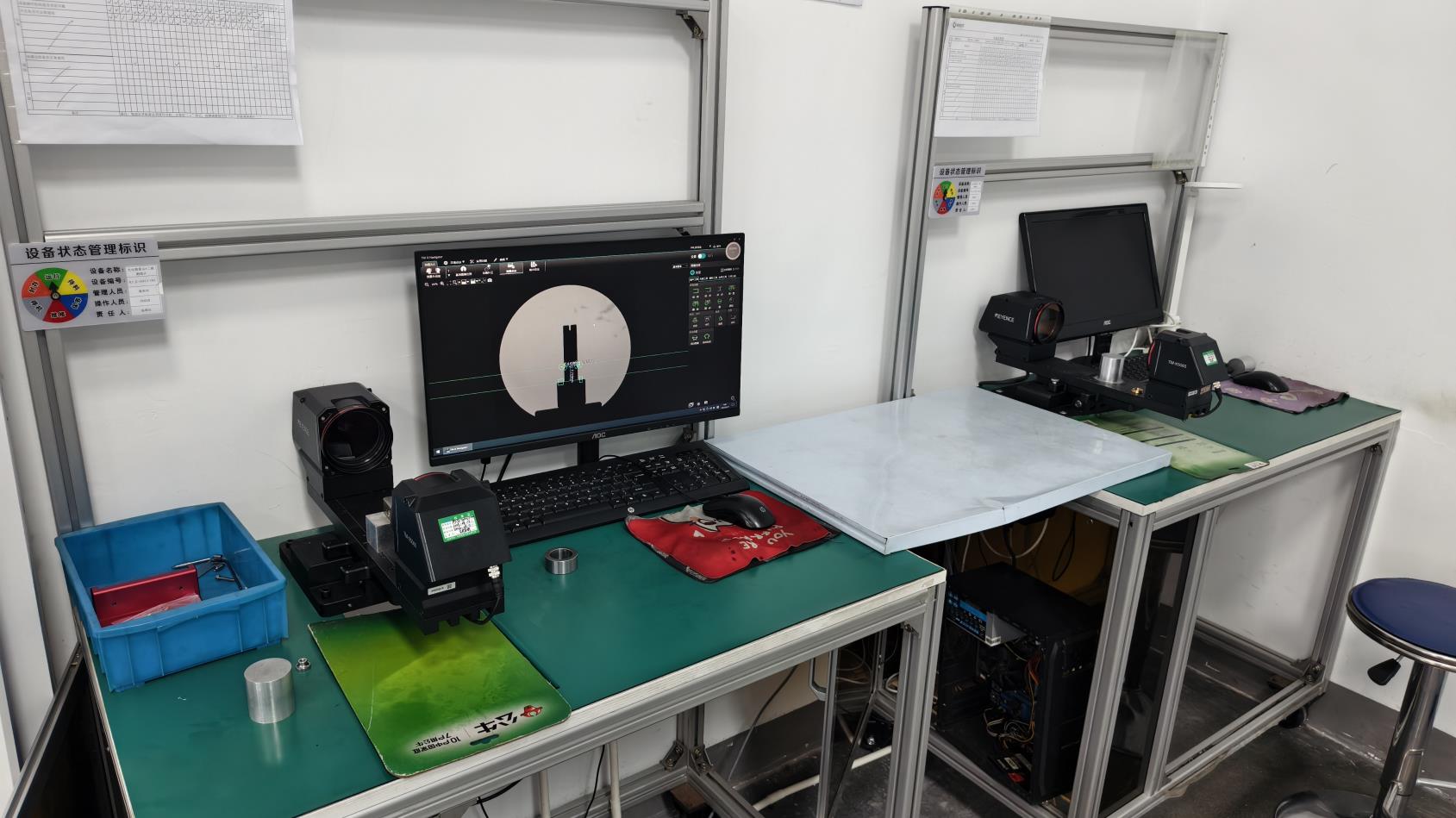
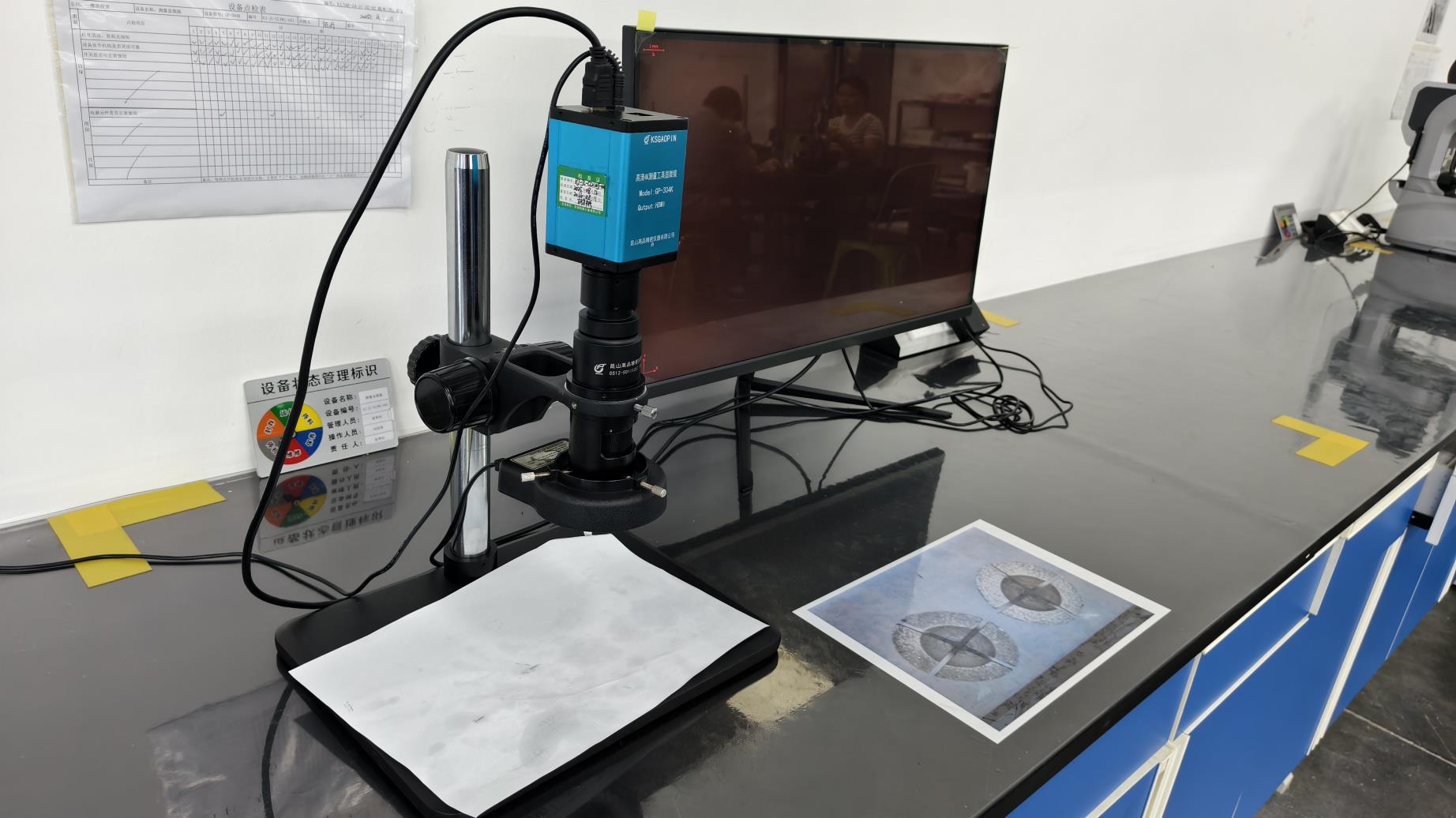
A transparent visual journey through our state-of-the-art manufacturing facilities, cleanroom packaging zones, and quality testing labs.
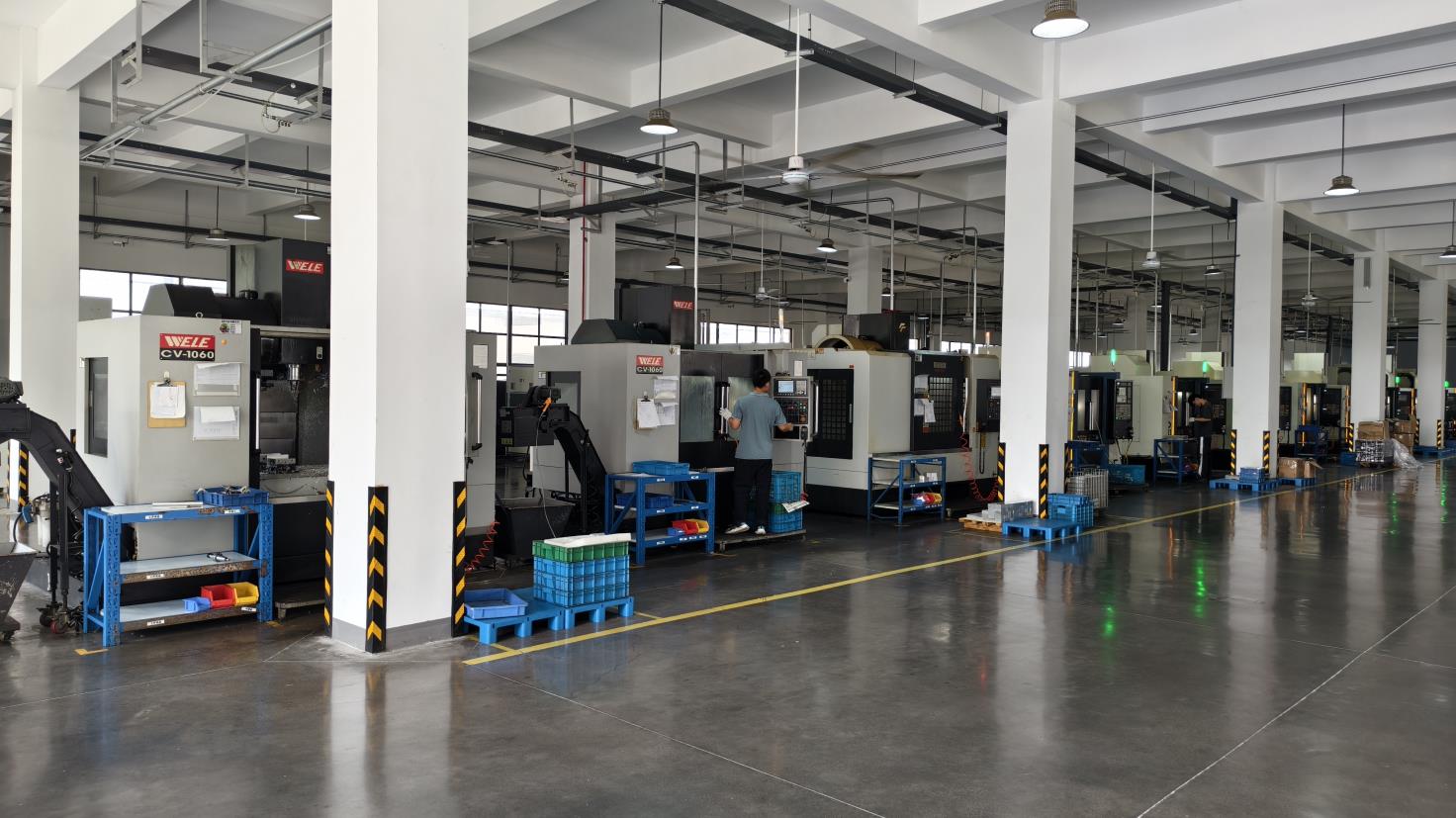
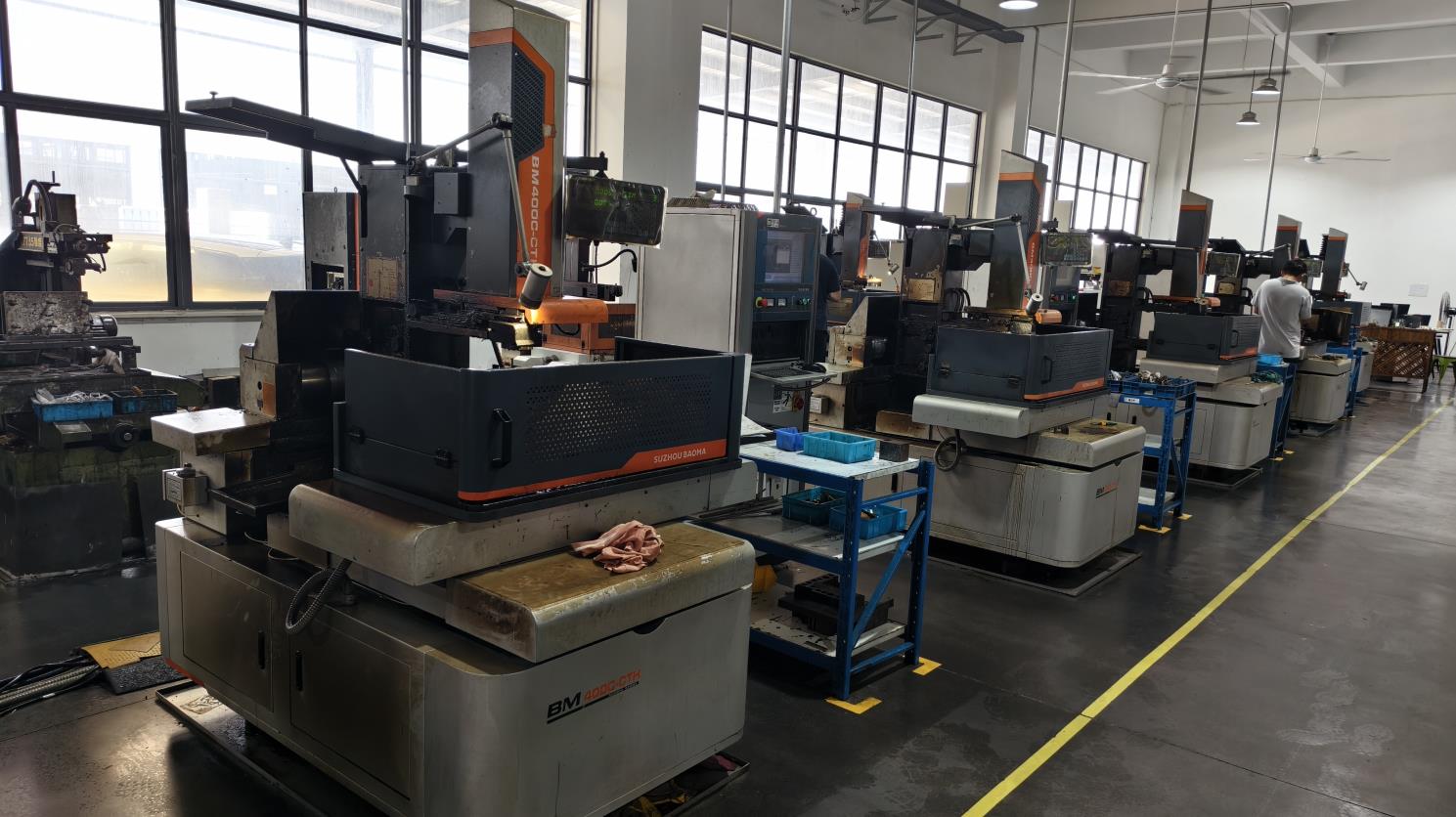
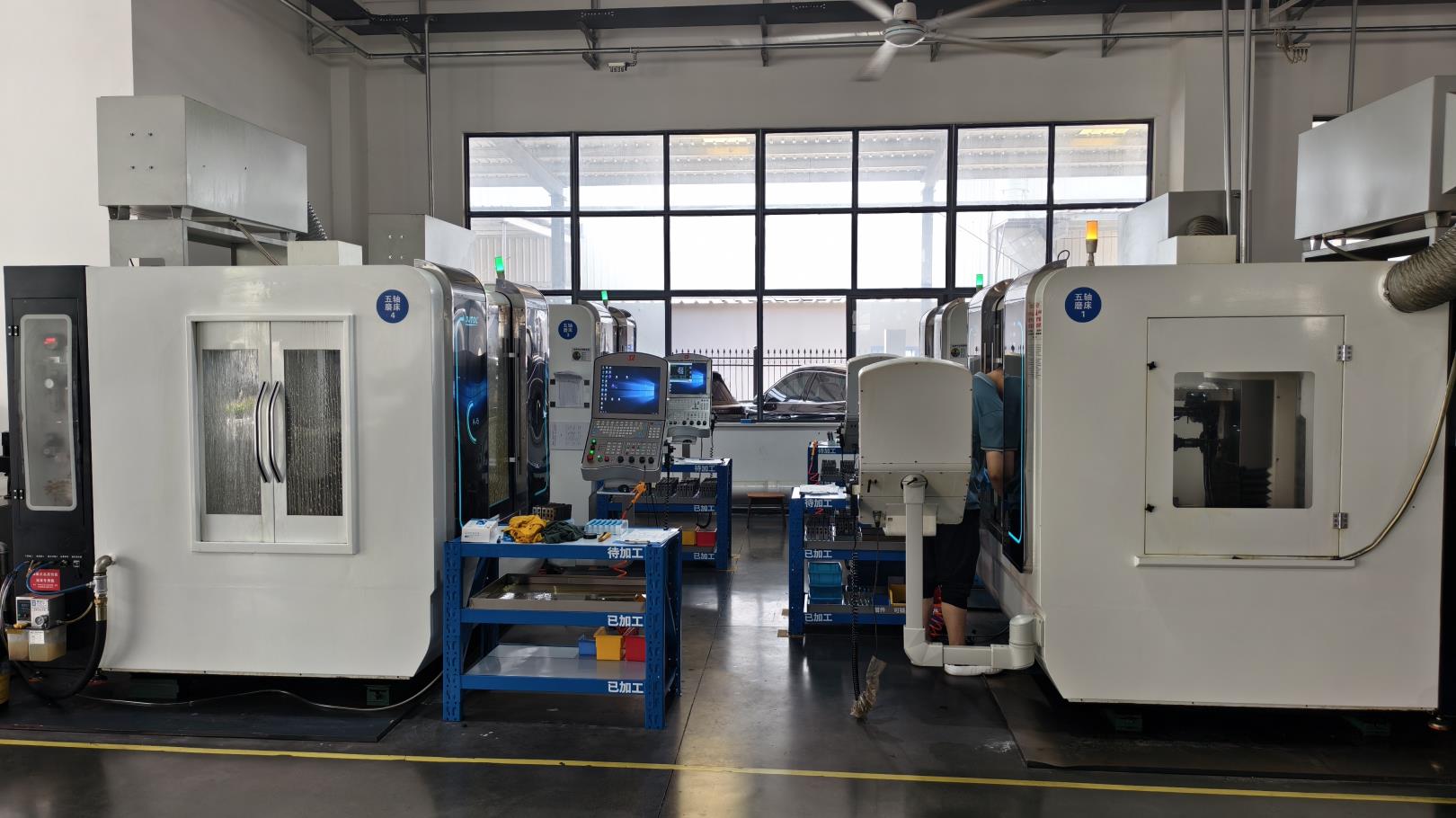
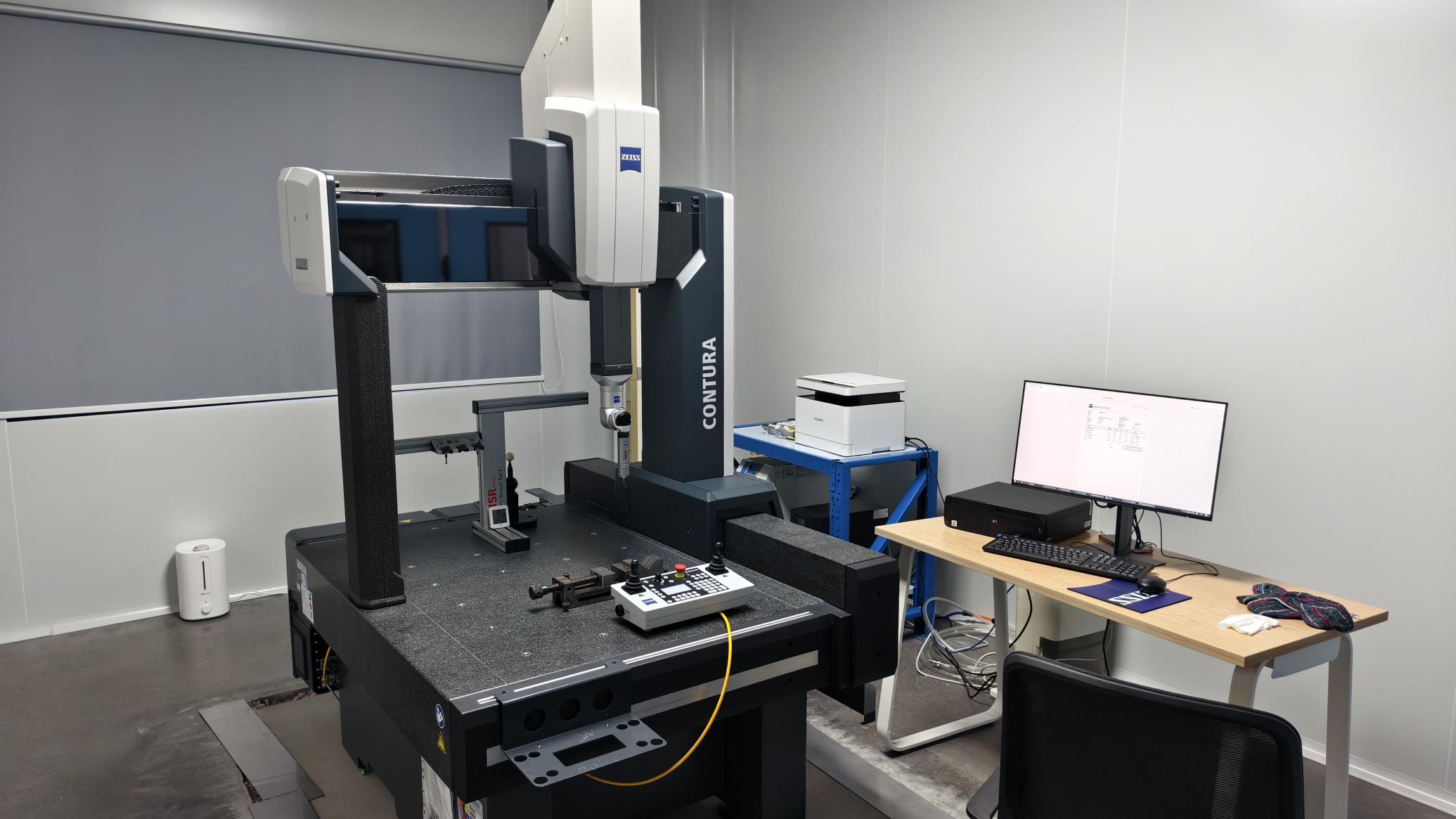
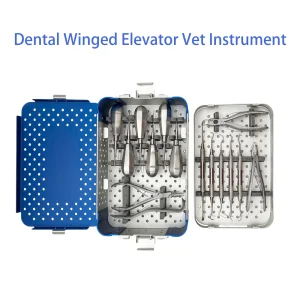
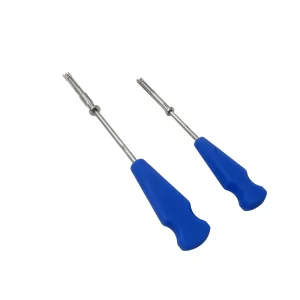
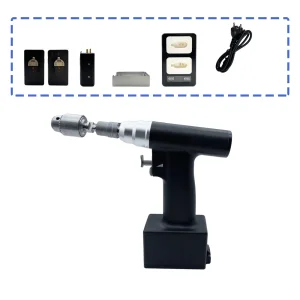
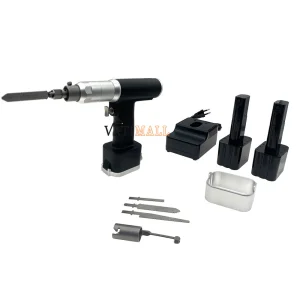
From orthopedic repair to dental extraction, explore our specialized instruments engineered for elite performance in Hungarian medical practices.
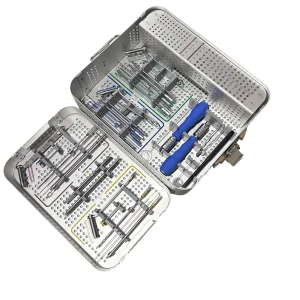
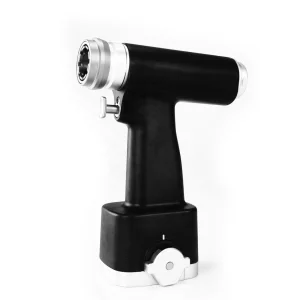
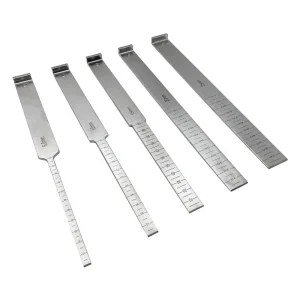
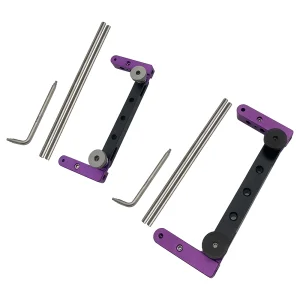
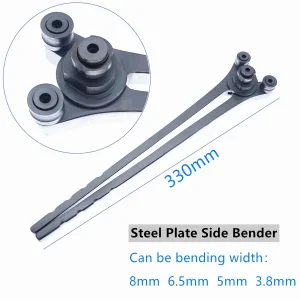
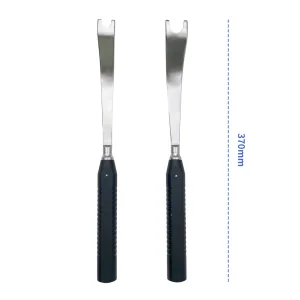
Ensuring complete workflow safety with robust plate bending, trochanter retractors, and battery-powered orthopedic drills.
Sourcing medical instrumentation globally requires meticulous planning, especially when importing from China into a European Union member state like Hungary. Here is our step-by-step roadmap to streamline your supply chain:
Our company has established custom logistics pipelines with major forwarding agents, ensuring DDP or CIF terms are executed with absolute transparency, taking care of customs declarations, tariff codes (HS Code: 9018.90), and local VAT declarations under the Hungarian TAX authority (NAV).
Addressing common clinical, metallurgical, and logistical inquiries from surgical procurement teams in Hungary.
Contact our sales engineering team today to receive a complete product price catalog, material specifications, or custom prototype quotes tailored to the Hungarian clinical market.
Send Inquiry Now