SENJIE Healthy & Technology
SENJIE Healthy & Technology
SENJIE Healthy & Technology
High-precision orthopedic, spine, and reduction instruments calibrated for immediate integration in clinical workflows.
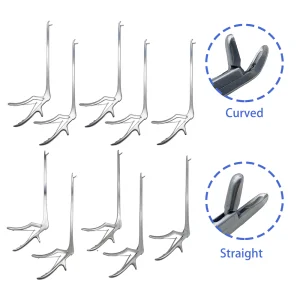
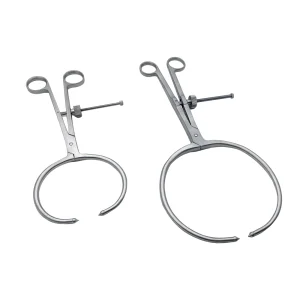
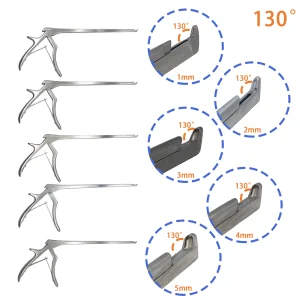
The San Francisco Bay Area stands as a global epicentre for medical innovation, containing major healthcare structures such as the UCSF Medical Center, Stanford Health Care, CPMC, and numerous private outpatient surgery centres. In this highly sophisticated and strictly regulated clinical market, the demand for precision manual instruments like orthopedic forceps, nucleus pulposus clamps, and Kerrison Rongeurs has transitioned toward custom configurations and superior metallurgy.
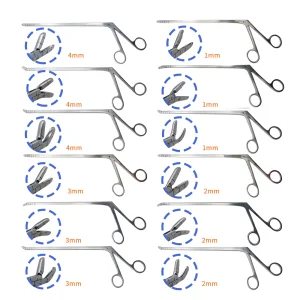
Local purchasing systems require medical instrumentation that complies with strict FDA regulations and exhibits unmatched durability under continuous sterilization schedules. As outpatient surgical facilities shift toward Minimally Invasive Surgery (MIS) paradigms, instruments must feature micro-bite capabilities (down to 1mm tolerances) and optimized tactile feedback profiles for practitioners.
How our automated production lines, traceabilty matrix, and raw material monitoring ensure zero-failure medical instruments.
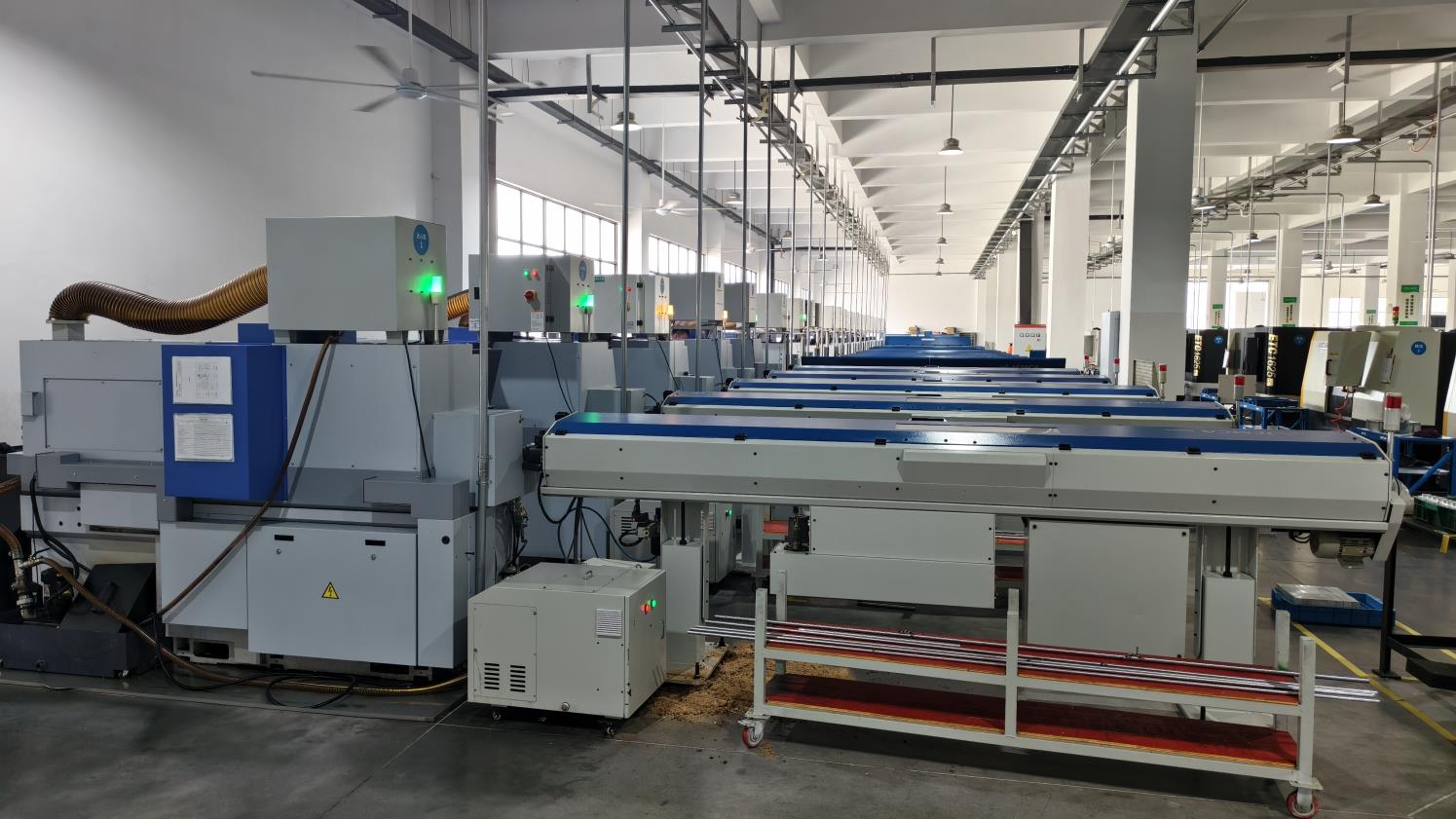
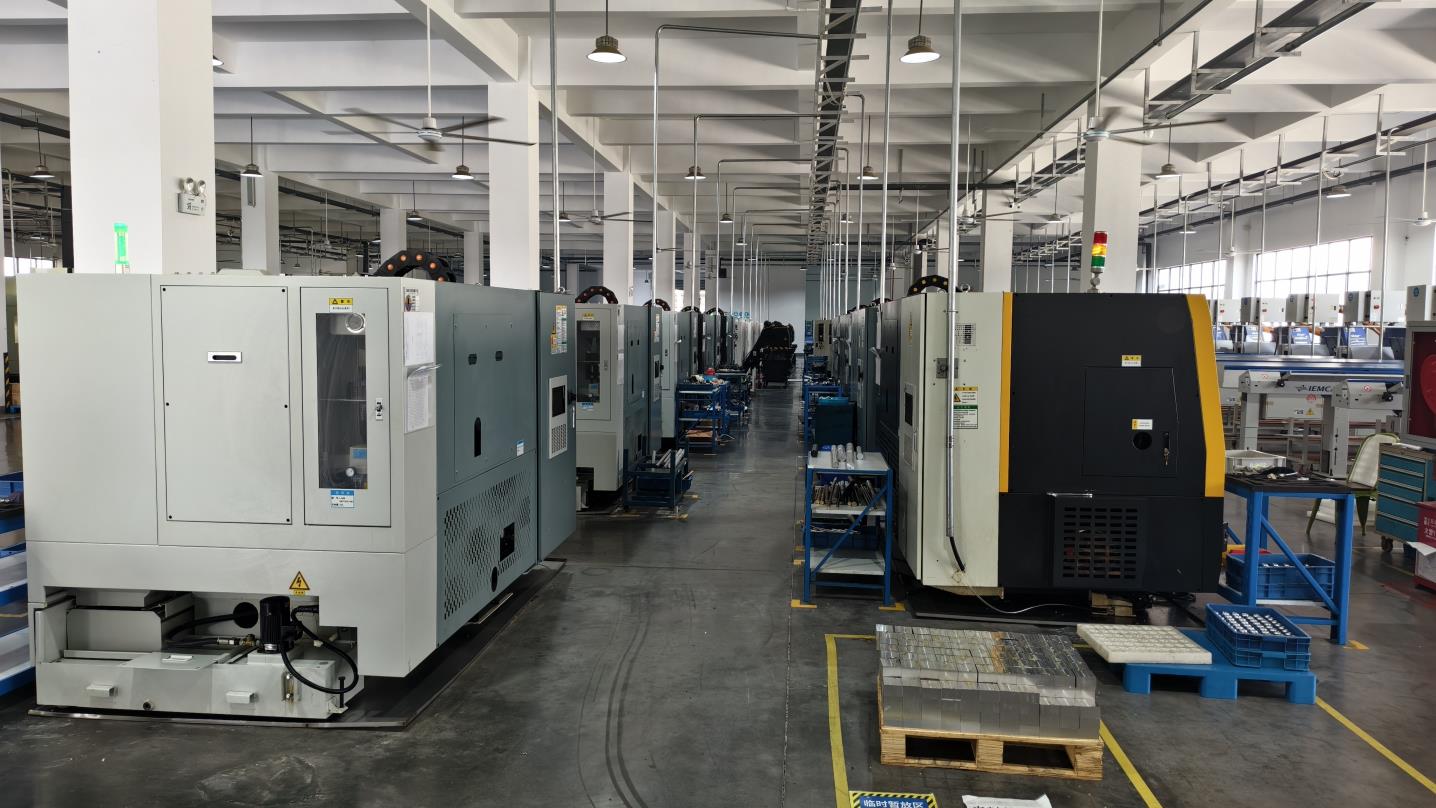
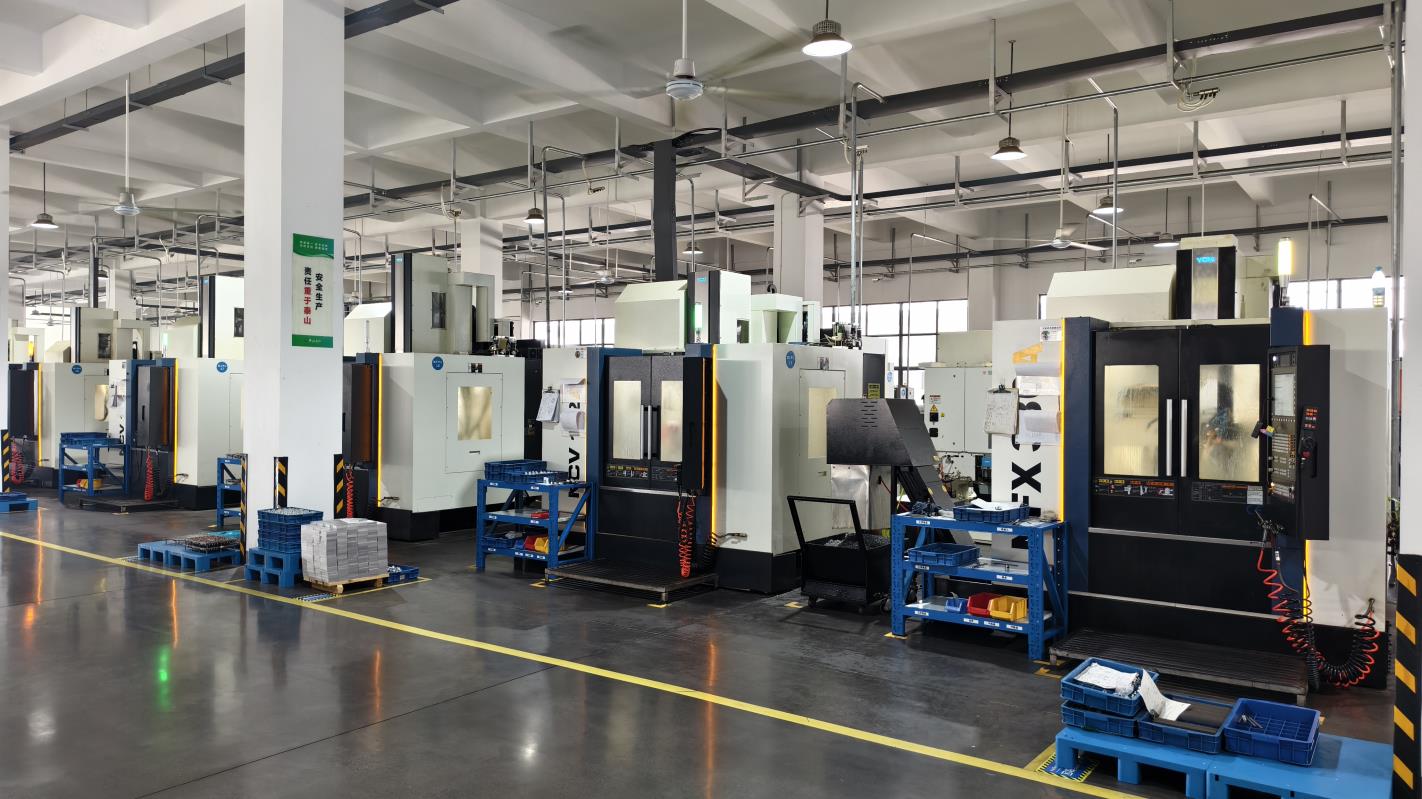
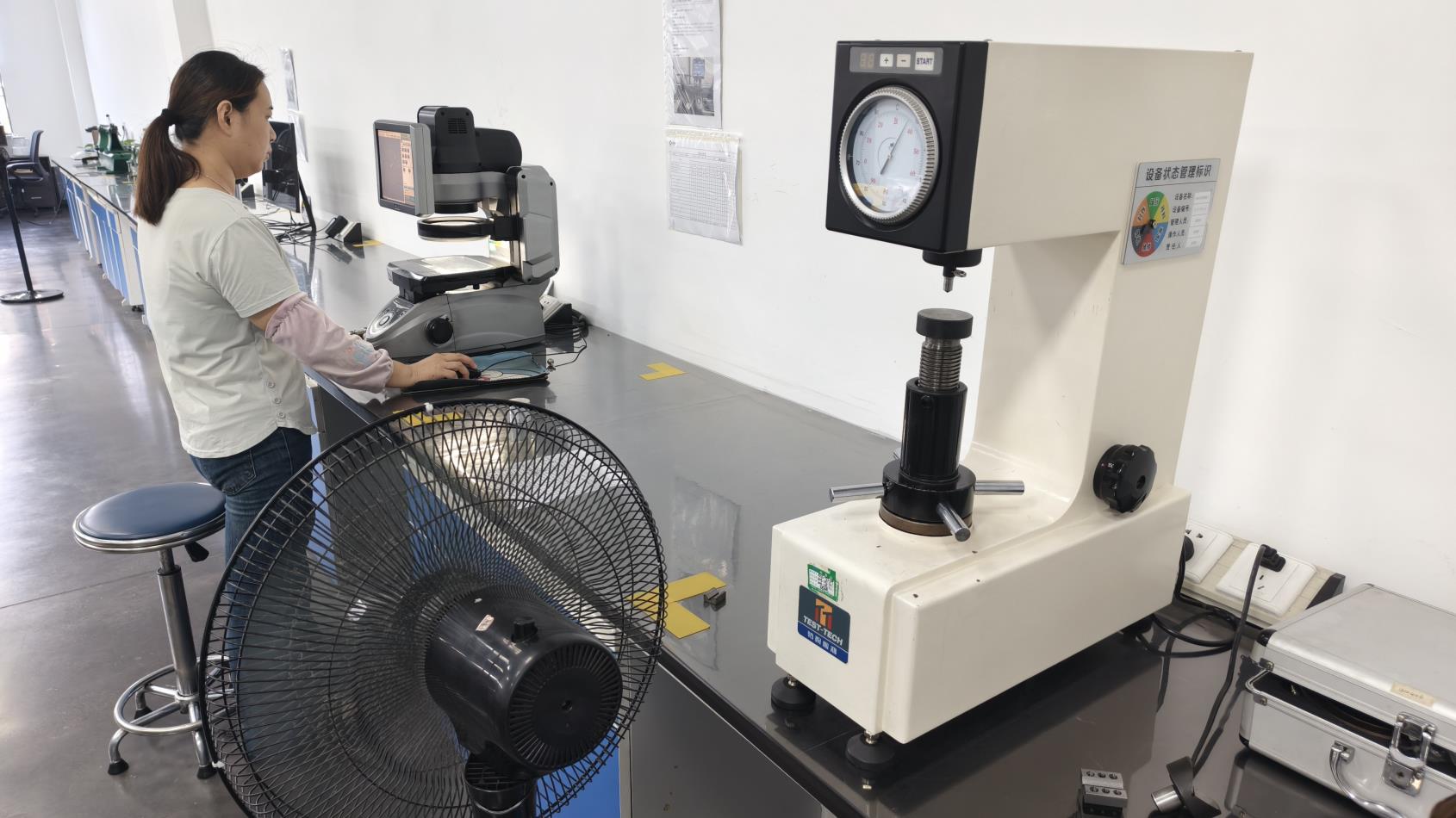
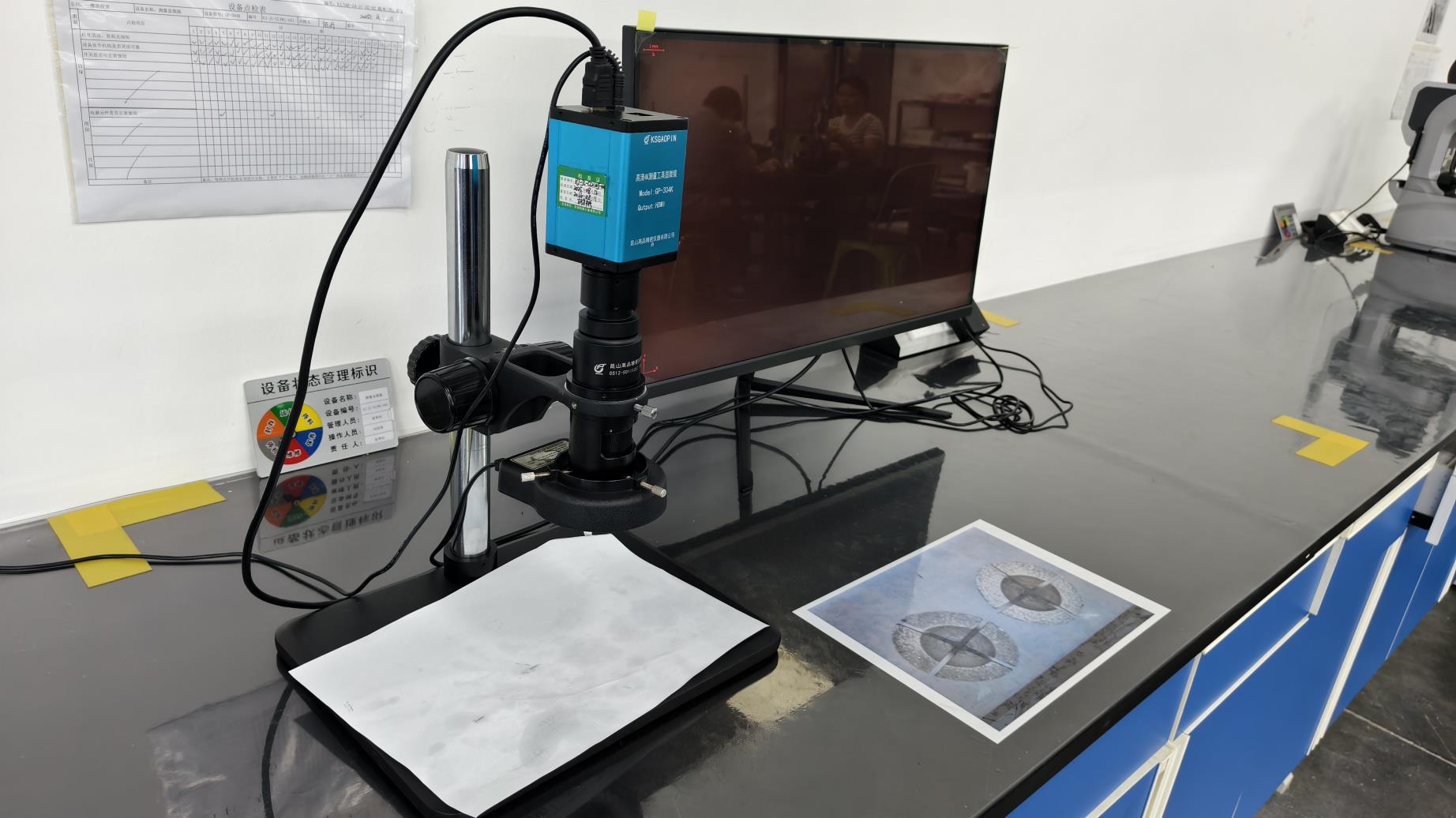
By blending traditional craftsmanship with advanced manufacturing concepts, our factory implements a robust Quality Control system based on Factory 4.0 workflows. The production of medical instruments requires tight dimensional control, especially for articulating jaw forceps and Kerrison Rongeurs, where variations of 0.05mm can affect clean tissue slicing.
Our infrastructure features advanced multi-axis CNC machines and automated wire-EDM cutting. Together, these systems establish a reliable foundation for producing complex geometries and highly precise joints. Rather than processing batches using manual labor alone, we route our surgical-grade stainless steel through automated machining protocols to preserve raw material microstructure.
We configure our testing protocols to exceed standard domestic and international benchmarks. Every export batch undergoes standardized salt-spray testing, copper sulfate testing, and multi-cycle boiling tests to verify corrosion resistance prior to final packaging.
For distributors and hospital groups throughout Northern California, choosing our manufacturing facilities ensures stable pricing, continuous material supply, and quick adaptations for custom surgical designs.
Request Technical Whitepaper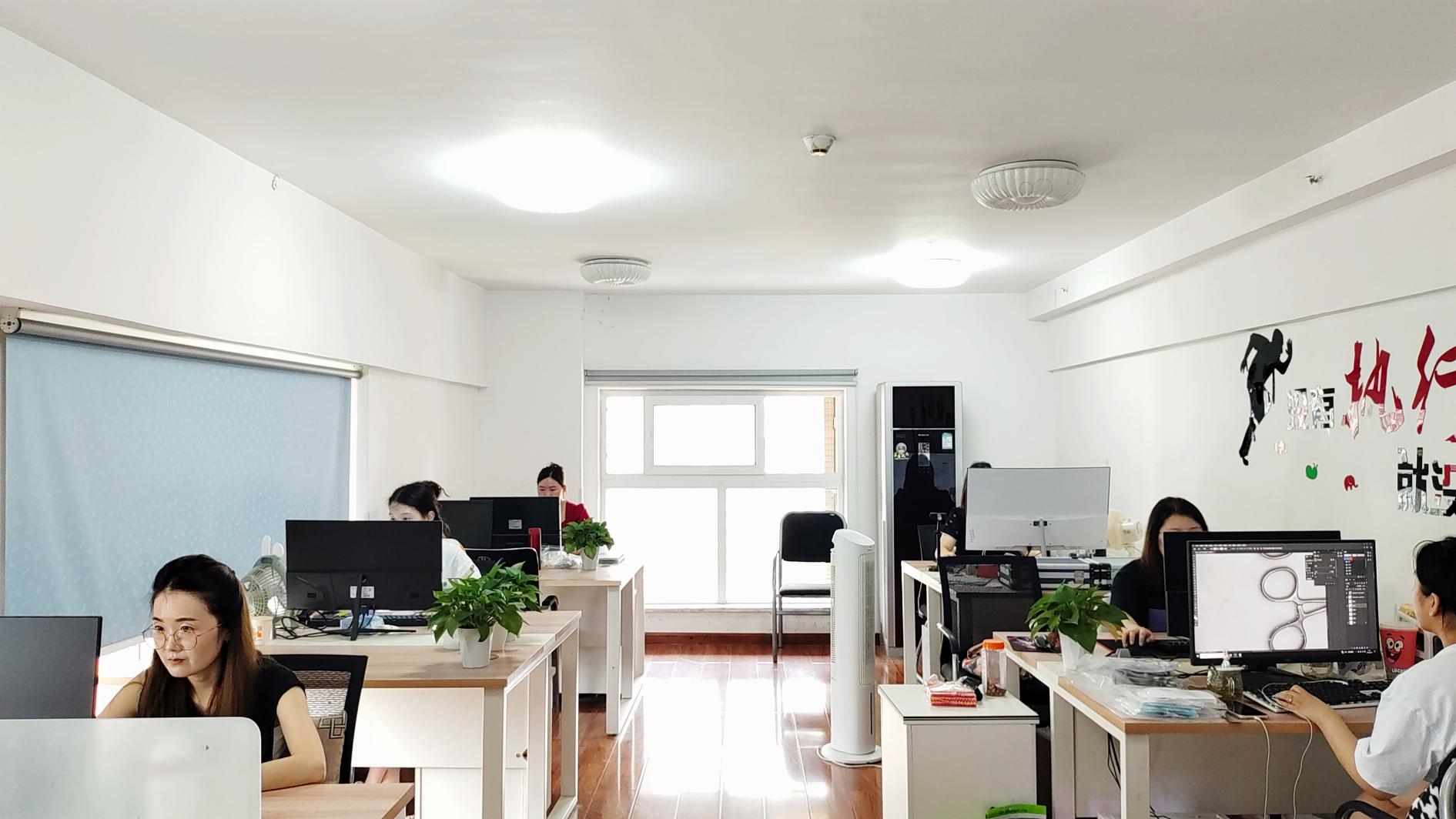
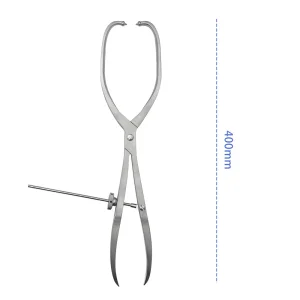
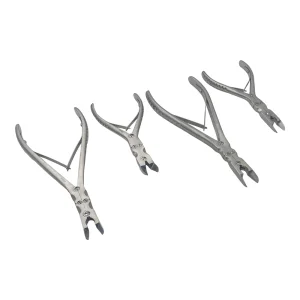
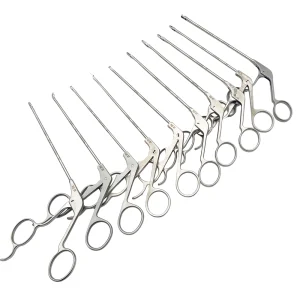
Engineered for minimally invasive bone clamping, joint stabilization, and tissue biopsy procedures.
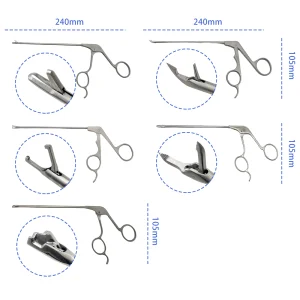
Explore our processing line, material optimization steps, and quality-oriented production floors.
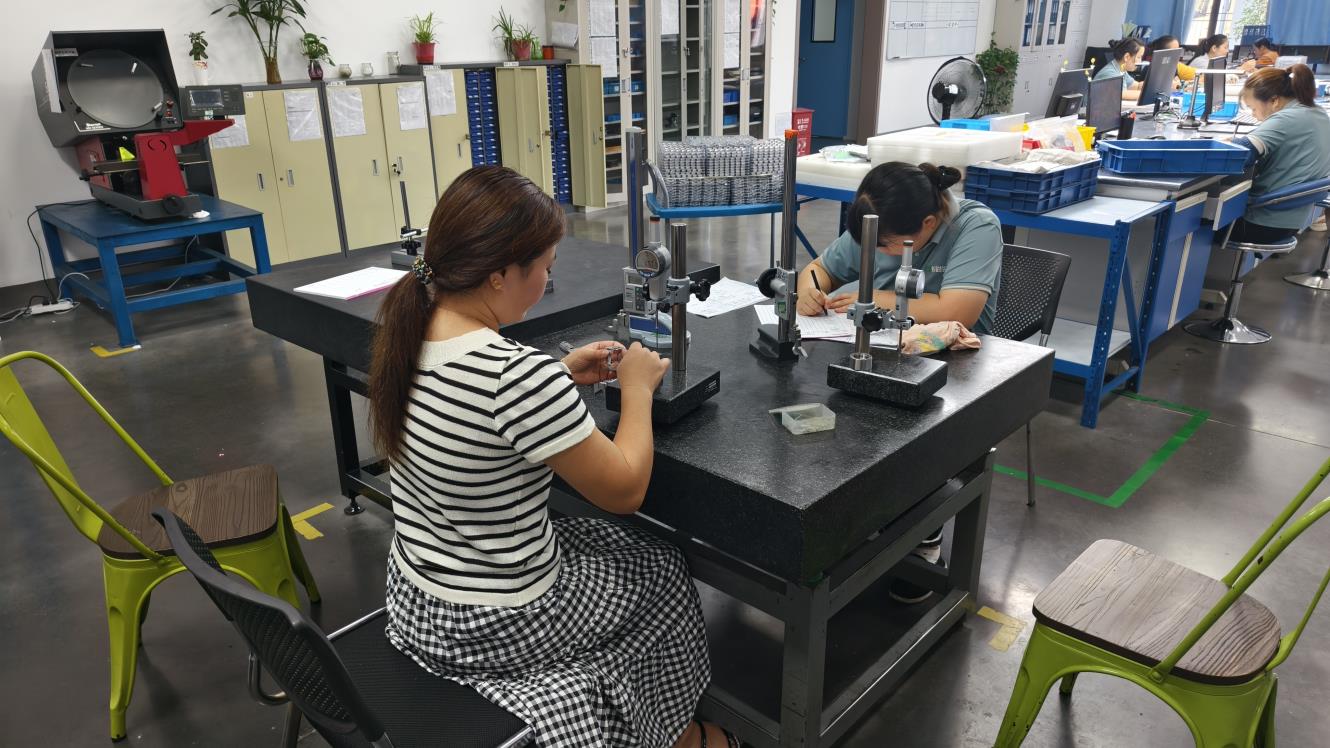
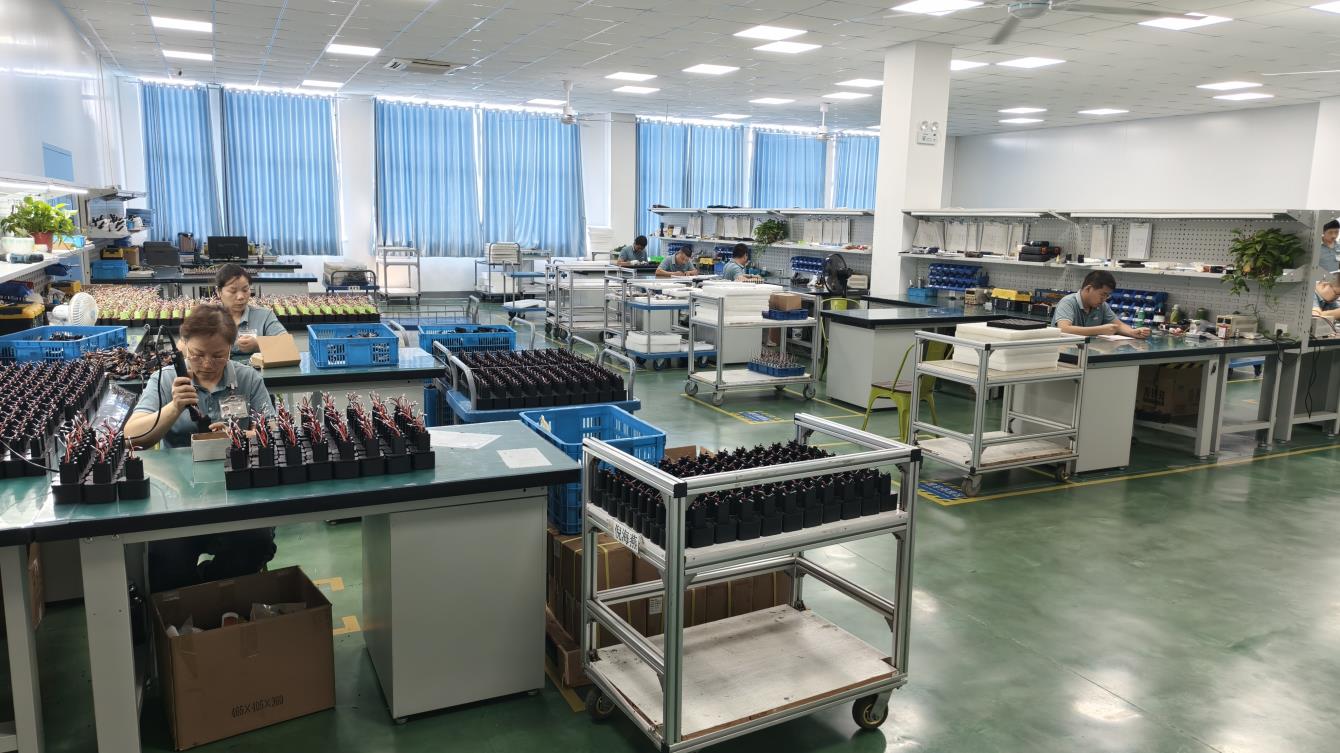
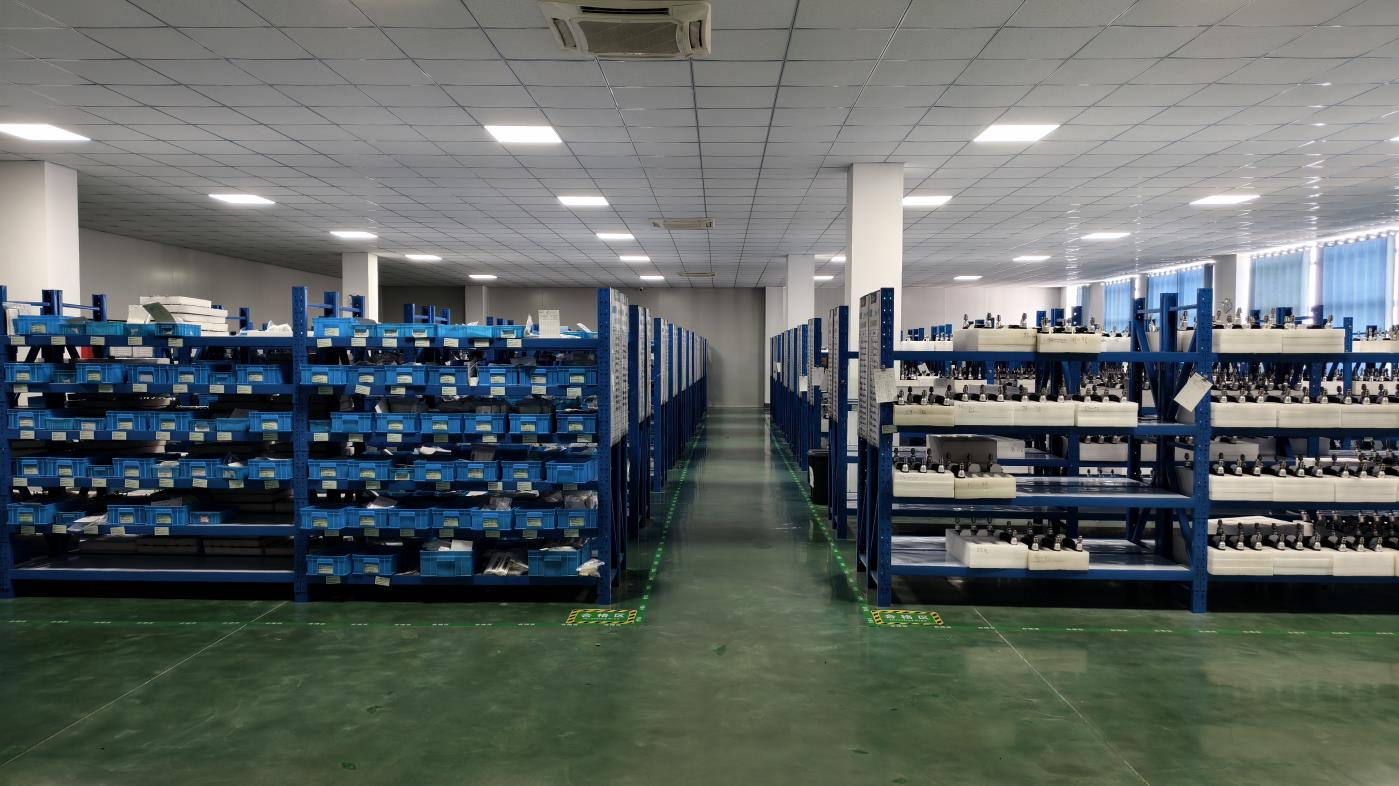
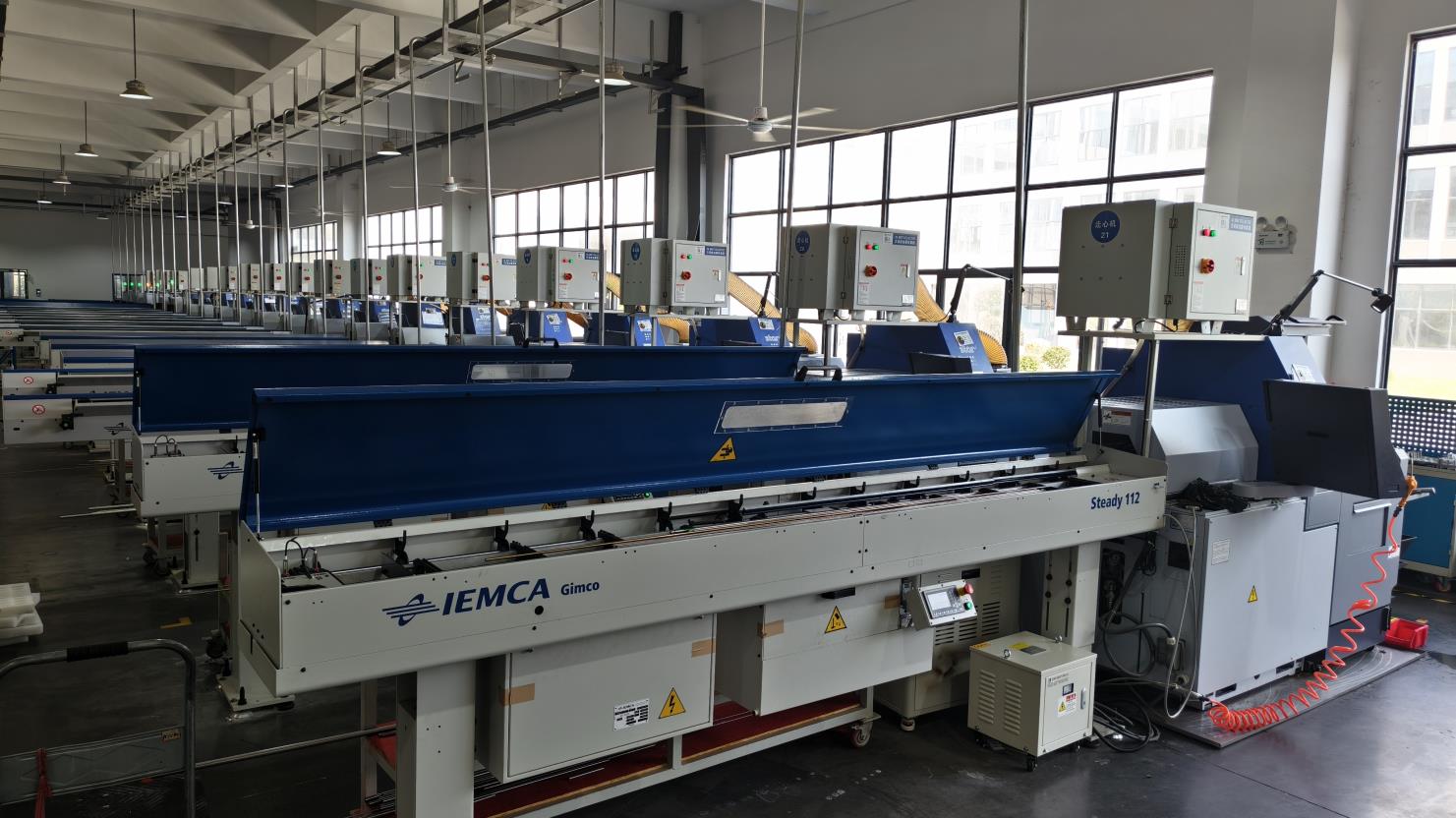
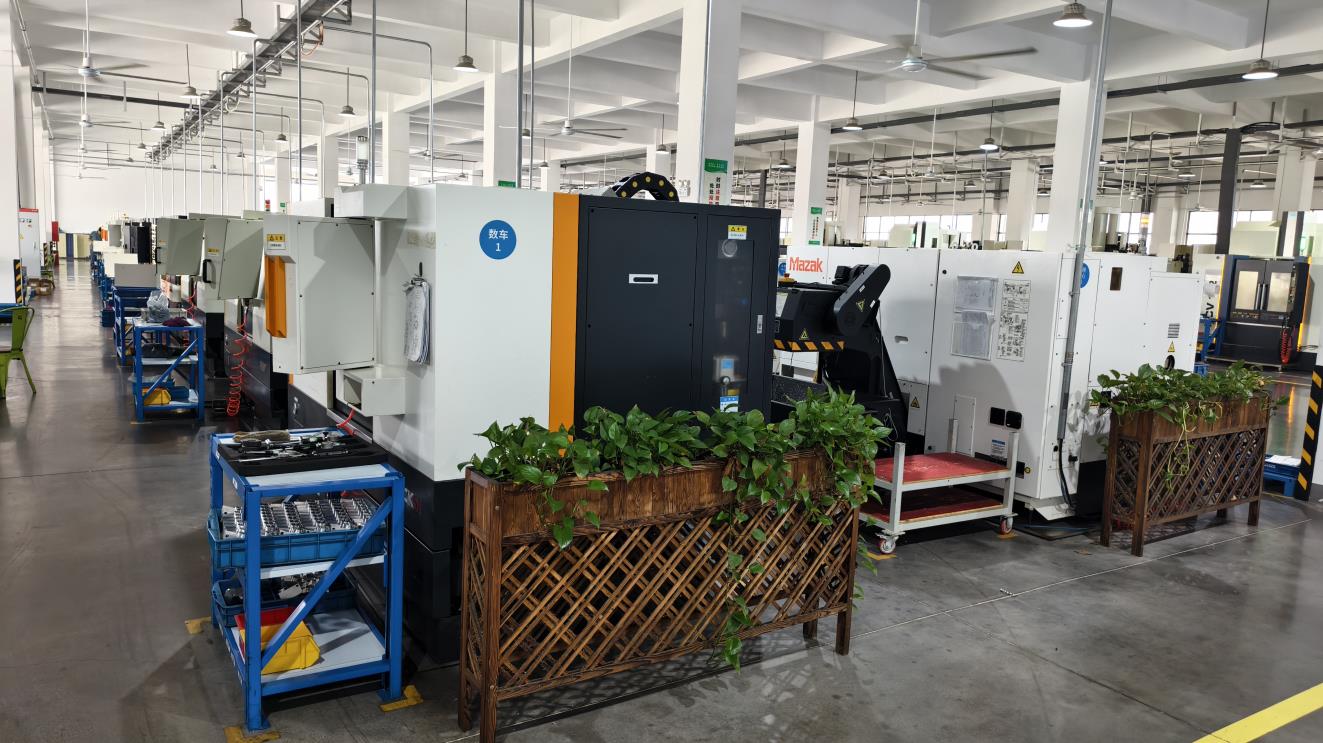
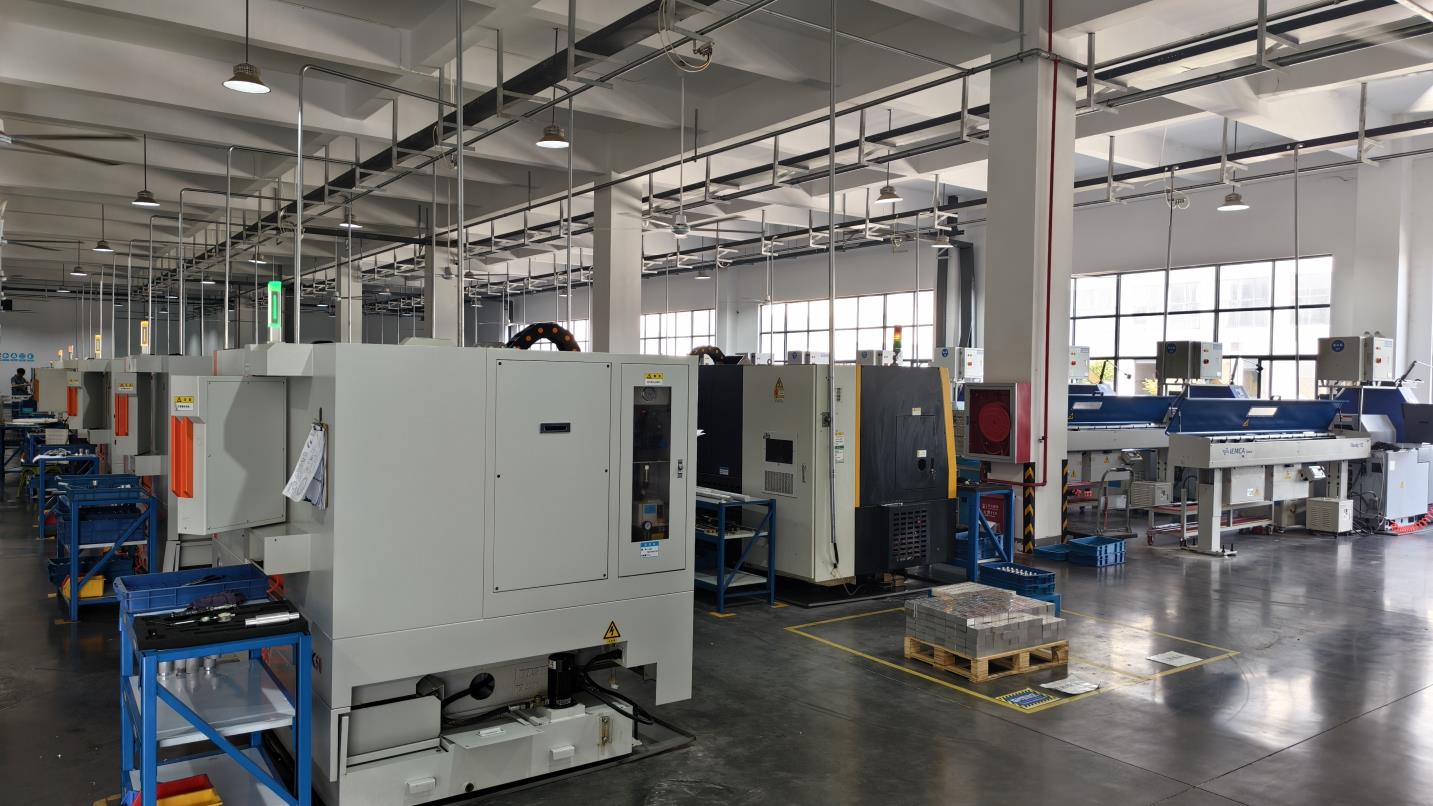
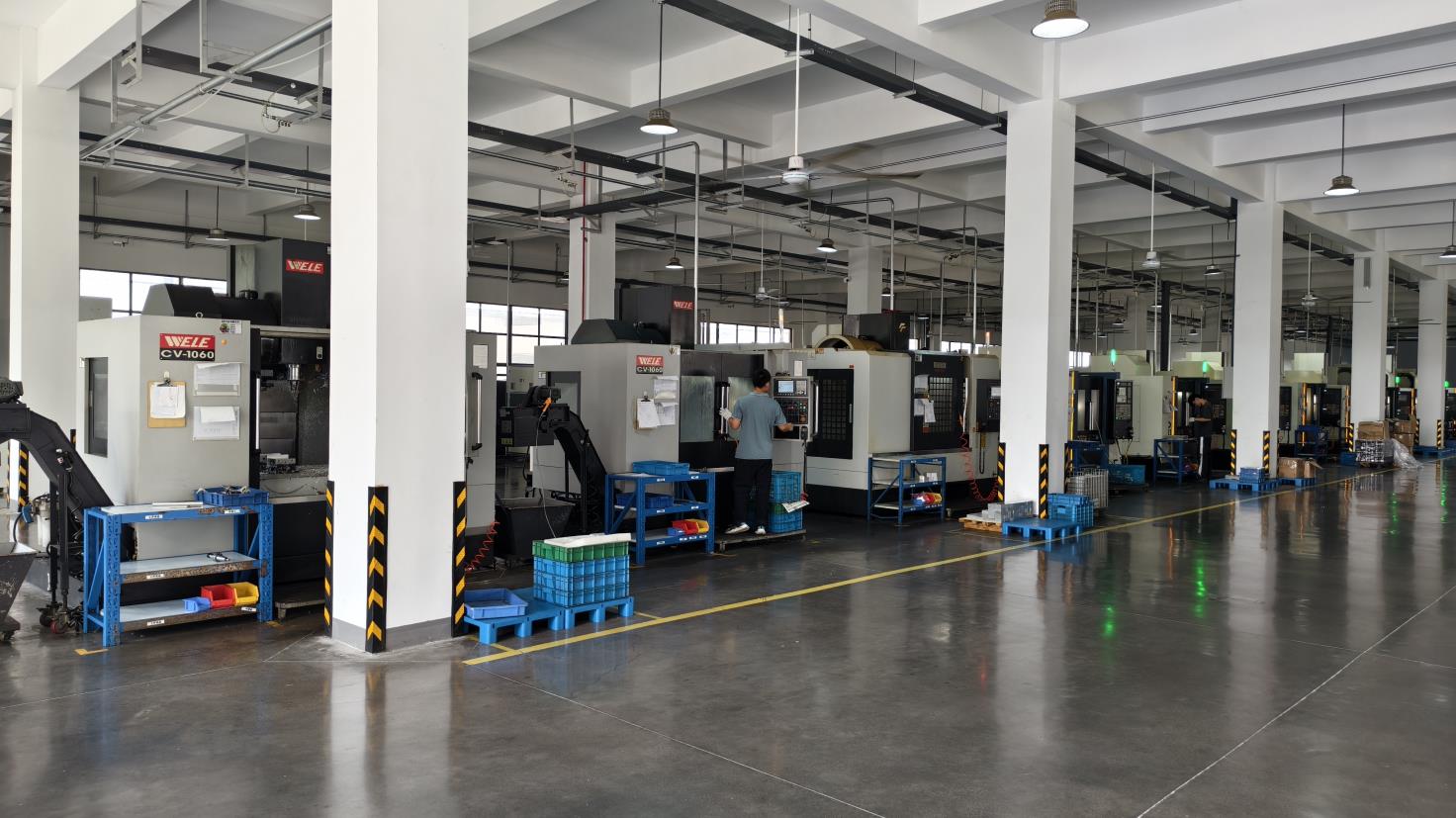
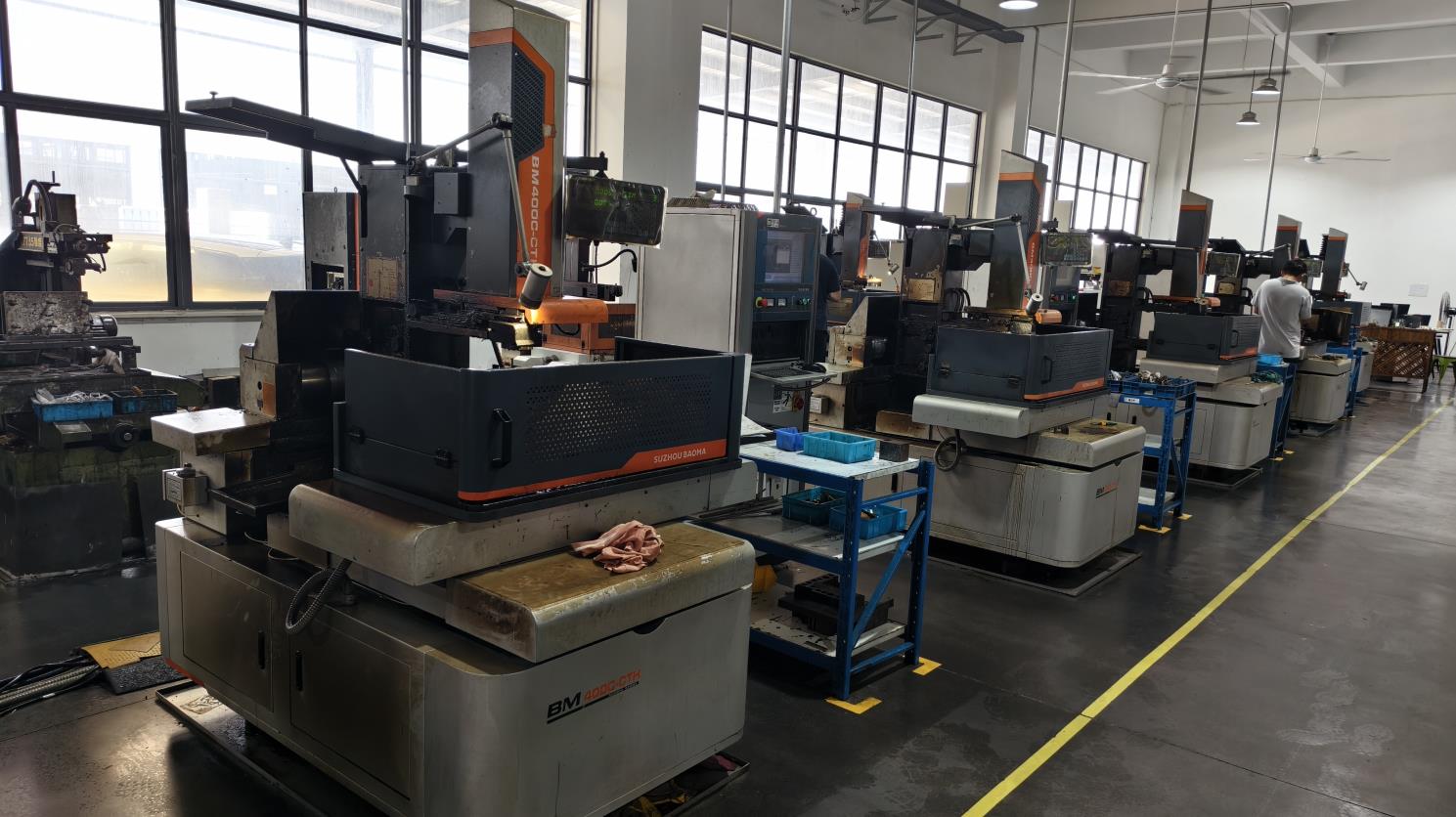
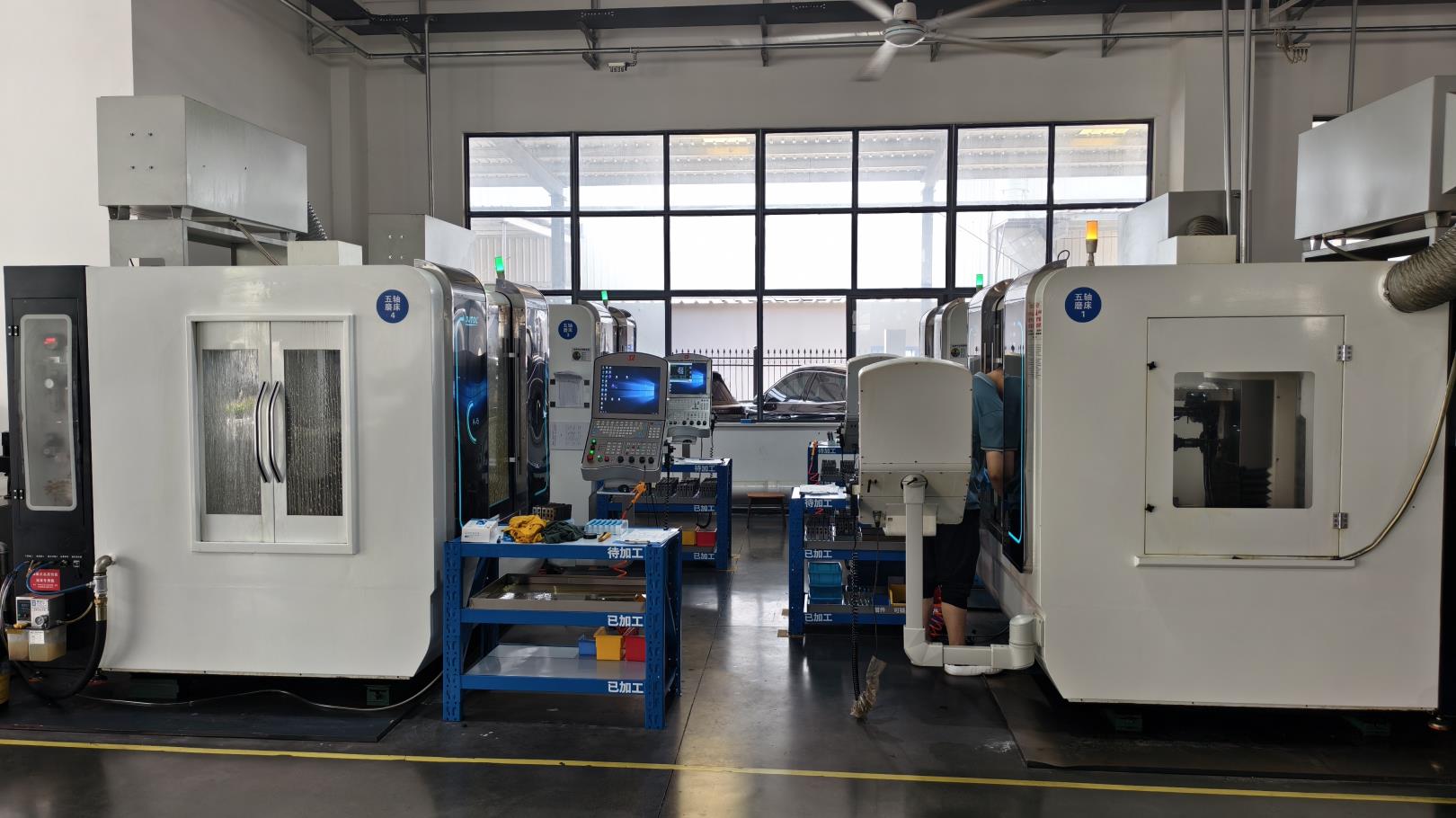
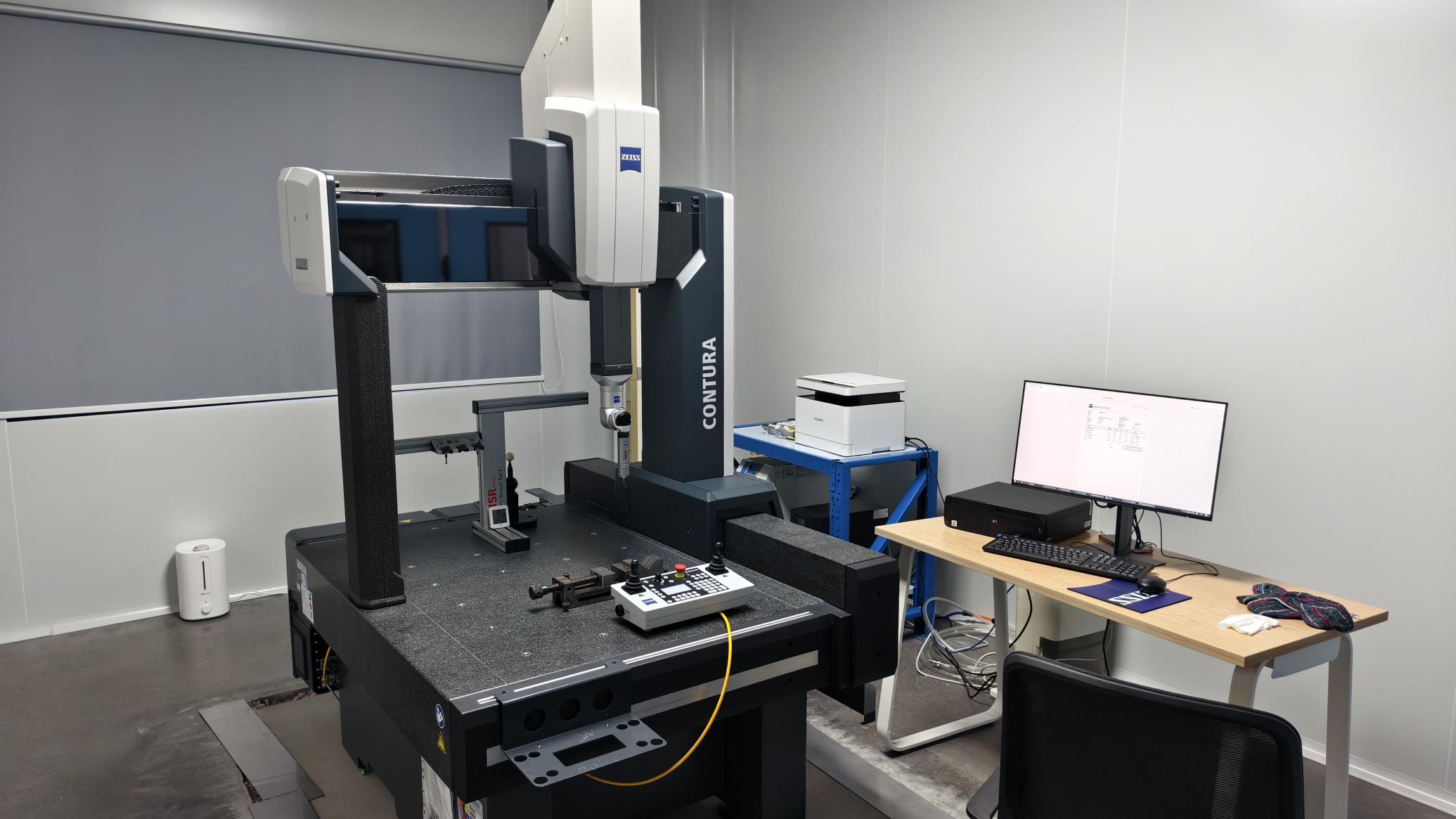
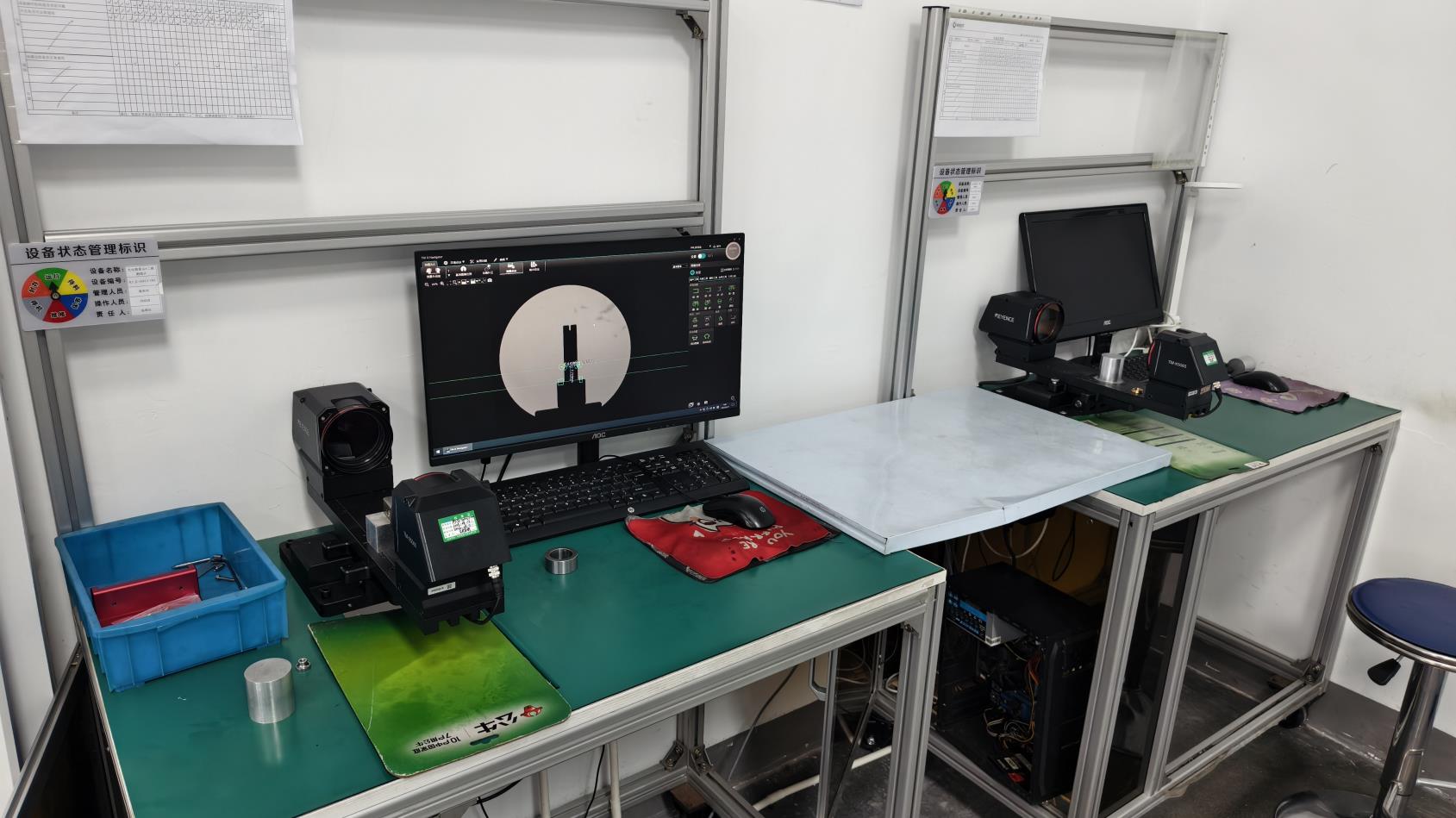
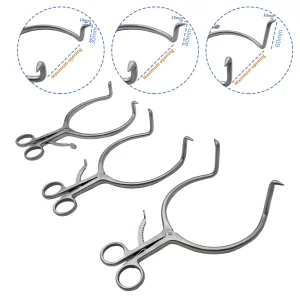
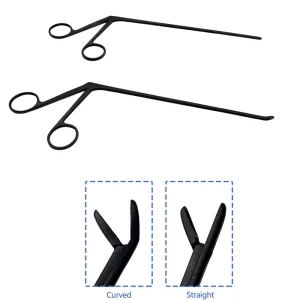
Surgical instruments designed for orthopedic and veterinary surgery, including specialized retractor systems and bone punches.
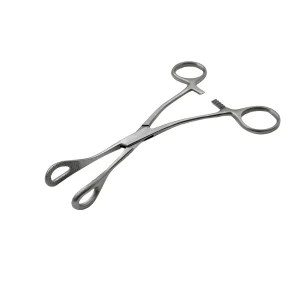
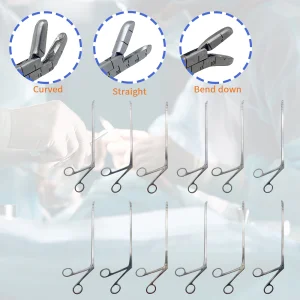
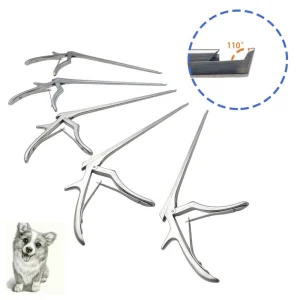
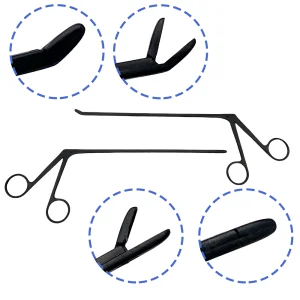
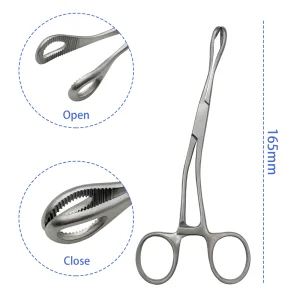
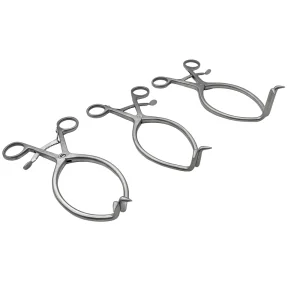
Our medical instruments are designed to support complex procedures across human and veterinary medicine in the San Francisco Bay Area:
The global surgical instrument industry is moving toward higher material biocompatibility, ultra-precise mechanical feedback, and full instrument traceability. Critical trends include:
Detailed capability records, QC protocols, and logistics matrices for international hospital procurement teams.
Technical explanations regarding metallurgy, customization capabilities, and logistics protocols for San Francisco procurement managers.
Our orthopedic forceps, nucleus pulposus clamps, and bone reduction instruments are manufactured from premium medical-grade stainless steel (predominantly AISI 420 for cutting-edge tools like Kerrison Rongeurs, and AISI 304 or 316L for reduction clamps and retractors). This selection ensures an optimal balance of high tensile strength, exceptional hardness retention, and superior corrosion resistance under repeated autoclave sterilization cycles.
Every production batch starts with verified raw material heats. We supply material analysis certificates (MTR) upon request. These documents outline the chemical composition (carbon, chromium, nickel, manganese ratios) to verify compliance with medical standards before manufacturing begins.
For custom configurations, sample blueprints, or graphic processing orders, our engineering team typically delivers initial CAD designs within 5 to 7 business days. Once the prototype is approved, production runs are generally completed within 30 to 45 days, depending on geometry complexity and required surface treatment options.
We execute standard testing protocols, including boil testing (sterilization cycles) and copper sulfate testing. These processes check that the chemical passivation layer is complete and free of surface impurities, helping to prevent pitting or oxidation over the service life of the instrument.
We offer direct shipping services to Northern California via express air freight (ideal for urgent clinical prototype adjustments) and sea freight (optimized for bulk distributor inventory). All packages are labeled with unique tracking codes to streamline customs clearing at the Port of Oakland or San Francisco International Airport (SFO).