SENJIE Healthy & Technology
SENJIE Healthy & Technology
SENJIE Healthy & Technology
Featured surgical instruments calibrated specifically for human orthopedic networks and veterinary practices across Australia.
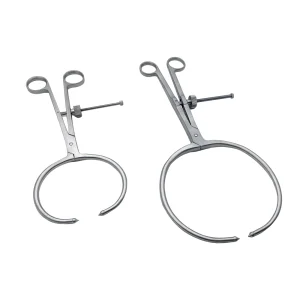
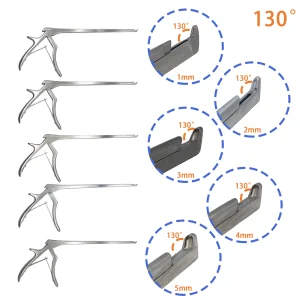
Australia's healthcare sector, comprising both public state-based health networks (such as NSW Health, Queensland Health, and Victoria DHHS) and major private hospital groups like Ramsay Health Care and Healthscope, operates under some of the most rigorous clinical standards globally. The demand for surgical instruments, especially specialized orthopedic forceps and spinal rongeurs, is heavily influenced by aging demographics and the expansion of advanced neurosurgical interventions.
At the same time, the veterinary sector in Australia has experienced an unprecedented shift towards specialized orthopedic procedures. With over 60% of Australian households owning pets, specialized veterinary clinics are increasingly demanding medical-grade stainless steel instruments that can withstand regular high-temperature autoclave processes.
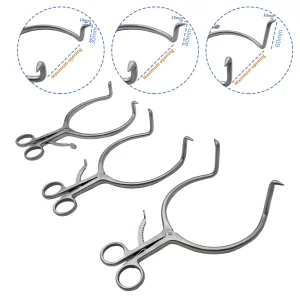
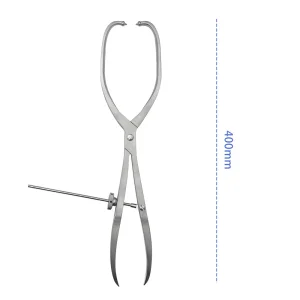
Clinicians are moving away from generalist tools to specialized bone reduction forceps with ball points and micro-rongeurs to perform TPLO (Tibial Plateau Leveling Osteotomy) and spine surgeries on small animals.
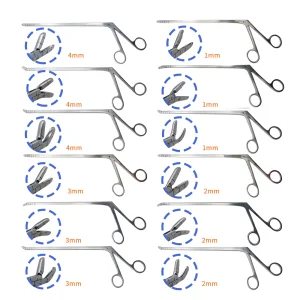
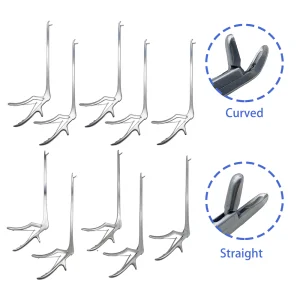
MIS protocols in human neurosurgery require ultra-thin shafts (1mm to 3mm) and long reaching instruments (220mm to 260mm) like our specialized Kerrison Rongeurs.
Rising operational costs in Australian day surgery clinics have increased the demand for direct-to-manufacturer procurement pathways to bypass regional distributor markups.
A technical overview of the materials, tolerances, and design mechanics required for high-performance surgical instrumentation.
We employ ASTM F899-compliant martensitic stainless steel for cutting-edge instruments such as bone rongeurs and punch forceps. This ensures an optimal balance of high wear resistance, structural strength, and high edge retention during repeated bone-biting actions.
Each instrument undergoes strict nitric or citric acid passivation baths to deplete free iron from the surface layer. This leaves a passive chromium oxide film that is impervious to biological fluids and high-pressure steam sterilization cycles (134°C).
Using advanced CAD design profiles and high-precision CNC mills, the moving hinges and biting tips of our nucleus pulposus and reduction forceps are machined to tolerances within ±0.02mm, preventing tissue tearing and alignment shifts.
How raw steel is transformed into high-precision, TGA-aligned clinical instruments in our manufacturing centers.
Transparent factory registration metrics, export data, and production parameters for compliance officers and medical procurement agencies.
| Registration Date | 2019-11-20 (6 Years Industry Experience) |
| Accepted Languages | English (Technical support & account managers) |
| Years Exporting | 6 Years to global distributors & hospital networks |
| Customization Options | Sample processing, graphic processing, custom dimension scaling |
| Core Target Markets | North America (25%), South America (25%), Southeast Asia (15%), serving Australia/Oceania clinical distributors |
| Main Client Types | OEM Brand businesses, Surgical wholesalers, Medical device retailers, Private veterinary clinics |
| Material Traceability | Yes, full chemical composition tracking back to raw steel batches |
| Inspection Methods | Random inline inspection & rigorous 100% pre-shipment functional testing |
| Dedicated Inspectors | 3 Senior QA/QC Inspectors using specialized laser metrics & load gauges |
| Traceability Records | Retained batch records, autoclavability test logs, dimensions verification charts |
| Surface Finishing | Electropolishing, matte satin finish (anti-glare for operating room lamps) |
| Packaging Protocols | Clean-room sealing, individual bubble protection, medical-grade box packing |
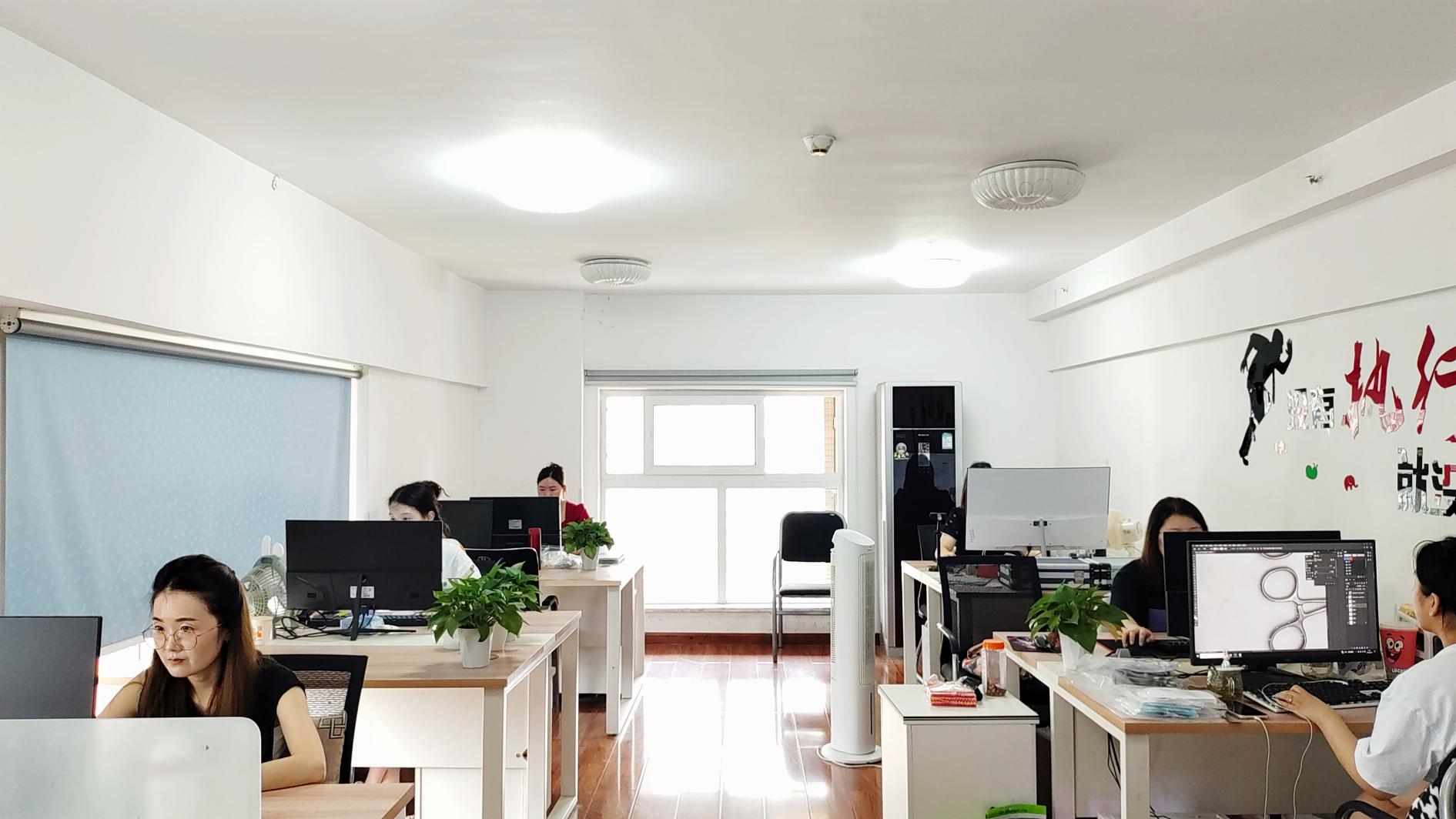
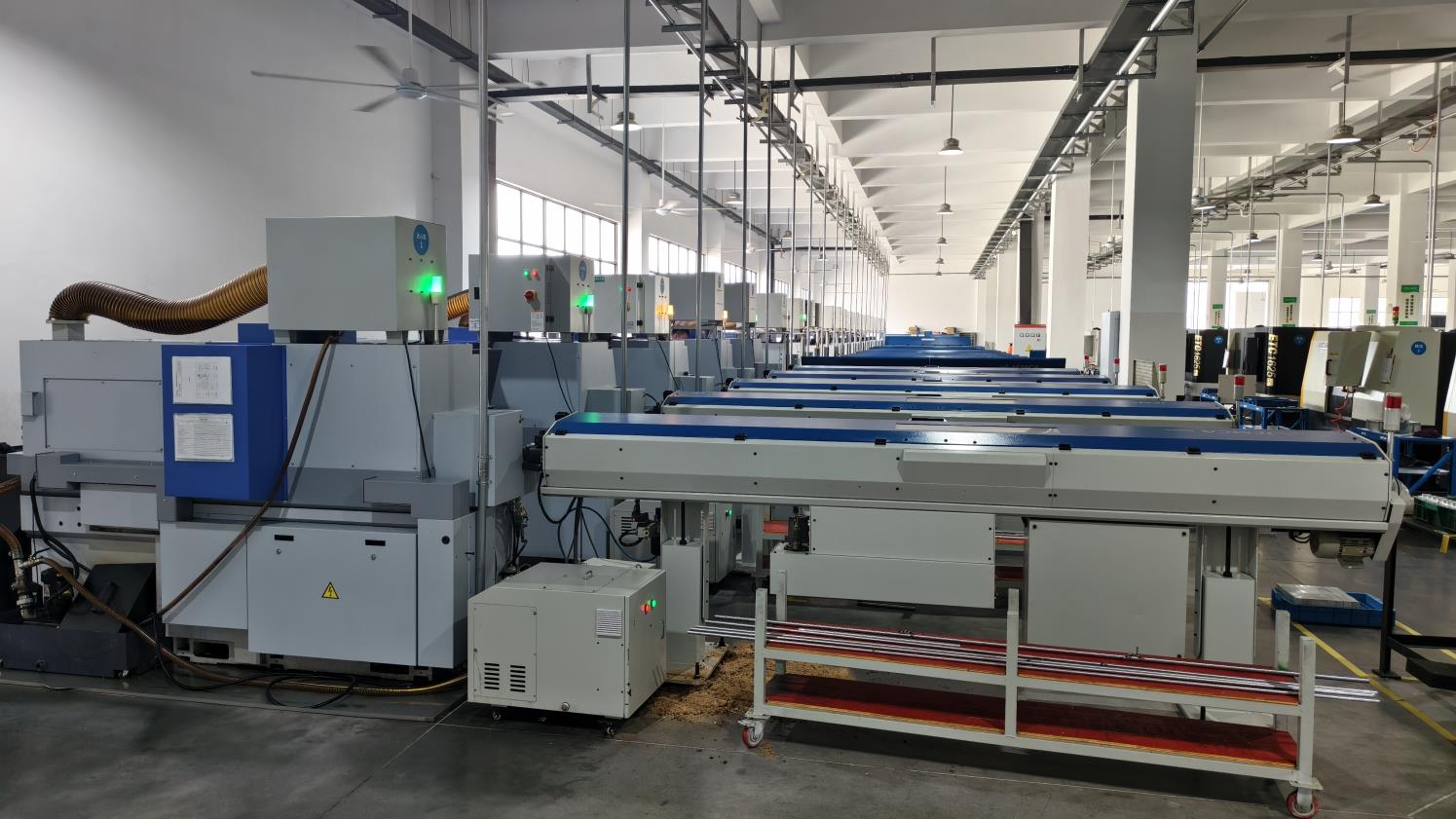
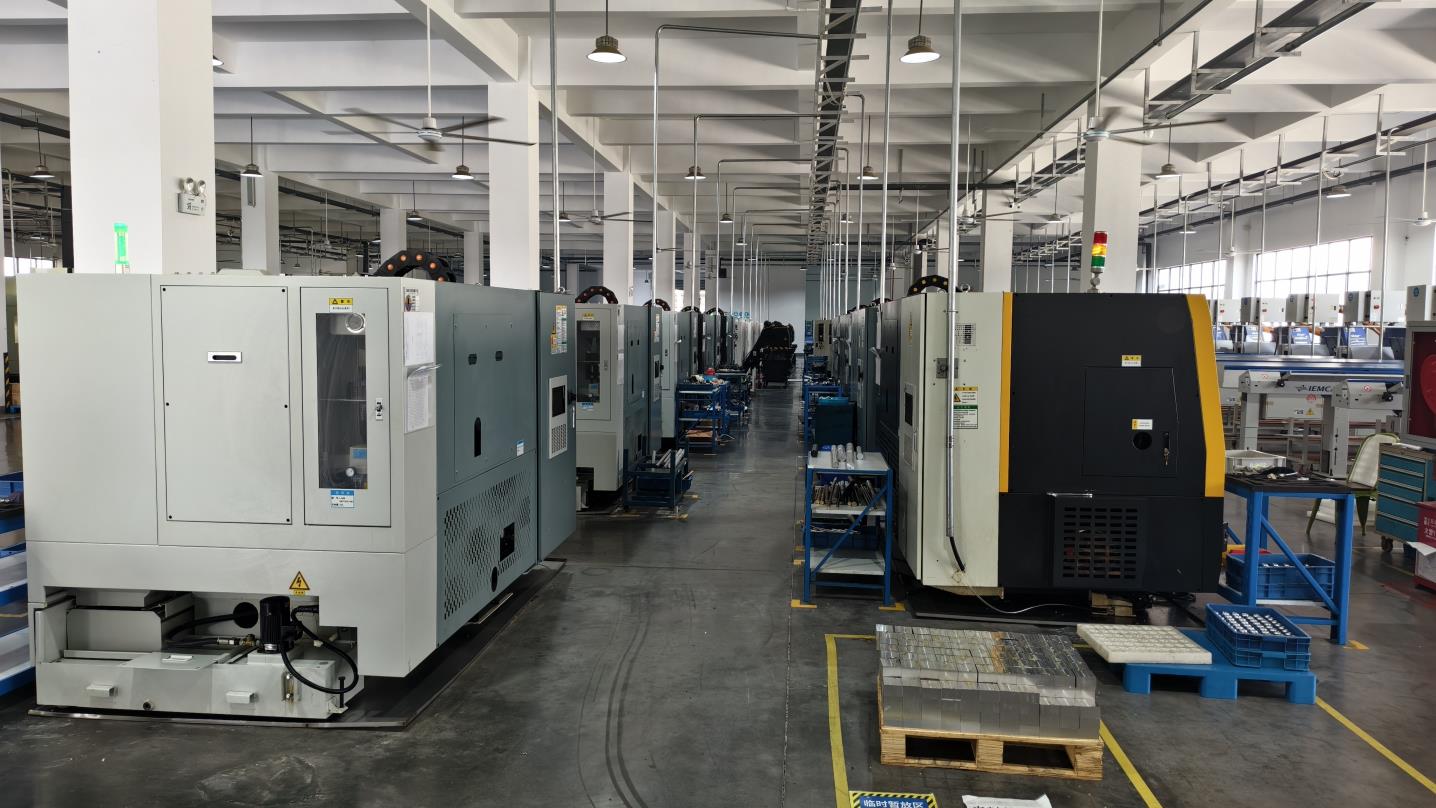
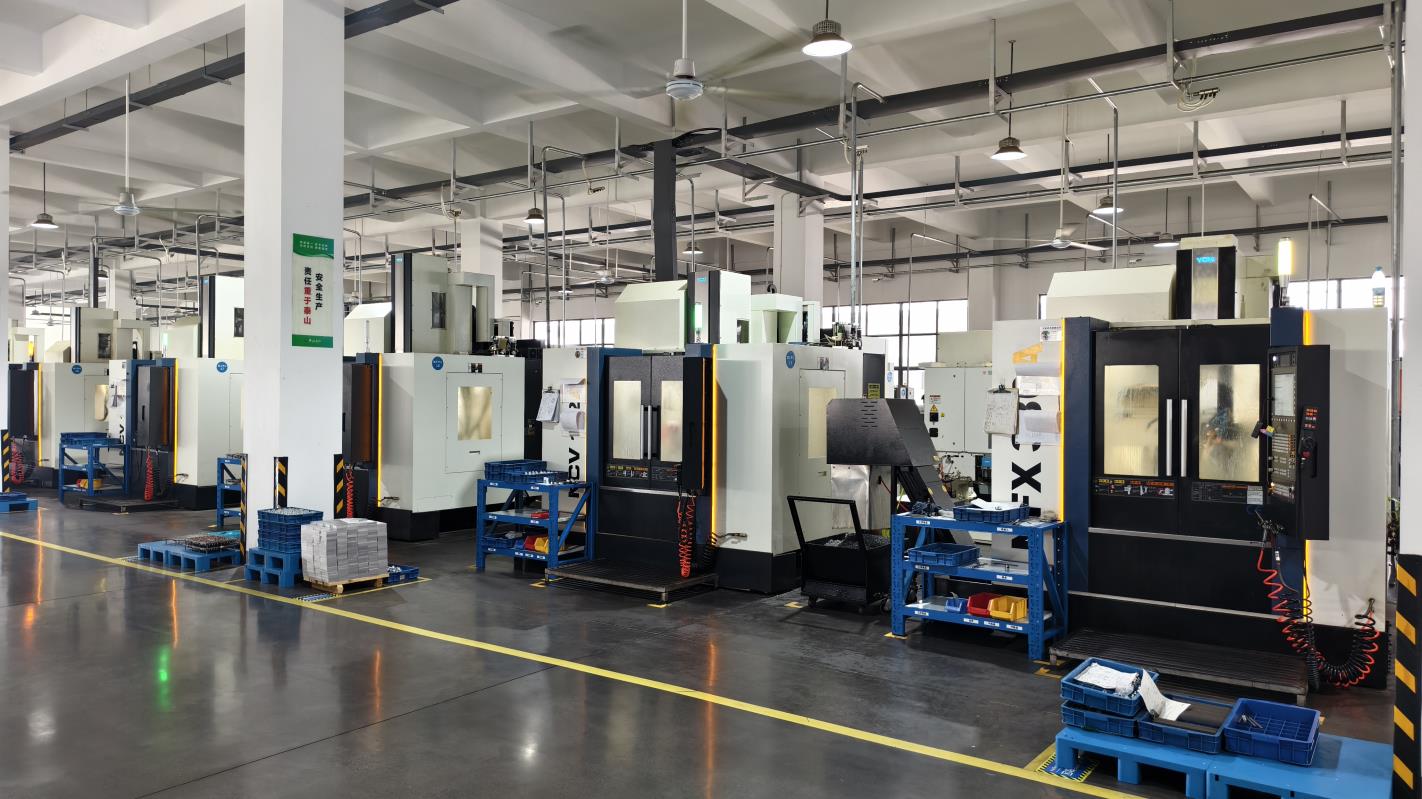
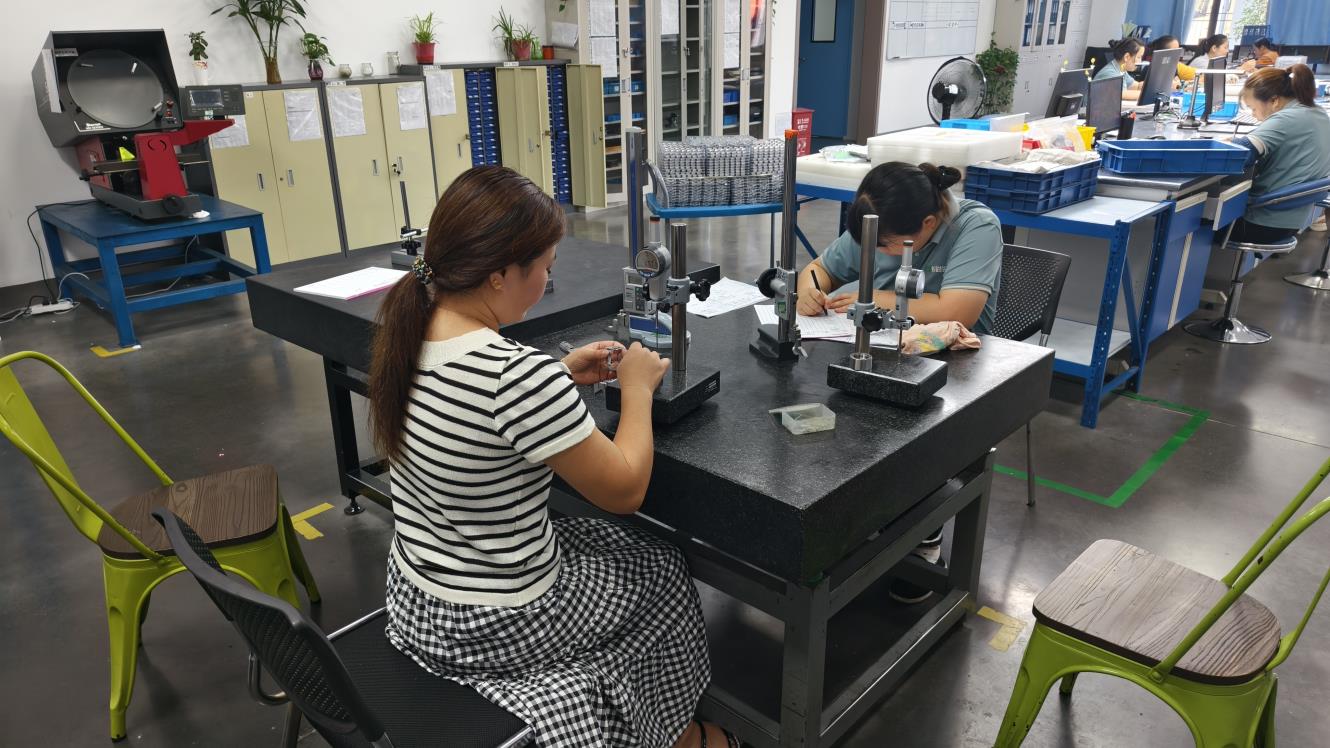
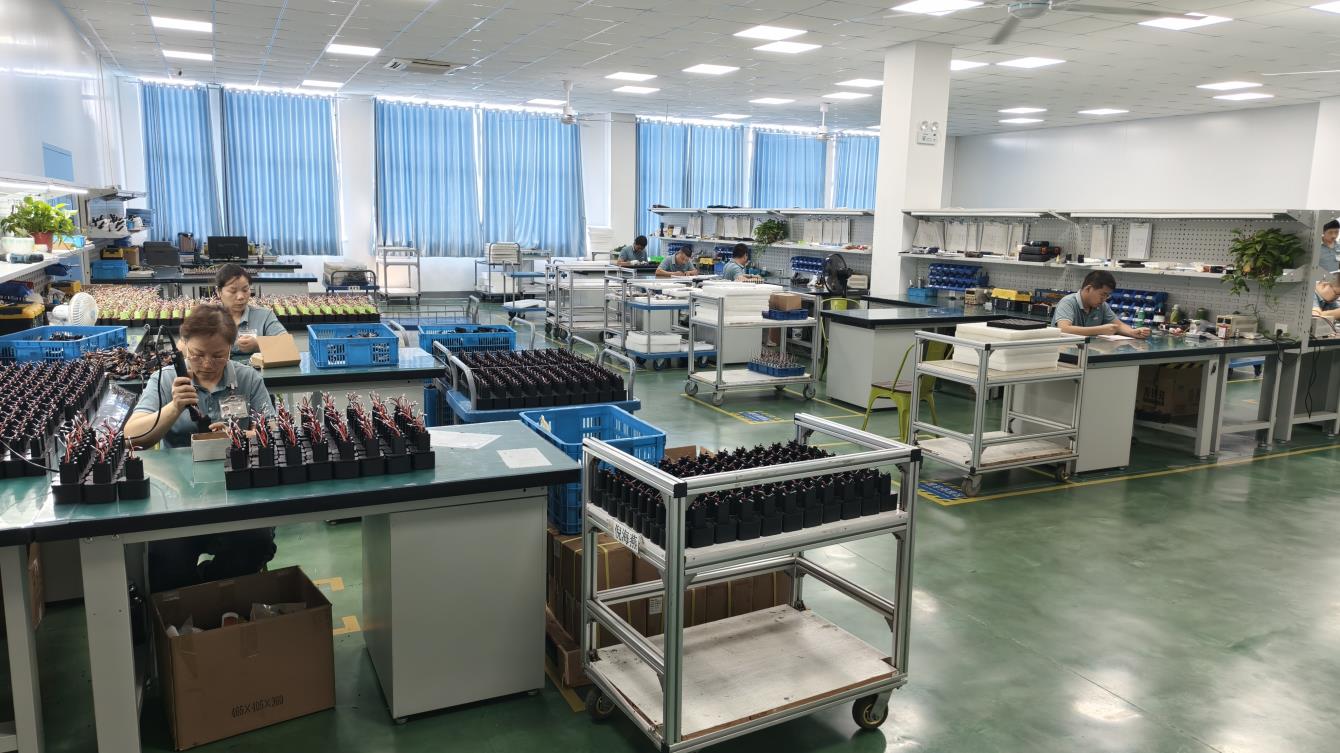
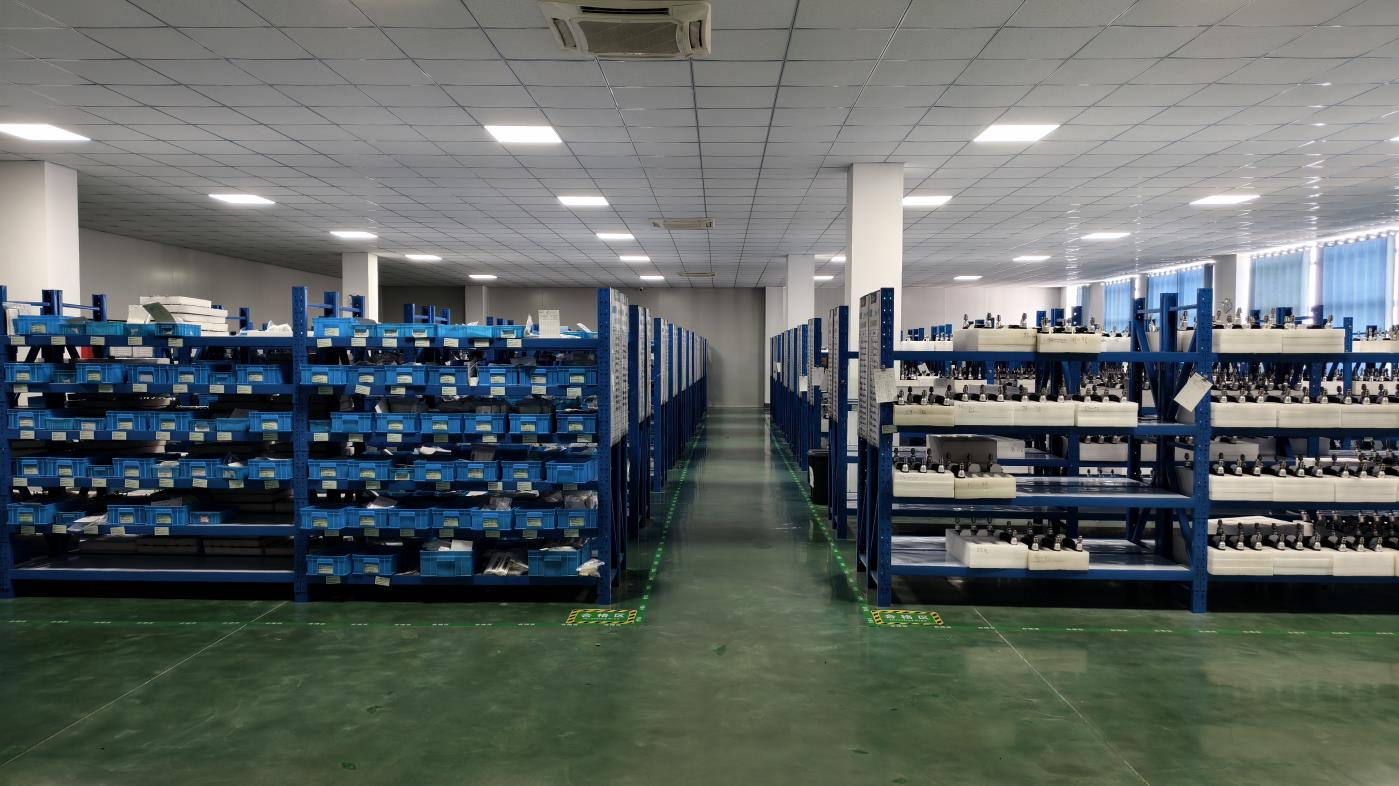
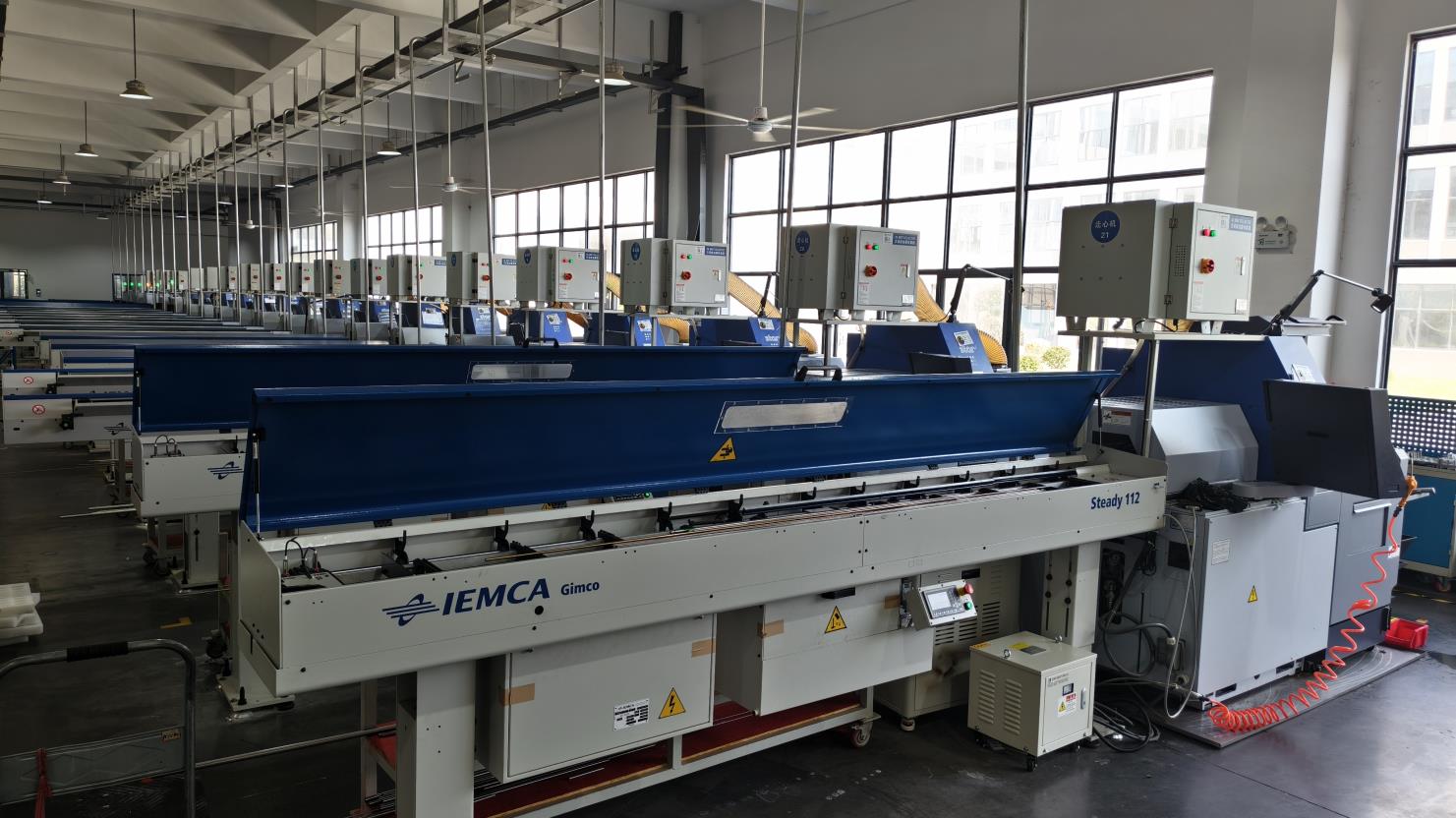
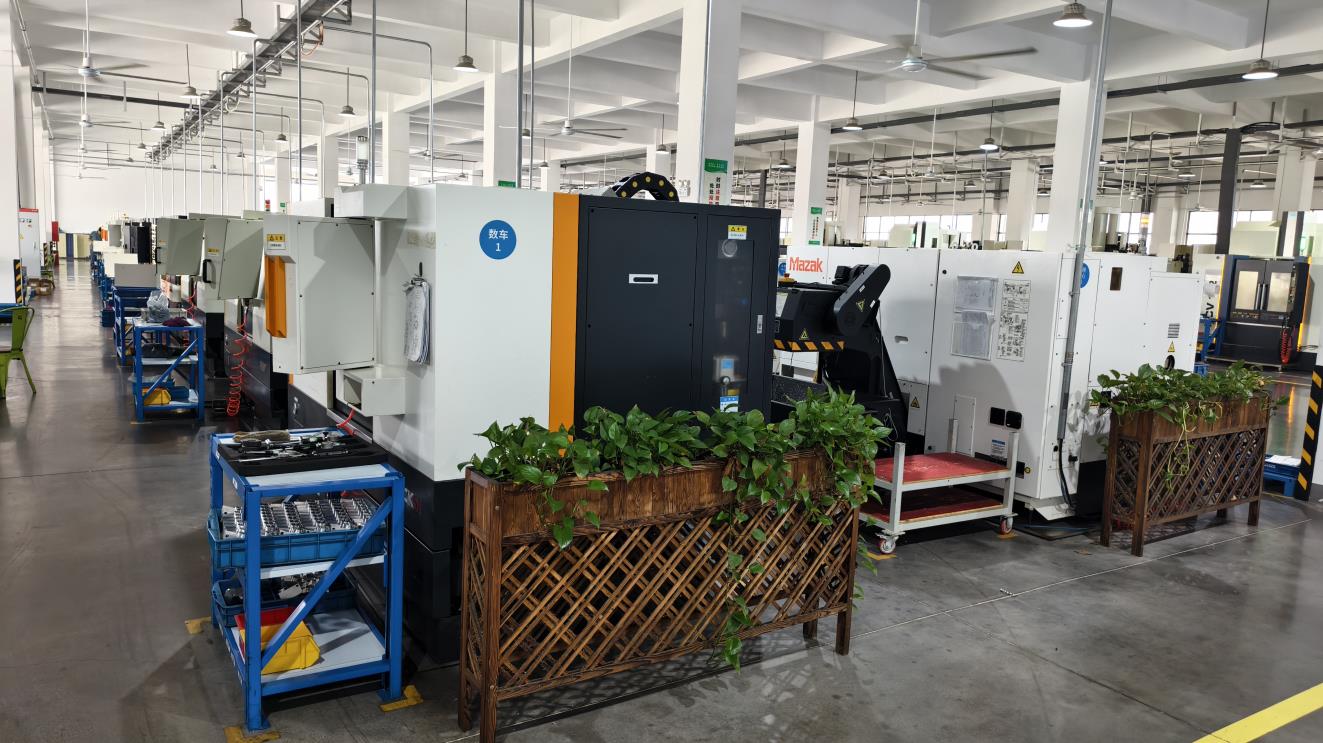
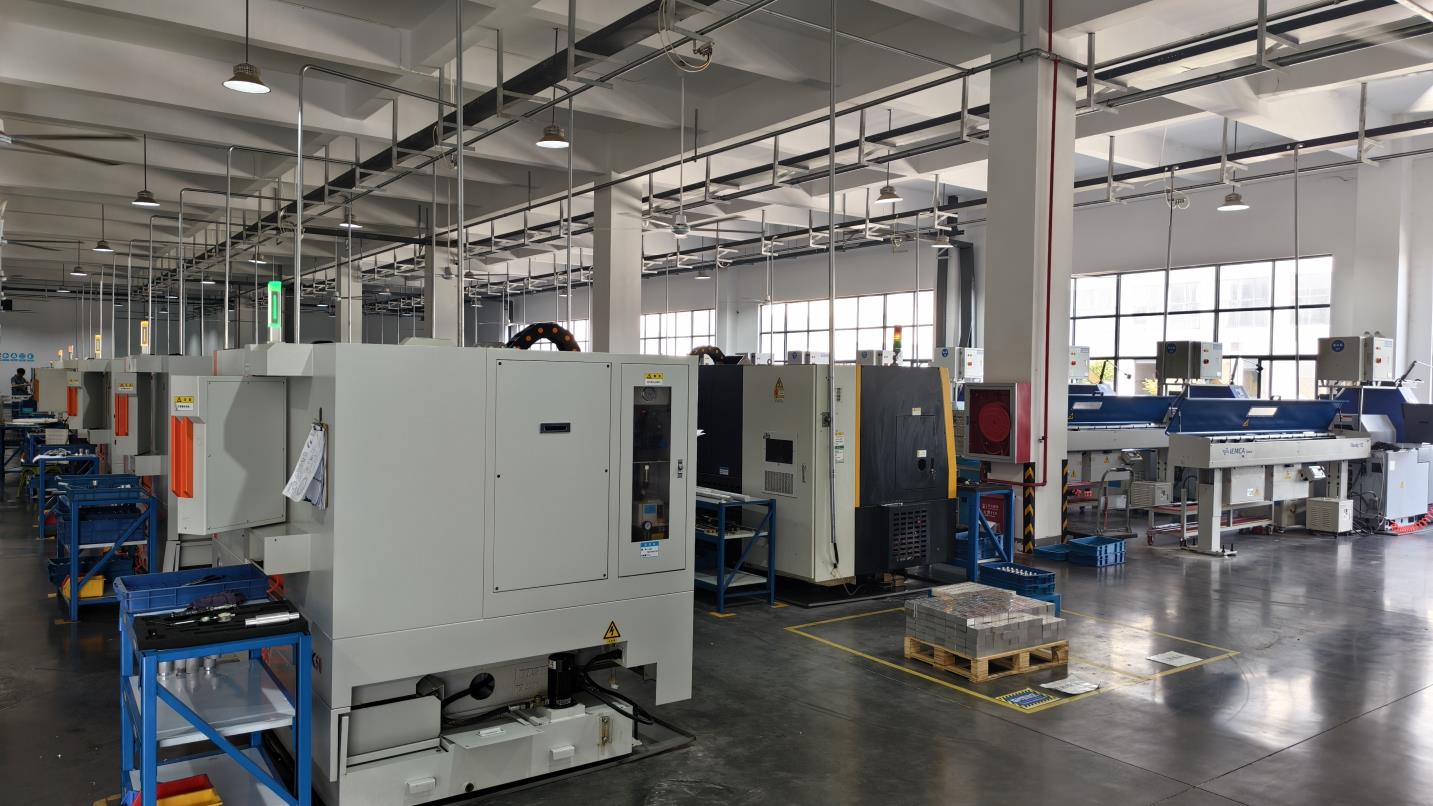
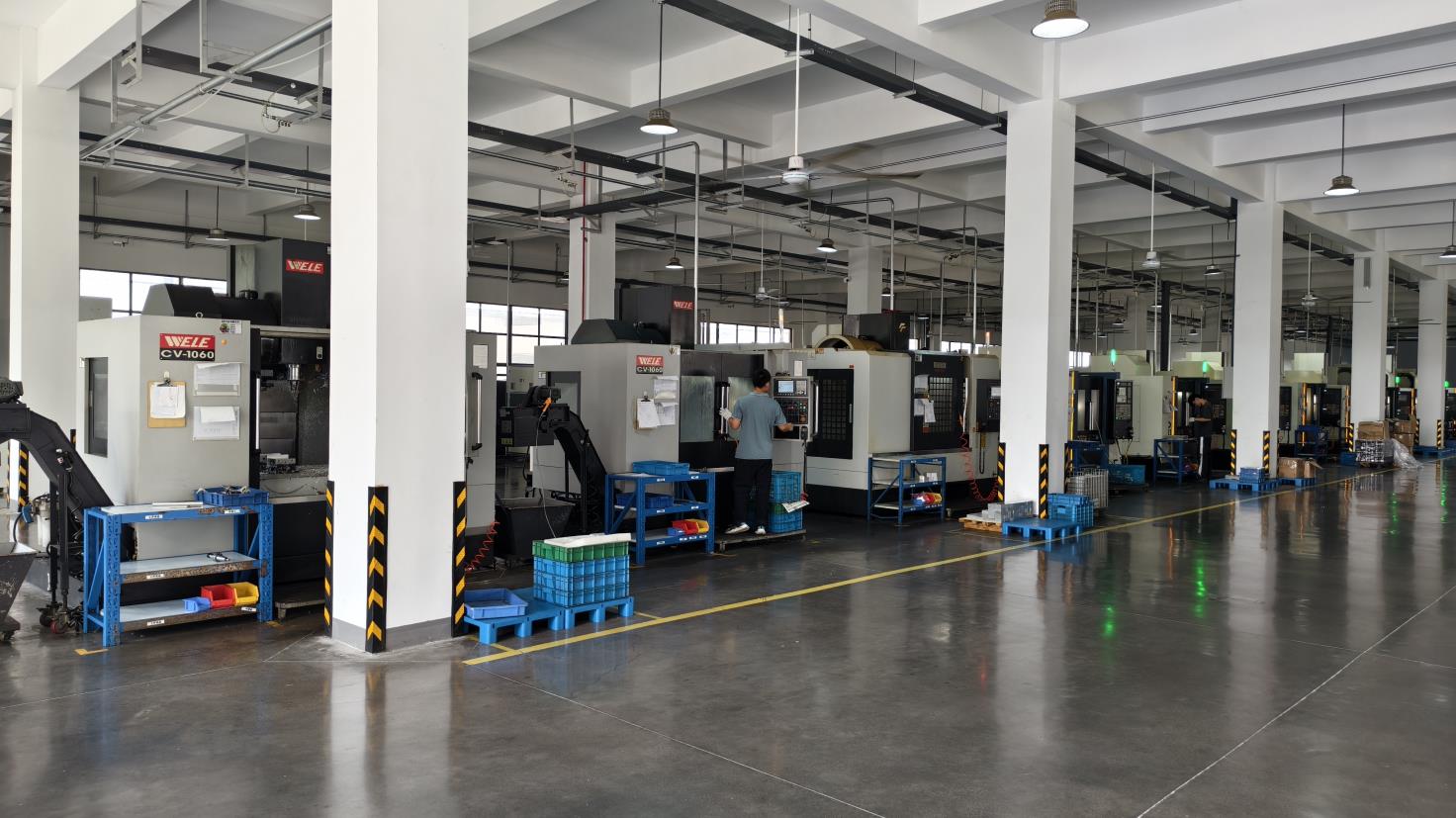
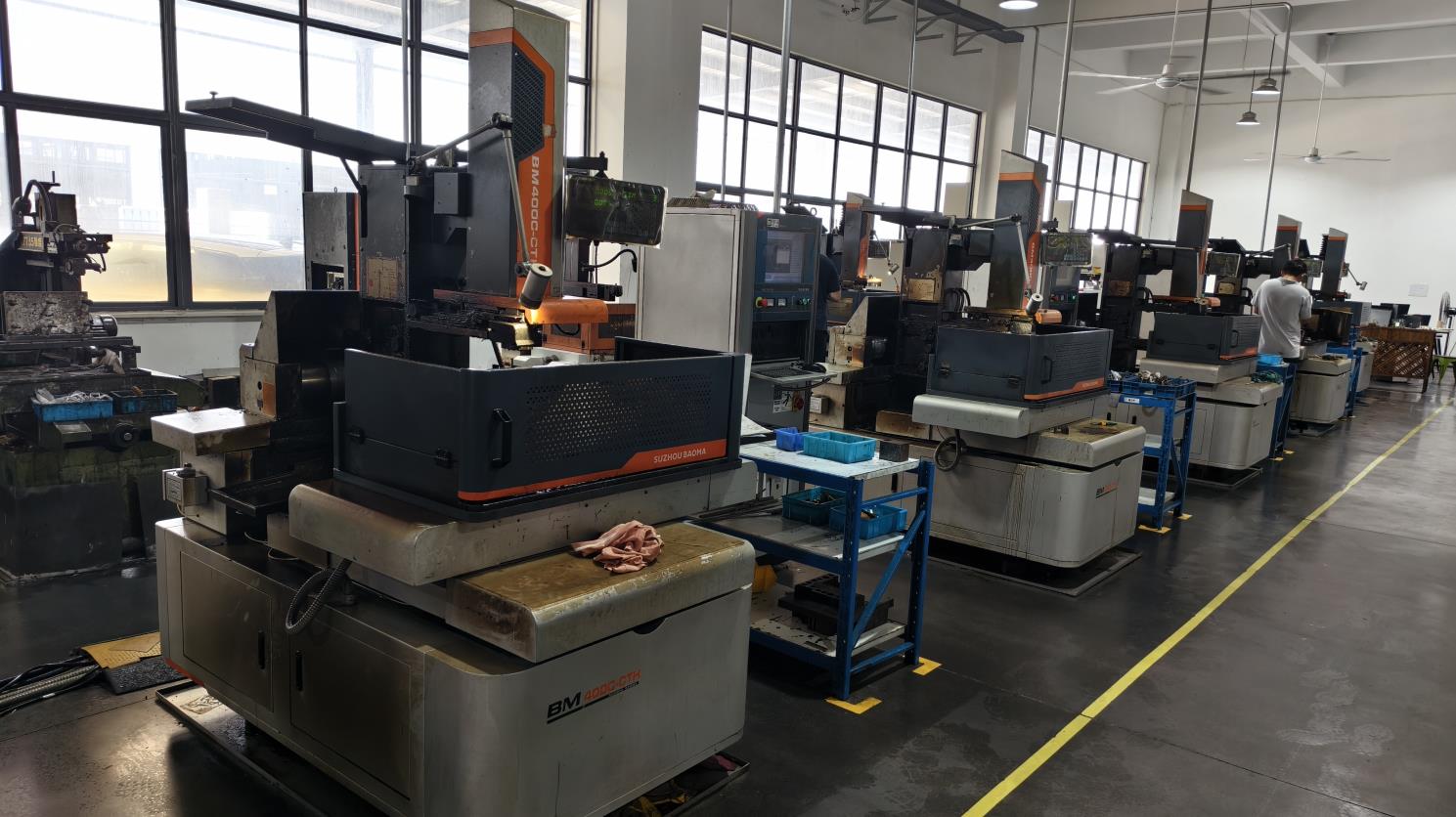
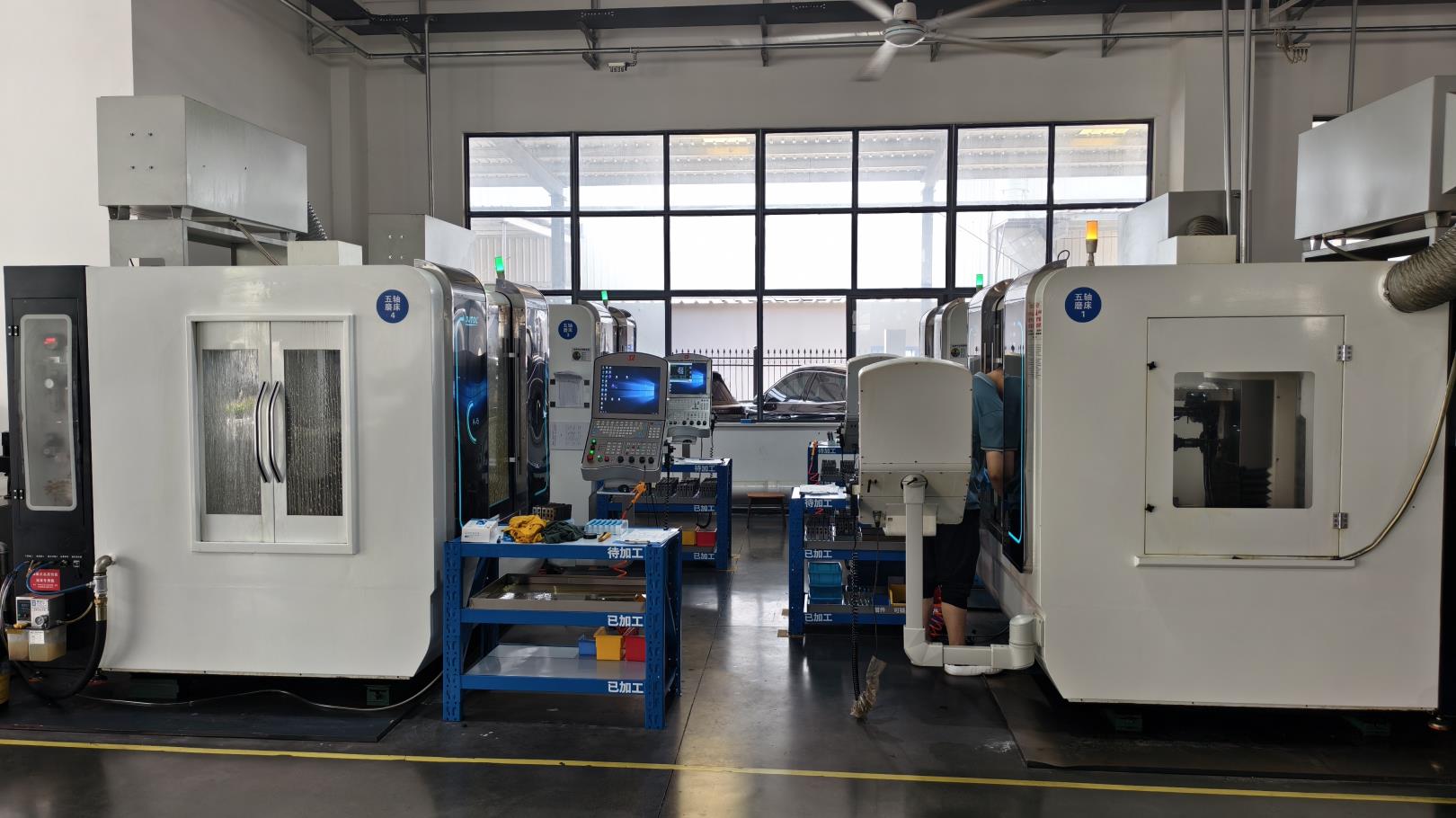
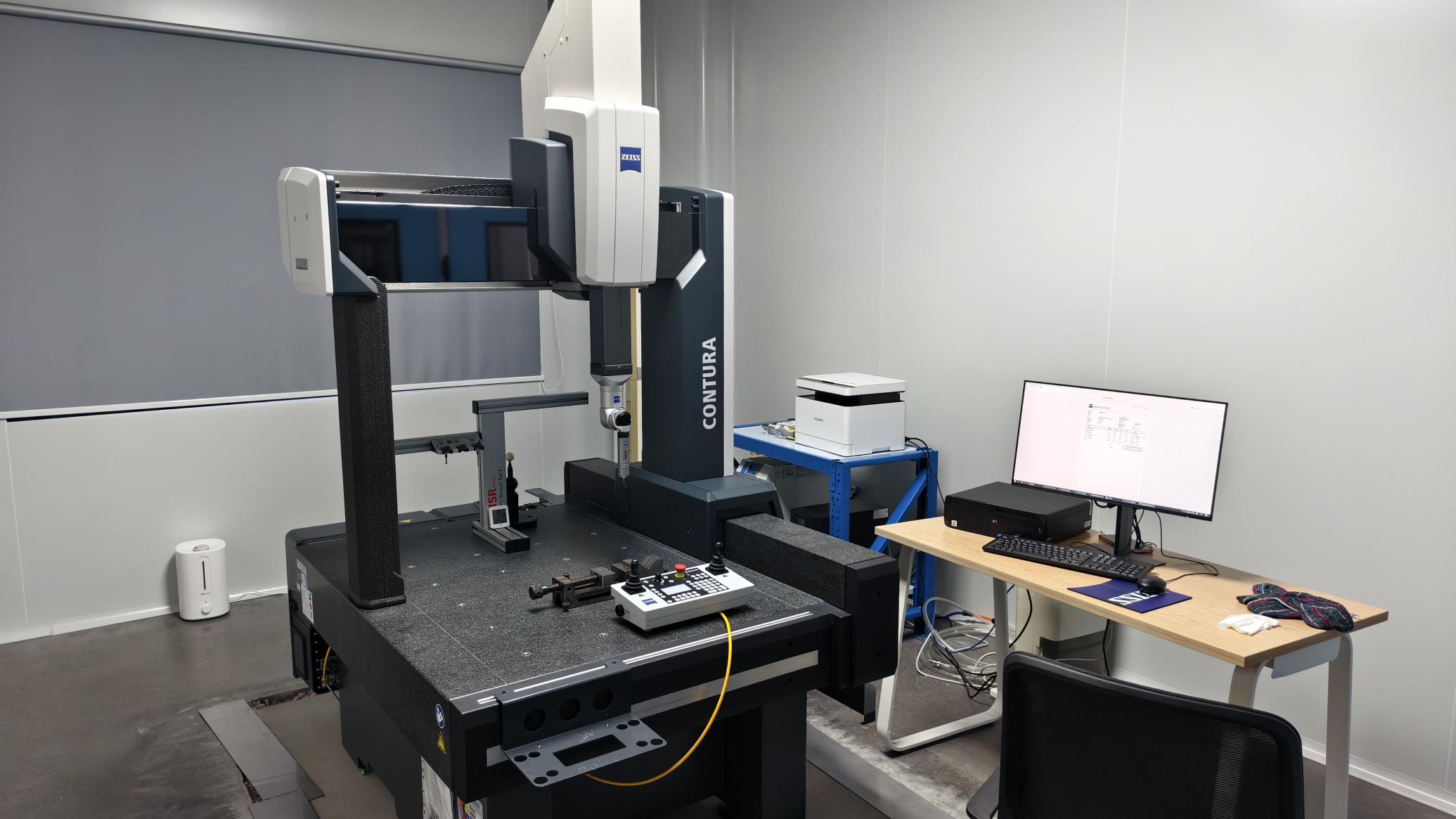
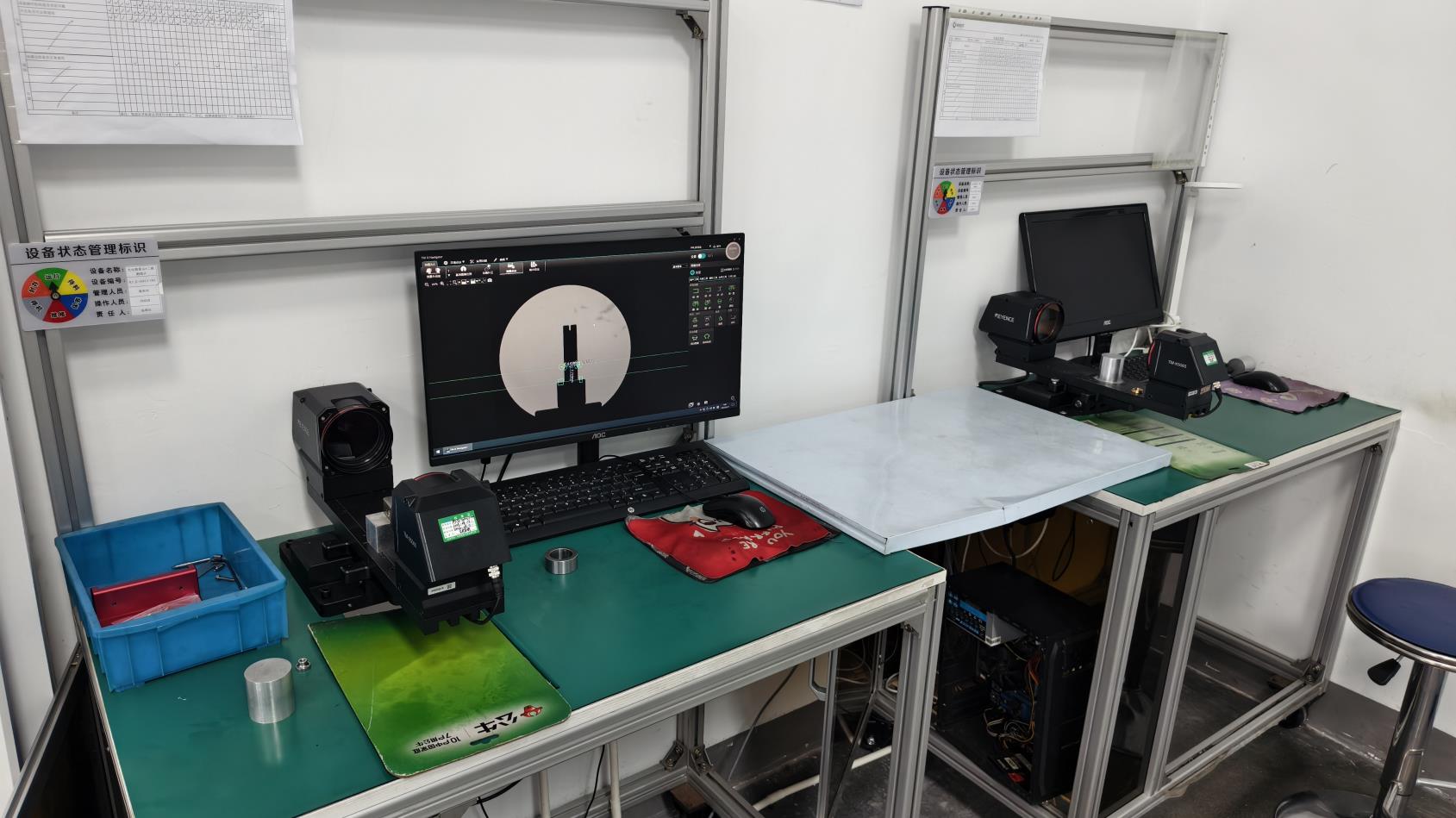
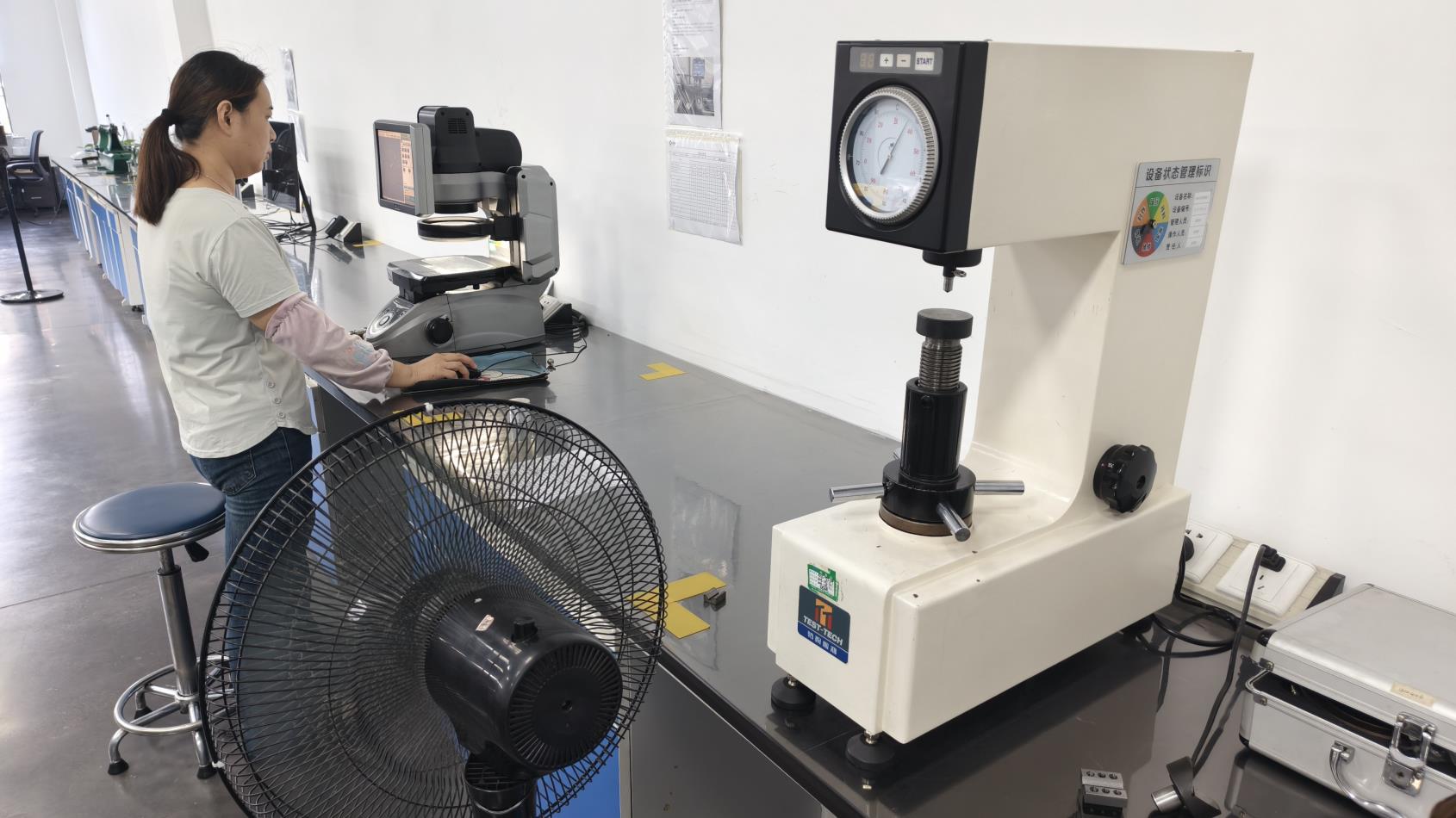
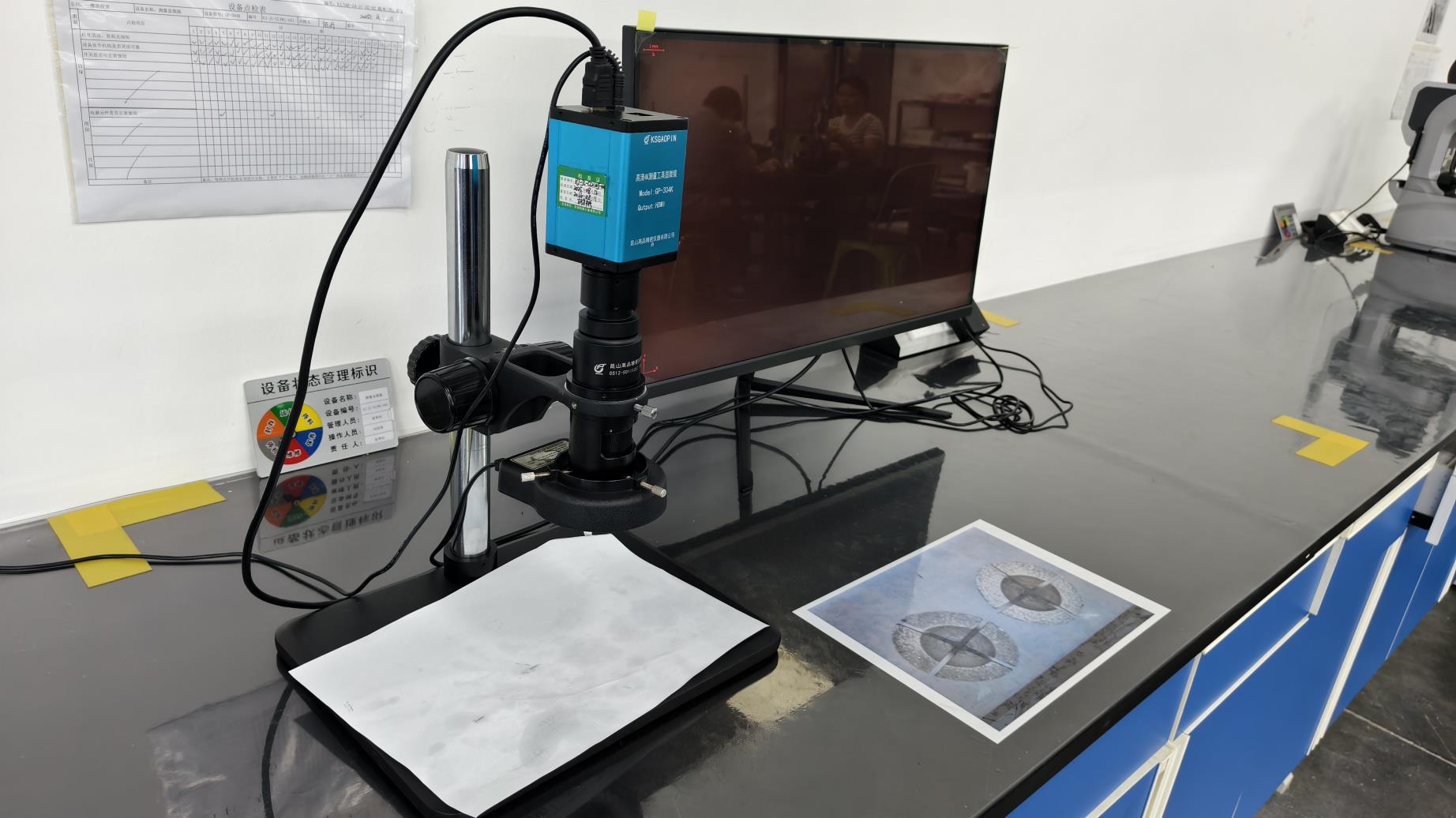
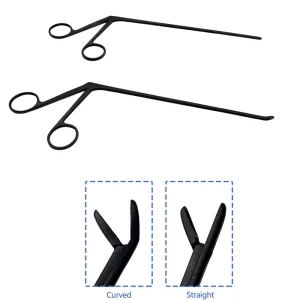
A broad array of orthopedic, spinal, micro-surgical, and general tissue manipulation instruments ready for international shipping.
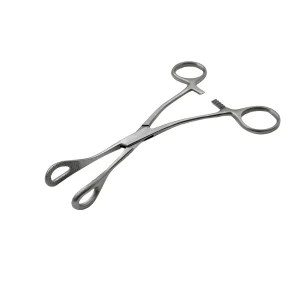
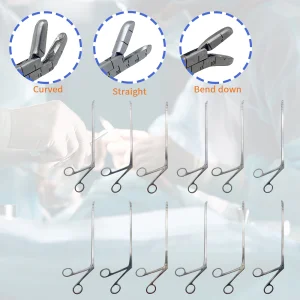
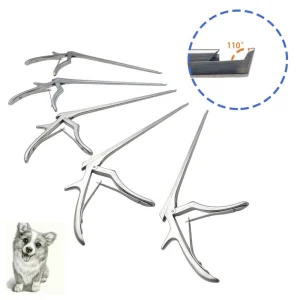
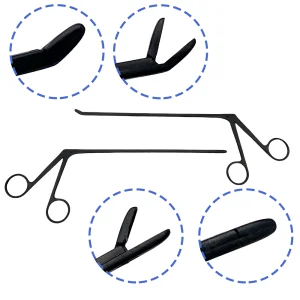
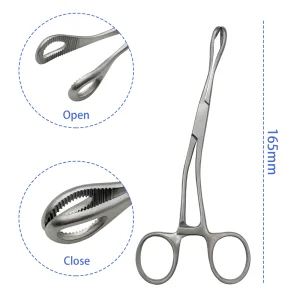
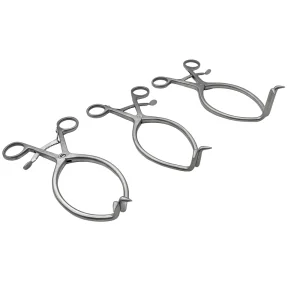
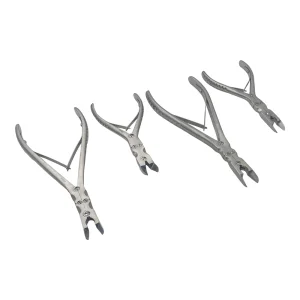
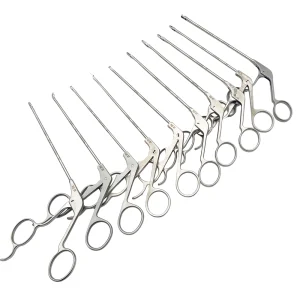
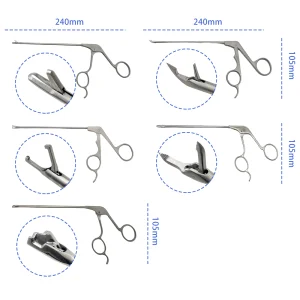
The economic corridors between China's advanced metallurgical manufacturing zones and Australia's key logistics hubs (Sydney, Melbourne, Brisbane, and Fremantle) are highly optimized. Procurement directors in Australia face constant pressures: keeping inventories lean while maintaining critical levels of surgical backups. By working directly with a registered manufacturer with 6 years of pure export data, you mitigate the uncertainty of intermediate brokers.
Our facility integrates raw material sourcing, automated precision CNC milling, heat treatment ovens, and manual calibration lines. We are capable of transitioning from high-volume batch runs for distributors to custom-sized orders (e.g. specialized shaft lengths for regional veterinary networks) in minimal lead times.
We offer express air freight options (DHL/FedEx/TNT) arriving in Australia within 5-7 business days for urgent instrument requirements, as well as LCL/FCL ocean freight for bulk contract distribution.
Aligning product technical characteristics with Australian national regulations and procurement mandates.
Most surgical hand-held tools such as rongeurs, tissue forceps, and retractors fall under the Class I non-sterile category. We provide all the necessary raw material specifications, ISO 13485 declarations, and technical datasheets required by your Australian sponsor to complete the ARTG registration process.
In compliance with AS/NZS 4187 (reprocessing of medical devices in health service organizations), our instruments are designed to endure standard pre-vacuum steam sterilization runs (134°C, 3 to 4 minutes) without losing joint elasticity or undergoing surface oxidation.
We focus on the smoothness of dual-pivot and double-action joints (like those on Kerrison Rongeurs). Our engineering team calibrates jaw profiles to ensure smooth tactile feedback during surgical bite cuts, preventing bone splintering or excessive force requirements.
Comprehensive answers addressing core quality, procurement, and shipping queries for Australian buyers.