SENJIE Healthy & Technology
SENJIE Healthy & Technology
SENJIE Healthy & Technology
Advanced biomechanical tools optimized for micro-resection and bone stabilization. Standard-compliant for Madrid & Barcelona clinical centers.
Spain's healthcare infrastructure operates on a dual-track model, combining the extensive public network of the Sistema Nacional de Salud (SNS) with rapidly growing private hospital conglomerates such as Quirónsalud, Vithas, and HM Hospitales. In parallel, Spain has emerged as one of Europe's largest markets for companion animal veterinary procedures, with pet ownership registrations reaching record highs in regions like Madrid, Catalonia, and Andalusia.
For procurement officers, medical distributors, and tier-1 hospital supply chains across Spain, securing surgical-grade forceps is no longer just about finding low-cost manufacturers. The integration of strict European Medical Device Regulation (EU MDR 2017/745) standards demands complete traceability, validated passivation, and certified raw material sourcing. Distributors in Bilbao, Valencia, and Barcelona require reliable OEM/ODM partners capable of delivering instruments that withstand thousands of autoclave cycles without micro-fracturing or surface oxidation.
All medical devices distributed in Spain must undergo compliance verification through the Agencia Española de Medicamentos y Productos Sanitarios (AEMPS). Our production lines conform to ISO 13485 quality management systems, ensuring seamless registration and entry into EU customs.
Fully prepared documentation sets including biocompatibility profiles, technical files, and mechanical stress test certificates for Spanish customs clearance.
Optimized freight lanes to Hubs in Madrid (MAD) and Barcelona (BCN), minimizing standard custom-clearance delays to under 48 hours upon port arrival.
Exclusively employing AISI 420, AISI 316L, and surgical-grade titanium alloys. We perform automated acid-passivation and electro-chemical polishing to eliminate surface impurities.
Analyzing key shifts in orthopedic device logistics, materials sciences, and the balance between cost-containment and mechanical performance.
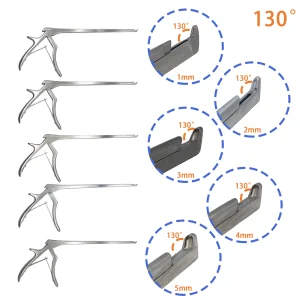
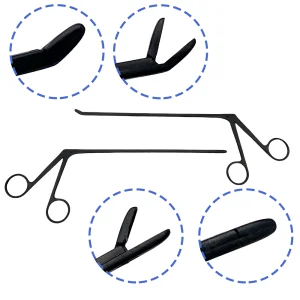
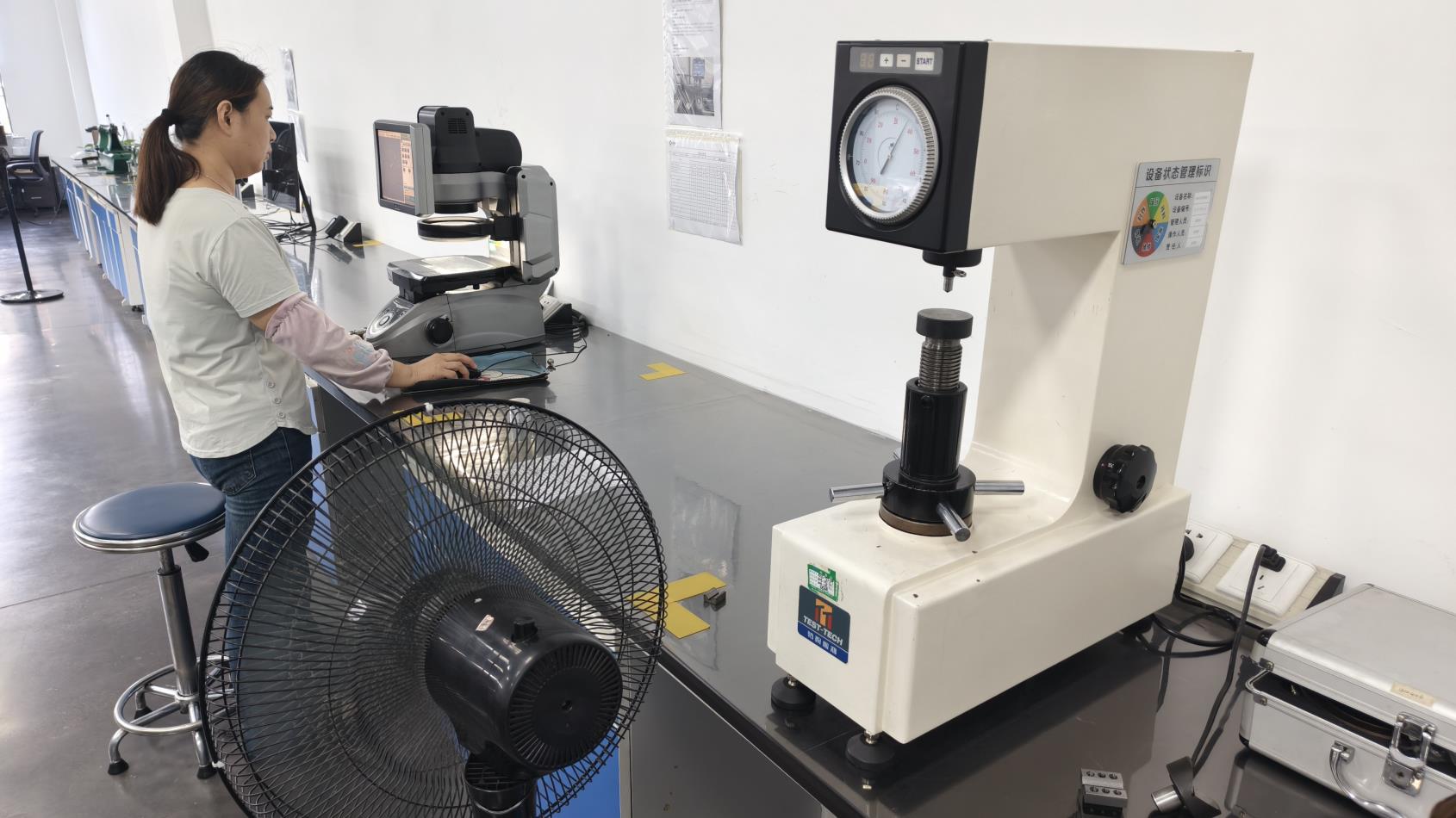
Orthopedic surgeries demand sharp, zero-slip bite alignments. Modern Kerrison rongeurs and pulposus clamps require Rockwell hardness ratings between 50-55 HRC at the cutting edge to prevent jaw deformation over prolonged clinical use.
Global procurement teams now mandate detailed material certification reports. Every shipment bound for the EU must include heat batch numbers traceable directly to the original steel forge, ensuring zero counterfeit or sub-grade metal usage.
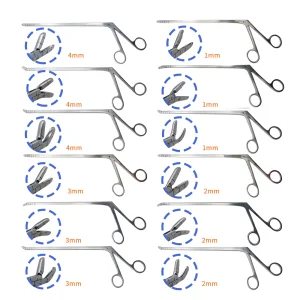
Veterinary clinics in Spain are rapidly adopting advanced human-grade bone plates and bone reduction forcep designs. The demand for sub-millimeter micro-forceps (1mm to 4mm grip widths) has surged, requiring micro-machining capabilities.
In traditional supply networks, medical devices pass through multiple distributor layers before reaching a surgical unit in Madrid, bloating costs by 150% to 300%. By moving to a Direct Factory Sourcing Model, Spanish medical brand owners, large hospitals, and specialized veterinary clinic groups can customize forcep configurations (such as shaft lengths, curved angle degrees, and handle types) while reducing per-unit acquisitions costs dramatically.
We solve the critical pain points of international medical shipping by providing structured regulatory files, customized branding/engraving (fiber-laser marking), and secure wood-box or medical-grade sterilization container packing to assure your cargo arrives in pristine condition.
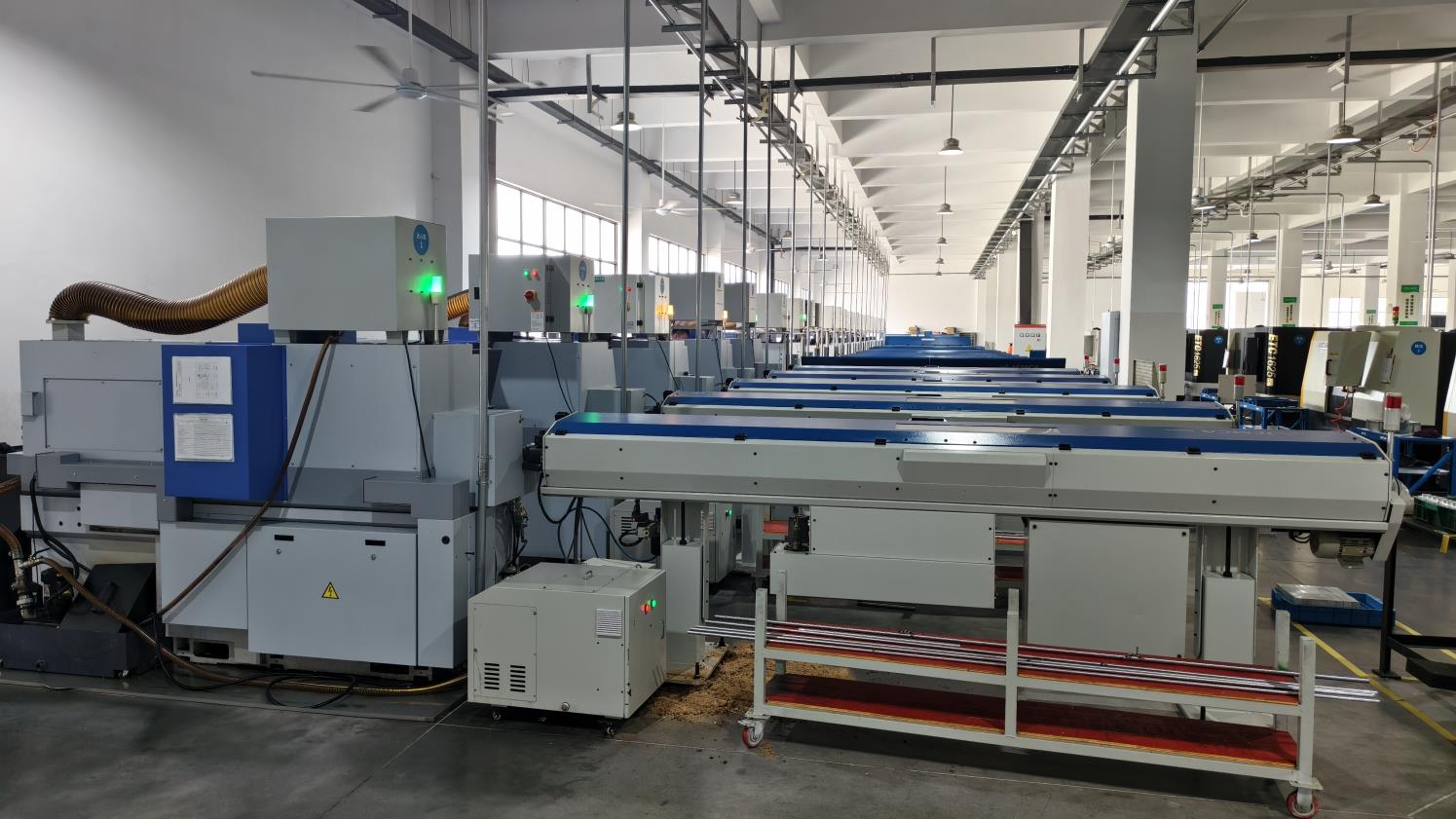
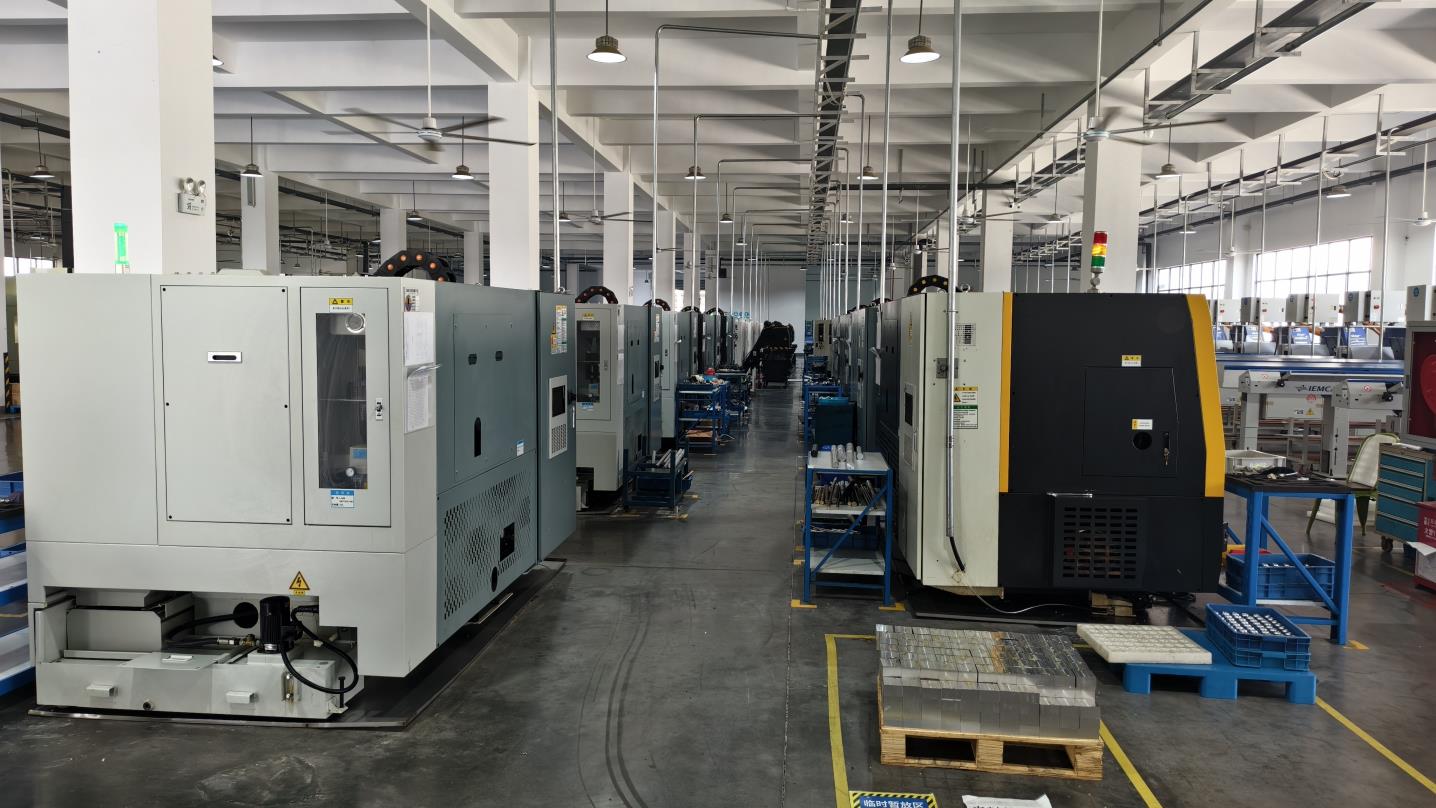
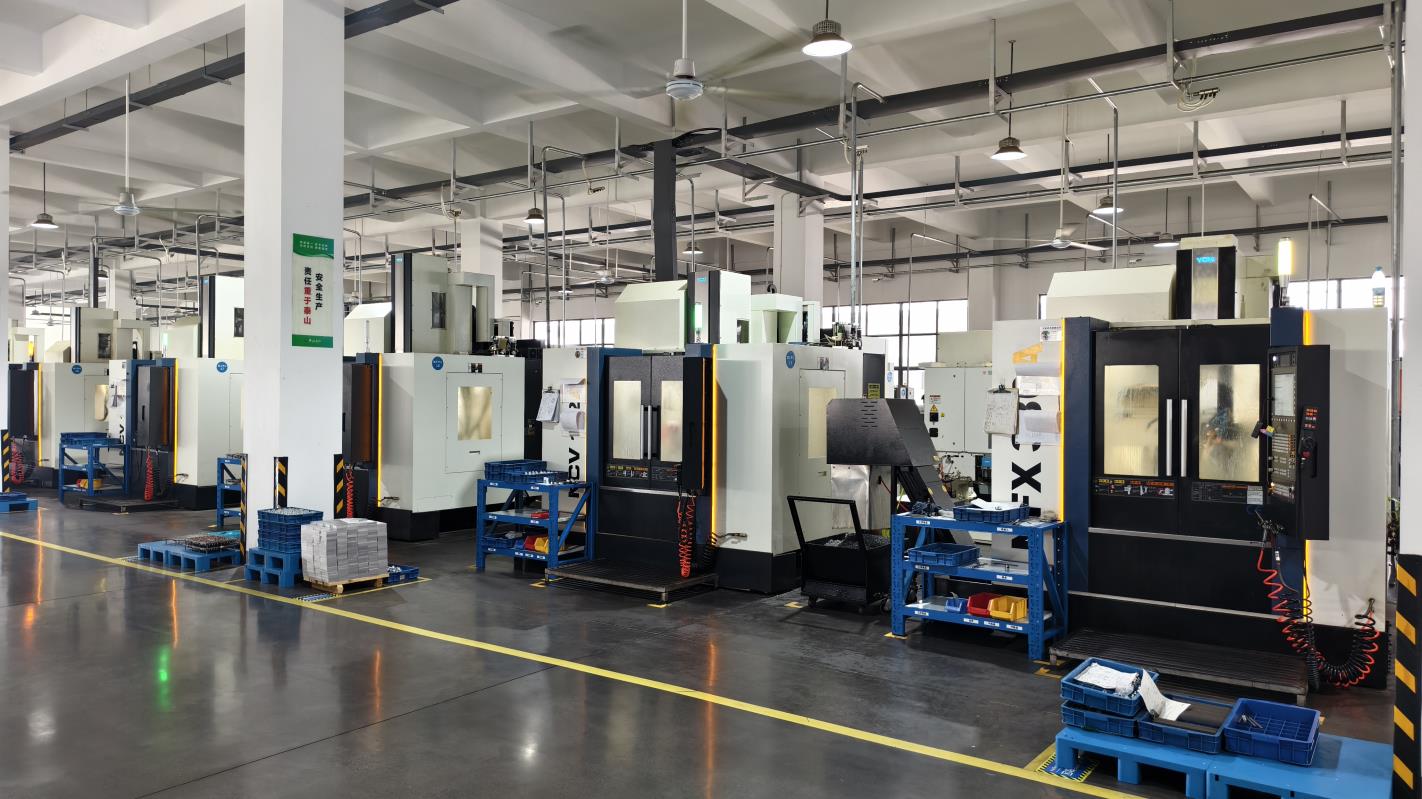
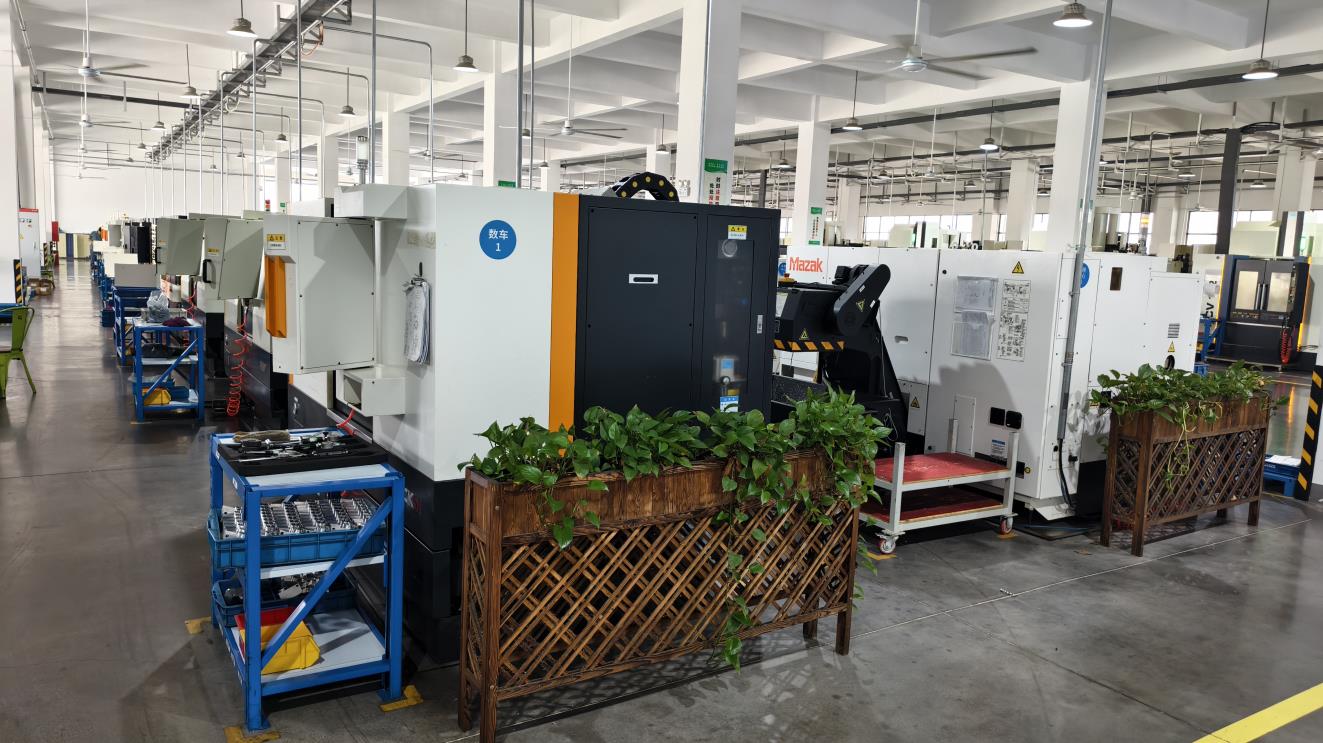
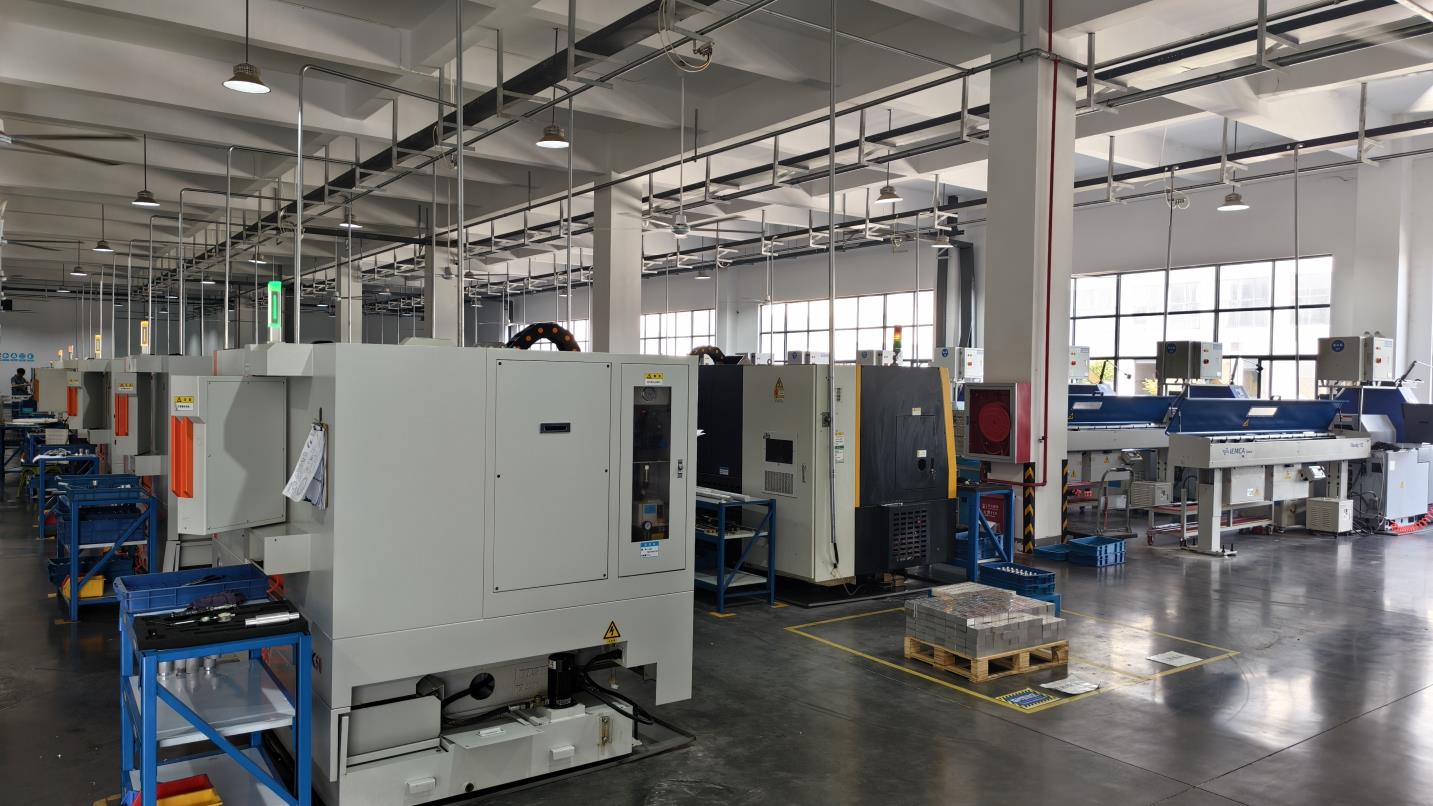
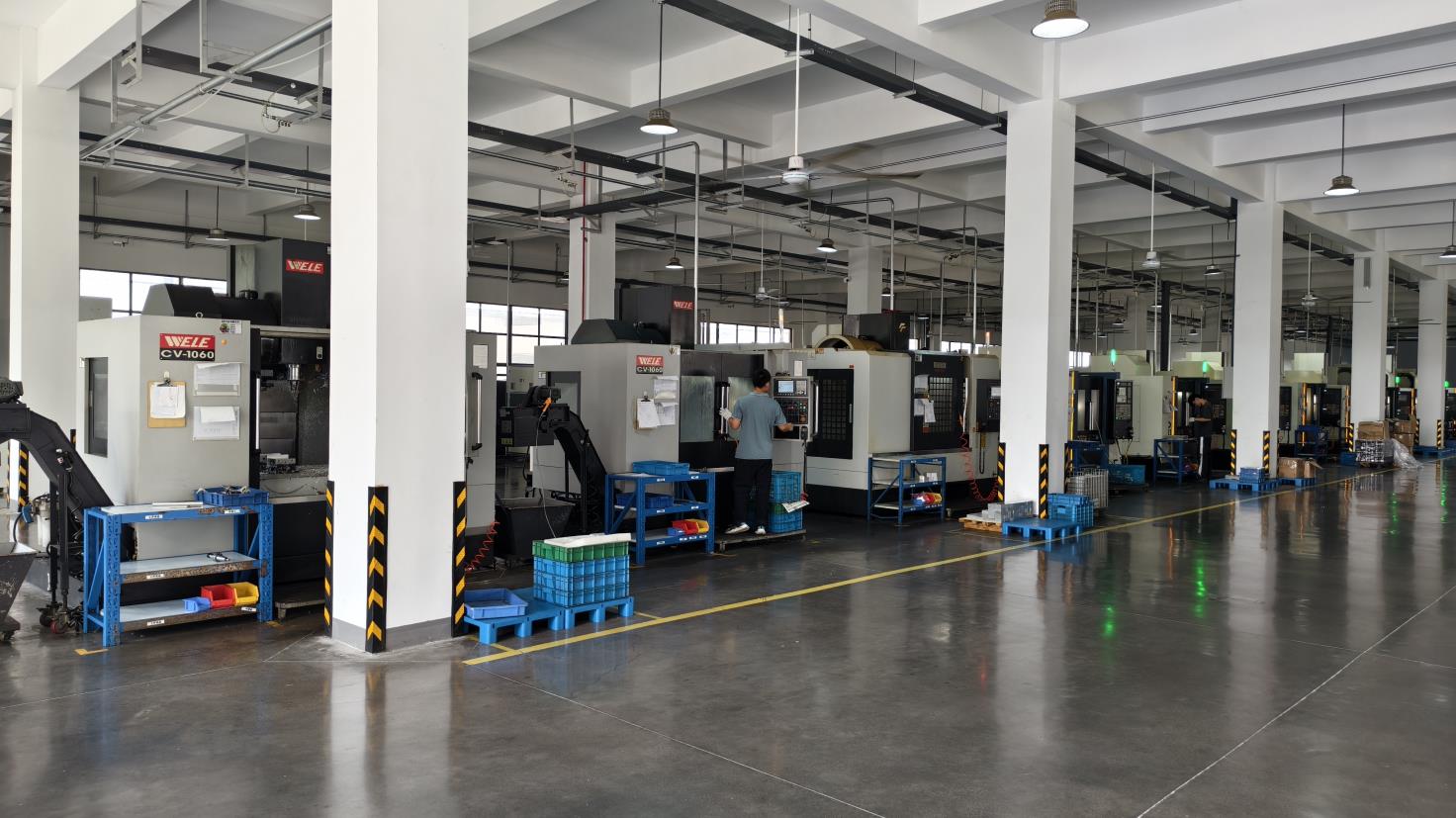
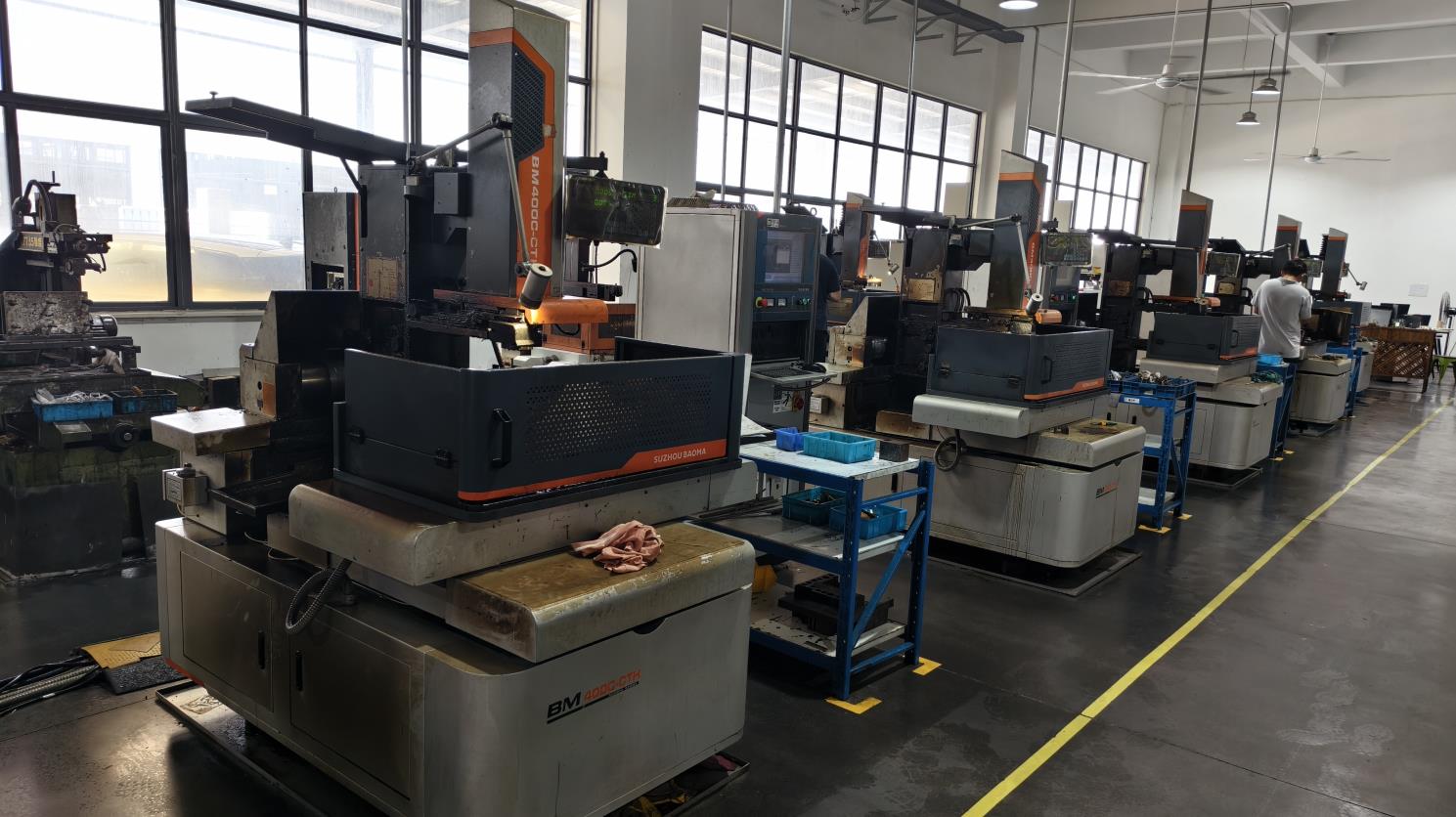
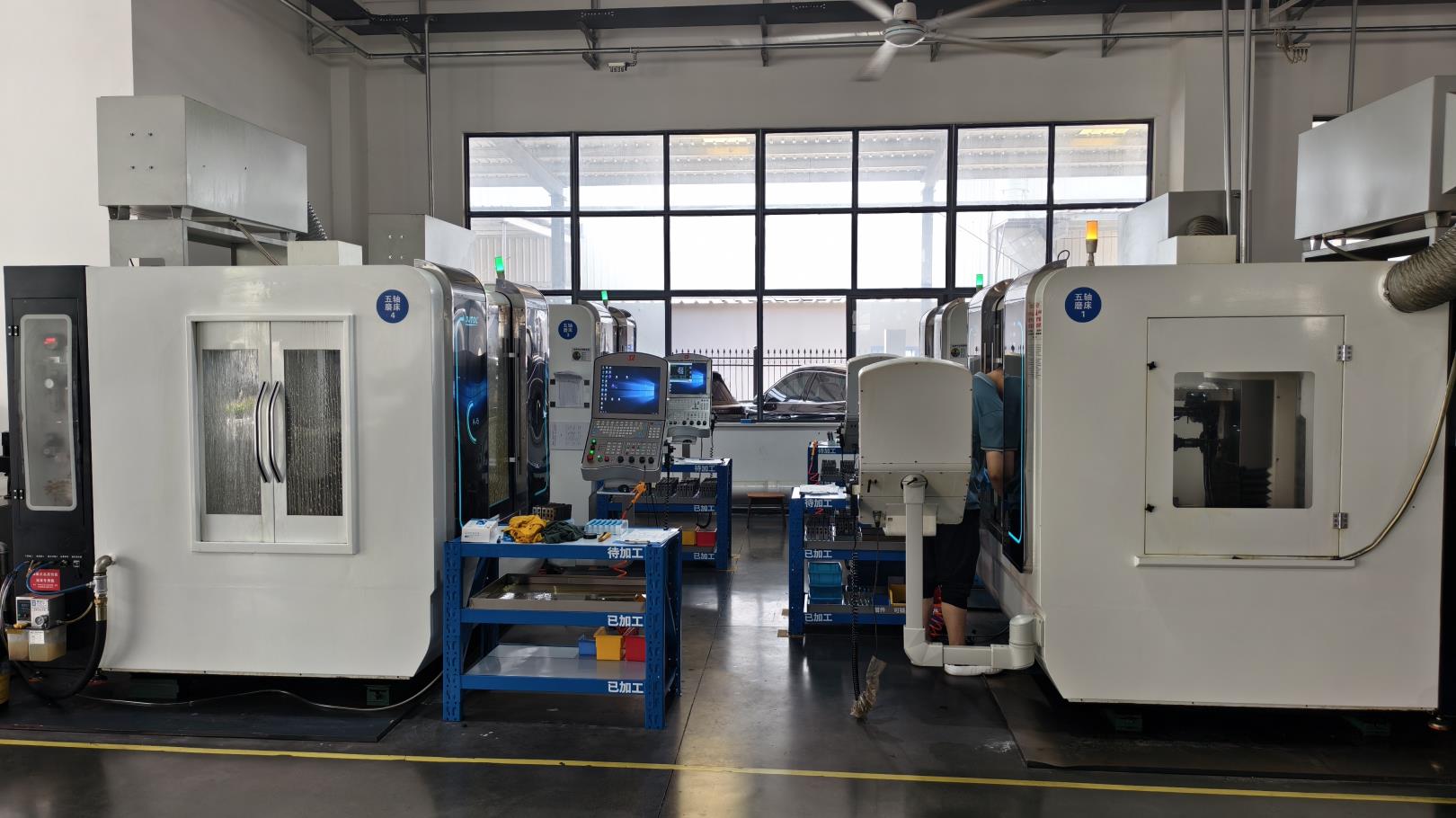
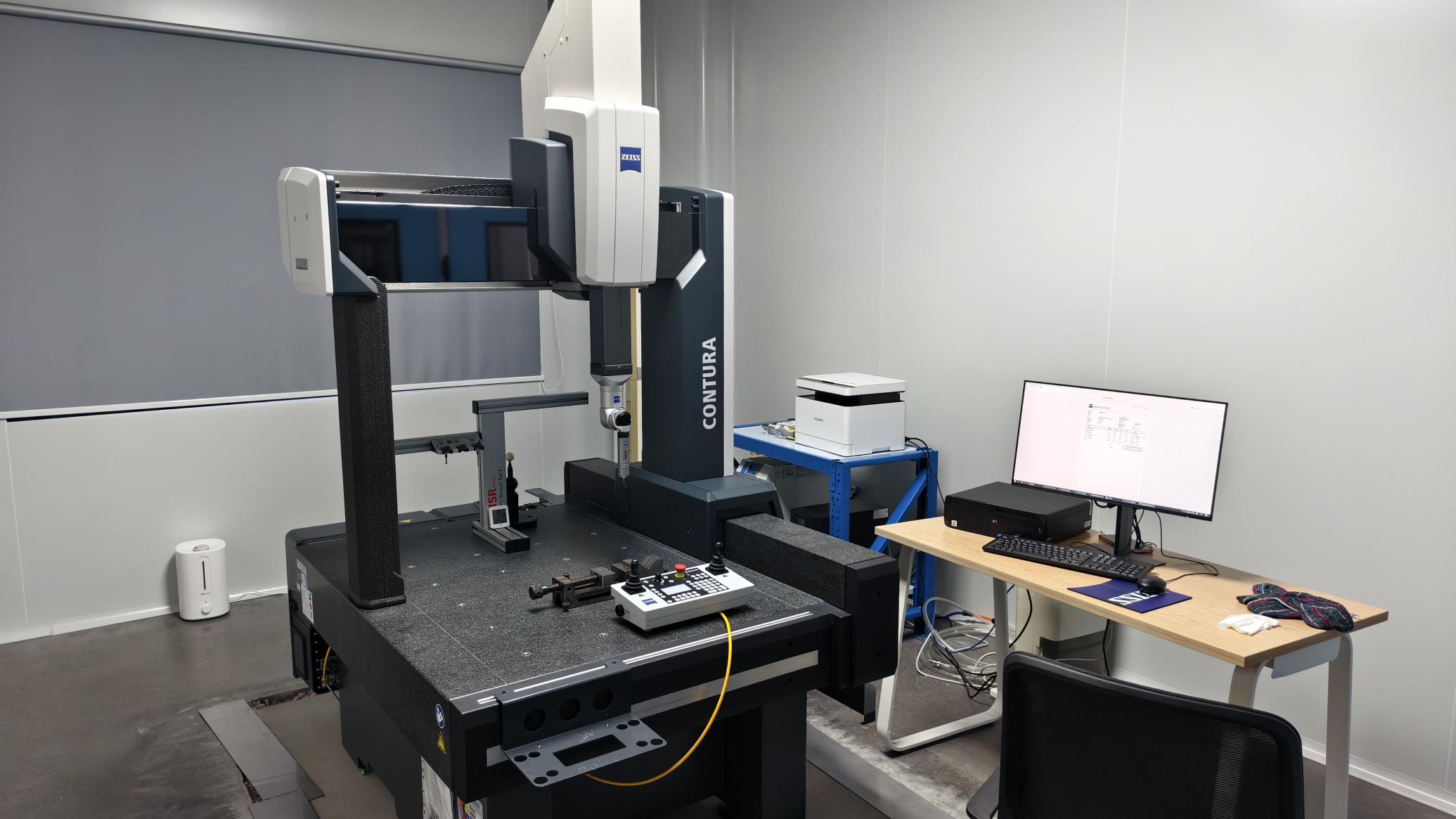
Our manufacturing complex represents the peak of modern medical technology. By integrating high-precision five-axis CNC milling centers, wire-cut EDM (Electrical Discharge Machining), and automated heat-treatment chambers, we maintain dimensional tolerances within ±0.01mm.
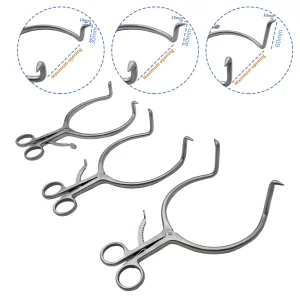
This technological base is paired with seasoned instrument smiths who hand-tune the final alignment, tensioning, and tactile feedback of each forcep handle. A surgeon's work relies on this precise balance; our hybrid manufacturing approach ensures that every bone reduction forcep, micro-rongeur, and spinal retractor offers optimal tactile feedback during operations.
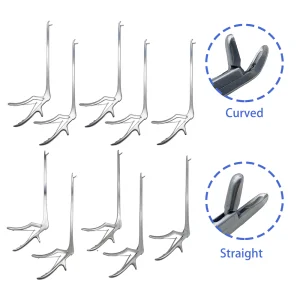
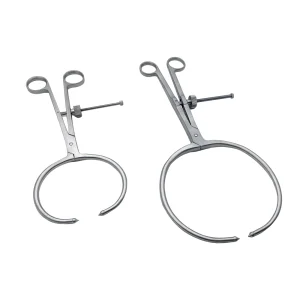
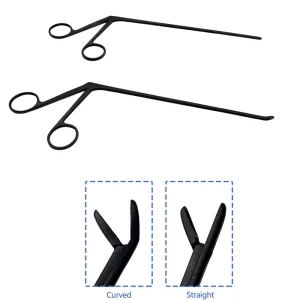
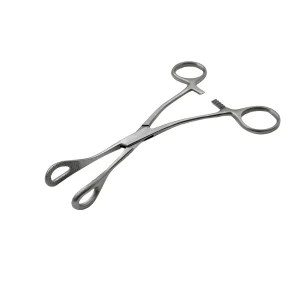
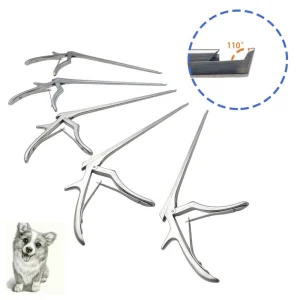
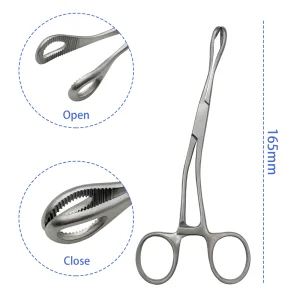
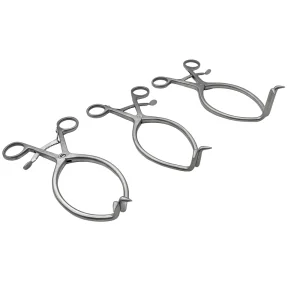
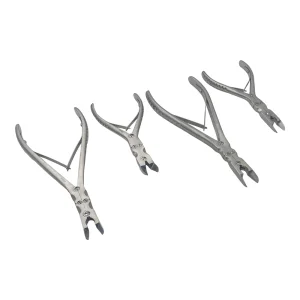
These 8 foundational models are engineered for specialized clinical workflows, featuring optimized grip geometries and durable joint configurations.
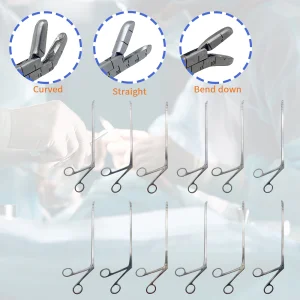
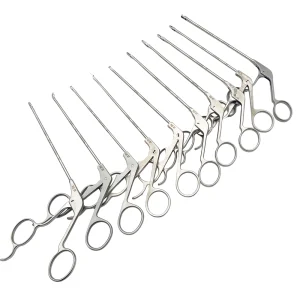
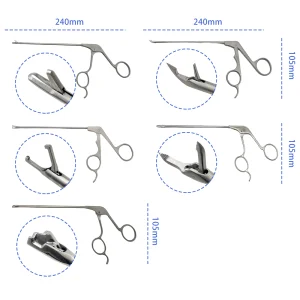
Completing our core portfolio with double-action bone cutting instruments and fine-shaft endoscopic grasping forceps.
How our forcep lines perform across regional hospital departments, surgical centers, and leading veterinary veterinary clinics.
In spinal centers across Catalonia and Madrid, our Kerrison rongeurs (1mm to 5mm sizes) are used for fine bone removal near delicate neural tissues. The clean cutting action reduces physical hand fatigue during multi-level laminectomies.
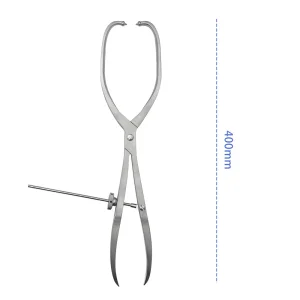
Spanish veterinary hospitals rely on our BW Bone Forceps and Pointed Reduction Clamps to maintain bone fragment alignment during plate fixation. Grooved joints ensure secure locking, preventing slippage on small-animal bones.
Optimized for lumbar discectomy procedures, our 220mm long-shaft nucleus pulposus forceps allow surgeons to work through micro-tubes, protecting soft tissues while providing clear field visibility.
| Company registration date | 2019-11-20 |
| Accepted languages | English, Spanish (Distributor Sourcing Support) |
| Years exporting / in industry | 6 Years |
| Quality Assurance Control |
Product Support traceability of raw materials: Yes
Product inspection method: Random inspection, According to client's requirement
QA/QC Inspectors: 3 Dedicated specialists
|
| Main Sourcing Markets | North America (25%), South America (25%), Southeast Asia (15%), European Union / Spain Hub (Inquiry-Ready) |
| Customization Options |
Sample processing
Graphic processing
Customized on demand
|
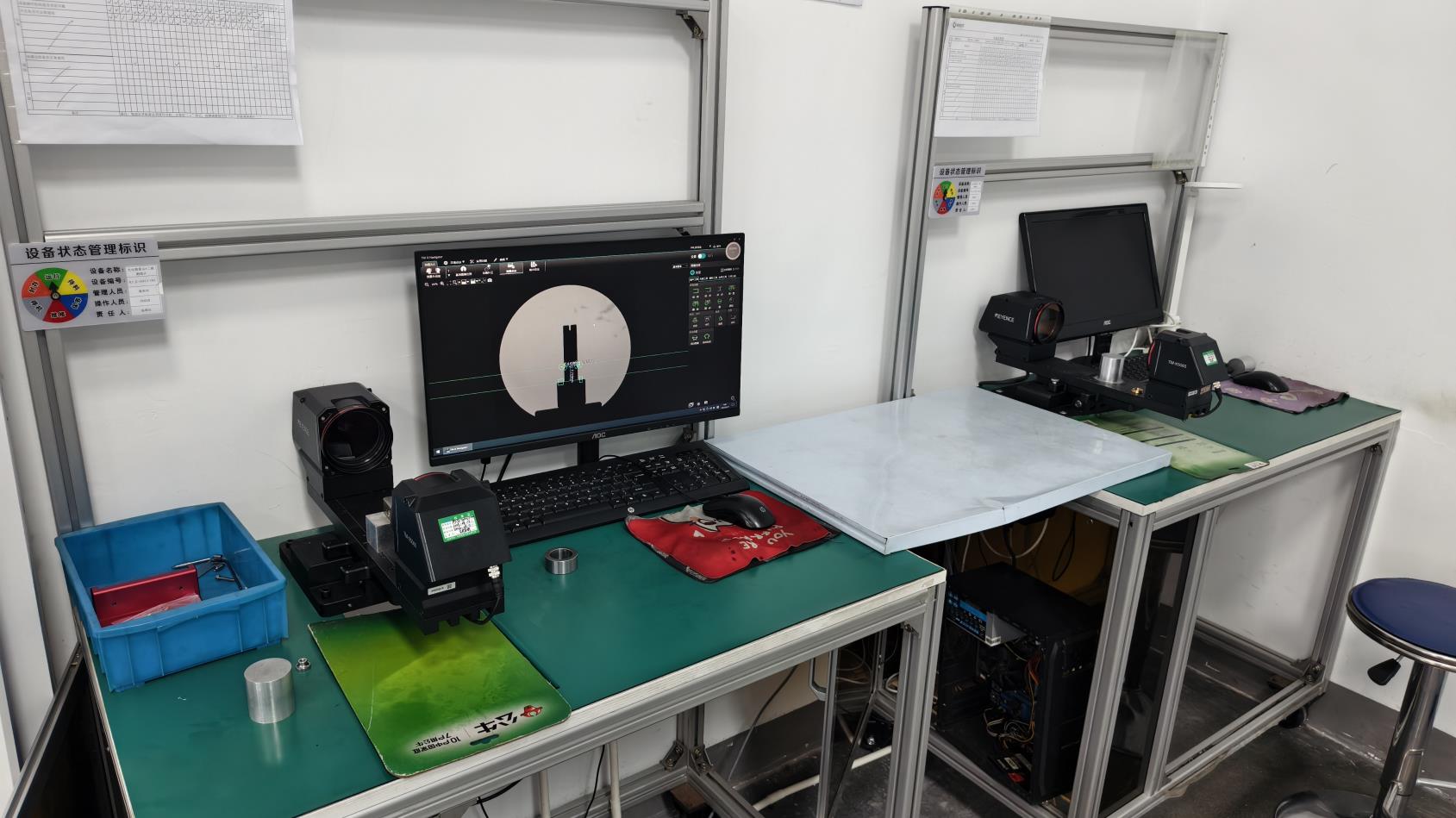
We approach quality control systematically. Every batch of surgical-grade stainless steel undergoes spectrometer testing to verify correct chromium and carbon levels before forging. This prevents premature wear and corrosion under repeated autoclave sterilization cycles.
Understanding the strict regulatory requirements of Spanish healthcare, we provide complete compliance documentation with our products. Whether you are supplying the public hospital network or private clinics, our quality assurance protocols ensure your medical products are safe, reliable, and compliant.
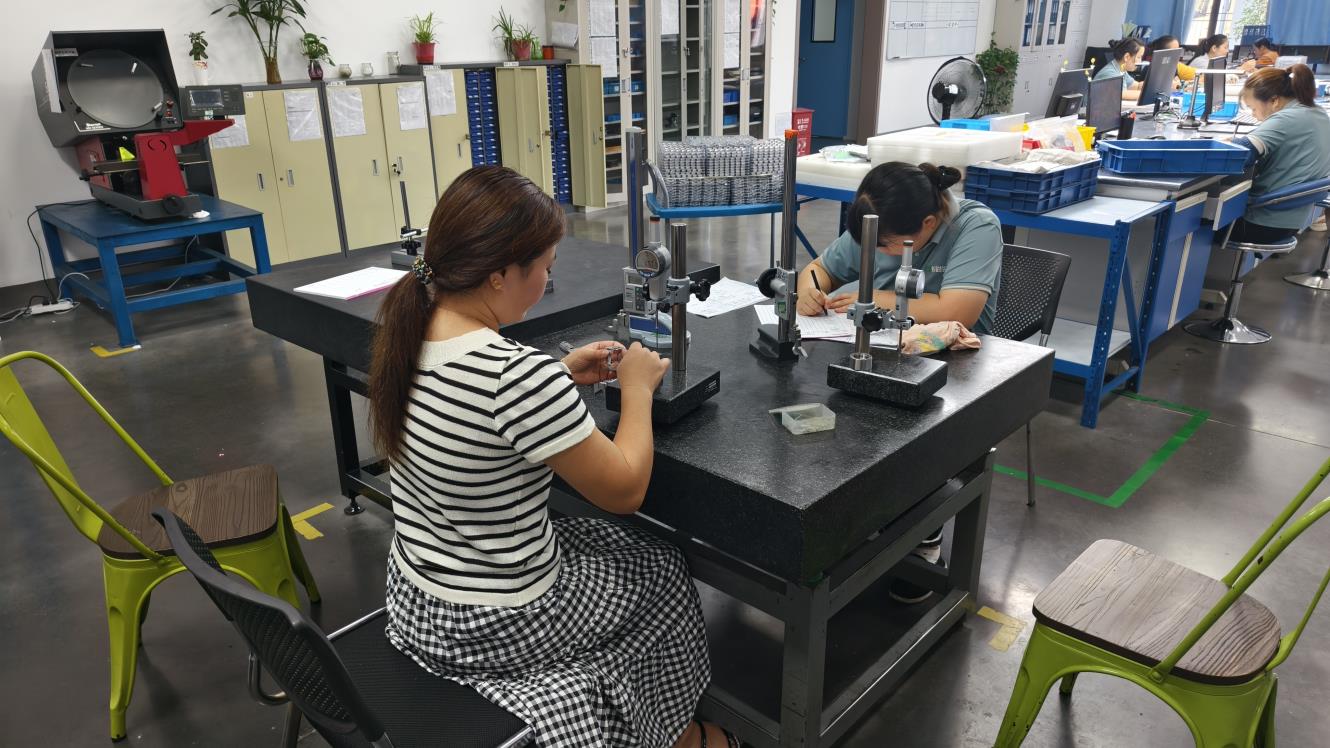
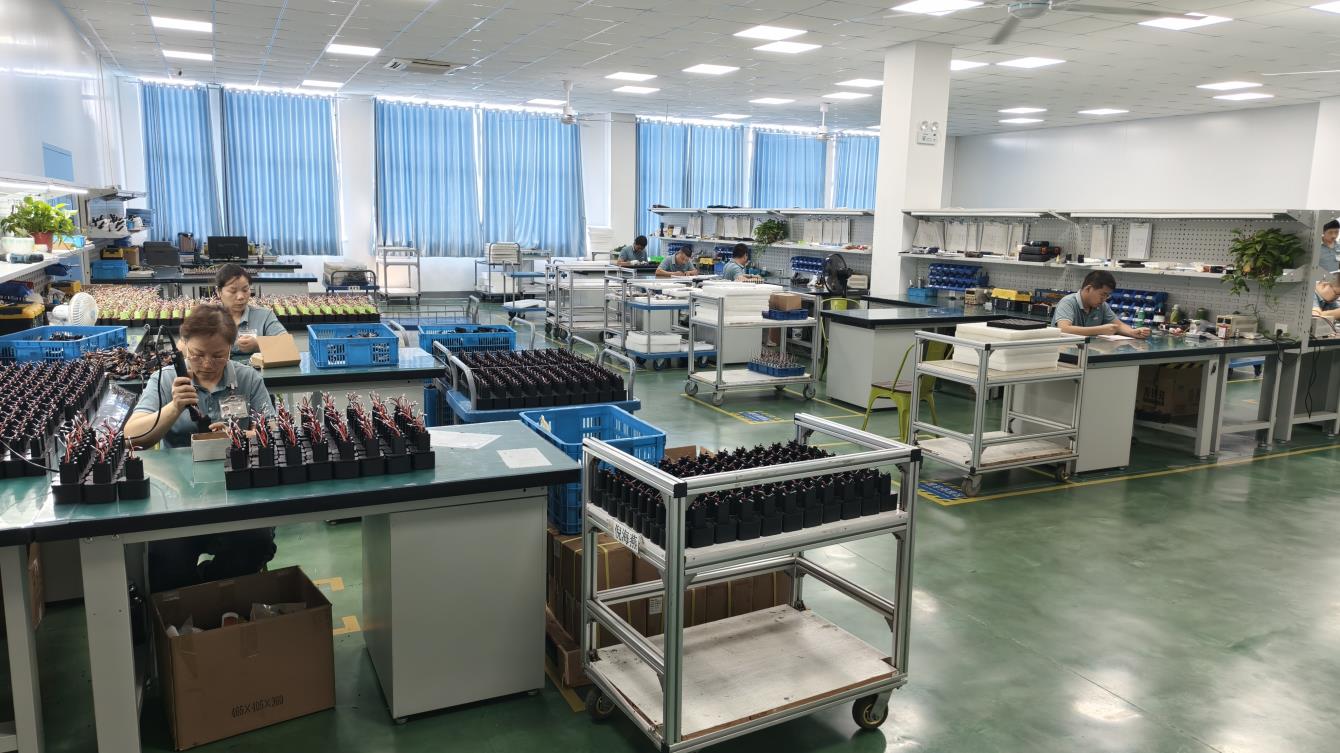
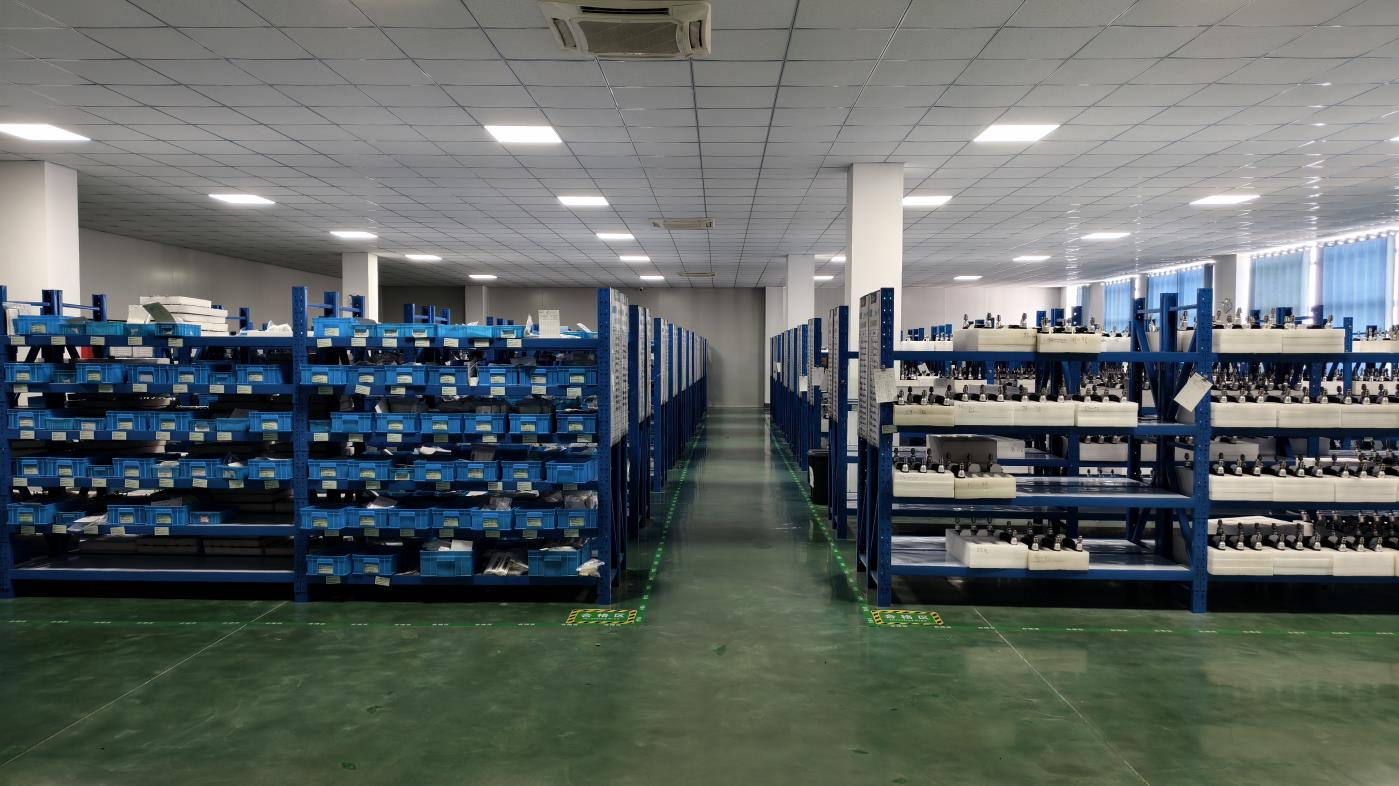
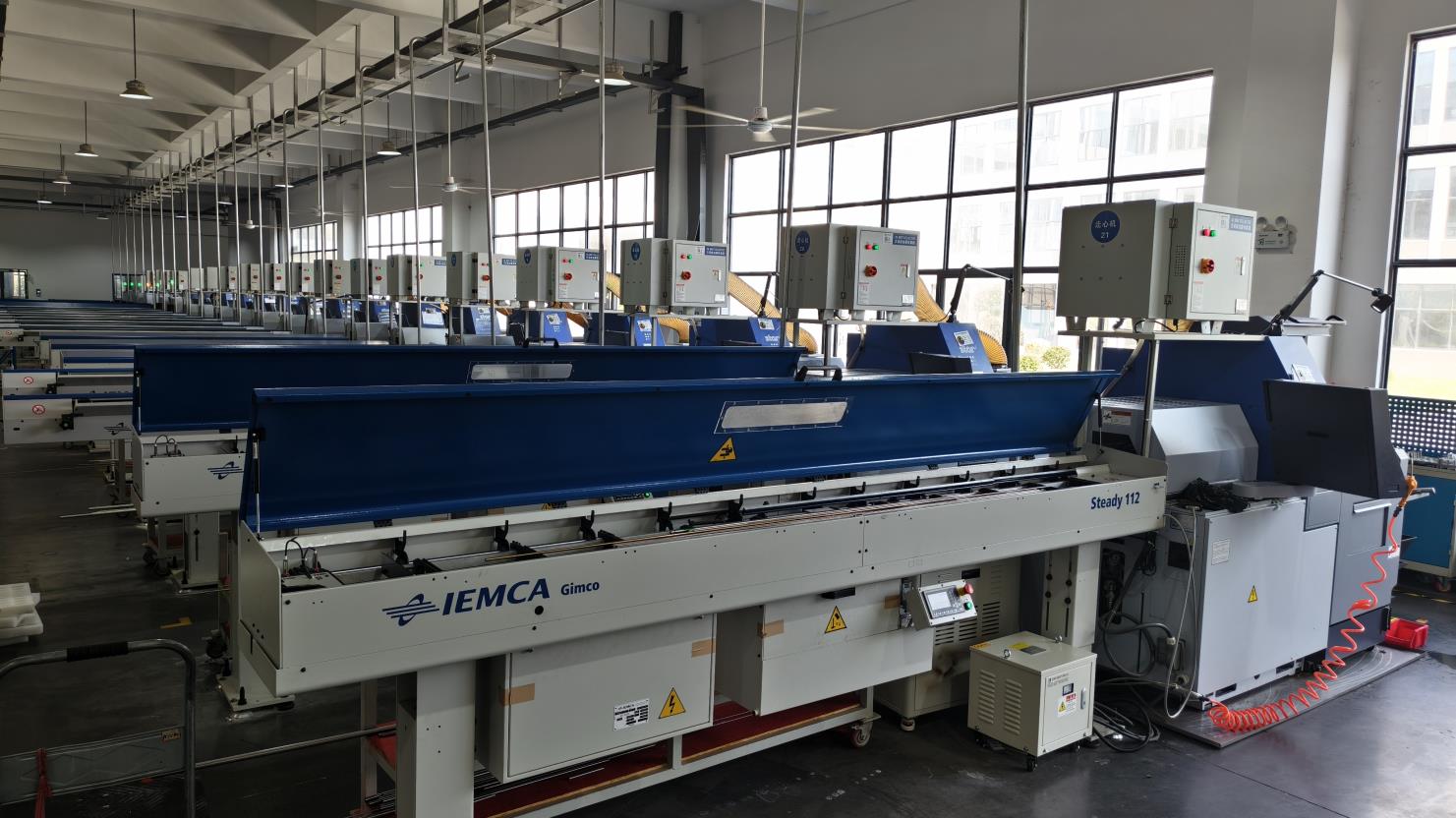
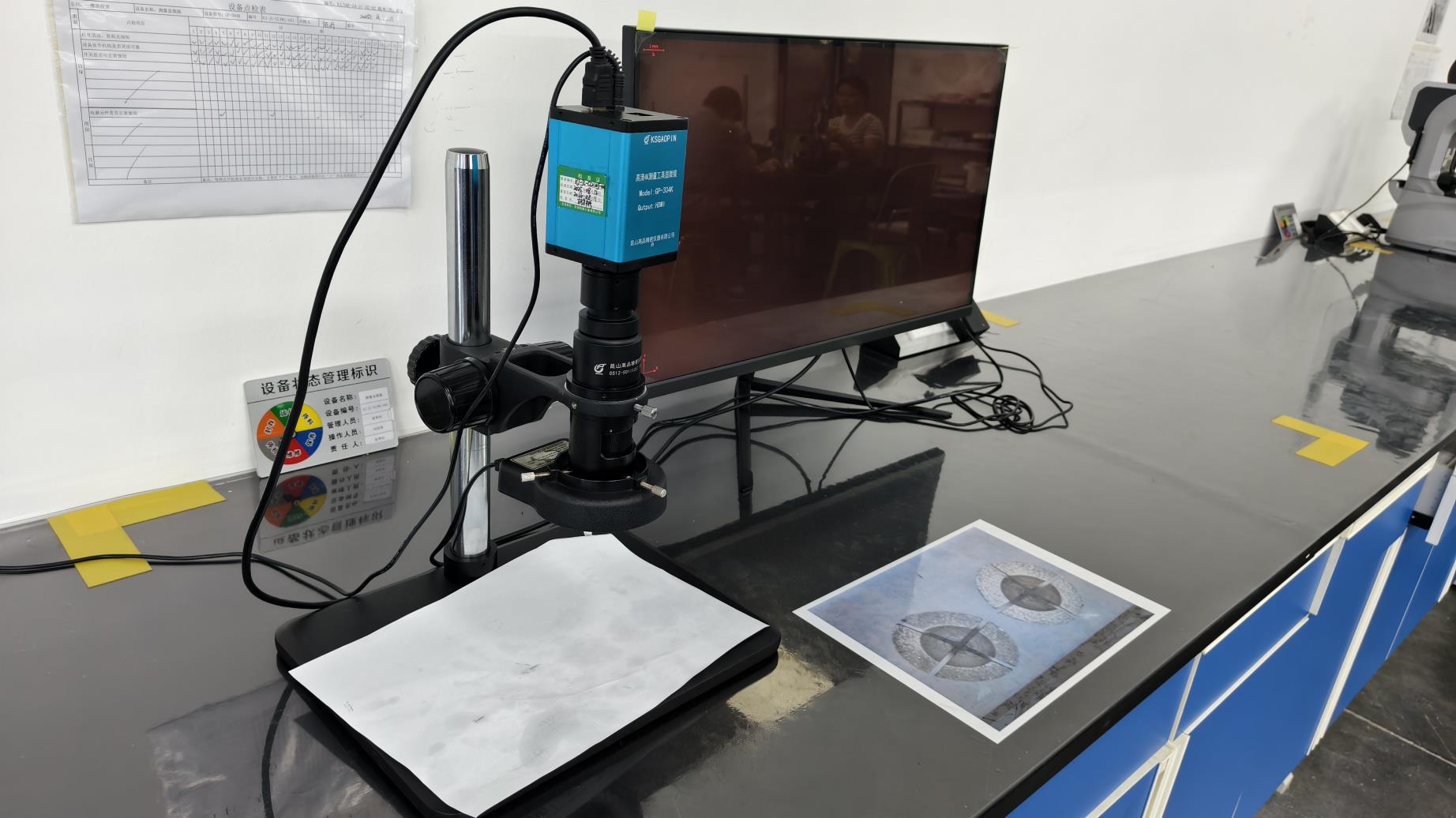
Inside our ISO-compliant manufacturing center, showing the machinery and processing stages that guarantee consistent instrument quality.
Addressing the technical, regulatory, and logistics questions from professional medical buyers and distributors.
Our factory maintains a certified ISO 13485 Quality Management System. We supply complete Technical Documentation Files (TDF) containing raw steel chemical composition certificates, mechanical stress reports, and biological evaluation audits. Our export team coordinates with your Spanish authorized representative (AR) and helps with registration in the Spanish AEMPS registry database.
We primarily use AISI 420J2 (surgical-grade martensitic stainless steel) for cutting instruments (such as Kerrison rongeurs and discectomy forcep jaws) to ensure reliable edge retention and hardness (HRC 50-55). For handles, shafts, and retractor parts that require higher flexibility and corrosion resistance, we use AISI 304 or AISI 316L austenitic alloys.
Standard OEM production runs average 30 to 45 days, depending on custom dimensions or laser marking requirements. Samples are typically shipped via air express (DHL/FedEx/TNT) with arrival in Madrid or Barcelona within 5 to 7 working days. Bulk ocean shipments are routed to major Spanish ports like Valencia, Algeciras, or Barcelona, taking approximately 30 to 35 days.
Yes. We offer complete OEM services, including custom laser engraving for your brand name, logo, and unique device identification (UDI) bar codes directly onto the steel surface. We can also customize shaft curves, tip widths (ranging from micro-1mm up to large bone-cutting configurations), and handle finishes (satin, mirror, or customized titanium nitride coating).
Our surgical instruments are passivated in accordance with ASTM A967 and ISO 17664 guidelines. This process forms a protective oxide layer that makes the metal resistant to corrosion and oxidation when sterilized in autoclaves at 134°C (273°F) for typical hospital sterilization cycles.
Get in touch with our engineering team for technical support, sample testing, or custom production requests.
Send Inquiry Now