SENJIE Healthy & Technology
SENJIE Healthy & Technology
SENJIE Healthy & Technology
Engineered for high tactile feedback and structural resilience, matching Melbourne’s demanding surgical standards.
Melbourne stands as Australia’s preeminent hub for medical research, biotechnology, and clinical care. The Parkville Biomedical Precinct, home to world-renowned institutions such as The Royal Melbourne Hospital, Peter MacCallum Cancer Centre, and the University of Melbourne, requires medical instruments that meet the absolute highest standards of material integrity and performance. Consequently, medical instrument procurement teams and surgical distributors in Victoria face intensive regulatory oversight when importing surgical forceps.
Our engineering pipeline addresses the specific needs of Melbourne surgeons, offering orthopedic, spinal, and veterinary forceps that balance precision grip mechanics with robust corrosion resistance. By aligning our production parameters directly with Australia's Therapeutic Goods Administration (TGA) expectations and the ISO 13485 quality control protocols, we facilitate seamless custom clearance and safe clinical deployments.
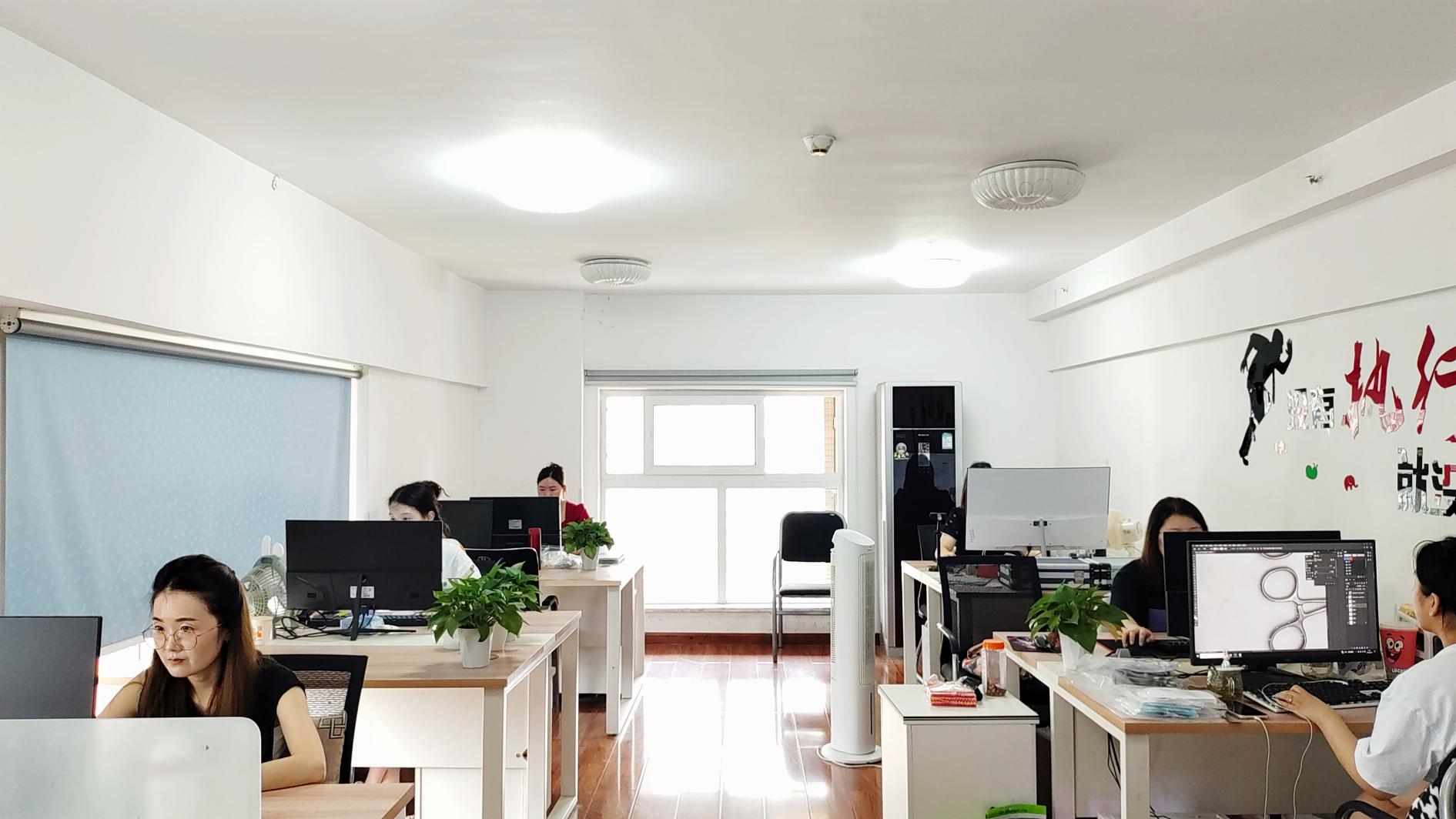
Robust infrastructure engineered for medical-grade transparency, material auditability, and reliable export logistics.
Not all stainless steels are suited for surgical-grade forceps. At our factories, we prioritize ASTM F899 specified martinsitic and austenitic stainless steels (such as AISI 420 and AISI 304). During spinal or orthopedic surgeries in Melbourne's hospitals, instruments are subjected to heavy loads and frequent sterilization, requiring a delicate balance between hardness (Rockwell C Scale) and ductility.
"To prevent surgical forceps from slipping or bending under clinical pressure, our instruments undergo a proprietary vacuum heat-treatment process. This achieves an optimal HRC hardness profile of 48 to 52, ensuring that cutting edges on Rongeurs and jaws on reduction forceps retain their critical structural geometry."
Additionally, medical device procurement managers in Victoria must verify the chemical passivation status of all imported metalware. Our facility enforces a strict chemical bath sequence in accordance with ASTM A967, replacing surface iron molecules with a dense layer of chromium oxide. This protective barrier renders the forceps completely inert, preventing rusting, pitting, and galvanic corrosion when in contact with physiological saline and bodily fluids.
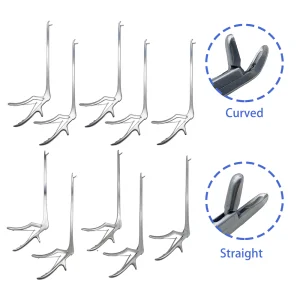
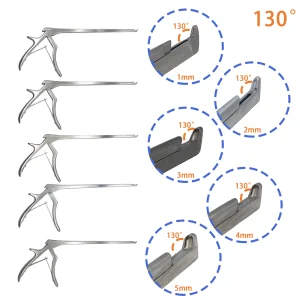
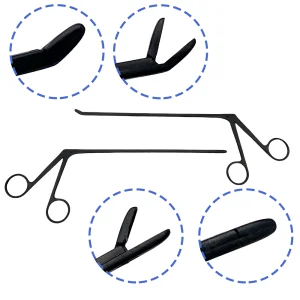
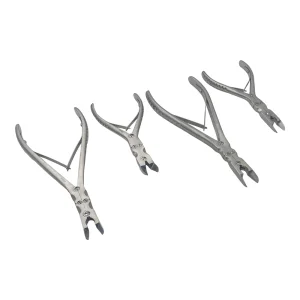
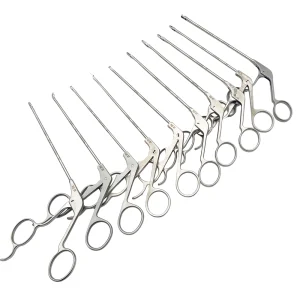
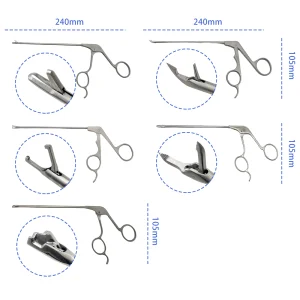
In microsurgical procedures, such as lumbar discectomies, the surgeon's tactile sensitivity is directly impacted by the instrument's design. Our Nucleus Pulposus Forceps feature a balanced spring-back tension that mimics physiological hand-squeeze responses, reducing involuntary tremors. Furthermore, the Kerrison Rongeurs are engineered with double-action hinges that multiply mechanical output, enabling effortless bone bites through tough ligamentum flavum without excessive force.
| Parameters | Surgical Specifications | Veterinary Specifications | Testing Protocol |
|---|---|---|---|
| Material Standard | ASTM F899 / AISI 420B | AISI 304 / AISI 420 | Spectrometry Validation |
| Hardness (HRC) | 48 - 52 HRC | 46 - 50 HRC | Rockwell Indentation Test |
| Corrosion Resistance | Grade A Passivation (ASTM A967) | Standard Nitric Passivation | Boil Test (6 Hours) |
| Joint Integrity | Screwless Box Joint (Ultra-Flush) | Standard Box Joint | Cycle Fatigue Testing (50,000 reps) |
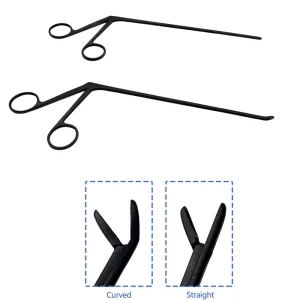
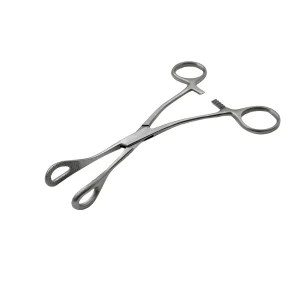
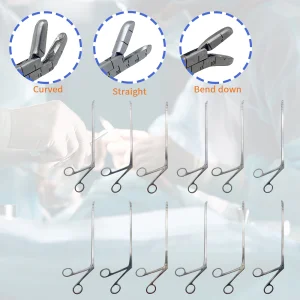
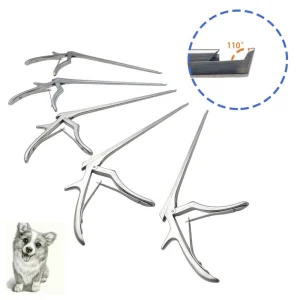
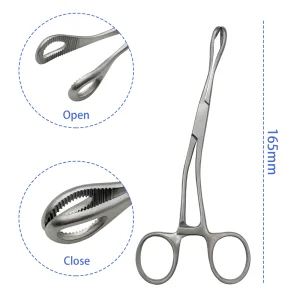
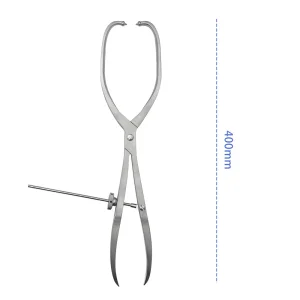
Our complete range of high-performance instruments, engineered to support orthopedic surgeries, spine operations, and advanced veterinary medicine.
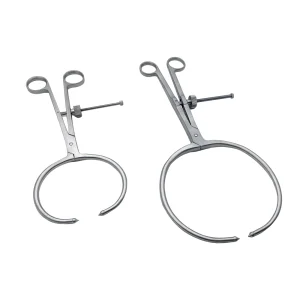
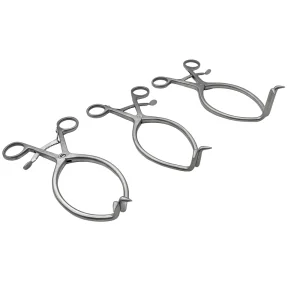
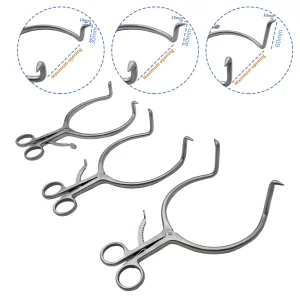
Beyond human surgical environments, the Greater Melbourne region hosts a highly sophisticated veterinary medical sector. Veterinary referral hospitals in suburbs like Glen Waverley, Werribee, and Collingwood routinely perform complex spinal decompression surgeries and fracture repairs on canine, feline, and equine patients. This drives demand for specialist tools like the **Weitlaner Retractor** and various **Bone Reduction Forceps**.
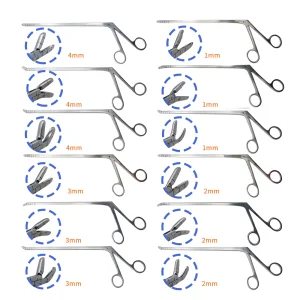
Surgical processes in veterinary clinics require the same standard of steel as human hospitals. Our factories support this need by engineering a specialized line of veterinary orthopedic instruments. These tools are tailored for varied anatomy, featuring biting widths from 1mm up to 5mm to accommodate miniature pets as well as large animals. This adaptability ensures that veterinary practitioners across Victoria can source instruments optimized for their specific caseloads.
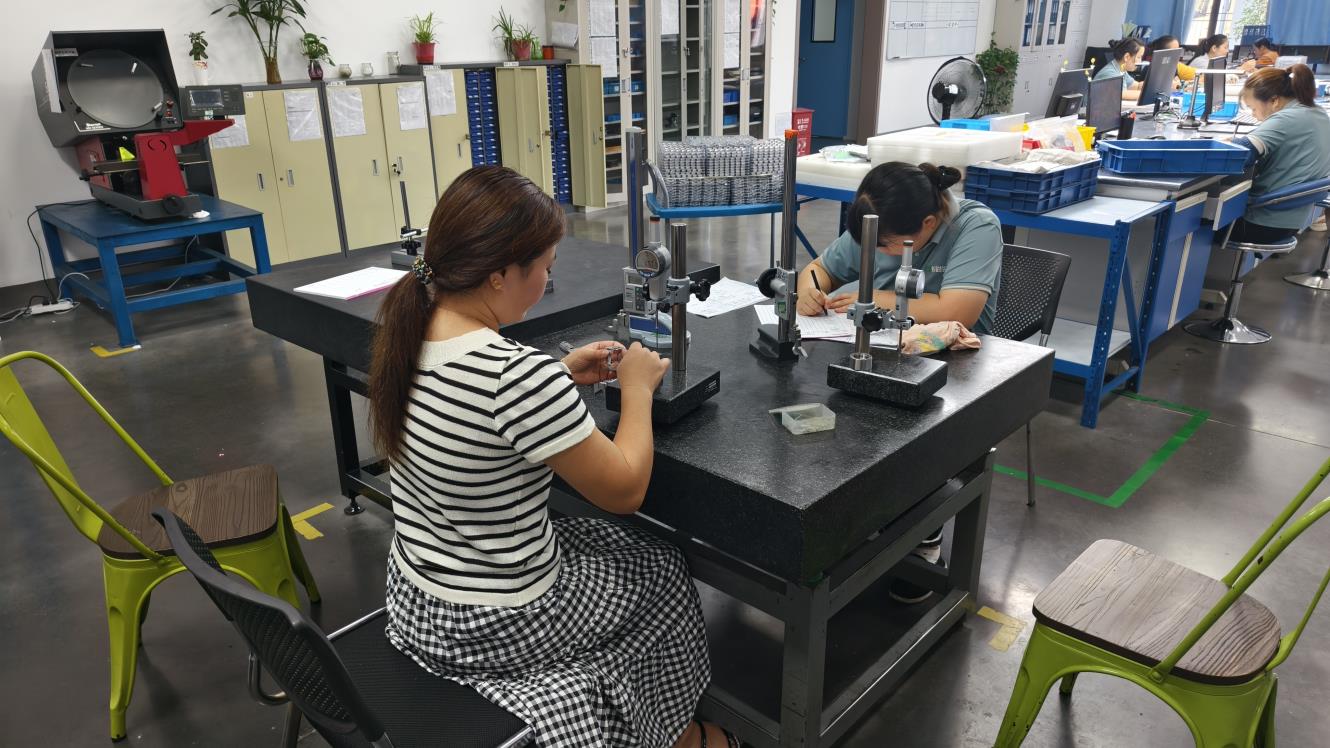
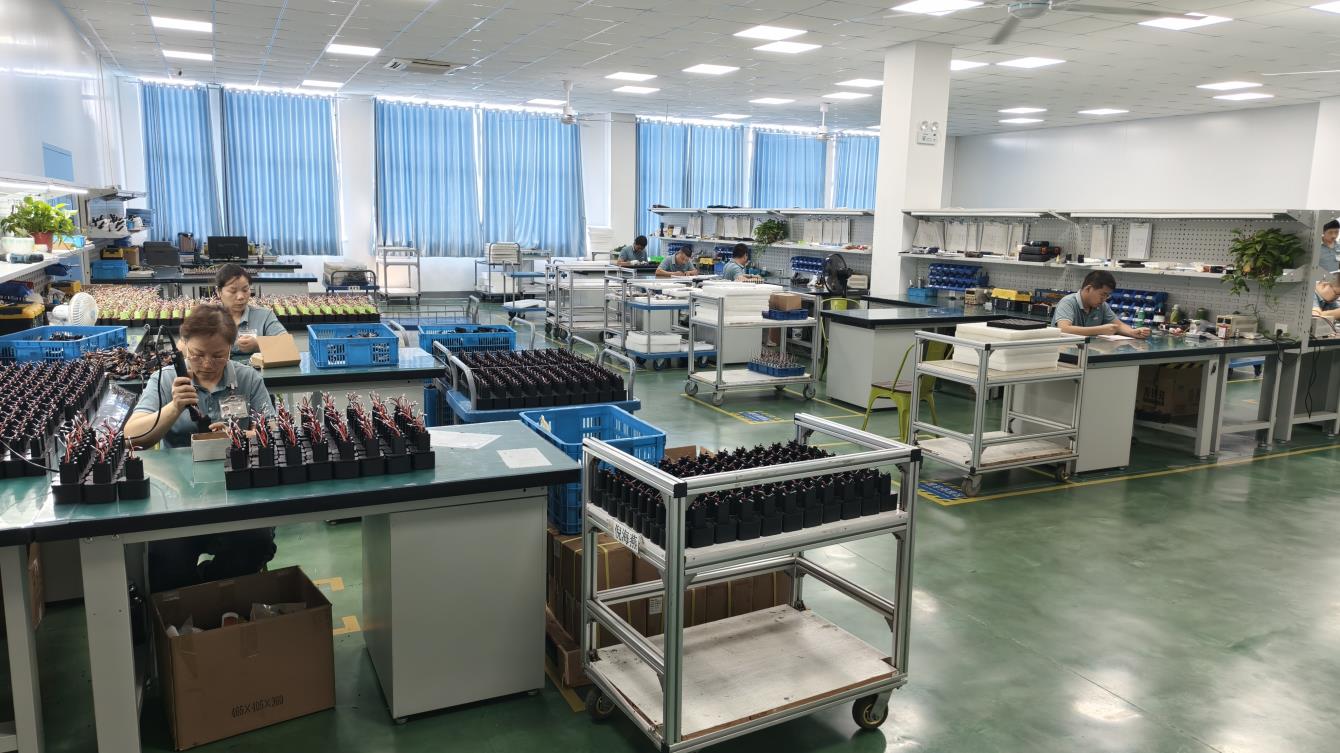
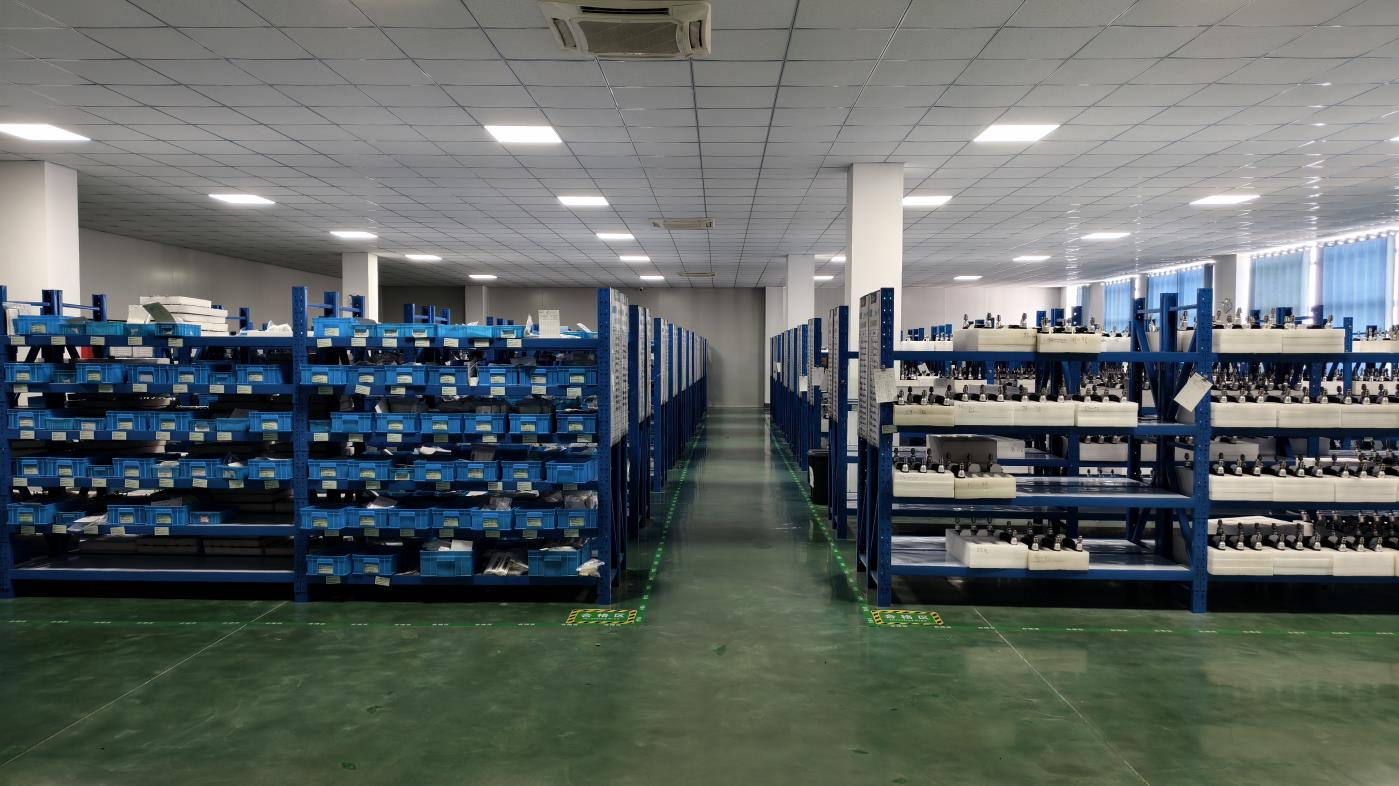
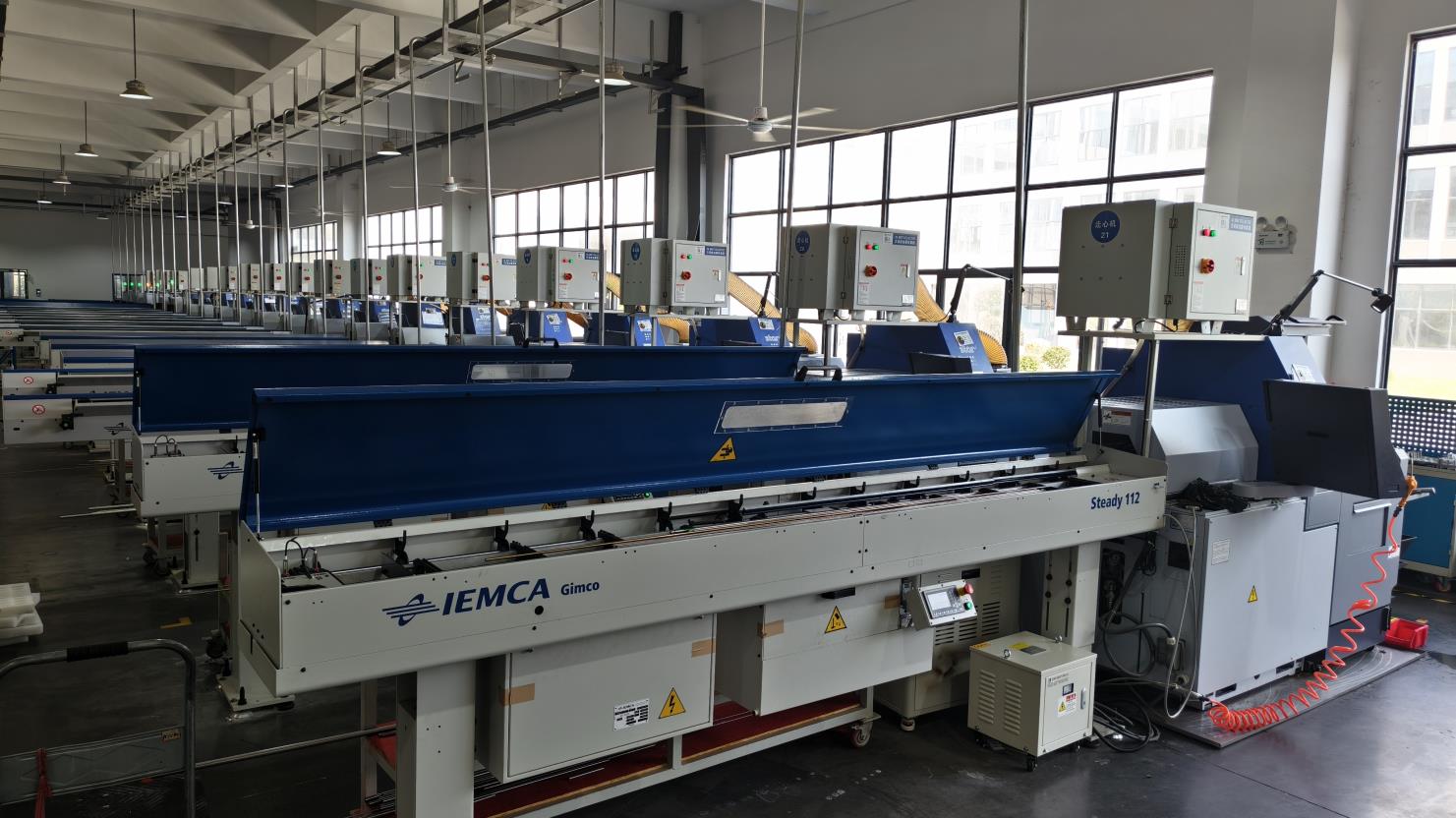
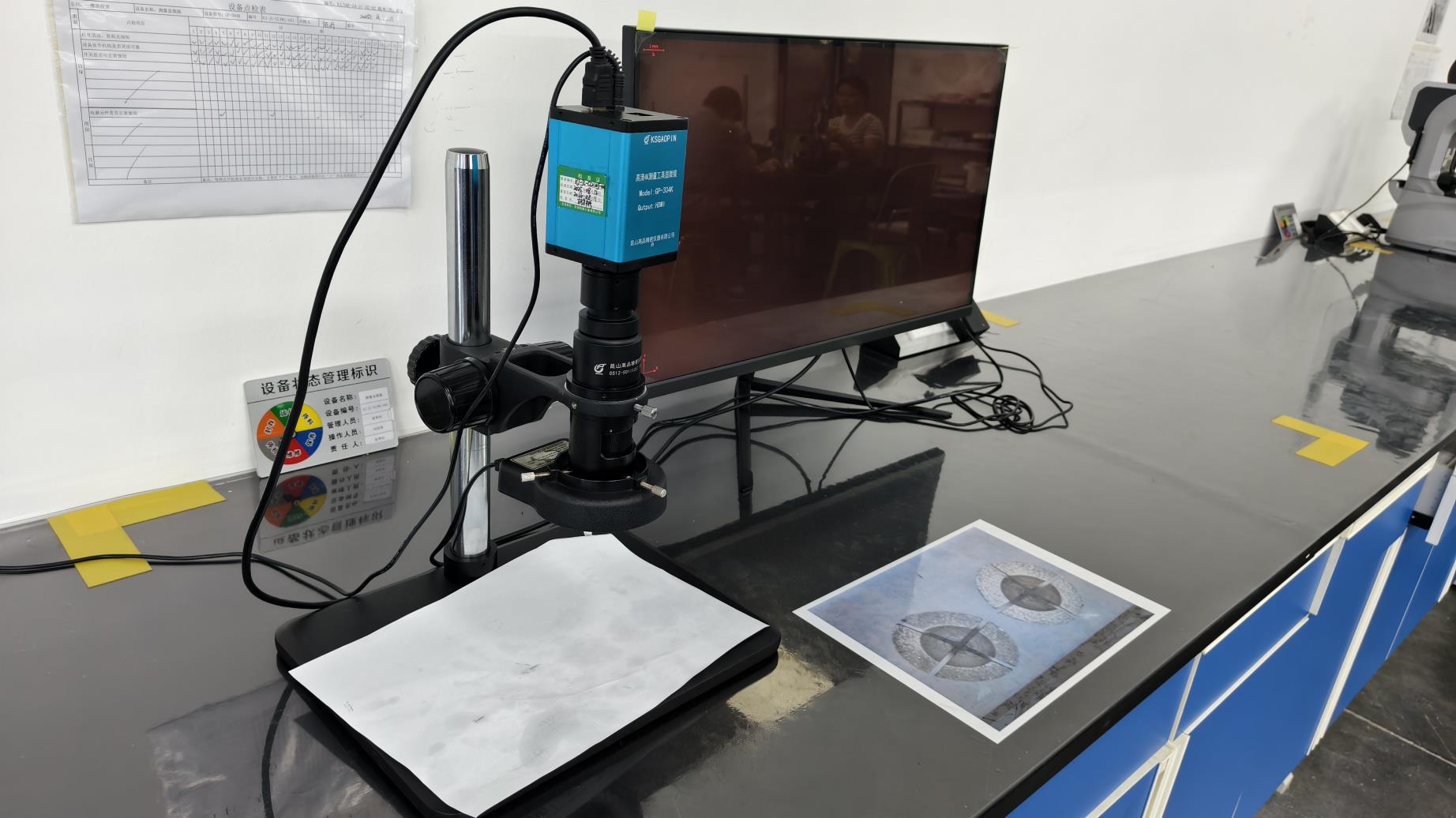
Go inside our production facility. We ensure comprehensive quality management, raw material verification, and regulatory compliance at every step of manufacturing.
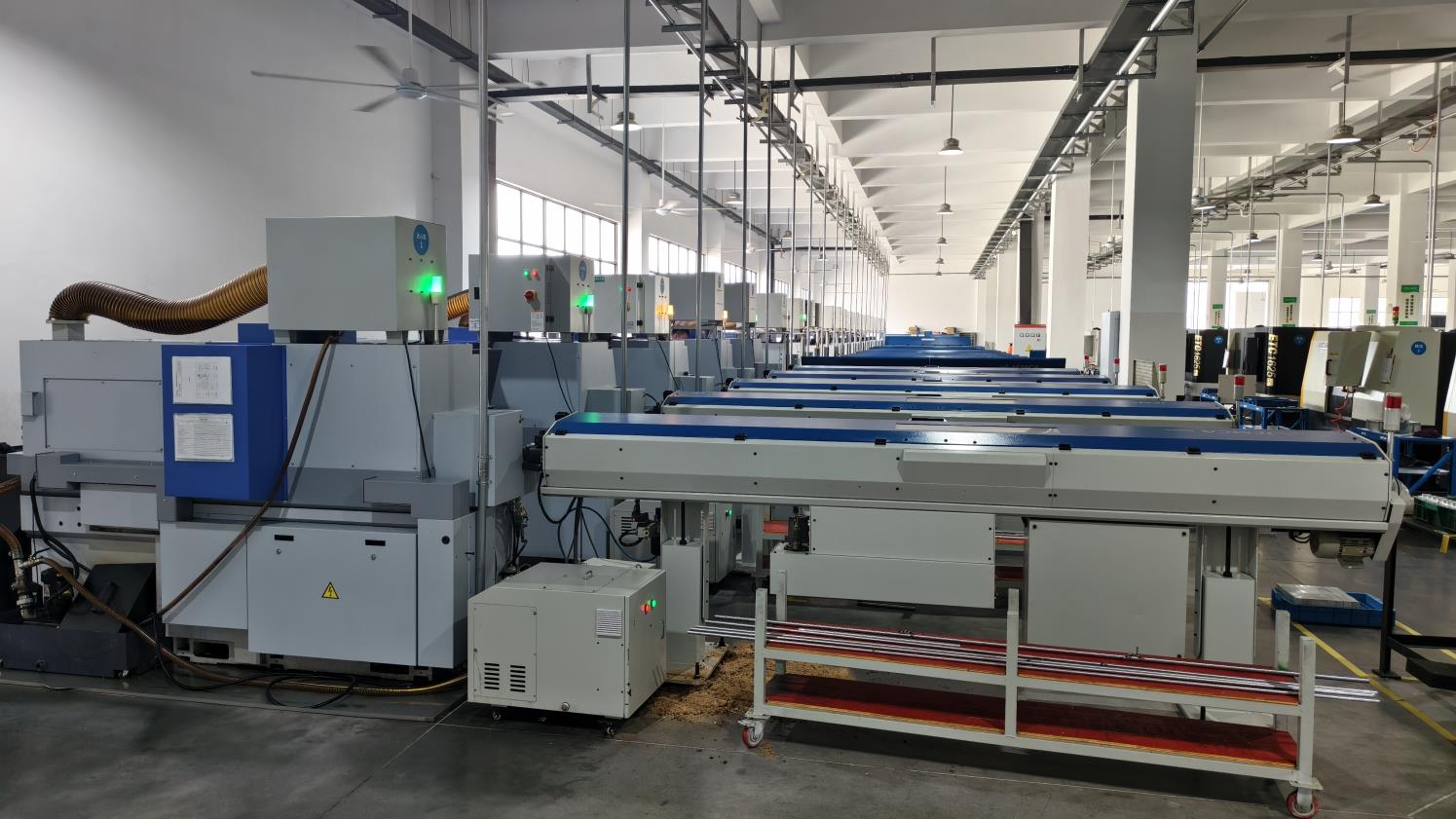
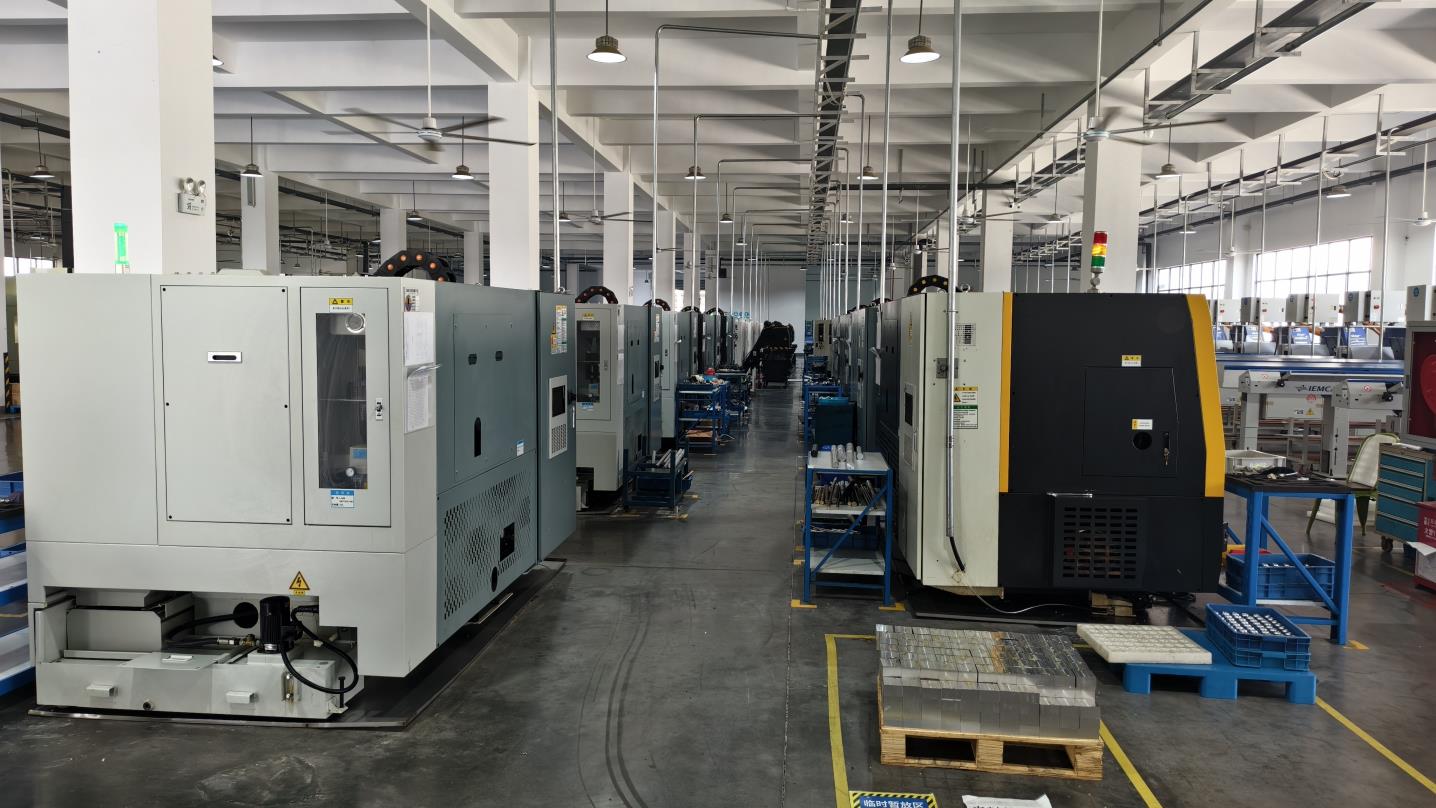
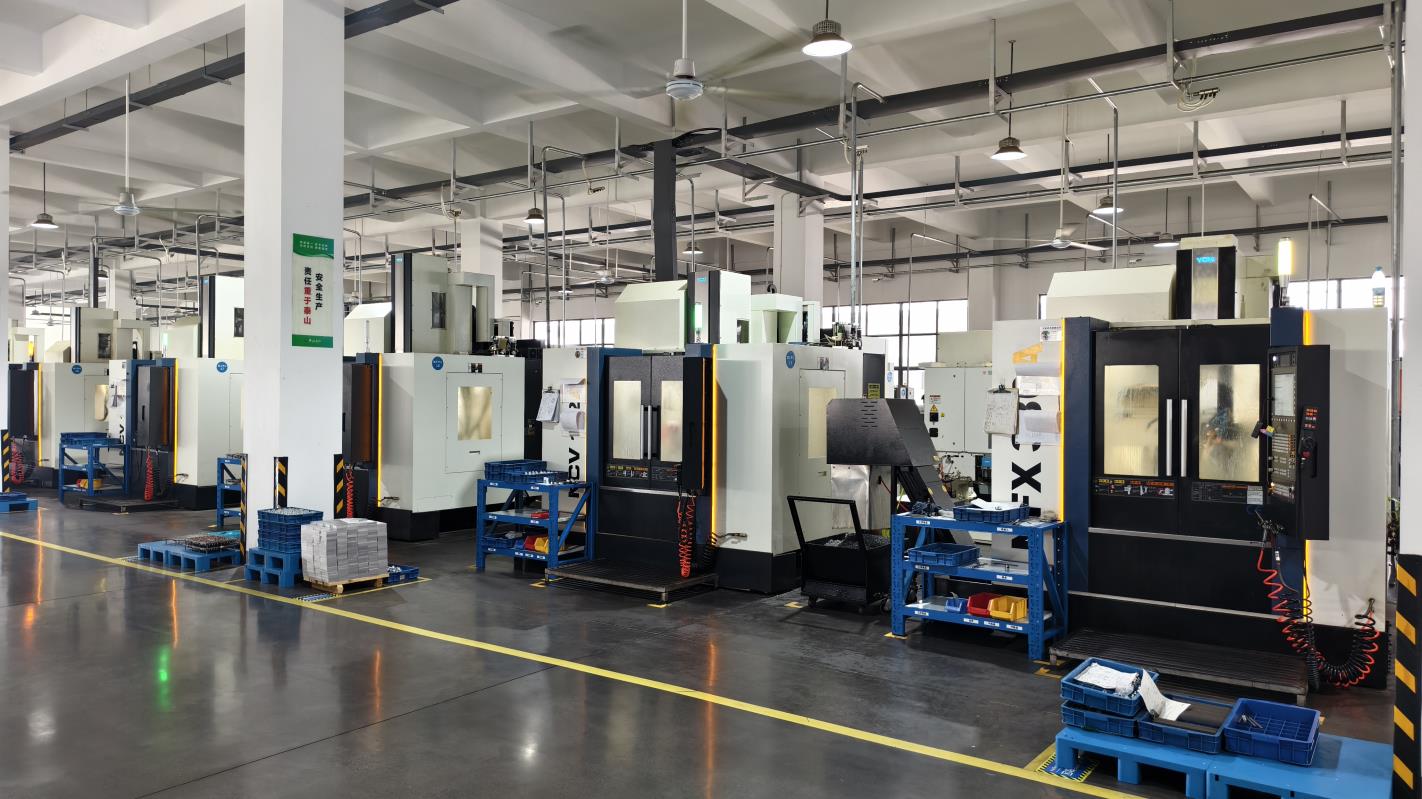
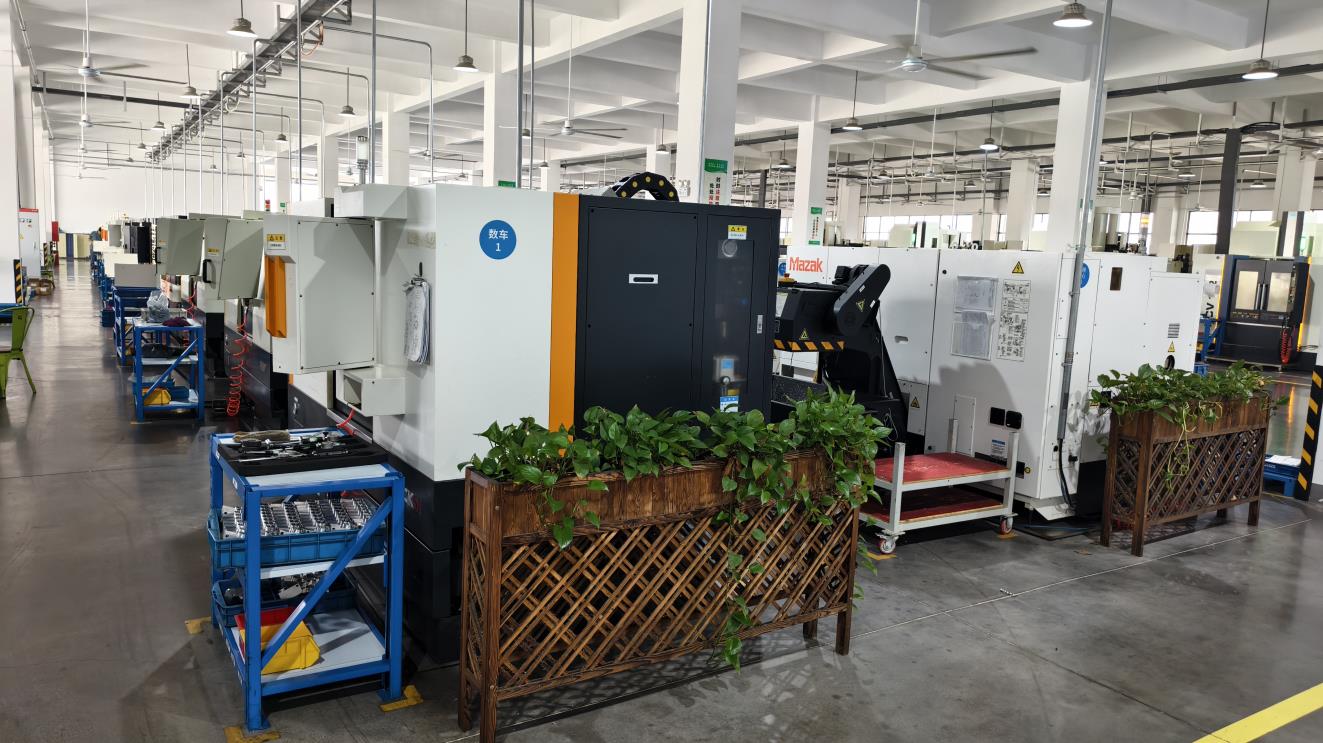
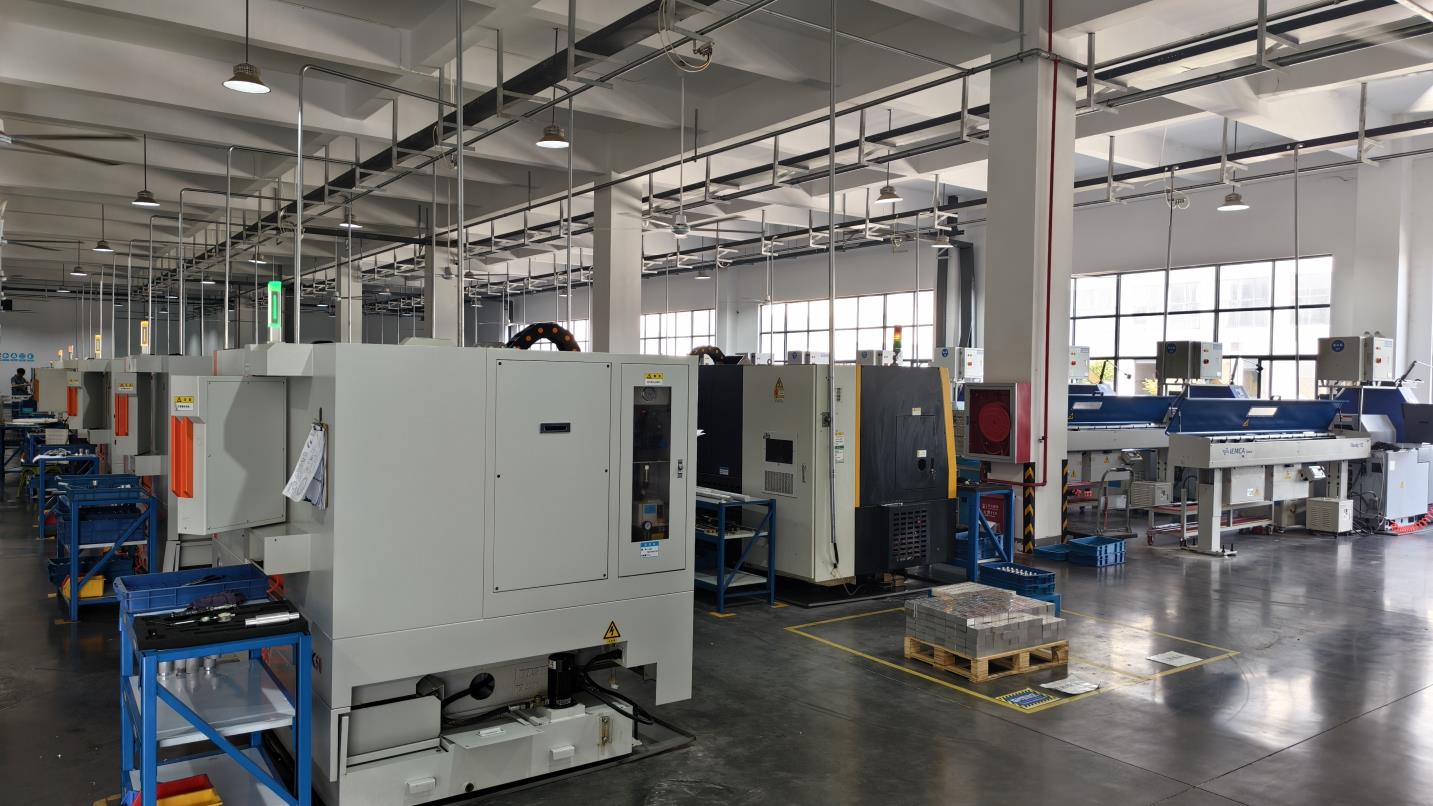
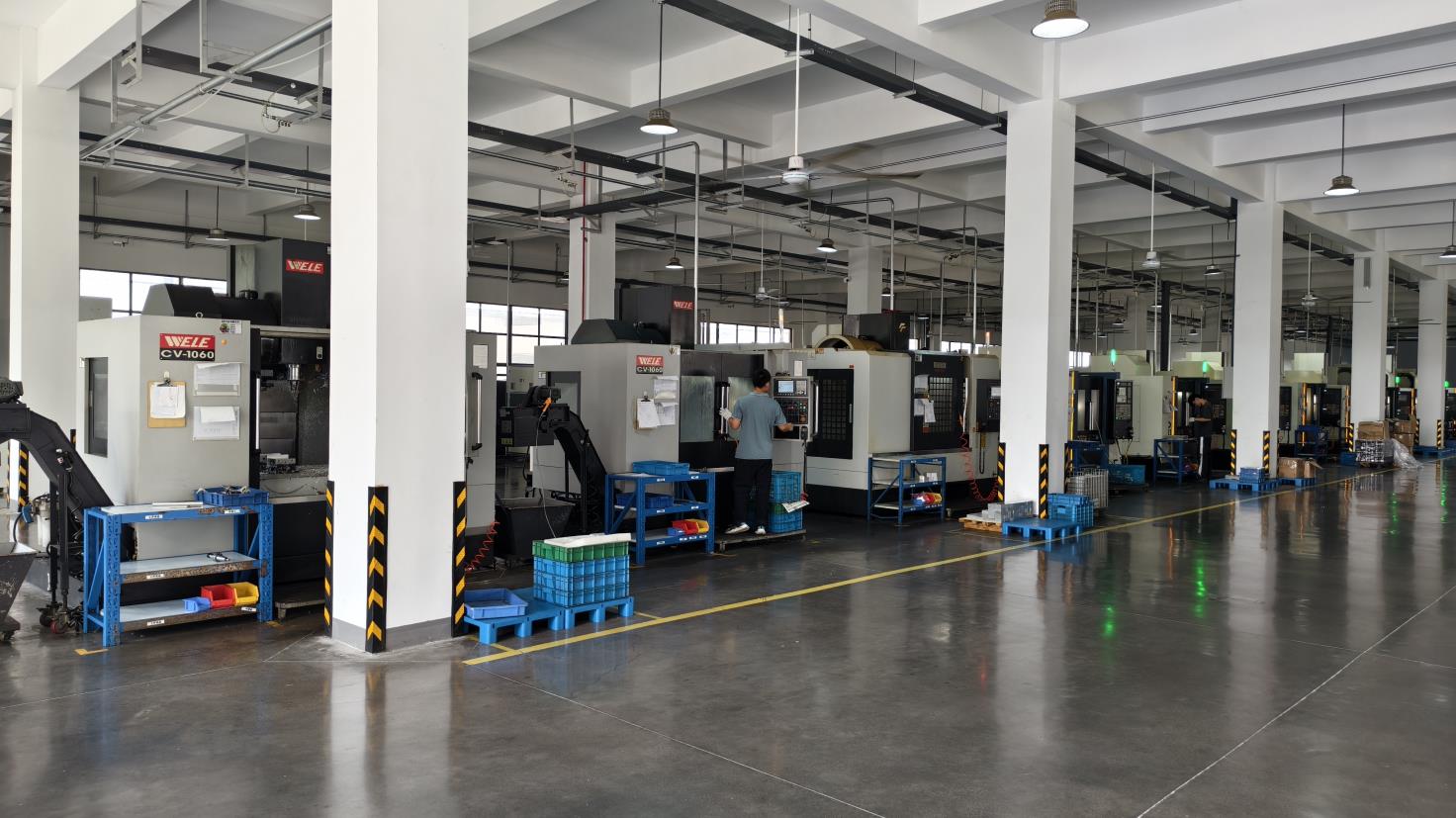
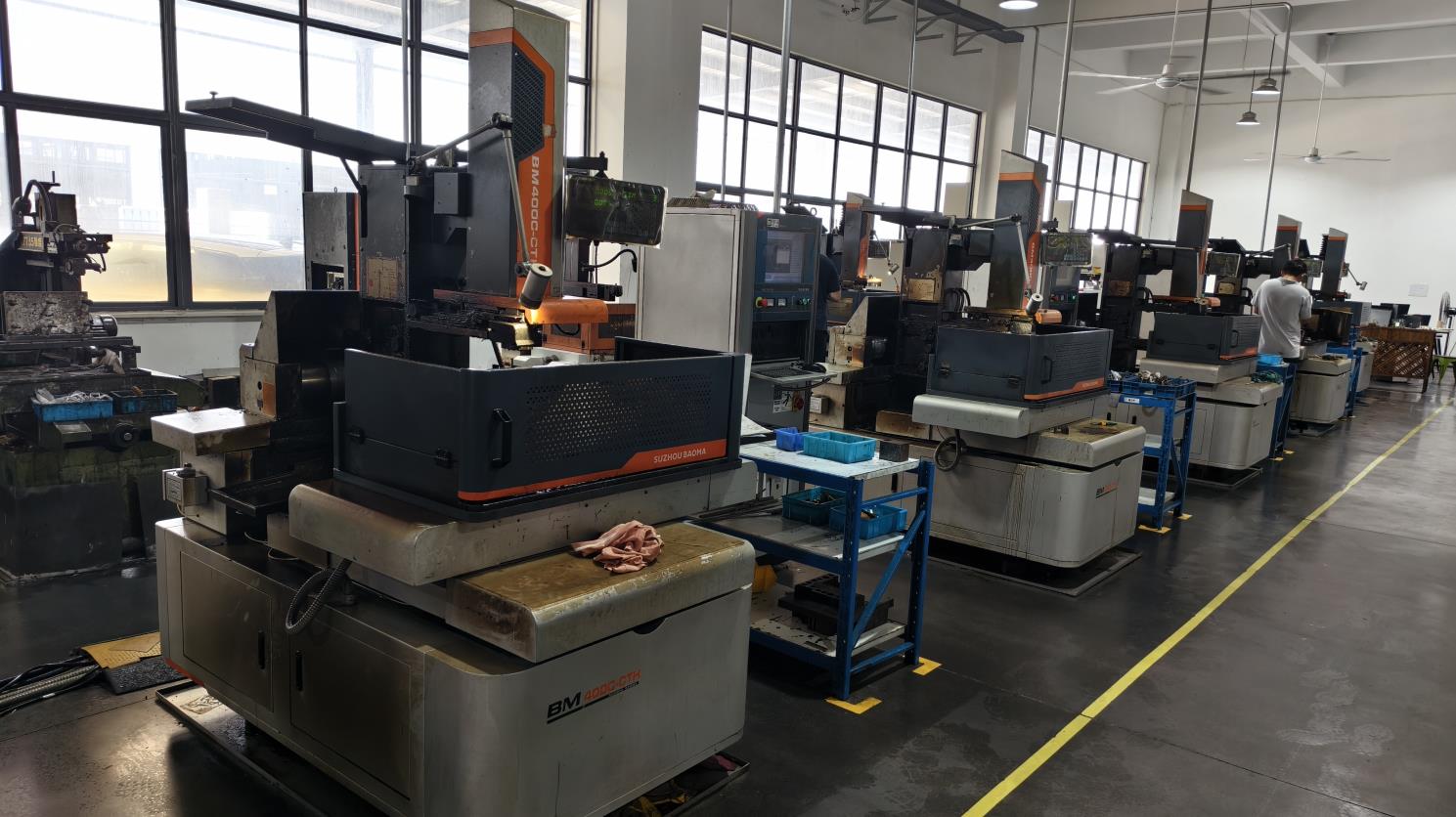
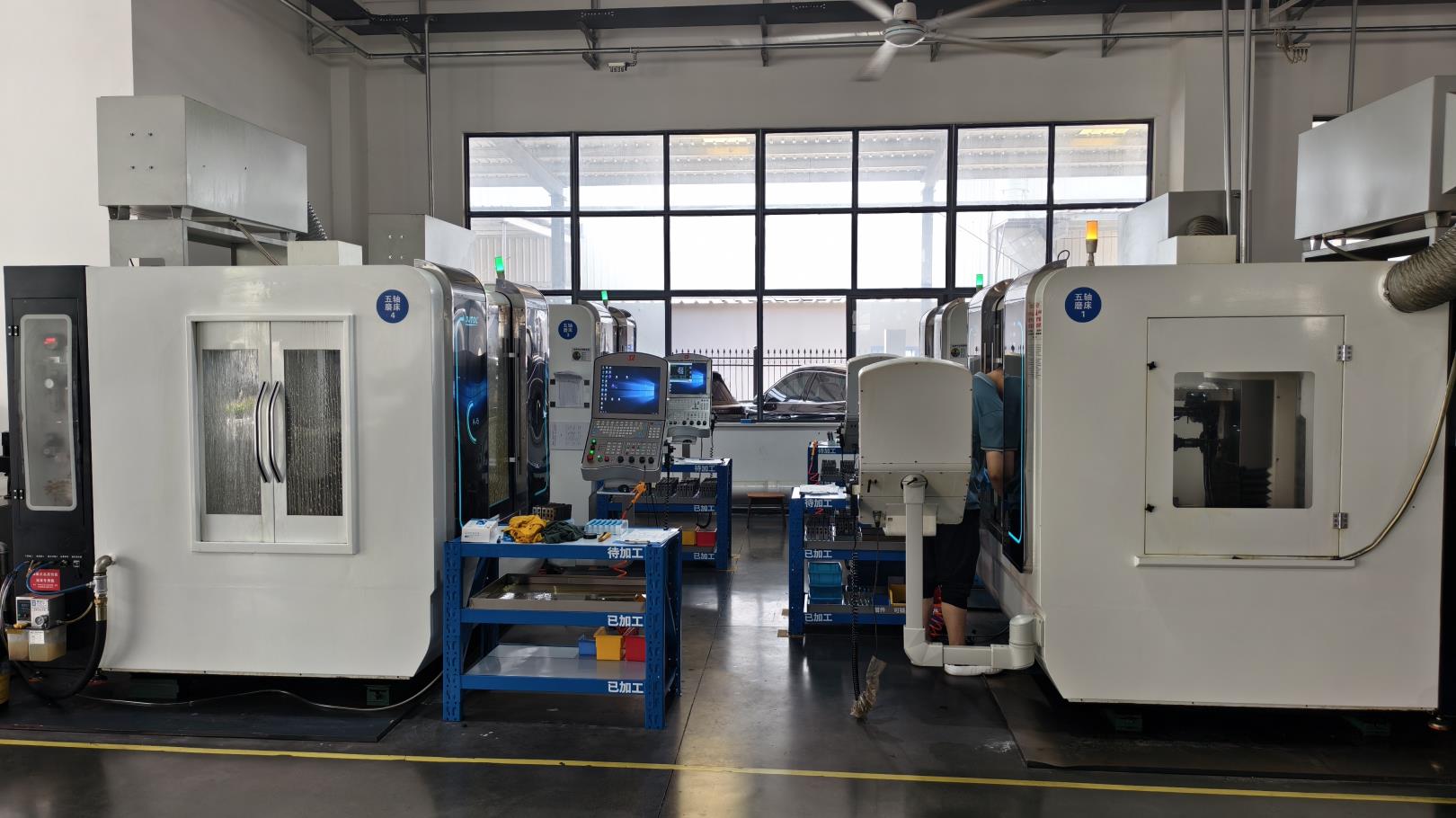
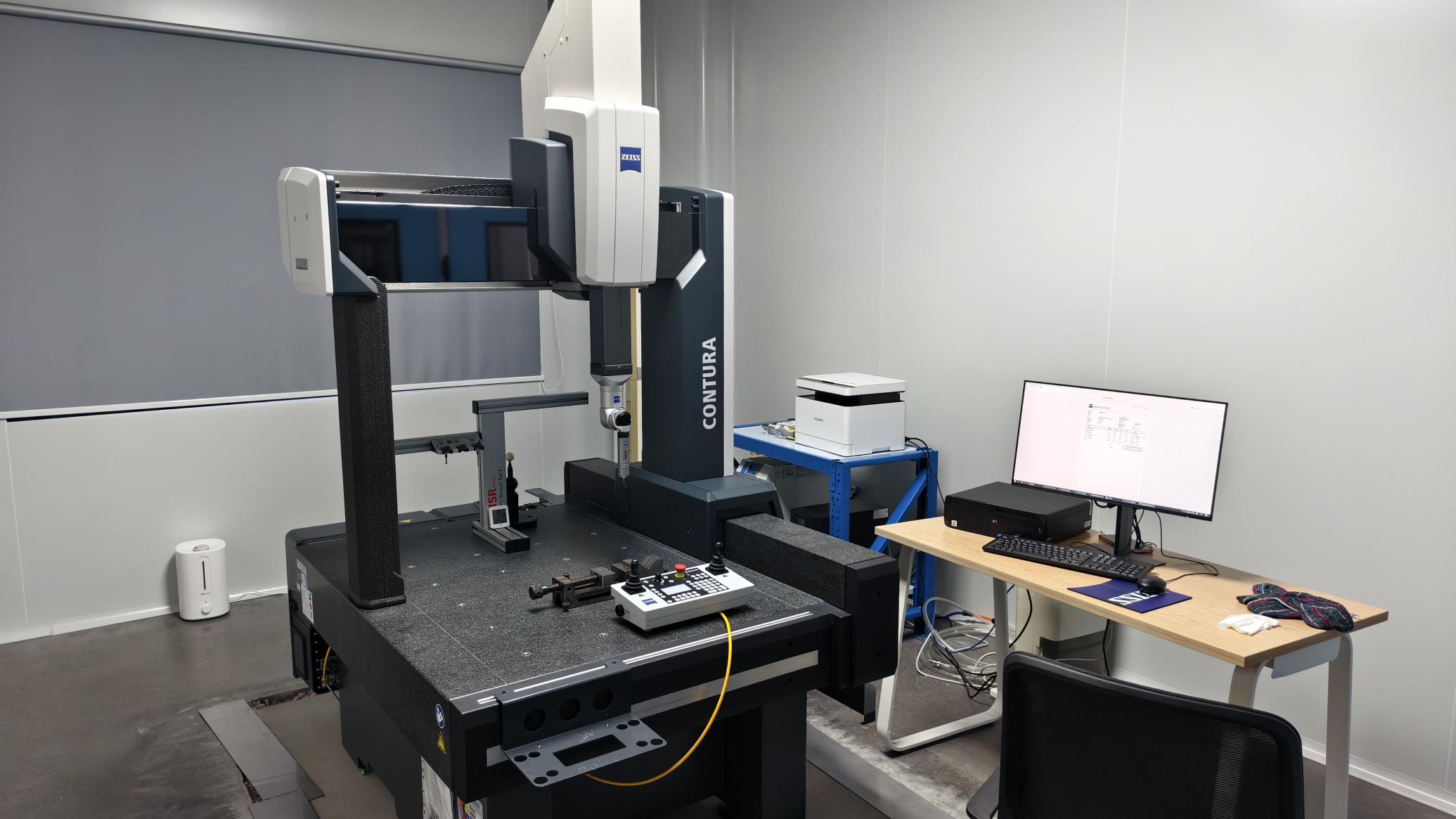
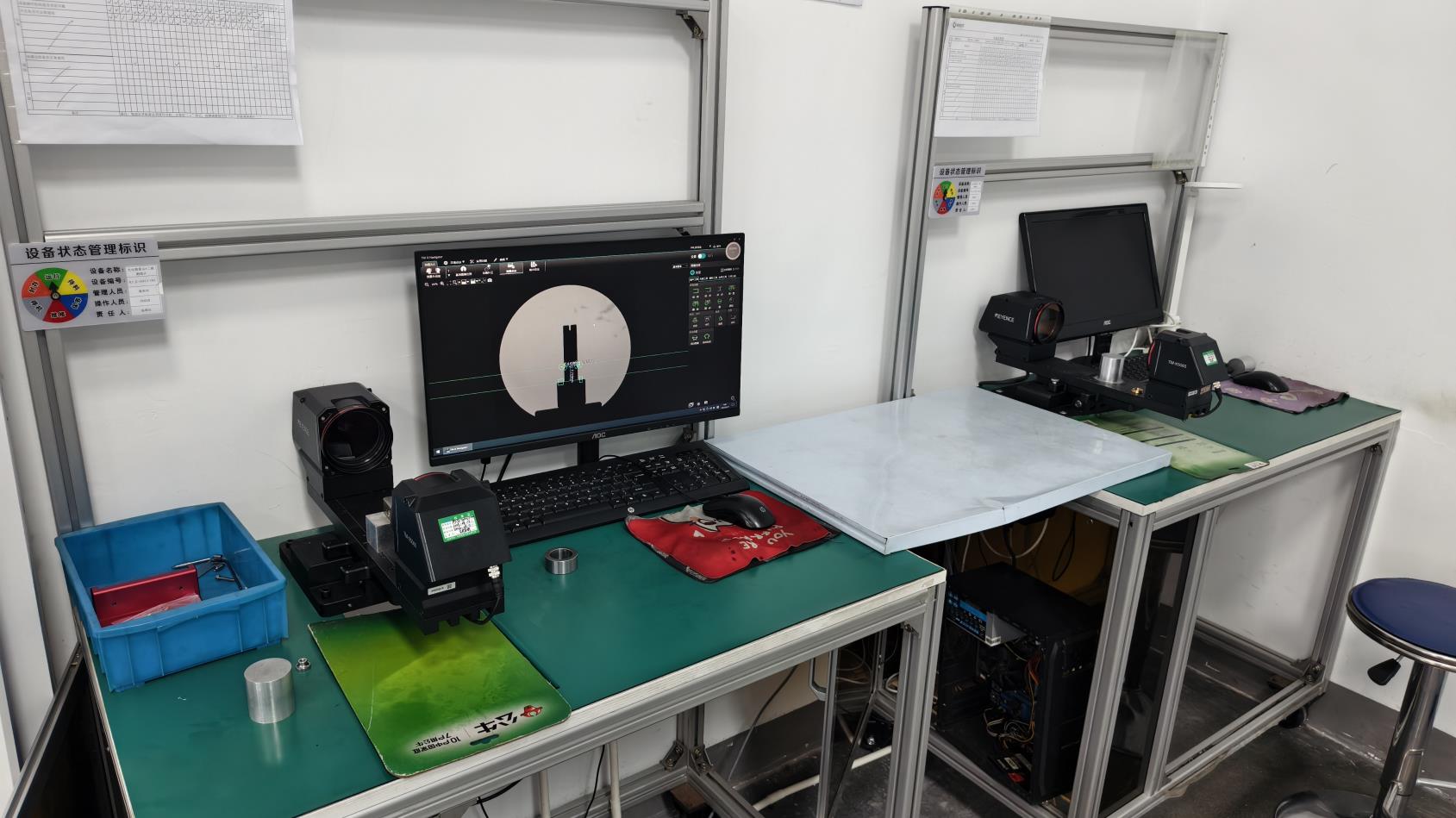
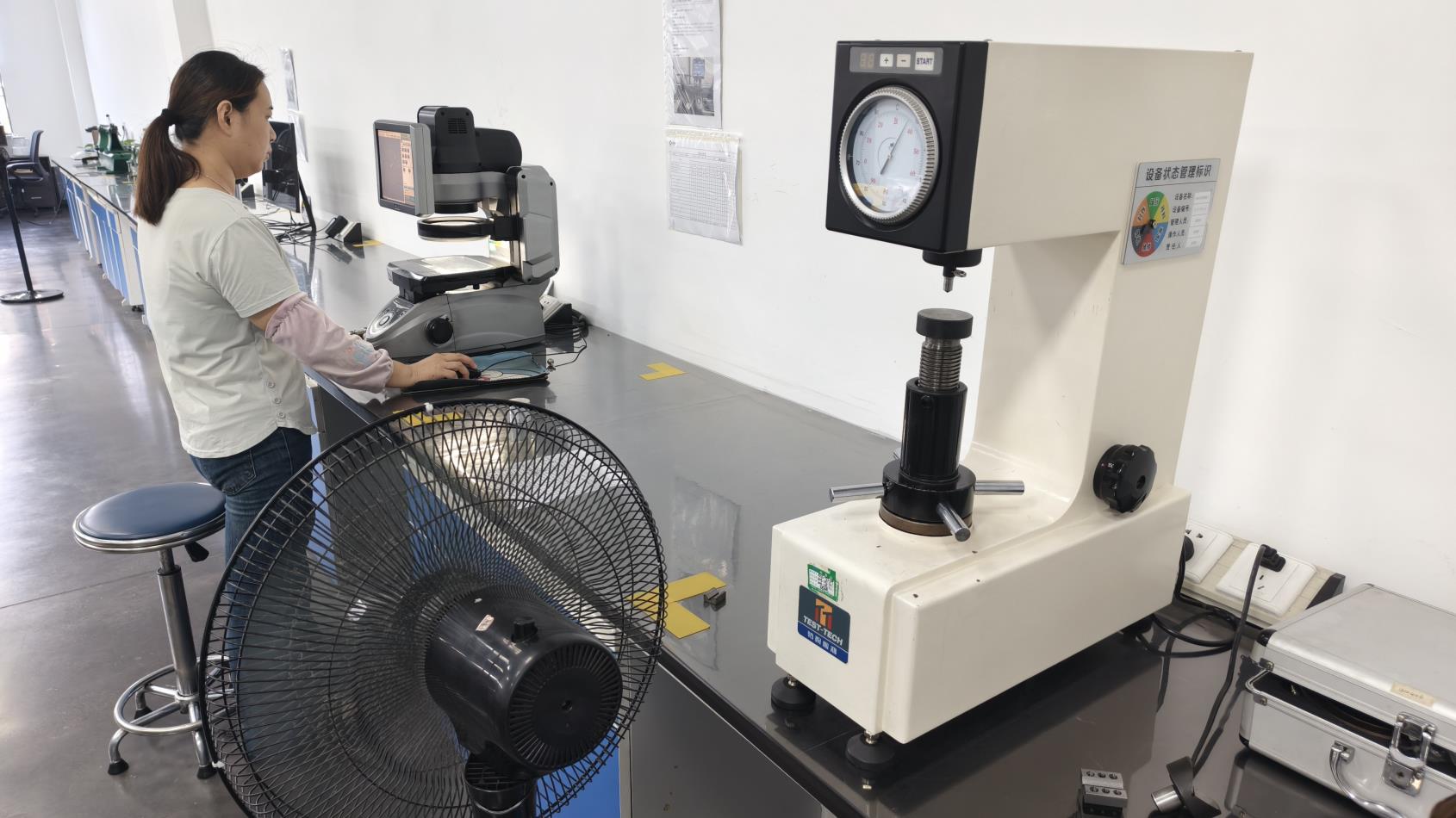
Importing surgical devices into Melbourne requires navigating strict customs parameters, TGA requirements, and biosecurity procedures. As a specialized exporter with over six years of experience, we provide comprehensive documentation support to facilitate clean logistics through the Port of Melbourne and Melbourne Airport (Tullamarine).
Every shipment is accompanied by detailed raw material test reports (MTR), certificate of conformity, and detailed batch codes to support complete downstream tracking. This systematic transparency protects Victorian medical distributors and hospital networks from unexpected administrative delays, ensuring critical instruments reach theaters exactly when needed.
OEM and Private Label Support for Victorian Brands: We offer custom laser marking for logos, catalog numbers, and trackable batch IDs. This assists local distributors in maintaining distinct product lines while satisfying Australian compliance frameworks.
Common questions answered regarding technical specifications, regulatory compliance, and distribution options for the Melbourne market.
Get in touch with our engineering team today to review technical drawings, request samples, or secure bulk wholesale pricing for the Melbourne region.