 SENJIE Healthy & Technology
SENJIE Healthy & Technology
SENJIE Healthy & Technology
Direct factory-sourced precision instruments optimized for high autoclave cycles and rigorous orthopaedic demands.
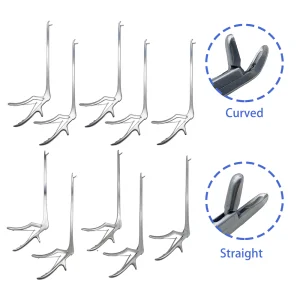
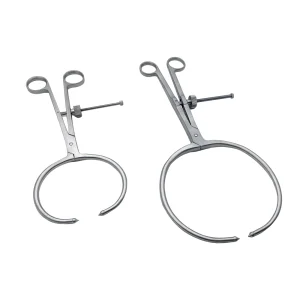
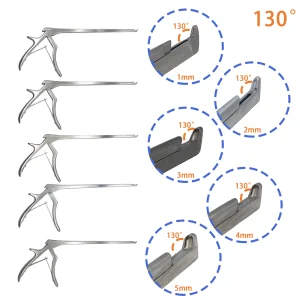
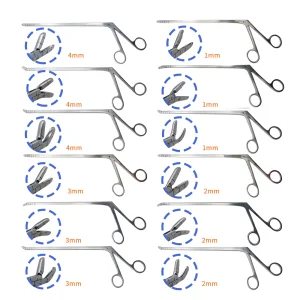
The Seattle metropolitan area is globally recognized as a premier destination for healthcare innovation, clinical research, and advanced veterinary medicine. Powered by institutions such as the University of Washington (UW) Medicine, Swedish Medical Center, Harborview Medical Center, and Fred Hutchinson Cancer Center, the region maintains a highly demanding operational standard for surgical hardware. As surgical methodologies trend towards minimally invasive procedures, there is an escalating need for highly specialized forceps that deliver maximum tensile strength, precise tactile feedback, and robust resistance to wear.
Whether performing deep cervical decompression, articular reductions, or complex small animal spinal interventions, Seattle surgeons require instruments that do not deflect or wear prematurely. Standard distributor models often lead to inflated procurement costs and broken supply lines. Direct factory-to-hospital exporting structures bypass these challenges, offering localized support, continuous instrument iteration, and verified regulatory alignment.
A deep metallurgical and ergonomic analysis of instrument classes serving human and veterinary surgeries.
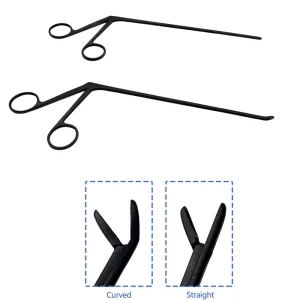
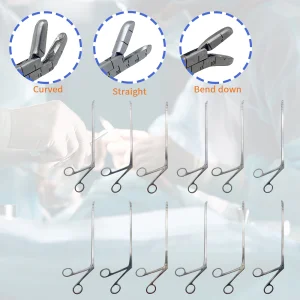
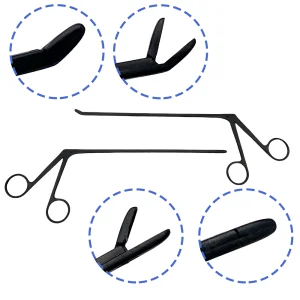
Designed for grasping and dissecting intravertebral disc fragments during discectomy or laminectomy procedures. The jaws are engineered with a micro-cup geometry, featuring options for straight, up-angled, or down-angled paths (e.g., 220mm configurations) to accommodate surgeon line-of-sight and spine anatomy. Key tolerances require perfectly aligned jaw margins (within <0.05mm deflection) to prevent tissue shearing.
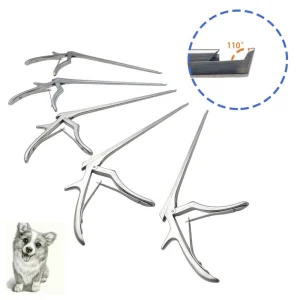
Designed for bone biting and decompression around the spinal column and skull. The footplate geometry must be extremely thin yet highly resistant to fatigue-induced fractures. Dual-action spring assemblies provide uniform kinetic leverage, reducing user hand fatigue while enabling clean, precise osteotomies. Available in standard 1mm to 5mm bite configurations.
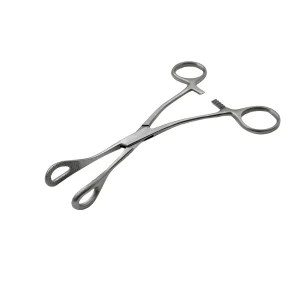
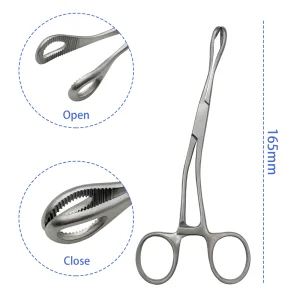
Essential for securing anatomical reduction during internal fixation of fractures. Ball-pointed tips minimize periosteal damage and soft-tissue trauma. Threaded speed-locks and serrated clamping plates provide structural stability without applying excessive compressive load, protecting the bone cortex from structural damage.
The lifetime of a surgical instrument is determined by its micro-crystalline structure and surface finish. Our factory utilizes premium surgical-grade martensitic and austenitic stainless steel alloys (e.g., SUS420J2 and SUS316L). These materials offer optimal hardness parameters (ranging from HRC 48 to 54 depending on the specific application) while maintaining the ductility required to prevent structural fractures under heavy tensile loads.
To resist corrosion and degradation during chemical disinfection and steam autoclave sterilization cycles, every instrument undergoes a rigorous chemical passivation process in accordance with ASTM A967. This treatment selectively removes free iron from the surface layers of the steel, forming a passive, chromium-rich oxide film that blocks corrosive ions from initiating pitting or crevice corrosion.
| Alloy Standard | Typical Hardness | Primary Application | Corrosion Resistance |
|---|---|---|---|
| SUS420J2 (Martensitic) | 48 - 52 HRC | Kerrison Rongeurs, Bone Cutters | High (Passivated) |
| SUS316L (Austenitic) | 20 - 25 HRC | Retractors, Non-cutting Jaws | Extreme (High Molybdenum) |
| SUS410 (Martensitic) | 35 - 45 HRC | General Utility Forceps | Moderate to High |
Pioneering the future of medical instruments for robotic and digital surgery suites.
Future iterations of our micro-forceps range are being customized to interface with robotic surgical arms. By using standardized micro-linkages and lightweight carbon-titanium alloys, we are developing jaws that respond to sensor-guided surgical inputs, offering sub-millimeter precision for Seattle’s leading neurosurgery and soft-tissue research teams.
Extended spine surgeries pose a risk of musculoskeletal fatigue for surgeons. Through structural hollow-core forging and finite element analysis (FEA), we are modifying forcep shafts to shift the balance point toward the surgeon's hand, enhancing comfort without compromising clamping forces.
Verified production metrics and quality control frameworks supporting global medical-grade exports.
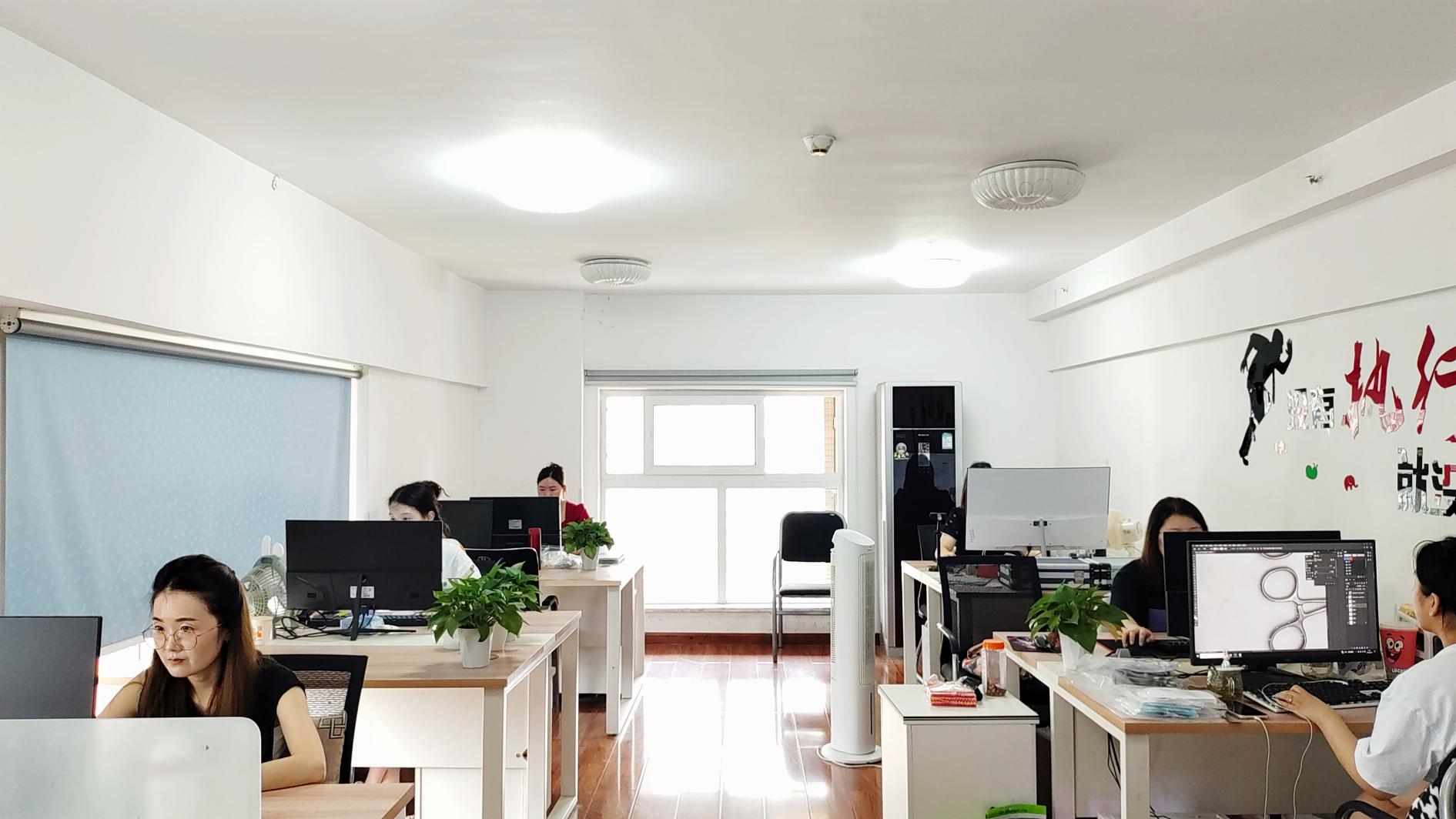
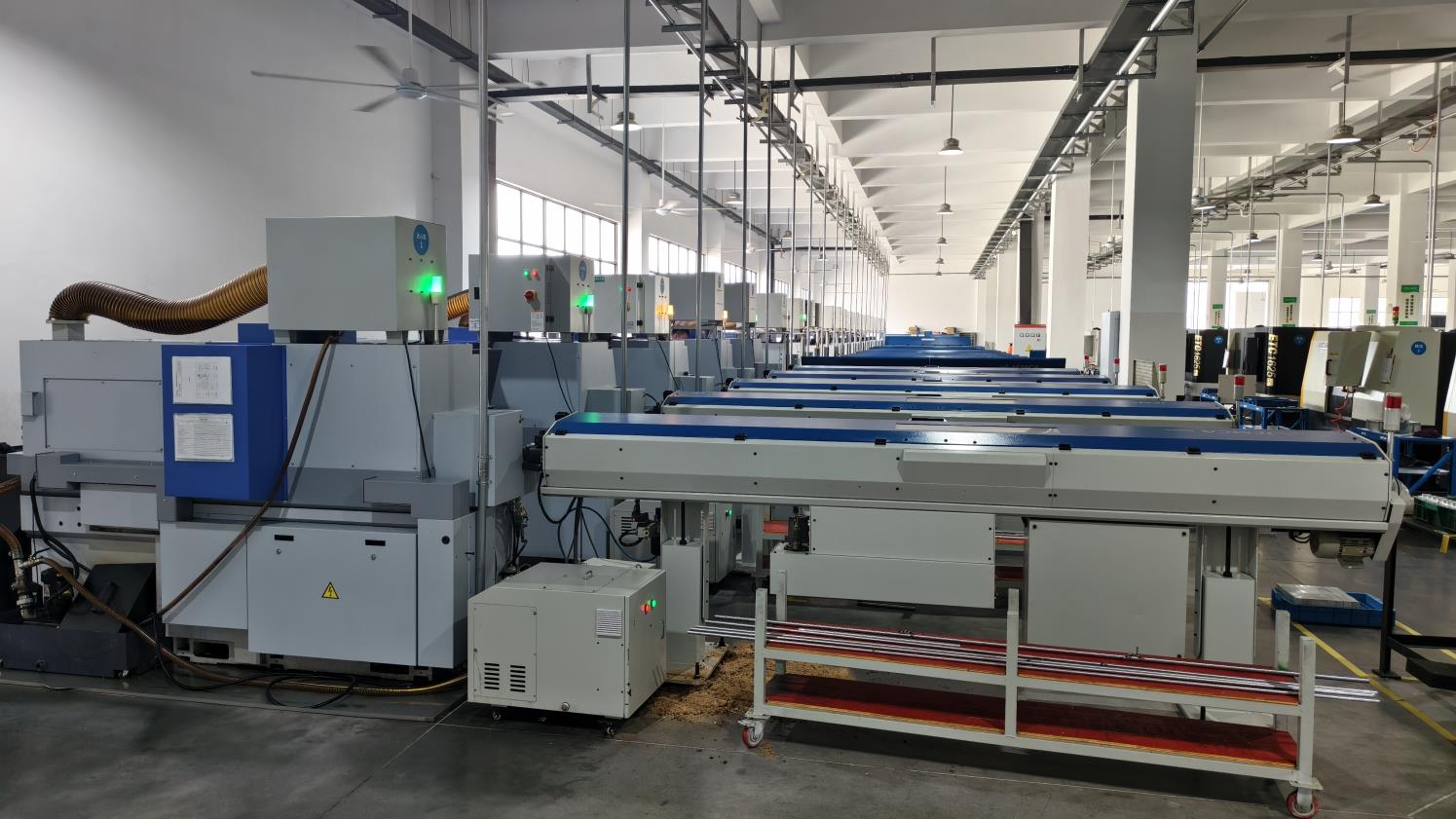
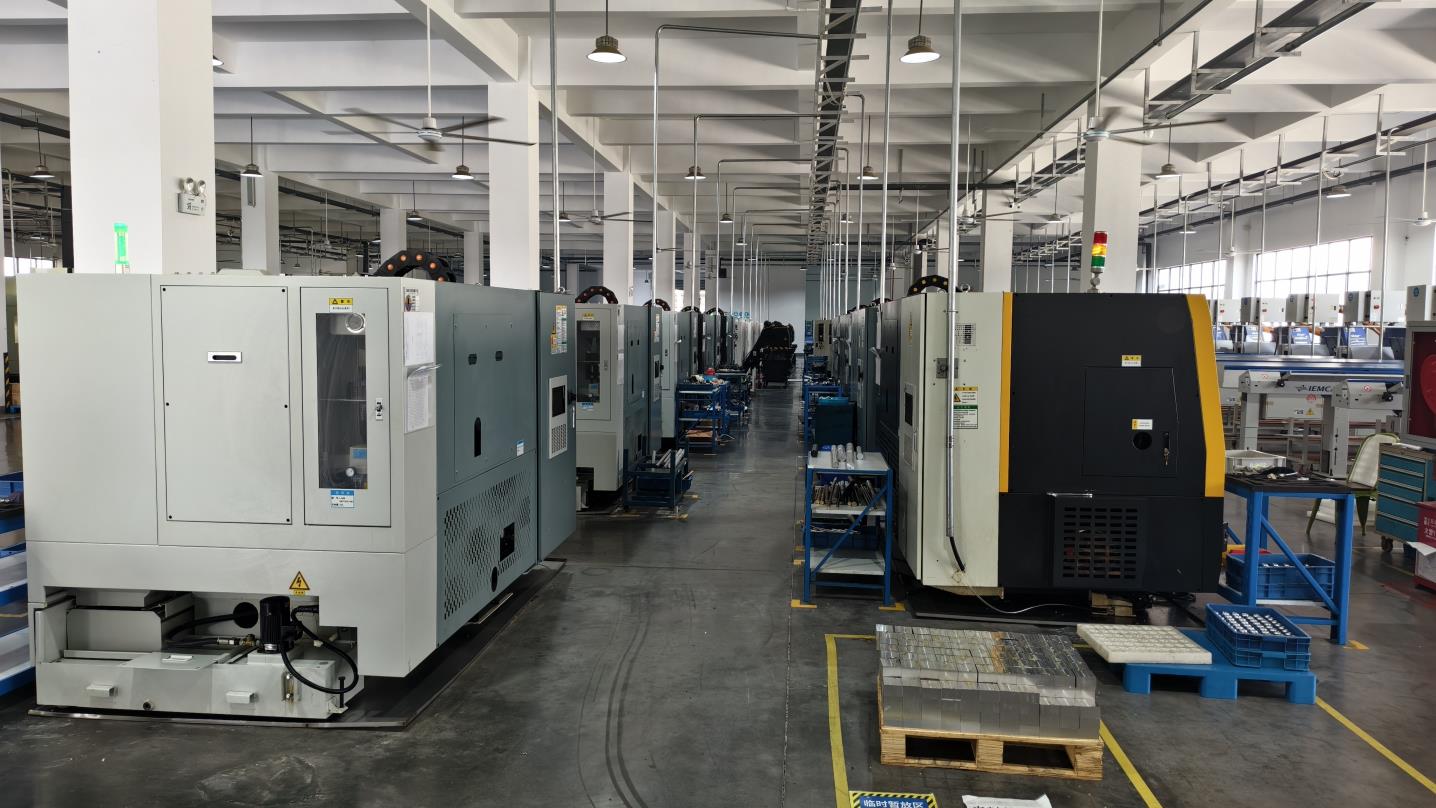
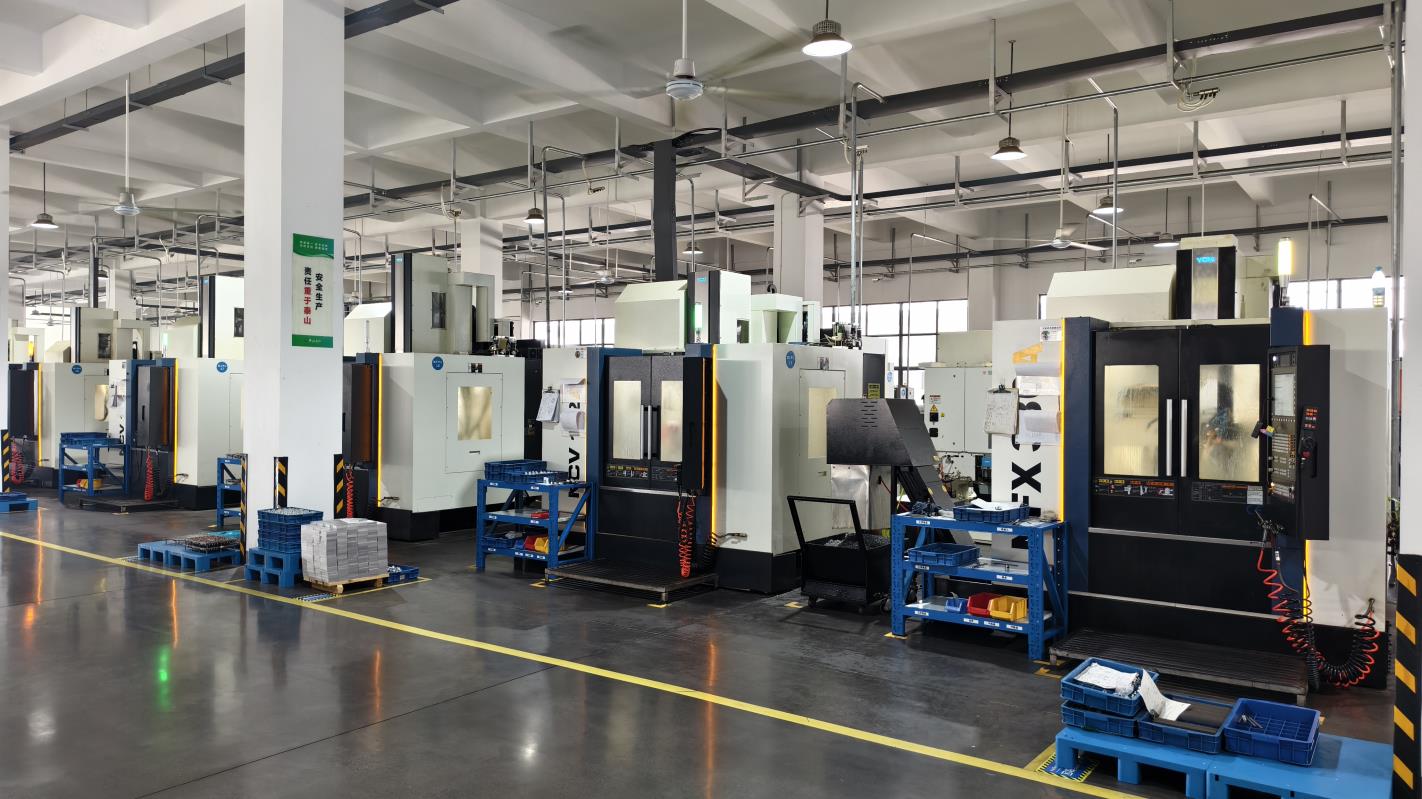
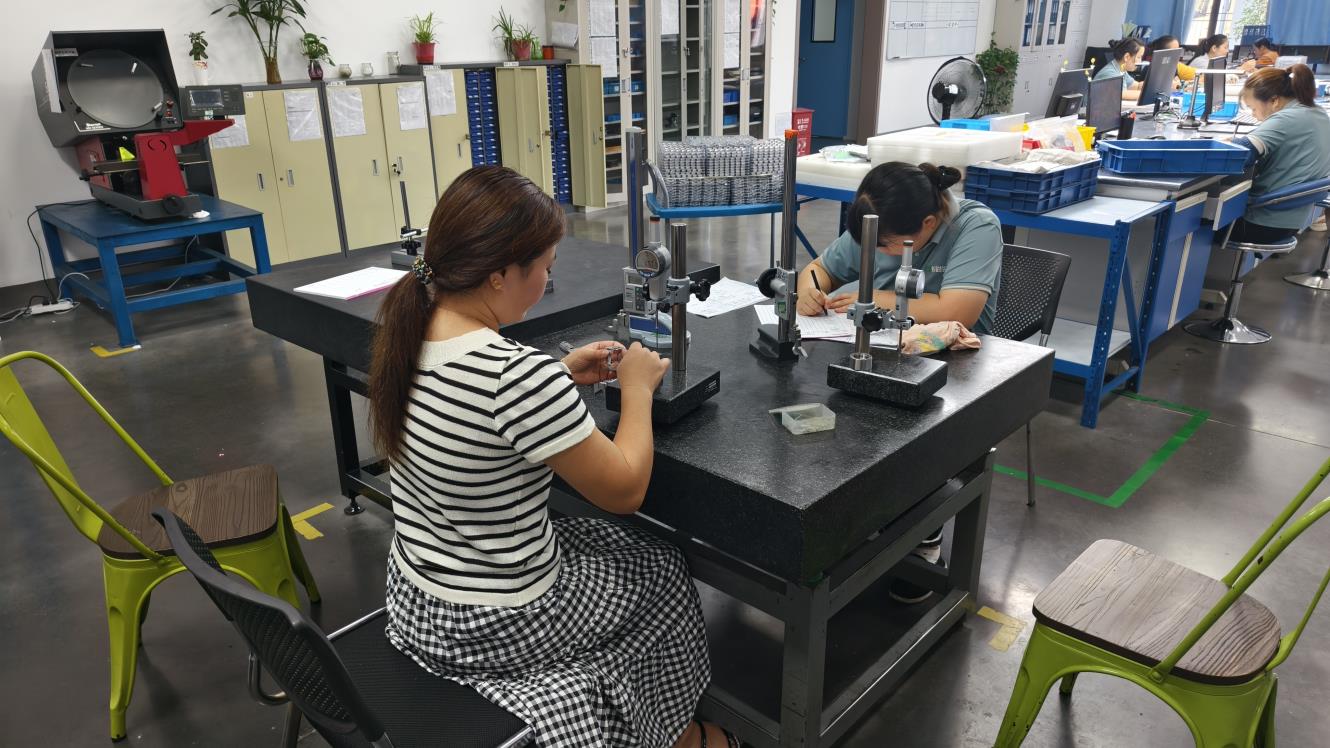
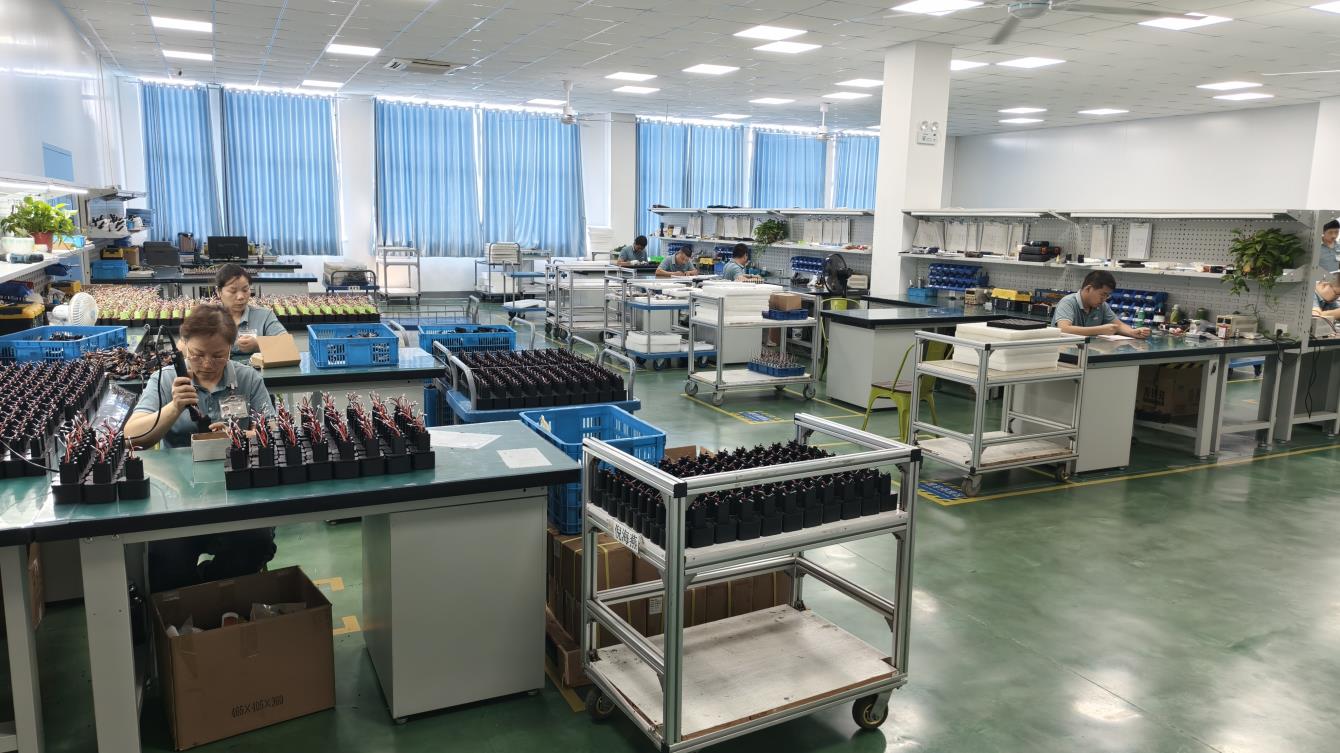
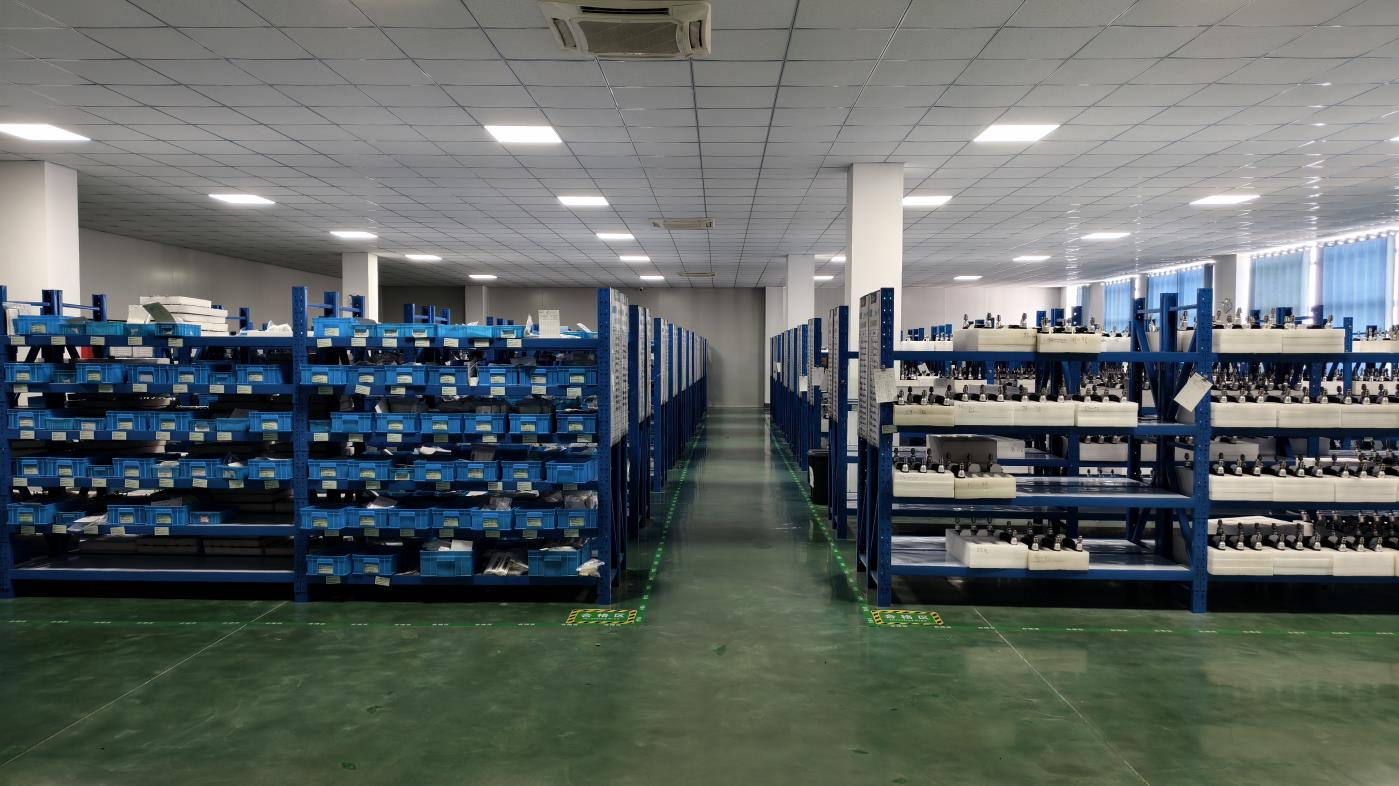
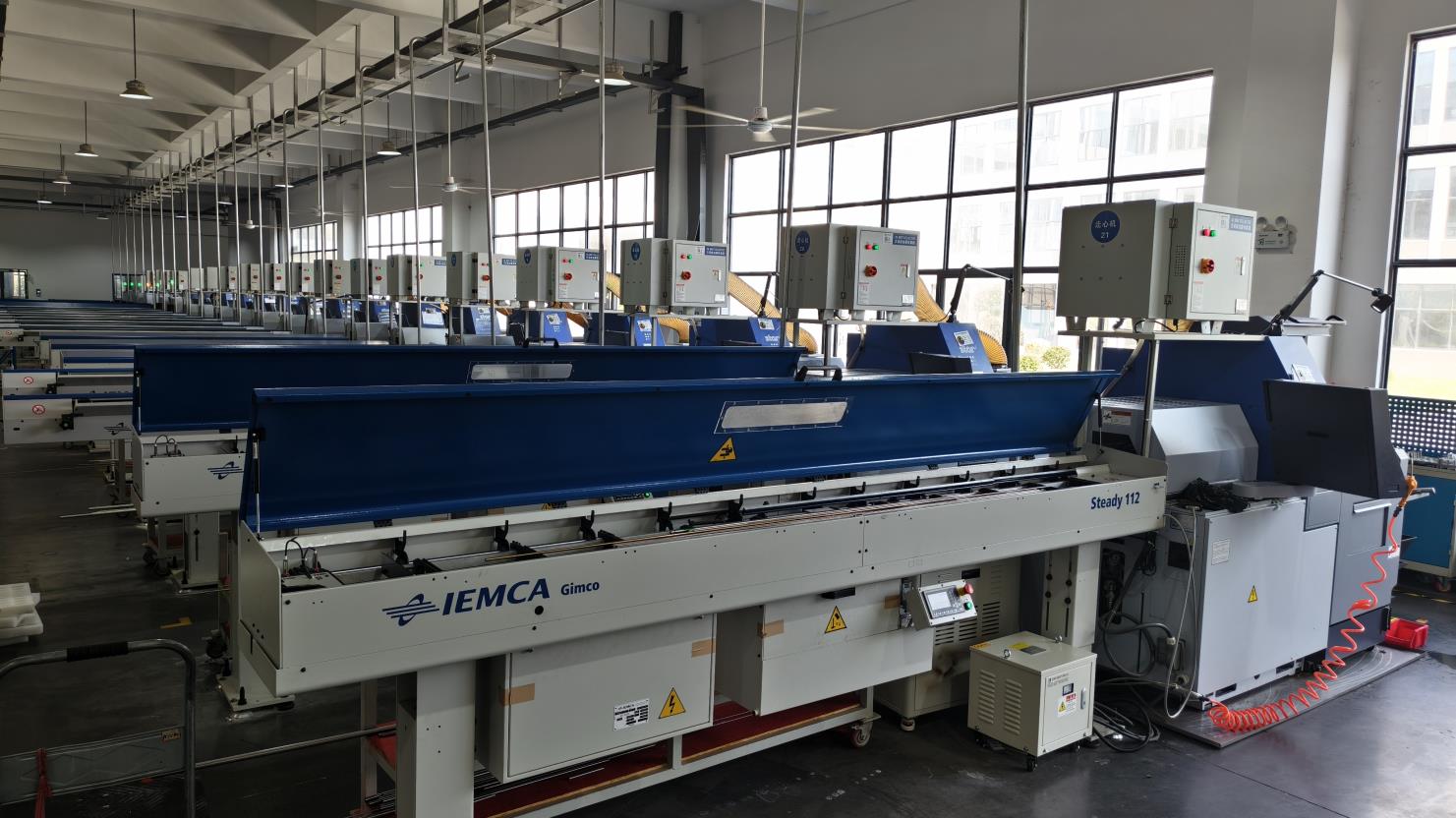
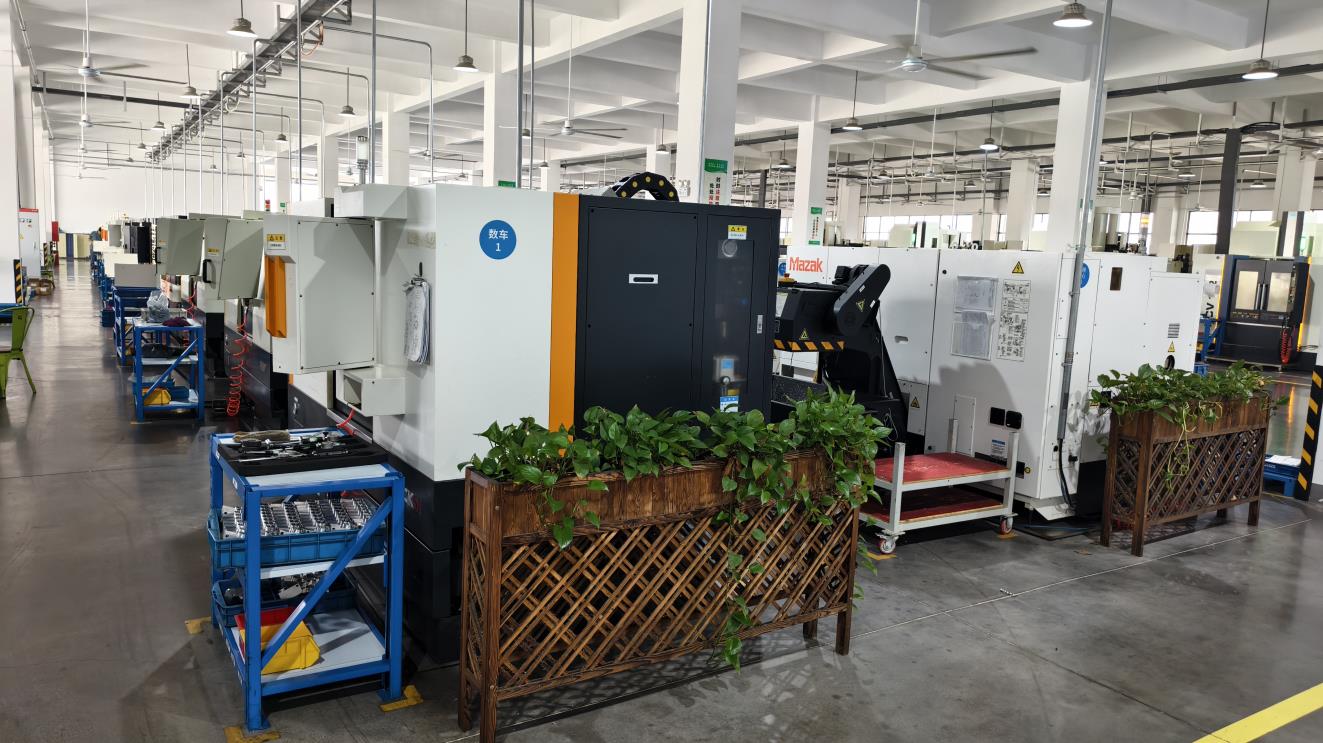
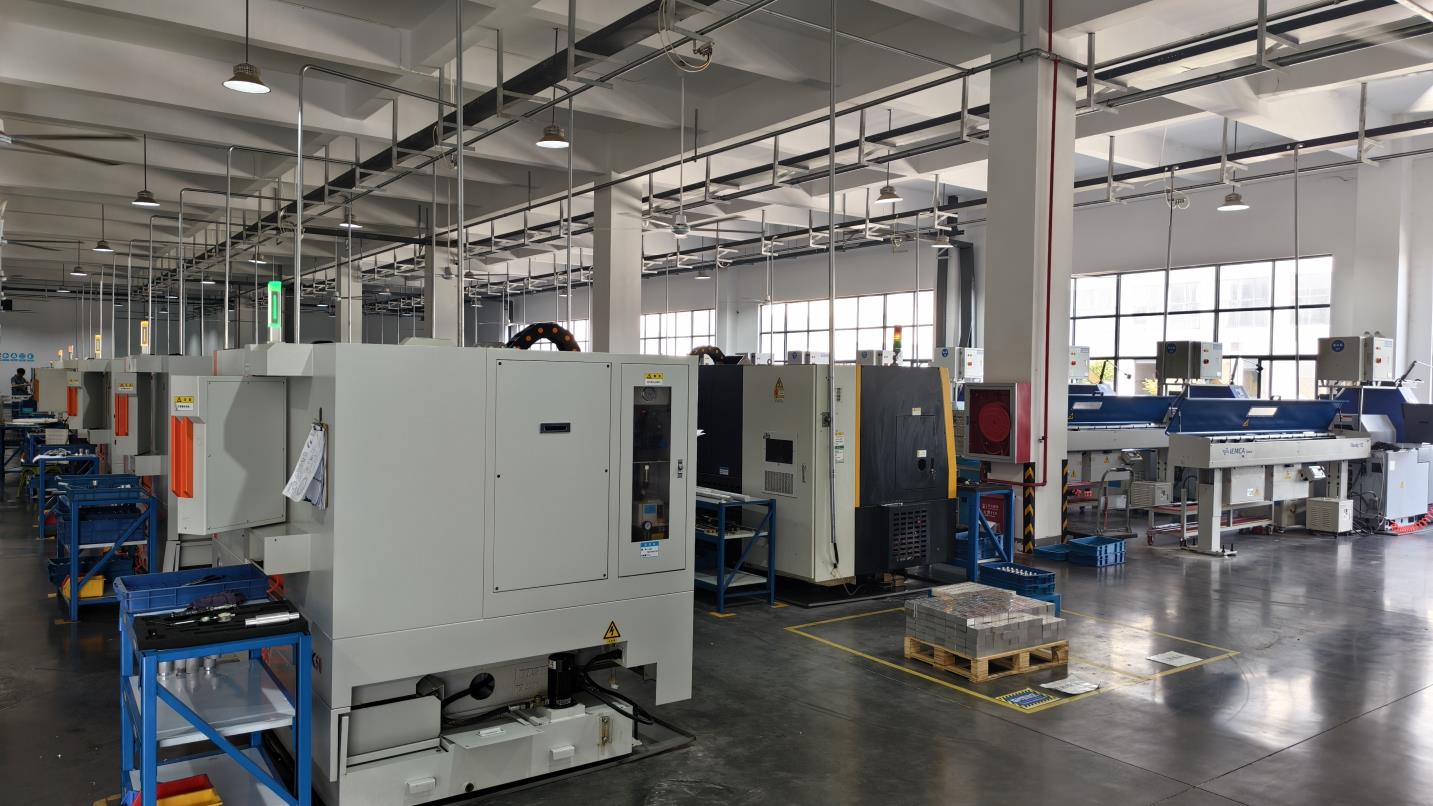
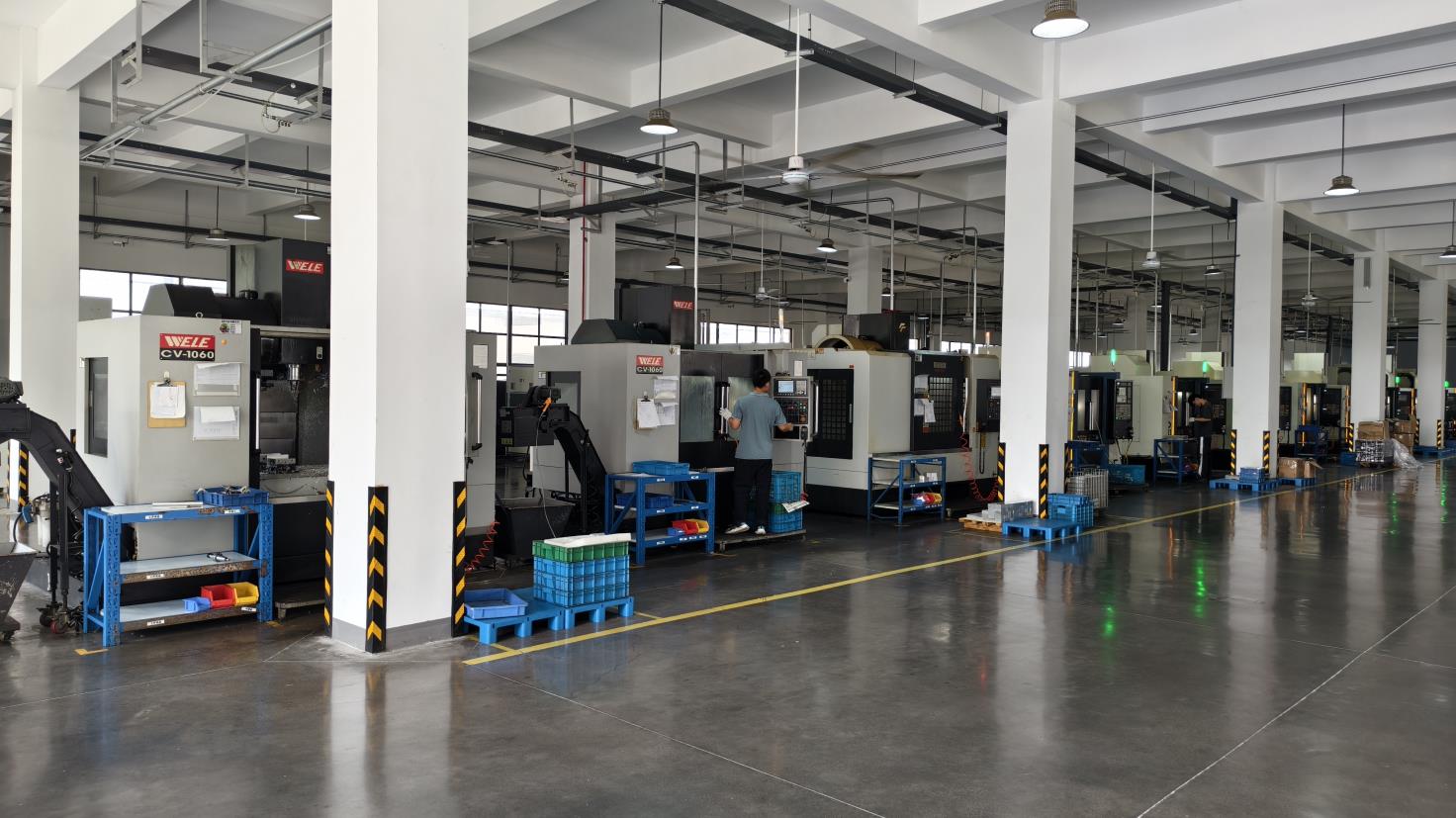
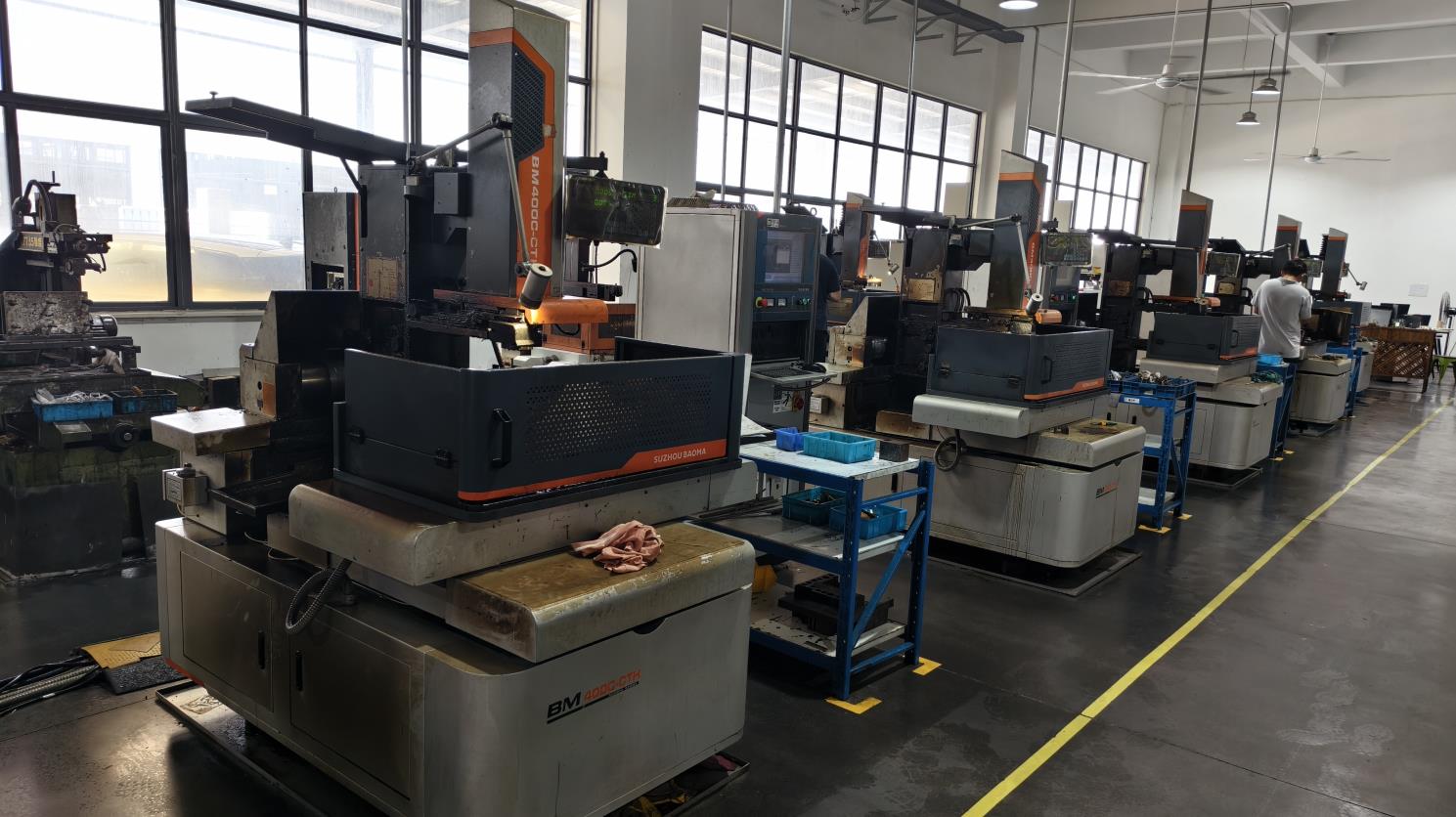
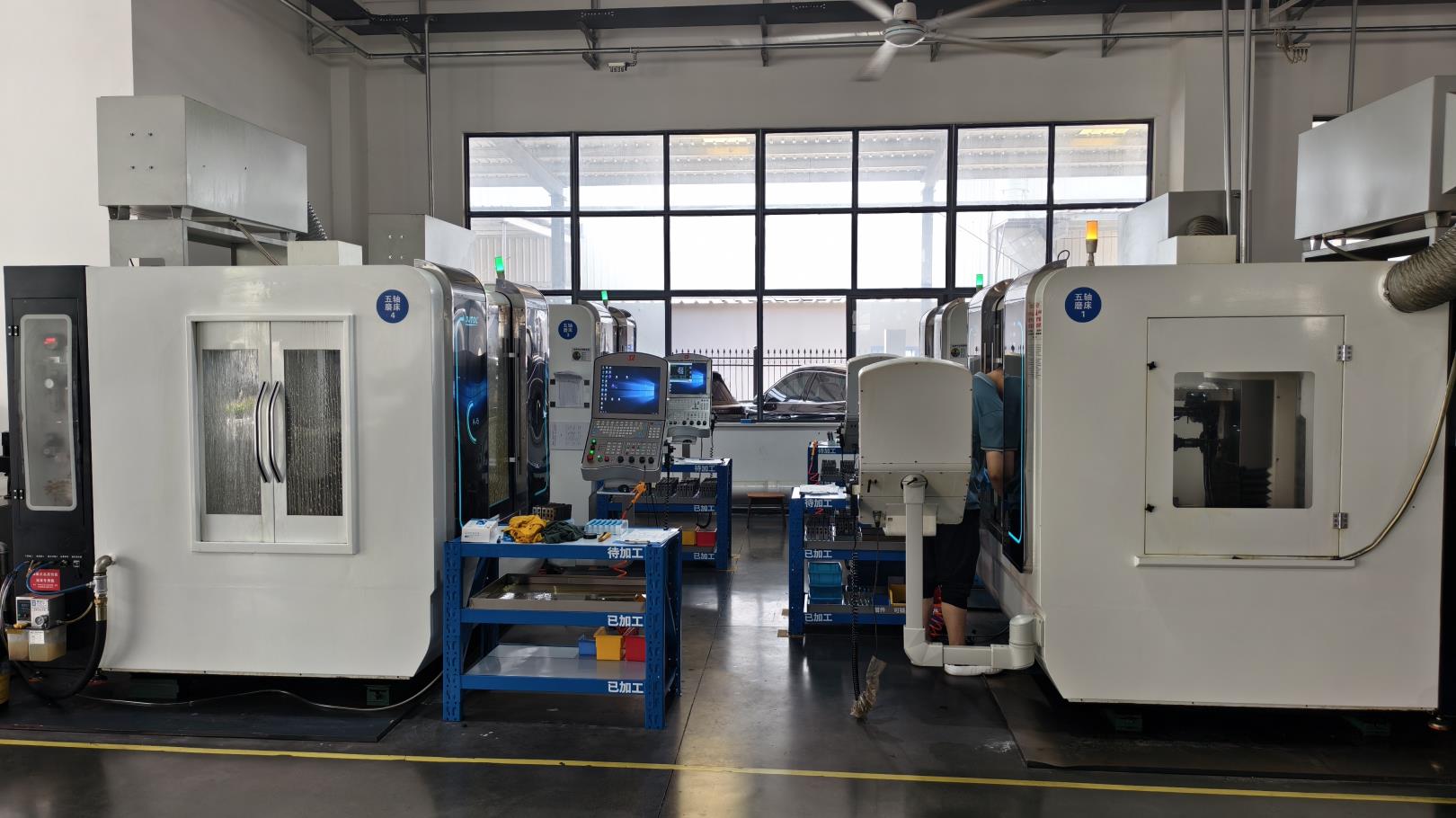
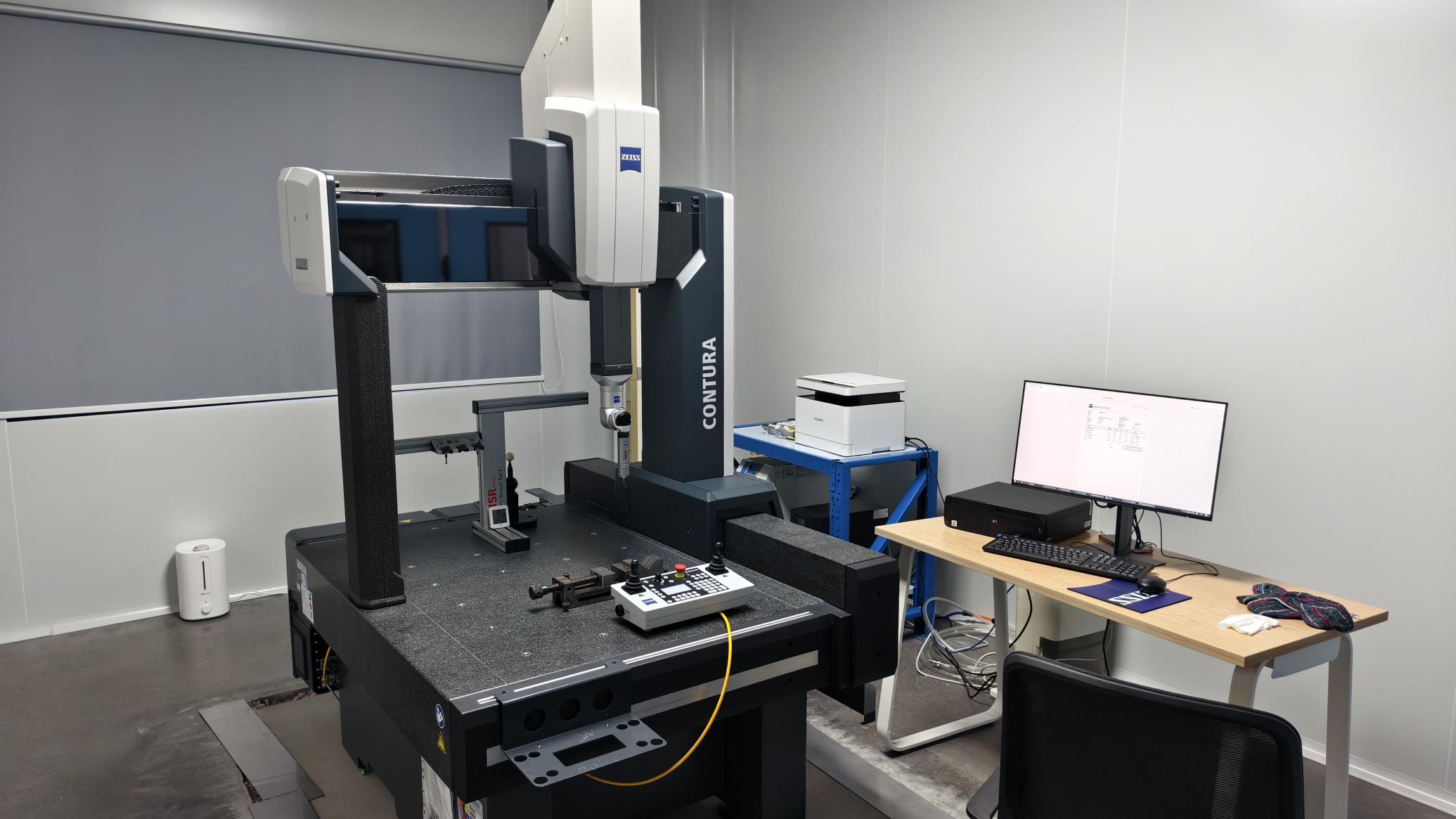
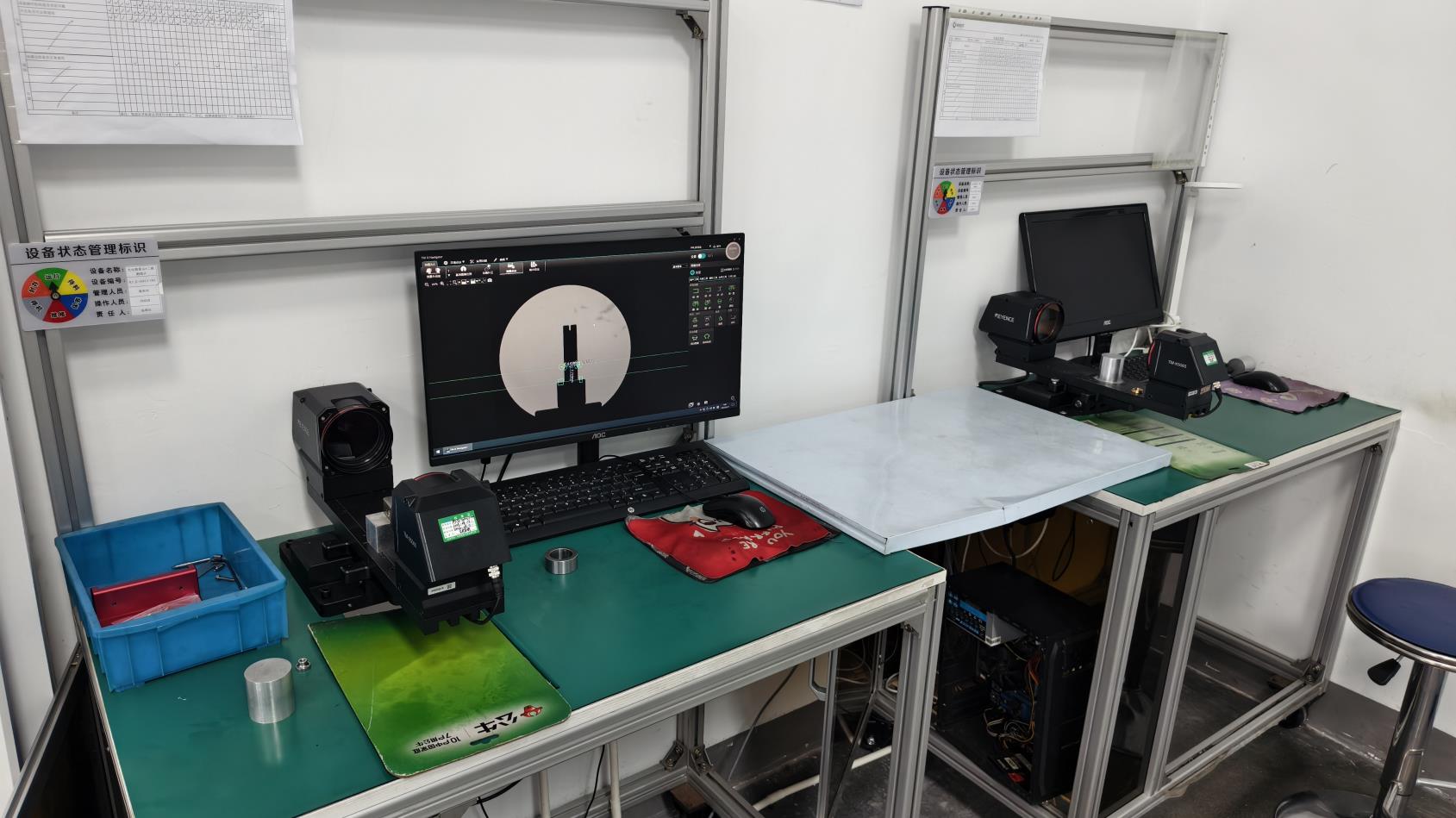
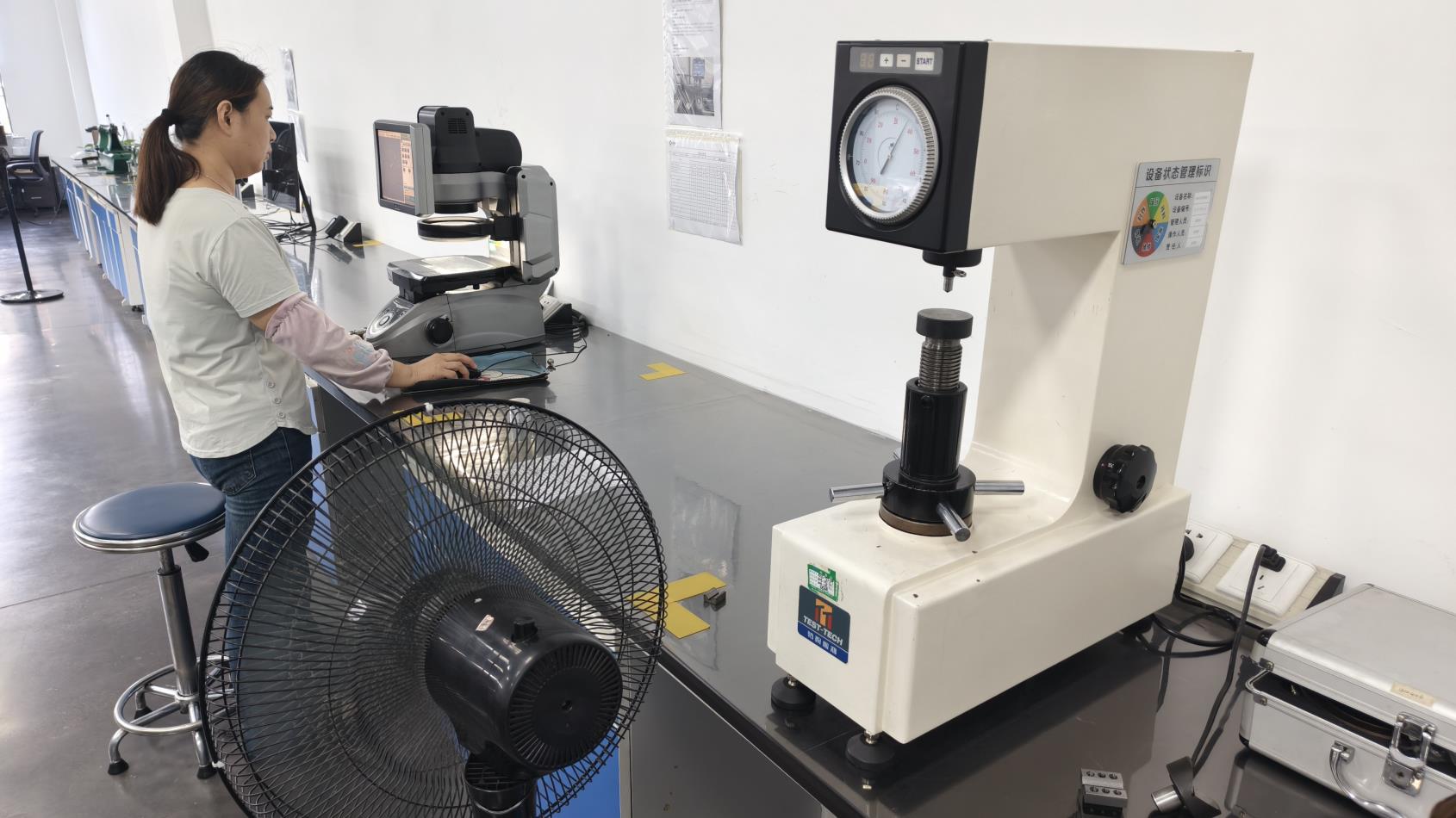
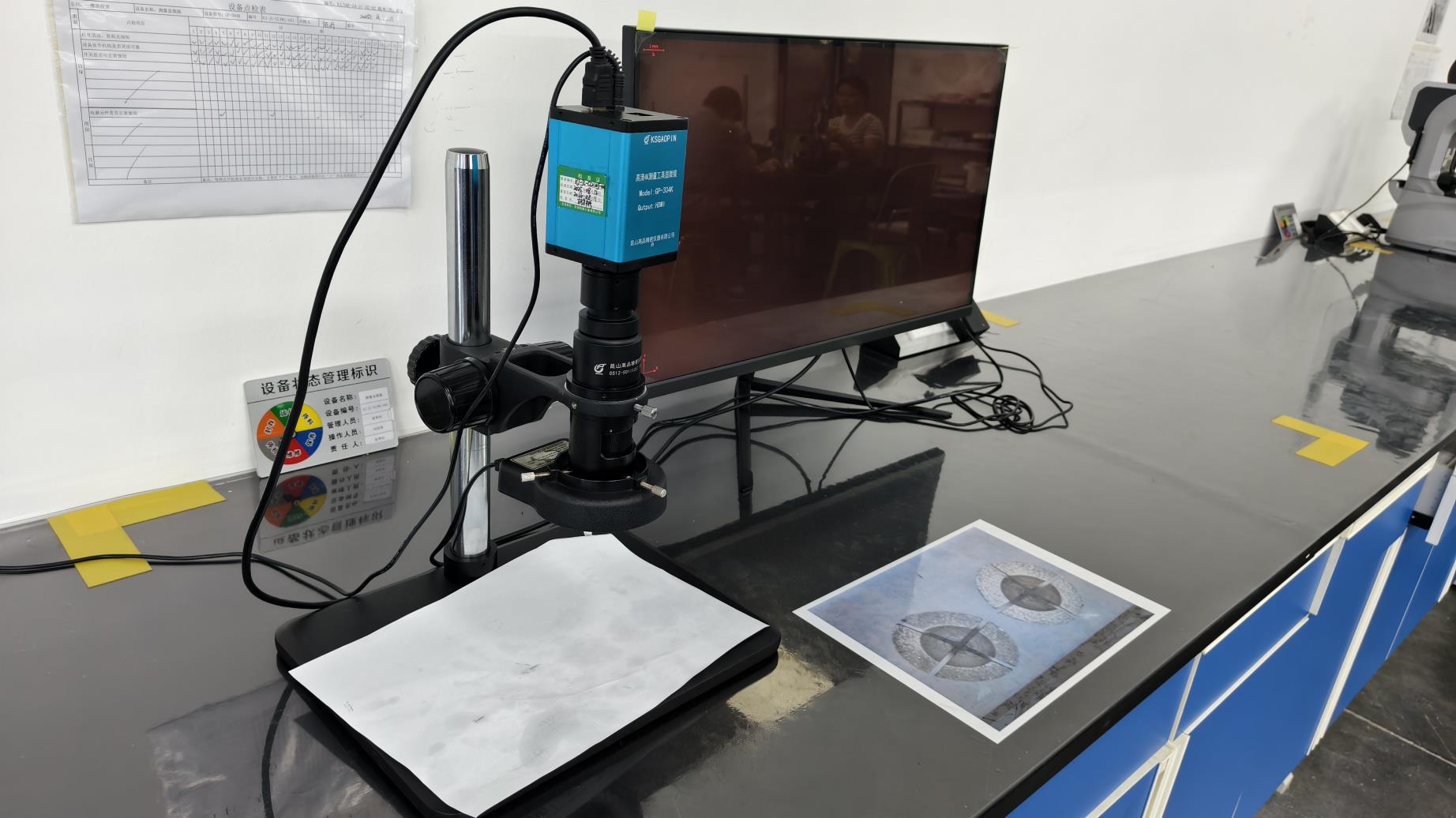
Managing the procurement of surgical instruments across borders requires balancing regulatory compliance, logistics speed, and financial viability. Operating as a direct factory exporter allows us to offer Seattle healthcare systems a highly integrated supply model. From the procurement of raw steel to vacuum tempering, polishing, and laser coding, we maintain end-to-end control of the manufacturing pipeline. This vertical integration reduces lead times and insulates the supply chain from price volatility.
Our proximity to major deep-water shipping lanes in Shanghai and Ningbo ensures efficient ocean freight routes directly to the Port of Seattle. For urgent medical requirements or unexpected clinical backorders, we arrange priority air transport via Sea-Tac International Airport (SEA), ensuring critical medical hardware reaches surgical centers within 5 to 7 business days.
Expanded catalogue of high-performance instruments engineered for demanding surgical environments.
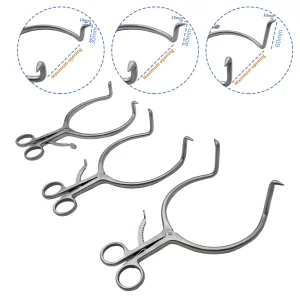
Each production lot undergoes standardized test protocols to confirm performance profile compliance:
We work to align our manufacturing workflows with ISO 13485 Quality Management System standards, which govern design, manufacturing, and post-market tracking. Our instruments are engineered to facilitate compliance with global medical guidelines. For the US market, we support FDA 510(k) applications by providing detailed material data sheets, mill run certificates, and cleanroom bioburden reports.
Our testing labs utilize custom cycle rigs to stress test the spring tension and jaw alignment of Kerrison Rongeurs and bone holding clamps over 20,000 continuous compression cycles, ensuring long-term mechanical reliability for active operating suites.
Expert technical answers regarding regulatory compliance, metallurgical performance, and procurement logistics.
Connect directly with our engineering team to request customized product drawings, material certification records, or a detailed quotation for the Seattle market.
Send Inquiry Now