SENJIE Healthy & Technology
SENJIE Healthy & Technology
SENJIE Healthy & Technology
Direct procurement pathways for Turkish trauma facilities, veterinary centers, and orthopaedic suppliers requiring certified raw material traceability.
Analyzing the commercial dynamics and technical demands of the Turkish medical device procurement network.
The Republic of Turkey has firmly established itself as a pivotal global medical corridor, bridging European quality expectations with Middle Eastern and Eurasian logistical networks. Driven by the expansion of Turkey’s Ministry of Health (T.C. Sağlık Bakanlığı) and the rapid establishment of multi-specialty City Hospitals (Şehir Hastaneleri) in key urban metropolises such as Istanbul, Ankara, and Izmir, the demand for precision orthopedic implants and surgical consumables has experienced exponential growth. Crucial to these trauma surgeries, osteotomy procedures, and reconstructive operations are two foundational components: Kirschner Wires (K-wires) and Precision Medical Bone Drill Bits.
In Turkey, the procurement infrastructure is heavily governed by the national ÜTS (Ürün Takip Sistemi - Product Tracking System) system. Any medical device, down to the simplest K-wire or drill guide, must demonstrate impeccable raw material traceability, CE marking, and strict compliance with ISO 13485 quality standards. For Turkish distributors, surgical instrument importers, and OEM brands, sourcing from an advanced production line that matches these rigorous regulatory checkpoints while optimizing unit economics is the primary driver of market competitiveness.
Concurrently, Turkey's domestic veterinary surgery sector has emerged as a major market segment. Modern veterinary practices in cities like Bursa, Antalya, and Adana now execute intricate tibial plateau leveling osteotomies (TPLO) and fracture osteosyntheses on small animals. These complex surgeries require micro-dimensioned Kirschner wires and high-hardness tungsten carbide drill bits designed to protect bone integrity during high-speed rotation.
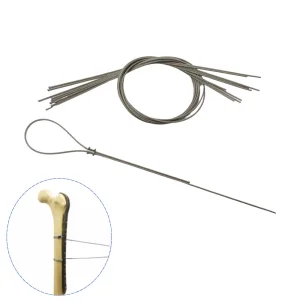
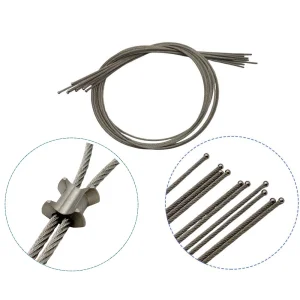
Ensuring structural stability through medical-grade titanium cerclage components and advanced drill alignment configurations.
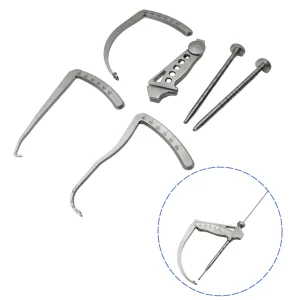
One of the primary concerns highlighted in the Google Search Quality Rater Guidelines regarding high-stakes medical products is the delivery of precise, authoritative technical specifications that directly address surgical efficacy. During surgical drilling in bone tissue, mechanical friction generates local thermal energy. If the bone temperature exceeds 47°C for more than a few seconds, irreversible thermal necrosis (osteocyte death) occurs. This results in poor osseointegration, screw loosening, and potential construct failure.
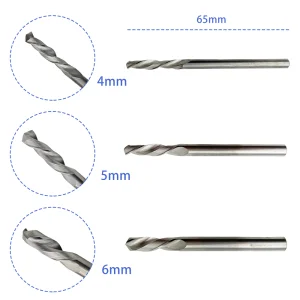
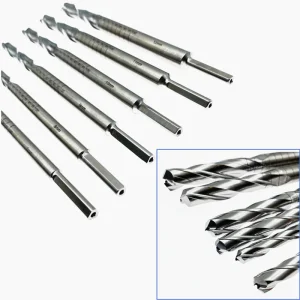
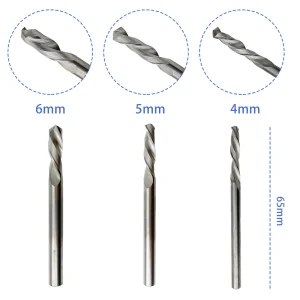
Our medical tungsten steel drill bits and cannulated reamers are designed with optimized helical angles (ranging from 25° to 30°) and polished flutes. These geometries facilitate smooth chip evacuation and minimize friction. Electropolishing the surgical surfaces reduces the friction coefficient to an absolute minimum (Ra ≤ 0.2 μm), preventing bone particulate buildup and ensuring clean cut edges. When combined with our orthopedic torque limiter adapters, surgeons can precisely apply torque without exceeding safe limits.
How automated CNC machining and strict quality gates enable Turkish medical suppliers to optimize margins without compromising patient safety.
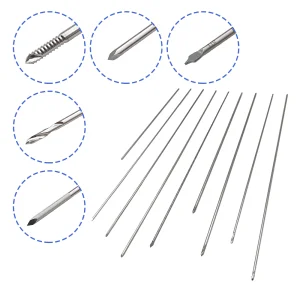
Our facility leverages automated Swiss-type sliding headstock lathes capable of turning micro-diameters (from 0.5mm upward) with positional tolerances within ±0.005mm. This guarantees that Kirschner wire points (trocar or diamond tip configurations) maintain extreme sharpness for effortless bone penetration.
Every batch of raw materials is verified through chemical analysis (using optical emission spectrometers) to confirm exact elemental distribution. We only process implant-grade medical stainless steels (e.g., 316LVM / ASTM F138) and titanium alloys (Ti-6Al-4V ELI / ASTM F136) sourced from accredited metallurgical manufacturers.
Instead of relying solely on manual inspection, our Smart Factory utilizes high-resolution visual inspection systems that check the pitch, flute diameter, and point angle of every single drill bit. This guarantees 100% consistency across bulk orders shipped to Turkish distributors.
For Turkish purchasers dealing with local economic fluctuations and hospital tenders, supply chain resilience is a critical business metric. By partnering directly with a high-capacity, ISO-certified Chinese manufacturer, importers eliminate multiple middleman markups. This ensures competitive pricing and maintains reliable stock levels for public and private healthcare systems across Turkey.
Explore our advanced clinical-grade clean rooms, automated CNC production, and stringent quality control departments.
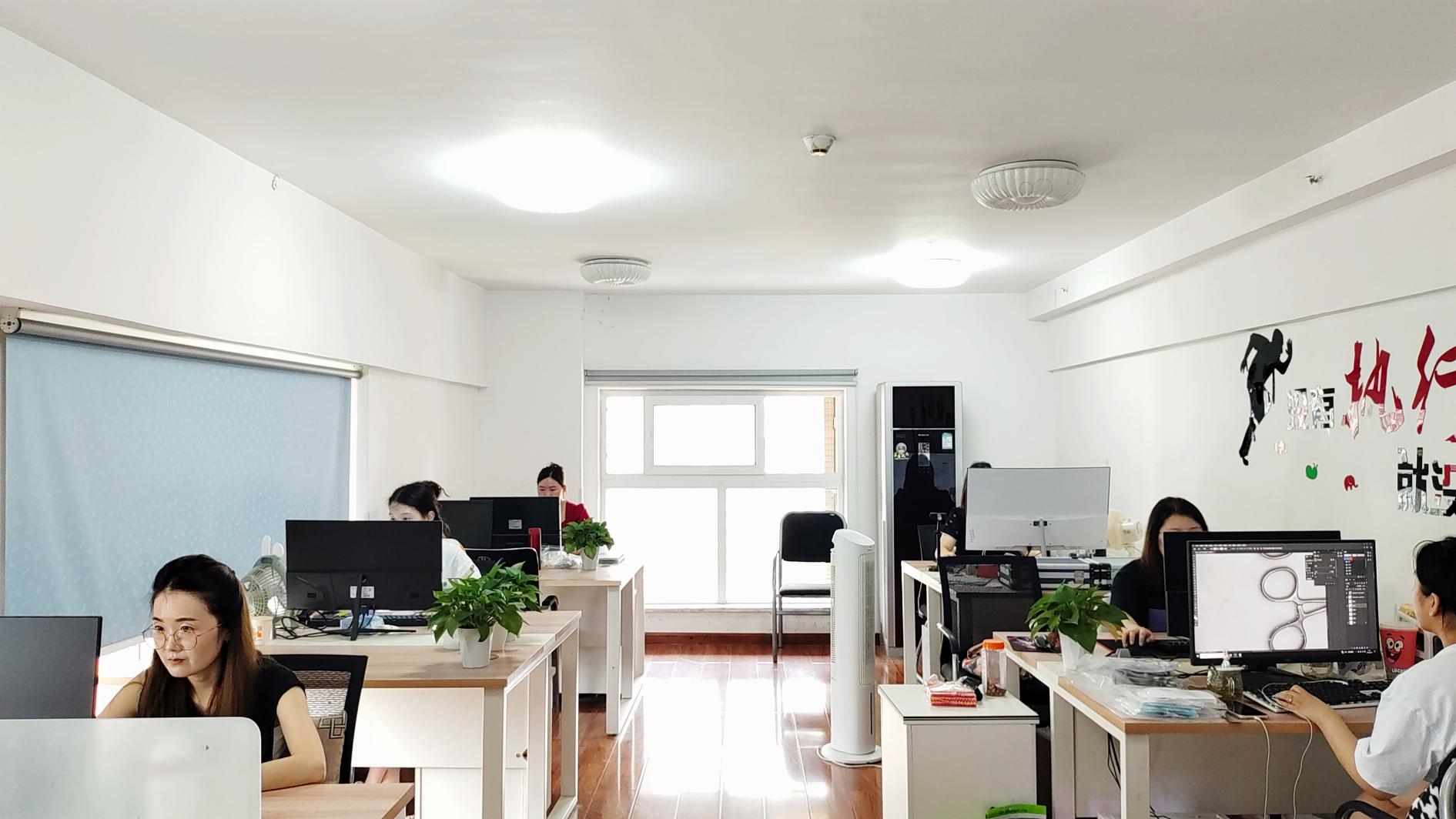
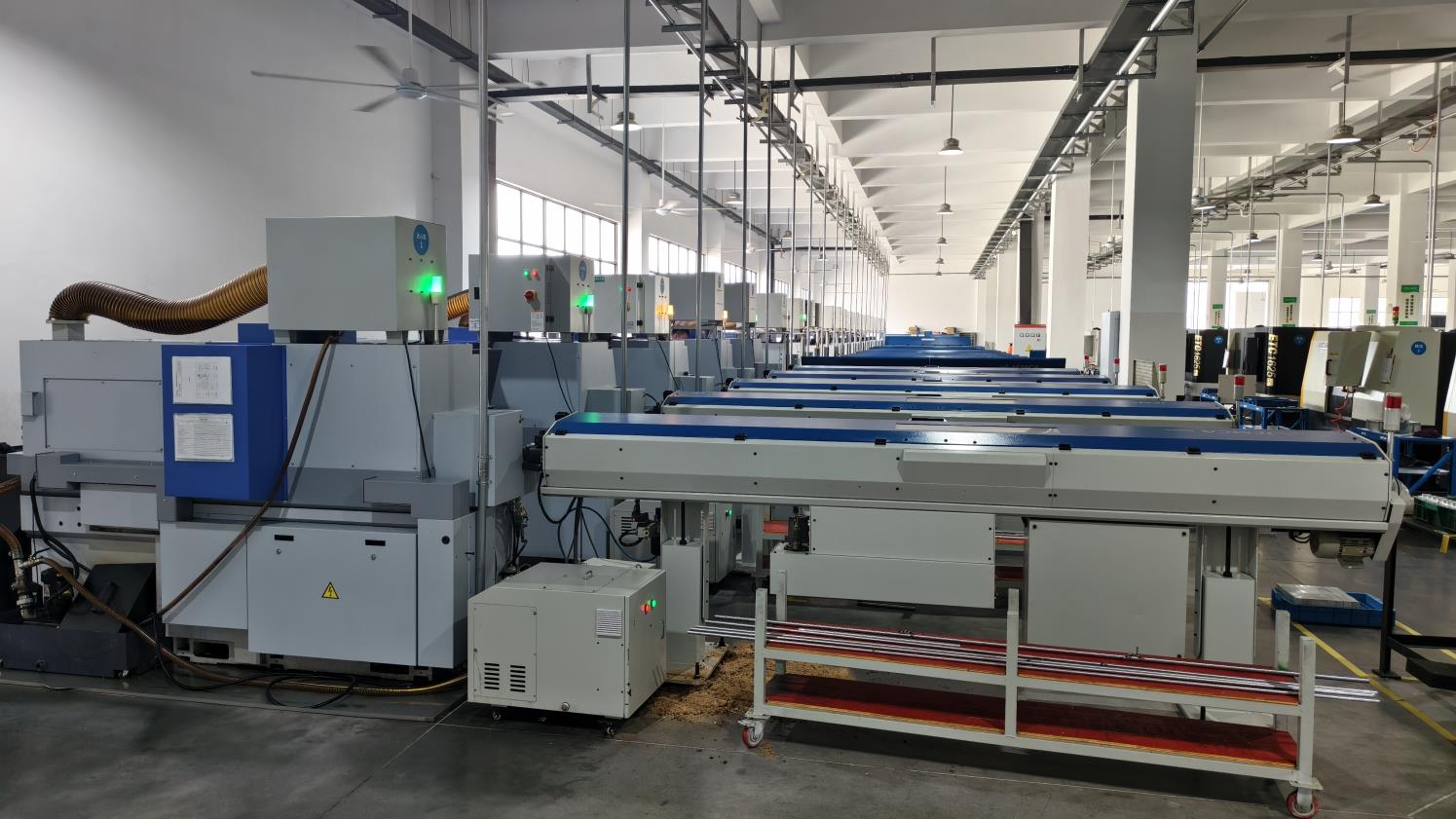
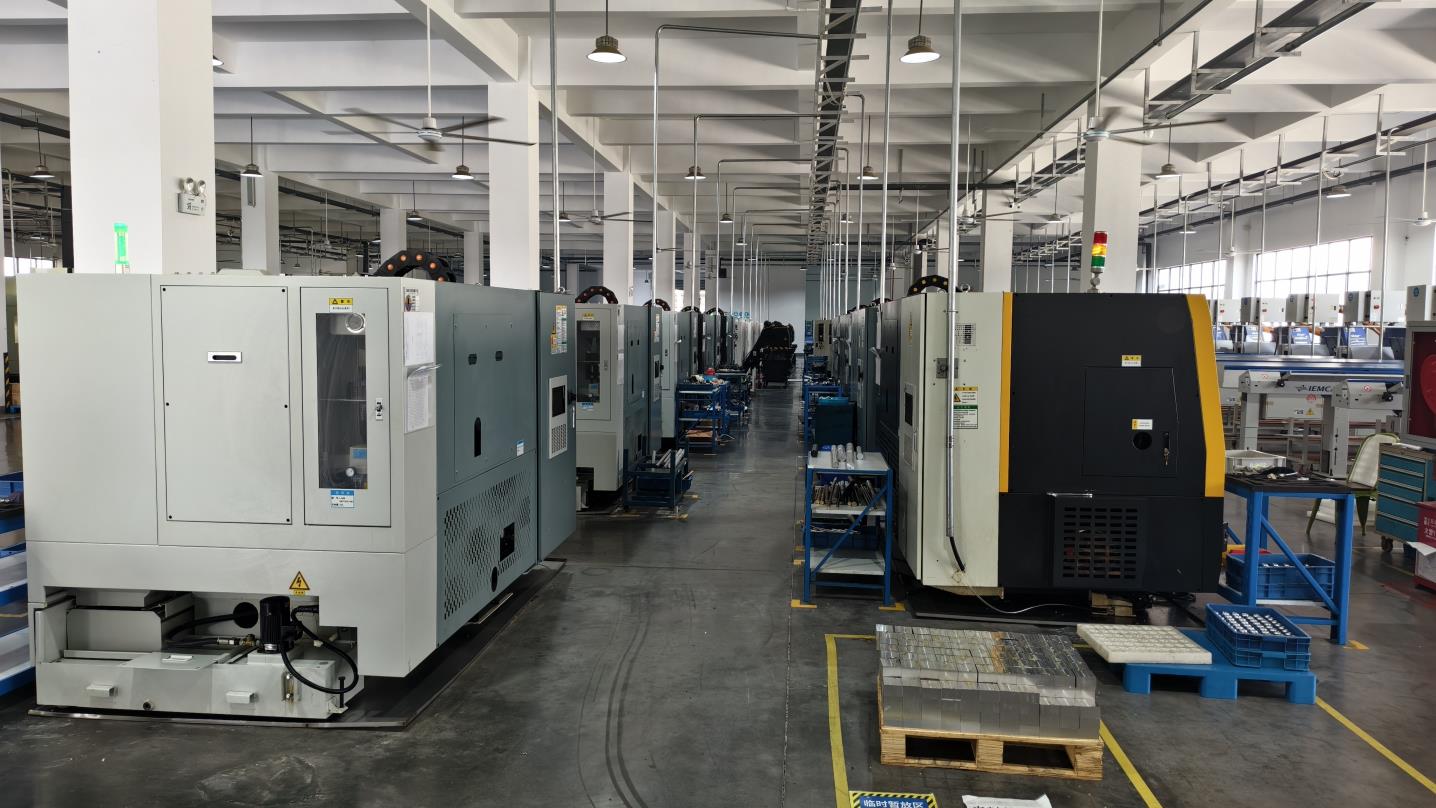
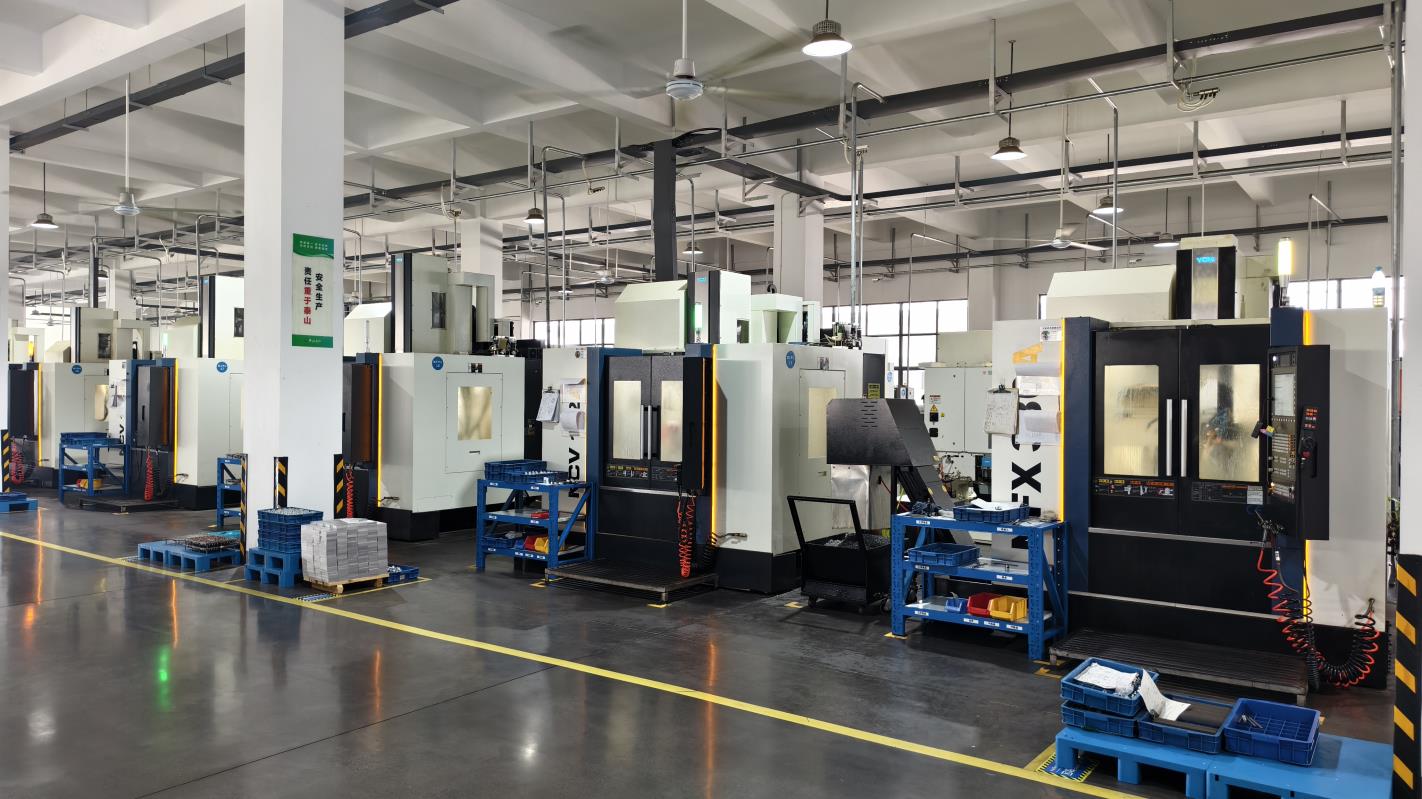
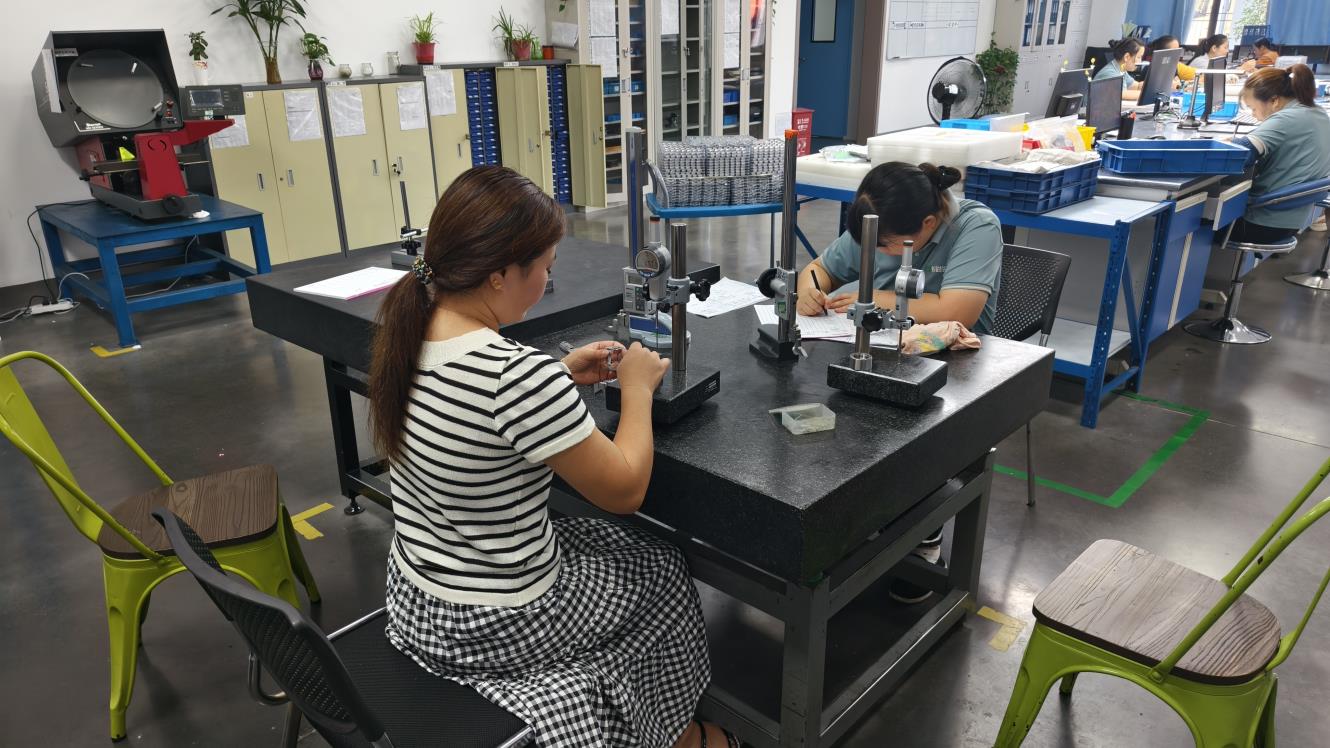
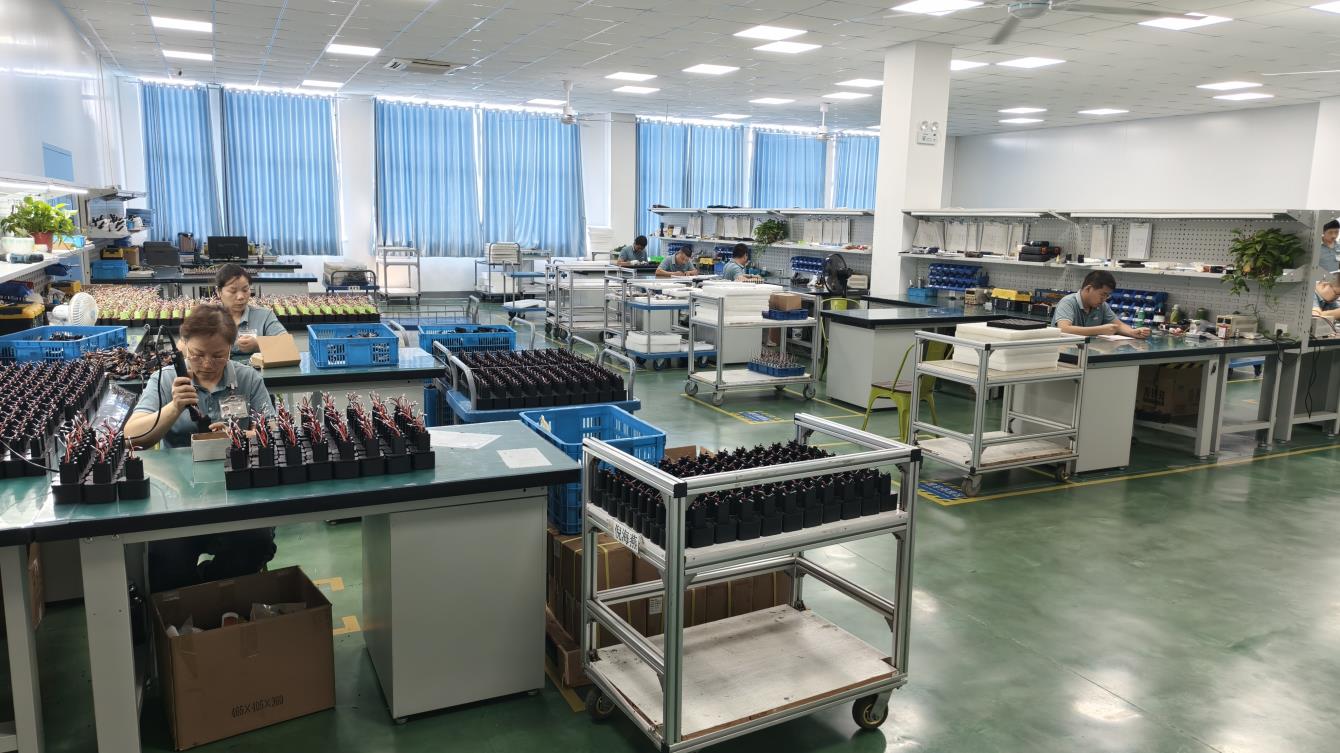
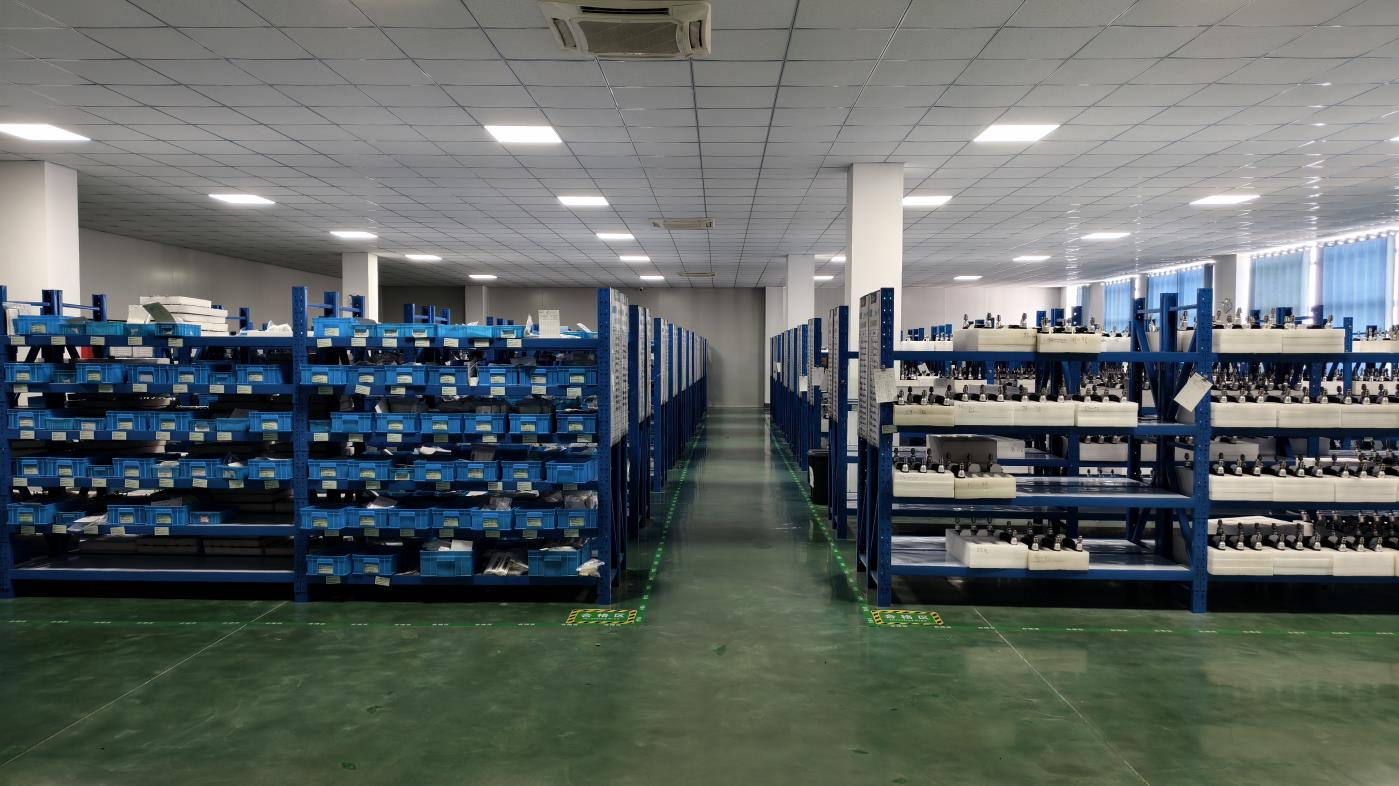
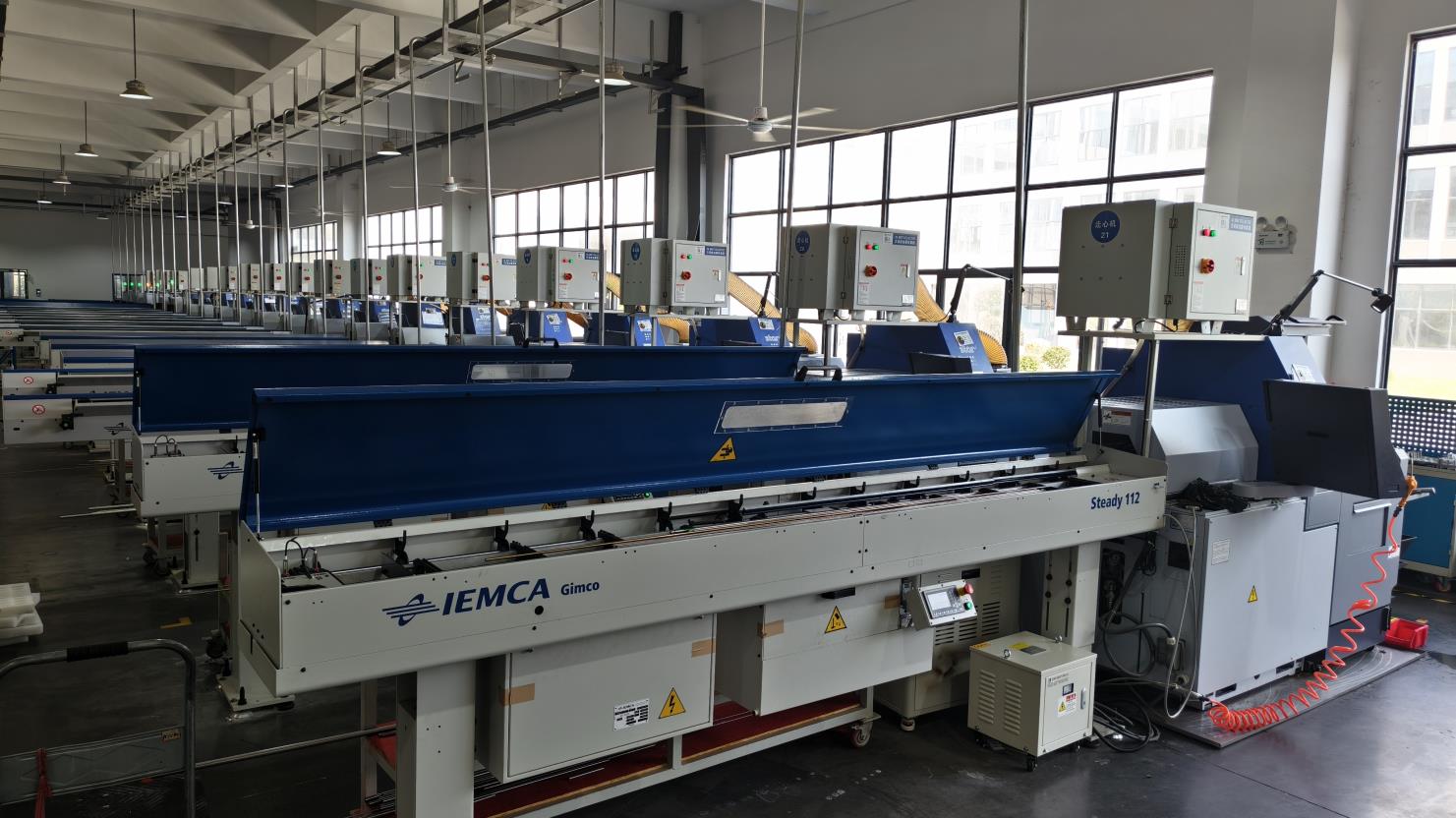
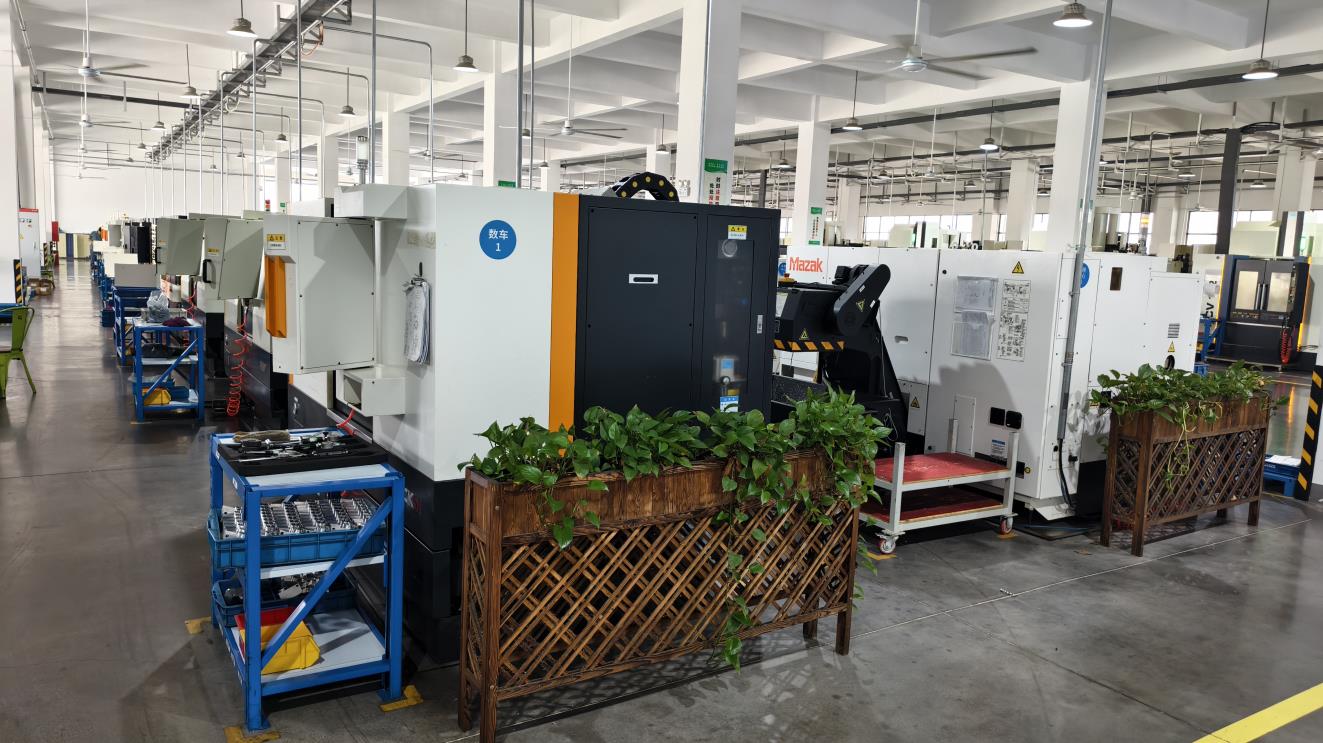
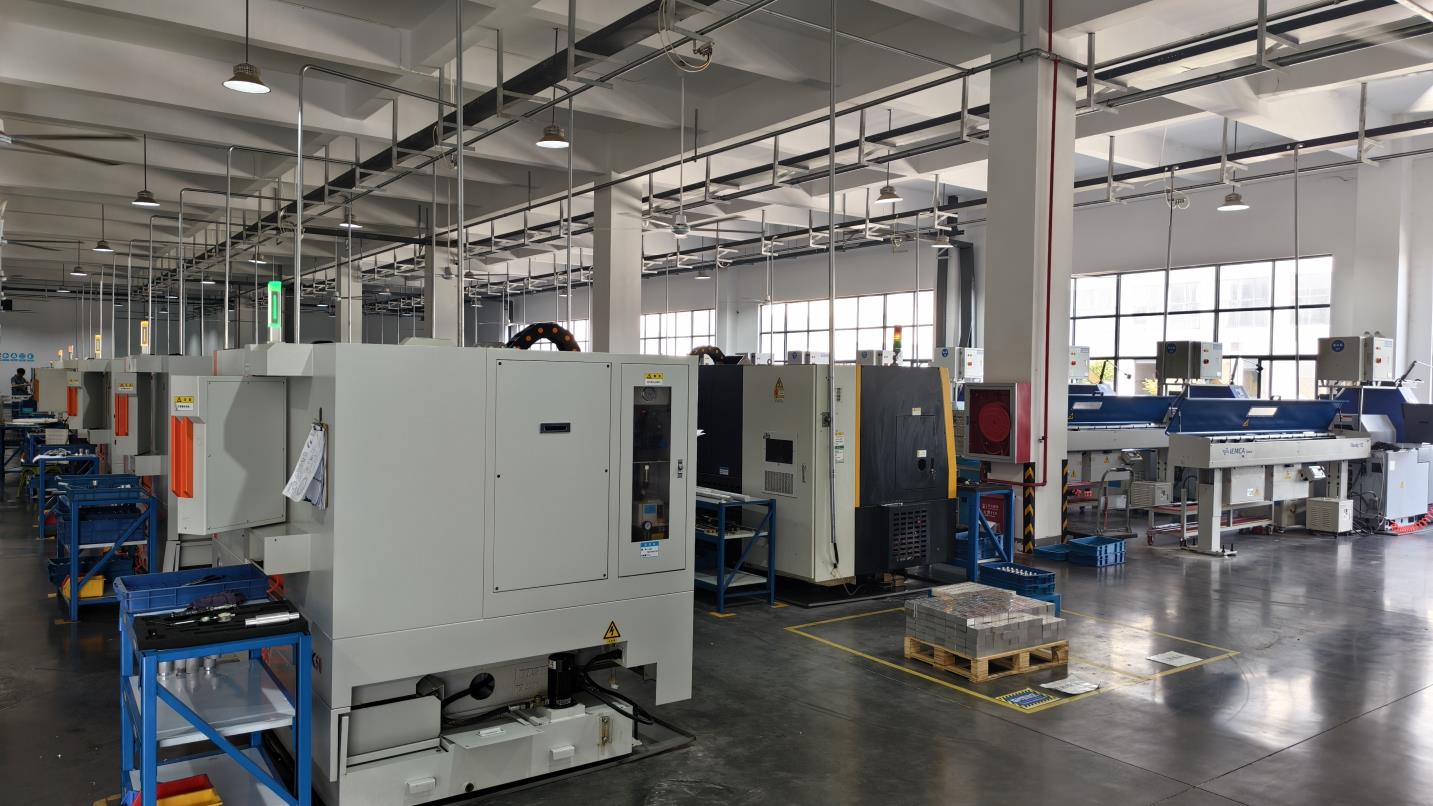
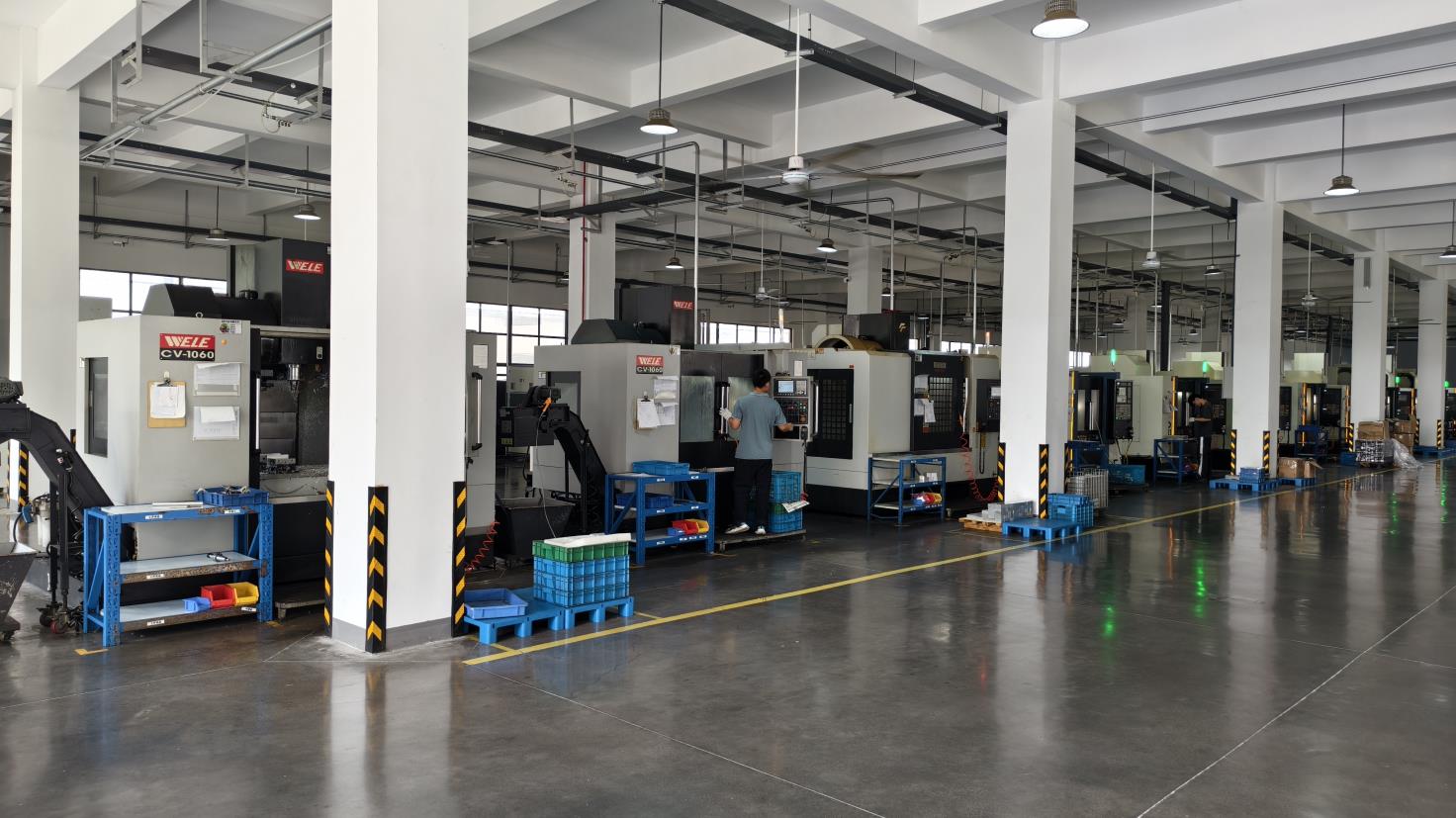
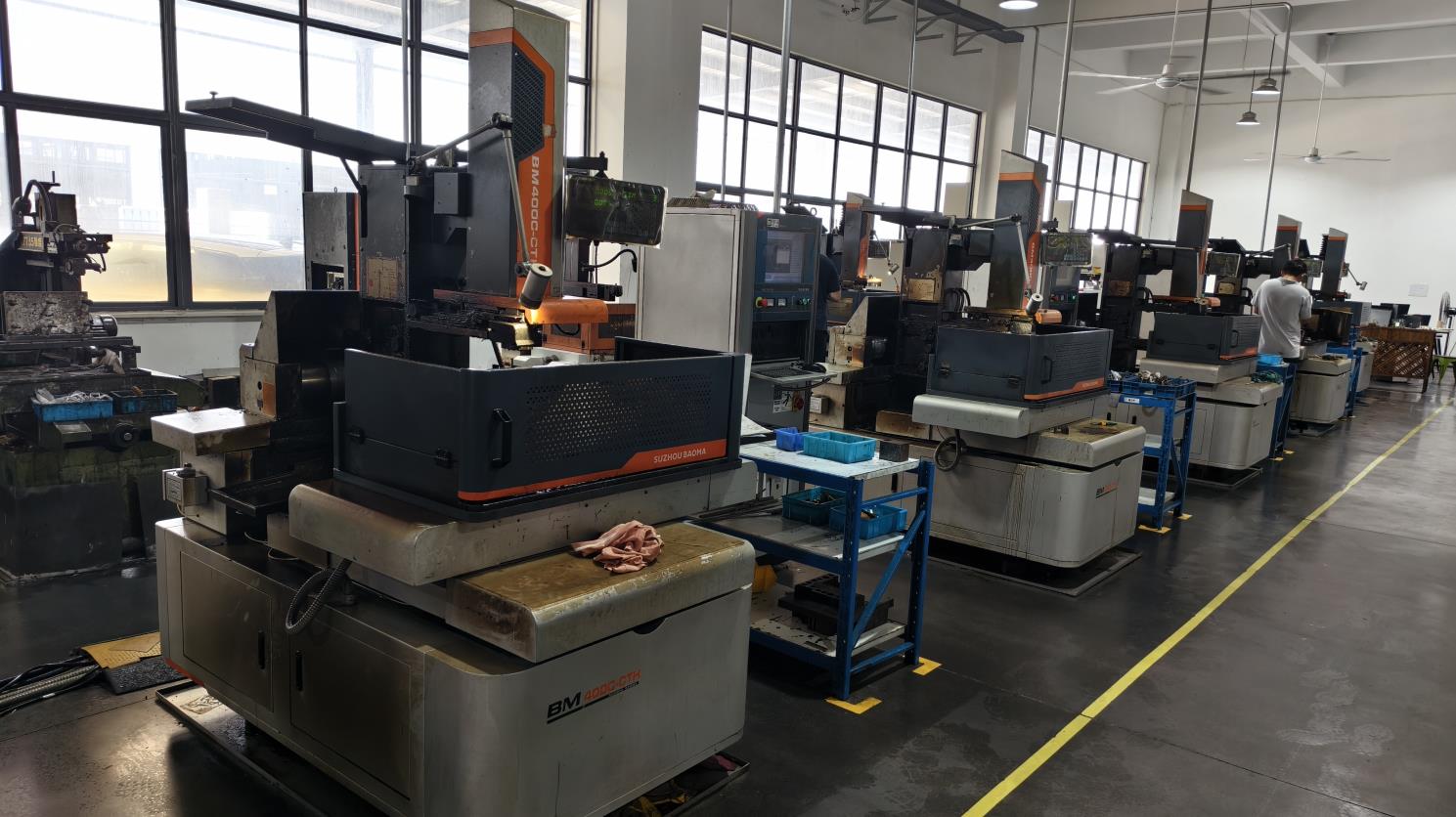
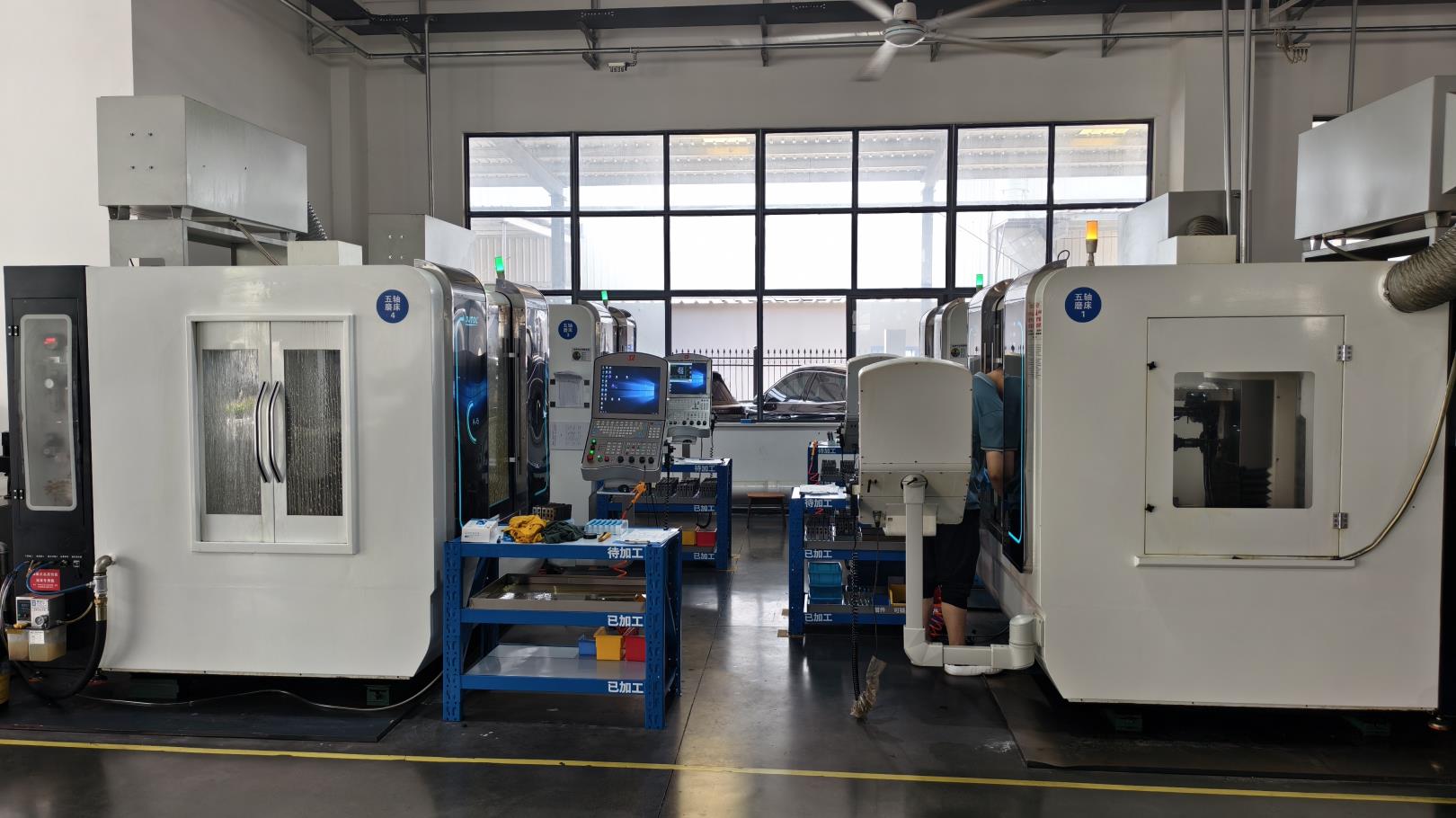
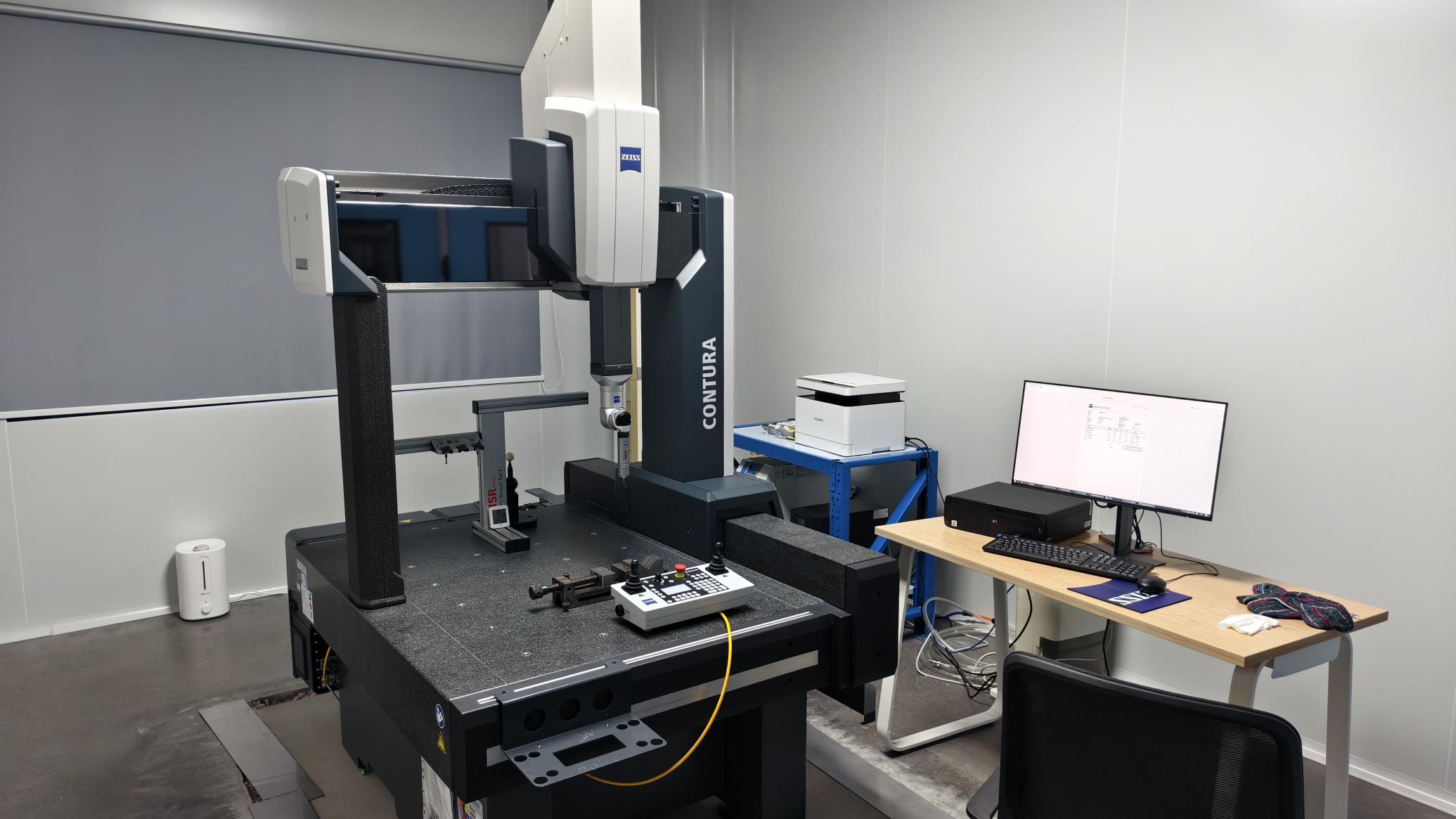
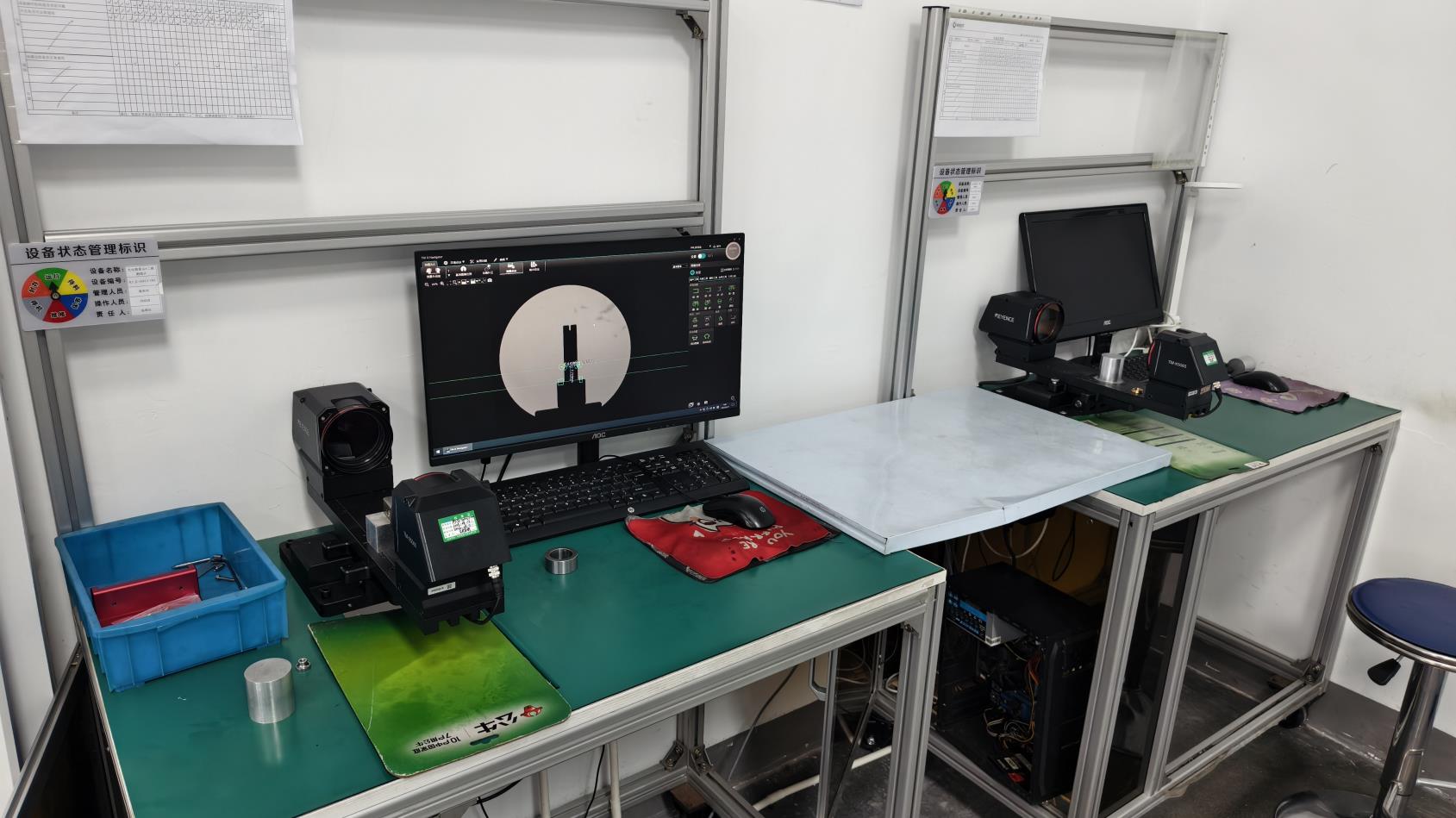
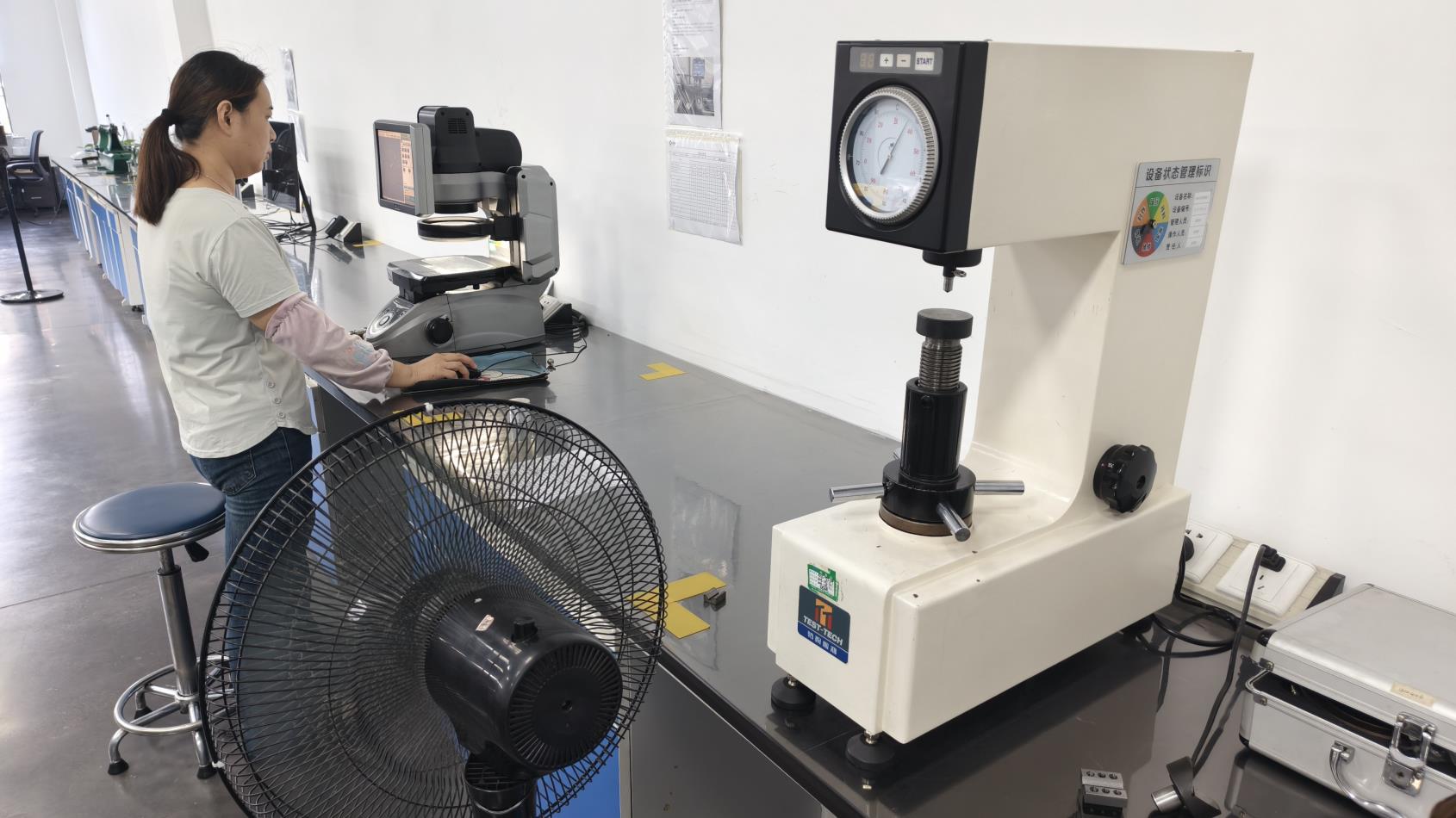
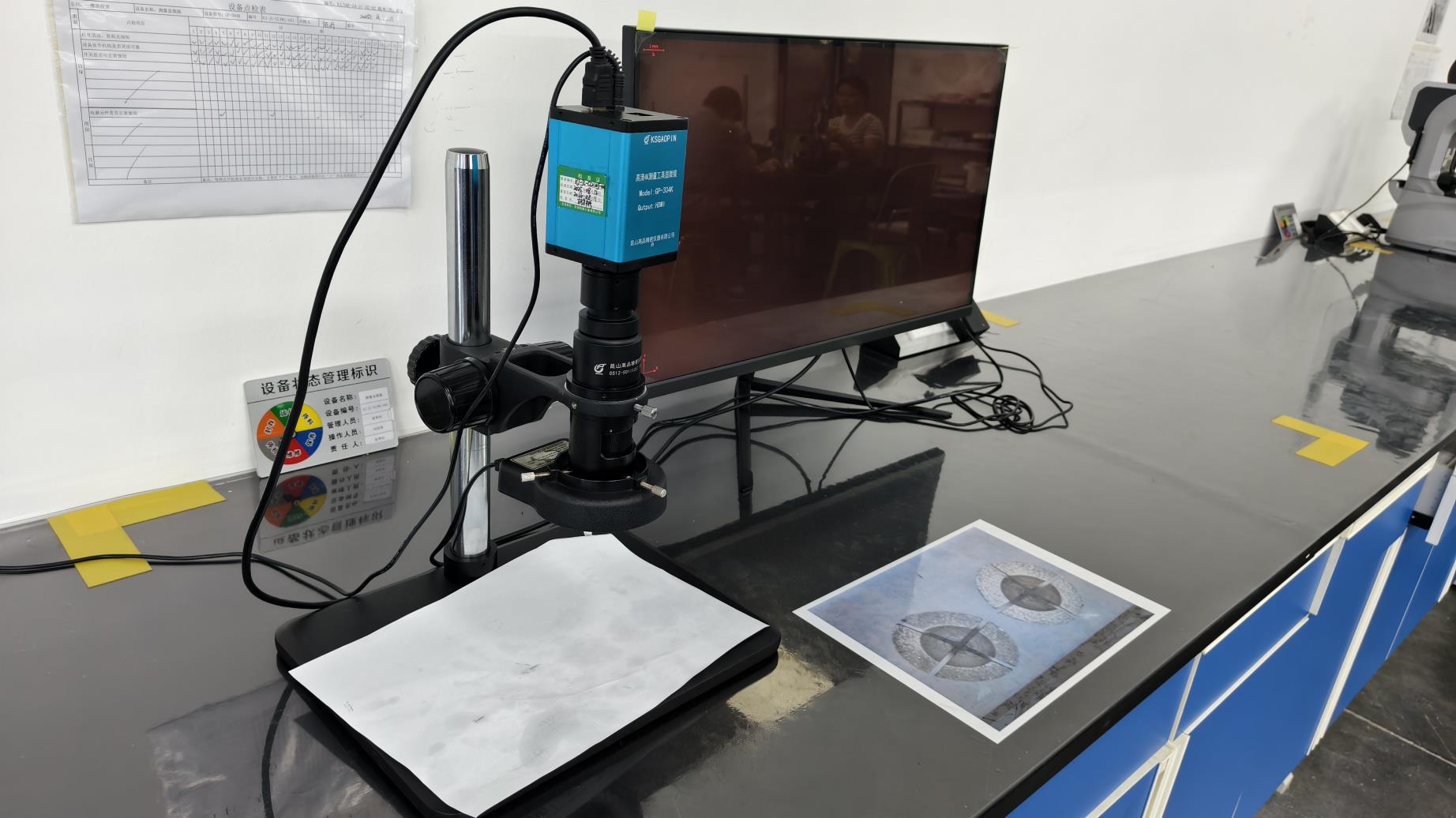
Full transparency regarding our factory parameters, quality control procedures, and customizable OEM services.
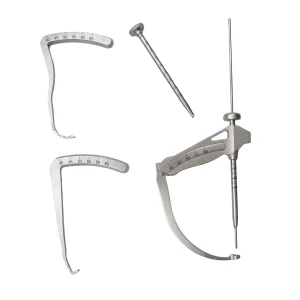
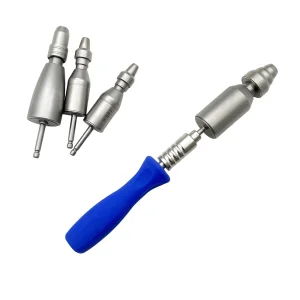
High-stability locators, quick coupling drills, measuring rules, and guided target positioning options.
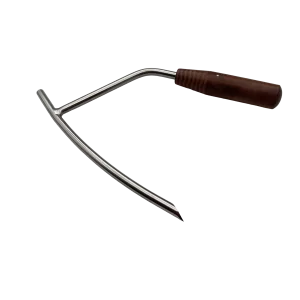
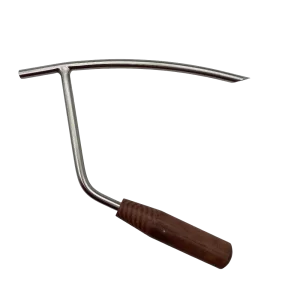
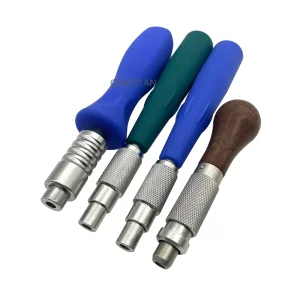
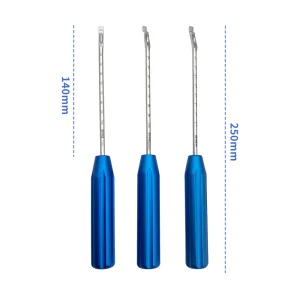
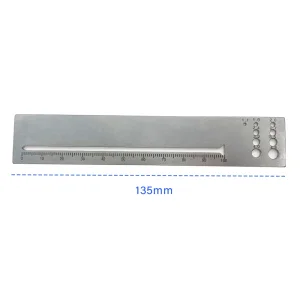
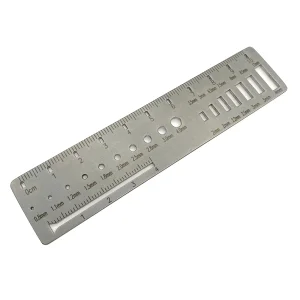
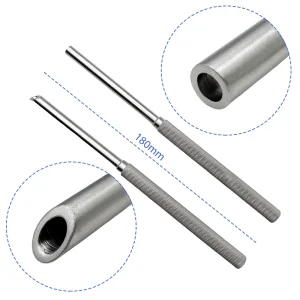
In Turkish hospitals, surgeons rely heavily on Kirschner wires for quick bone fracture stabilization in both pediatric and adult hand, wrist, and foot reconstructive procedures. Due to the high flow rate of urgent cases in metropolitan trauma units, Turkish surgeons need wires that penetrate bone easily without causing thermal bone necrosis. Our diamond-cut tip geometries offer clean bone insertion, reducing heat generation. High-quality raw material processing prevents the wires from flexing under axial load, ensuring long-term structural alignment during osseous consolidation.
With the growth of specialized veterinary services in Turkey, veterinary orthopedic surgeries have become highly technical. Miniature bone drill bits and guide wires are critical for delicate small-animal operations, such as fixing humeral fractures or stabilizing small joint subluxations. Our micro-diameters (0.8mm to 1.5mm) provide the durability and corrosion resistance needed to withstand harsh physiological conditions, helping minimize postoperative complication rates in veterinary clinics.
Orthopedic instrumentation in Turkey undergoes intensive sterilization cycles daily. Because of this, standard stainless steels are prone to rapid surface oxidation and micro-pitting. To prevent corrosion, all our surgical instruments undergo automated electrochemical passivation. This creates an oxide barrier that resists frequent autoclaving, helping prolong the life of your surgical kits and protecting your bottom line.
Answers to questions about custom ordering, shipping logistics, and regulatory compliance in the Turkish market.
Get custom product configurations, batch trace certifications, and reliable direct-from-factory pricing for the Turkish medical market.