 SENJIE Healthy & Technology
SENJIE Healthy & Technology
SENJIE Healthy & Technology
Explore our primary certified medical instruments, engineered for orthopedic procedures, micro-incisions, and specialized clinical operations across Hamburg hospitals.
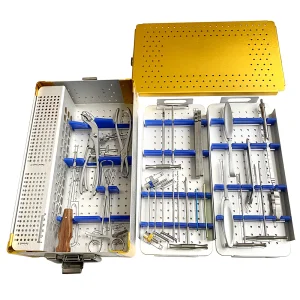
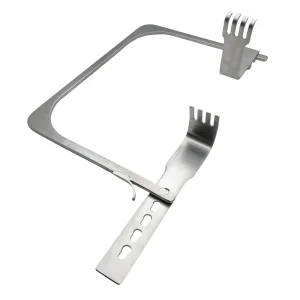
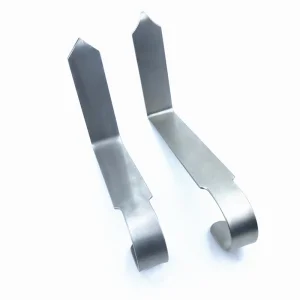
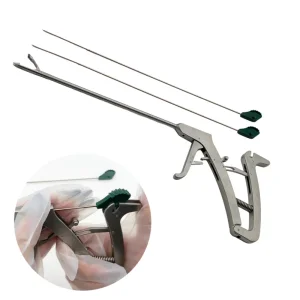
The Free and Hanseatic City of Hamburg is widely recognized as a premier European hub for medical technology, biotechnology, and precision engineering. Through clusters like *Life Science Nord*, the region bridges clinical excellence at institutions such as the University Medical Center Hamburg-Eppendorf (UKE) with world-class production facilities. Medical practitioners and veterinary surgeons in Northern Germany demand blades and surgical instruments that conform to strict German and European medical regulations.
As micro-invasive surgical technologies expand, the tolerance parameters of cutting edges, surgical osteotomes, bone saws, and microscopic dissection blades have reached sub-micron levels. For suppliers in the Hamburg region, this means transitioning from traditional metallurgy to advanced coating methods such as amorphous diamond-like carbon (DLC), high-hardness tungsten carbides, and ultra-passivated martensitic stainless steels. Our production line actively meets this local requirement, securing reliable tools for both human clinical settings and animal clinics throughout the Schleswig-Holstein and Hamburg territories.
Every instrument supplied to the Hamburg medical sector complies fully with the European Medical Device Regulation (MDR 2017/745). Our sterilization-grade steels, including customized 440C and 316L, undergo rigorous thermal stabilization treatments to resist repeated autoclaving procedures common in German sterile processing departments (CSSD).
Precision medical cutting tools—ranging from micro-neurosurgical knives to heavy-duty orthopedic bone cutting burs—require structural integrity to prevent metal fatigue, thermal damage, and particulate shedding. In orthopedic surgical applications, structural deformation of a cutting edge or bur can lead to localized bone tissue necrosis. Our design philosophy relies on three pillars of macro solutions:
Utilizing high-purity Tungsten Carbide and Cobalt alloys to maximize Rockwell hardness (HRC > 60). This ensures the cutting blades and rotating teeth remain sharp over extended cycles, minimizing friction during orthopedic osteotomies.
Employing electro-chemical polishing, passivation, and physical vapor deposition (PVD) to create an inert surface layer. This prevents micro-corrosion in saline solutions and limits cellular adhesion during bone plate and screw fixation.
Developing customizable handle balances and quick-locking adapters (such as AO couplings) that integrate smoothly with standard surgical systems utilized in modern European surgical suites.
Precision tools are not one-size-fits-all. In Hamburg, we address surgical needs across three distinct clinical categories:
Our AO Lower Limb Locking Plate sets and Cannulated Screw Instruments are built for specialized trauma surgeries. They align with standard surgical workflows in major metropolitan clinics across Germany, facilitating stable skeletal reconstruction.
Using specialized shoulder suture passers and knee scorpion instruments, surgeons can perform complex ligament reconstructions (ACL/PCL) through minimal incisions, reducing patient recovery times and hospital stays.
Micro knives designed for neurosurgical environments offer high blade sharpness retention, enabling precise tissue separations in vascular, spinal, and cerebral surgical procedures.
Get in touch with our medical instrument design team to match custom surgical requirements, compliance document packs, or volume pricing for Hamburg distributors.
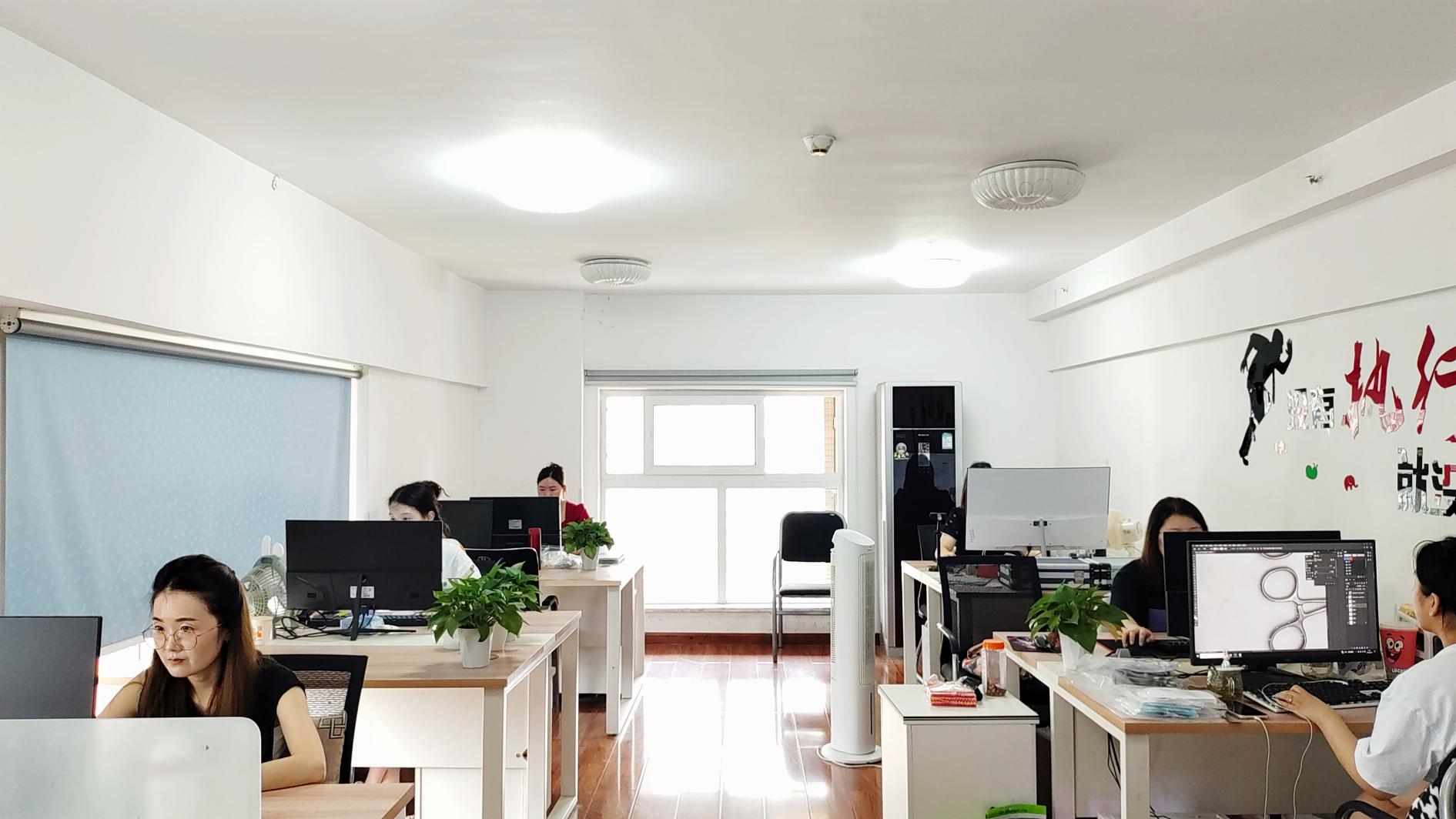
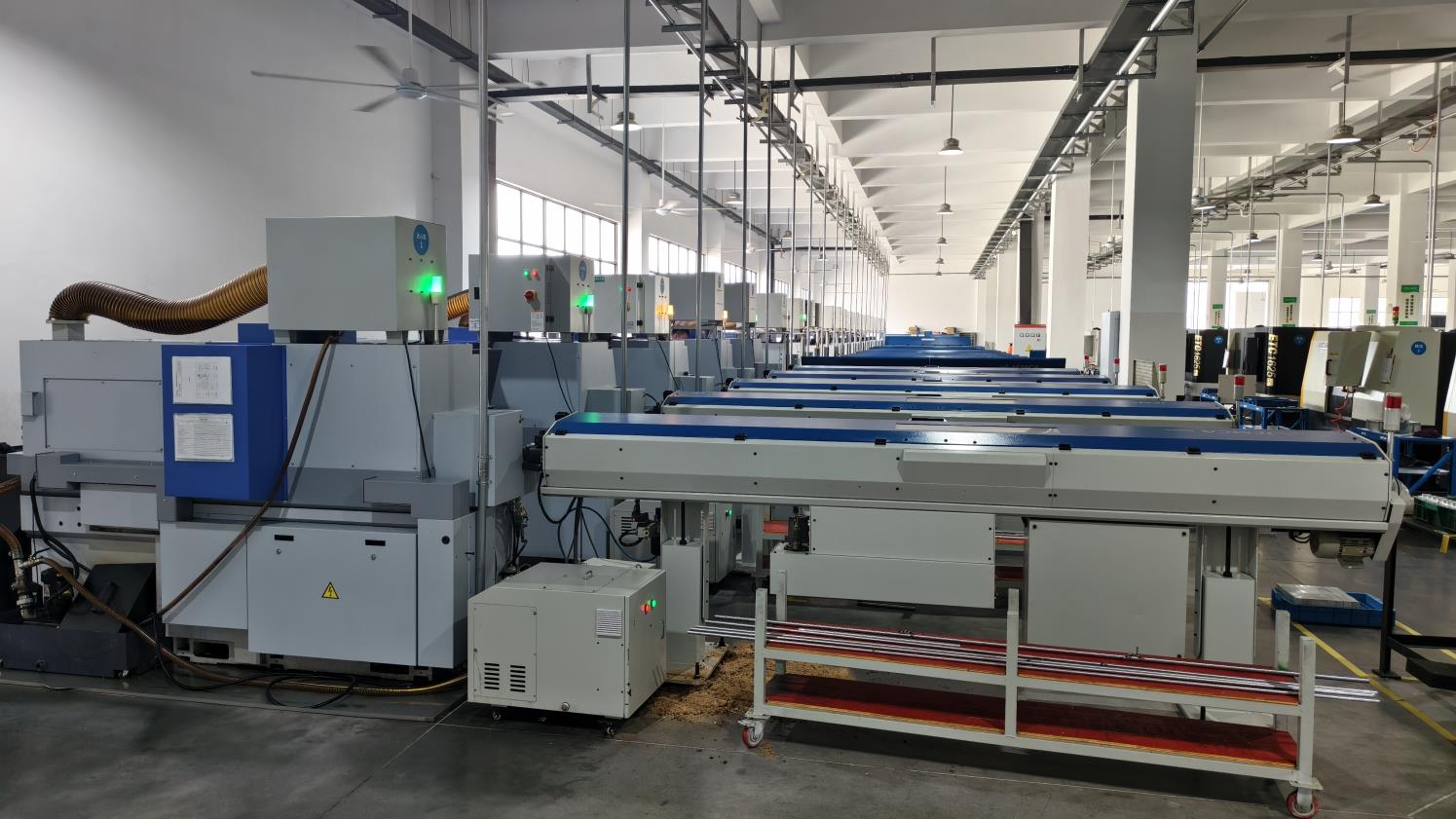
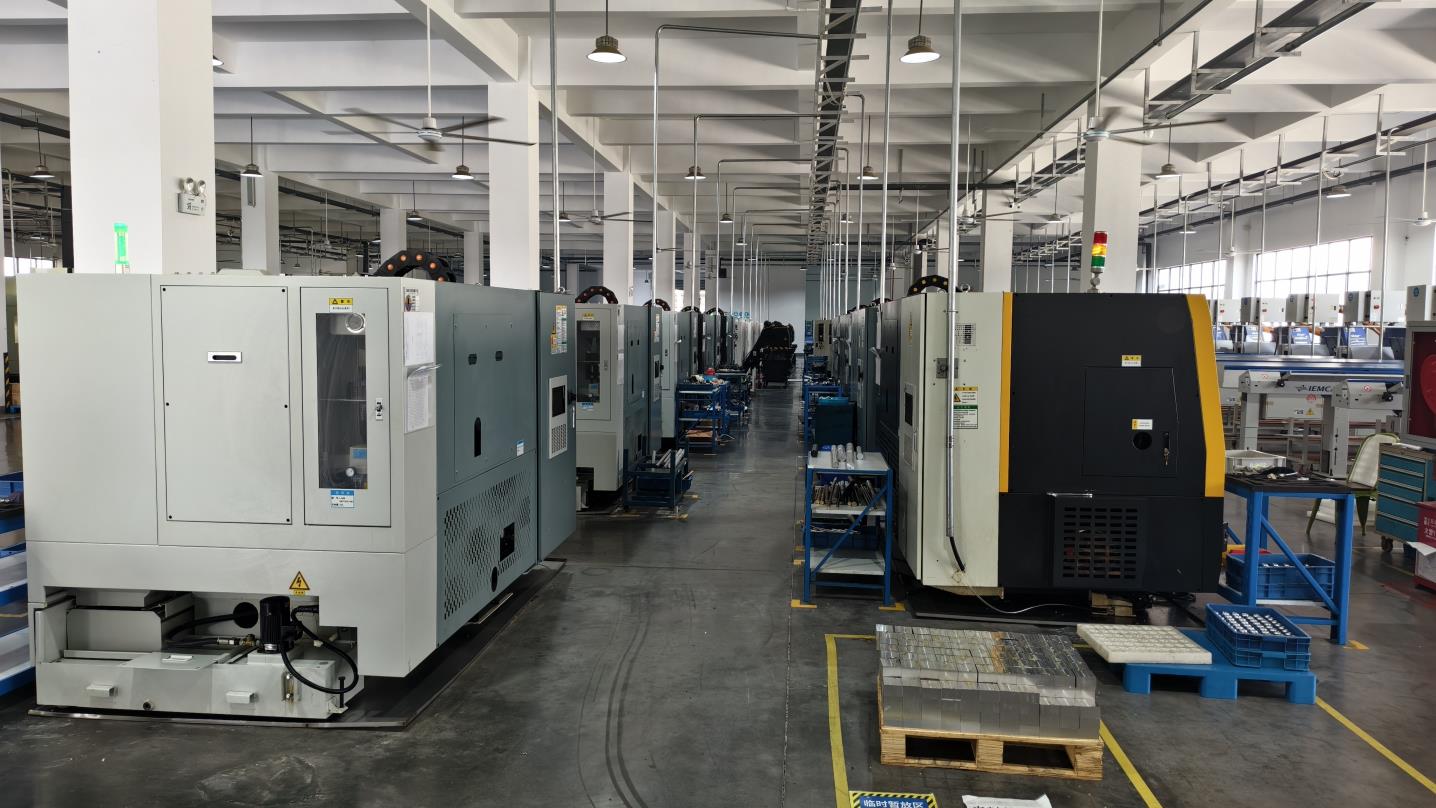
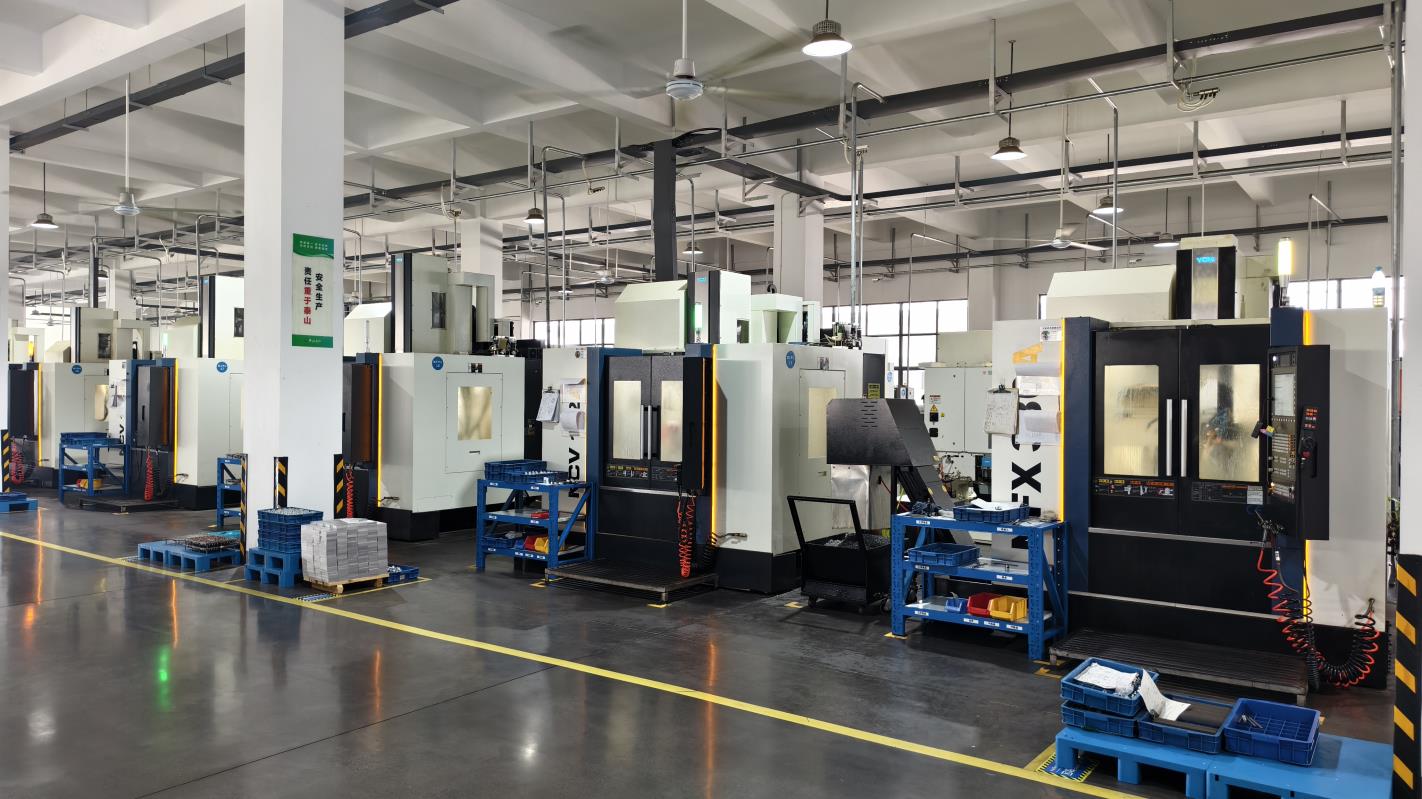
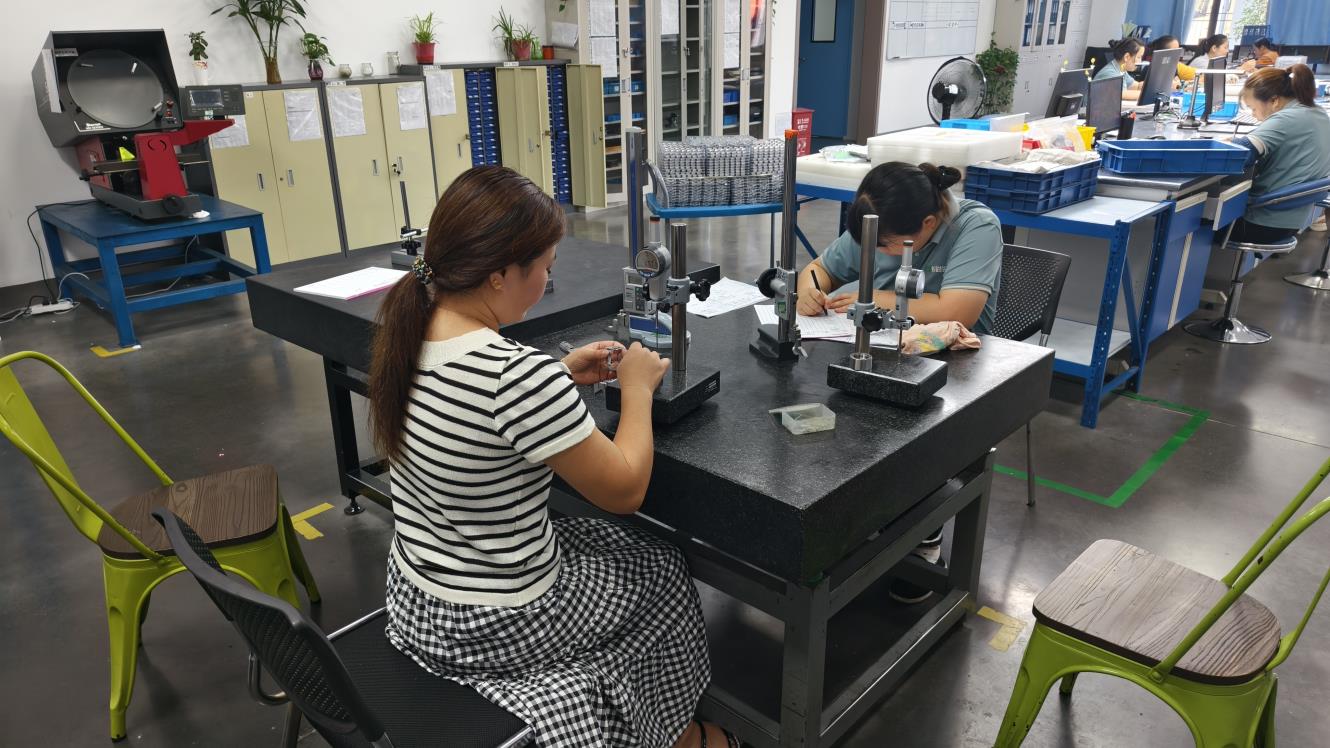
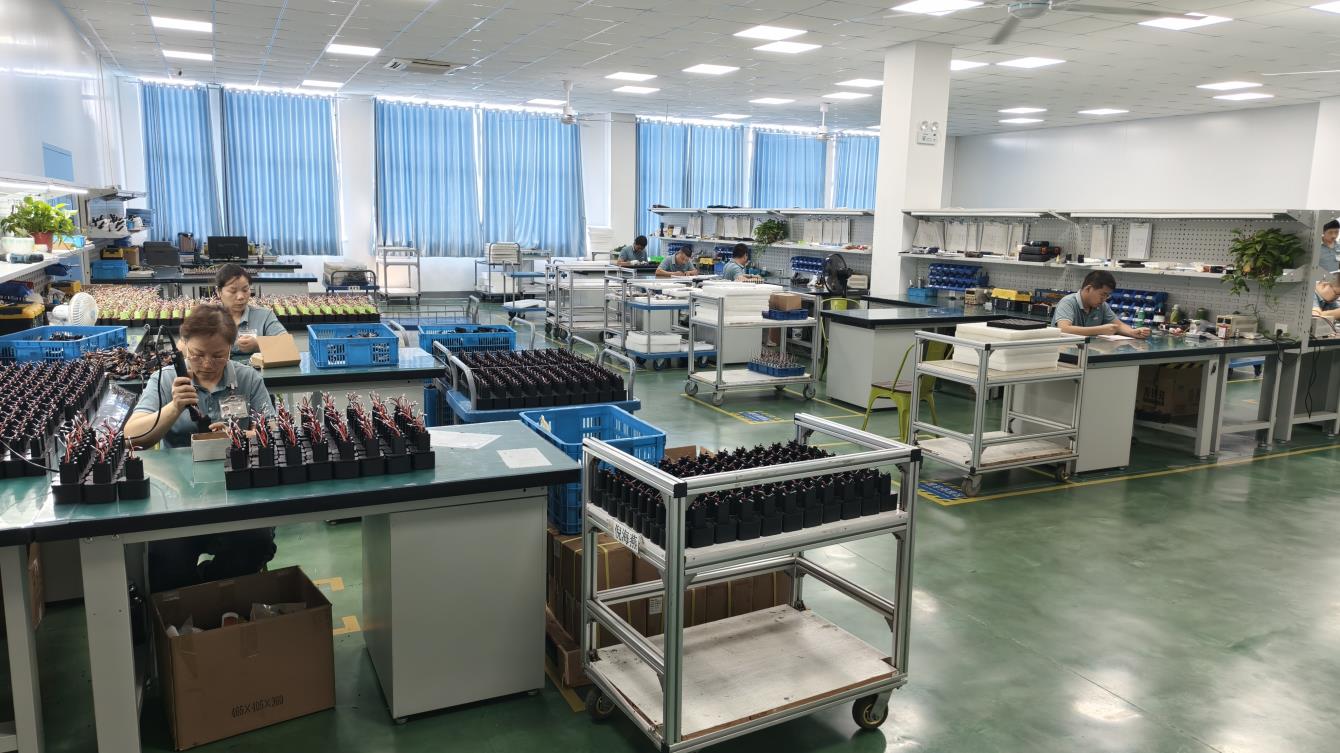
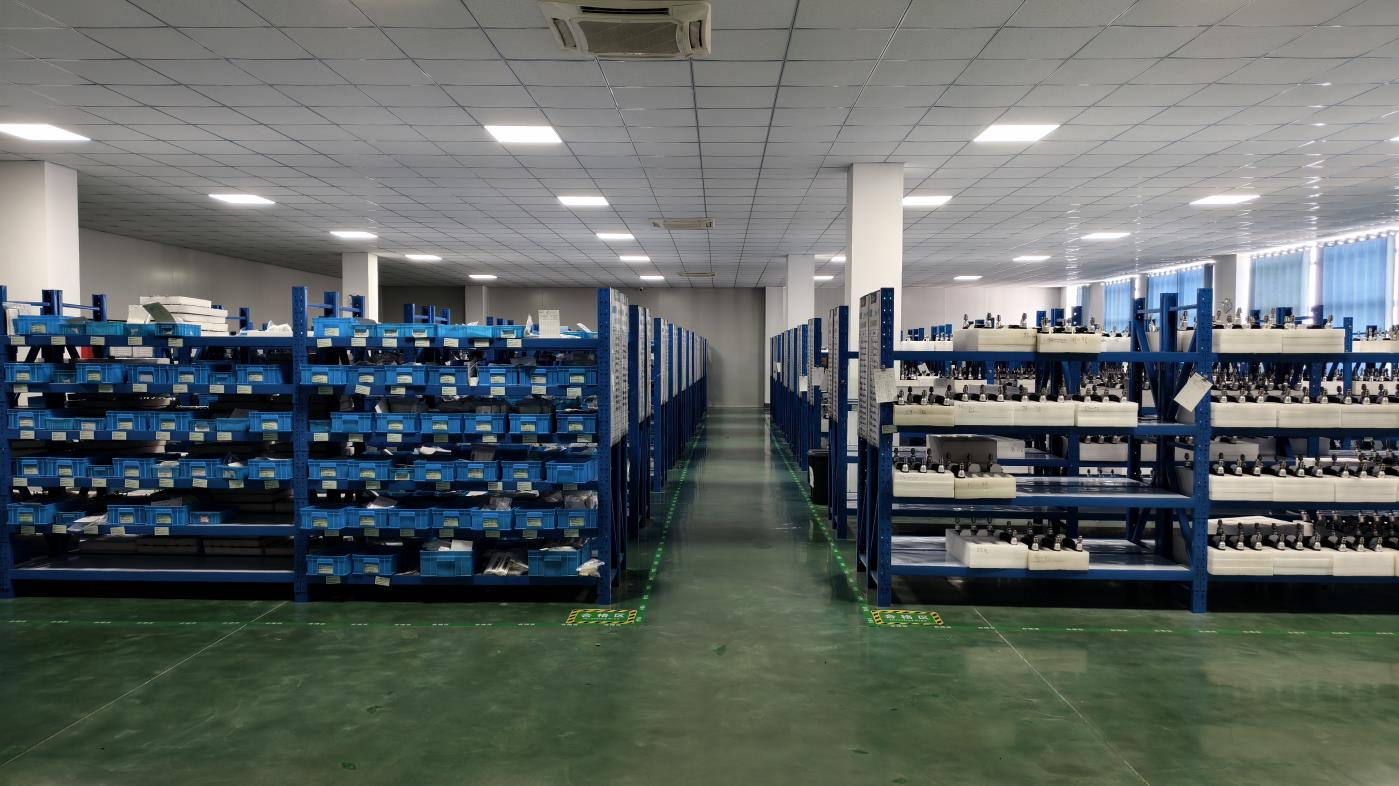
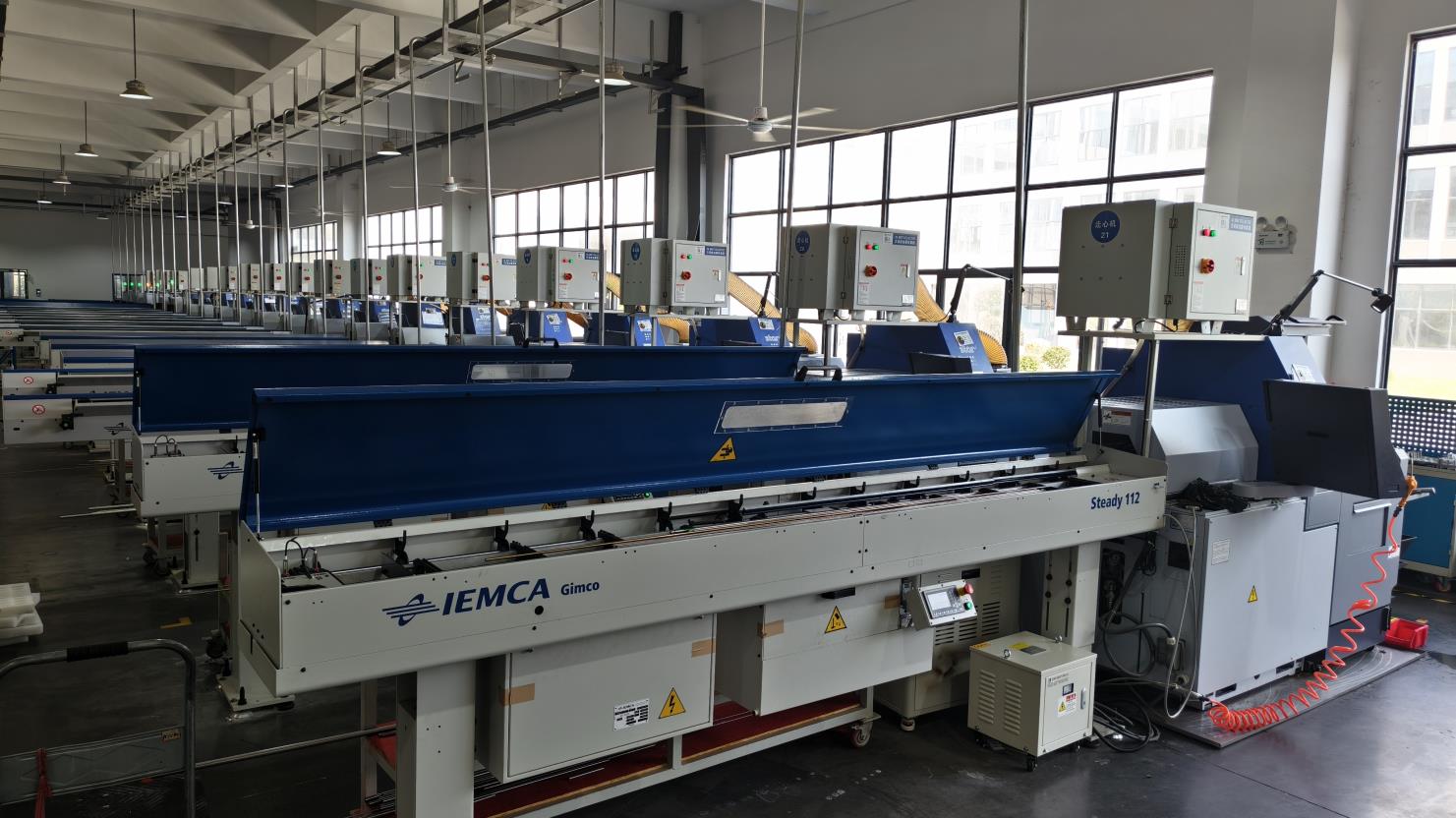
Send Inquiry NowTake a virtual walkthrough of our production capabilities, raw material processing, and specialized clinical hardware testing.
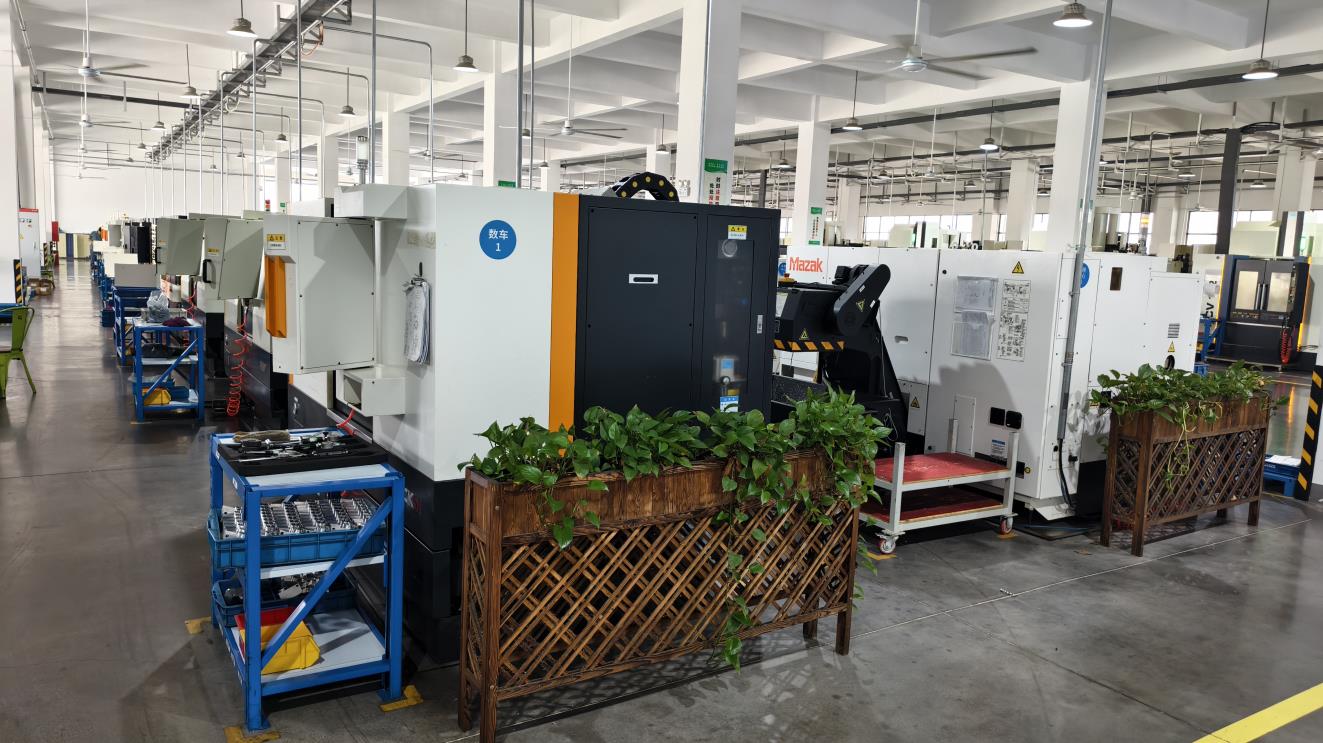
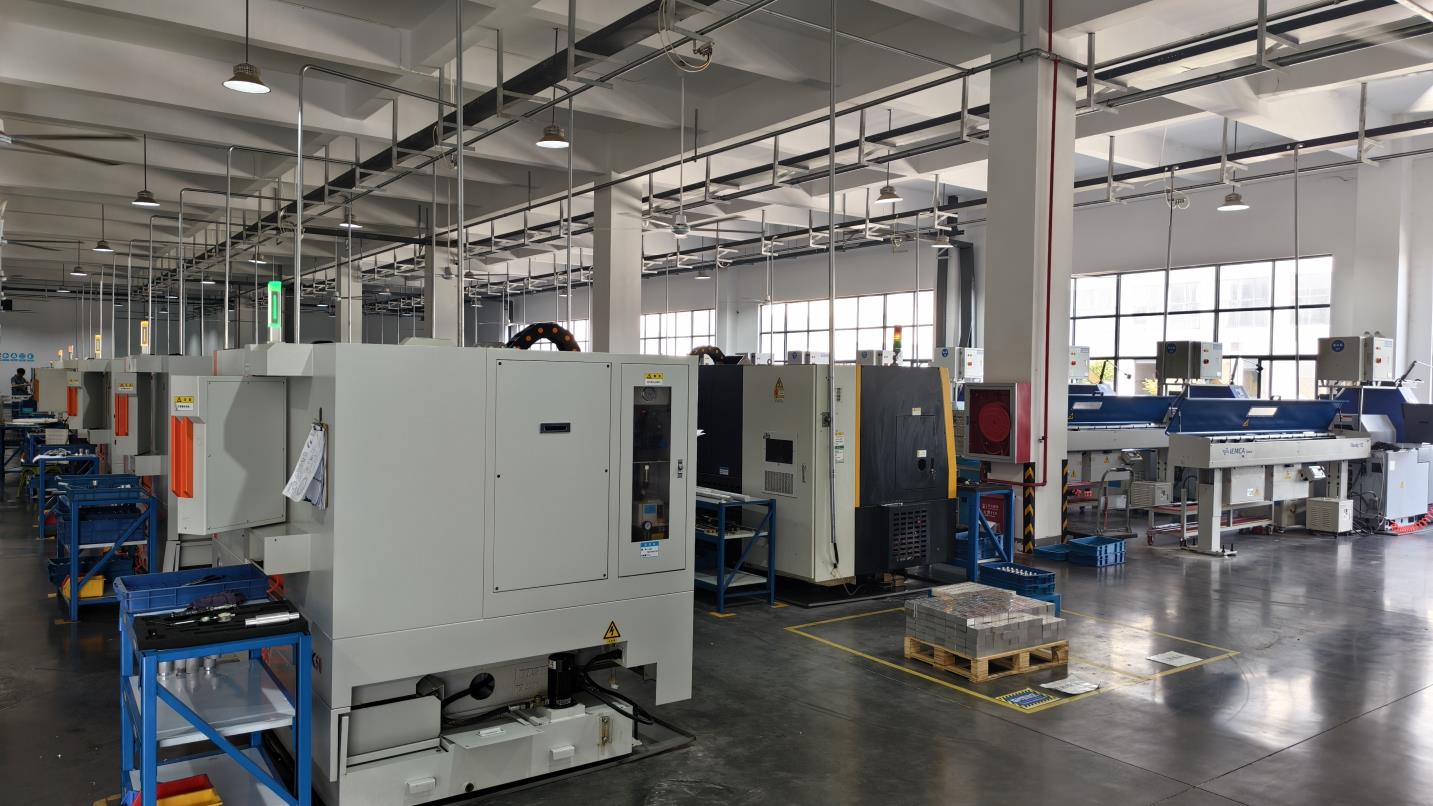
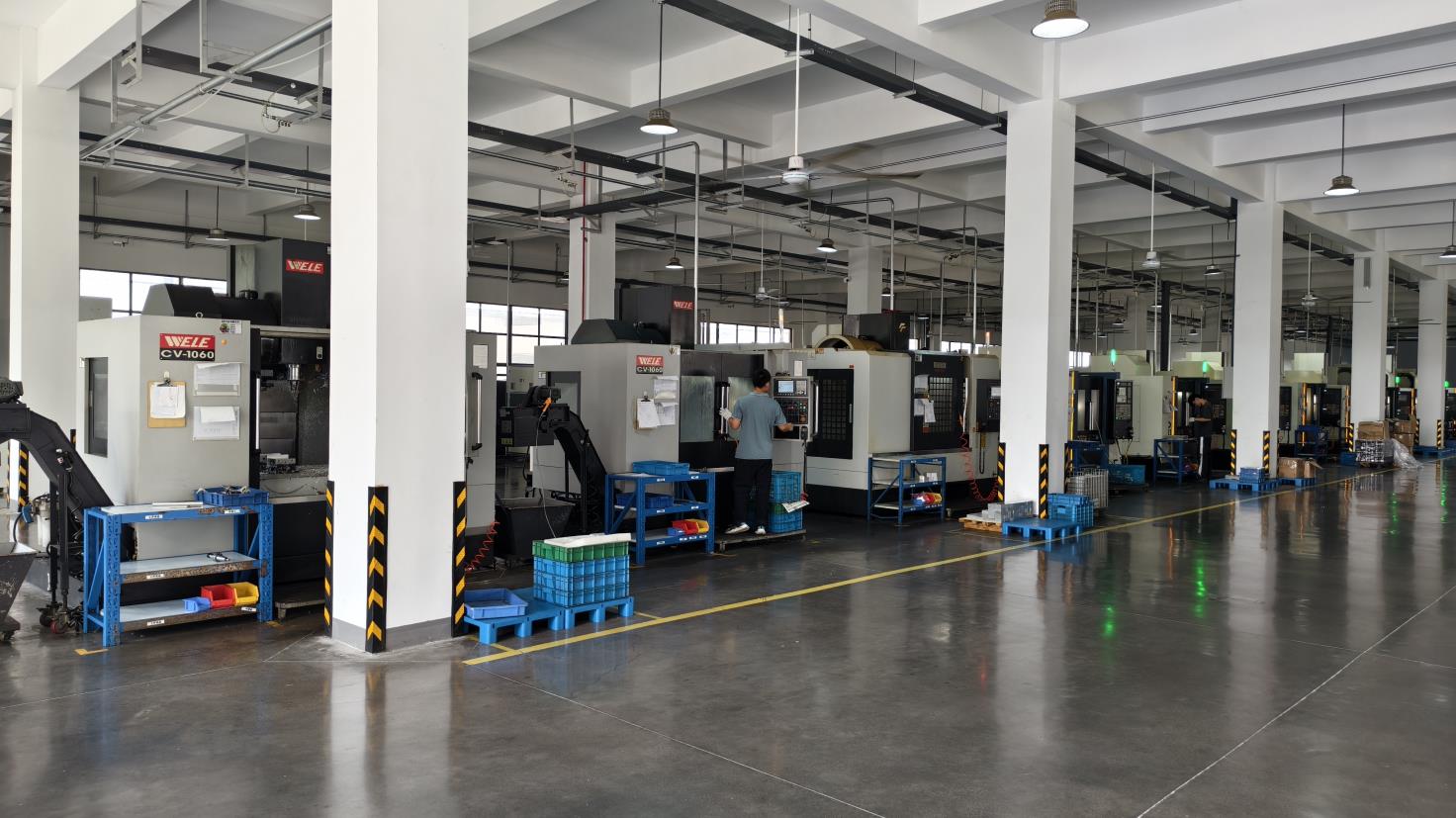
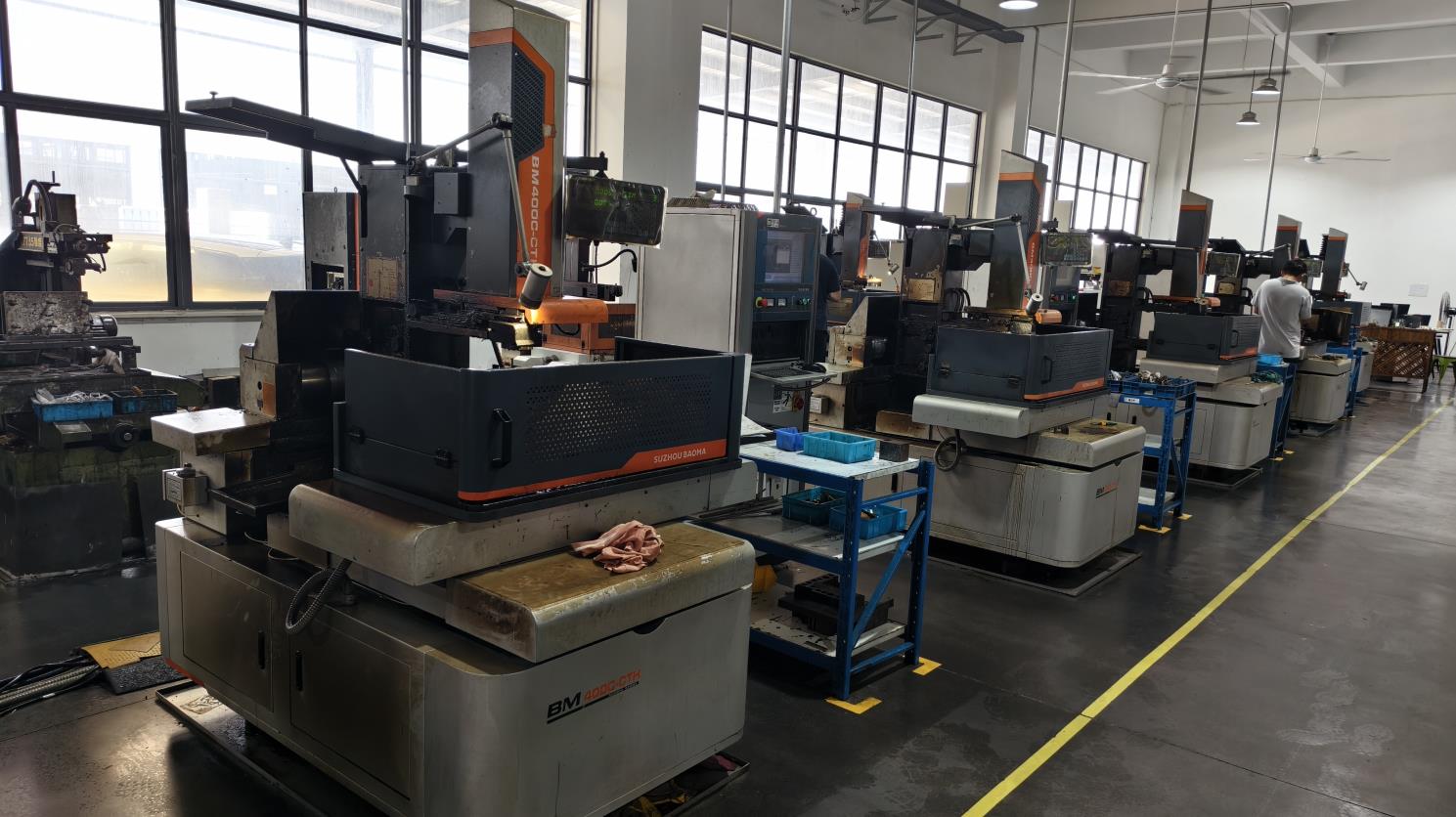
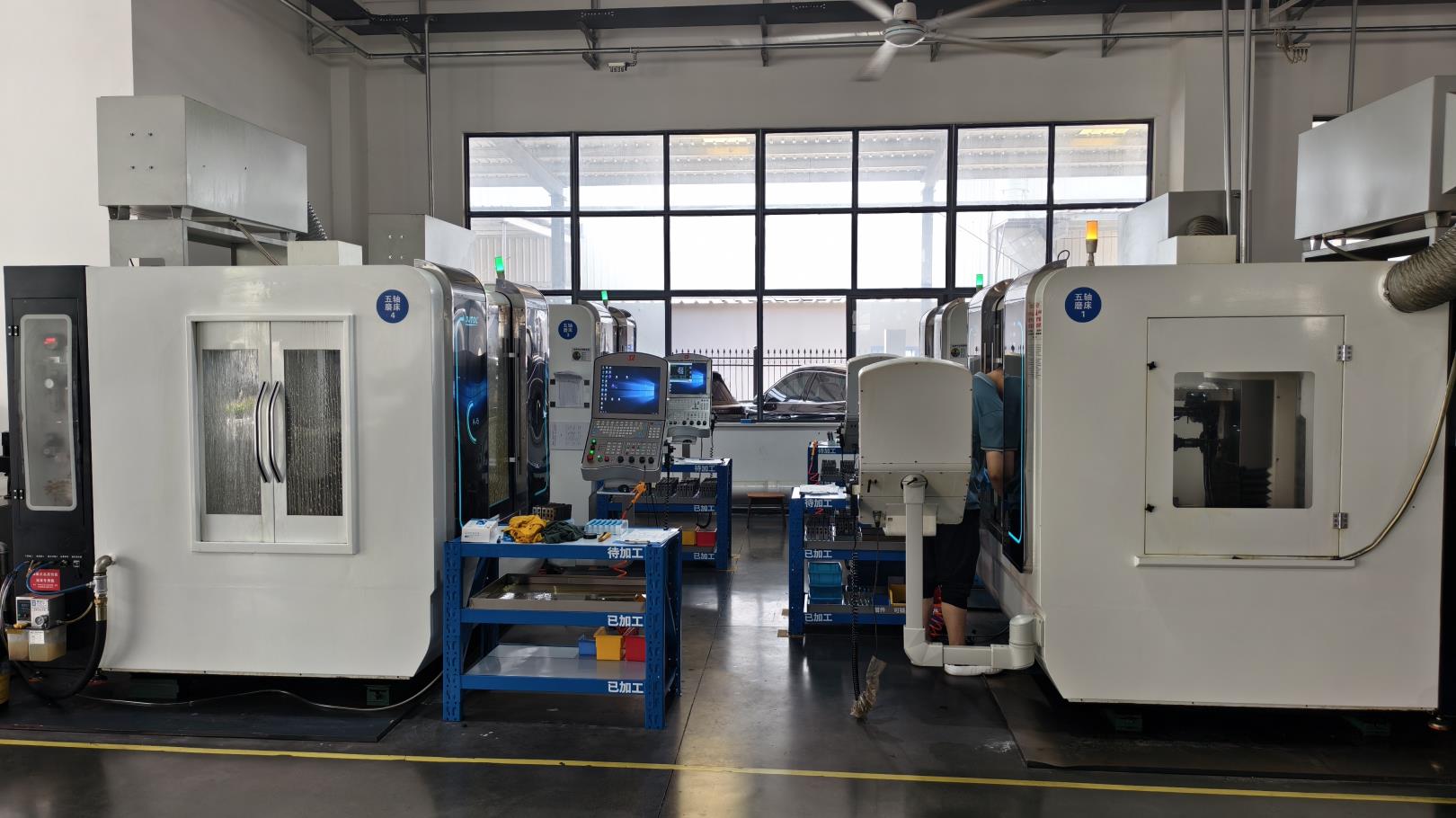
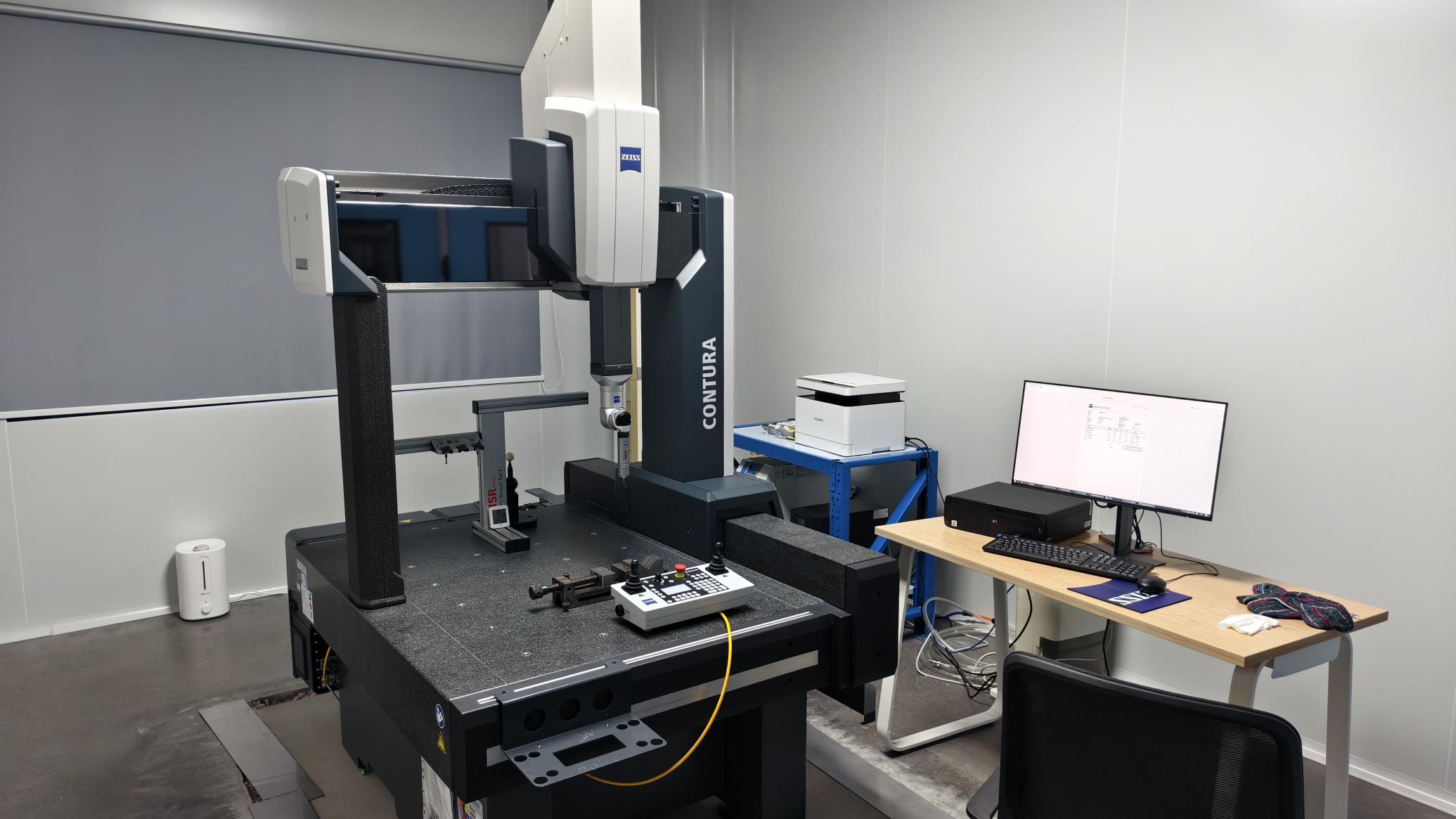
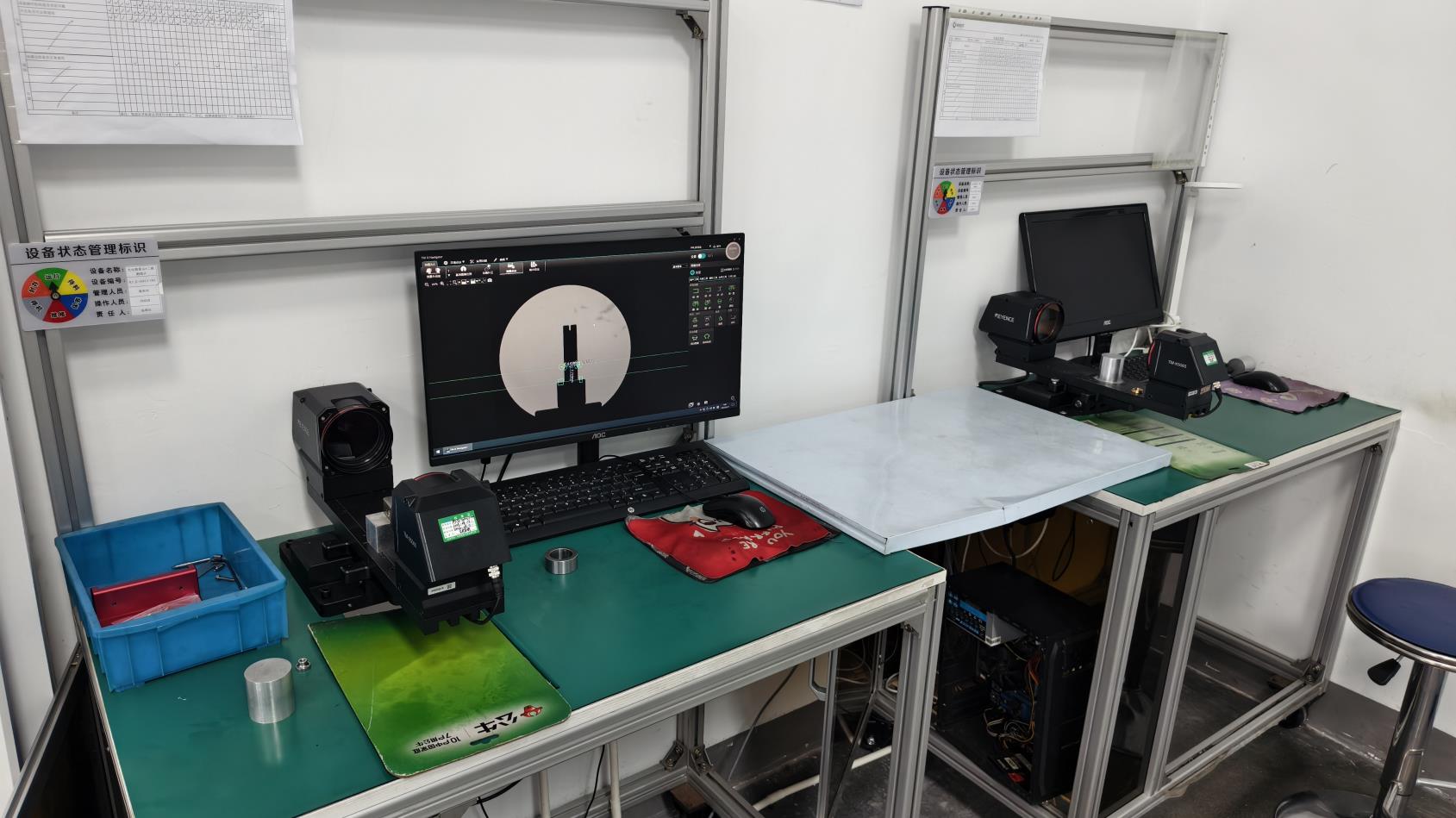
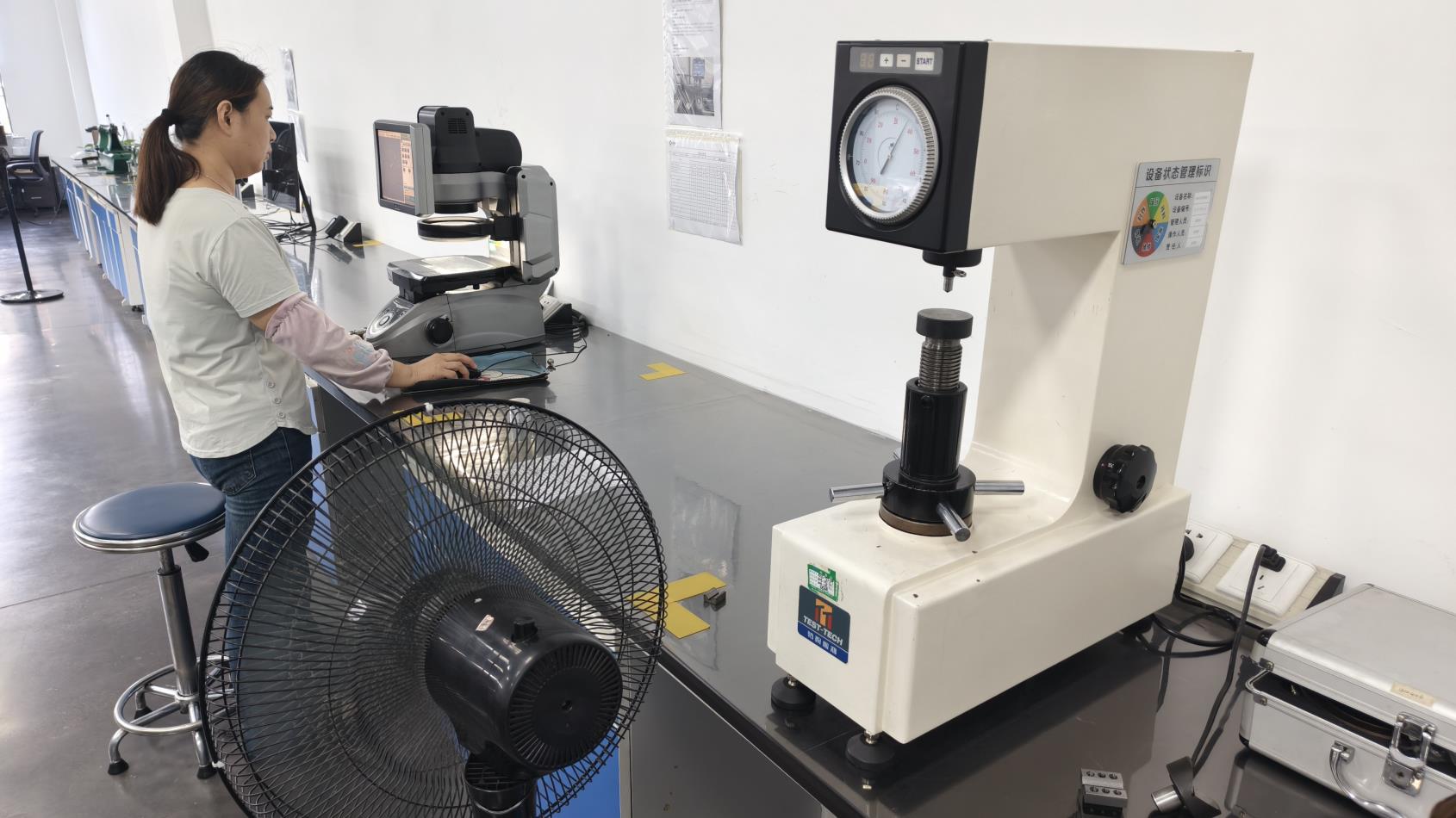
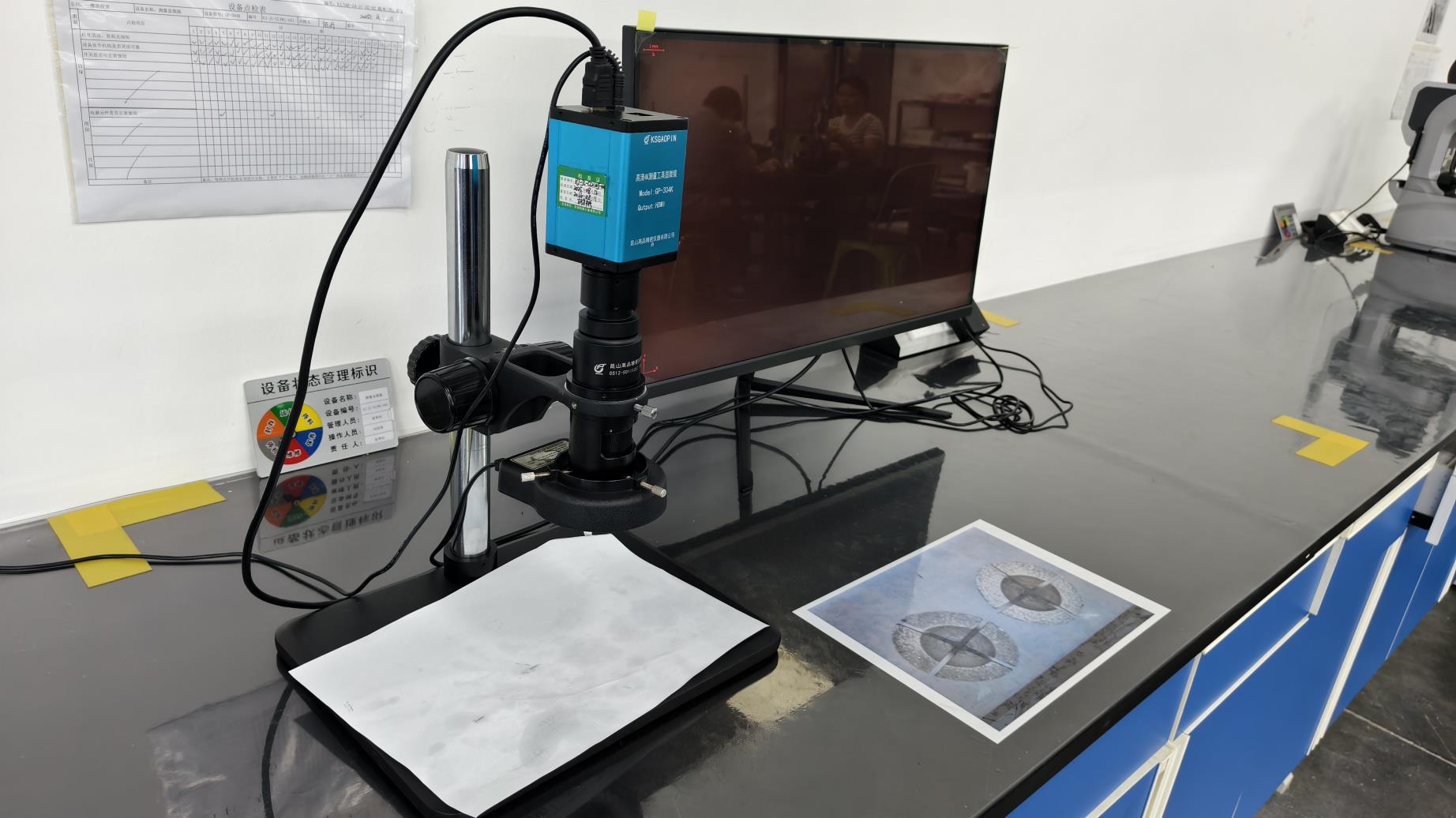
As surgeries shift towards robotic systems, human manual precision is increasingly paired with high-frequency mechanical actions. Looking toward 2030, our research and development focuses on the following key domains to serve advanced hospitals in Hamburg and beyond:
Integrating micro-chip sensors into surgical burs and spinal cutters. These sensors measure bone density variations and automatically stop mechanical rotation upon contact with soft muscle tissue or vascular walls, preventing nerve injury during spinal decompression.
Coating blades with multi-layer Cubic Boron Nitride (cBN) via physical vapor deposition. This technology reduces friction coefficients to less than 0.1, preventing bone burning and minimizing postoperative inflammation during orthopedic interventions.
Access detailed technical information about regulatory compliance, material testing, sterilization, and custom order terms.
Select an instrument group to review technical specs, mechanical diagrams, and ordering codes.
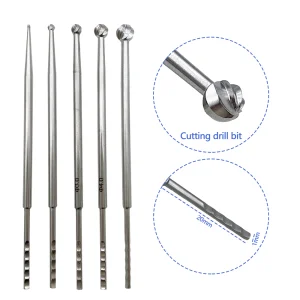
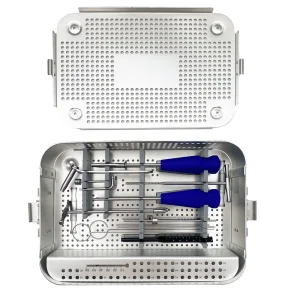
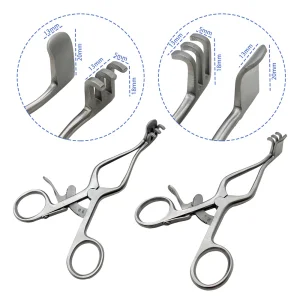
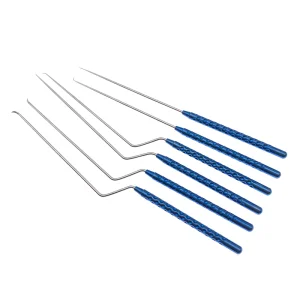
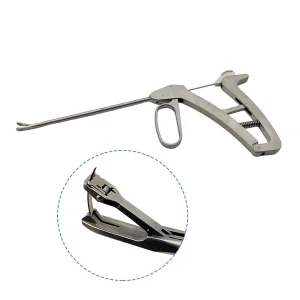
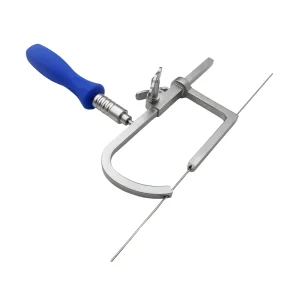
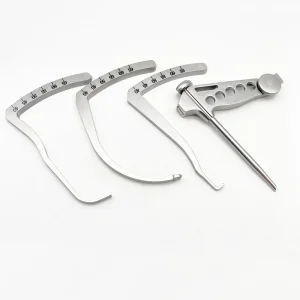
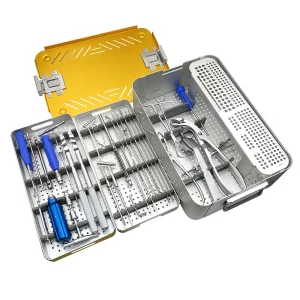
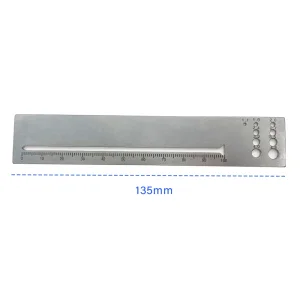
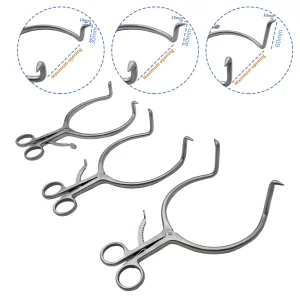
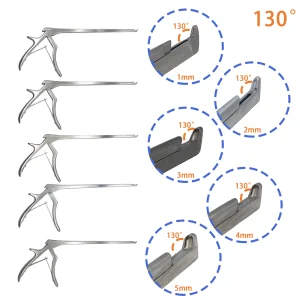
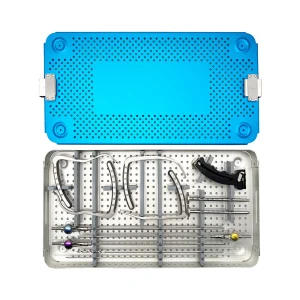
Whether you are procuring custom replacement micro knives, orthopedic instrumentation boxes, or need regulatory assistance for EU market penetration, our support desk is standing by.
Send Inquiry Now