SENJIE Healthy & Technology
SENJIE Healthy & Technology
SENJIE Healthy & Technology
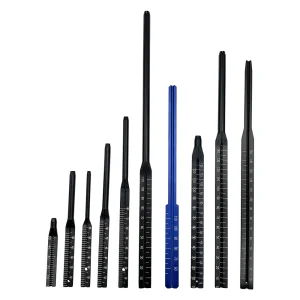
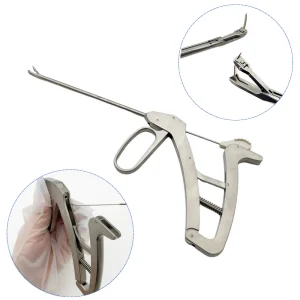
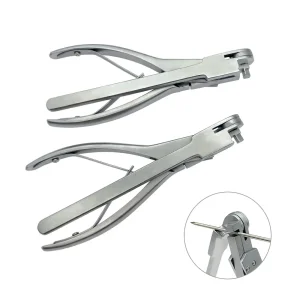
Iraq's medical sector is undergoing a profound structural evolution. With substantial investments allocated to hospital restoration, emergency medicine, and specialized trauma care, procurement entities in Baghdad, Basra, and Erbil require surgical blades, osteotomes, and surgical instruments that withstand demanding clinical workflows. The integration of modern orthopedic systems is vital to handling the high volume of complex joint reconstructions and trauma cases.
Surgical cutting instruments—specifically reciprocating bone saw blades, cranial burs, and orthopedic guides—must comply with stringent thermodynamic rules. The primary concern during high-speed bone cutting is thermal necrosis. In Iraq, where ambient hospital infrastructure can be subjected to varied temperatures and demanding operational stresses, the reliance on high-grade alloys is critical. Our products utilize advanced metallurgical grades to ensure thermal stabilization and prolonged edge retention under severe operating parameters.
Furthermore, the procurement framework governed by the Iraqi Ministry of Health (MOH) and Kimadia (The State Company for Marketing Drugs and Medical Appliances) demands comprehensive validation. The certification documentation must verify traceability of raw materials, corrosion resistance levels, and compatibility with standard autoclave protocols utilized across regional clinics.
"We engineer surgical steel blades and instruments according to international biocompatibility standards, directly addressing the sterile environment needs of public hospitals and private specialist centers in the Middle East."
Across the global medical sector, manufacturing compliance determines clinical success. As a dedicated manufacturer and supplier of precision medical instrumentation, our technological framework incorporates surgical-grade stainless steels (including AISI 440C, 420, and 316L) to guarantee high tensile strength, elasticity, and anti-corrosive properties during high-frequency cleaning.
| Performance Index | Material Specification | Clinical Benefit | Iraqi Compliance (MOH/Kimadia) |
|---|---|---|---|
| Edge Retention Index | Martensitic Stainless Steel (HRC 52-58) | Maintains sharpness over multiple sterilizations | Reduces consumable replacement rates in public hospitals |
| Biocompatibility | ISO 10993 Compliant Alloys | Zero tissue reactivity, minimizes inflammatory risk | Approved for implant placement and bone resection |
| Surface Passivation | ASTM A967/A967M Standard compliant | Enhanced corrosion resistance under moist conditions | Resists rust during storage in high-humidity regions |
| Traceability Code | Laser-etched batch identifiers | Complete path tracing from raw steel to handpiece | Facilitates validation and hospital inventory control |
Thermal necrosis occurs when bone tissue temperature exceeds 47°C for more than one minute, resulting in localized osteocyte death and compromised post-operative implant stability. Our cutting blades and drill attachments feature custom-engineered flute profiles that facilitate efficient chip evacuation, preventing thermal build-up. The surface morphology is refined to minimize mechanical friction coefficients.
Established in 2019, our production lines execute strict raw-material screening and automated geometry validations. Our supply chain parameters guarantee continuous component dispatch to Middle Eastern and international medical markets.
Recognizing the unique demands of different surgical power systems (Stryker, ConMed, Synthes, etc.) utilized within Iraqi private clinics and public hospitals, we provide complete custom production compatibility.
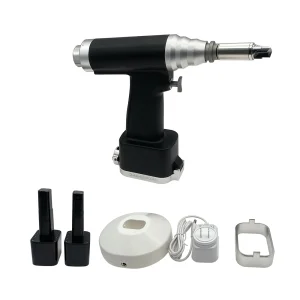
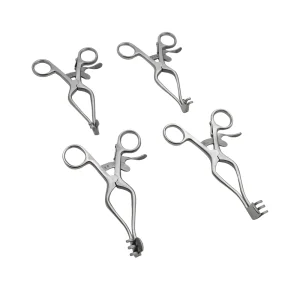
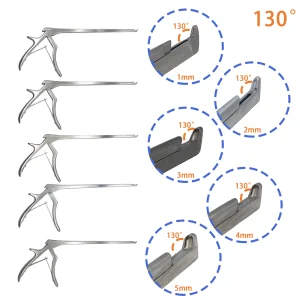
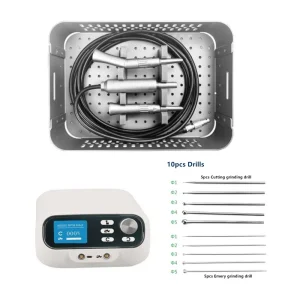
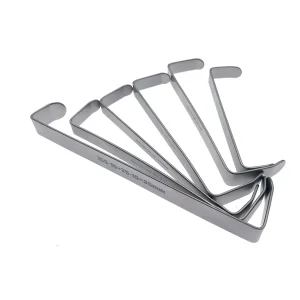
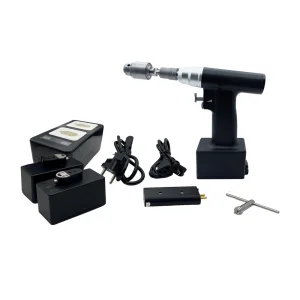
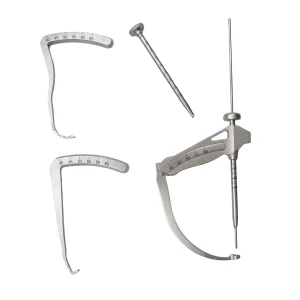
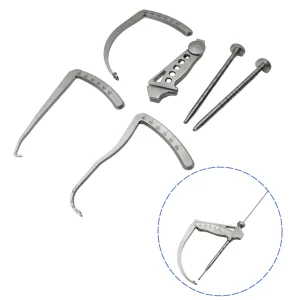
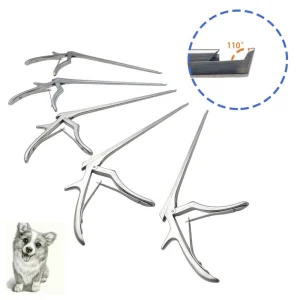
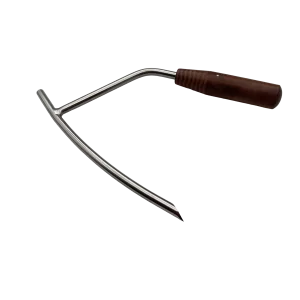
In addition to human clinical systems, reconstructive applications require specialized small-bone tools and veterinary configurations. Advanced osteotomies and trauma management in multi-axial systems demand the same degree of steel hardening and tolerance specifications. Below is the documentation of our multi-axial and targeting lines.
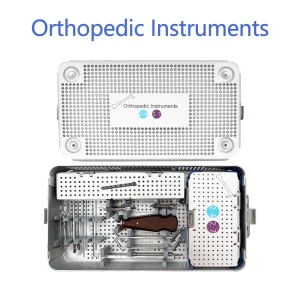
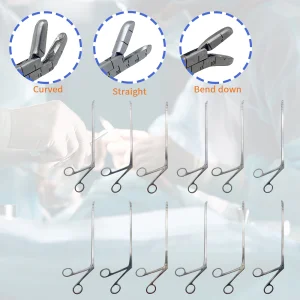
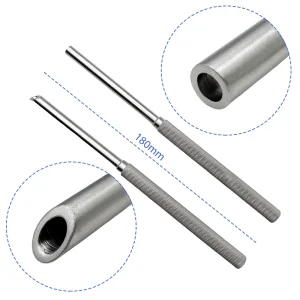
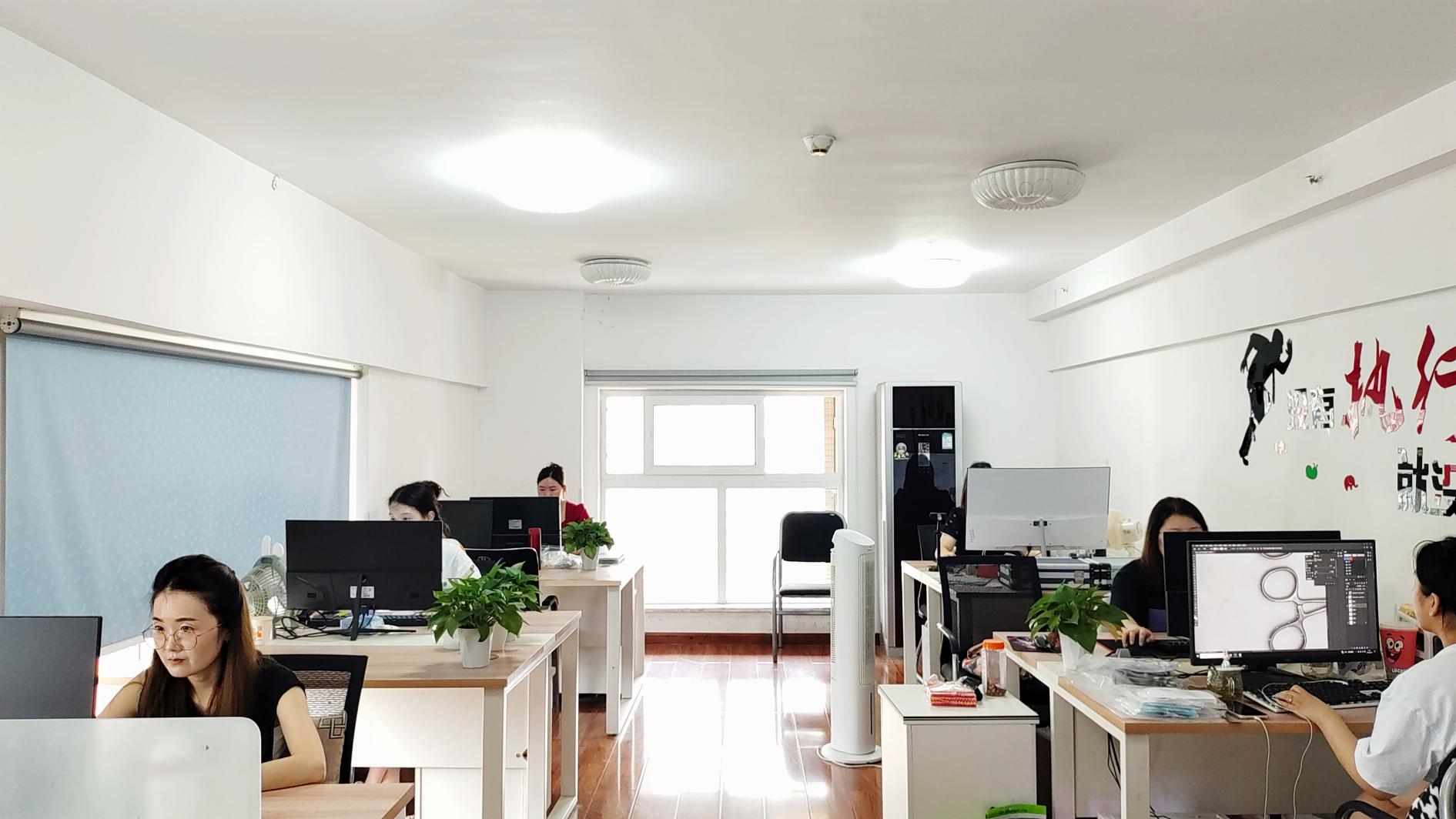
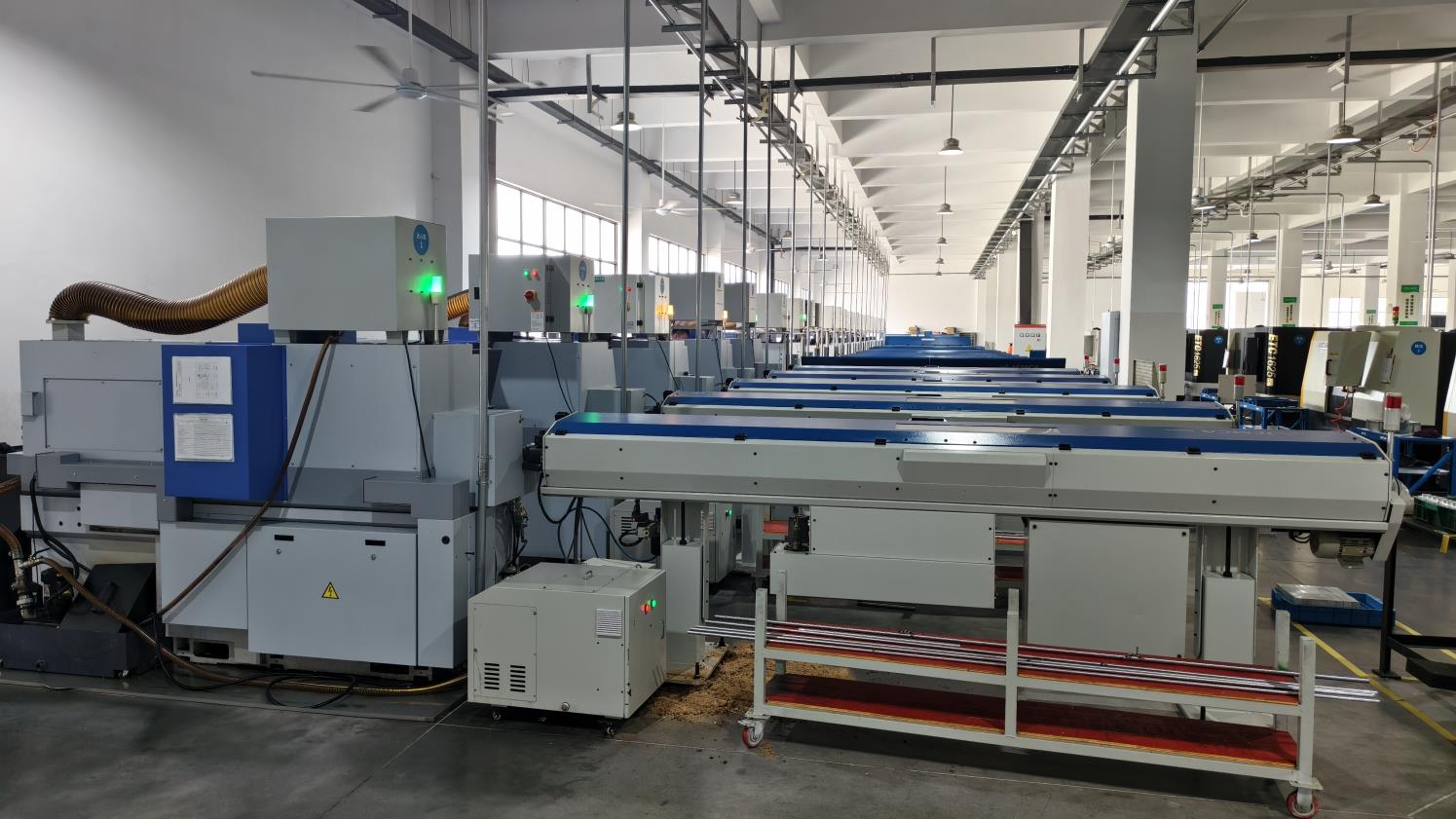
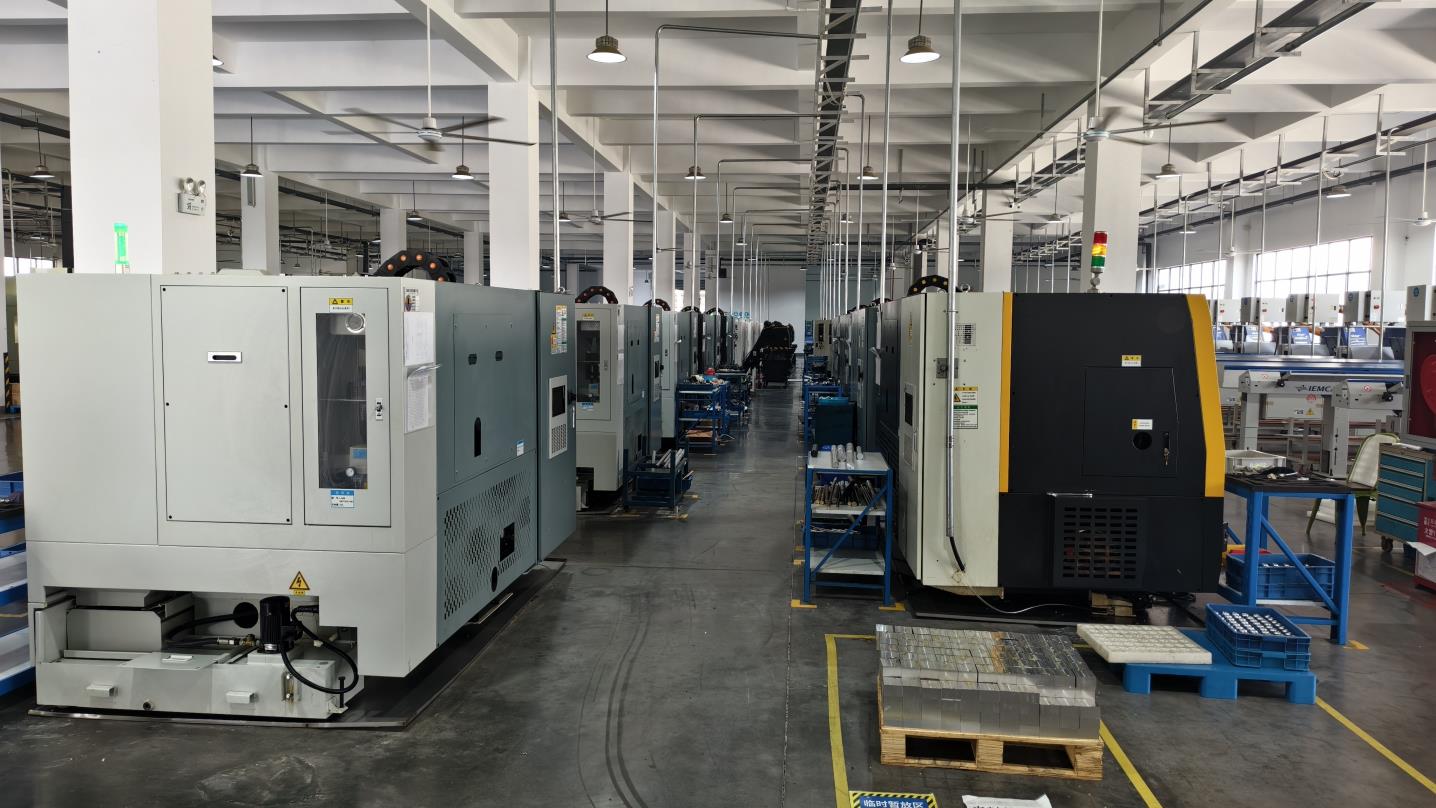
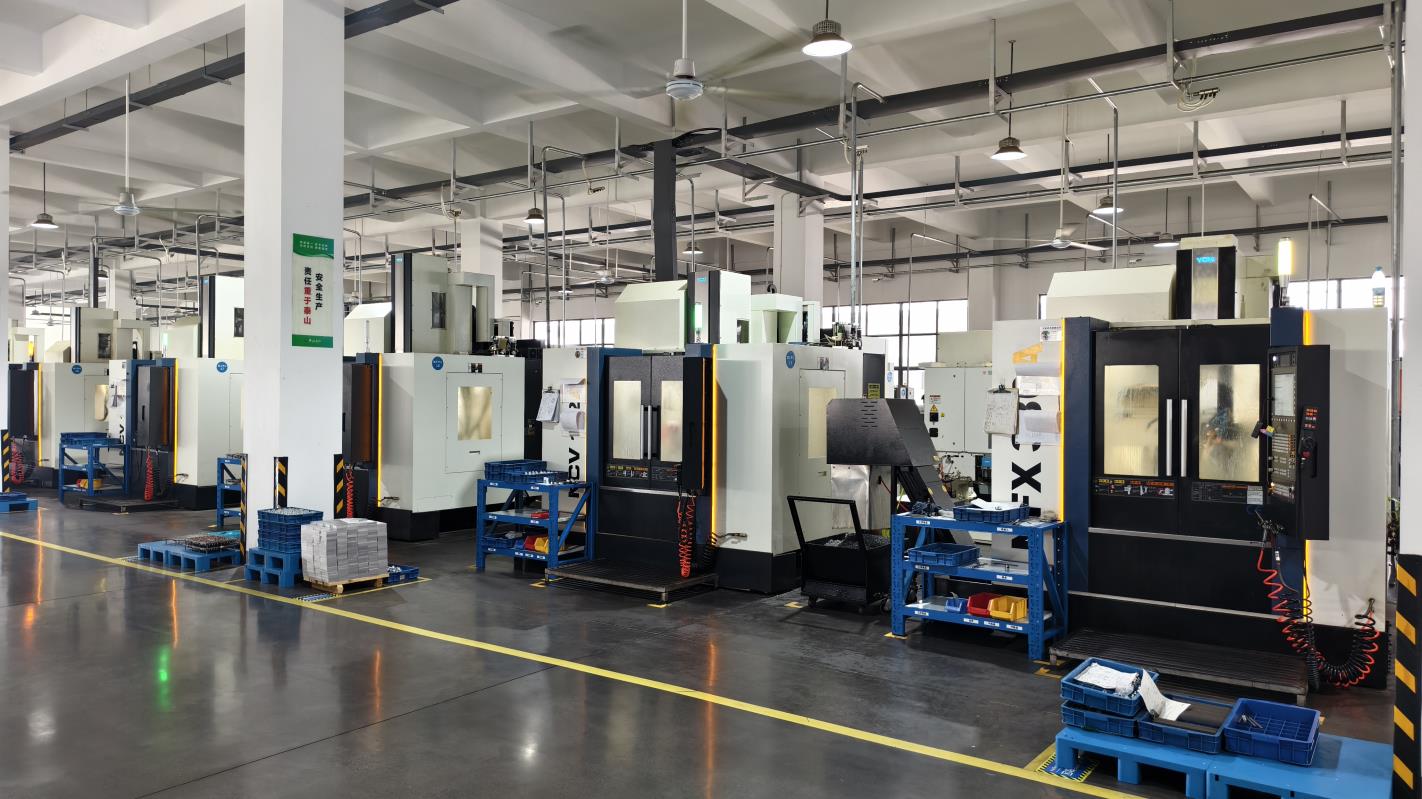
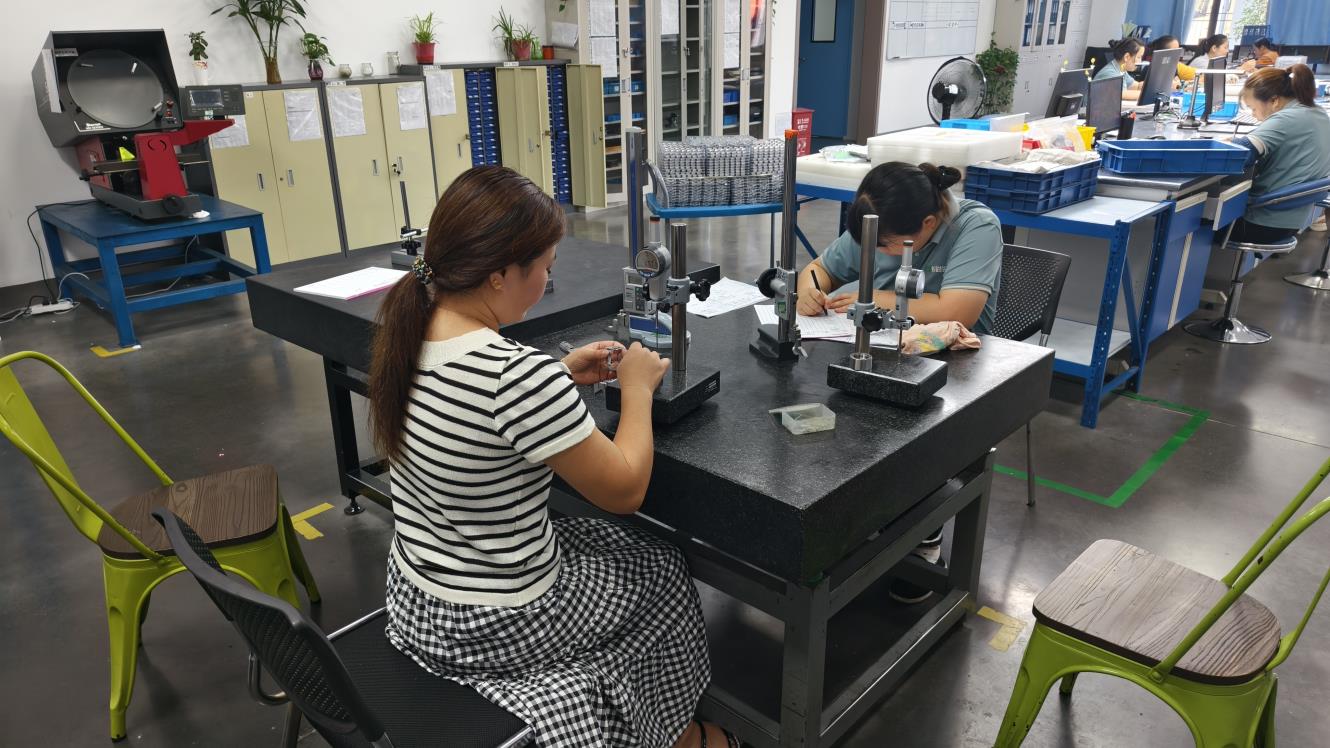
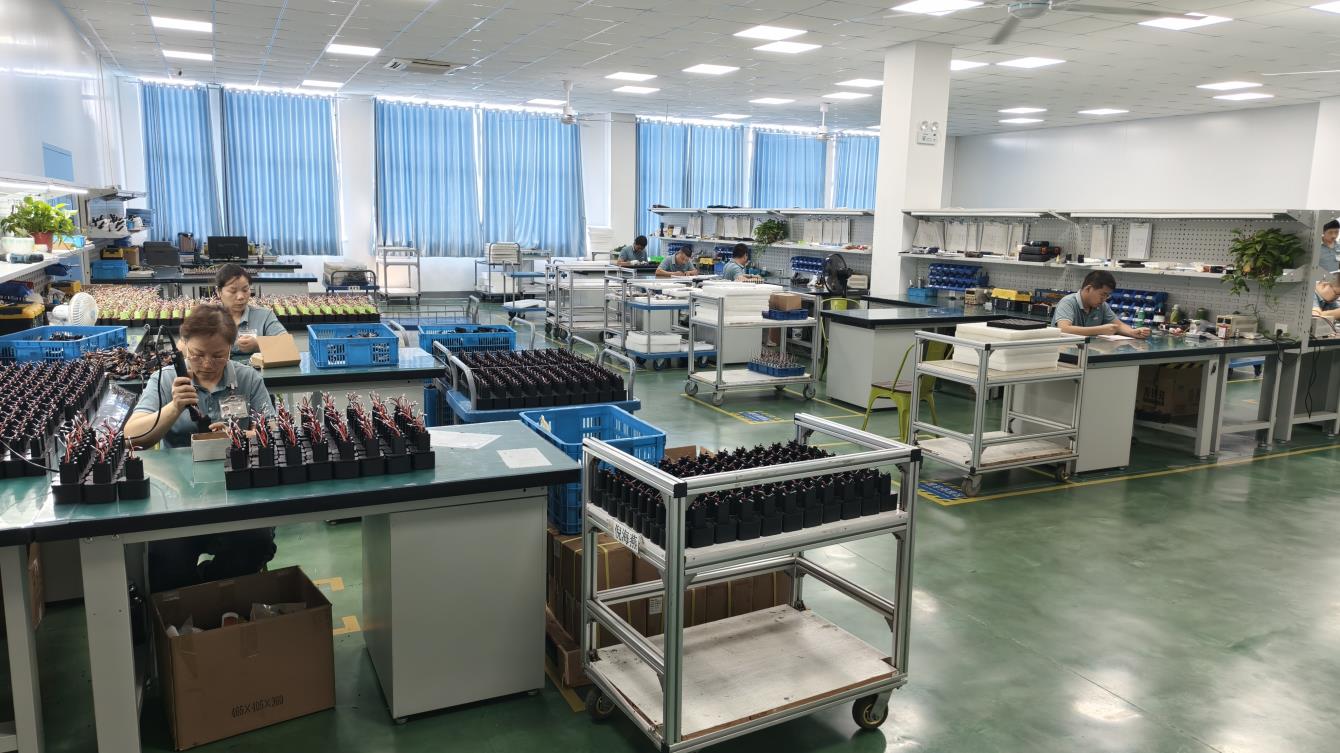
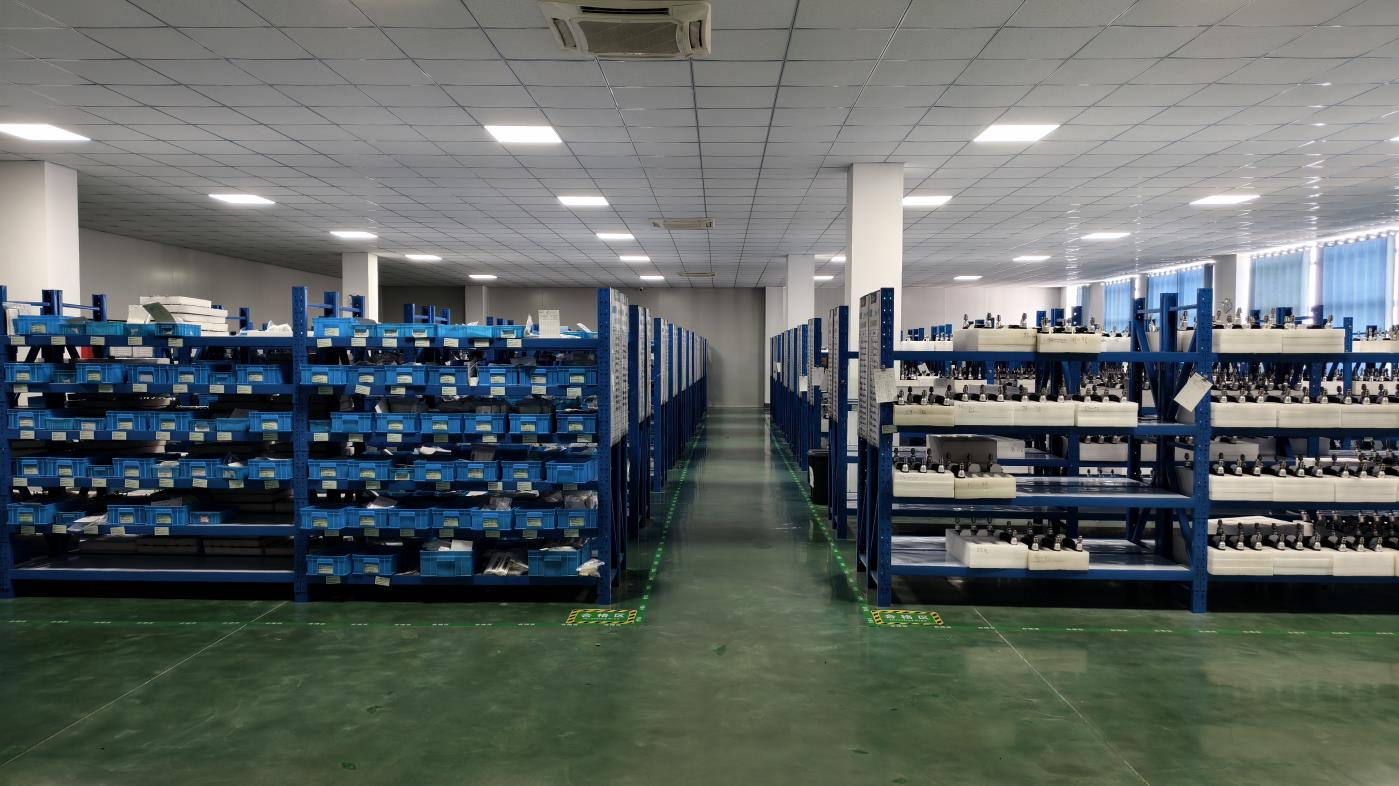
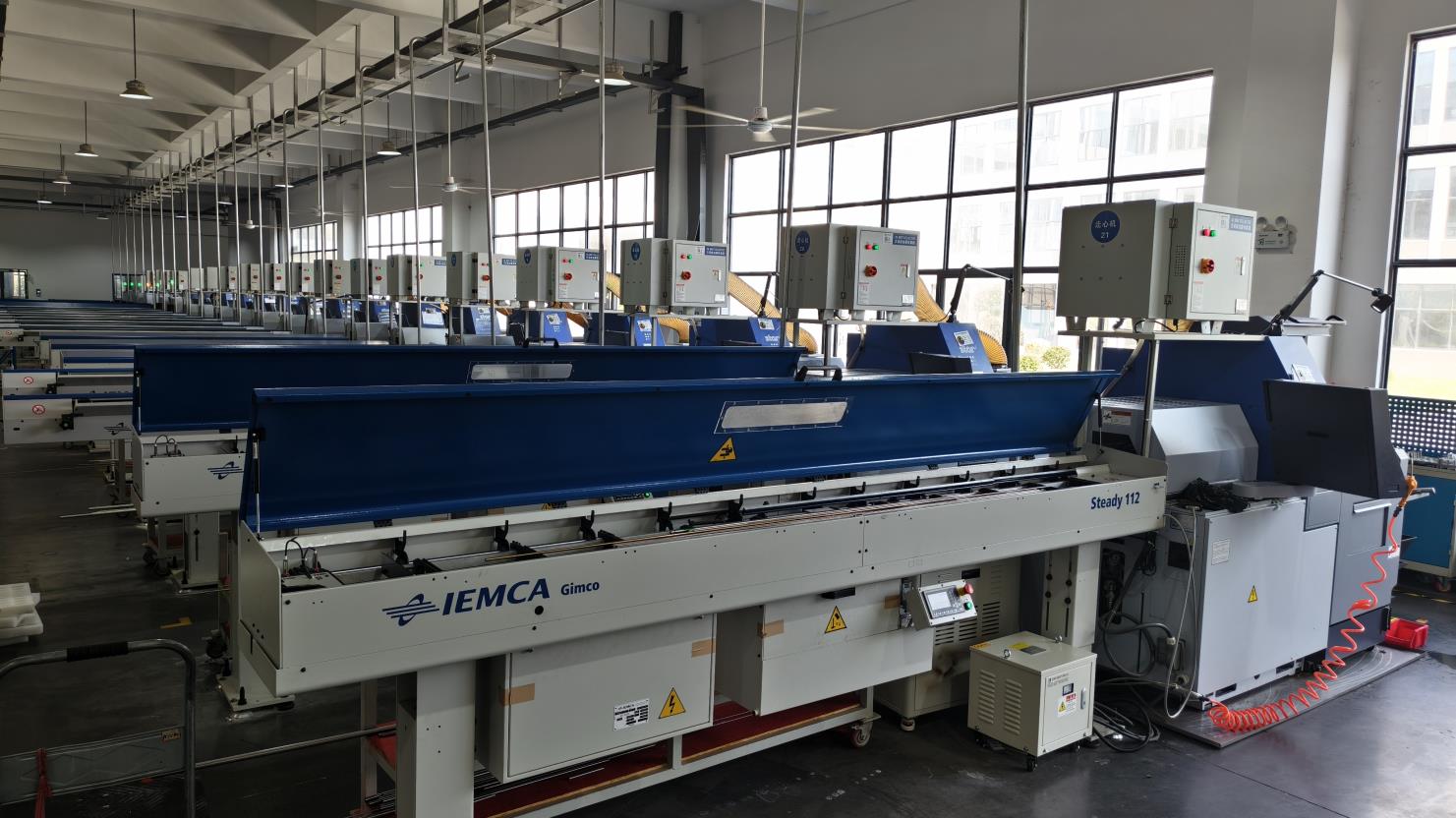
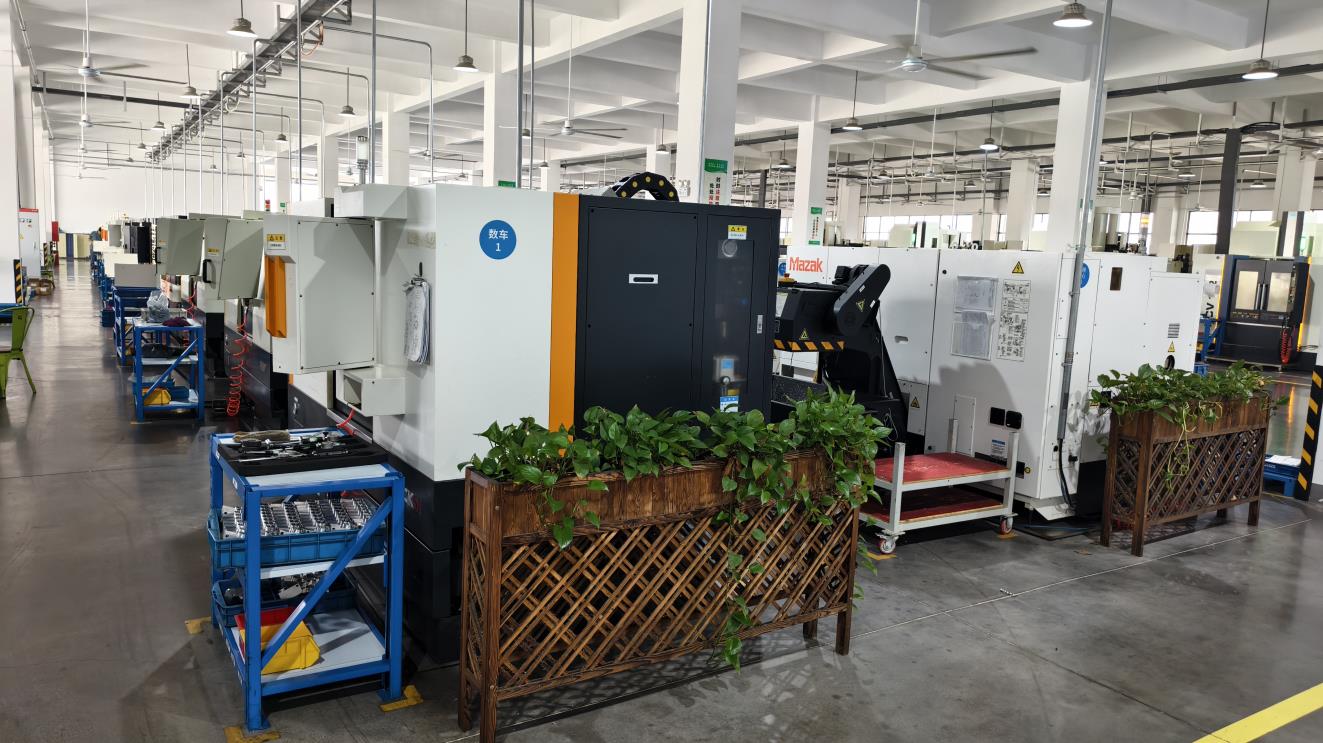
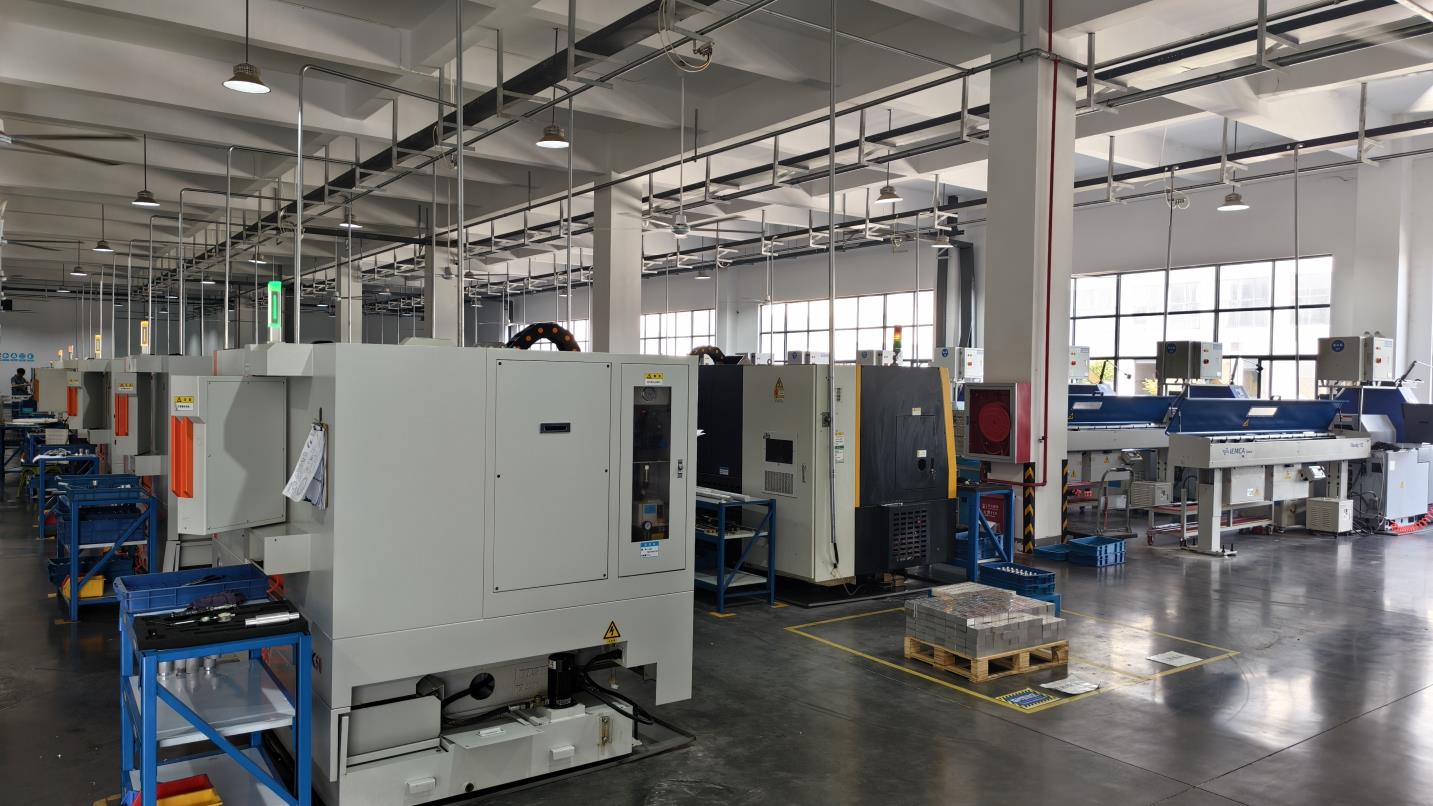
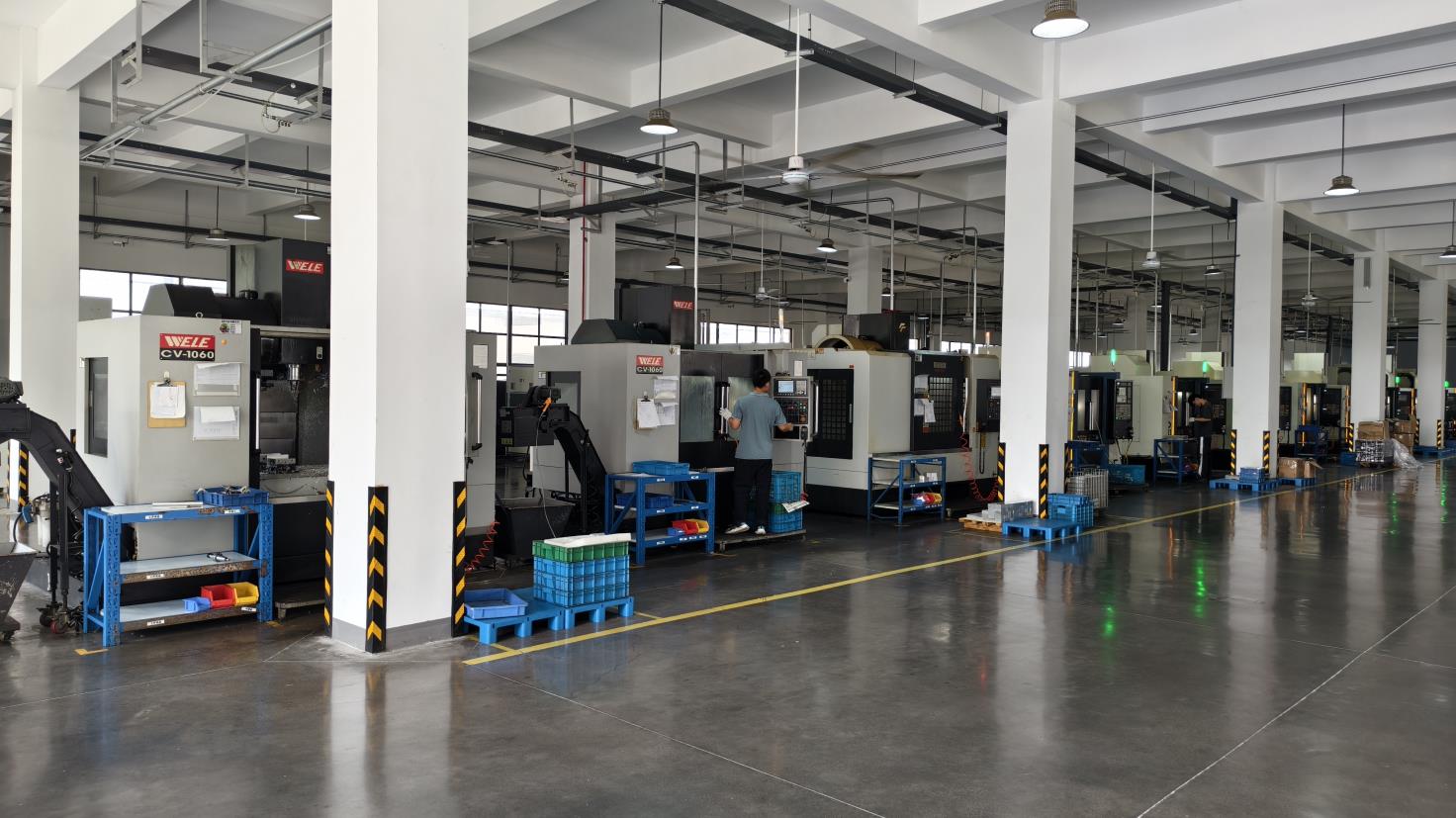
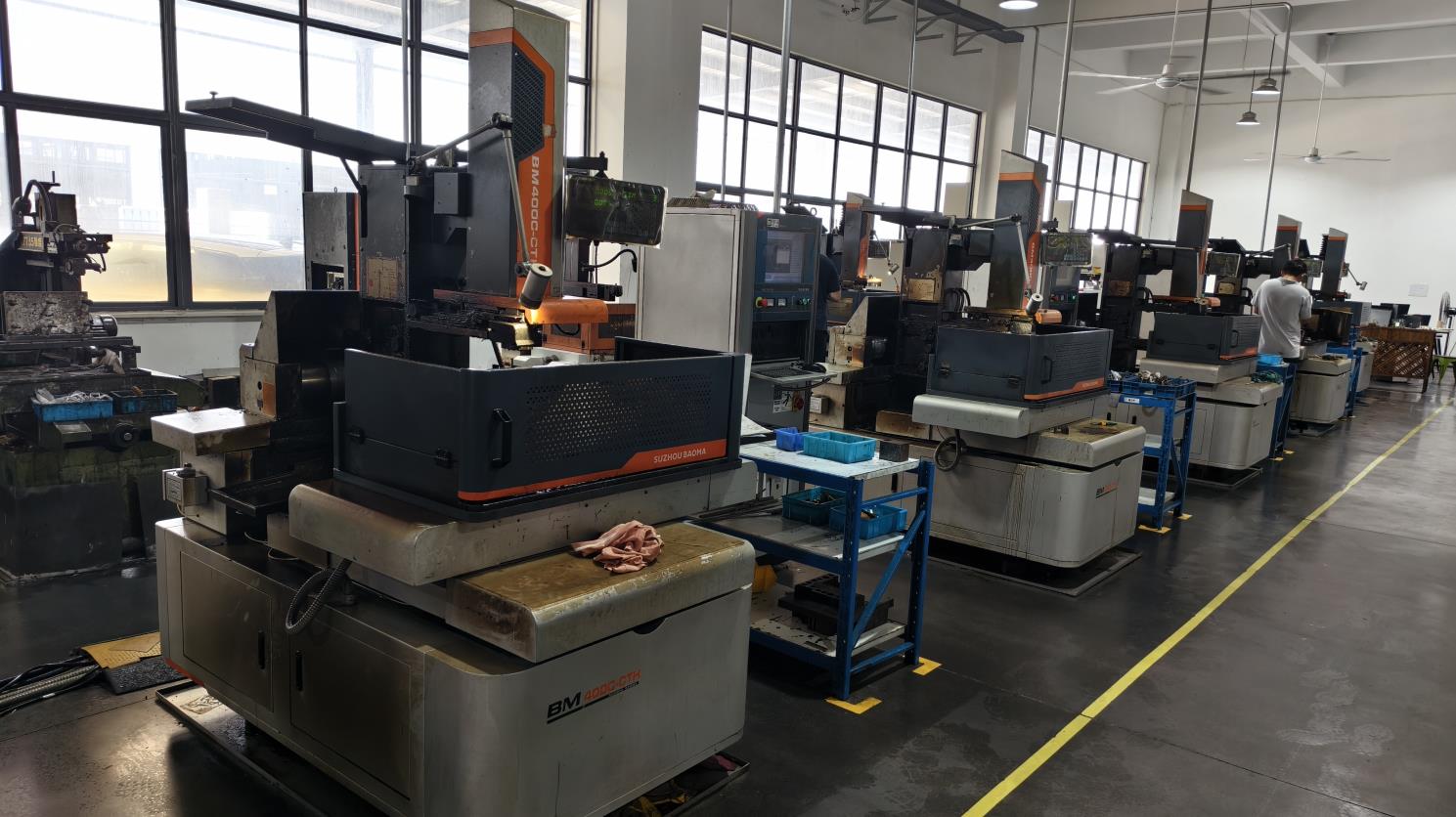
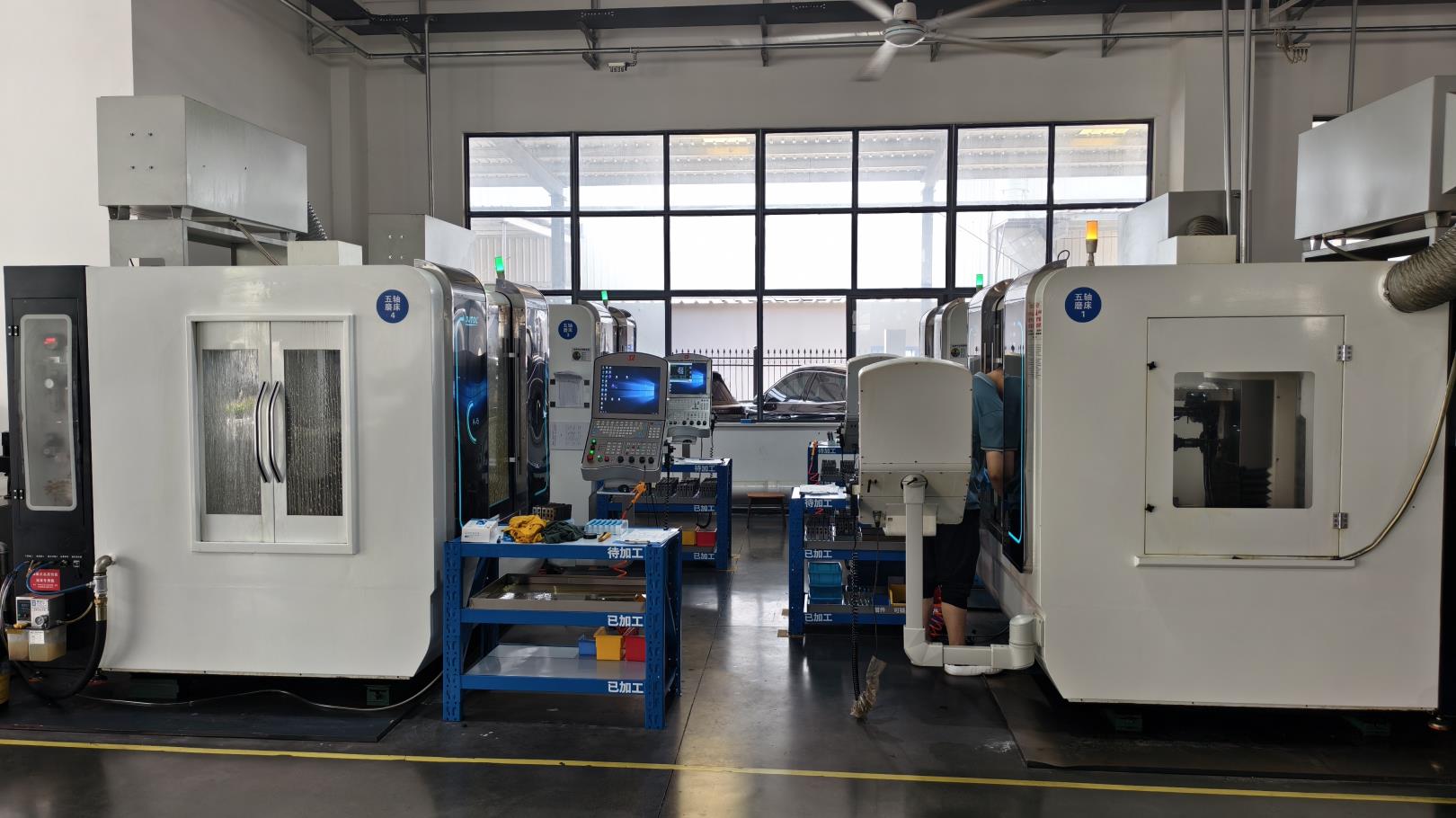
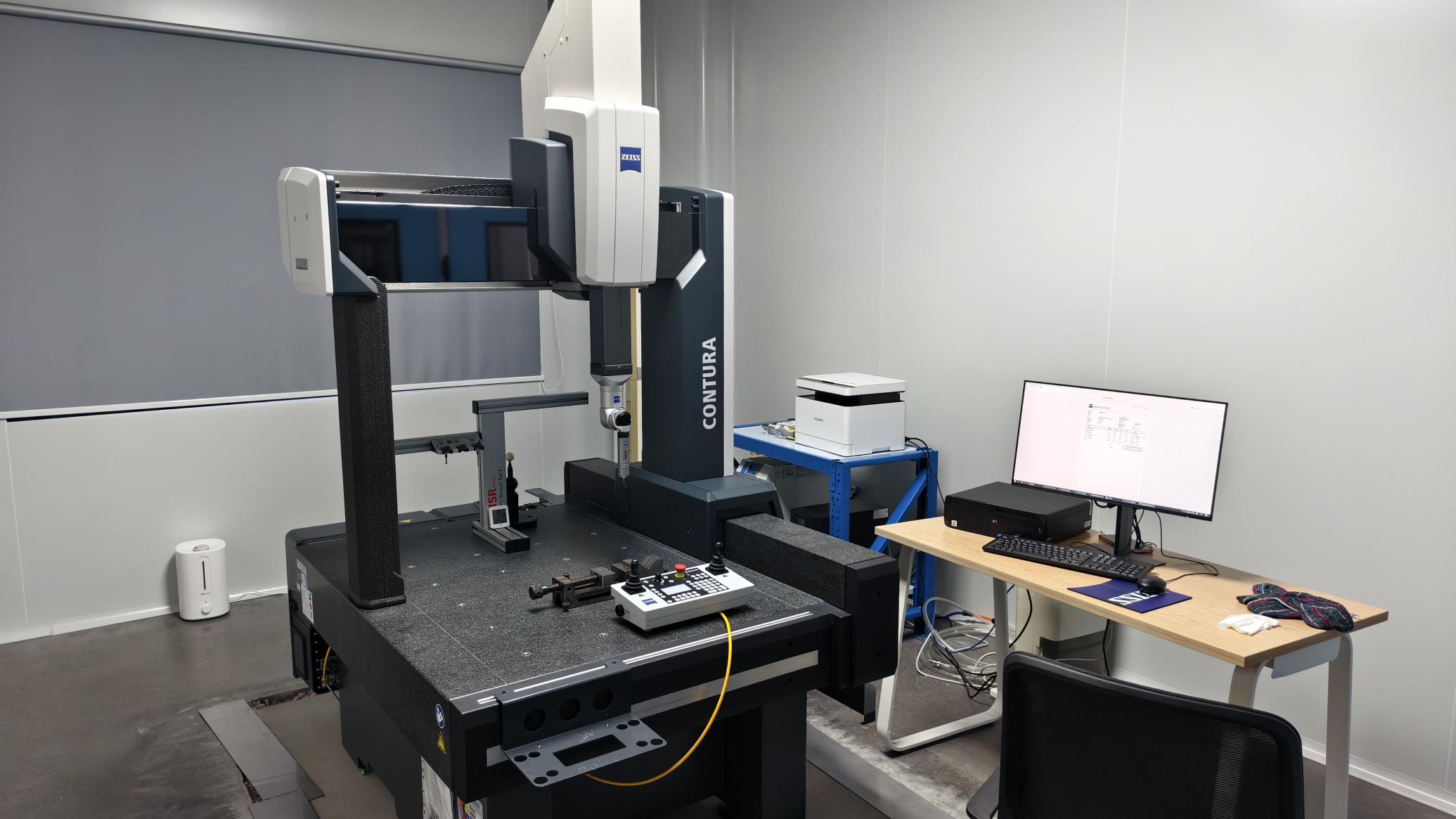
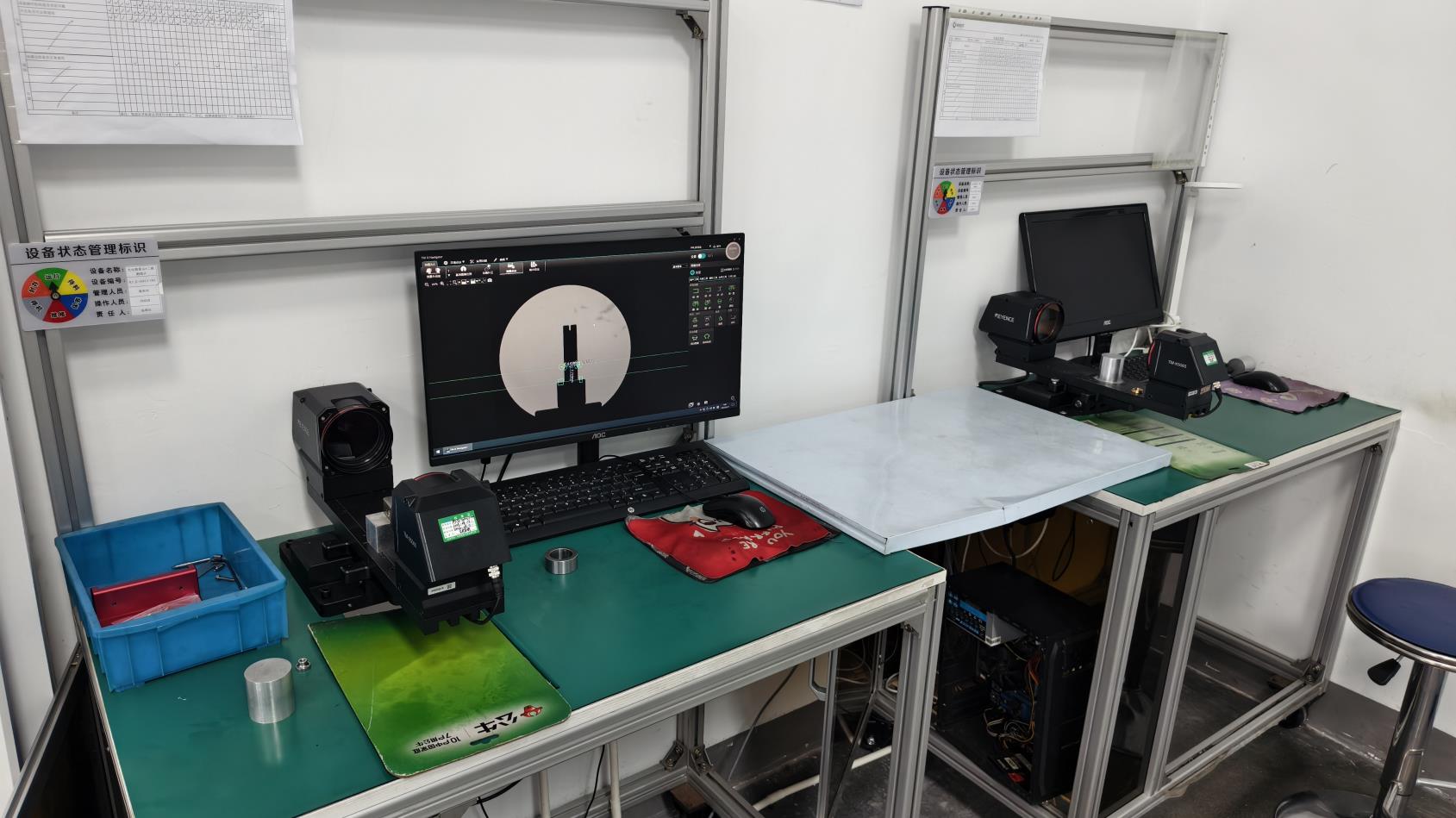
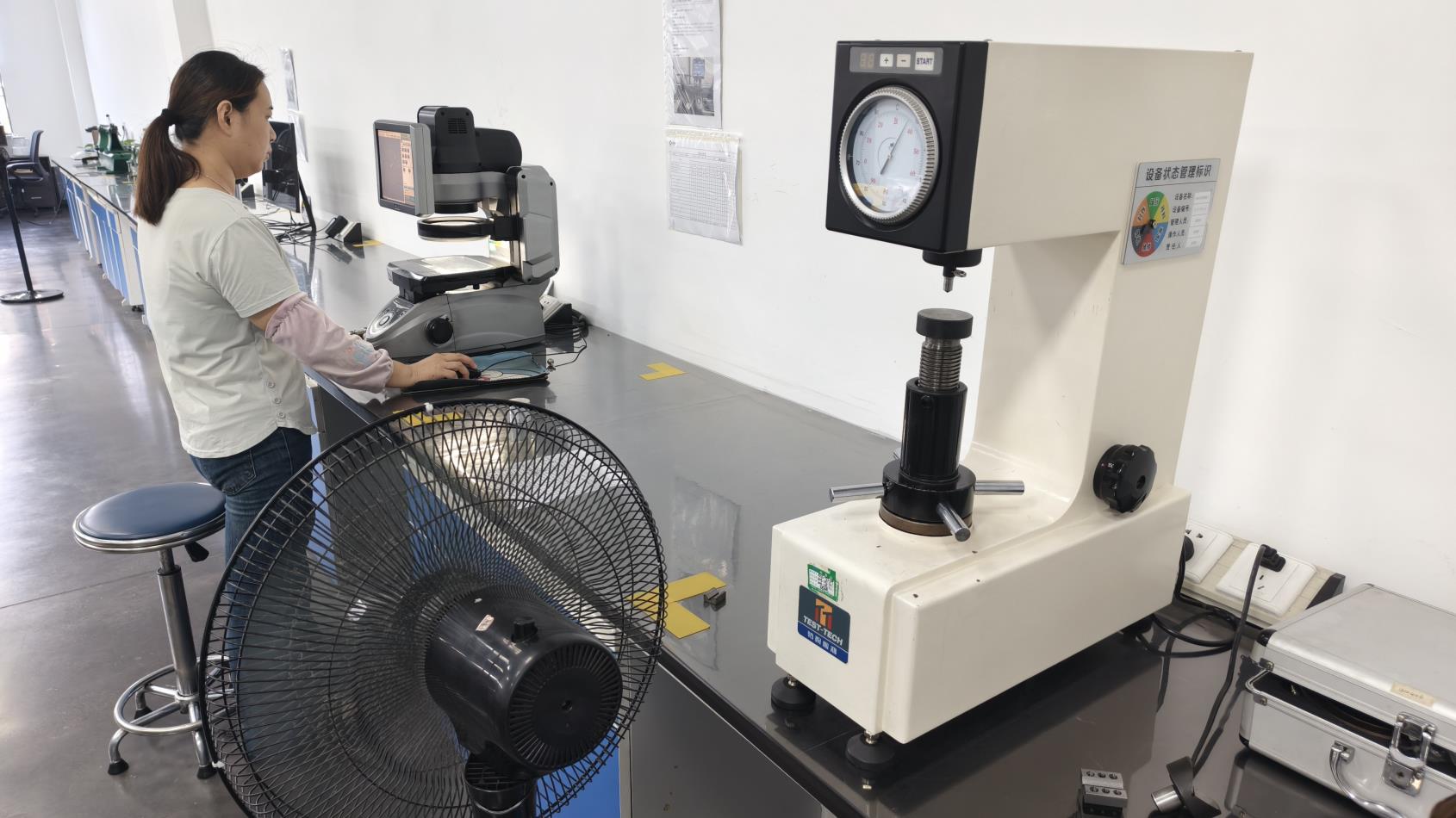
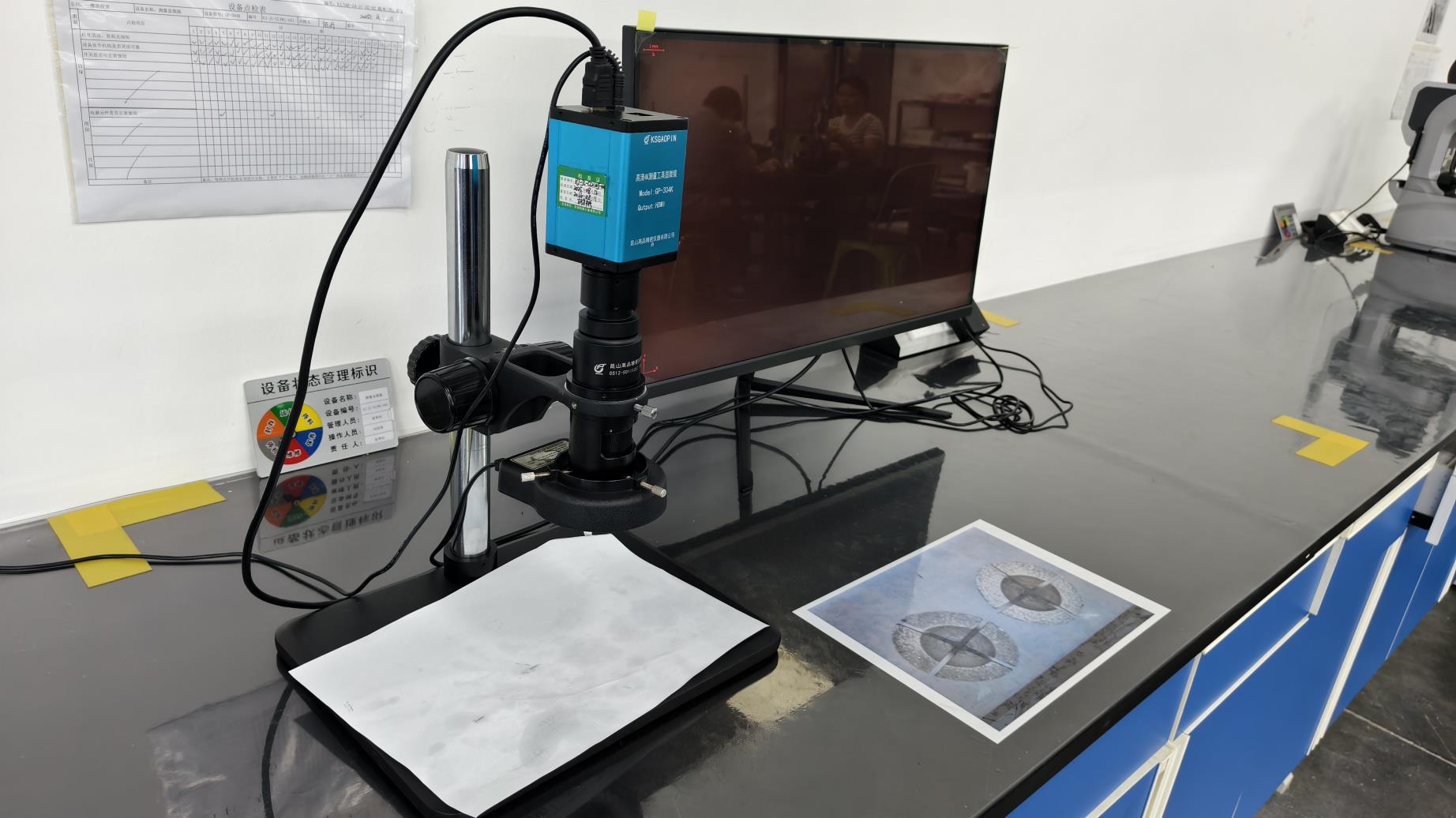
Our manufacturing facility operates under automated precision control systems to maintain consistent tolerances. Each production batch undergoes dimensional validation, macro-structural checks, and verification of mechanical properties. Here is the visual catalog of our manufacturing processes, testing chambers, and inventory facilities:
Importing medical instruments and blades into Iraq requires navigating specific customs frameworks. Whether distributing to the public sector via Kimadia or to private healthcare providers in regions like Erbil (Kurdish Regional Government - KRG) or Baghdad, certain standards are critical:
Consignments must be accompanied by a Certificate of Origin (CO), commercial invoices authenticated by the Iraqi Embassy or Chamber of Commerce in the country of origin, and detailed technical data sheets showing raw material compositions and biocompatibility clearances.
Under Iraq's Ministry of Planning regulations, medical instruments must undergo verification by authorized inspection agencies before shipment. Our logistics department coordinates directly with local testing bureaus to obtain the required Certificate of Conformity (CoC), minimizing customs clearance delays.
We utilize highly durable packaging to protect surgical components during shipping through major hubs such as Umm Qasr Port, Baghdad International Airport, and overland routes via the Ibrahim Khalil border crossing in northern Iraq.