SENJIE Healthy & Technology
SENJIE Healthy & Technology
SENJIE Healthy & Technology
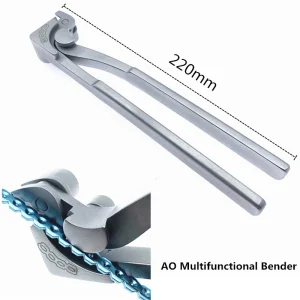
Discover our highly requested bending instruments specifically calibrated for human and veterinary orthopaedic interventions across Ethiopian medical hubs.
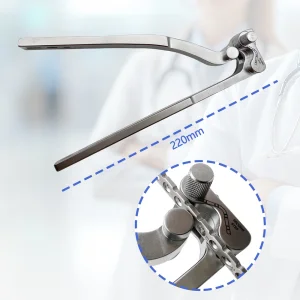
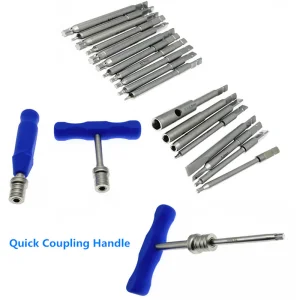
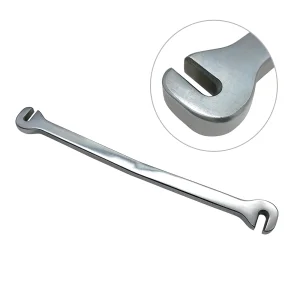
Dual-action compression channel optimized for complex contouring without localized work-hardening.
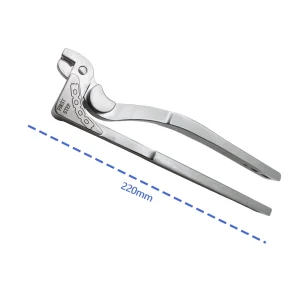
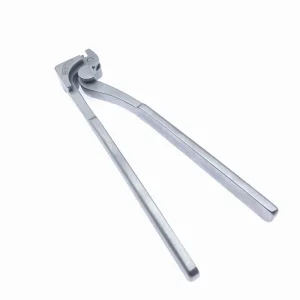
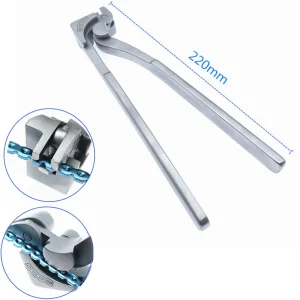
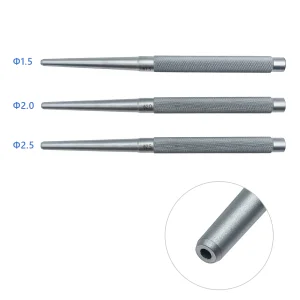
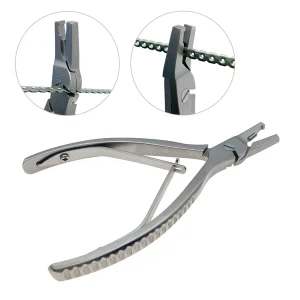
Precision plier design for rapid intraoperative adjustments of small fragment and mini bone plates.
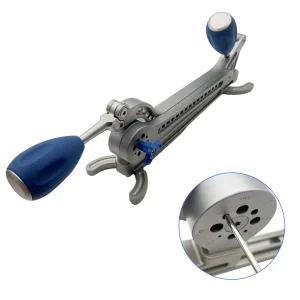
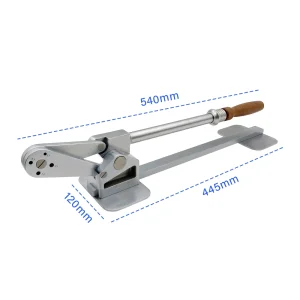
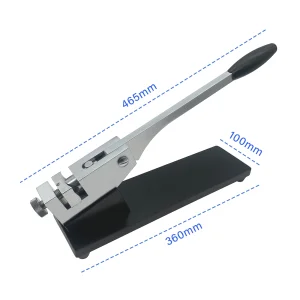
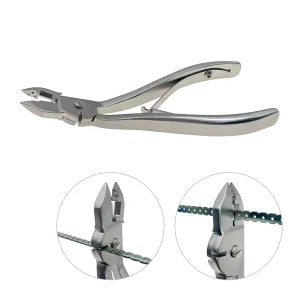
Heavy-duty mechanics engineered for effortless osteosynthesis rod resectioning with accurate length gauge.
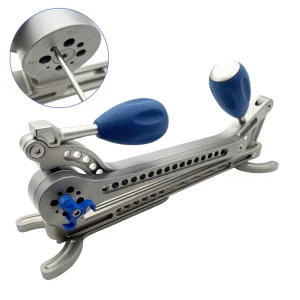
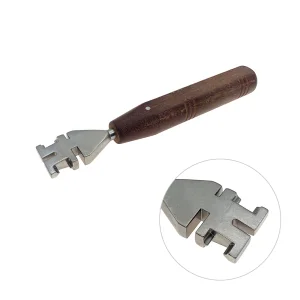
Equipped with high-leverage joints and measurement systems for veterinary orthopedic surgeries.
An authoritative analysis of surgical instrumentation demands, import policies, and clinical landscapes across the Horn of Africa.
Ethiopia's healthcare infrastructure is undergoing a rapid transition under the guidance of the Federal Ministry of Health (FMoH) and the Growth and Transformation Plan. With the expansion of tertiary referral hospitals such as the Tikur Anbessa (Black Lion) Specialized Hospital in Addis Ababa, Hawassa University Comprehensive Specialized Hospital, and various regional clinical zones, the demand for precision orthopedic traumatology instruments has surged. Among these, plate-bending systems and surgical irons are vital tools. They enable surgical teams to reconstruct anatomy after complex comminuted fractures caused by vehicular accidents, industrial incidents, and agricultural mishaps.
Parallel to human healthcare, Ethiopia possesses the largest livestock population in Africa, with over 60 million cattle, 30 million sheep, and millions of working equids. Veterinary orthopedics is key to maintaining the country's agricultural backbone. Fracture fixations in horses, donkeys, and farm animals demand extremely durable, medical-grade implants and instruments. Plates used in veterinary surgeries must be bent and contoured on-site, requiring robust benders, pliers, and cutters that can resist the corrosive environments of rural clinics and repeated autoclave sterilizations.
Information Gain Highlight: When contouring dynamic compression plates (DCP) or locking compression plates (LCP), standard steels are prone to micro-cracking and fatigue failure if bent incorrectly. Our bending irons are engineered with a specific radius curvature that distributes mechanical stress over a wider surface area. This ensures that the metal's internal crystal structure remains intact, preventing plate failure inside the patient.
Historically, Ethiopian medical institutions imported surgical tools from high-cost European markets. However, high prices combined with rigid foreign currency allocations under the National Bank of Ethiopia created critical shortages. This is where advanced Chinese manufacturers step in. By utilizing state-of-the-art CNC wire cutting, automated electrochemical polishing, and strict metallurgical testing, Chinese factories deliver instruments that match German quality standards at a fraction of the cost.
Our production facilities implement rigorous quality checks, tracking raw materials from steel billets to finished, passivated instruments. This guarantees that our bending irons do not rust or degrade, even after hundreds of steam autoclave sterilization cycles at 134°C. Local distributors in Addis Ababa can import directly with peace of mind, knowing that every shipment complies with the Ethiopian Food and Drug Authority (EFDA) import criteria.
Why elite clinical centers and veterinary colleges trust our orthopedic instruments.
Manufactured using high-tensile 316LVM vacuum-melted stainless steel. Resistant to pitting and corrosion, ensuring no hazardous metallic ions leach during intraoperative use.
Optimized force distribution joints that permit high-torque bending of plates up to 6.0mm thickness with minimal manual exertion from the surgeon.
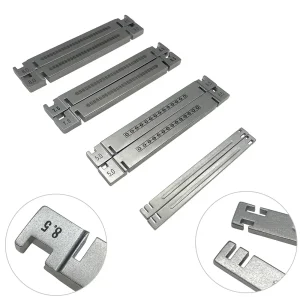
Equipped with precision slots that comfortably house reconstruction plates, mini plates, and heavy orthopedic plates without scratching surface coatings.
Spectrometry tests confirm raw alloy composition before machining begins.
Computerized milling guarantees tolerances within microns.
Controlled cooling cycles optimize steel toughness and flexibility.
A smooth finish prevents bacterial buildup and improves hygiene.
Select from our extensive inventory of veterinary and human trauma instrumentation. High durability, full autoclaving compatibility.
A transparent look inside our manufacturing processes, including passivation chambers, CNC centers, and finished product inventories.
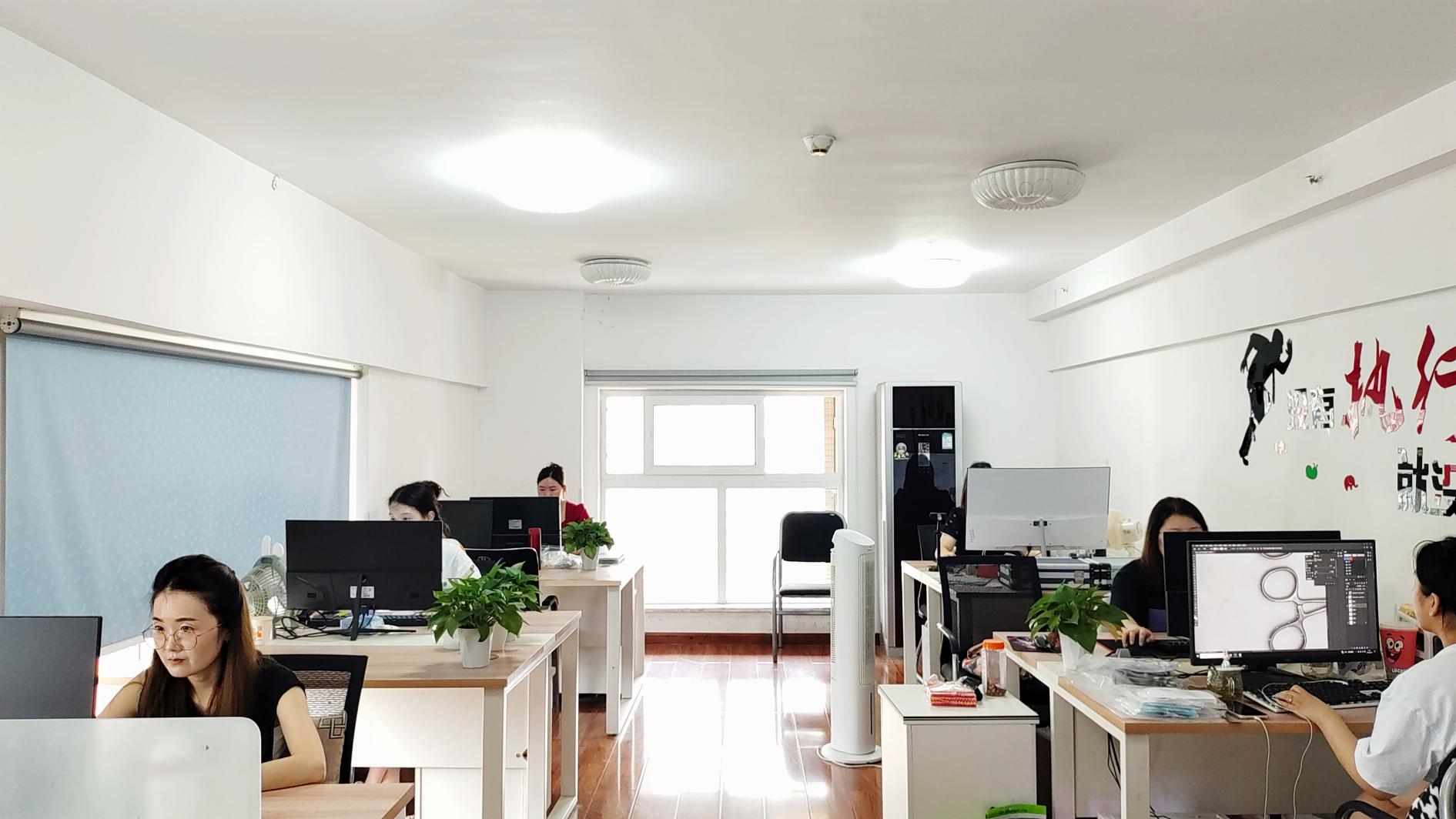
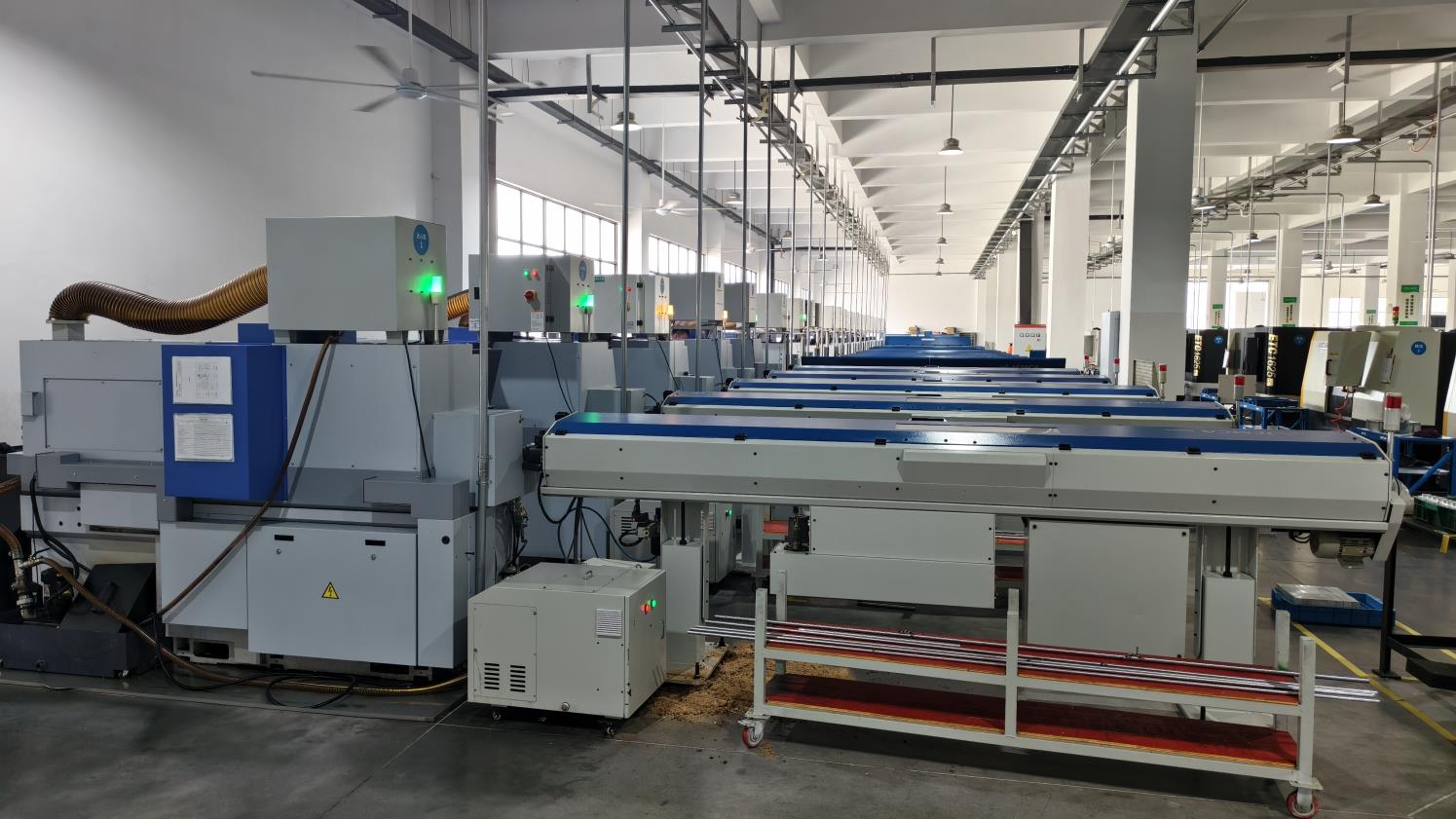
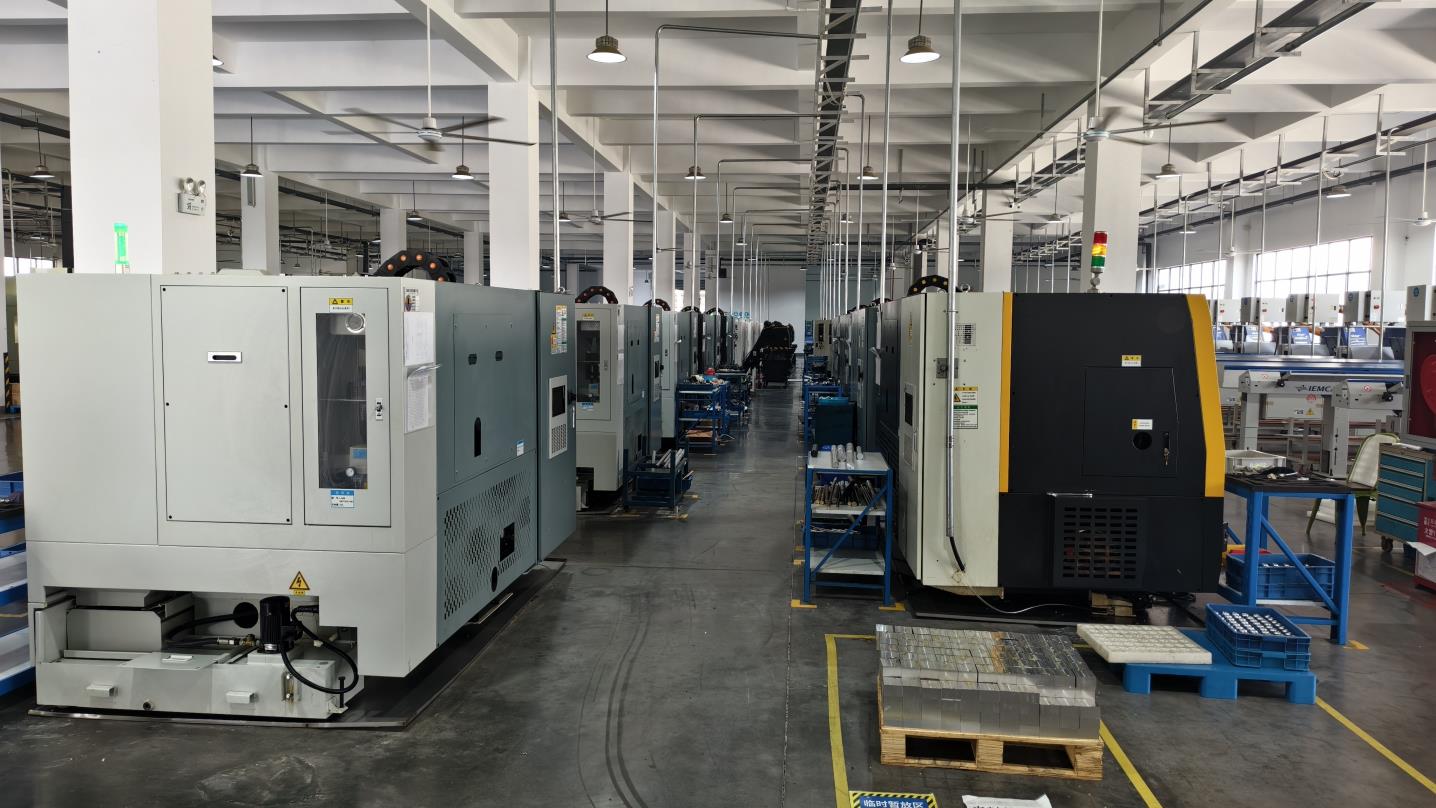
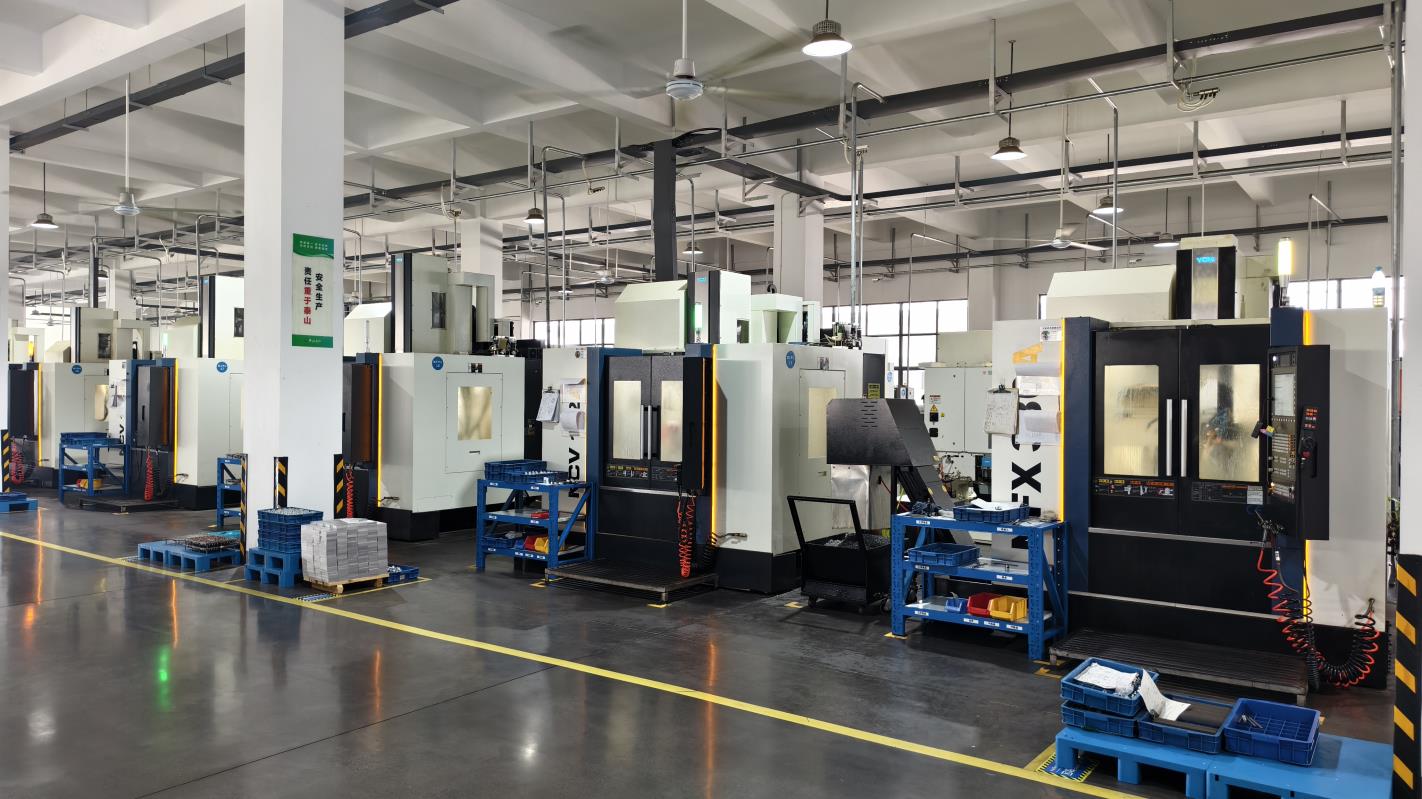
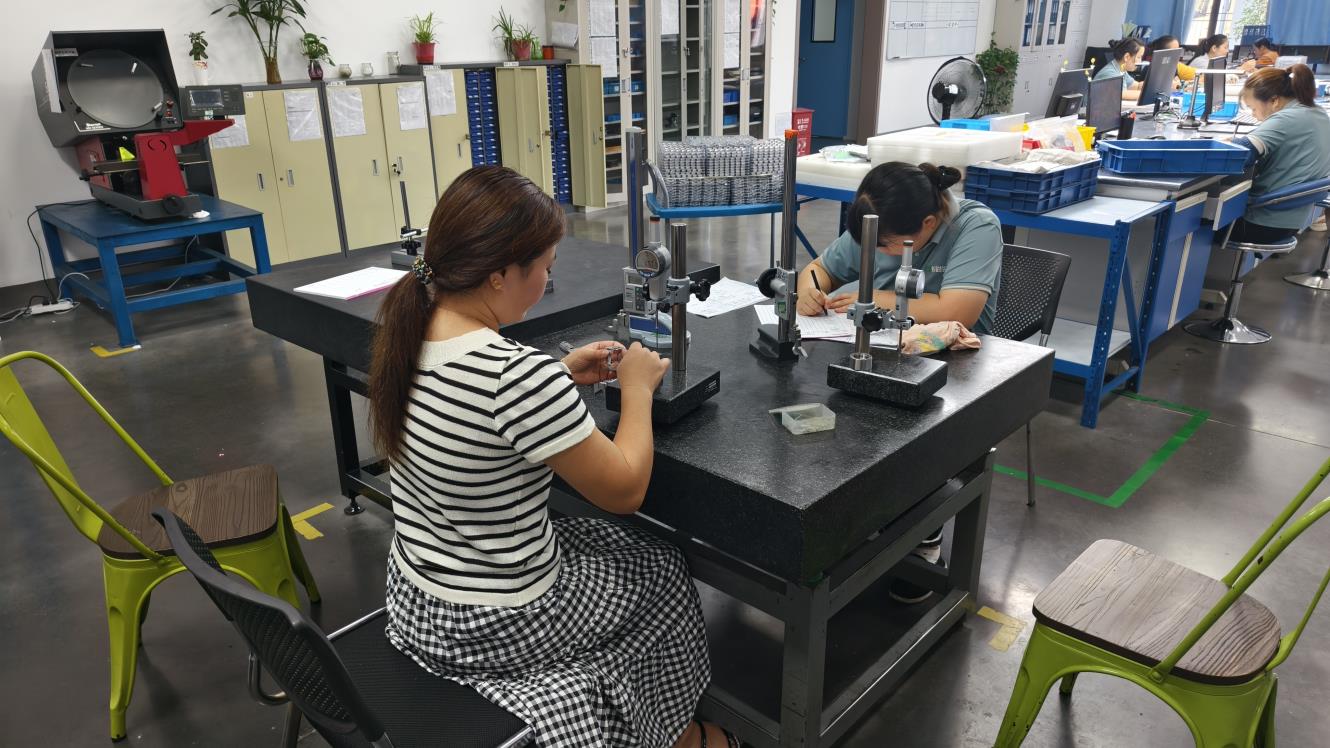
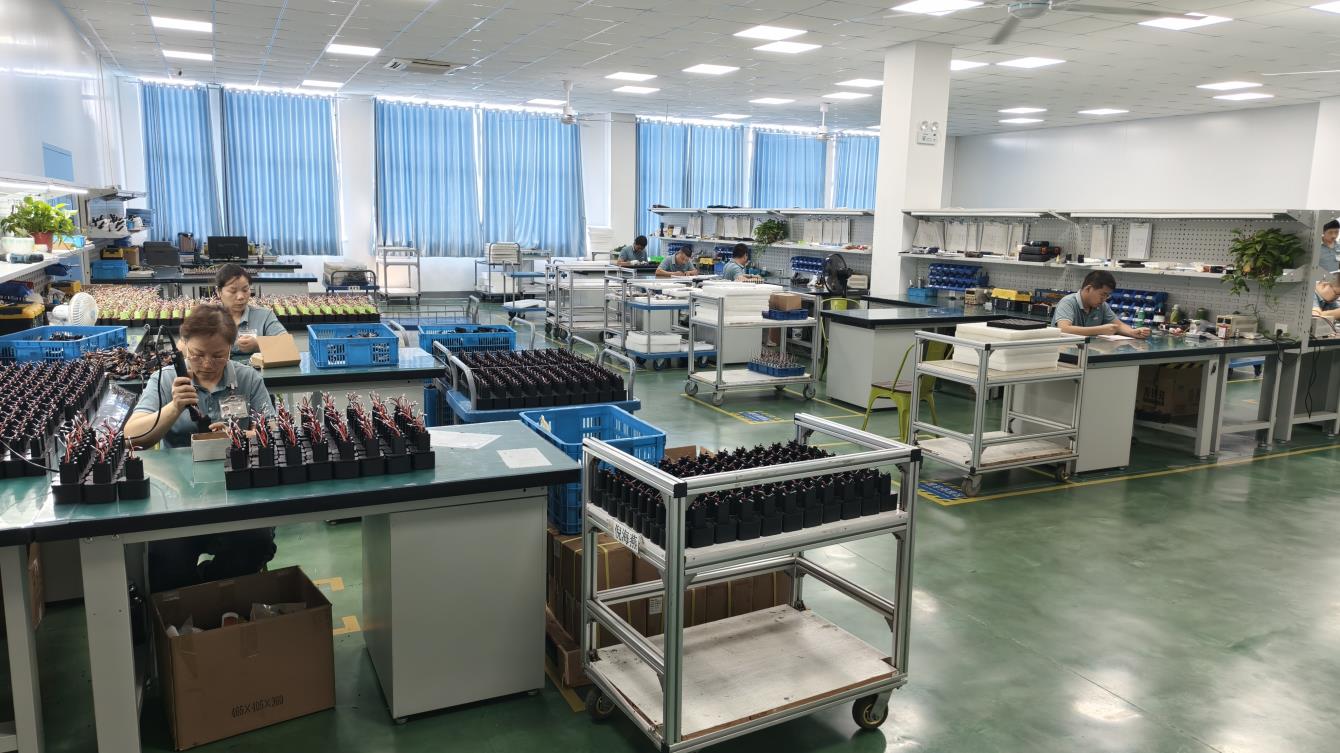
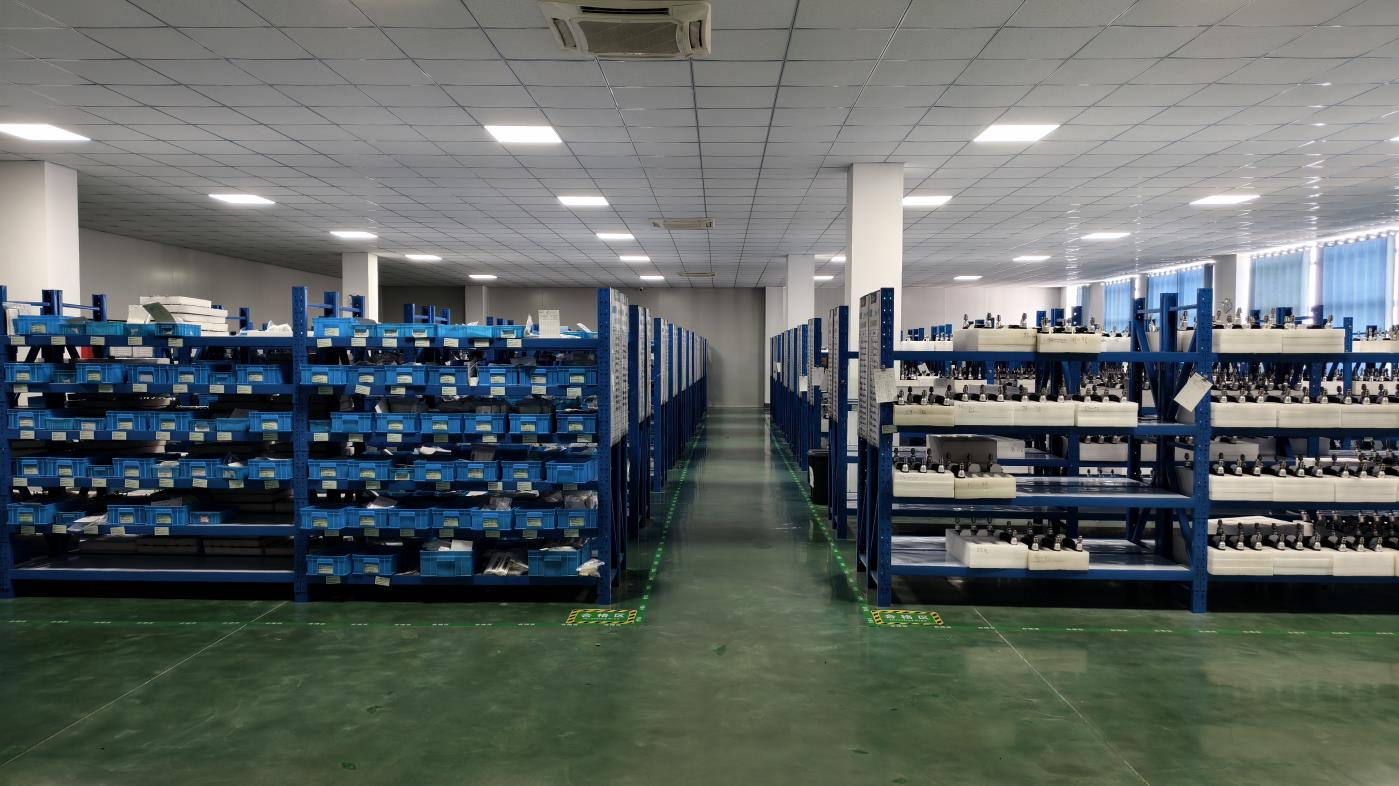
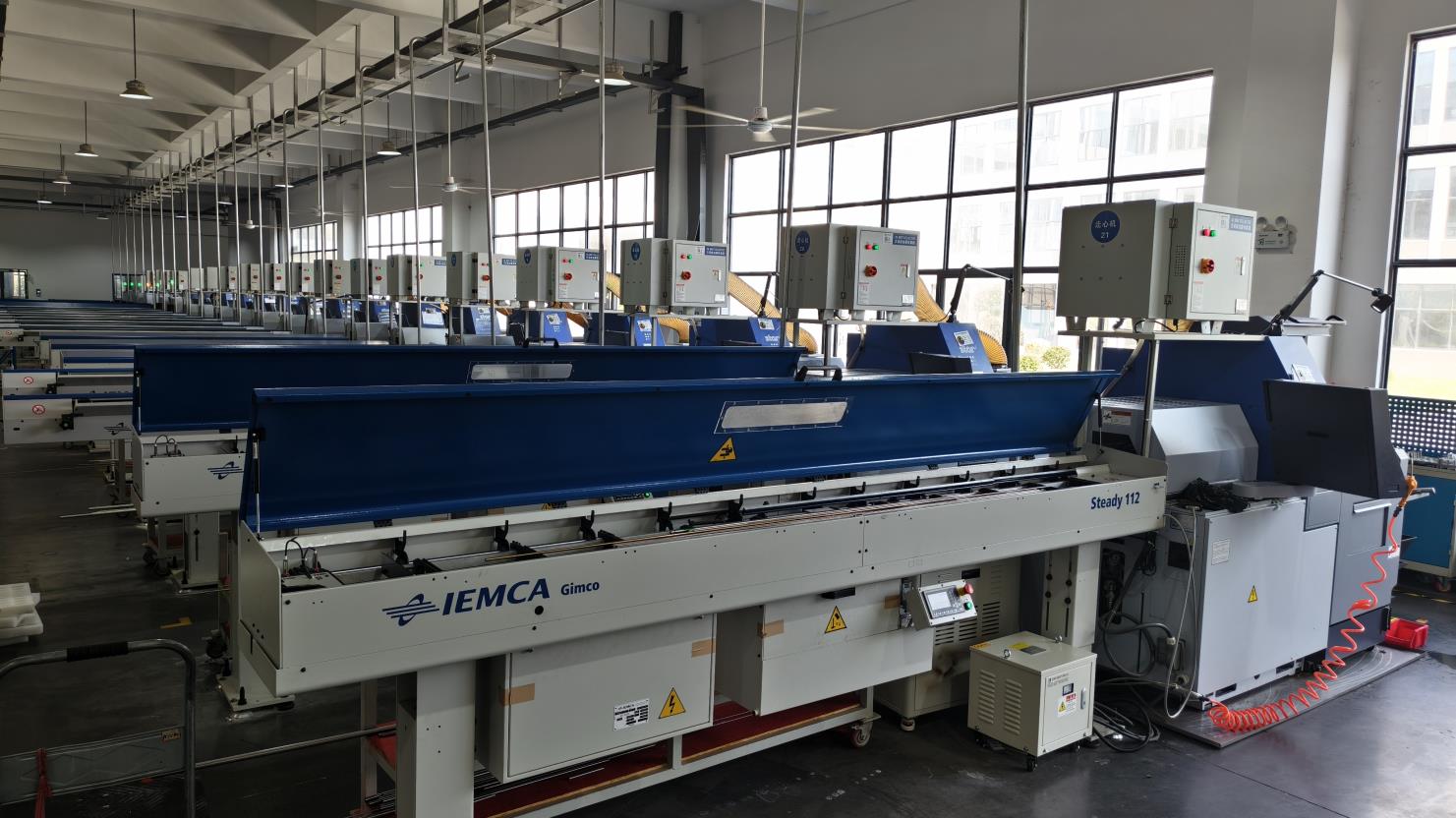
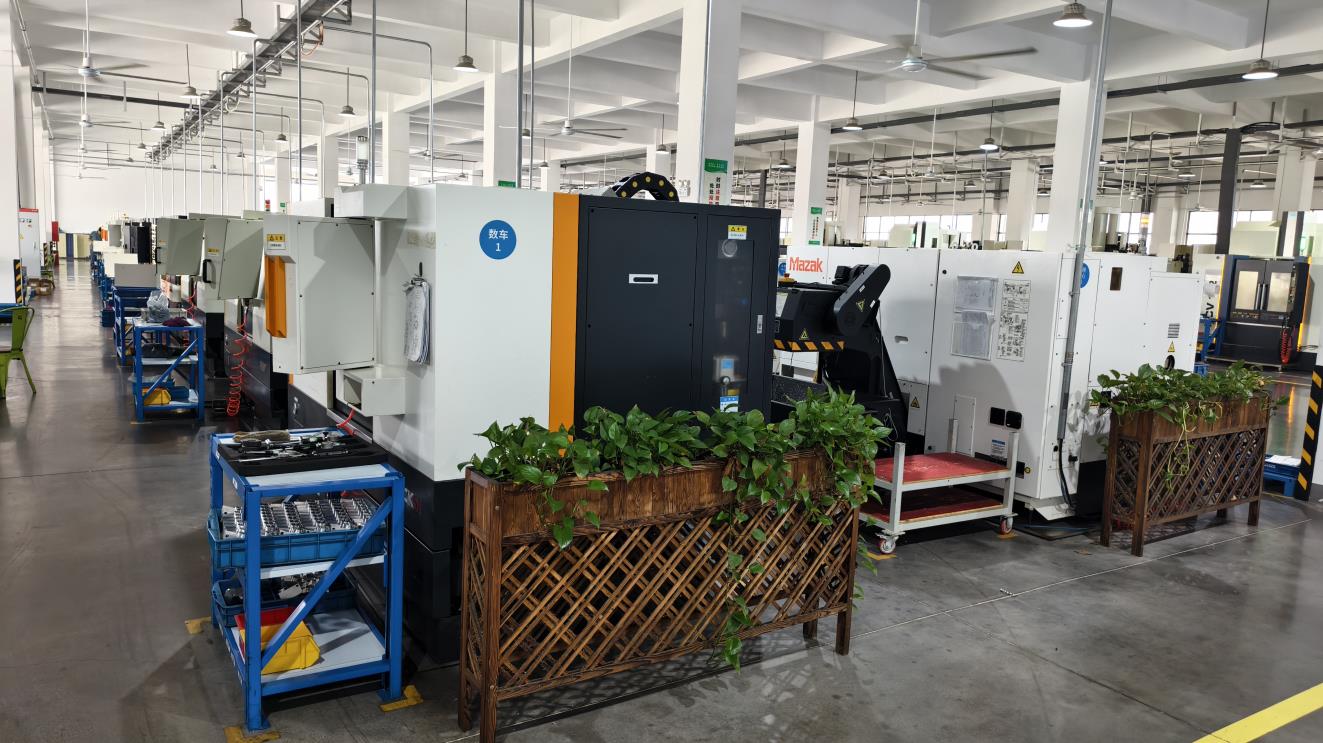
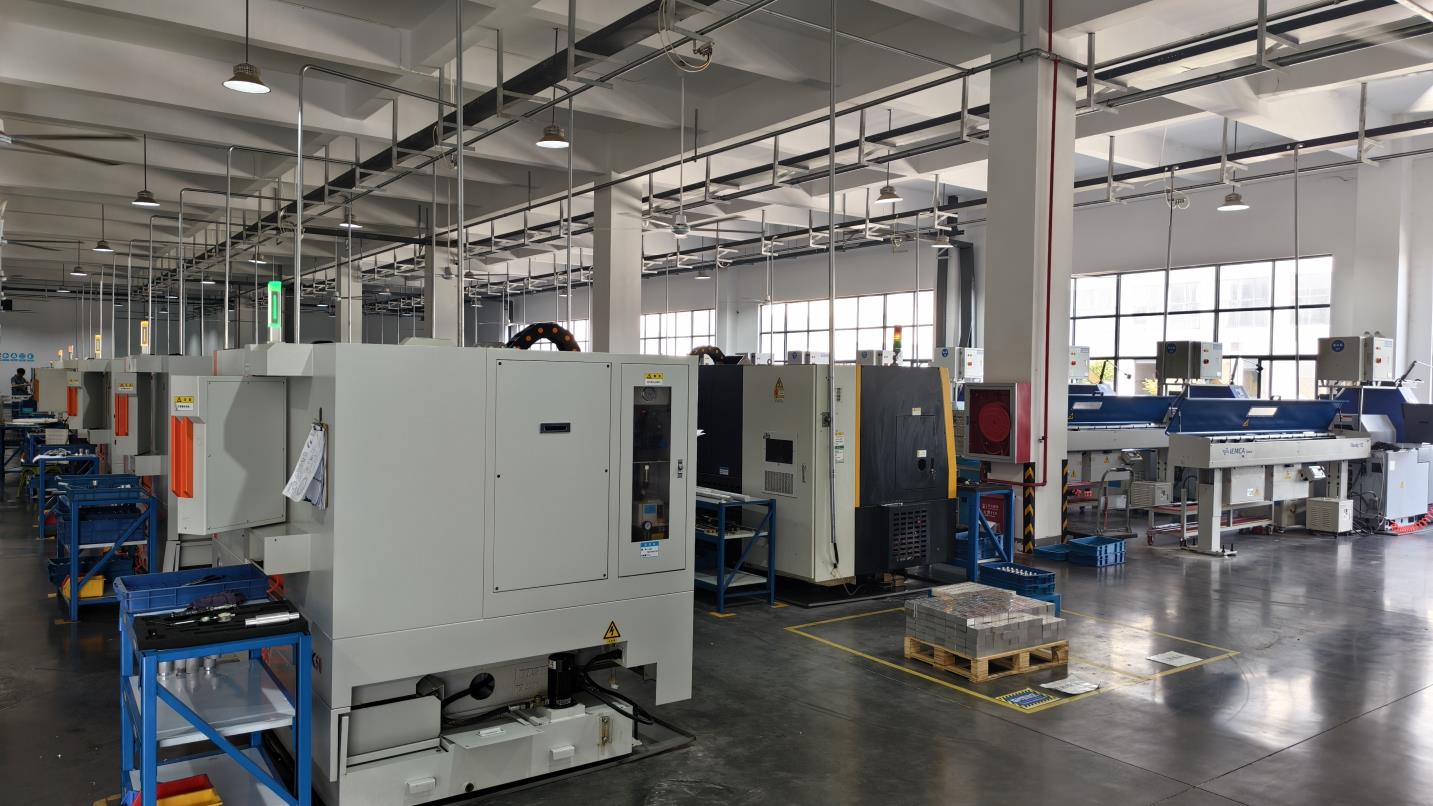
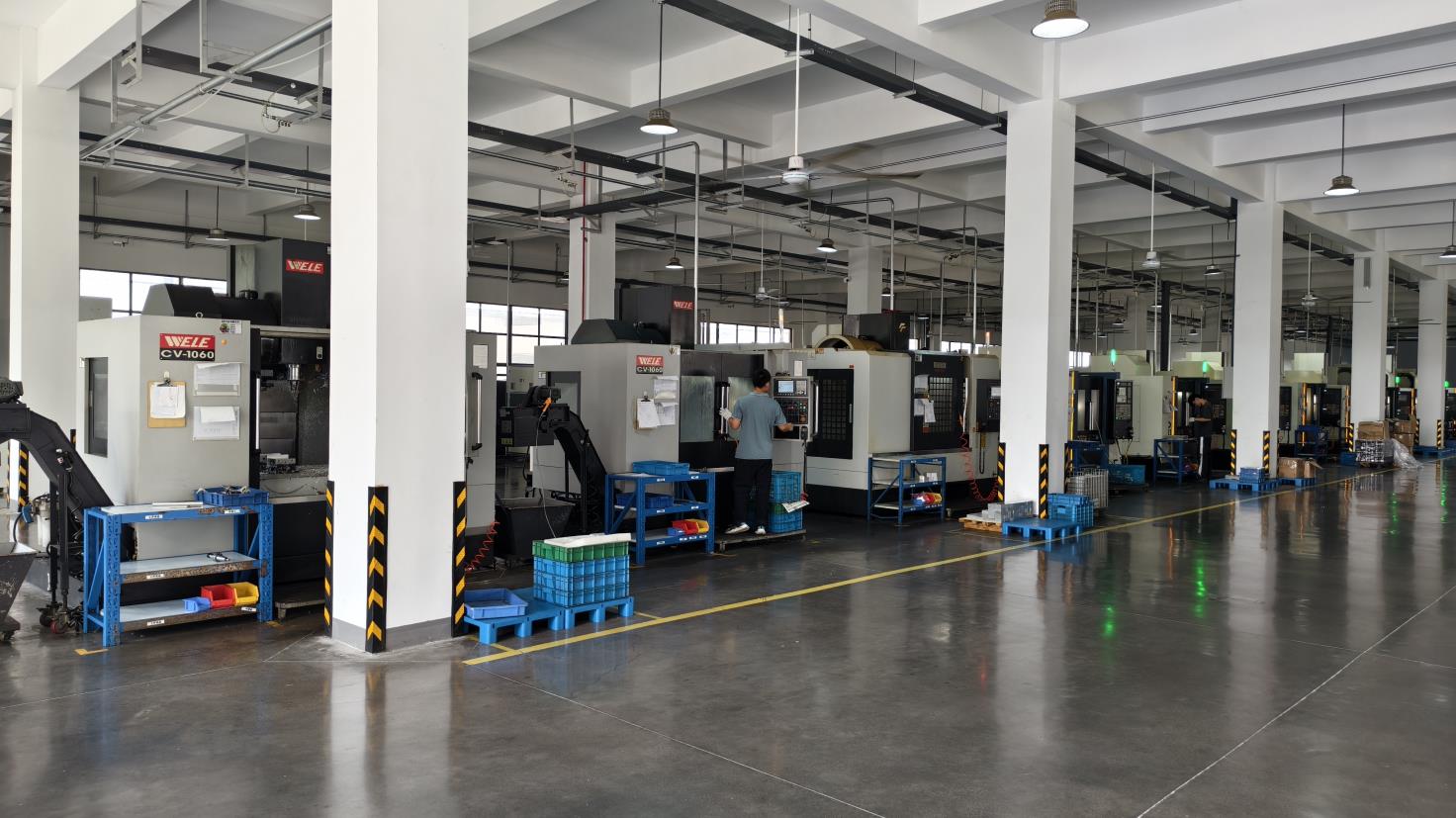
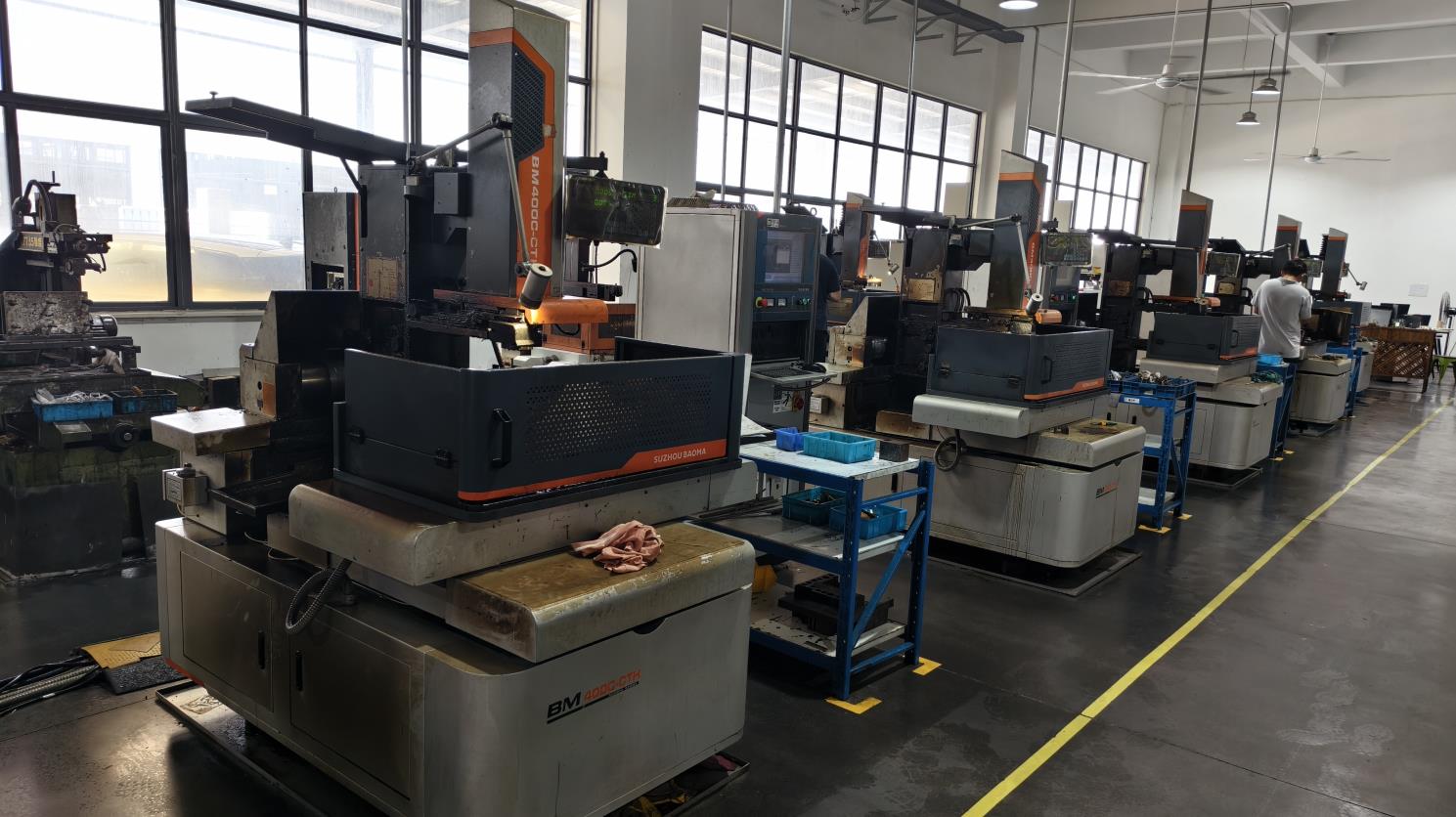
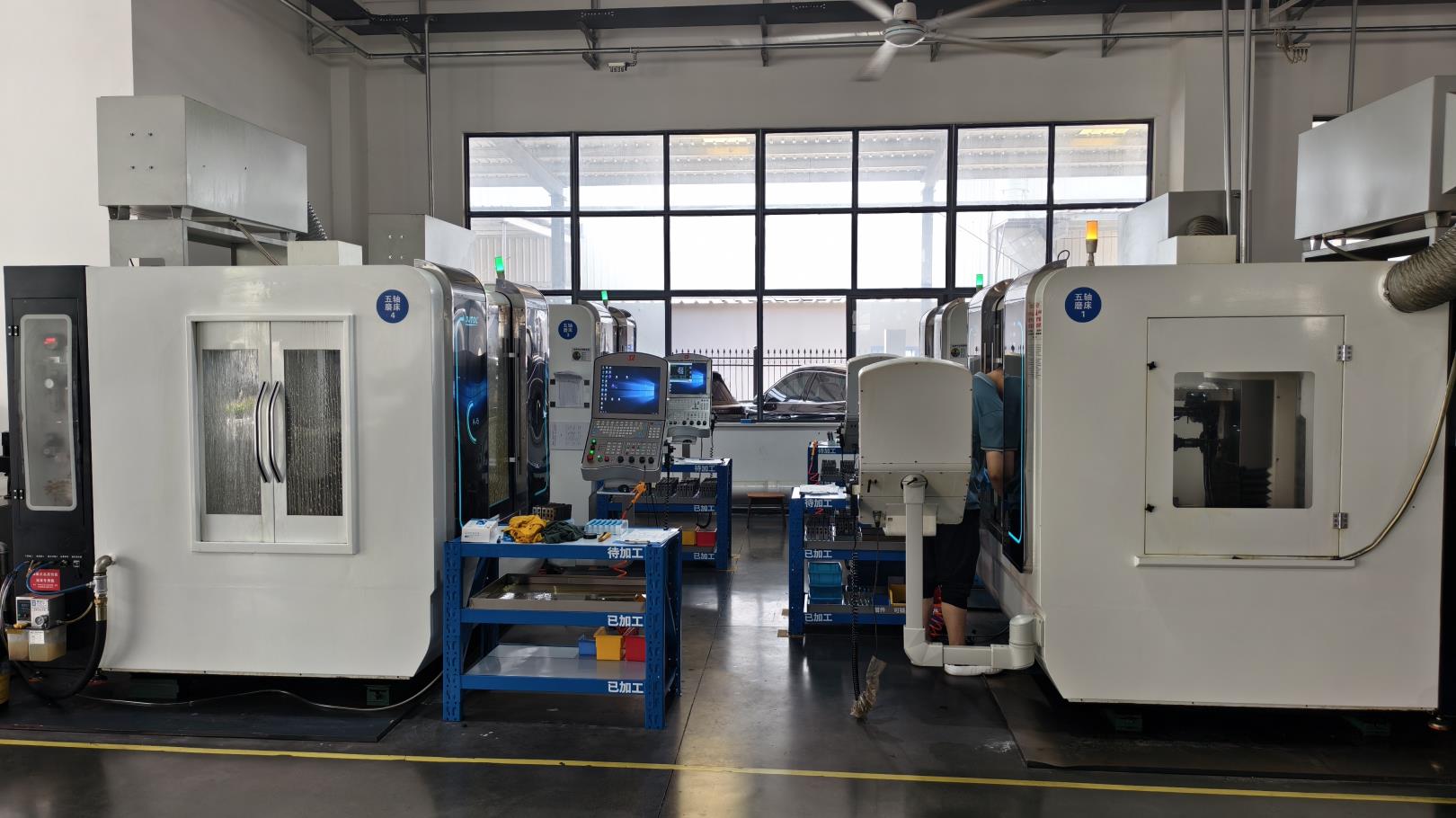
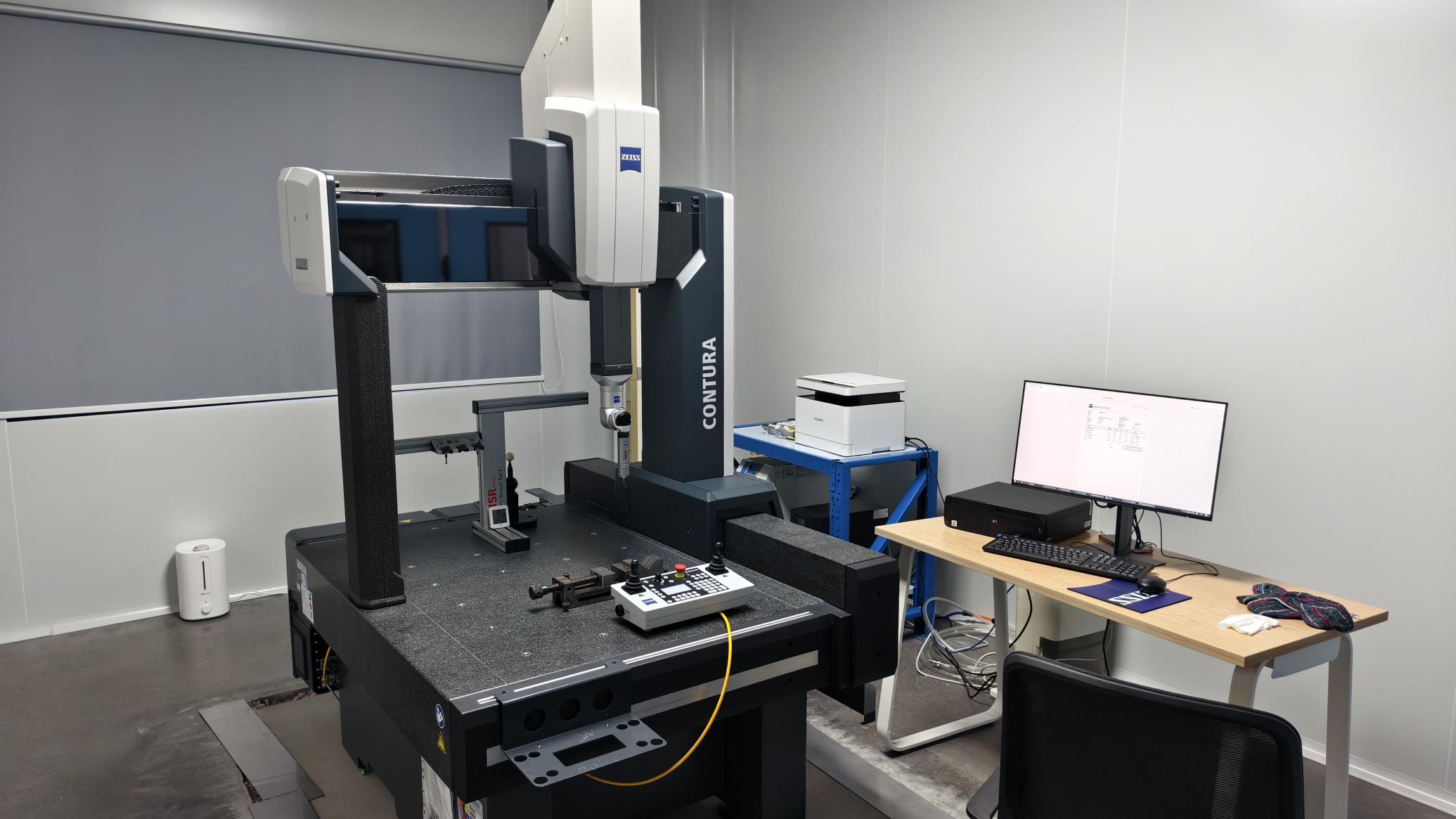
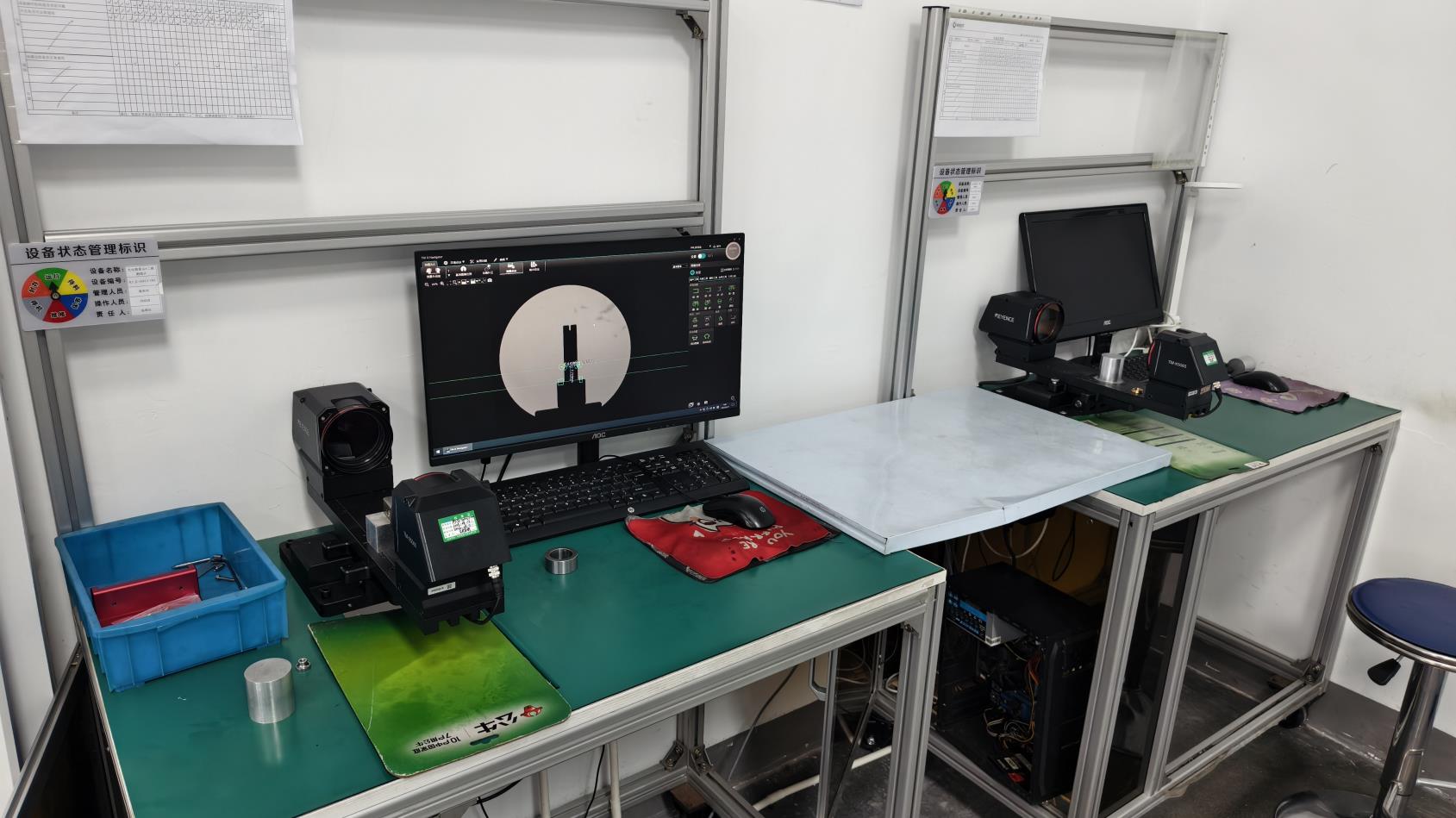
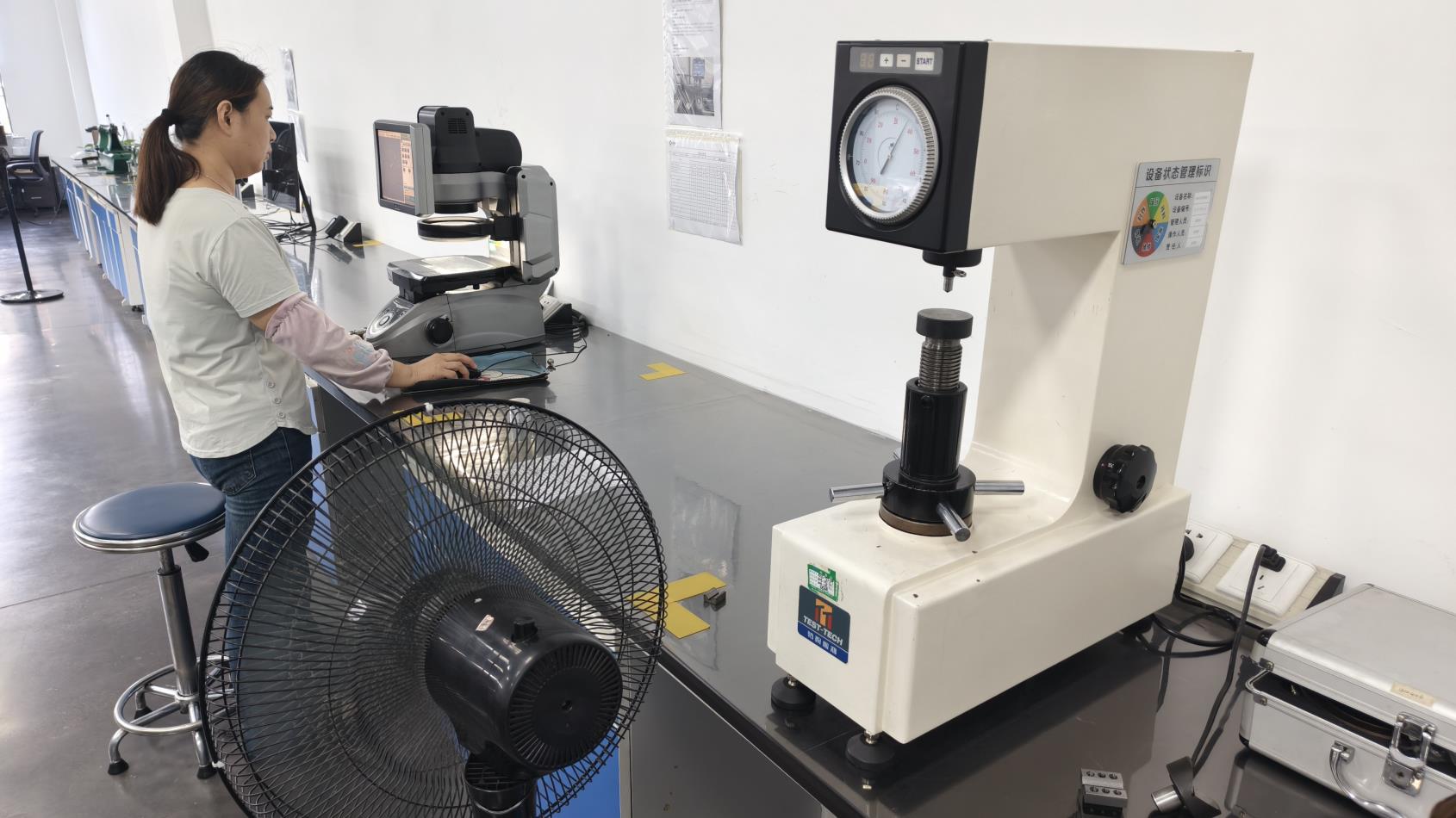
Transparent manufacturer profile showing export statistics, custom processing capacities, and quality control systems.
Company Registration Date: 2019-11-20
Years in Medical/Veterinary Industry: 6 Years
Years Exporting: 6 Years
Accepted Languages: English, Professional Technical Consultation
Raw Material Traceability: Yes, certified mill test reports provided for all raw materials.
Product Inspection Method: Random inspection, plus custom test profiles based on client requirements.
QA/QC Inspectors: 3 on-site engineers specializing in orthopedic metallurgy.
Main Markets: North America (25%), South America (25%), Southeast Asia (15%), African Regional Traumatology Hubs (including Ethiopia, Kenya, and Djibouti).
Client Demographics: Global Brand Distributors, Hospital Network Wholesalers, Veterinary Group Sourcing Agents, and Private Surgical Practice Networks.
Customization Scope: Sample processing, complex blueprint CAD processing, customized orthopedic bender designs on demand.
Laser Markings: Custom branding, batch tracking codes, and QR markers can be etched onto surgical tools to aid hospital asset tracking.
Direct answers regarding metallurgical specifications, international regulatory compliance, shipping logistics to Ethiopia, and wholesale discounts.
Get in touch with our team today to request catalog pricing, sample instruments, or direct manufacturing quotes for custom orthopedic plate benders.