 SENJIE Healthy & Technology
SENJIE Healthy & Technology
SENJIE Healthy & Technology
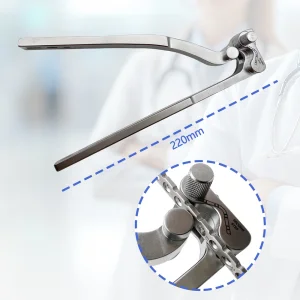
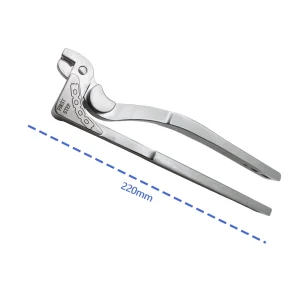
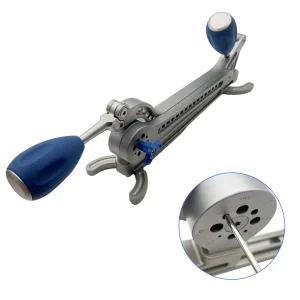
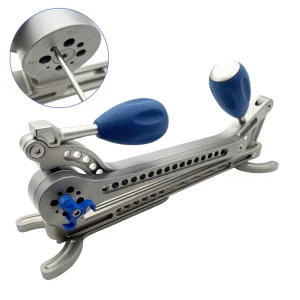
Premium medical grade hand tools designed for immediate intraoperative modifications of osteosynthesis reconstruction plates.
An in-depth analysis of orthopedic instrument requirements, manufacturing technologies, and localized Japanese clinical scenarios.
Japan exhibits one of the highest pet-to-human density ratios globally, characterized by an aging companion animal demographic. Standard procedures for femoral head ostectomy, cranial cruciate ligament (CCL) stabilization, and complex fracture fixations in small-breed canines (e.g., Toy Poodles, Chihuahuas) require extremely precise instrumentation. The mechanical properties of locking and reconstruction plates require surgeon-controlled contouring using high-hardness bending irons and manual bending pliers. Devices must conform to Japan's rigorous clinical expectations: seamless corrosion resistance, autoclave structural integrity, and ergonomic micro-designs.
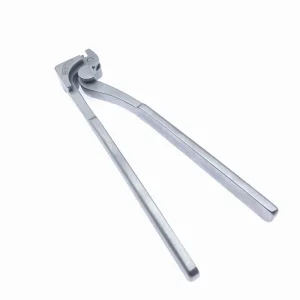
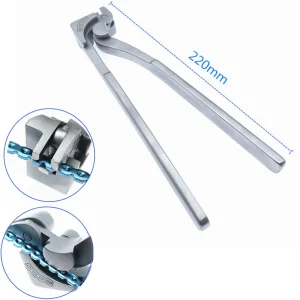
During osteosynthesis, reshaping bone plates to match the target bone contour is critical to prevent mechanical screw failure or stress shielding. The bending process introduces cold-working stress to the implant material (typically SUS316L or titanium alloy). Cheaply constructed bending instruments can cause surface scratching on the implant, which compromises biocompatibility and induces corrosion. Our premium AO-style plate benders feature polished, rounded grooves that distribute mechanical force evenly, minimizing stress concentration zones. This is especially vital for reconstruction plates used in small-animal jaw fractures and mini-fragment systems (1.5mm to 2.4mm).
Japanese medical distributors are increasingly sourcing orthopedic hand instruments from advanced Chinese factories due to significant technical advancements:
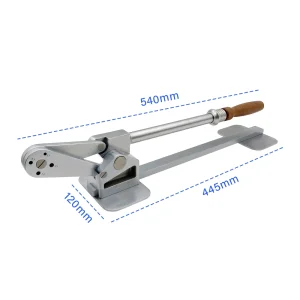
In veterinary clinics throughout Tokyo, Osaka, and Fukuoka, space and autoclave capacity are key operational considerations. High-performance multifunctional plate benders and combination cutters reduce the overall instrument count needed in surgical cassettes. For instance, the QSWTITAN Table Rod Cutter integrates a precise measurement gauge (1.5mm to 6.0mm), allowing veterinary surgeons to trim Kirschner wires and titanium rods directly on the sterile field, saving critical operating time.
Browse our extensive line of high-grade surgical stainless steel plate benders, K-wire punches, and cutting forceps.
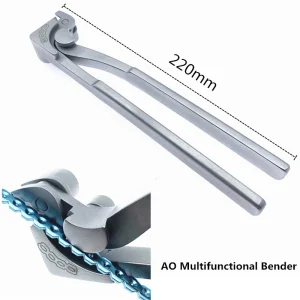
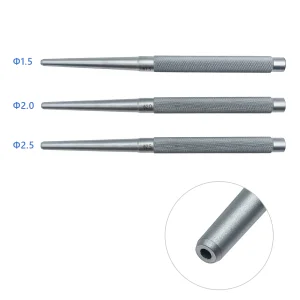
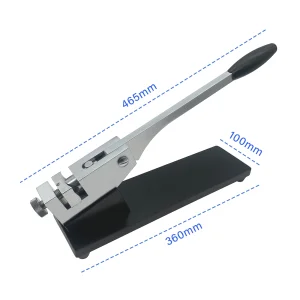
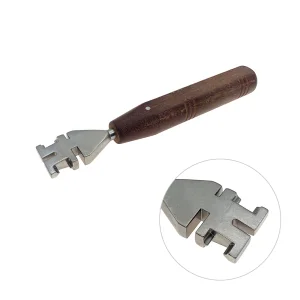
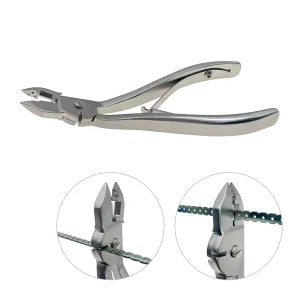
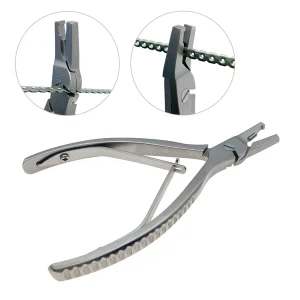
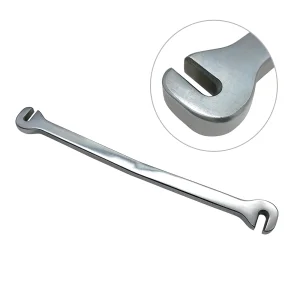
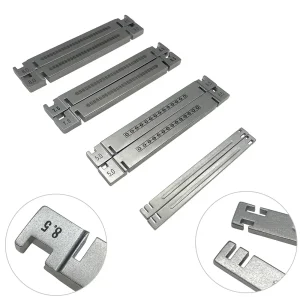
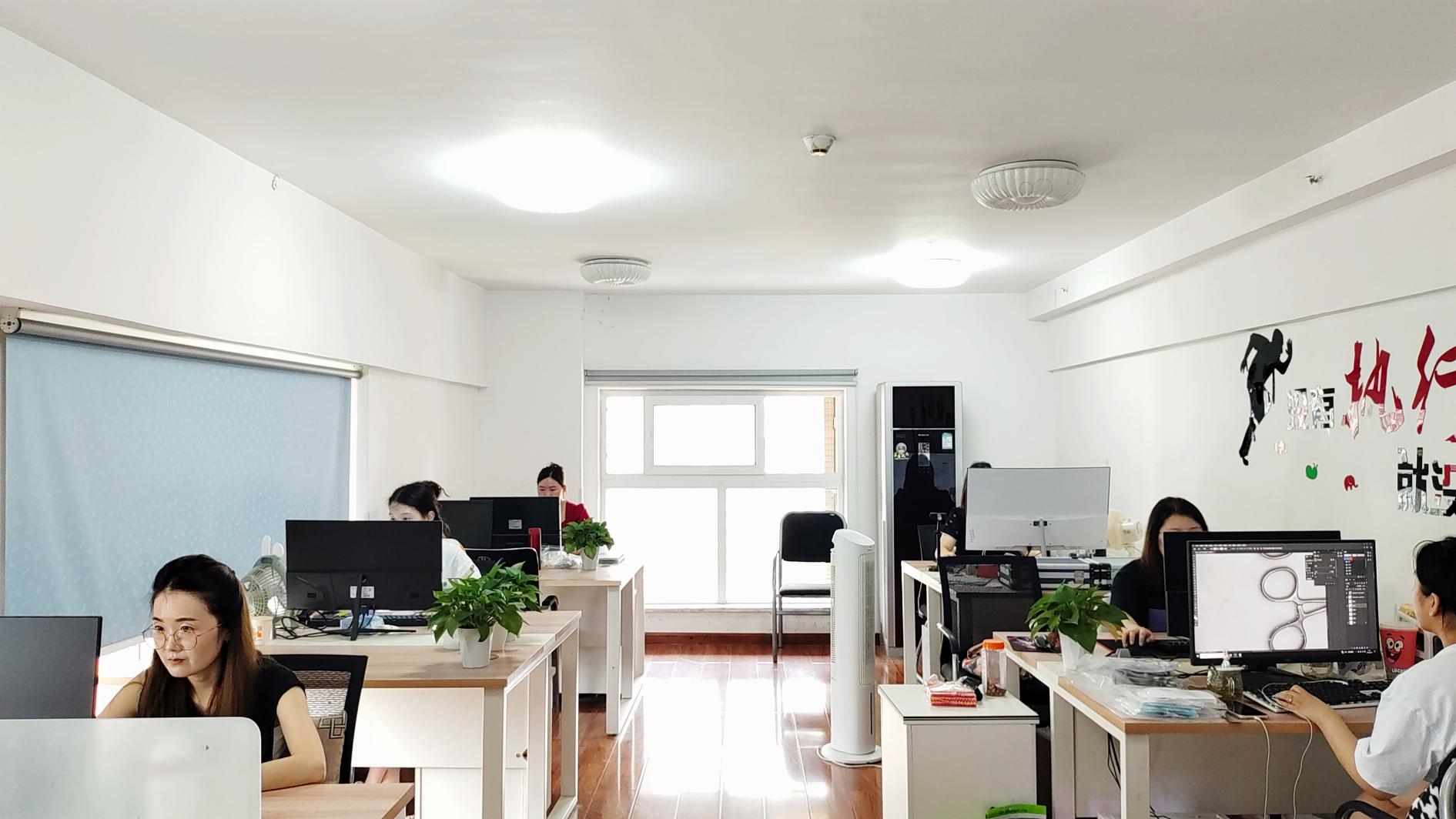
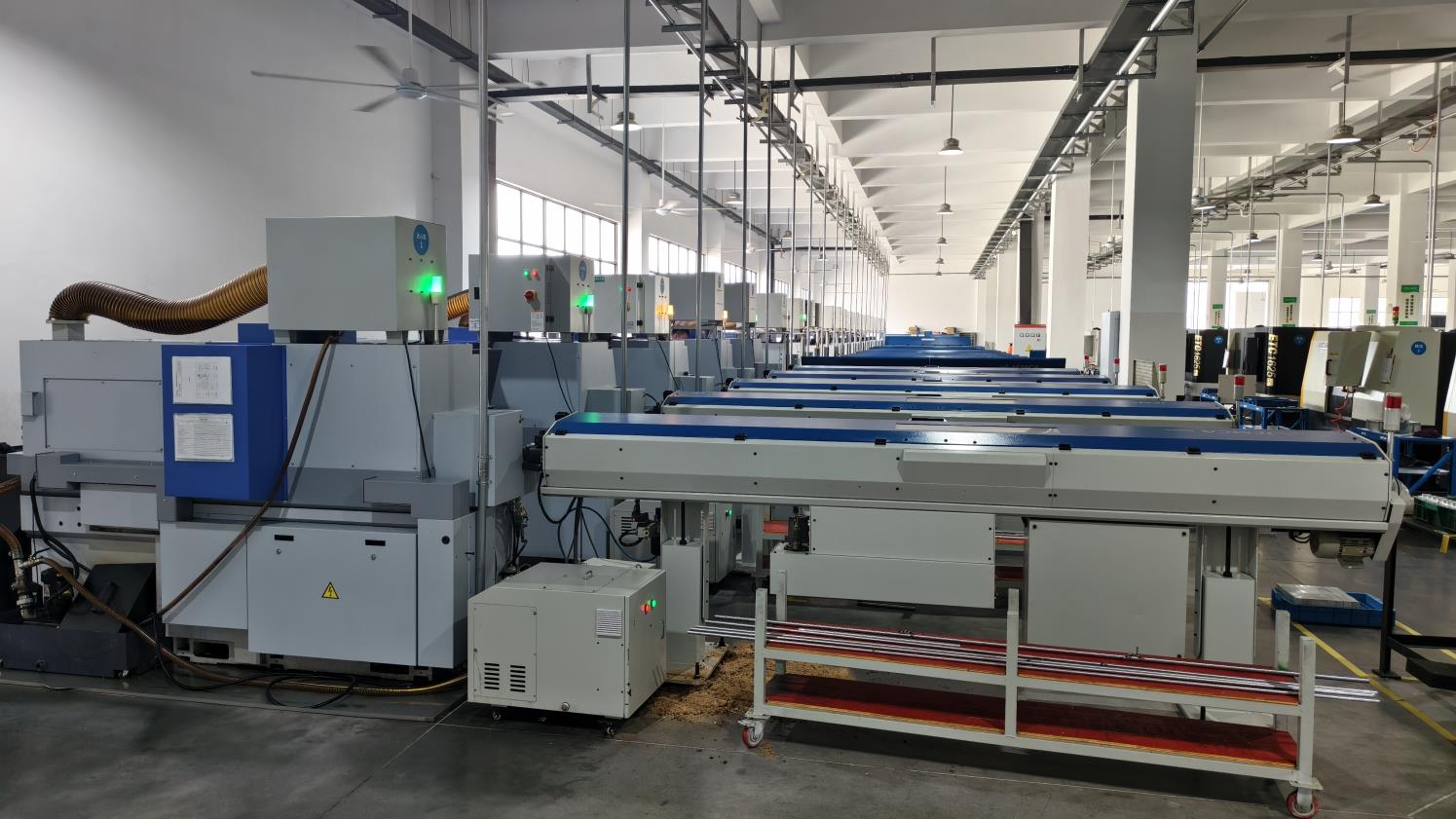
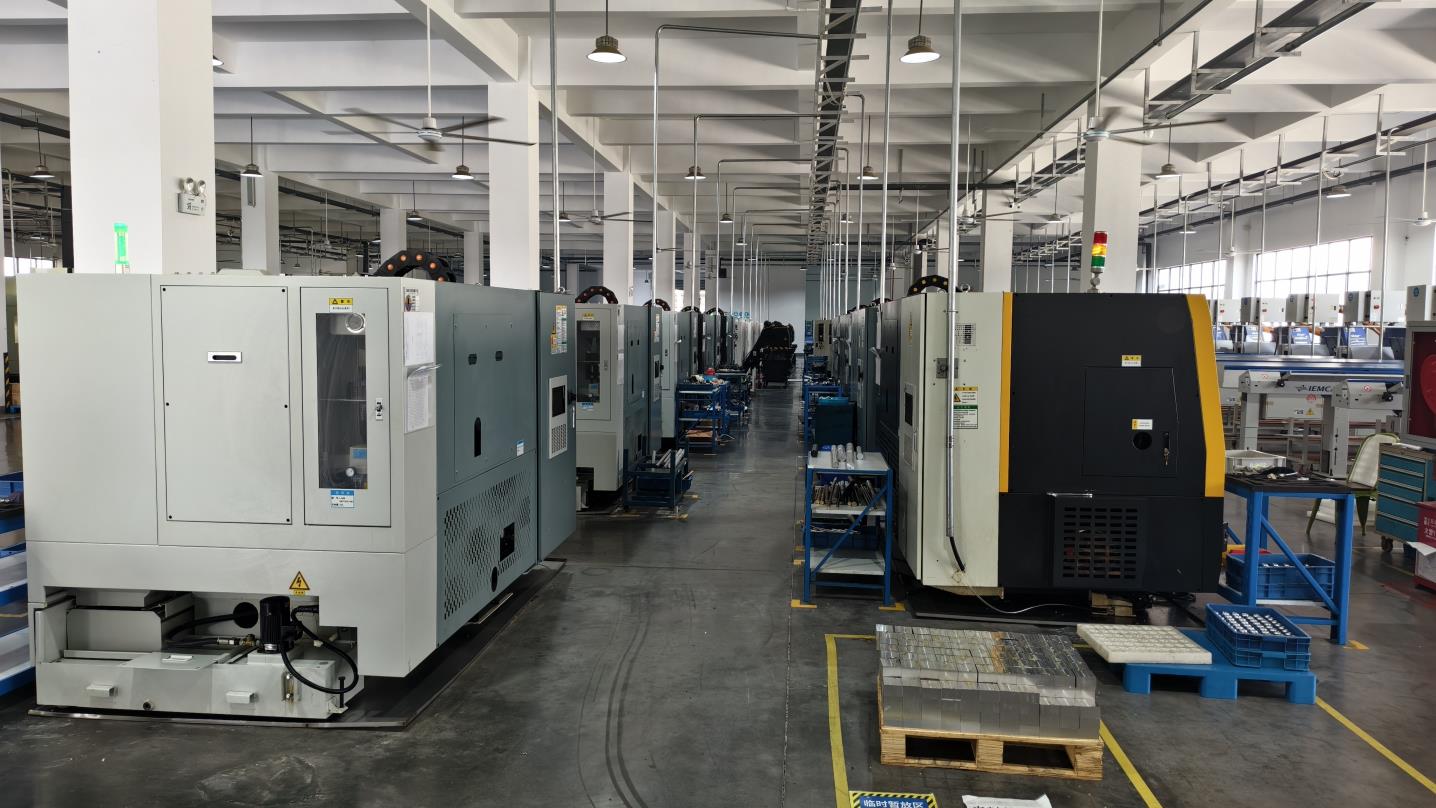
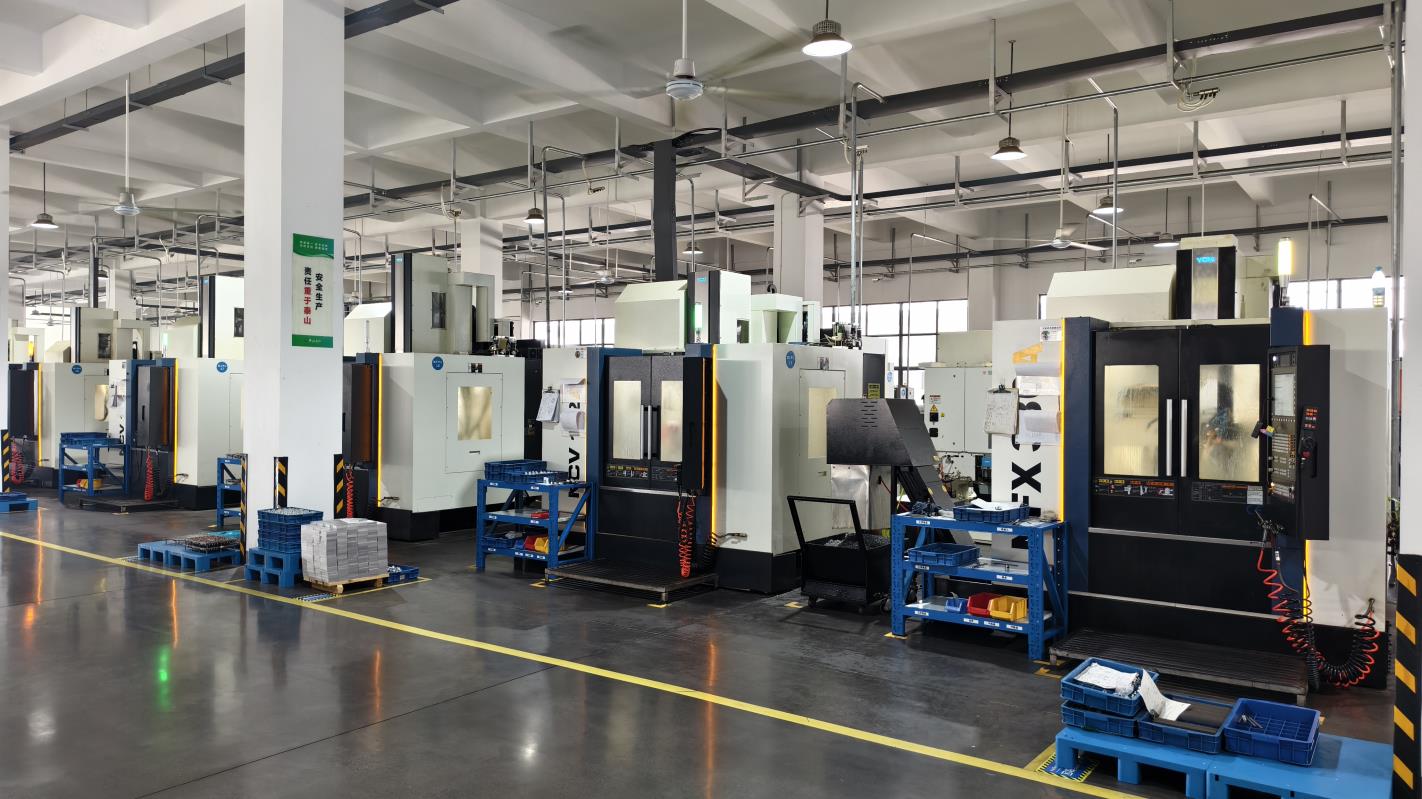
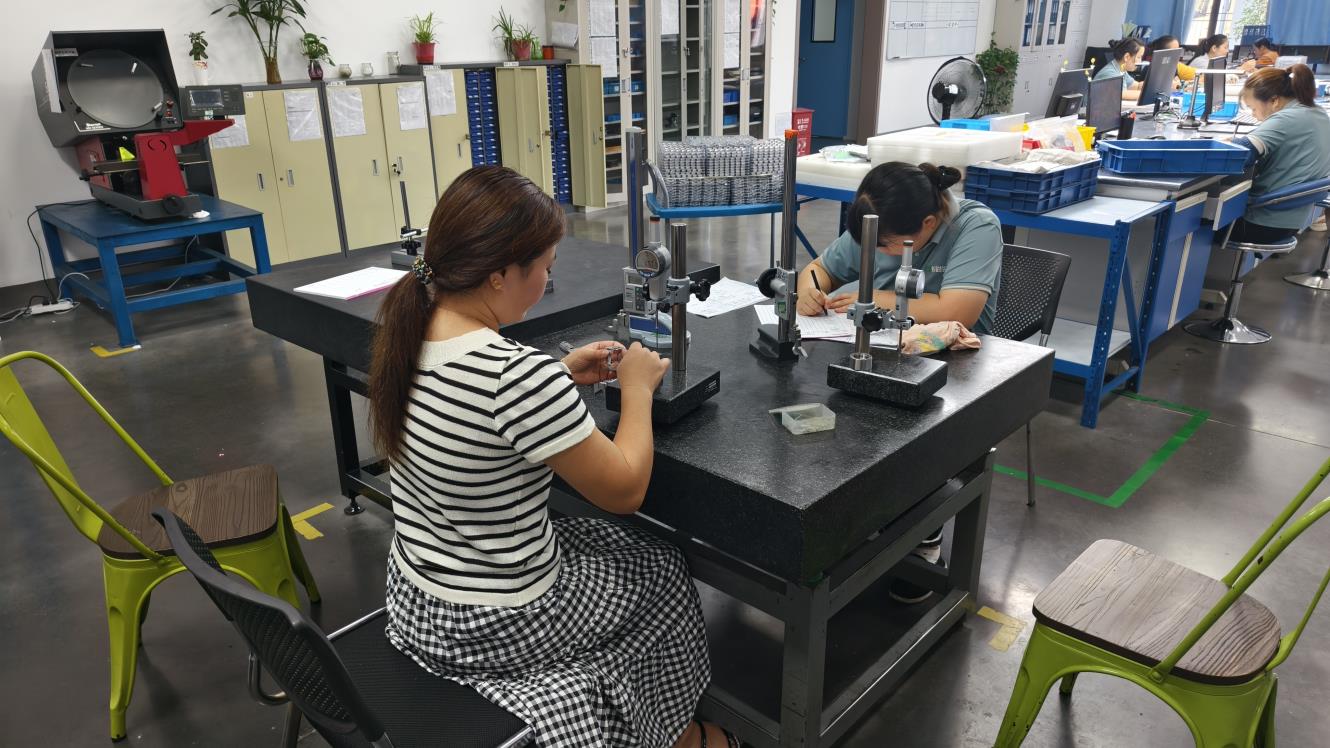
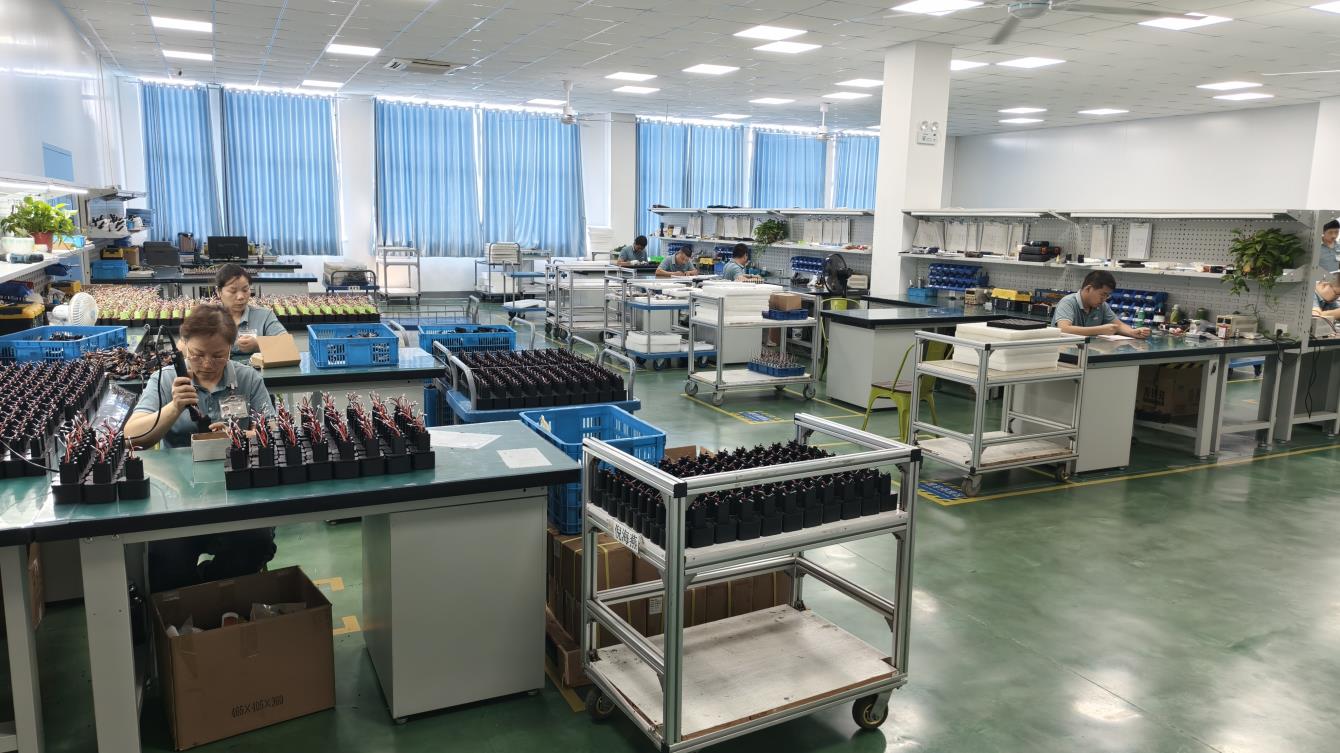
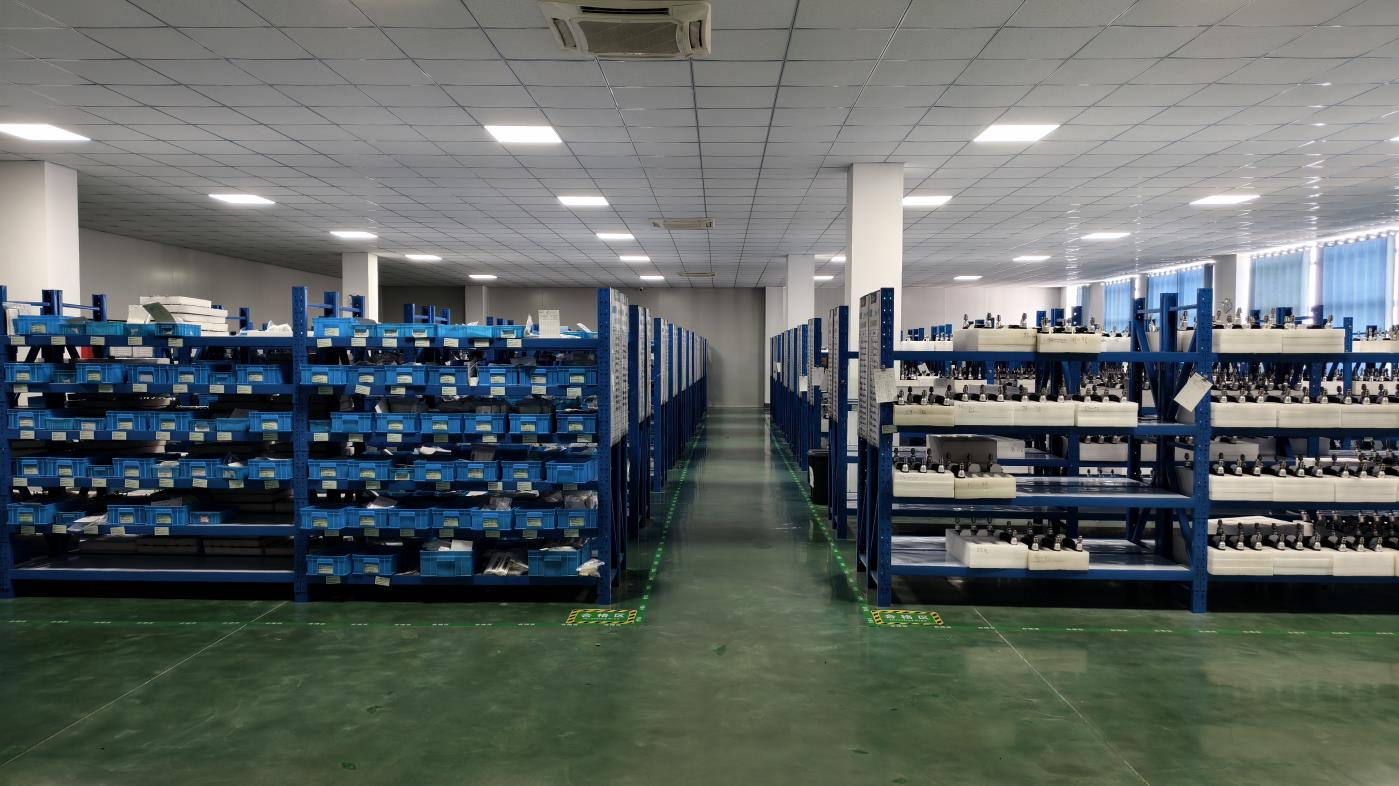
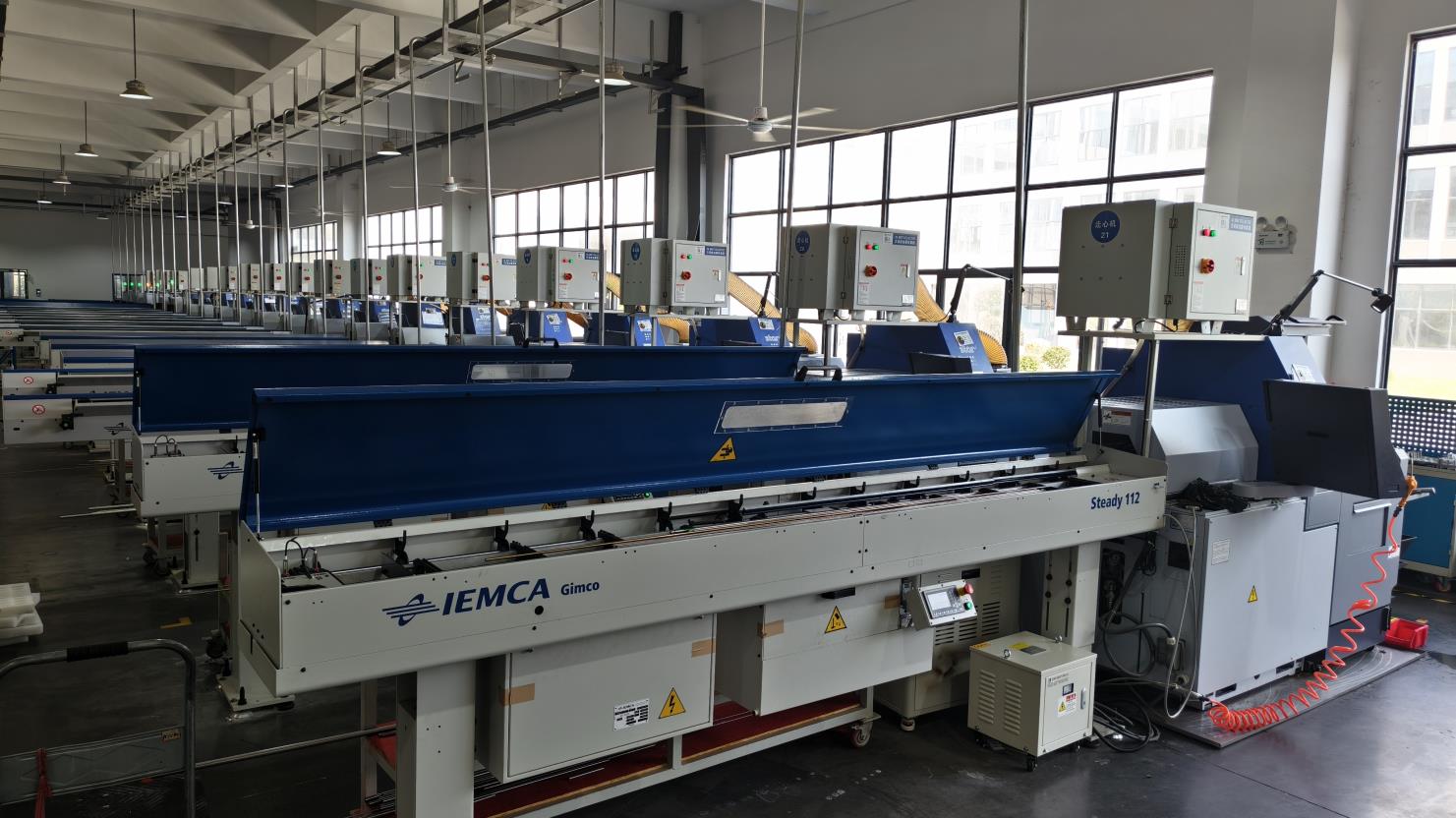
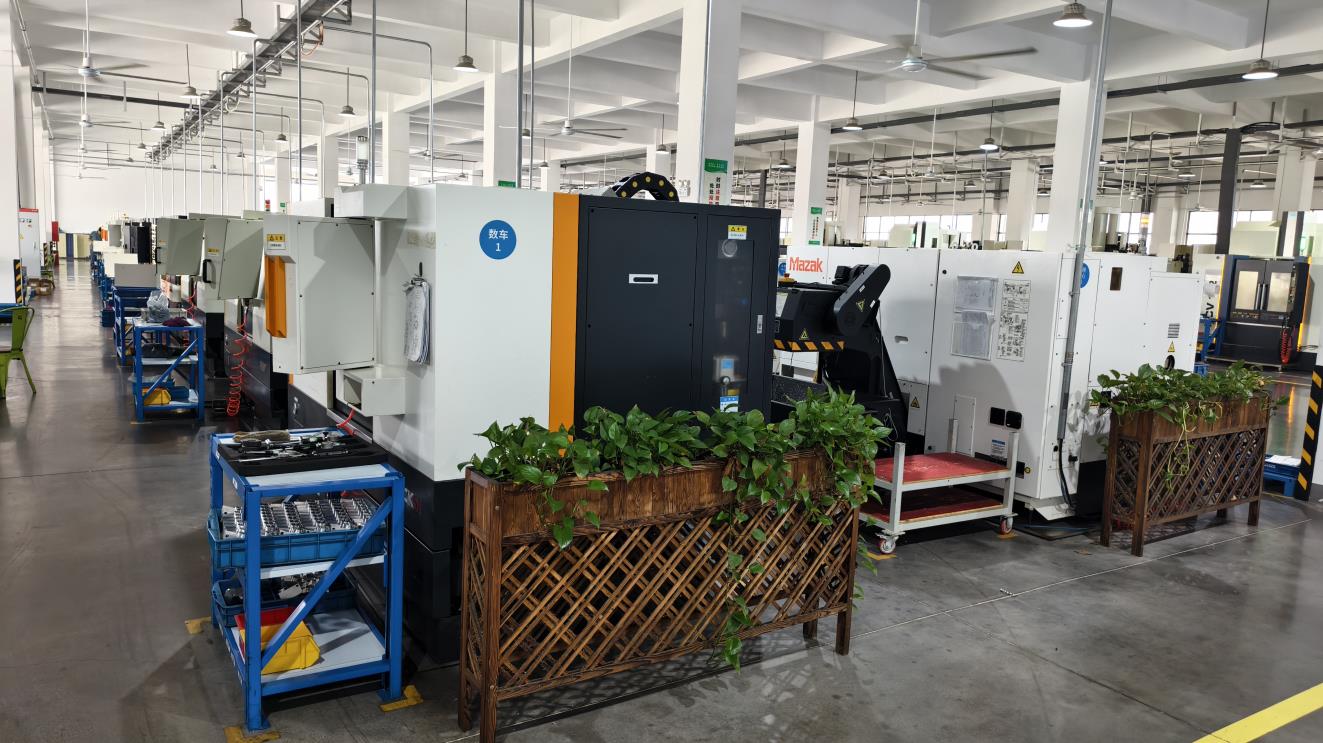
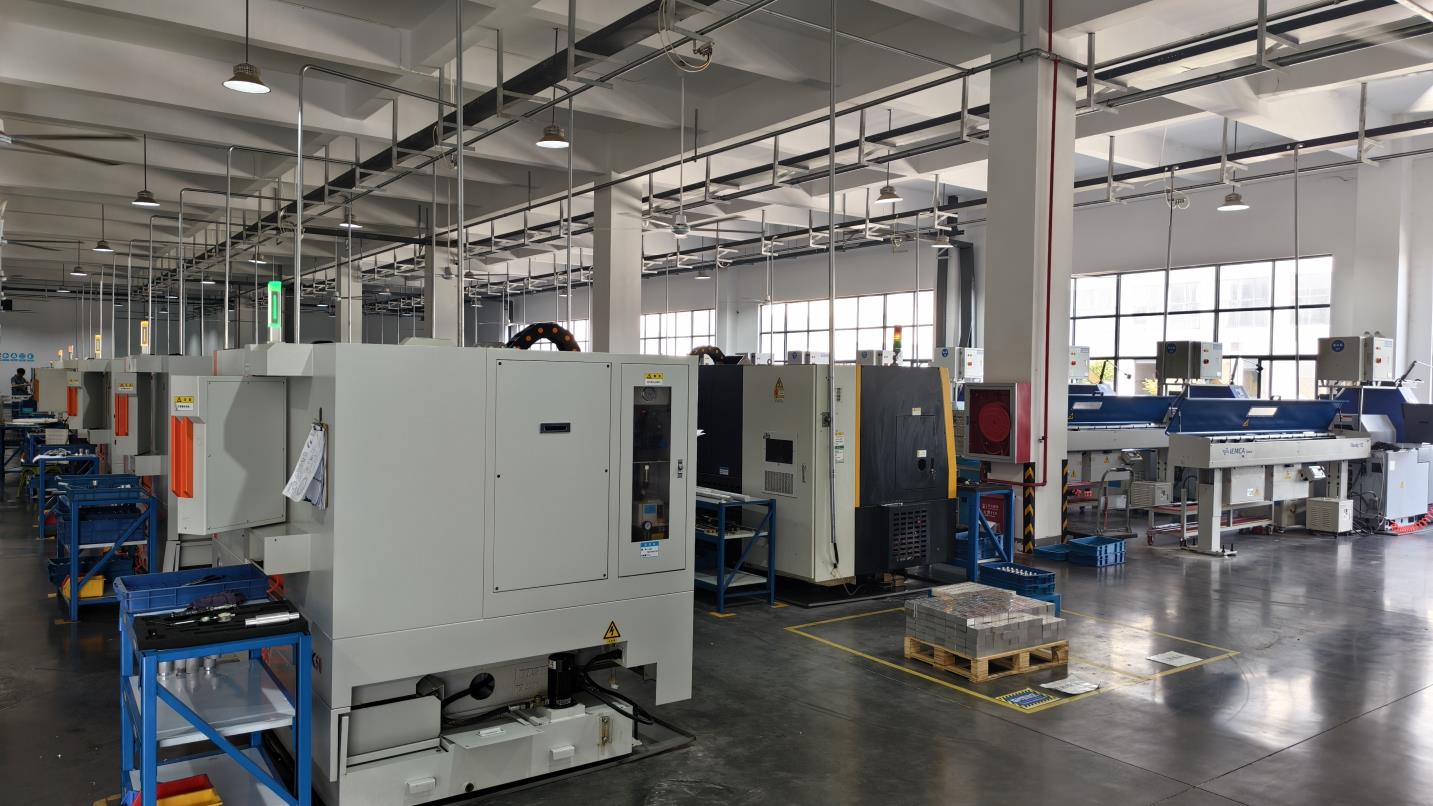
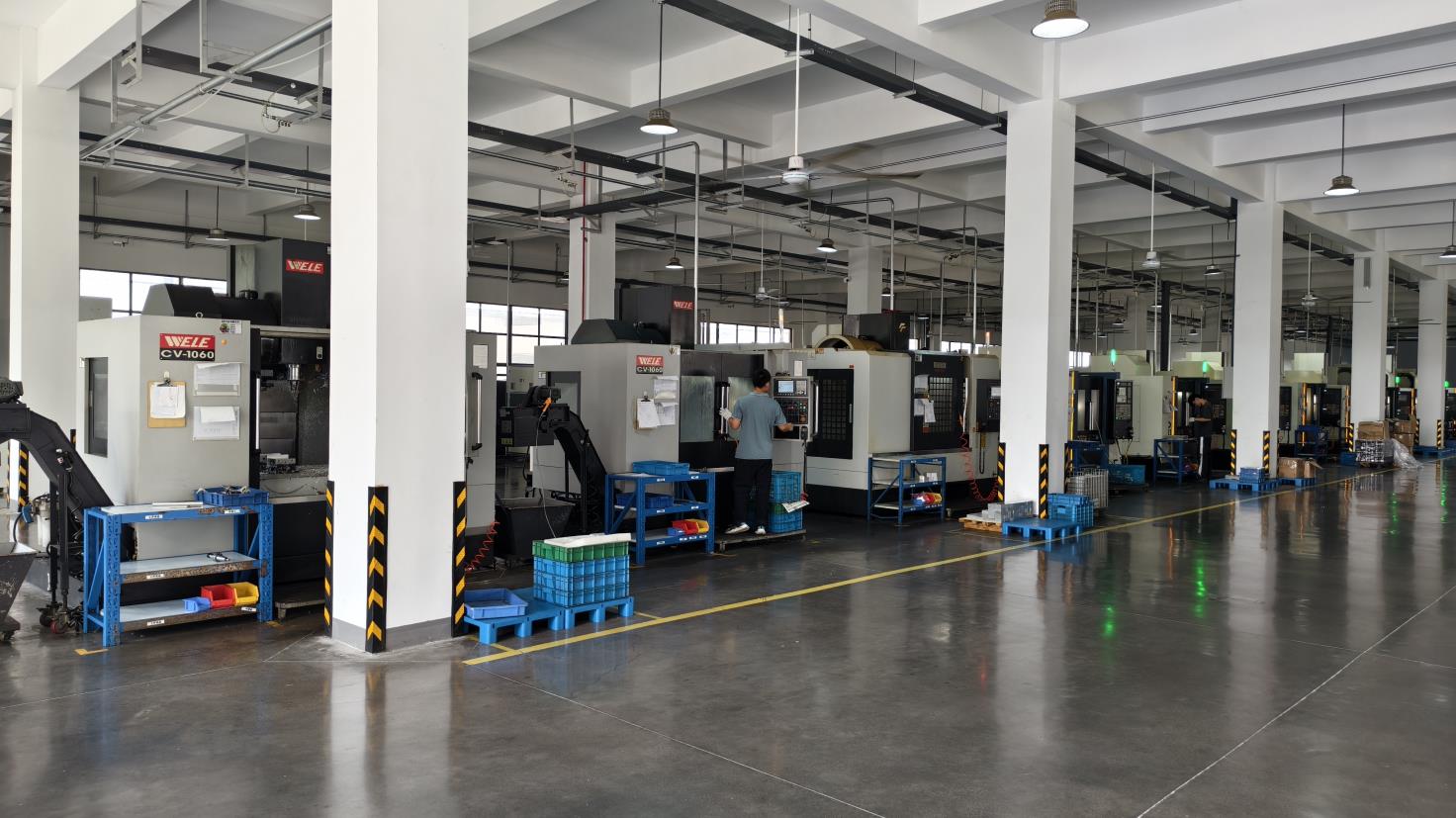
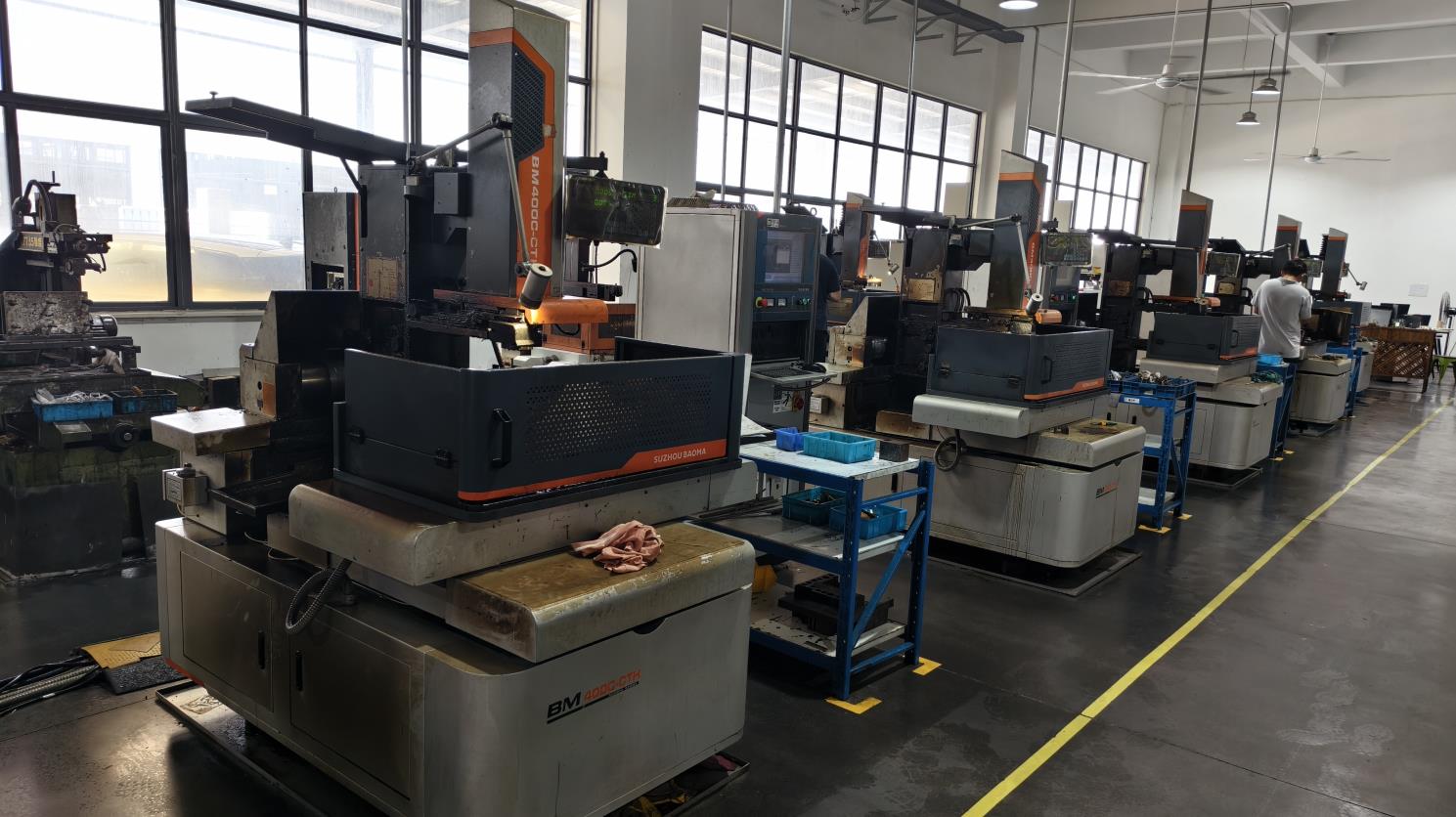
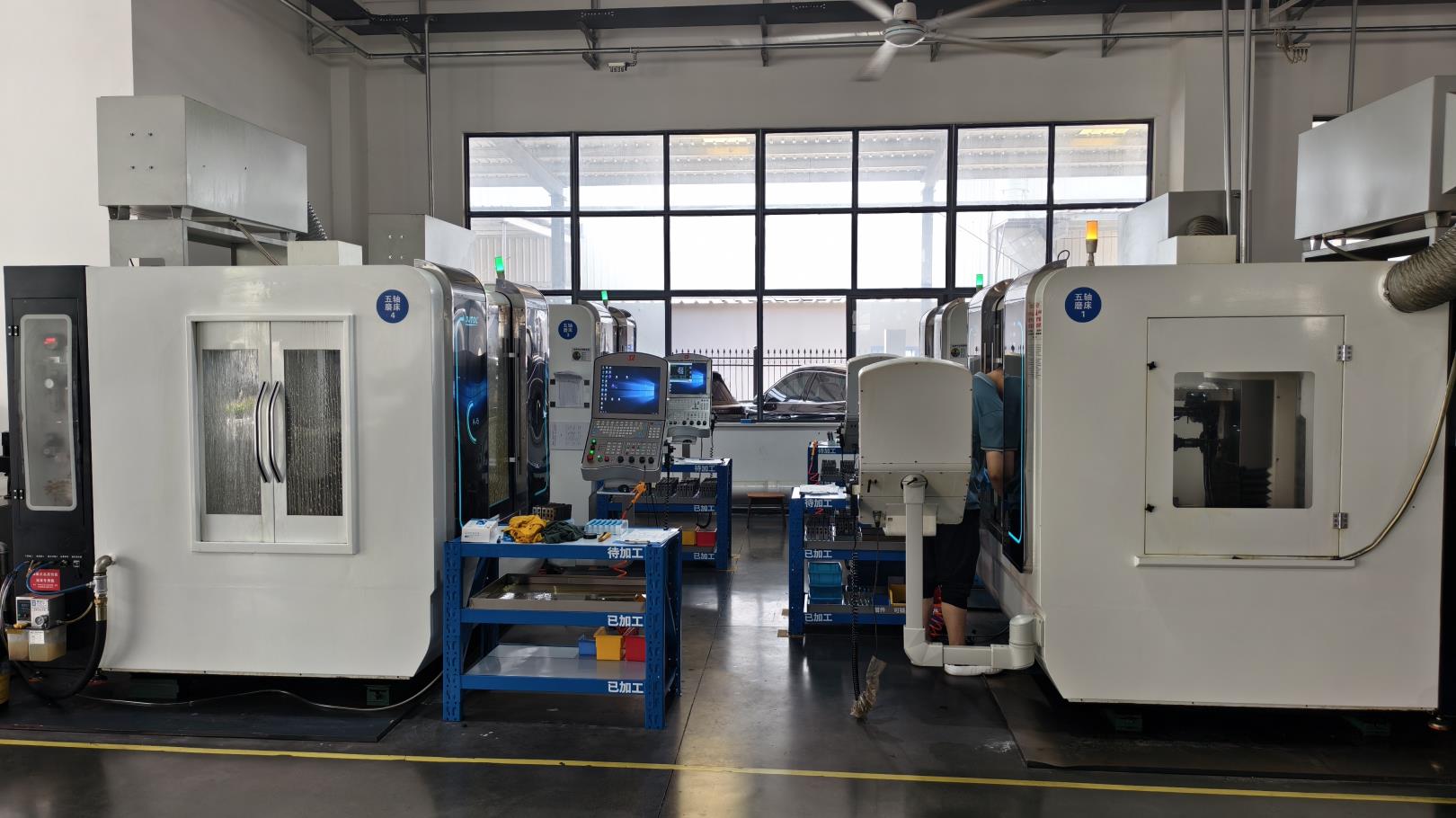
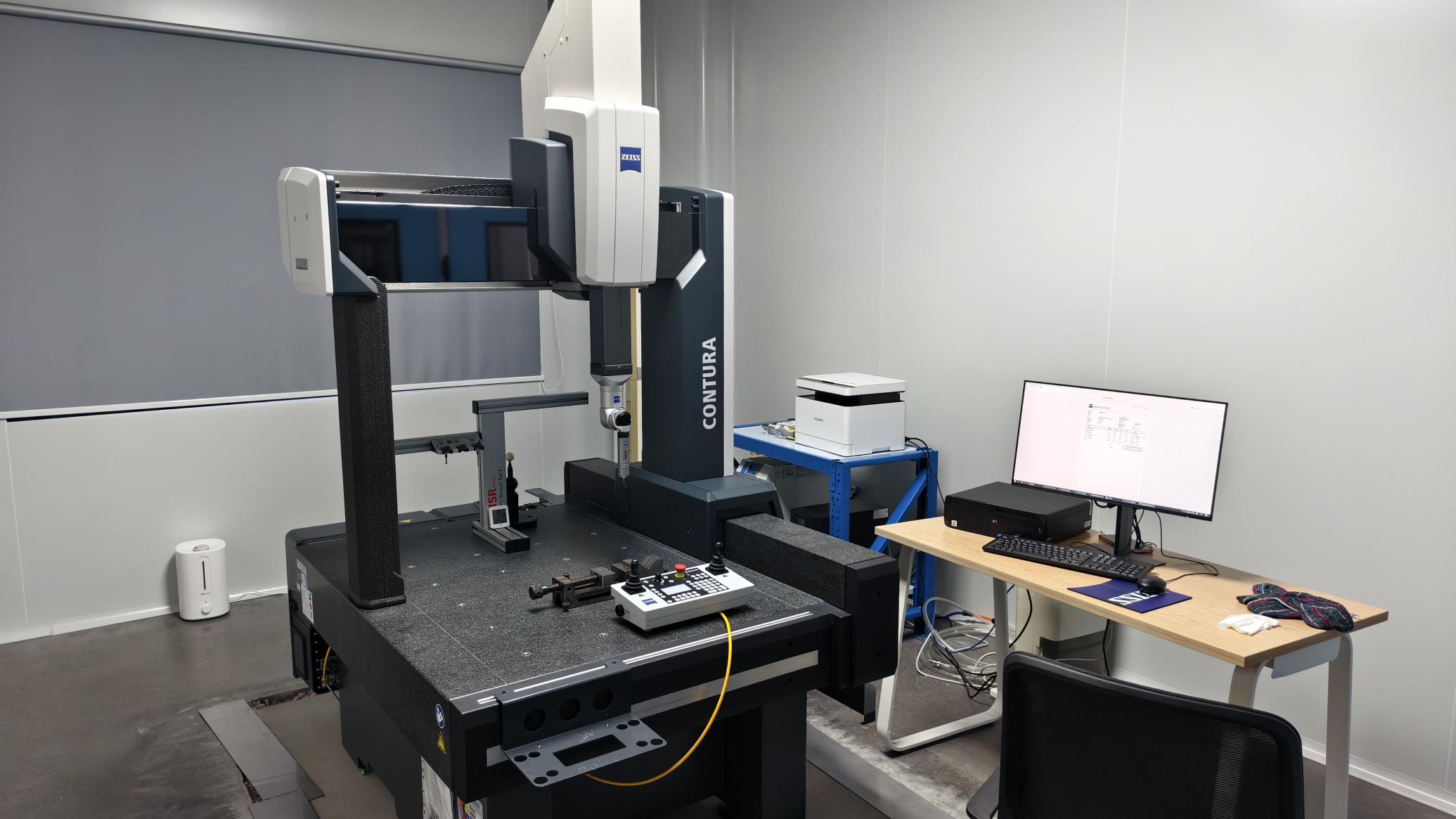
Our production facilities utilize modern machining centers, precision electrochemical passivation equipment, and strict raw material quality checkpoints.
Get answers to technical, commercial, and logistical inquiries regarding importing orthopedic instruments to Japan.
Our medical instruments are manufactured from surgical-grade SUS316L or SUS304 stainless steel. These alloys offer superior resistance to corrosion, pitting, and mechanical fatigue, making them ideal for standard autoclave sterilization cycles.
Yes, we provide full OEM/ODM services, including high-precision laser marking for brand logos, part numbers, and tracking barcodes (UDI compatible). Custom shape profiles and handle ergonomics can be developed to customer specification.
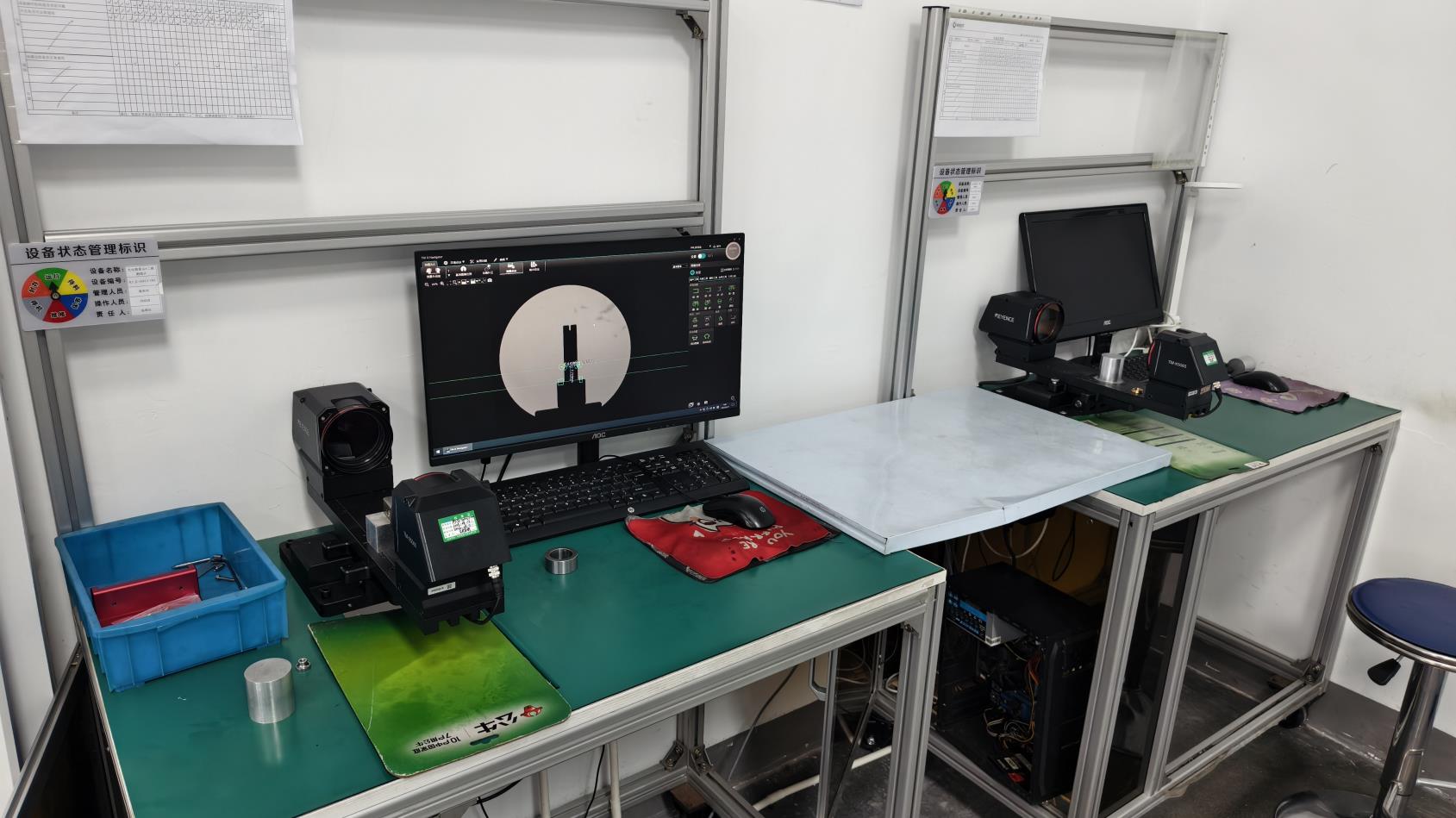
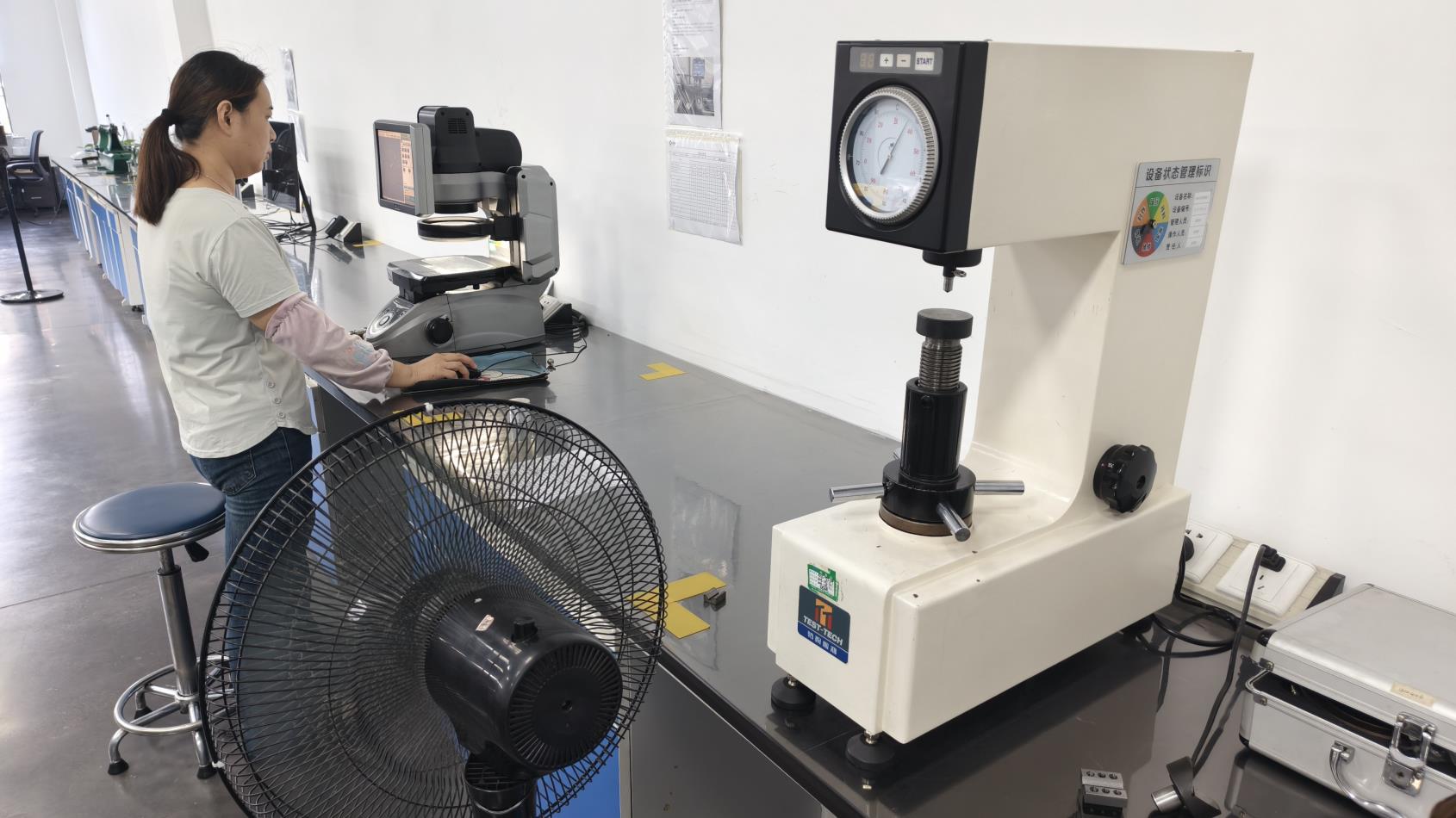
We maintain a strict quality assurance protocol managed by 3 full-time QC inspectors. Material certificates (MTR) tracing the exact chemical composition of every steel batch are logged. We support random inspections, third-party testing, and custom client audits.
For standard catalogue items, shipping takes 7 to 10 days via express air cargo (FedEx/DHL/UPS) to Tokyo, Osaka, or Nagoya. For customized orders or large bulk supply agreements, lead times typically range from 30 to 45 days.
All our orthopedic plate benders, manual combination pliers, and rod cutters are fully autoclavable. We recommend standard steam sterilization protocols: 121°C (250°F) for 30 minutes or 132°C (270°F) for 4 minutes in a gravity displacement autoclave, followed by proper drying cycles to prevent spotting.
Optimize your veterinary medical supply chain with surgical-grade precision hand tools, direct from the manufacturer.
Send Inquiry Now