SENJIE Healthy & Technology
SENJIE Healthy & Technology
SENJIE Healthy & Technology
| Strategic Parameters | Detailed Export Credentials & Quality Protocols |
|---|---|
| Primary B2B Target Markets | North America (25%), South America (25%), Southeast Asia (15%), with expanding pipelines in European Union territories. |
| Accepted Communication & Documentation | English (Fluency in technical specifications, localization protocols, and commercial regulatory paperwork). |
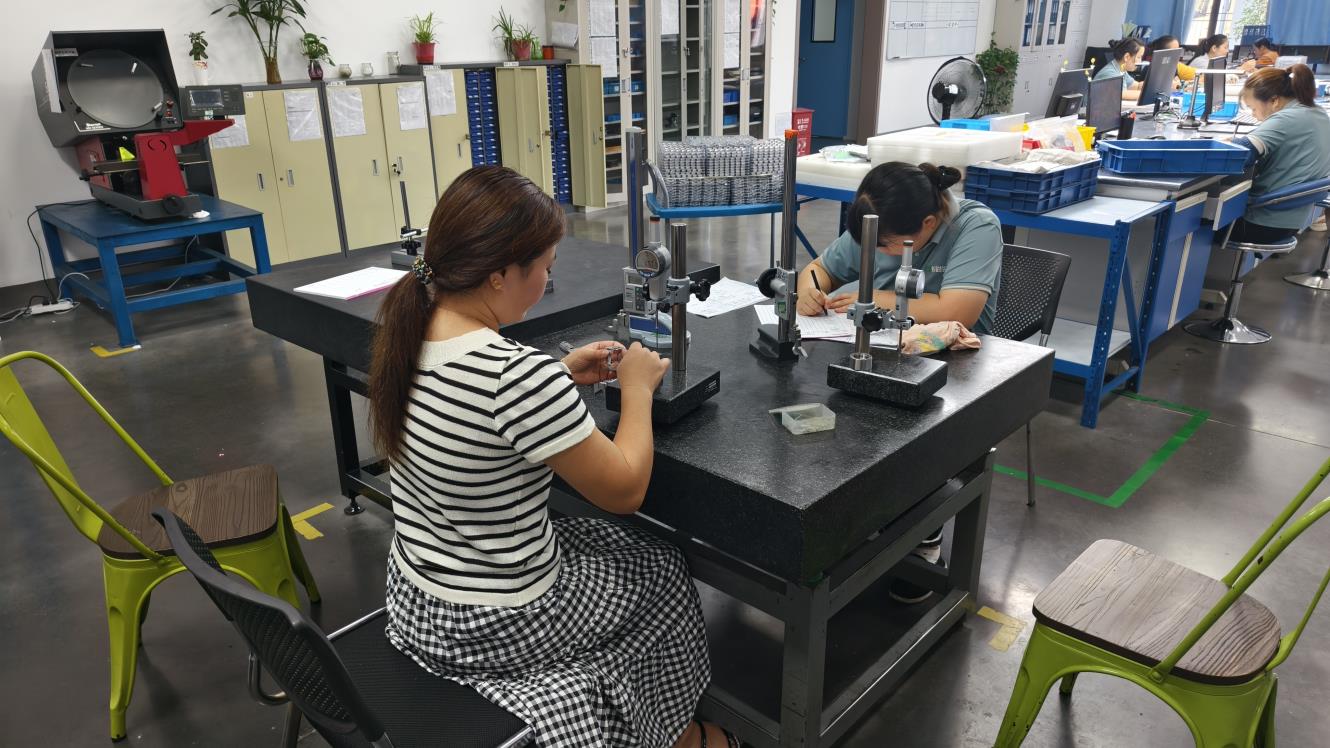
| Quality Assurance & Regulatory Auditing | 3 dedicated QA/QC inspectors executing random inspections, incoming raw material certification, and customization-specific testing protocols. |
| Customization Capabilities (OEM/ODM) | Equipped for custom surgical instrument processing based on sample configurations, graphic blueprints, and clinical request customization. |
| Target Client Types | Global Brand Businesses, Healthcare Retail Networks, Tier-1 Distributors, Wholesalers, and Special Academic/Private Surgical Centers. |
Laparoscopic access represents the primary interface between the surgical field and the external world. As a leading Surgical Trocars Exporter, we study the physics of entry dynamics. Minimizing patient trauma while optimizing instrument stability is the focal point of our structural design. Traditional trocar designs relied on sharp blades which posed higher risks of accidental visceral and vascular laceration.
Modern optical trocars and dilating-tip bladeless models mitigate these risks by splitting tissue fibers along natural cleavage planes instead of cutting them. Our advanced manufacturing utilizes high-transparency optical tips to permit direct, visualized access through the abdominal wall layers. This approach reduces incision size, lowers fascial defect complications, and accelerates postoperative wound closure.
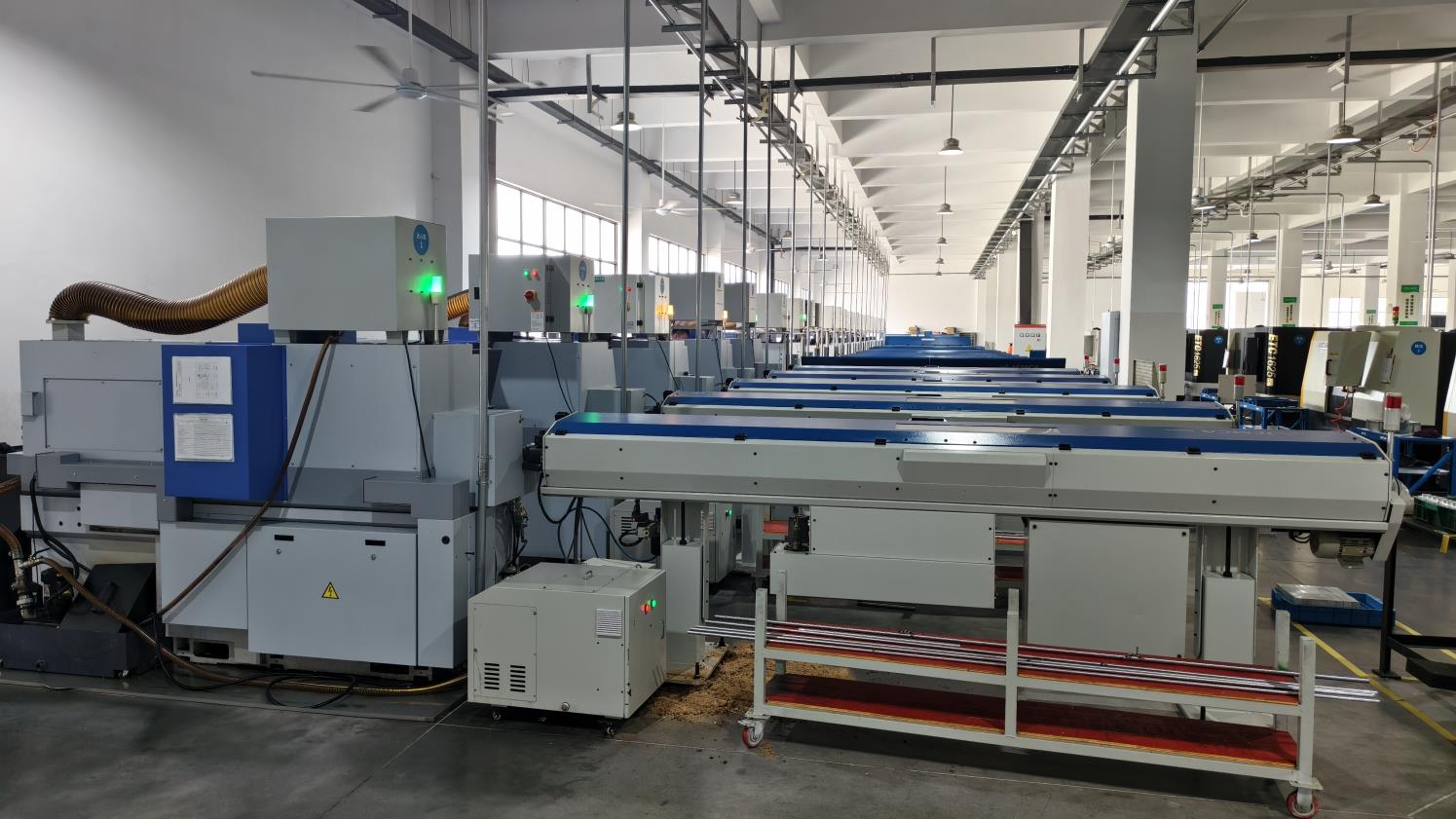
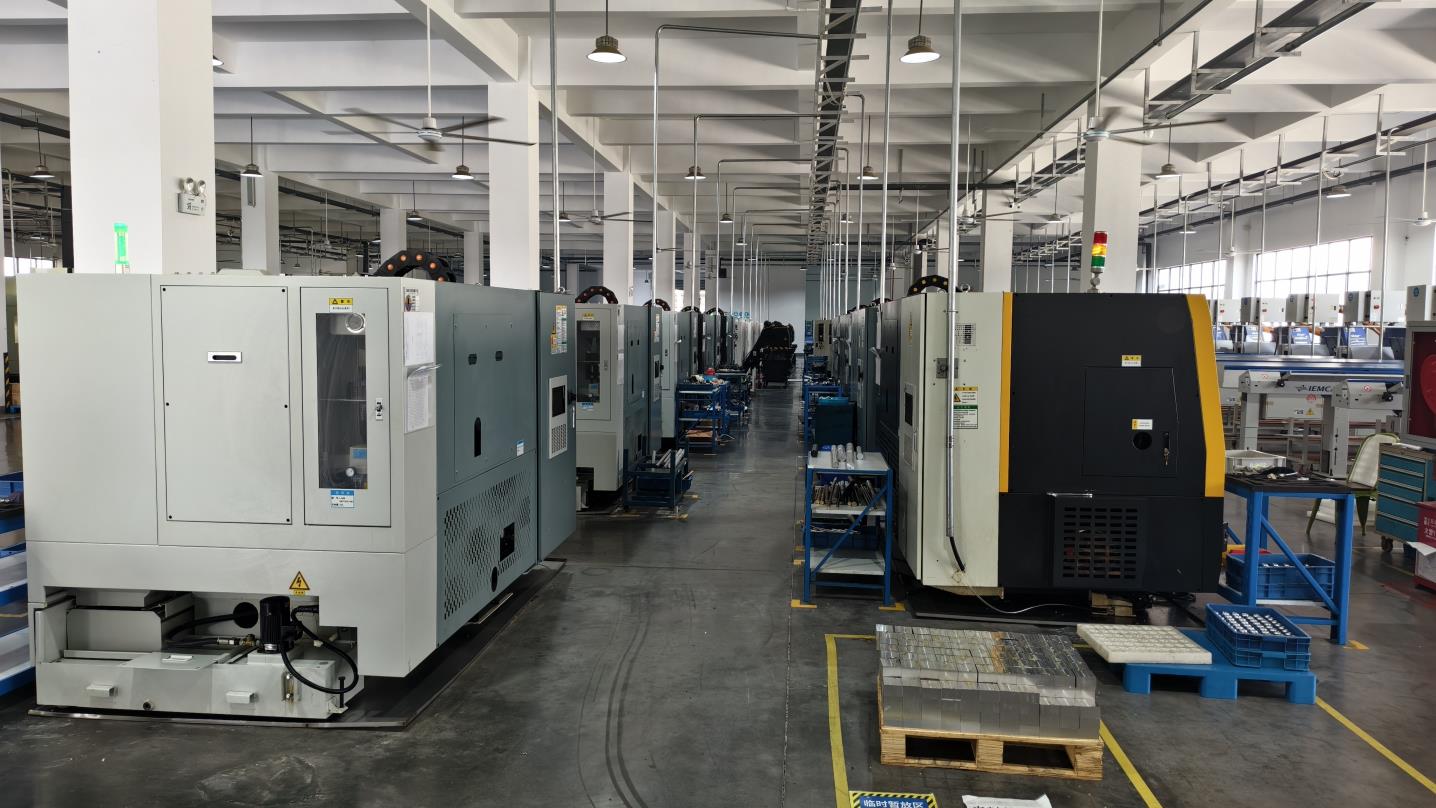
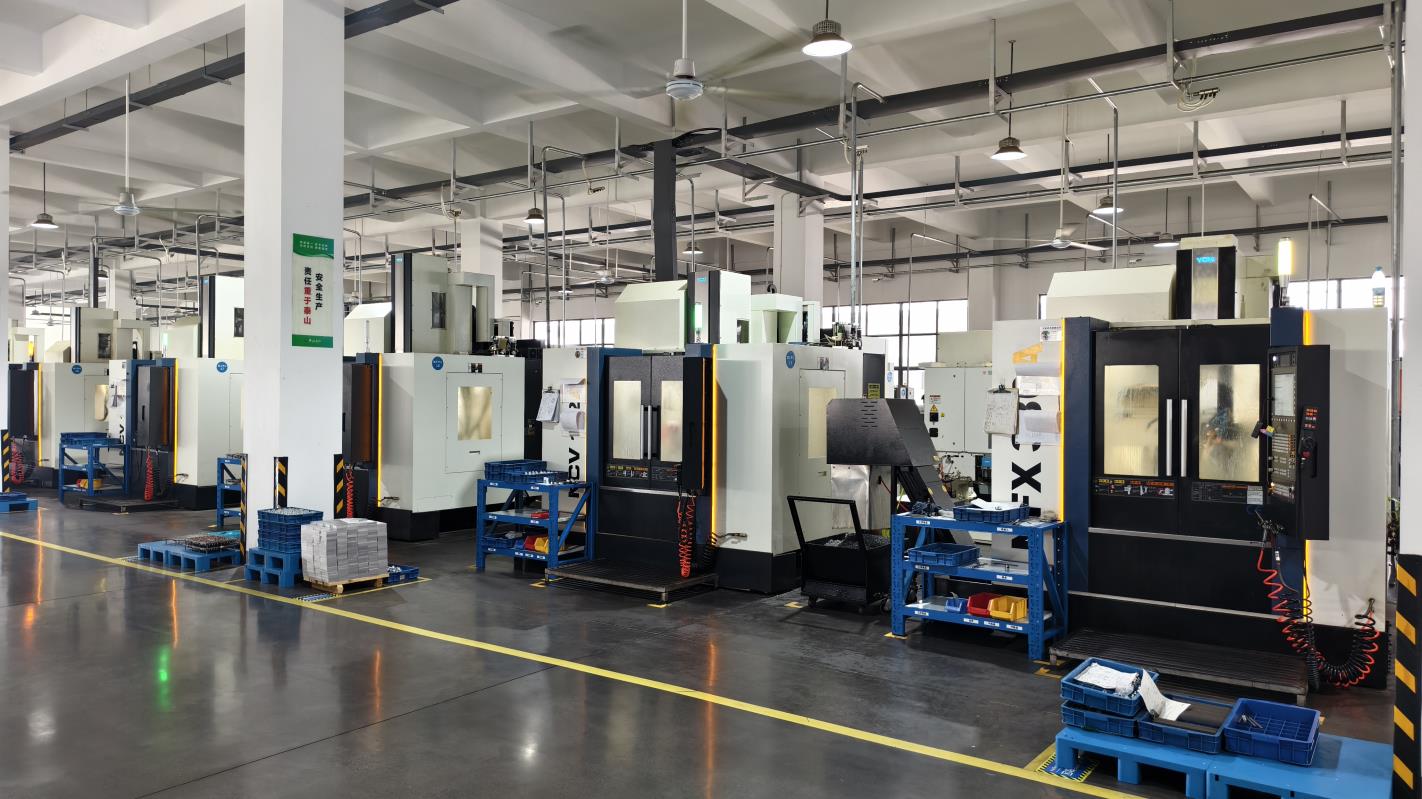
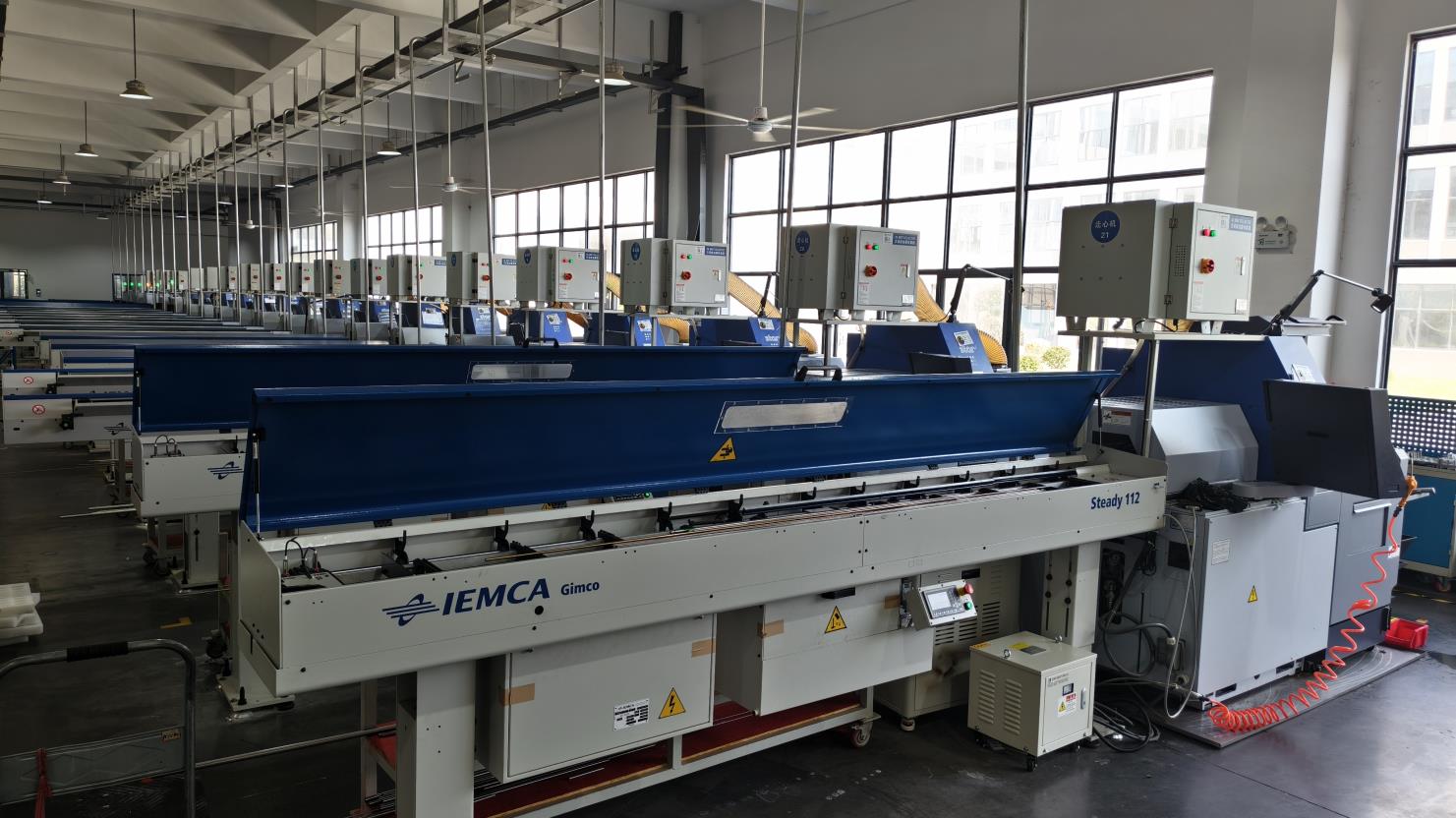
High-precision injection molding and automated laser sealing lines reduce variability, delivering tolerances within ±0.02mm for seamless instrument passage.
Raw materials undergo spectroscopic chemical verification. Every production run is linked to batch-specific steel and polymer certifications.
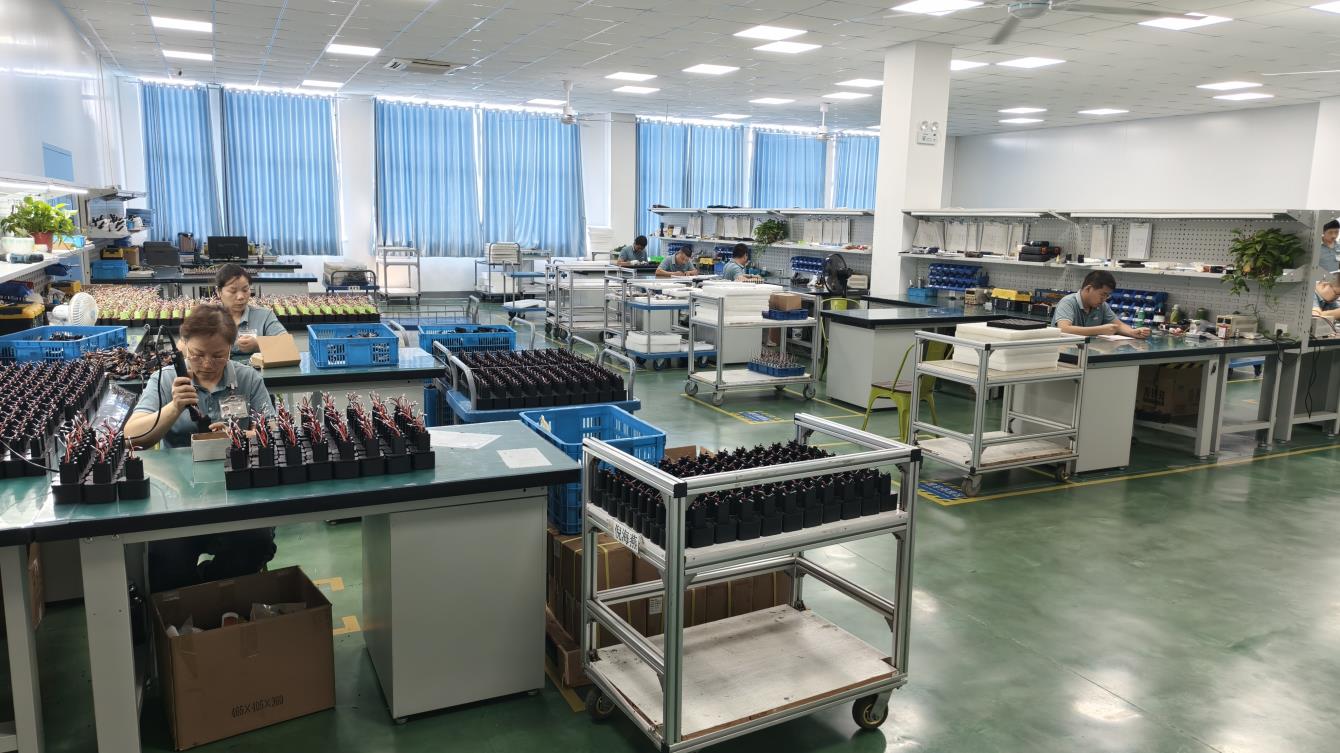
Assembly occurs in cleanrooms operating under controlled temperature, relative humidity, and airborne particulate monitoring systems.
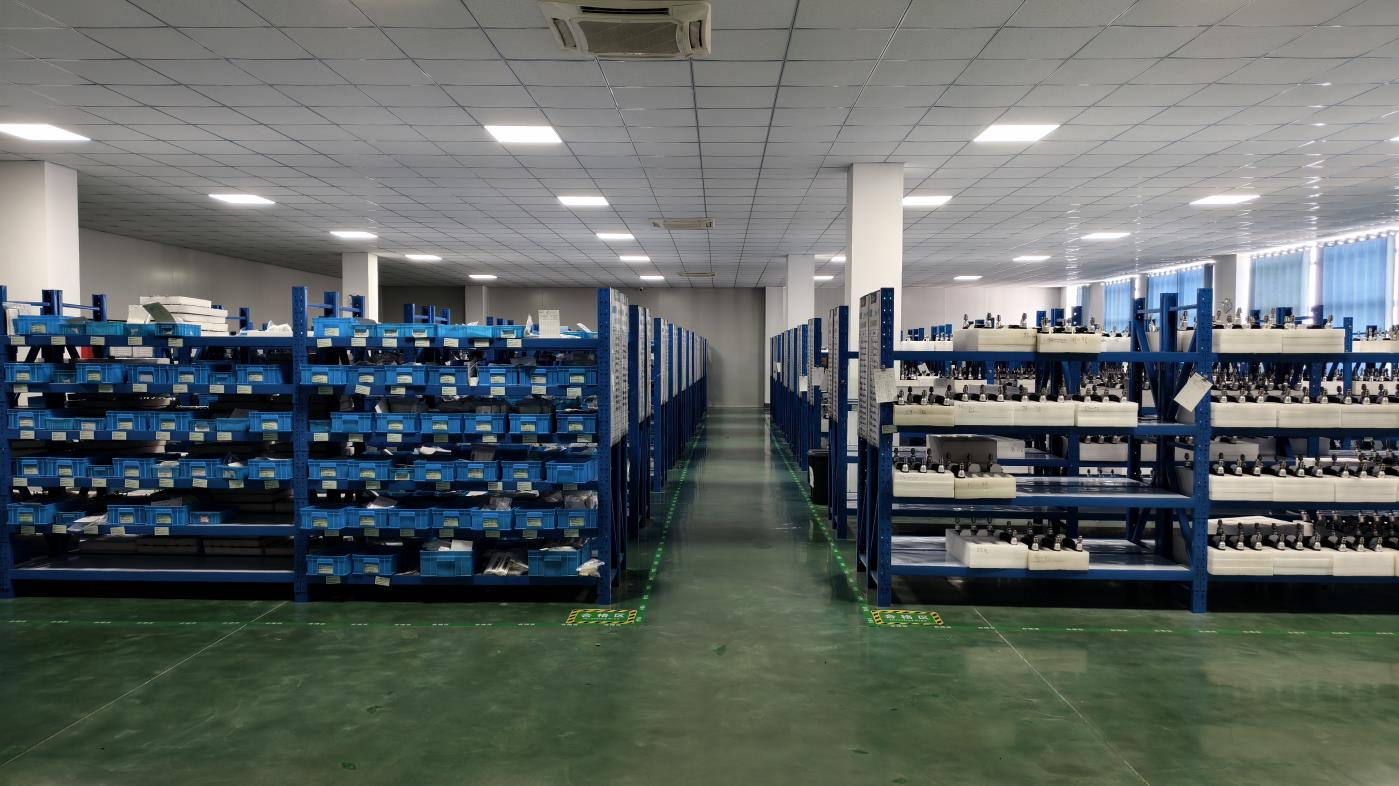
Global logistics and policy variations require suppliers to act as resilient supply partners. Our factory maintains a minimum safety stock of premium medical-grade raw materials to safeguard against localized mineral and resin shortages. By maintaining close ties with raw material processing complexes in mainland China, we ensure stable pricing structures and predictable lead times for international distributors, avoiding sudden cost spikes.
As laparoscopic surgery transitions into robotic-assisted surgery (RAS) and natural orifice transluminal endoscopic surgery (NOTES), our R&D roadmap focuses on creating more responsive access devices.
Refining optical clarity, reducing friction coefficients, and offering highly stable cannulas with micro-retention configurations.
Adapting cannula sizes to interface with active robotic arms, featuring vibration damping and reduced profile heads.
Developing trocars with integrated pressure feedback channels and micro-heating components to prevent optics fogging.
Researching recyclable, medical-grade bioplastics to reduce hospital carbon footprints without compromising device stability.
Exporting medical devices requires thorough compliance documentation. We maintain active compliance workflows aligned with ISO 13485:2016 quality management guidelines. Our products undergo rigorous biocompatibility evaluations, packaging validation tests, and shelf-life assessments to meet safety and performance standards.
We supply necessary documentation to support local registrations, including technical file compilation, Certificates of Free Sale (CFS), raw material compliance reports, and validated sterilization protocol certifications (EtO). This helps clear regulatory pathways in regions across North America, South America, and Southeast Asia.
We support B2B clients in adapting labeling, unique device identification (UDI) barcoding, and local linguistic instructions for use (IFU).
We provide full traceability records for each batch, ready for third-party auditing and local regulatory inspections.
Flexible sterilization barrier packaging configuration options to optimize shipping space and reduce storage footprints.
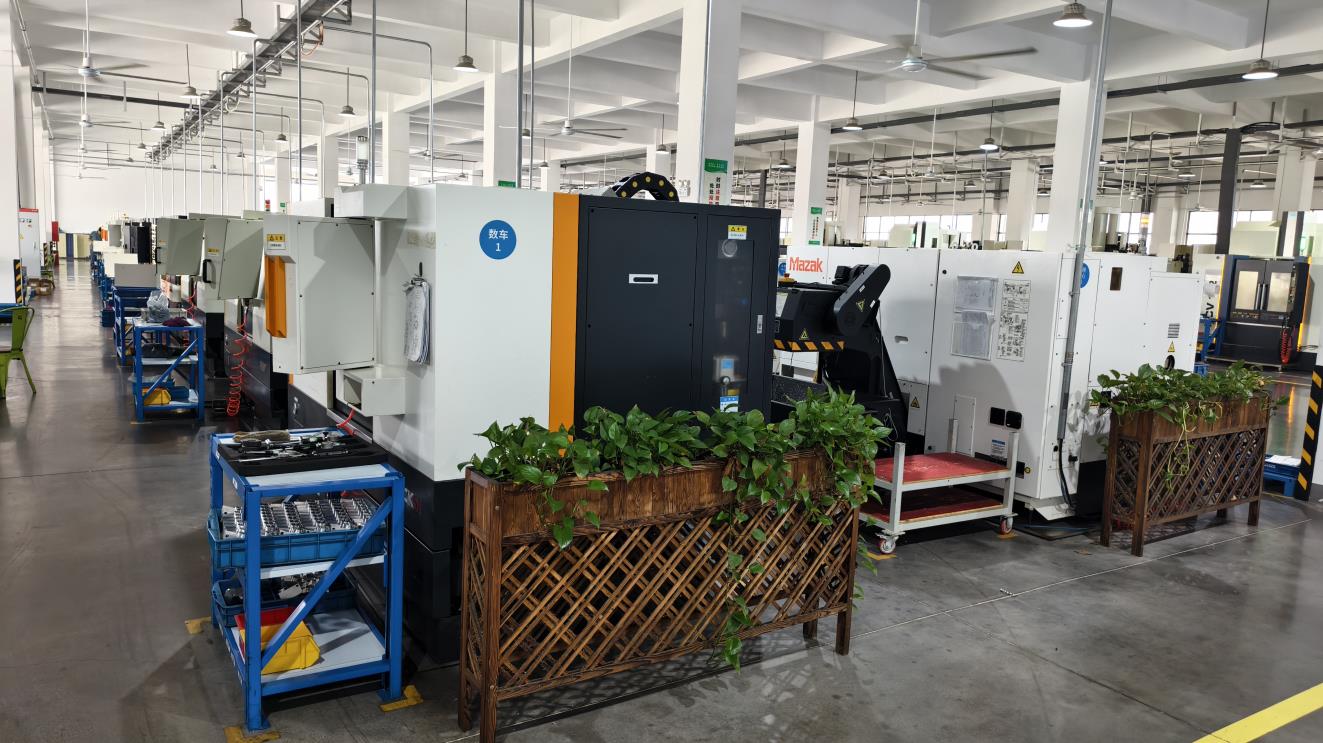
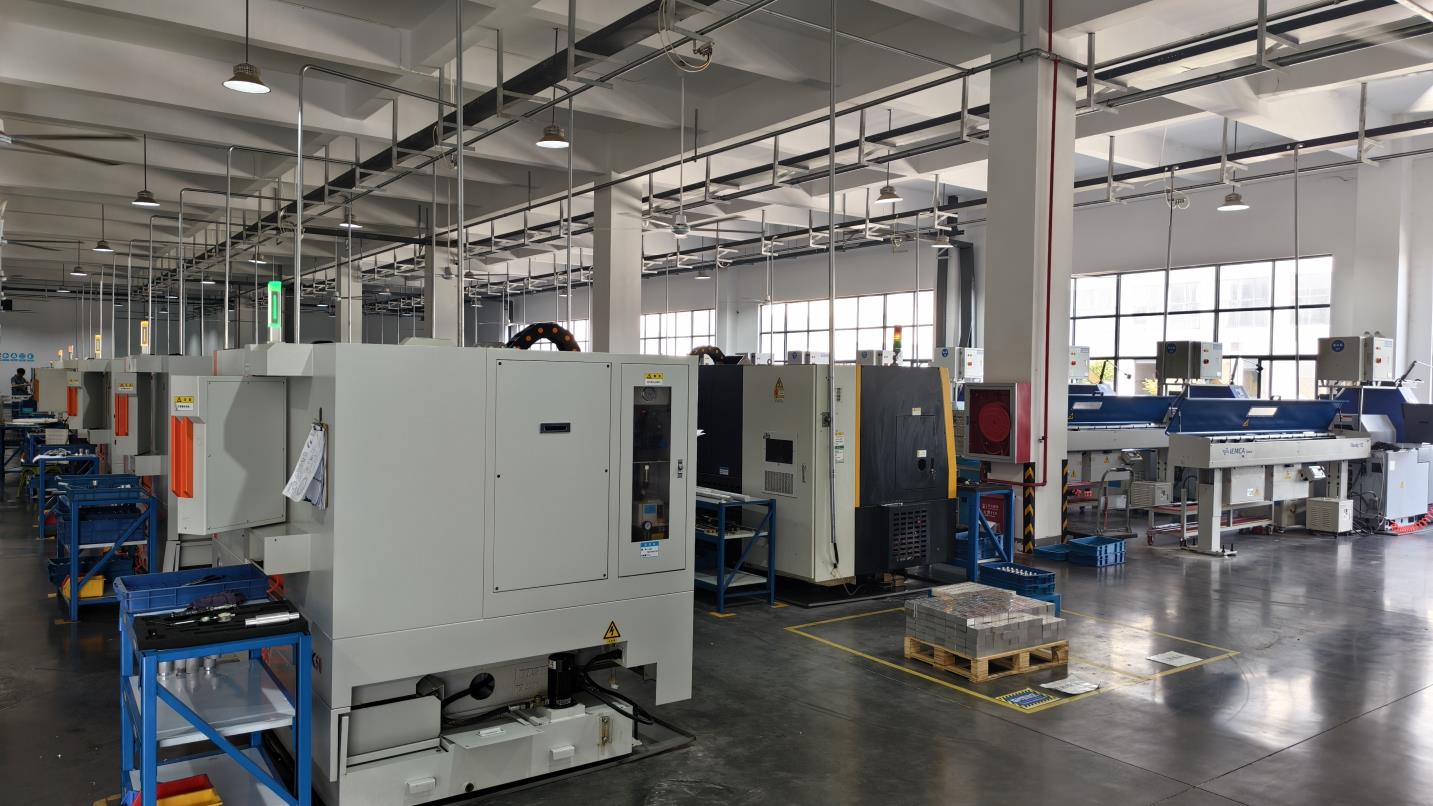
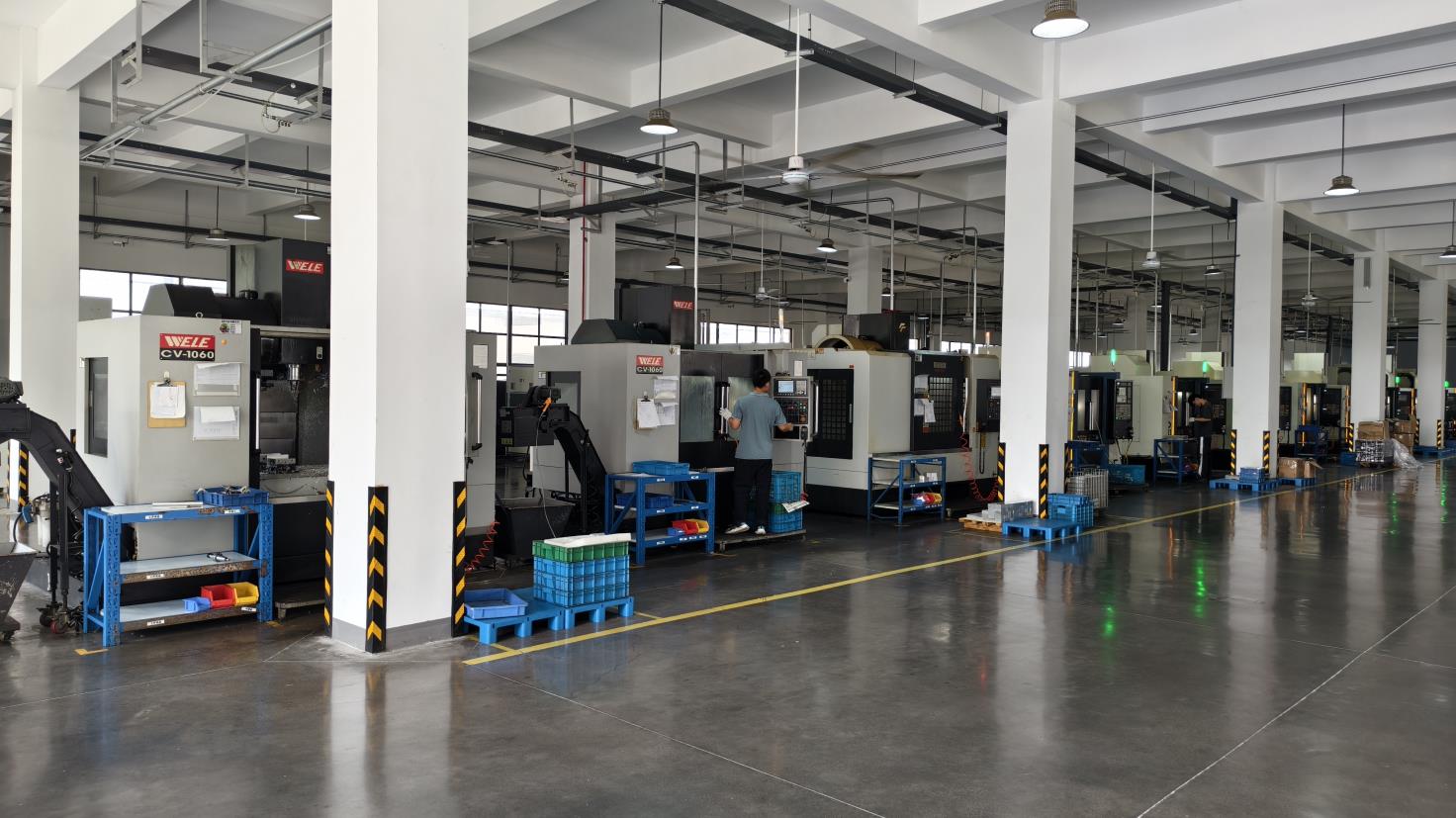
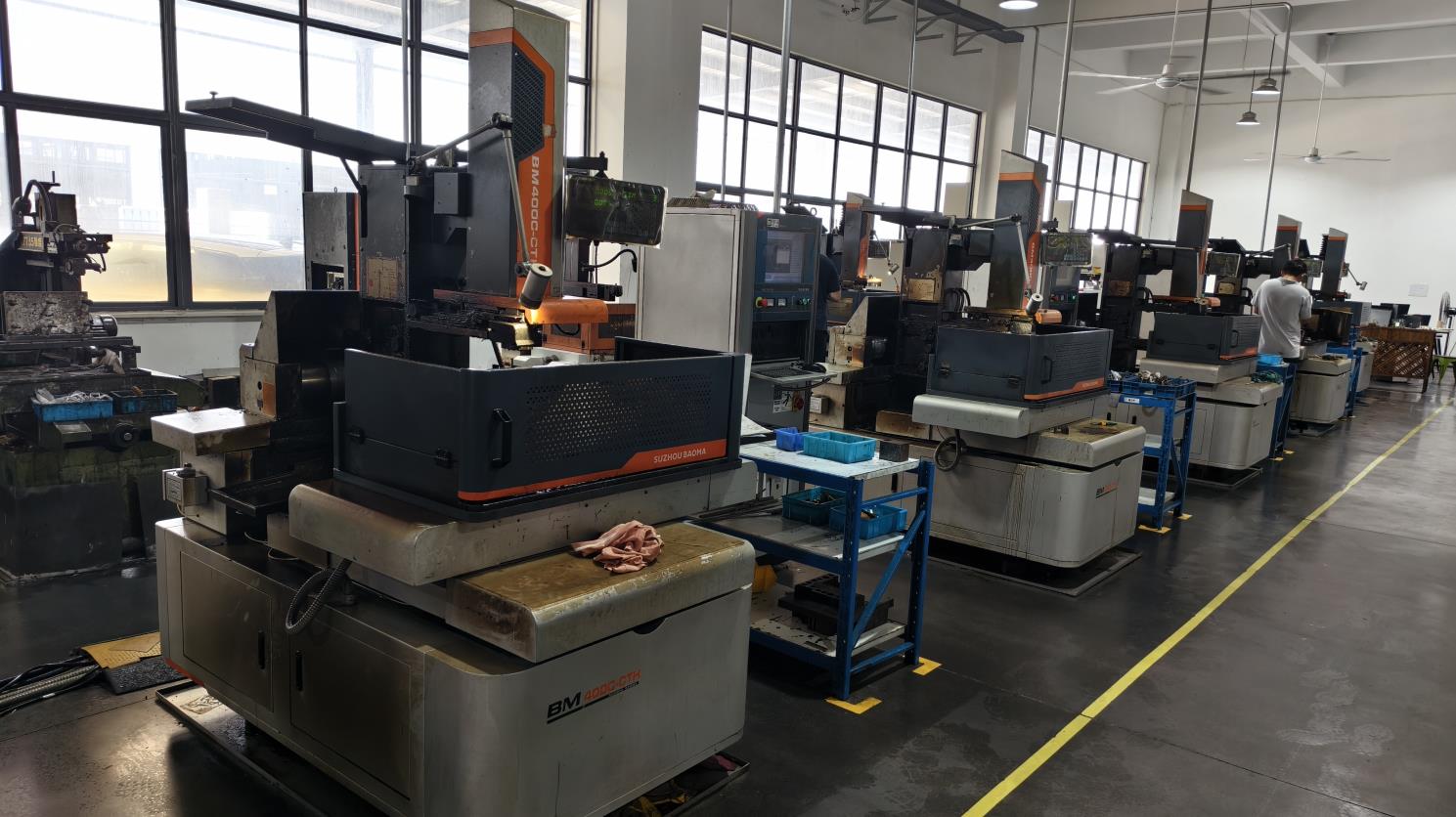
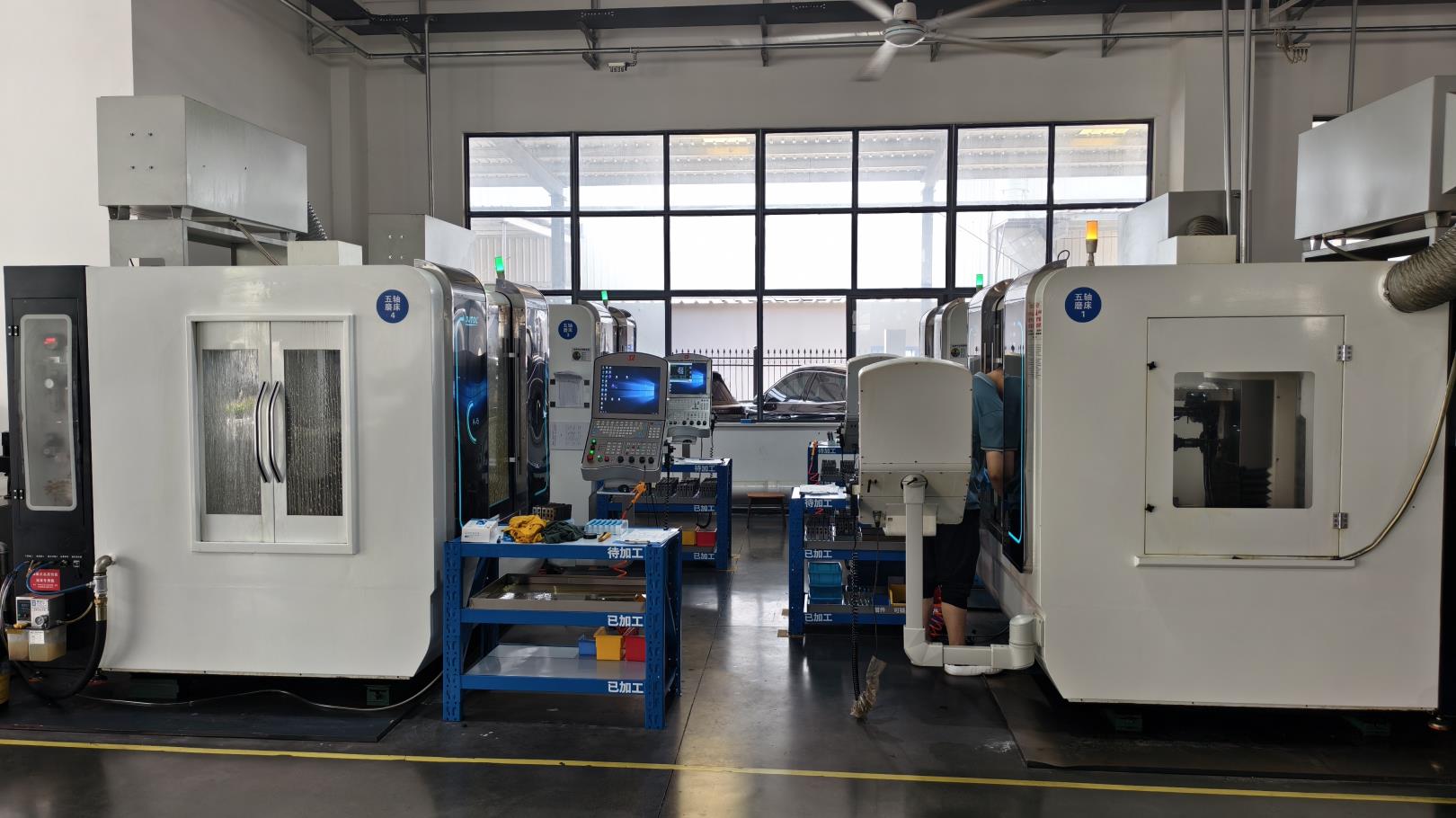
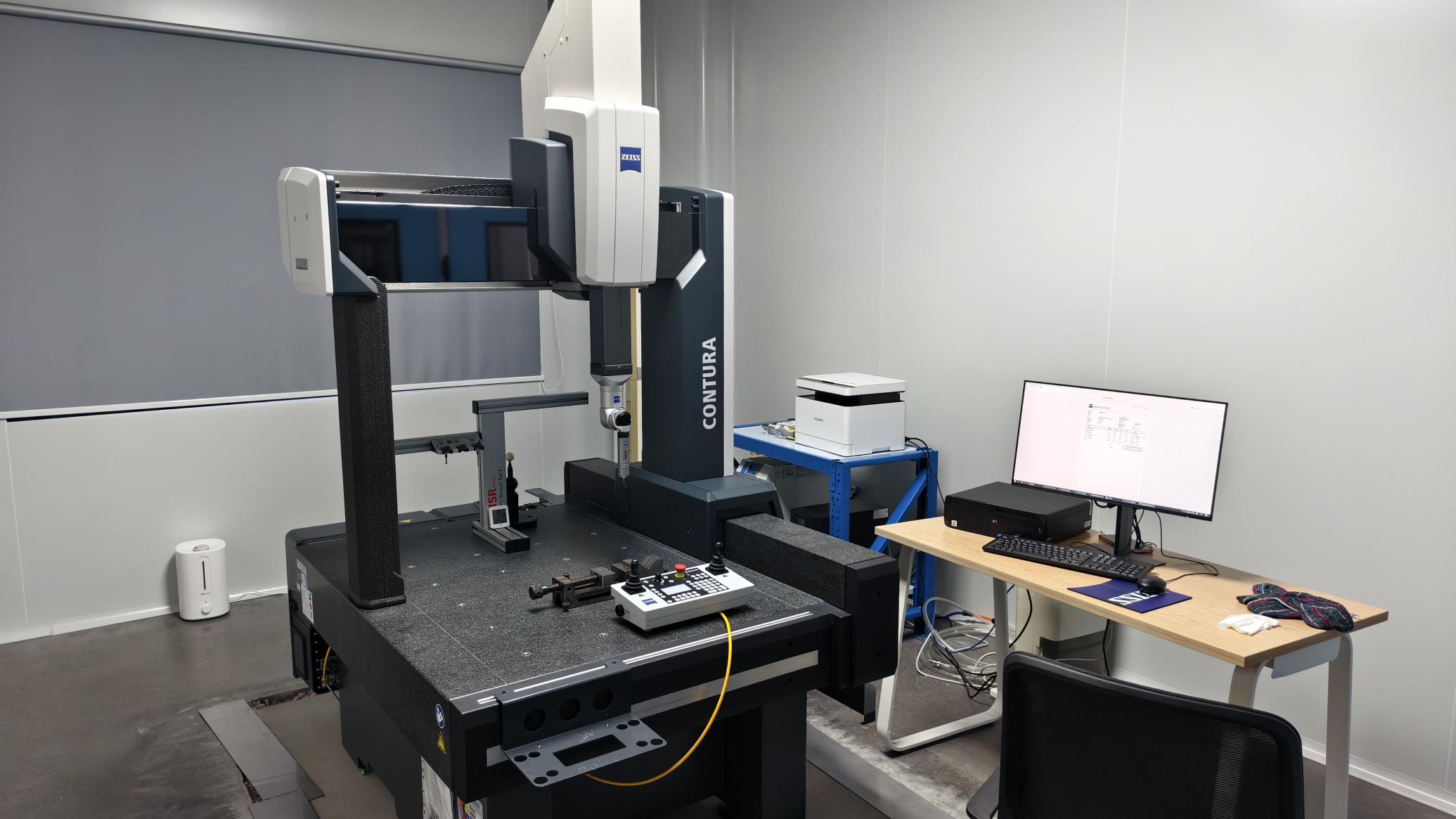
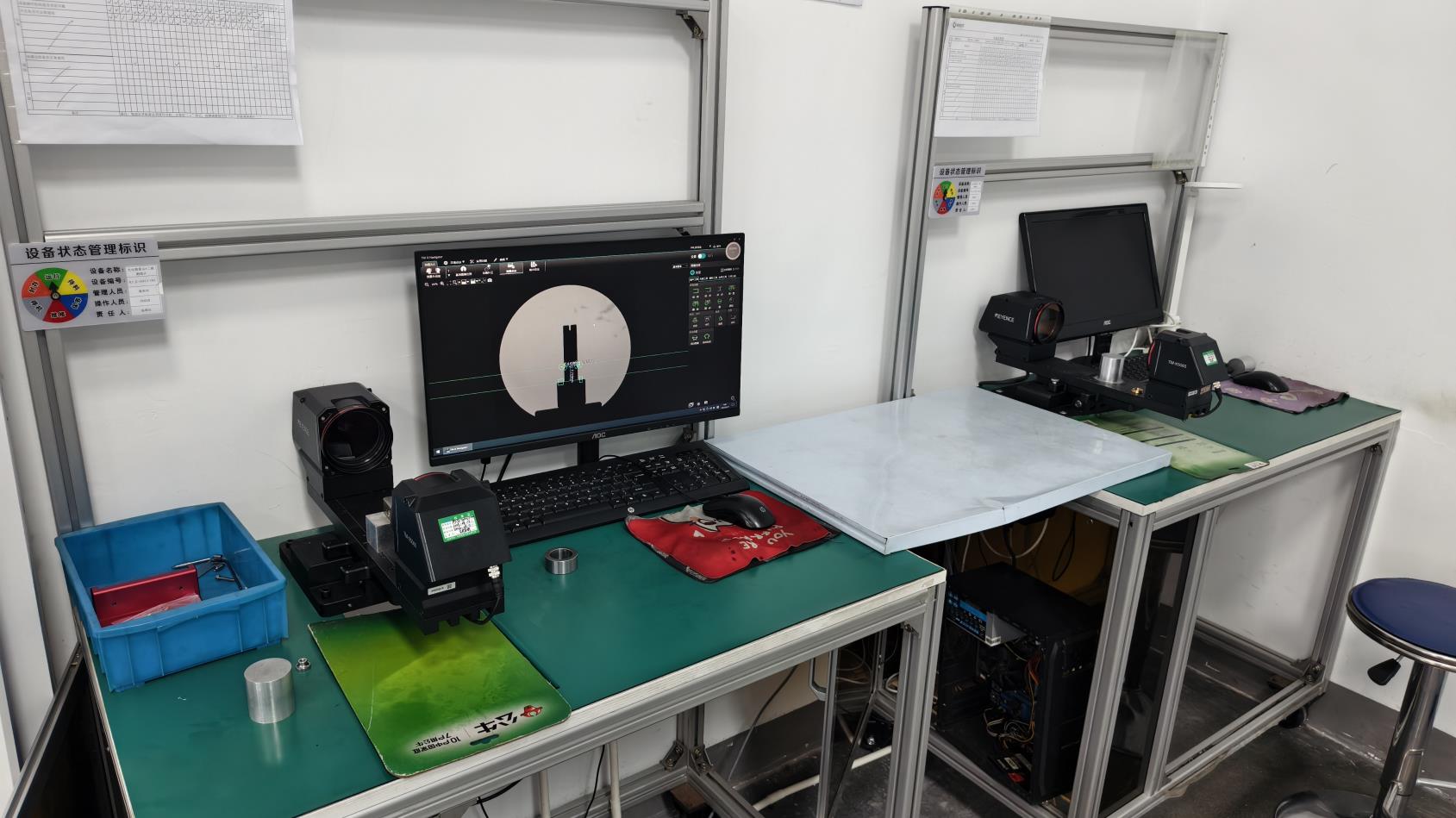
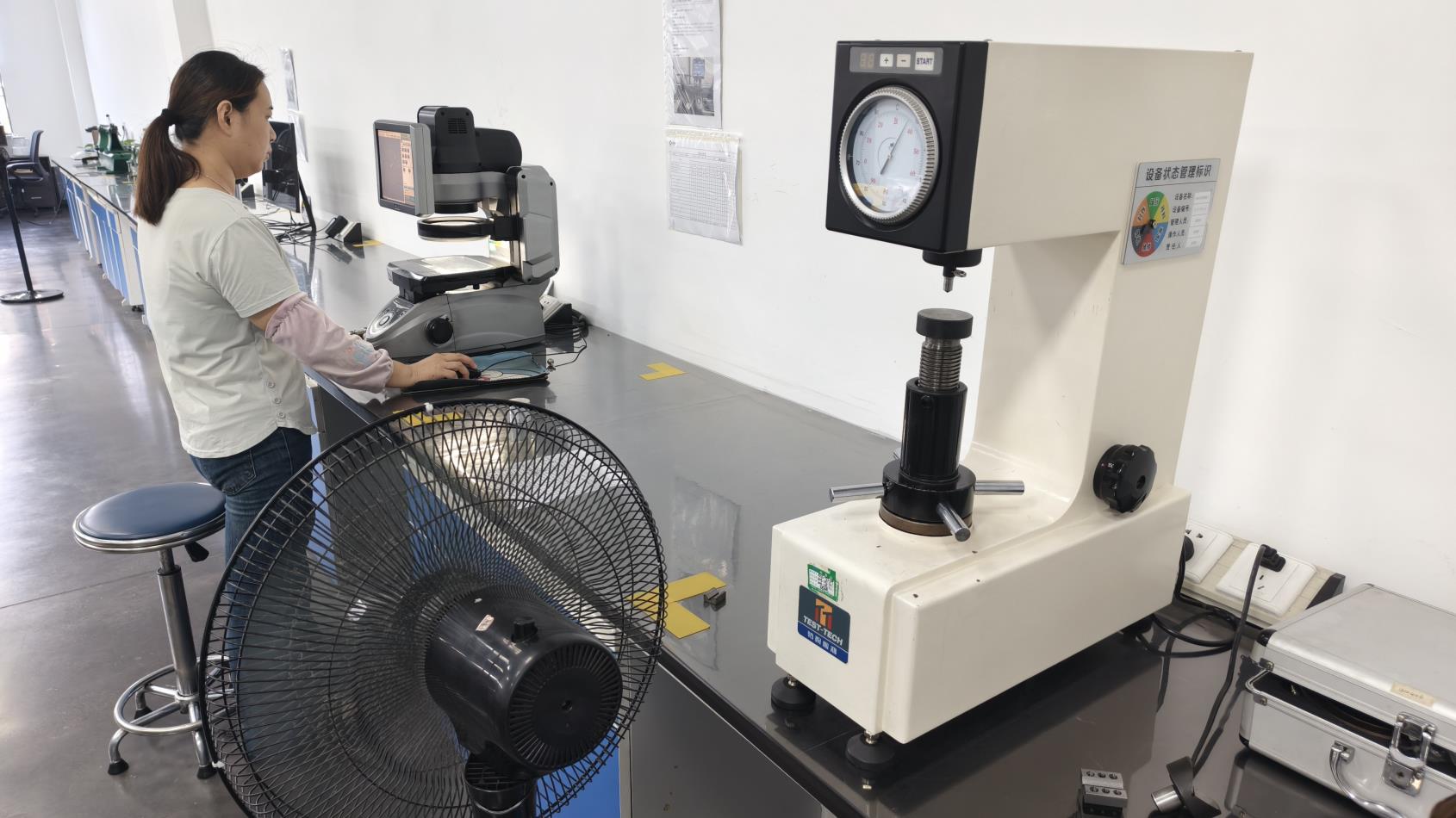
Our trocars are manufactured using medical-grade polycarbonate for the cannula and body components, and surgical stainless steel (AISI 304 or 316L) for the obturators when sharp designs are utilized. The seals are made from high-grade silicone to ensure stable valve operation and to maintain the required gas seal during procedures.
We operate under ISO 13485:2016 guidelines, which require raw material verification. We require Material Test Reports (MTRs) for every stainless steel and polymer shipment. This documentation is linked to the batch numbers on the finished products to ensure traceability and support quality audits.
Standard OEM production runs typically require 30 to 45 days, depending on configuration complexity and sterilization requirements. Customized orders requiring graphic processing or bespoke mold configurations are scheduled following prototype confirmation.
Yes, we provide necessary regulatory documentation, including ISO 13485 certificates, sterilization validations, technical files, and chemical safety evaluation data. Our team works with local regulatory representatives to assist in preparing and submitting registration files.
Products are packaged individually in medical-grade Tyvek pouches within Class 100,000 cleanrooms. Sterilization is performed using ethylene oxide (EtO) in accordance with ISO 11135 guidelines, and each shipment includes a sterilization release certificate.