SENJIE Healthy & Technology
SENJIE Healthy & Technology
SENJIE Healthy & Technology
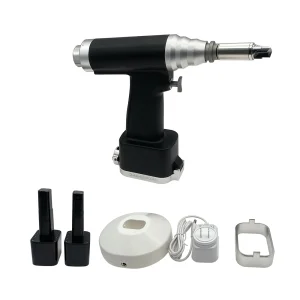
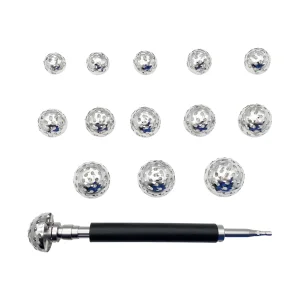
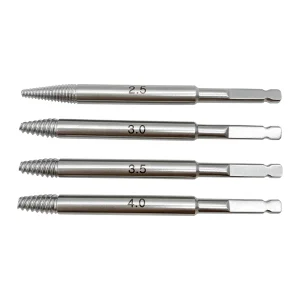
Explore our elite selection of orthopedic power systems, acetabular instrumentation, and precision-engineered structural reduction assemblies.
A deep dive into structural bio-mechanics and surgical efficiency indicators in human and veterinary orthopedics.
In modern orthopedic reconstructive surgery, the stability and structural integrity of fixation implants are critical. The application of Orthopedic Fracture Plates represents the gold standard for stabilizing bone segments, encouraging rapid primary vascular union, and facilitating progressive weight-bearing exercises. The evolution of fracture fixation has progressed from basic compression methodologies to highly sophisticated anatomical, locking, and dynamic contact systems designed to preserve vital periosteal perfusion.
Biomechanical efficacy relies heavily on selecting appropriate implant configurations. Historically, dynamic compression plates (DCP) applied axial compression across transverse fractures. However, they carried the risk of compromise to the local periosteal microcirculation due to the broad contact surface of the plate against the bone cortex. To counter this, limited contact dynamic compression plates (LC-DCP) were engineered with structural relief recesses, minimizing bone-to-plate contact area and reducing vascular ischemia.
Today, the clinical standard has shifted toward Locking Compression Plates (LCP). By combining locking screw holes with dynamic compression units, LCPs function as internal fixators. Fixation stability is achieved by threading the screw head directly into the plate, eliminating the requirement to compress the plate tightly against the bone structure. This system protects the underlying cortical blood supply and is highly effective in osteopenic bone, comminuted metaphyseal fractures, and veterinary reconstructive surgeries.
Our implants are engineered to replicate precise skeletal contours, reducing the need for intraoperative plate bending, minimizing structural stress points, and decreasing overall operating theater times.
Under-cut plate designs reduce direct surface contact with the periosteum, protecting capillary networks beneath the implant to support faster cortical bone remodeling.
Locking screw interfaces distribute mechanical loads evenly across the bone-screw-plate construct, lowering the risk of post-operative implant fatigue and screw pull-out.
The biological safety and mechanical longevity of orthopedic implants depend on material purity. Our manufacturing lines run on medical-grade raw materials selected for their corrosion resistance, biocompatibility, and optimal elastic modulus.
| Material Category | Standard Specification | Tensile Strength (MPa) | Primary Clinical Applications |
|---|---|---|---|
| Titanium Alloy (Ti-6Al-4V ELI) | ASTM F136 / ISO 5832-3 | ≥ 860 | High-stress anatomical locking plates, veterinary TPLO implants, cranial plates. |
| Surgical Stainless Steel | ASTM F138 / ISO 5832-1 | ≥ 490 | Reconstructive trauma plates, intramedullary nails, self-retaining retractors, benders. |
| Unalloyed Titanium (Grades 1-4) | ASTM F67 / ISO 5832-2 | 240 - 550 | Malleable reconstruction meshes, dental fixtures, low-load micro-plates. |
Selecting the right implant material involves evaluating the patient's age, anatomy, and mechanical needs. Titanium alloys (specifically Grade 5 Ti-6Al-4V) provide an elastic modulus closer to that of cortical bone compared to stainless steel. This reduces "stress shielding"—a phenomenon where overly stiff implants bear all the mechanical load, causing adjacent bone to lose density. Additionally, titanium's fast passivation layer of TiO₂ offers superior corrosion resistance, making it suitable for long-term implantations.
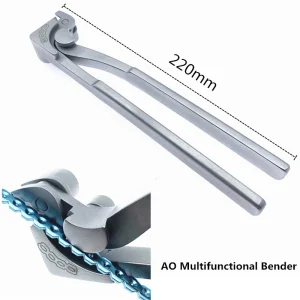
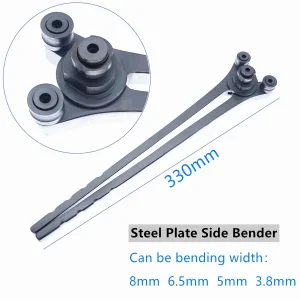
Conversely, 316L Surgical Stainless Steel remains popular due to its high fatigue strength, ease of contouring during surgery, and cost-effectiveness. In complex multi-fragment fractures where intraoperative bending is required, stainless steel accommodates manual deformation without micro-fracturing. This makes tools like the Stainless Steel AO Multifunctional Bender Combination Bending Pliers valuable assets in surgical kits.
How our operations match global B2B purchasing criteria, lead-time expectations, and regulatory requirements.
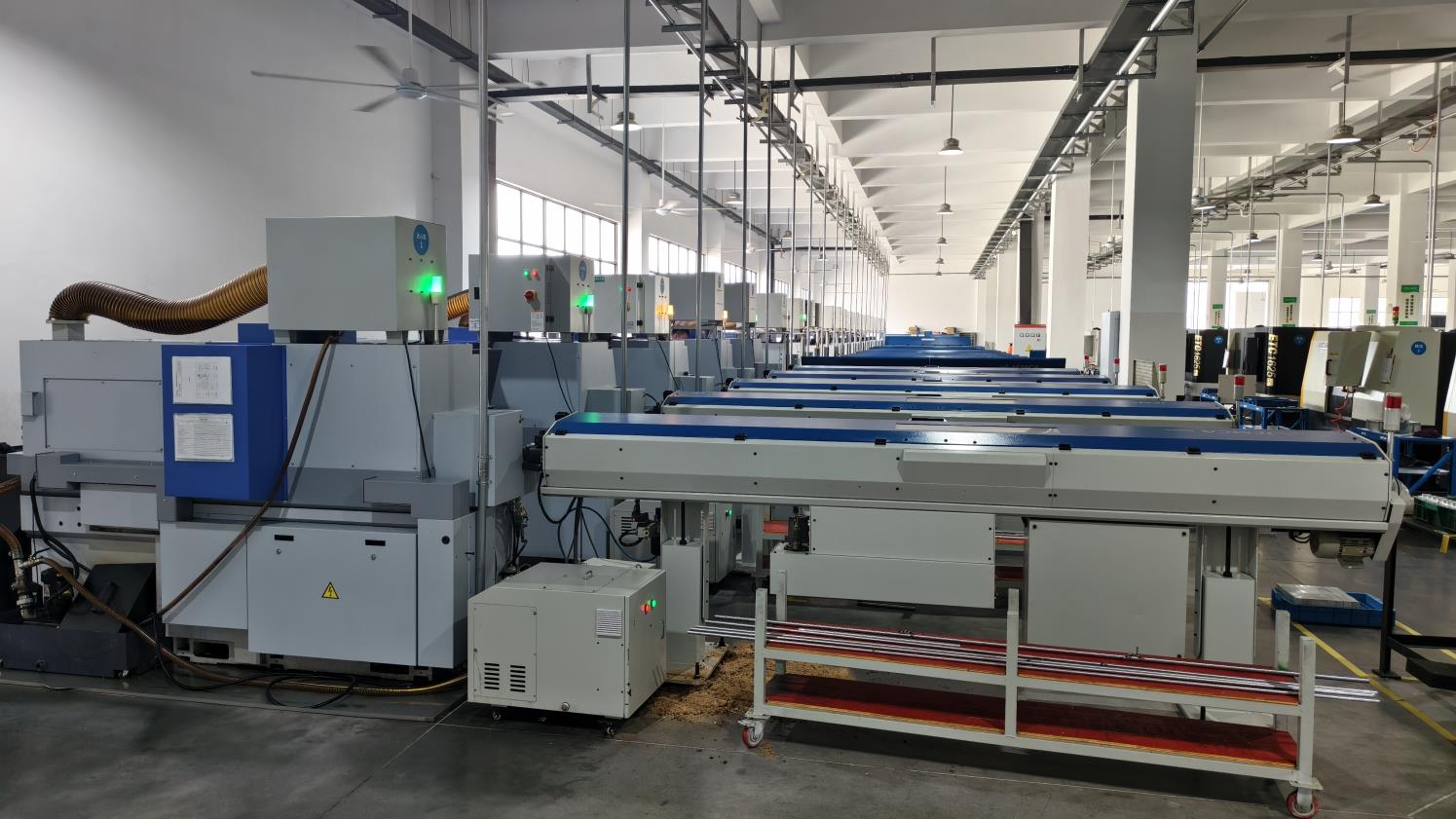
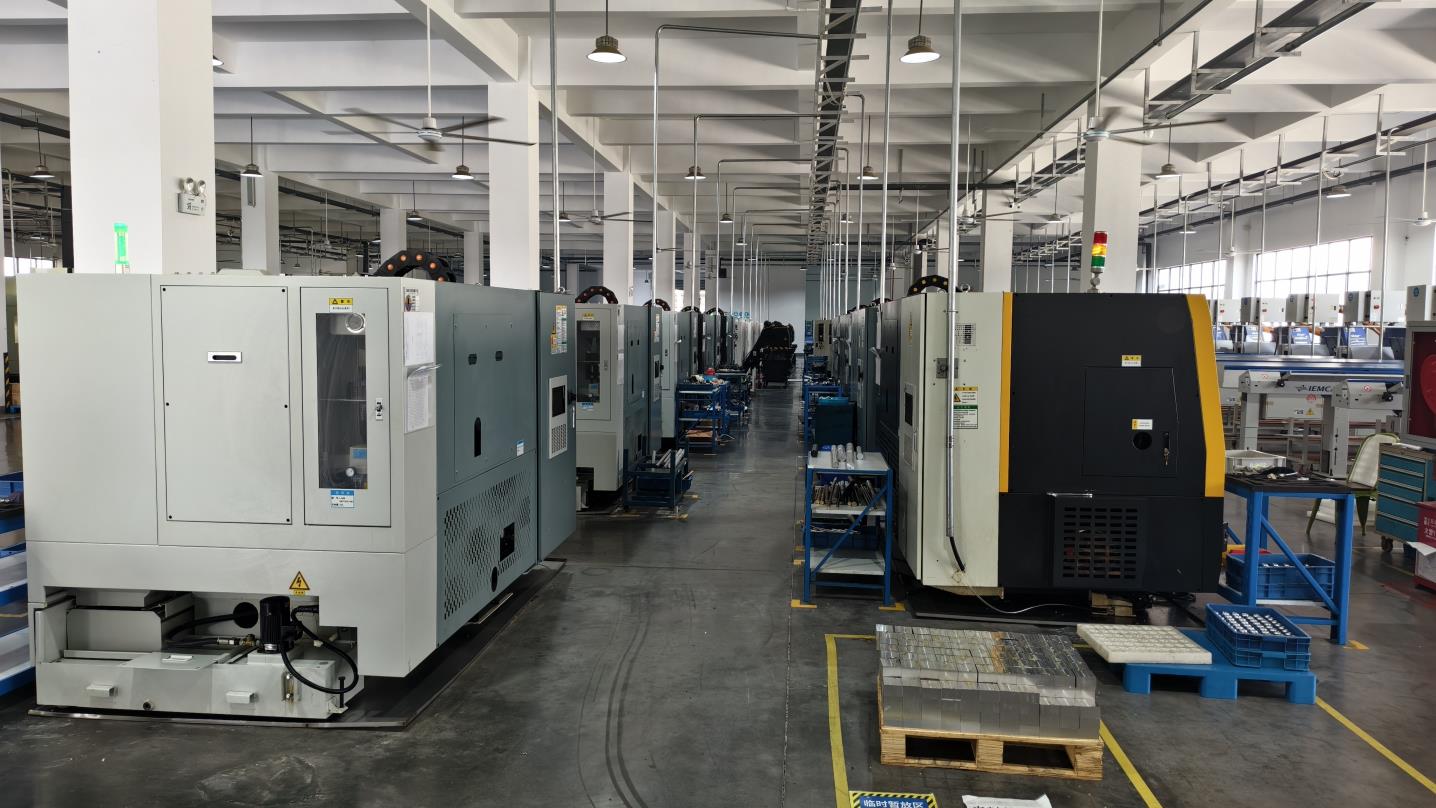
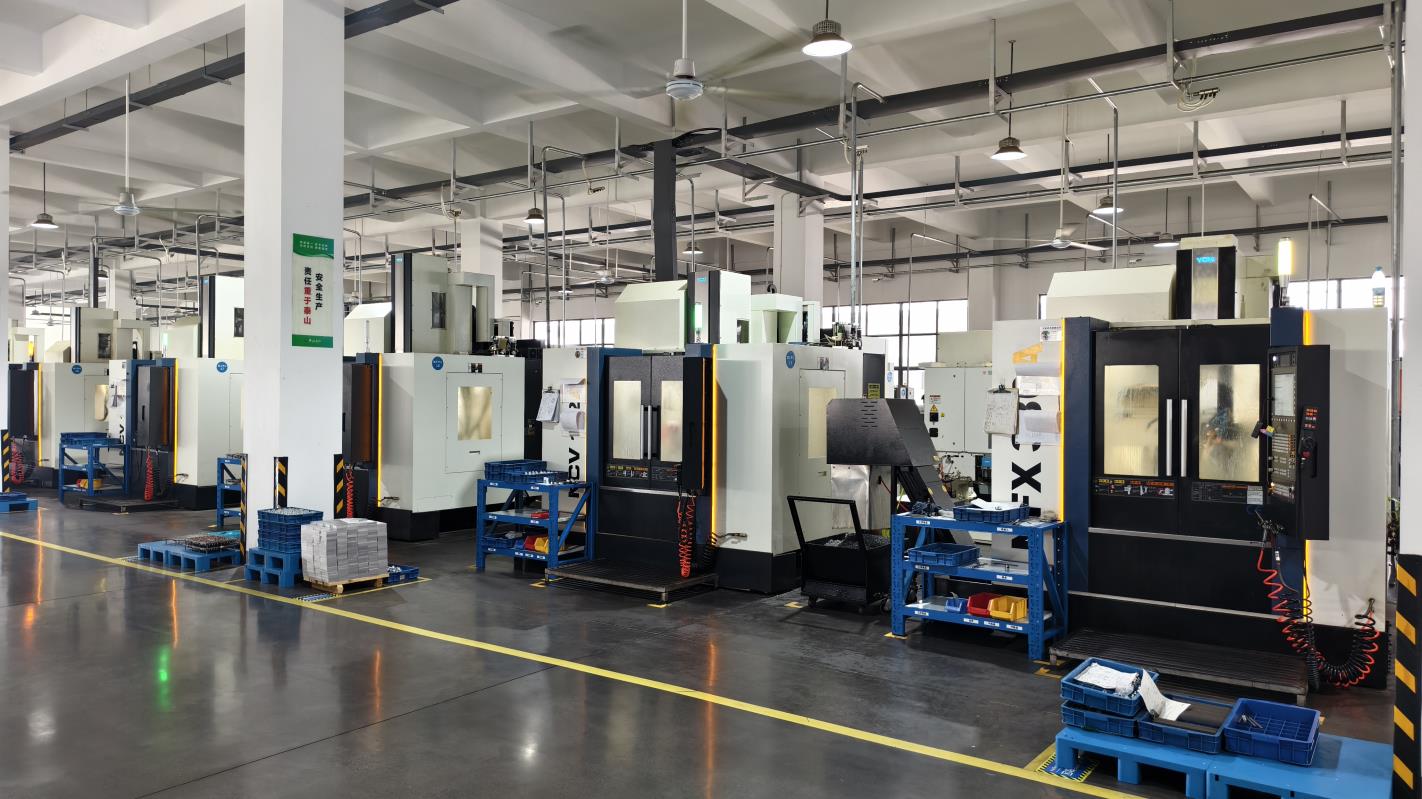
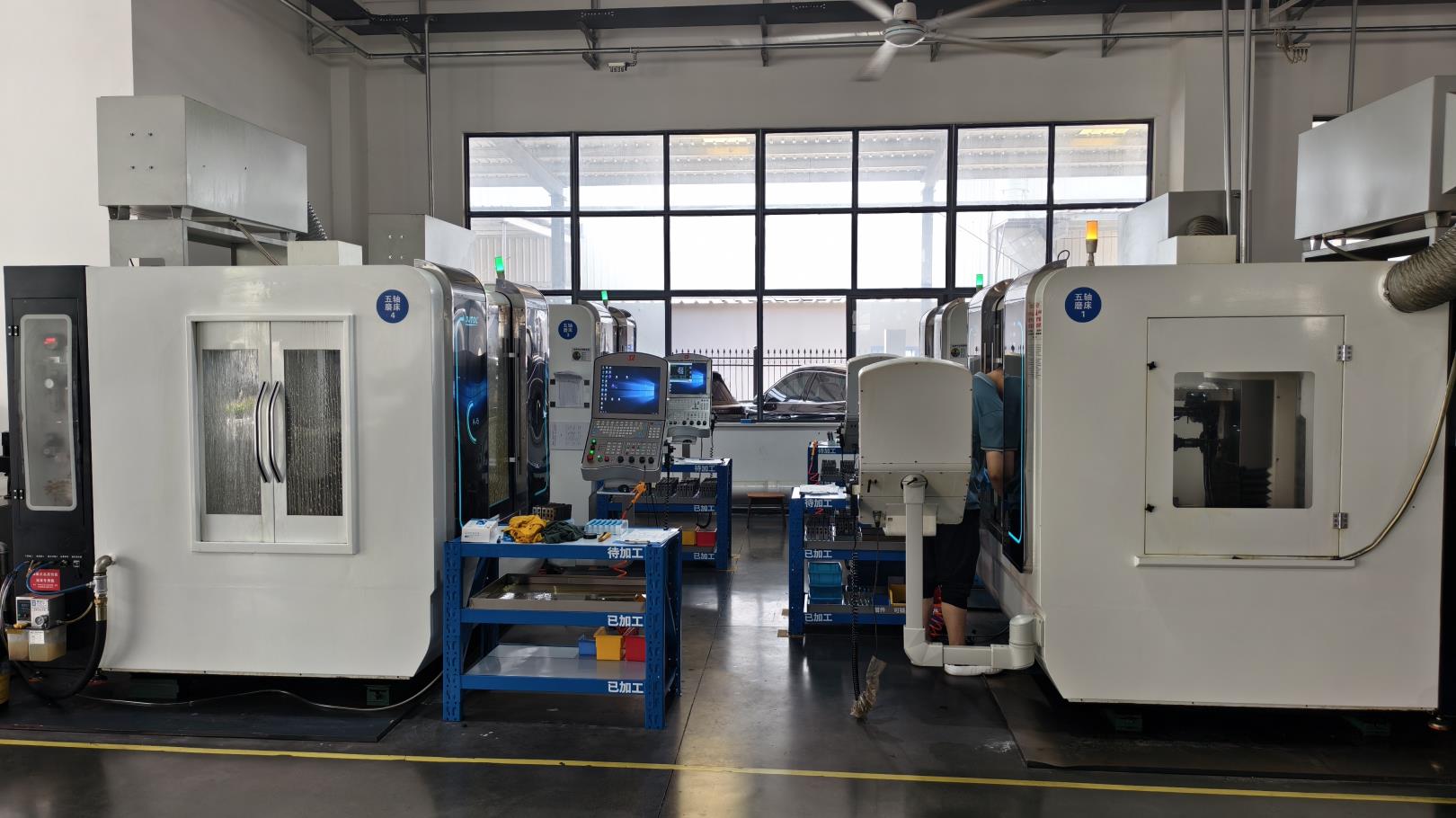
We process custom orders via sample processing, graphic processing, and customized demands. Our advanced five-axis CNC facilities convert clinical concept drafts into high-precision surgical instruments.
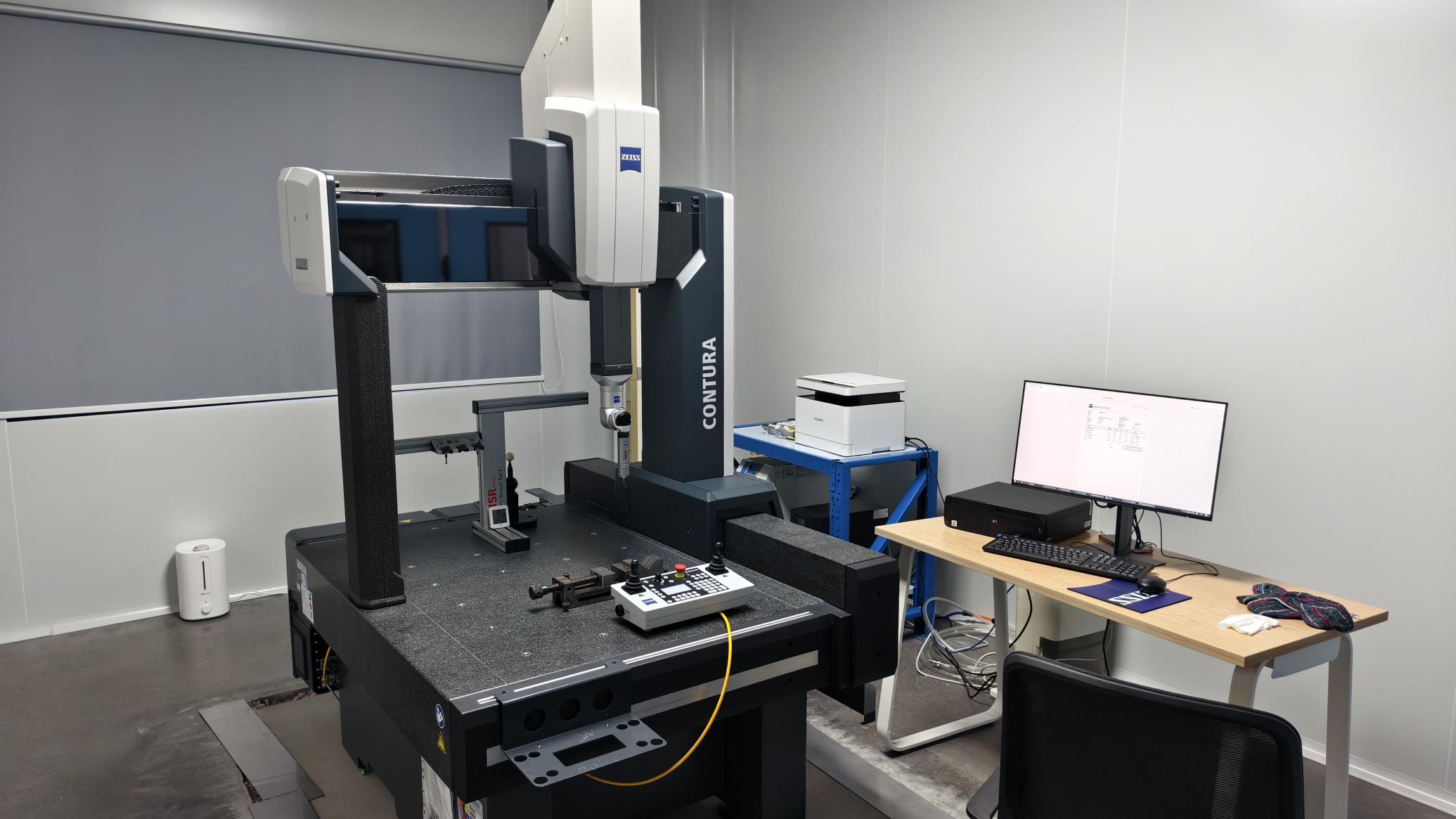
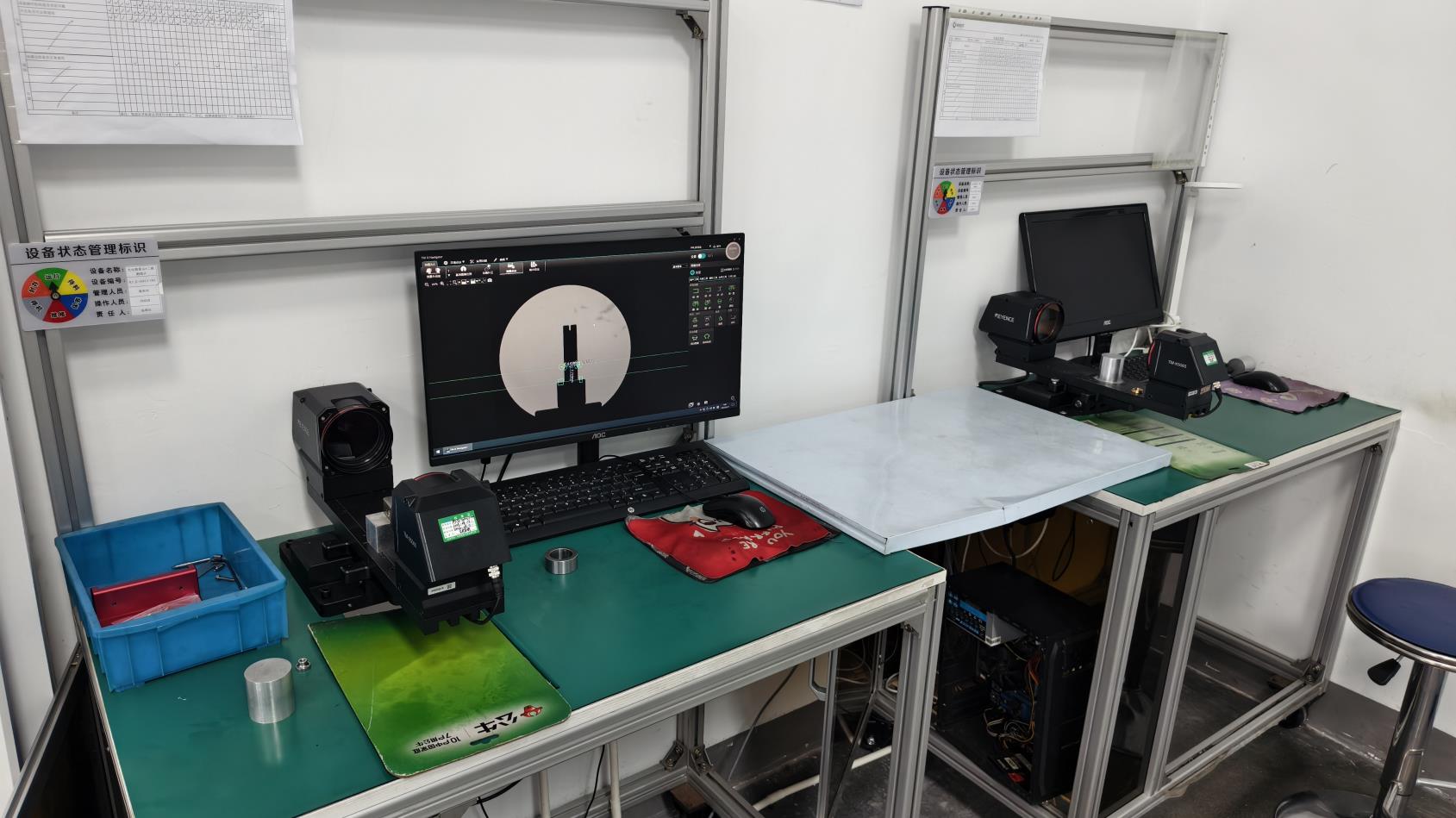
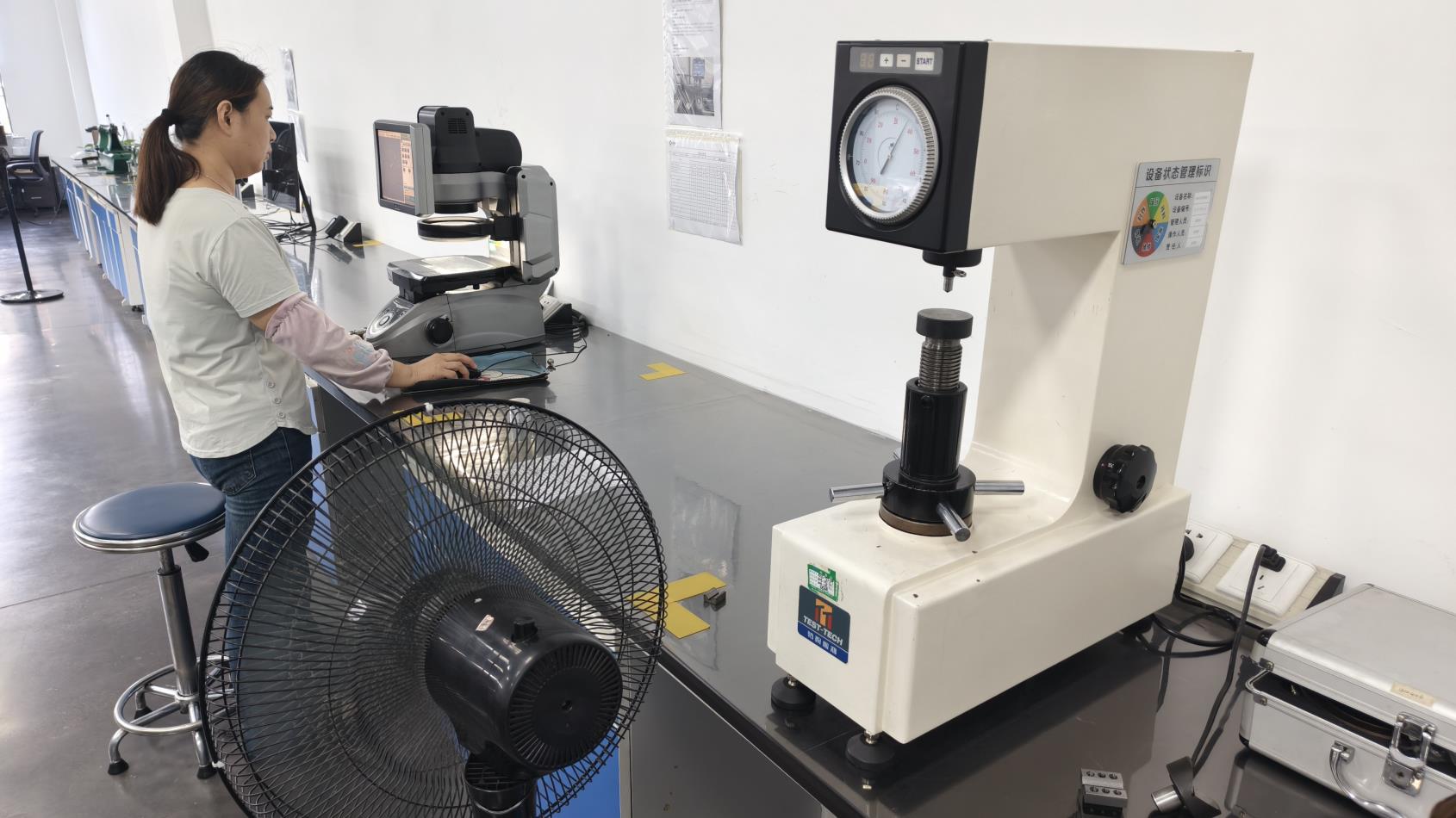
Each production run undergoes strict quality control. Standard raw material testing certifies chemical compositions and mechanical properties from the mill source down to the sterile packaging.
Our main markets include North America (25%), South America (25%), and Southeast Asia (15%), serving clinical distributors, large veterinary practices, and healthcare wholesalers.
Managing global shipments of Class II and Class III medical instruments requires deep knowledge of regulatory frameworks. As a veteran exporter, we support procurement teams with compliant documentation, packaging standards, and customs clearance support.
Whether you require bulk non-sterile packaging for sterilization at the hospital or pre-packaged sterile blisters ready for the operating room, our logistics operations are structured to minimize transit risks. We maintain consistent lead times by using raw material buffers and flexible production lines, helping overseas distributors manage stock levels without carrying excess inventory.
Transparent performance metrics and quality control specifications that support our status as a trusted manufacturer.
| Company Registration Date | 2019-11-20 |
| Years Exporting | 6 Years |
| Years in Industry | 6 Years |
| Accepted Languages | English |
| Product Traceability | Yes, full traceability of raw materials to source batch. |
| Product Inspection Method | Random inspection, custom inspections available per client's request. |
| QA/QC Inspectors | 3 Inspectors |
| Customization Options | Sample processing, graphic processing, customized on-demand modifications. |
| Primary Target Buyers | Brand businesses, Retailers, Wholesalers, Private surgical centers. |
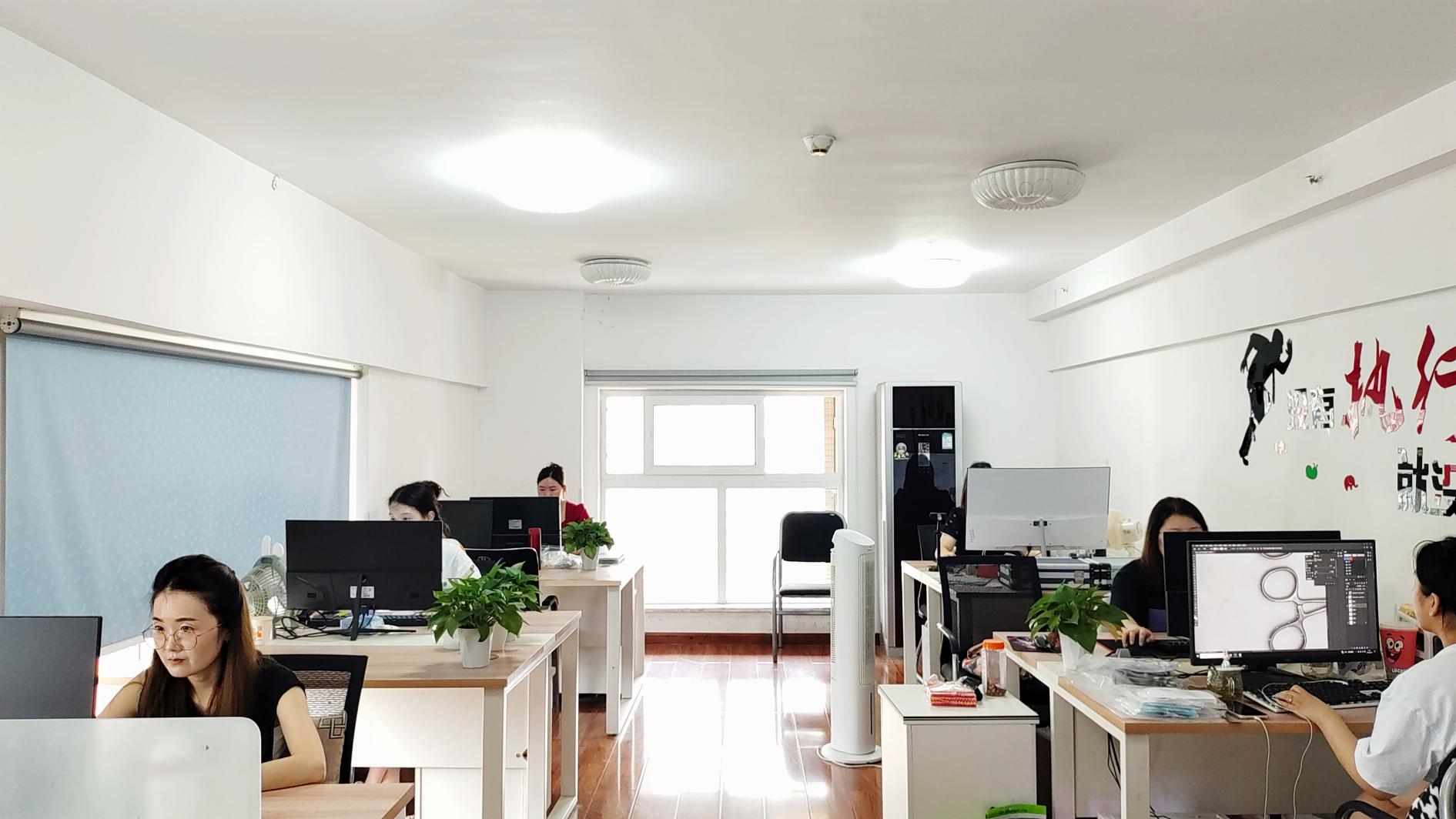
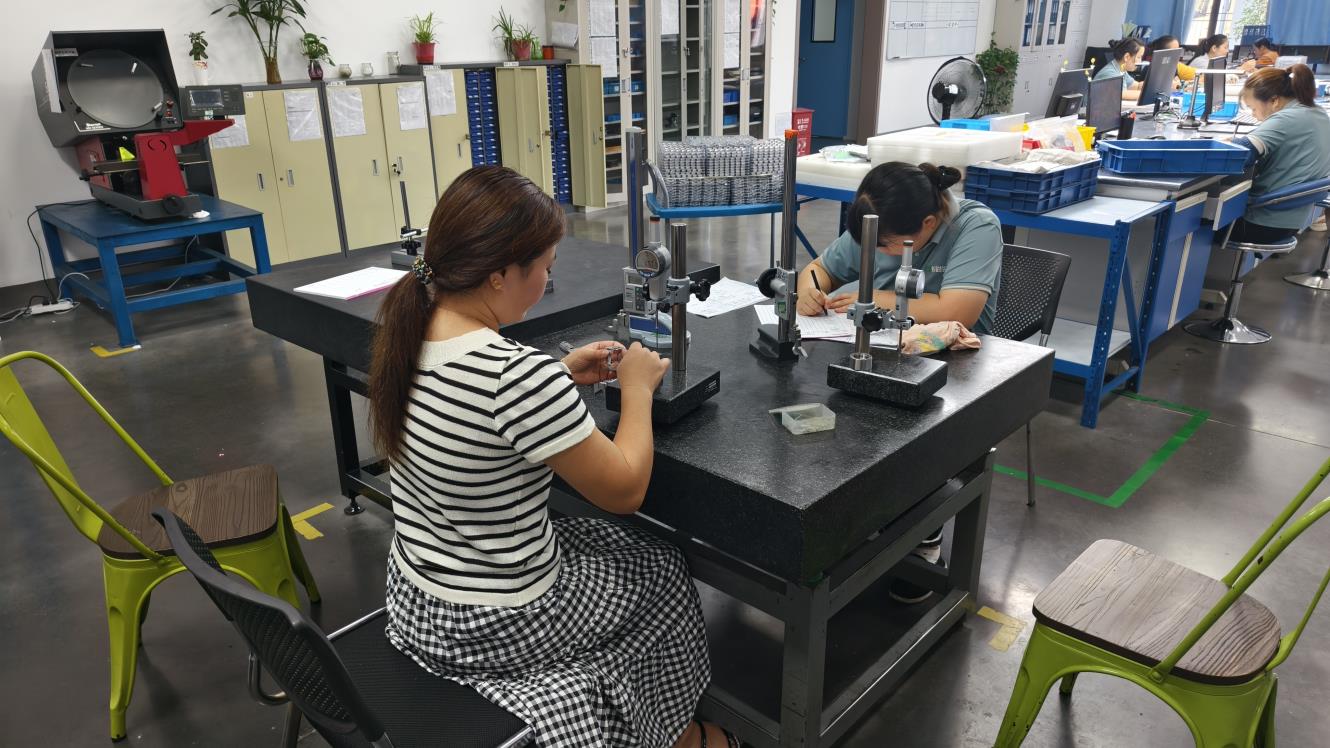
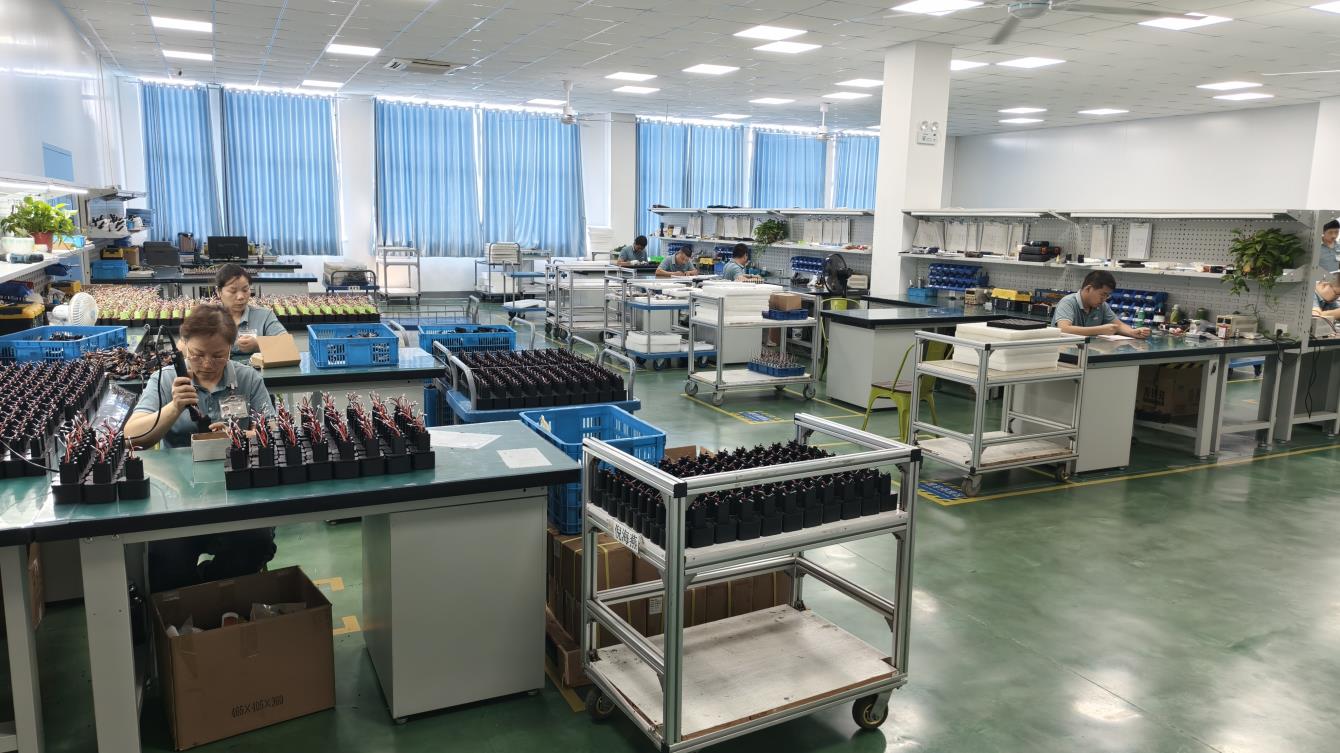
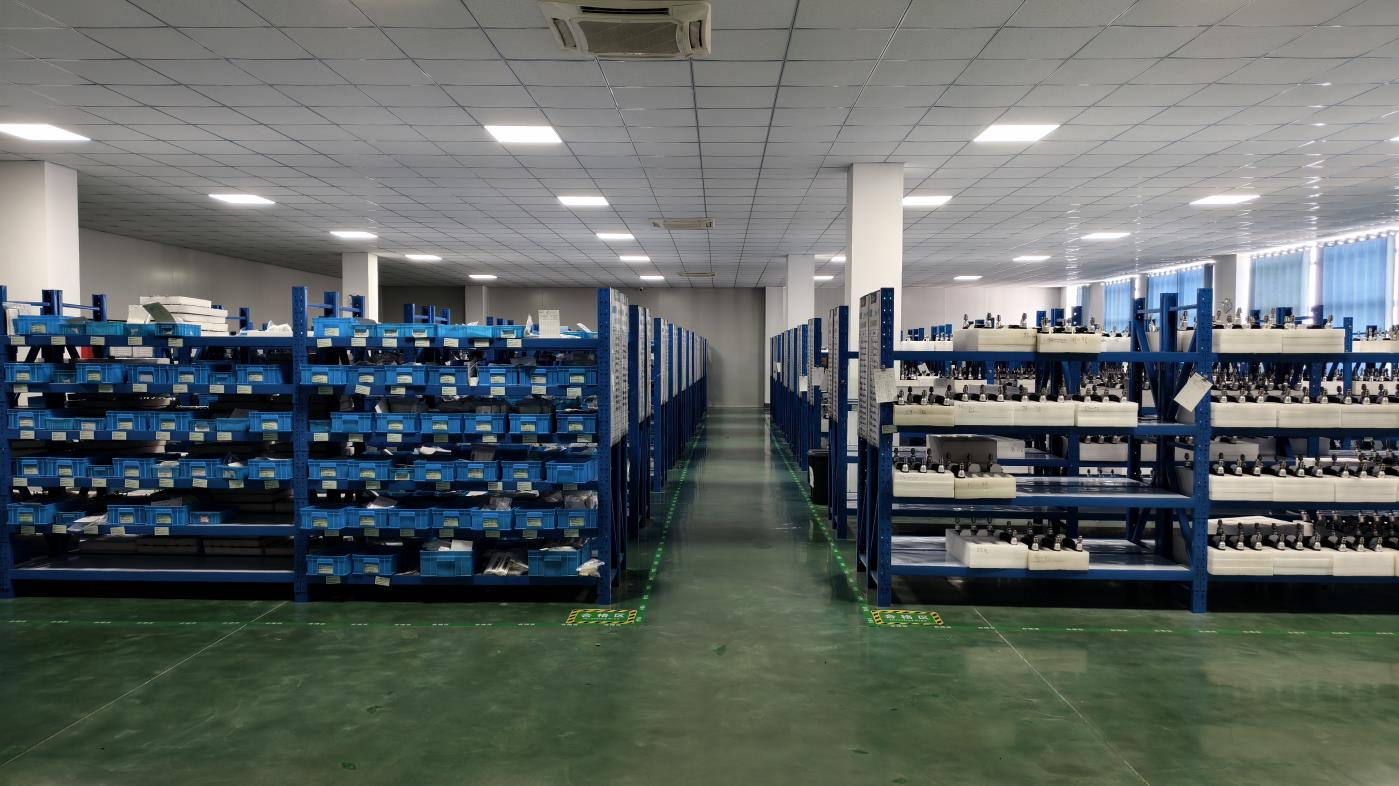
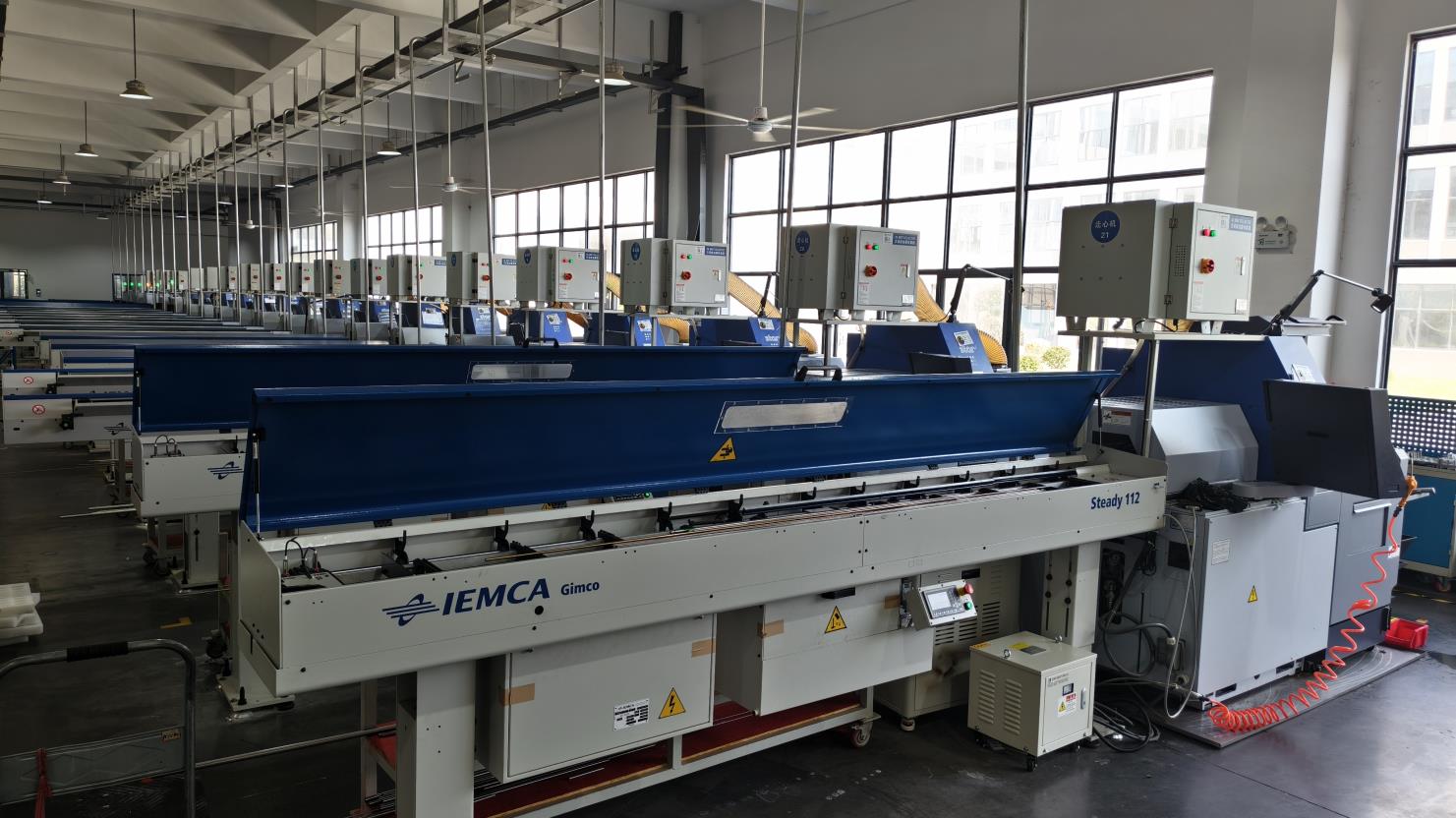
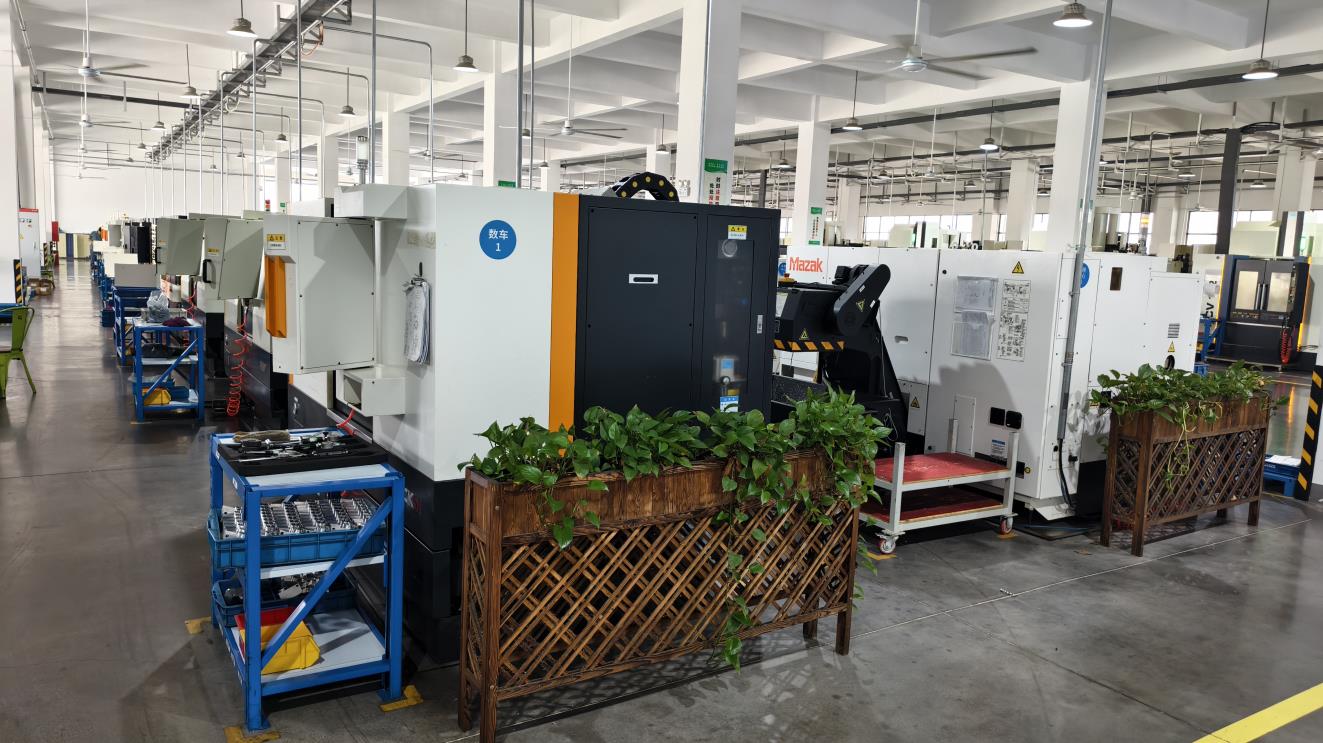
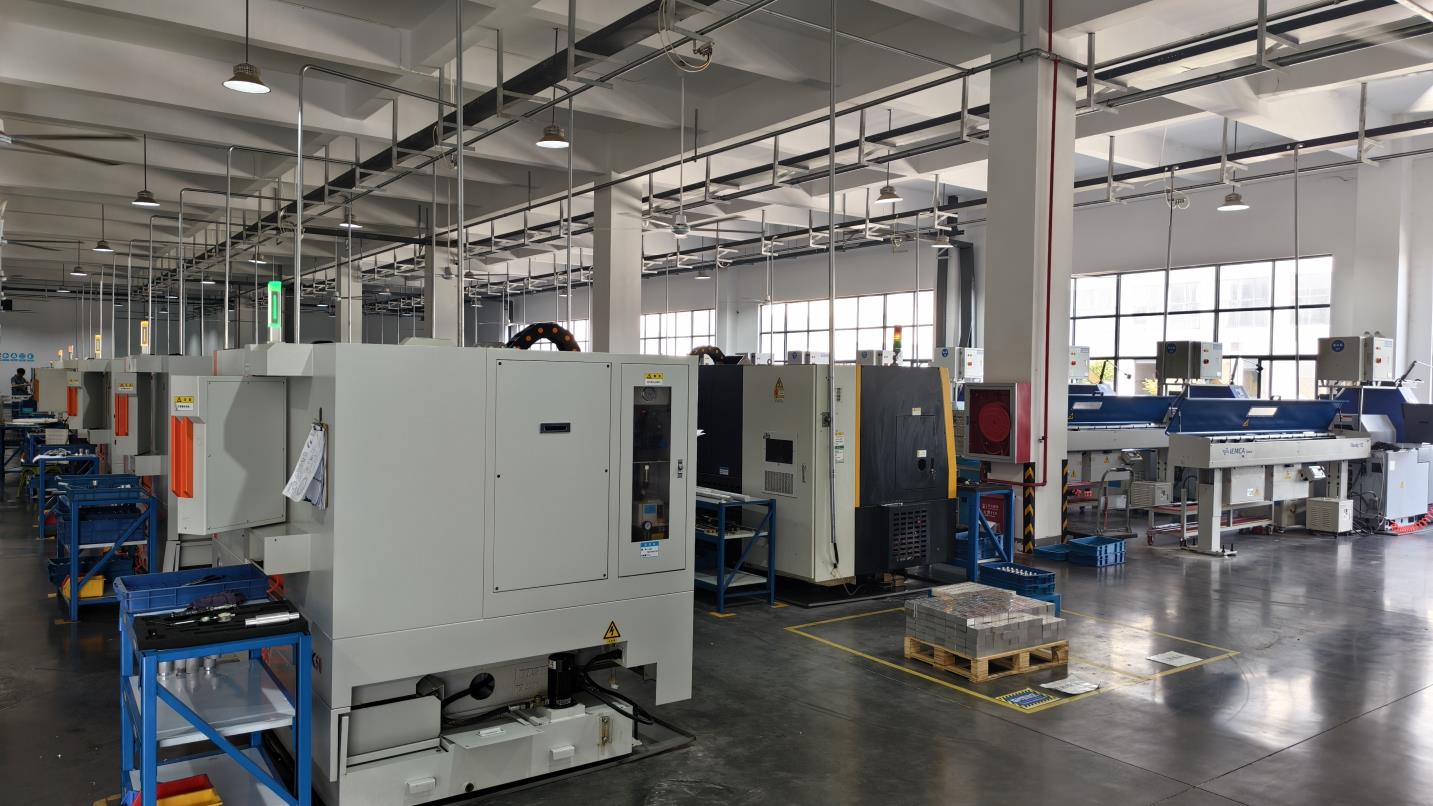
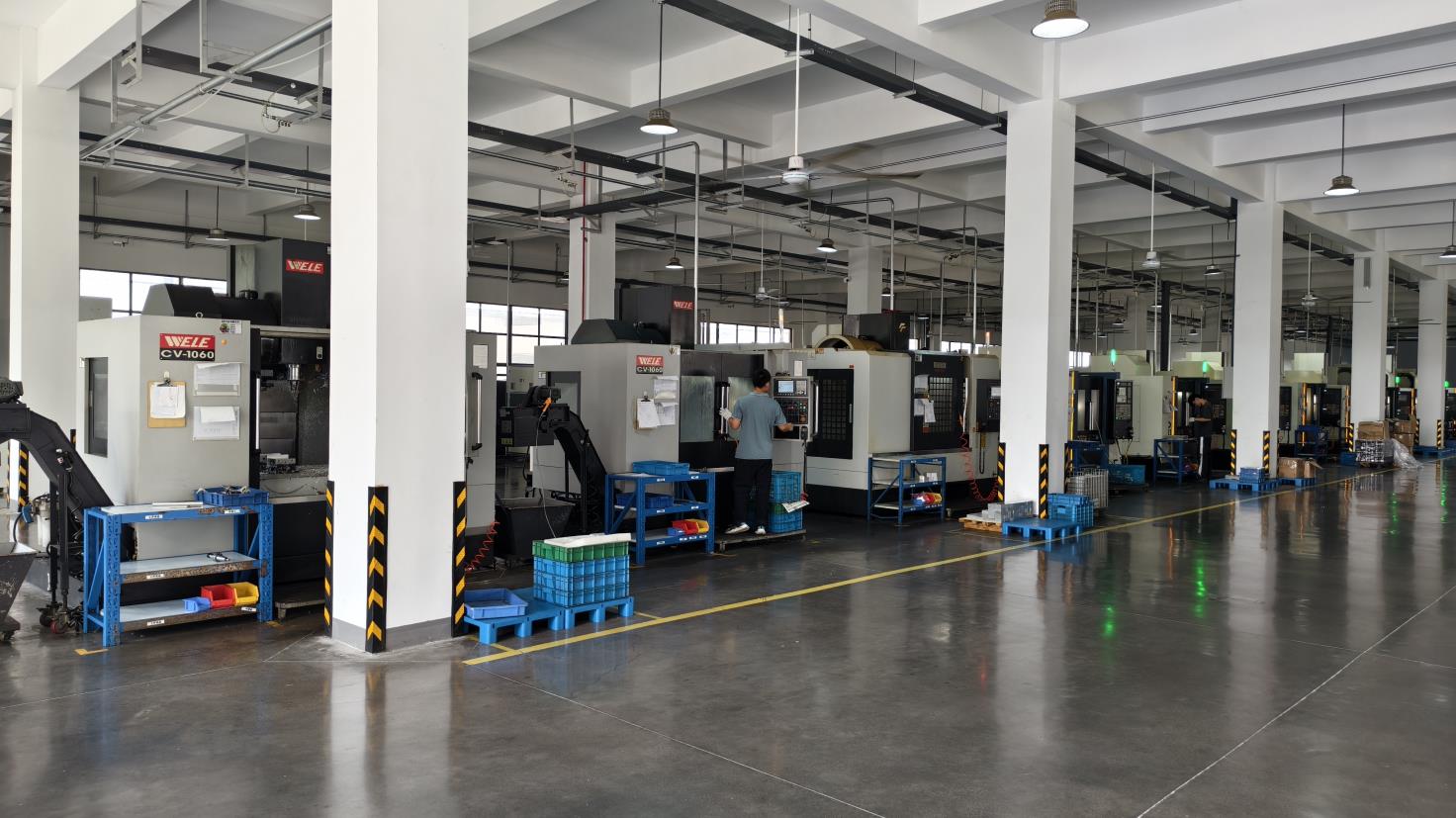
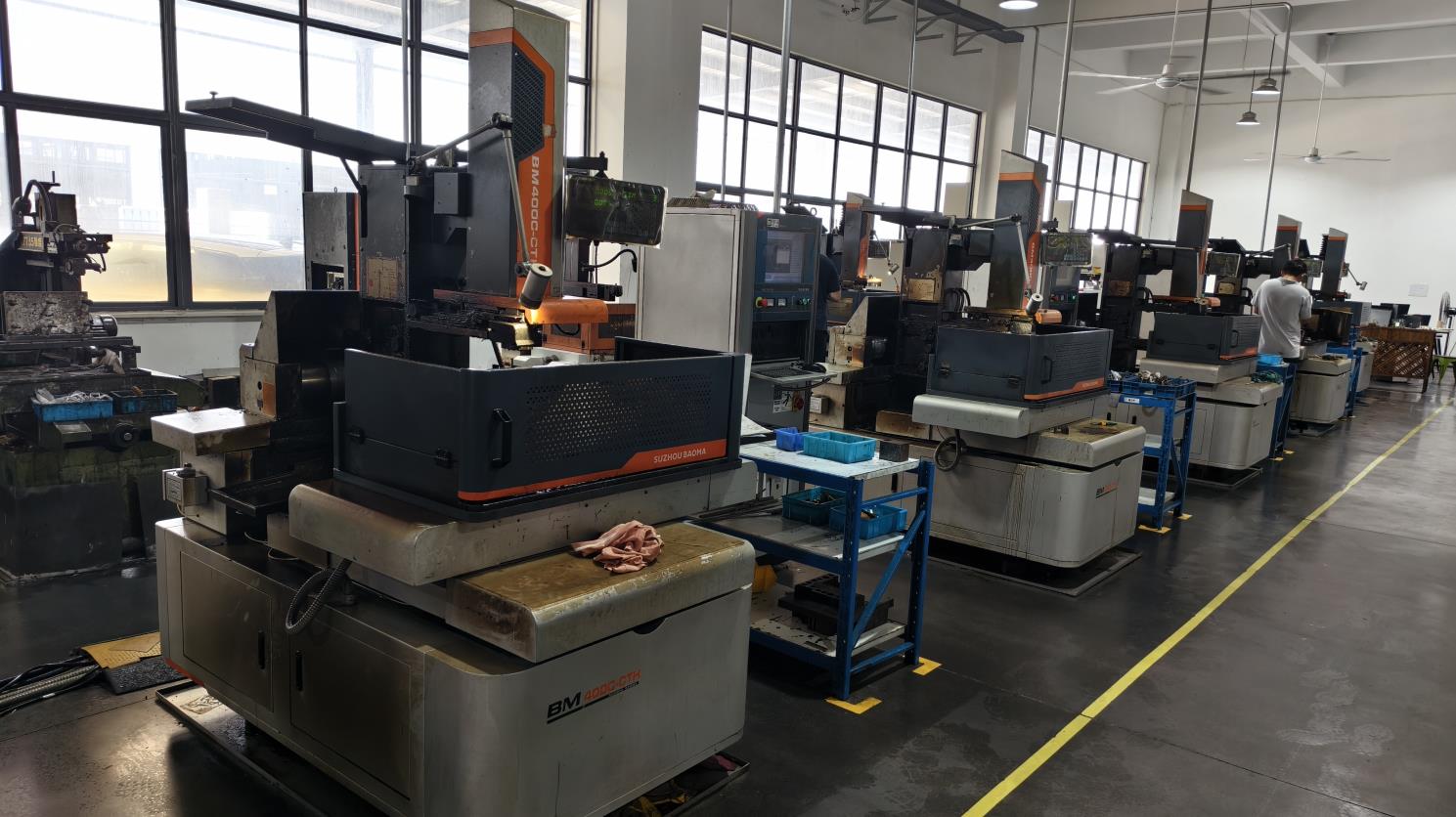
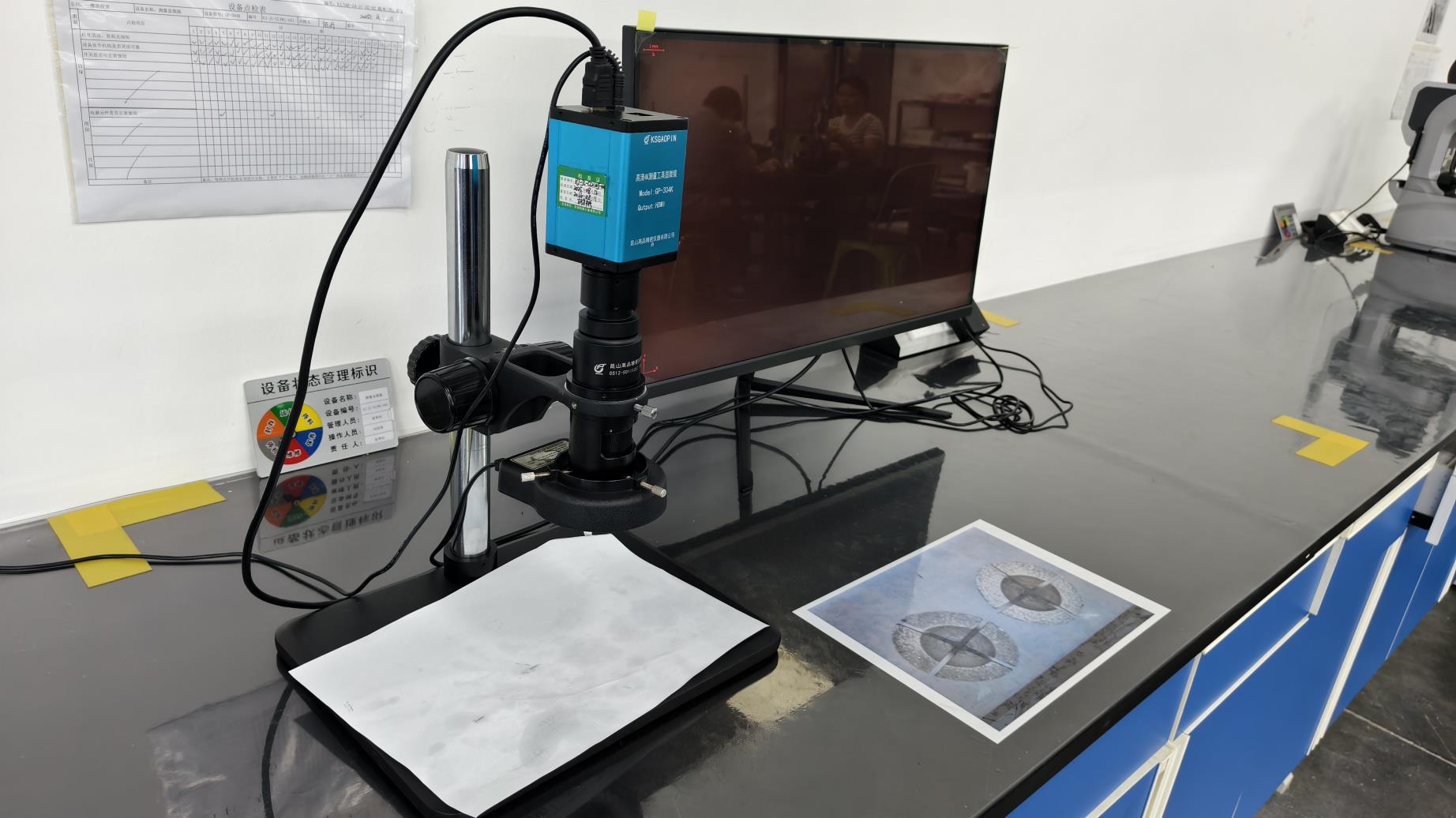
The images below illustrate our production facilities, warehouse, assembly lines, inspection instruments, and raw materials. This transparency shows our focus on cleanroom processing, high-precision machining, and systematic quality verification.
Innovation goals guiding our R&D and manufacturing developments.
Integrating Electron Beam Melting (EBM) technologies to create patient-specific plates with custom porous layouts, designed to support quick osteointegration.
Developing bioresorbable fracture plates using magnesium alloys and poly-L-lactic acid (PLLA), eliminating the need for secondary implant removal operations.
Developing implants with miniature strain sensors to track healing progress in real-time, sending diagnostic load data directly to orthopedic teams.
Expert technical answers to common B2B procurement and clinical inquiries.
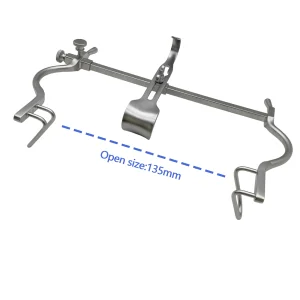
Explore our specialized orthopedic tools, including spinal distraction systems, benders, and micro-forceps.