SENJIE Healthy & Technology
SENJIE Healthy & Technology
SENJIE Healthy & Technology
Engineered for precise anatomical alignment, bone tension stability, and long-term biocompatible fixation
A brief overview of our engineering capabilities, geographical footprint, and export credentials
Whitepaper Analysis: Tensile Dynamics, Fatigue Profiles, and Material Selection in Reconstructive Osteosynthesis
In modern orthopedic reconstructive surgery, particularly within complex revision arthroplasty, periprosthetic fractures, and pediatric spinal deformity correction, orthopedic cables serve as an essential stabilization element. Unlike traditional monofilament wires, modern multifilament cables reduce the risk of fatigue failure, micro-motion, and local vascular trauma. By braiding multiple miniature wires into a single structural system, orthopedic cables achieve superior fatigue life while offering enhanced flexibility, allowing surgeons to apply dynamic tension around irregular bone structures.
The selection of the metal core determines not only the bio-compatibility of the cerclage mechanism but also its galvanic compatibility with primary implants such as plates and intramedullary nails. Our production features two main materials:
Vacuum-melted to minimize impurities. Extremely high tensile strength, highly resistant to intergranular corrosion and fatigue propagation, ideal for heavy-load lower-limb reconstructions.
Exceptional biocompatibility, lighter weight, and closer elasticity modulus to cortical bone. Minimizes stress-shielding effects, reducing regional osteopenia and bone resorption risk.
To prevent galvanic degradation, leading orthopedic surgeons recommend pairing titanium plates with titanium cables, and stainless steel plates with stainless steel cables. Utilizing heterogeneous materials can trigger micro-currents inside biological fluids, leading to localized metallosis and mechanical loosening over time.
Vertically integrated production cycles, precision processing, and direct global distribution channels
Global procurement teams in the medical sector face unprecedented challenges, including supply volatility, rising regulatory demands, and the necessity of keeping down product costs without compromising patient outcomes. China's medical instrument cluster has transitioned from standard component manufacturing to high-end, research-driven engineering, offering distinct advantages:
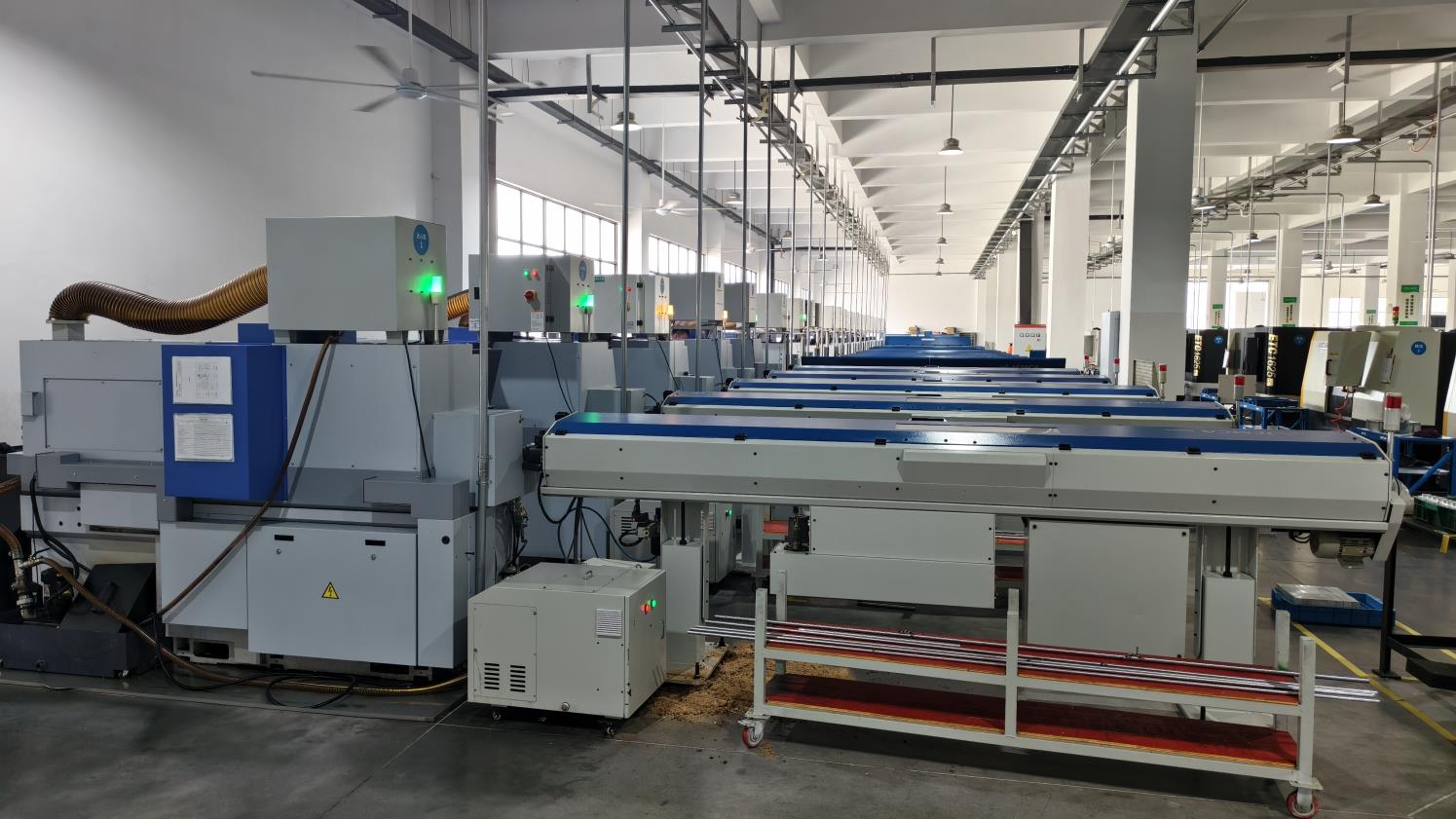
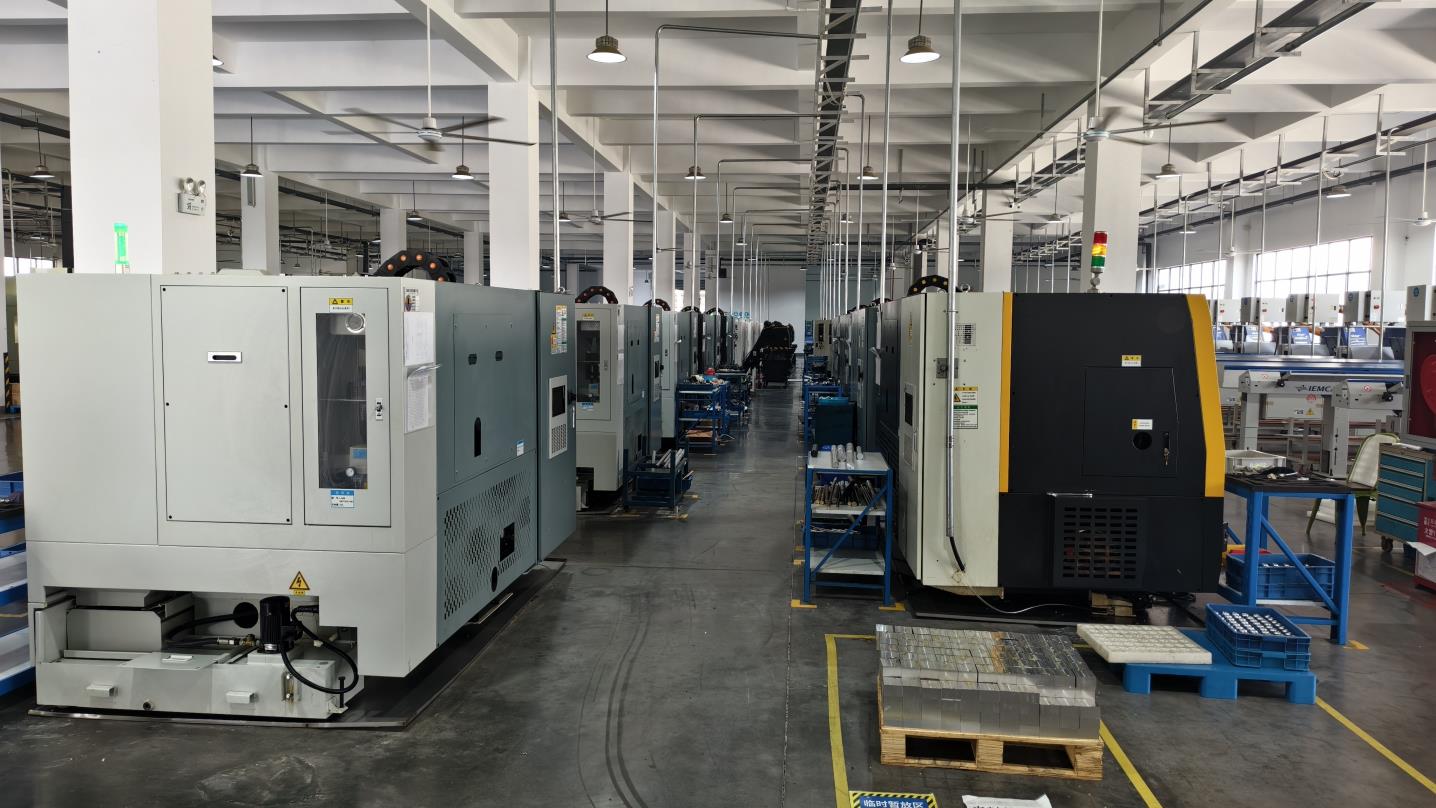
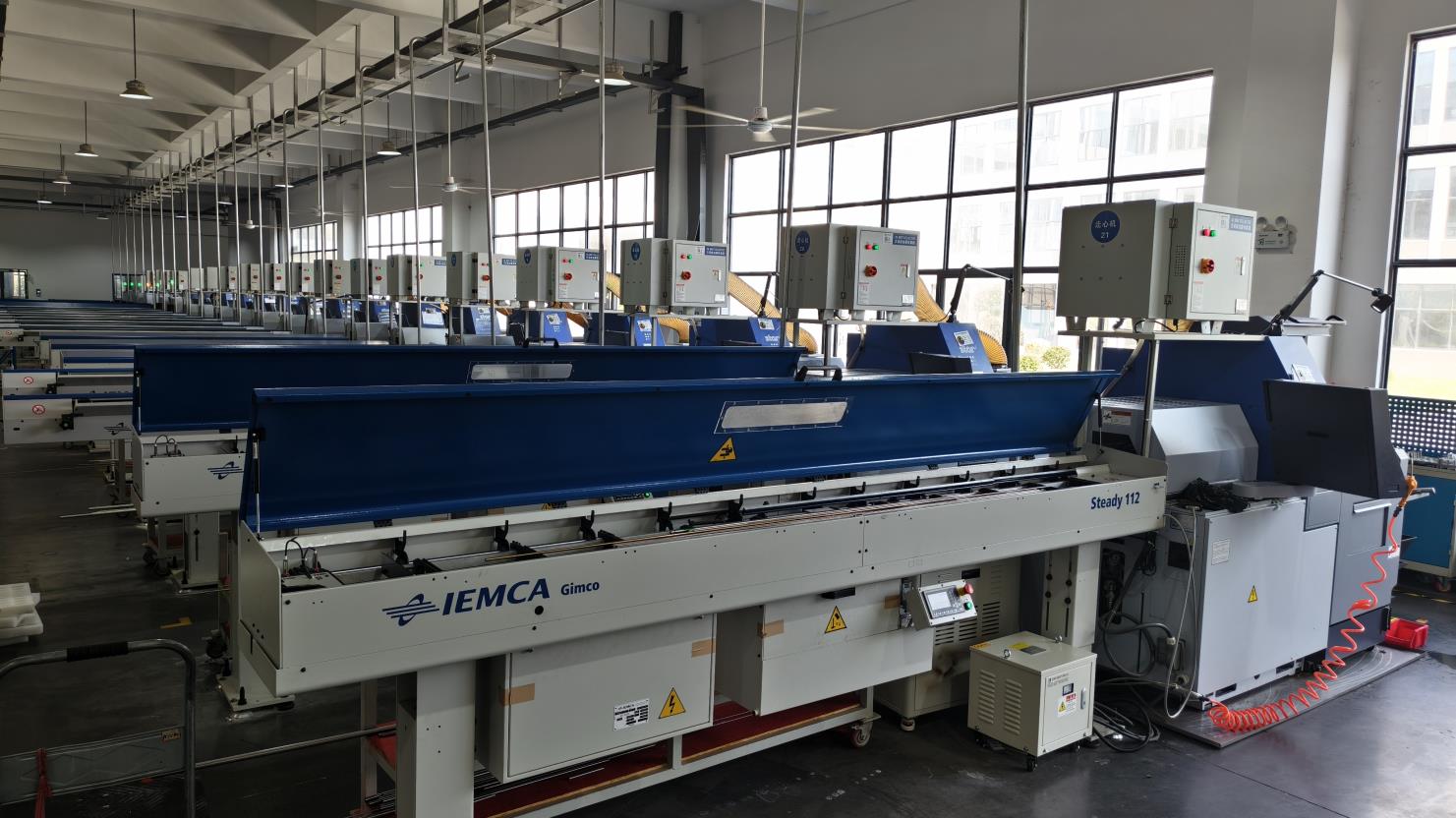
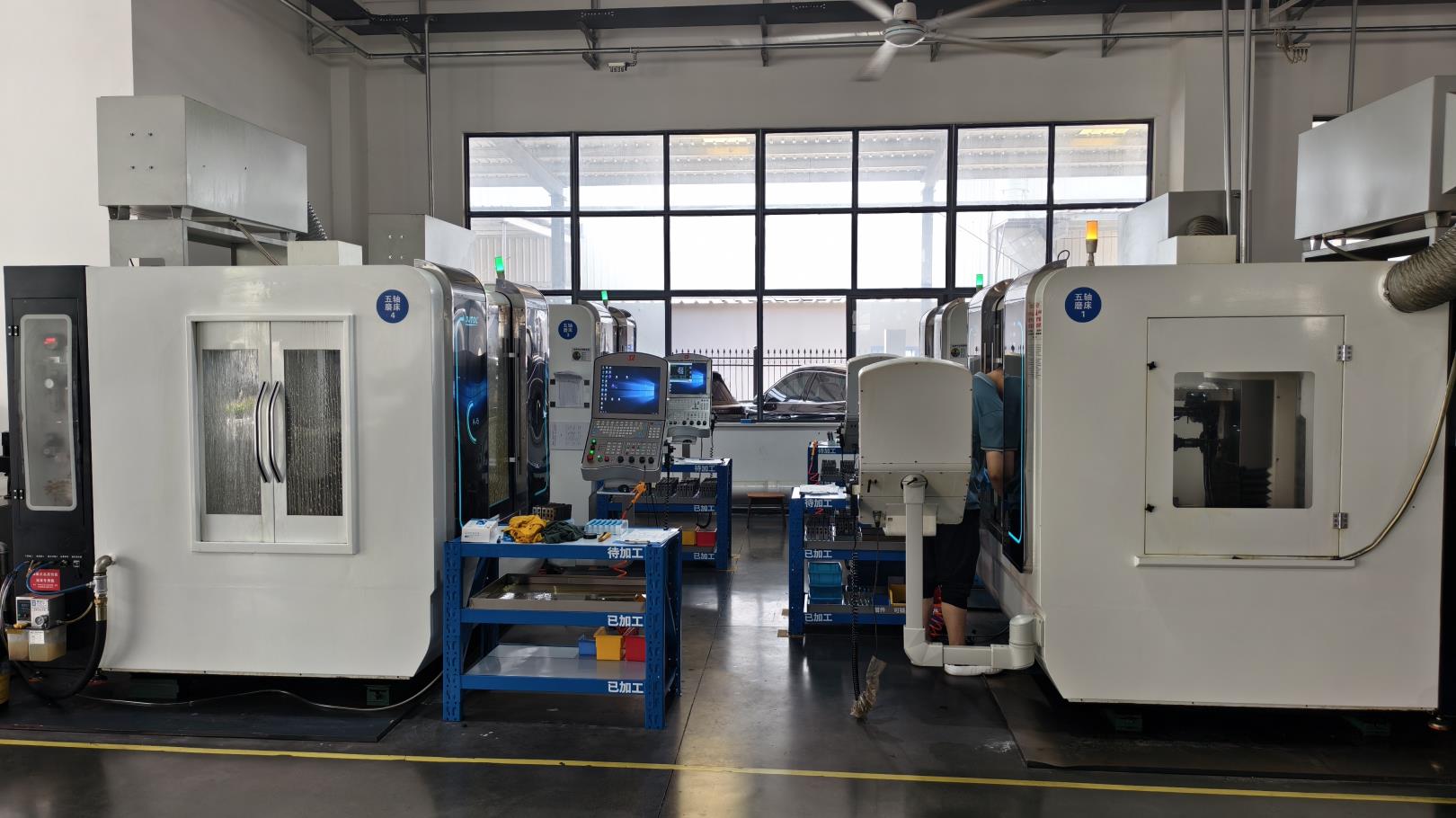
Our production facilities utilize modern Swiss-type lathe machining and automated braiding systems, maintaining dimensional tolerances within ±0.01 mm on surgical cables and guides.
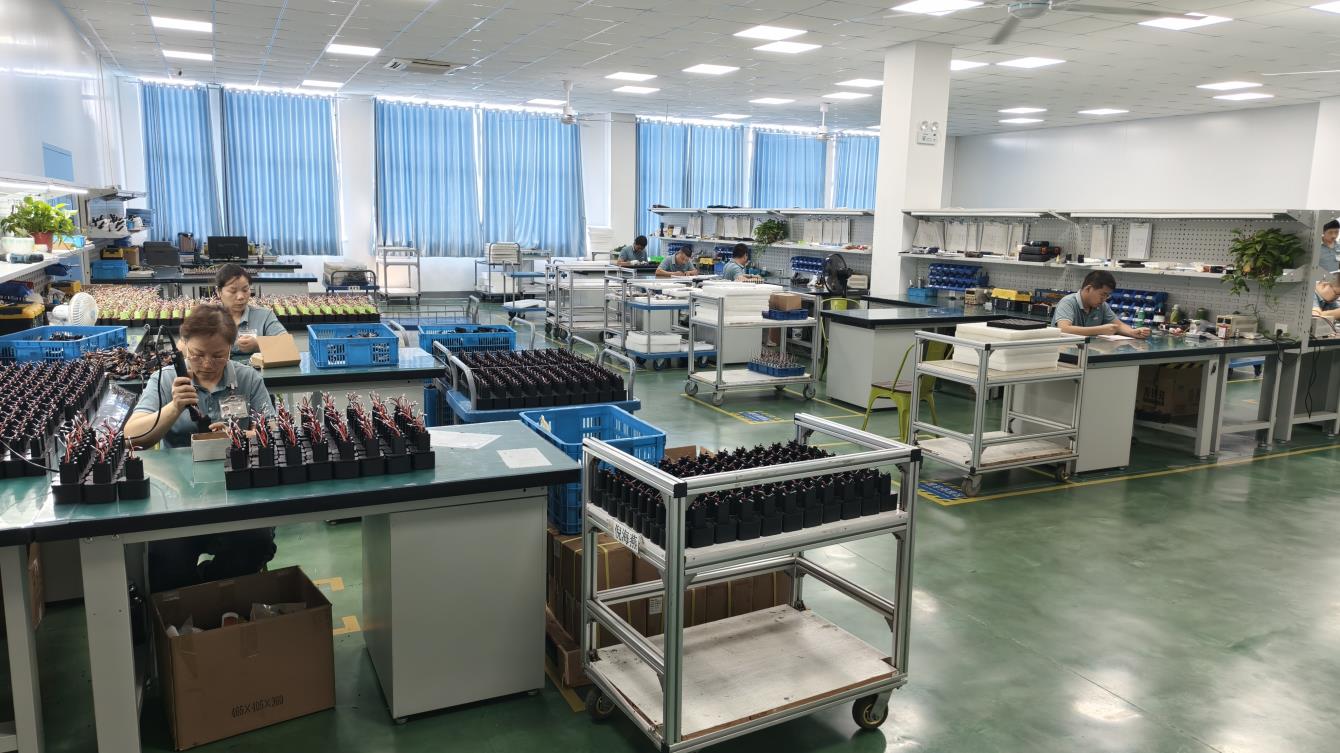
By conducting drawing, annealing, braiding, crimp-fitting, laser-marking, and cleanroom packaging within a single centralized site, we reduce overall manufacturing costs by 30% to 40% compared to Western competitors.
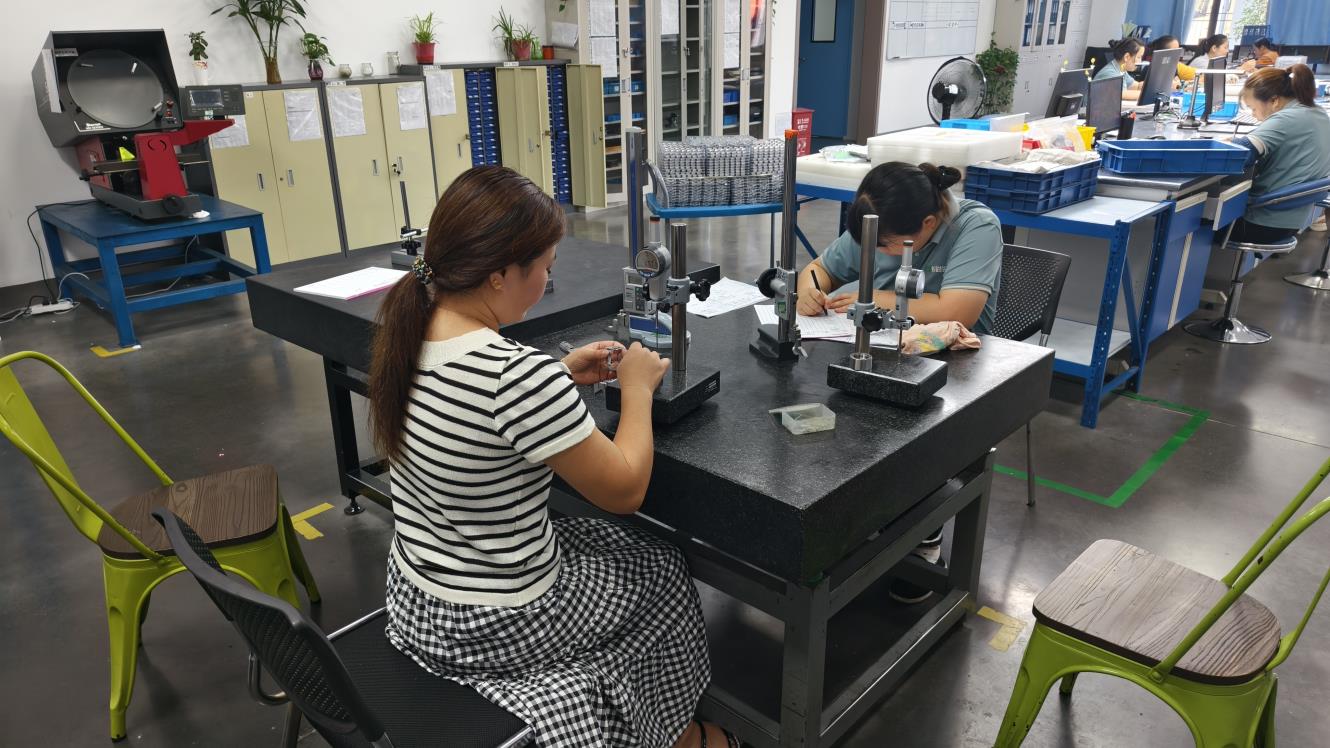
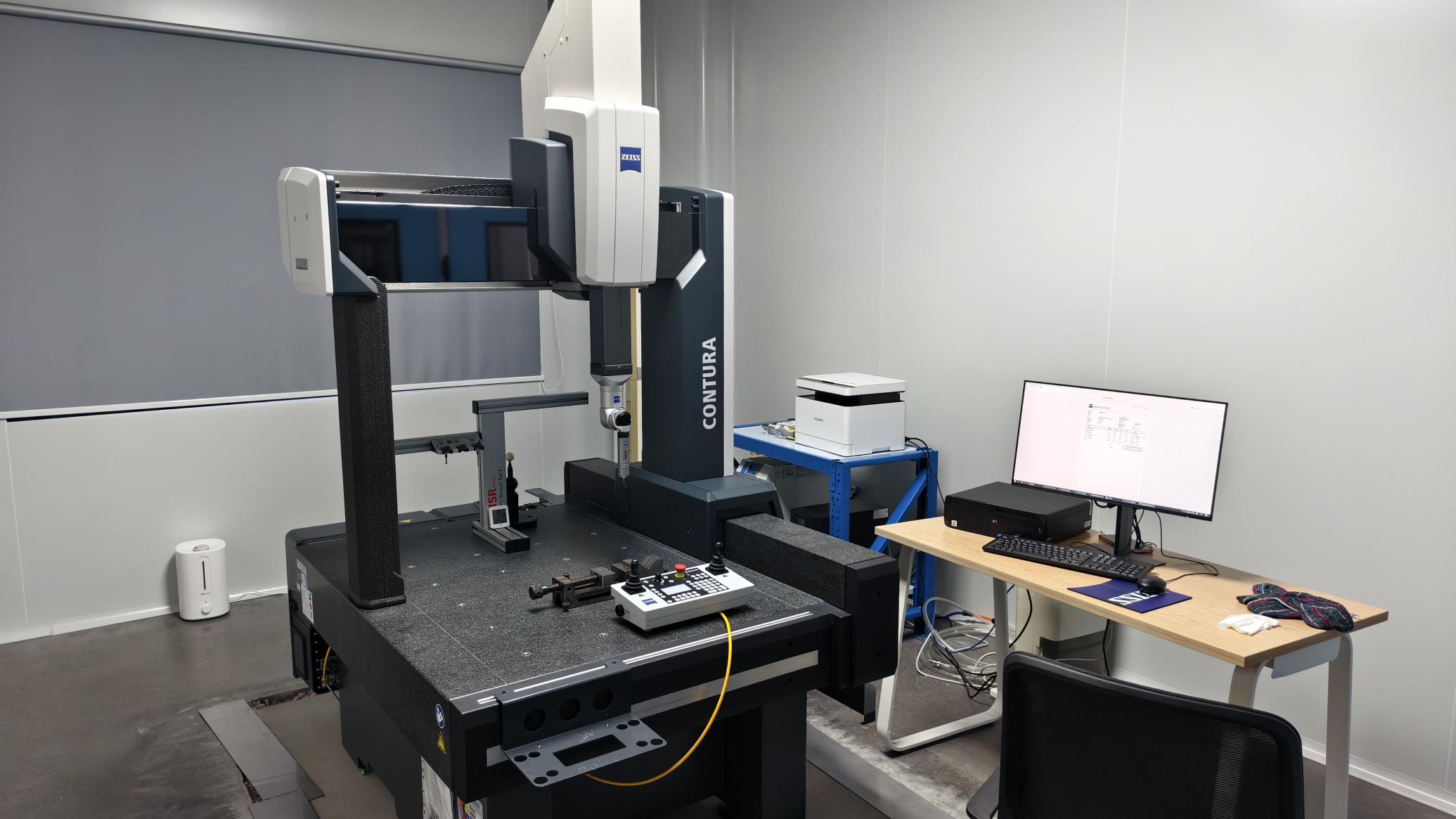
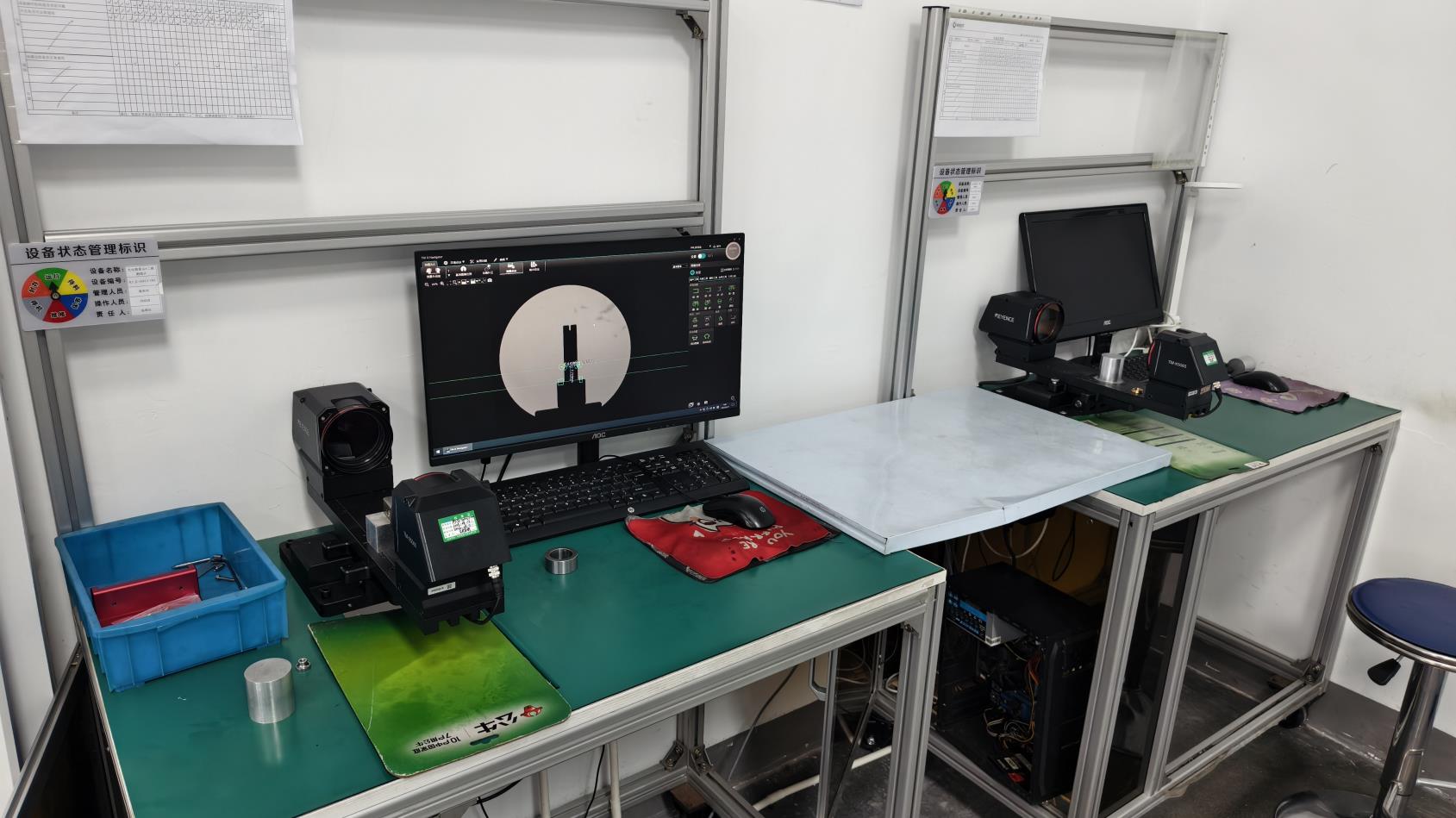
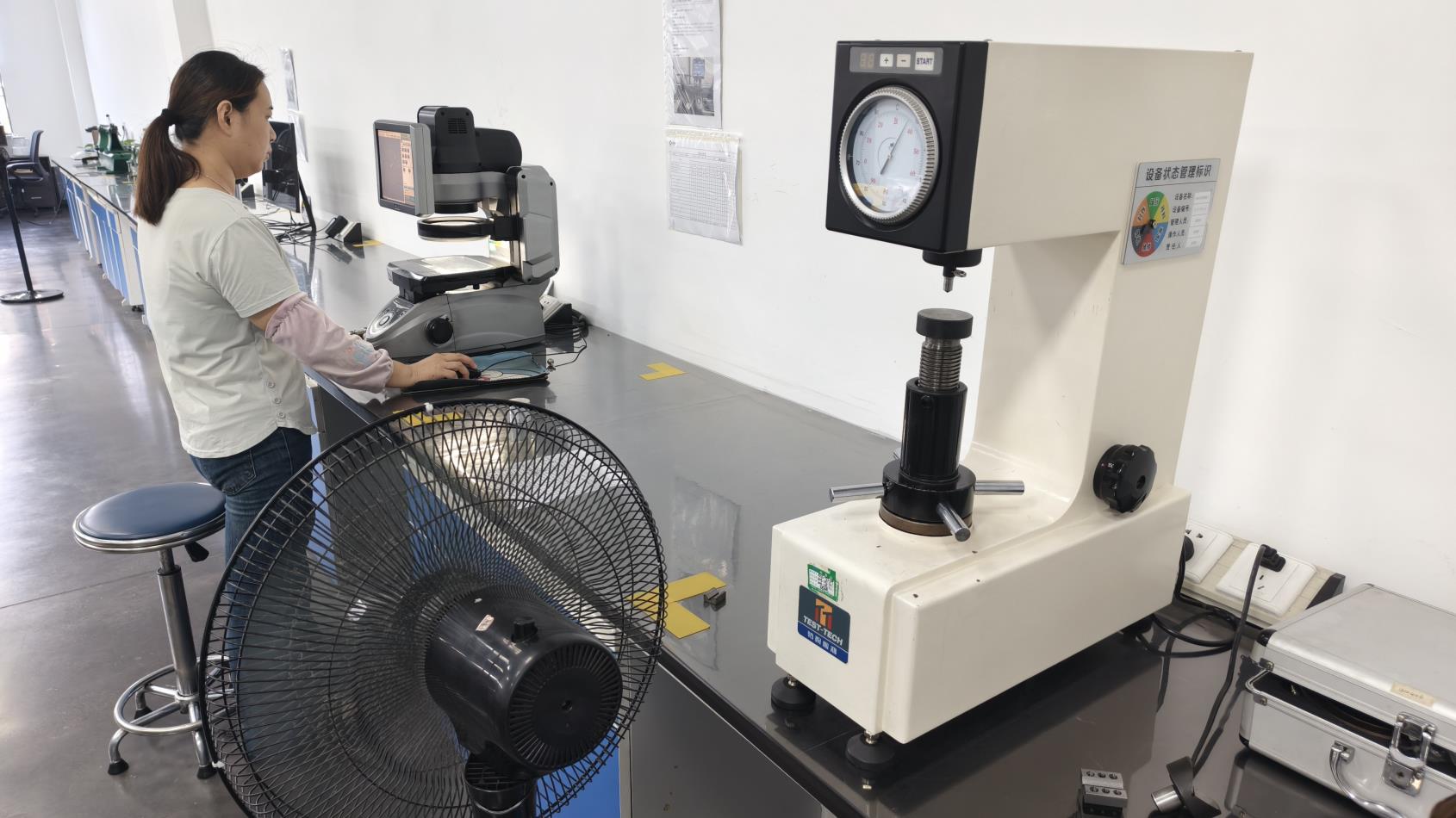
Equipped with specialized testing machinery, our QA/QC team performs random inspection or customized testing per client protocols, ensuring raw materials are completely traceable to their metallurgical origin.
We leverage our 6 years of export history to streamline custom clearing and shipping workflows, supplying brand businesses, retailers, and wholesalers in North America (25%), South America (25%), and Southeast Asia (15%) with complete regulatory compliance.
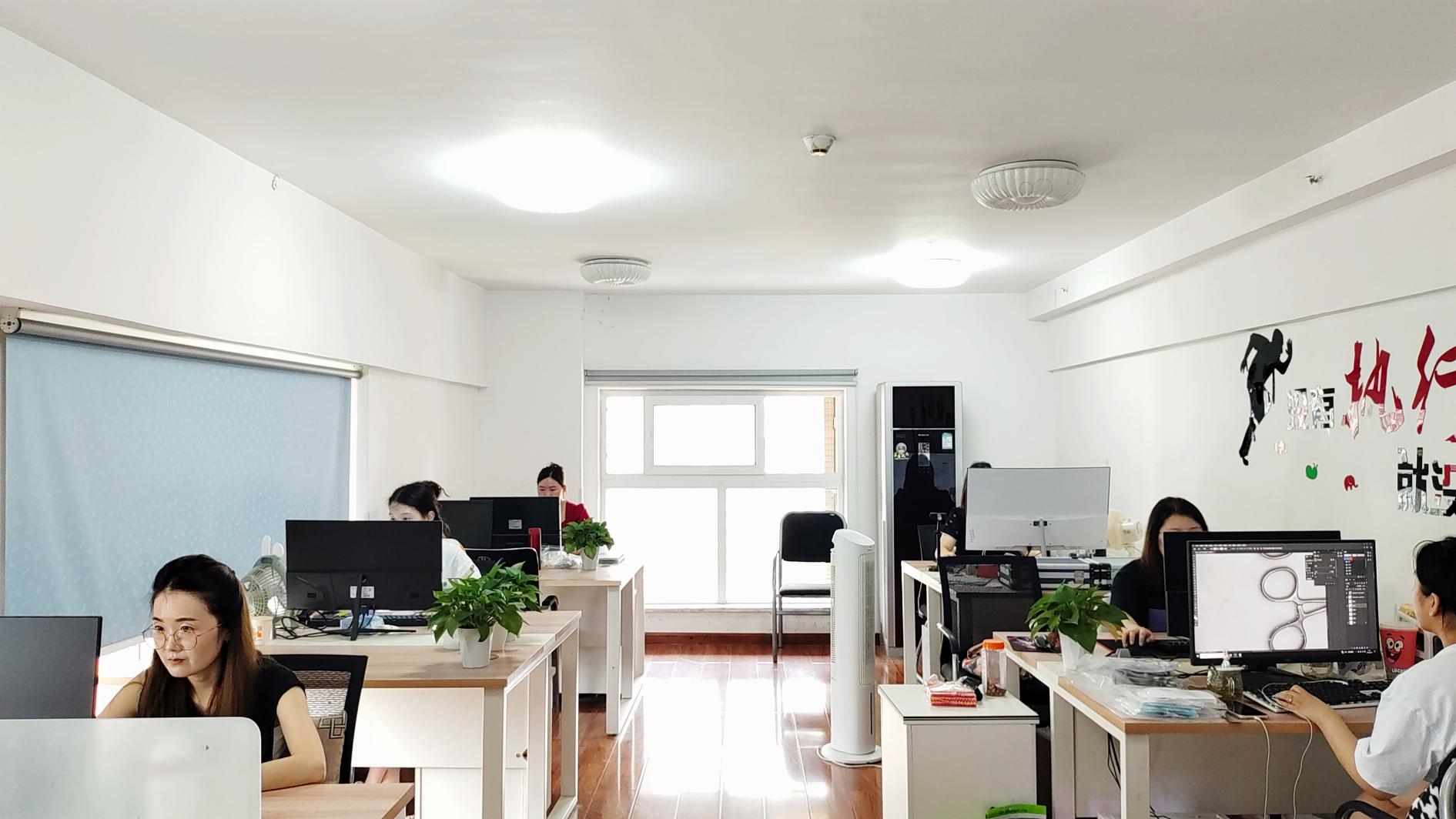
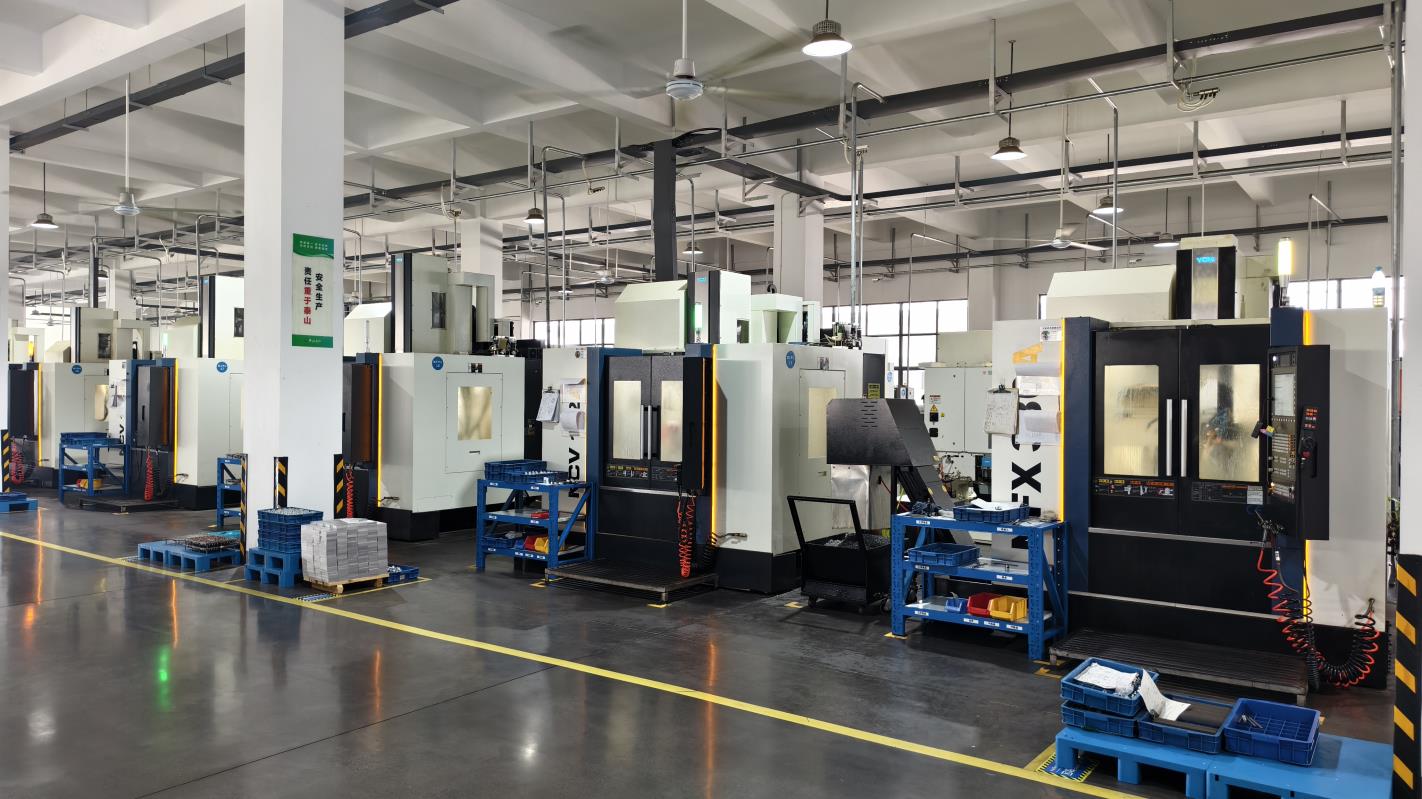
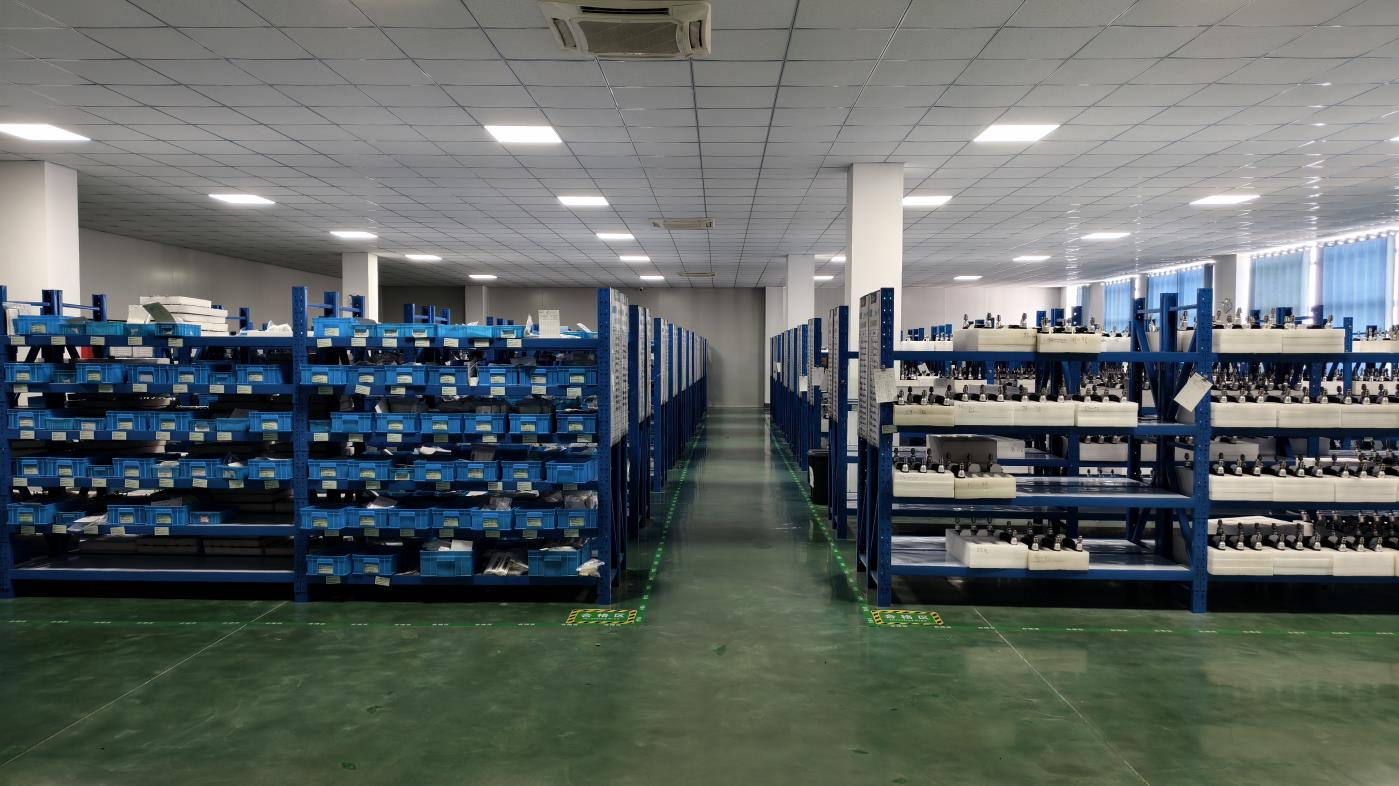
Real workshop production, material inspections, and finished surgical instruments ready for global distribution
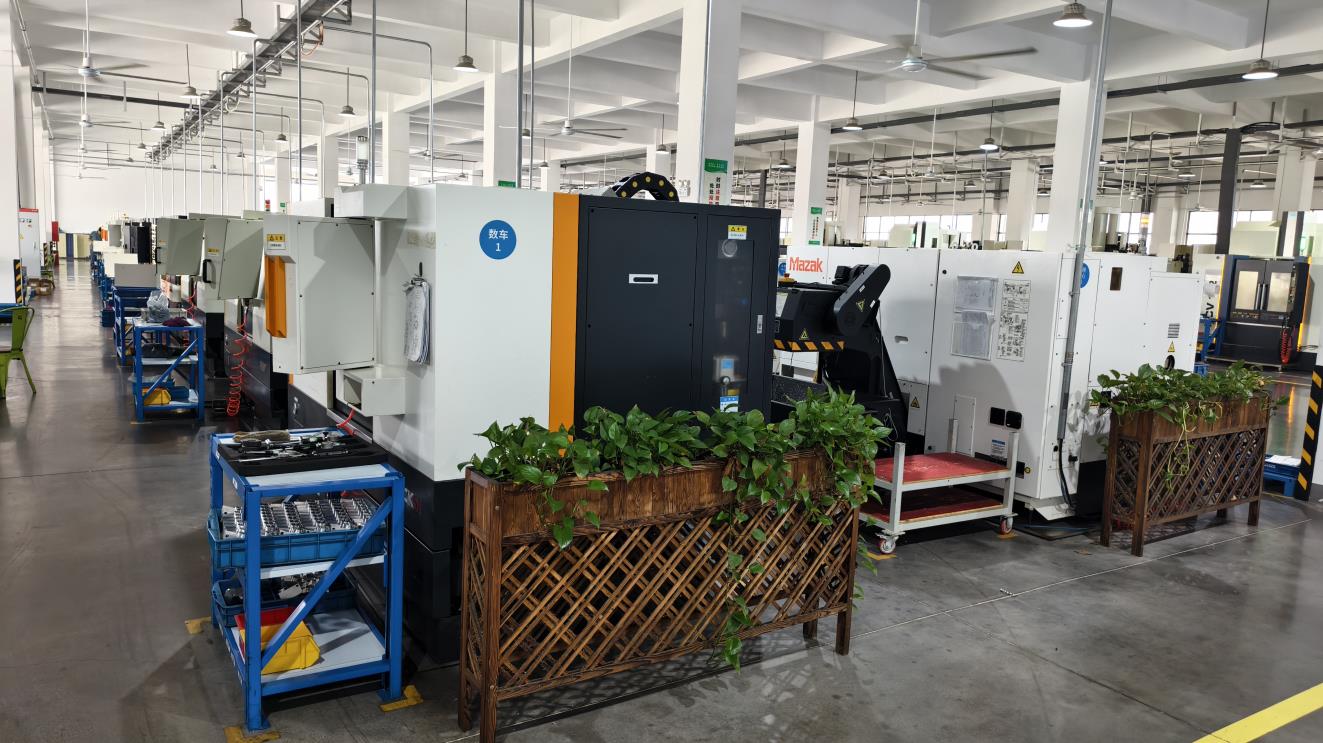
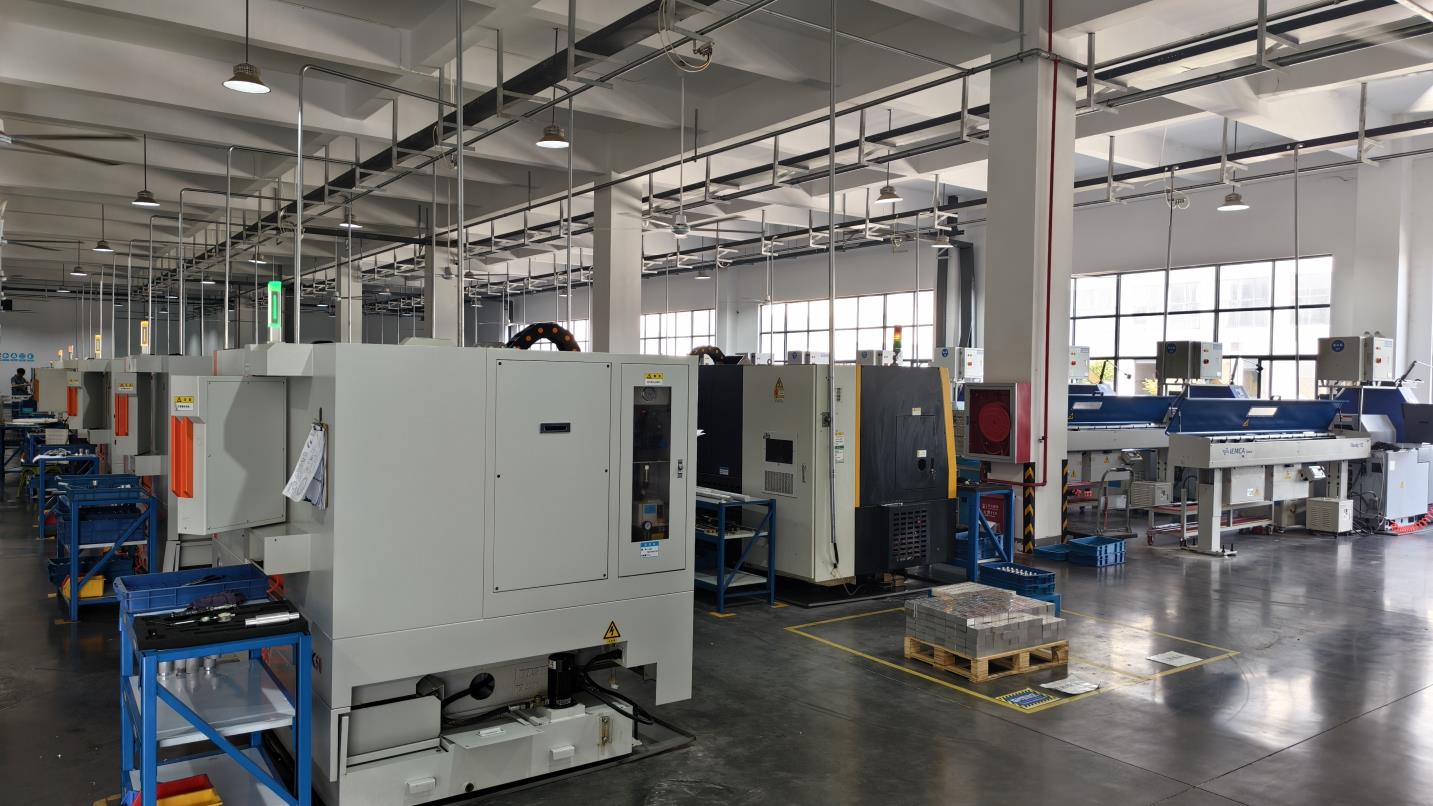
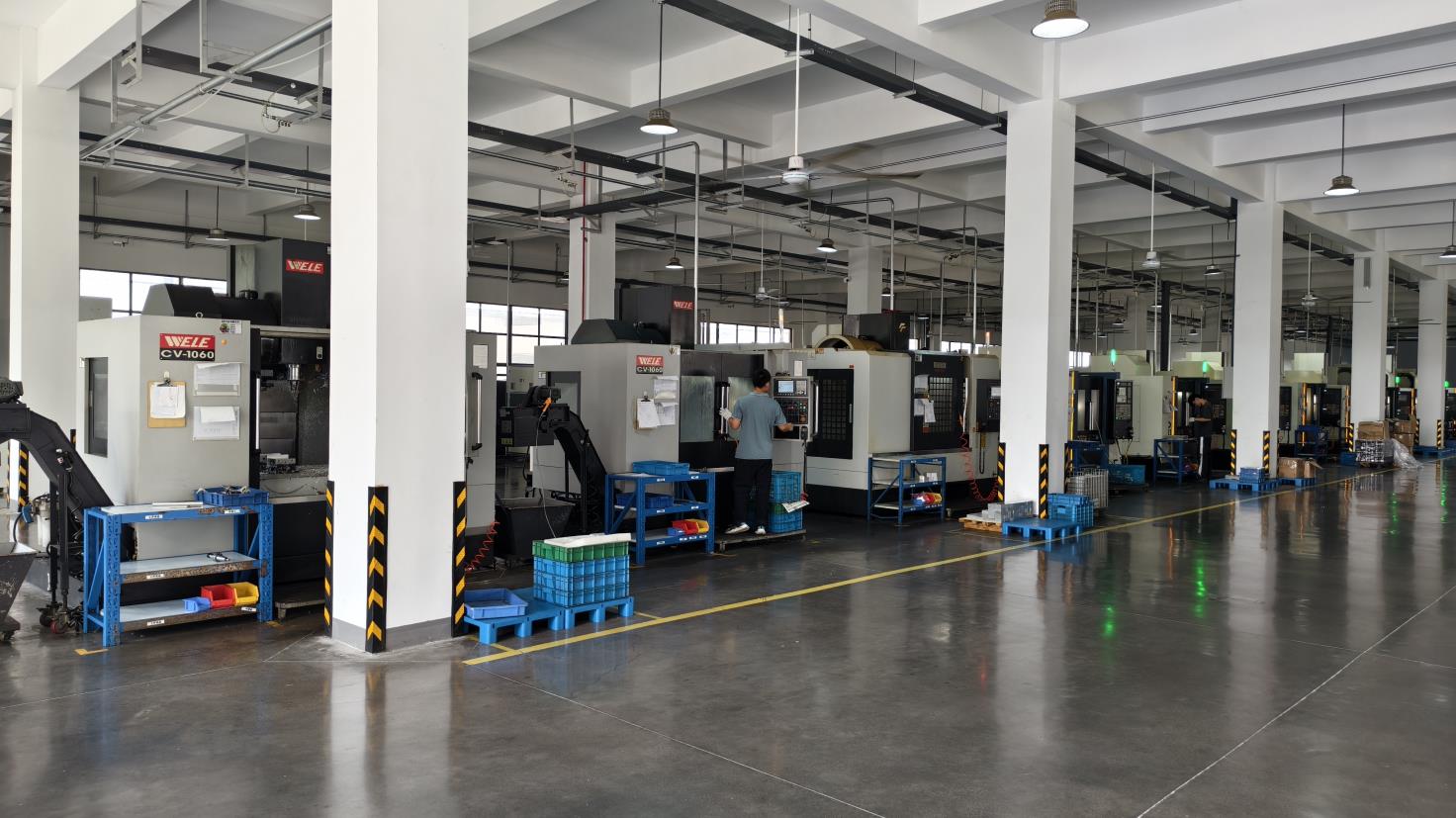
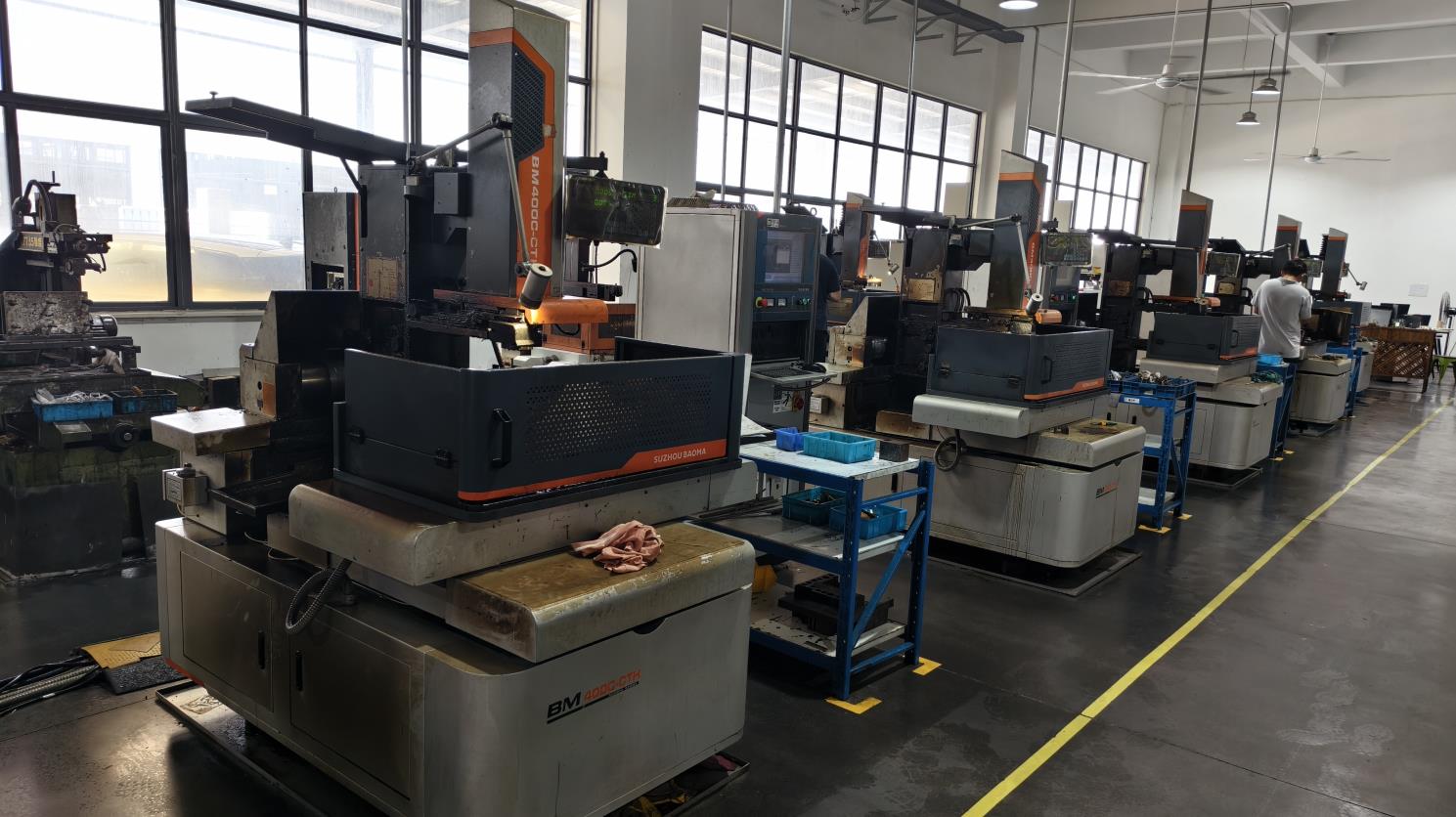
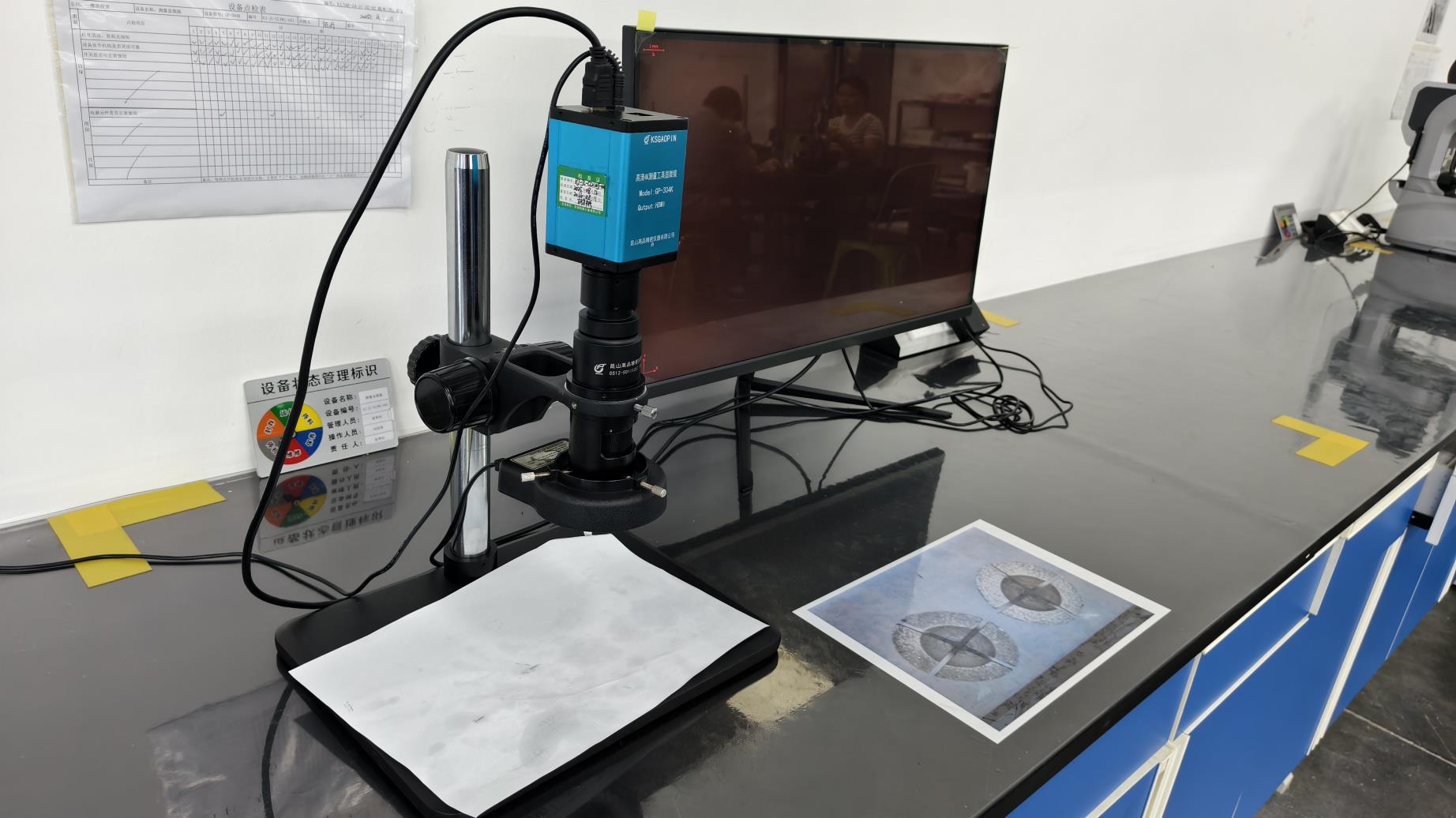
Providing technical documentation, biocompatibility certifications, and custom localized logistics
Entering international healthcare channels requires compliance with stringent regulatory frameworks, including EU MDR, US FDA 510(k), and local ANVISA or PMDA systems. As a mature orthopedic cables exporter, our operations prioritize compliance, offering comprehensive technical documentation for seamless market registration:
We provide full verification reports, including ISO 10993 cytotoxicity, sensitization, and intracutaneous reactivity test data. For sterilization processes, we supply validated gamma-irradiation and ethylene oxide (EO) dosage benchmarks, ensuring all components consistently meet a Sterility Assurance Level (SAL) of 10-6.
No single cable style fits all surgical plate mechanisms. We support custom cable lengths, specialized ball-end dimensions, and unique connector crimps. Global buyers can provide architectural CAD blueprints, or submit physically worn components for 3D scanning and reverse engineering. This level of customization ensures complete integration with existing implant lines.
Clinical execution fields, veterinary growth vectors, and advanced structural developments
The clinical applications of cerclage cables are rapidly expanding, driven by an aging global population and the corresponding increase in revision surgeries:
During revision hip arthroplasty, using bone screws around the prosthesis stem is often impossible. Cable systems provide critical circumferential stability without disturbing internal implants.
Re-securing the greater trochanter following a trochanteric osteotomy requires sustained compression under high tension. Braided cables maintain mechanical hold under repetitive muscle pulling.
Veterinary medicine utilizes cerclage wiring for long-bone fracture management in large canine and equine patients. High-durability stainless steel wire passers are critical for veterinary surgeons operating in narrow anatomical corridors.
The industry is transitioning toward dynamic tensioning devices that measure applied load in real-time during surgery, preventing bone necrosis caused by over-tightening. In addition, research into biodegradable zinc and magnesium alloy wires indicates a shift toward bioresorbable temporary fixation solutions. These advanced systems will eventually dissolve once bone union occurs, eliminating the need for long-term foreign materials inside the patient.
Critical engineering answers for biomedical directors, orthopedics distributors, and factory QA specialists
Providing precision torque, clear exposure of surgical fields, and support for clinical setups