SENJIE Healthy & Technology
SENJIE Healthy & Technology
SENJIE Healthy & Technology
Premium surgical instrumentation, compression systems, and bending pliers engineered to exceed global standards.
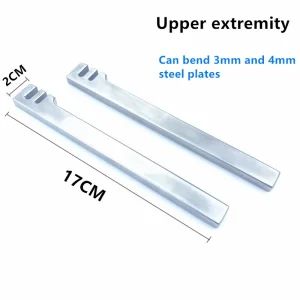
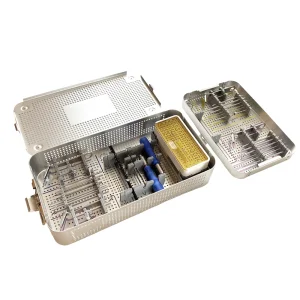
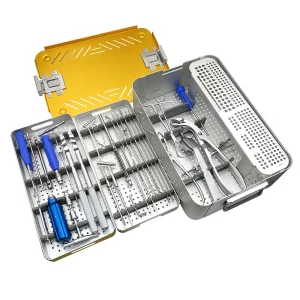
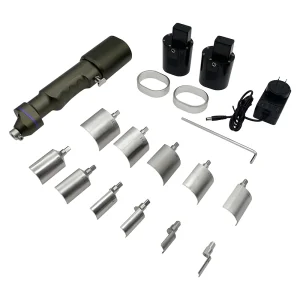
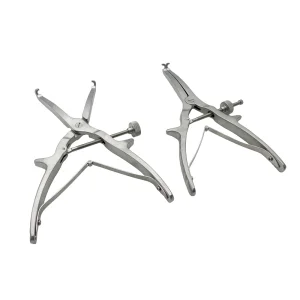
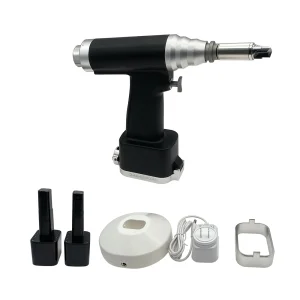
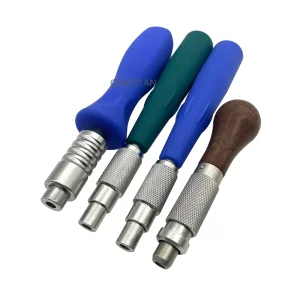
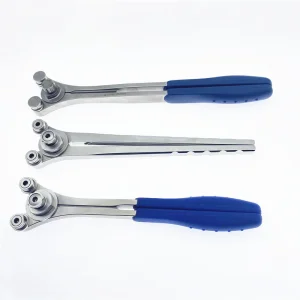
Intramedullary (IM) nailing has solidified its position as the gold standard for the fixation of long bone fractures, specifically targeting diaphyseal fractures of the femur, tibia, and humerus. Unlike traditional bone plates which sit on the external surface of the bone cortex, an intramedullary nail acts as an internal, load-sharing device. This biomechanical paradigm allows for early post-operative weight-bearing, minimal disruption to the periosteal blood supply, and accelerated osteogenesis.
From the early Gerhard Küntscher design to modern multi-planar interlocking configurations, the manufacturing of IM nails requires sophisticated precision. Contemporary clinical requirements demand implants that can handle axial load, torque, and shear stress. As a leading manufacturer, our production technologies focus on resolving primary clinical friction points, including:
A critical determinant of clinical success is the selection of implant materials. The two dominant materials utilized in our manufacturing facilities are Titanium Alloy (Ti-6Al-4V ELI) and 316L Medical Grade Stainless Steel.
| Mechanical Property | Ti-6Al-4V ELI (Grade 5 Titanium) | 316L Stainless Steel | Clinical Significance |
|---|---|---|---|
| Elastic Modulus (GPa) | 110 - 114 | 190 - 200 | Lower modulus matches human bone better, reducing stress shielding. |
| Tensile Strength (MPa) | ≥ 860 | ≥ 490 | Determines the implant's load-bearing limit without plastic deformation. |
| Fatigue Limit (Cycles) | High (> 107 cycles) | Moderate to High | Key to preventing implant failure during prolonged non-unions. |
| Biocompatibility | Excellent (Osseointegrative) | Good (Bioinert) | Titanium promotes better soft tissue tolerance and osseous integration. |
To reduce wear debris and optimize the coefficient of friction during insertion, our titanium intramedullary nails undergo advanced Type II Anodization. This electrochemical surface modification changes the thickness of the natural titanium oxide layer, yielding a hardened outer shell (improving fatigue resistance by up to 15%) and offering distinct color-coding configurations for quick intraoperative size identification.
Managing an international orthopedic supply chain requires navigating strict regulatory checkpoints, high quality-assurance demands, and customized inventory cycles. Registered on 2019-11-20, our manufacturing enterprise has compiled 6 years of specialized exporting expertise, serving brand businesses, wholesalers, and clinical networks across North America (25%), South America (25%), and Southeast Asia (15%).
We provide full-scope customization options including sample processing, graphic processing, and customized on-demand fabrication. Whether you require specific bending profiles for anatomical IM nails or regional-specific metric threading configurations, our engineering team can translate CAD files directly to production parameters.
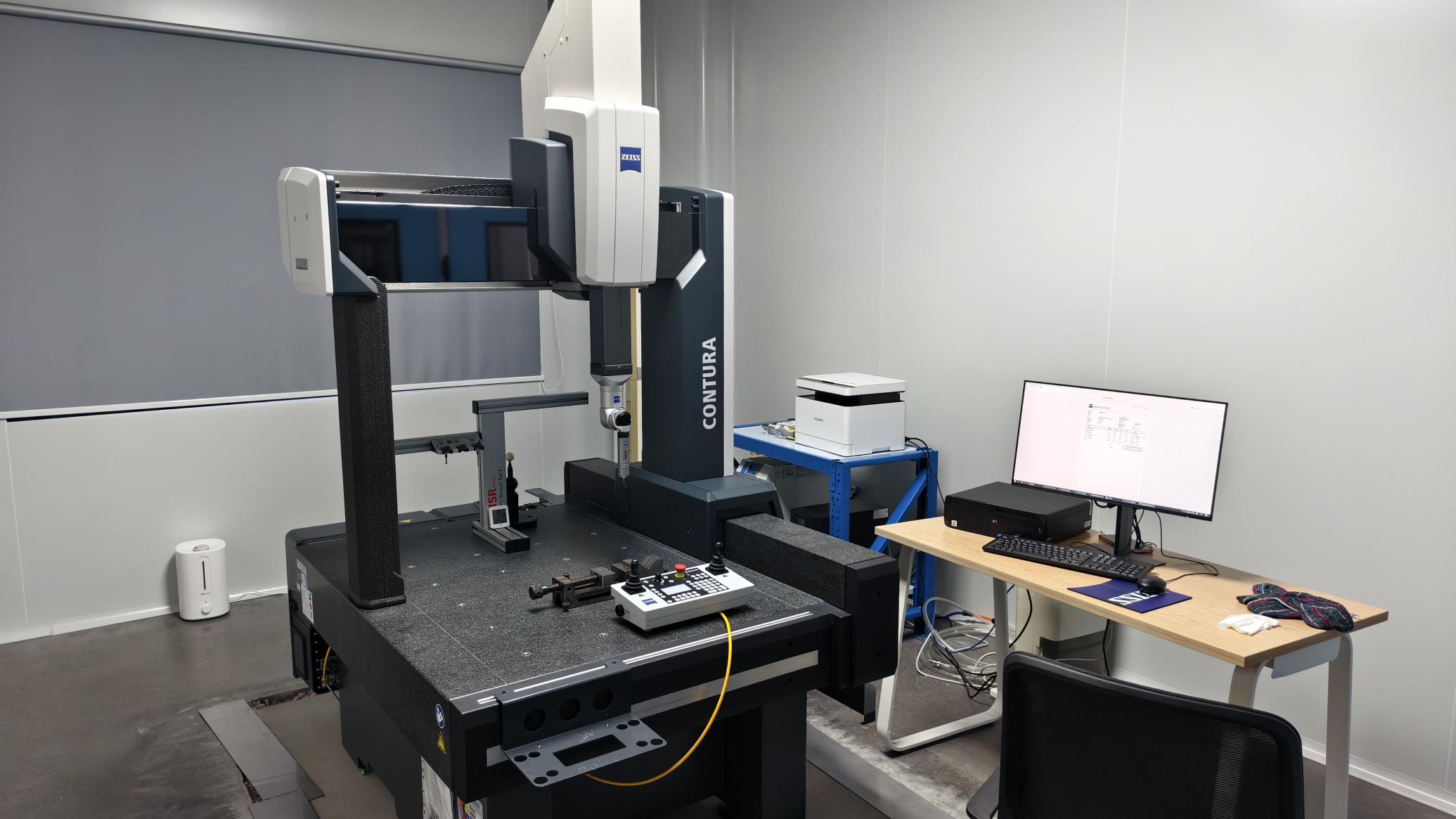
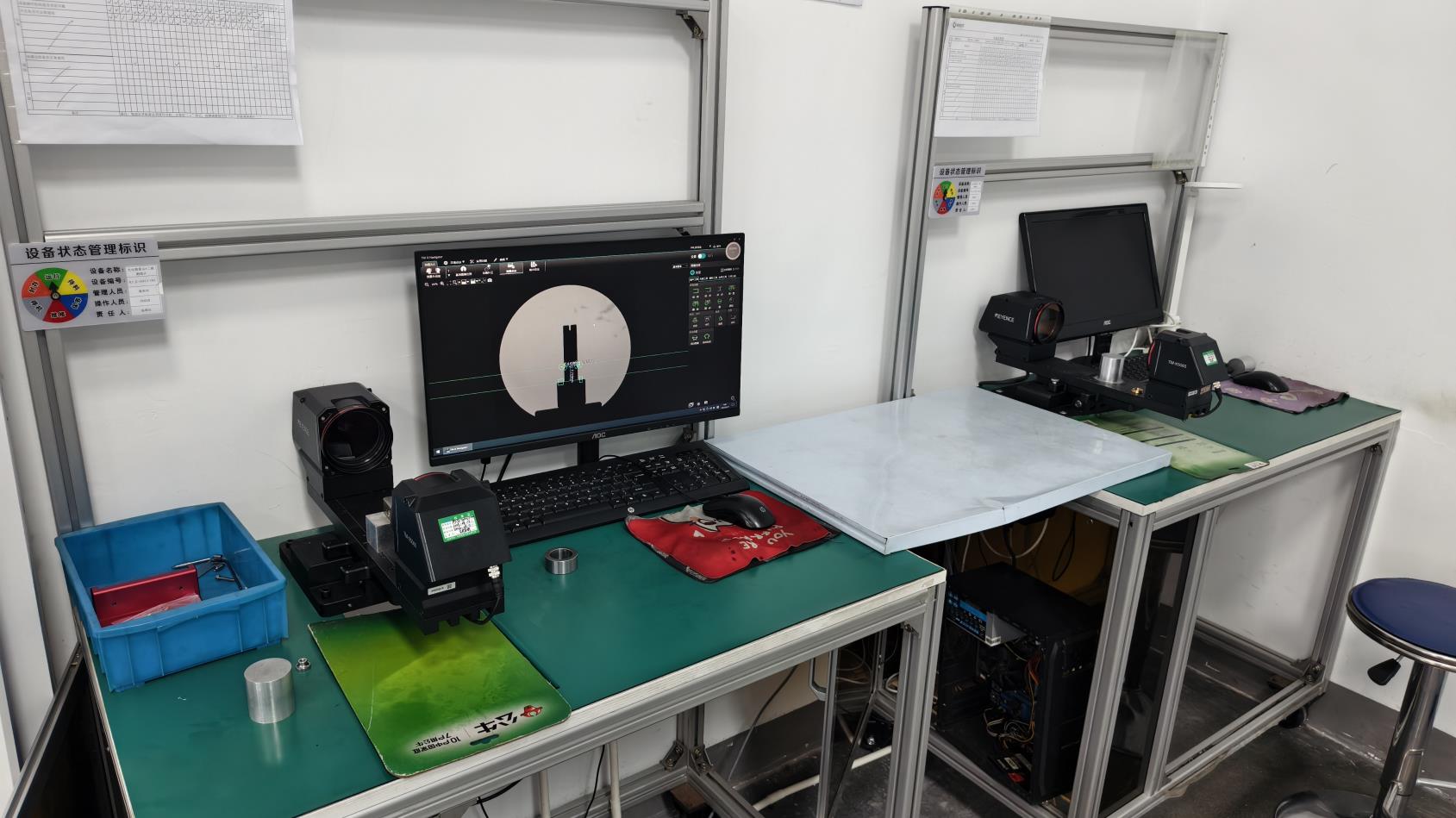
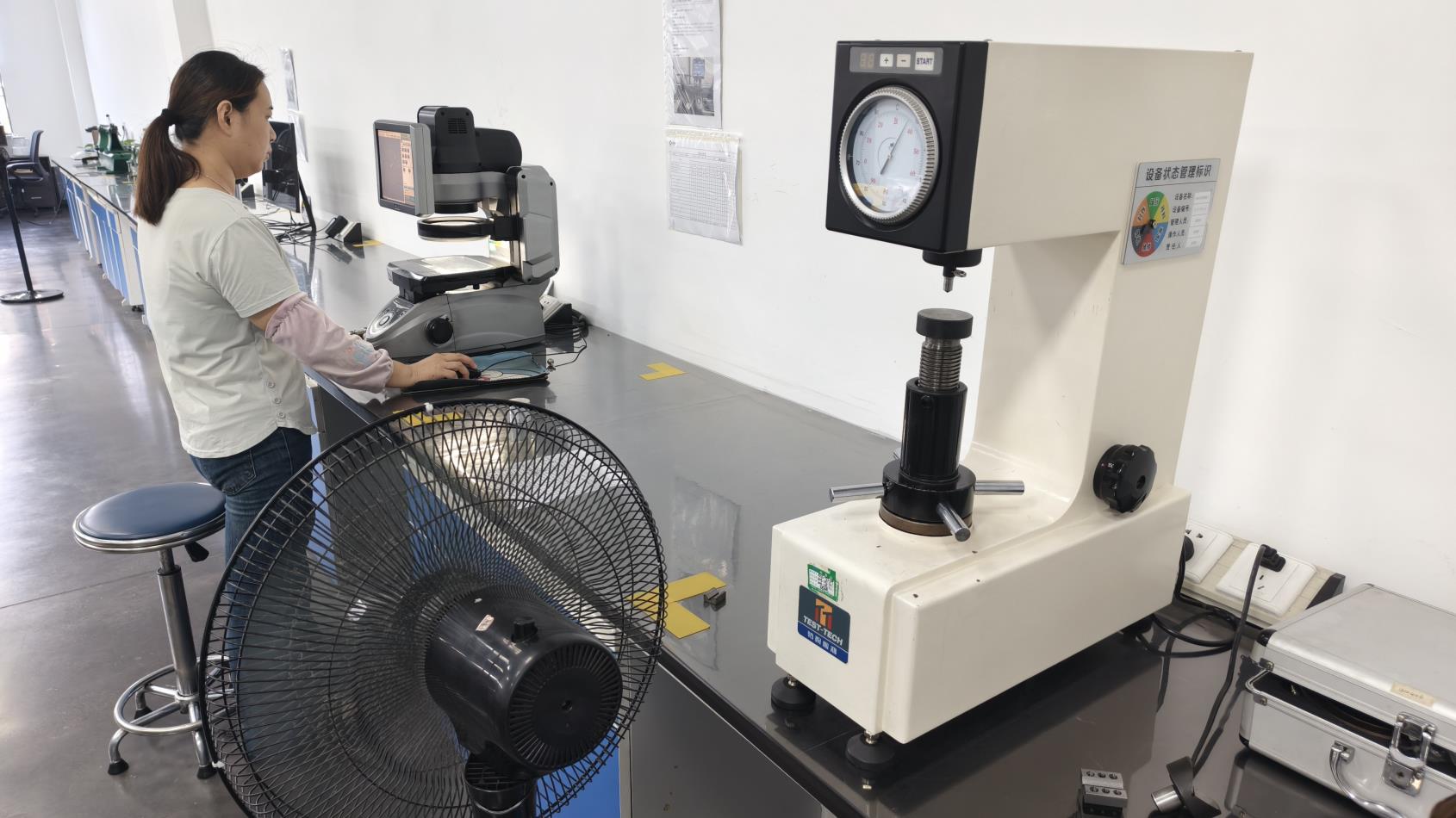
Equipped with 3 dedicated in-house QA/QC inspectors, we perform meticulous random inspections alongside strict adherence to customized client protocols. Every batch features 100% raw material traceability, meaning we can trace the precise mill run, chemical composition, and heat-treatment history of the medical titanium or stainless steel bar stock back to its origin.
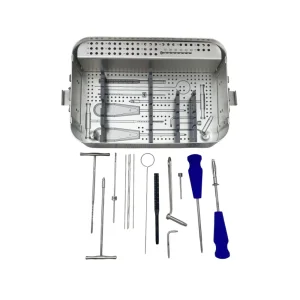
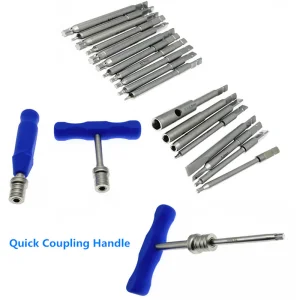
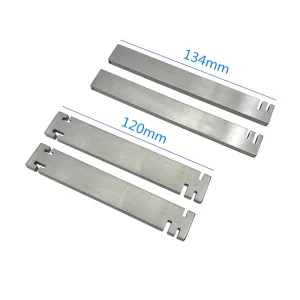
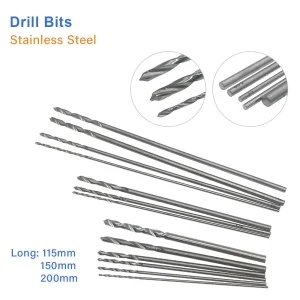
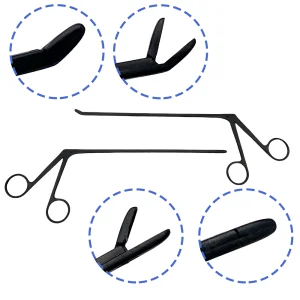
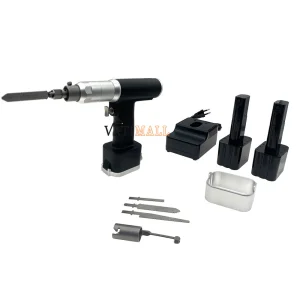
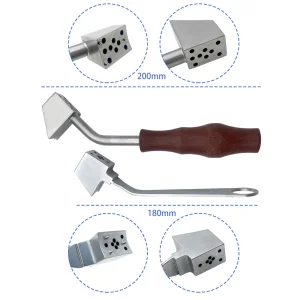
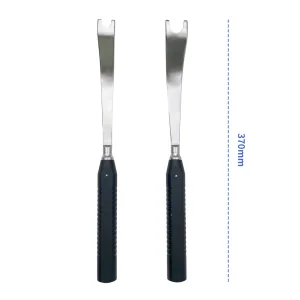
Procuring the implant is only half the equation. Our facility produces matched instruments, drill guides, compression screws, and motorized power options (e.g., TPLO saws, cranial drills) to ensure compatibility, minimizing surgical downtime and maximizing procedure-room reliability.
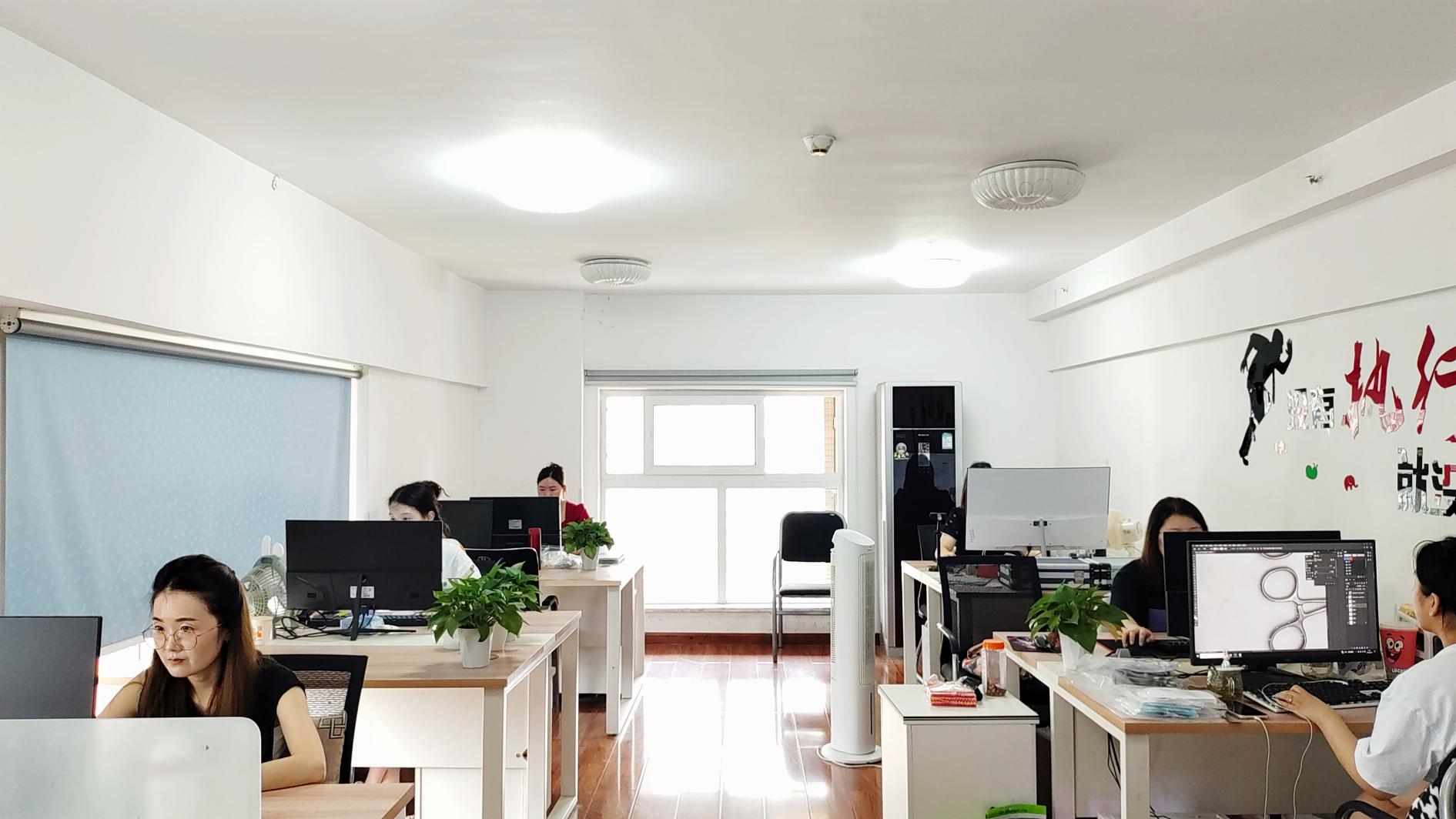
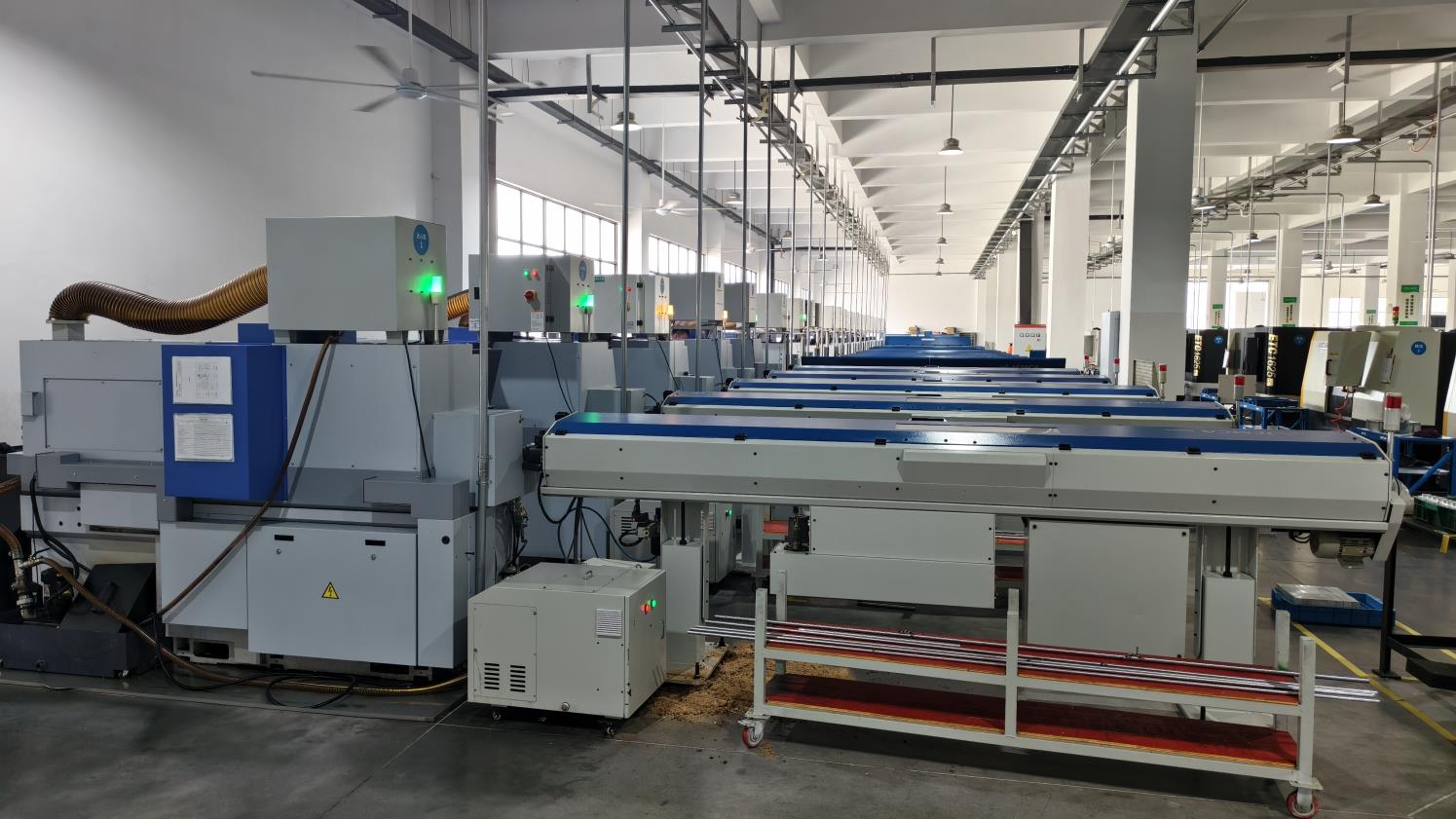
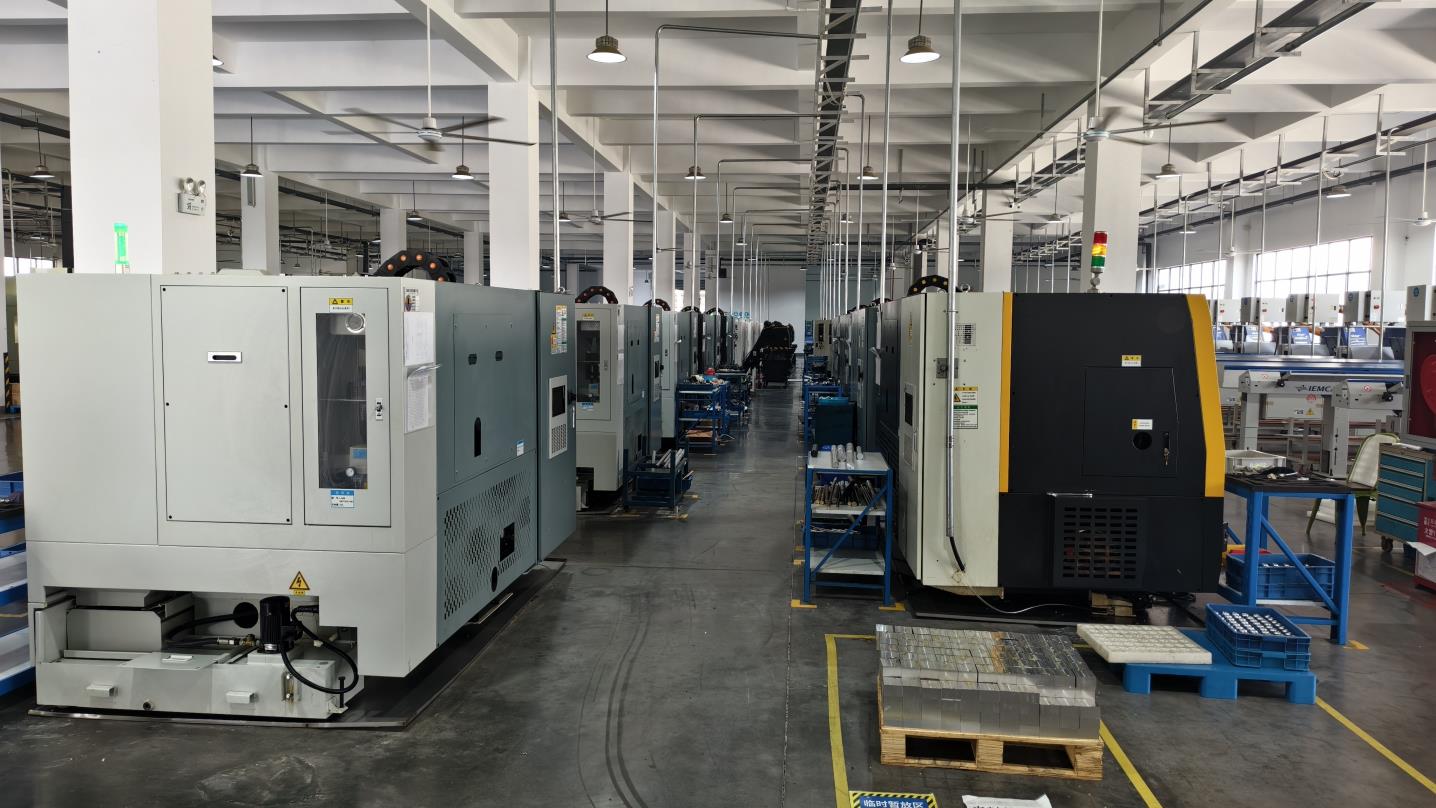
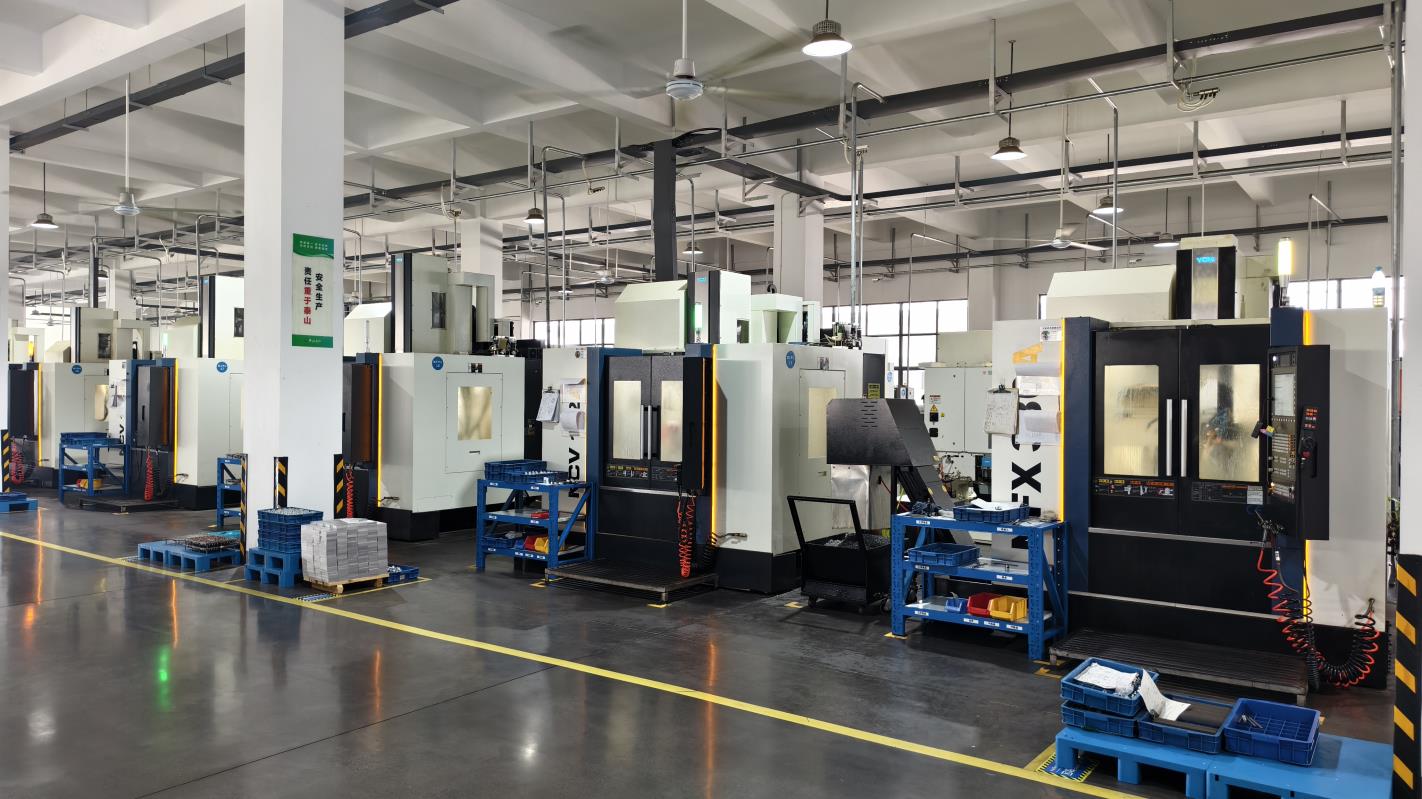
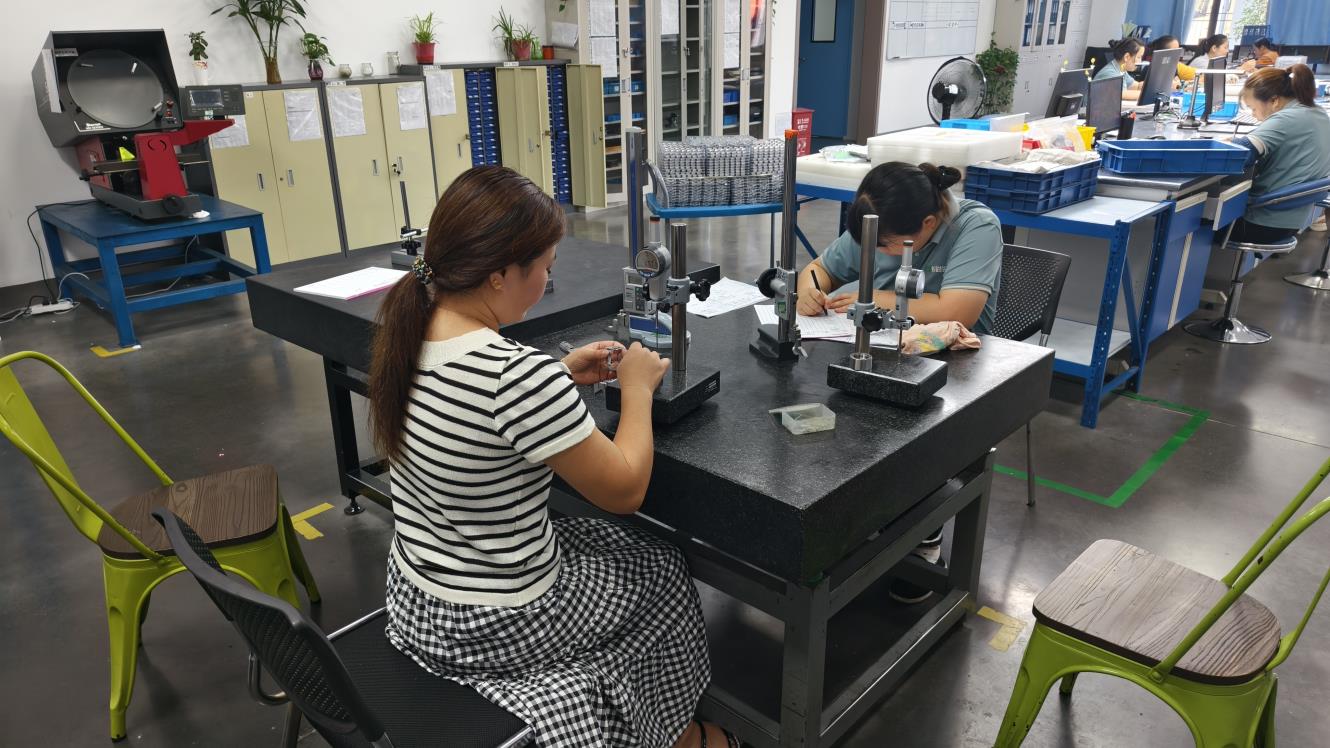
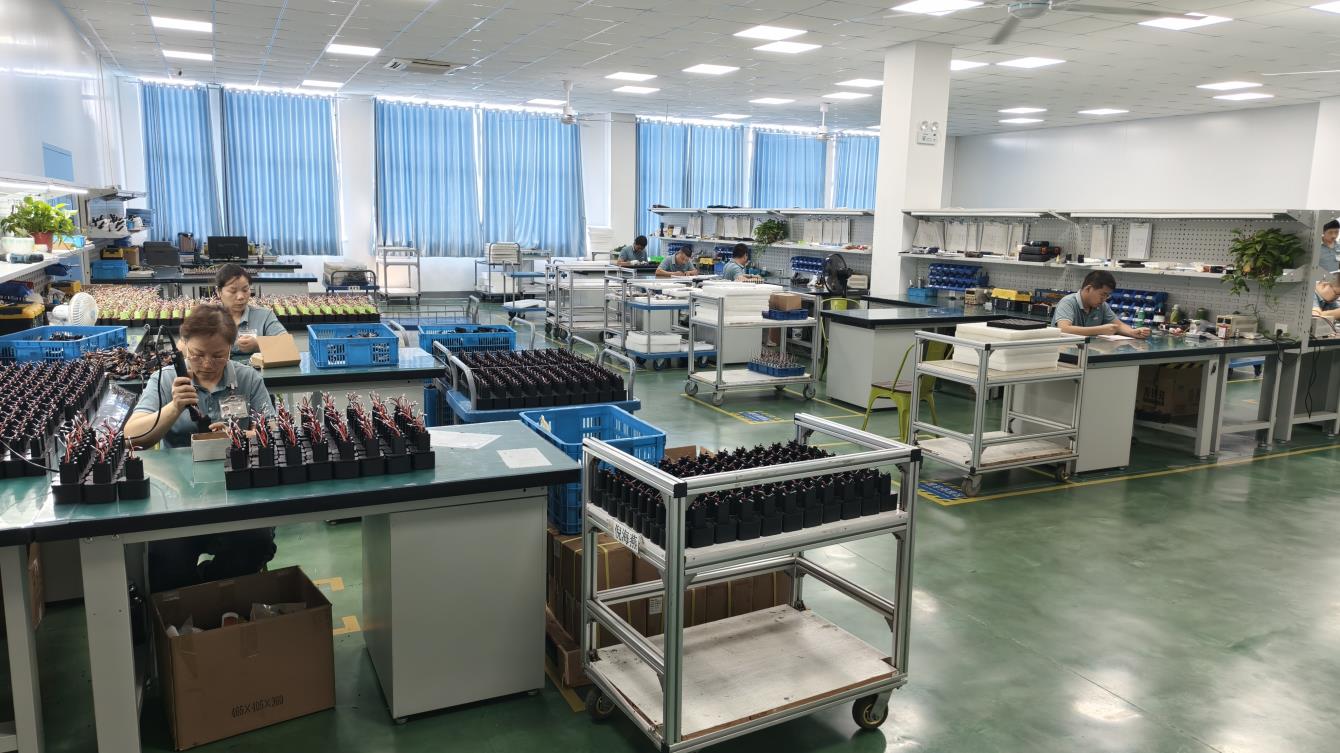
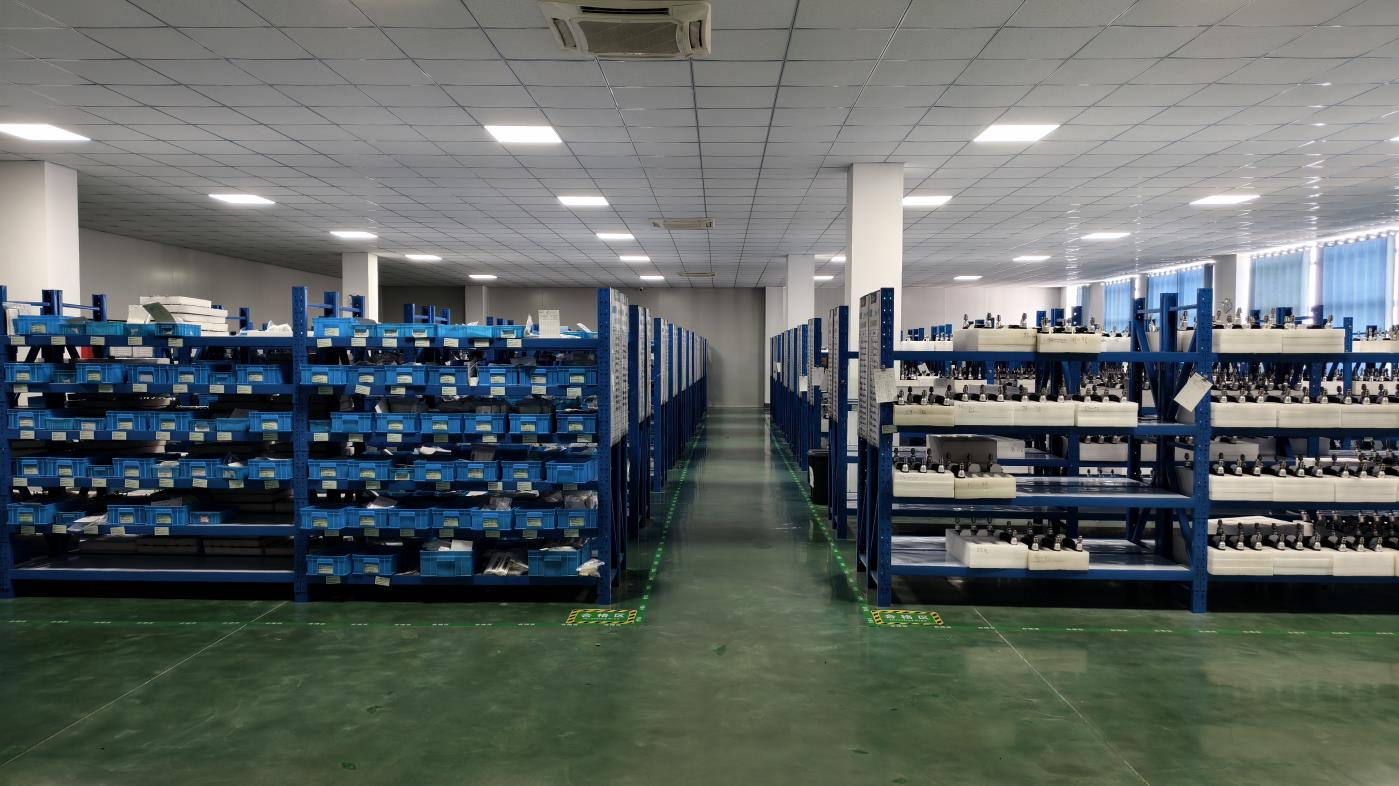
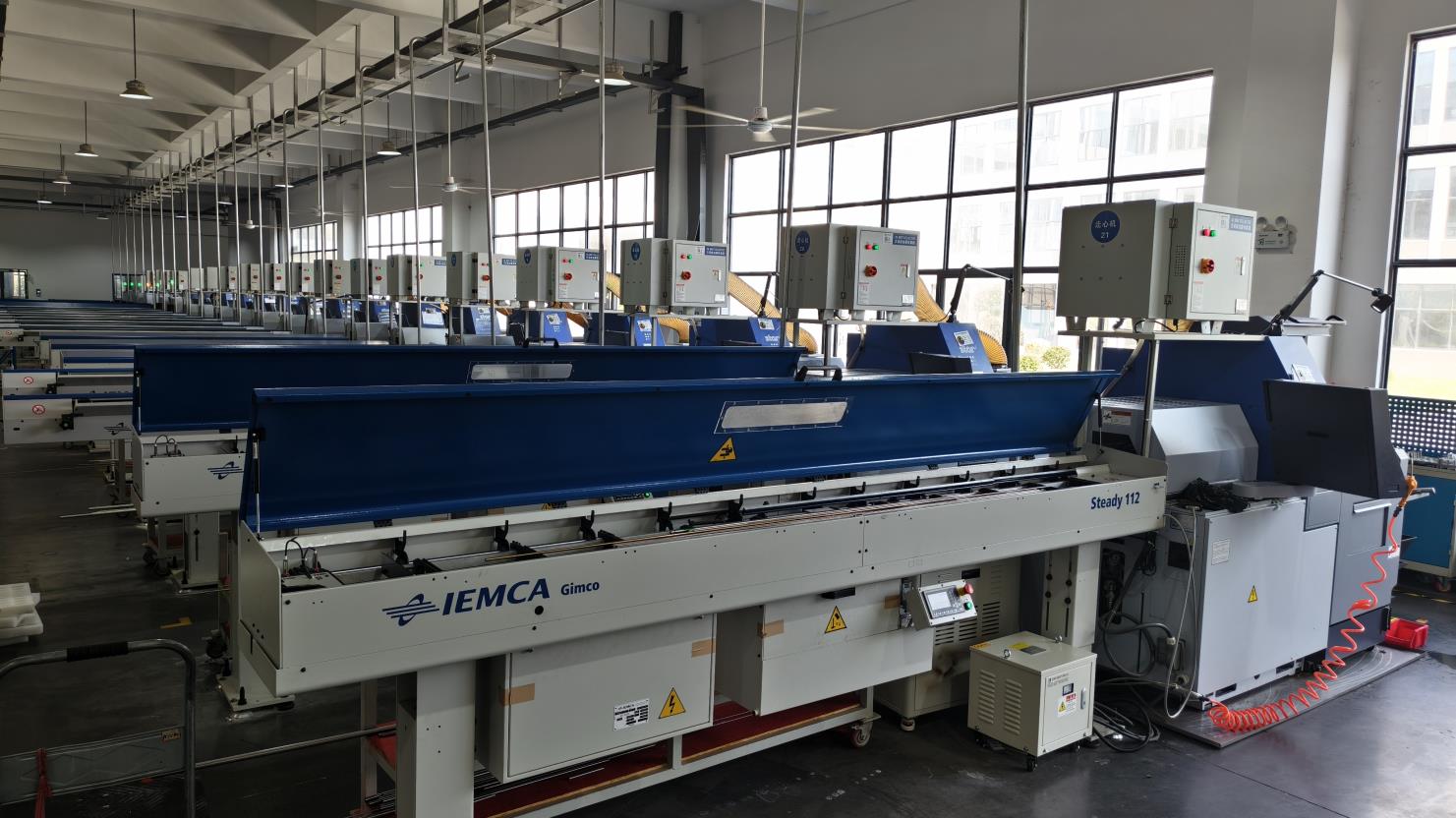
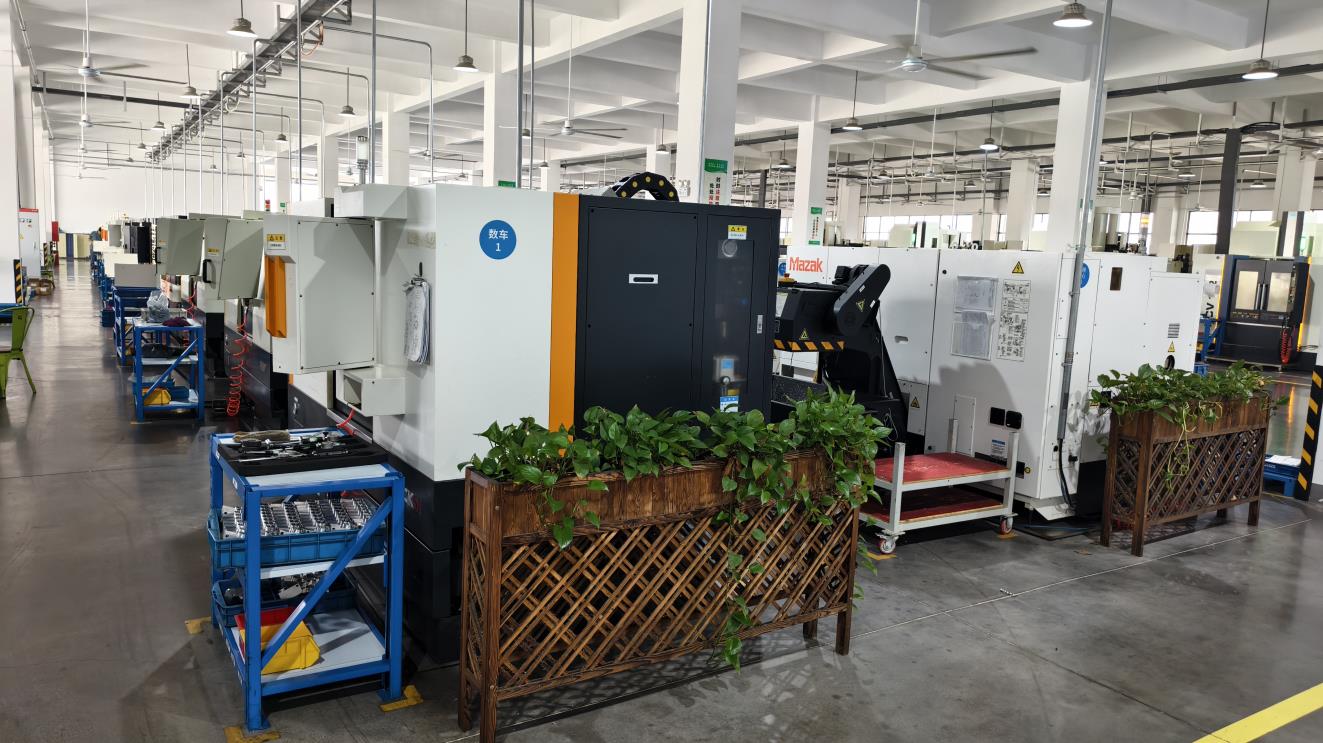
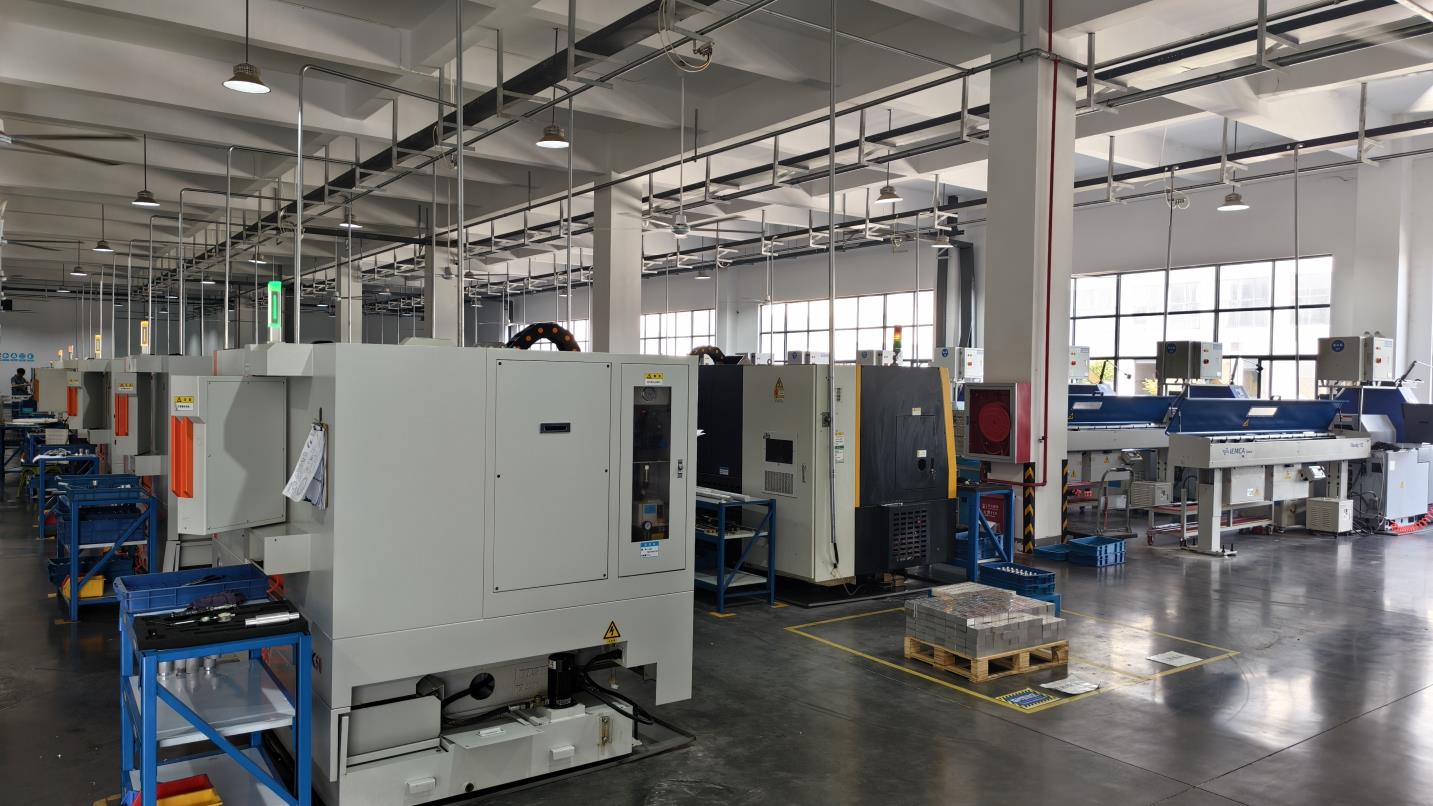
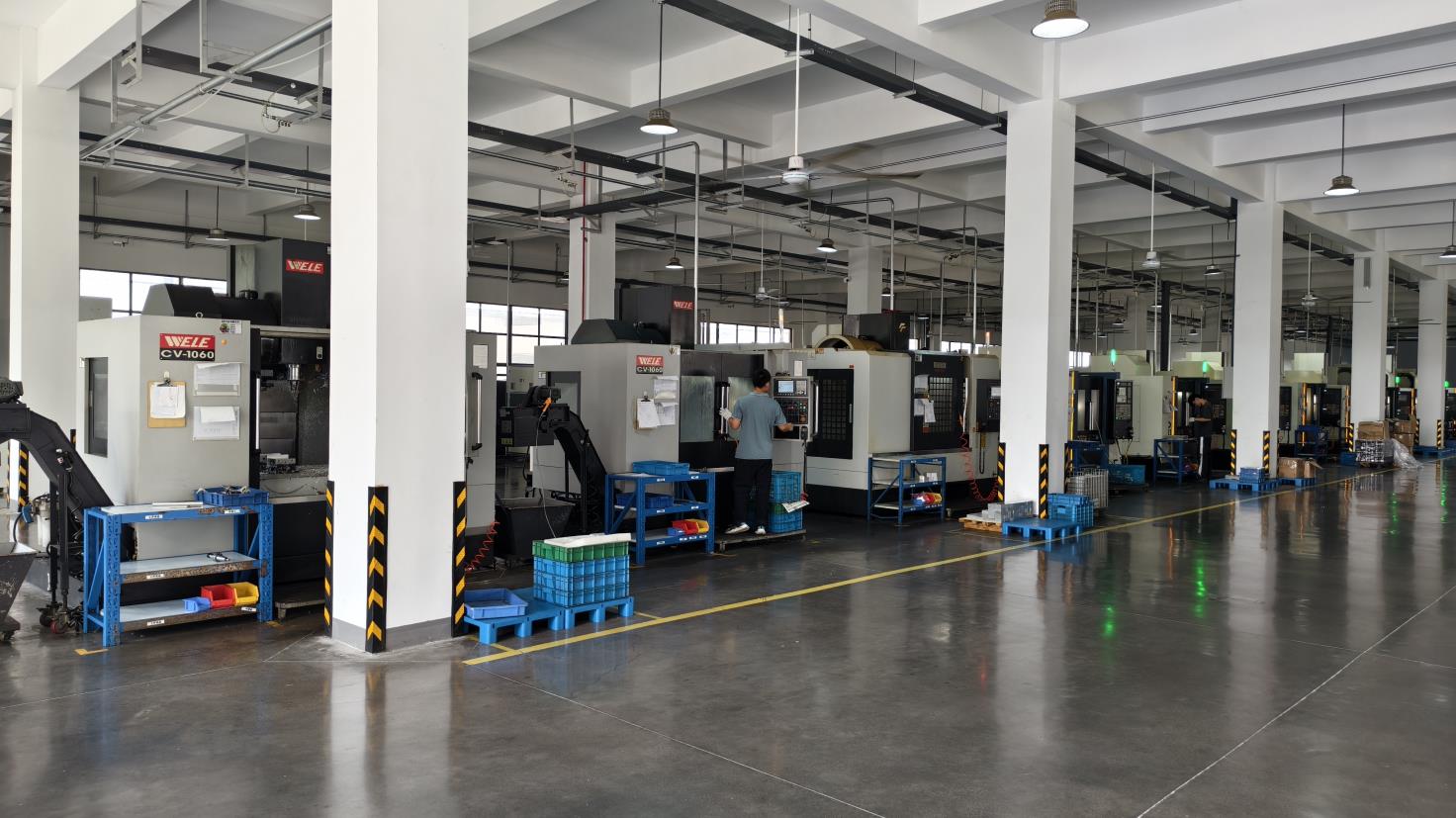
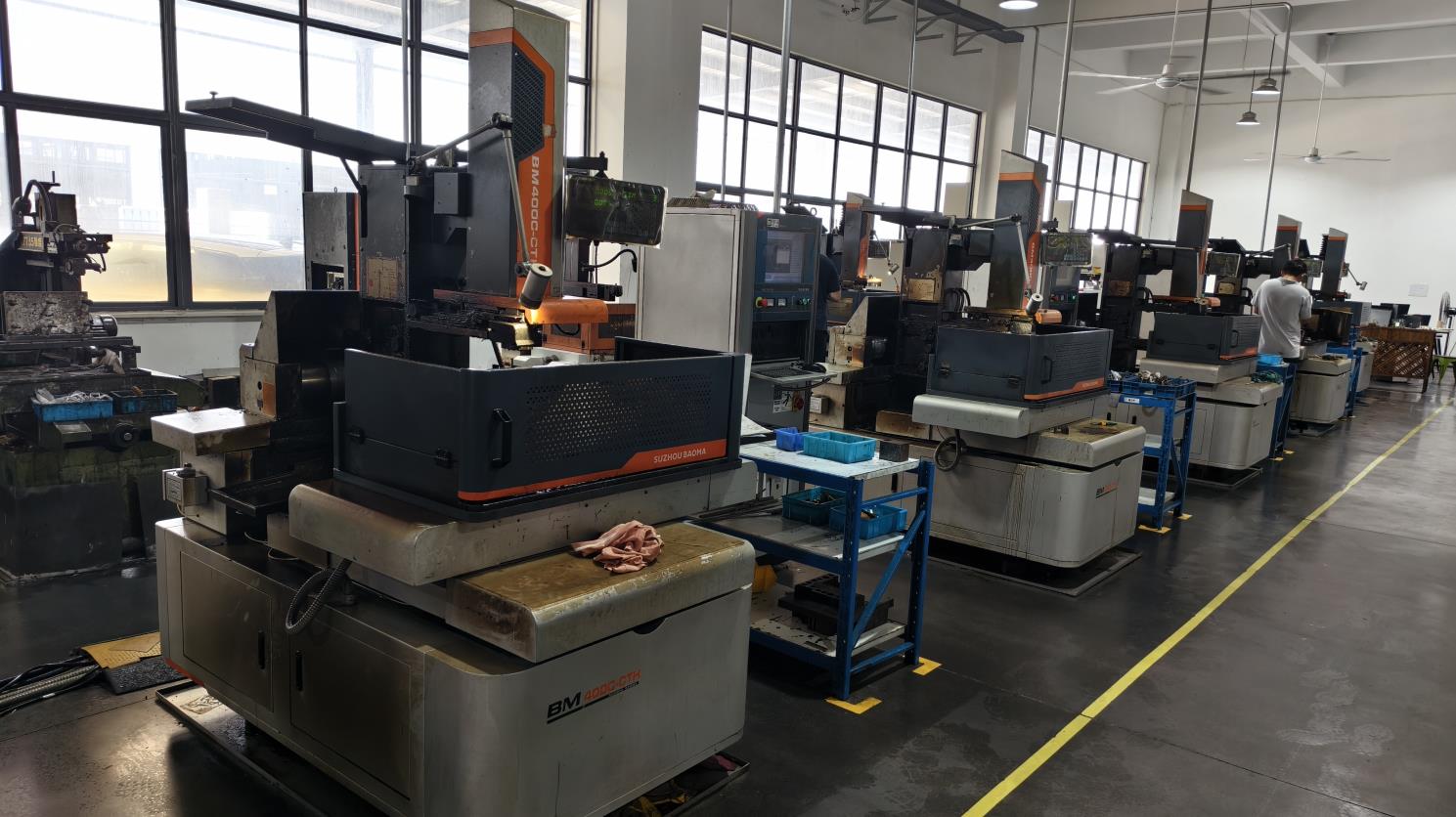
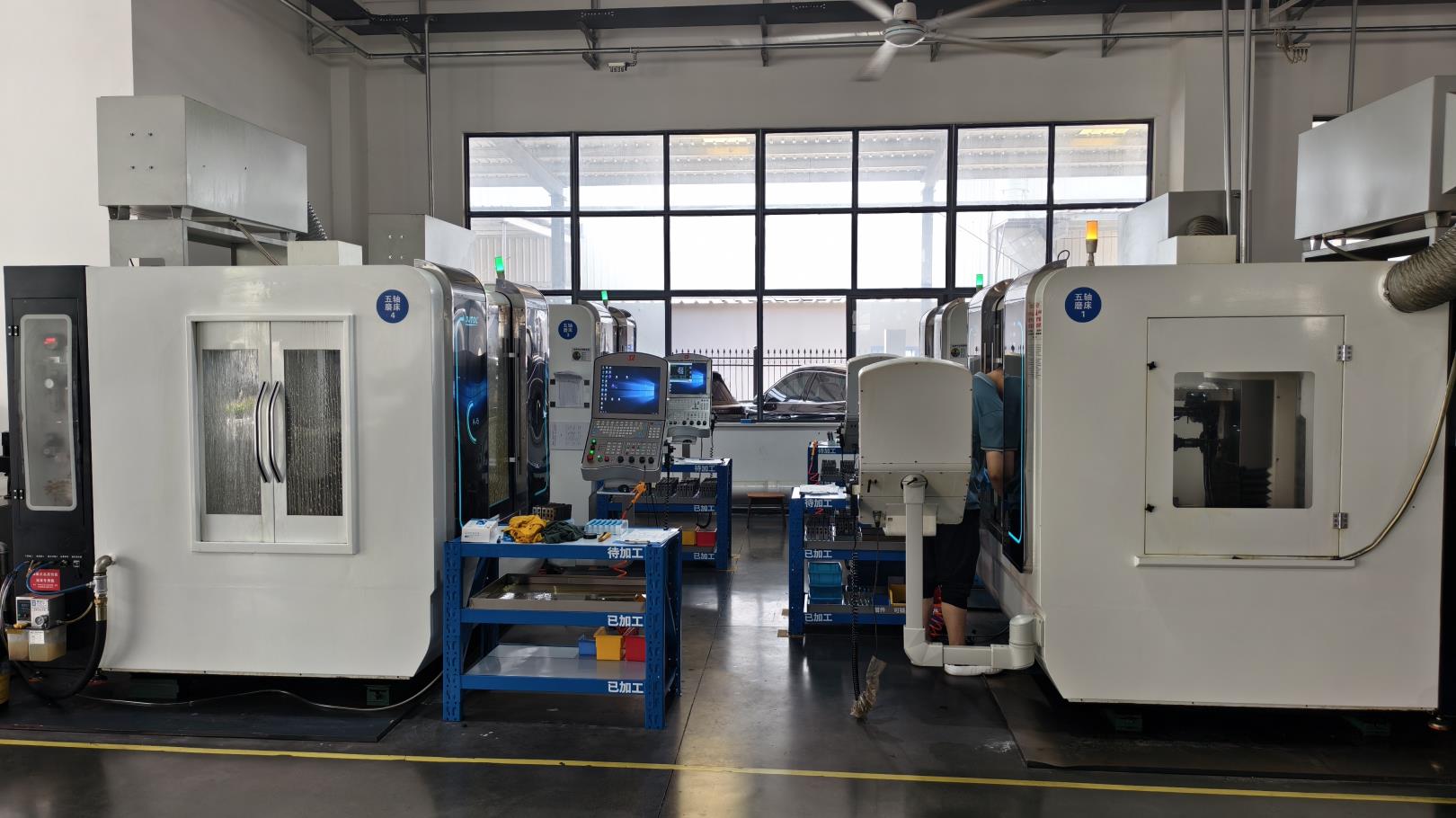
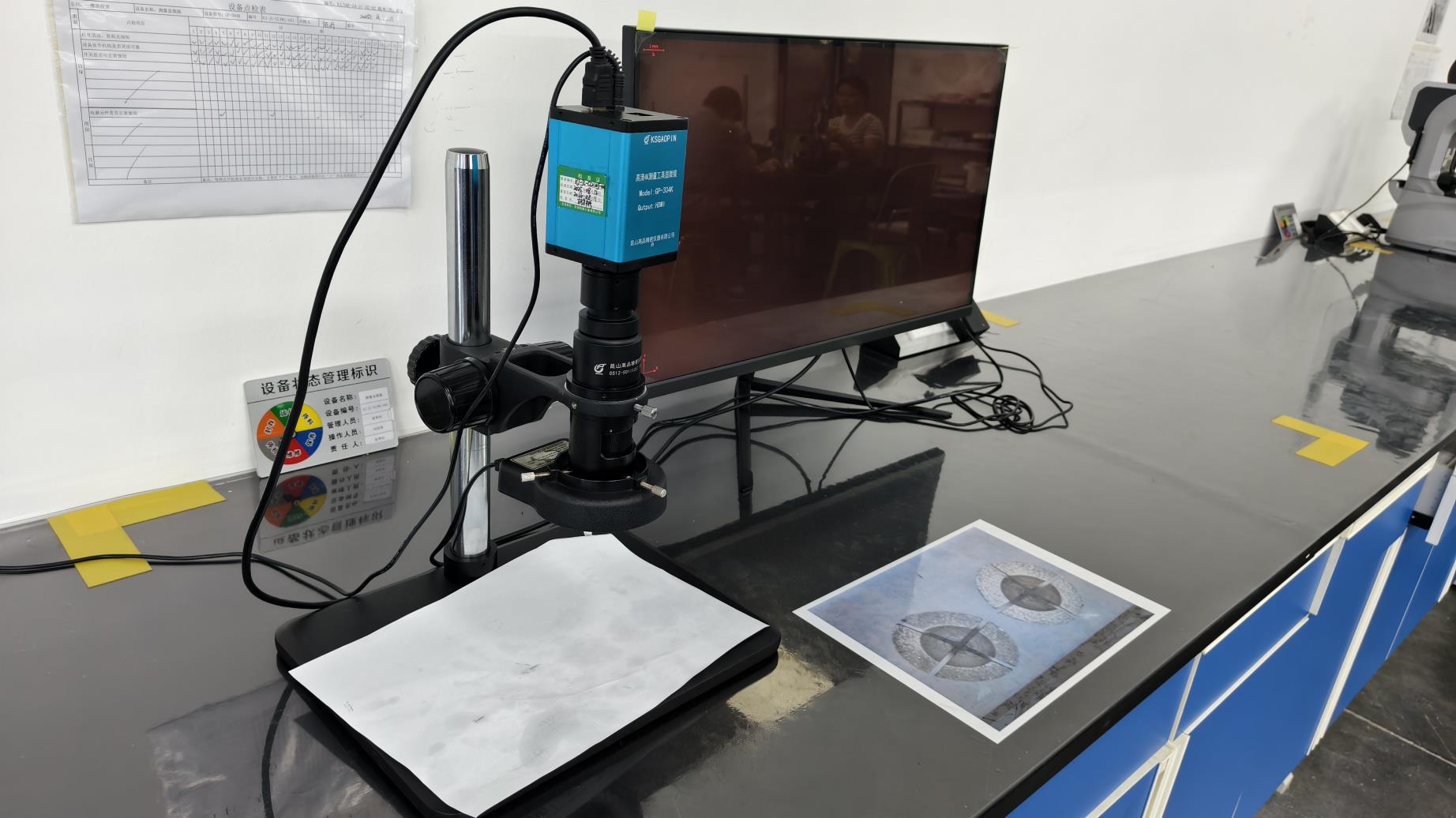
A look into our production facilities: Swiss CNC turning centers, quality inspection bays, and surgical instrumentation engineering.
A primary consideration during orthopedic surgical planning is deciding between Static Interlocking and Dynamic Interlocking. Modern intramedullary nails accommodate both modes within a single device by incorporating an oval-shaped (slotted) screw hole alongside standard circular locking holes.
Static Mode: Implemented by locking both the proximal and distal screws securely in non-slotted holes. This structure resists axial compression and rotational forces, maintaining limb length and alignment. It is vital in highly unstable, comminuted, or segmental fractures.
Dynamic Mode (Dynamization): Utilizes the elongated oval slot, allowing the bone segments to settle axially under weight-bearing conditions while keeping rotational alignment locked. Controlled mechanical micro-motion stimulates secondary bone healing (callus formation), addressing cases of delayed union or non-union.
Producing modern implants requires high precision. Standard orthotic designs can fail under slight tolerance errors. Our manufacturing center employs state-of-the-art technological setups:
To produce intramedullary nails, we utilize Swiss-type multi-axis lathe machinery capable of executing deep-hole drilling (gun drilling) with ultra-precise concentricity. This process guarantees that the inner cannulated channel is centered, preventing wall thickness deviation and preventing implant structural failures during surgical insertion.
For locking bolts and distal screws, threads are formed via rolling rather than cutting. Thread rolling maintains continuous grain flow within the titanium alloy, which increases thread shear strength and fatigue resistance compared to traditional cut threads.
Implants must be free of particulate and chemical contaminants. Our passivation lines treat products with nitric or citric acid formulations to remove free irons from surface structures. This creates a stable chromium/titanium oxide layer, preventing corrosion and ensuring long-term bio-compatibility in-vivo.
Our Research and Development division tracking medical tech trends identifies three core developments shape the future of intramedullary nailing:
Essential insights for medical supply chain executives, distributors, and orthopedic brand managers.
High-performance instrumentation kits designed for precise implant insertion, extraction, and stabilization.