SENJIE Healthy & Technology
SENJIE Healthy & Technology
SENJIE Healthy & Technology
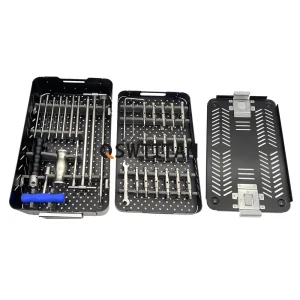
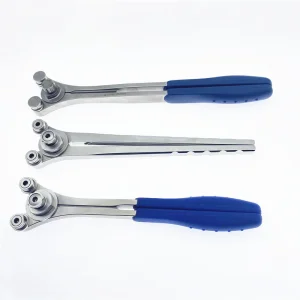
Precision-engineered tooling designed for orthopedic procedures, internal fixation adjustment, and neurosurgical intervention.
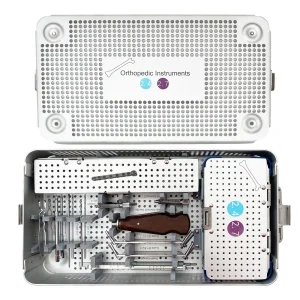
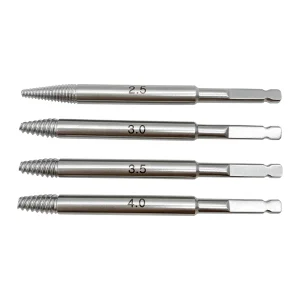
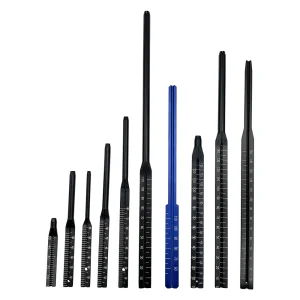
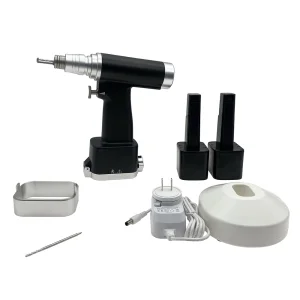
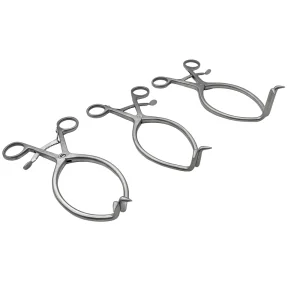
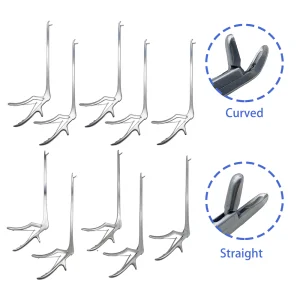
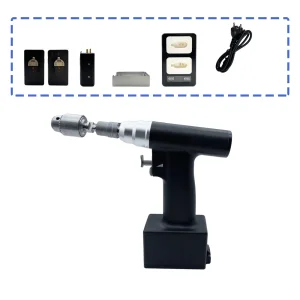
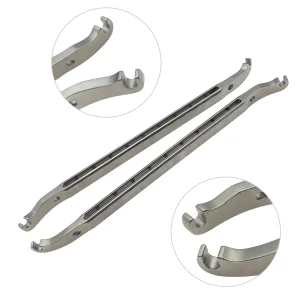
Understanding the critical demands of clinical environments and the role of specialized metallurgy in surgical hooks fabrication.
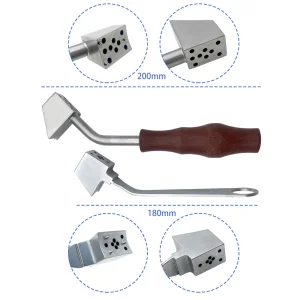
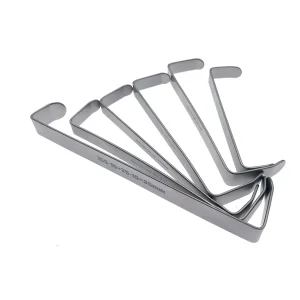
The international demand for highly specialized medical retractor retractors and bone-locating hooks is undergoing rapid evolution. Key global markets, including North America and Western Europe, require strict mechanical properties. Top-tier medical institutions require instruments made of biocompatible alloys that resist deformation under constant mechanical load. Surgical hooks used in spine, orthopedic trauma, and veterinary applications must undergo meticulous manufacturing cycles to ensure they prevent catastrophic failure during deep tissue manipulation.
To survive hundreds of autoclaving cycles, surgical hooks utilize Martensitic or Austenitic stainless steel (such as SUS304 or 420J2) and premium Titanium (Grade 5, Ti-6Al-4V ELI). These raw materials undergo specific vacuum tempering and nitrogen gas quenching protocols. The resulting hardness rating, measured in Rockwell (HRC 40-52 depending on tool classification), ensures flexibility without brittle cracking, protecting tissue integrity and patient safety during surgical retraction.
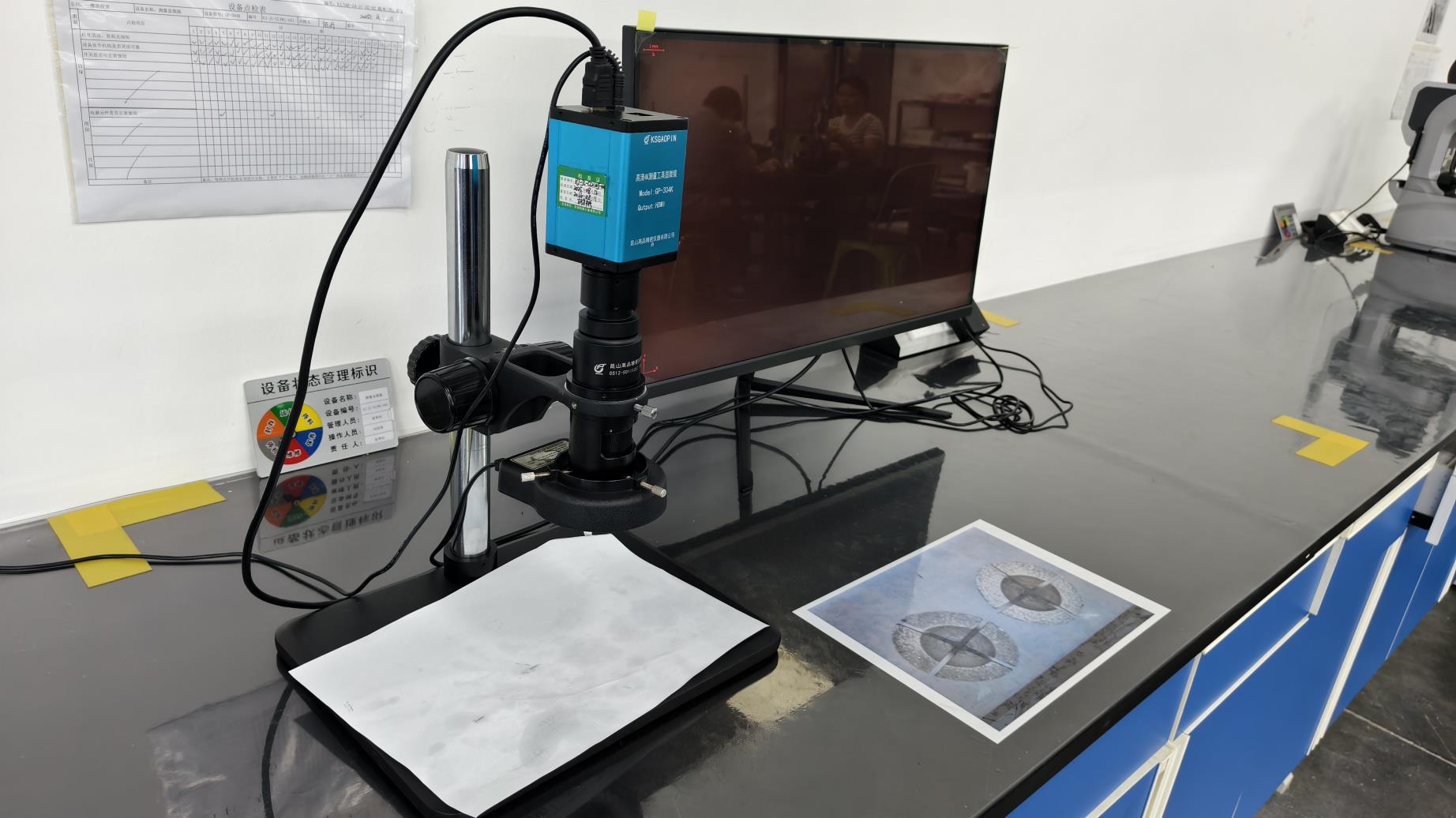
Reputable Chinese factories prioritize international standards to serve markets in North America, South America, and Europe. Quality Assurance is integrated into the supply chain through raw material heat traceability certificates and random inspections. Every batch undergoes electrochemical passivation checks, micro-gap analysis under magnification, and stress testing. This prevents surgical device breakdown in clinical environments.
Our quantitative manufacturing baseline guarantees reliable delivery for global medical distributors.
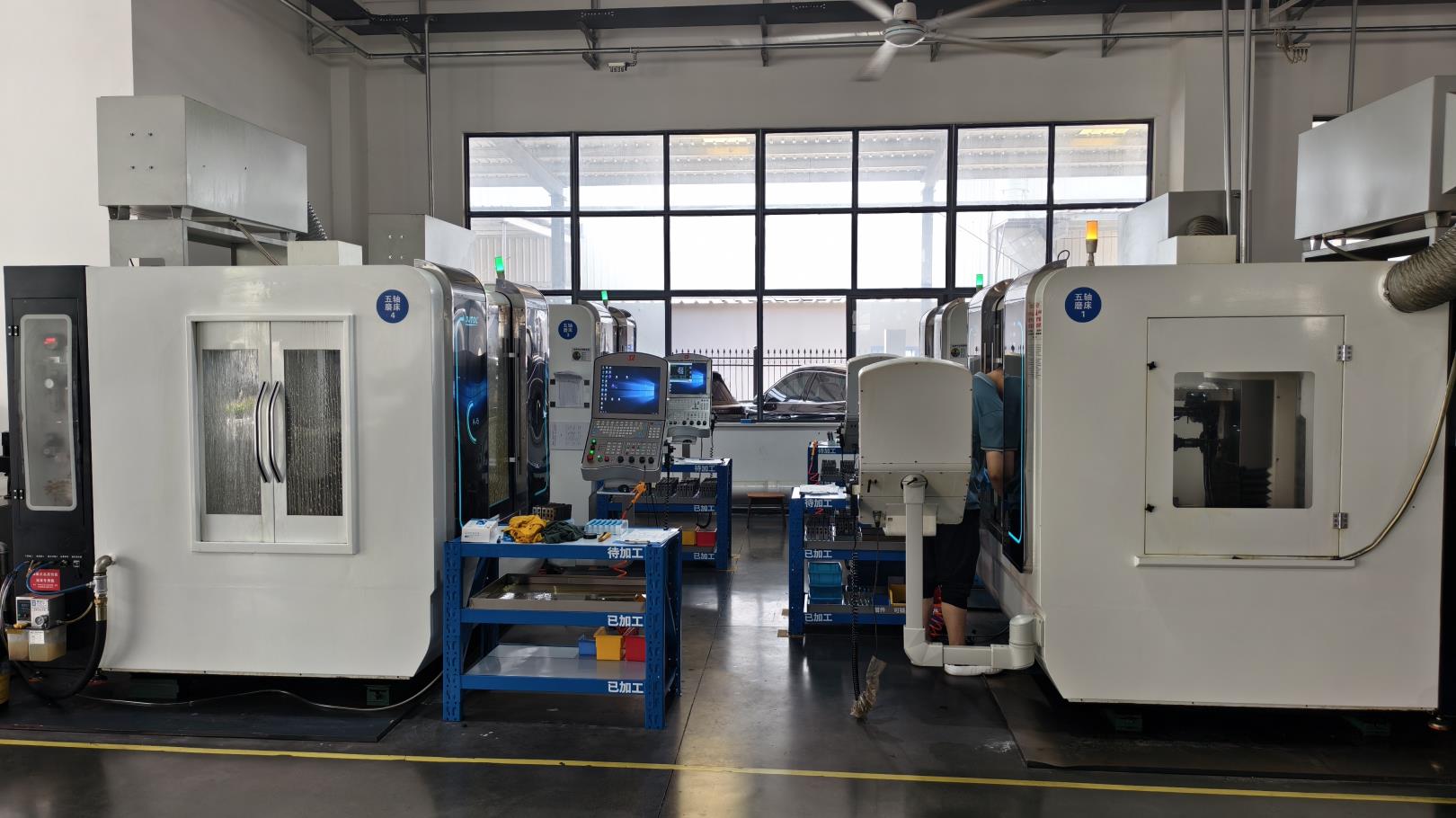
Leveraging half a decade of manufacturing maturity, we combine strict raw material verification with precise mechanical processing (including sample processing, blueprint design, and customized manufacturing) to serve brand owners, retailers, and wholesalers.
Detailed architectural specifications for high-performance surgical retractor and hook production.
| Evaluation Parameter | Technical Specification Details | Clinical Performance Impact |
|---|---|---|
| Materials & Grades | AISI 304, AISI 316L, 420J2 Stainless Steel, Ti-6Al-4V ELI (Grade 5 Titanium) | Ensures high corrosion resistance and structural integrity during sterilization. |
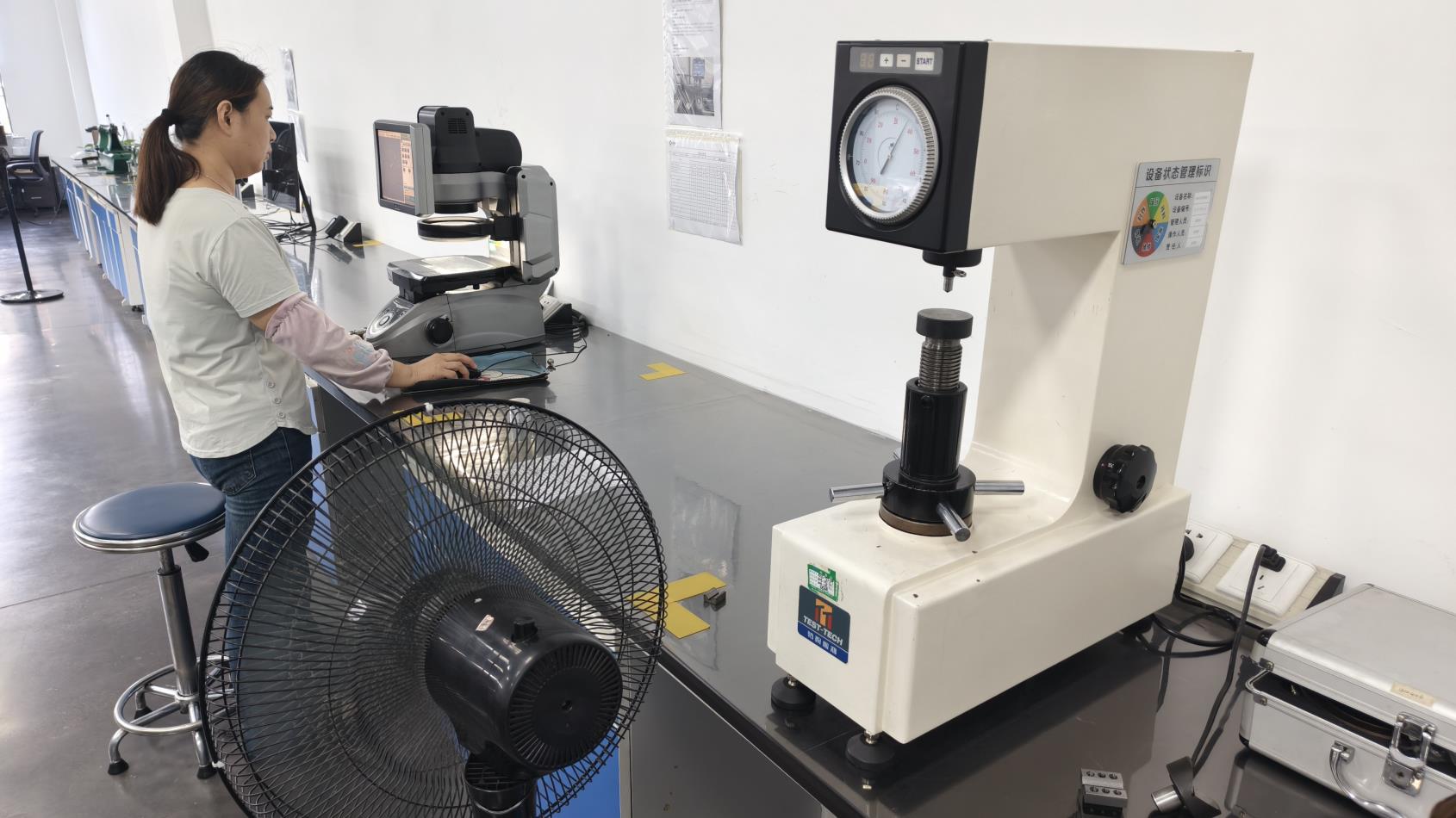
| Hardness Matrix | 38-45 HRC (Austenitic), 48-54 HRC (Martensitic Edge Devices) | Prevents physical bending or mechanical fatigue during deep cavity retraction. |
| Surface Passive Layer | Electropolished, Nitric/Citric Acid Passivation, Matte Non-Glare Finish | Minimizes reflective glare under high-lumen Operating Room LED lights. |
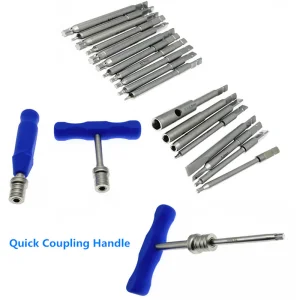
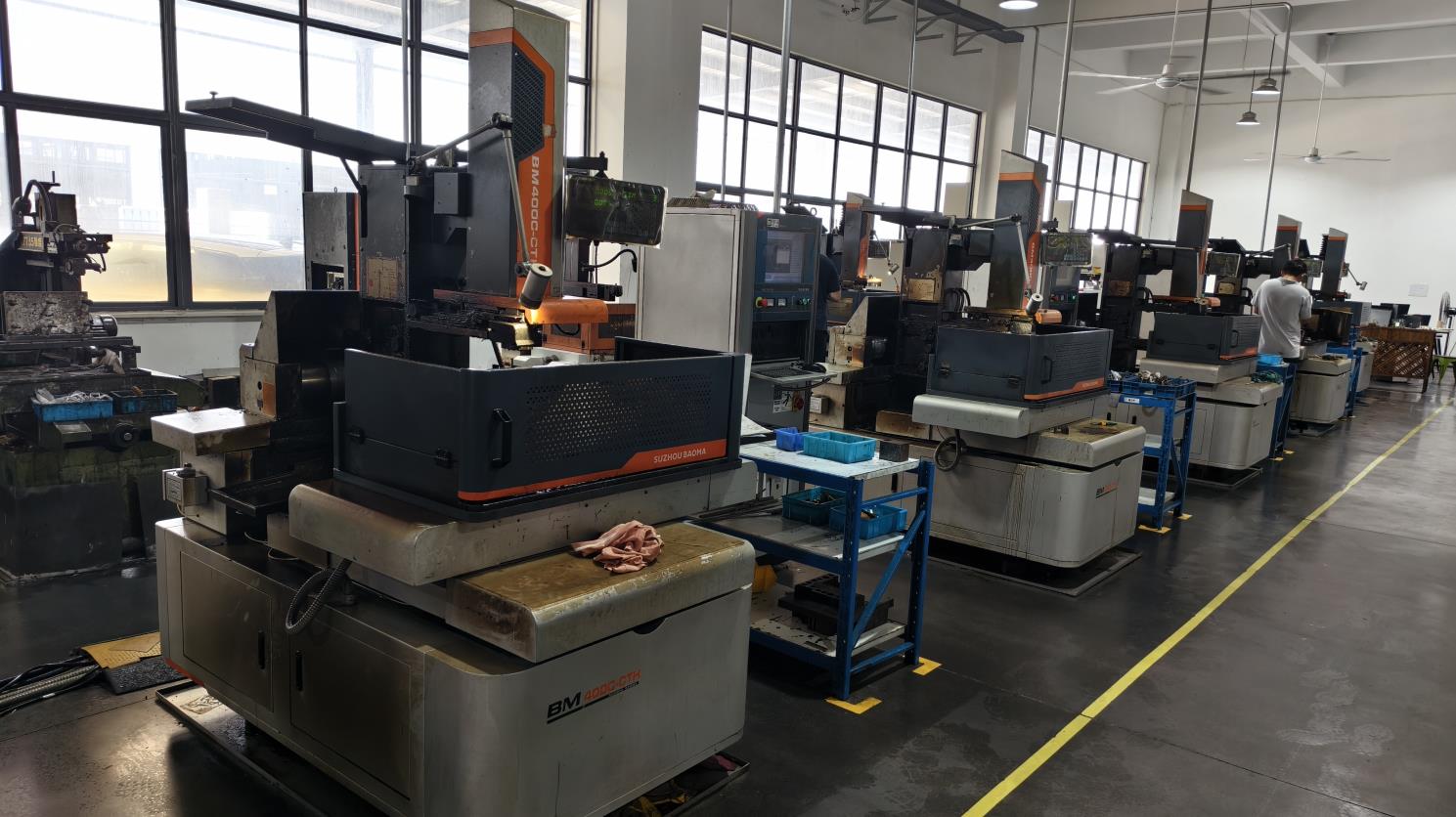
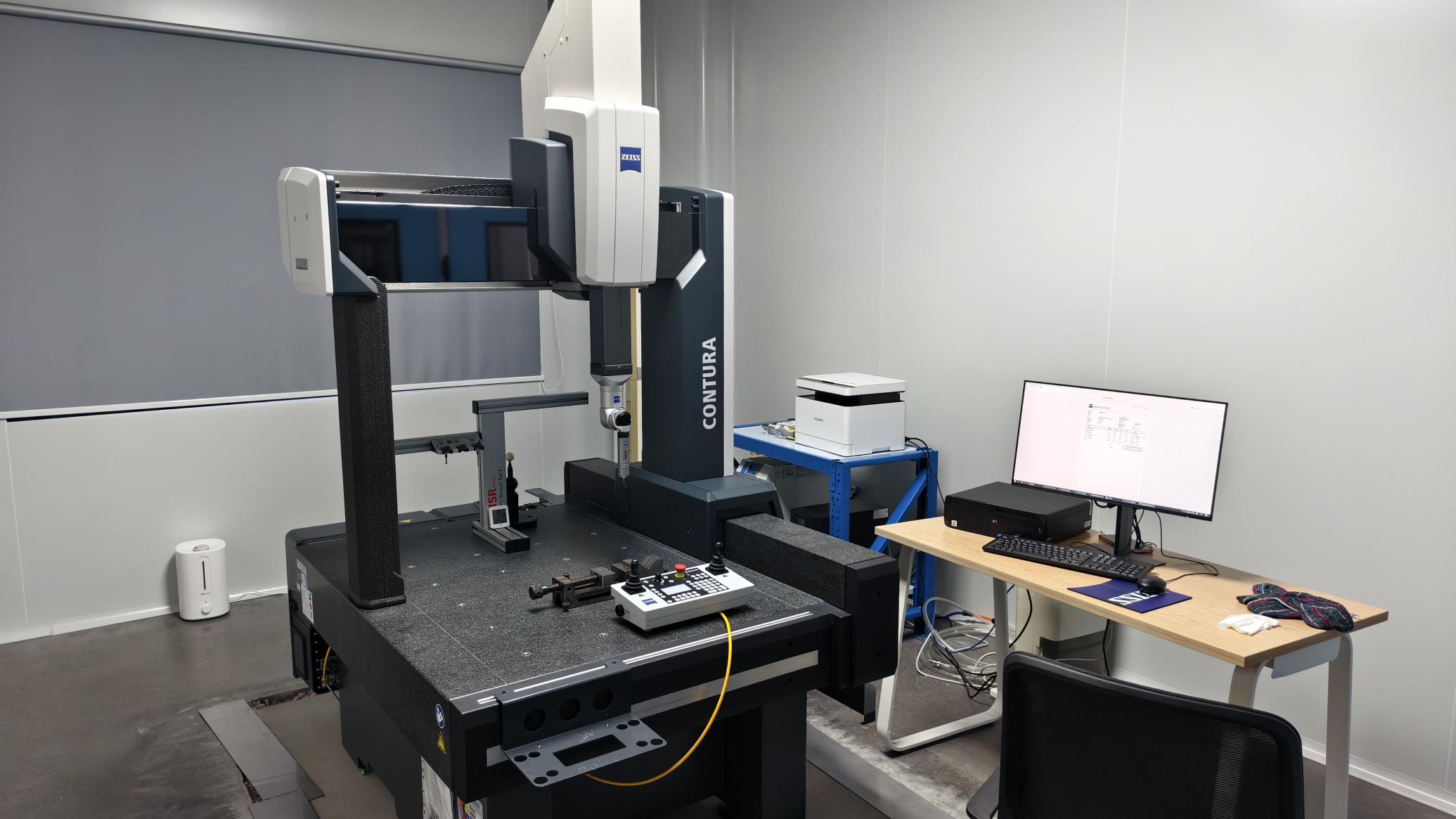
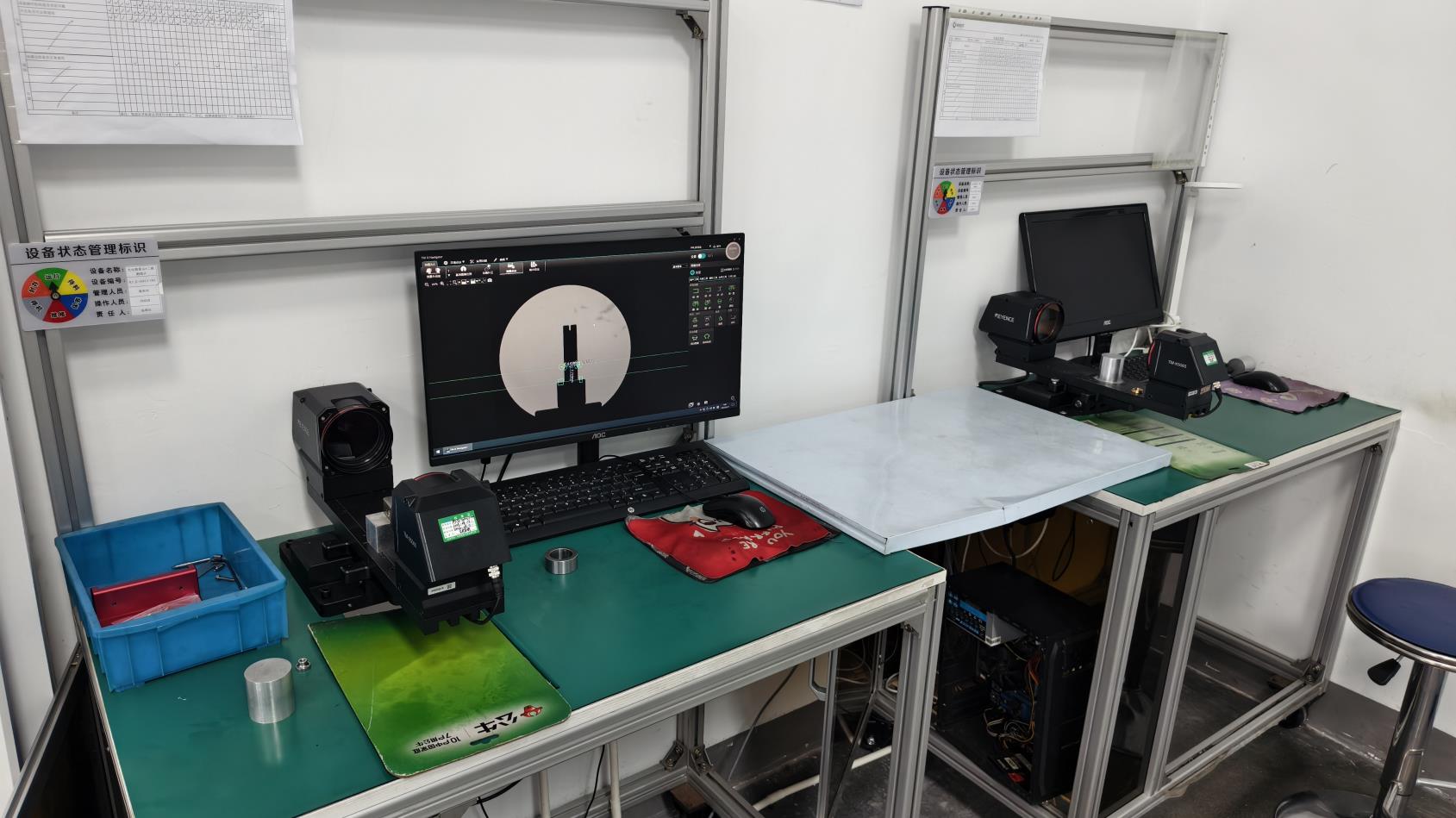
| Precision Tolerance | Wire-cutting CNC machining up to ±0.02 mm | Guarantees exact fitting for quick coupling interfaces and instruments. |
| Biological Testing | Cytotoxicity tested, Pyrogen-free compliance, Autoclave testing (134°C, 2.1 Bar) | Eliminates danger of cross-contamination or systemic patient reactions. |
How we leverage modern manufacturing processes to supply customized global trauma components.
We serve several key markets, distributing our products through various channels:
Client Portfolio: We work directly with brand owners, large-scale medical retailers, wholesale distributors, and veterinary specialists who require dependable precision instruments.
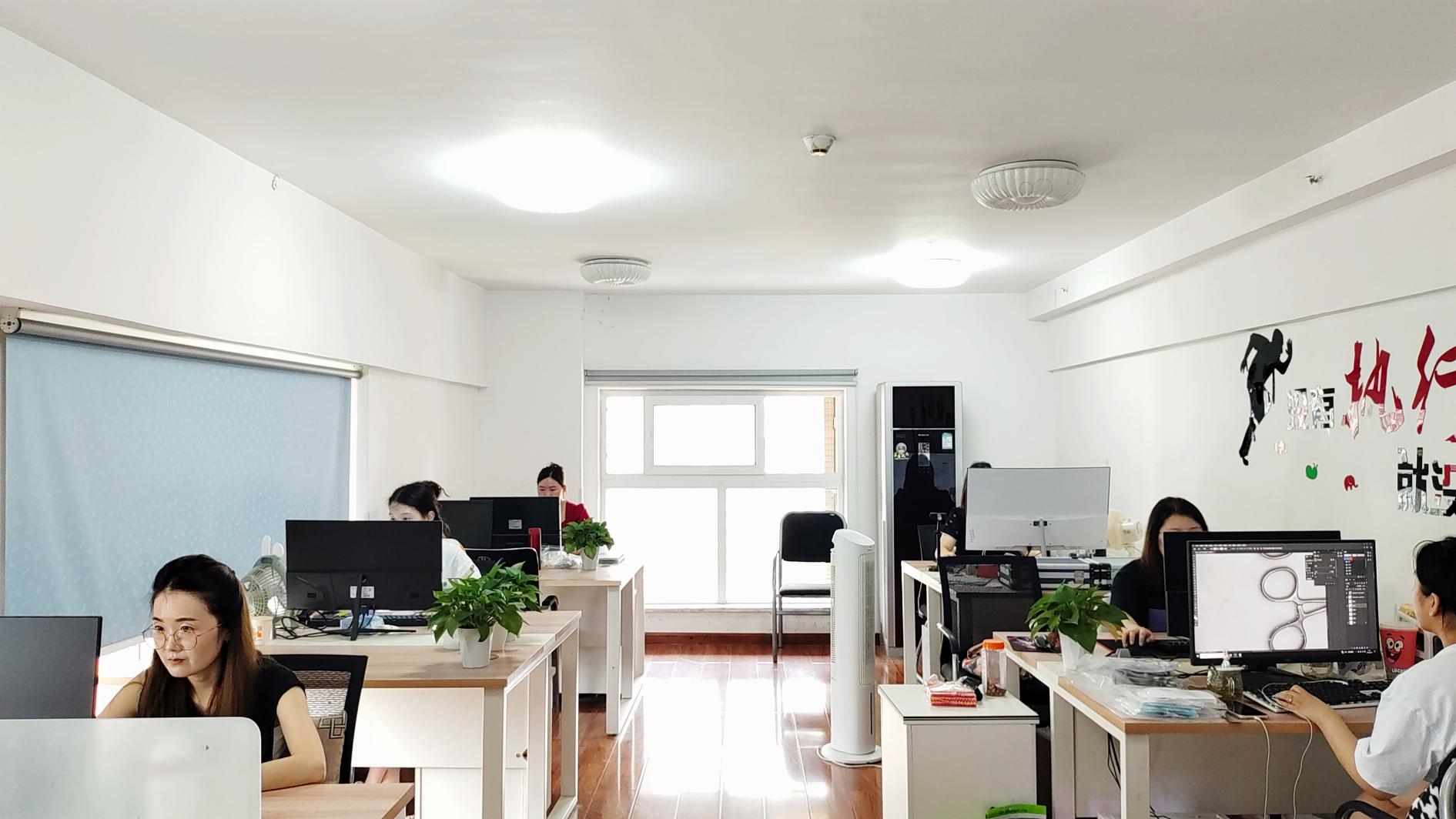
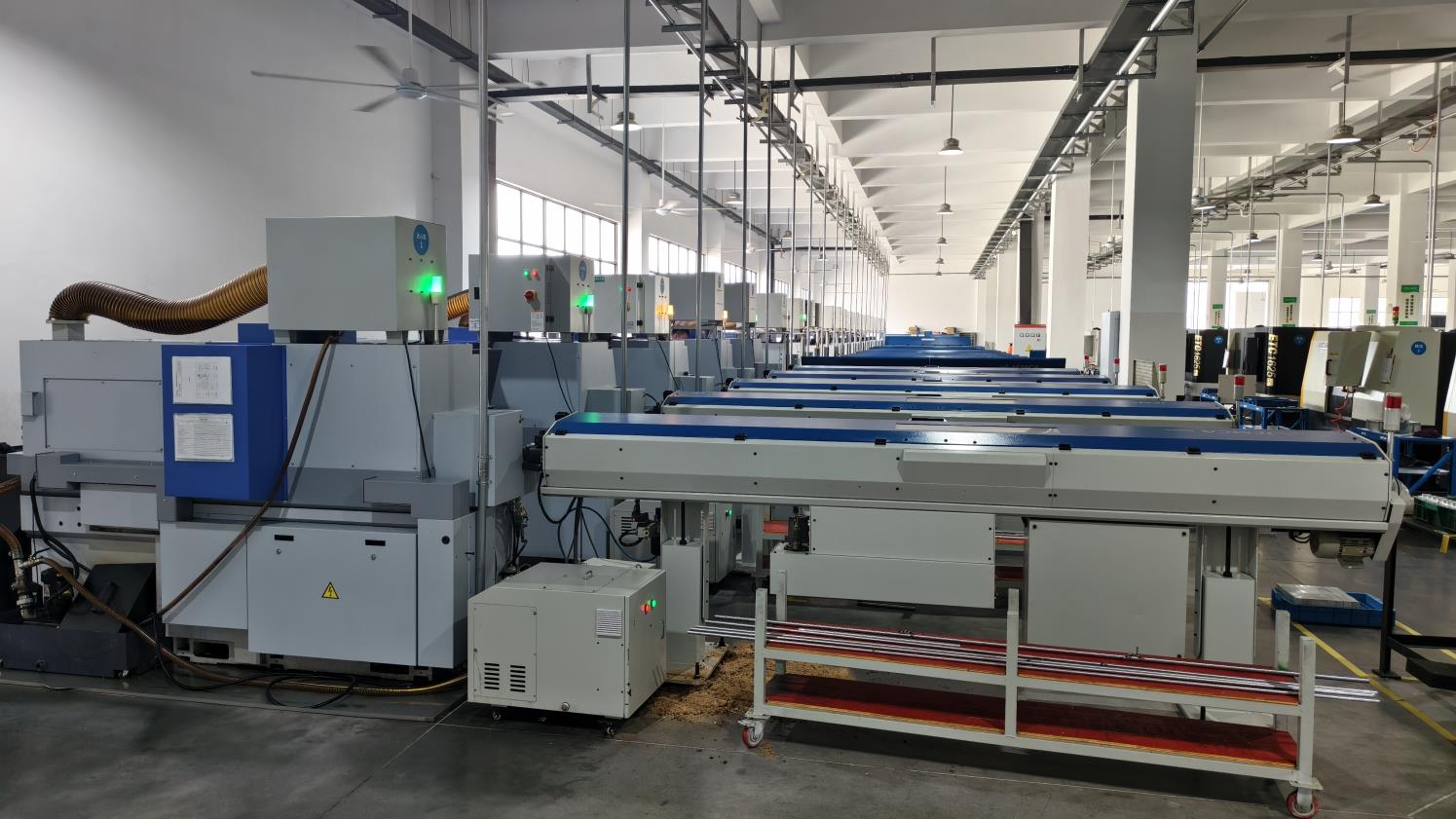
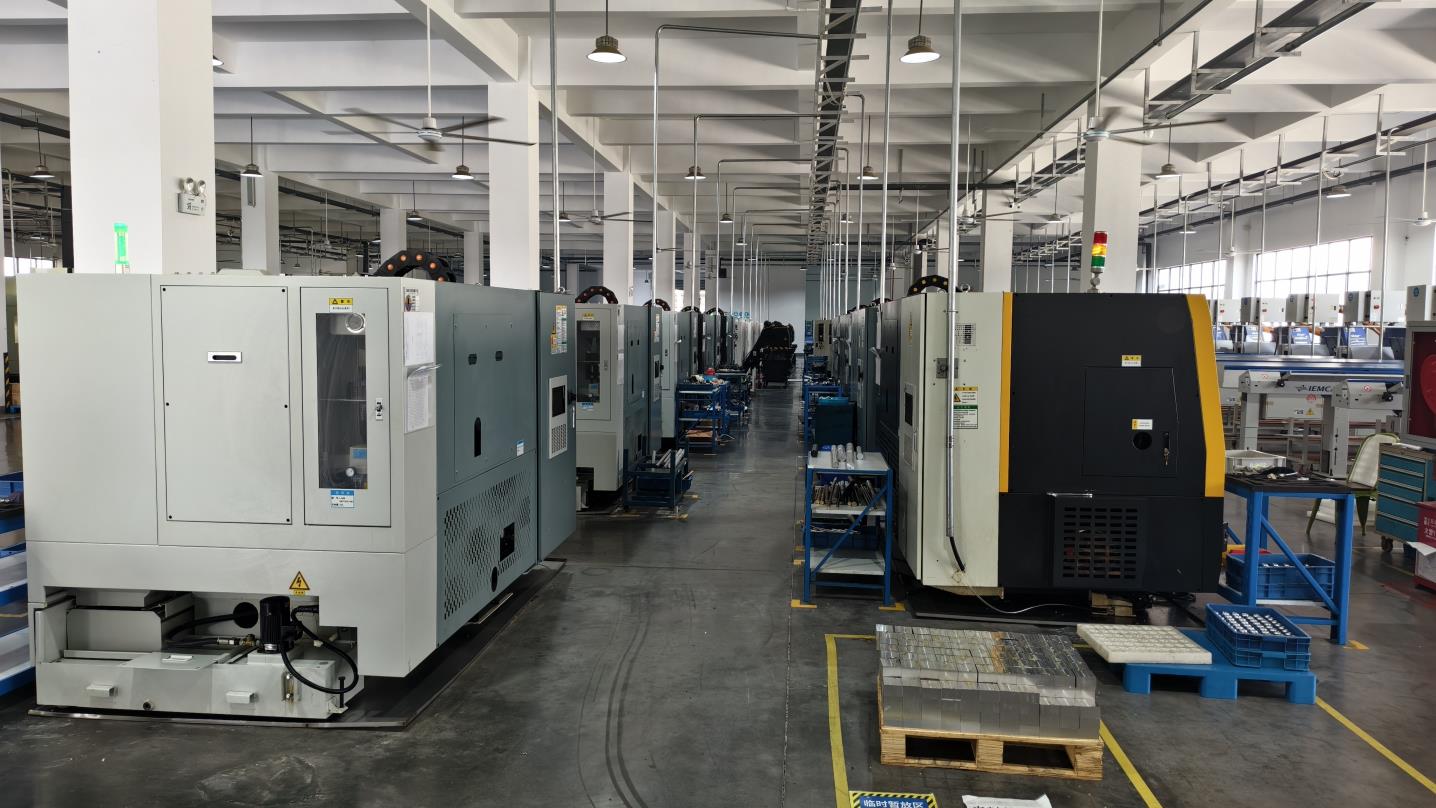
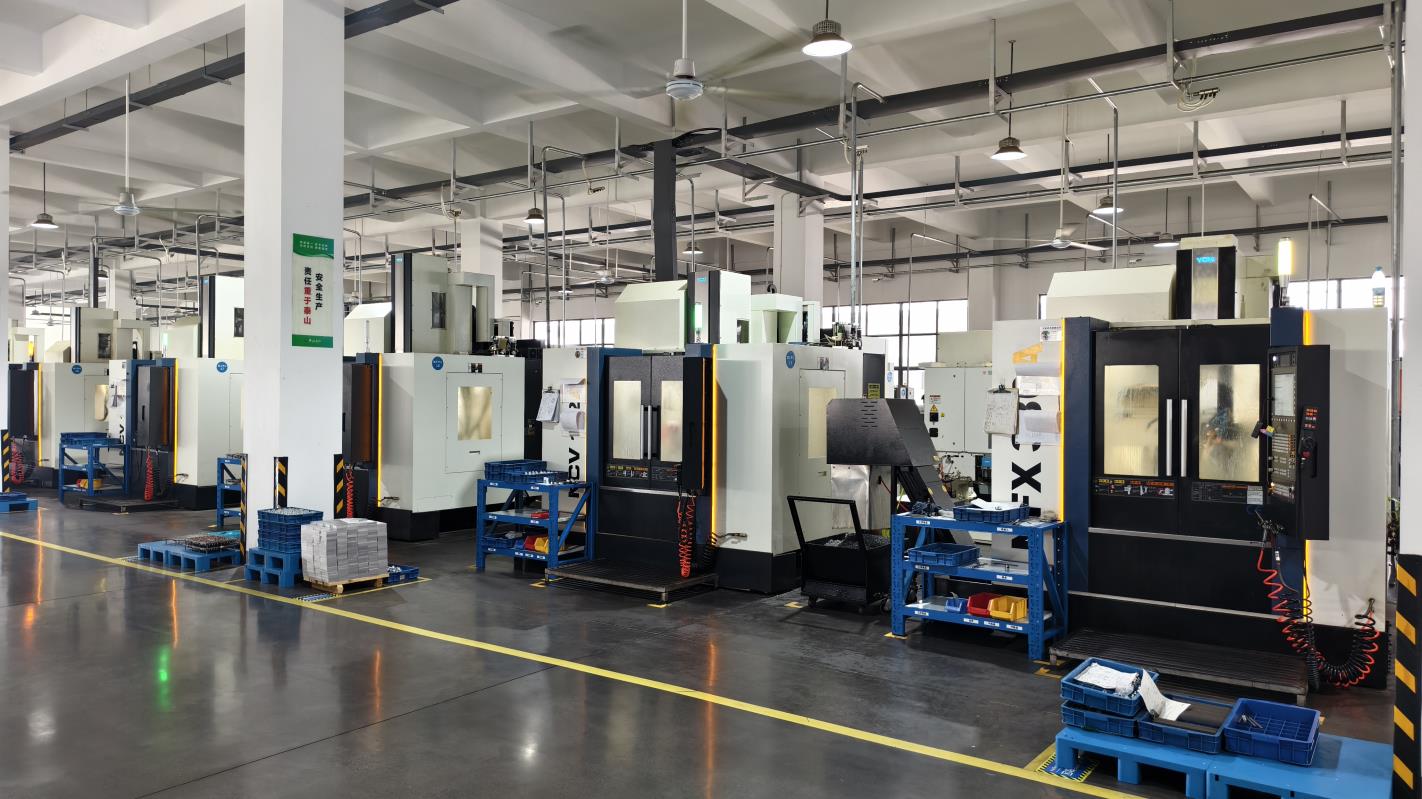
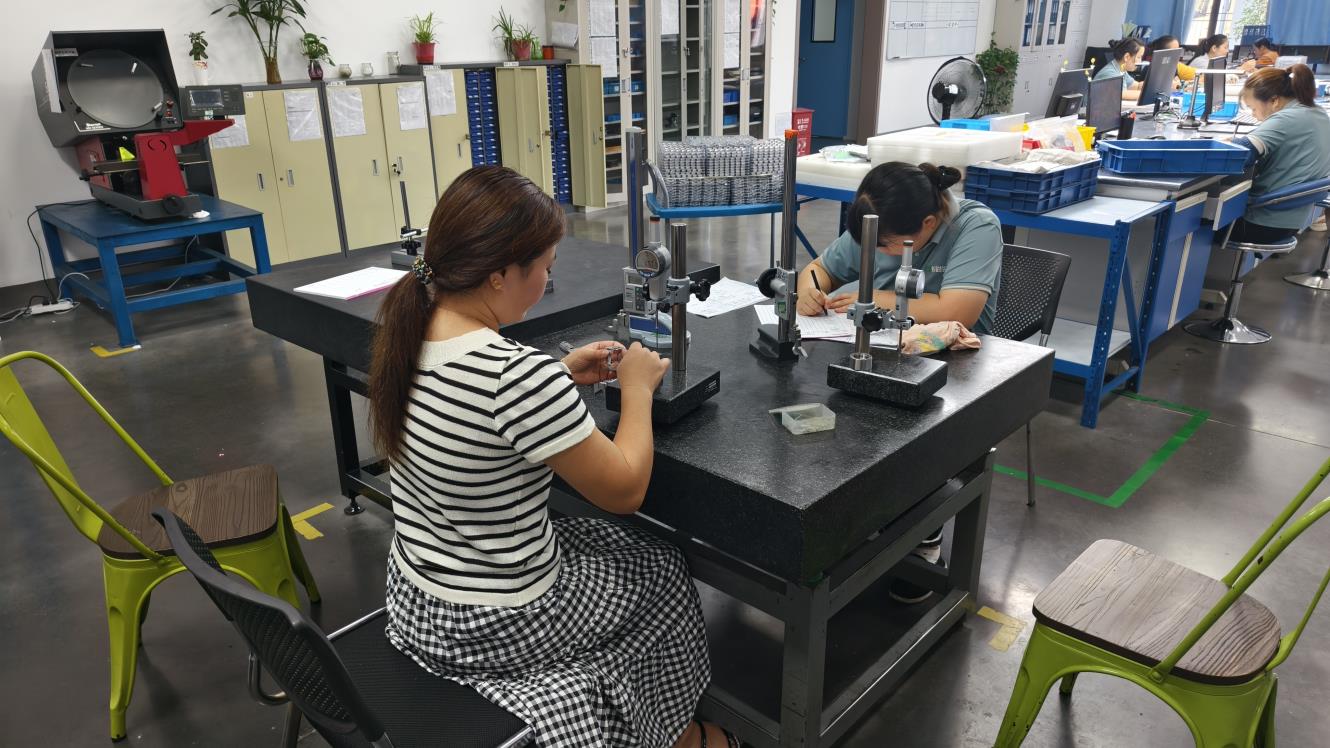
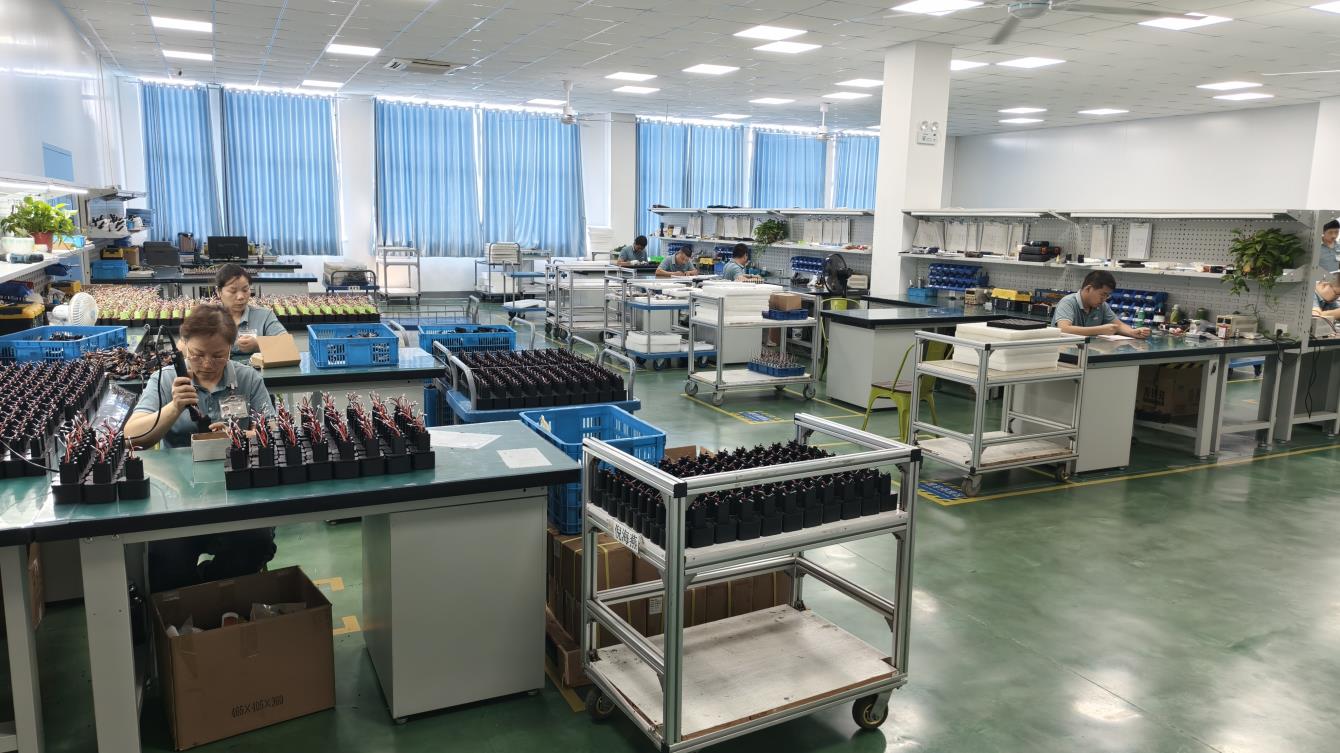
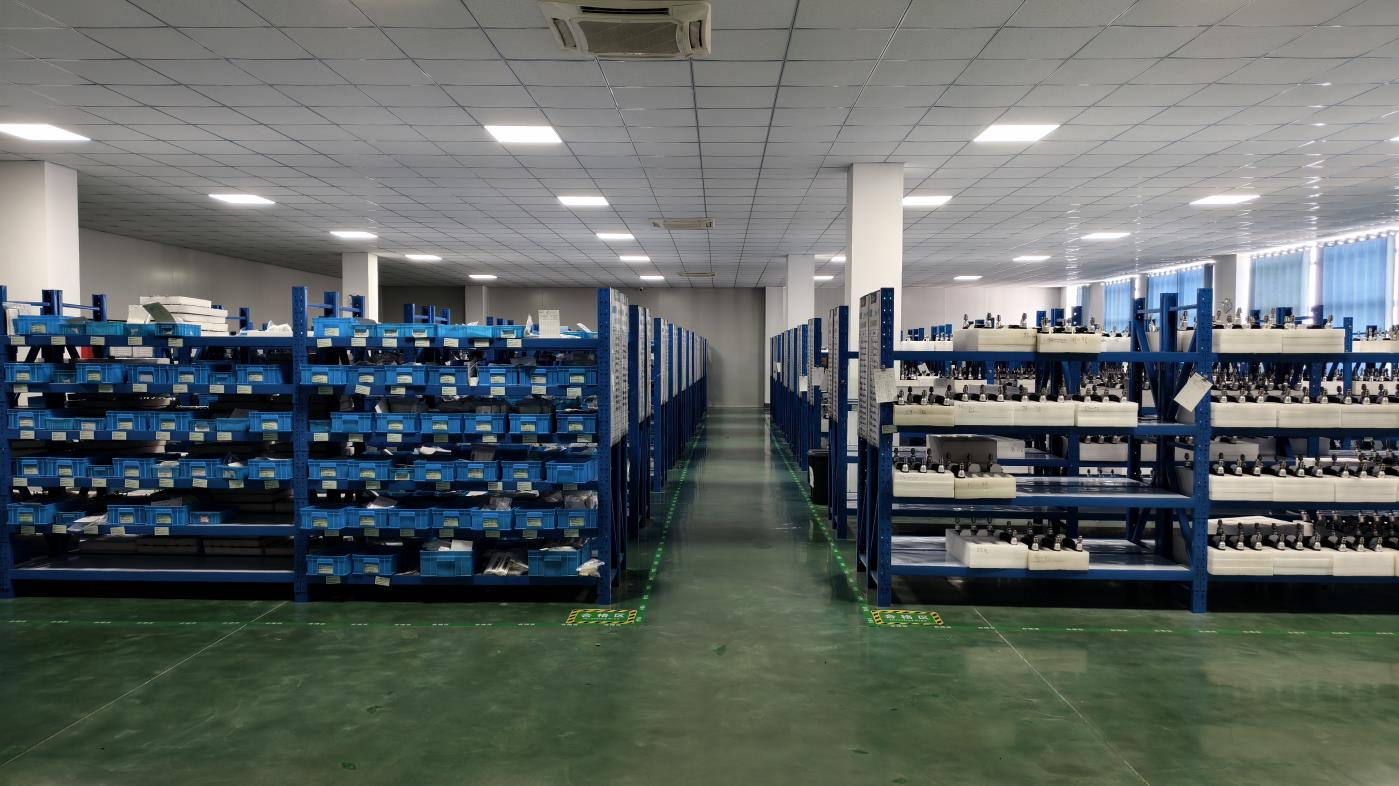
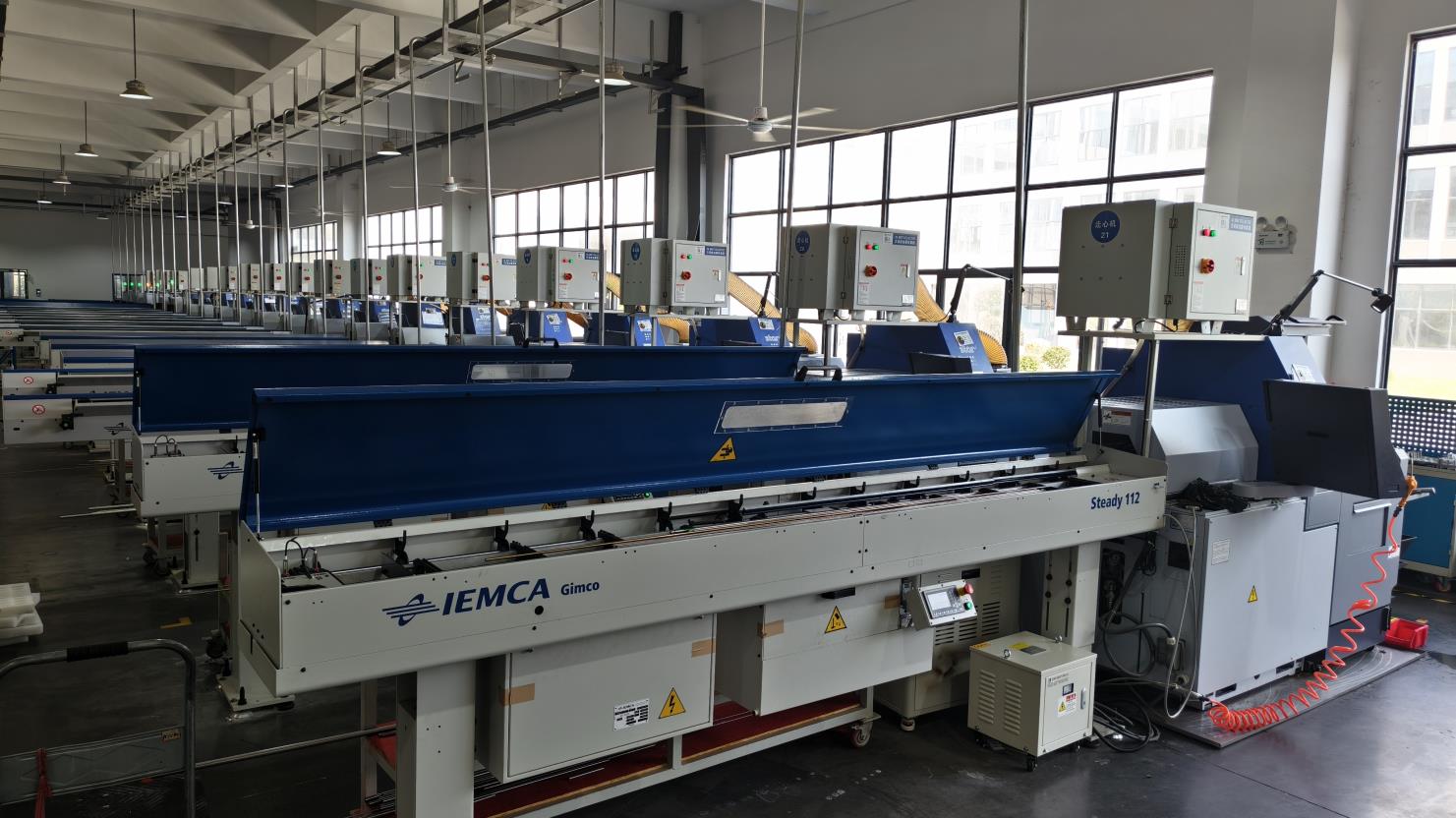
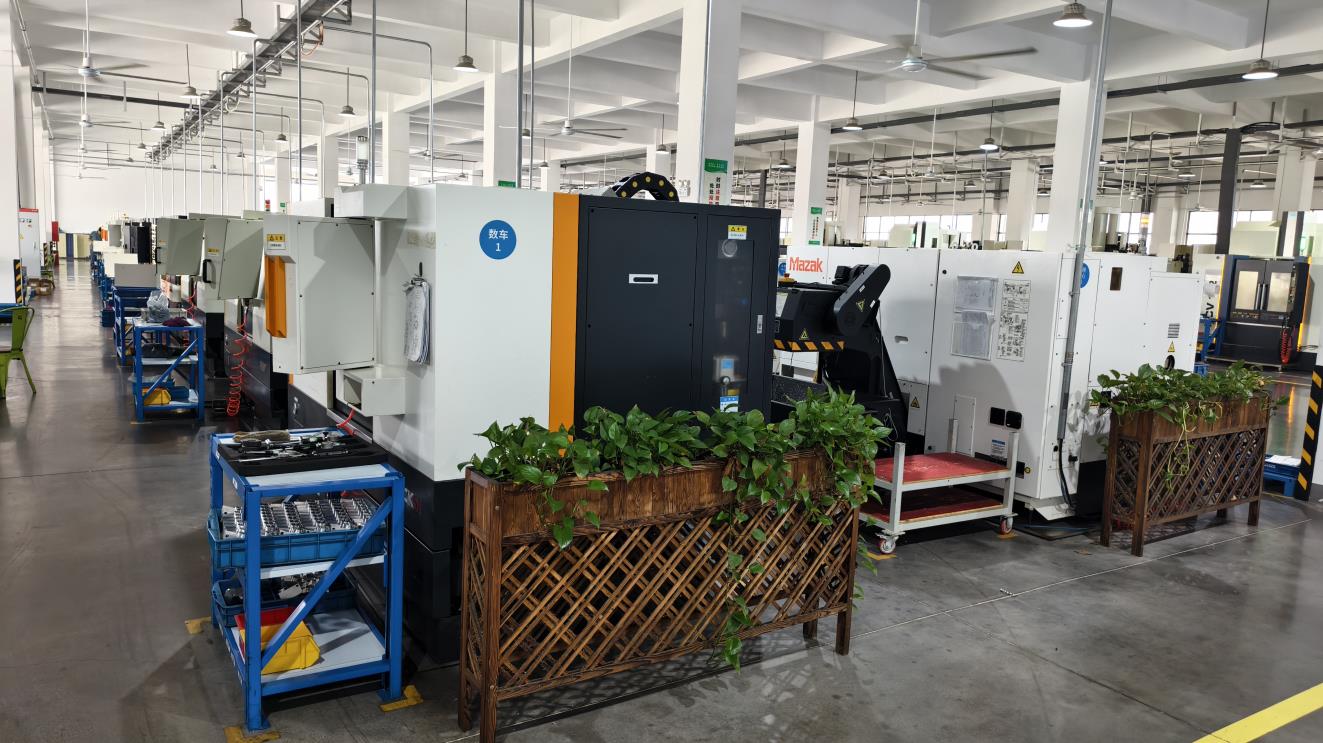
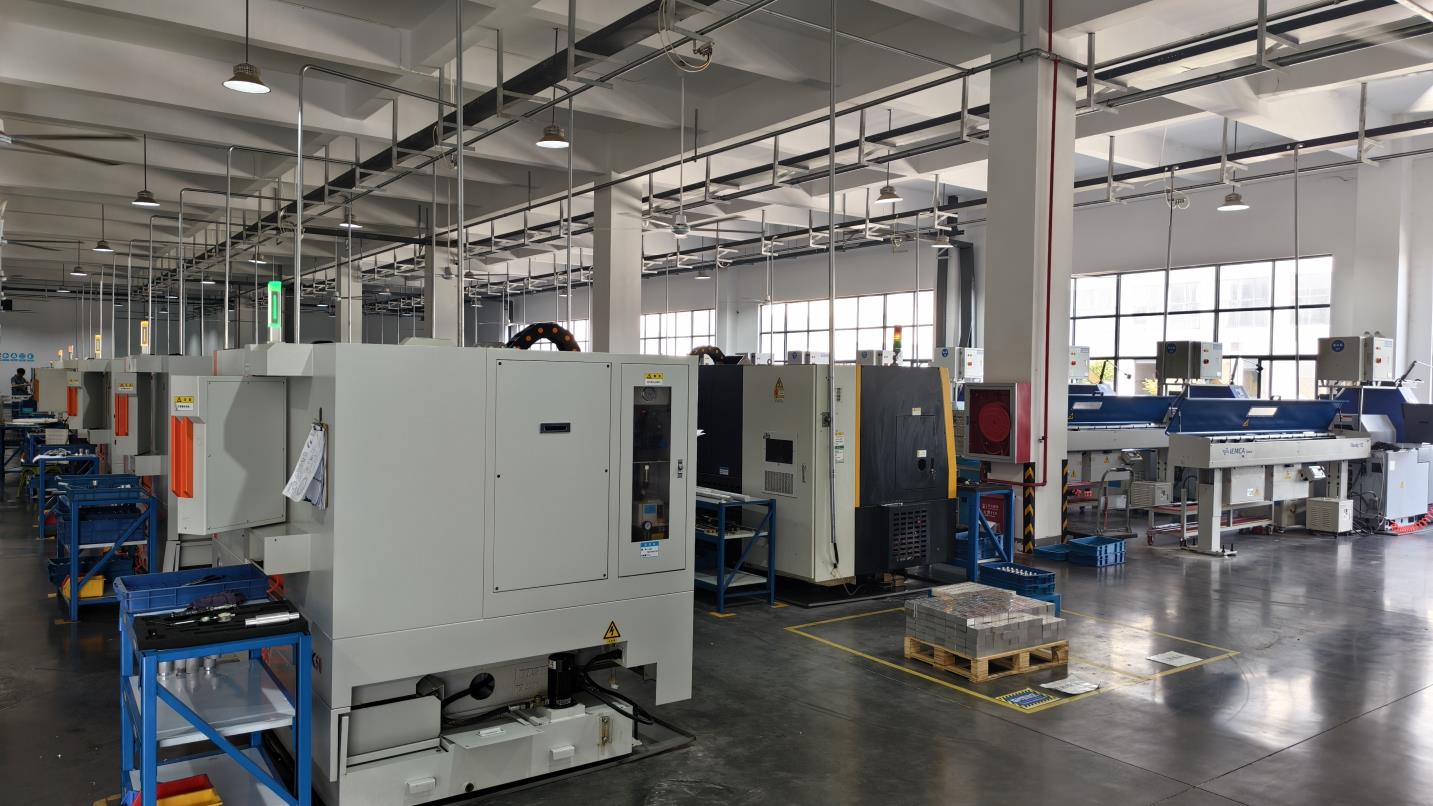
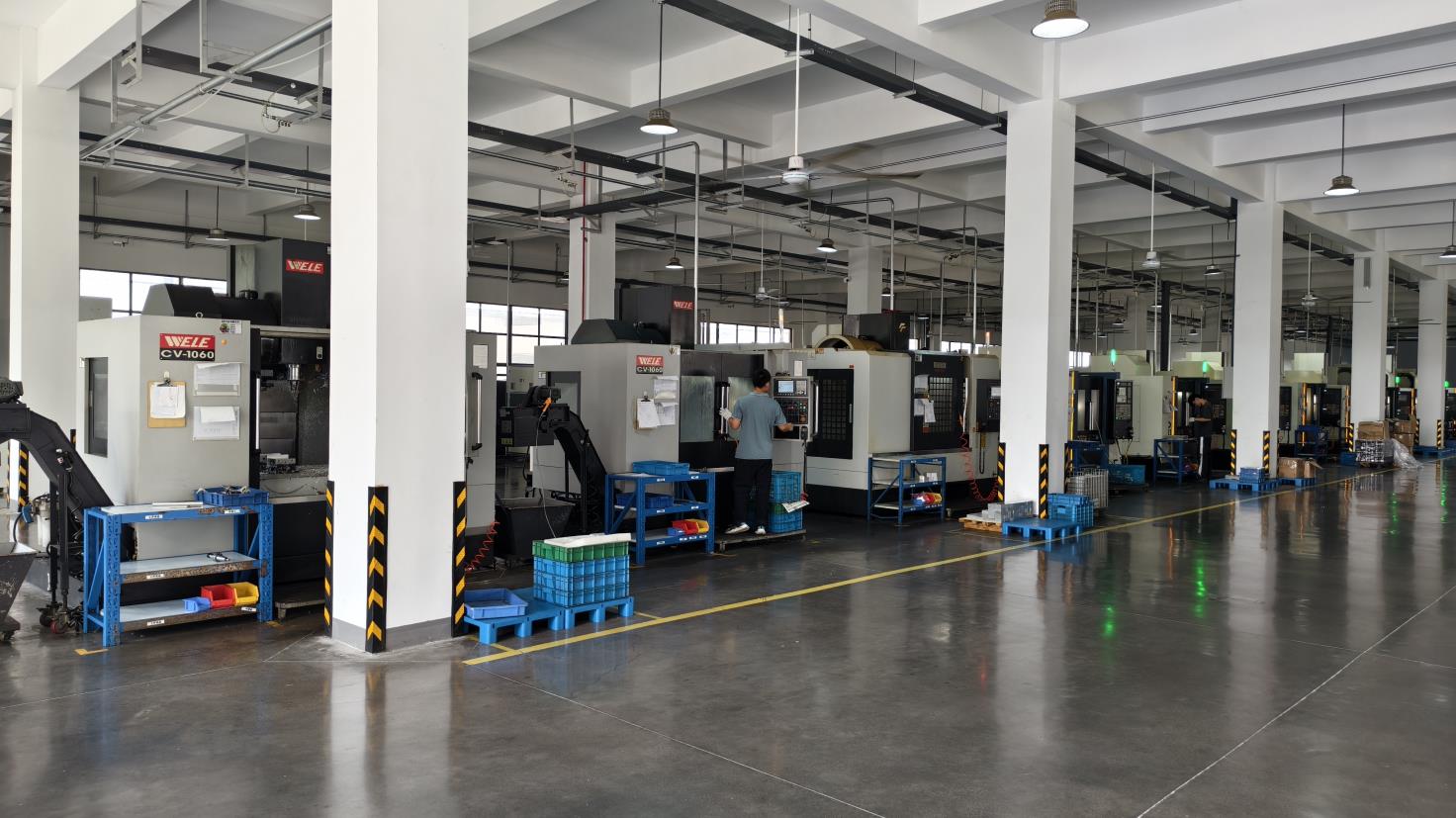
Direct visual confirmation of our sterile packaging facilities, physical production floors, and design laboratories.
How we are planning to optimize clinical surgical hooks and retractors for the next generation of surgery.
We are testing amorphous diamond-like carbon (DLC) coatings. Applying this nano-coating to bone retractors reduces friction during entry and prevents tissue adhesion, speeding up post-operative patient recovery.
We plan to embed micro-RFID tags into the handles of spinal benders and retractor sets. This allows hospital inventory systems to track usage and sterilization records automatically, minimizing human error.
By using advanced titanium and light alloy formulations, we can reduce tool weight by up to 35%. This design helps reduce hand fatigue for surgeons during long surgical procedures.
Expert responses regarding raw materials, production processes, compliance standards, and custom manufacturing.
Supplementary diagnostic instrumentation, removal kits, and tissue manipulation tools for hospital supply networks.