SENJIE Healthy & Technology
SENJIE Healthy & Technology
SENJIE Healthy & Technology
Direct supply of ISO 13485 compliant sterilization trays, veterinary orthopedic kits, and precision surgery instruments engineered to survive rigorous reprocessing cycles.
ESTABLISHED
EXPORT EXPERIENCE
RAW MATERIAL TRACEABILITY
GLOBAL MARKET SHARE (AMERICAS & SEA)
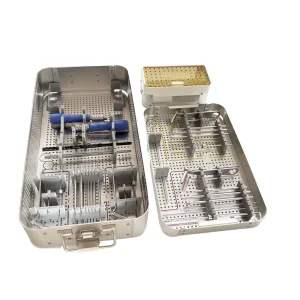
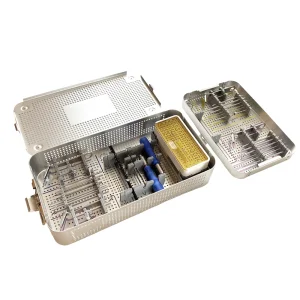
Surgical reprocessing protocols demand containment systems that withstand high pressures, chemical attack, and dynamic shear forces. Our industrial engineering team develops high-performance sterilization trays designed specifically to support complex orthopedic instrument loads.
We combine premium medical-grade polymers, such as polyphenylene sulfone (PPSU - Radel®) and high-strength anodized aluminum alloys, to craft customizable modular bracket architectures. These materials guarantee minimal thermal degradation under repetitive pre-vacuum autoclaving cycles at 134°C, preventing deformation and stress-cracking.
Additionally, our stainless steel trays undergo an advanced ASTM A967 chemical passivation treatment and electropolishing. This process eliminates free iron contamination from the surface layer, establishing an ultra-pure chromium oxide protective barrier that resists oxidation, pitting, and crevice corrosion during enzymatic washing and steam sterilization.
Effective sterile processing depends entirely on steam flow. Traditional solid surgical cases create cold spots and trap condensates, leading to wet packs that compromise sterility boundaries. Our custom-designed perforation patterns balance structural rigidity with an open-area percentage exceeding 50% on all faces.
By using customized slot designs, we facilitate rapid moisture drainage and steam dispersion. The strategically located medical-grade silicone cushioning brackets grip delicate instruments securely, protecting sharp tips while ensuring complete surface exposure to sterilants.
For custom configurations, our CAD and structural validation engineers simulate fluid dynamics using advanced FEA modeling. This process identifies potential air pocket traps, ensuring compliance with strict ANSI/AAMI ST79 guidelines for hospital autoclaving workflows.
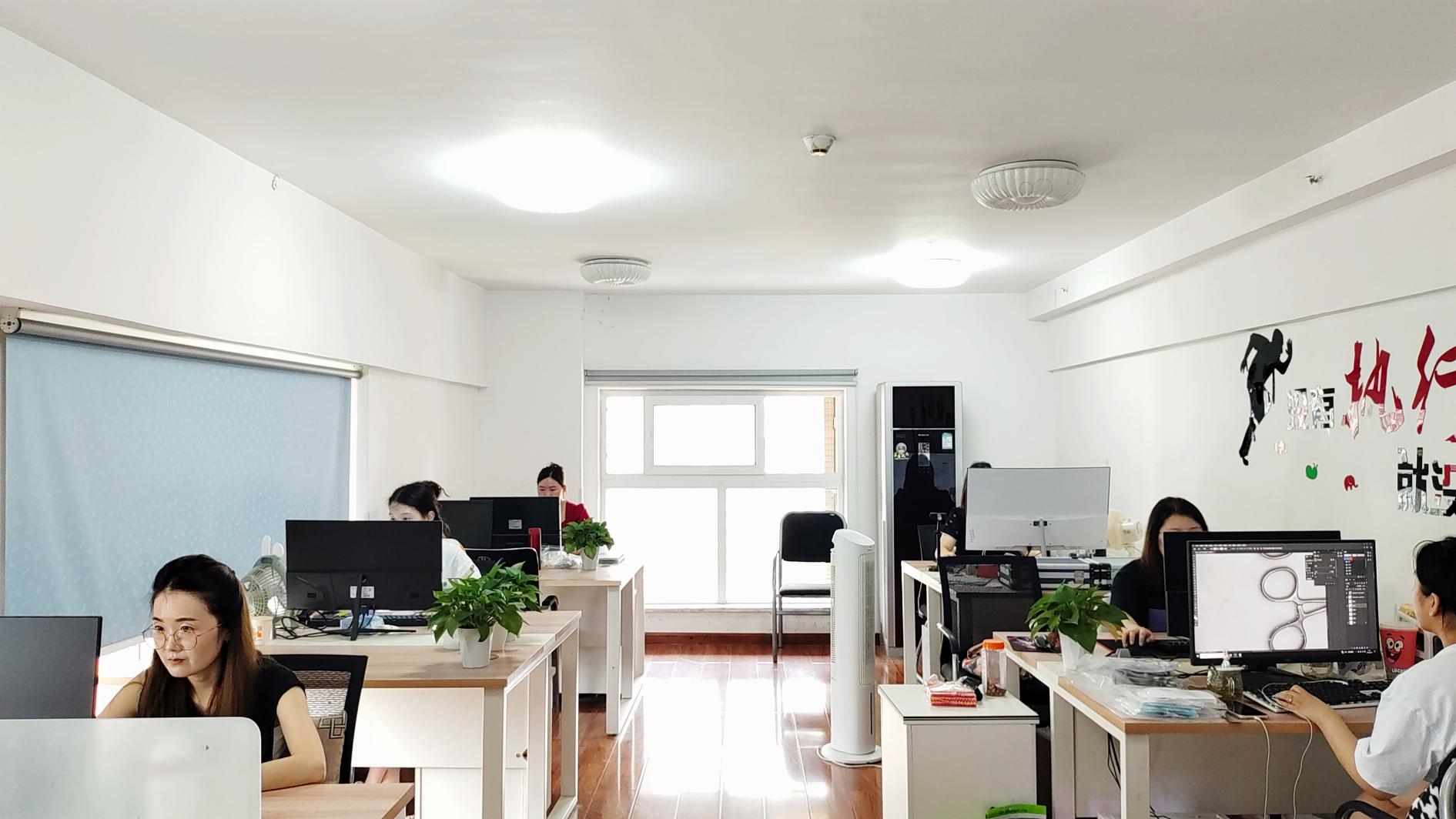
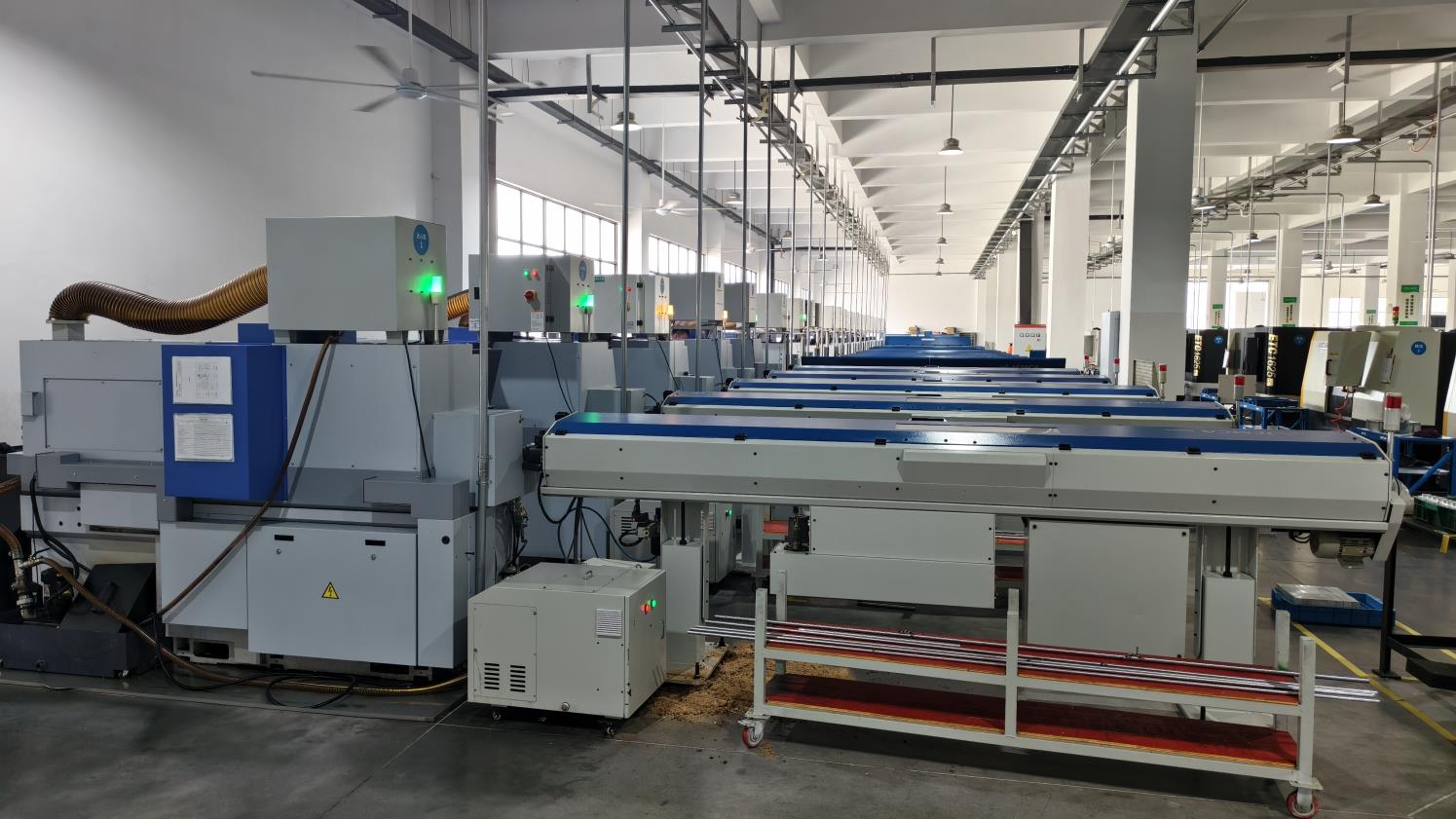
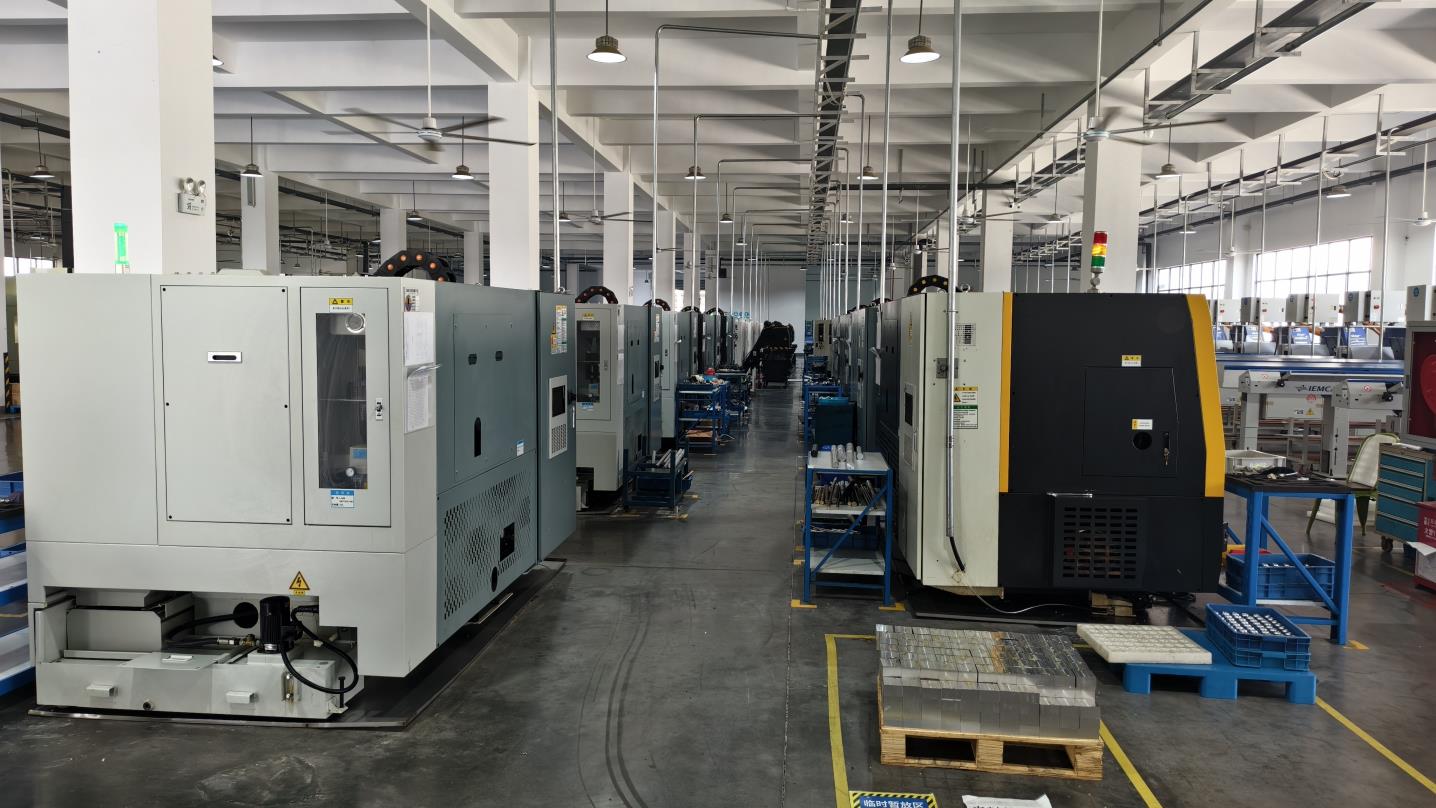
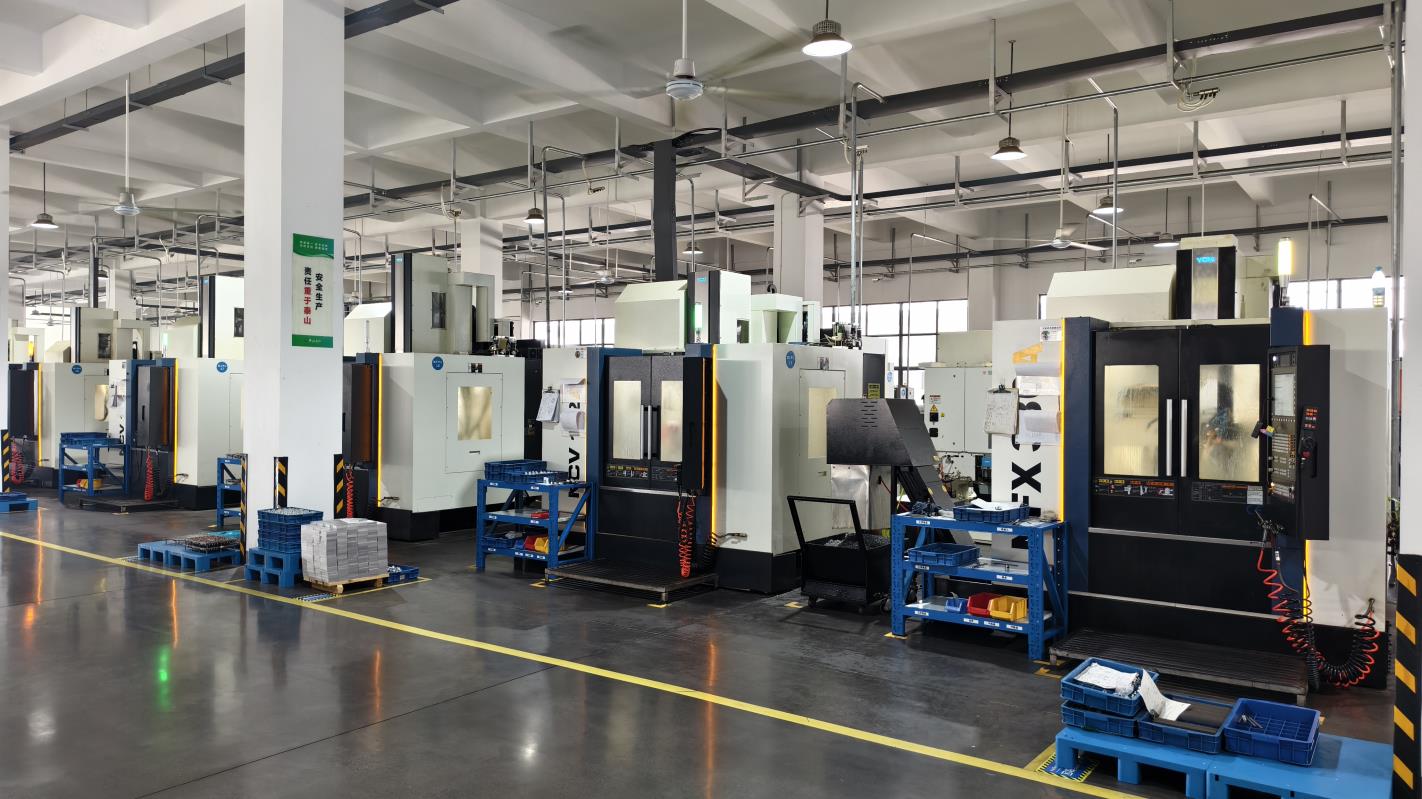
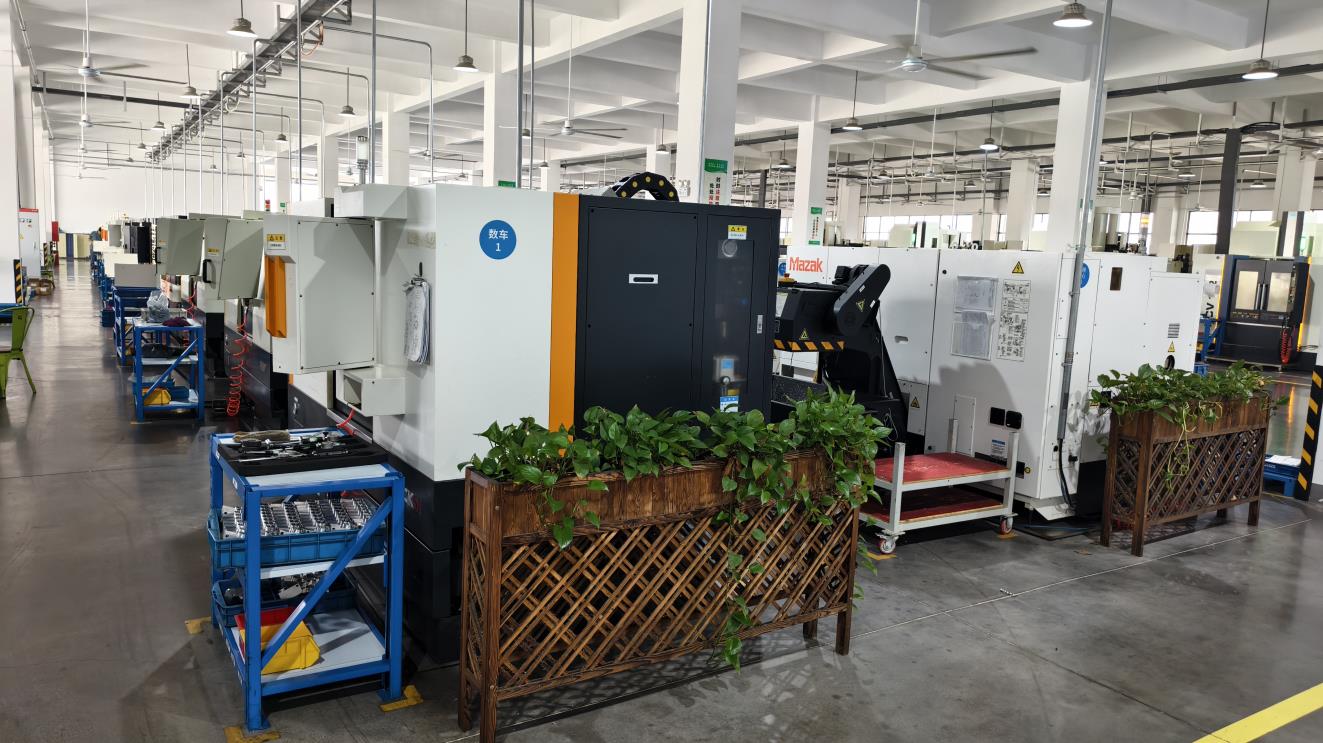
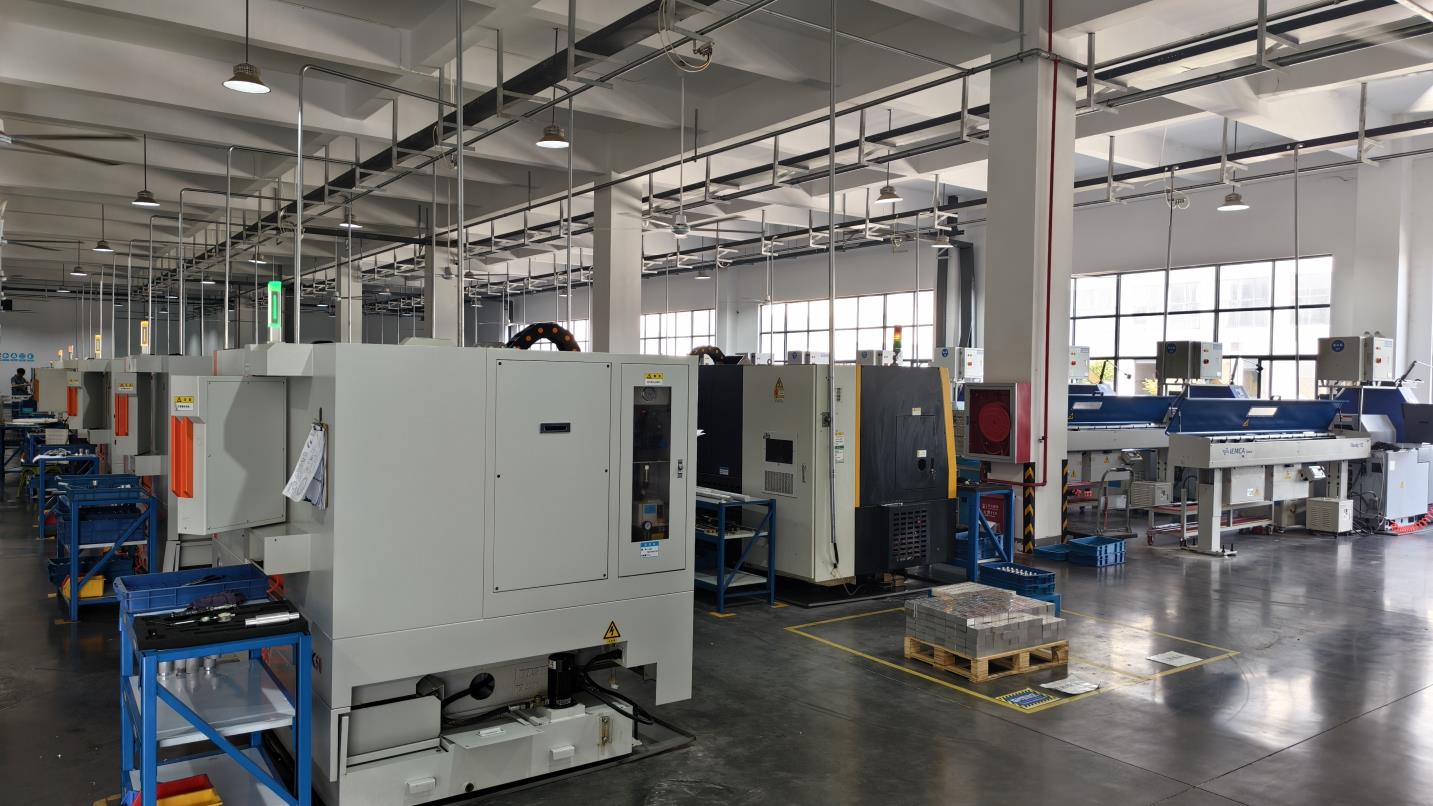
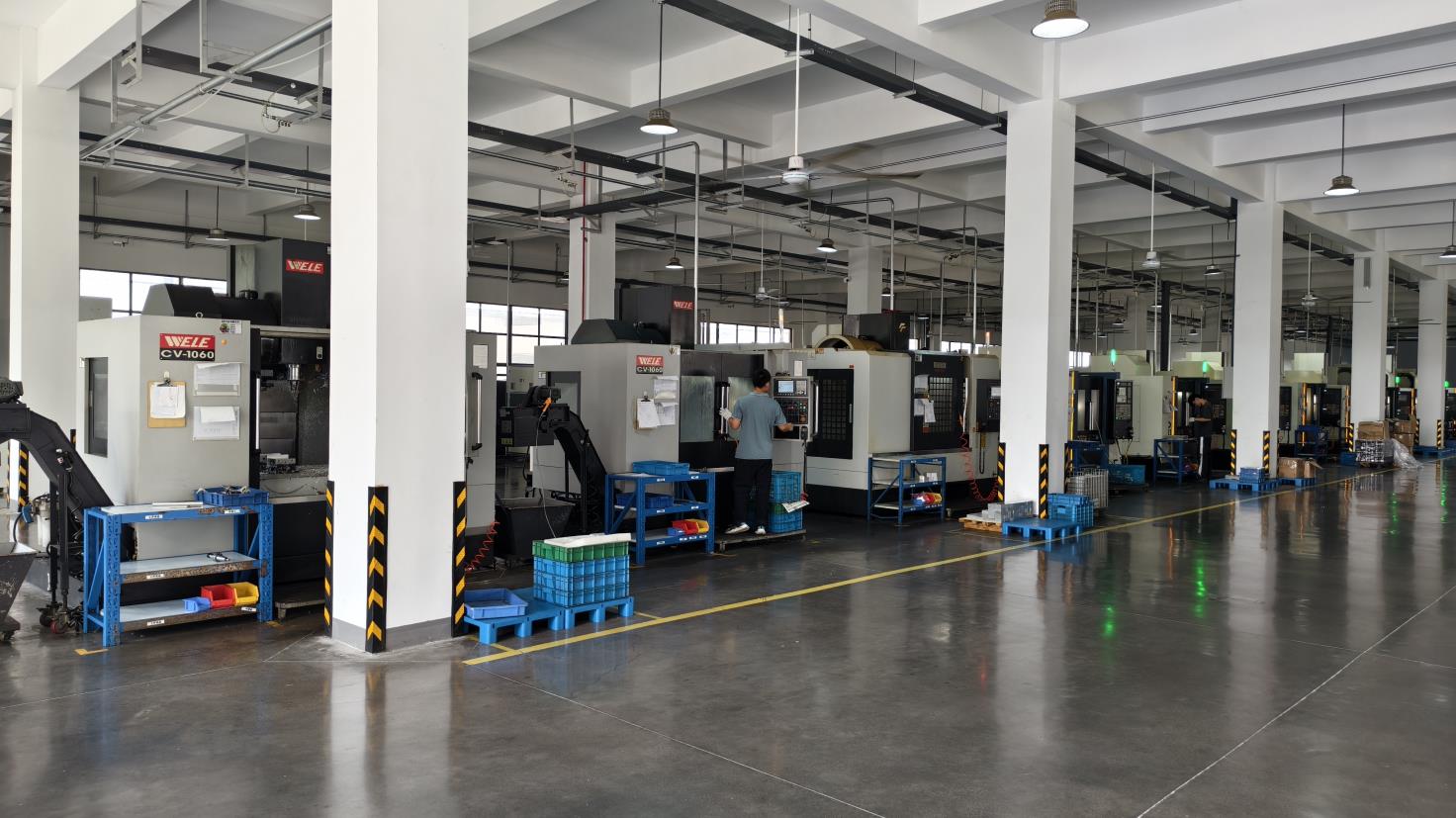
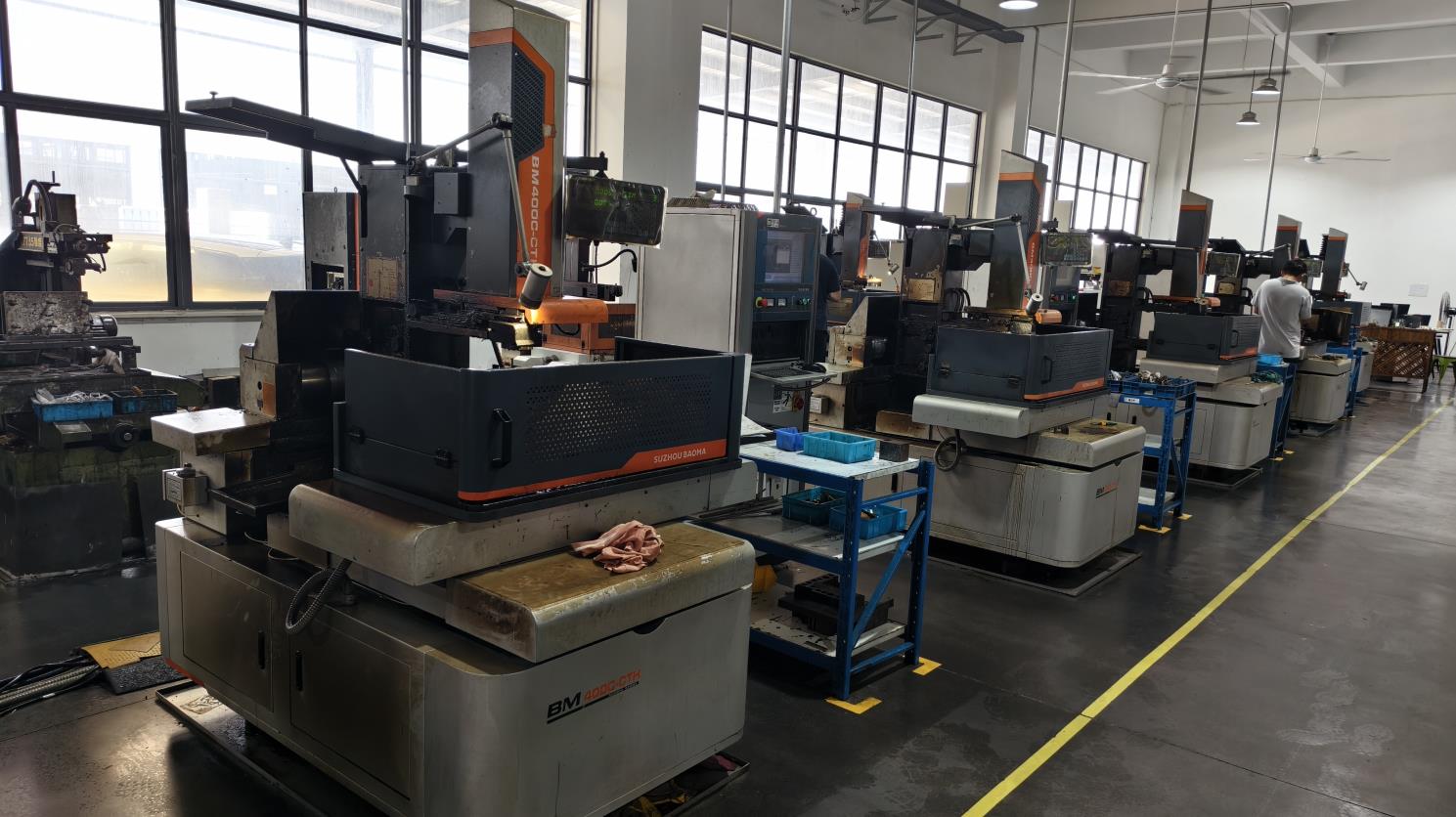
Combining automation, digital manufacturing pathways, and localized industrial clusters to provide high-quality orthopedic containers globally.
Using ultra-high-speed fiber laser cutting systems, we process medical stainless steel and aluminum panels with sub-millimeter tolerances (±0.05mm), ensuring flawless alignment of hinges, latches, and internal tray modules.
Our localized industrial partnerships allow us to source high-grade raw materials directly. Coupled with automated press forming, this model reduces manufacturing waste and labor overheads, lowering procurement costs for global buyers.
From sheet metal preparation, anodizing, and silicone co-injection molding to laser-engraving UDI markings, our fully integrated facility handles the entire production process. This consolidation reduces lead times by up to 35% compared to multi-vendor supply models.
Pioneering sterile processing with smart technology integration and structural weight reductions.
We are embedding high-temperature RFID chips into the bodies of our surgical trays. This tech allows automated, contact-free tracking through central sterile supply departments, reducing sorting errors and streamlining logistics.
Developing structural tray elements from carbon-fiber reinforced polyetheretherketone (PEEK). This composite offers high torsional stiffness with a 40% weight reduction compared to stainless steel, decreasing sterilization tray weight and preventing staff fatigue.
Developing next-gen surface modifications that repel aqueous liquids. By limiting organic residues and preventing bacterial attachment, these coatings make manual pre-cleaning faster and increase the safety margin against biofilm formation.
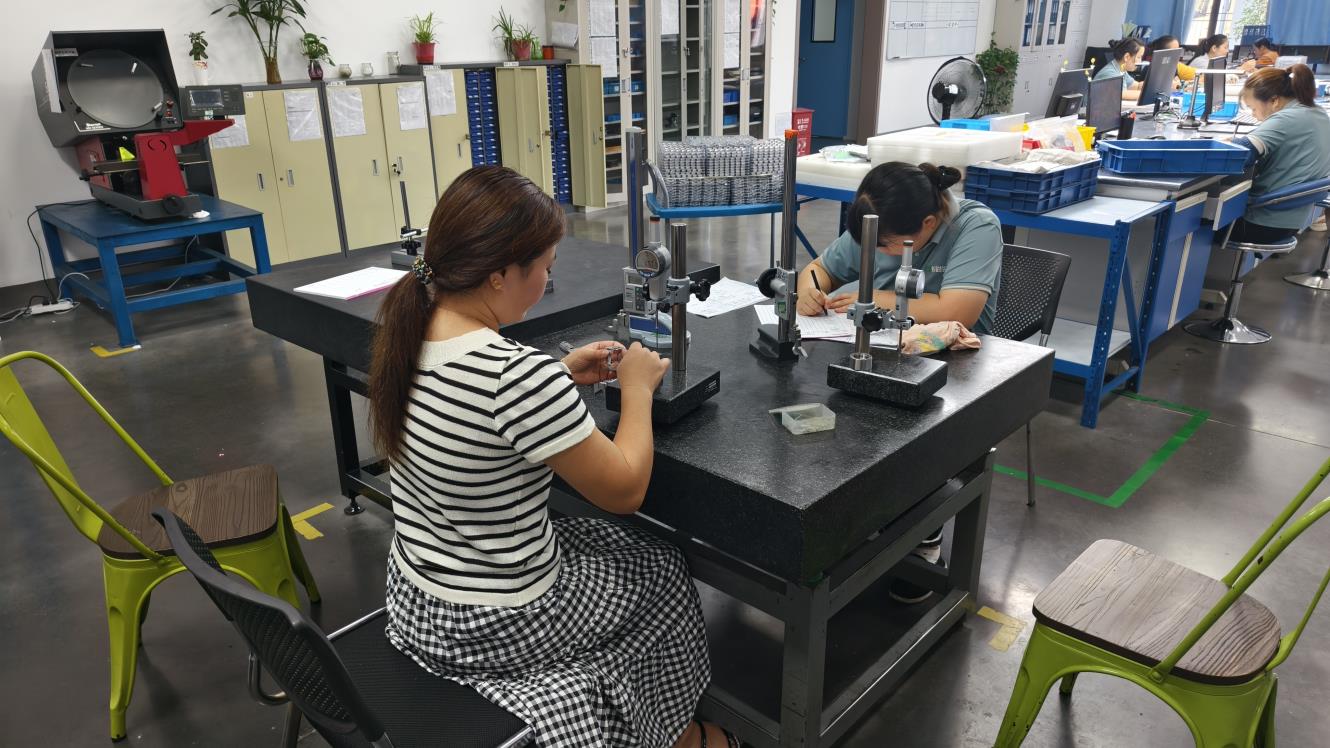
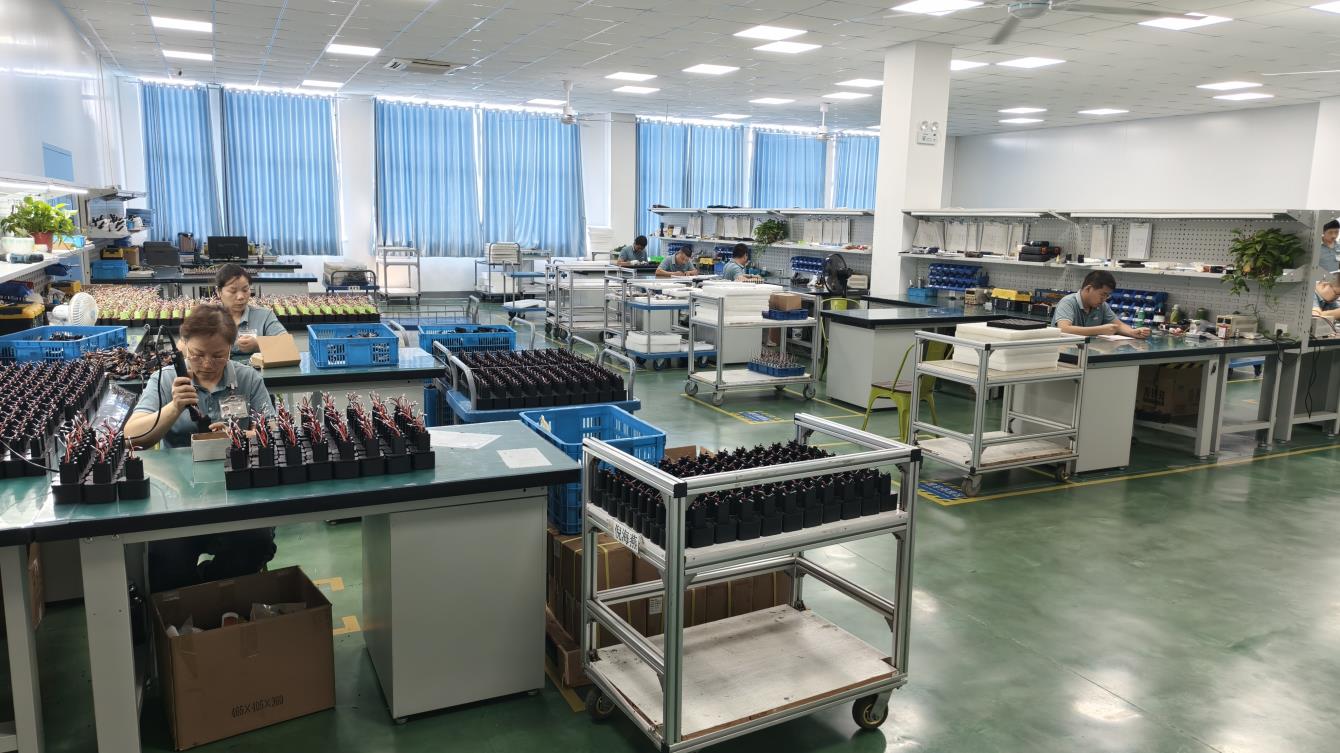
Custom containment systems built for trauma kits, joint reconstruction, spine surgeries, and veterinary clinics.
| Clinical Specialization | Common Tray Configuration | Material Architecture | Reprocessing Compatibility |
|---|---|---|---|
| Trauma & Extremities | Custom screw racks, bone plate templates, reduction forceps slots | Passivated 304 Stainless Steel & Anodized Alum | Steam Autoclave (Pre-vacuum, 134°C) |
| Spine & Arthroplasty | Deep-well trays, silicon secure grips, heavy instrument layouts | Medical-grade PPSU, 316L SS hardware | Steam Autoclave, EO Sterilization |
| Veterinary Orthopedics | Miniature screw organizers, compact layouts for animal surgical rooms | Anodized Aluminum (Type II) & Silicone grids | Steam Autoclave, VH2O2 Gas Plasma |
| OEM / ODM Branding | Laser etched branding, color-matched components, custom geometries | Custom materials based on compliance targets | Multi-protocol validation compliant |
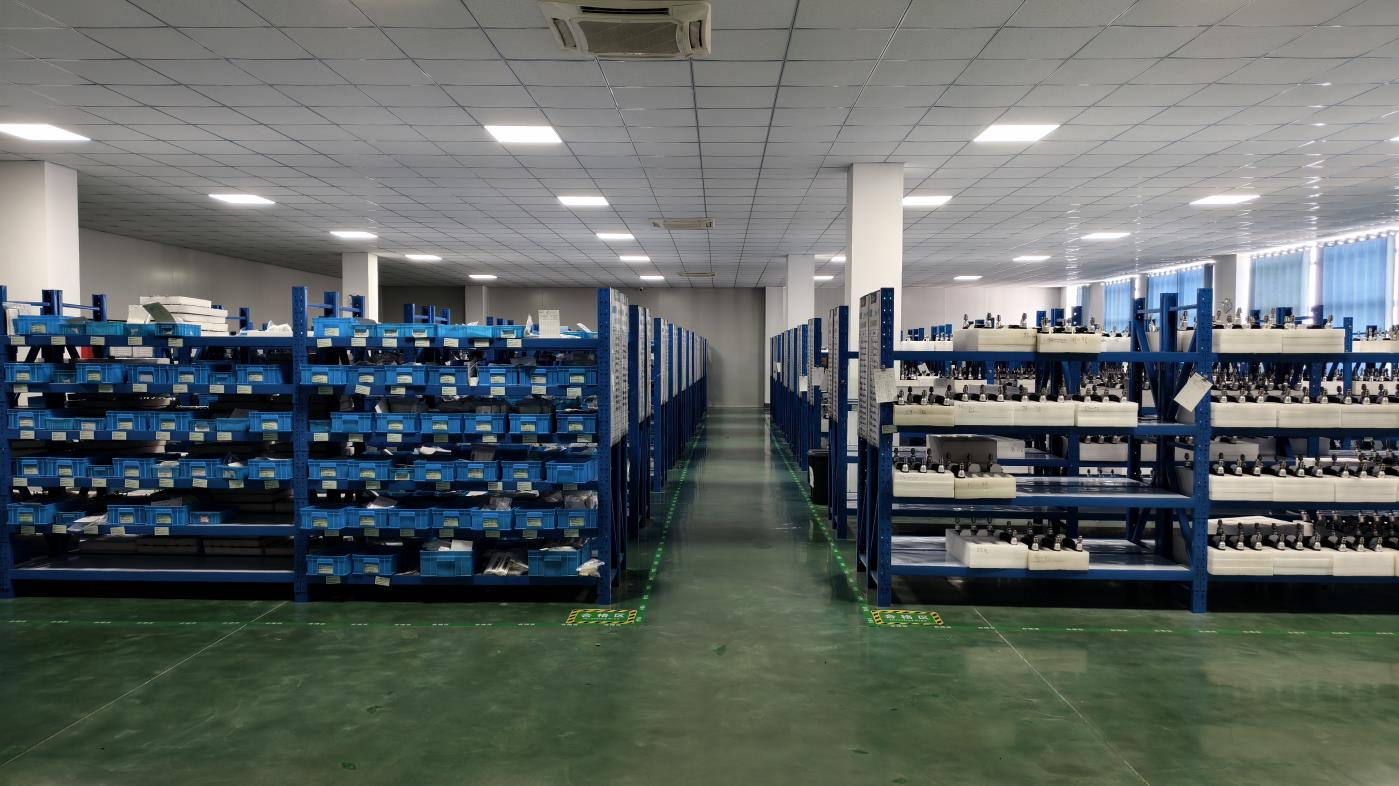
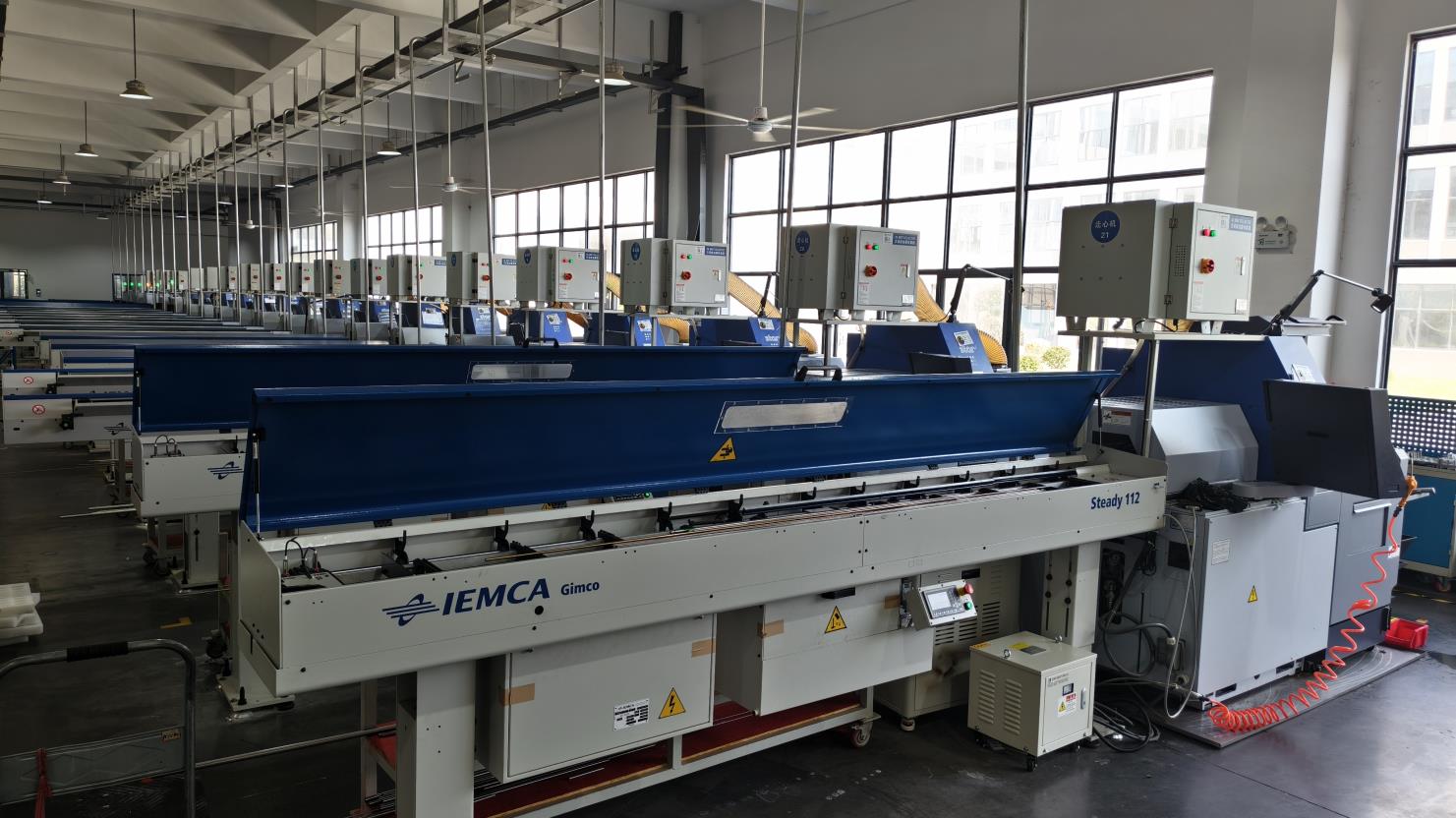
Ensuring every surgical tray meets global medical device distribution standards.
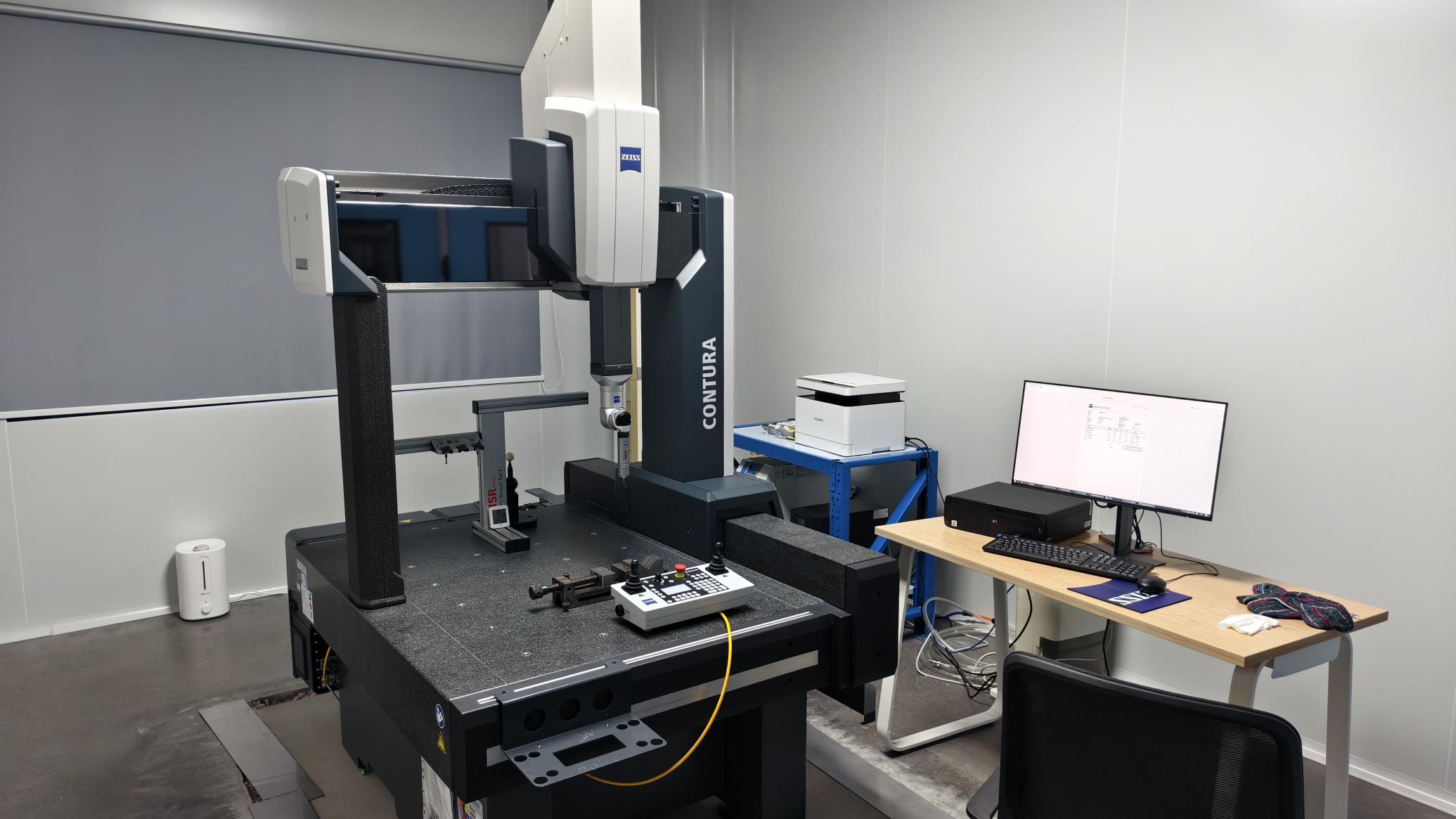
Our facility operates under an ISO 13485 quality management system. From raw material intake, we use optical emission spectrometry (OES) to verify that raw metal shipments match chemical composition specs for SS304, SS316L, or medical-grade aluminum.
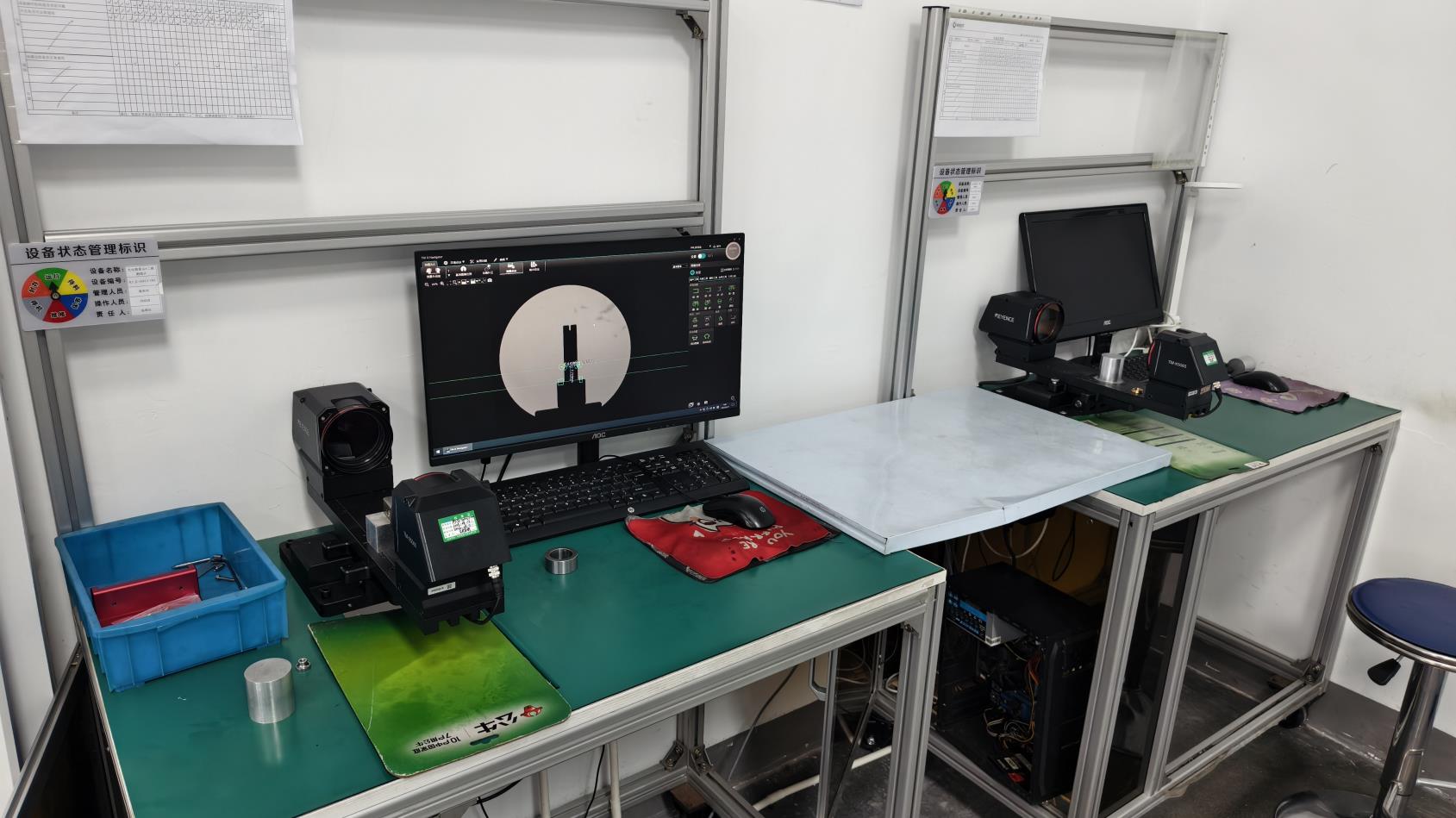
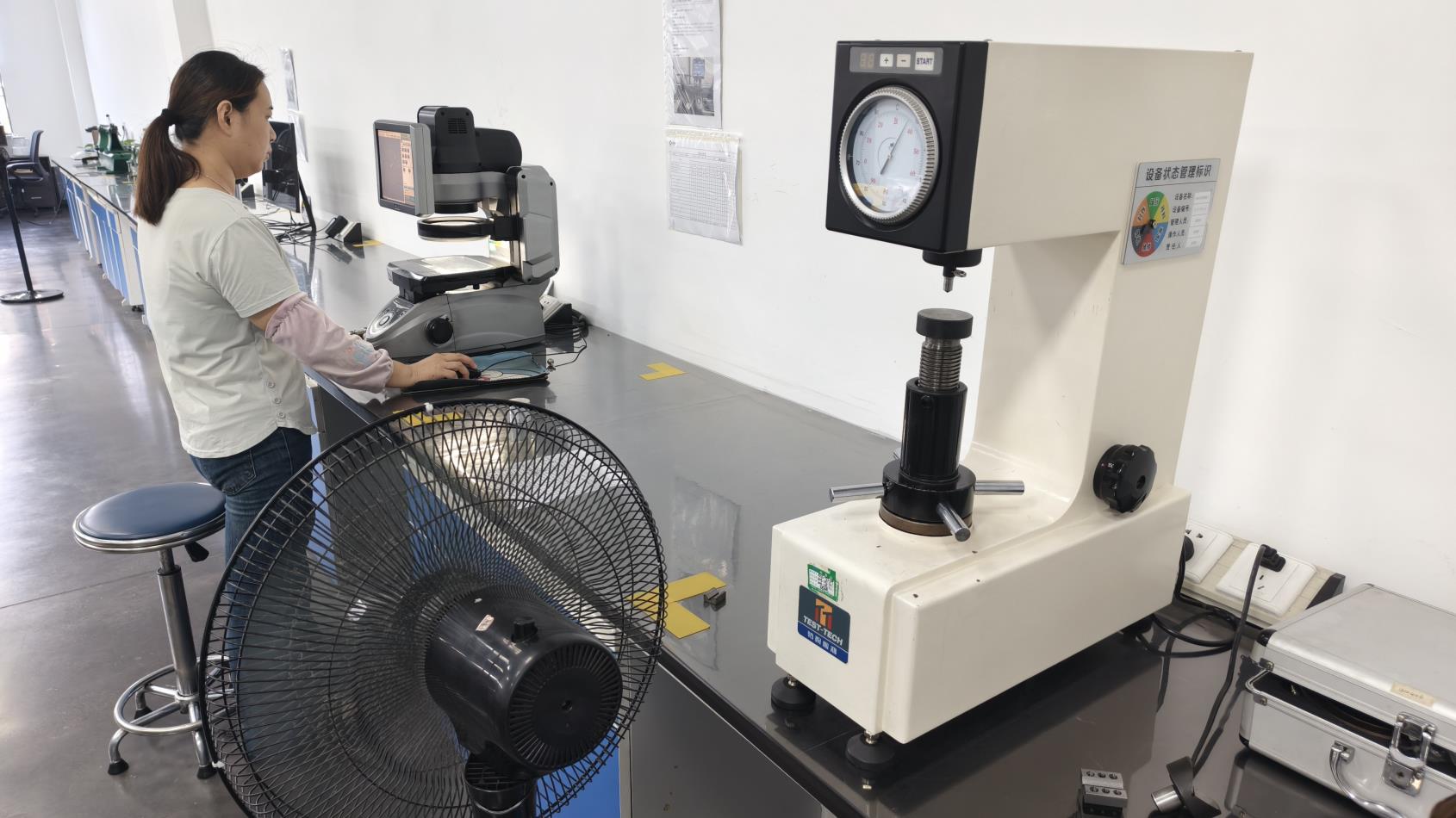
Every production run undergoes random quality audits, including mechanical strength testing and drop testing from heights up to 1.5 meters to check latch and hinge integrity. Additionally, we conduct simulated sterilization cycle stress testing (up to 500 consecutive autoclave rounds) to identify early signs of cosmetic or structural breakdown before shipping.
We guarantee full material traceability, providing raw material chemical mill test certificates and compliance documentation with every export shipment.
Selling orthopedic instruments internationally requires compliance with complex regional regulatory systems. Our designs match standard container configurations recognized by hospitals in North America, Europe, and Asia-Pacific markets.
Our sterilization container lines comply with ISO 11607-1/2 packaging requirements for terminally sterilized medical devices. We also assist OEM clients in preparing documentation for US FDA 510(k) applications, European Medical Device Regulations (MDR 2017/745), and local regulatory filings worldwide.
Efficient custom logistics, flexible MOQ frameworks, and OEM partnerships for worldwide medical device brands.
We accommodate various purchasing budgets by offering low MOQs for initial validation orders. This flexibility allows medical device distributors and veterinary brands to test custom tray layouts in local clinical markets before scaling production.
Our design team creates standard 3D CAD files within 48 hours of receiving instrument dimensional profiles. We then use 3D printing and CNC soft-tooling to deliver physical evaluation prototypes within 7 to 10 working days.
With years of export experience to North America, South America, and Southeast Asia, we handle custom clearance, sea/air cargo consolidation, and DDP shipping terms to ensure smooth delivery straight to your warehouse.
Get answers to common technical, material, and regulatory questions from our production engineers.
We recommend using 304-grade stainless steel for the tray body and structural components. 304 offers an optimal balance of tensile strength, ductility, and resistance to chemical corrosion during automated washing cycles. For specialized components, surgical cutting guide inserts, and fine tools, we use passivated 316L stainless steel, which contains molybdenum for added resistance to pitting in chloride environments.
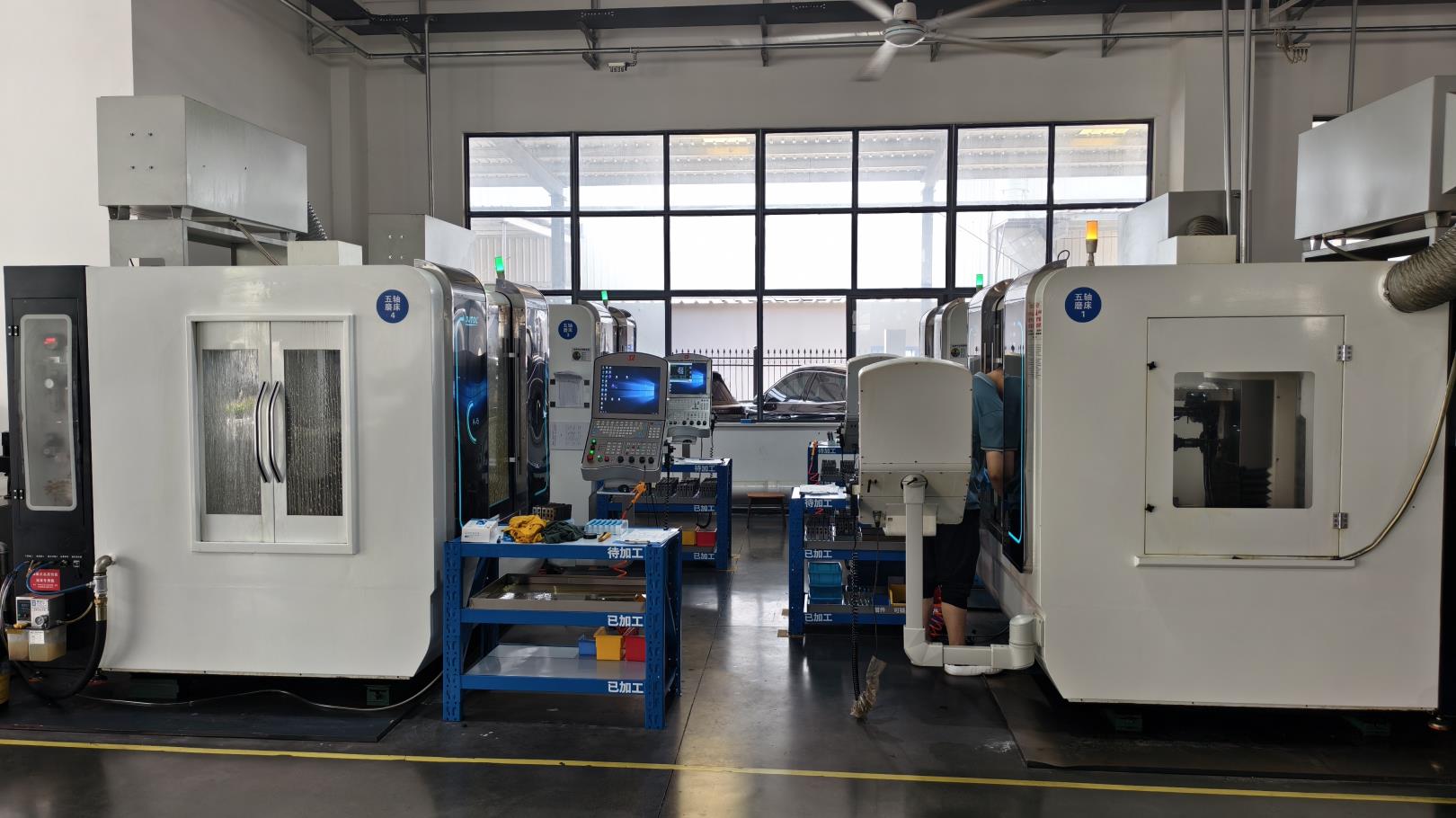
Anodized aluminum trays are lightweight and offer excellent thermal conductivity, which speeds up drying times and reduces condensation during autoclave cycles. However, they must be cleaned with pH-neutral detergents to prevent stripping the anodized layer. PPSU (Polyphenylene sulfone) cassettes are slightly heavier but highly resistant to high-pH alkaline cleaners and chemical sterilants, making them extremely durable over long operational lifespans.
Yes. Our engineering department uses CAD systems to design custom silicone holding brackets that secure proprietary orthopedic implants, titanium bone plates, and specialized drill bits. Simply provide your instrument dimensions or physical samples, and we will model, prototype, and manufacture custom-fitted trays tailored to your product lines.
Our medical trays are designed and validated to withstand standard sterilization processes, including high-temperature pre-vacuum steam autoclaving (typical parameters: 132°C–134°C for 4 to 18 minutes), low-temperature Ethylene Oxide (EtO) gas exposure, and Hydrogen Peroxide (VHP) gas plasma sterilization. However, please consult our engineering team regarding anodized aluminum compatibility before using high-concentration VHP cycles, as some plasma formulations can degrade aluminum finishes over time.
For standard configurations in our catalog, we ship within 15 to 20 days. For custom OEM designs requiring layout development, silicone tooling design, and specialized anodized run colors, the typical timeline is 30 to 45 days. This includes production engineering, physical QA testing, and final quality control documentation preparation.
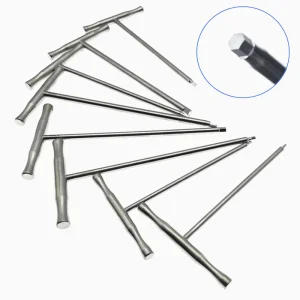
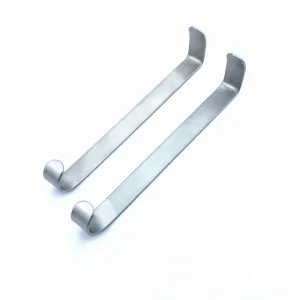
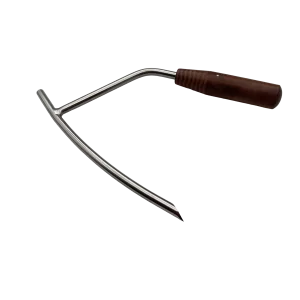
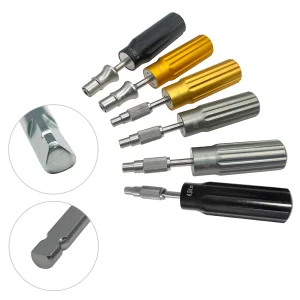
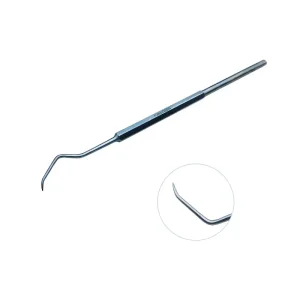
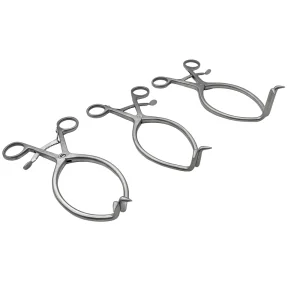
Complete surgical tool configurations designed to fit our sterilization container lines.