SENJIE Healthy & Technology
SENJIE Healthy & Technology
SENJIE Healthy & Technology
Explore our high-precision surgical instruments manufactured from medical-grade alloys and configured to meet the stringent demands of modern clinical theaters.
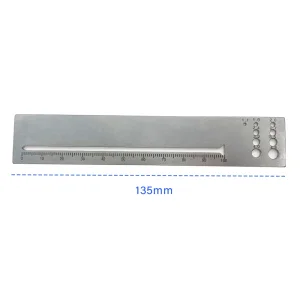
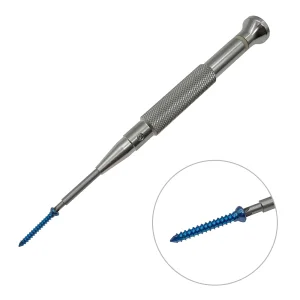
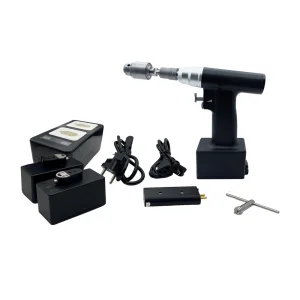
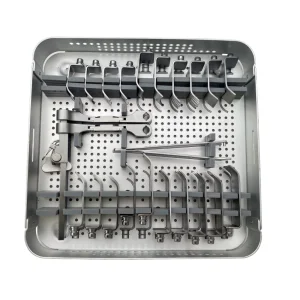
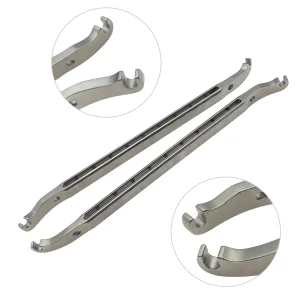
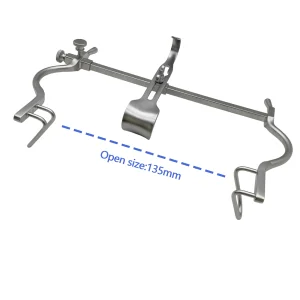
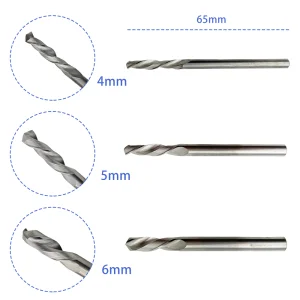

A technical white paper on raw material traceability, advanced machining tolerance, and surgical performance validation in orthopedic instrumentation.
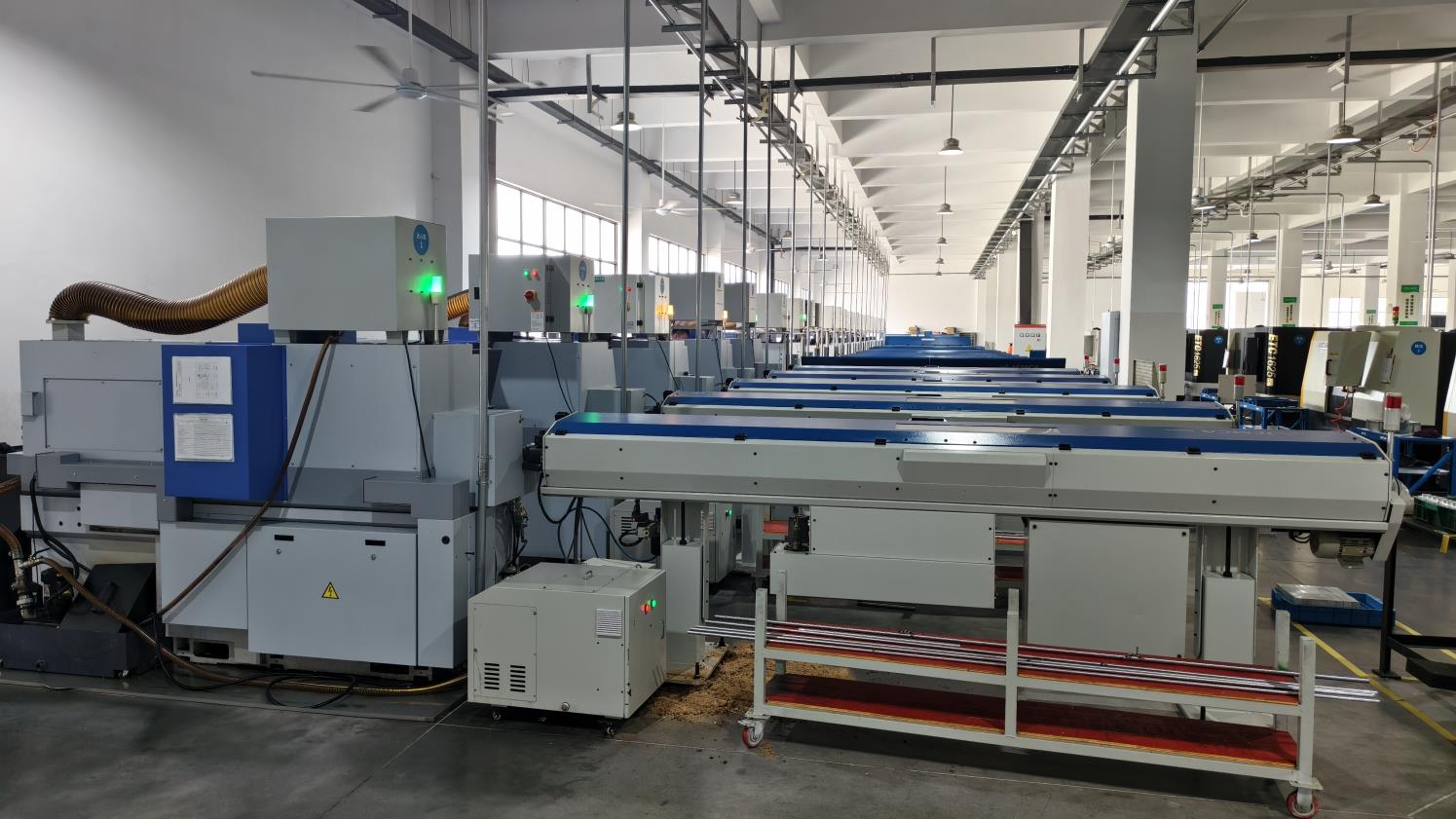
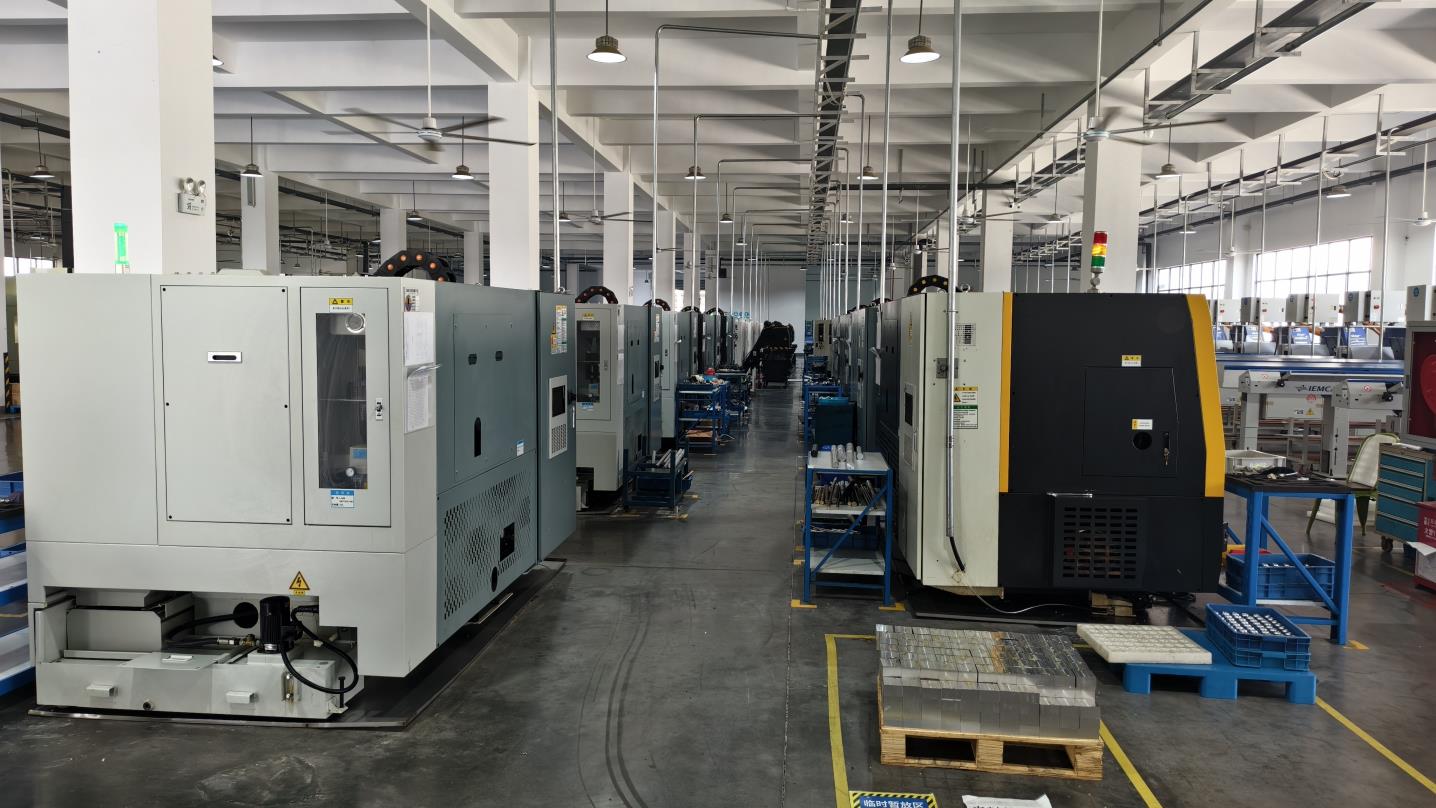
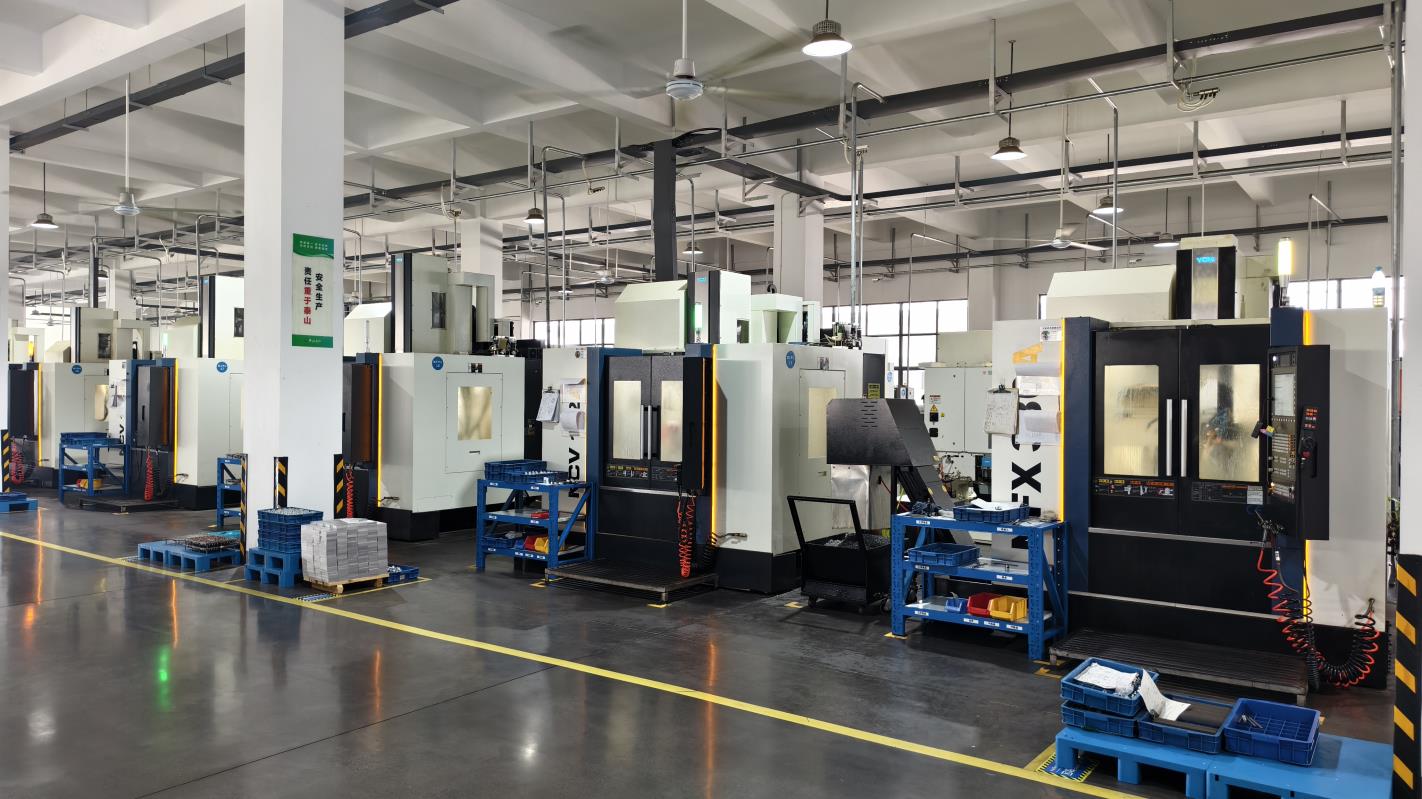
The global orthopedic devices and fixation tools sector is undergoing a rapid transition. Driven by the rising demand for minimally invasive surgery (MIS), patient-specific implants (PSIs), and heavy clinical dependencies on mechanical reliability, manufacturing orthopedic instruments is no longer just about shaping metal. In China’s leading production corridors, factories have transformed from simple forging shops into automated hubs using multi-axis CNC machining, micro-EDM (Electrical Discharge Machining), and robotic passivation.
Our manufacturing facility represents this technological leap. Established to support international distributors, hospitals, and medical device brands, we maintain a baseline tolerance of less than 5 microns on critical dimensions for instruments such as bone drills, tap guides, and spine distraction sets. Raw materials are sourced exclusively from mills that provide chemical characterization certificates, verifying the absolute purity of titanium alloys (Ti-6Al-4V ELI) and surgical stainless steels (316L, 440C, 17-4 PH).
Medical supply chains demand strict risk control. Hospital procurement networks and global brands look for partners who can handle large-scale manufacturing while meeting complex regional medical standards. According to our trade database, 25% of our annual production goes to North America, 25% to South America, and 15% to Southeast Asia. This footprint requires a deep understanding of local compliance frameworks, including FDA registration processes, CE MDR certification, and ANVISA requirements.
Procurement managers face three primary issues when sourcing from overseas:
Export Experience
Strict QA/QC Team
Traceable Raw Materials
Western & American Markets
Developing top-tier orthopedic tools requires balancing hardness, elasticity, and corrosion resistance. Surgical instruments must stay sharp and retain their mechanical properties through hundreds of uses. The table below outlines the materials we use for our premium products:
| Product Class | Common Materials | Critical Processing Technology | Sterilization Compatibility |
|---|---|---|---|
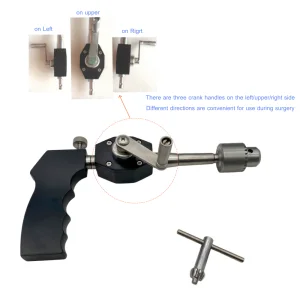
| Surgical Power Tools (Bone Drills, Cranial Mills) | AISI 316L, 440C, Aviation Grade Al-Alloy | Brushless DC motor integration, hermetic sealing, dynamic rotor balancing | Autoclavable (134°C / 273°F), ETO, Plasma Gas |
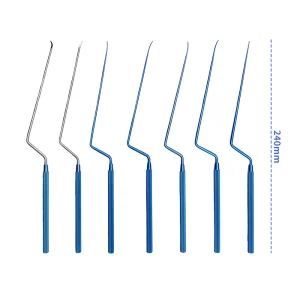
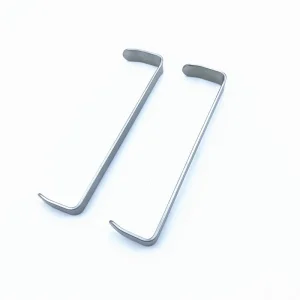
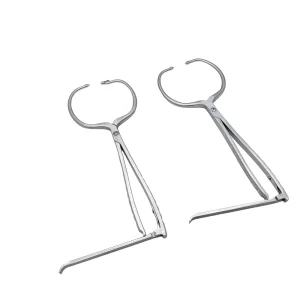
| Spinal Instruments (Cervical Retractors, Rod Benders) | Ti-6Al-4V ELI (Grade 23), AISI 304, 316L | CNC milling, surface passivating, electro-polishing, matte finishing | Autoclavable, resistant to repeated saline exposure |
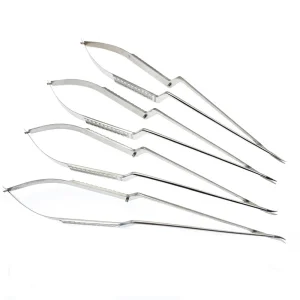
| Micro-Surgical Tools (Nerve Knives, Spatulas) | Titanium Alloy, Grade 5, Custom Tungsten inserts | Micro-precision EDM wire cutting, diamond blade sharpening, anodizing | Delicate cycle autoclaving, dry heat |
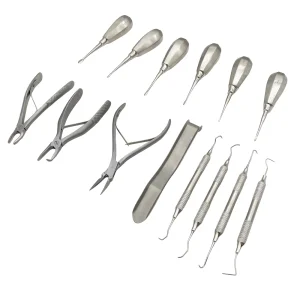
| Veterinary Orthopedic Tools (Tibial Plateau Forceps) | Stainless Steel (AISI 420 & 304) | Forging, vacuum hardening, surface hardness reinforcement | Autoclavable, chemical liquid sterilizers |
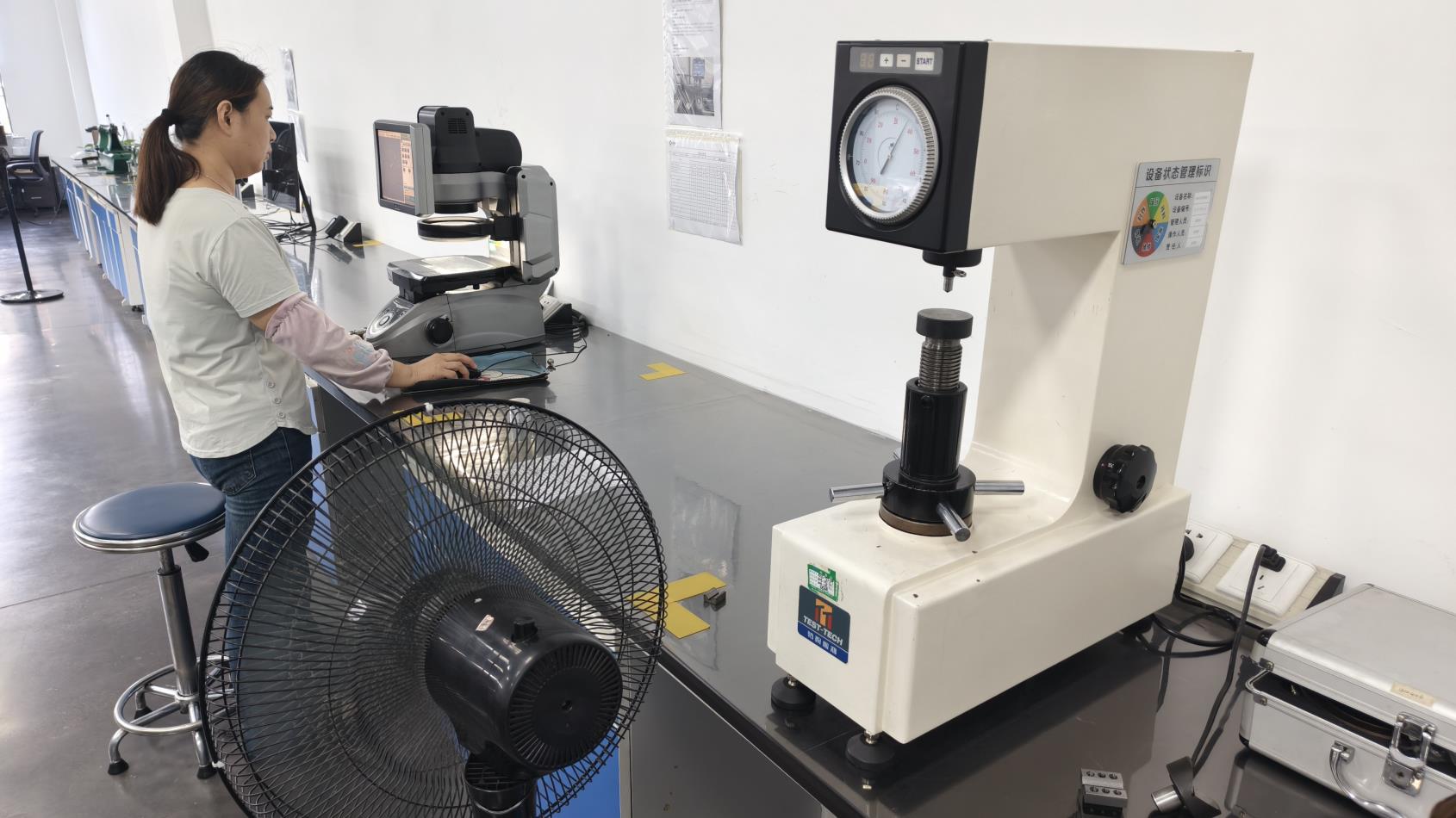
By using advanced heat treatments, we achieve rockwell hardness levels up to 48-52 HRC in our surgical instruments, preventing deformation when shaping tough steel or titanium implants. For cutting instruments like micro scissors and drills, we use tungsten carbide tips to extend edge life and maintain clean, precise cuts.
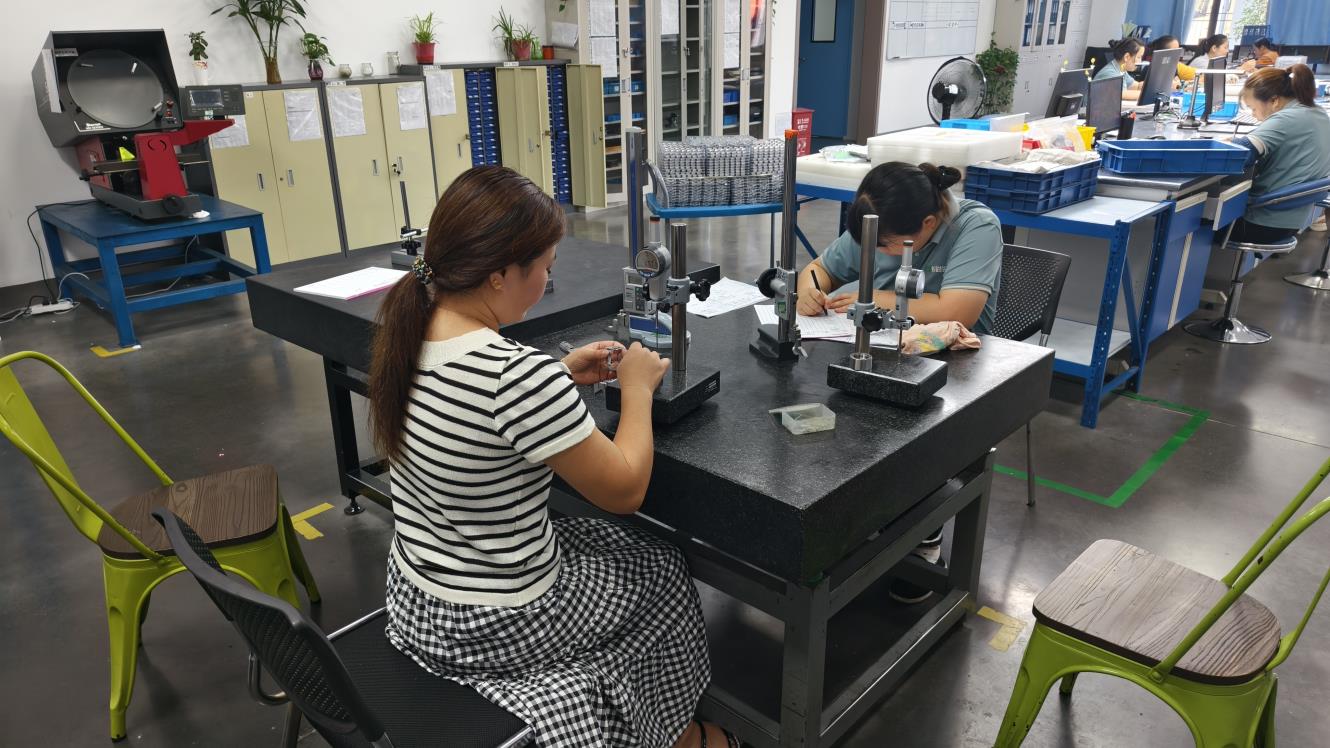
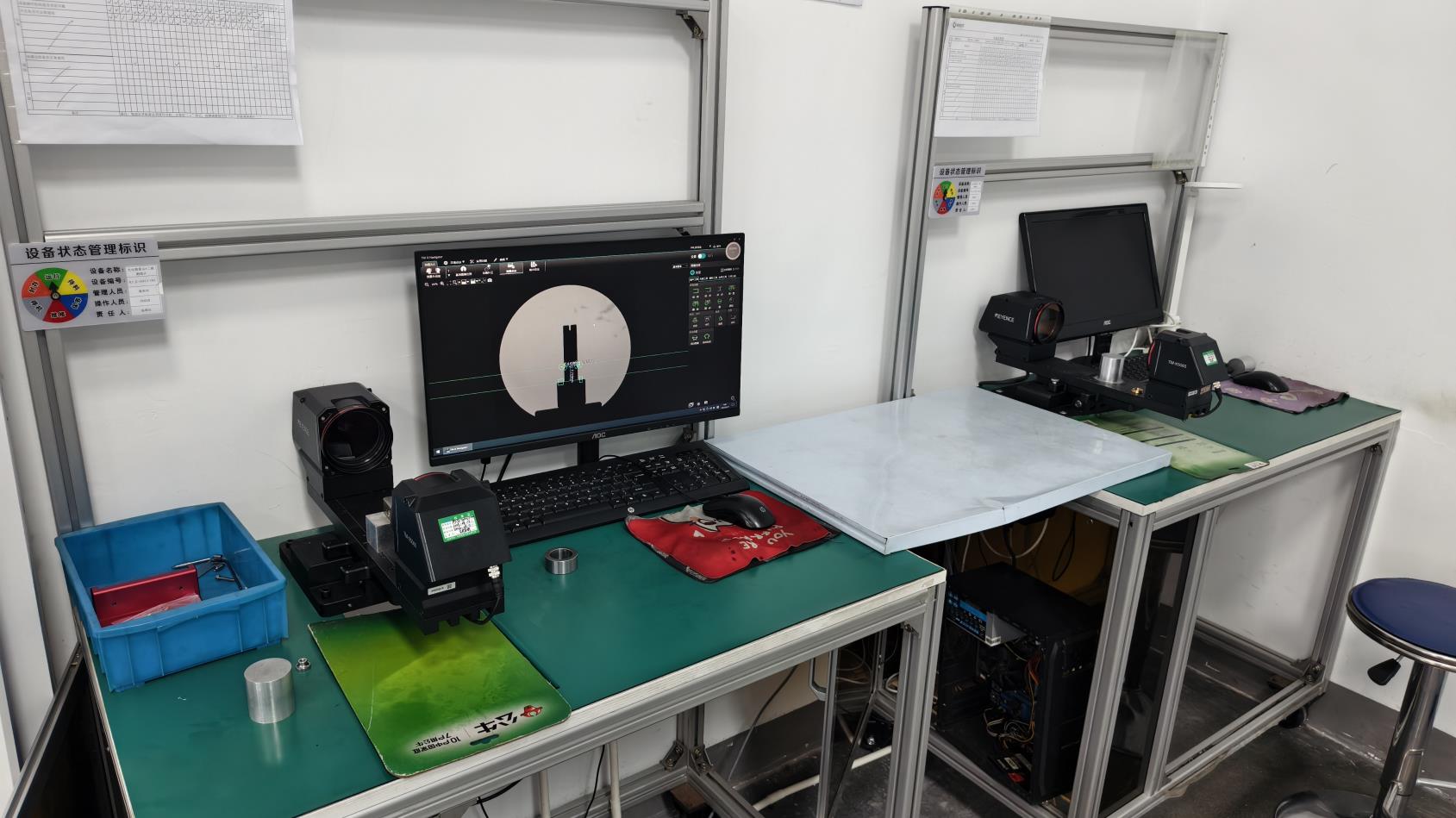
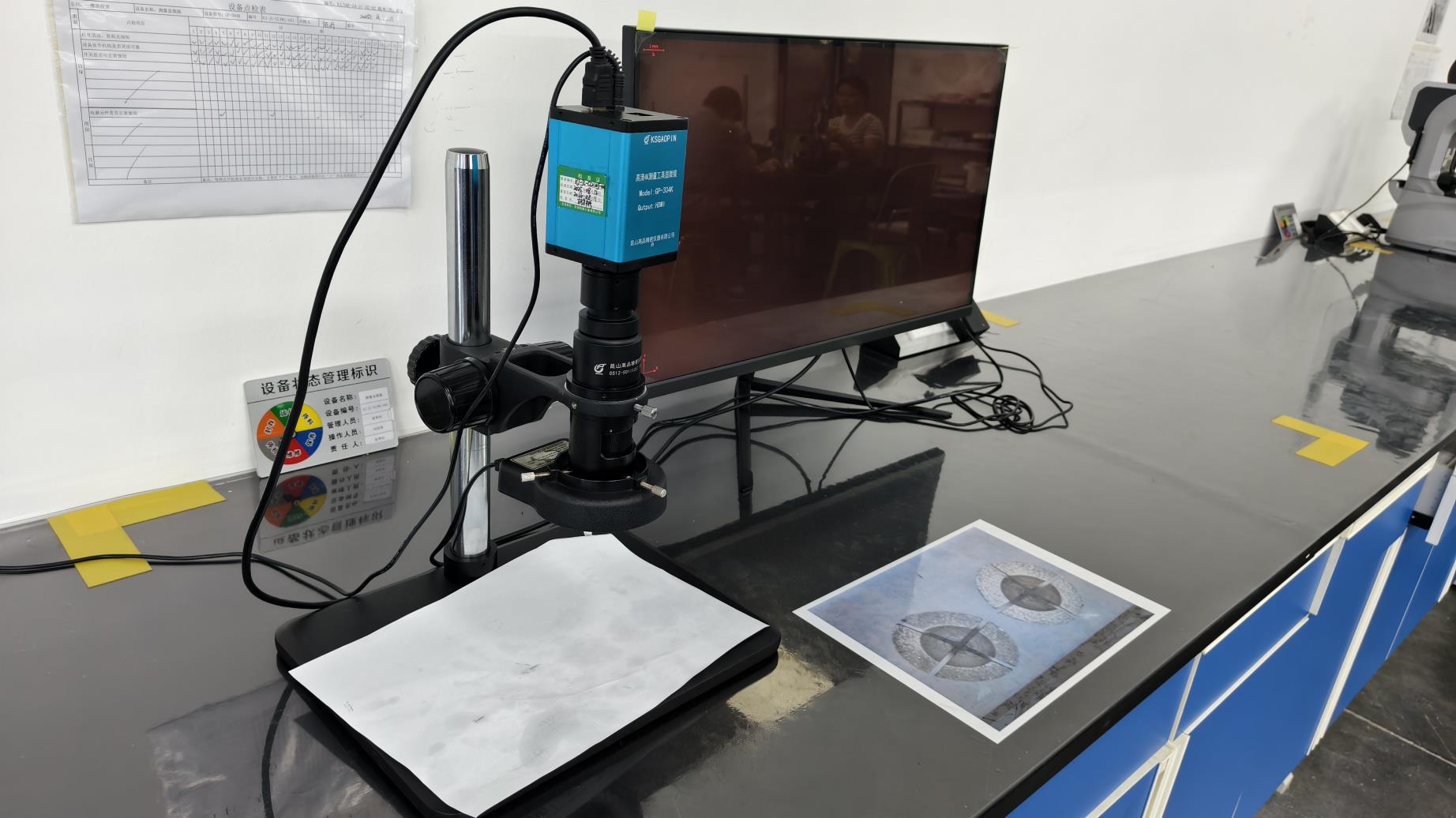
Under our QA/QC system, we employ 3 dedicated QC inspectors who oversee every phase of production. We use a dual-phase inspection process: a random check during machining, followed by a 100% final inspection for critical dimensions and structural integrity.
Every shipment is accompanied by a material test report (MTR) showing the alloy's chemical and mechanical properties. This ensures our clients in North America and Europe can trace every batch back to its raw material source. Additionally, our chemical passivation line applies a protective chromium-oxide layer to stainless steel tools. This process removes free iron from the surface, preventing rust and corrosion during autoclaving.
How we combine advanced materials, precision engineering, and strict compliance to deliver surgical instruments worldwide.
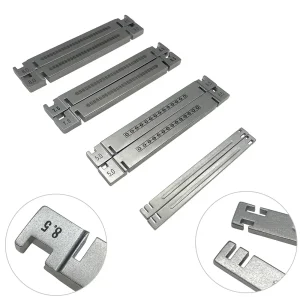
Using 5-axis CNC machining, we manufacture orthopedic measuring rulers, benders, and retractors to tolerances under 5 microns, ensuring reliable performance in the operating room.
We source medical-grade titanium and stainless steel with mill certifications. Every product batch is documented from raw metal to the final passivated instrument.
We supply distributors, OEM brands, and veterinary hospitals in North America, South America, and Southeast Asia, ensuring all products meet regional import standards.
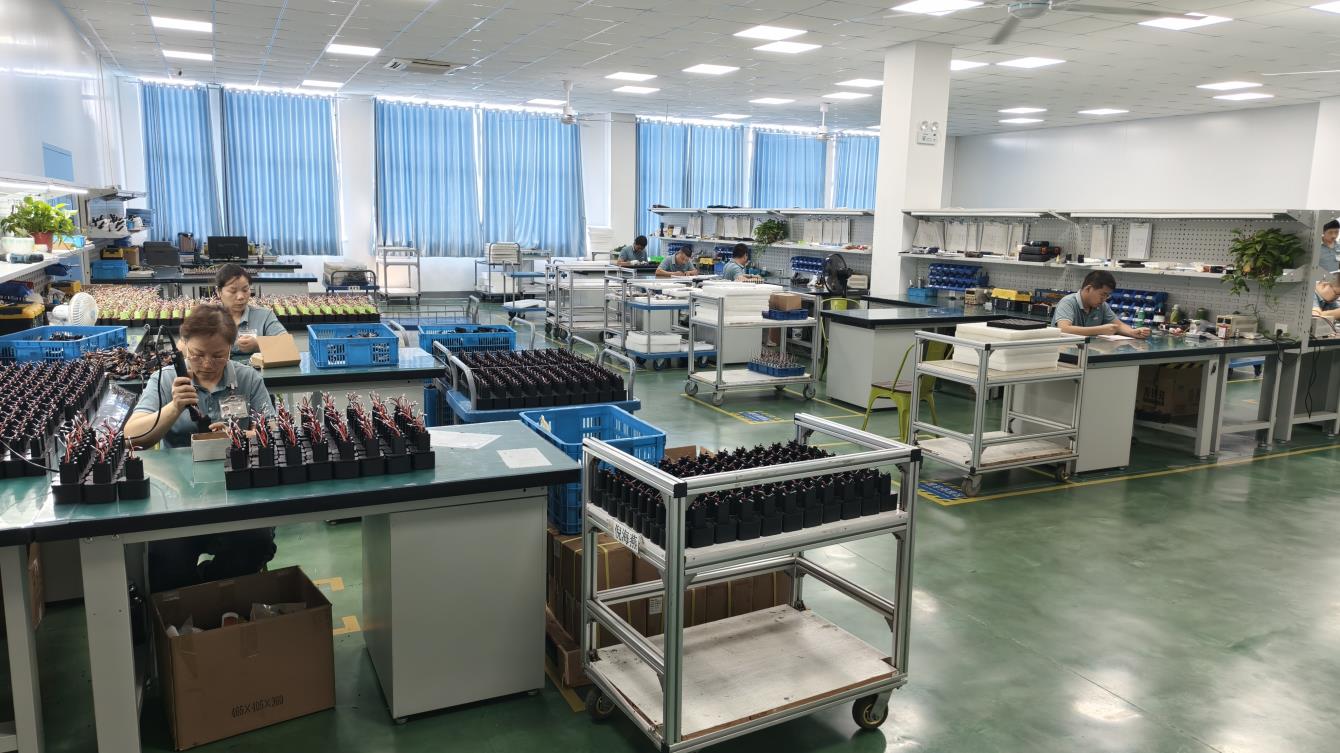
A closer look at our machining workshops, quality control labs, testing equipment, and production lines.

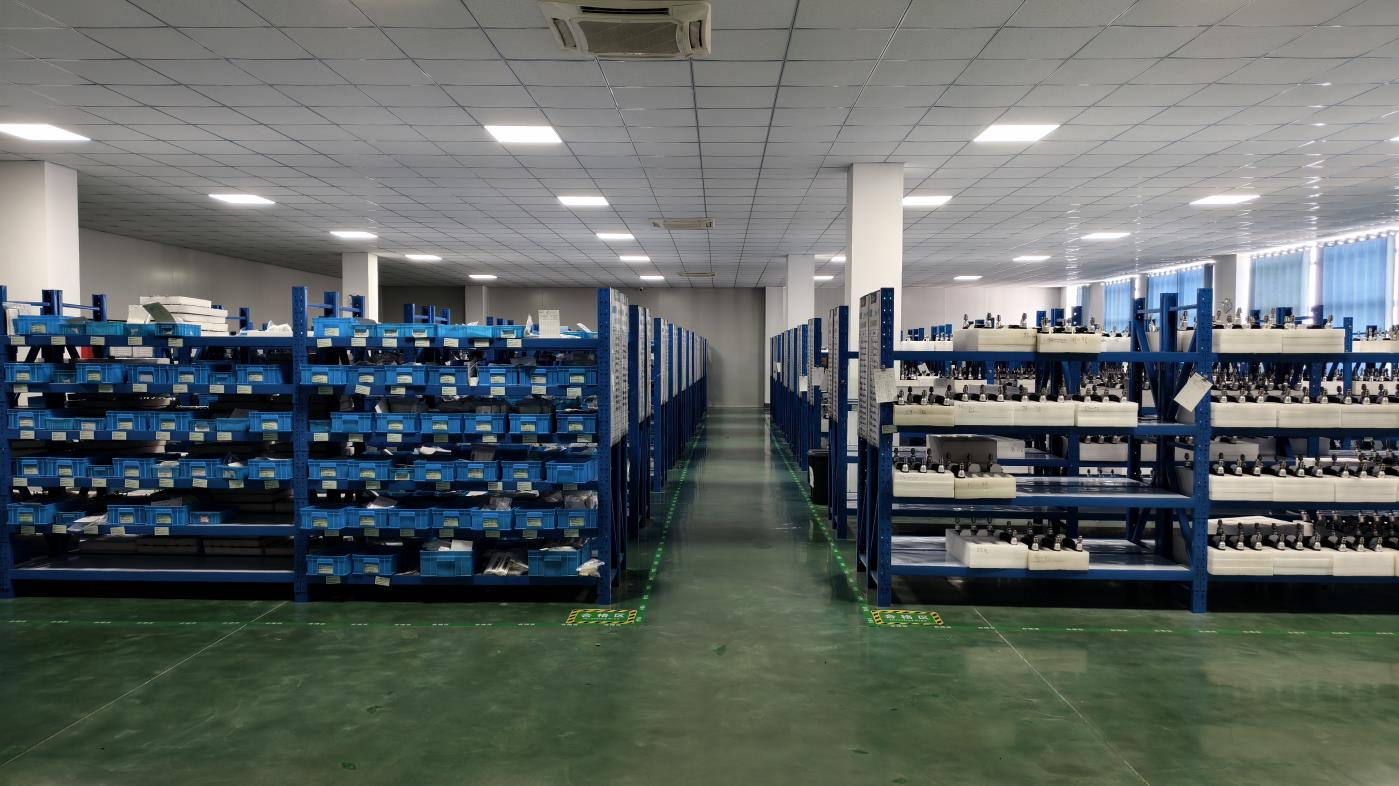
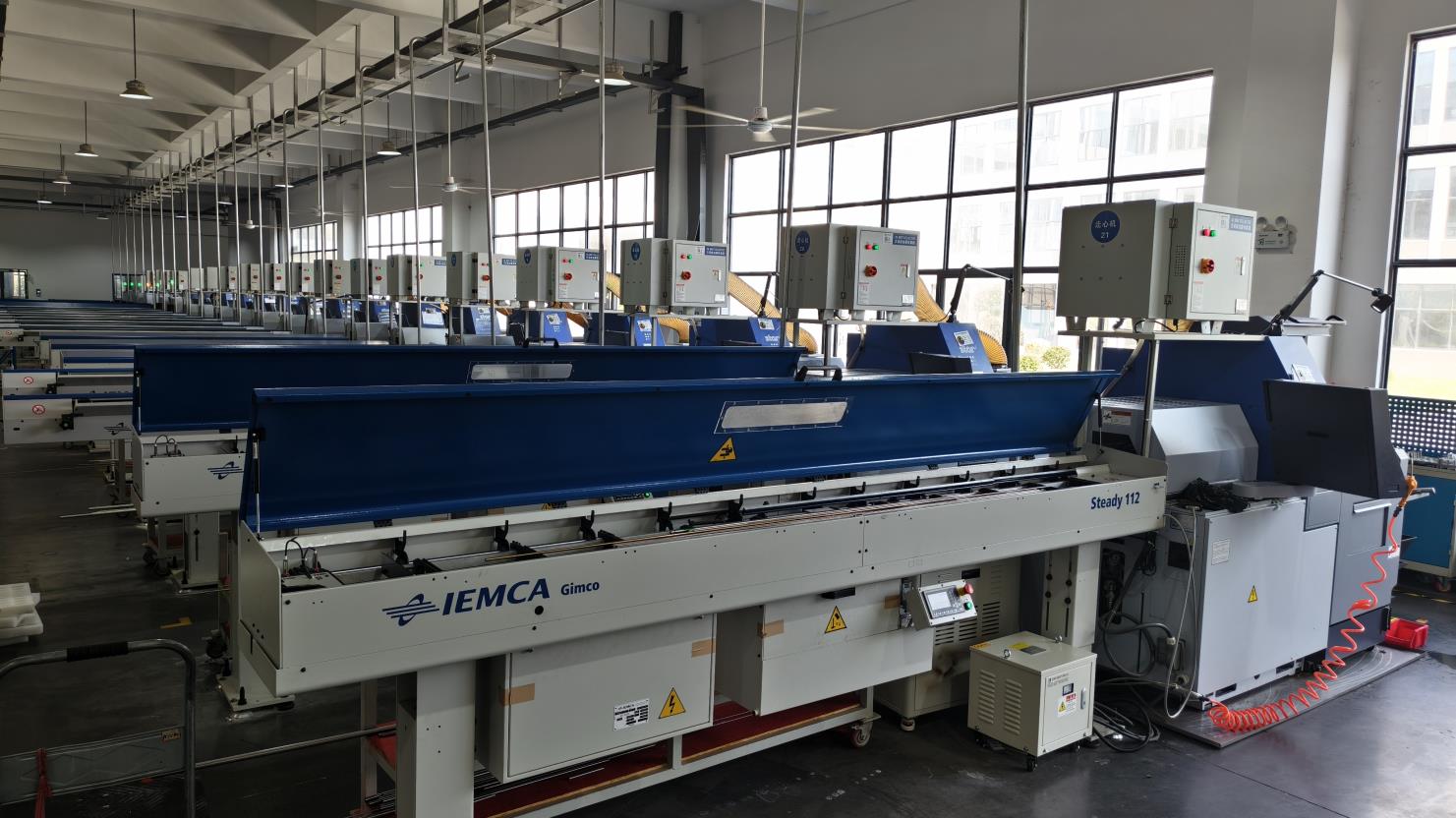
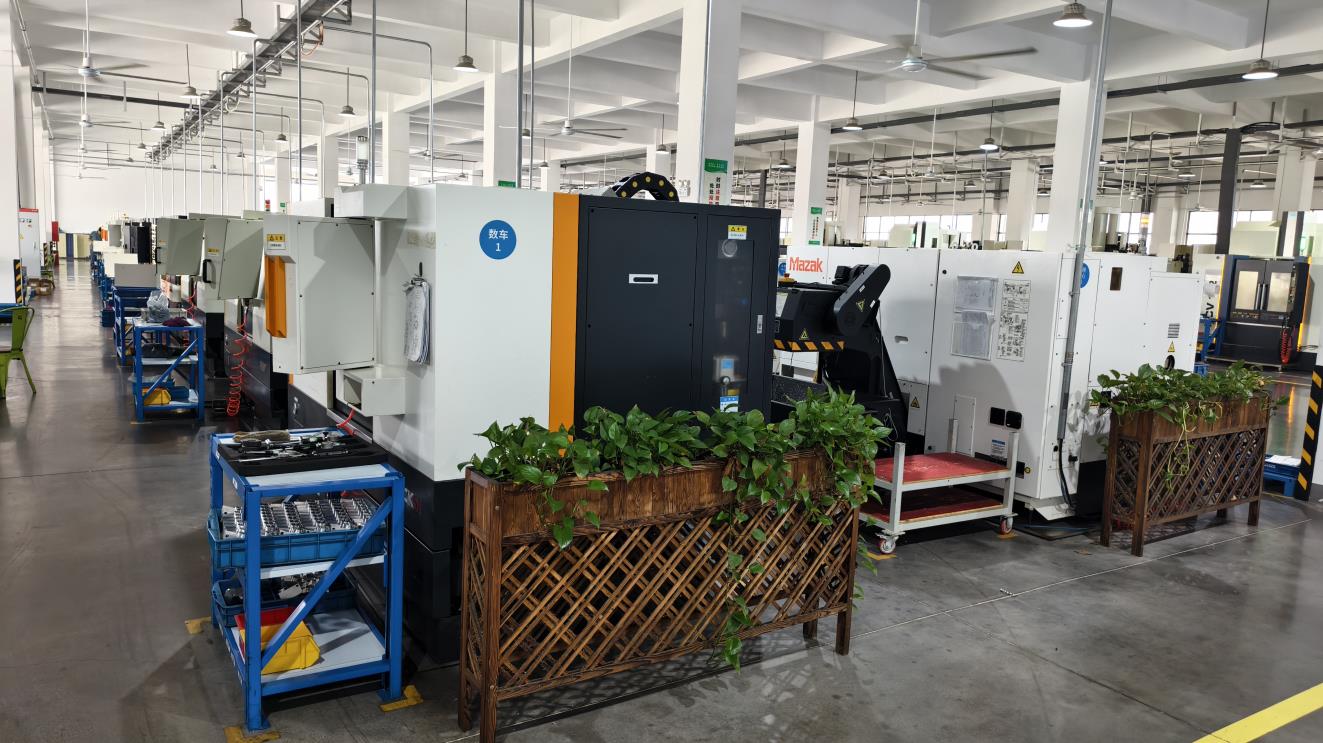
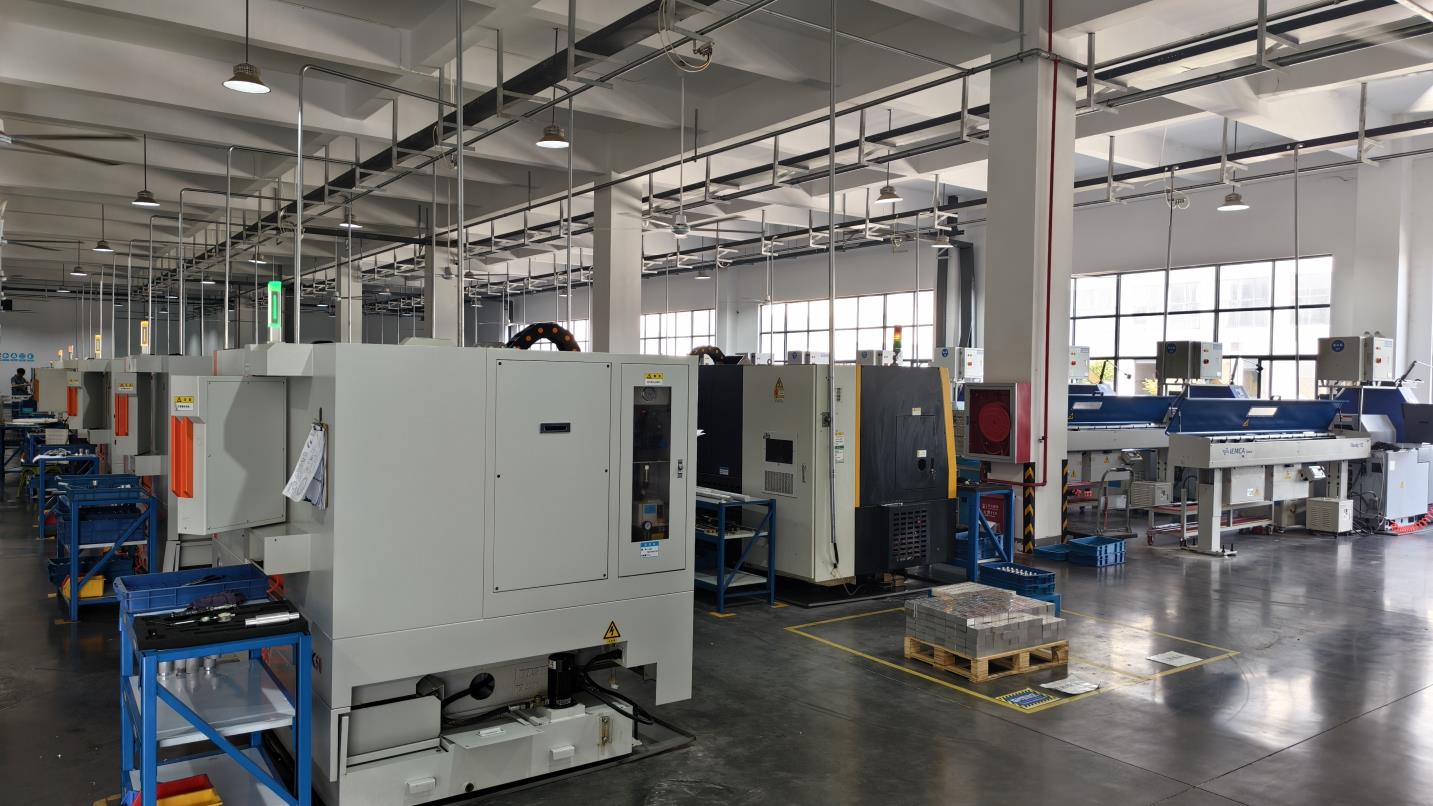
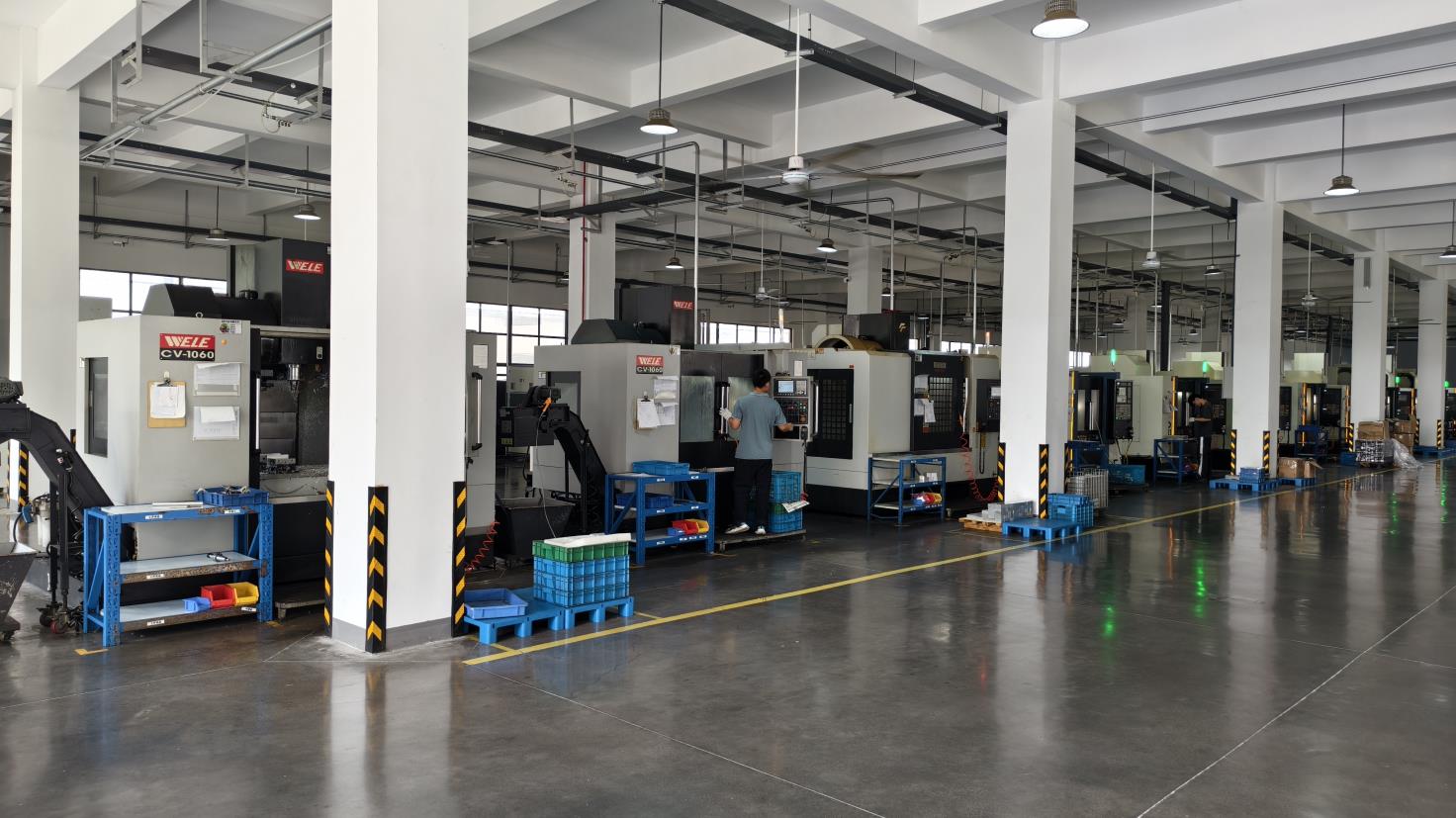
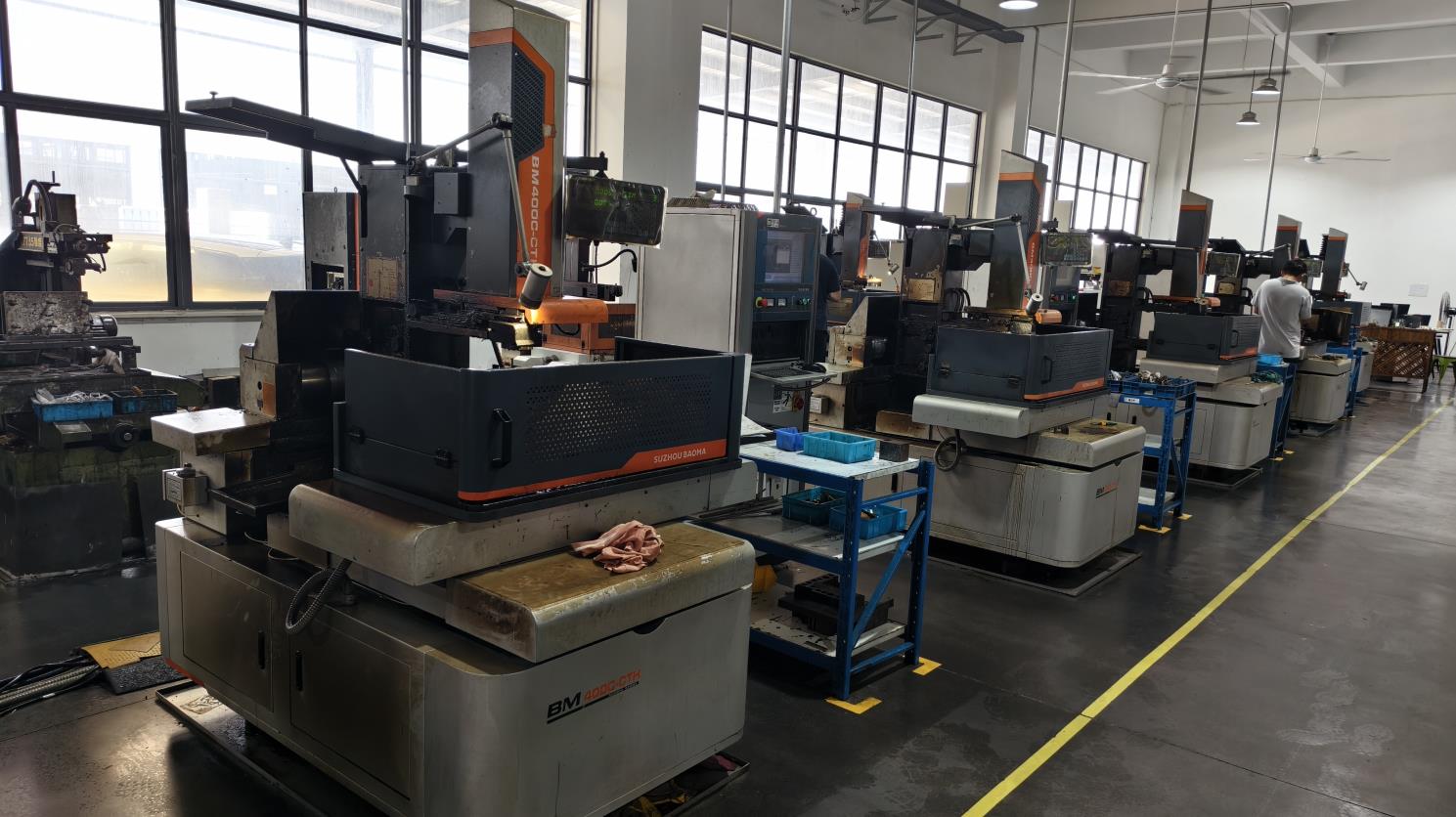
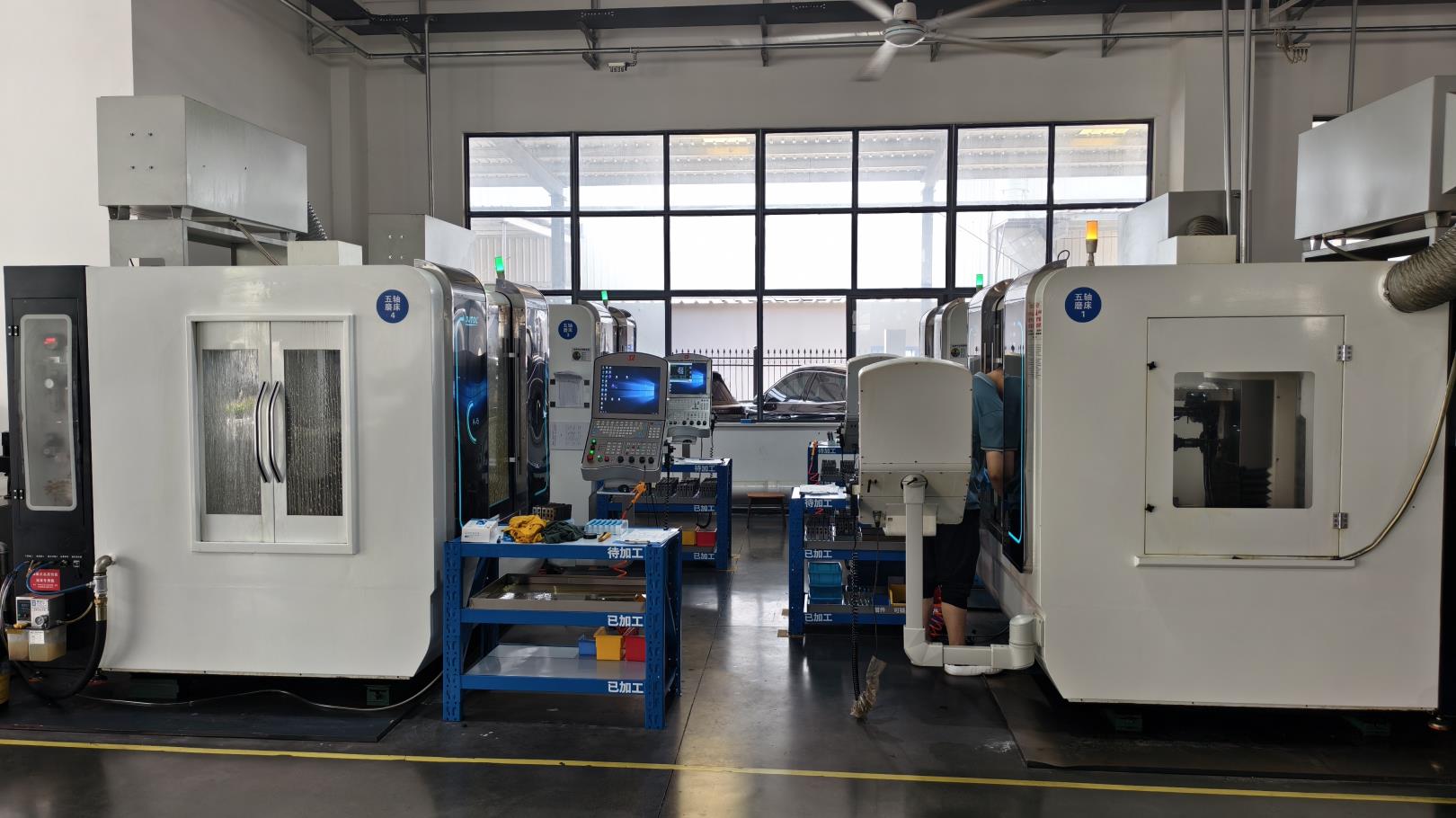
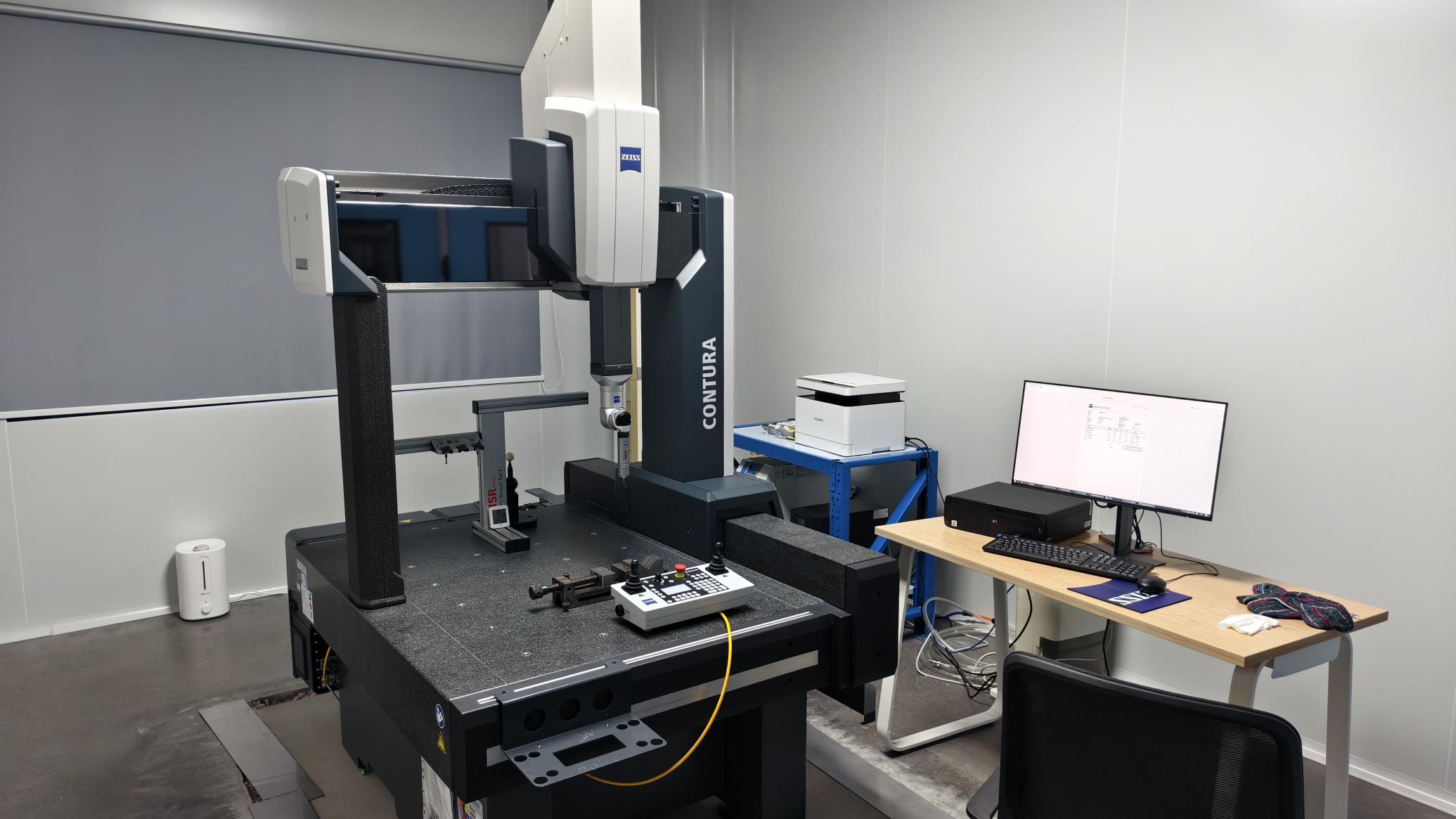
The next generation of orthopedic instruments is shifting toward smart, lightweight, and navigated systems. Minimally invasive surgeries require tools that provide tactile feedback and high visibility under fluoroscopy.
To meet these needs, our engineering department is focusing on three main areas:
Answers to common questions about customization, materials, sterilization, and international compliance from our engineering and sales teams.
High-precision tools for spinal, neuro, and veterinary surgeries, engineered for durability and tactile control.