SENJIE Healthy & Technology
SENJIE Healthy & Technology
SENJIE Healthy & Technology
High-precision orthopedic, arthroscopic, and micro-nerve surgical components manufactured with strict regulatory compliance and material certification.
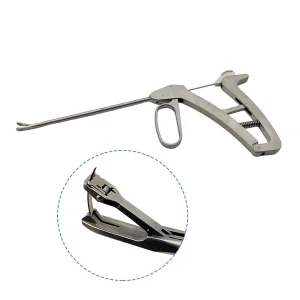
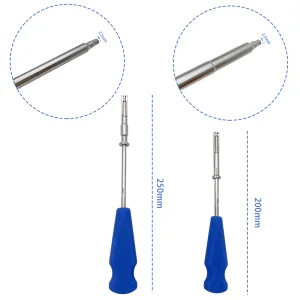
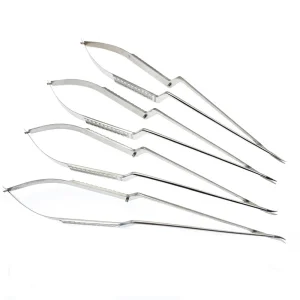
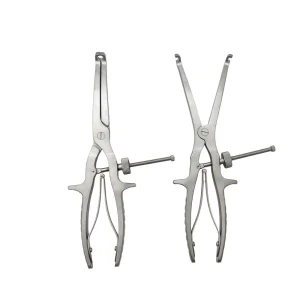
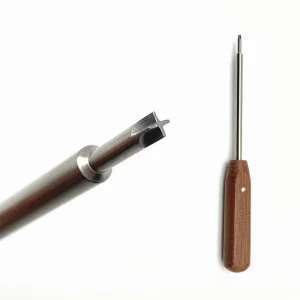
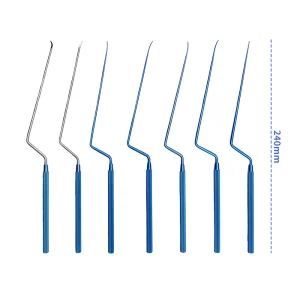
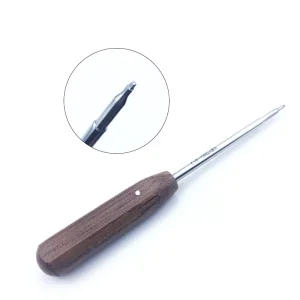
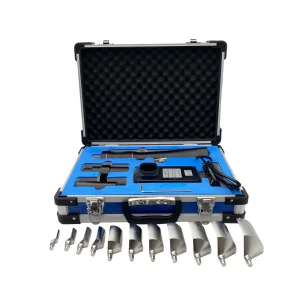
Utilizing high-grade surgical stainless steel (SUS420J2, 316L) and specialized Tungsten Carbide (TC) inserts to deliver reliable gripping tension, preventing suture slippage during complex surgical closure.
Providing custom development through detailed graphic processing, physical sample replication, and specialized surface finishes (gold-plated rings, sandblasted anti-glare profiles) to meet specific OEM needs.
100% material traceability from batch smelting to final passivation. Inspected strictly using random sampling alongside client-specific validation methods managed by 3 full-time internal inspectors.
Modern surgical operations demand high physical performance from manual instruments. Among these, the surgical needle holder (also known as a needle driver) serves as the primary interface between the surgeon's hand and the suture material. A minor error in holding tension, hinge resistance, or surface finish can compromise suture integrity and patient outcomes.
As international medical markets shift toward highly precise and reliable supply chains, procurement teams look to leading Chinese manufacturers to balance cost-efficiency with high technical quality. This guide details the metallurgical engineering, manufacturing processes, and quality control systems that define standard surgical instrumentation.
The performance of a needle holder depends heavily on its metallurgy. Surgical environments require materials that resist corrosion, sustain high mechanical stress, and maintain their physical dimensions over hundreds of autoclave sterilization cycles. Top manufacturers rely on two primary materials:
For high-frequency surgical environments, standard steel jaws can wear down quickly. To extend instrument life, premium manufacturers embed Tungsten Carbide (TC) inserts into the jaw faces. With a hardness rating of over 70 HRC, these inserts are brazed onto the jaws using vacuum furnace technology. This ensures the grip remains sharp and secure, preventing suture slippage and minimizing jaw wear.
Surgical procedures require different variations of needle holders. Factors such as suture size, anatomical depth, and target tissue structure dictate the specific jaw style, hinge design, and handle configuration needed:
| Instrument Class | Jaw Configuration | Primary Suture Range | Target Applications | Features / Options |
|---|---|---|---|---|
| Mayo-Hegar | Broad, cross-serrated jaw | 1-0 to 4-0 USP | General surgery, deep muscle suturing | Tungsten Carbide (TC) inserts, Gold handle loop |
| Castroviejo | Micro-fine jaw, straight/curved | 5-0 to 11-0 USP | Ophthalmics, Microsurgery, Vascular access | Spring-lock handle, Titanium construction |
| Ryder (French Eye) | Ultra-narrow jaw profile | 4-0 to 8-0 USP | Cardiovascular, distal arterial repair | Excellent visibility in tight surgical fields |
| Mathieu | Quick-release plier-style handle | 2-0 to 5-0 USP | Orthodontics, Veterinary wound closure | Serrated handle grip for fast ratchet cycling |
| Olsen-Hegar | Integrated cutting scissor blades | 2-0 to 4-0 USP | Veterinary outpatient, rapid suturing | Combines grip and cutting, reduces tool swaps |
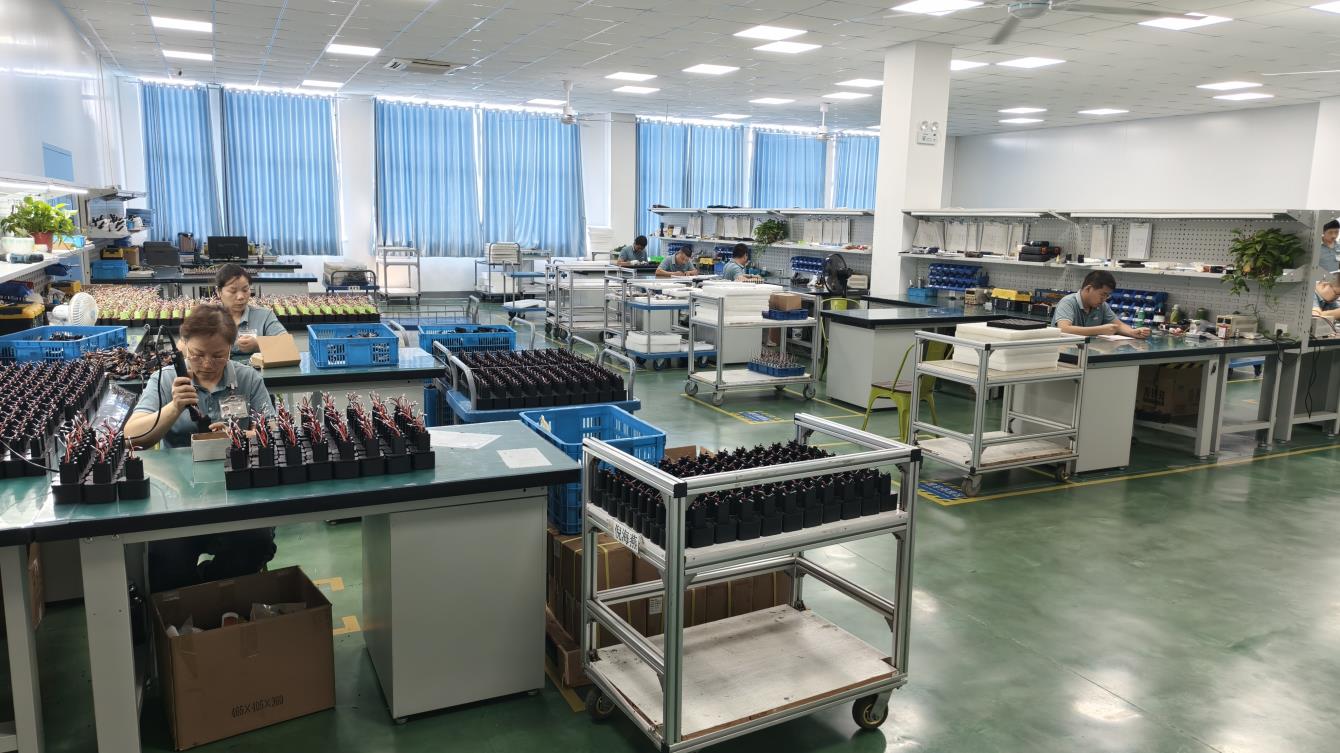
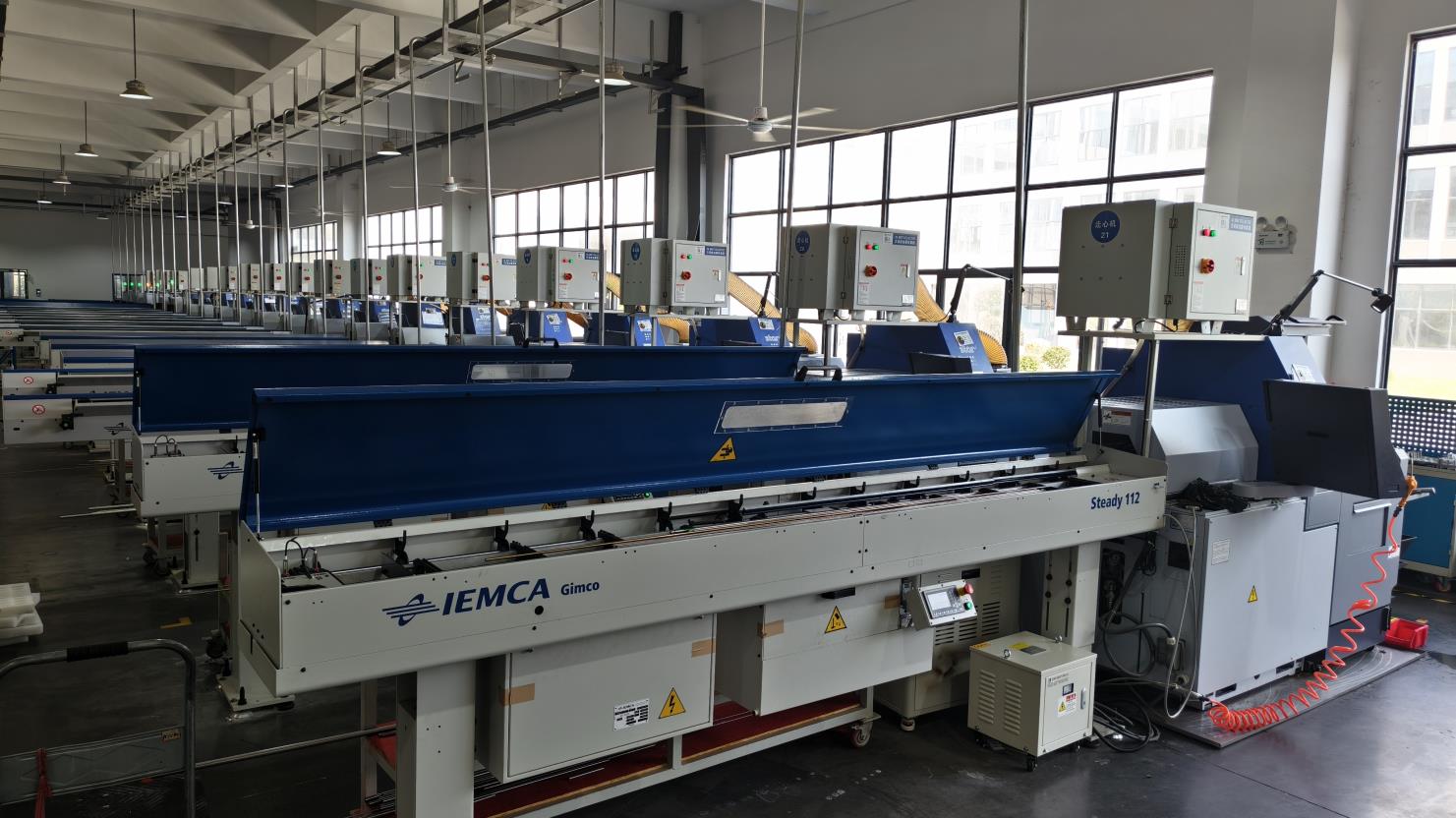
Leading Chinese medical instrument factories utilize precise manufacturing steps to meet international medical standards:
Operating transparently under international quality guidelines, supporting global supply chains with traceabile production and custom OEM capabilities.
Our facility serves a diverse global client base, including brand businesses, healthcare retailers, international wholesalers, and private medical practices. Distribution is split across key global regions:
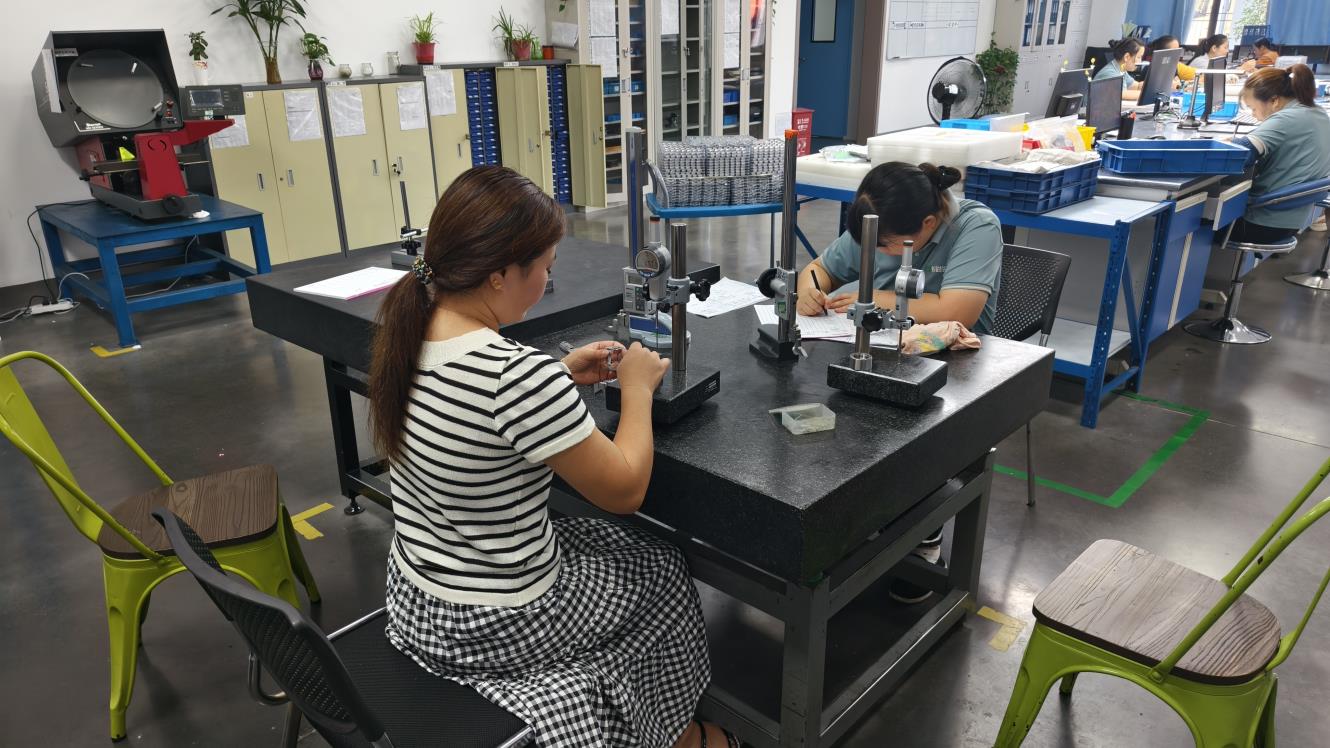
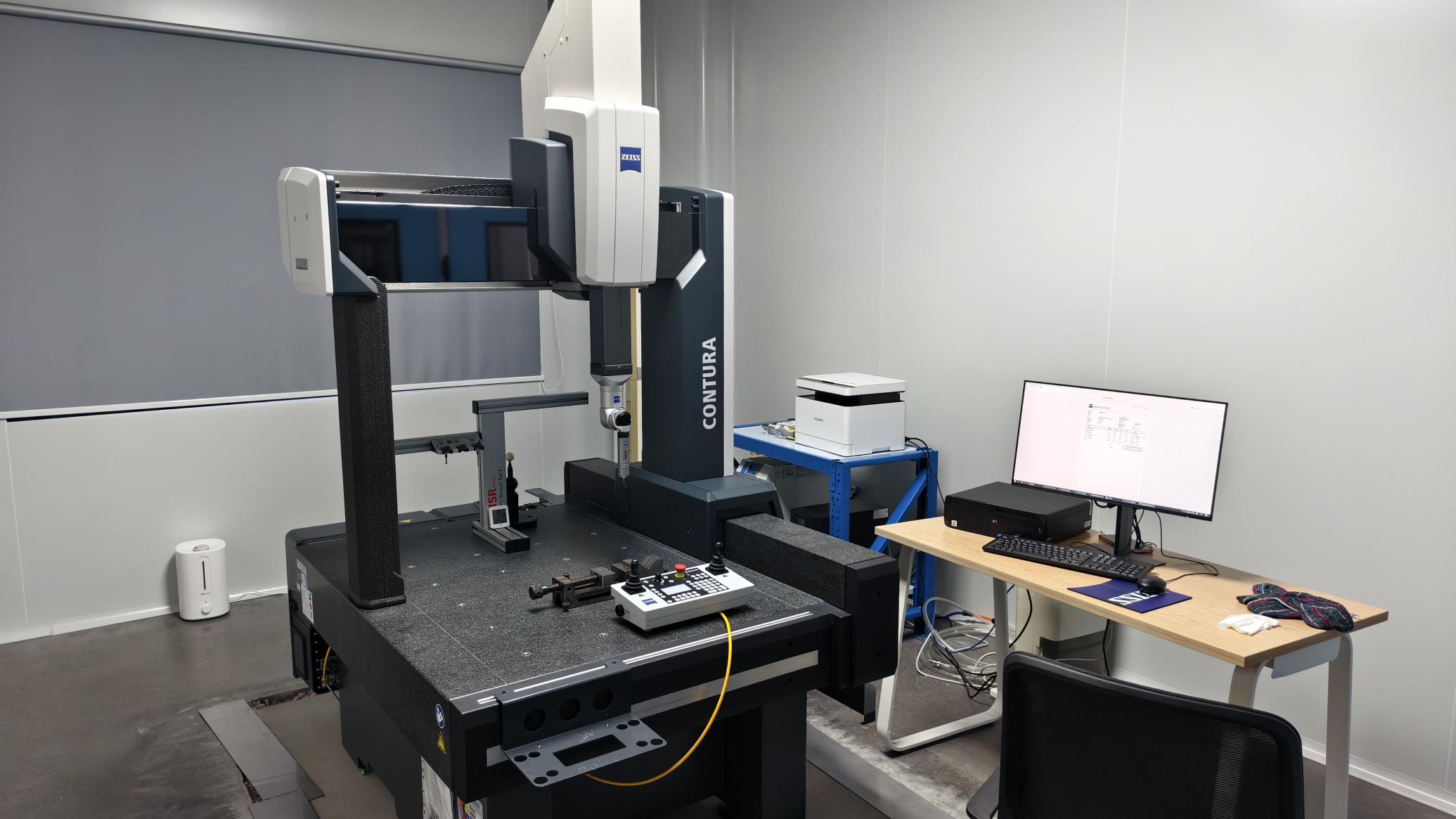
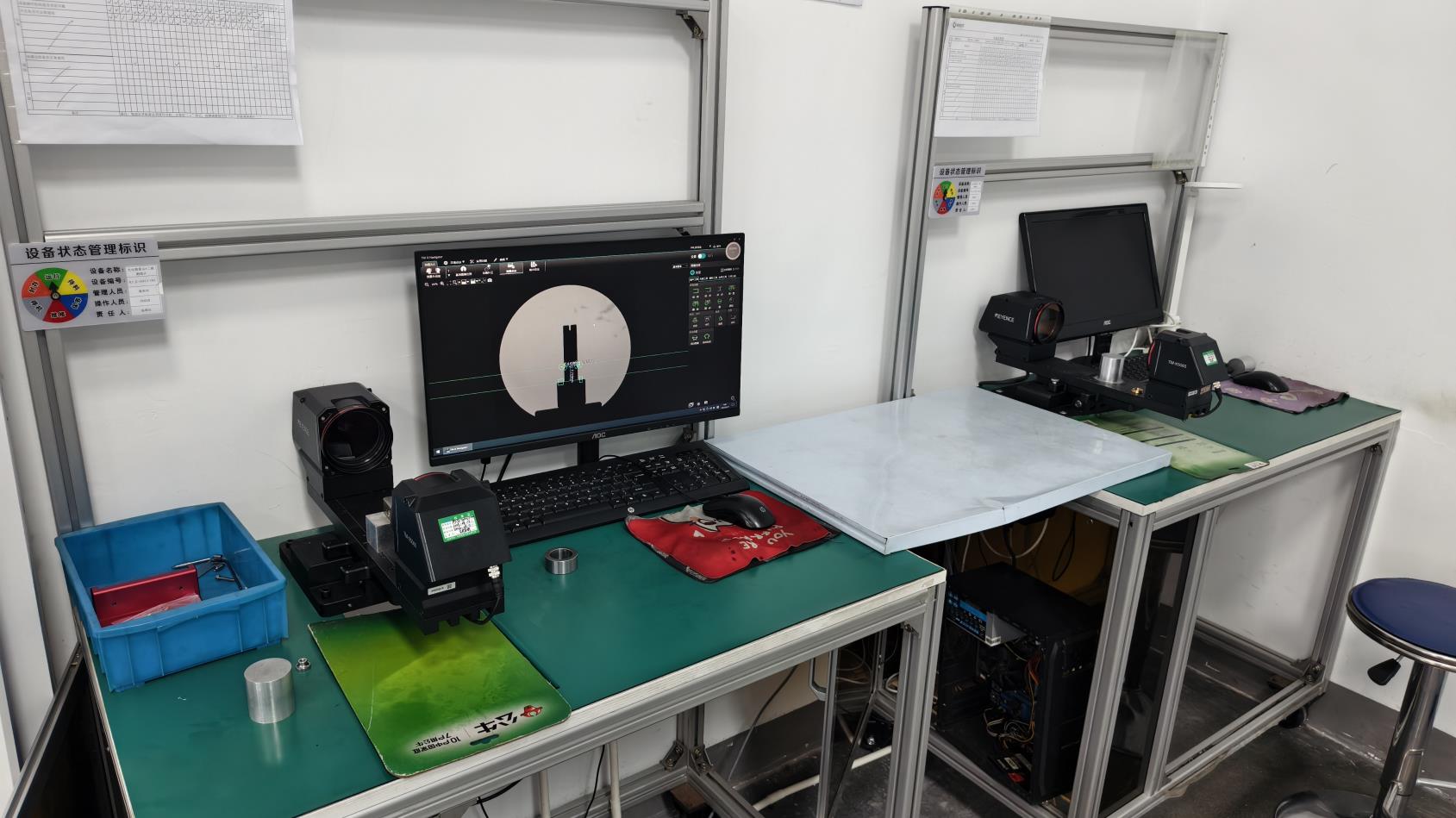
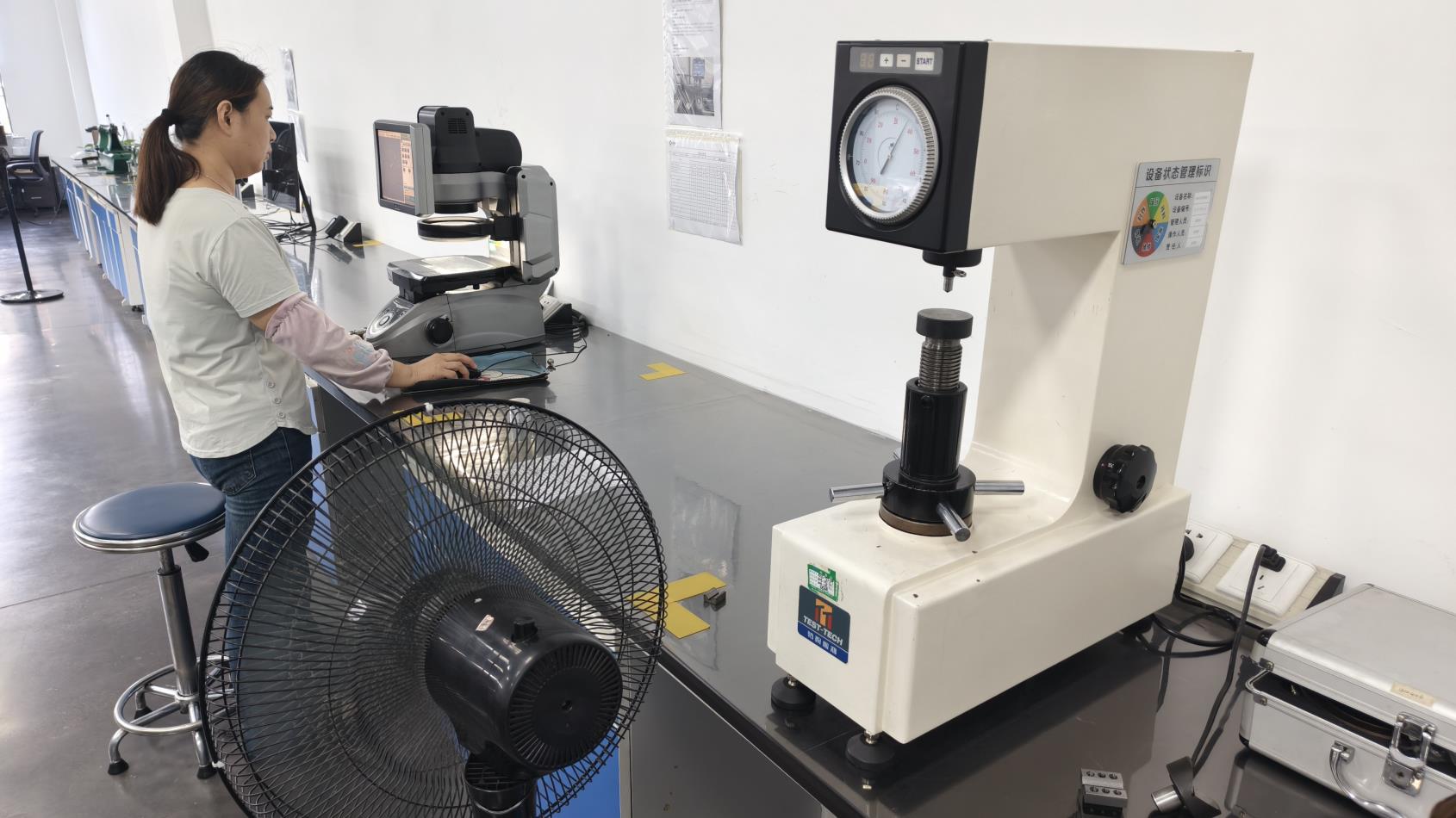
To support high-precision medical requirements, our quality control team follows a two-tier verification approach. First, we guarantee full raw material traceability back to the original steel mill batch. Second, all components undergo randomized and custom inspection methodologies to confirm dimensional tolerance and joint elasticity before shipping.
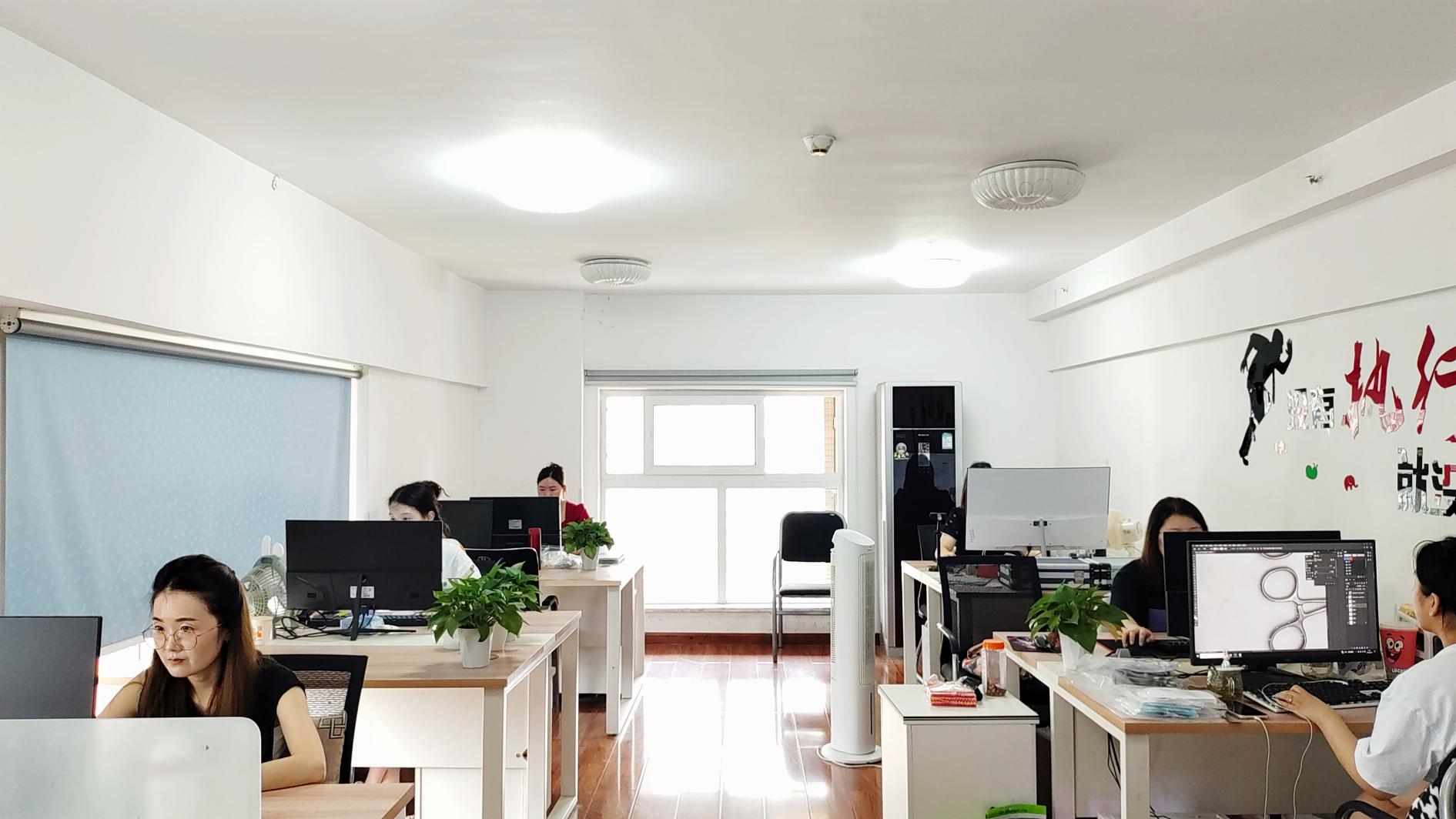
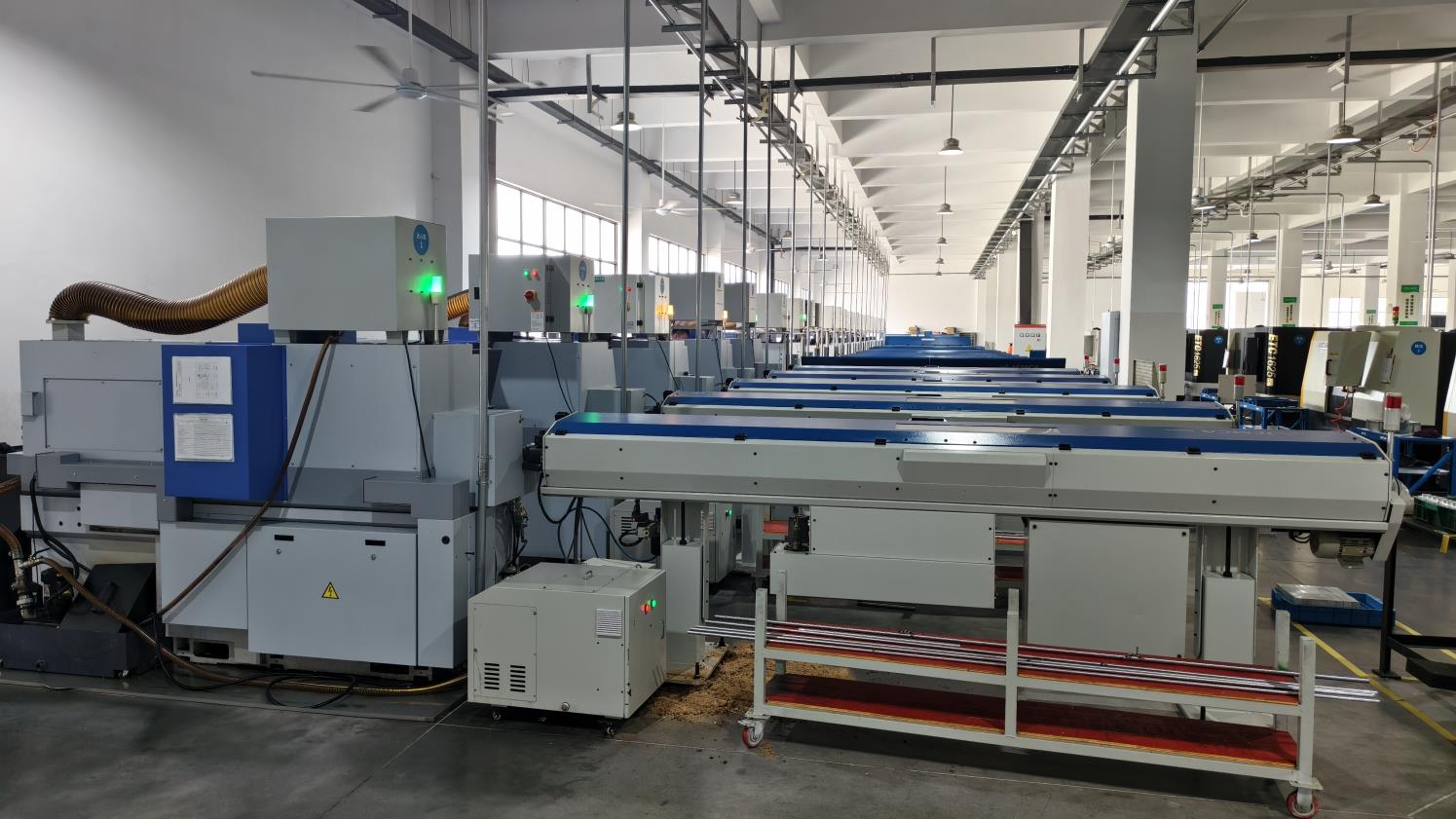
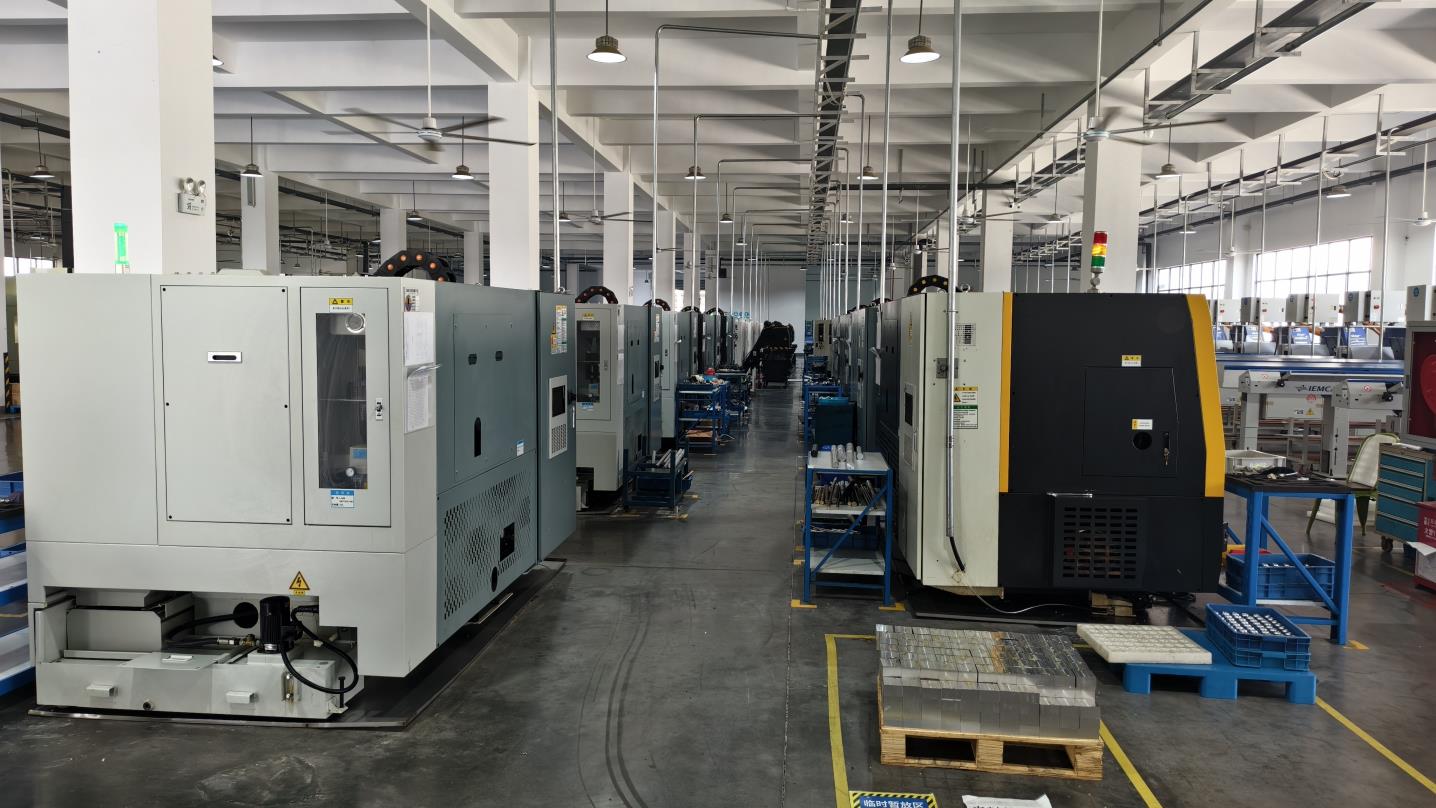
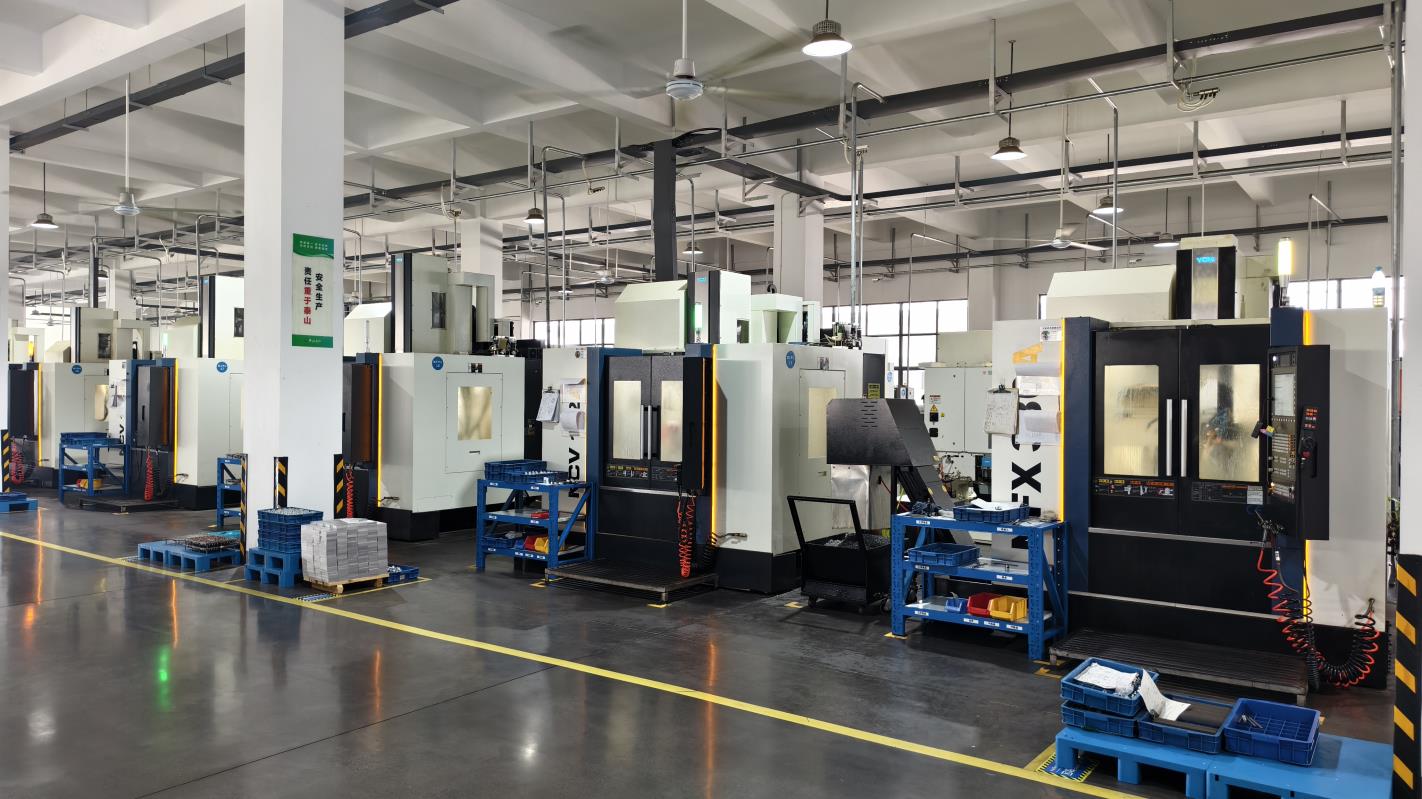
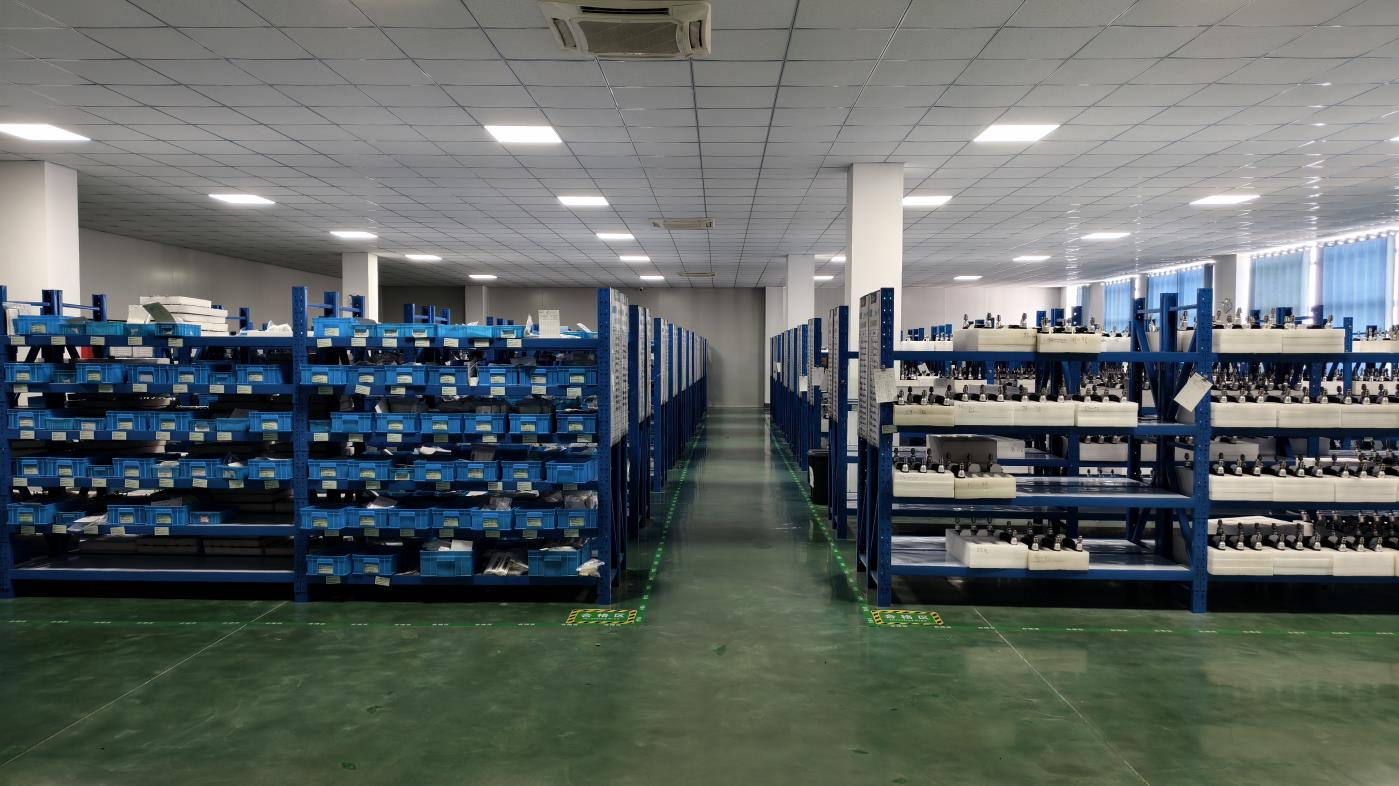
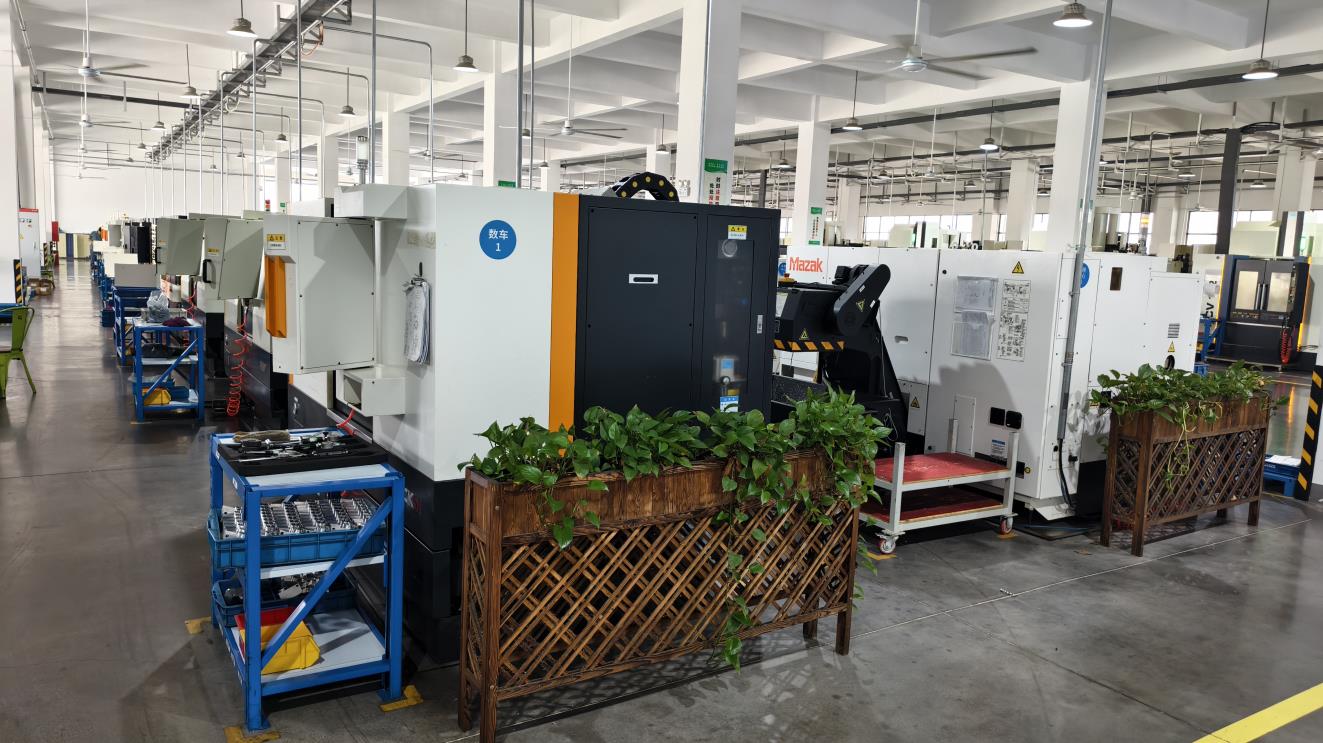
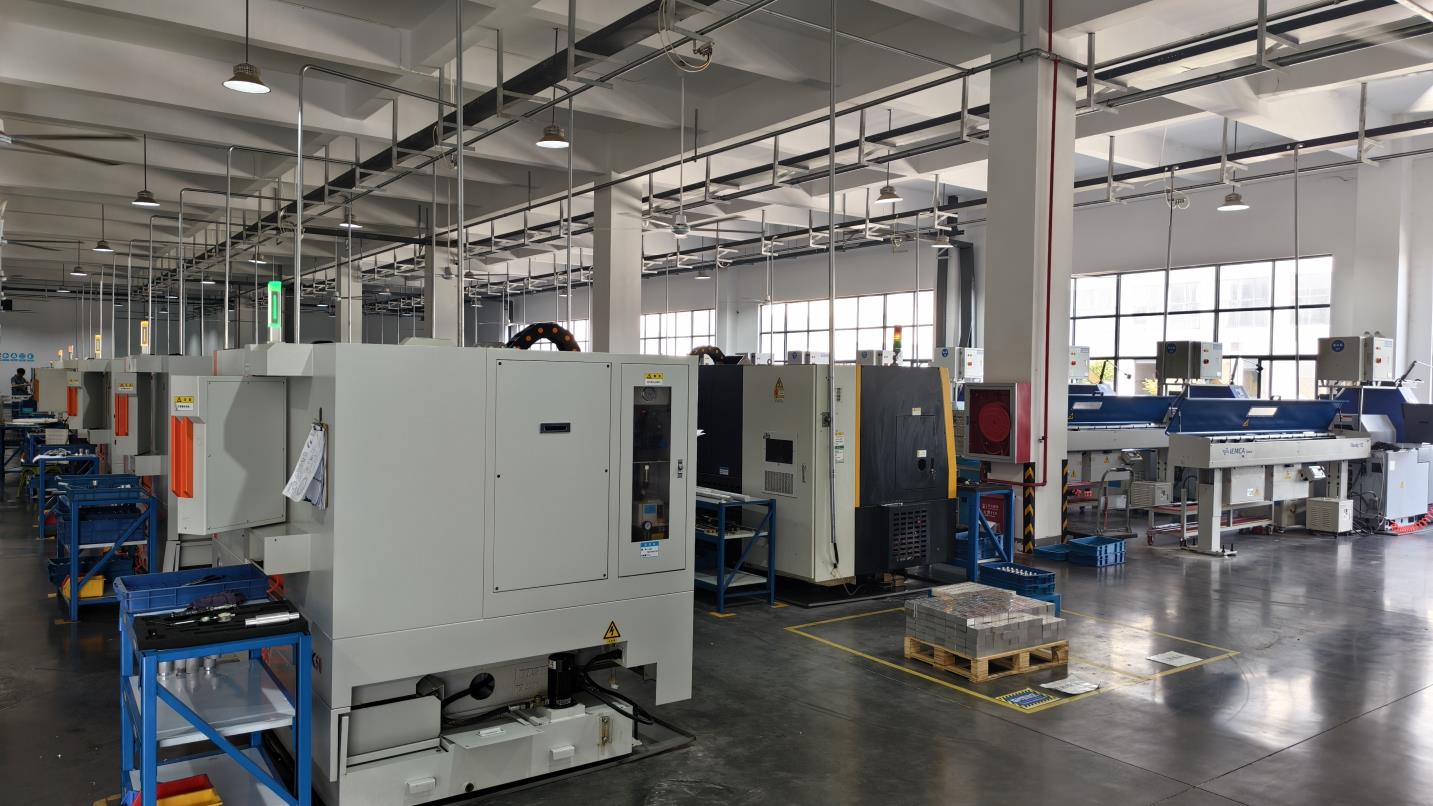
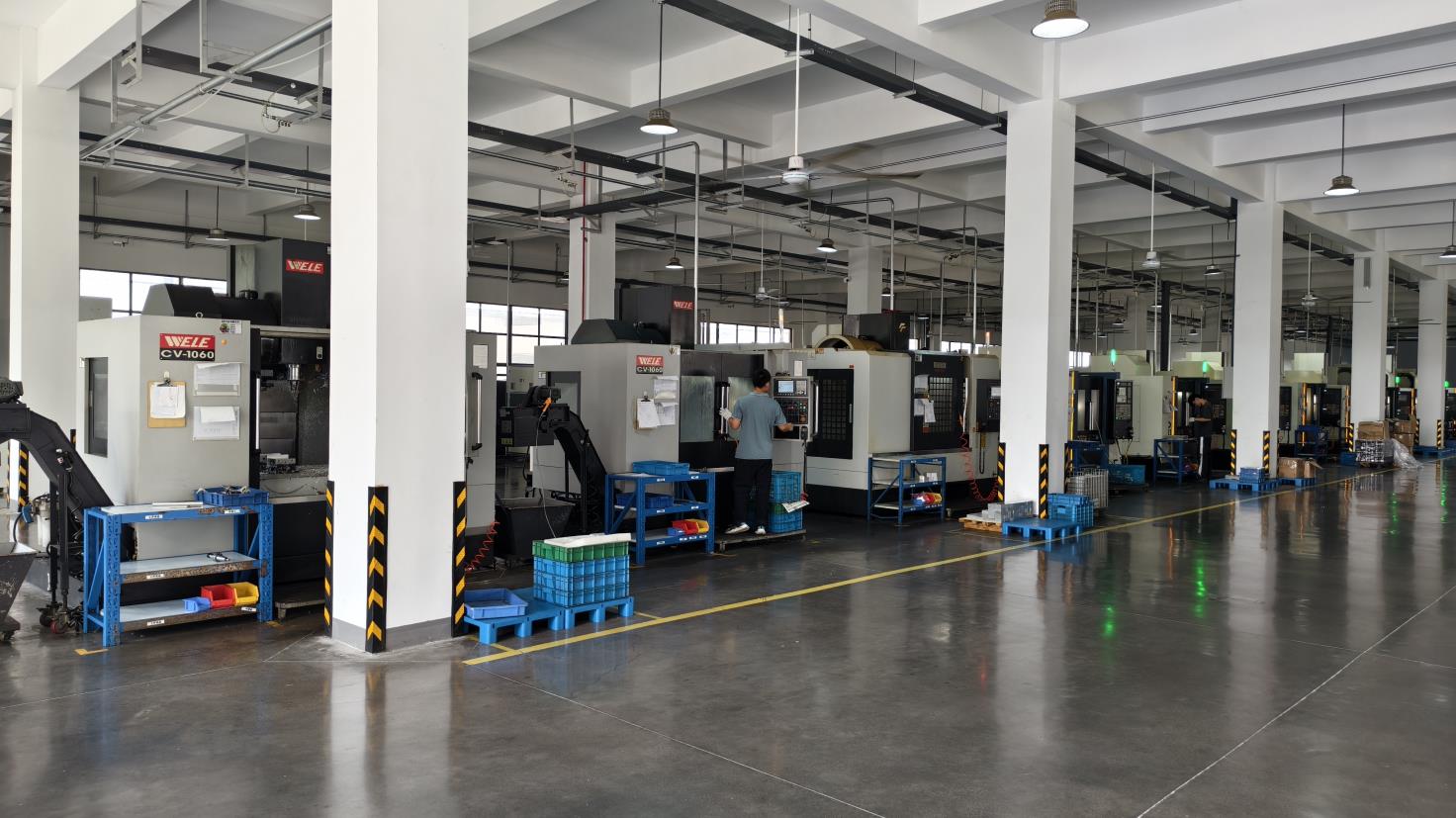
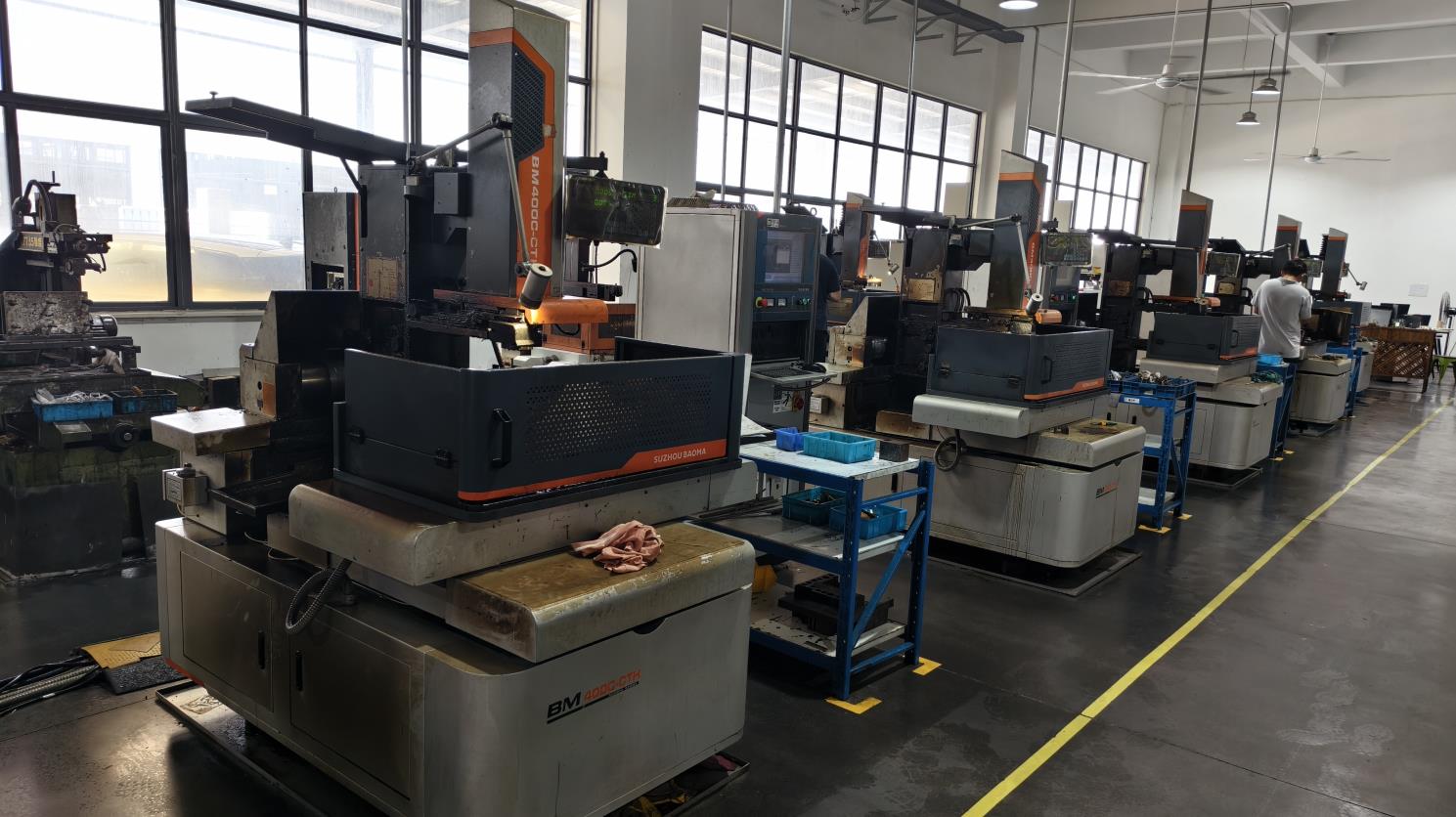
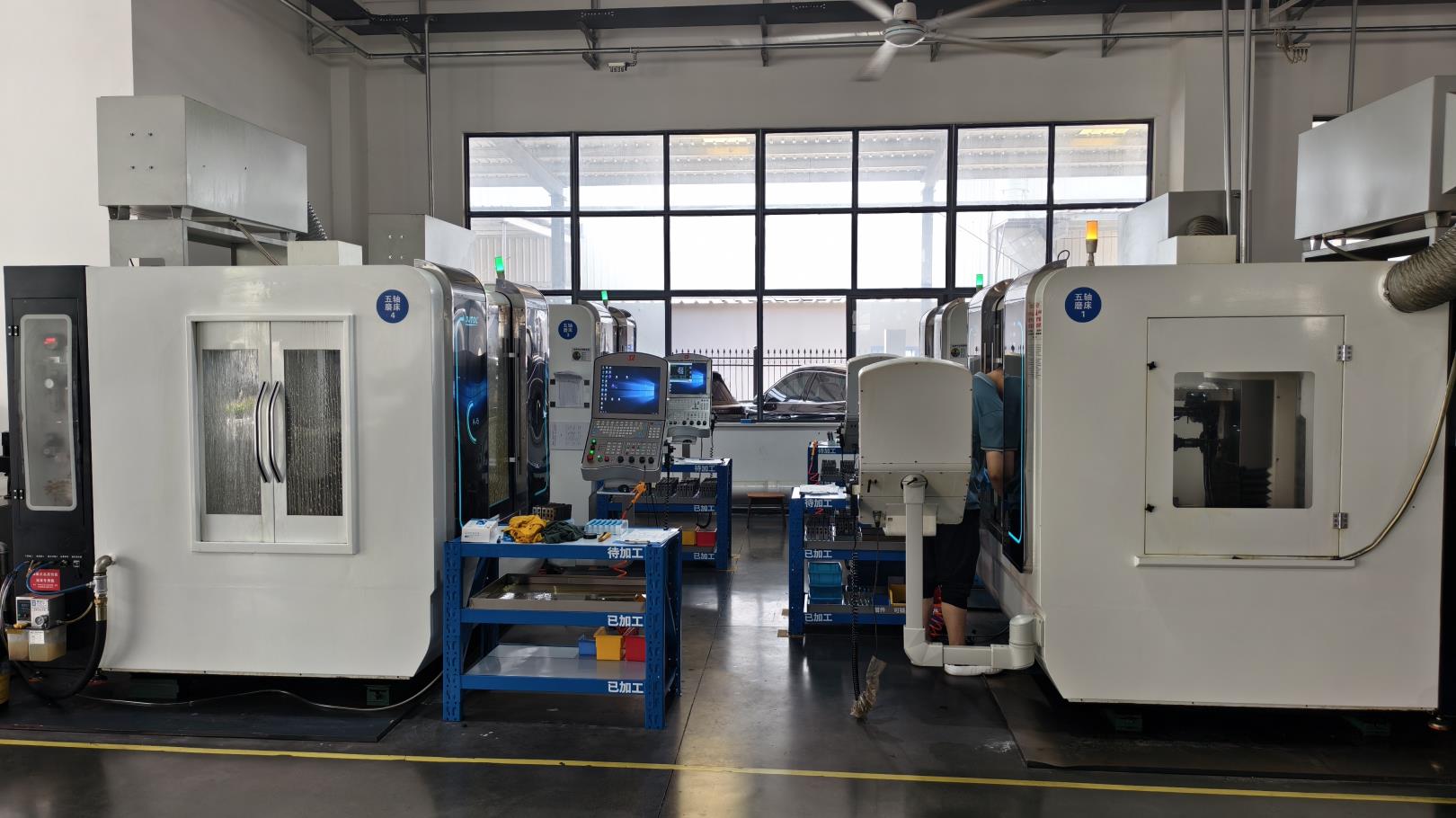
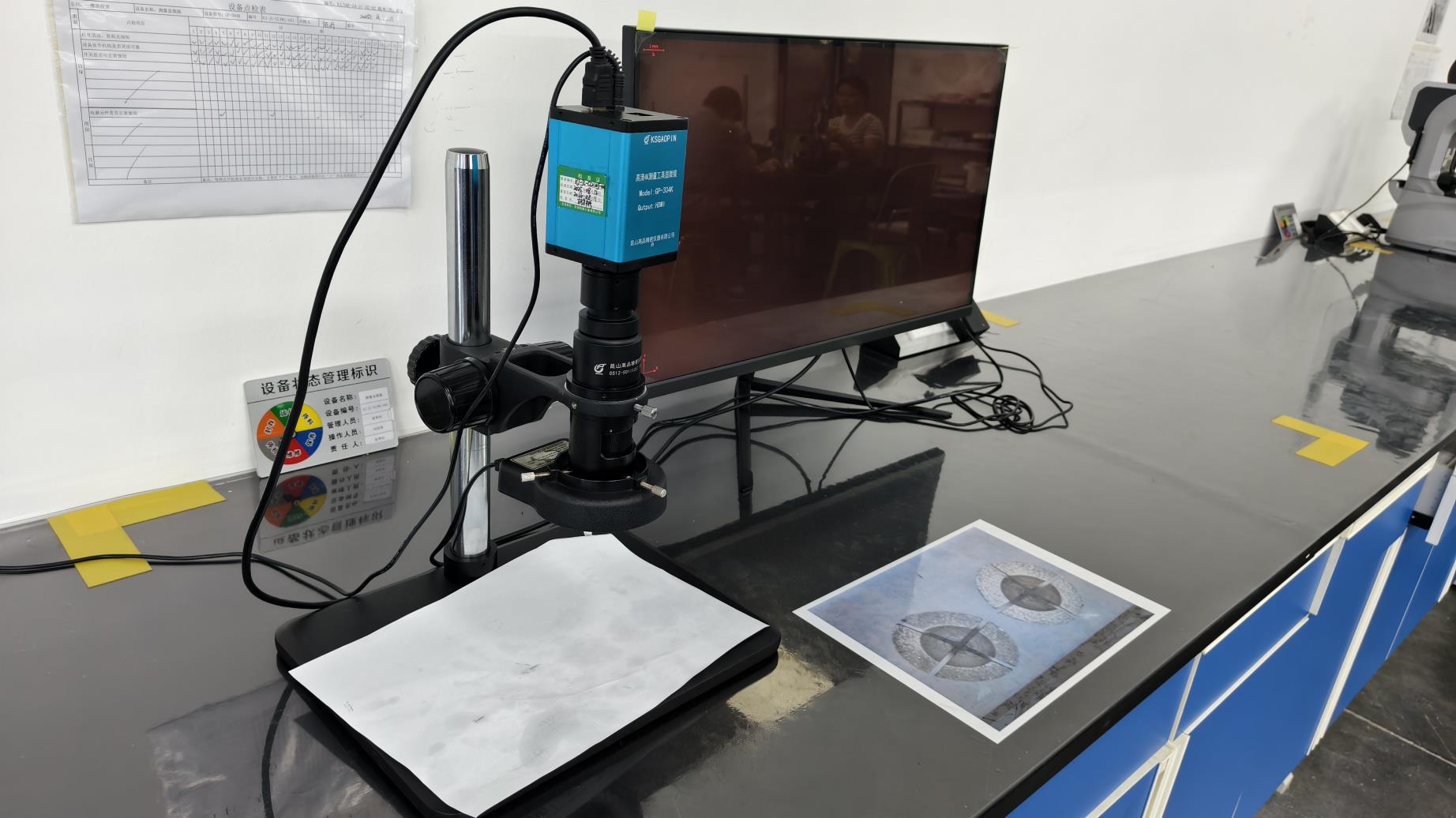
A visual overview of our manufacturing processes, including CNC milling, hand finishing, quality inspection, and stock organization.
Surgical needle holders must be designed with the specific demands of each medical procedure in mind:
Global medical procurement requires strict adherence to international standards. High-end Chinese manufacturers operate under detailed regulatory systems:
Modern surgical instrumentation continues to improve through mechanical and material innovations:
Common questions regarding material standards, customization options, ordering lead times, and factory QA protocols.
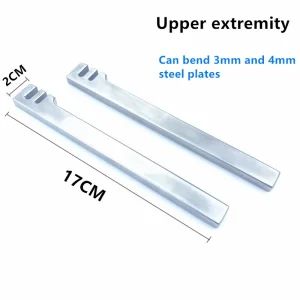
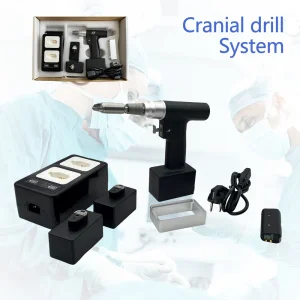
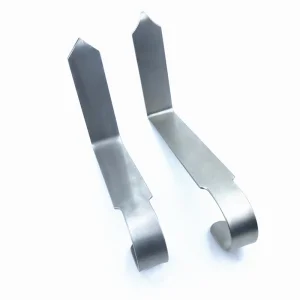
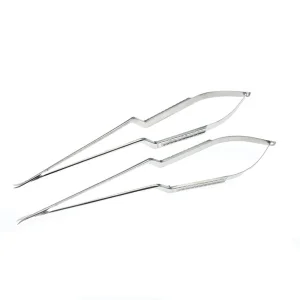
High-durability bone prep systems, orthopedic cutters, and micro-scissors designed for veterinary and human surgical applications.