SENJIE Healthy & Technology
SENJIE Healthy & Technology
SENJIE Healthy & Technology
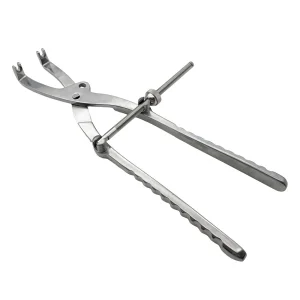
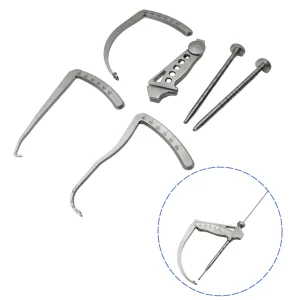
Engineered to meet rigorous medical standards, our primary instruments deliver optimal performance in orthopedic fixation, osteosynthesis, and arthroscopic procedures.
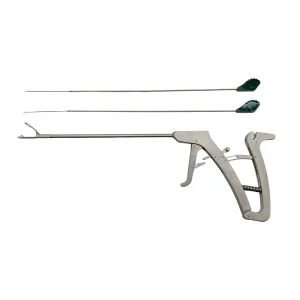
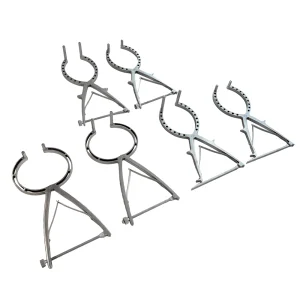
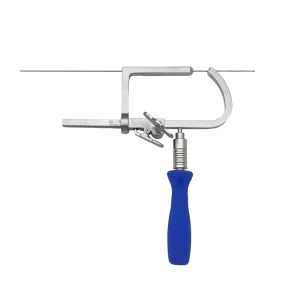
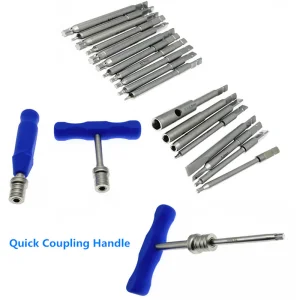
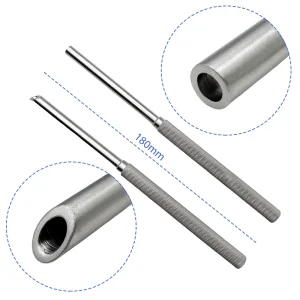
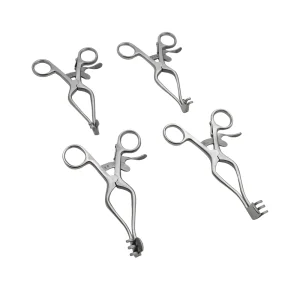
Delving deep into the biomechanics of rigid internal fixation and the critical role of instrumentation in modern osteosynthesis.
The core objective of any Bone Compression System is to achieve optimal stability at the fracture site to promote primary bone healing (contact healing) without calluses. Interfragmentary compression increases friction between bone fragments, preventing micro-motions that could disrupt the newly forming vascular supply across the fracture gap.
Dynamic compression plates (DCP) and locking compression plates (LCP) achieve this through specialized screw hole geometries (e.g., spherical gliding holes) that translate the vertical torque of screw insertion into horizontal displacement. Our systems are engineered using finite element analysis (FEA) to ensure that the stress distribution minimizes the risk of stress shielding while maintaining stable fixation under physiological loads.
Choosing the correct raw material is vital for clinical success. Leading Chinese manufacturers now utilize premium medical-grade alloys, primarily TI-6Al-4V (Grade 5 Titanium) and 316LVM (Low Carbon Vacuum Melted Stainless Steel) conforming to ASTM F136 and ASTM F138 standards.
Our instruments and implants undergo proprietary passivation processes to construct a thick chromium oxide or titanium oxide layer, maximizing corrosion resistance inside the biological environment. Surface micro-texturing technologies are also deployed to improve tissue integration and reduce bacterial adhesion, critical for reducing surgical site infections (SSI).
We align our R&D initiatives with global clinical trends, transitioning from traditional passive implants to smart, bio-responsive osteosynthesis systems.
Development of magnesium-based compression screws that gradually degrade in vivo, eliminating the need for secondary removal surgeries while stimulating bone regeneration through localized magnesium ion release.
Integrating high-precision SLM (Selective Laser Melting) titanium 3D printing into the production line. This creates bone plates with customized porous structures modeled after natural trabecular bone, accelerating osseointegration.
Embedding micro-strain sensors inside locking plates to monitor real-time healing progress and load-bearing data. Telemetric systems transmit data to clinicians, allowing personalized rehabilitation regimens.
Manufacturing ultra-precise digital surgical guides and robotic end-effectors that interface with computerized navigation systems, guaranteeing millimeter-accuracy during dynamic compression screw path preparation.
We deliver integrated, end-to-end surgical instrument portfolios rather than isolated components, lowering total cost of ownership for healthcare networks.
For human surgical applications, precision and biocompatibility are non-negotiable. Our human-grade systems feature micro-polished edge radii to prevent soft tissue irritation and sub-micron tolerance matching on locking screw interfaces.
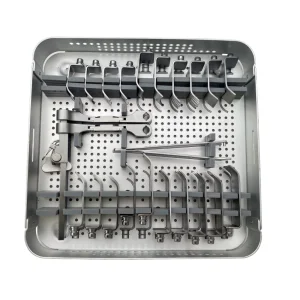
We supply modular tray solutions that contain the entire sequence of surgical instruments—ranging from drill guides and reamers to final plate benders and torque-limiting drivers. This systemic approach minimizes surgical setup time and standardizes autoclaving workflows in Central Sterile Services Departments (CSSD).
The veterinary market requires versatile, cost-effective, and highly robust systems. Our specialized animal orthopedic lines cater to a broad spectrum of small and large animal surgeries, including Tibial Plateau Leveling Osteotomy (TPLO) and patellar stabilization.
We modify designs to fit diverse anatomical structures, utilizing high-tensile stainless steel to withstand the erratic load-bearing behaviors of animals post-surgery. Our veterinary configurations are widely popular among clinics in North America and Western Europe due to their durability and standard tool compatibility.
By fusing high-speed automation with rigorous trace-ability protocols, we resolve the traditional tradeoff between high manufacturing speed and surgical accuracy.
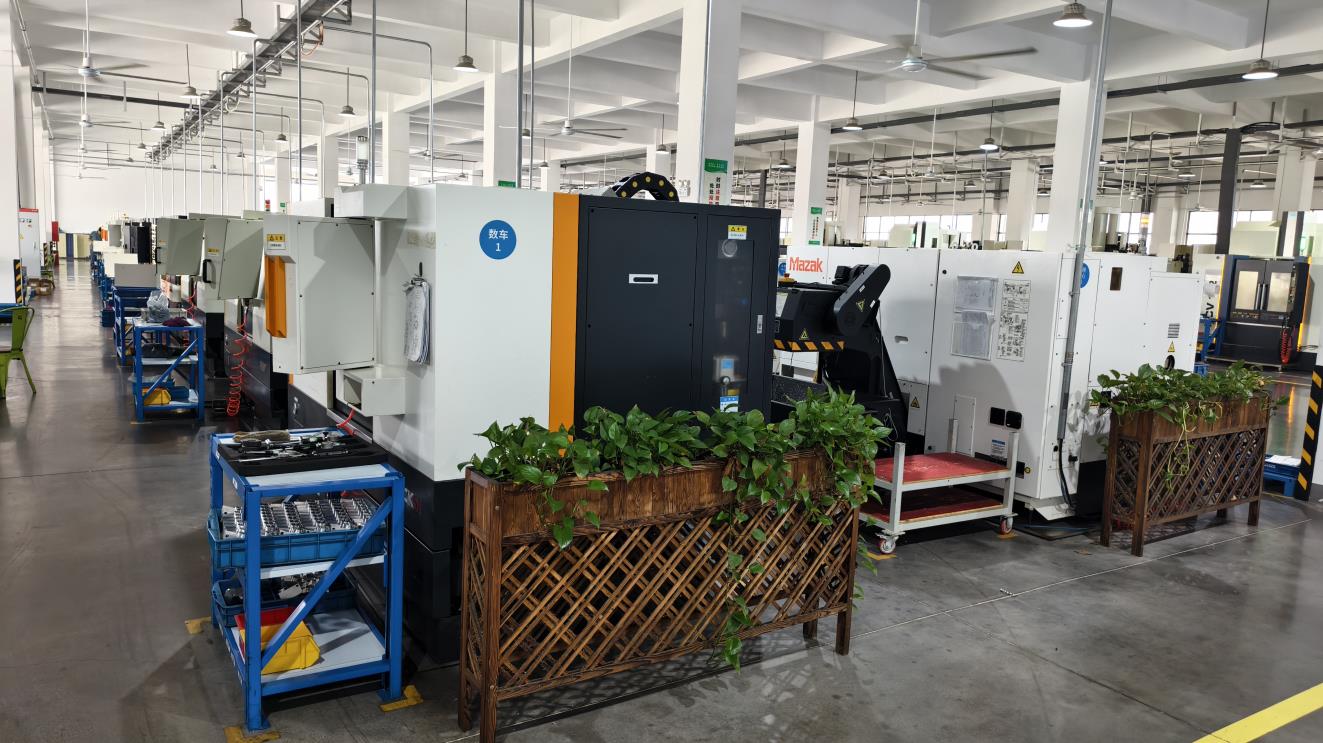
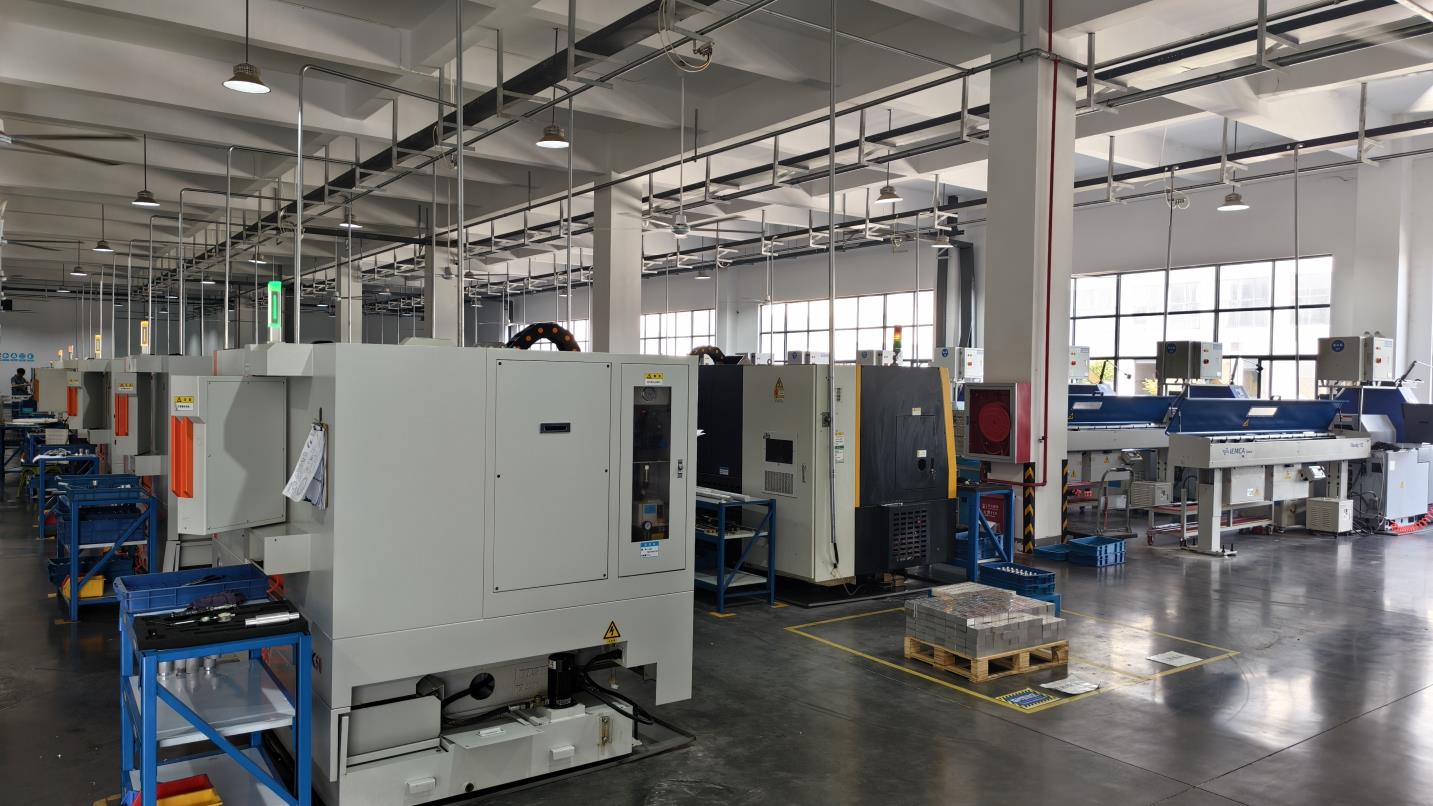
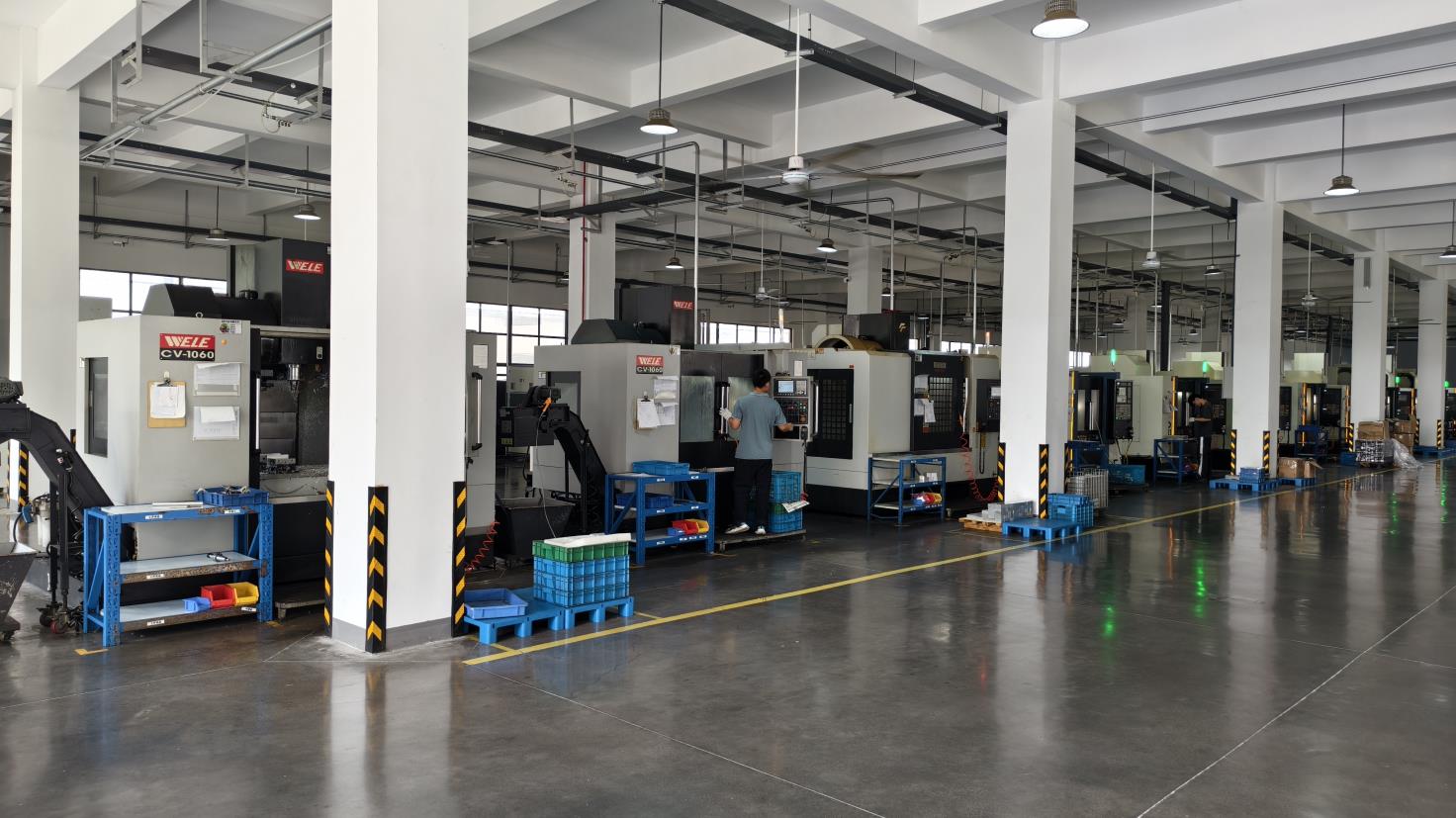
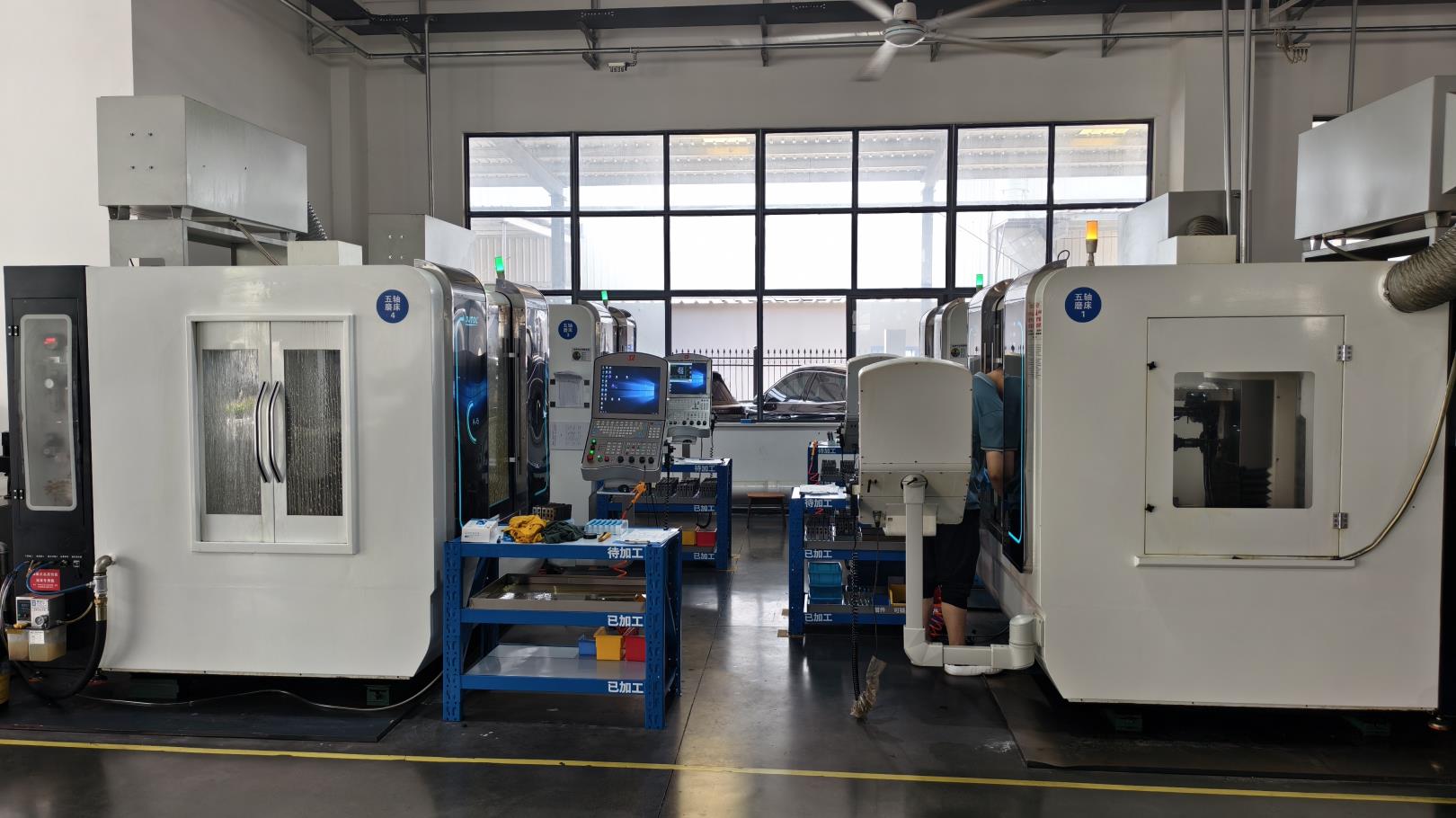
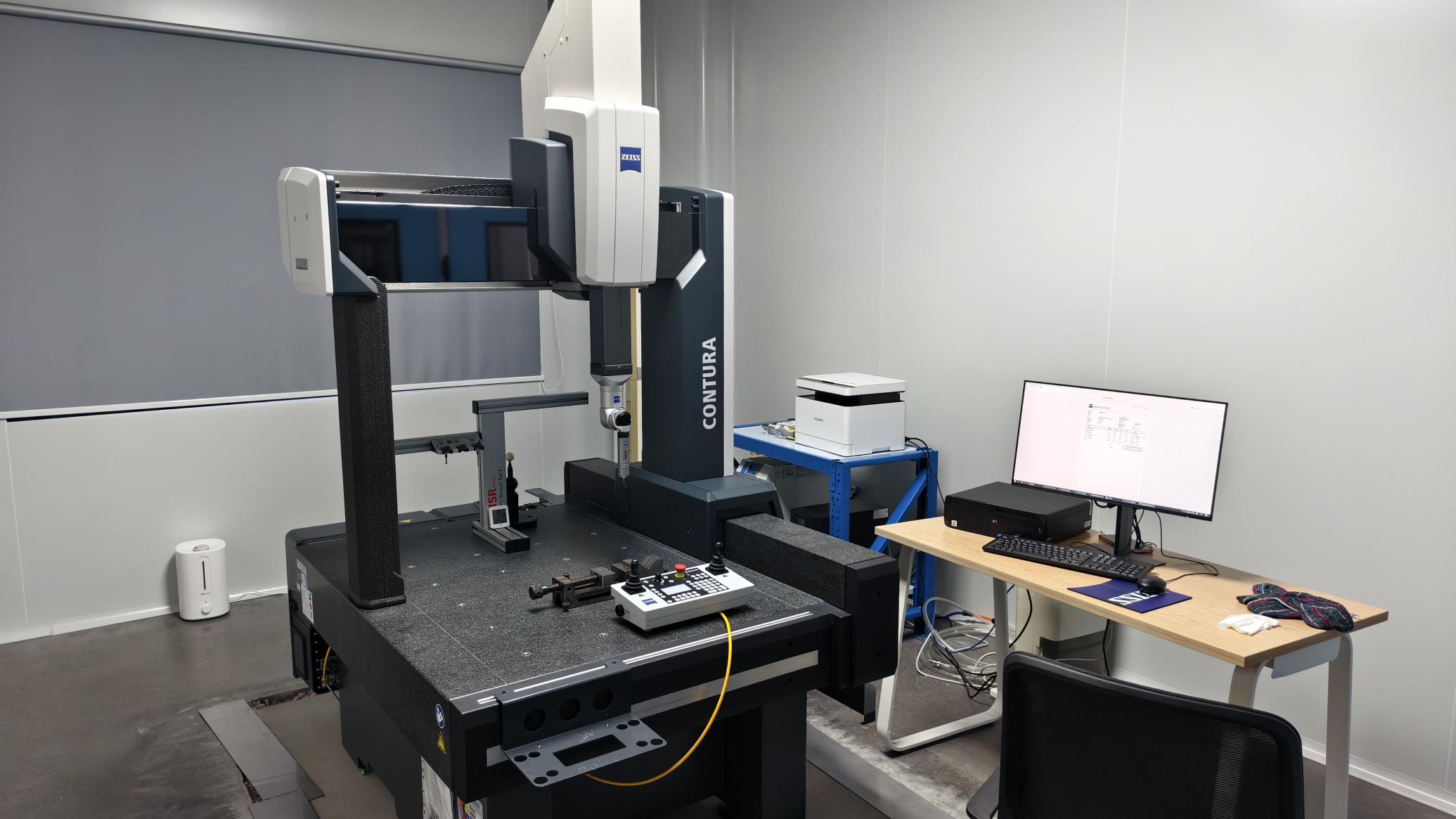
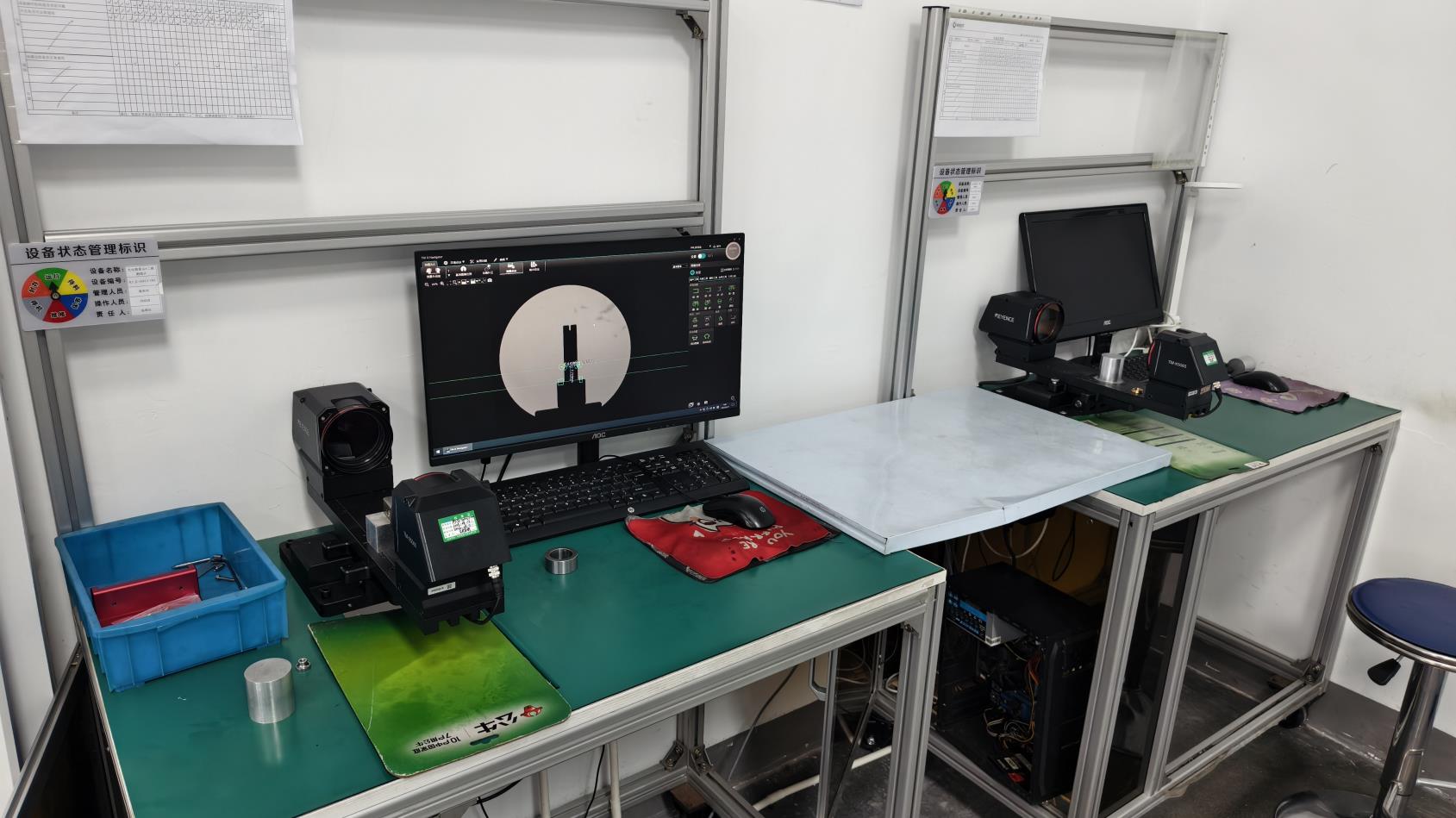
Modern medical manufacturing requires absolute consistency. Our manufacturing plant operates multi-axis CNC machines and robotic passivation lines that achieve machining tolerances within ±5 microns. Automated visual inspection cameras monitor 100% of critical dimensions, discarding minor deviations before human inspection begins.
Our localized supply chain in China's industrial manufacturing heartland secures raw materials within 48 hours of order confirmation. This proximity reduces transit latency, shields global buyers from geopolitical supply shocks, and guarantees price stability even during global logistics bottlenecks.
Furthermore, our digital ERP system links production scheduling directly with raw material suppliers. When raw titanium prices fluctuate, our long-term supply agreements absorb the shock, offering our international B2B buyers predictable margins and reliable lead times year-round.
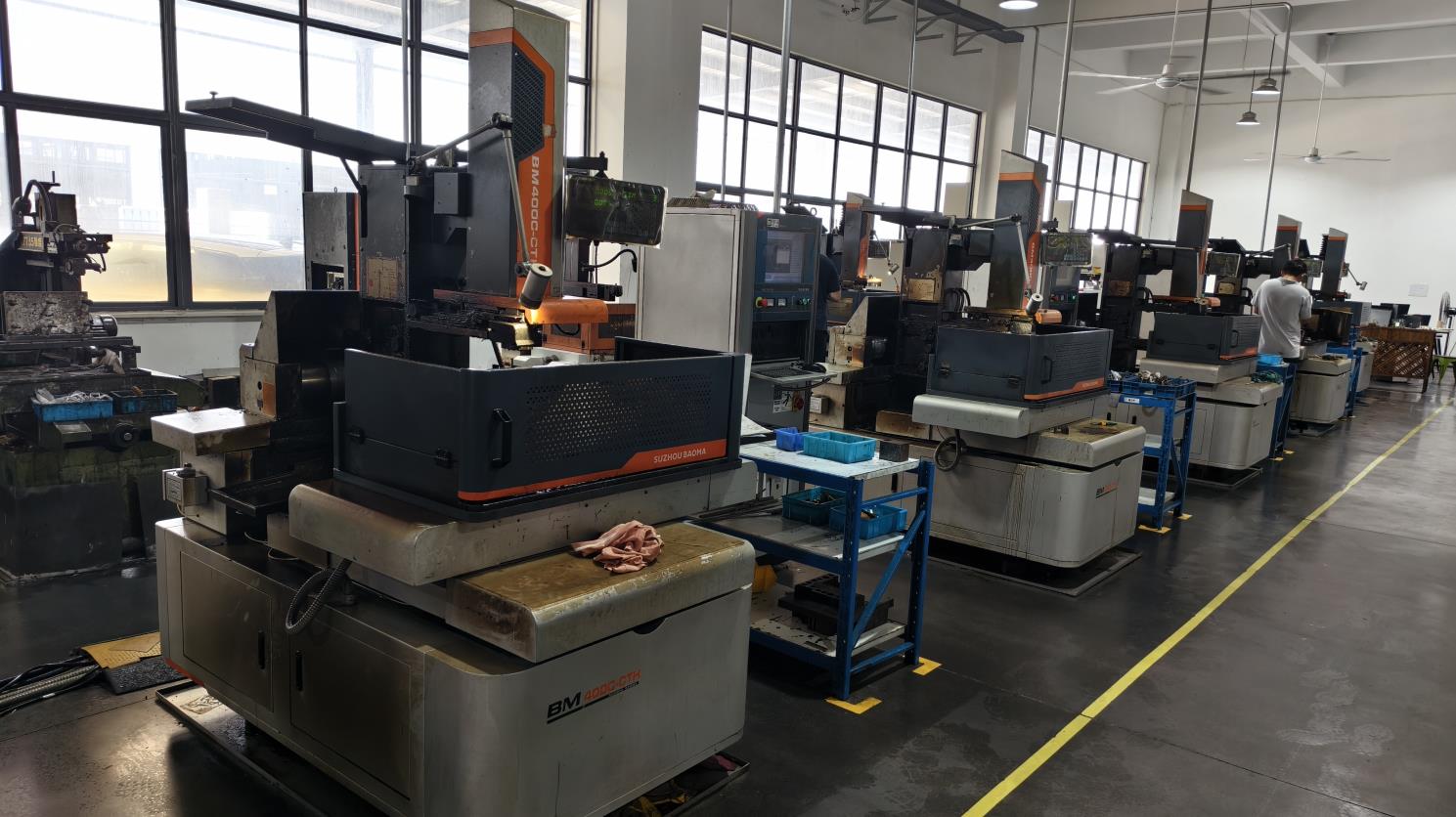
From custom sample processing and graphic engraving to high-volume manufacturing, our production setup scales dynamically. This allows us to offer short lead times for complex, customized orthopedic designs.
| Manufacturing Capability & Trade Background | |
|---|---|
| Registration Date | 2019-11-20 |
| Customization Options | Sample processing, graphic processing, customized on-demand (OEM/ODM) |
| Quality Control | 100% Traceability of raw materials; random inspection, plus inspections tailored to clients' specific protocols |
| Accepted Languages | English (fluent technical & commercial service) |
| Main Markets | North America (25%), South America (25%), Southeast Asia (15%), and Europe |
| Main Client Types | Brand businesses, medical retailers, wholesale distributors, and private clinical networks |
Navigating the complex landscape of global medical regulations to ensure seamless customs clearance and hospital approvals.
We recognize that medical device importing is subject to intense regulatory oversight. We provide complete documentation packages to facilitate import clearance, including certificates of conformity, raw material mill sheets, and chemical biocompatibility test reports.
Our operations comply with the ISO 13485 quality management standard for medical devices. We support registration filings with the FDA, CE (MDR), and national health regulatory agencies in South America and Southeast Asia, streamlining the path to market for your local business.
To reduce localized supply chain friction, we offer tailored sterilization packaging. Implants and instruments can be pre-packed in cleanroom environments with double-barrier sterile Tyvek pouches, pre-labeled with UDI (Unique Device Identification) barcodes.
Our OEM services also include laser marking for logos, catalog numbers, and batch codes directly onto the steel or titanium surfaces. This ensures complete trace-ability through hospital inventories and helps build your brand equity in your regional markets.
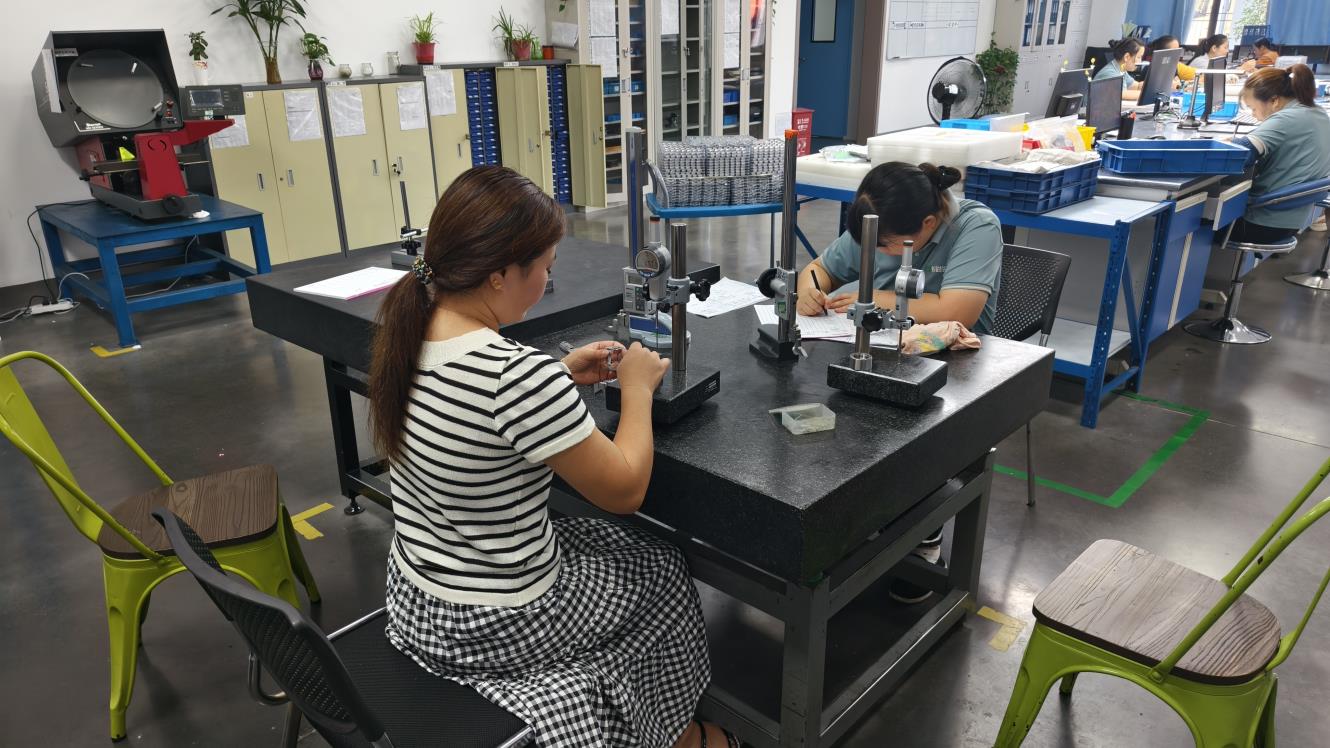
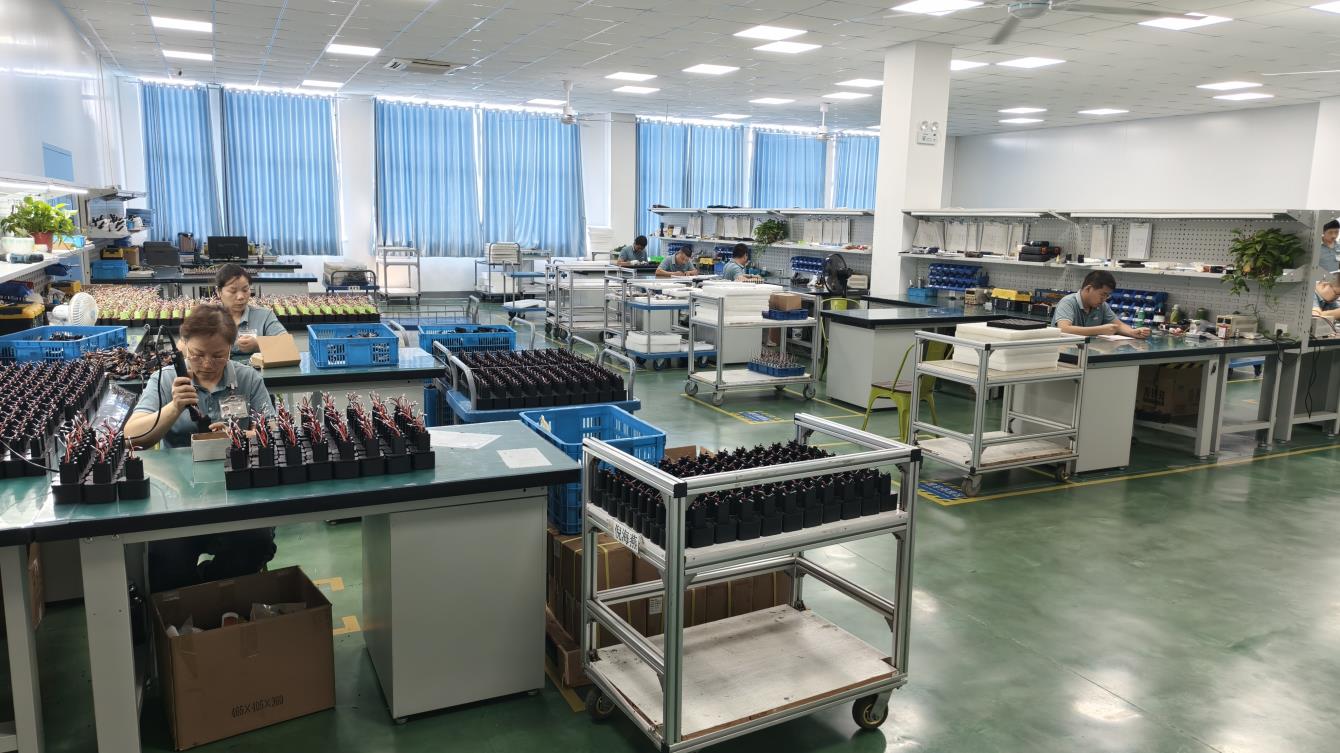
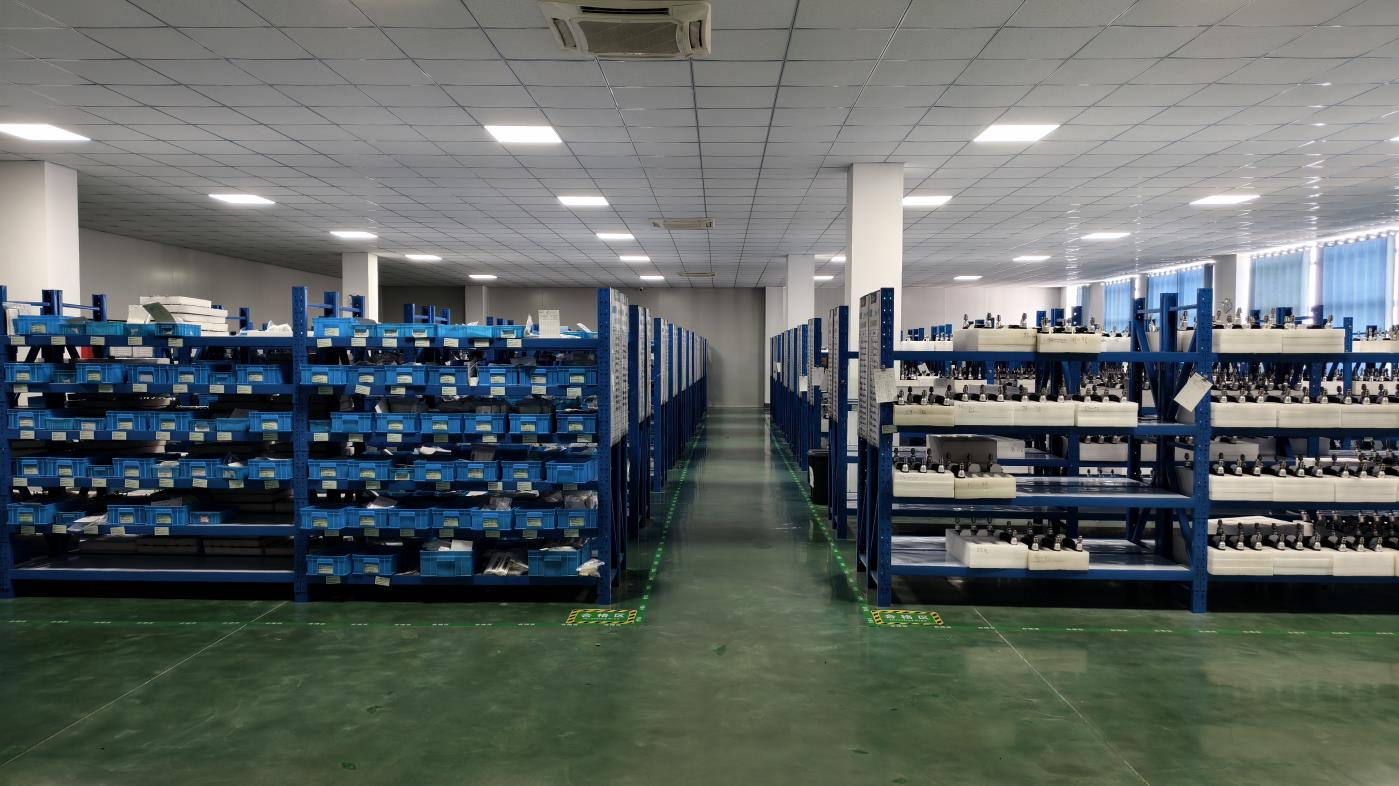
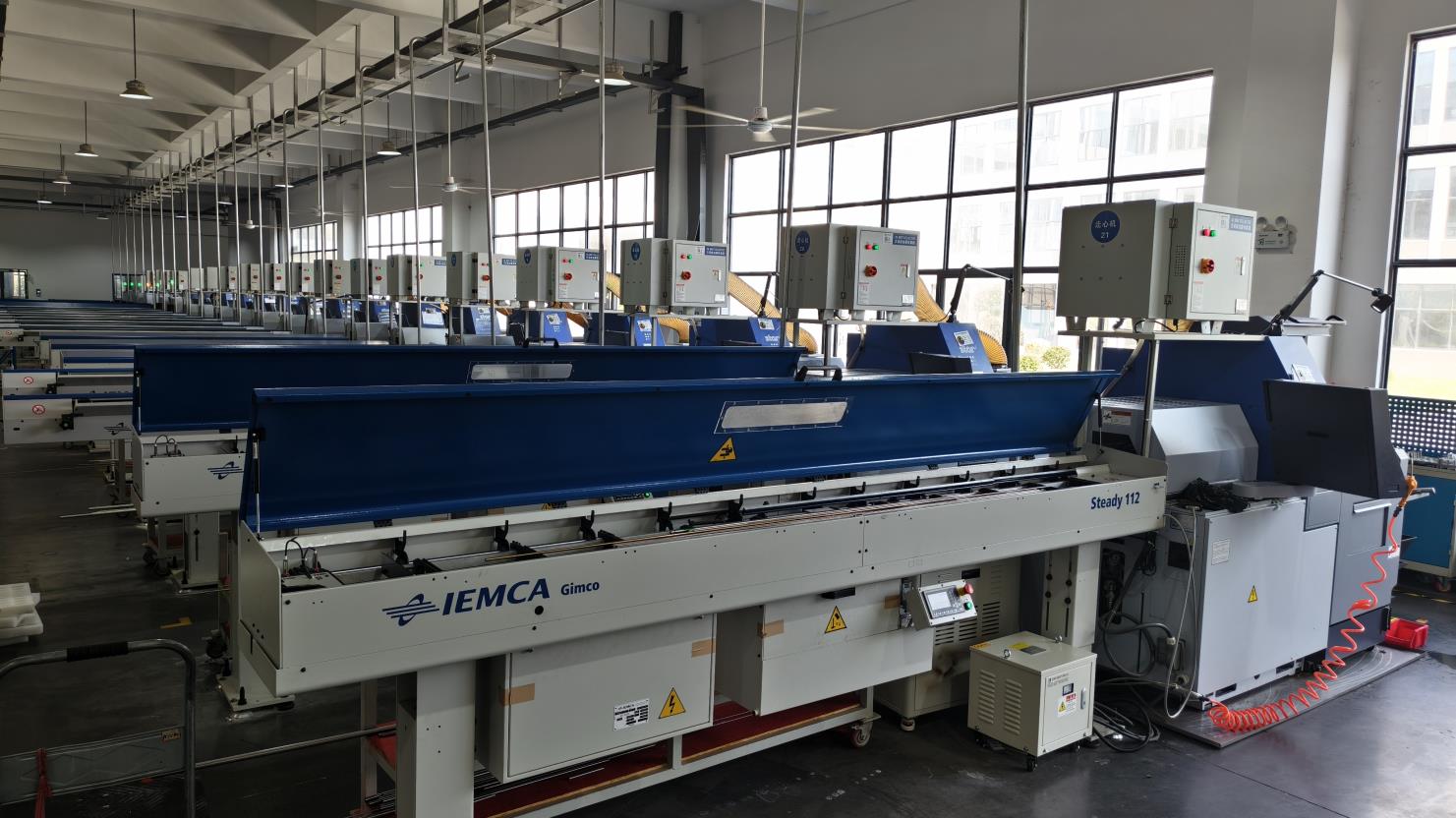
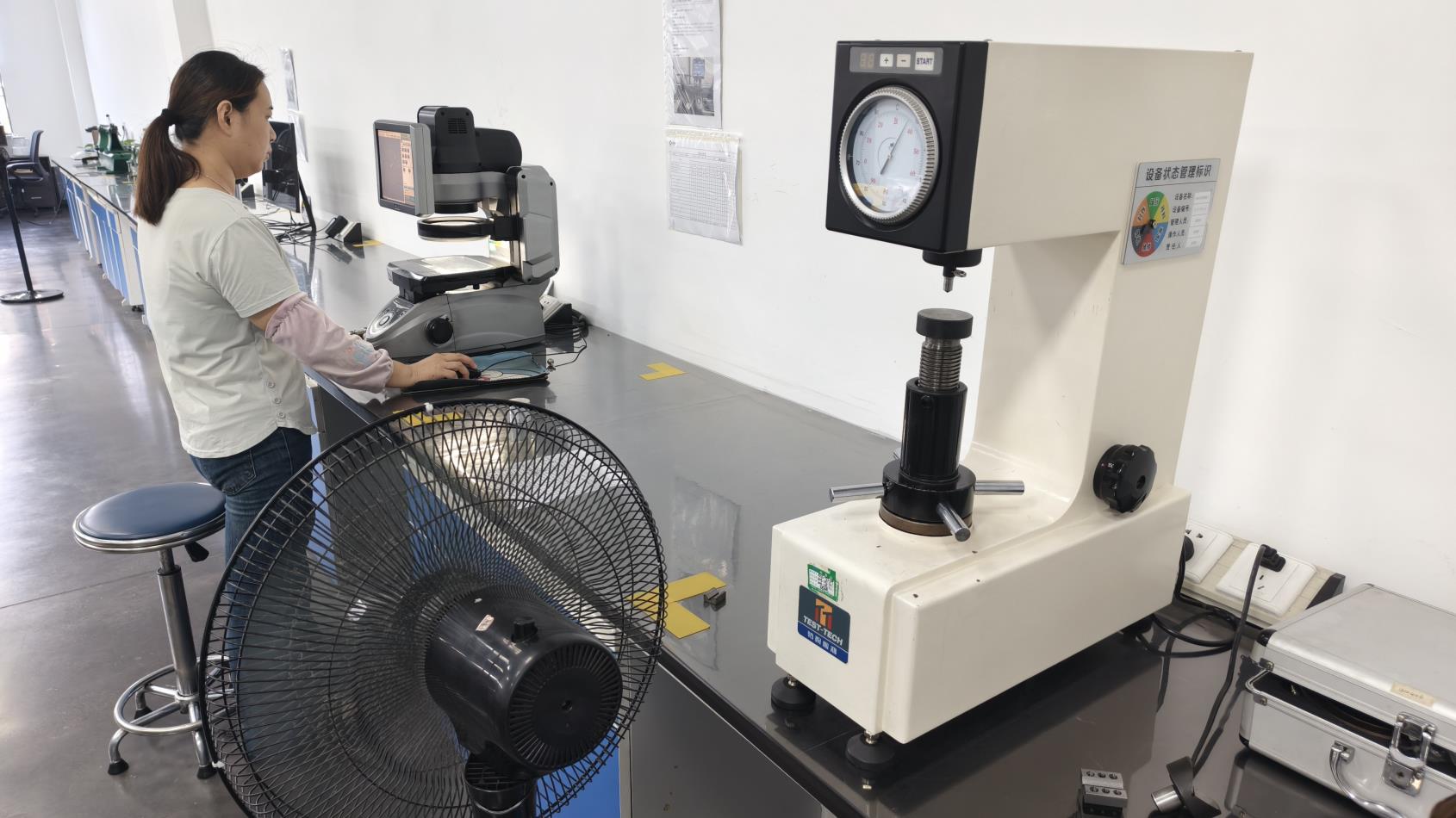
A direct look into our production facilities, clean packaging lines, and finished orthopedic components.
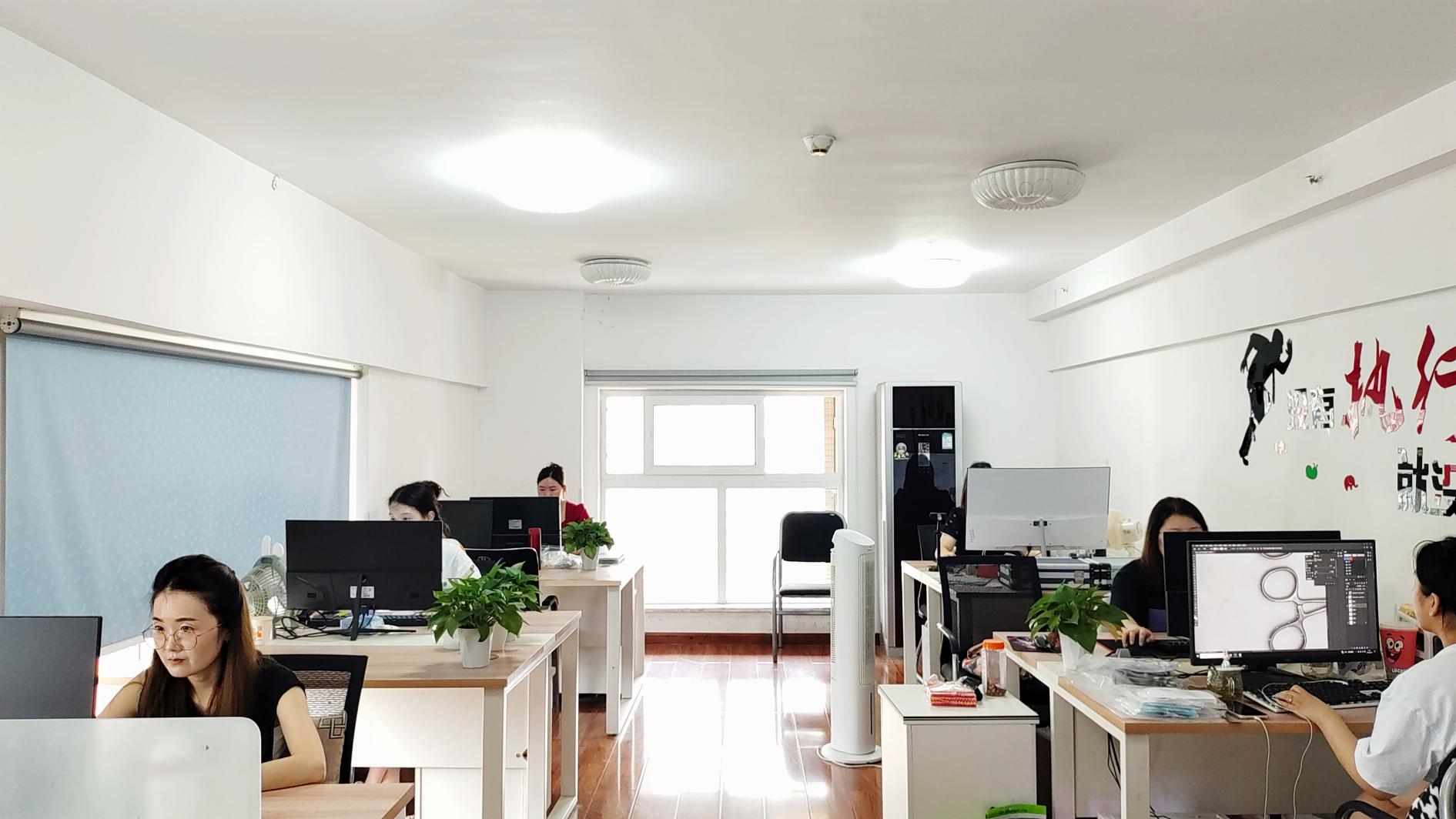
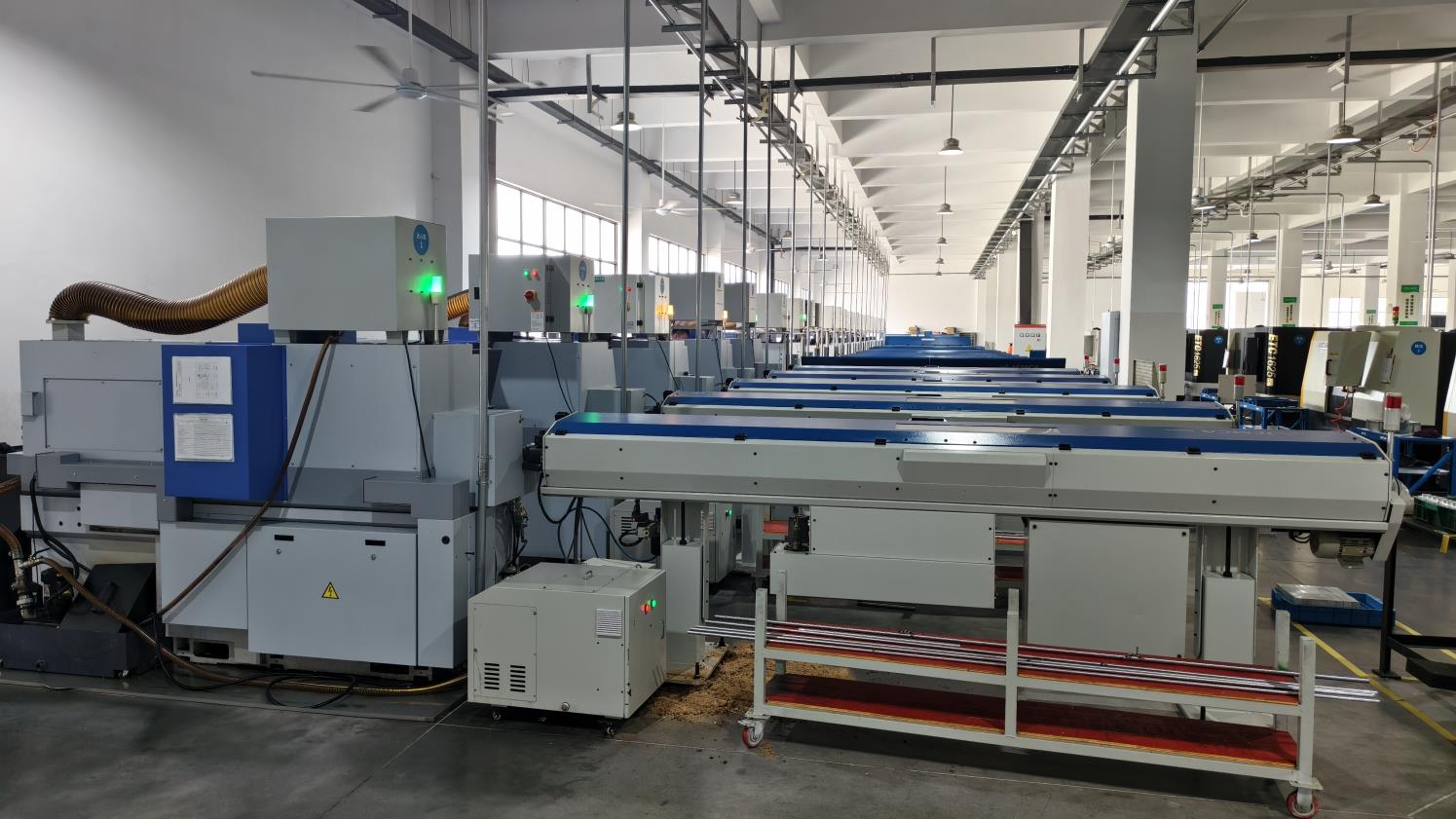
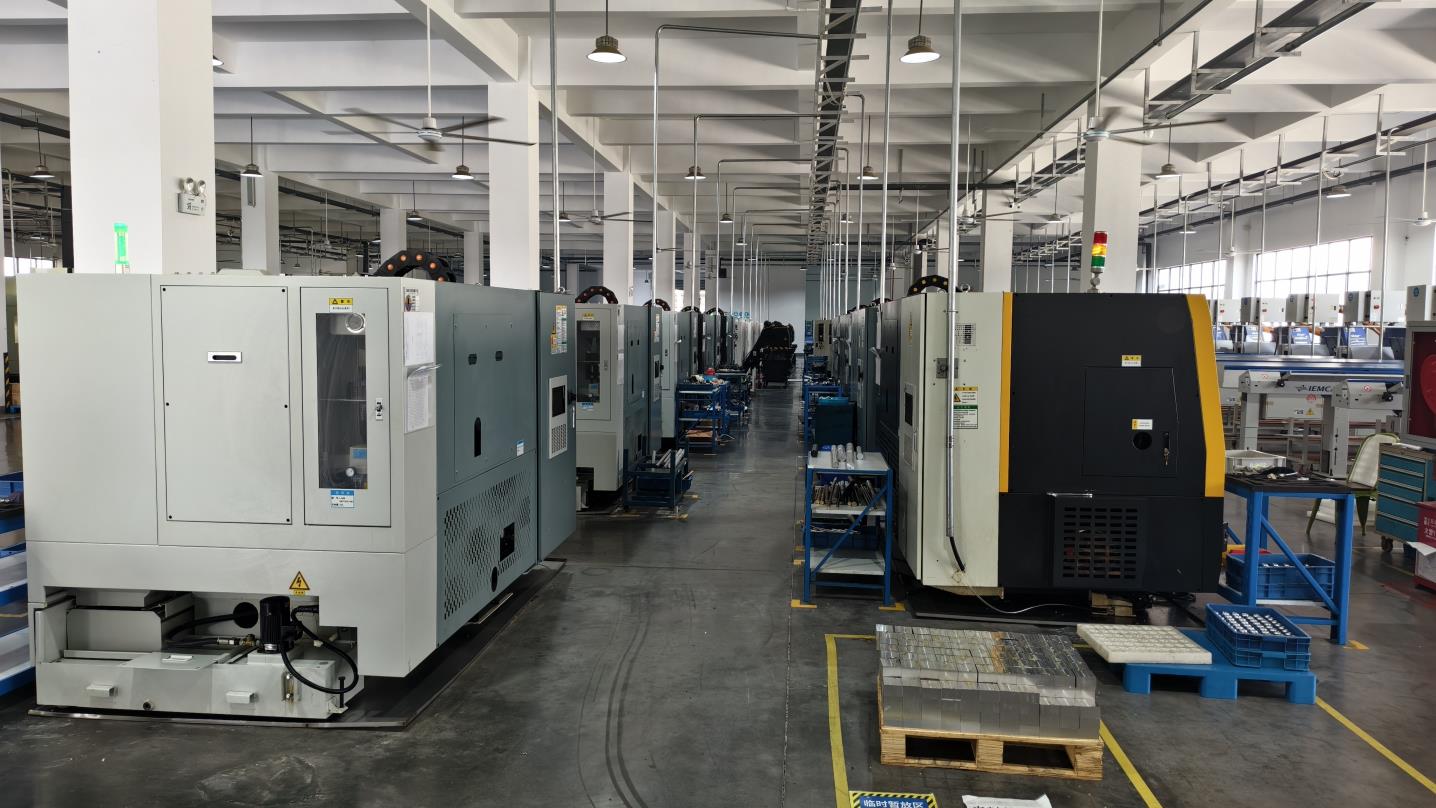
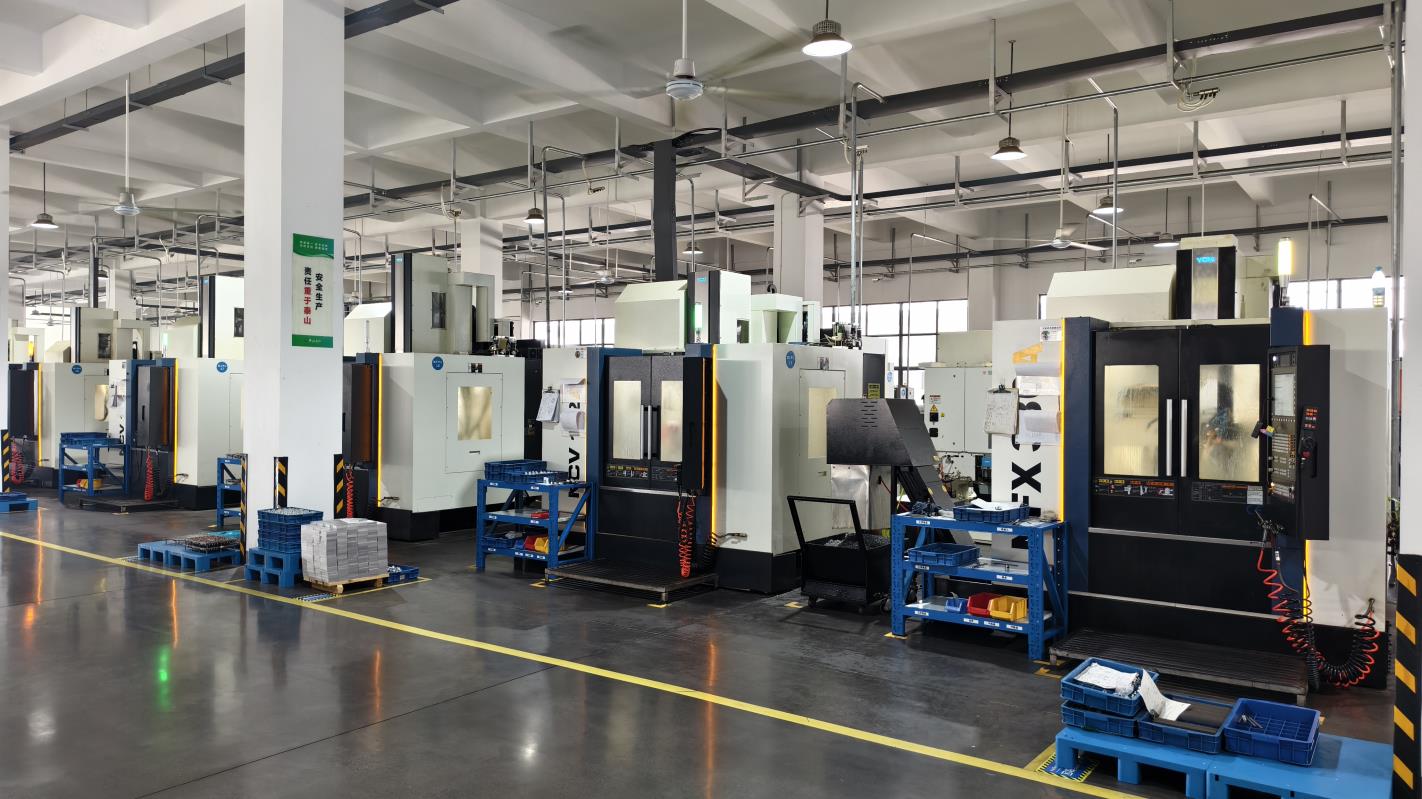
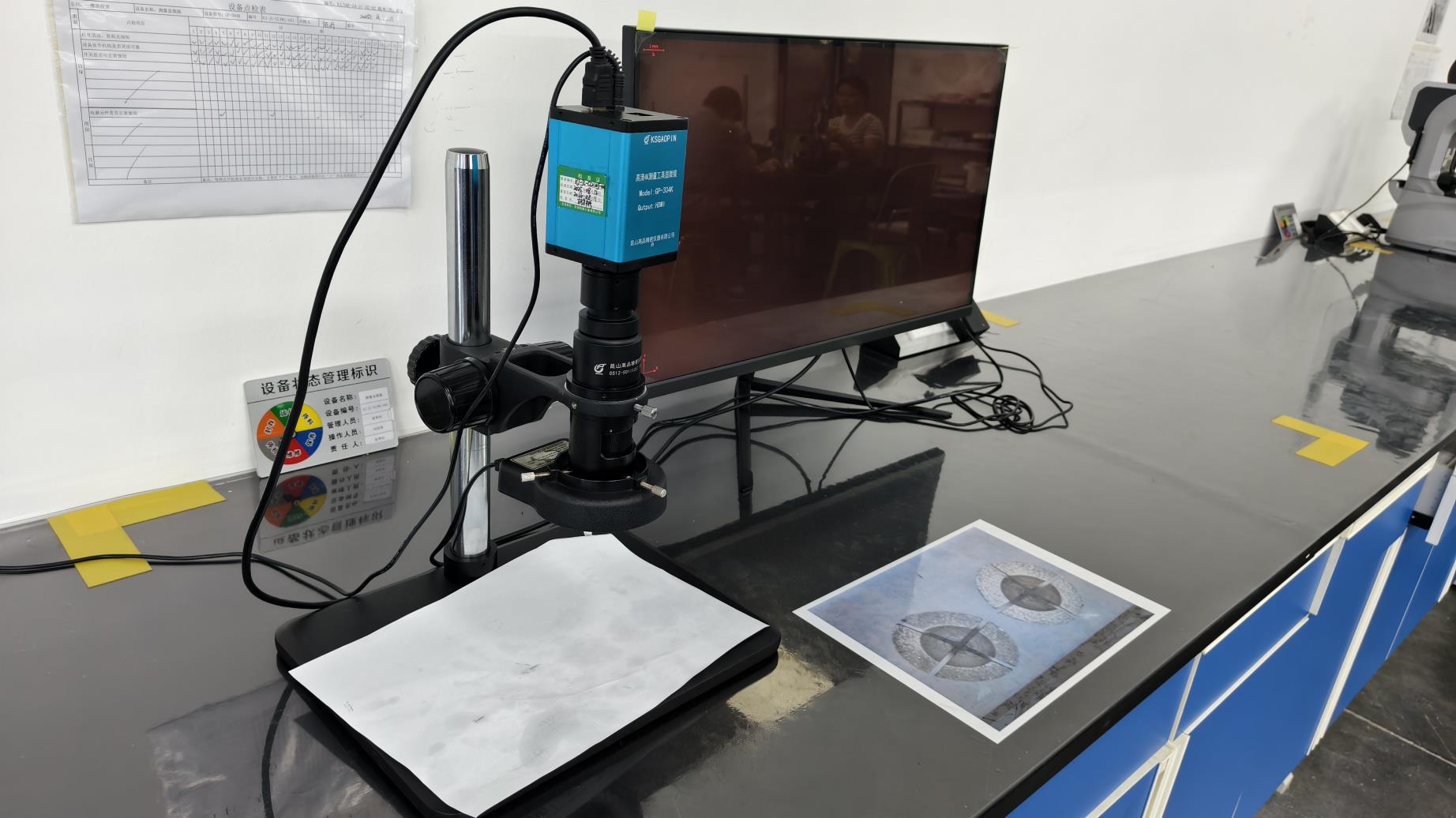
Clear answers to frequent technical questions asked by hospital procurement departments and orthopedic distributors.
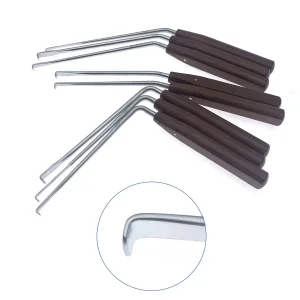
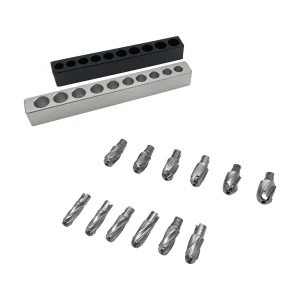
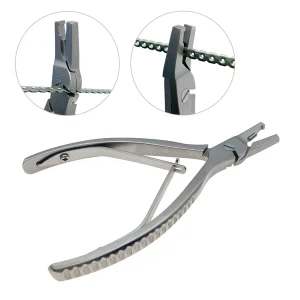
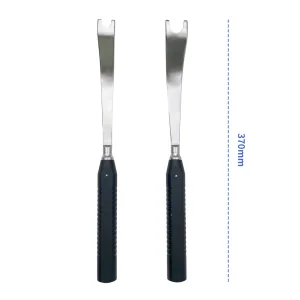
Enhance your surgical kits with our precision bone retractors, plate benders, and specialized orthopedic instrument sets.