SENJIE Healthy & Technology
SENJIE Healthy & Technology
SENJIE Healthy & Technology
Explore our top-tier catalog of specialized medical instruments engineered for precise veterinary, orthopedic, and neurosurgical procedures.
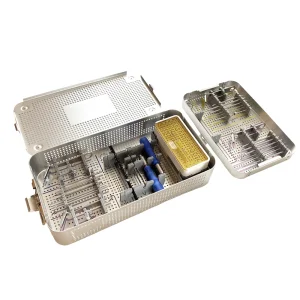

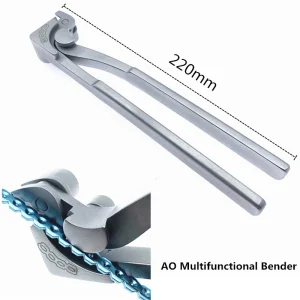
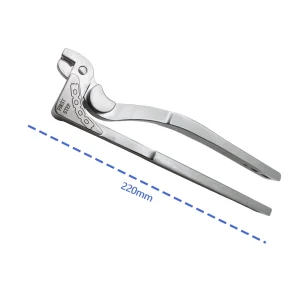
In modern clinical environments, surgical scissors are far more than simple cutting tools. They represent the apex of mechanical micro-engineering, where metallurgical integrity directly impacts tissue trauma, procedural efficiency, and surgical precision. As hospitals, veterinary clinics, and research laboratories handle increasingly complex operations, the global demand for professional medical grade instruments has surged dramatically.
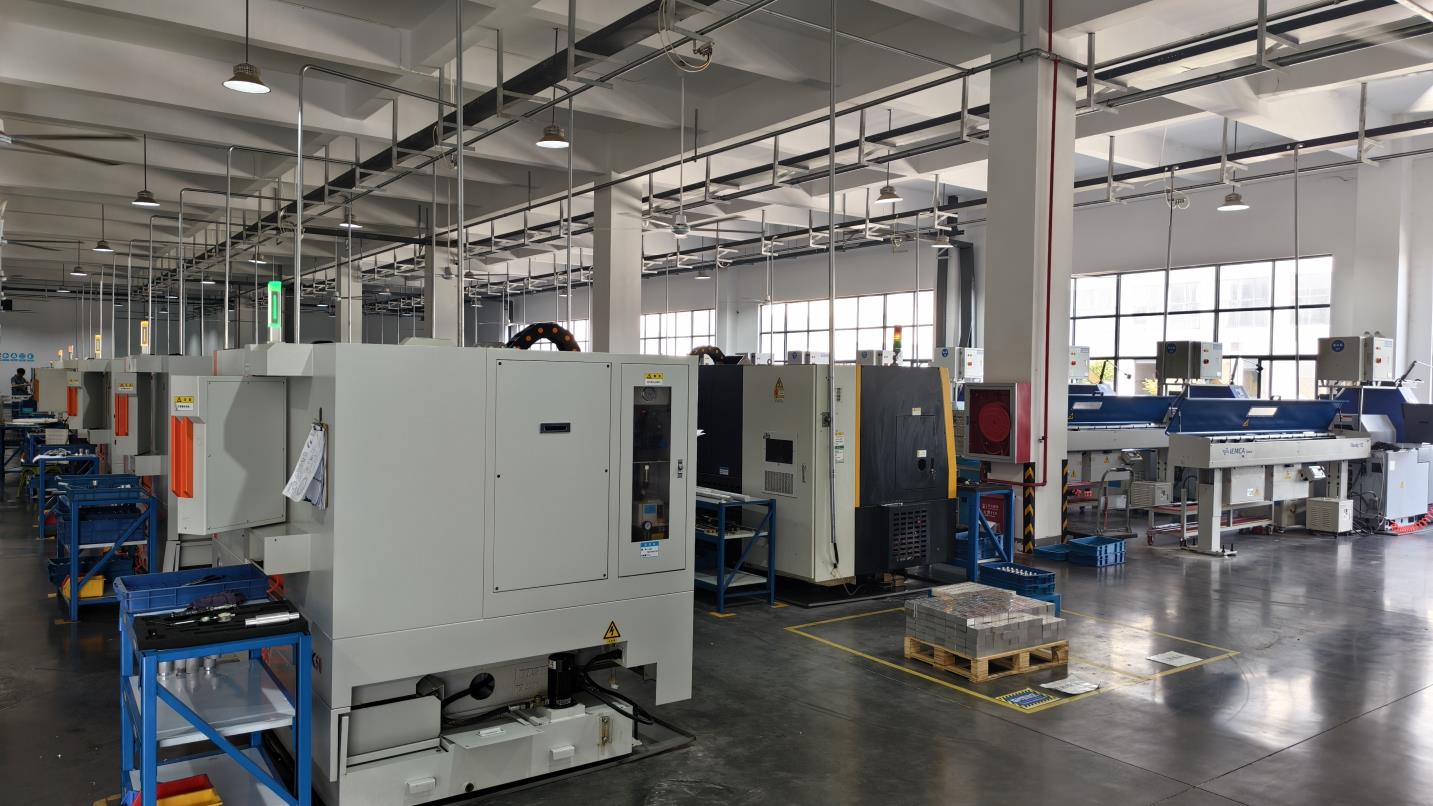
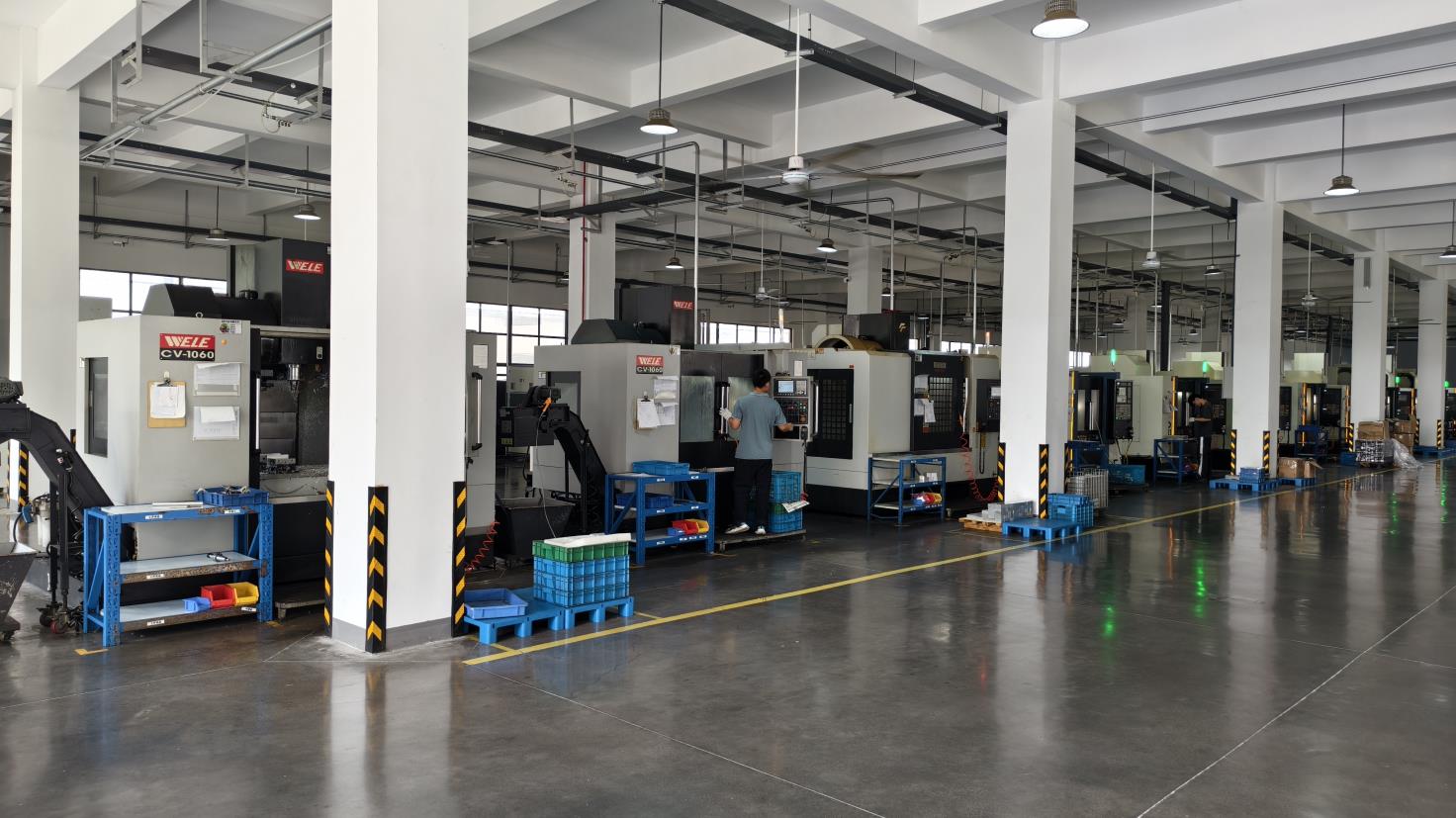
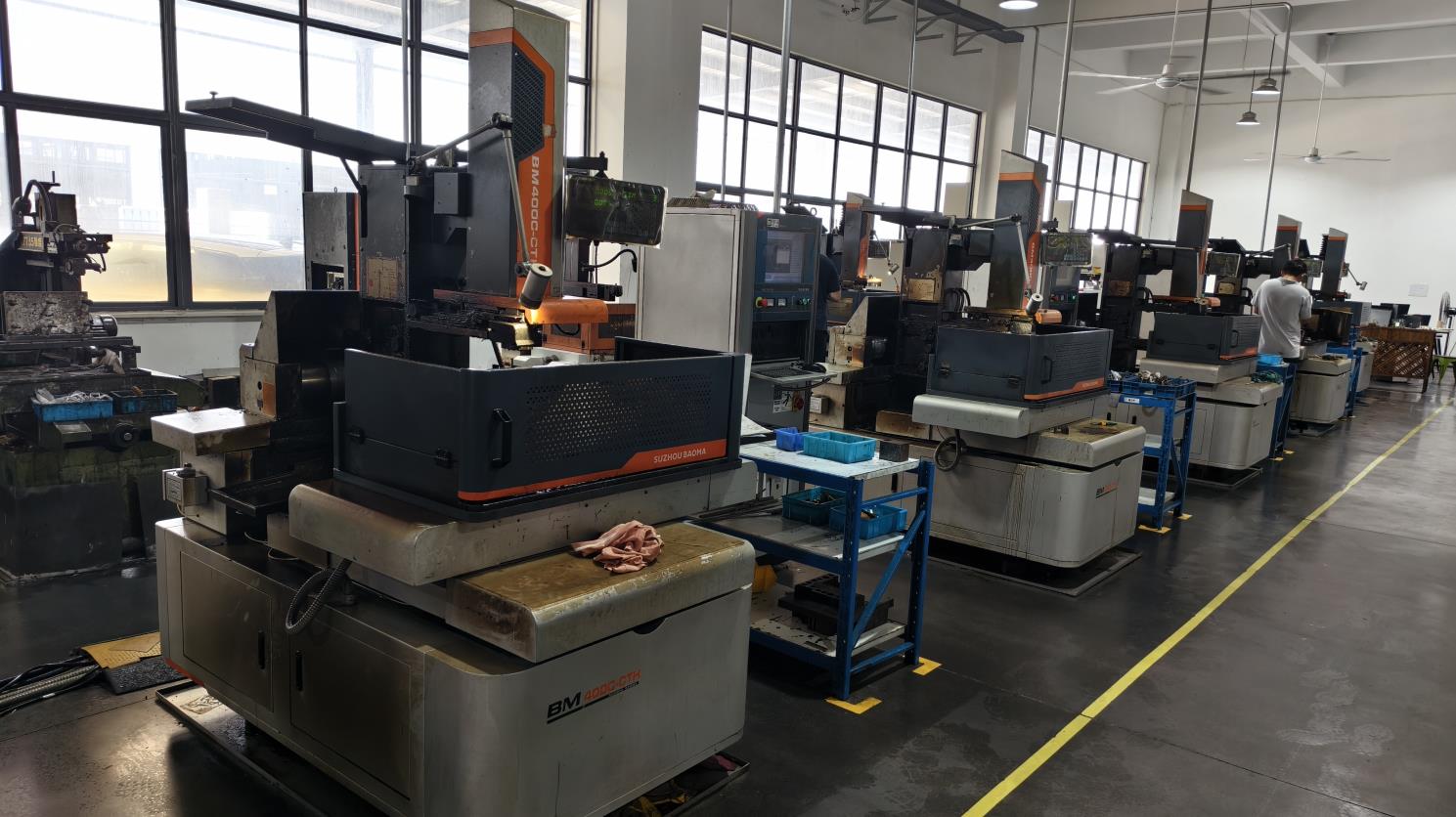
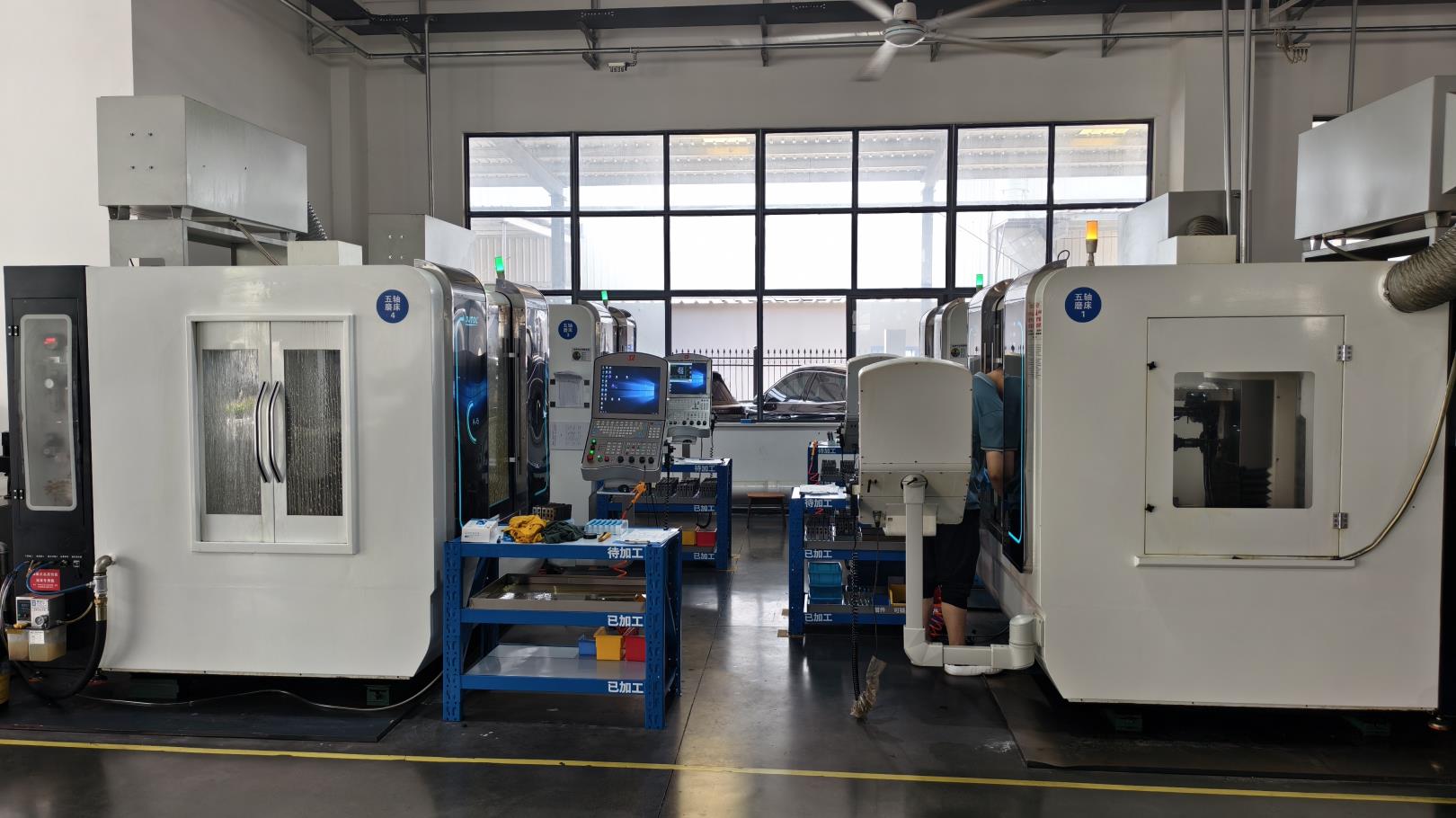
Historically, regions such as Tuttlingen in Germany and Sheffield in the United Kingdom established the foundational benchmarks for surgical metallurgy. However, a major structural shift has occurred over the last two decades. Global supply chains now heavily leverage highly optimized export hubs, particularly in China. The integration of advanced computer-numerical control (CNC) grinding, sophisticated heat treatment (vacuum hardening), and automated stamp-forming technologies has allowed modern factories to output instruments that match or exceed Western standard tolerances while remaining economically viable for large-scale procurement.
Information Gain Insight: The performance of surgical cutting tools is highly dependent on their carbon-to-chromium ratio. Higher-quality modern instruments leverage martensitic stainless steels (such as AISI 420 and AISI 440C) combined with specialized surface coatings (PVD/DLC) to extend the functional lifecycle of blade cutting edges up to fivefold compared to standard non-hardened alloys.
China's dominance in the surgical tool supply chain is driven by two main elements: raw supply ecosystem proximity and automated manufacturing efficiency. When a specialized factory is situated within an industrial cluster, it gains immediate access to certified medical-grade steel suppliers, localized heat-treatment facilities, and state-of-the-art testing laboratories.
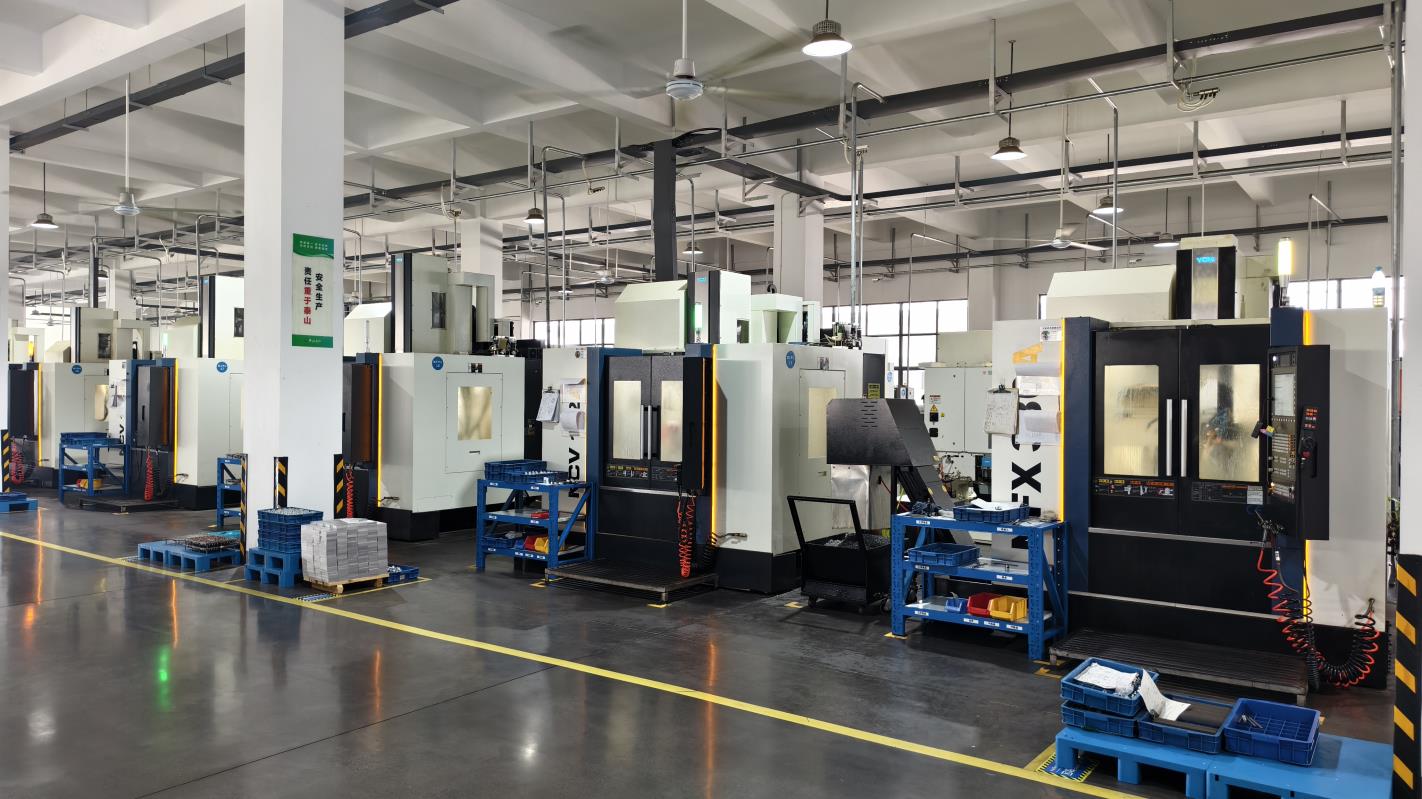
Furthermore, the efficiency transition within Chinese plants has been massive. Transitioning from traditional manual forging to high-pressure precision forging guarantees that there are no inner air bubbles or structural faults within the steel bodies. The introduction of high-end vertical machining centers makes it possible to maintain tolerances under ±0.02 mm, a level of accuracy critical for instruments like Acetabular Reamer Shafts and Cranial Milling Cutters.
A detailed look at our operational framework, trade footprint, and customization specifications mapped to meet global clinical standards.
When procurement managers assess surgical instrument manufacturing partners, they must evaluate more than just standard shapes and catalog numbers. Understanding the exact mechanical and physical parameters is vital for mitigating field failures and patient risks. Here is an overview of the key components that define professional-grade scissors:
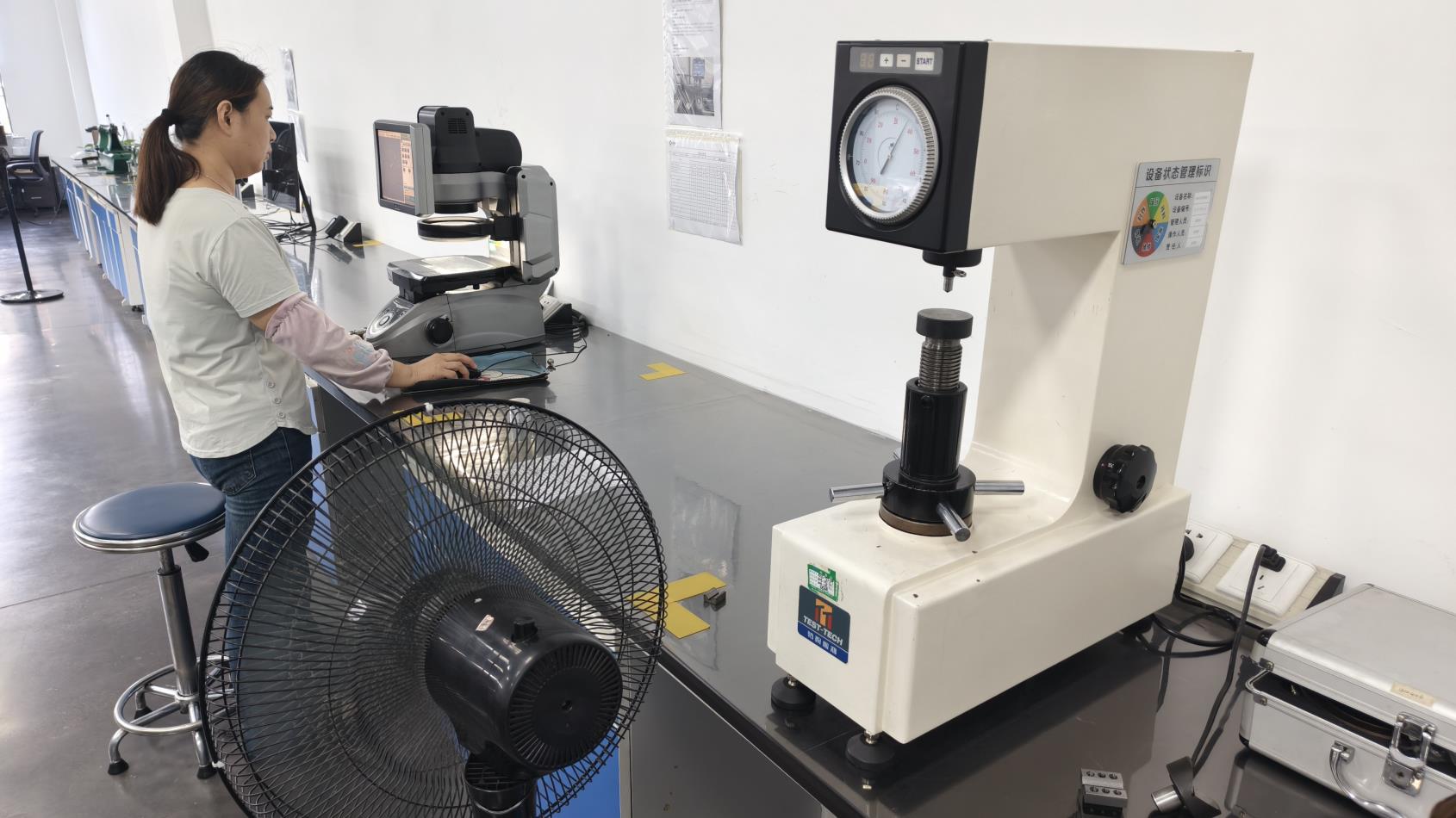
A high-quality surgical scissor must feature a surface hard enough to maintain a razor-sharp edge through hundreds of sterilization cycles, yet possess sufficient ductility to prevent micro-fracturing under stress. Standard surgical steel is typically heat-treated to achieve a Rockwell Hardness (HRC) ranging between 50 and 58. For premium applications, manufacturers incorporate Tungsten Carbide (TC) inserts along the cutting edges, pushing hardness levels beyond 70 HRC. These inserts are recognized by the industry-standard gold-plated ring handles.
Modern surgical scissors often feature custom geometric modifications:
Surgical instruments are continuously exposed to physiological fluids, highly saline solutions, and aggressive chemical cleaners. To prevent oxidation (pitting rust), the manufacturing process must include a chemical passivation step. Immersion in nitric or citric acid baths removes free iron particles from the steel's surface, leaving a chromium-rich oxide film that acts as an impermeable barrier against corrosive media.
Did You Know? The European ISO 7153-1 and American ASTM F899 standards define the exact chemical makeup allowed for surgical stainless steel. B2B importers should always request certified chemical analysis reports (mill test certificates) to verify raw material compliance.
The usage patterns for surgical tools vary widely across clinics:
Answers to common B2B questions regarding manufacturing processes, customization parameters, and supply chain logistics.
Explore our specialty hardware, reconstruction components, and power tools engineered to integrate seamlessly into modern surgical workflows.
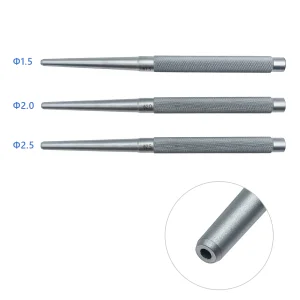
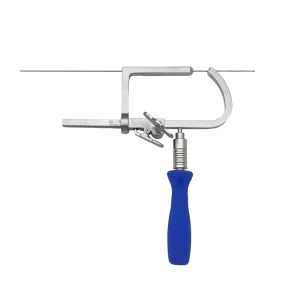
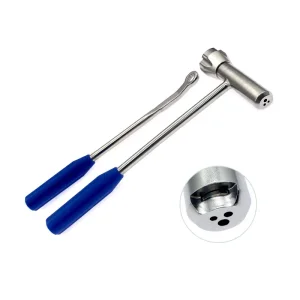
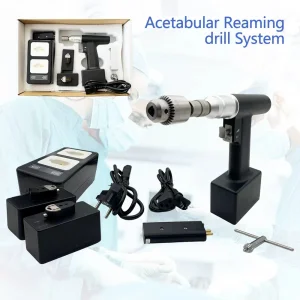
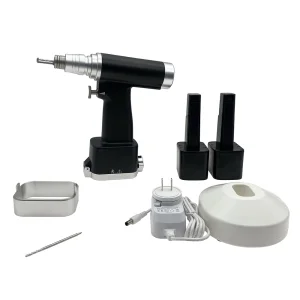
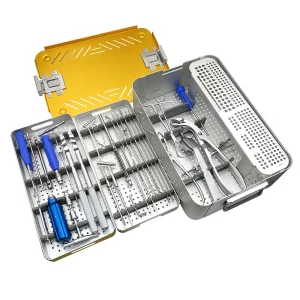
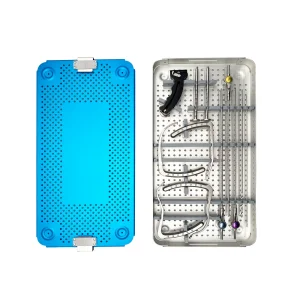
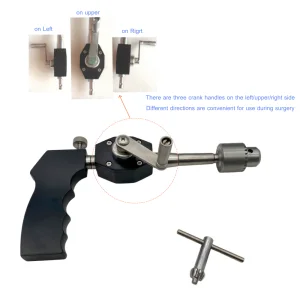
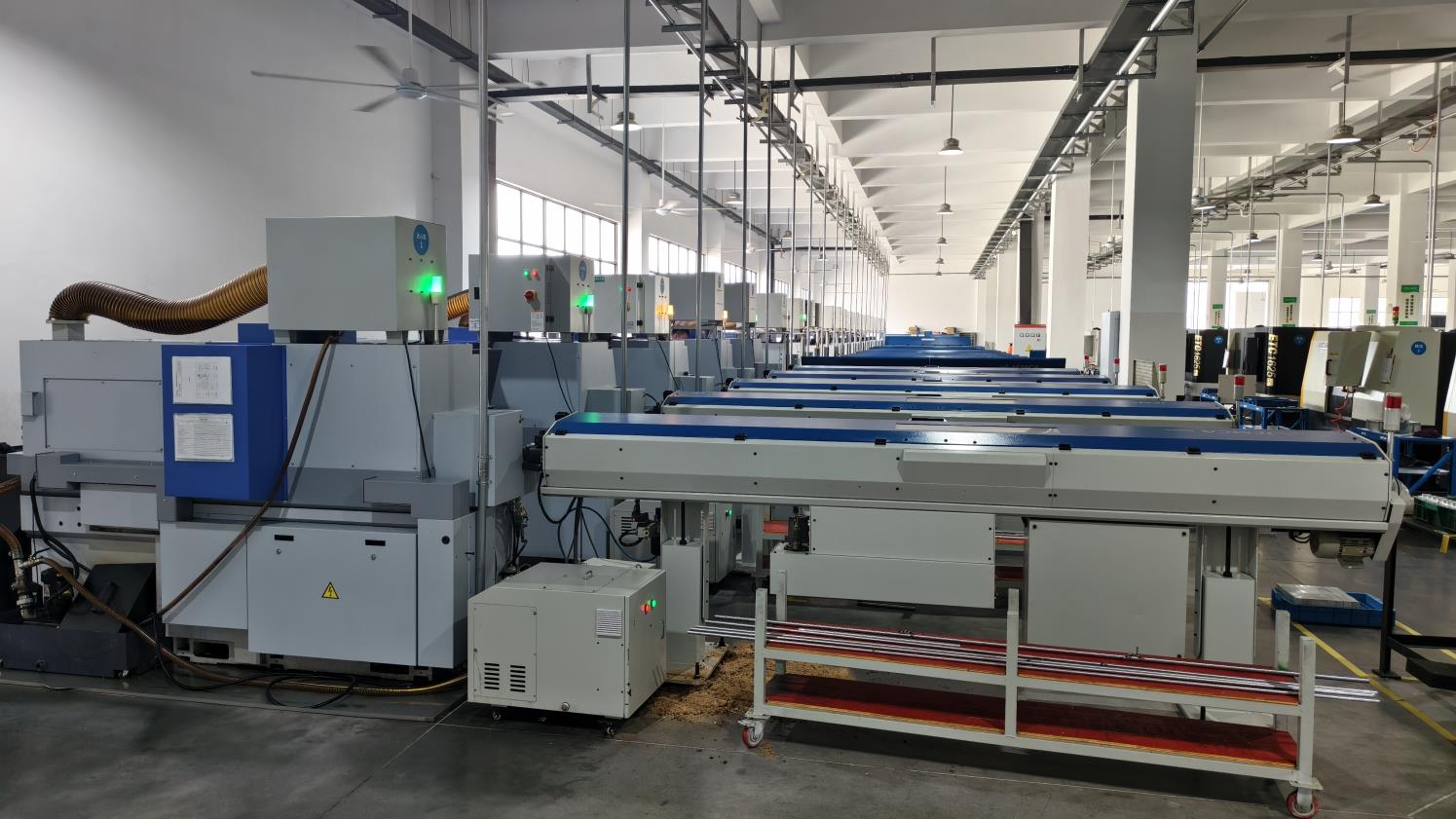
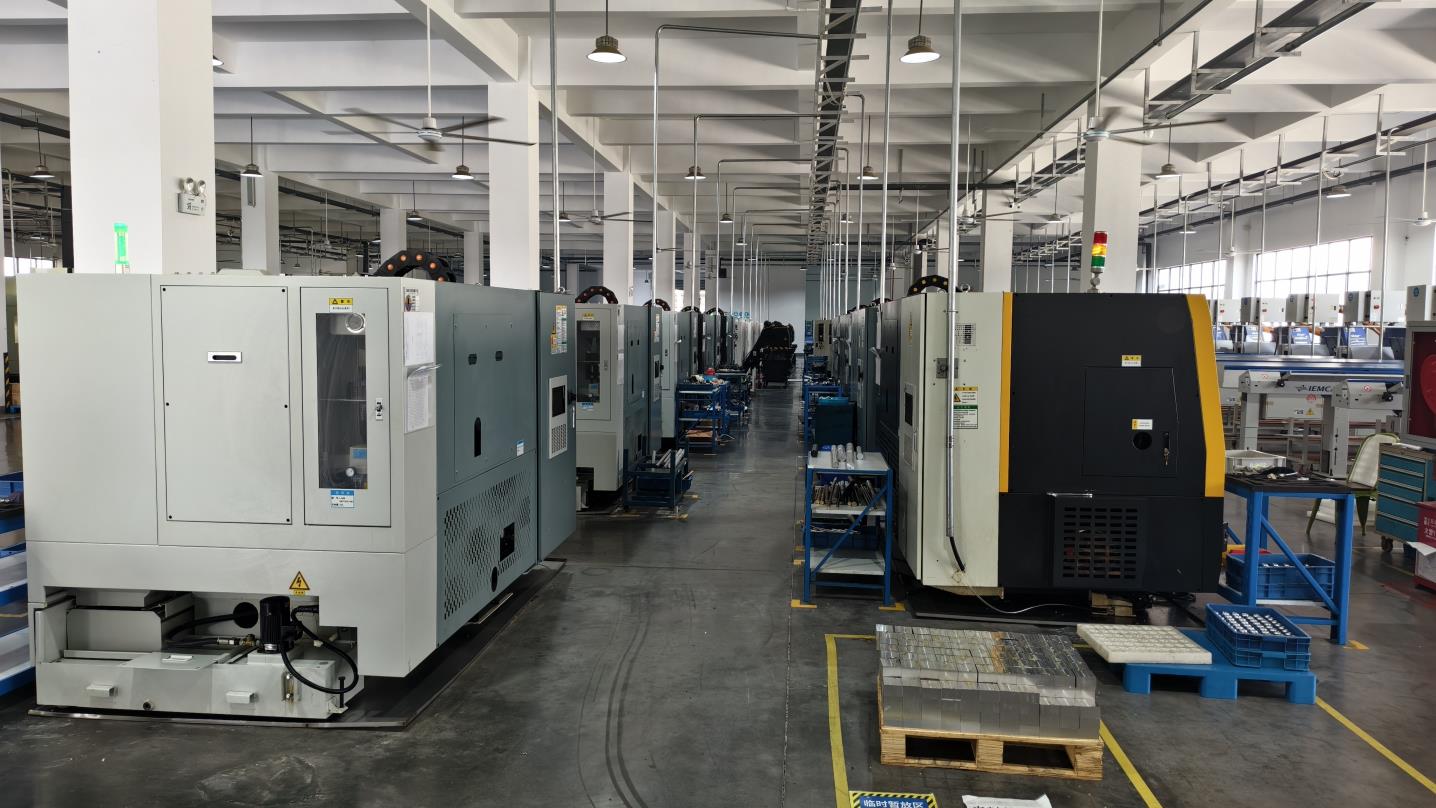
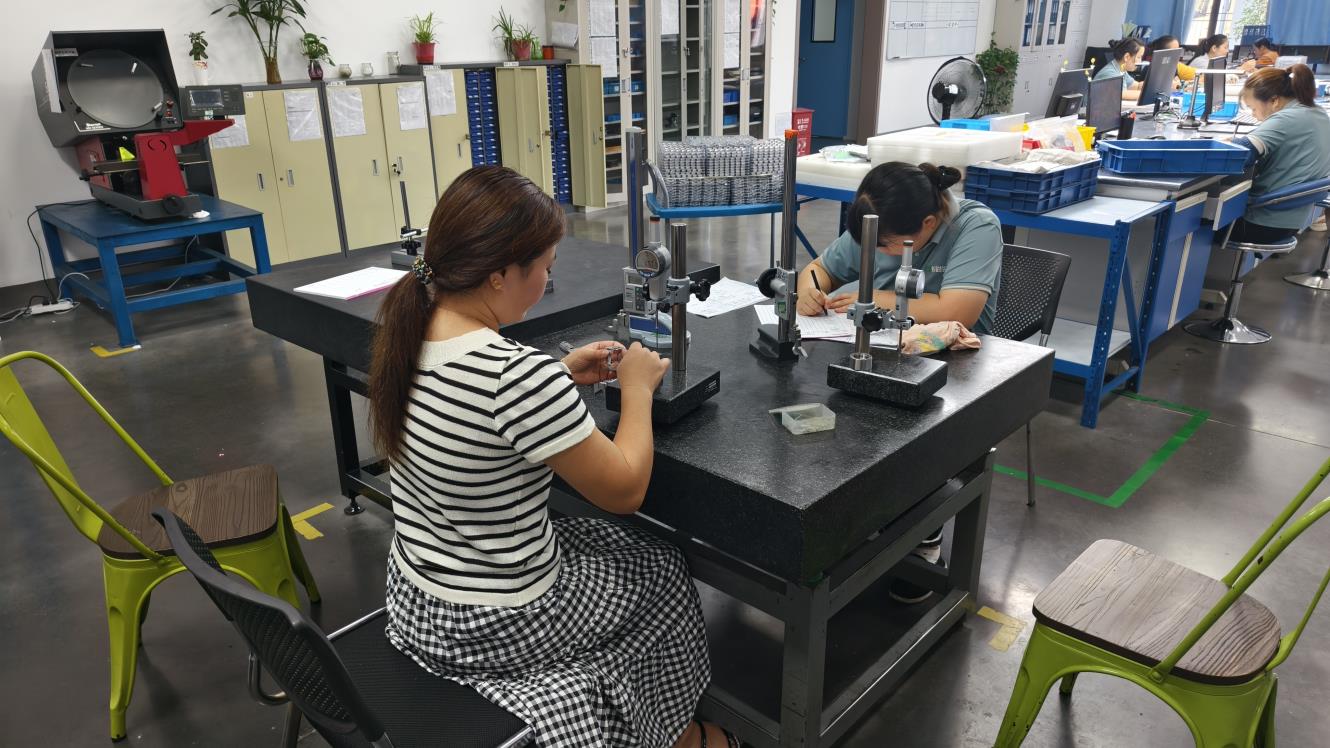
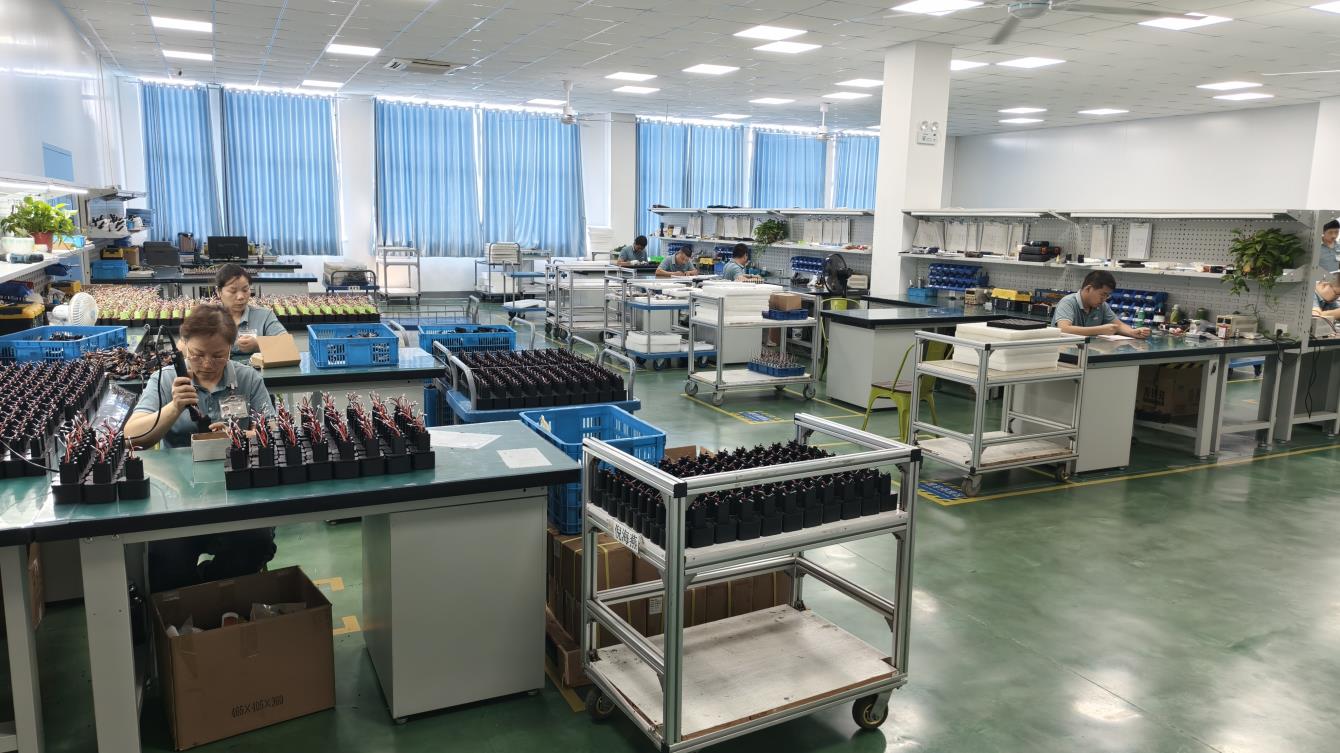
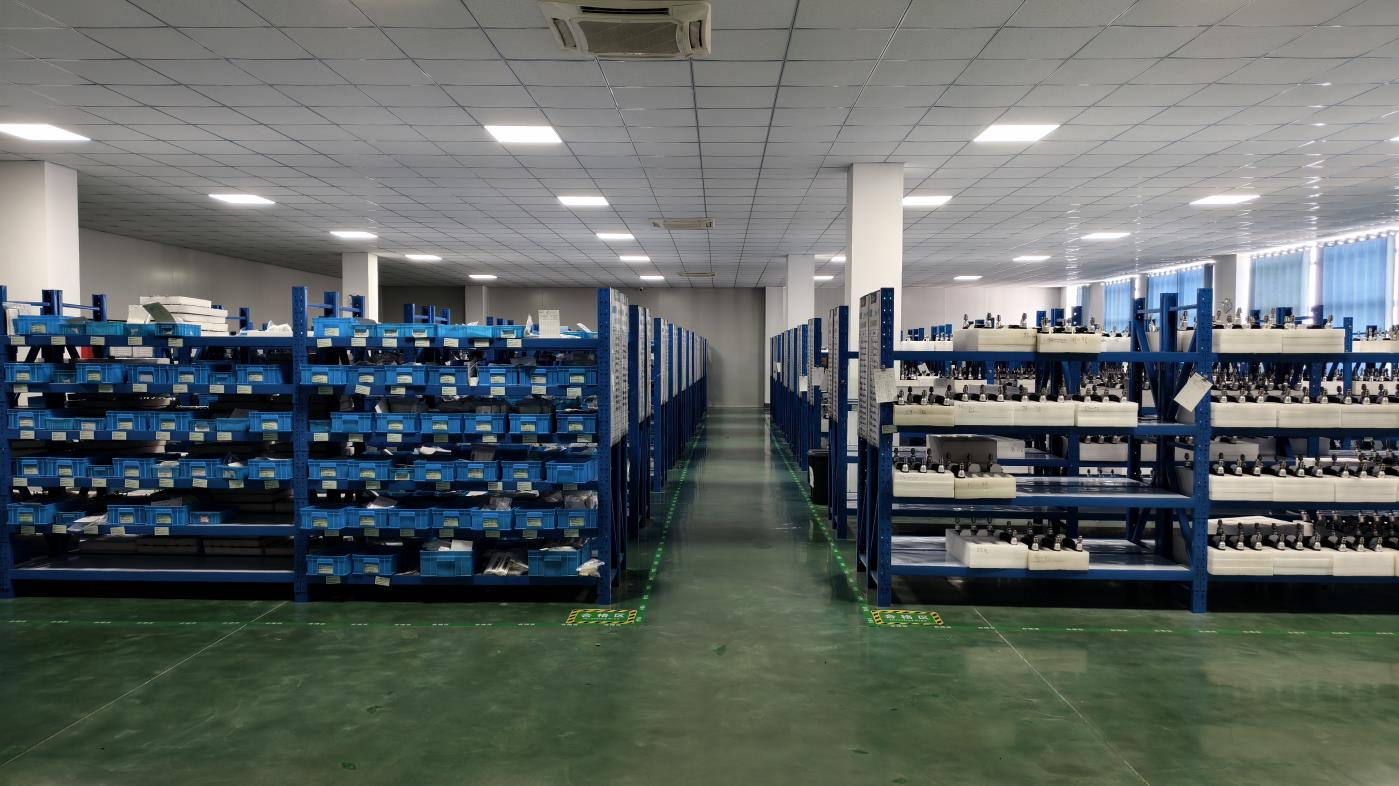
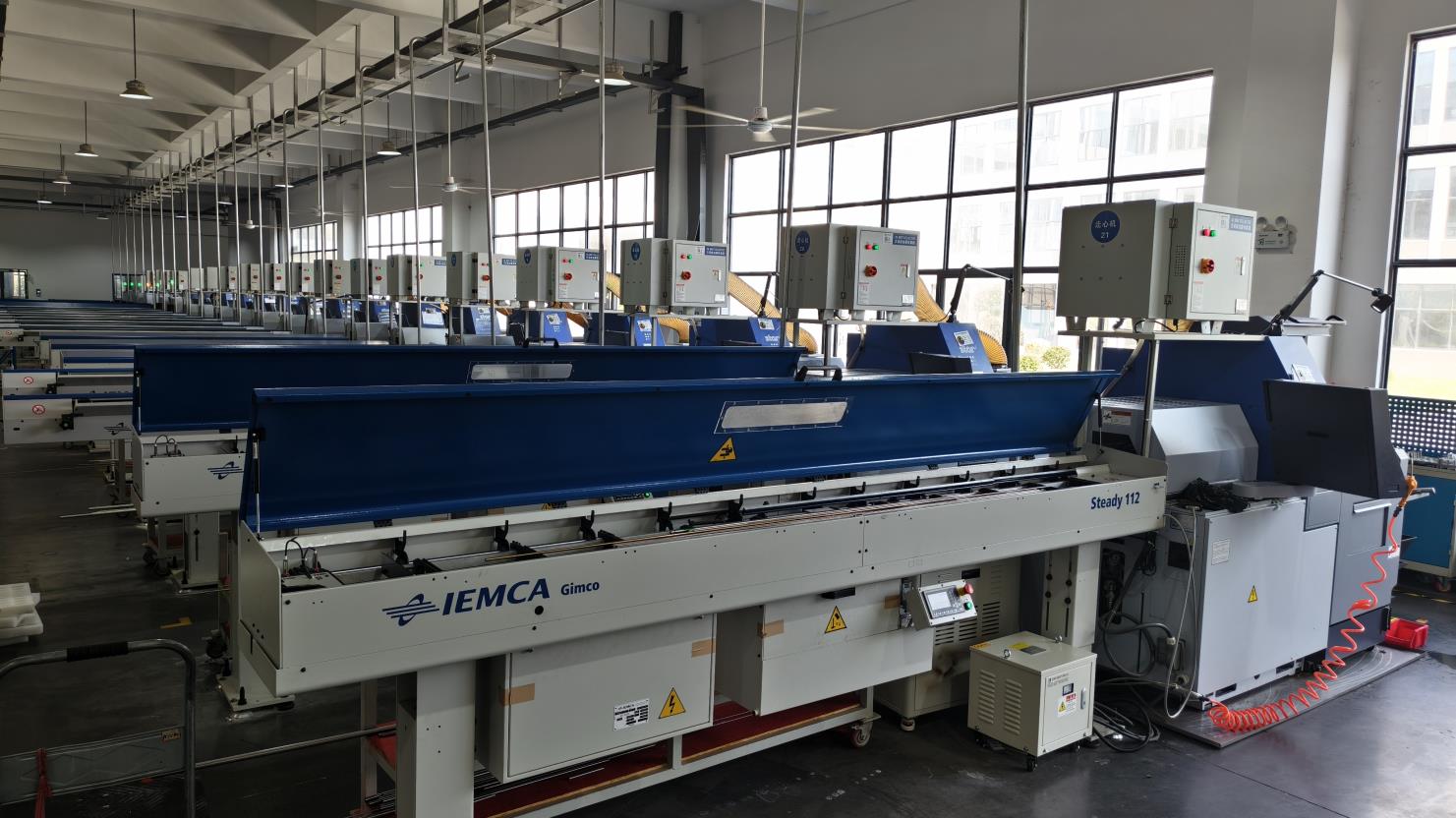
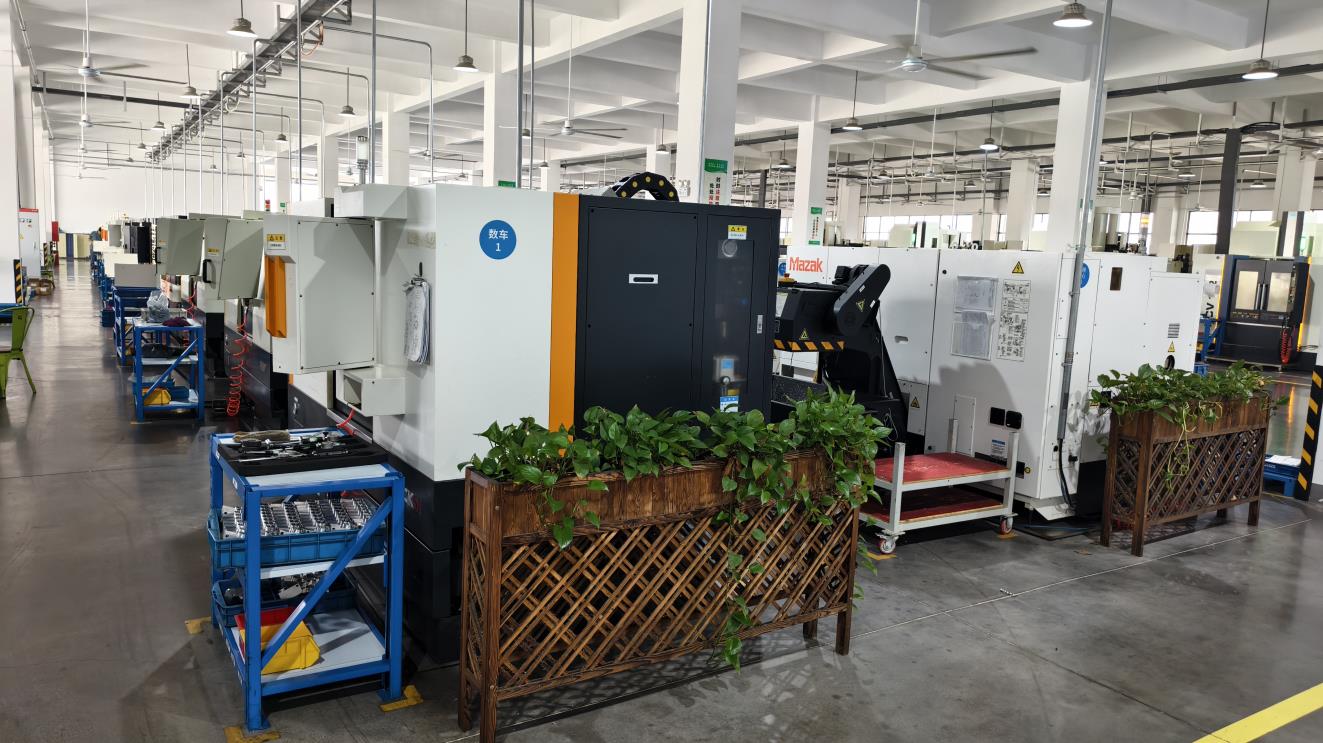
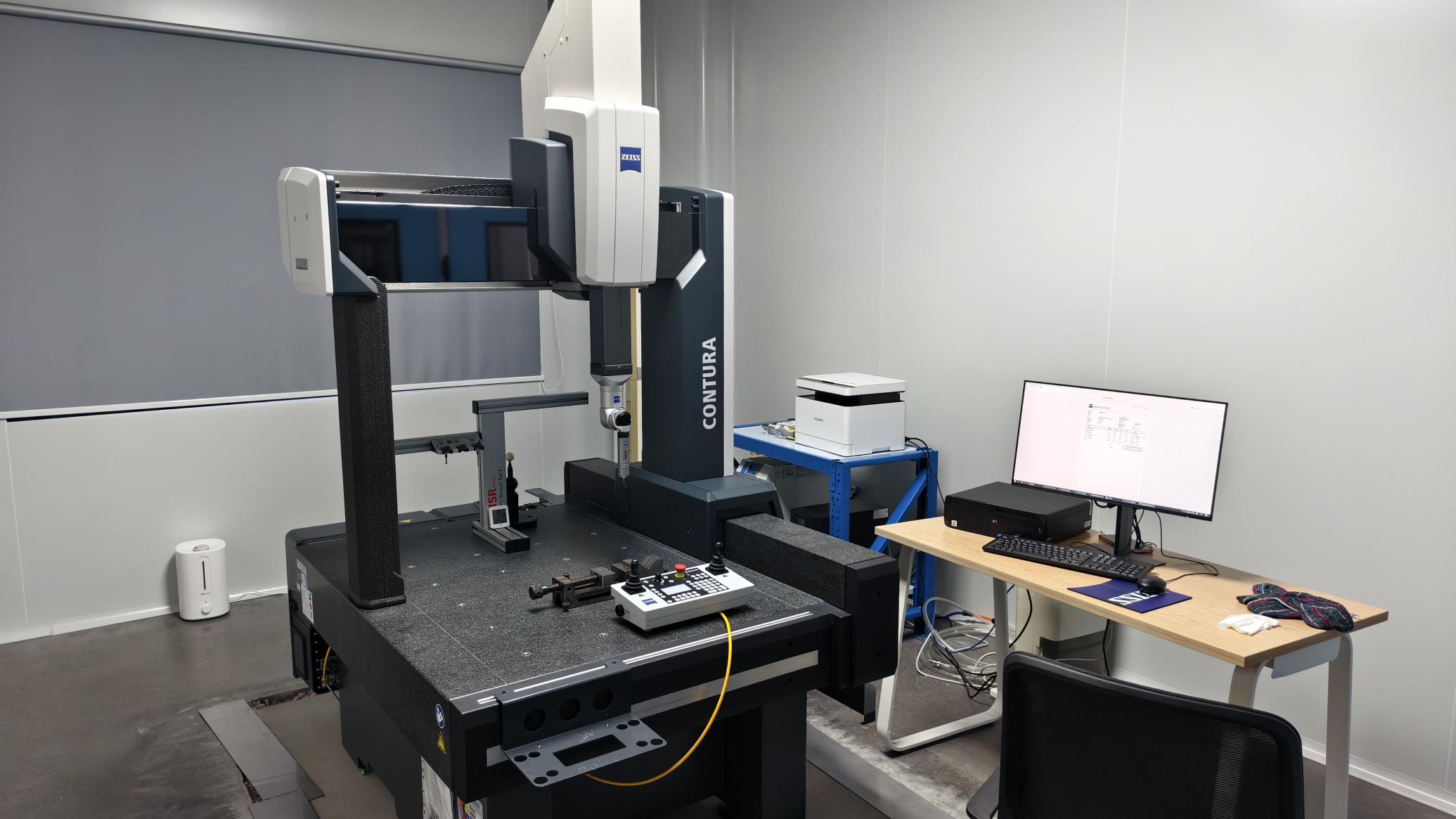
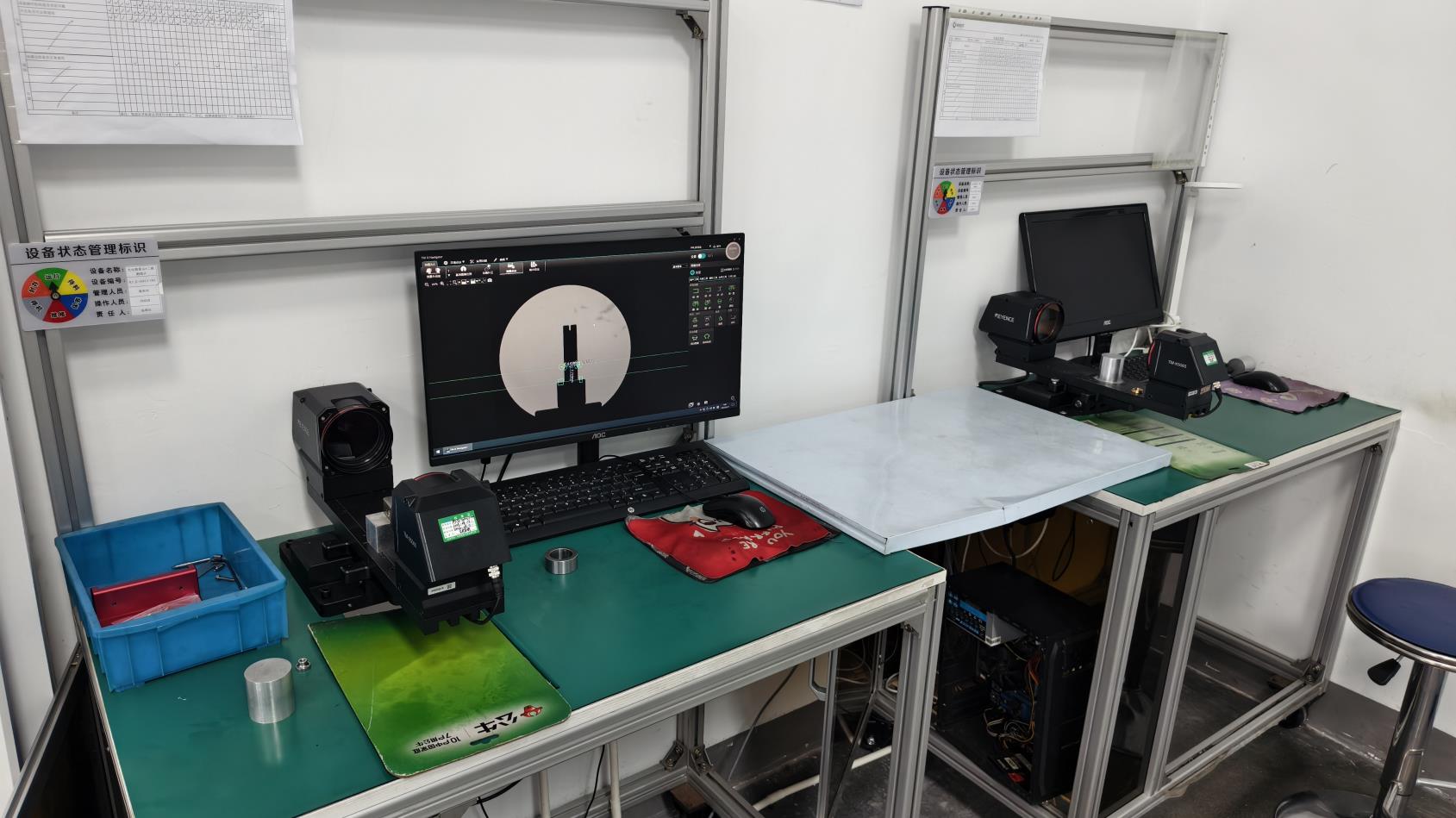
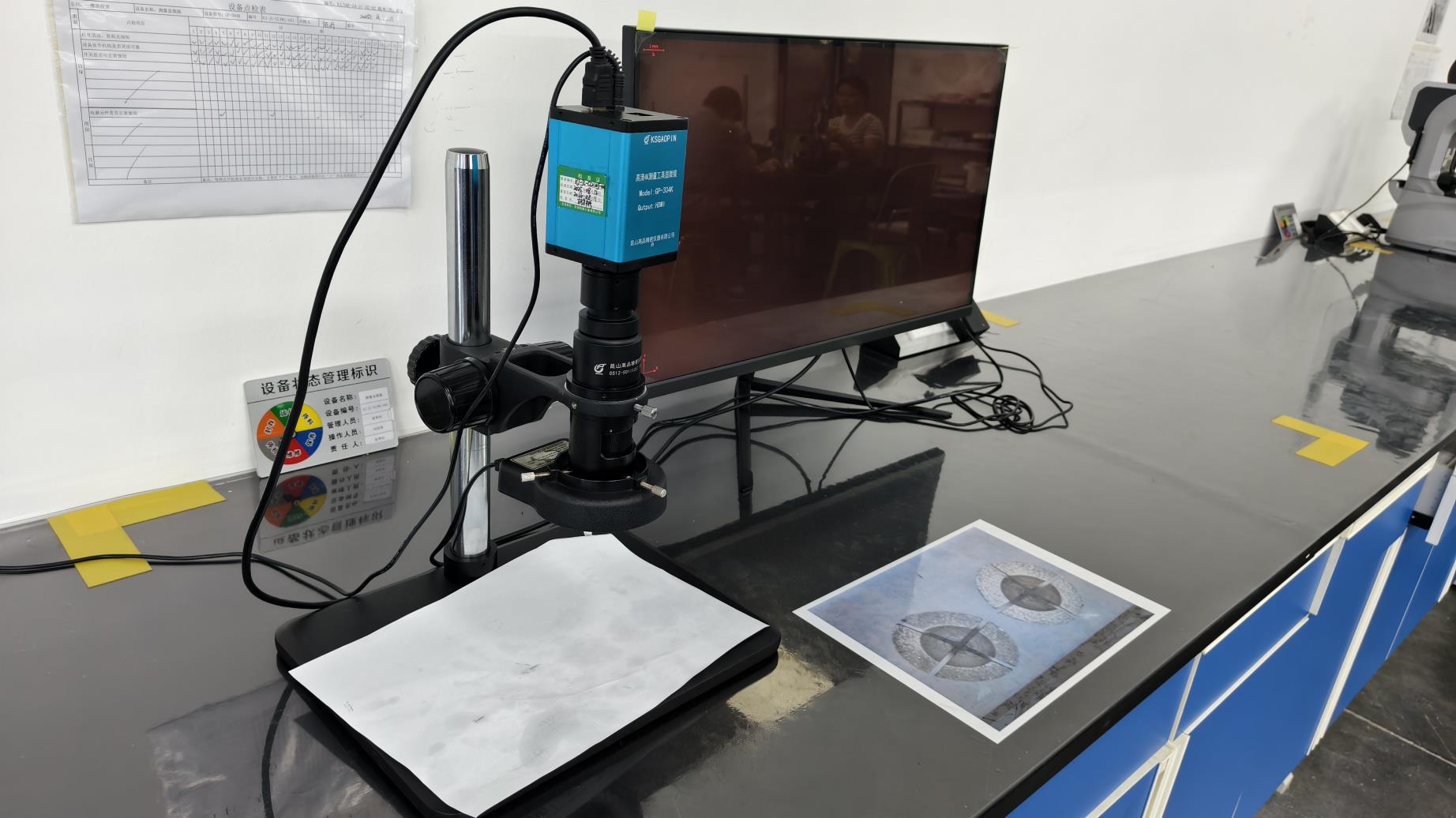
Genuine visual documentation of our factory manufacturing capabilities, equipment processing facilities, and instrument assemblies.