SENJIE Healthy & Technology
SENJIE Healthy & Technology
SENJIE Healthy & Technology
Explore our initial collection of high-precision orthopedic, neurosurgical, and general clinical instruments engineered to meet rigorous surgical tolerances.
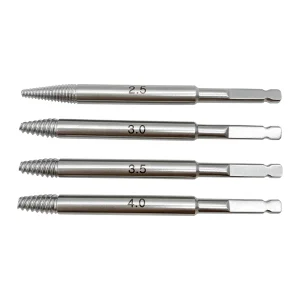
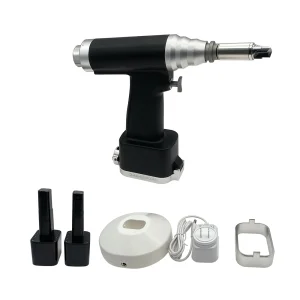
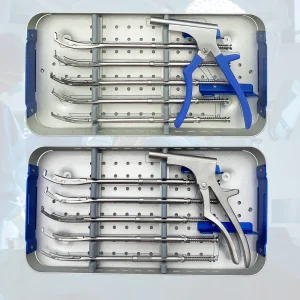
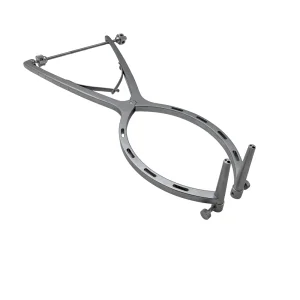
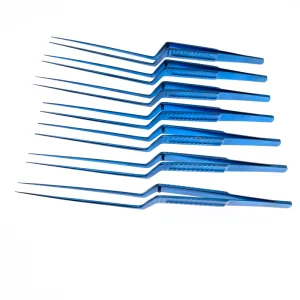
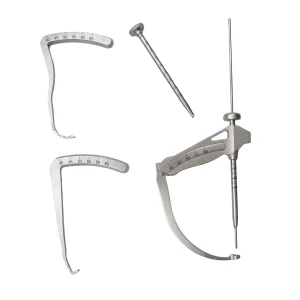
In the modern surgical landscape, precision is not a variable; it is a clinical prerequisite. Surgical measuring tools, ranging from micrometric calipers and bone depth gauges to advanced acetabular cup aimers, form the baseline of patient safety and procedural success. A deviation of a single millimeter in implant planning, bone resection, or screw placement can lead to mechanical joint instability, osteolysis, implant loosening, or localized soft-tissue damage.
For clinical departments and global medical device distributors, sourcing from trusted surgical measuring tools manufacturers and factories is a strategic imperative. Quality compliance pathways (such as ISO 13485, FDA registrations, and MDR CE certifications) act as the operational framework that separates leading manufacturers from low-tier fabricators. Advanced surgical metrology tools now utilize biocompatible alloys and medical-grade polymers, designed to withstand repetitive autoclaving cycles without loss of dimensional tolerance or structural deterioration.
Precision thresholds vary by specialty, but the strict manufacturing guidelines below remain consistent across top global factories:
B2B medical device buyers face complex regulatory and regional landscapes. Sourcing requirements vary depending on geographic markets, local healthcare infrastructure, and legal regulatory frameworks. Below is an overview of the global distribution of procurement activity and regional requirements:
A key challenge in purchasing surgical instruments is verifying compliance across borders. In North America, procurement focus is placed on raw material origin verification and structural fatigue tolerances under high-temperature steam sterilization (specifically ANSI/AAMI ST79 guidelines). Conversely, European buyers operating under EU MDR regulations prioritize dynamic risk evaluations and clinical post-market surveillance data.
For emerging markets in South America and Southeast Asia, the veterinary and human orthopedic sectors are increasingly adopting high-quality stainless steel and titanium measurement guides (such as the QSWTITAN C-Type Drill Guide or Table Rod Cutters). Buyers in these regions seek versatile OEM manufacturers that offer customized scale printing, low-tolerance drill sleeves, and flexible MOQ constraints.
When auditing a surgical measuring tools factory, procurement leads must evaluate operational data and quality control metrics. The registration date, years of export history, and dedicated testing personnel provide a reliable indication of a facility's technical maturity.
Our manufacturing ecosystem runs on structured protocols developed over years of exporting specialized surgical instruments. We ensure full raw material traceability—from the initial steel rod shipment to the final laser-etched scale calibration. Random testing, complemented by custom inspection plans tailored to client requirements, ensures consistent quality across production batches.
| Indicator Name | Factory Specification Details |
|---|---|
| Company Registration Date | 2019-11-20 |
| Years in Medical Industry | 6 Years |
| Years Exporting Globally | 6 Years |
| QA/QC Dedicated Inspectors | 3 Inspectors |
| Product Traceability Support | Yes, Full Raw Material Traceability |
| Product Inspection Methods | Random inspection & Customized client specifications |
| Customization Capacity | Sample processing, Graphic processing, Custom on-demand |
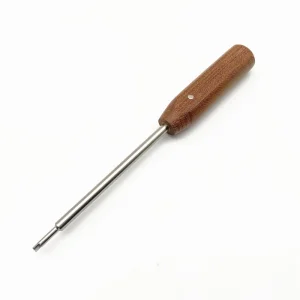
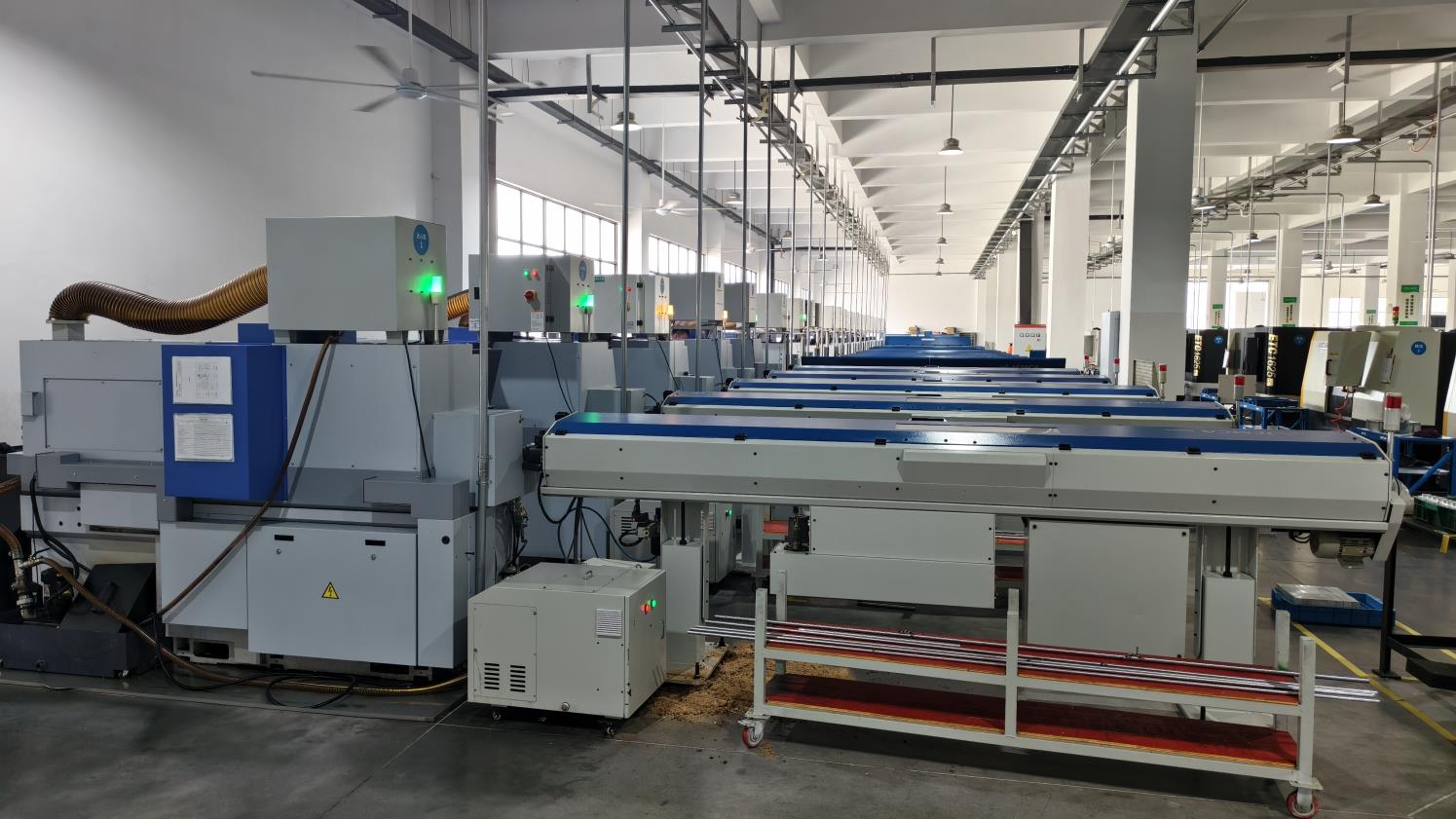
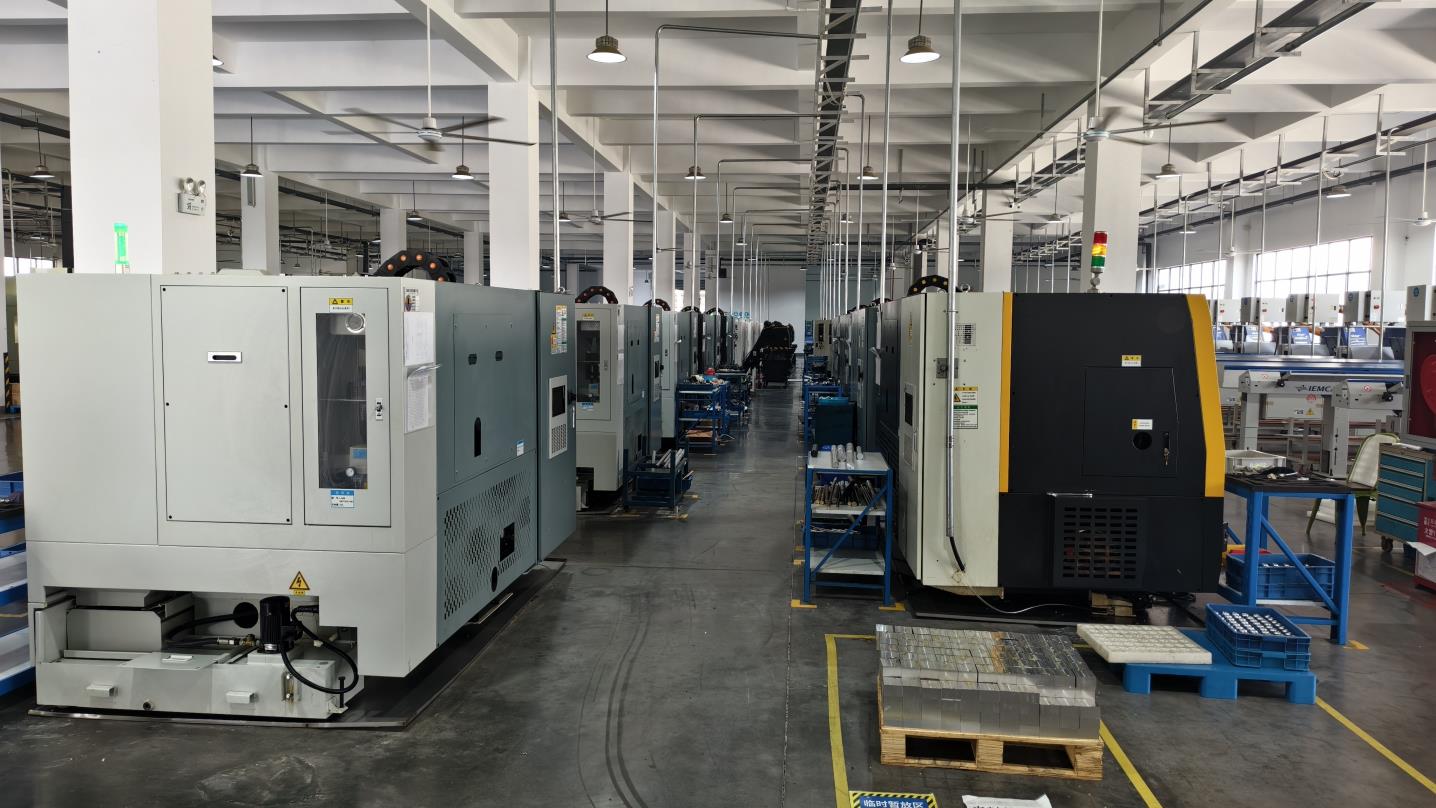
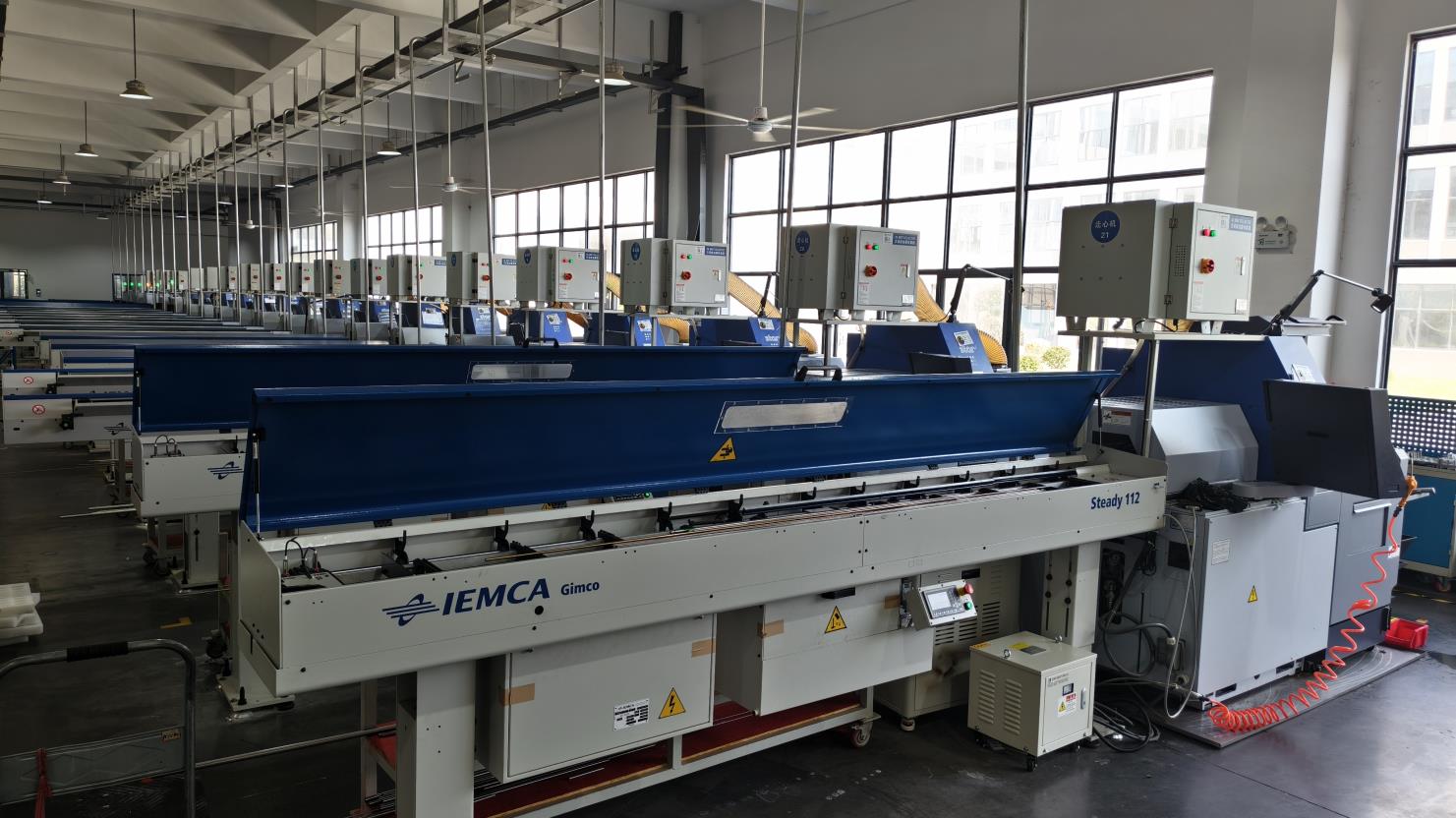
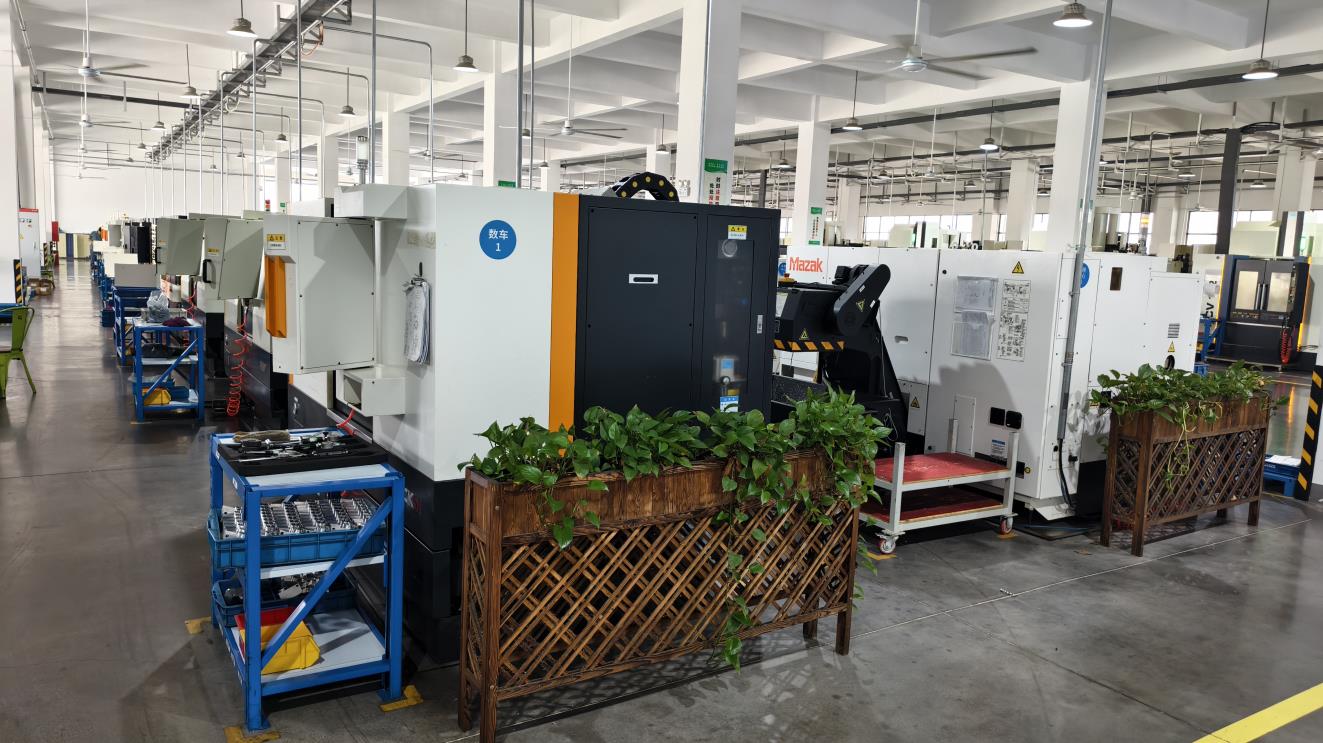
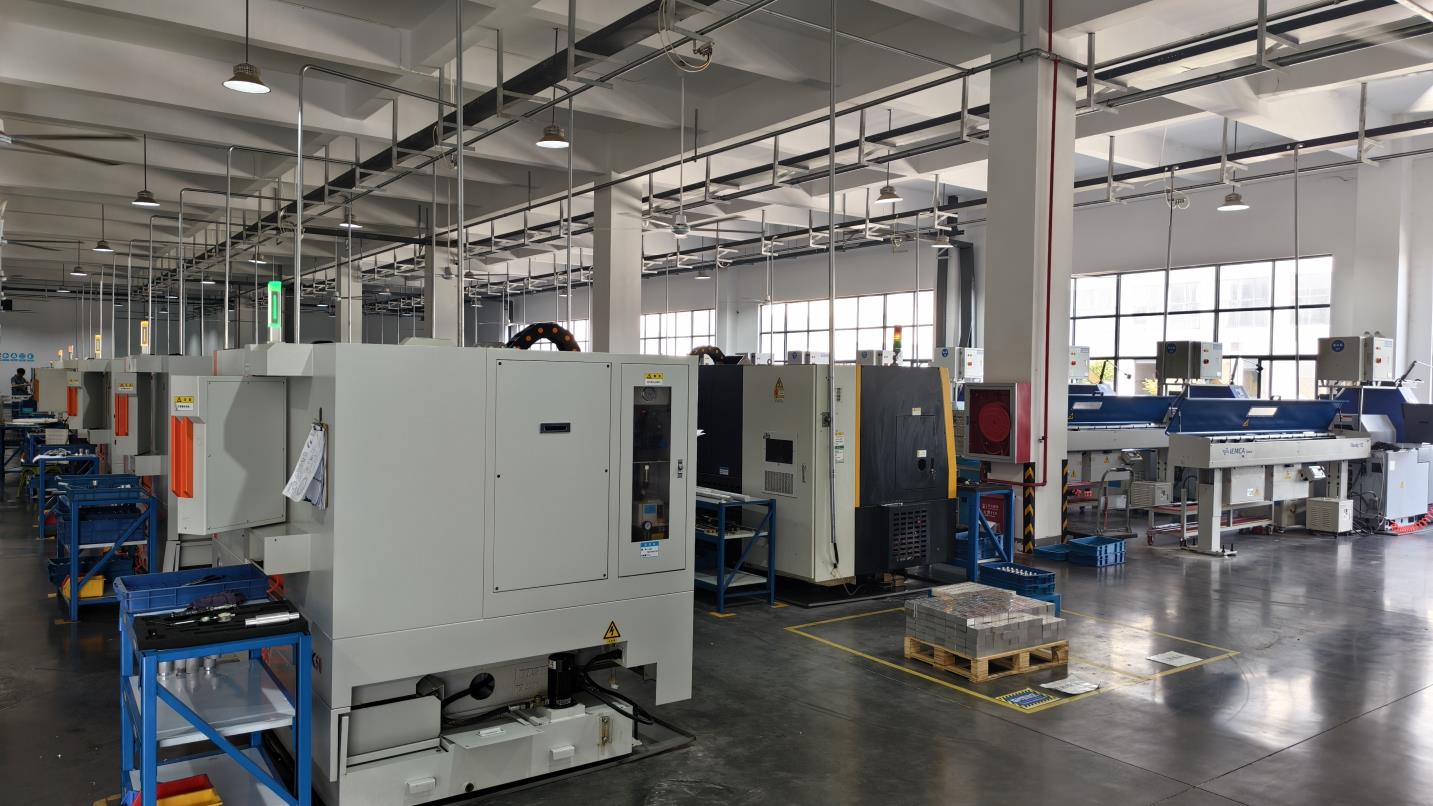
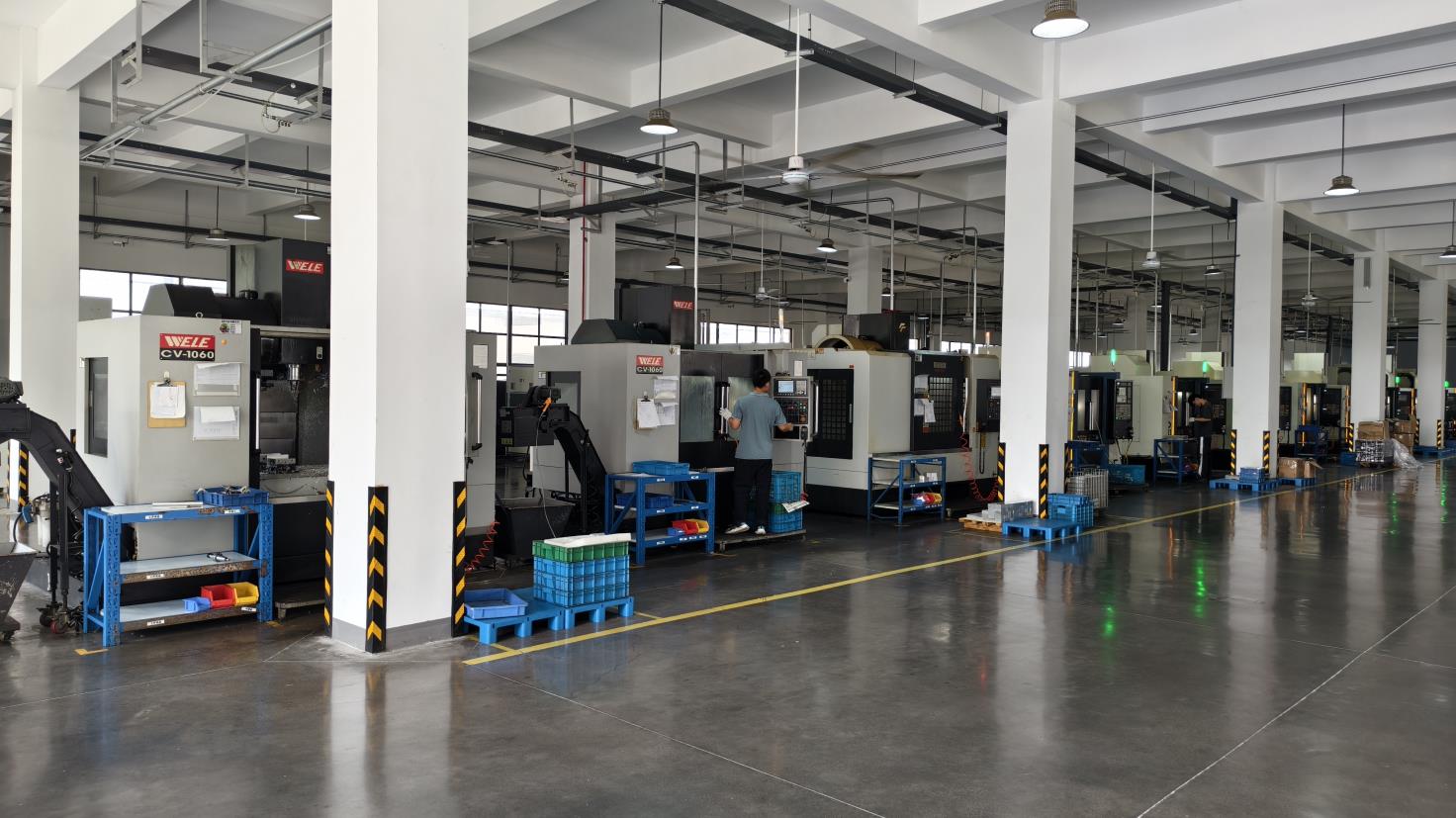
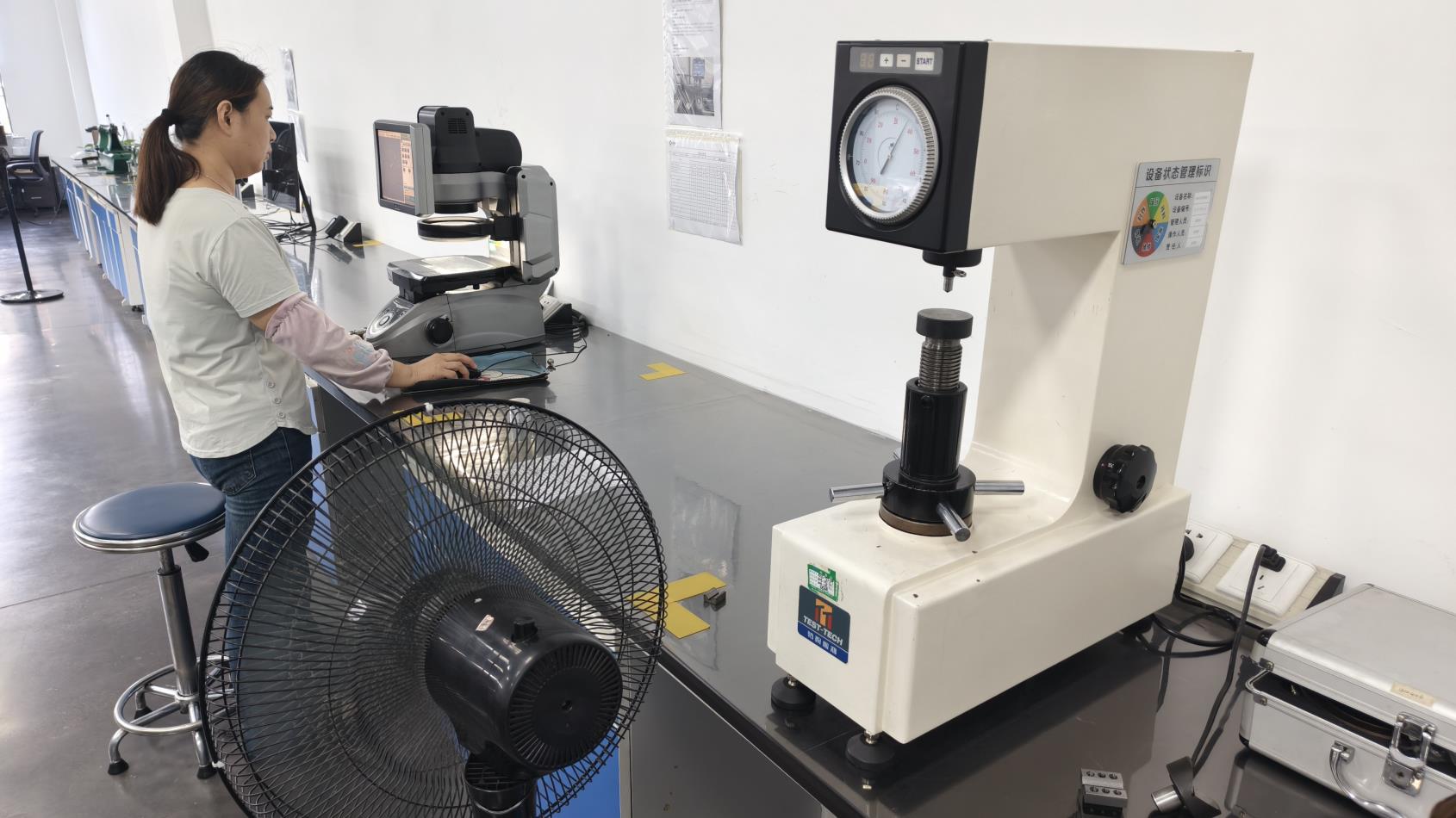
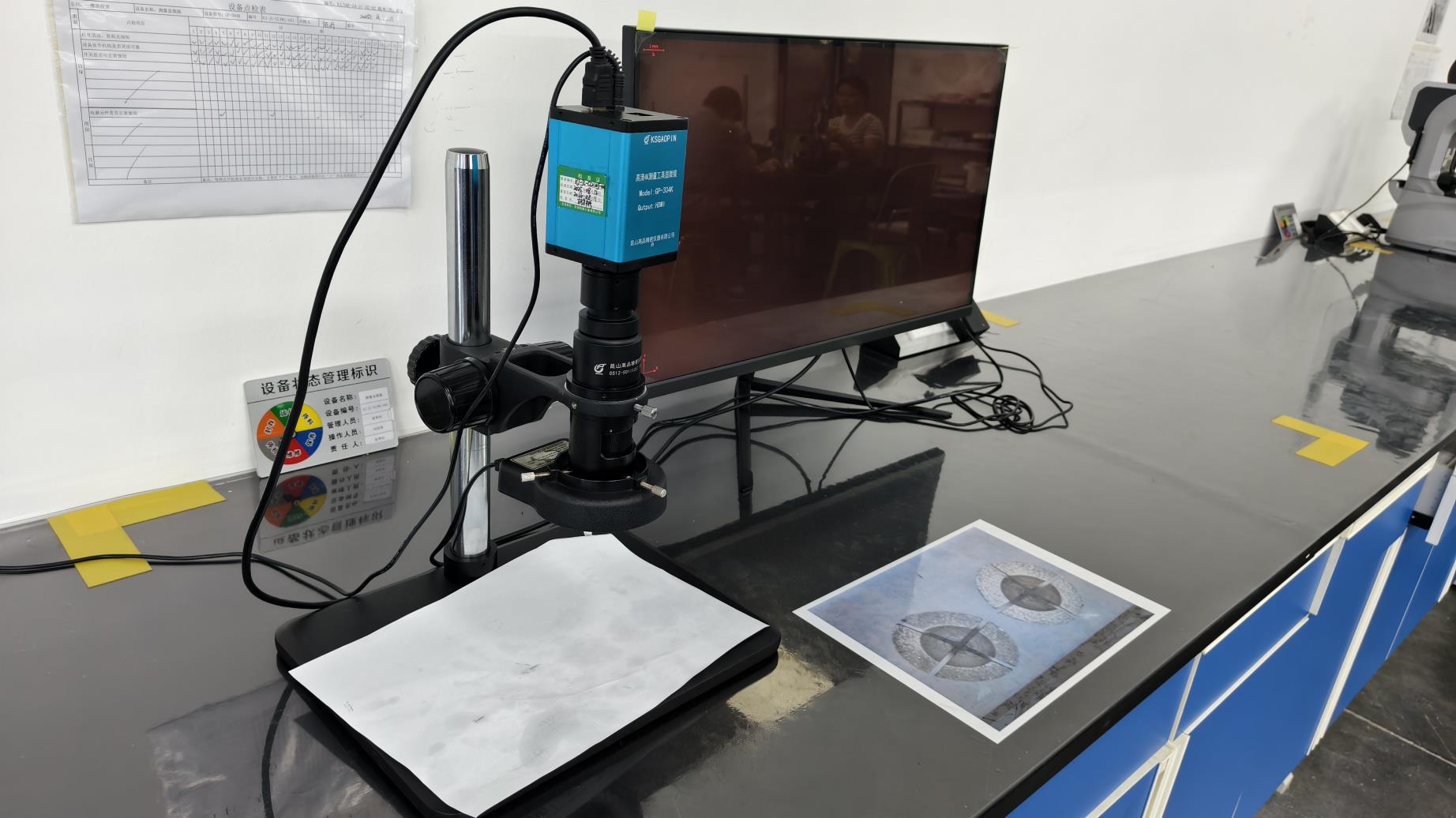
Below are verified images of our production processes, raw material warehouses, quality control stations, and product packaging departments. These facilities support our high-volume output of surgical alignment gauges, medical screwdrivers, and precision orthopedic guides.

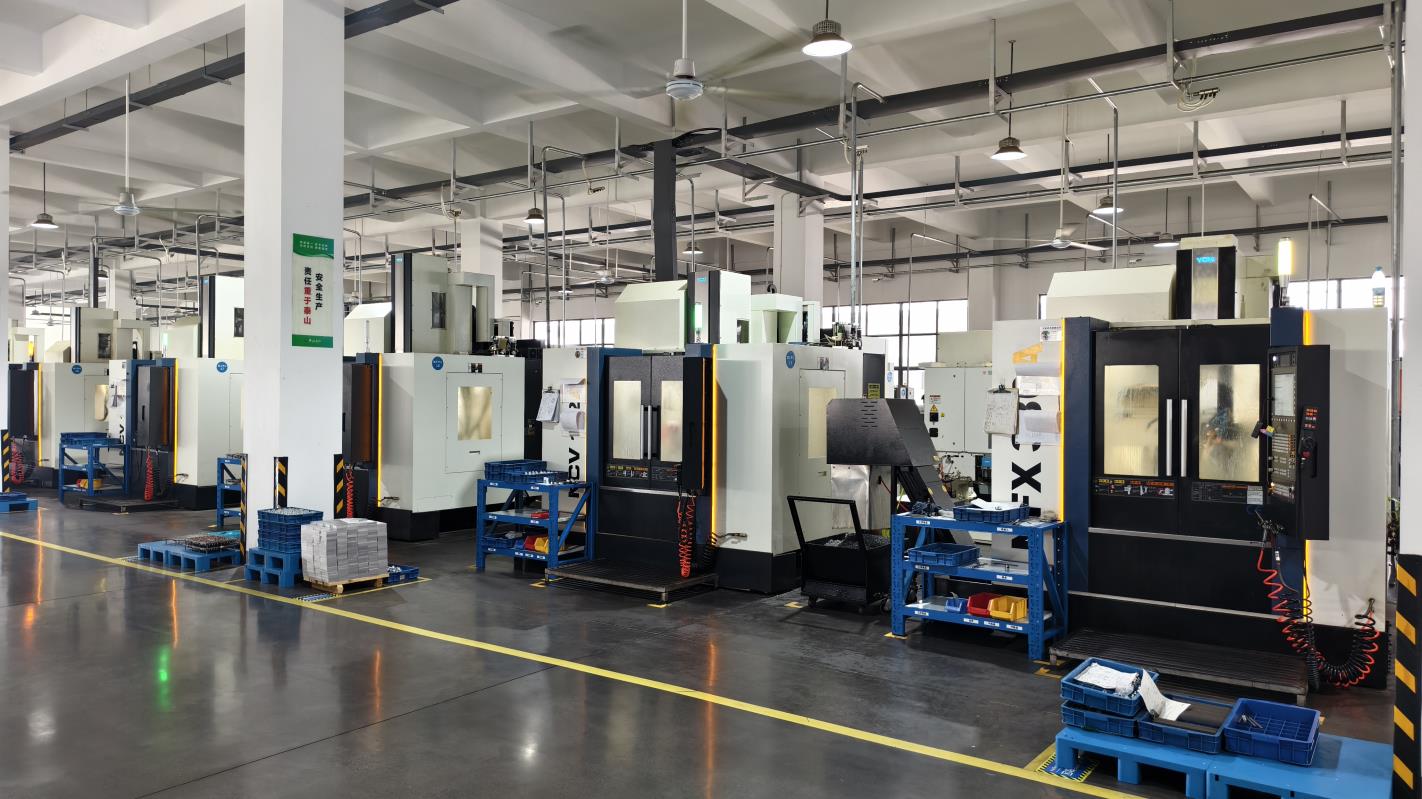
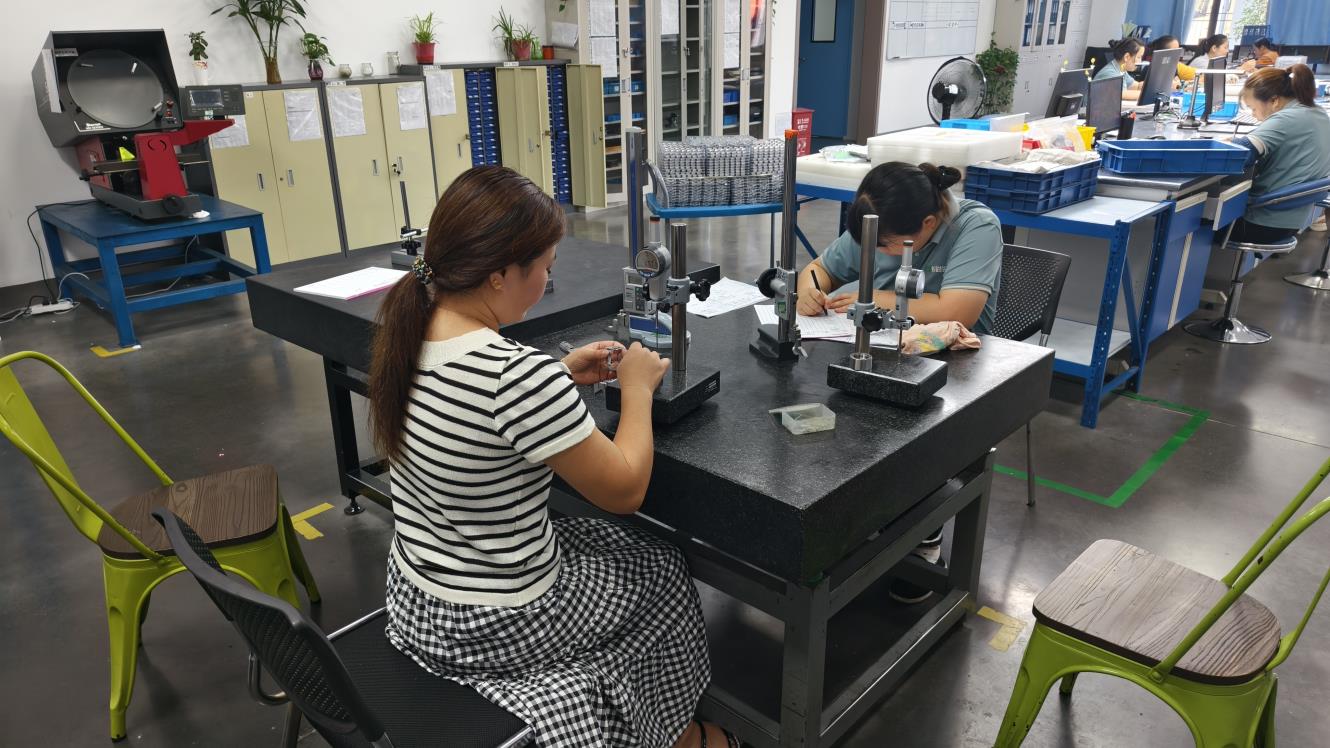
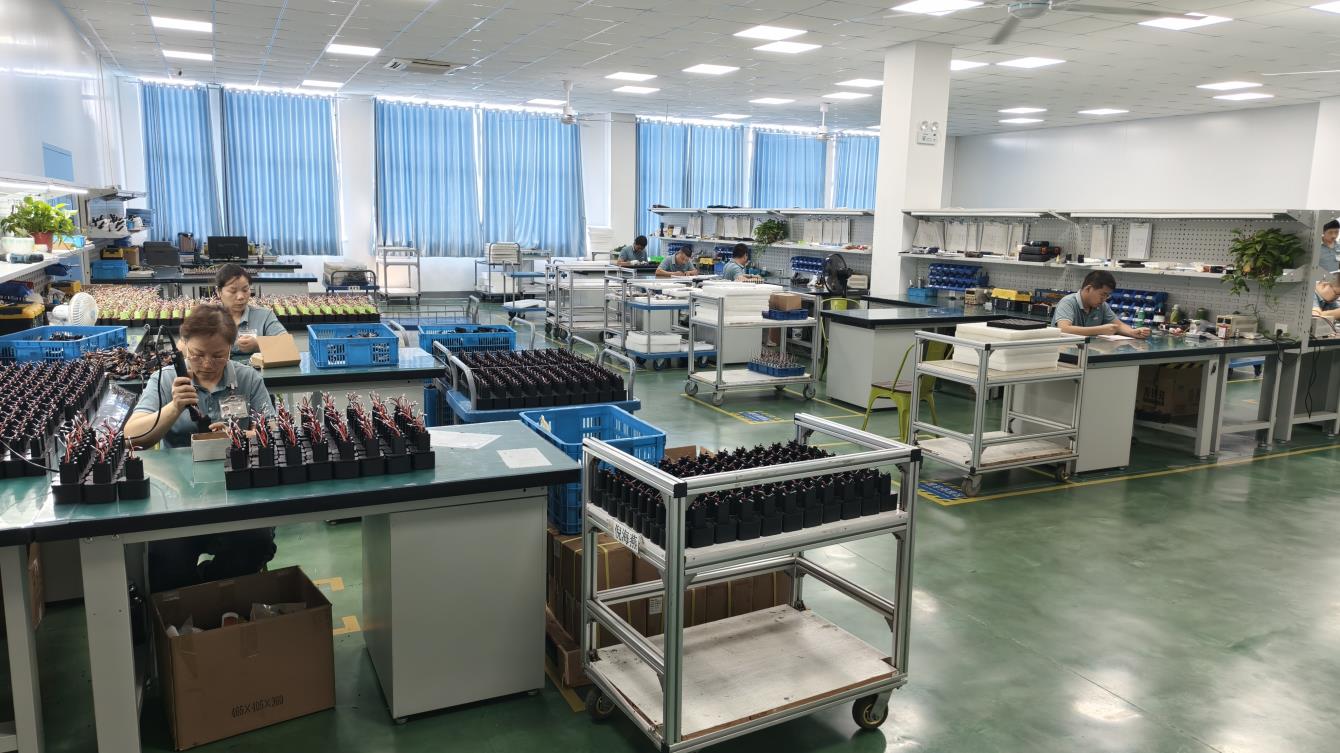
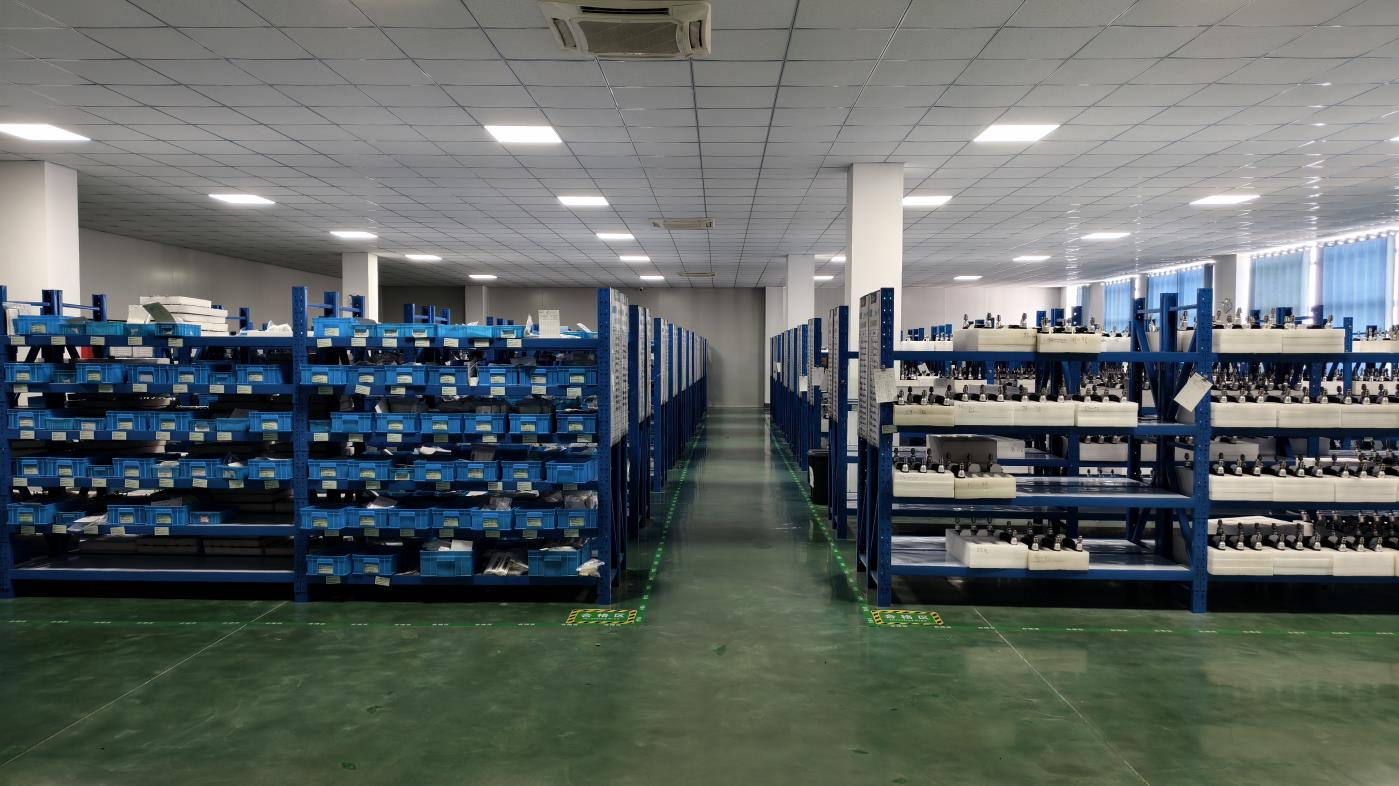
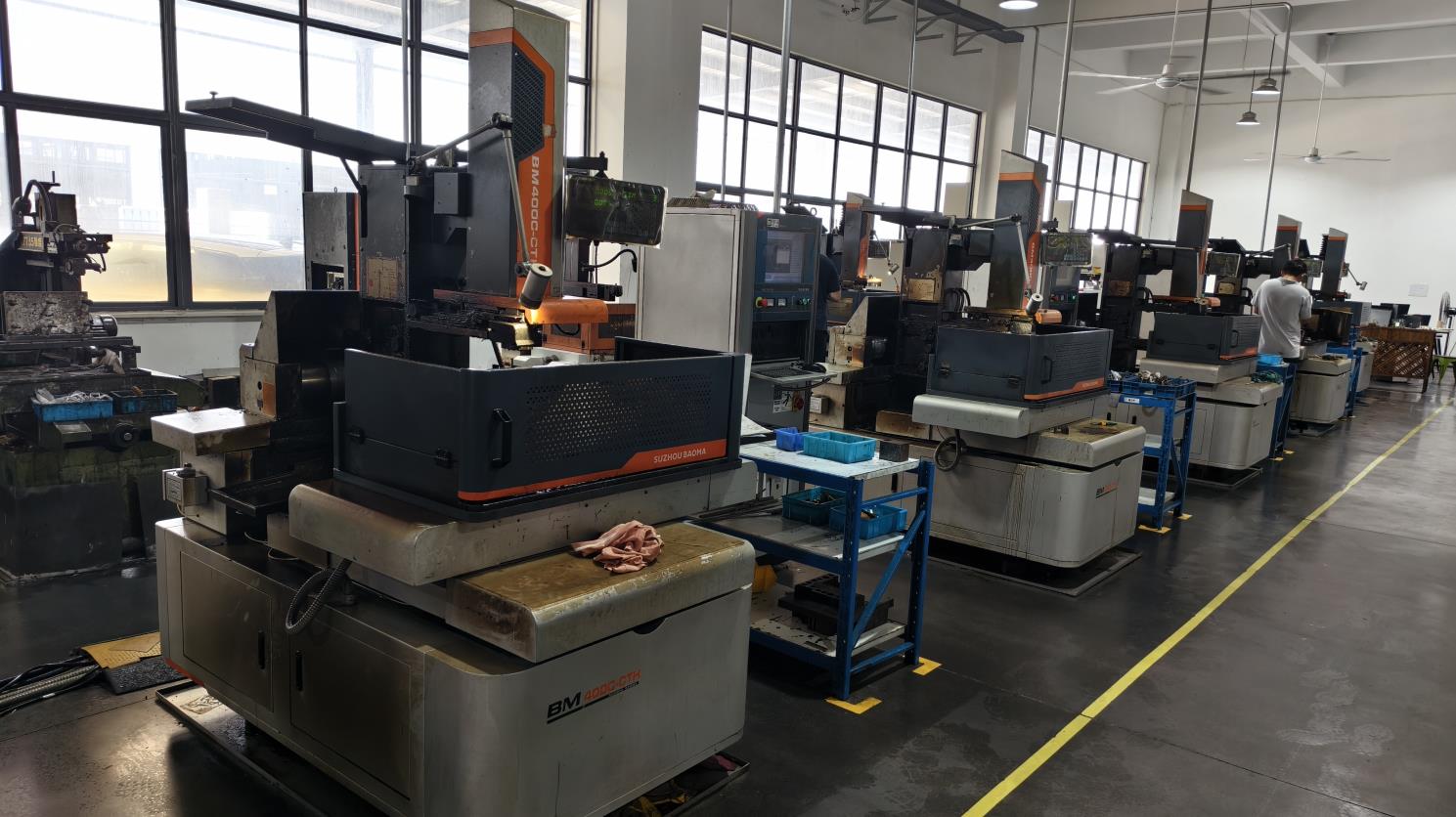
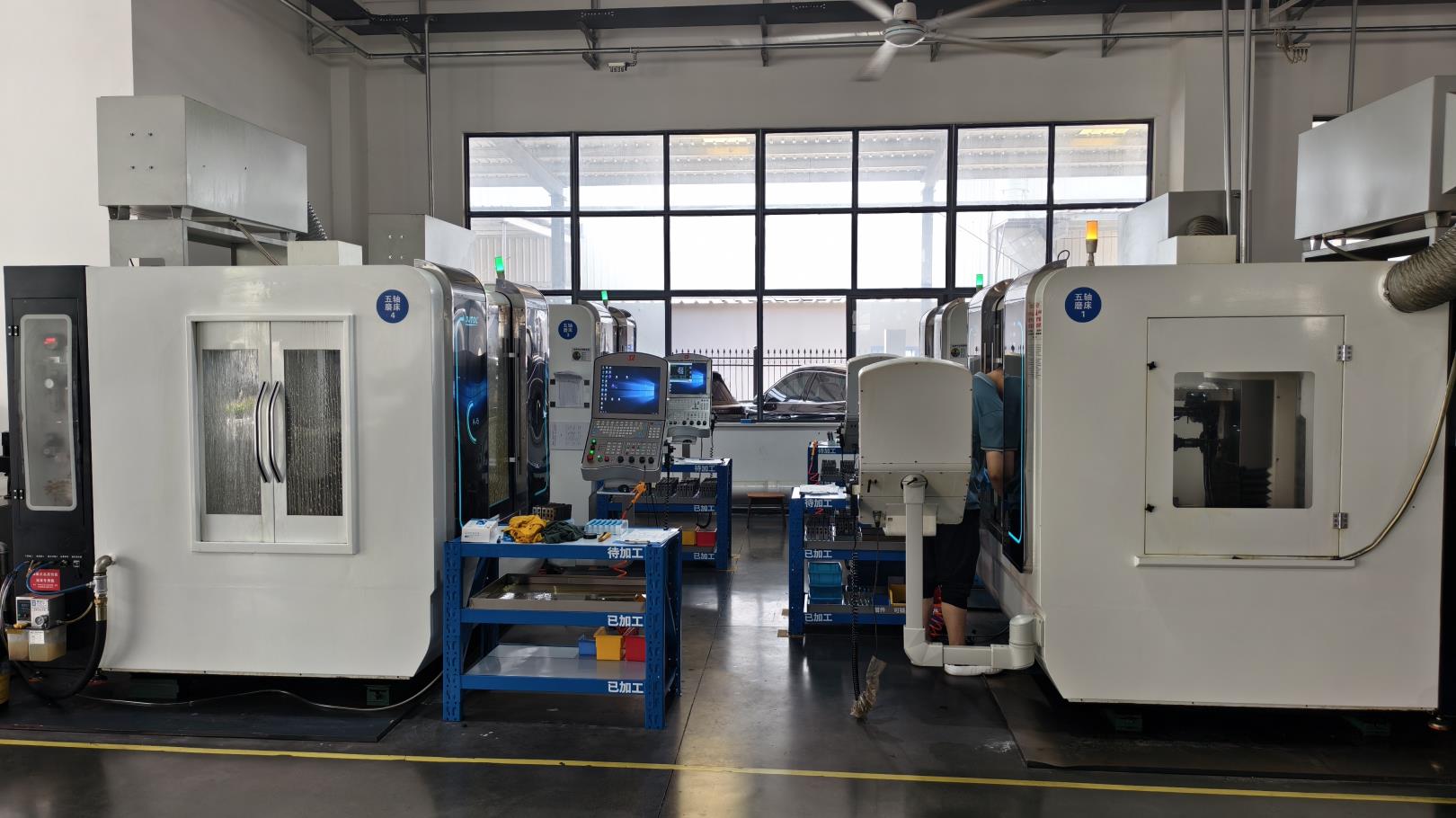
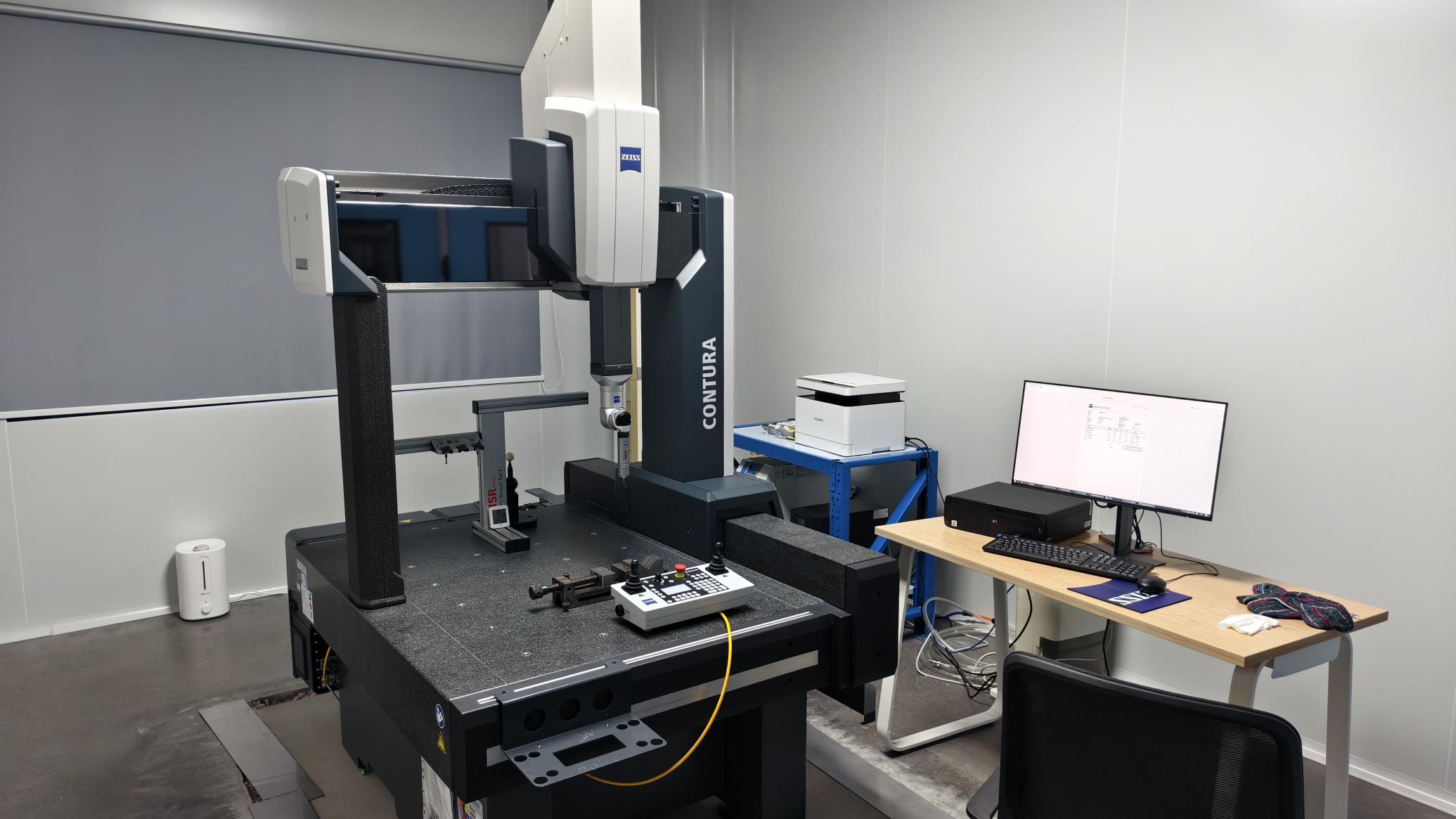
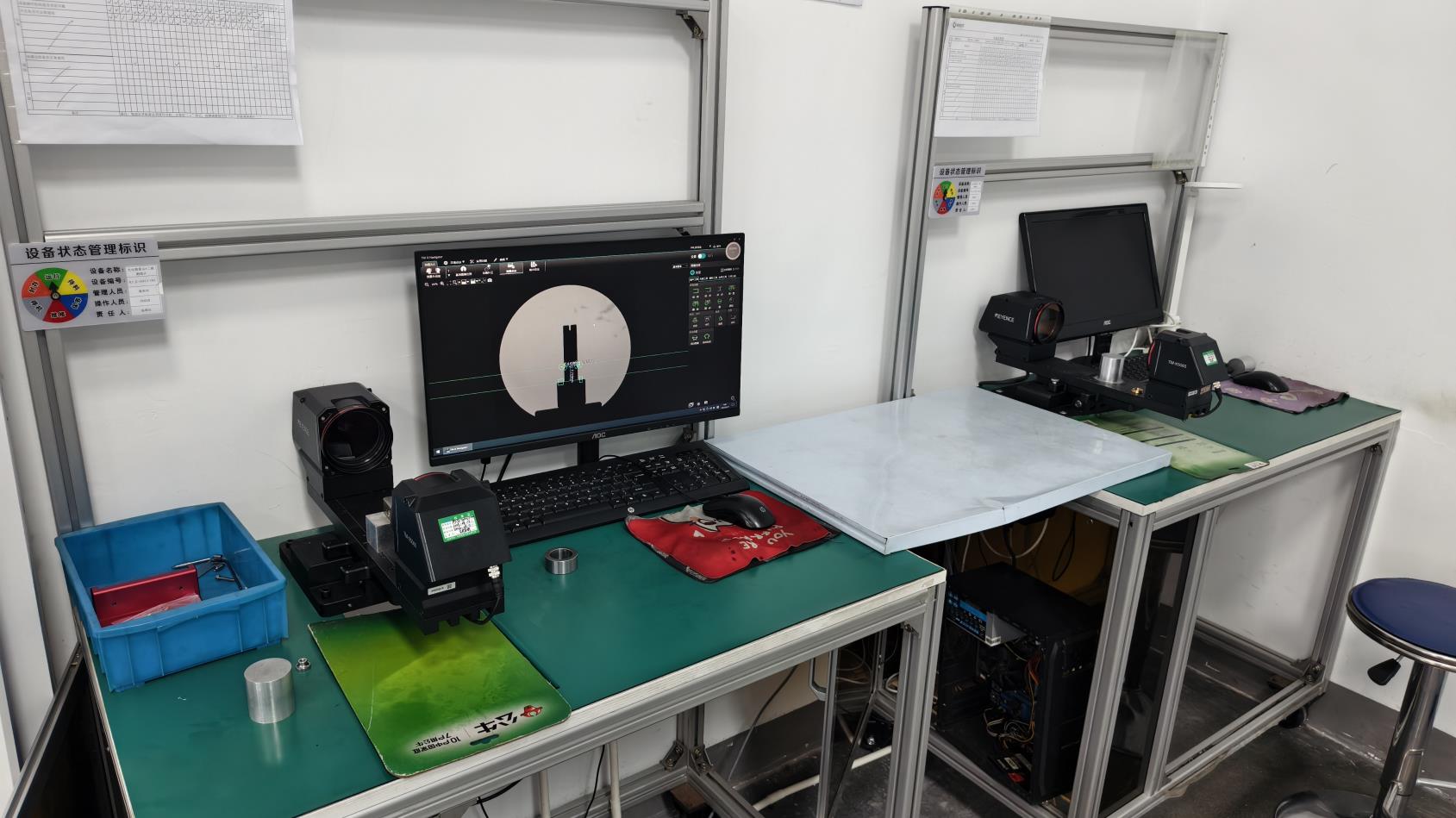
Developing and purchasing surgical tools involves several common engineering challenges. These issues can result in premature instrument failure, regulatory delays, or intraoperative calibration drift. Here are three major industry challenges along with our manufacturing solutions:
Many depth gauges and calipers experience thermal expansion and structural deformation under regular sterilization (steam autoclave at 134°C). Over time, this leads to inaccurate measurements.
Our Solution: We use pre-stressed, precipitation-hardened stainless steels (e.g., 17-4 PH) and titanium alloys. These materials undergo multiple heat treatments to ensure long-term dimensional stability, preserving measurement accuracy over hundreds of sterilization cycles.
Traditional high-polish metal tools can cause intense reflection under surgical OR lamps, obscuring scale markings and increasing eye strain for the surgical team.
Our Solution: We apply non-reflective matte surfaces or specialized chemical vapor deposition (CVD) coatings. Laser-marked scales are etched with high-contrast, black-annealed finishes for clear readability, even under intense surgical lighting.
When connecting handles, guides, and screwdrivers of differing alloy grades, electrochemical reactions can cause micro-corrosion at joint points during cleaning cycles.
Our Solution: Our components are passivated using nitric or citric acid solutions according to ASTM A967 standards. We utilize uniform metal grades within assembly interfaces and integrate medical PEEK isolators to prevent metal-on-metal galvanic corrosion.
Surgical measurements are transitioning from simple mechanical guides to integrated, digital, and patient-specific technologies. This transition is driven by the demand for minimally invasive surgery (MIS), robot-assisted orthopedics, and real-time intraoperative tracking.
Top factories are investing in micro-milling and advanced electrochemical etching. This allows the integration of miniature RF transponders and tracking arrays into standard hand instruments. Looking ahead, surgical measuring instruments will operate as digital interfaces connected directly to navigation consoles in the operating room.
Transitioning from mechanical engraving to high-precision laser annealing. This process preserves the protective oxide layer on stainless steel, improving corrosion resistance.
Embedding passive RFID tags and visual optical tracking arrays. This technology enables real-time instrument identification, usage counting, and direct integration with surgical navigation software.
Integrating radiolucent materials like carbon fiber reinforced PEEK. This allows real-time measurements under intraoperative X-ray fluoroscopy without visual interference.
A selection of answers to common technical, material science, and supply chain questions from B2B buyers and distribution partners.
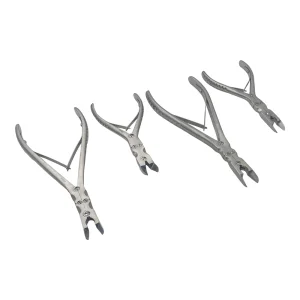
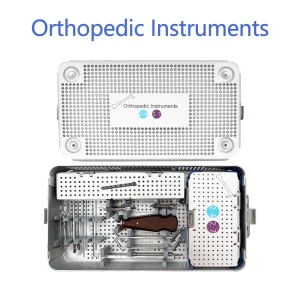
Explore our second collection of surgical instruments, featuring laminectomy rongeurs, power drills, bone cutters, and specialized orthopedic plate kits.