SENJIE Healthy & Technology
SENJIE Healthy & Technology
SENJIE Healthy & Technology
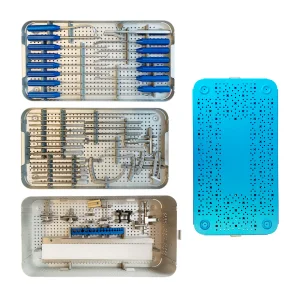
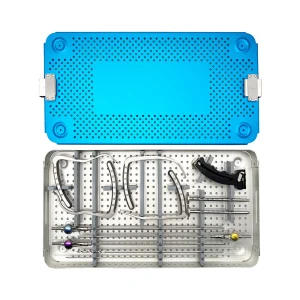
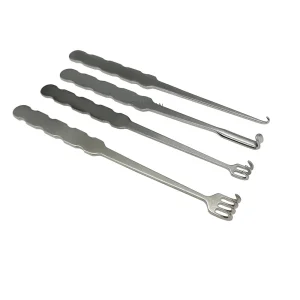
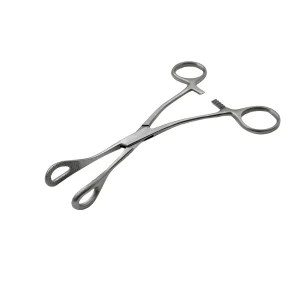
Explore our premium selection of autoclaveable orthopedic tools, titanium locking systems, and specialized veterinary instruments engineered for ultra-precise clinical environments.
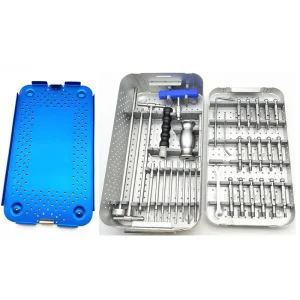
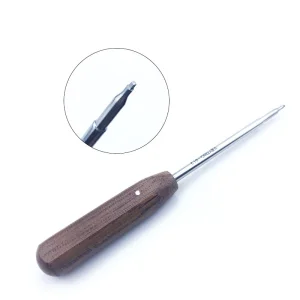
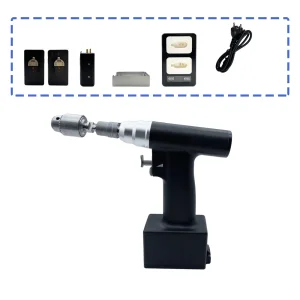
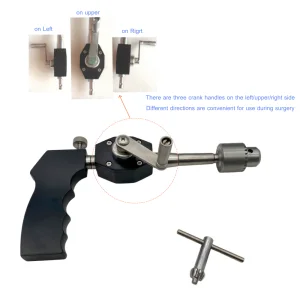
In advanced surgical procedures, the quality of a micro-incision depends entirely on the razor-sharp edge of the blade. The medical device industry is transitioning toward ultra-precise manufacturing methodologies, forcing global procurement officers to evaluate suppliers on deep metallurgical capabilities and cleanroom standards.
Modern surgical blades leverage High-Carbon Steel (for extreme sharpness retention) and Martensitic Stainless Steel (for superior corrosion resistance during complex procedures). Premium manufacturers rely on Swedish Sandvik steel or medical-grade Japanese steel to ensure consistent tensile strength and zero brittleness under lateral stress.
Micro-honing and grinding are executed at multi-axis CNC stations. Double-beveling and angle consistency (typically 23° to 28° depending on blade type, from #10 to #24) dictate the cutting force required. High-grade blades minimize tissue drag, significantly lowering postoperative recovery times and incision site trauma.
To reduce coefficient of friction, high-end surgical blade exporters utilize Polytetrafluoroethylene (PTFE) or carbon-like diamond (DLC) coatings. These coatings provide biocompatible lubrication, allowing the scalpel to glide smoothly through tough soft tissues, skin layers, and dense fibrous membranes.
When auditing the top 10 surgical blades factories, procurement teams must use objective metric systems. The table below outlines critical benchmarks that separate tier-1 medical manufacturers from baseline factories.
| Assessment Criteria | Tier-1 Factory Standards | Baseline Factory Standards | Procurement Impact |
|---|---|---|---|
| Cleanroom Certification | ISO 14644-1 Class 5 to Class 8 (Class 100,000) | Non-certified assembly zones | Guarantees bioburden controls prior to terminal sterilization. |
| Raw Material Sourcing | Traceable mill certificates for Sweden/Japan steel | Unspecified local steel scraps | Prevents micro-cracking and premature edge dulling during bone contact. |
| Quality Control Systems | 100% automated optical inspection (AOI) | Manual sampling inspections | Eliminates burrs, micro-nicks, and geometric deviations in blade lots. |
| Sterilization Assurances | Gamma Irradiation (Co-60) or Ethylene Oxide (EO) | Unverified local sub-contractors | Achieves a Sterility Assurance Level (SAL) of 10^-6, preventing cross-contamination. |
As a trusted exporter of high-precision surgical components and orthopedic instrumentation, our structured supply chain guarantees compliance with strict FDA and MDR requirements.
Operating as an expert exporter, we understand the regulatory complexity of importing surgical scalpels and orthopedic equipment into regions like North America (governed by FDA 510k) and Europe (governed by EU MDR 2017/745). Our production line operates under continuous monitoring. Every batch of raw stainless steel undergoes spectral analysis to verify chromium, nickel, and carbon ratios.
By enforcing a triple-stage inspection system (incoming material testing, in-process dimension verification, and final post-sterilization audits), we provide clinical-grade reliability. Our factory supports customization requests, including bespoke laser-marking on blade flats, non-standard blade geometries for specialized microsurgery, and tailor-made blister packaging configurations.
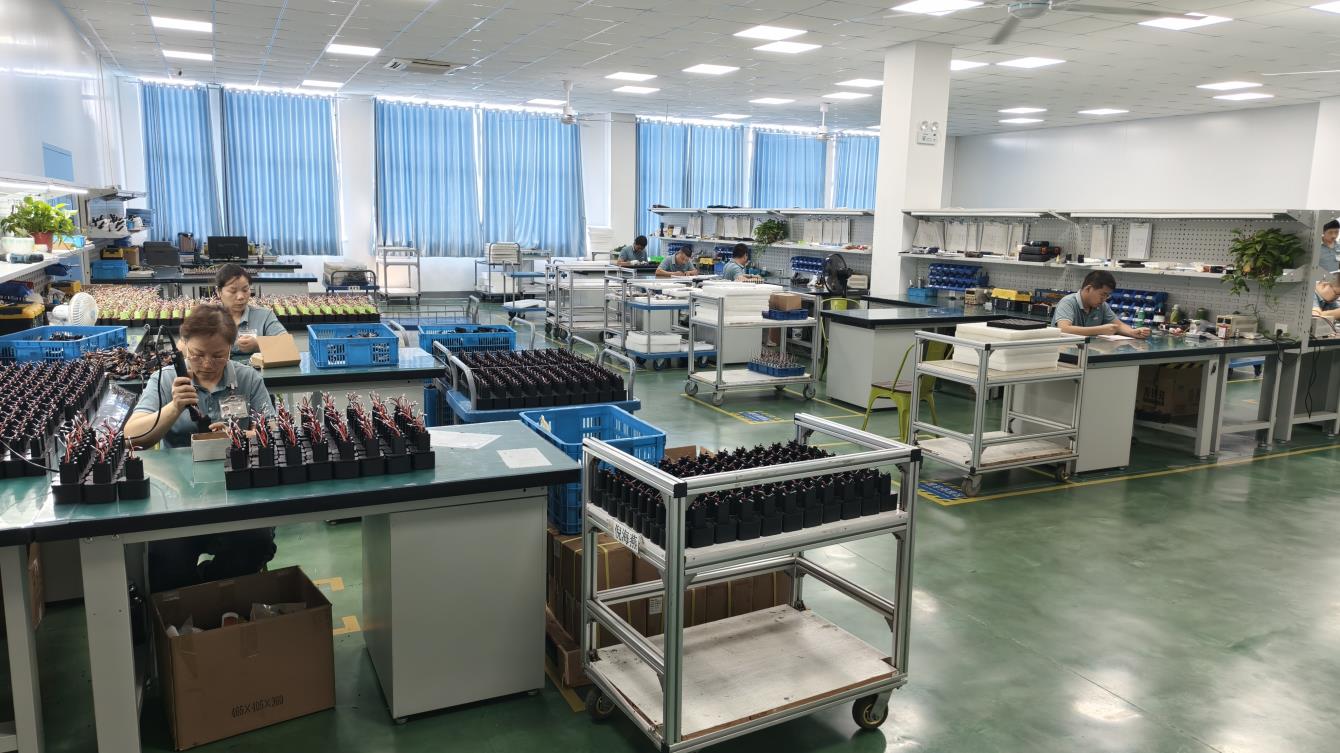
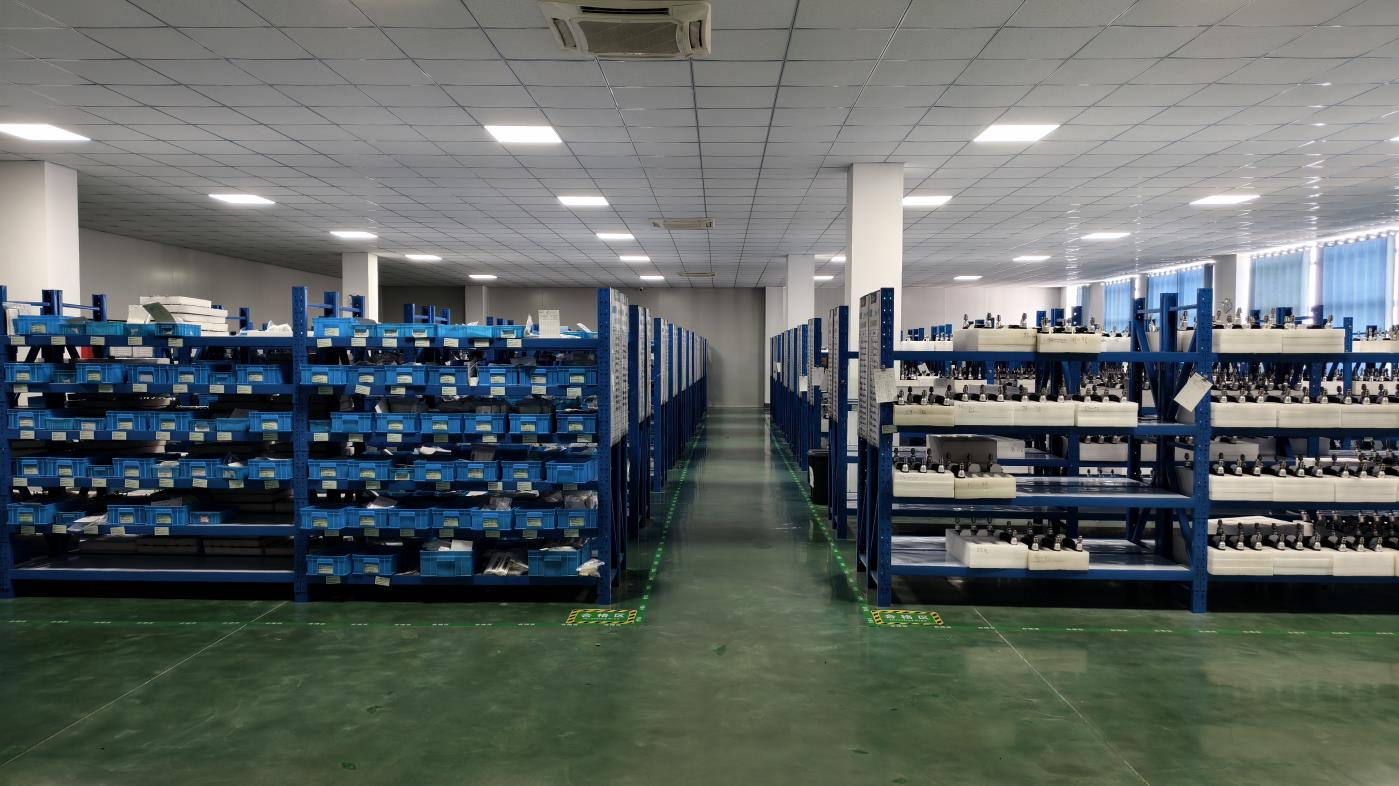
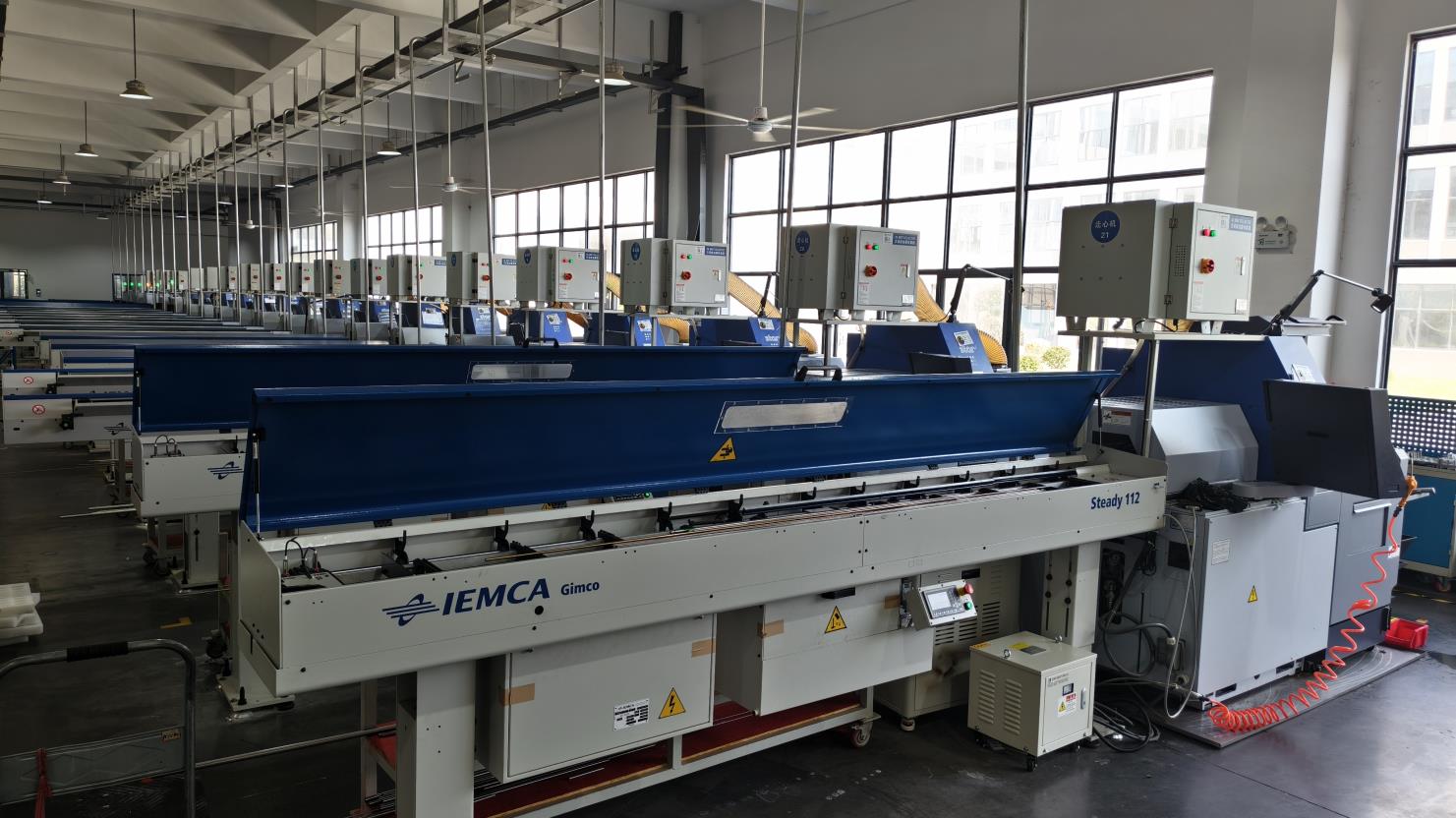
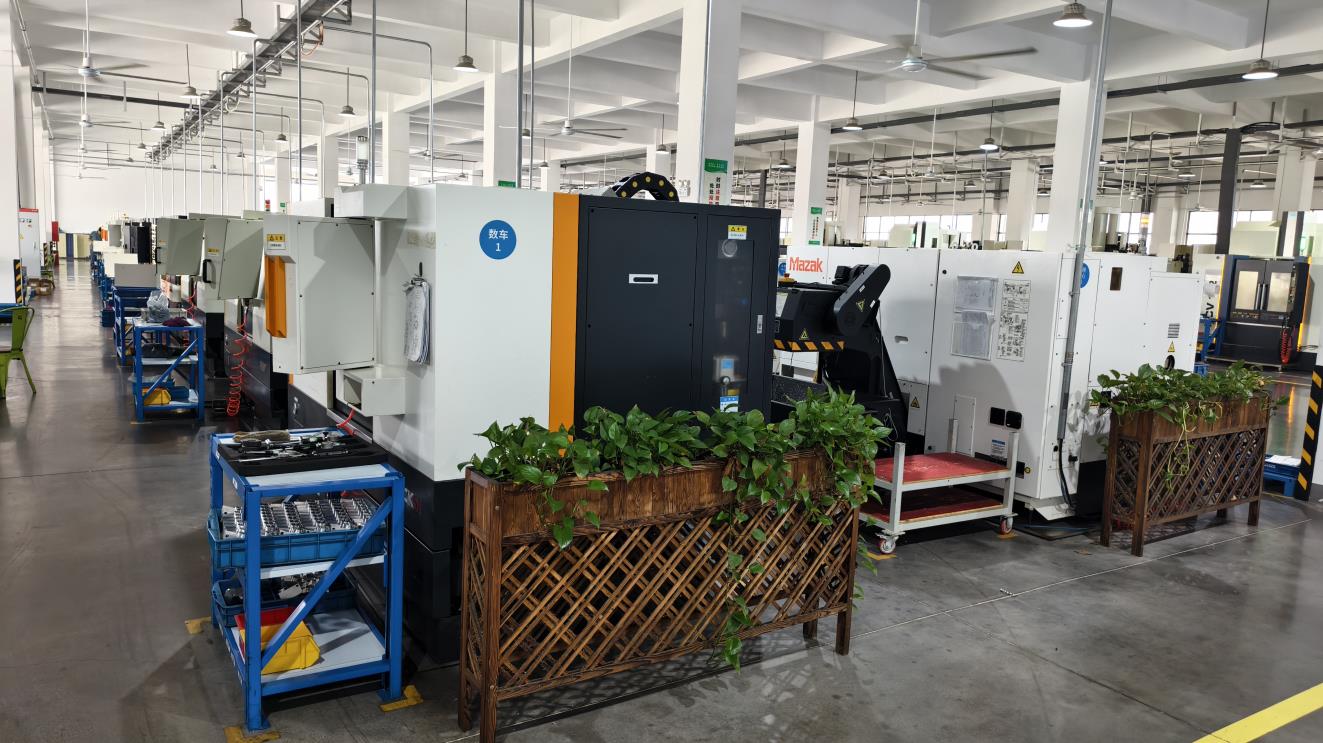
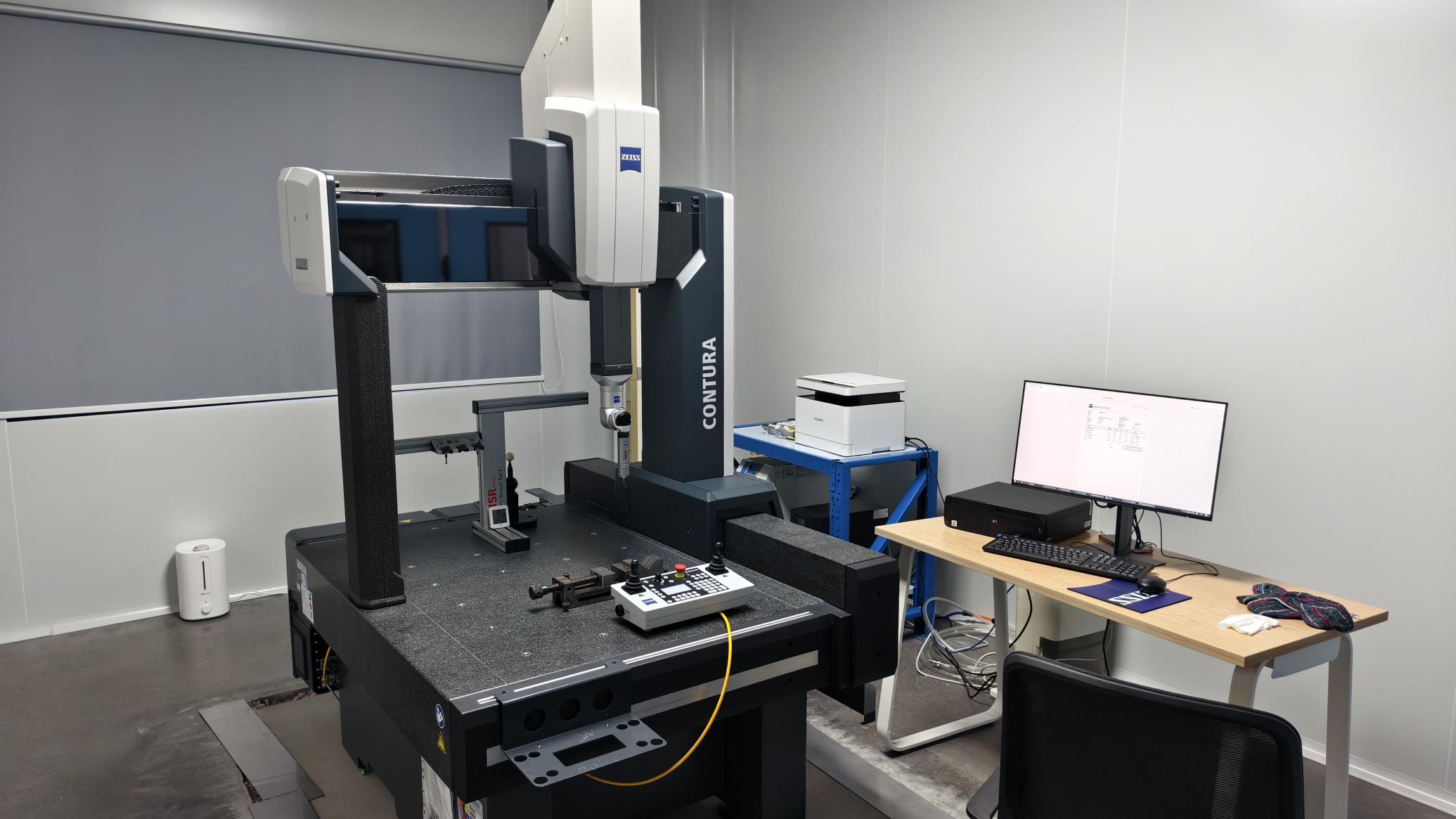
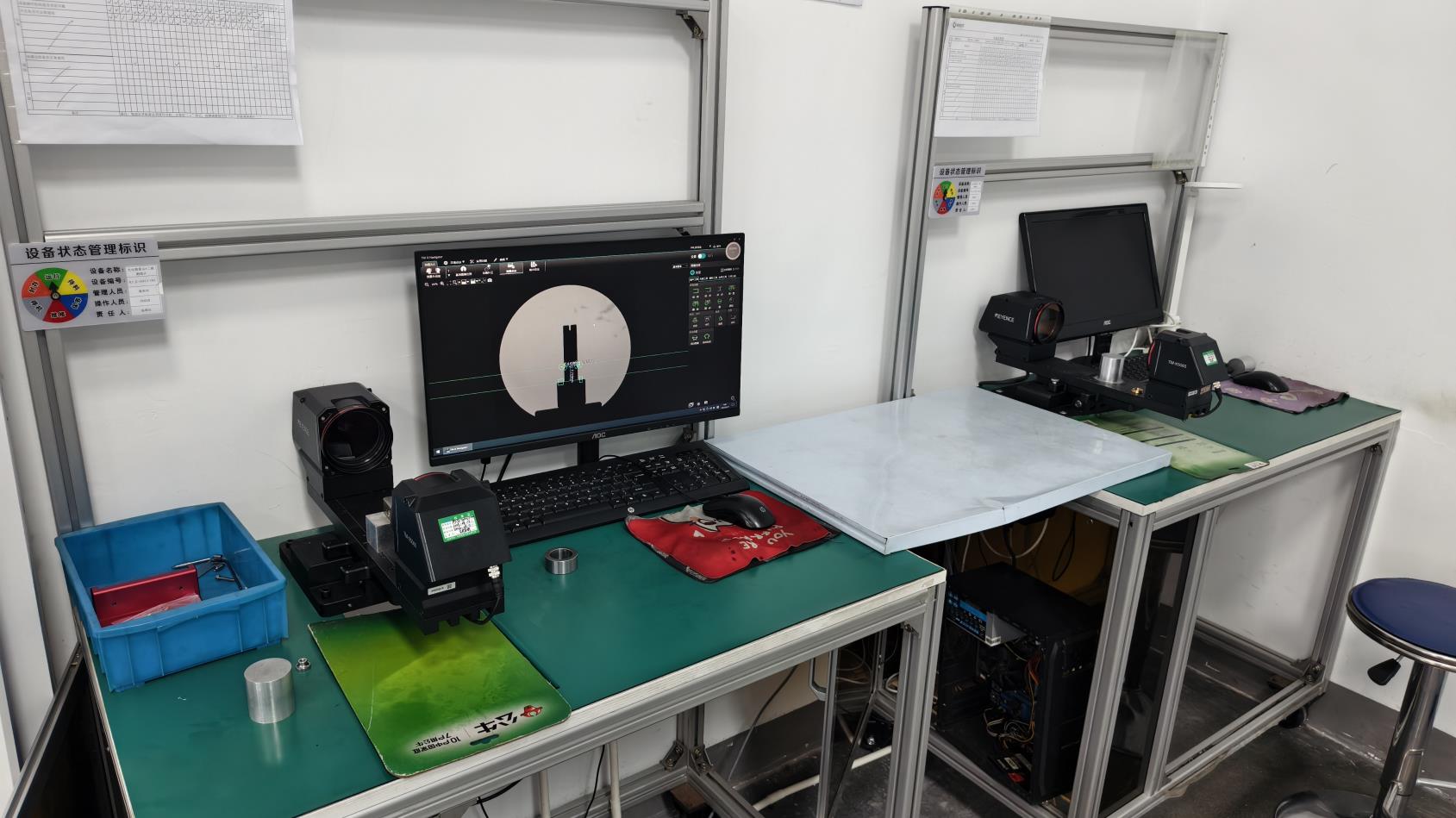
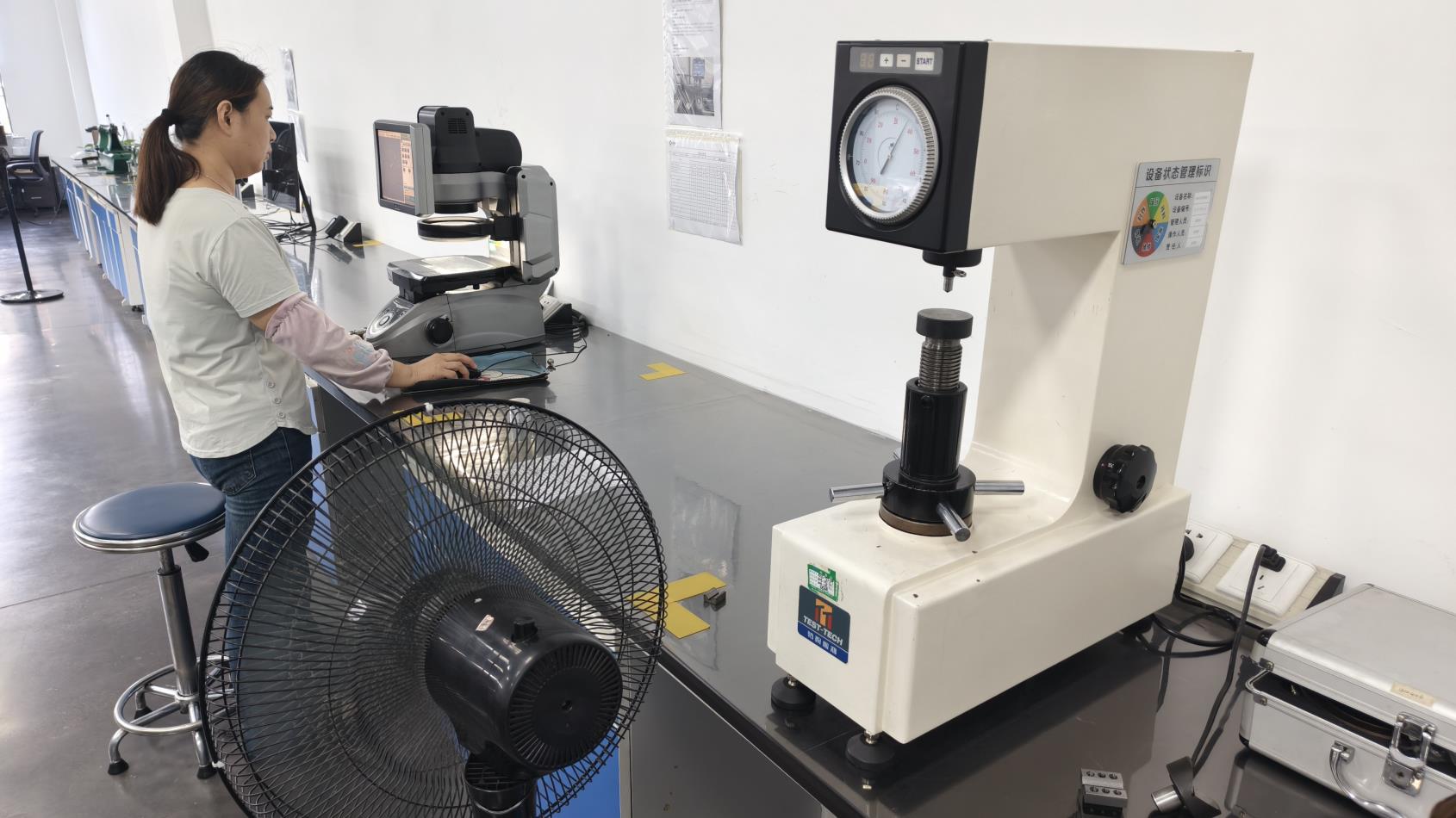
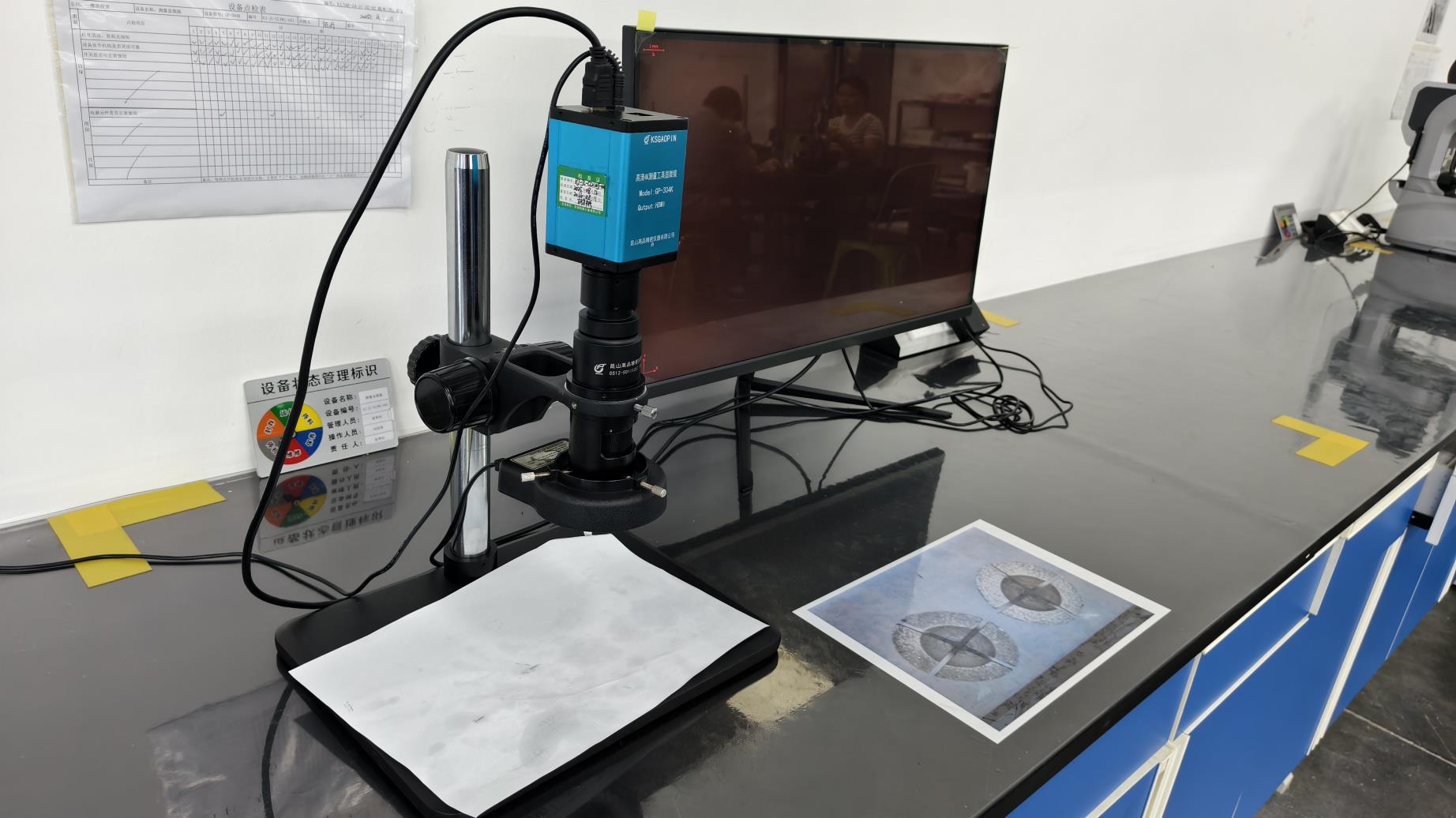
An inside look at our manufacturing processes, including precision metallurgical forging, automated CNC grinding, ISO-compliant cleaning, packaging, and shipping preparation.

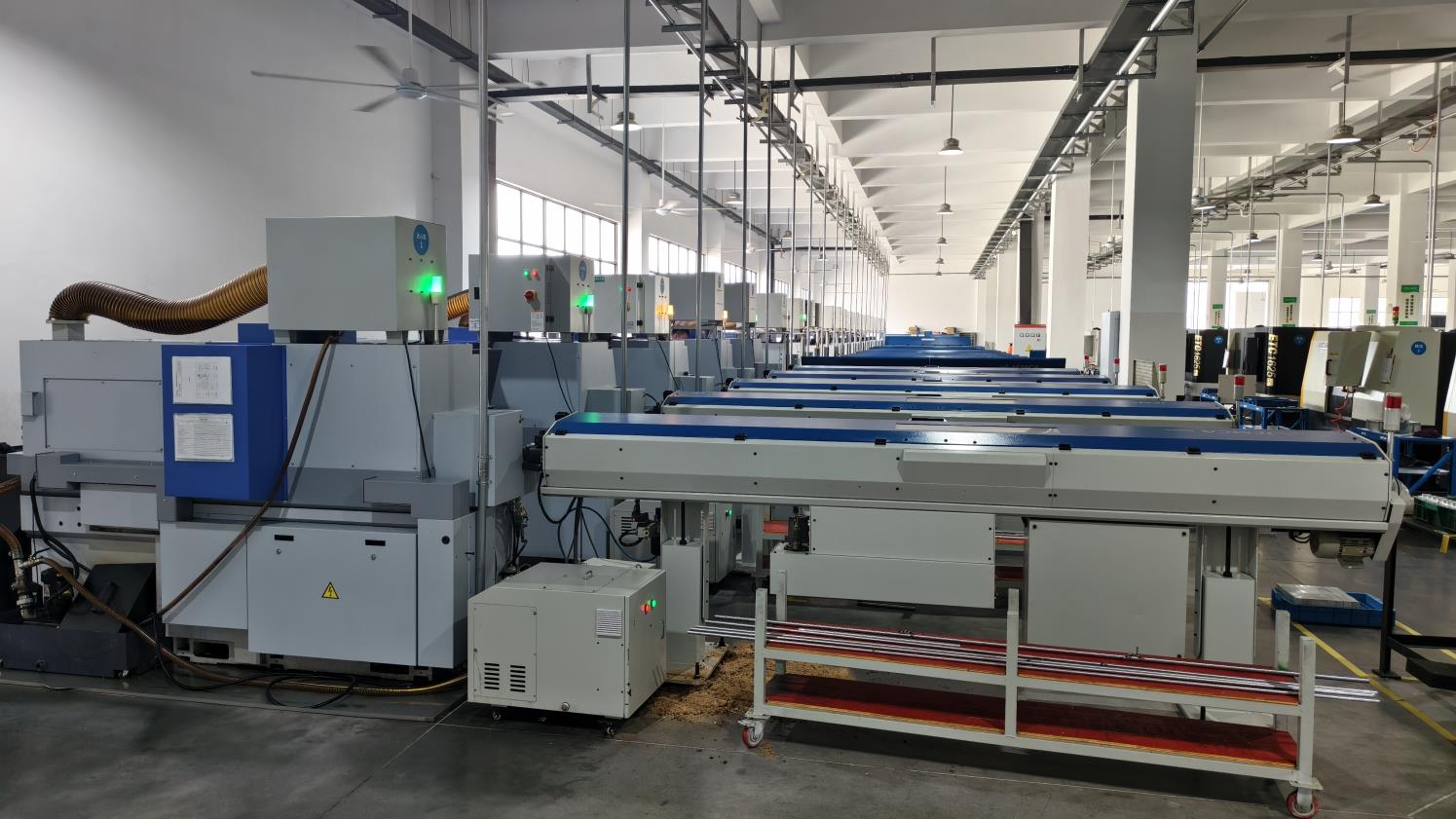
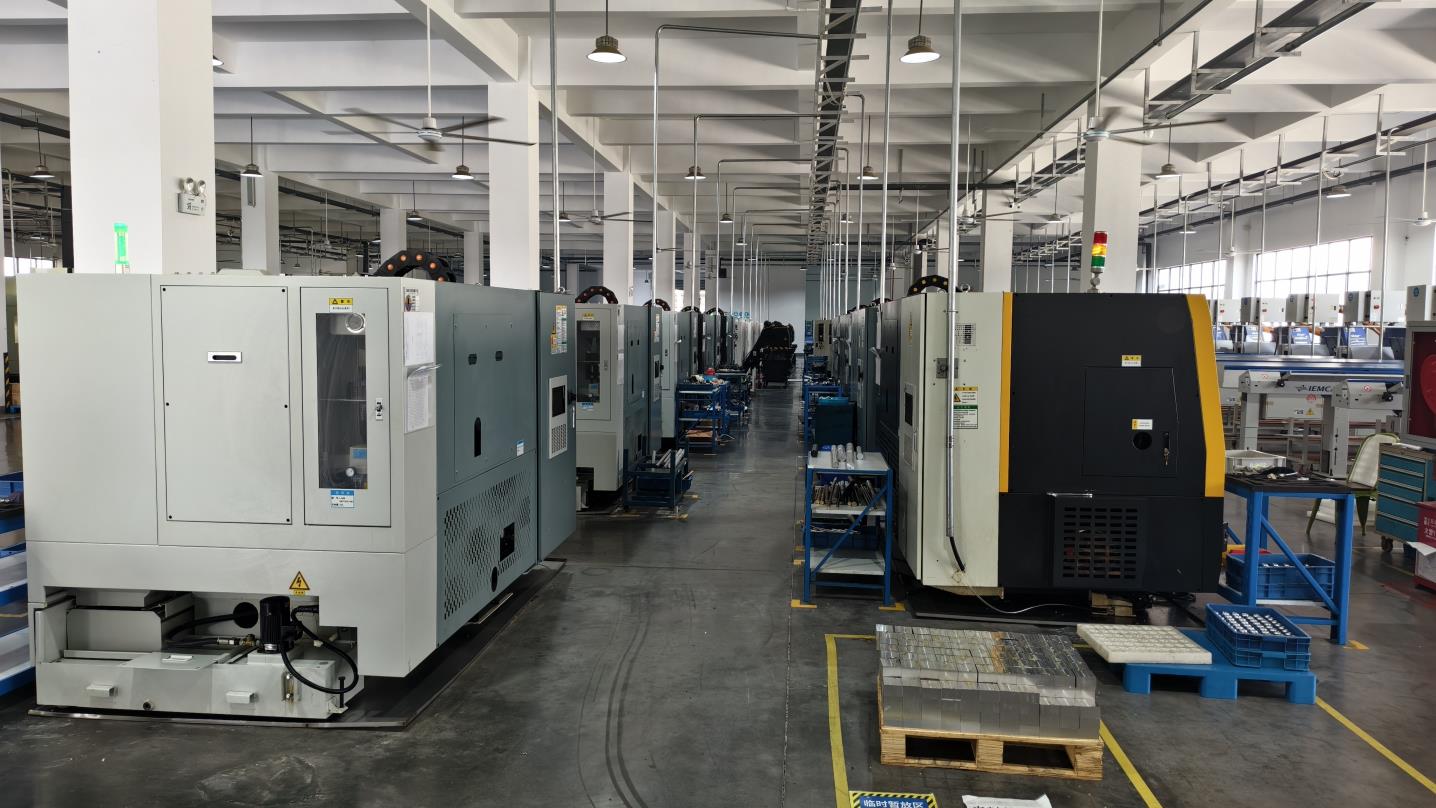
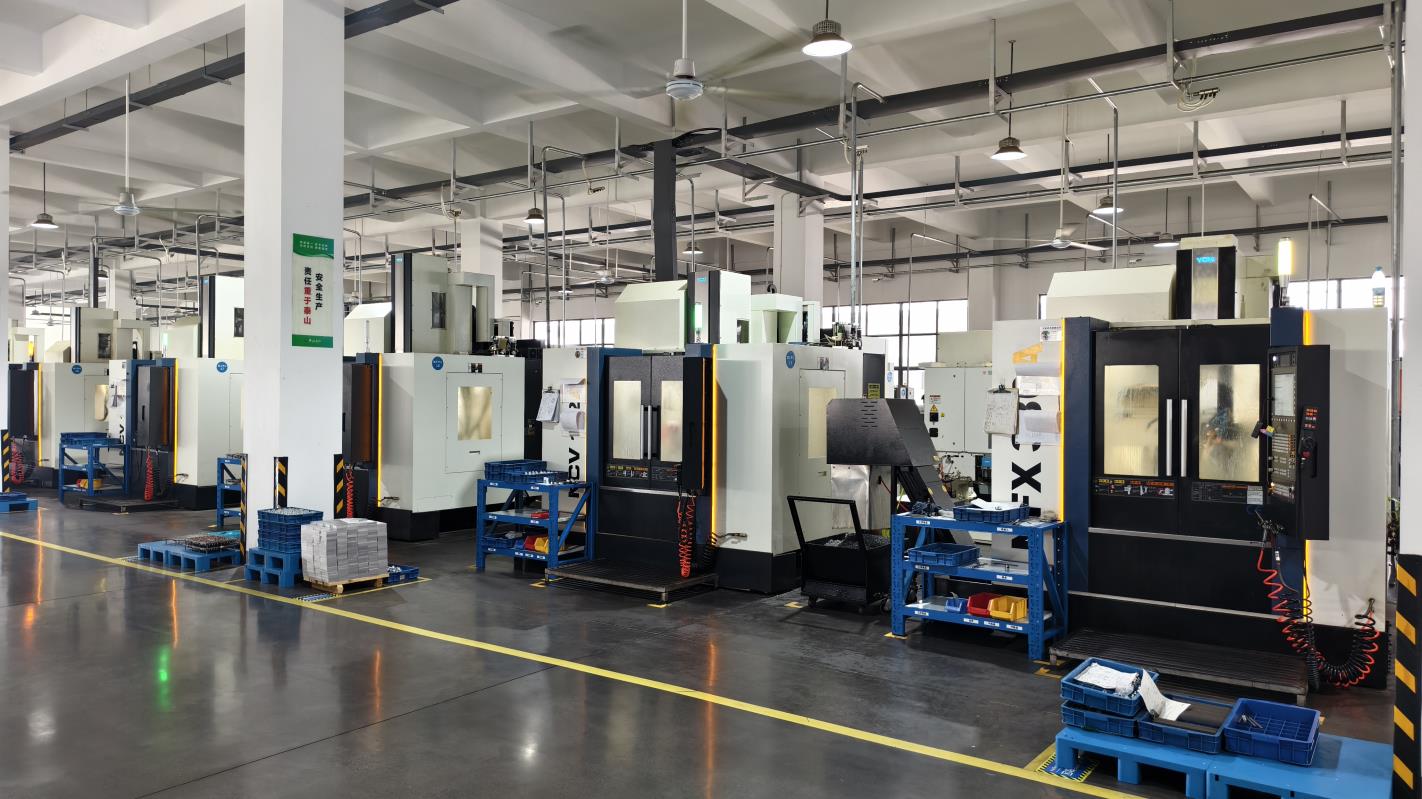
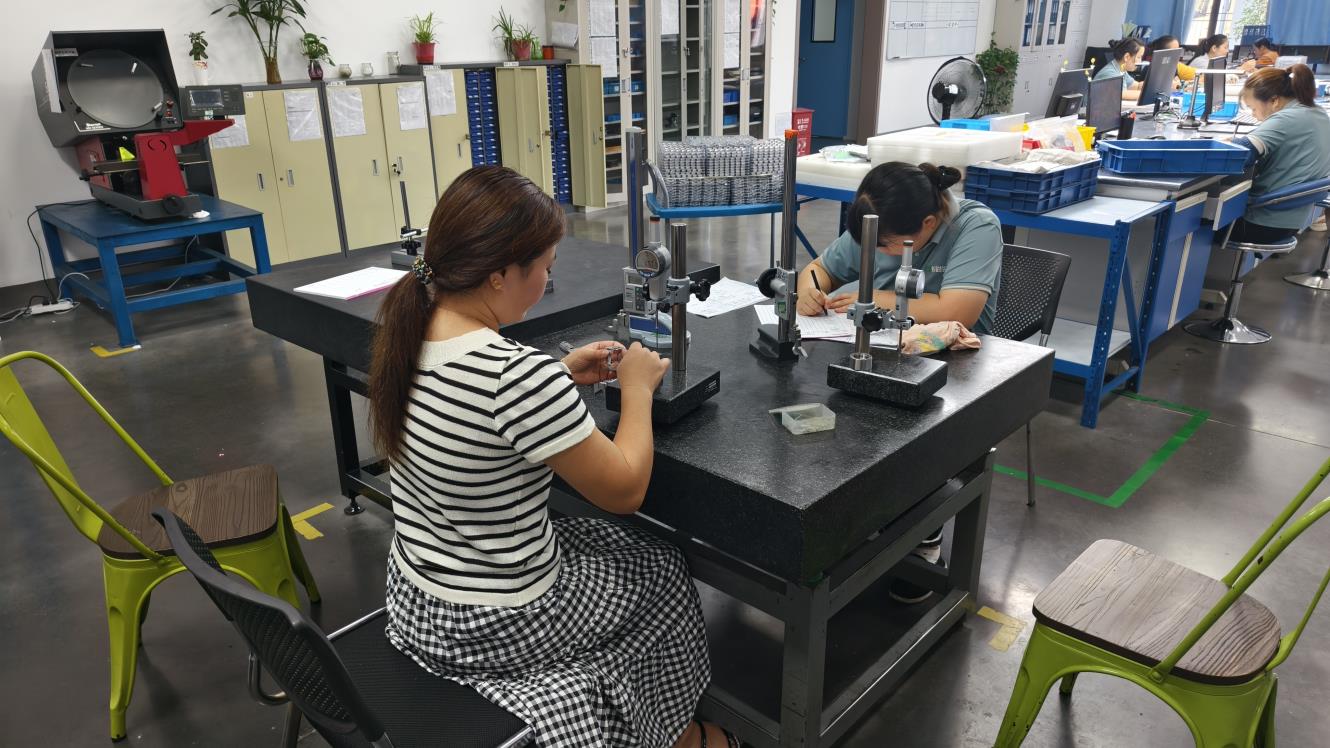
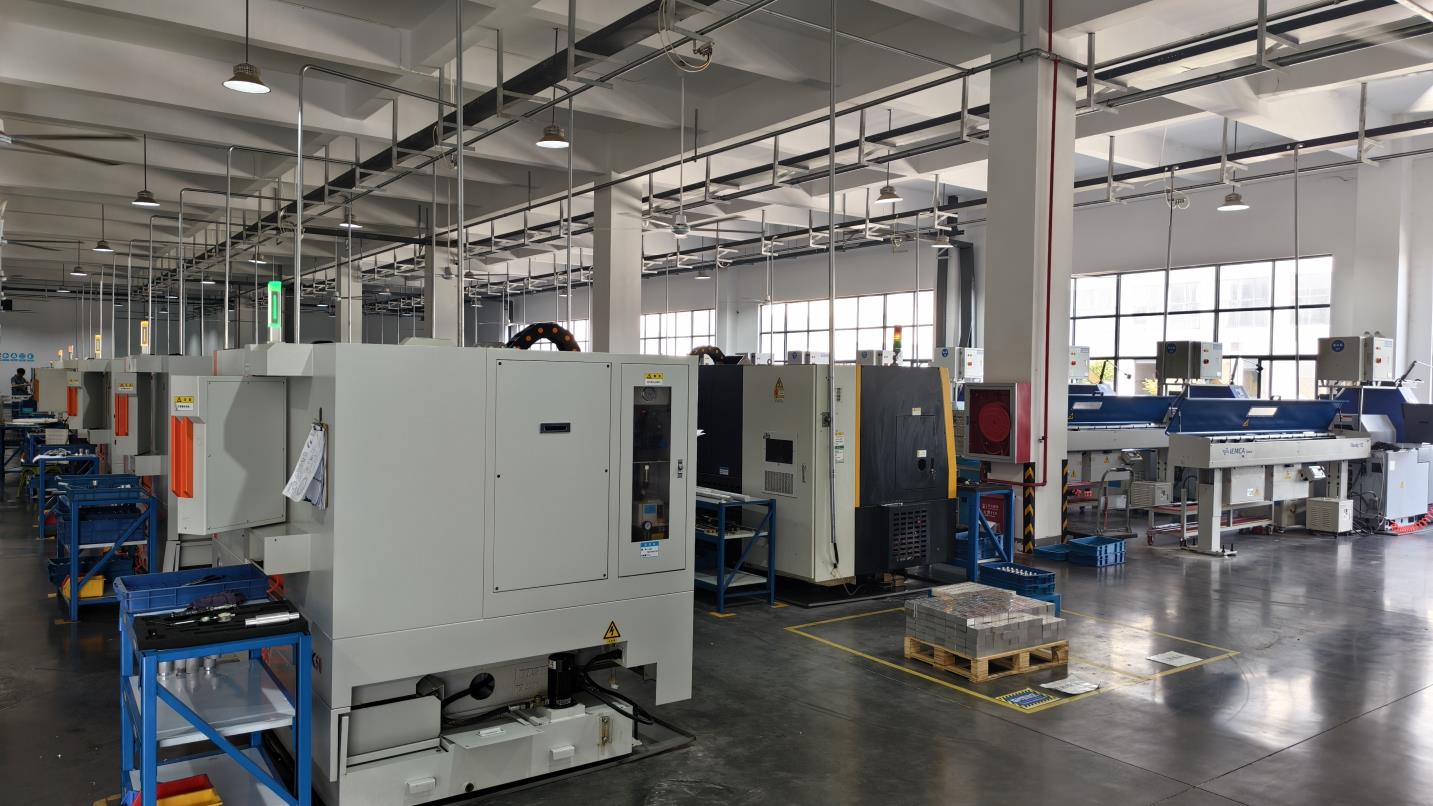
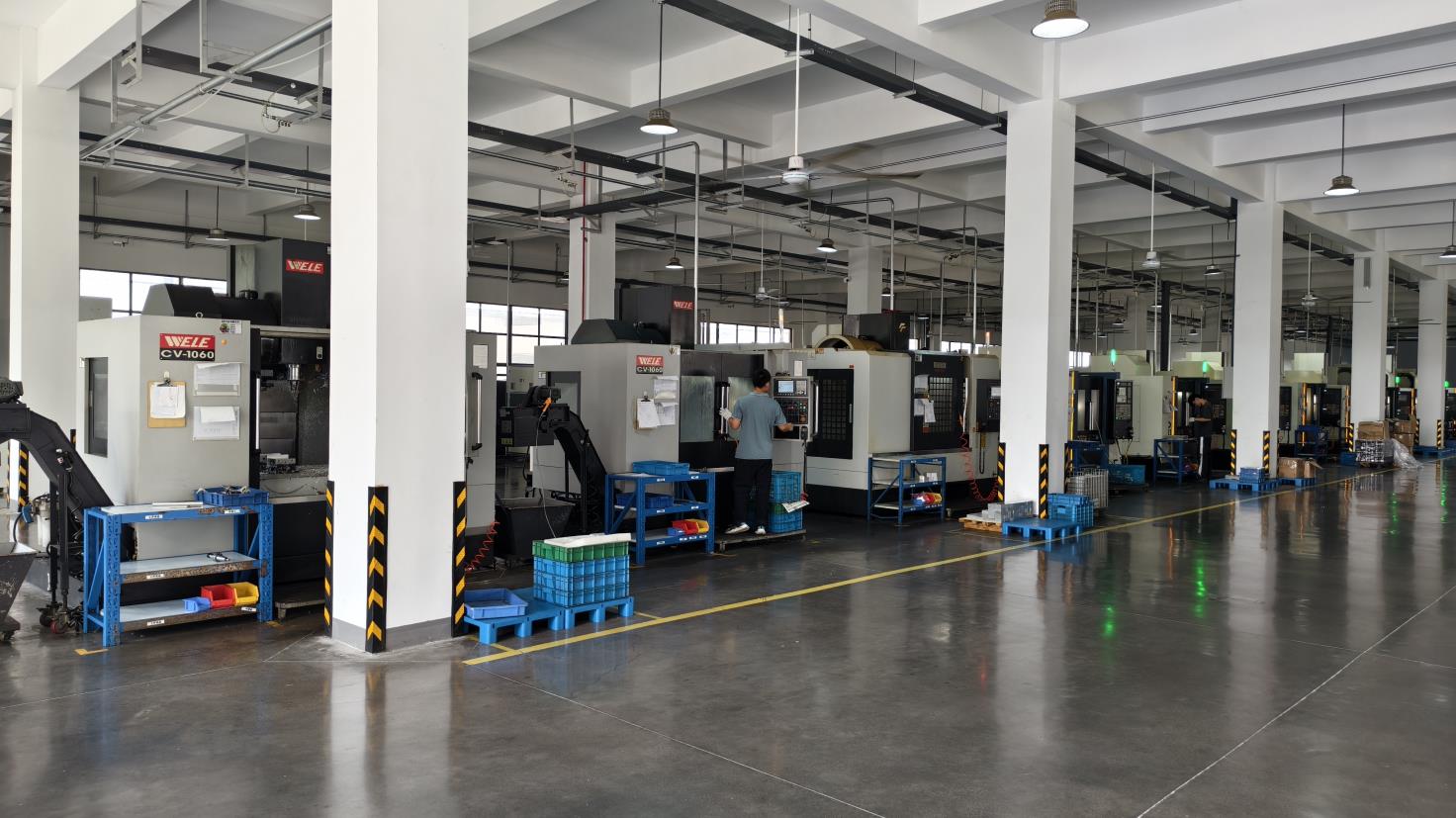
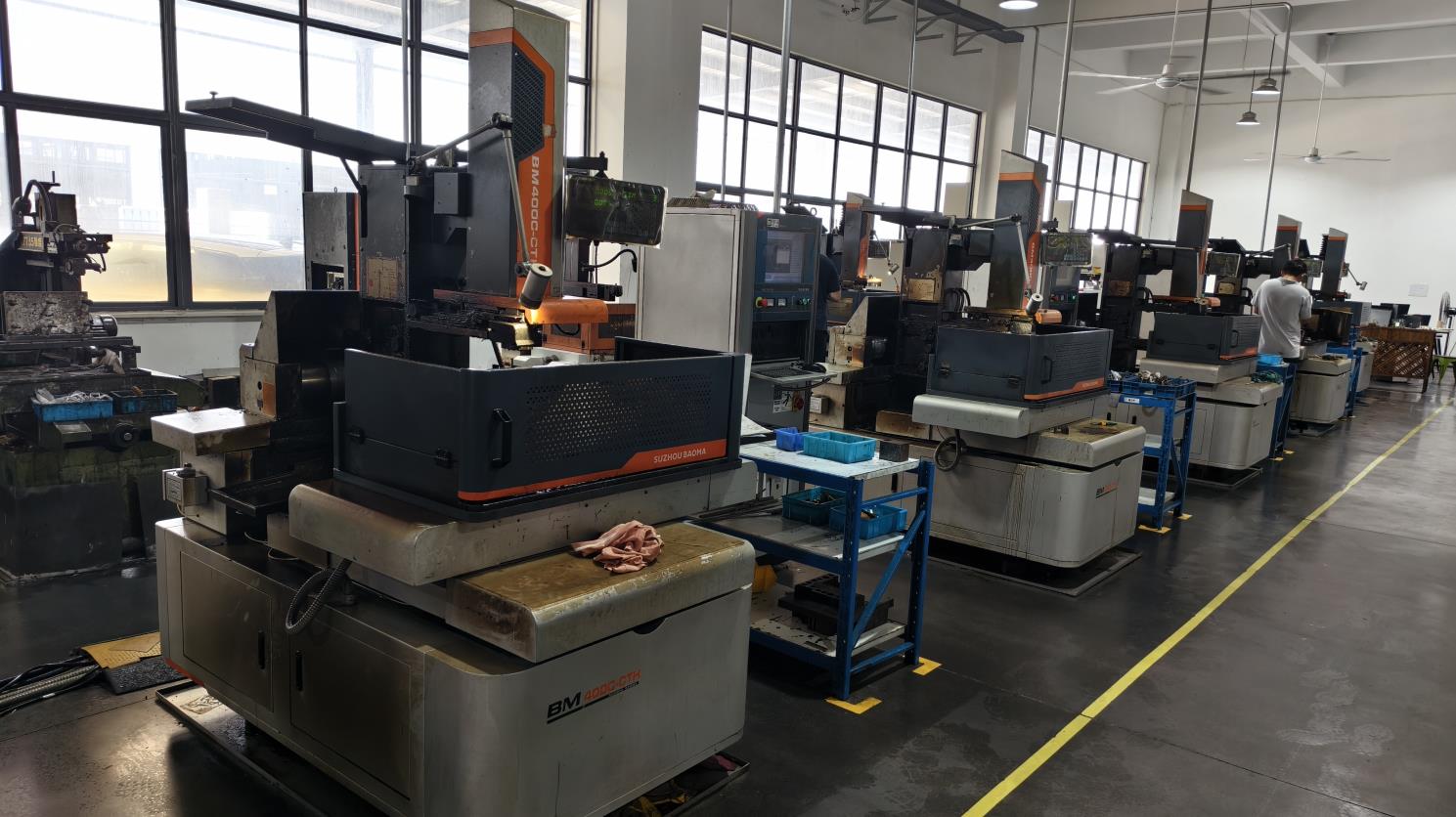
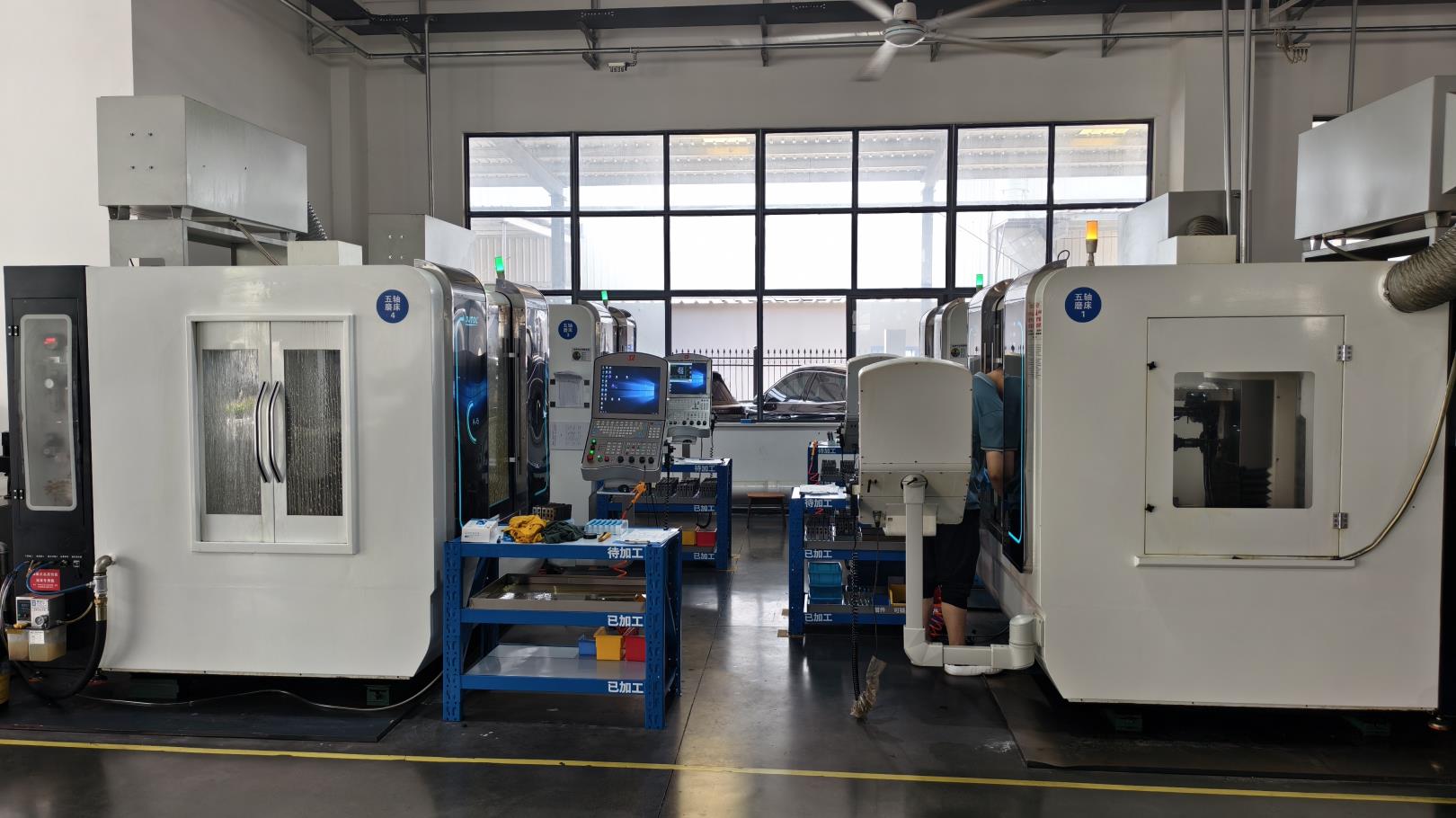
The medical device landscape is shifting rapidly. To stay competitive, modern factories must adapt to emerging surgical paradigms, including robotic incisions, biodegradable materials, and advanced tracking solutions.
Moving away from mechanical grinding wheels toward ultra-precise femtosecond lasers. This technology yields micro-edges with dimensional variations under 0.5 microns, ensuring identical cutting geometry on every batch.
Engineering specialized blade connectors designed specifically for multi-arm robotic surgical systems (such as da Vinci). These require complex tolerances to withstand high torsional and shear forces.
Integrating RFID chips or unique DataMatrix codes onto safety scalpel handles. This allows hospitals to automate inventory control and confirm sterilization status instantly before a surgical procedure.
Developing bio-composite handles to replace single-use petroleum-based plastics. This helps hospitals meet strict corporate environmental goals while maintaining rigidity and safety standards.
Find authoritative answers to critical compliance, manufacturing, and procurement inquiries regarding high-volume medical blade exports.
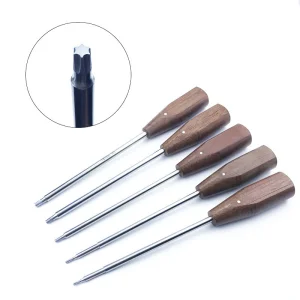
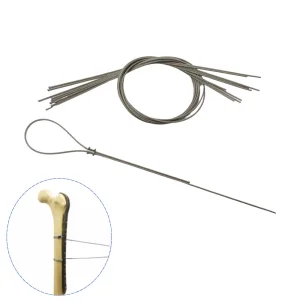
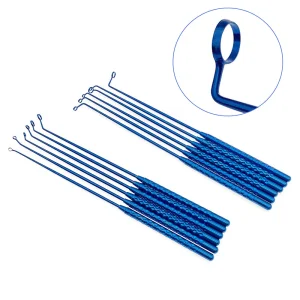
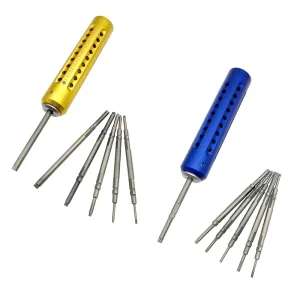
Explore our secondary line of high-precision veterinary orthopedic implants, ACL/PCL reconstruction systems, and premium medical screwdrivers engineered for clinical success.