SENJIE Healthy & Technology
SENJIE Healthy & Technology
SENJIE Healthy & Technology
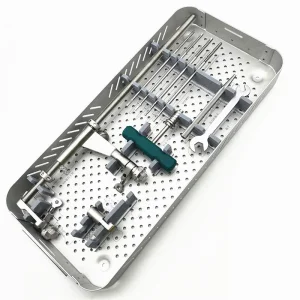
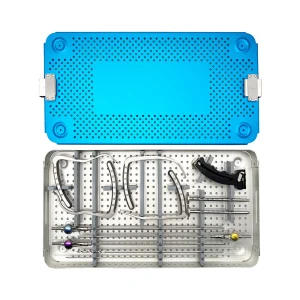
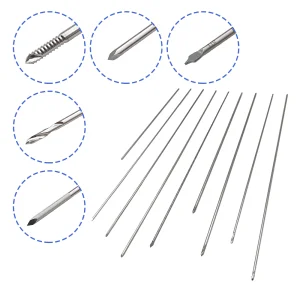
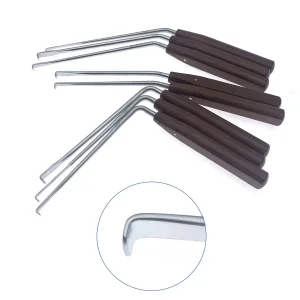
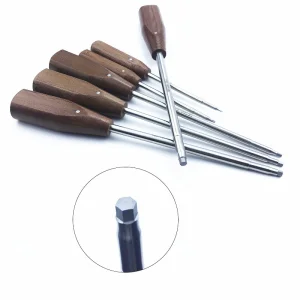
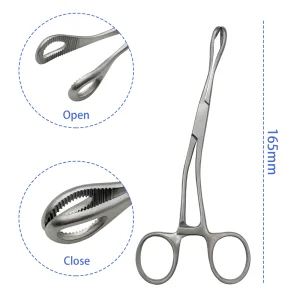
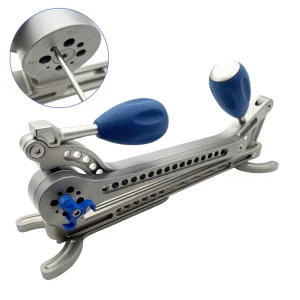
In modern orthopedic surgery, visualization is the foundational pillar of safety and procedural efficiency. Orthopedic retractors are specialized, highly engineered medical instruments designed to hold back tissues, organs, or bones, exposing the underlying surgical field. The clinical demands placed upon these instruments are immense: they must withstand substantial mechanical leverage, offer ergonomic balance to surgical assistants, prevent tissue trauma through optimized pressure distribution, and withstand thousands of autoclaving and sterilization cycles.
As global healthcare systems expand, B2B procurement managers, brand businesses, and medical wholesalers are faced with the challenge of evaluating global supply chains. Choosing the right manufacturer requires going beyond simple pricing; it demands a deep dive into metallurgical compliance, design precision, regulatory alignment, and supply chain agility. This white paper serves as the industry standard reference to guide procurement teams through these variables and evaluate the top players in the market.
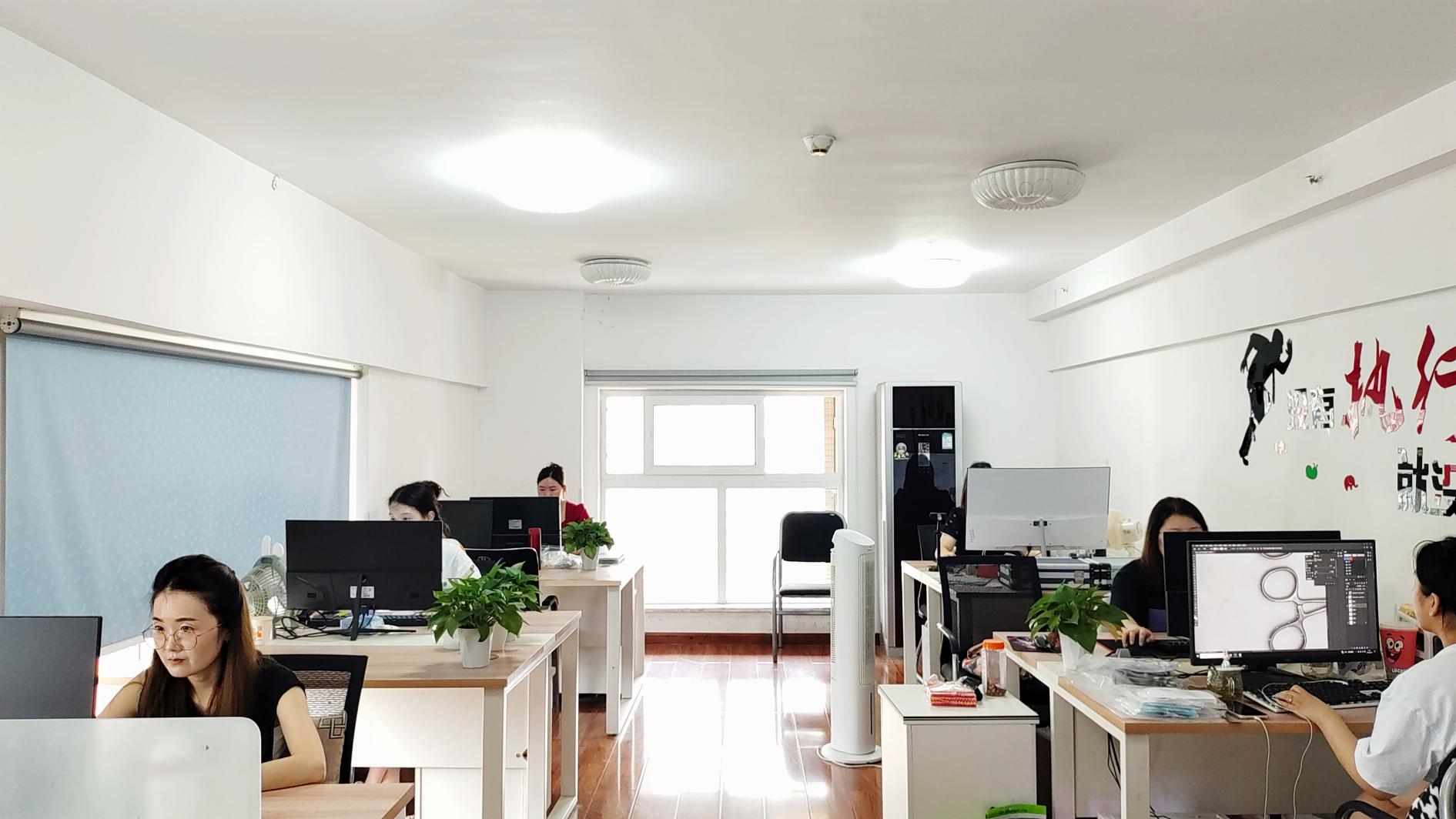
Backed by rigorous raw material traceability, specialized R&D capabilities, and global logistical networks.
| Operational Pillar | Specification Detail & Core Capabilities |
|---|---|
| Registration & Launch | Established on November 20, 2019, bridging raw material processing with high-end clinical instrumentation engineering. |
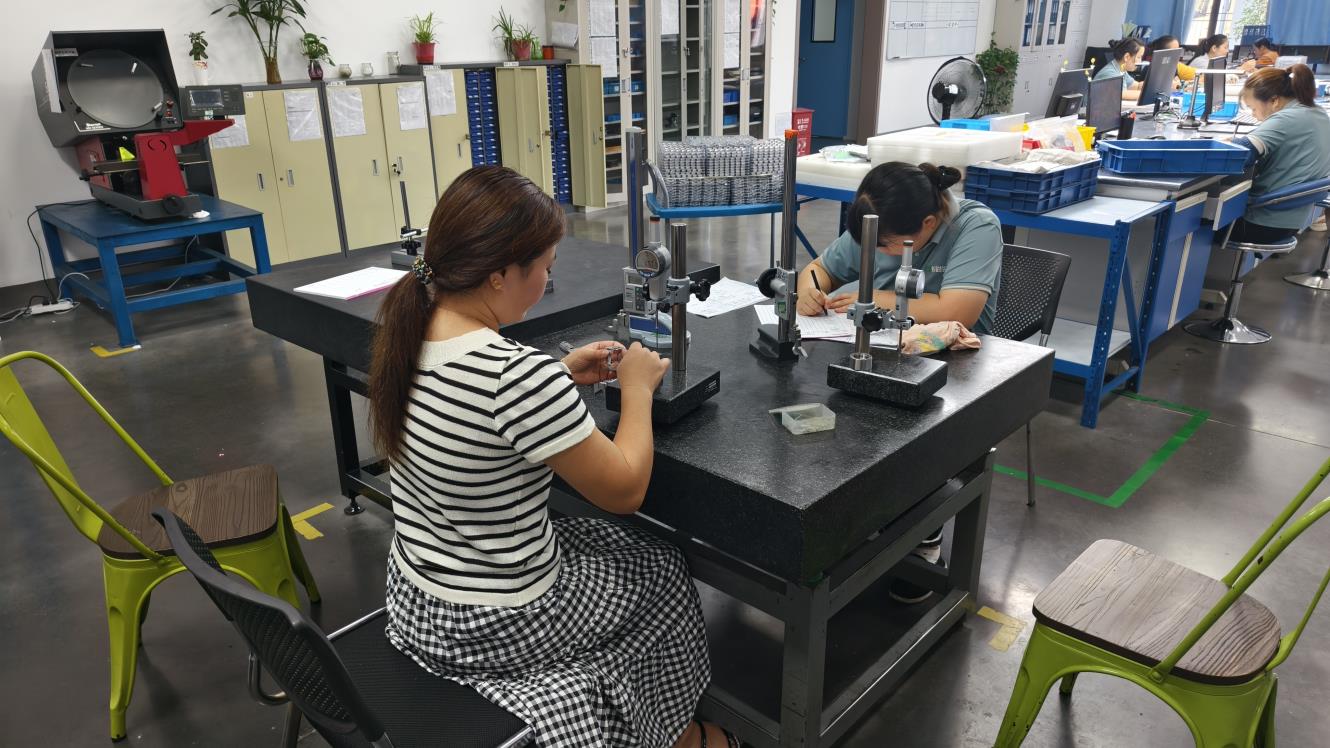
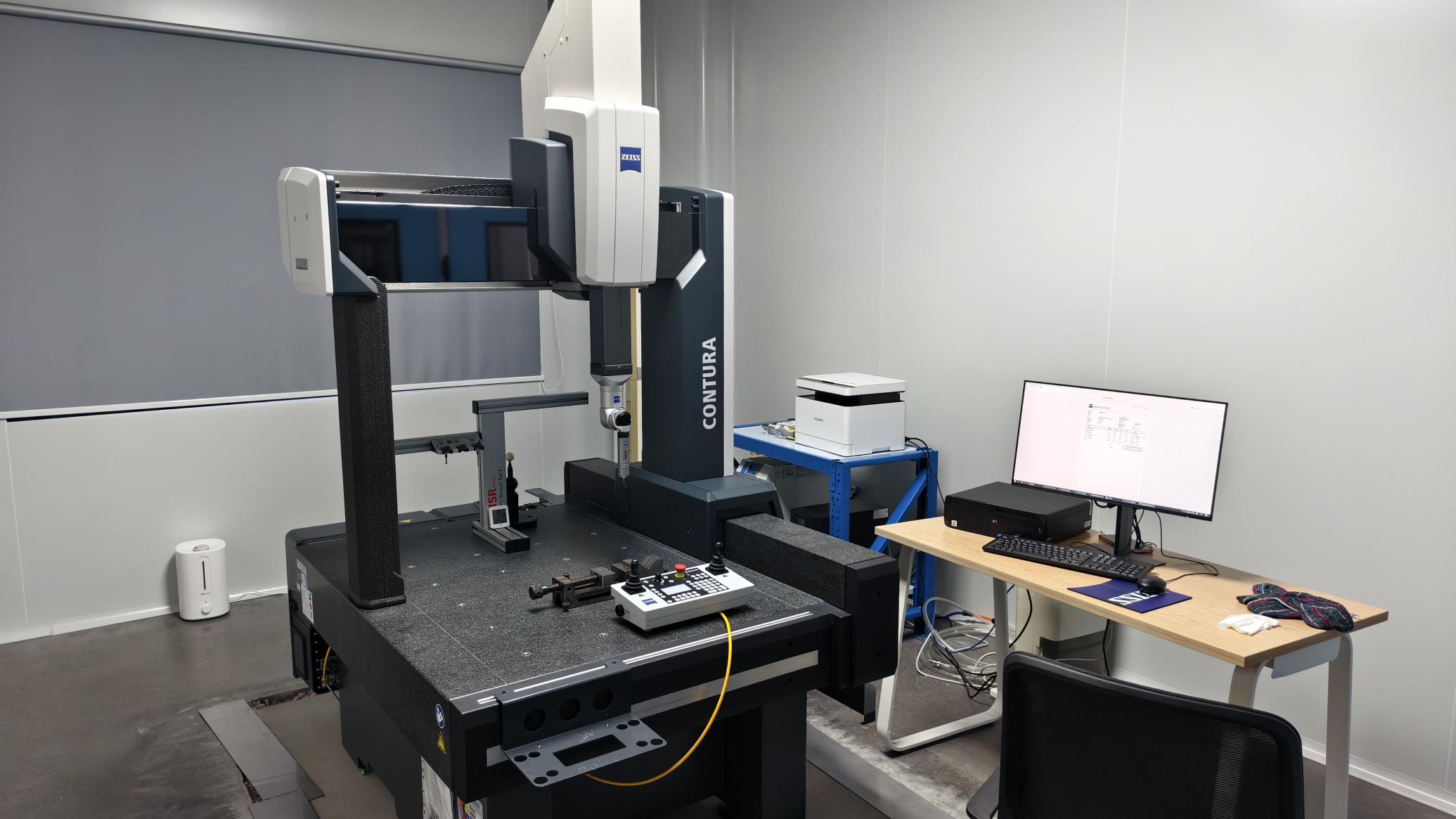
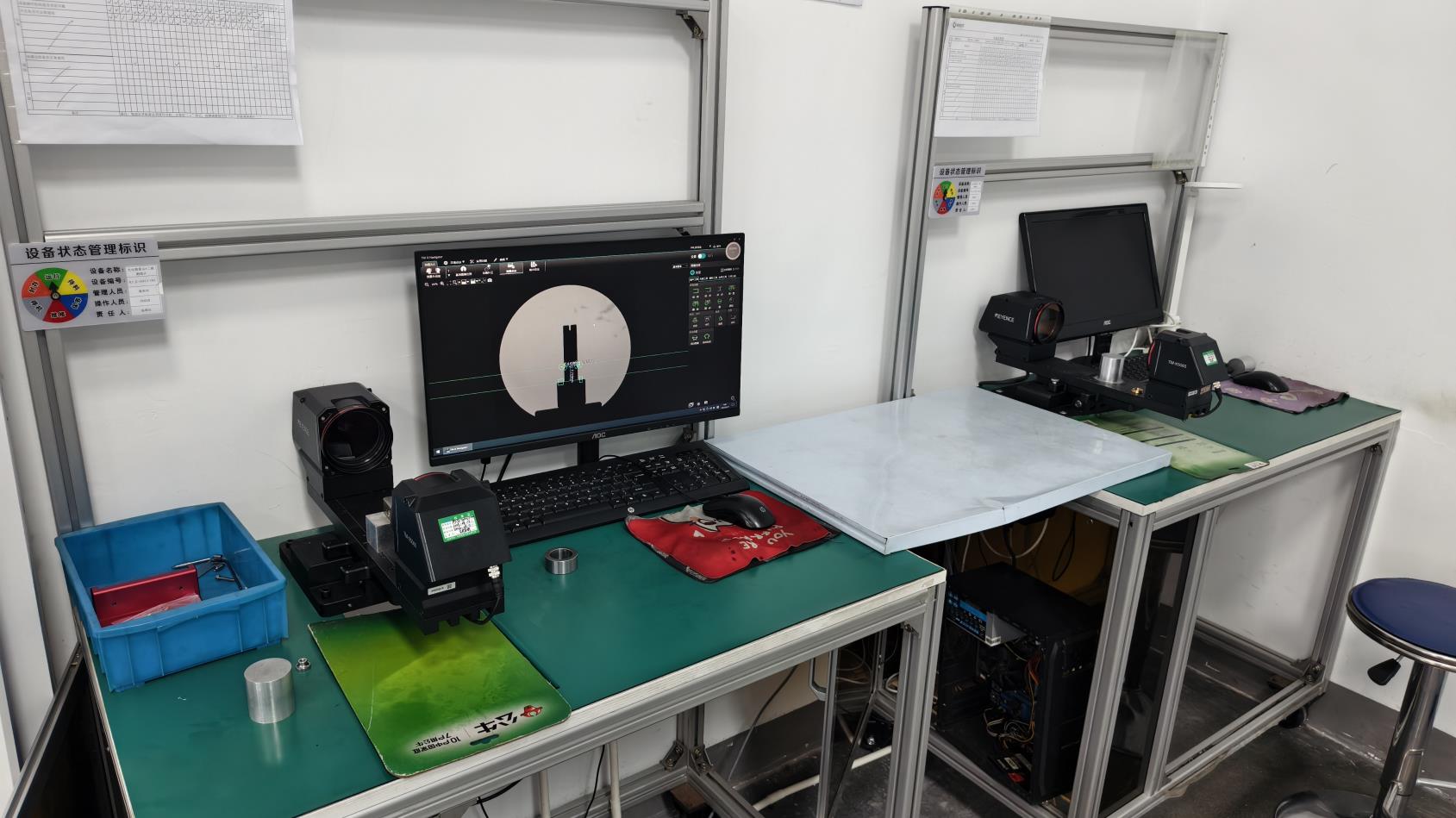
| Quality Control Systems | Equipped with 3 full-time in-house QA/QC Inspectors. Strict raw material batch-traceability. QC procedures include random inspections and customized testing scripts as per client requirements. |
| Customization Options | Sample processing, graphic blueprint processing, and custom-on-demand engineering (OEM/ODM). |
| Key Markets Served | North America (25%), South America (25%), Southeast Asia (15%), and European Union zones. |
| Primary Client Archetypes | Brand businesses, specialized medical retailers, major veterinary equipment wholesalers, and private clinical networks. |
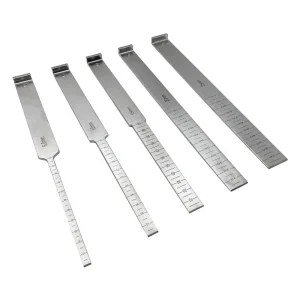
The mechanical and physical demands on orthopedic retractors require specialized material science. Retractors must provide maximum rigidity with minimal profile thickness to reduce surgical incision size. The metallurgy typically chosen includes:
Every retractor manufactured under our ODM partnerships undergoes a standardized chemical passivation process. This treatment strips free iron from the instrument surface, fostering a chromium-oxide barrier that prevents pitting corrosion, staining, and degradation during steam autoclaving cycles.
An objective market mapping of the leading innovators, tier-1 medical technology corporations, and high-capacity manufacturing centers.
The global market leader in orthopedic trauma and joint reconstruction. They design complex, system-integrated retractor matrices that link directly to proprietary implant kits. Known for absolute clinical standardization and high price-point dominance.
Renowned for its development of integrated operating room ecosystems. Stryker’s orthopedic retractor lines specialize in minimally invasive spine surgery (MISS) and computer-assisted orthotaxy setups, focusing on lightweight carbon fiber composite structures.
Maintains a strong presence in total hip and knee arthroplasty (THA/TKA). Their retractor lines feature highly specific shapes (like the posterior hip retraction systems) designed to protect neurovascular bundles during aggressive joint exposure.
The standard-bearer for traditional European surgical instrumentation craftsmanship. Aesculap retractors feature advanced ergonomics, proprietary anti-glare satin finishes, and metallurgical formulations that provide durability for human clinical usage.
A key supplier of surgical instrument portfolios. Integra owns several historic surgical brands, offering extensive catalogs of handheld retractors, self-retaining abdominal and orthopedic frame systems, and neuro-spine retractors.
A pioneer in table-mounted retraction systems. Their orthopedic framework retractors allow for steady, unassisted exposure of deep surgical sites during complex pelvic, hip, and spine reconstructions, optimizing operating room staffing.
Provides diverse medical device portfolios, including surgical instrumentation lines. They manufacture general orthopedic retractors (Hohmann, Weitlaner, Gelpi) that serve as reliable options for standard clinical trays globally.
A provider of high-grade surgical instruments. Sklar caters to mid-tier clinical operations, offering clean, standardized surgical instruments that are widely utilized in outpatient centers and human/veterinary surgery.
Primarily dominates the spinal orthopedics sector. Medtronic's MAST (Minimally Invasive Therapies) retractor platforms feature integrated fiber-optic lighting channels and micro-adjustable tube expansion options for spinal decompression.
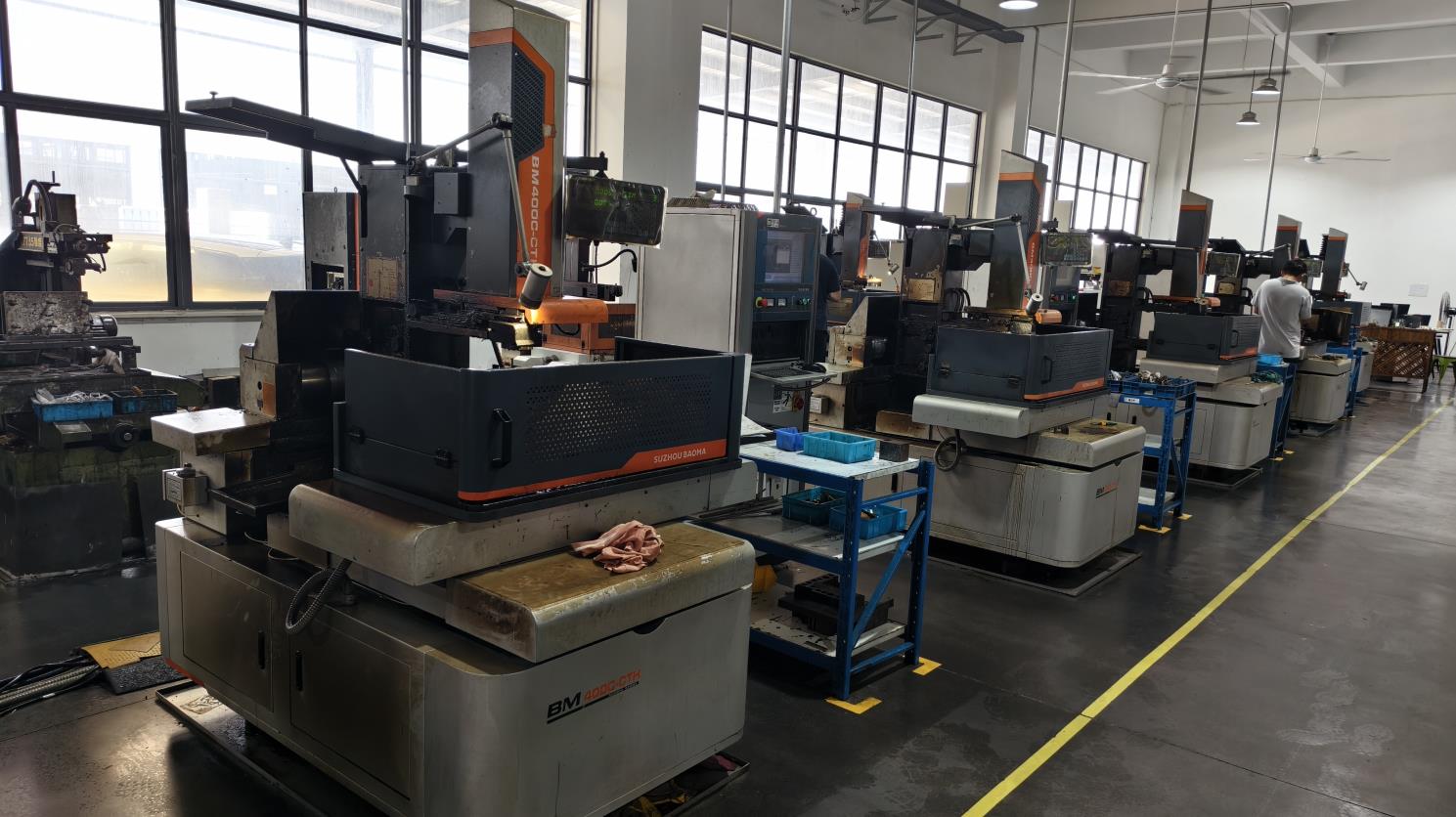
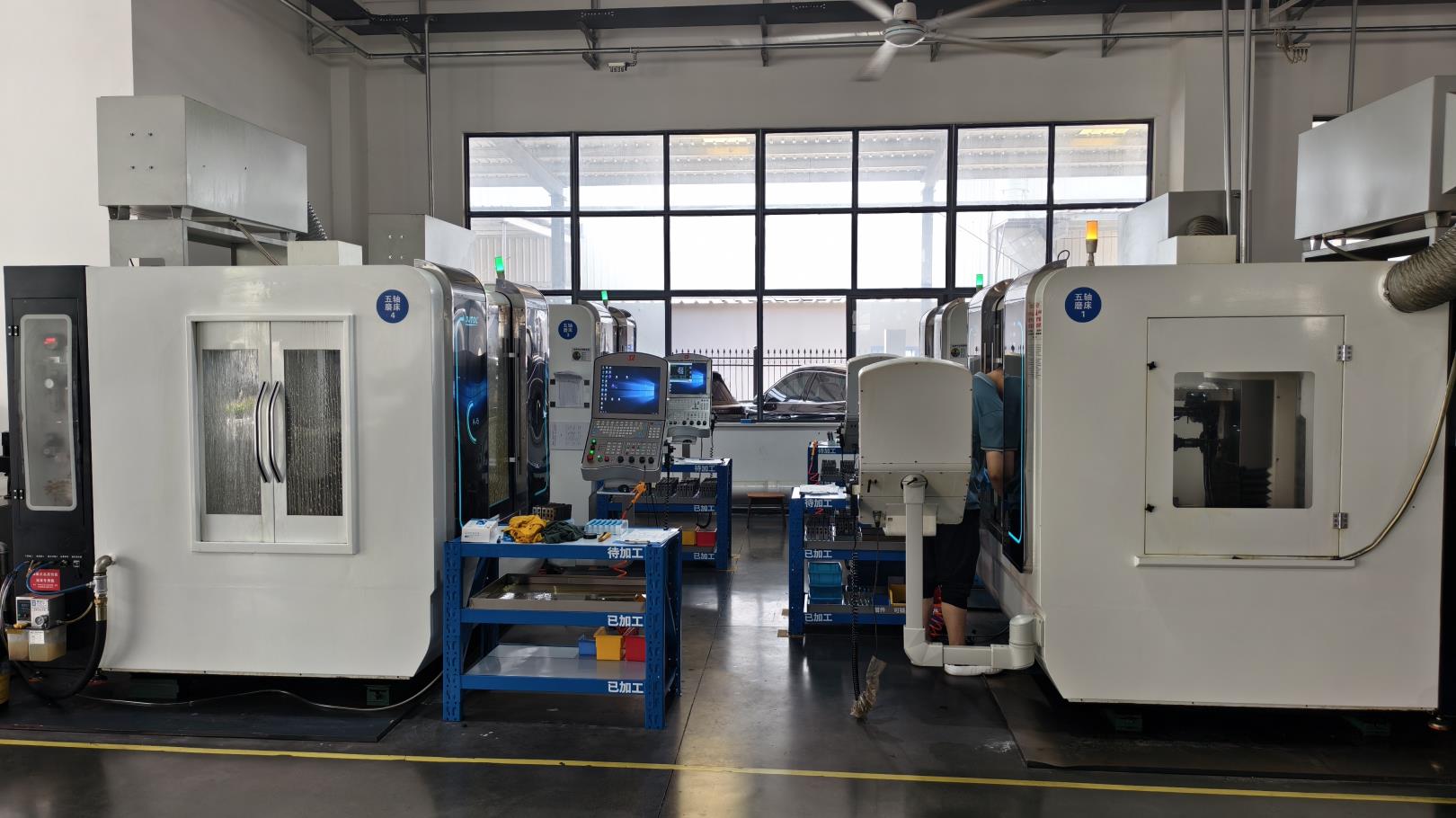
An agile manufacturing alternative for global medical brands and wholesalers. Specializing in high-precision, cost-efficient CNC manufacturing, rapid prototyping, and custom-on-demand processing. This cluster supports veterinary, human trauma, and customized joint-reconstruction systems with complete material traceability.
The evolution of Chinese surgical instrument manufacturing has transitioned from high-volume basic replication to high-precision engineering. For global B2B procurement managers seeking OEM/ODM partners, this evolution offers several key advantages:
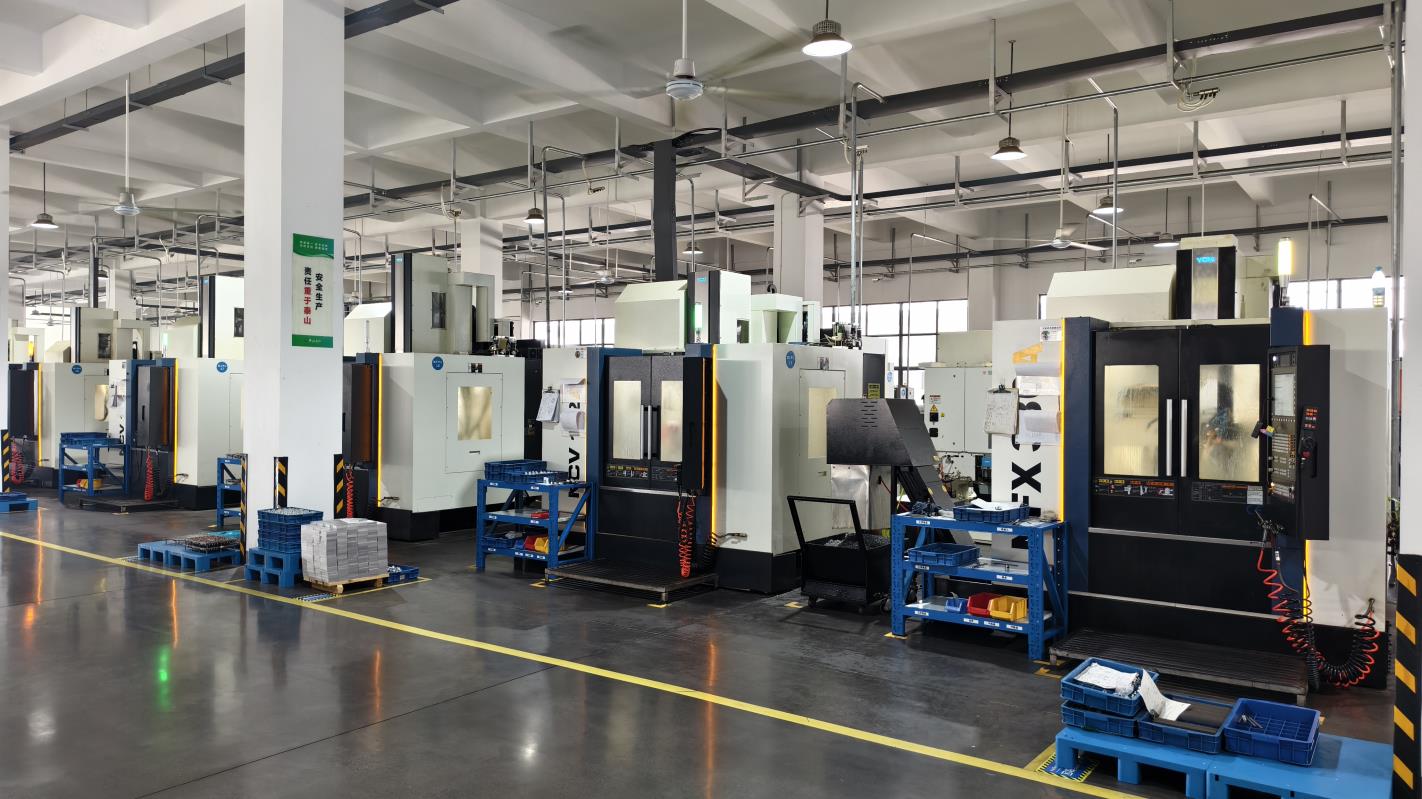
1. Integrated Supply Chain Clusters: Chinese production zones consolidate raw material sourcing, CNC precision machining, manual finishing, heat treatment, surface passivation, and laser marking within tight geographic ranges, minimizing transit times and supply chain friction.
2. High Customization Agility: Our factory framework supports customized designs based on client blueprints or sample modifications. Whether modifying a standard Hohmann retractor blade or designing a proprietary C-type drill guider, our CAD/CAM teams deliver rapid prototyping cycles.
3. Cost-to-Quality Balance: Leveraging optimized automated production processes allows factories to control overheads. This helps global buyers offer competitive pricing to clinical systems while maintaining strict quality metrics, including 3-inspector QA checks and raw material batch verification.
How orthopedic retractors and associated fracture kits adapt to diverse healthcare environments worldwide.
In emergency trauma setups, standard instrument sets must operate reliably under load. The inclusion of bone forceps, femur distractors, and self-retaining Weitlaner retractors provides the retraction force required for long-bone fracture reduction.
Veterinary clinics require robust, autoclavable tools suited for varying patient sizes. The use of specialized tools, such as the *HTO Tibia Osteotomy Osteotome* or *Knee Arthroscopy Sets*, enables veterinarians to perform cruciate ligament reconstructions and corrective osteotomies efficiently.
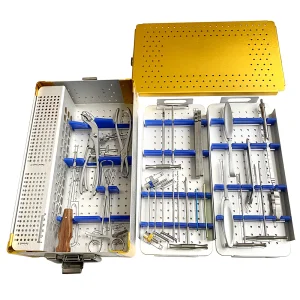
Wholesalers and brand managers can order custom-branded surgical sets. By selecting specific components—such as screwdrivers, manual forceps, and retractors—brands can package custom instrument trays tailored to local market requirements.
Technical answers to common questions raised by procurement directors, quality assurance managers, and global distributors.
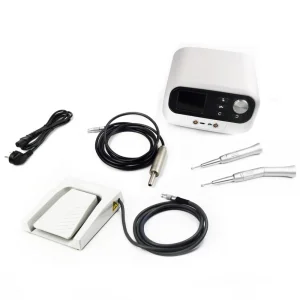
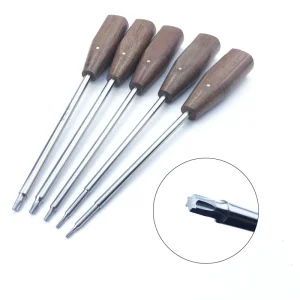
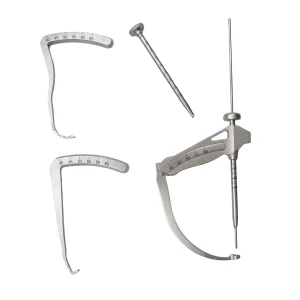
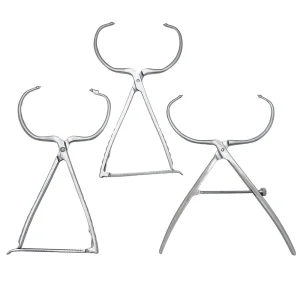
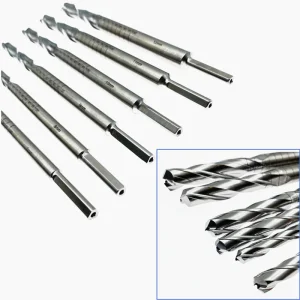
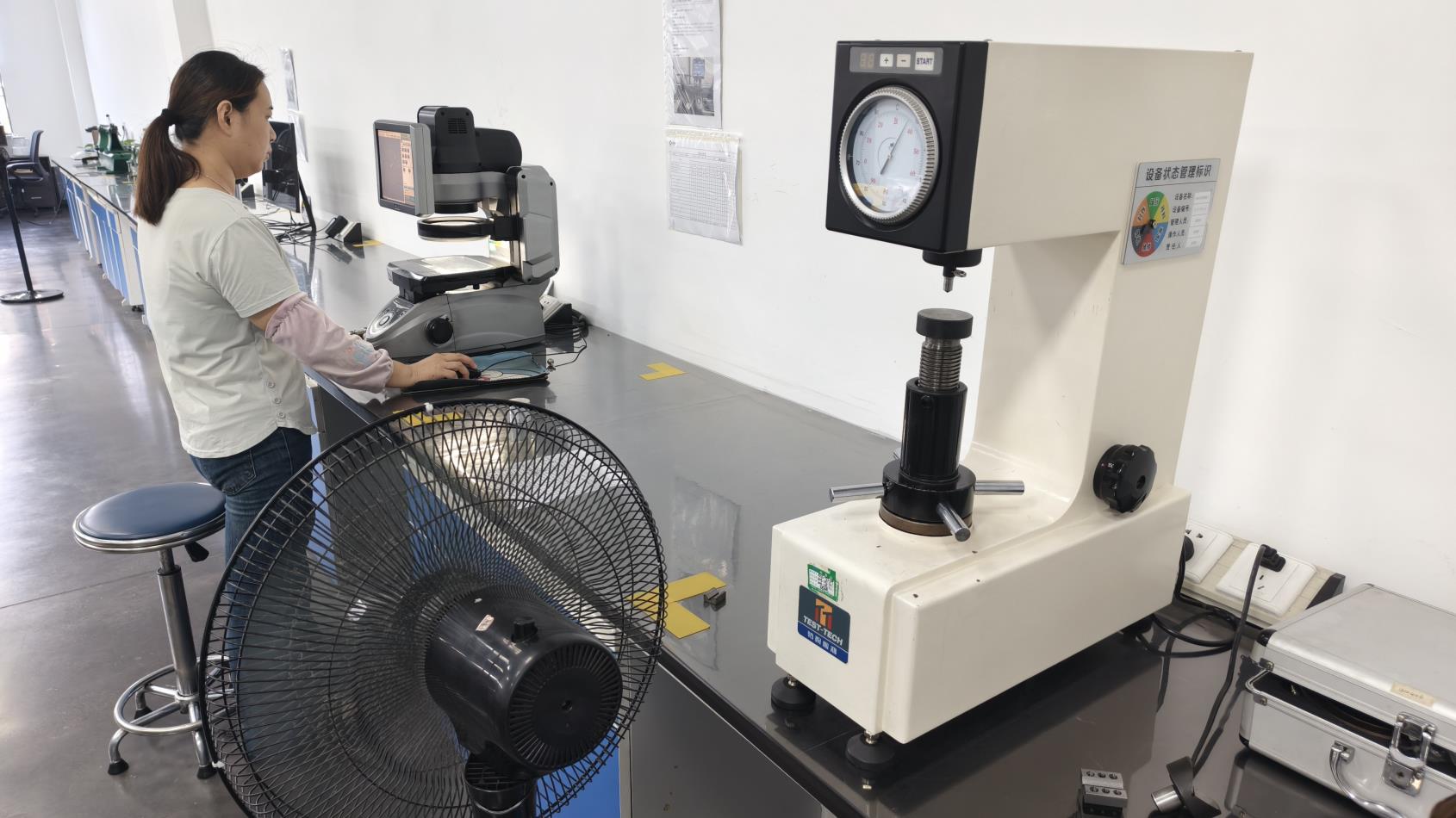
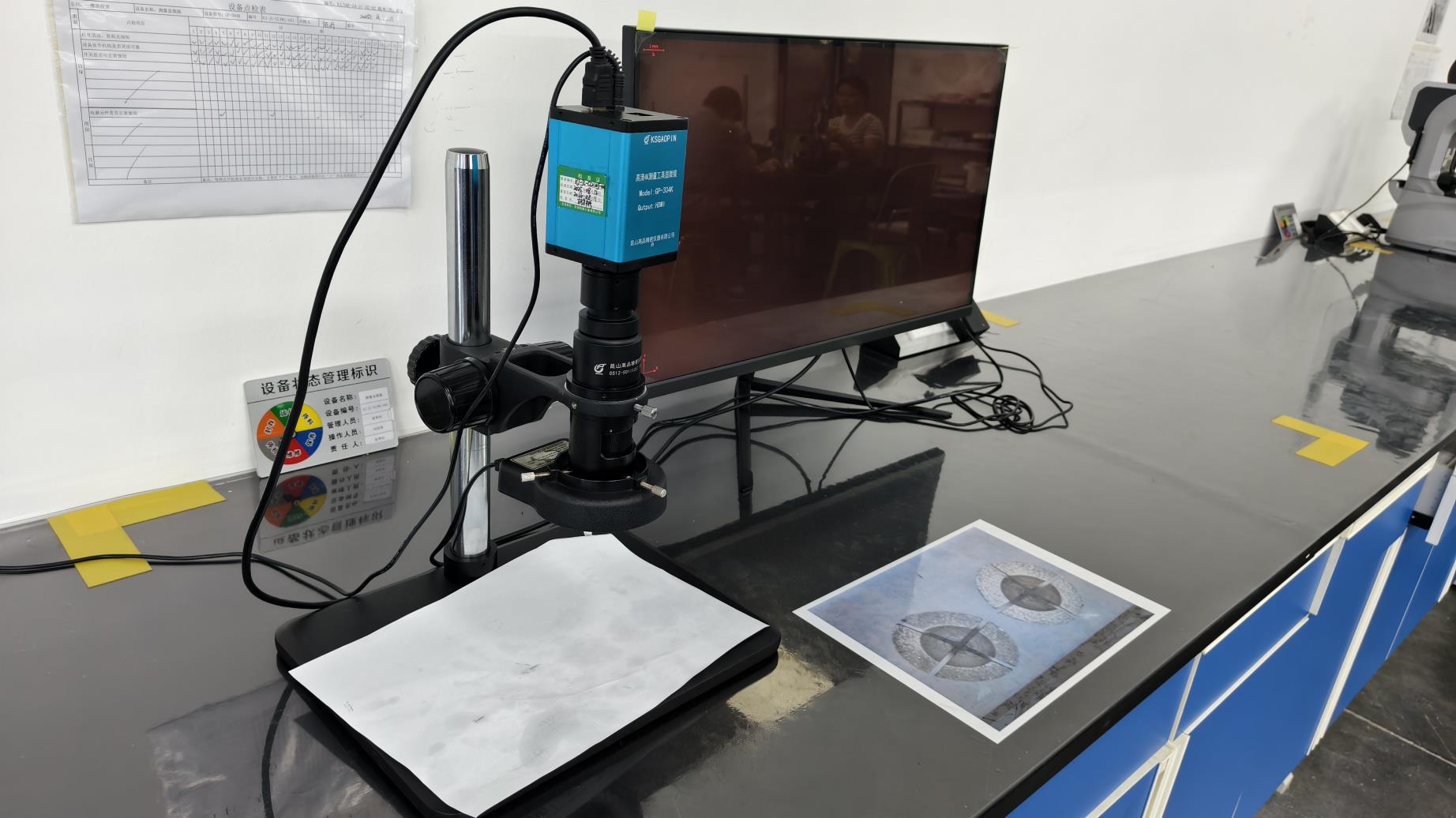
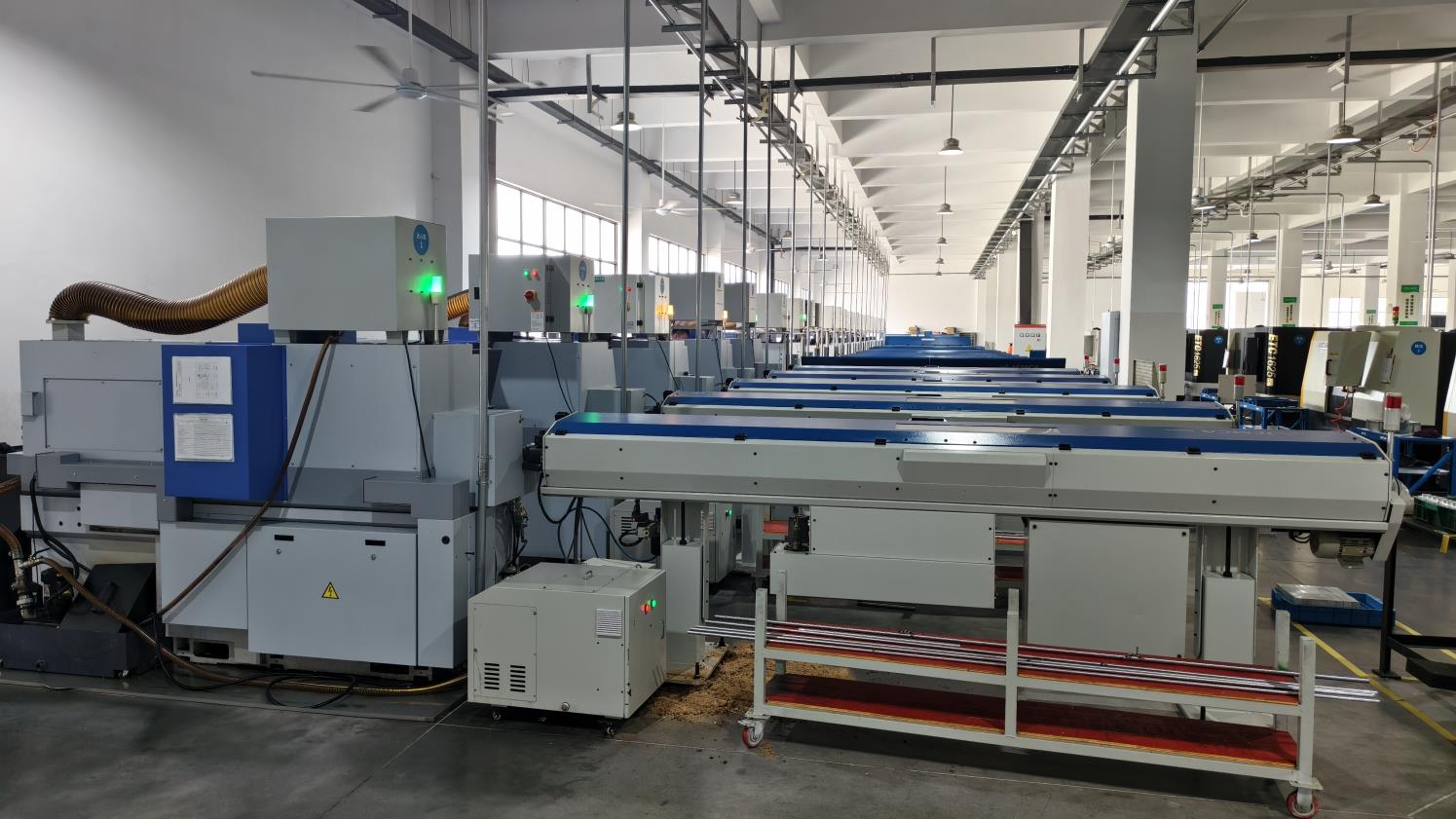
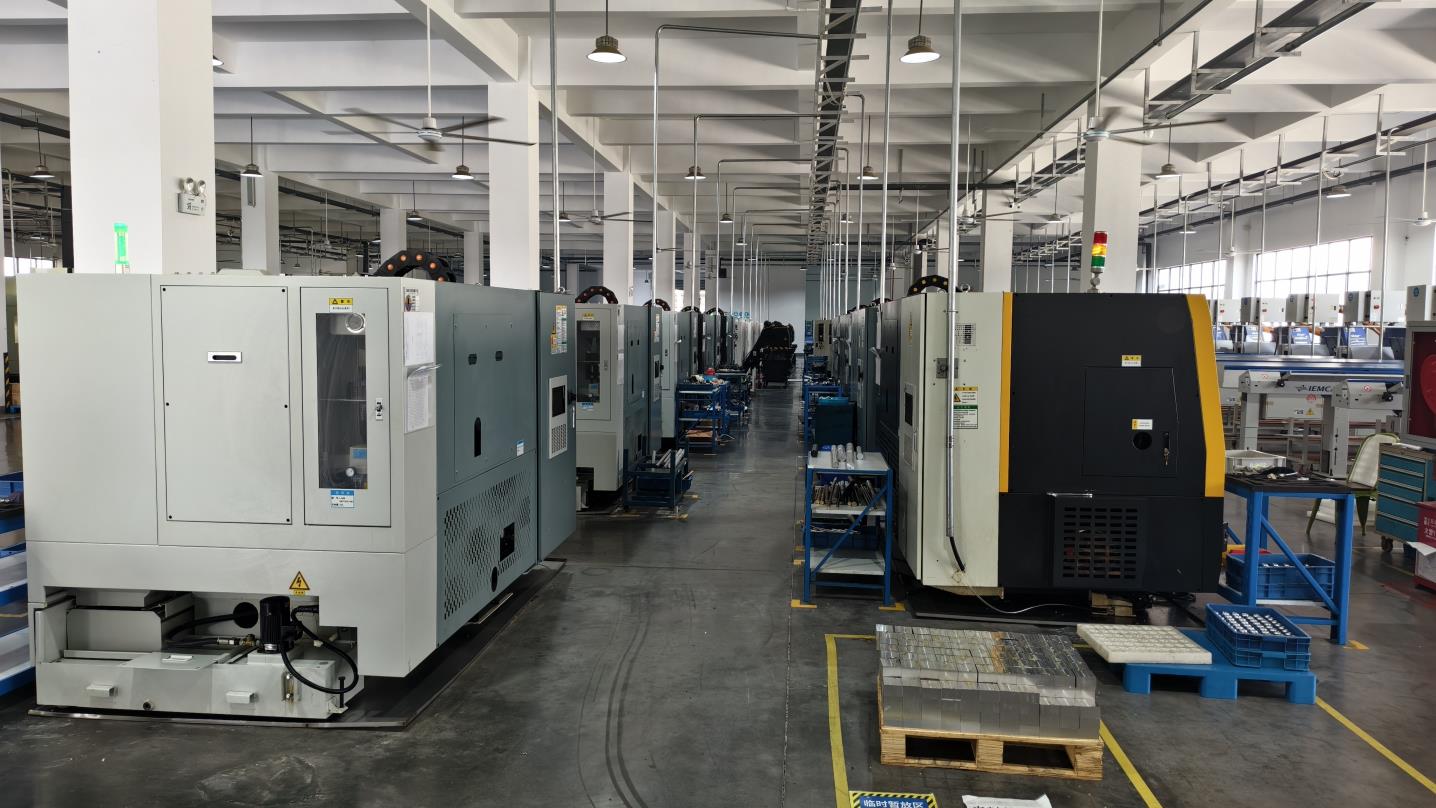
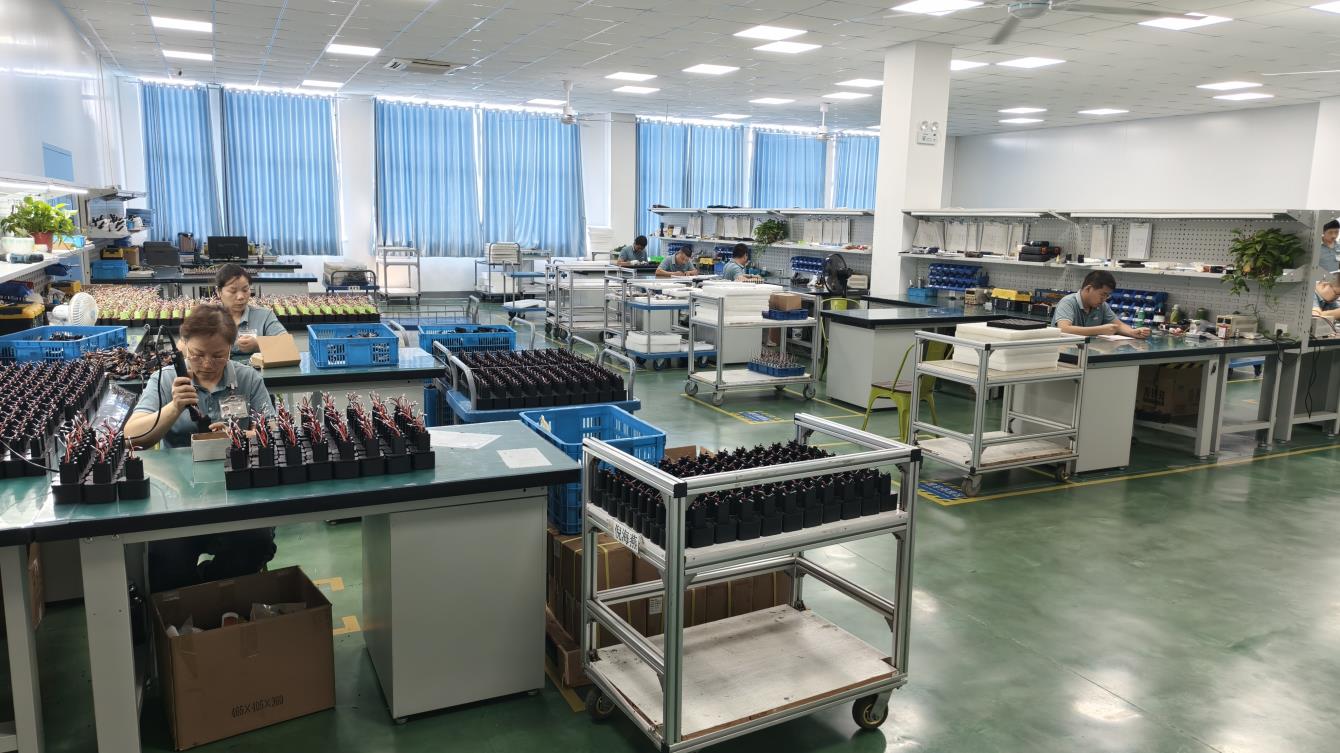
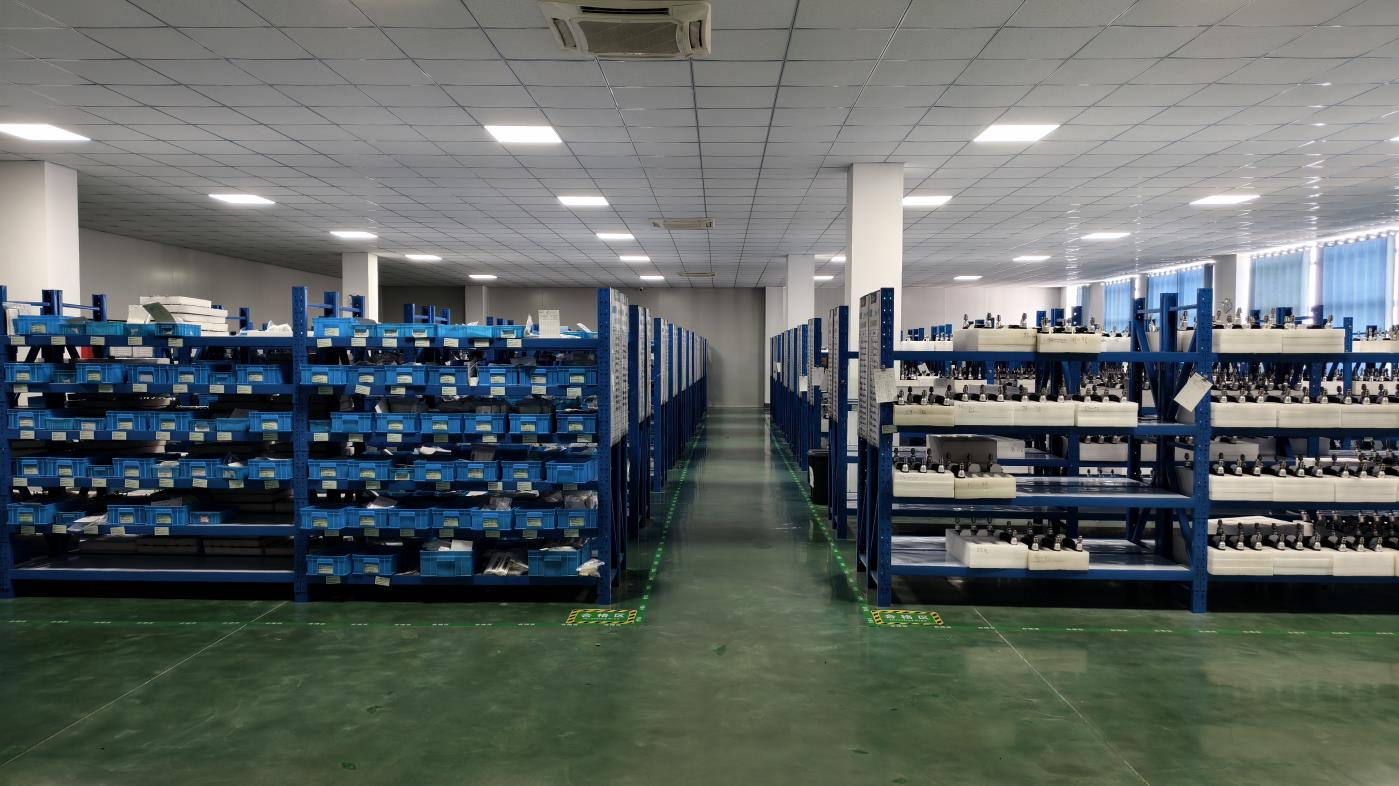
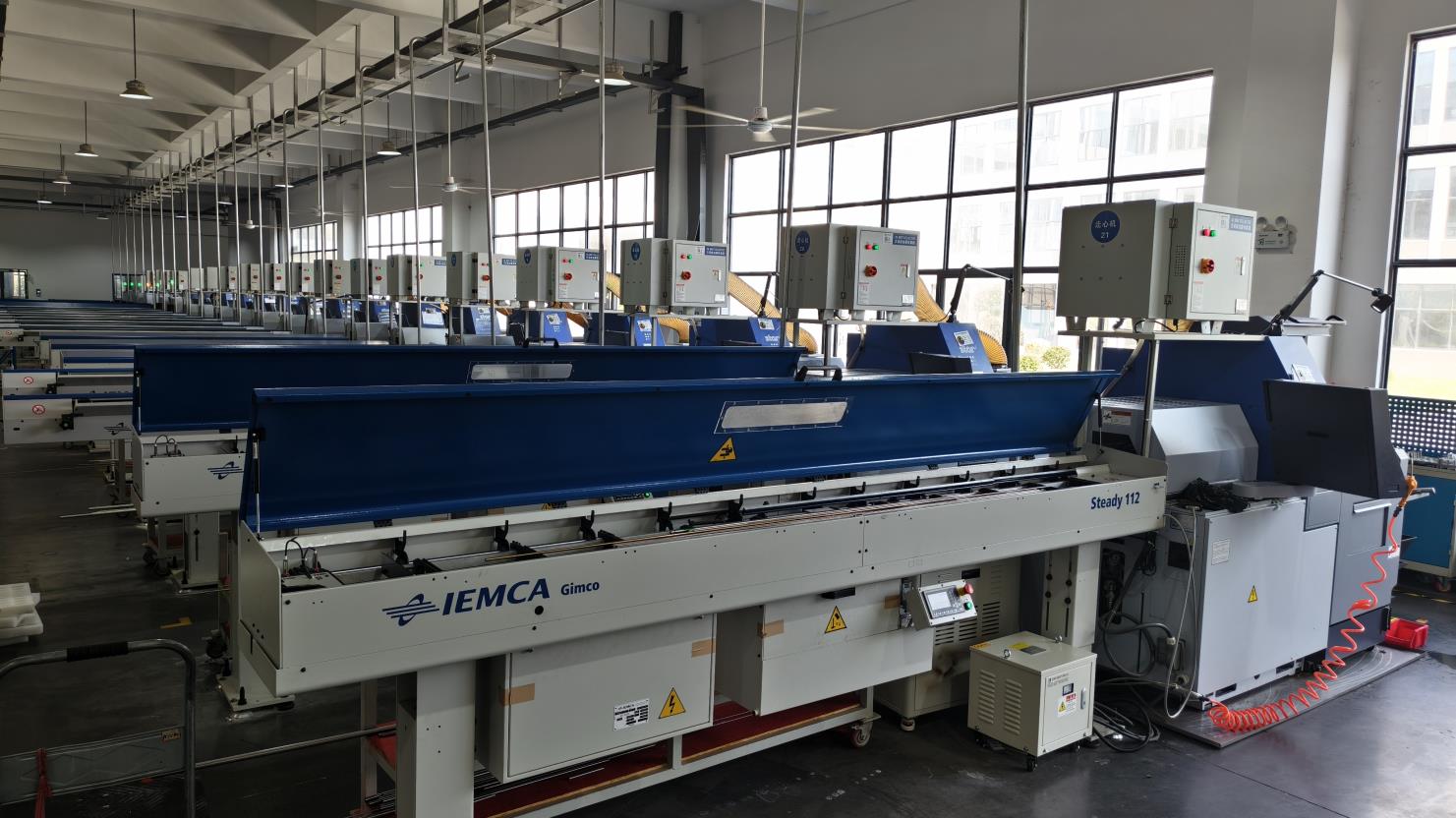
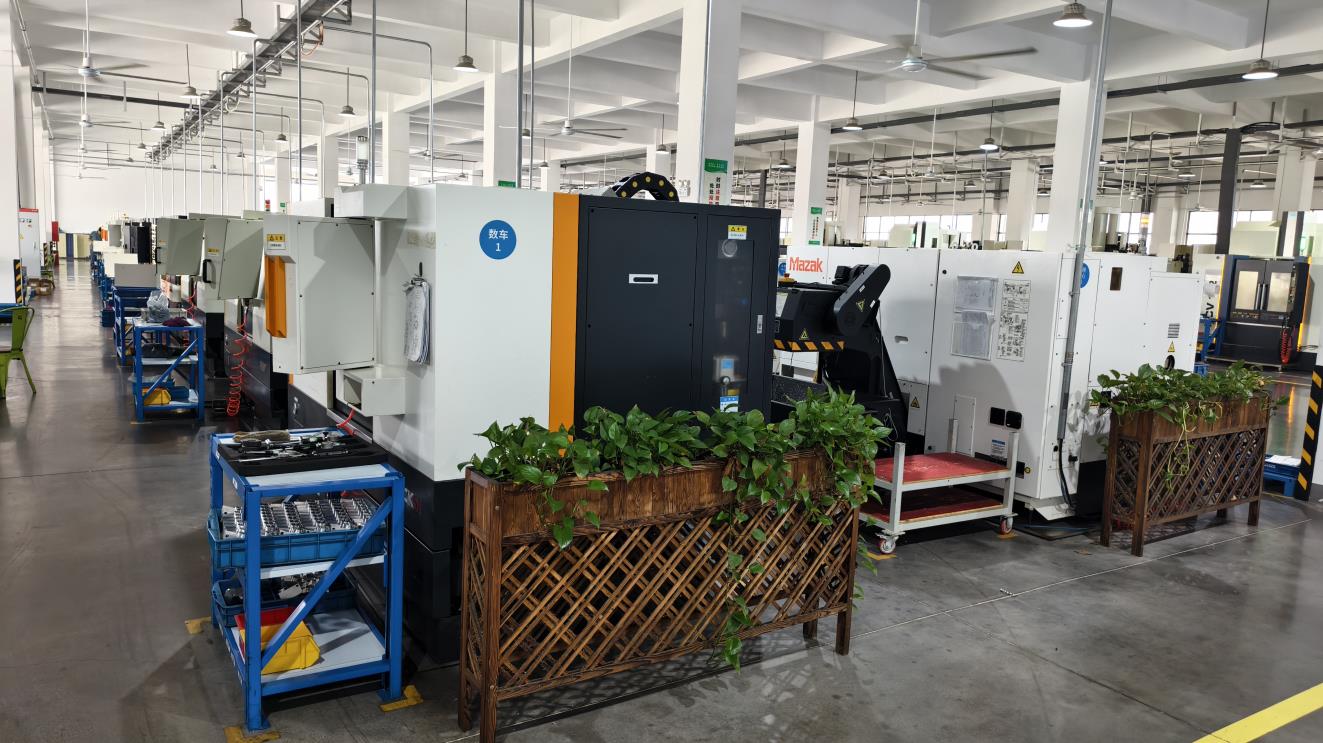
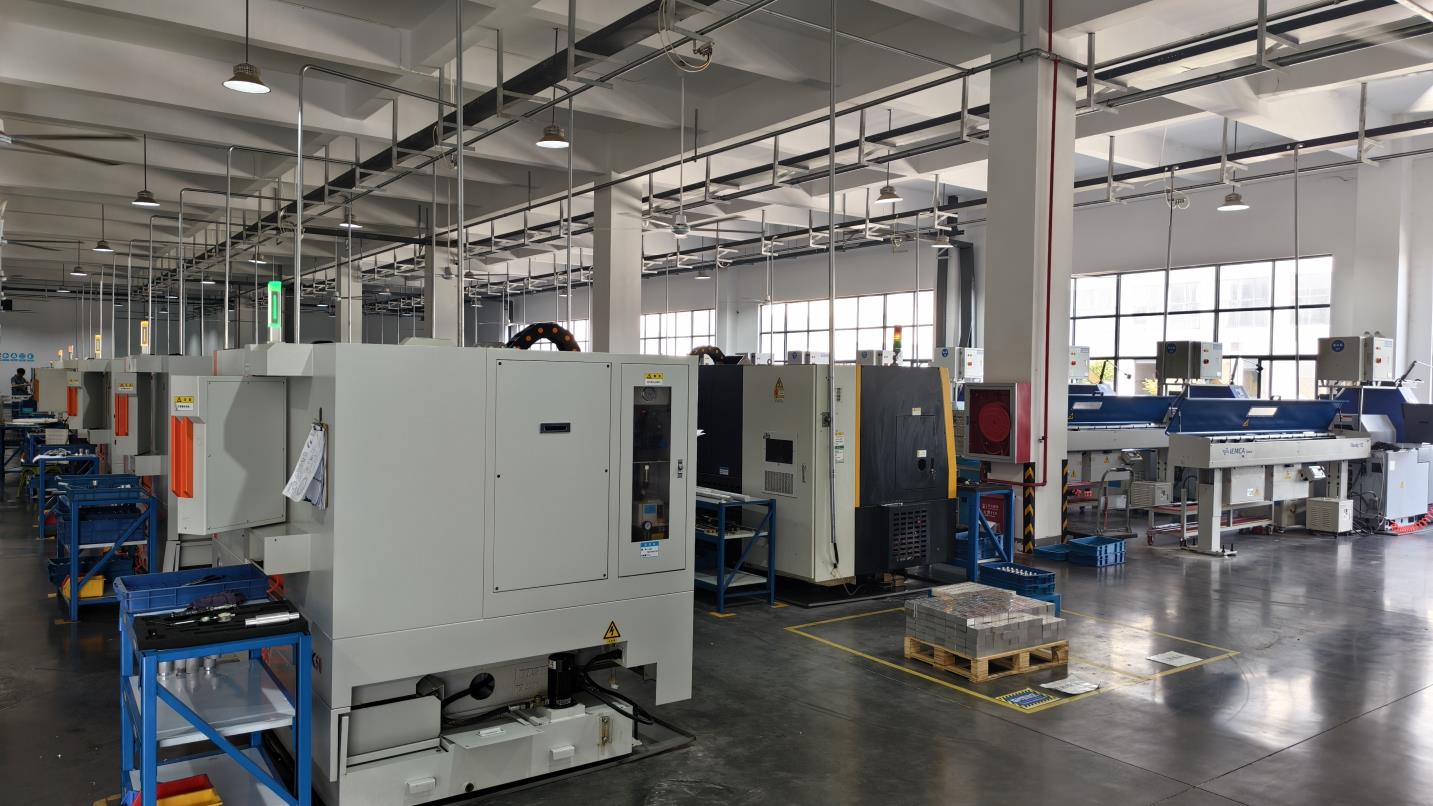
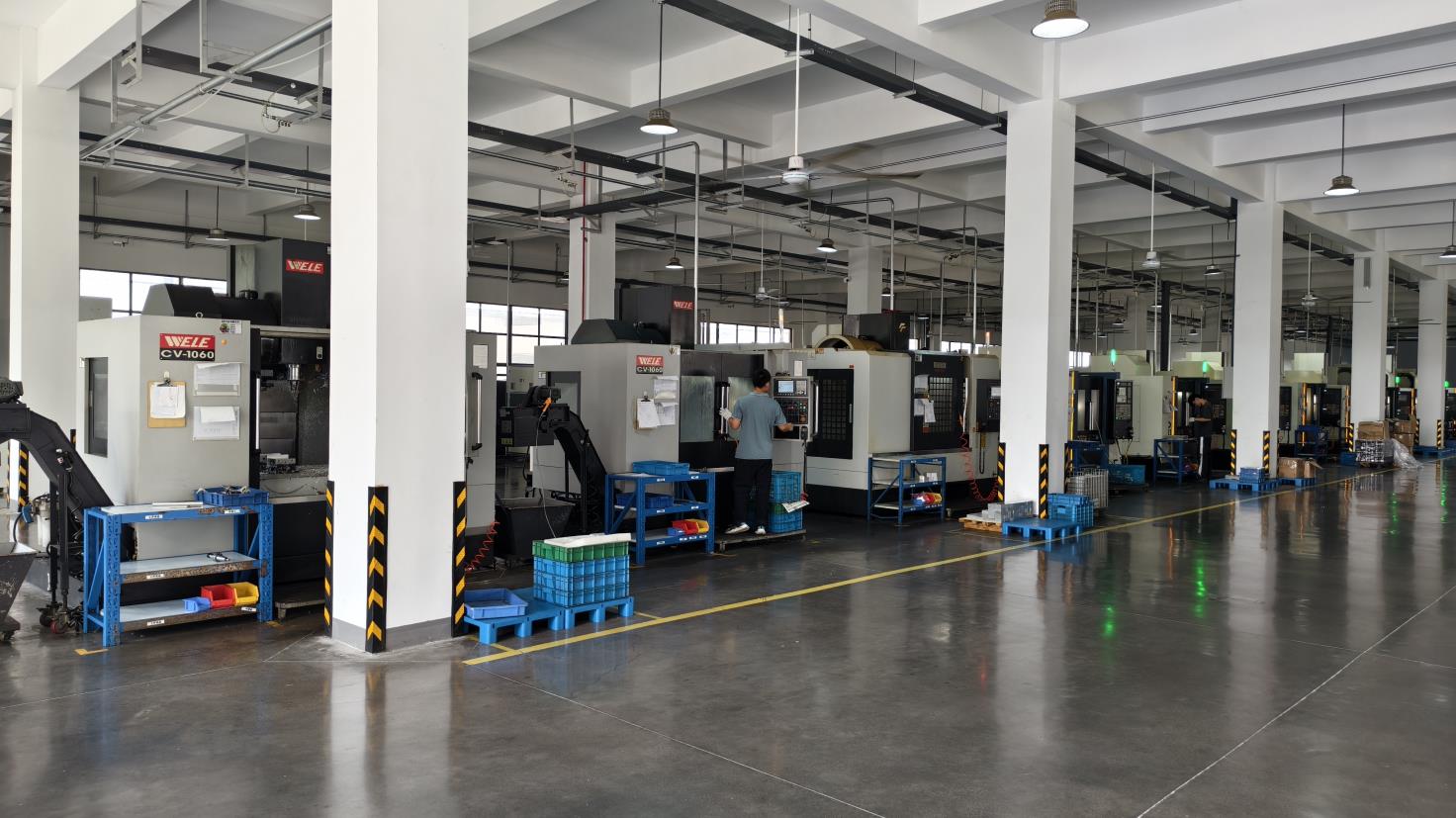
Visual evidence of our manufacturing, assembly, and testing processes.