SENJIE Healthy & Technology SENJIE Healthy & Technology

Top 10 Hospital Supplies Factory & Supplier

Standardizing Global Medical Procurement with High-Performance Surgical Instruments, Specialized Orthopedic Solutions, and Rigorous ISO 13485 Manufacturing Compliance.

Market Outlook

Global Trends in Medical & Hospital Supplies

The landscape of modern surgical delivery is shifting. Hospitals and ambulatory surgery centers (ASCs) are reshaping their procurement practices to balance precision technology with absolute cost-efficiency.

6+
Years Export Experience
Delivering verified devices globally.
25%
North American Market
Compliance with FDA and strict clinical guidelines.
25%
South American Market
Widespread regional distribution and support.
3
QA/QC Inspectors
Rigorous random and targeted inspections.

The Rise of Specialized Surgical Mechanics

Technological refinement in arthroscopy, spine surgeries, and micro-orthopedics has necessitated specialized hand tools with strict tolerance thresholds. Traditional mass-produced hospital general supplies no longer meet the exacting needs of modern operating rooms. Today’s surgical facilities demand devices fabricated from elite biomedical-grade alloys such as 316LVM stainless steel and titanium (Ti-6Al-4V) to minimize tissue oxidation and ensure maximum instrument lifespan.
  • Transition to minimally invasive surgical (MIS) instruments.
  • Integration of micro-machined tips for delicate osteotomy procedures.
  • Adoption of corrosion-resistant, autoclave-ready passivation coatings.
  • Increasing intersection of veterinary and human orthopedic hardware designs.
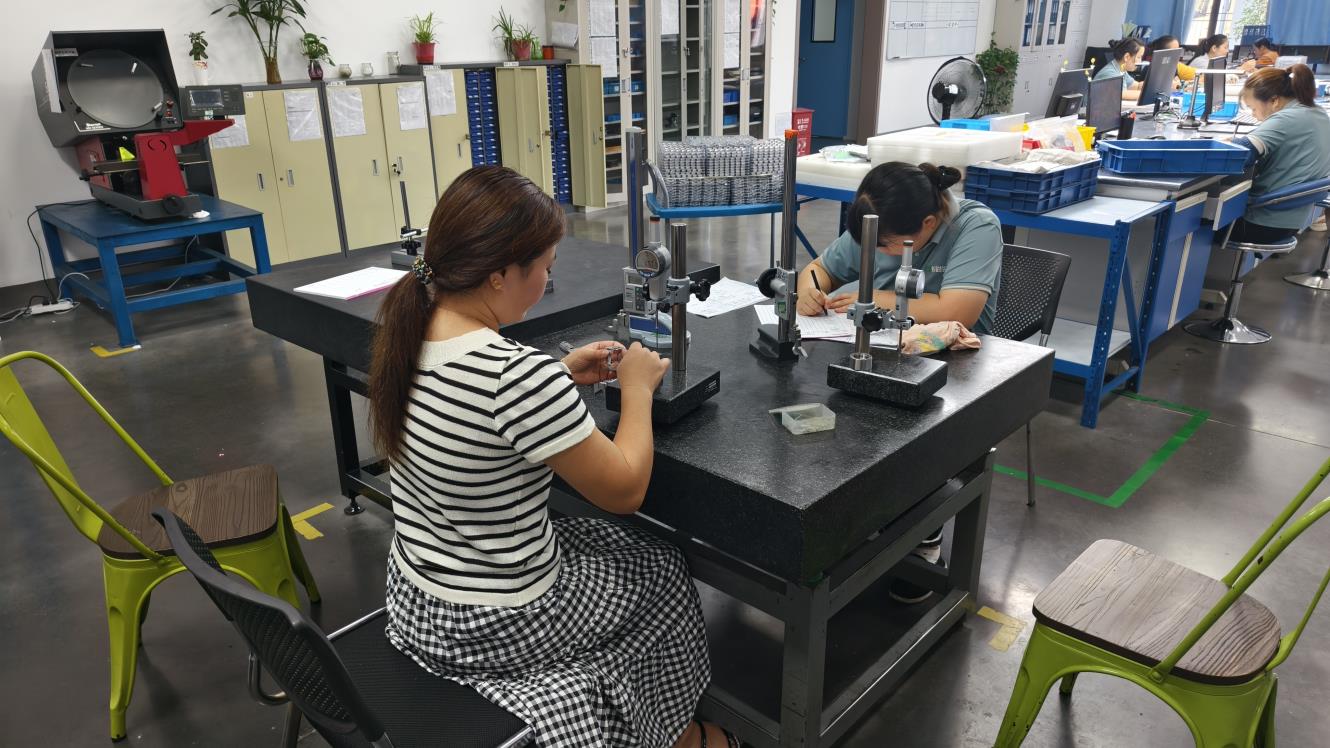
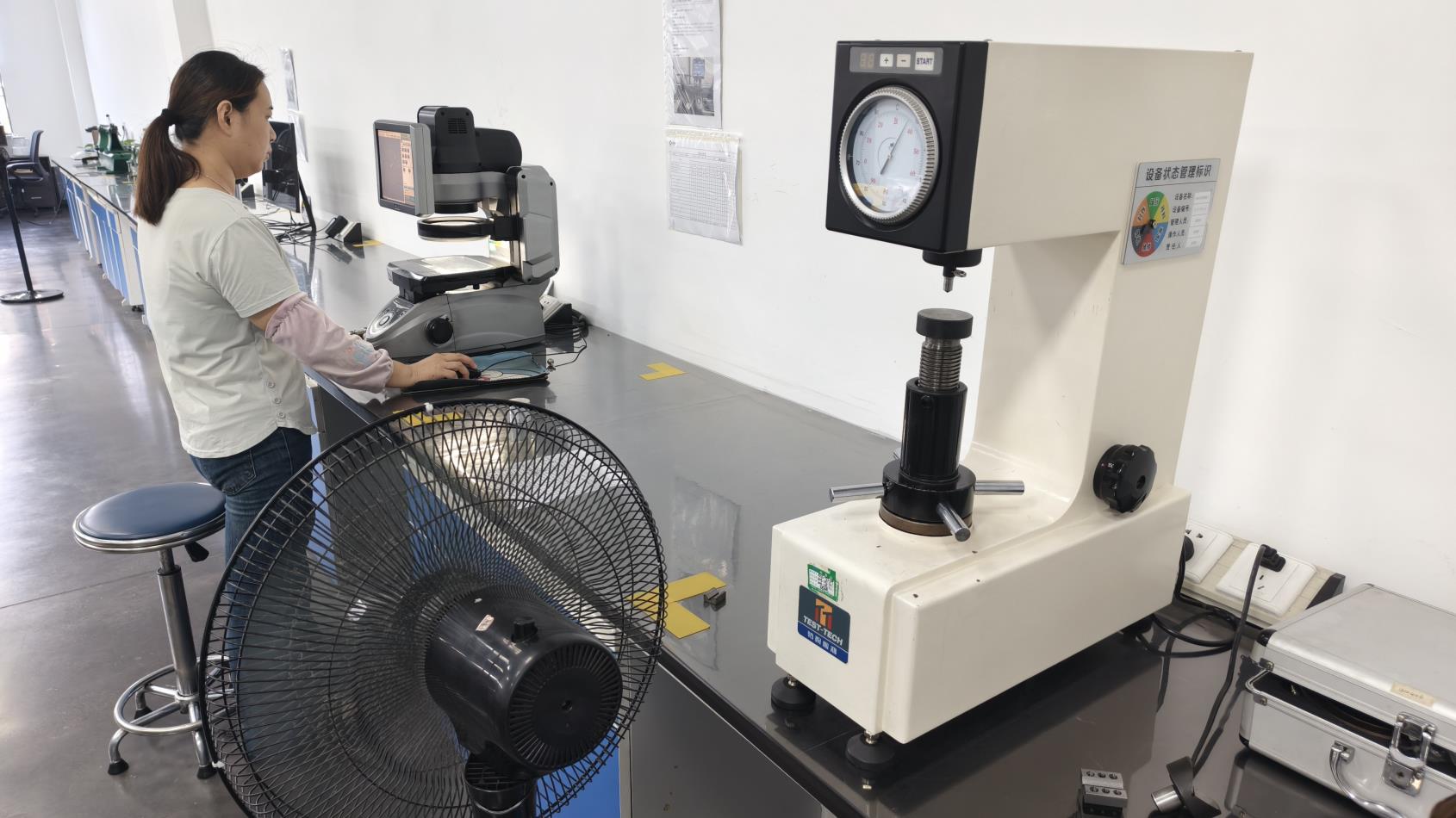
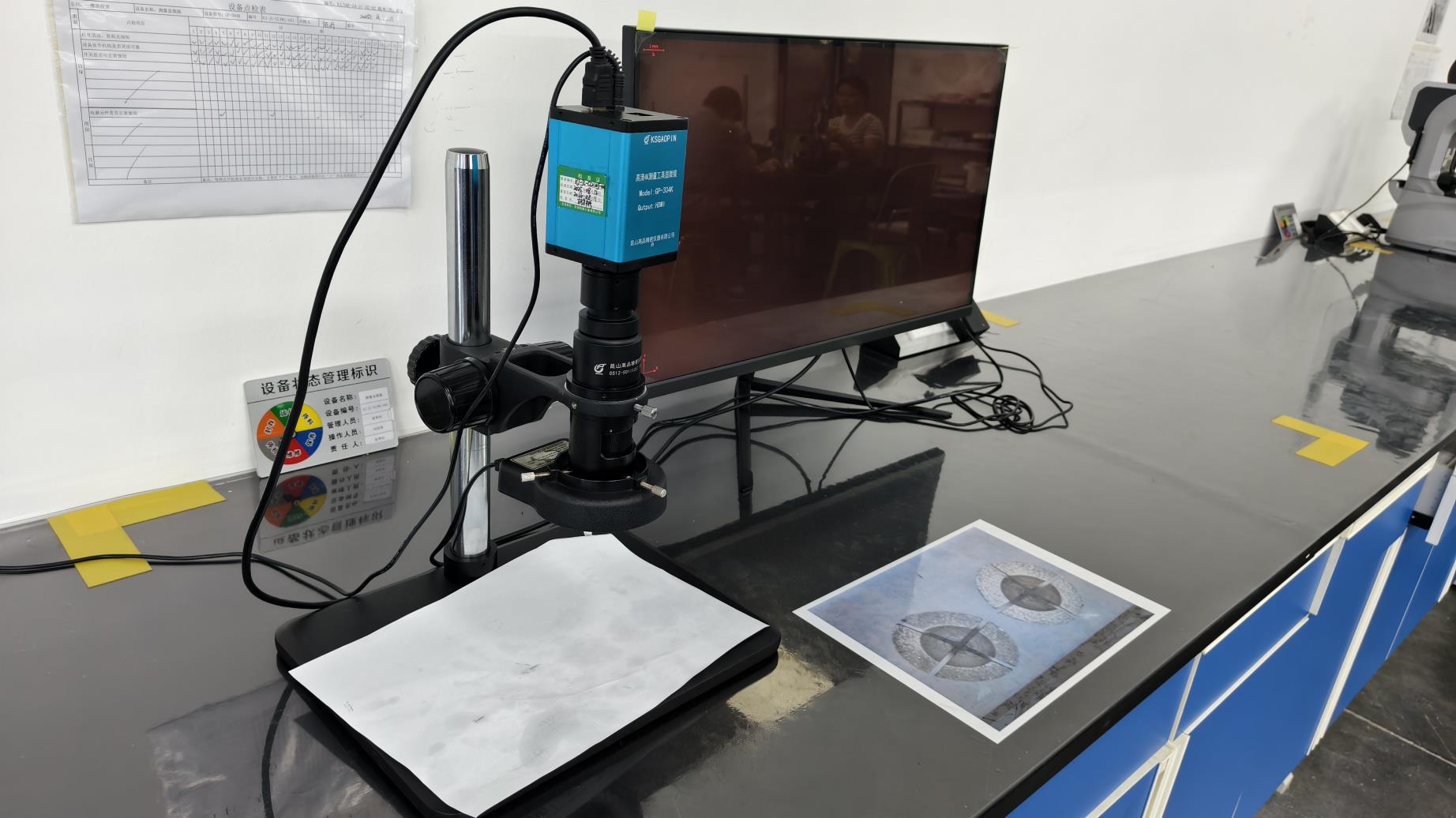
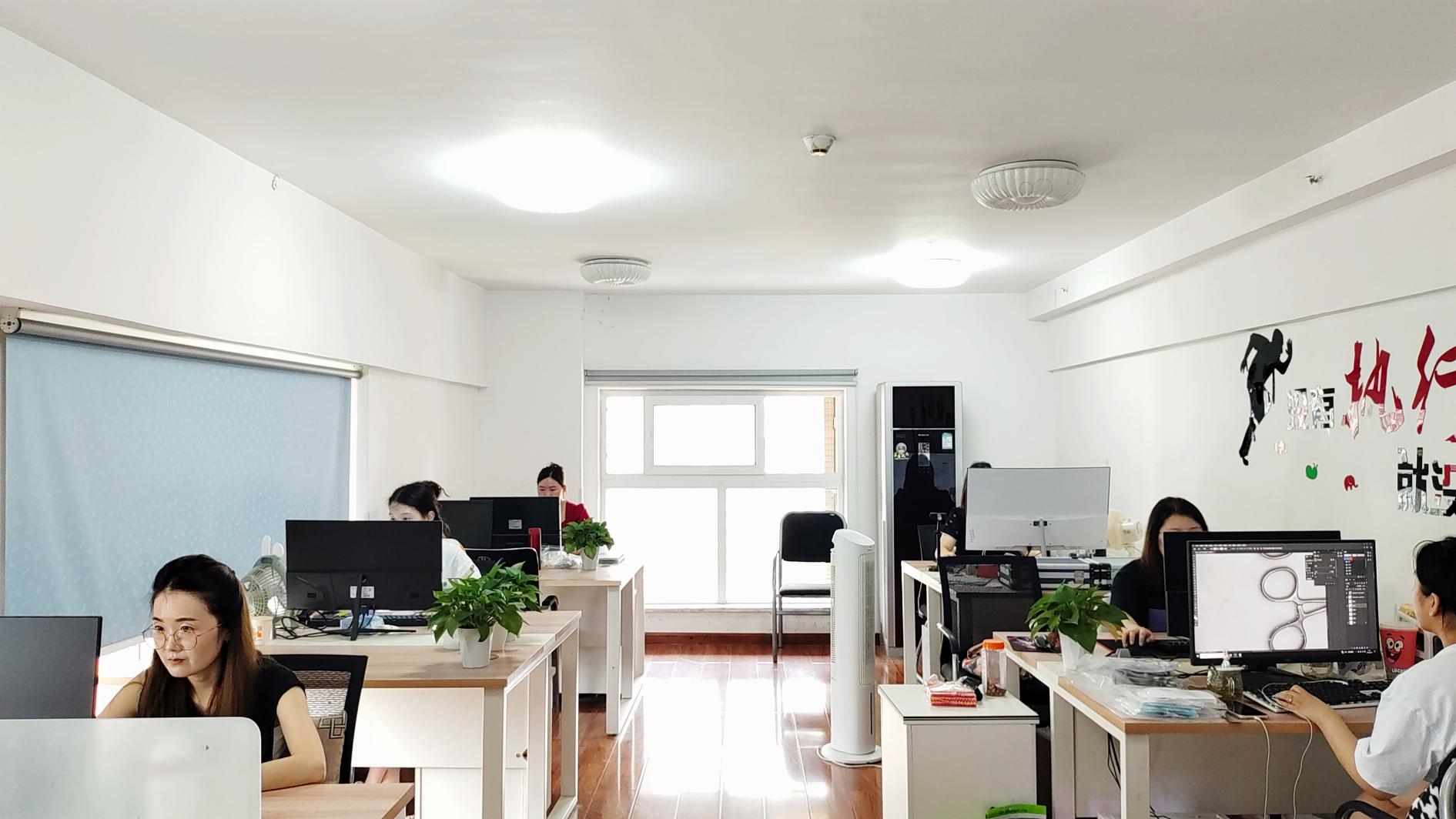
Surgical Instrument Precision Inspection
Procurement Strategy

Addressing Global Hospital Procurement Requirements

Procurement departments are tasked with maintaining optimal patient safety while coping with macroeconomic pressures. Identifying dynamic suppliers that bridge custom development with high volume output is critical.

Quality Control, Material Traceability & Compliance

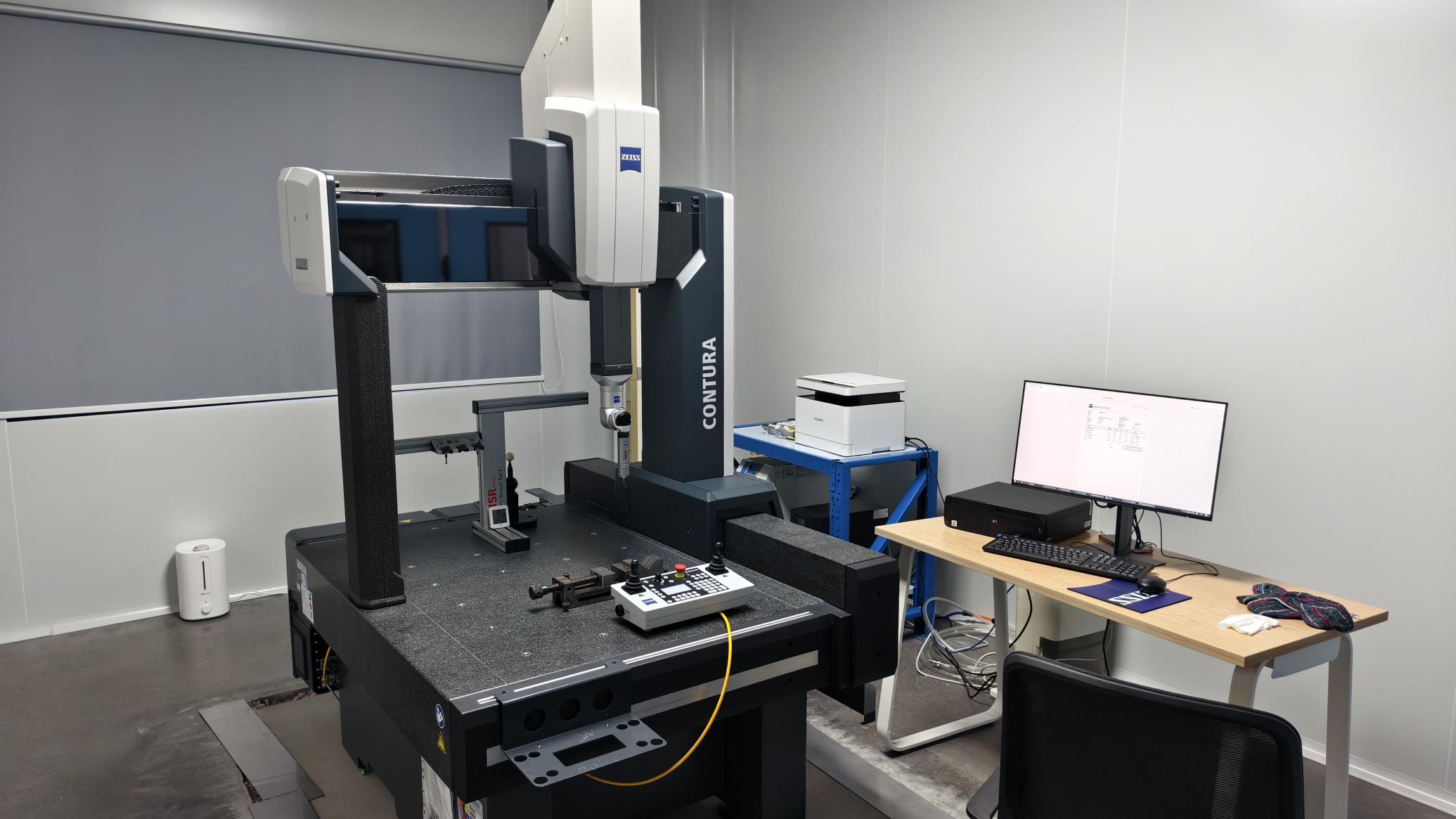
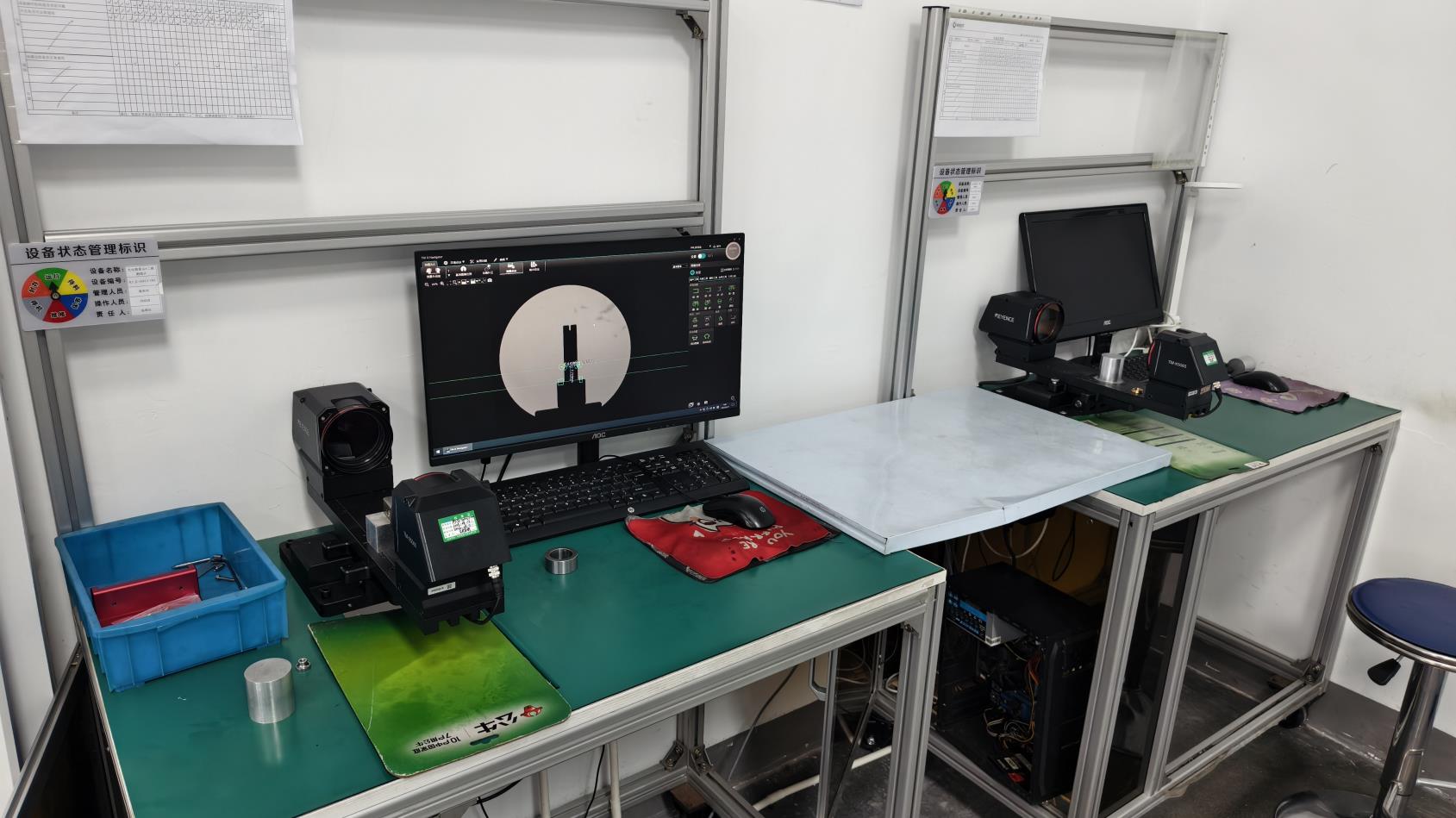
Whether catering to a private orthopedic practice or a multi-national healthcare group, hospital supplies must feature complete raw material traceability. Sourcing steel from reputable mills, verifying chemical compositions via spectral analysis, and ensuring consistent dimensions under CNC machining processes are baseline necessities. Suppliers must provide transparent diagnostic reports, including dimensional inspections, hardness ratings, and autoclave heat-resistance guarantees.
  • Compliance with FDA registered frameworks and CE certifications.
  • Traceable heat treatment protocols for instrument durability.
  • Sterilization packaging options designed to resist tears and ambient moisture.
  • Flexible R&D processes accommodating customized blueprints (OEM/ODM).
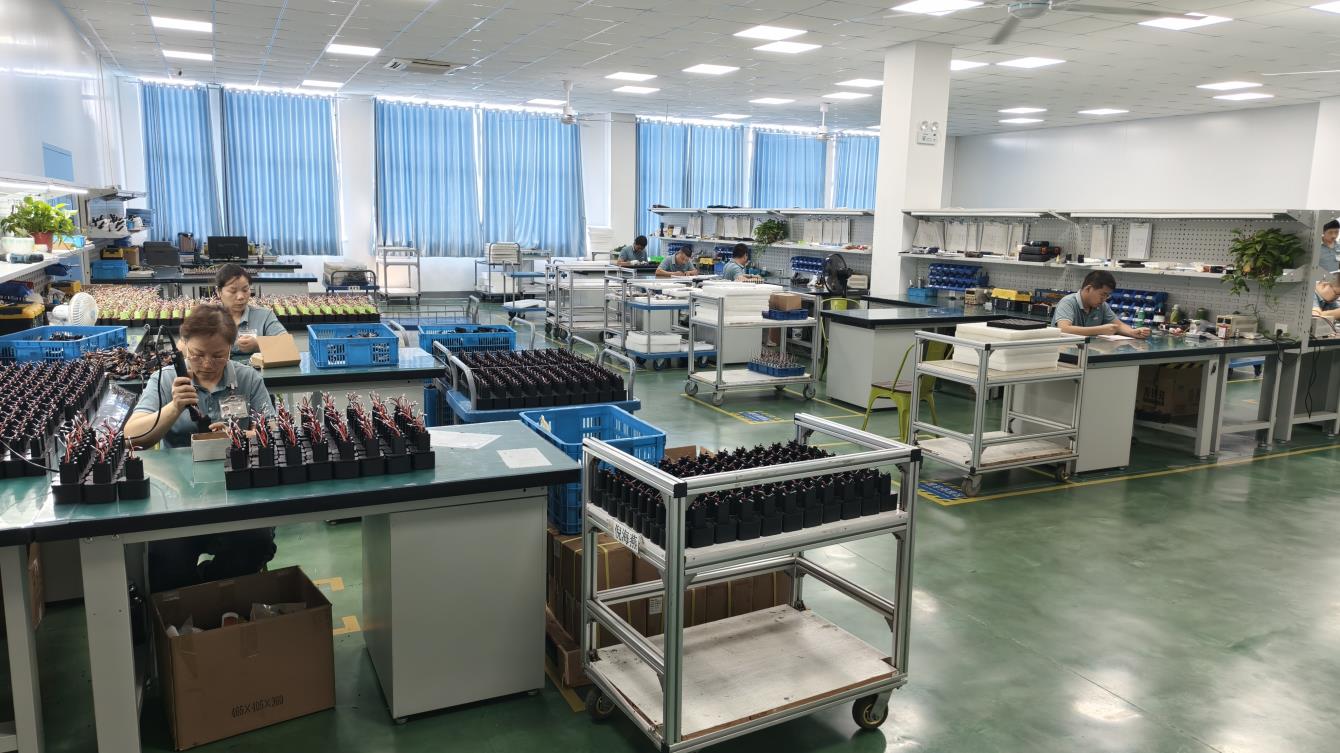
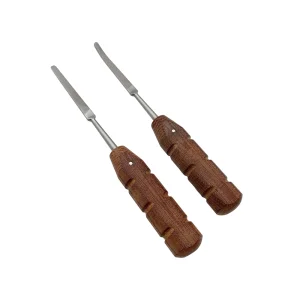
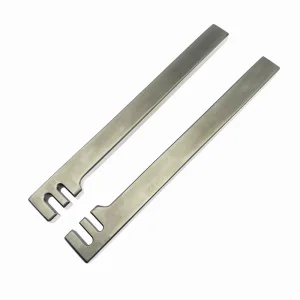
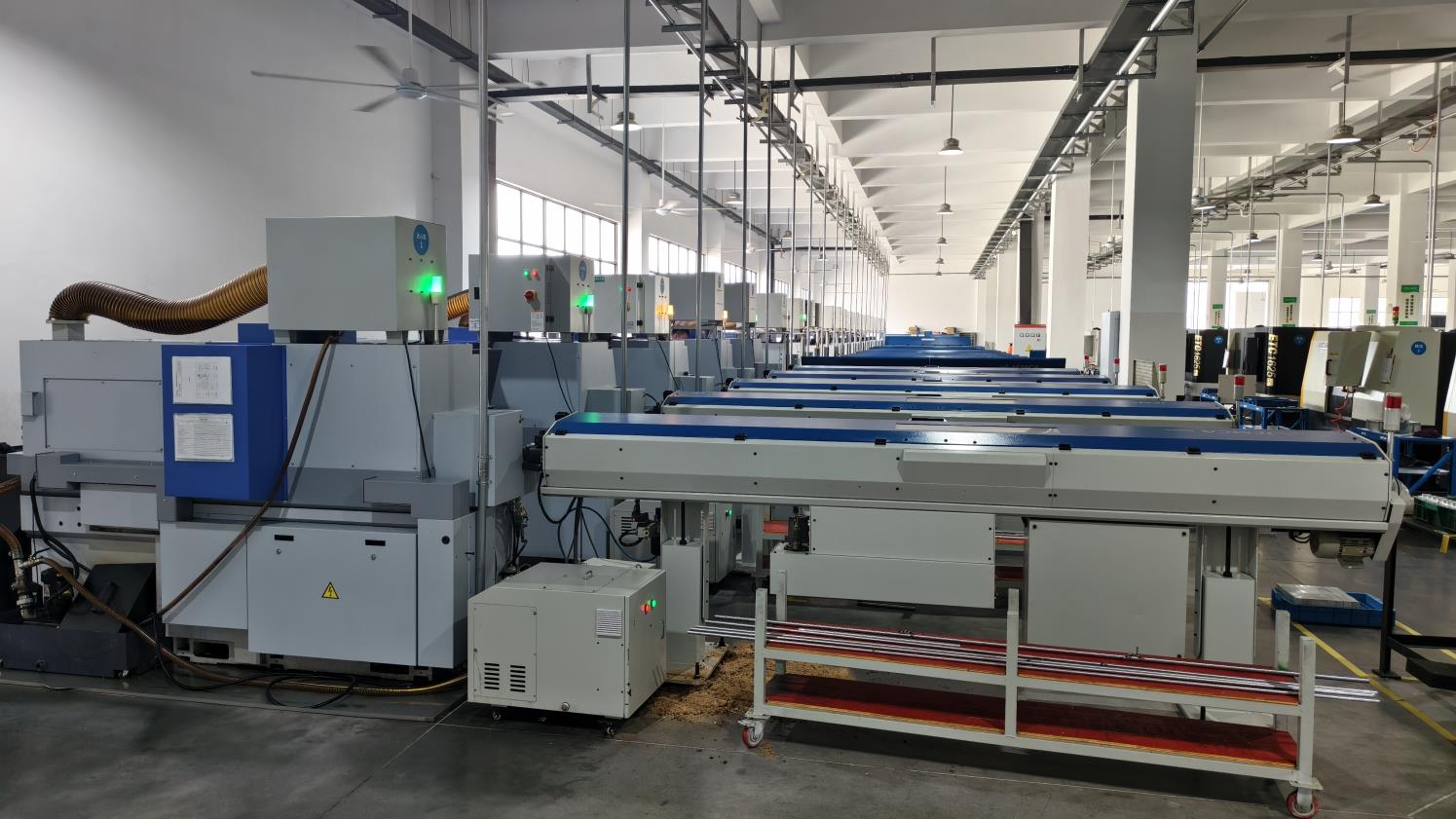
Orthopedic Surgical Tool Alignment Process
Enterprise Capability

Factory Specifications & Manufacturing Profile

A transparent operational blueprint. We align our engineering workflows to strict global criteria, ensuring every batch meets international standards for hospitals and surgical centers.

Company Registration Date
2019-11-20
Years Active in Medical Industry
6 Years
Accepted Languages
English
Quality Assurance & Inspectors
3 Dedicated QA/QC Inspectors
Material Traceability Guarantee
Yes, Full Support & Documentation
Primary Markets
North America (25%), South America (25%), Southeast Asia (15%)
Client Portfolios
Brand Businesses, Retailers, Wholesalers, Healthcare Providers
Customization Options
Sample Processing, Graphic Processing, Customized on Demand (OEM/ODM)
Production Facility

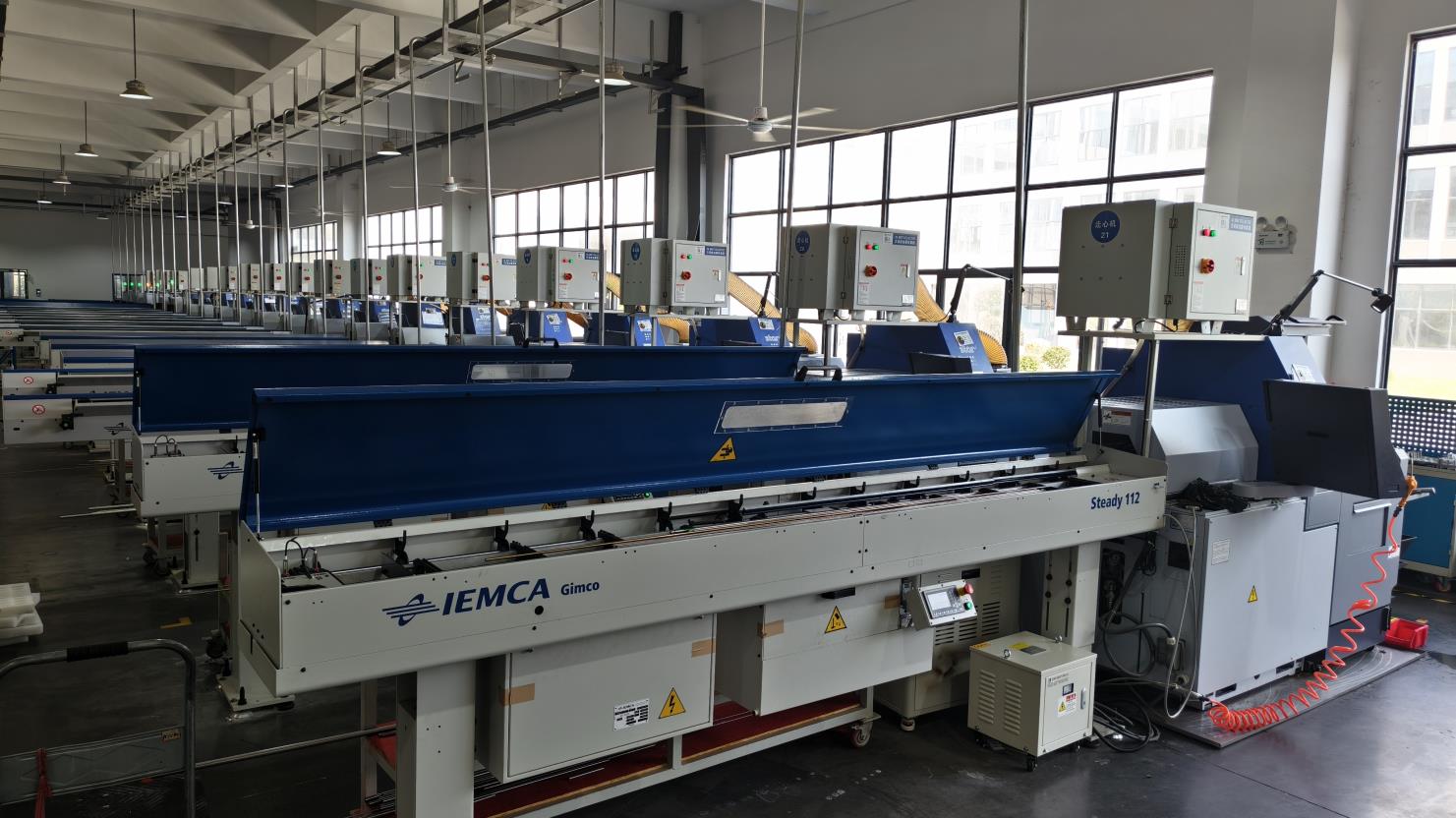
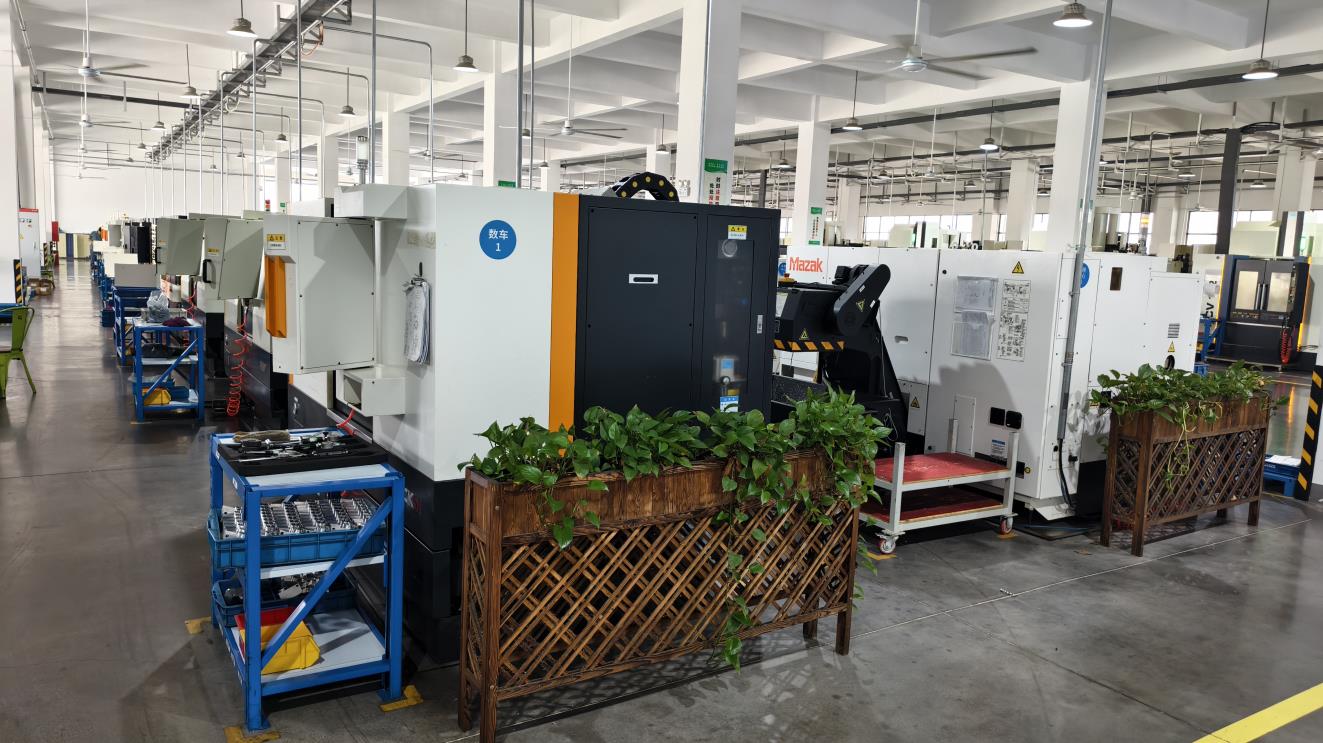
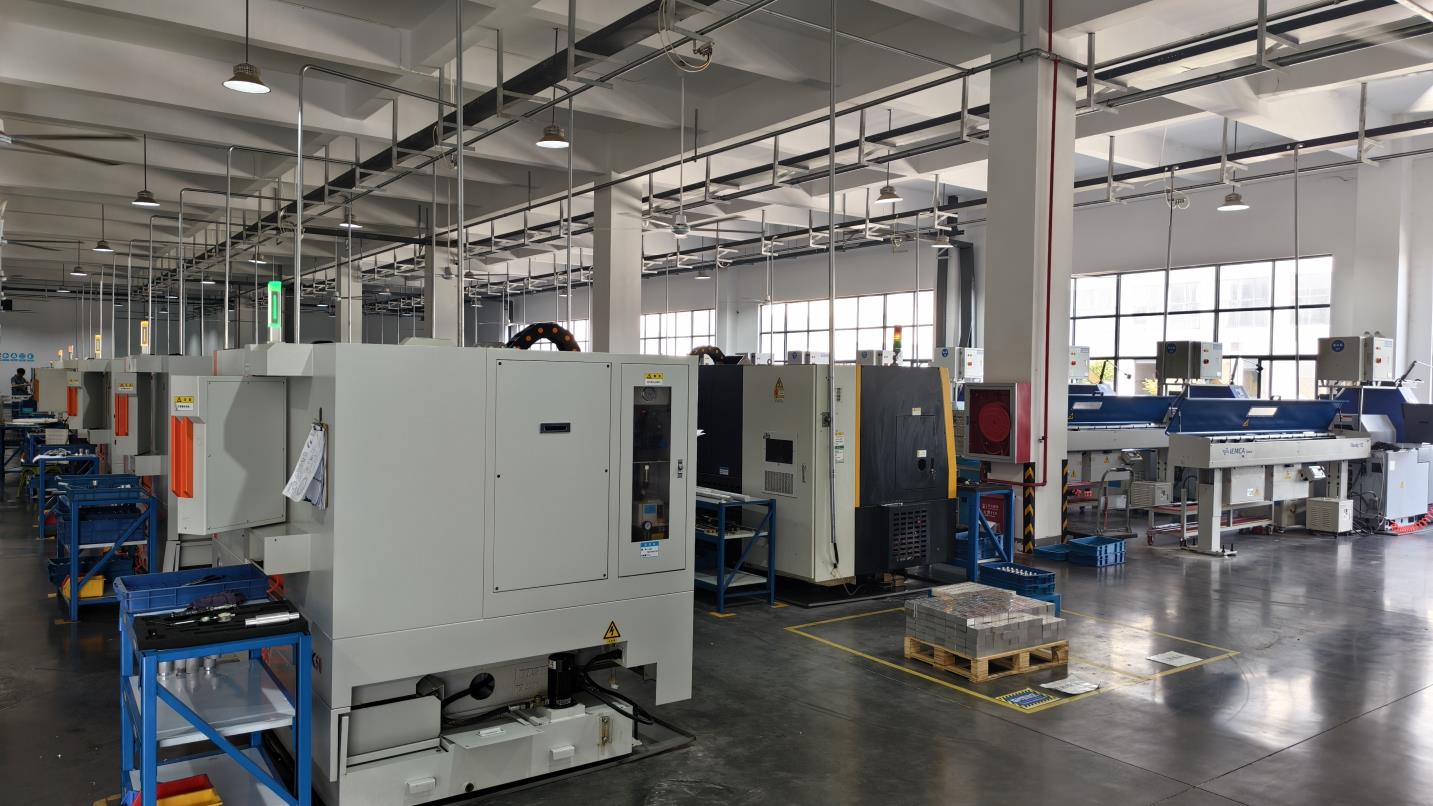
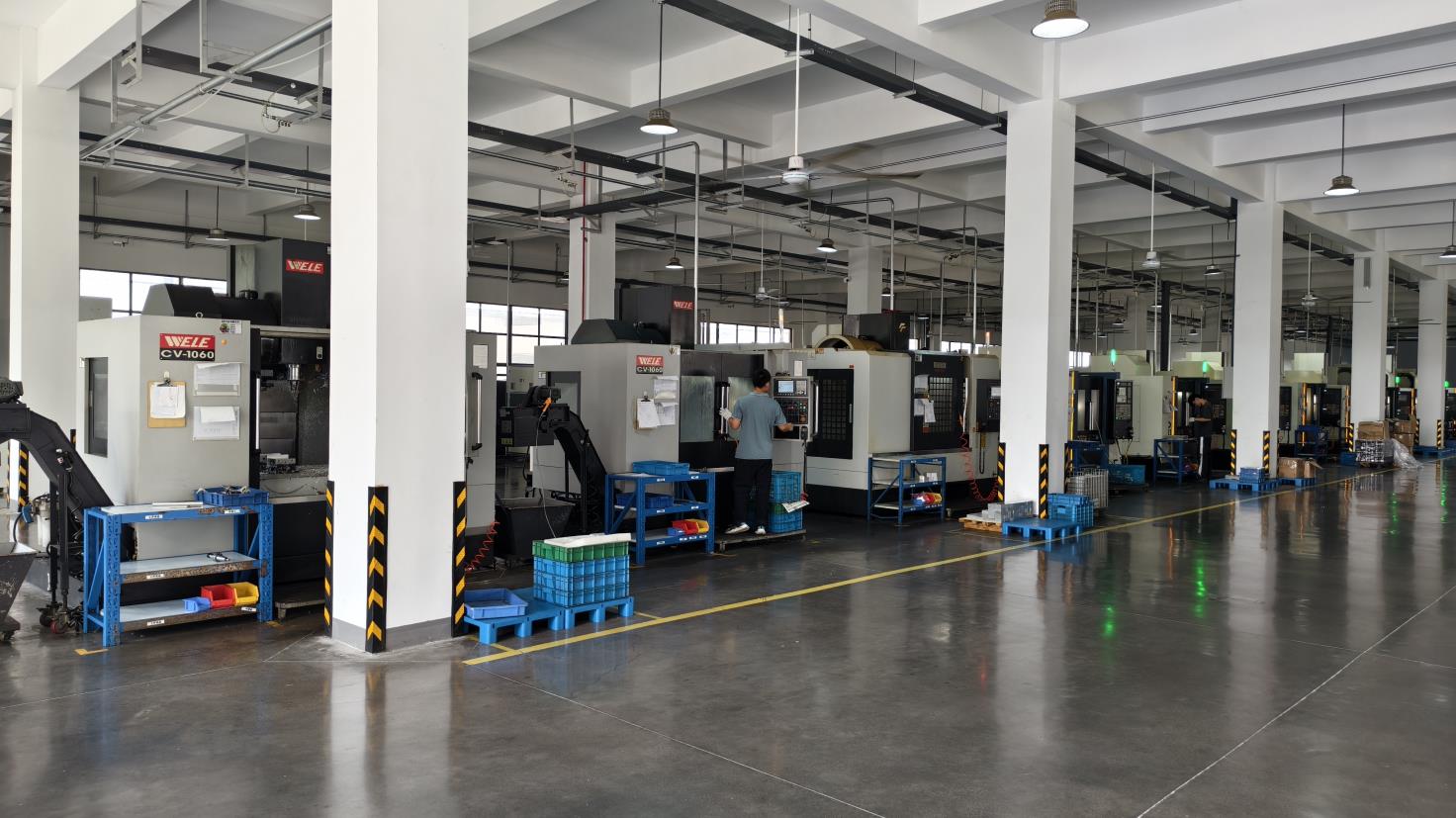
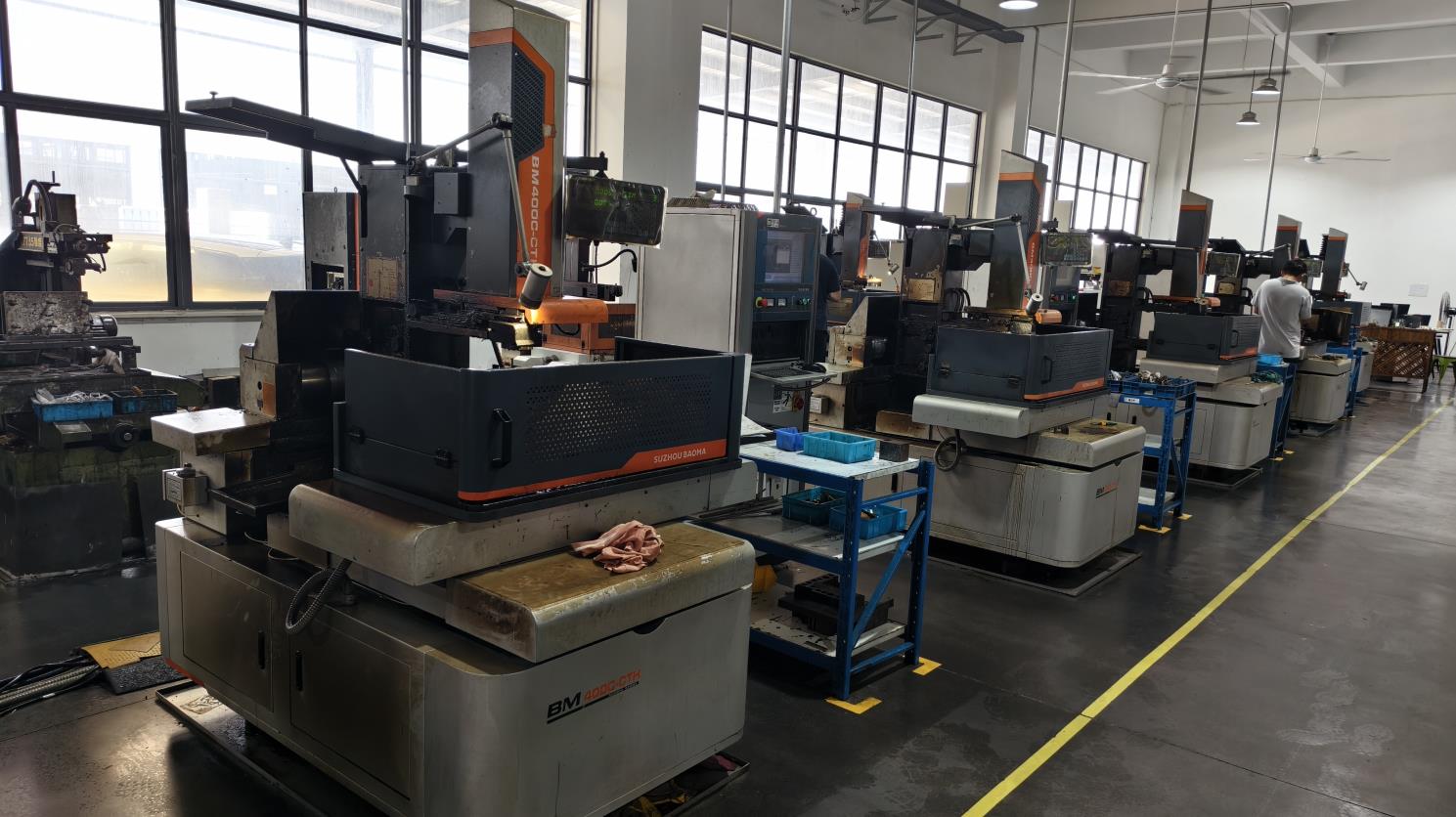
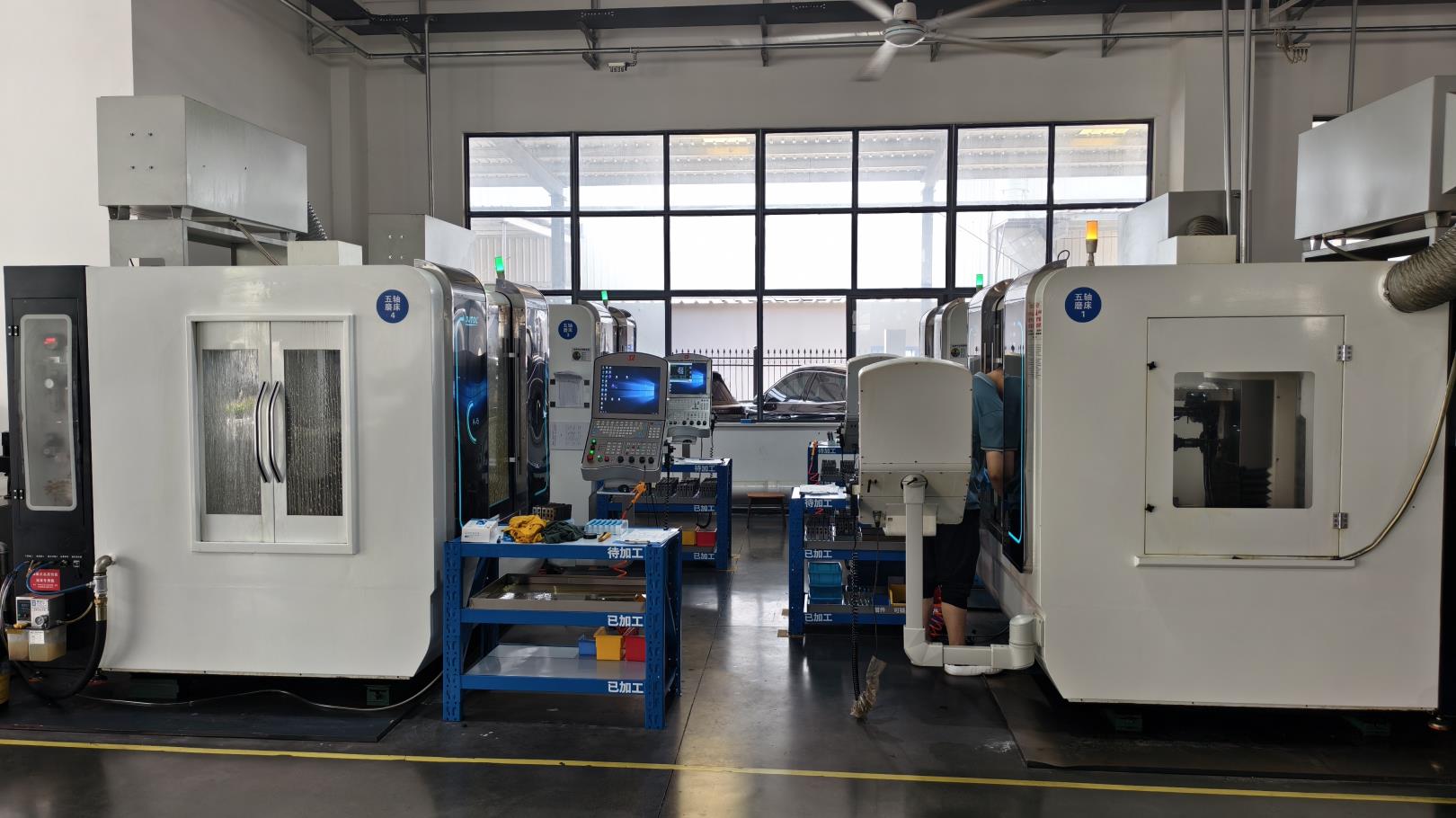
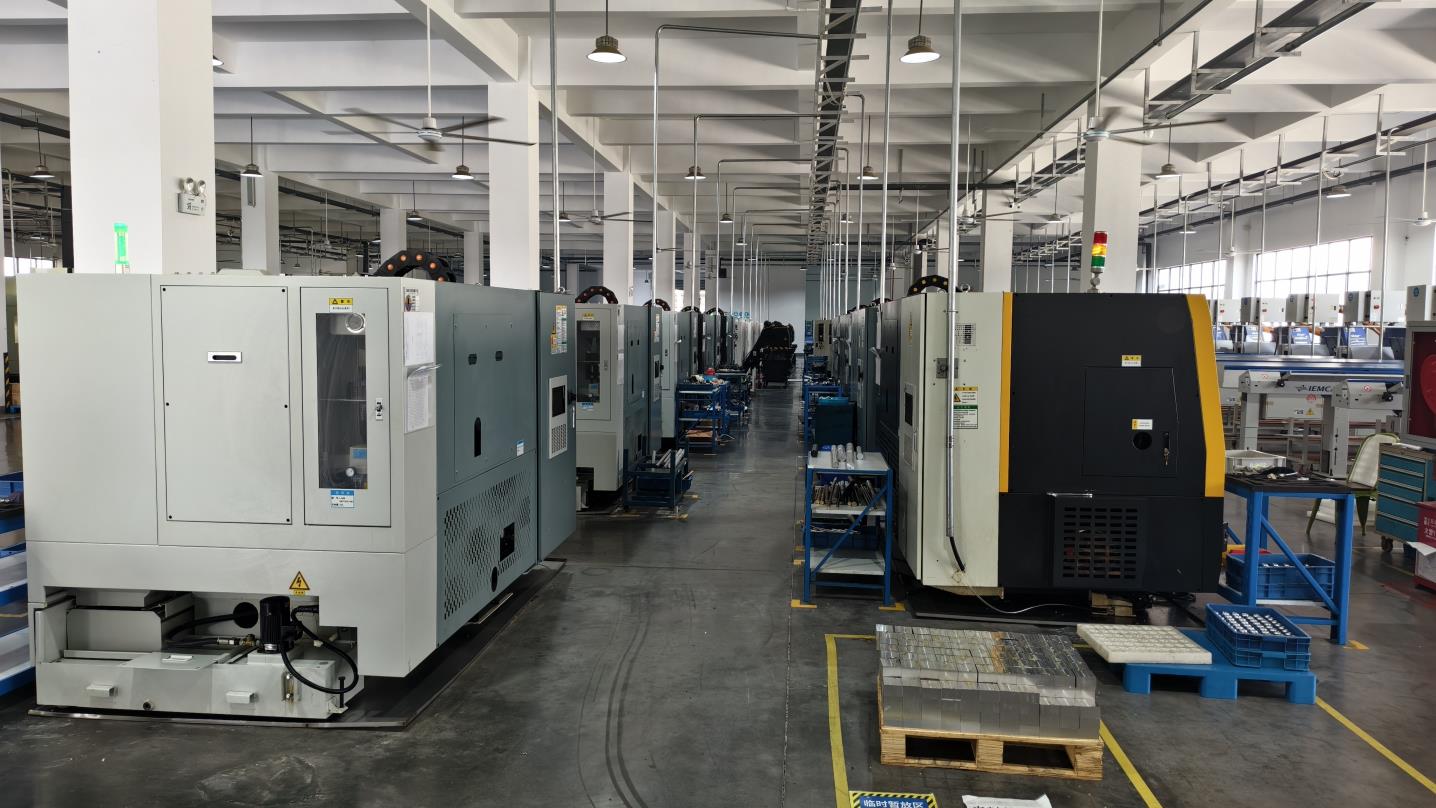
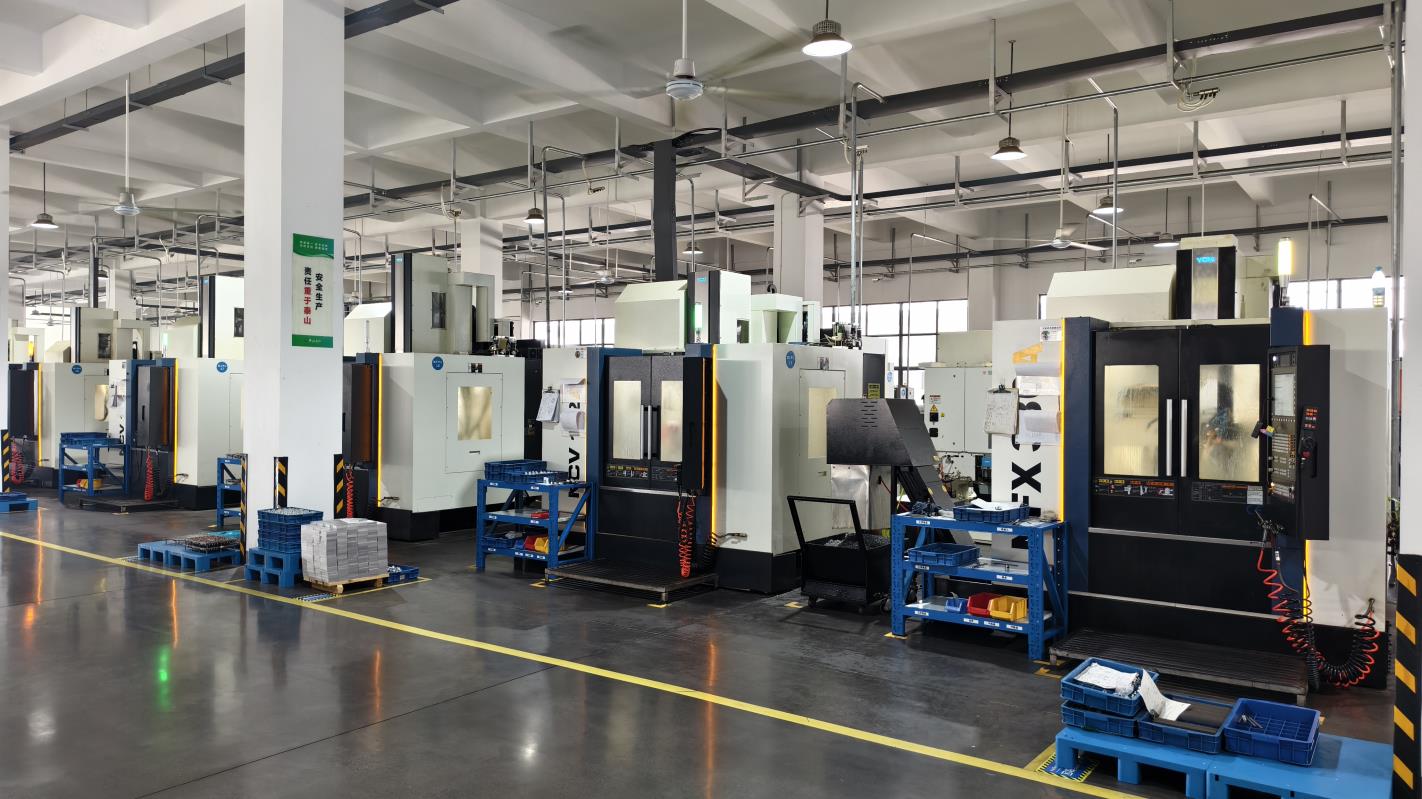
Raw Materials & Finished Instrument Processing

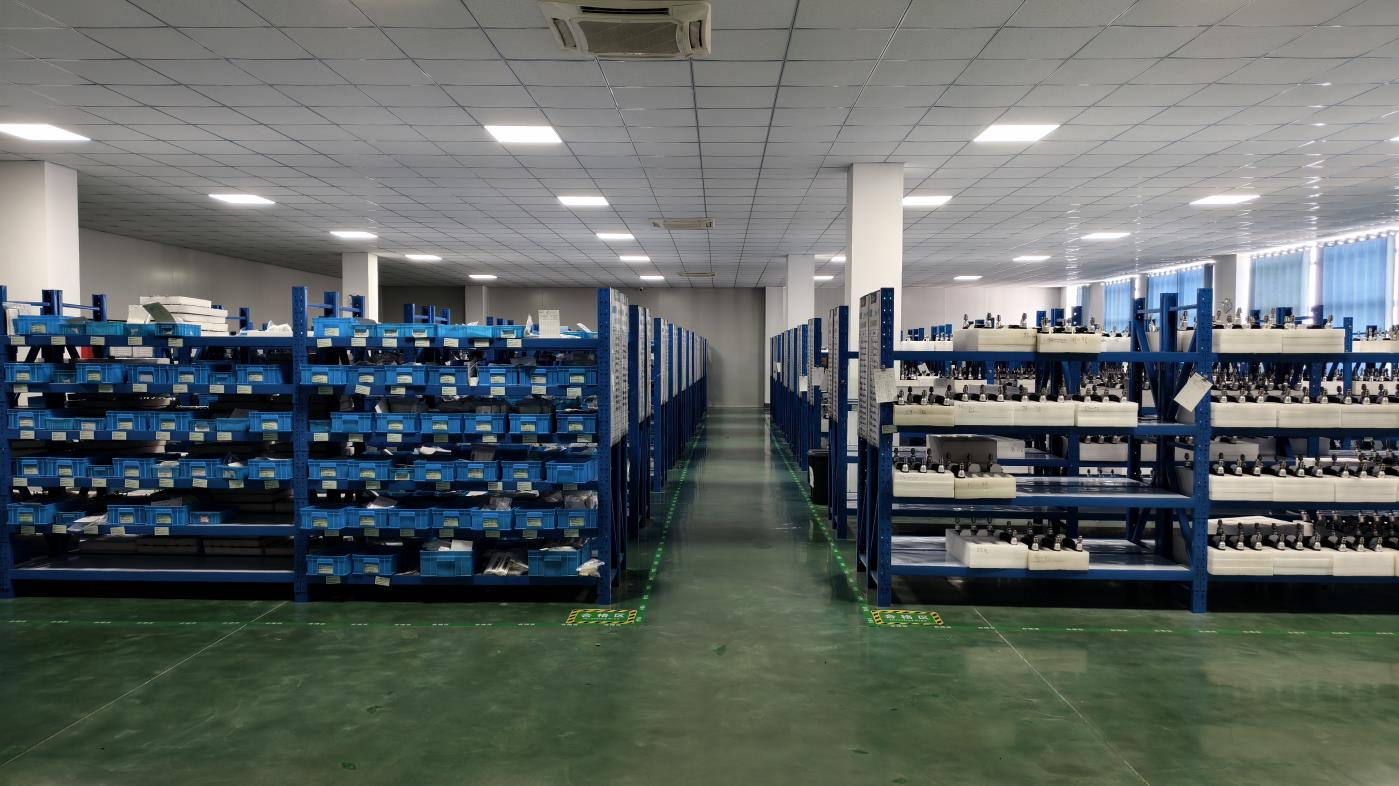
Our manufacturing floor integrates modern thermal treatment, CNC routing, milling, and fine manual polishing. View our operational and diagnostic processes below:
Regulatory Compliance

Macro Industry Solutions & Compliance Safeguards

Our manufacturing processes are engineered to mitigate the risk profile of B2B medical buyers. From raw stock validation to cleanroom protocols, compliance is embedded in every step.

Mitigating Supply Chain Disruptions

Navigating global tariff changes, strict port-of-entry health inspections, and custom clearance barriers is a primary hurdle for medical procurement teams. Our 6-year history in medical exports guarantees a streamlined process. By deploying standardized labeling, packing lists detailing material grades, and providing instant certificate access, we fast-track customs clearance in North America, South America, and beyond.

  • Strict random batch inspections and custom quality testing to customer requirements.
  • Customized graphic and sample processing options supporting individual hospital networks.
  • Moisture-resistant, padded custom export containers preventing damage in transit.
  • Direct integration with premier global courier channels for reliable logistics tracking.

Biocompatibility & Passivation Protocols

To avoid adverse surgical outcomes, all instruments go through electrochemical passivation. This chemical treatment removes free iron from the surface of stainless steel, forming a protective, chromium-rich oxide layer that resists corrosion through hundreds of autoclave sterilization cycles. This is crucial for veterinary clinics and human surgical suites alike, guaranteeing long-term durability and patient safety.

  • Tested resistance to chemical and high-temperature thermal sterilization.
  • Minimized risk of nickel and iron leaching in biological environments.
  • Consistent mechanical tensile strength throughout high-impact orthopedic operations.
Future Outlook

Technological Roadmap & Future Outlook (2025-2030)

As surgery transitions further towards robot-assisted procedures and smart implant integrations, surgical instruments must adapt to higher standards of spatial precision and physical feedback.

Integrating Smart Materials & Digital Prototyping

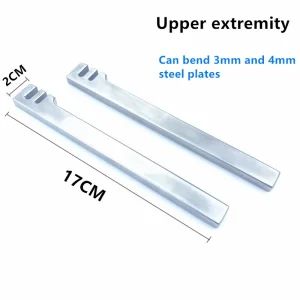
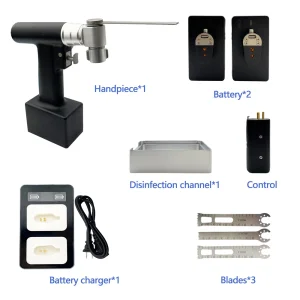
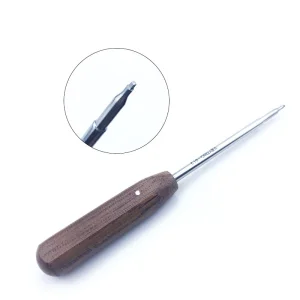
Our engineering roadmap prioritizes the deployment of next-generation medical alloys and additive manufacturing processes. By studying the wear patterns of surgical instruments like drivers, bone plates benders, and oscillating saws, we aim to extend instrument life by up to 50%. Over the coming years, we are expanding our custom sample processing with high-speed digital prototyping to turn customer blueprints into functional steel test instruments within days.

  • Introduction of ultra-lightweight carbon fiber handles for improved surgeon comfort.
  • Custom laser-etched barcodes for automated hospital inventory tracking.
  • Deepening precision manufacturing for robotic tool attachments and navigation-ready guides.
  • Transitioning packaging materials to eco-friendly, biodegradable medical plastics.
Advanced medical device R&D center
B2B Knowledge Hub

Frequently Asked Questions

Find technical answers regarding ordering logistics, custom fabrication, material certifications, and regulatory capabilities.

What grades of stainless steel and titanium do you use?
We utilize high-quality biomedical grades, including AISI 316L, 304, and martensitic stainless steels (such as 420 or 440C) based on the structural needs of the instrument. All alloys are verified for chemical composition and mechanical hardness before entering production.
How is raw material quality verified?
We support full raw material traceability. Spectral analysis is conducted on metal stocks to check alloy composition. Every batch receives material certificates detailing tensile strength, hardness, and chemical compliance.
Do you accommodate OEM/ODM and custom engineering?
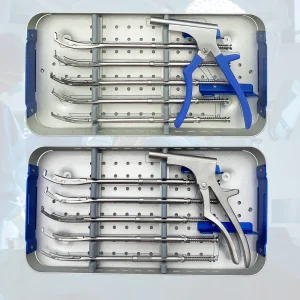
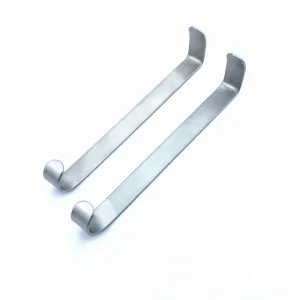
Yes. We specialize in graphic processing and sample processing. Customers can provide technical drawings, blueprints, or physical templates. Our team can draft matching production models for orthopedic plates, drill guides, extraction forceps, and specialized retractors.
What quality inspection standards do you apply?
Our facility employs 3 dedicated QA/QC inspectors. We run random batch testing alongside custom inspections customized to client requirements. Tests include physical dimension checks, mechanical stress testing, autoclave heat cycles, and surface polish diagnostics.
How are products packed to prevent shipping damage?
We package instruments in protective bubble pouches, moisture-sealed sterile packs, or sturdy compartments within custom trays. Bulk shipments are packed in heavy-duty cardboard boxes reinforced with straps and moisture-barrier film.
What are your export geographic capabilities?
We have 6 years of export history shipping worldwide. Our key markets are North America (25%), South America (25%), and Southeast Asia (15%). We handle all packaging and logistical documentation to streamline custom clearances in these regions.