SENJIE Healthy & Technology
SENJIE Healthy & Technology
SENJIE Healthy & Technology
Explore our high-performance manual and electric reconstruction systems designed for micro-precision orthopedic procedures.
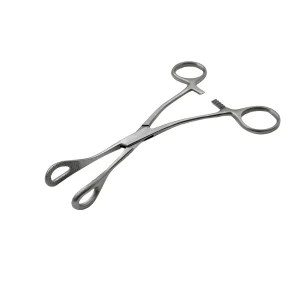
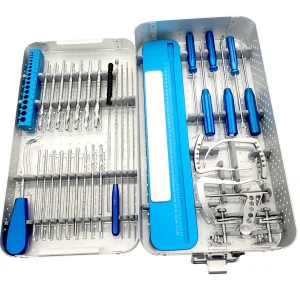
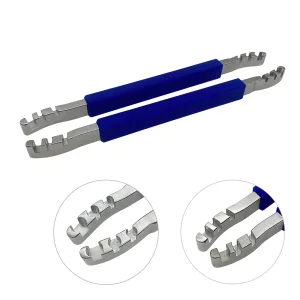
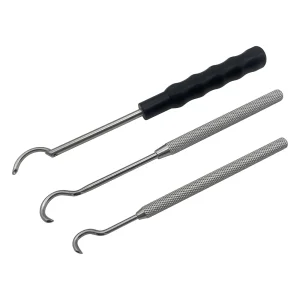
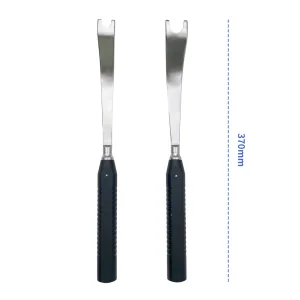
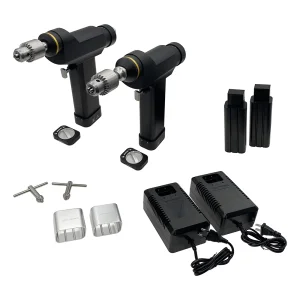
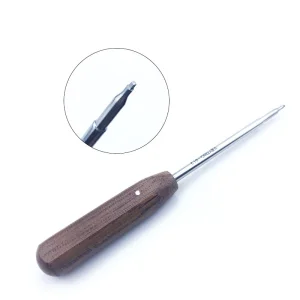
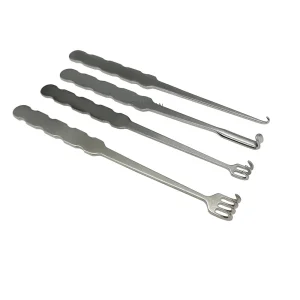
Modern surgical procedures require osteotomy instrumentation that ensures clean cuts, minimal cellular disruption, and rapid recovery windows. Standard surgical saws have shifted from simple manual mechanisms to smart, battery-powered oscillating and sagittal models. However, for bulk distributors, international procurement managers, and hospital administrators, finding an OEM/ODM supplier that can bridge the gap between high manufacturing tolerances and strict clinical safety certifications is critical.
Globally, the orthopedics device sector demands products that can withstand consistent steam autoclaving processes (up to 134°C under high pressure cycles) without losing precision or structural integrity. As raw material costs rise, standard manufacturers cut corners by using lower-grade stainless steel or low-grade brushless motors. At our state-of-the-art facility, we enforce rigorous testing standards to ensure every power tool meets premium mechanical guidelines.

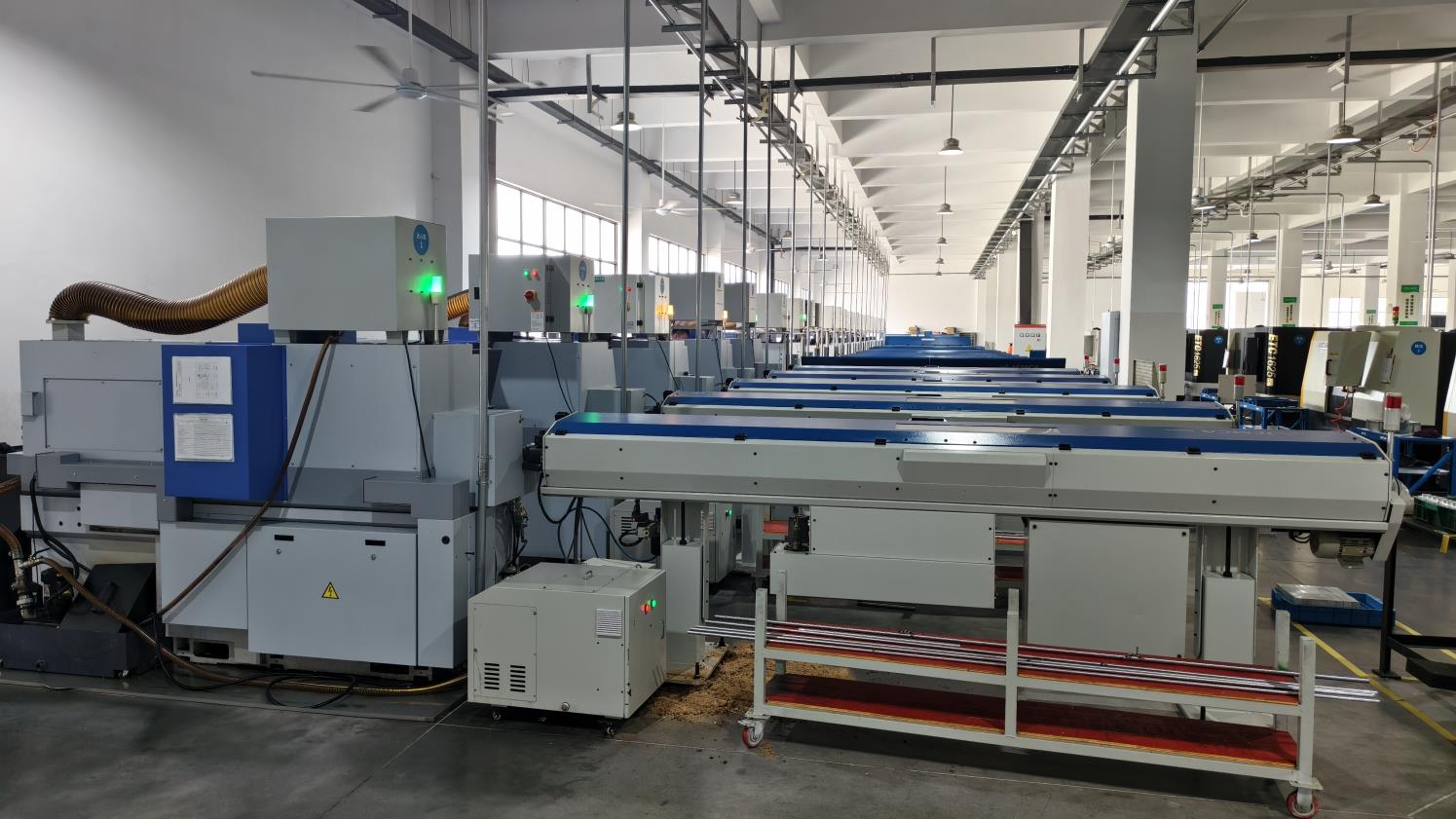
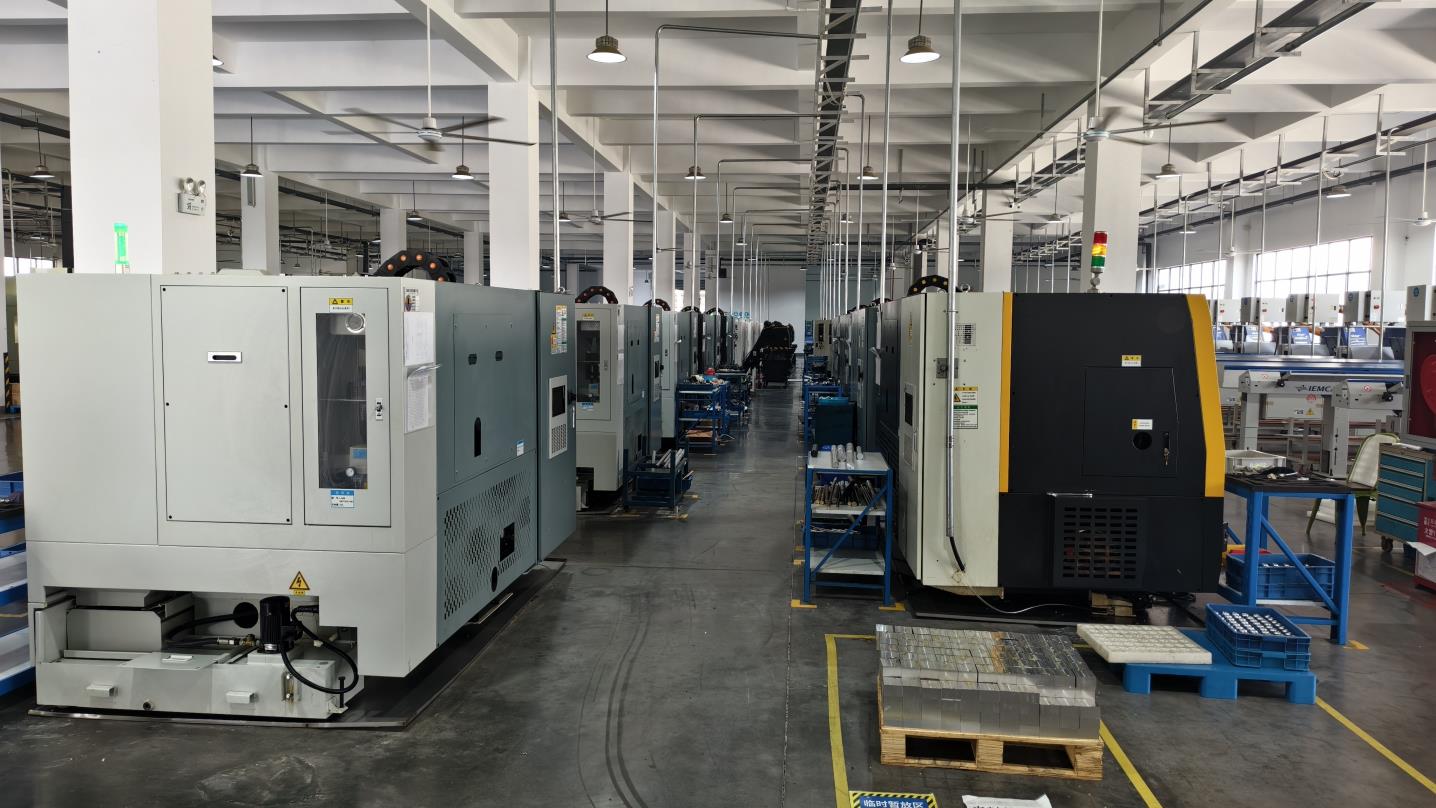
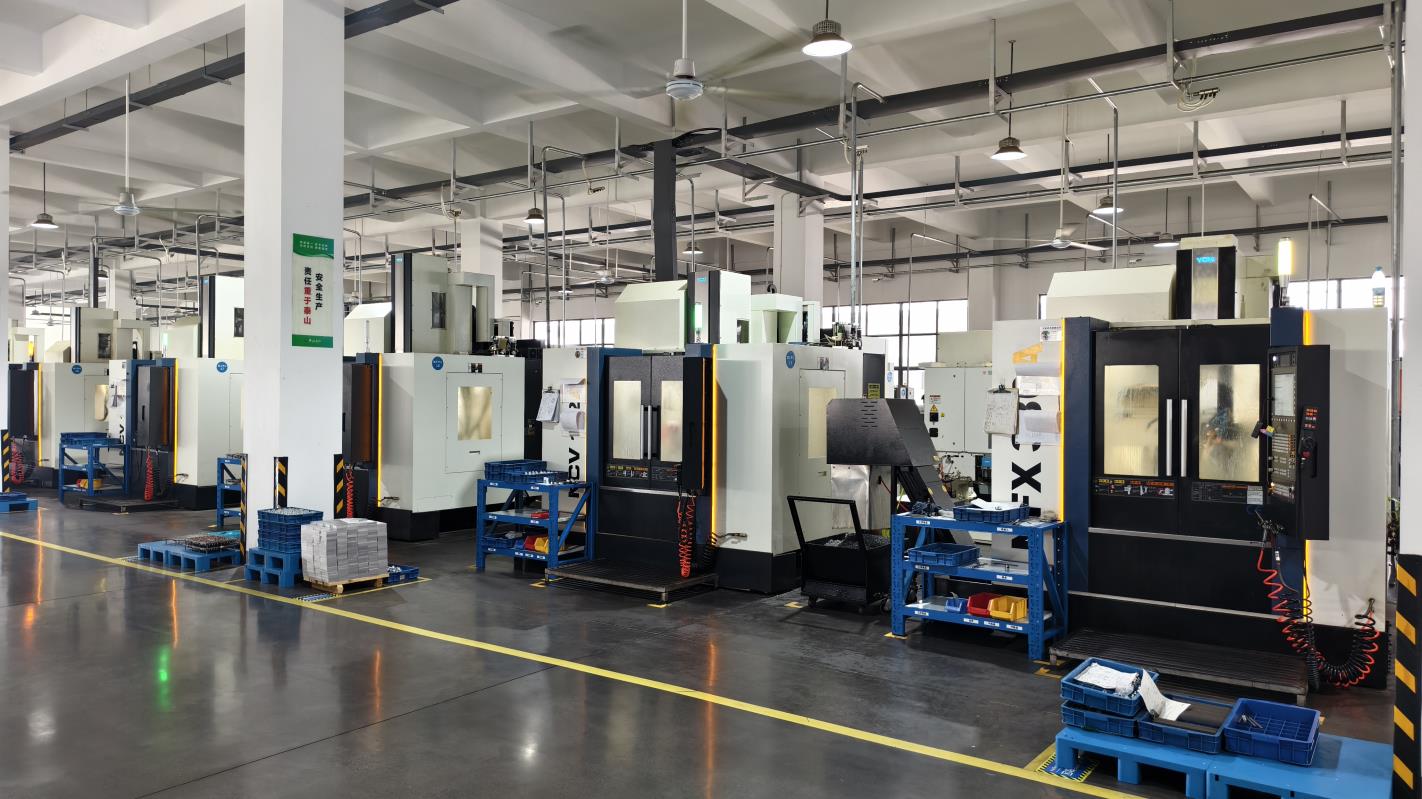
From custom gear ratios and housing materials to complete brand-designed sterilization kits, our infrastructure supports the entire development lifecycle.
We provide laser annealing and electrolytic etching services to print clean, high-contrast, corrosion-resistant branding directly onto surgical instrument shafts and motor handles. Our process conforms to unique device identification (UDI) regulations.
Submit 3D CAD step files or technical drawings, and our engineering department will manufacture functioning metal prototypes in as little as 10 business days. We utilize high-speed multi-axis CNC mills and EDM wire cutting machines.
For custom medical device brands, we provide custom housing adjustments, colored anodization, and specialized non-slip medical silicone grips to optimize tactile feedback and reduce hand fatigue during long surgeries.
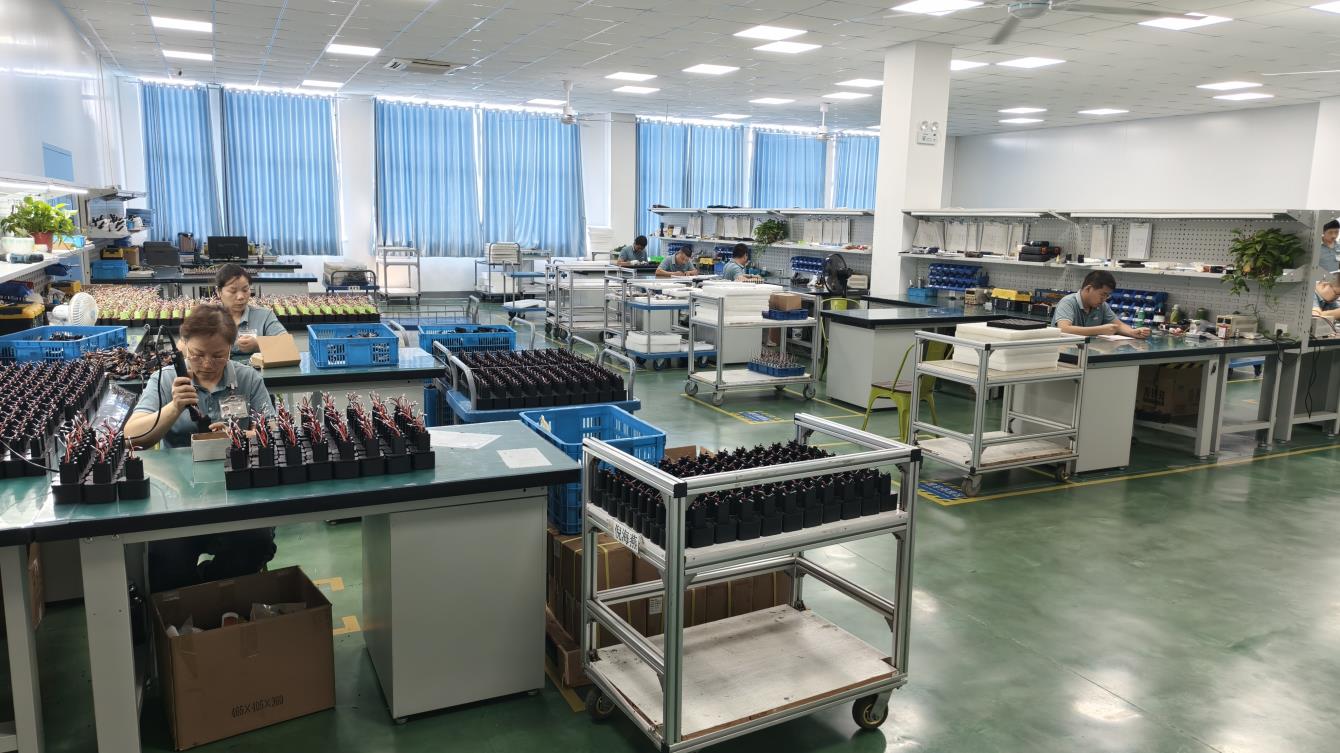
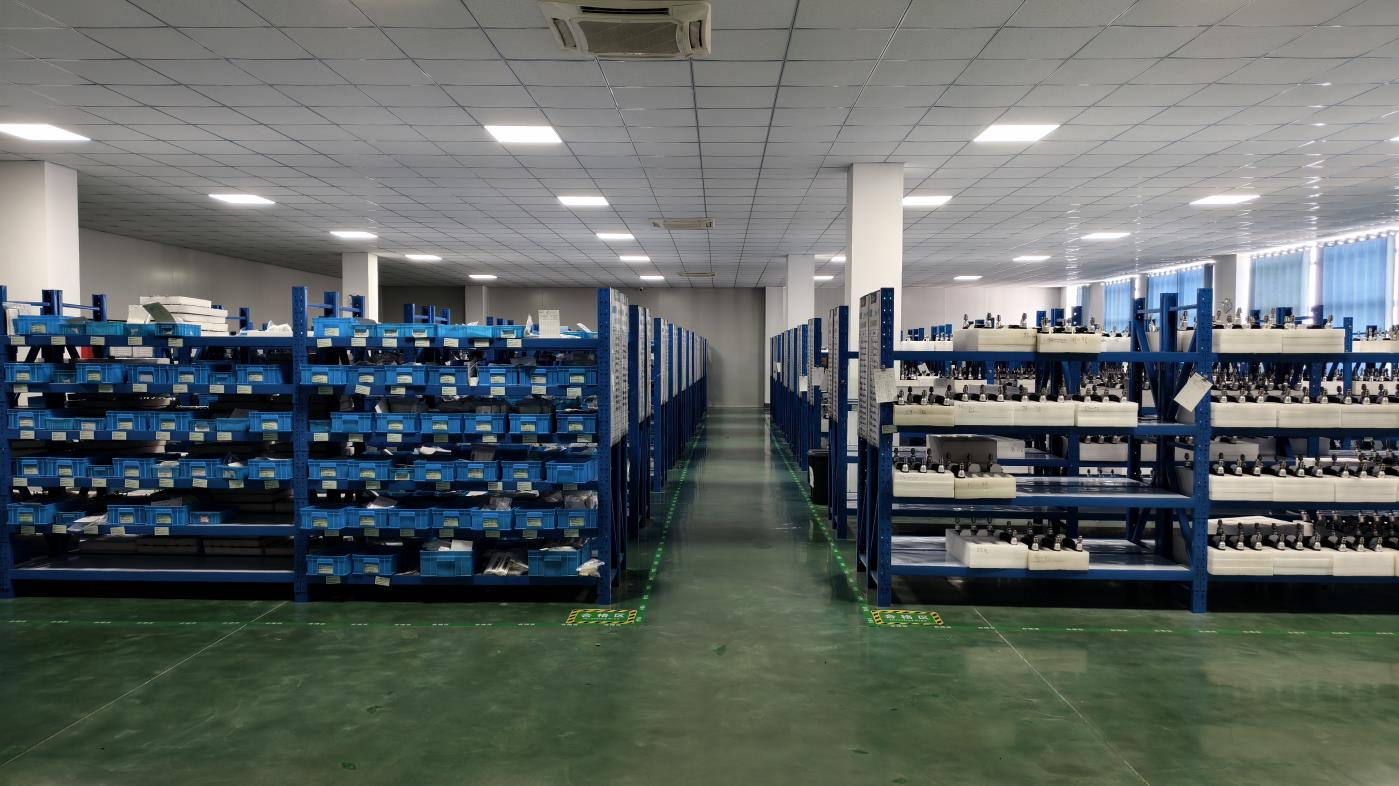
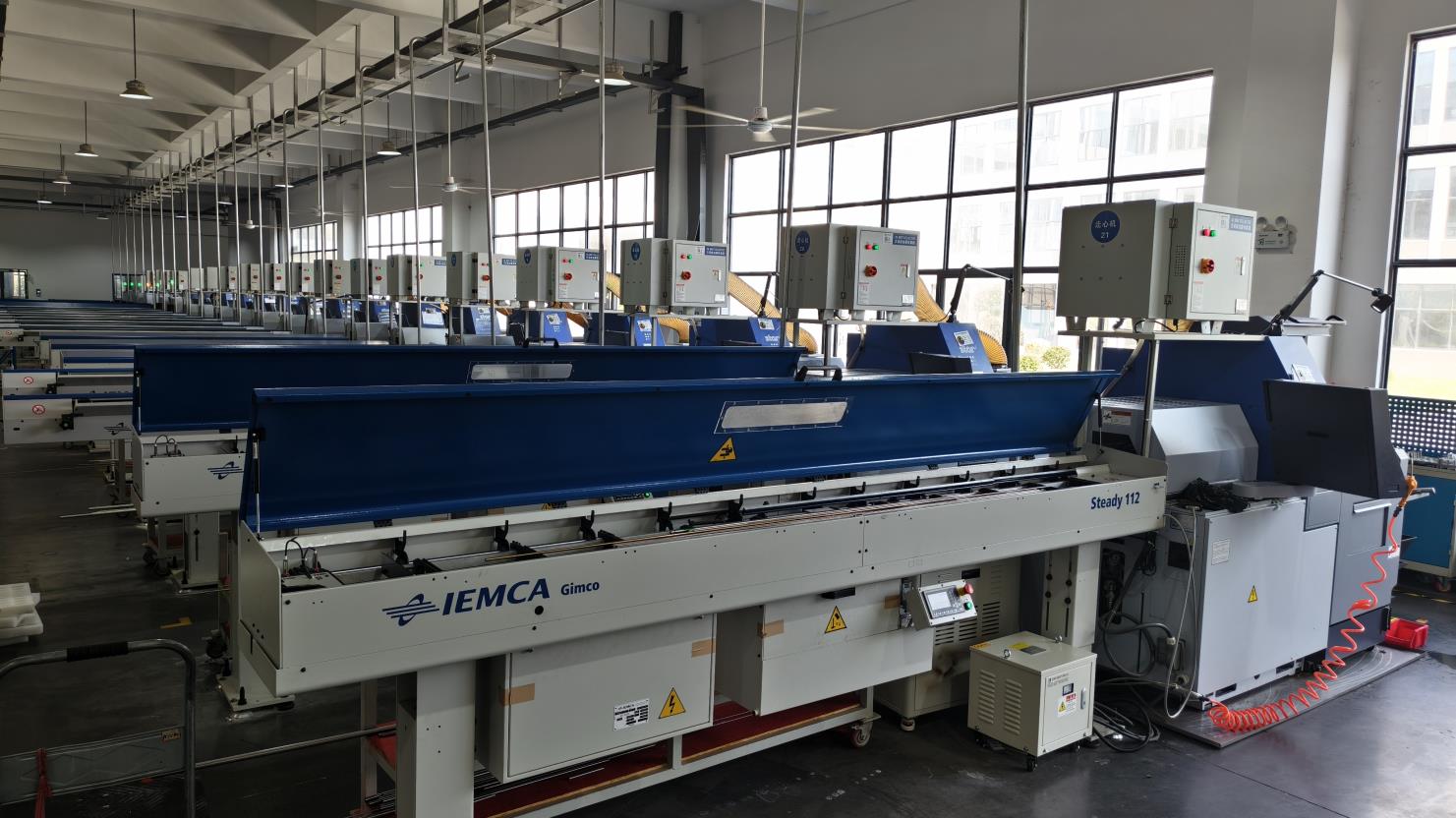
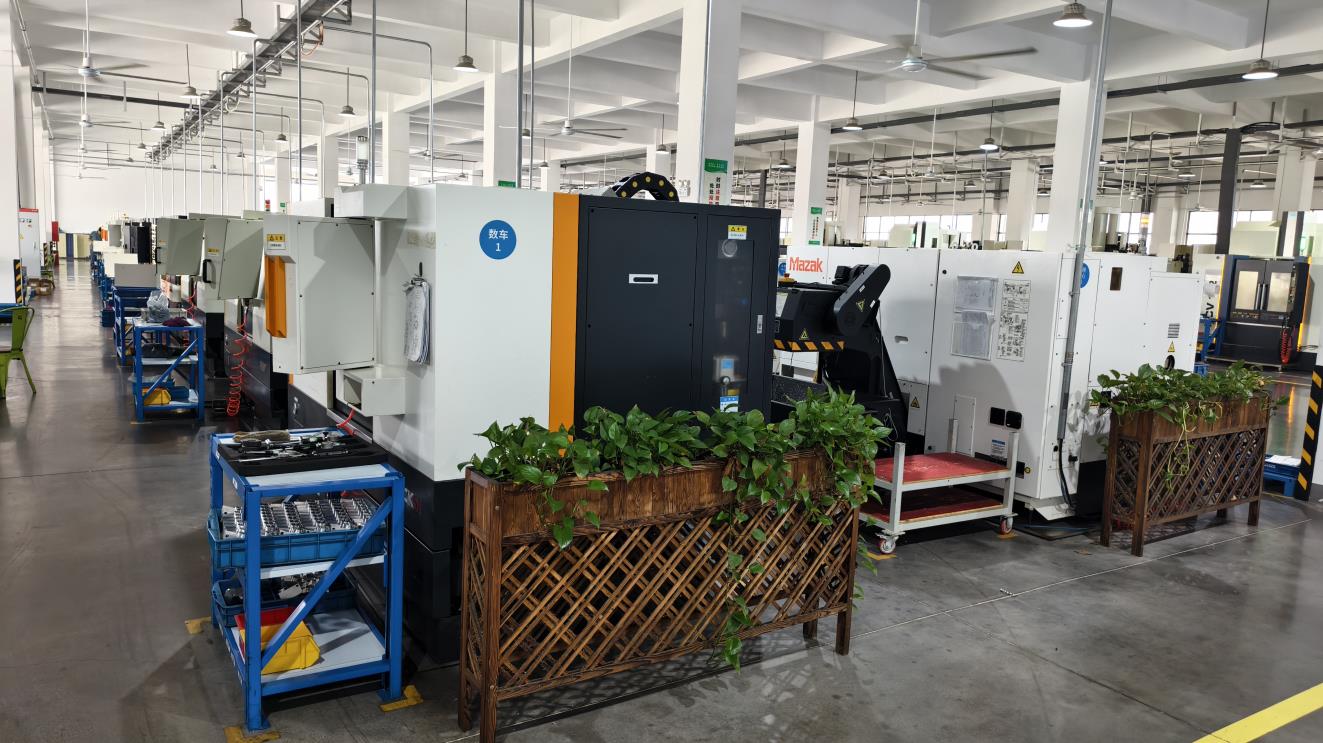
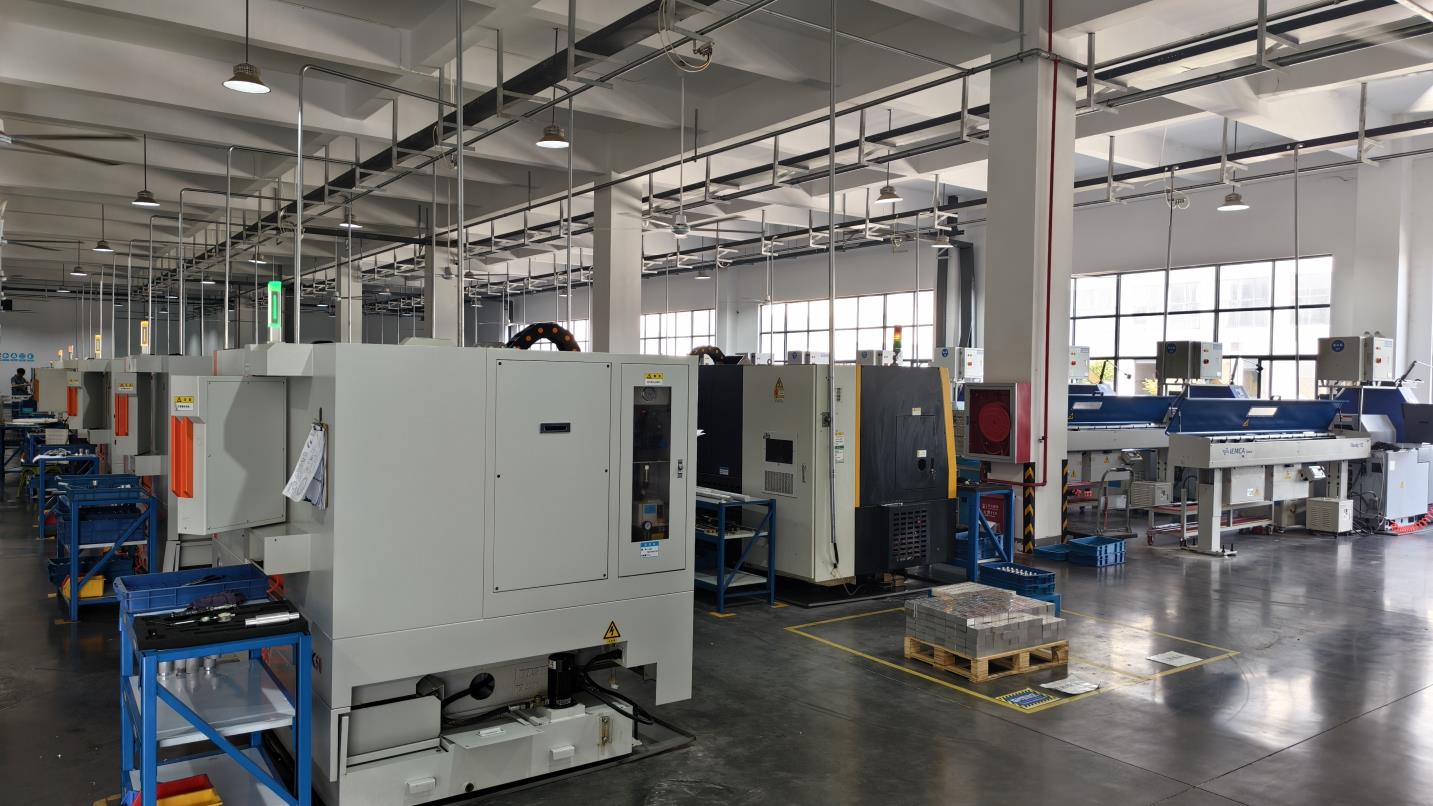
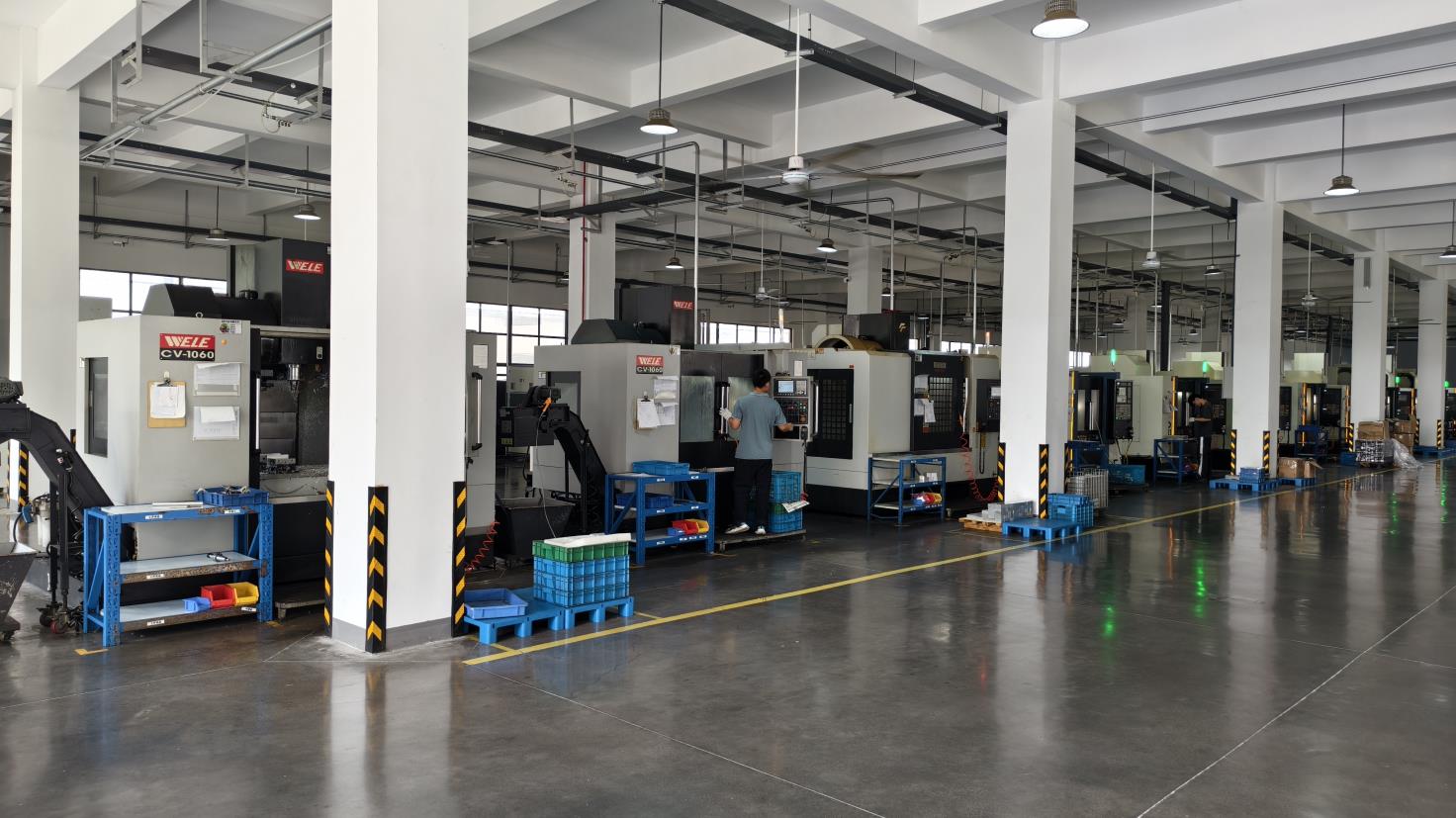
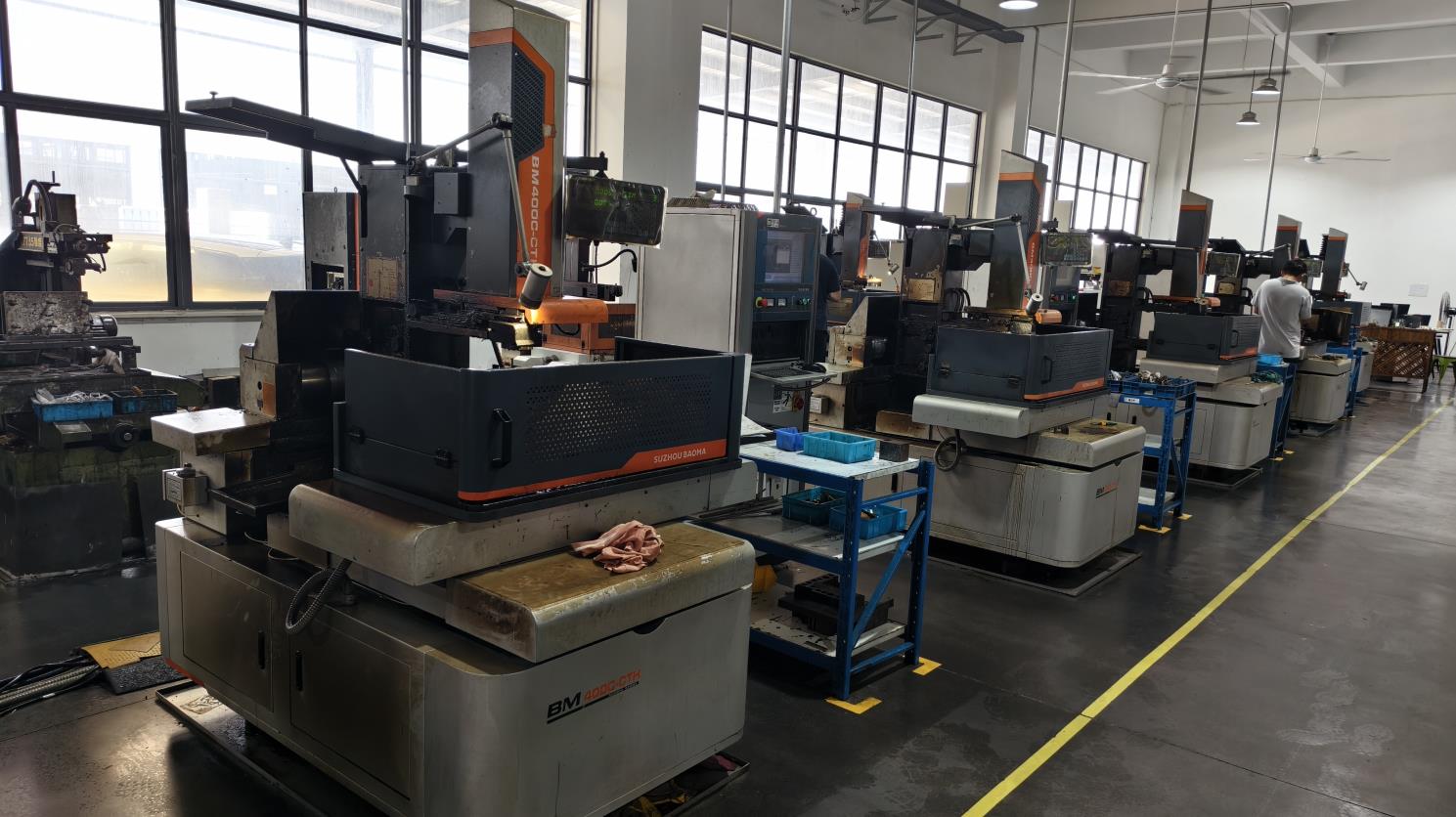
Precision bone cutting requires high oscillation frequency coupled with robust torque profiles. If the blade vibrates excessively, the kerf becomes wide, leading to bone loss. If the motor struggles, friction increases, raising local bone temperature and risking permanent thermal necrosis. Our systems are engineered to prevent these complications.
We source medical-grade 316L Stainless Steel and Grade 5 Titanium (Ti-6Al-4V), verifying every shipment through chemical analysis. Every tool undergoes passivation treatment, ensuring it resists corrosion from blood, saline solutions, and sterilization chemicals.
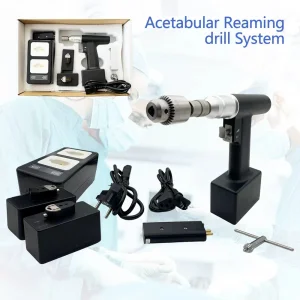
Our electric bone drills and saws operate with brushless DC motors, yielding higher torque-to-weight ratios. The result is a lighter tool with an extended battery lifecycle that generates minimal heat during joint arthroplasties or osteotomy procedures.
A statistical breakdown of our manufacturing standards, international market reach, and technical verification systems.
Our manufacturing and quality assurance operations comply with ISO 13485 guidelines, ensuring that wholesalers and surgical equipment brands receive compliant, high-caliber supplies.
| Registration Date | 2019-11-20 (6 years in the industry) |
|---|---|
| Traceability | Full raw material traceability (Mill certificates provided) |
| Main Markets | North America (25%), South America (25%), Southeast Asia (15%), Others (35%) |
| Customization Level | Sample processing, graphic processing, complete demand-based OEM/ODM |
| Inspection Methods | Randomized sampling & client-specified strict inspection parameters |
| Target Clients | Brand businesses, medical wholesalers, large retailers, research clinics |
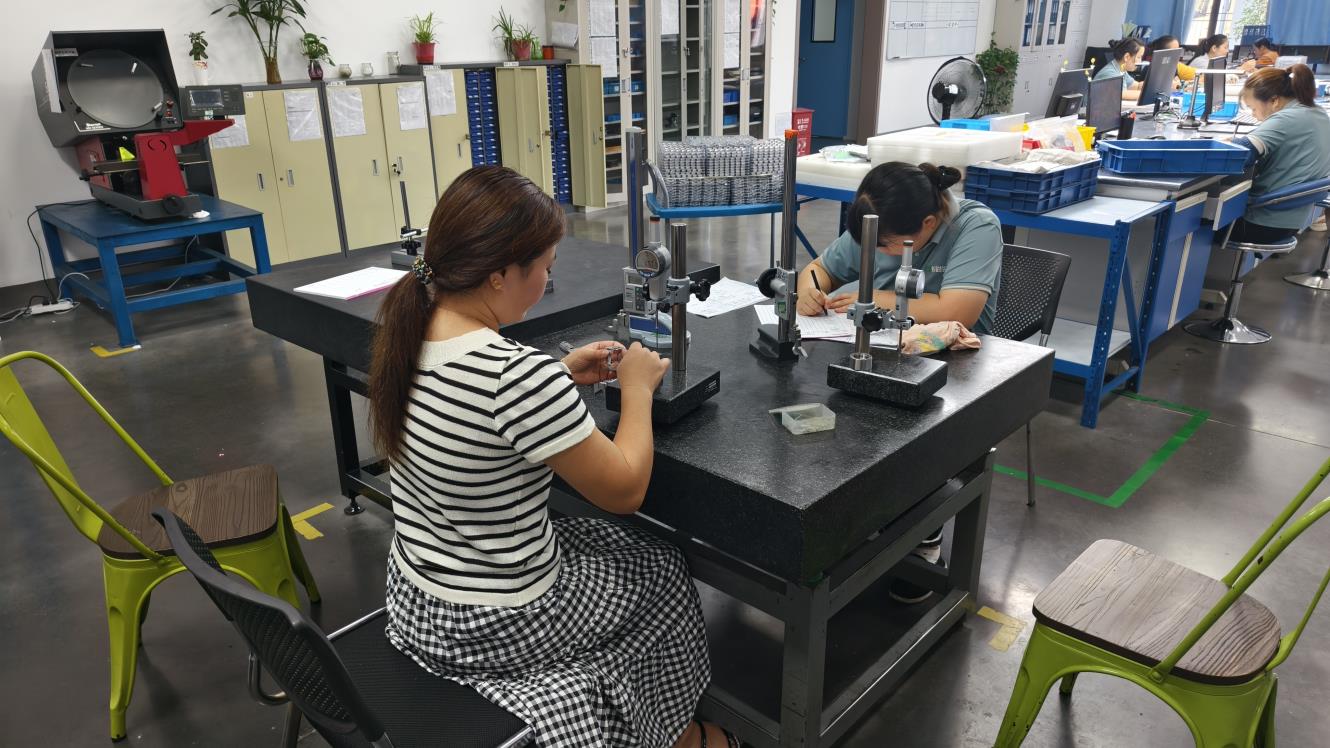
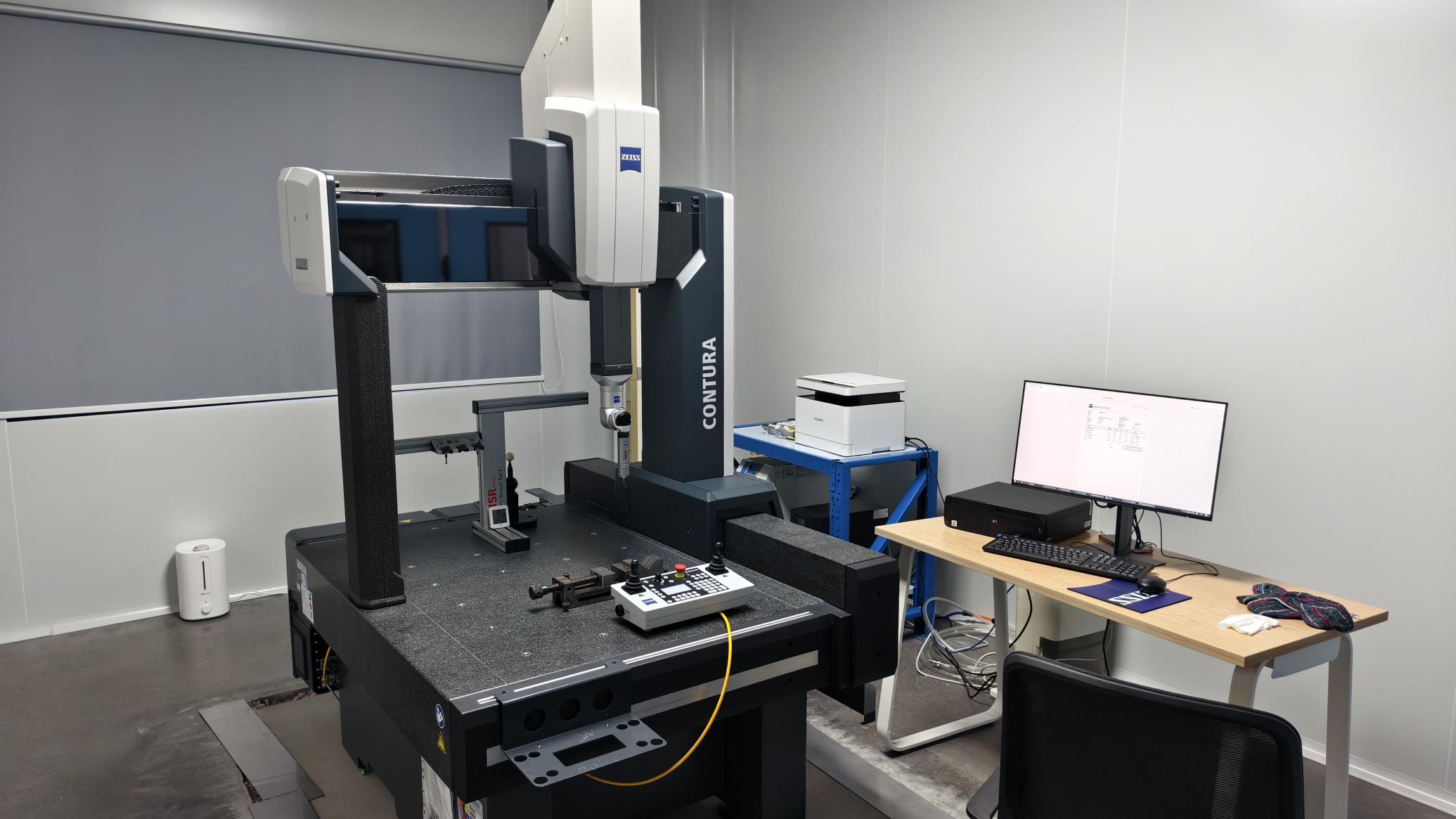
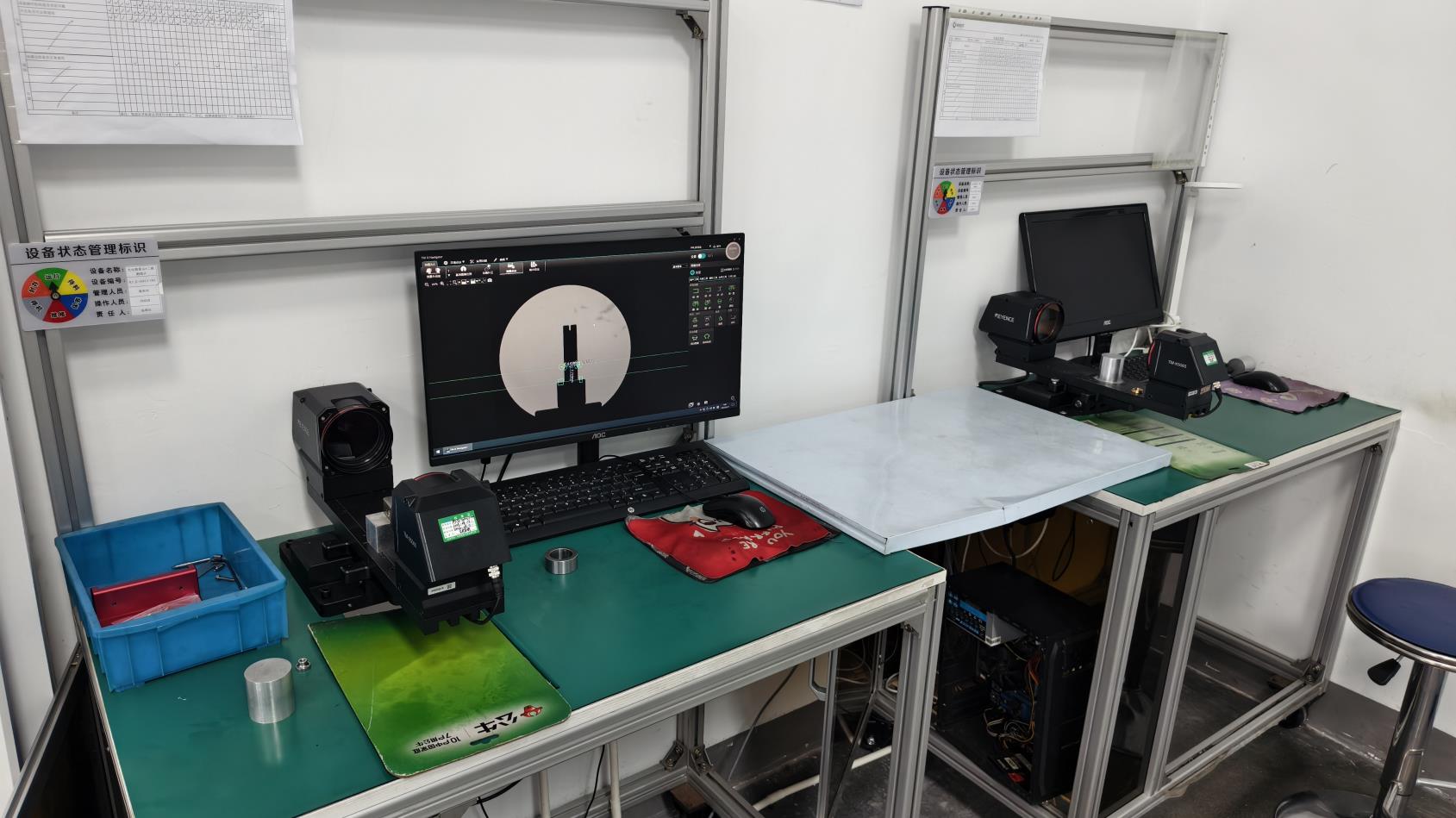
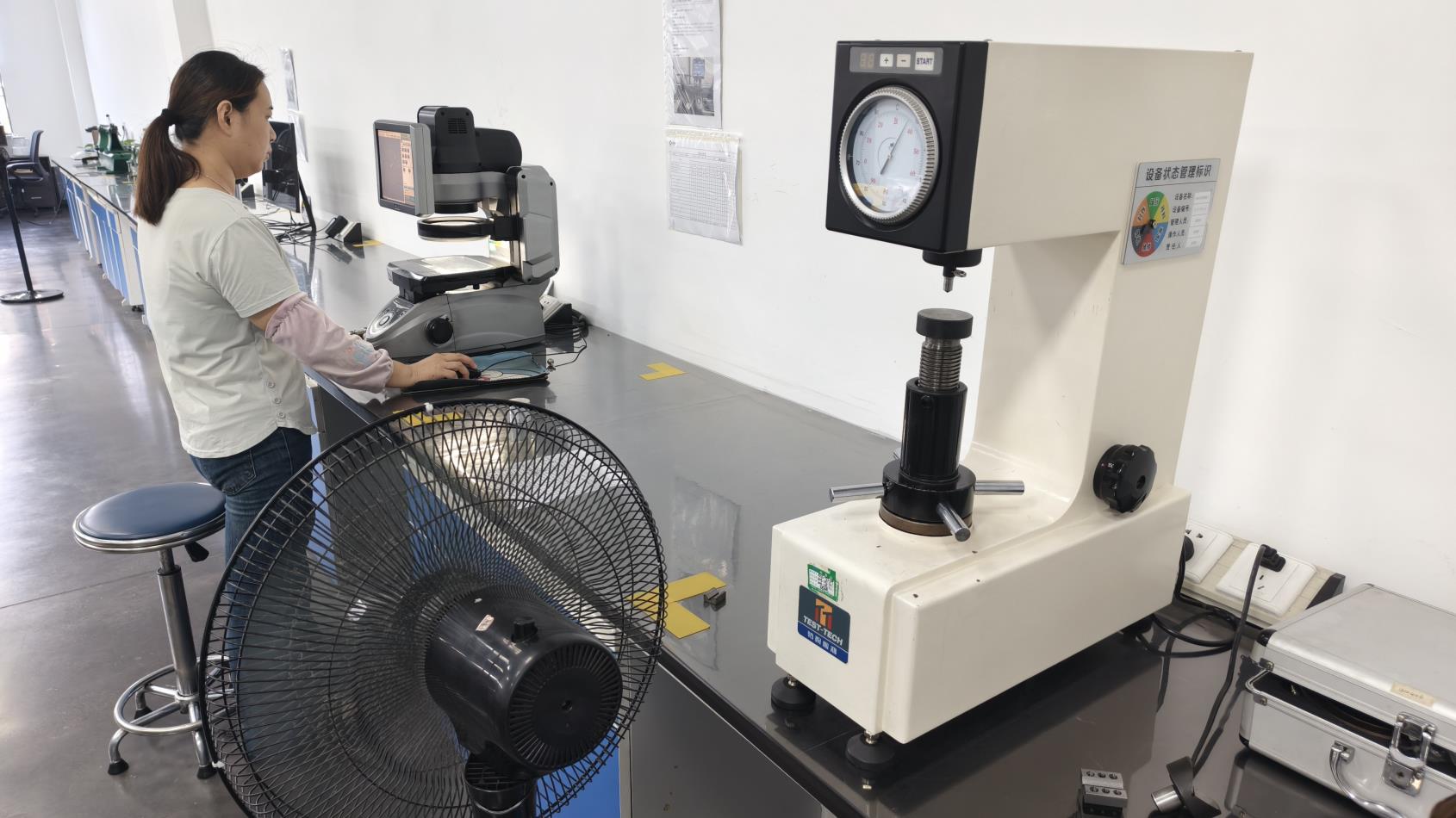
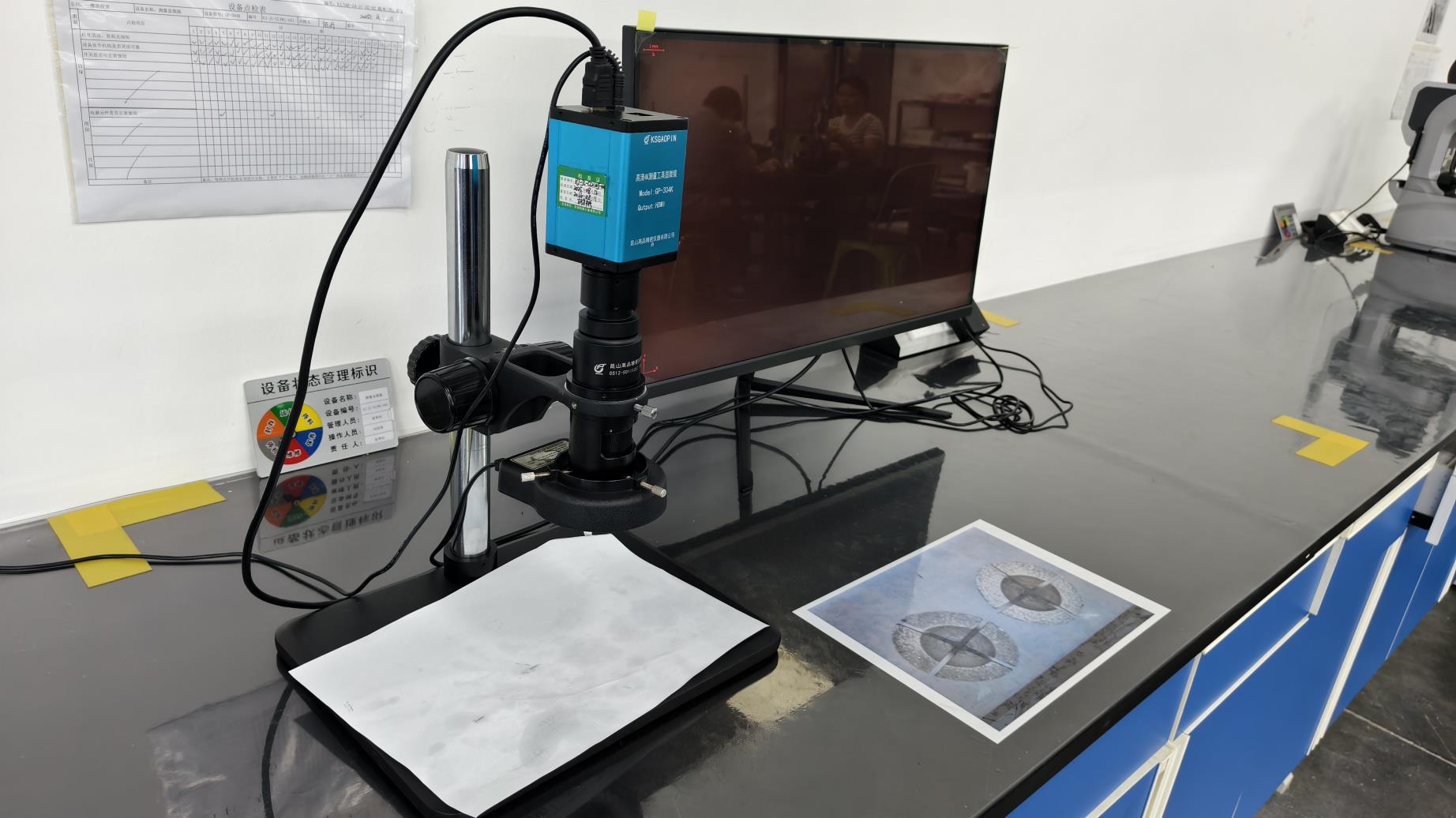
We deploy three dedicated in-house QA/QC inspectors. Raw materials are checked using optical emission spectrometers before machining. Post-machining, parts are inspected using coordinate measuring machines (CMM) to ensure deviations do not exceed 5 micrometers. Completed assemblies run through dummy loads to verify motor balance, torque output, and thermal profiles under continuous operation.
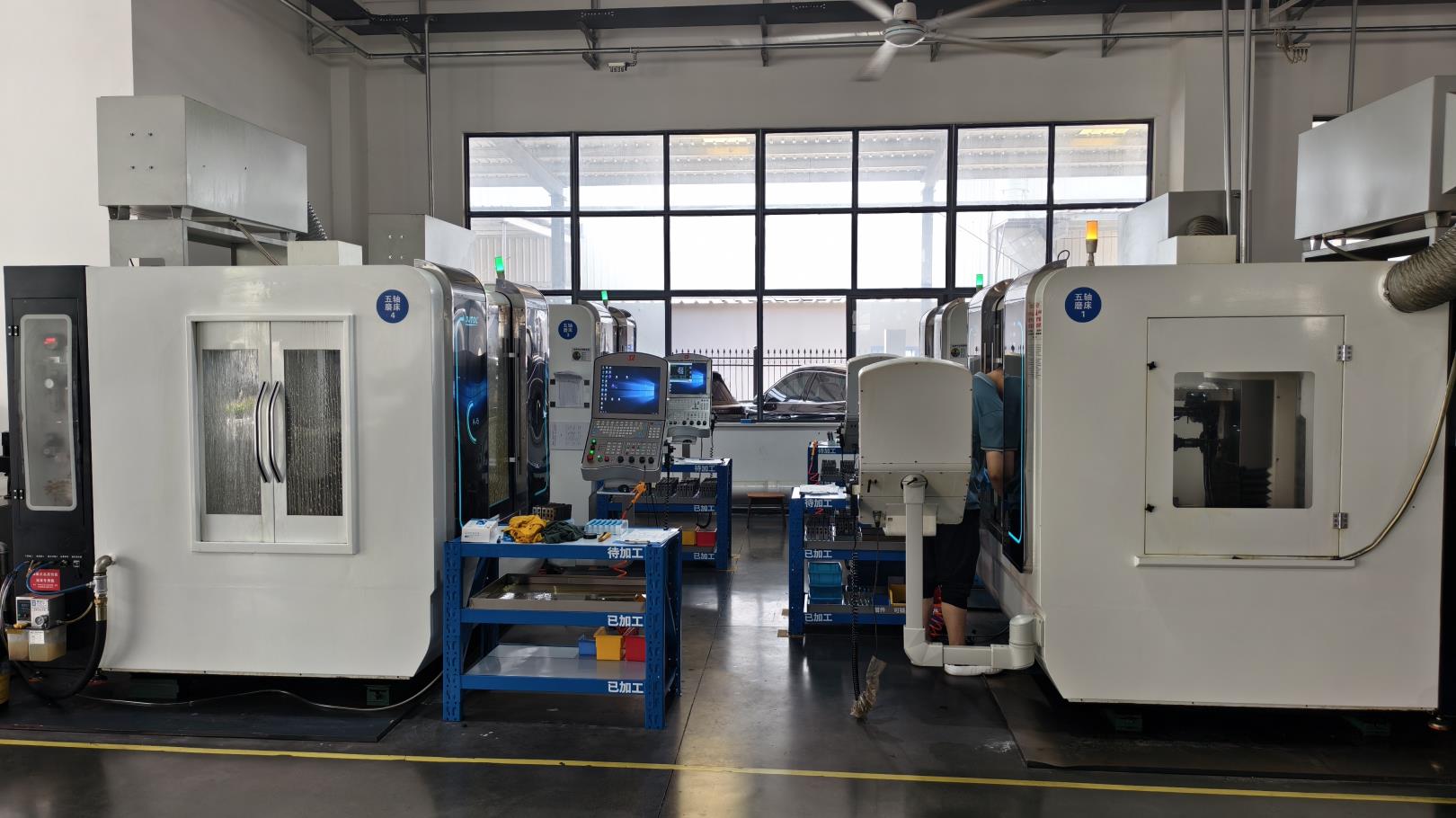
Medical regulations and surgical demands vary by region. For instance, in the North American market, surgeons emphasize ergonomic tool weights and battery systems that charge rapidly in clean environments. In South America and Southeast Asia, hospitals require cost-effective power tools that combine high durability with easy servicing to reduce overall operational costs.
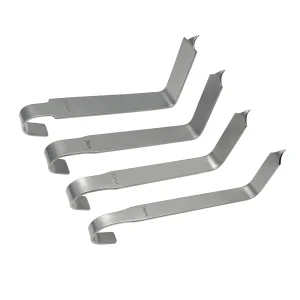
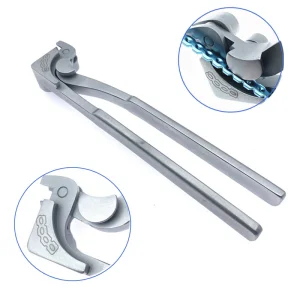
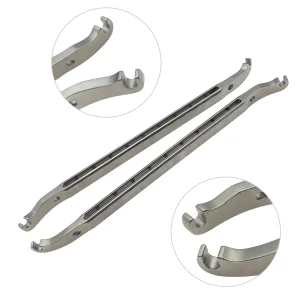
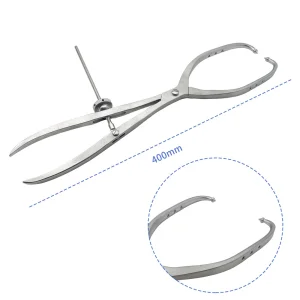
Furthermore, veterinary orthopedics has grown rapidly. Procedures like Tibial Plateau Leveling Osteotomy (TPLO) and Tibial Tuberosity Advancement (TTA) require specialized surgical saws and plate benders that differ in dimension from human orthopedic systems. We manufacture specific compact bone drills, retractors, and repositioning forceps to address the distinct anatomical requirements of pet surgeries, helping distributors serve these emerging markets.
Where surgical engineering meets intelligent control systems. Our blueprint for the next 5 years of development.
We are developing chipsets that monitor torque in real-time, instantly adjusting speed when passing through cortical bone into soft tissue to prevent injury.
We are shifting toward long-lasting lithium-iron-phosphate (LFP) chemistry to reduce battery replacements and lower carbon footprints for hospitals.
We are optimizing our stainless steel treatment with nitrogen-doped passivation, improving surface hardness and corrosion resistance under aggressive saline washes.
Answers to common questions regarding our manufacturing processes, material composition, and customization models.
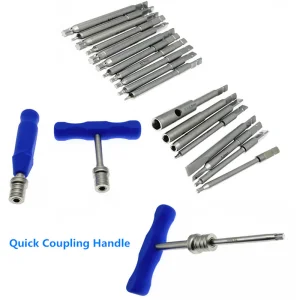
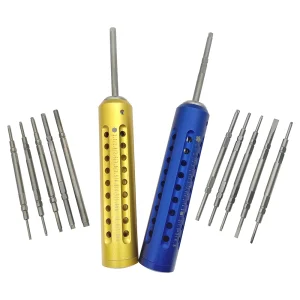
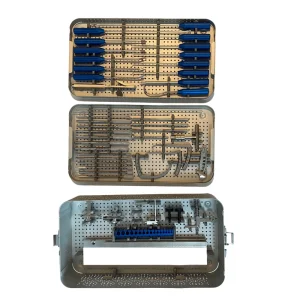
Explore our specialized retractors, drivers, benders, and reaming devices engineered for complex human and veterinary surgeries.